A single destination for timely, editor-curated robotics news from around the world.
Veterans face a significant decision when considering retirement near their last military installation. Familiarity with the area, established friendships, and access to base resources such as commissaries and fitness facilities can make staying appealing. However, these factors may not align with long-term retirement needs. The value of familiarity is substantial, especially for those who have spent two or more years at a location. Veterans often have a network of reliable services and healthcare providers, which can be difficult to rebuild elsewhere. Additionally, access to base resources can provide financial benefits that are often overlooked until they are no longer available. While proximity to a base can enhance quality of life, it does not guarantee a suitable retirement environment. Access to healthcare, particularly to VA hospitals and military treatment facilities, is a critical consideration. Veterans should evaluate the quality of healthcare services available in their chosen location before making a decision. No further timeline was disclosed at the time of publication.
RoboticsAndAutomationNews.com By Sam Francis 12 hours ago Business Economy Health Cost of Living housing Military Life

Bristol Myers Squibb (BMS) has announced the deployment of its second NVIDIA DGX SuperPOD, featuring eight DGX Vera Rubin NVL72 systems. This new AI cluster is touted as the most powerful and energy-efficient in the life sciences sector, significantly enhancing researchers' access to AI capabilities. BMS aims to democratize AI access among its scientists, allowing for faster drug discovery processes without the constraints of resource limitations. The introduction of this advanced AI infrastructure is crucial for BMS as it seeks to translate AI capabilities into measurable impacts in drug discovery. The new system will facilitate a unified AI platform, including the NVIDIA BioNeMo Agent Toolkit, which will streamline predictions and model training across the drug discovery pipeline. BMS has already seen substantial benefits from its existing DGX SuperPOD, including significant time savings in target identification and the expansion of its library of CELMoD compounds. Looking ahead, BMS is focused on leveraging AI to optimize lead discovery and enhance the efficiency of laboratory experiments. The new system is expected to alleviate current computational bottlenecks and support large-scale predictions. As BMS continues to innovate in the AI space, it emphasizes the importance of making advanced technology accessible to scientists to drive impactful research outcomes. No further timeline was disclosed at the time of publication.
NvidiaNews By NVIDIA Jul 20, 2026
The World AI Conference (WAIC) in Shanghai is set to showcase China's ambition to compete in the AI sector, particularly in models, chips, and robotics. This event occurs against the backdrop of increasing technological rivalry with the US, which has imposed restrictions limiting China's access to advanced computing chips. China's government has prioritized technological self-reliance, accelerating the development of domestic alternatives in both hardware and software. Foreign ministry spokesman Lin Jian emphasized that China opposes ideological divisions and technological blockades, aiming to use WAIC to foster exchanges and consensus while promoting AI benefits to developing countries. This year's WAIC will serve as a critical indicator of China's progress in transforming AI model advancements into a comprehensive industrial ecosystem. Observers should pay attention to how China plans to influence global AI governance, safety standards, and international collaboration as AI technology increasingly integrates into the physical world.
SCMPTech By Wency Chen,Howard Liu Jul 17, 2026
Variable Robotics has introduced the DMuon optimizer, enhancing the distributed Muon model infrastructure's efficiency by approximately 30%. This new optimizer addresses the additional computational and communication costs associated with using Muon in distributed training, which previously resulted in an end-to-end step time 2.2 times longer than AdamW. The significance of DMuon lies in its ability to maintain the faster convergence benefits of the Muon optimizer while reducing the end-to-end step time to just 1.02 times that of AdamW. This improvement is achieved through fine-grained communication optimization, computation-aware load balancing, and a high-performance kernel system, making DMuon a viable option for embodied model training without requiring changes to parameter update rules or training frameworks. Looking ahead, DMuon is expected to become a new default choice for embodied model training, as it effectively mitigates the redundant computations and communication overhead that previously hindered Muon's performance in distributed environments. No further timeline was disclosed at the time of publication.
leaderobot.com By Leaderobot Jul 14, 2026 Neural Network Optimization Distributed Training Machine Learning Infrastructure AI Models
A proficient robotics integrator serves as a vital link between robot manufacturers and customers' operational needs. By leveraging their deep understanding of technology, integrators facilitate the effective application of robotic solutions in real-world scenarios. This collaboration is essential as it ensures that the unique requirements of customers are met while maximizing the potential of robotic technology. OEMs benefit from this partnership by gaining insights into customer operations, leading to tailored solutions that enhance productivity and efficiency. Looking ahead, the role of integrators will continue to evolve as they adapt to emerging technologies and customer demands. OEMs should monitor these developments to optimize their strategies and maintain a competitive edge in the robotics market.
roboticstomorrow-Robotics Jul 14, 2026
Lab automation is increasingly being recognized for its significant business advantages, particularly in the context of rising test volumes that have put pressure on laboratory staff. The integration of robotic sample handling, automated liquid handlers, and comprehensive specimen tracking systems has proven to enhance throughput, reduce manual errors, and alleviate the strain on a workforce facing growing demands. As of October 2023, the technology has matured, and its benefits have become evident, leading to a rapid acceleration in adoption across various laboratories. This transition marks a pivotal move beyond experimental applications, positioning lab automation as a crucial component in modern laboratory operations.
RoboticsAndAutomationNews.com By Sam Francis Jun 25, 2026 Business Health Science AI in diagnostics analytical validation assay development
Metal additive manufacturing is increasingly being adopted in production-focused energy systems, moving beyond its traditional use in aerospace prototypes. This shift reflects a growing recognition of the technology's potential to enhance efficiency and reduce costs in various sectors. As companies seek innovative solutions to meet rising energy demands, the integration of metal additive manufacturing offers a pathway to streamline production processes and improve the performance of energy systems. This trend is gaining momentum as industry leaders invest in research and development to harness the benefits of this advanced manufacturing technique, which allows for greater design flexibility and material optimization. The transition is expected to reshape the landscape of energy production, paving the way for more sustainable and efficient systems in the future.
InterestingEngineering.com By Aamir Khollam Jun 10, 2026 Innovation
Recent advancements in Large Language Models (LLMs) have shown their potential to improve decision-making for digital agents by simulating future scenarios and predicting the outcomes of various actions. This capability could significantly reduce the need for expensive trial-and-error methods in digital environments. However, experts caution that the effectiveness of LLMs is constrained by their propensity for generating inaccurate information, known as hallucination, and their dependence on static training data. These limitations could result in cumulative errors, raising concerns about the reliability of LLMs in critical applications. As the technology evolves, addressing these challenges will be essential for maximizing the benefits of LLMs in enhancing agent performance.
amazon.science By Amazon Science May 19, 2026 Search and information retrieval
Joel Montaniel, Co-Founder and CEO of SevenRooms, recently unveiled the company's innovative platform, Channel Connect, designed to streamline reservation management for restaurants. During an interview on "The Close" with Romaine Bostick and Katie Greifeld, Montaniel highlighted the challenges faced by restaurants that currently juggle bookings across various applications and devices, unlike the hotel industry, which benefits from centralized booking systems. Channel Connect aims to consolidate these disparate channels into a single, efficient system, thereby alleviating operational difficulties and enhancing the reservation process for restaurant operators.
BloombergTechnology Jun 18, 2026
On June 12, 2026, SpaceX made headlines by completing its initial public offering (IPO) on the Nasdaq, marking the largest IPO in history with a valuation of $1.77 trillion. The stock opened at $150 and surged by over 30% during trading, closing at $160.99, which pushed the company's market capitalization to $2.1 trillion. This surge significantly increased CEO Elon Musk's net worth to approximately $1.05 trillion, making him the world's first billionaire with a net worth exceeding $1 trillion. The IPO's success reflects investor confidence in SpaceX's growth potential, particularly in light of its ambitious Terafab project. In a separate development, Kimi announced the launch of the world's first AI-native credit card, which allows users to convert their spending into AI computing power. This initiative, revealed on the same day, is a collaboration with a major state-owned bank and aims to innovate the financial landscape by integrating AI services into credit card benefits. Additionally, SK Hynix reported a fire incident at its facility in Cheongju, South Korea, which was the second fire this month. Fortunately, there were no injuries or gas leaks, and the situation was quickly controlled. These events highlight significant advancements in technology and finance while also addressing operational challenges faced by major companies.
36kr.com Jun 13, 2026
Recent text mining research has unveiled the significant impact of care robots on various sectors, including health, labor, economics, and innovation. This study emphasizes that care robots are not merely supportive tools but are actively transforming the healthcare landscape. By enhancing efficiency and effectiveness in patient care, these robots are reshaping traditional roles within the healthcare system. The findings, which emerged from an extensive analysis of data up to October 2023, suggest that the integration of care robots can lead to improved health outcomes and economic benefits. As healthcare systems worldwide continue to evolve, the adoption of robotic technology appears to be a crucial step toward addressing the growing demands of patient care and the challenges faced by healthcare professionals.
AZOrobotics.com May 07, 2026
NASA has identified the mastery of laminar flow technology as a pivotal advancement in aviation, often referred to as the "holy grail" of the industry. This breakthrough aims to significantly enhance aircraft efficiency by reducing drag, thereby improving fuel economy and overall performance. Ongoing research and development efforts are focused on harnessing this technology to create smoother airflow over aircraft surfaces, which could revolutionize the design and operation of future planes. The implications of successful implementation could lead to substantial reductions in operational costs and environmental impact, making air travel more sustainable. As the aerospace community continues to explore this innovative approach, the potential benefits could reshape the future of aviation, with significant advancements expected in the coming years.
InterestingEngineering.com By Chris Young May 07, 2026
Hai Robotics has inaugurated its EMEA Innovation Center in Hoofddorp, Netherlands, marking a significant step in its strategy to strengthen its foothold in the European market. The new facility is designed to showcase and evaluate the company's HaiPick Systems in real-world operating conditions, enabling potential clients and partners to experience the benefits of flexible warehouse automation solutions firsthand. This initiative aims to facilitate collaboration and discussions regarding system design and scalability, catering to diverse industries seeking to enhance their operational efficiency. The opening of the center reflects Hai Robotics' commitment to innovation and its proactive approach to meeting the growing demand for advanced automation technologies in Europe.
hairobotics.com By Hai Robotics Apr 09, 2026 Warehouse Automation Logistics E-commerce Industrial Automation Supply Chain Management
Global shipments of smart robotic vacuum cleaners reached 5.096 million units in the first quarter of 2023, according to data from market research firm IDC. This figure represents an 11.9% increase compared to the same period last year, continuing a trend of robust growth with shipment rates exceeding 20% for two consecutive quarters. The surge in demand for these devices reflects a growing consumer preference for automated cleaning solutions, driven by advancements in technology and increased awareness of home automation benefits. Leading brands in the market, including Roborock, Ecovacs, Dreame, and Xiaomi, have contributed significantly to this growth, showcasing their competitive edge in innovation and market reach.
TechNode.com By TechNode Feed Jun 21, 2025 News Feed
PhD student Rachel Sava, winner of the Envisioning the Future of Computing Prize, explores transformative improvements and dystopian risks of neural technology.
MITNews By Amanda Diehl | MIT Schwarzman College of Computing Jul 06, 2026 Contests and academic competitions Awards, honors and fellowships Students Artificial intelligence Ethics Law
Manufacturers typically calculate the return on investment (ROI) for automation by focusing on labor savings and increased throughput. However, a critical factor often overlooked is the cost associated with automation downtime, which can significantly impact overall profitability. This aspect of IT reliability is essential for determining the true financial benefits of robotic systems in smart manufacturing environments. Understanding the hidden costs of automation downtime is vital for manufacturers aiming to optimize their operations. When automation systems experience failures, the resulting downtime can negate the anticipated labor savings and throughput gains. This highlights the importance of investing in reliable IT infrastructure to ensure continuous operation and maximize the ROI of automation investments. Looking ahead, manufacturers should prioritize strategies that enhance IT reliability to mitigate downtime risks. No further timeline was disclosed at the time of publication, but ongoing assessments of automation systems will be crucial in refining ROI calculations and ensuring sustainable manufacturing practices in the future.
roboticstomorrow-Robotics Jul 10, 2026
In the rapidly evolving manufacturing sector, JAKA Robotics is at the forefront of intelligent automation, showcasing the transformative capabilities of articulated robots, particularly collaborative robots (cobots). These advanced machines, equipped with high-speed joint actuation, are designed to enhance production efficiency and precision. The JAKA Pro5 articulated robot exemplifies this innovation, enabling accelerated production cycles through quick and precise movements that streamline loading, unloading, and assembly processes. This is particularly beneficial in time-sensitive industries like consumer electronics and automotive assembly, where reduced cycle times can significantly boost throughput. Moreover, the high-speed joint actuation not only increases speed but also enhances precision, ensuring consistent quality control in tasks such as component placement and welding. JAKA's robots maintain high accuracy over time, minimizing errors and reducing scrap rates, which is crucial for industries with stringent quality standards. The Pro5 model's compact design and user-friendly programming interface facilitate easy integration into existing production lines, allowing manufacturers to adapt swiftly to changing demands without extensive downtime. This flexibility empowers companies to optimize resources effectively and respond to market fluctuations. As industries continue to evolve, the role of high-speed joint actuation in articulated robots is becoming increasingly vital. By adopting JAKA's technology, organizations can modernize their production processes, improve workplace safety, and enable skilled workers to focus on higher-value tasks, positioning themselves for success in a competitive landscape.
jaka.com By JAKA May 27, 2026
In response to the evolving demands of the industrial sector, JAKA has introduced collaborative robots, or cobots, that prioritize agility over sheer power. As manufacturing cycles shorten and customization becomes essential, these robots offer a solution that minimizes downtime and enhances production efficiency. By eliminating the need for physical safety cages through advanced force-sensing technology, JAKA's cobots can be seamlessly integrated into existing workflows without requiring extensive changes to factory layouts. These robots can be deployed quickly, often becoming operational within a day, in stark contrast to traditional industrial robots that may take weeks to set up. They also improve workplace safety by taking on "Dirty, Dull, and Dangerous" tasks, allowing human workers to concentrate on more valuable roles such as quality control and process optimization. JAKA's approach to collaborative automation is encapsulated in their "Smart, Simple, Small" philosophy, which emphasizes user-friendly design and robust performance suitable for continuous industrial use. Notably, their cobots can be programmed and monitored via mobile devices, streamlining the setup process and eliminating the need for cumbersome equipment. With models like the JAKA Zu series offering payloads from 3kg to 20kg and the precision-focused JAKA A series achieving repeatability of ±0.02mm, the company aims to provide scalable solutions that deliver quick returns on investment. JAKA's commitment to innovation positions its cobots as essential tools for both small and large enterprises looking to enhance their manufacturing capabilities in the era of smart production.
jaka.com By JAKA May 06, 2026
Manufacturers are increasingly prioritizing consistency, safety, and stable throughput in surface finishing processes, leading to a growing interest in polishing robots. JAKA, a company specializing in collaborative automation, has developed the JAKA S5, a polishing robot designed to address quality variations in repetitive tasks. This system integrates advanced sensing and control technologies, allowing it to operate efficiently across various industrial scenarios without disrupting existing workflows. The JAKA S5 emphasizes precision through stable motion control and accurate force feedback, essential for maintaining surface tolerance and finish consistency. Its built-in force sensor enables multi-dimensional force perception, allowing the robot to adapt to real-time changes during operation, thereby ensuring repeatable results over extended production cycles. Safety is a critical aspect of the JAKA S5's design, as it operates alongside human workers in shared environments. The robot incorporates protective mechanisms to prevent unexpected movements and excessive force, ensuring safe interaction. With features like singularity protection and stable force control, the system minimizes operational risks during complex polishing tasks. Additionally, the JAKA S5 enhances throughput by supporting flexible deployment, which allows for quick adaptation to different surface geometries and batch sizes. This flexibility reduces setup time during process changes, enabling faster production scaling without compromising surface quality. In summary, JAKA's polishing robots, particularly the S5 model, offer a practical solution for industrial automation upgrades, combining precision, safety, and adaptability to meet the evolving demands of manufacturing environments.
jaka.com By JAKA Apr 15, 2026
In response to the evolving demands of modern manufacturing, JAKA has developed a versatile 6 axis collaborative robot arm designed to enhance production processes. These robotic units, known as cobots, feature an articulated design that mimics human arm movement, allowing them to navigate tight spaces and perform tasks such as assembly and inspection with precision. JAKA's Zu series exemplifies this design philosophy, offering a substantial working radius while maintaining a compact footprint, making them suitable for dense production environments. The robots are engineered to manage significant payloads while ensuring movement accuracy, thanks to advanced precision control technology. This capability enables them to handle tasks requiring fine movements, such as detailed inspections, without compromising quality. A key advantage of JAKA's cobots is their integrated safety features, which allow them to operate alongside human workers without the need for extensive external safeguards. These safety mechanisms include force and speed monitoring, collision detection, and a design that minimizes risks, facilitating direct human-robot collaboration. By optimizing reach, payload management, and safety, JAKA's 6 axis robot arms are positioned as reliable and adaptable solutions for repetitive or ergonomically challenging tasks within dynamic manufacturing environments. The company emphasizes that their collaborative robots are designed to seamlessly integrate into operational teams from the moment of installation, enhancing productivity and efficiency in modern manufacturing settings.
jaka.com By JAKA Feb 27, 2026
In a recent evaluation of automation technologies for production environments, JAKA highlighted the advantages of collaborative robots, or cobots, over traditional industrial robot arms. This assessment comes as businesses seek to enhance efficiency and safety in their operations. Unlike conventional robots that require fixed guarding and operate in isolated cells, cobots are designed for close human interaction, featuring safety mechanisms such as force-limiting designs and collision detection algorithms. JAKA's cobots, particularly the lightweight Zu series, offer flexibility in deployment, allowing them to be easily moved and adapted for various tasks without extensive safety barriers. This adaptability is complemented by their user-friendly programming, which enables operators to teach the robots through intuitive drag-and-drop methods, significantly reducing setup time compared to traditional robots that demand complex programming skills. Economically, JAKA's cobots present a more accessible option, as they incur lower upfront costs and installation expenses. Their versatility allows a single cobot to handle multiple tasks throughout a shift, promoting a quicker return on investment and enabling businesses to automate incrementally. While cobots may not replace all traditional robots, especially for high-speed, heavy-load applications, they represent a significant shift towards collaborative work environments, making automation more attainable for a broader range of industries. JAKA aims to refine these collaborative features, enhancing the practicality of robotic solutions for diverse production workflows.
jaka.com By JAKA Feb 10, 2026
In response to the growing need for adaptability in manufacturing, particularly in high-mix, low-volume production environments, JAKA has introduced a collaborative robot, or cobot, designed to enhance operational flexibility. This innovative technology allows for rapid reprogramming and tool switching, significantly reducing downtime between product runs. The JAKA cobot's compact design enables it to fit into tight spaces within existing factory layouts, maximizing floor space efficiency. Its user-friendly programming interface allows workshop staff to easily set up and modify tasks, minimizing the need for specialized training. Additionally, the lightweight structure and integrated controls facilitate quick installation without major infrastructural changes. JAKA's cobots ensure consistent task precision, crucial for maintaining quality across various product types. Built to withstand typical factory conditions, these robots deliver stable performance and reliability throughout production shifts. Safety features, including force feedback and collision detection, allow them to work alongside human operators, optimizing collaboration and workflow. Economically, JAKA cobots present a favorable cost structure, offering high cost-effectiveness and reduced operational expenses. Their compatibility with existing equipment and software ensures that businesses can adapt to evolving production needs without significant additional investment. As manufacturers face the challenges of diverse, short-run orders, JAKA's collaborative robots provide a practical solution to enhance resilience, efficiency, and control in the production process.
jaka.com By JAKA Feb 03, 2026
JAKA, a leader in automation solutions, has unveiled its latest 6-axis collaborative robot arm designed to enhance flexibility and accessibility in modern manufacturing. This innovative robot arm, which allows for seamless interaction with human operators, combines dexterity with advanced safety features, making it suitable for a variety of applications. The robot's operational reach is a key feature, allowing it to service multiple machines or large workspaces effectively, while its compact design is ideal for confined areas. JAKA emphasizes the importance of balancing reach, precision, and footprint in its engineering process to optimize workspace design. Additionally, the payload capacity of the robot arm is crucial for maintaining performance integrity. JAKA's models are rated to handle a range of weights, ensuring they can manage everything from delicate electronic components to heavier mechanical assemblies without compromising accuracy or durability. Safety is a core design principle for JAKA, with the robot arm equipped with force-limited joints and other advanced safety systems that facilitate safe human-robot collaboration. These features enable the robot to operate in shared workspaces without the need for traditional safety cages, promoting more efficient teamwork. By integrating these essential attributes, JAKA aims to provide businesses with adaptable automation solutions that enhance productivity while ensuring a secure working environment. The company’s commitment to developing versatile and user-friendly collaborative robots positions it as a key player in the future of manufacturing automation.
jaka.com By JAKA Jan 08, 2026
Small to mid-sized manufacturers are increasingly turning to collaborative robots, or cobots, to enhance their operational capabilities without the complexities associated with traditional automation systems. JAKA, a leading technology provider, emphasizes that their cobots offer a practical solution for SMEs facing challenges such as skilled labor shortages and fluctuating order volumes. The deployment of these robots, designed to work alongside human staff, allows businesses to automate repetitive and ergonomically challenging tasks, thereby improving output quality and employee well-being. This collaboration enables a smaller workforce to manage a broader operational scope, enhancing stability without necessitating a proportional increase in personnel. One of the key advantages of JAKA's cobots is their technical flexibility. The six-axis robot arm can be utilized for various applications, including screwdriving, polishing, and packaging, making it ideal for facilities with diverse production needs. Additionally, the user-friendly programming interface allows in-house technicians to easily manage and adjust the systems without relying on external specialists. Financially, the cobots align well with SME budgets, requiring a lower initial investment and offering a quicker return on investment compared to large-scale automation. Their consistent performance reduces material waste and minimizes costly human errors, ultimately improving profit margins. By augmenting the human workforce, these robots allow businesses to scale production without proportionately increasing labor costs. JAKA's collaborative robots are designed to integrate seamlessly into existing workflows, providing SMEs with a resilient and adaptable solution to enhance productivity and ensure sustainable growth in a competitive market.
jaka.com By JAKA Jan 07, 2026
The BEYOND Awards 2025 has officially opened its submission process, inviting startups and companies from around the globe to showcase their groundbreaking technologies and innovative sustainability projects. This year marks the 5th anniversary of the awards, which aim to recognize and celebrate the most visionary and impactful ventures in the industry. The awards will focus on three major categories, highlighting the achievements of those who have made significant contributions to technological advancement and environmental sustainability. The initiative seeks to provide global recognition to those who have demonstrated excellence and innovation throughout the year. Submissions are now being accepted, offering a platform for emerging leaders to gain visibility and acknowledgment for their efforts in shaping the future.
TechNode.com By TechNode Staff Apr 09, 2025 Events BEYOND Awards BEYOND EXPO 2025 CHINA
Private networks are increasingly being recognized for their potential in various sectors, with mobility emerging as a key entry point. This focus on mobility is seen as a strategic move, offering quick returns on investment for businesses looking to enhance their operational efficiency. As companies explore the benefits of private networks, the ability to leverage mobility solutions is becoming a critical factor in their decision-making processes. This trend highlights the growing importance of tailored network solutions in meeting the specific needs of organizations across different industries.
AutomationWorld.com By (undefined) Jul 01, 2026 Factory / Mobility
In the latest edition of Video Friday, IEEE Spectrum robotics showcases a variety of innovative robotics videos and announces upcoming events in the field. Notable events include RSS 2026 scheduled for July 13-17 in Sydney, the Summer School on Multi-Robot Systems from July 29 to August 4 in Prague, Actuate 2026 on August 18-19 in San Francisco, and IROS 2026 from September 27 to October 1 in Pittsburgh. Among the featured projects, Eno, an advanced AI and general-purpose robot developed by Genesis, exemplifies a new generation of robots designed to enhance human capabilities. Meanwhile, NASA's Jet Propulsion Laboratory is testing the ERNEST rover in California's Colorado Desert, which is being developed for future lunar missions and can operate autonomously over challenging terrain. Sony AI's Ace project demonstrates a robotic system capable of adapting to unpredictable scenarios in table tennis, while ANYbotics highlights the economic benefits of their quadruped robots in industrial inspections, preventing significant production losses. GITAI is preparing for a robotic satellite servicing demo, and Bi-AQUA is exploring underwater photography challenges for robots. Sanctuary AI has achieved impressive results in wire plugging tasks for a major automotive supplier, showcasing a success rate exceeding 99.5%. Additionally, various other robotics projects are highlighted, including a bipedal robot named GrowBot, which operates on a low-cost Raspberry Pi and aims to make physical AI accessible to a broader audience.
IEEESpectrumRobotics By Evan Ackerman Jun 19, 2026 Video-friday Robot-videos Lunar-rover Inspection-robots Robot-hands Robot-ai
JAKA is closely monitoring the rapid expansion of the new energy logistics sector, particularly the growing demand for palletizing robot arms. This surge is driven by the need for sustainable and efficient logistics solutions that can lower labor costs, enhance operational safety, and improve throughput. The company is focusing on adaptable, high-performance robotic solutions, such as the JAKA Zu30, which can handle payloads up to 30 kg with remarkable precision, making it ideal for tasks like palletizing battery modules and assembling energy storage components. The Zu30 is designed for efficiency and precision, featuring IP65 protection for operation in challenging environments. Its compact design allows for collaborative automation, making it suitable for restricted spaces while seamlessly integrating into existing production lines. This flexibility enables logistics providers to scale their automation strategies in response to evolving market demands without significant infrastructure redesigns. Market trends indicate that the adoption of industrial welding robots and palletizing systems is influenced by factors such as energy storage growth and regulatory standards. Companies are increasingly recognizing the benefits of robotic automation, which not only reduces labor-intensive tasks but also enhances safety and consistency in material handling. JAKA is committed to refining its robotic solutions in line with these trends, offering guidance on system selection and workflow optimization. As the global market for palletizing robot arms in new energy logistics is set for significant growth, JAKA aims to deliver innovative solutions that support diverse logistics operations, ultimately contributing to the transformation of automated processes in this evolving sector.
jaka.com By JAKA Apr 24, 2026
Conveyco has announced a strategic partnership with Hai Robotics to advance warehouse automation through the integration of HaiPick ASRS solutions into its product lineup. This collaboration, unveiled recently, is designed to optimize storage capabilities, streamline fulfillment processes, and enhance overall operational efficiency within warehouses. The partnership is expected to deliver significant benefits, including increased throughput and improved order accuracy, while also minimizing storage footprints. By leveraging Hai Robotics' innovative technology, Conveyco aims to meet the growing demands of the logistics sector and provide its clients with cutting-edge solutions for modern warehousing challenges.
hairobotics.com By Hai Robotics Jun 24, 2025 Warehouse Automation Automated Storage and Retrieval Systems Material Handling Logistics E-commerce
GE Aerospace has successfully completed the first flight of a hybrid-electric aircraft above 30,000 feet, marking a significant advancement in hybrid-electric aviation. This milestone was achieved in collaboration with NASA, BETA Technologies, and Boeing, demonstrating the potential of electrified propulsion for commercial aviation. The flight involved a modified Saab 340B, which operated its hybrid-electric propulsion system for over two hours at cruising altitudes typical for commercial passenger aircraft. This achievement is part of NASA's Electrified Powertrain Flight Demonstration program, showcasing the efficiency and performance benefits of combining a gas turbine with an electric powertrain. Looking ahead, GE Aerospace's successful flight tests pave the way for future hybrid aircraft development. The company has plans for further milestones under the CFM International RISE program, which aims to reduce fuel burn by over 20%. No further timeline was disclosed at the time of publication.
InterestingEngineering.com By Aamir Khollam 12 hours ago Transportation
The Andela Robot Weeder is priced at approximately €800,000 (US$961,000), raising questions about the factors influencing its cost. Unlike traditional machinery, the price of agricultural robots is increasingly determined by the economic value they provide rather than manufacturing costs. This shift in perspective complicates the business case for growers, as the value derived from labor replacement and efficiency gains becomes paramount. As labor shortages and restrictions on herbicides grow, the competition landscape for agricultural robots may change significantly. Robots may not need to compete solely on price against traditional methods like chemical weed control. Instead, they could emerge as essential tools, altering the pricing dynamics in the market. While advancements in technology will likely enhance the performance of agricultural robots, this does not guarantee a decrease in their prices. The value proposition for farmers will focus more on the economic benefits rather than the cost of production, making the future of pricing in this sector uncertain. No further timeline was disclosed at the time of publication.
FutureFarming By Geert Hekkert Jul 13, 2026 Crop solutions autonomous farm farm management mechanical weeder robotics weed control
A groundbreaking development in rocket technology is poised to attract significant attention from the aerospace industry. Engineers and scientists are collaborating to design an innovative rocket engine that promises to enhance efficiency and reduce costs in space travel. This initiative is gaining momentum as the demand for advanced propulsion systems increases, driven by both commercial space ventures and governmental space exploration programs. The project is currently underway, with prototypes expected to be tested in early 2024 at a facility in California known for its aerospace advancements. The motivation behind this initiative stems from the need for sustainable and reliable space travel solutions, as traditional rocket engines face limitations in performance and environmental impact. By leveraging cutting-edge materials and advanced engineering techniques, the team aims to create a rocket engine that not only meets the rigorous demands of space missions but also paves the way for future innovations in the field. As the project progresses, it is anticipated that the new engine design will attract interest from various stakeholders, including private space companies and government agencies, eager to capitalize on its potential benefits. This pioneering effort reflects a broader trend in the aerospace sector, where the push for more efficient and environmentally friendly technologies is reshaping the landscape of space exploration. As the world watches closely, the successful development of this new rocket engine could mark a significant milestone in the quest for sustainable space travel.
TechCrunch By Tim Fernholz Jul 08, 2026 Fundraising Space Mercury Fund rockets
“In the future, the relationship between humans and robots will deepen, and the distinction between them will probably disappear.” This prediction, from one of the attendees at the recent Humanoids Summit in Tokyo, might have been unremarkable had it not come directly from an android that was first introduced to the world 20 years ago. Geminoid HI-6 is the sixth-generation of a robot originally designed in 2006. The mechanical twin of Osaka University professor Hiroshi Ishiguro, Geminoid HI-6 is now equipped with a large language model trained on Ishiguro’s own writings and interviews. It has advanced conversational skills and can even have a chat with its creator, an eerie spectacle. But at the Humanoids Summit, Geminoid was one of the few humanoid robots from Japan, the country that pioneered the form factor.While the event in Tokyo only had about 40 robots on display, Chinese systems outnumbered Japanese by roughly three to one. Some Japanese robotics firms were even using Chinese robots in their own technology demonstrations, something that would have been unthinkable in the recent past—one Japanese engineer described the situation as “sad.” The conference was a stark reminder of how Japan has ceded its early lead in humanoid robot development to overseas competitors, and the challenge it now faces to secure a place in an ecosystem increasingly dominated by general-purpose robots powered by AI. Twenty-five years ago, Japan was turning out groundbreaking humanoids that were showstopping in their abilities, but they were not commercialized as practical machines in any meaningful way. Heavily influenced by science fiction and lacking practical applications, they were mostly expensive technology demonstrations that were eventually mothballed. What Japan retains, however, is robotics design and know-how, which it must leverage to be a key player in the rapidly evolving humanoid ecosystem. Learning to Walk—Then Standing StillTo anyone who has seen recent videos of Chinese humanoids doing kung-fu and synchronized acrobatics, as well as half-marathon races, China’s remarkable progress in the field is nothing new. At the Humanoids Summit, Toyota showed a video of its latest basketball-playing robot, and Honda exhibited its latest robot hand, but the full-scale humanoids on the floor were mostly Chinese–the kid-size K1 machines from Booster Robotics of Beijing were dancing to Michael Jackson tunes. The full-scale G1 humanoid from Unitree Robotics of Hangzhou was also doing demos. “You cannot sell these bipedal systems in Japan for safety and compliance reasons,” says Shuichi Nagao, a frequent visitor to China as CTO of Omakase Robotics, a division of Zeals, a Japanese humanoid robot developer. Omakase was exhibiting a G1 modified with an external PC controller, a dextrous hand, a suction-cup manipulator and a sensor “hat” with an extra speaker, mic and camera. “In China, the government is pushing humanoid development. They didn’t have an industry 20 years ago. The people pushing it are young, in their 20s and 30s. It’s a really different mentality out there,” says Nagao. “Big players in Japan are still looking for use cases for humanoids. In China, they’re already doing mass production and reducing the cost, so other countries can’t compete with them anymore.”Another Japanese company showing off G1 bots was summit sponsor GMO AI & Robotics, a subsidiary of Japanese internet company GMO. It’s using the robots in partnership with Japan Airlines to load and unload cargo containers at Tokyo’s Haneda airport. The cargo project is a trial—like many other humanoid experiments—but the fact that Chinese machines have penetrated so far into Japan’s ecosystem upends a long history. In 1973, scientists at Waseda University in Tokyo built WABOT-1, considered the first full-scale humanoid robot and capable of slow bipedal locomotion, grasping objects and simple communication. It inspired Honda’s groundbreaking Asimo humanoid, but it was never commercialized. Asimo was eventually retired in 2022, the year ChatGPT was released. Two years later, Unitree’s G1 went on sale for US $16,000. China’s High Torque Technology Co. showed off its Mini Pi biped, customized with an anime-inspired head, at Humanoids Summit in Tokyo. The regular version is priced at $3,500. Tim HornyakSupply and DemandJapan’s development of humanoids happened before practical applications or widespread demand were in place, but bad timing is only part of the story—Japan also has a history of developing technologies that might appeal to domestic consumers but not necessarily those overseas. For example, decades after they first appeared, its highly engineered, multifunction toilets have only recently found a following abroad. Japan’s humanoid prowess was partly built on the back of its legendary industrial automation, yet even that stronghold has eroded. Ani Kelkar, a partner from McKinsey & Company in Boston who produces analytical reports about the robotics industry, told the summit audience that while Japan occupied the top spot in the world in manufacturing robot density (the number of multipurpose industrial robots in operation per 10,000 employees) from at least 1994 to 2009, it then slipped to second in 2014, third in 2019 and fifth in 2024. In that year, South Korea was at the top of the leaderboard with a robot density of 1,220 compared to Japan’s 446. The International Federation of Robotics estimates China now has the most operational industrial robots in the world, with around 2 million total units, approximately 4.5 times more than Japan. “The annual installation numbers are impressive too: 54 percent of all robots installed worldwide in 2024 were deployed in China,” the IFR said in a release in April 2026. “I think the loss of Japanese leadership is more to do with the rise of China as a manufacturing powerhouse including for sectors that Japan had high export levels,” Kelkar said in an email interview. “The recovery has not yet happened as Japan ‘missed’ the rapid acceleration in AI for robotics and is now playing catchup.”How Japan Can Adapt Kelkar believes Japan has a US $100 billion opportunity in general-purpose robotics, which are machines that can perform a wide variety of tasks, and it cannot rely on the slower-growing industrial robot market, which is centered on factory machines that do one simple and predictable task like welding car parts. He points to a McKinsey white paper suggesting that while Japan has much of the hardware and technology experience needed to support general purpose robot development, it must change its strategy to capture more share in AI, software, data collection and robotics platforms.Tetsuya Ogata is a professor of engineering and director of the Institute for AI and Robotics at Waseda University, the birthplace of humanoids in Japan. He briefed the summit on how a nonprofit he chairs, the AI Robot Association (AIRoA), is working with Toyota and other members to develop foundational technologies for collaborative use. For instance, AIRoA has collected some 80,000 hours of data on remote operation of mobile manipulators, and Ogata believes it’s the largest dataset of its kind. Using the data, it built and verified Vision-Language-Action (VLA) models, and it has also started data collection for dual-arm mobile manipulation. In an interview, Ogata acknowledged Japan’s struggle to find its place in the changing landscape. “The world of AI is inherently a game of scale,” says Ogata. “Therefore, Japan’s absolute prerequisite is to secure a competitive baseline of scale—in data, computing resources, and talent. Beyond that, what I consider most critical is a mindset shift: rather than trying to hoard scale within a single nation or company, we must grow stronger by collaborating with a diverse ecosystem of domestic and international players.” Specifically, this means creating a ‘collaborative domain’ to address data—the single biggest bottleneck—through industry-wide cooperation rather than data-siloing. By collectively nurturing a pre-competitive, shared data infrastructure and foundation model, individual companies can then compete on top of it with their own applications. “By offering this open ‘data ecosystem’ to the world, we can engage global players and establish a ‘third pole’ alongside the US and China,” says Ogata. “I believe this is how Japan can reclaim its global presence.”In 1999, Japan introduced the world’s first mobile internet services platform. But being first didn’t turn Japan into a smartphone manufacturing or design center—it’s now merely a supplier of parts to other countries who are leading the smartphone industry. If Japan can avoid a repeat of that experience and successfully deregulate, diversity, and commercialize its original humanoid dreams, it stands a better chance of influencing the direction of the industry and reaping billions in value. As automobiles and electronics were pillars of Japan’s industrial strategy in the last century, Japan could make humanoid robots one of its key value generators in the 21st century, an approach that would not only deliver economic benefits but give Japan greater clout in how the industry will evolve. Just like Japanese cars, electronics, and even toilets, Japanese humanoids could stand for craftsmanship and reliability. It’s a legacy that Japan can’t afford to give up.
Spectrum.ieee.orgAutomaton By Tim Hornyak Jul 04, 2026 Japan Robotics Humanoids Humanoid-robots
China has introduced a new service offering embodied AI robots for home hire, with rates starting at just 74 yuan for a three-hour period. This development has ignited discussions regarding the true value of the substantial investments made in embodied AI technologies, which amount to billions of dollars. The initiative reflects a growing trend in the integration of advanced robotics into everyday life, as consumers seek innovative solutions for various household tasks. The availability of these robots marks a significant step in the commercialization of AI, raising questions about the balance between cost and the benefits provided by such technology. As the market evolves, stakeholders are closely examining the implications of this service on both the economy and society at large.
PanDaily.com By [email protected] (Pandaily) Jul 04, 2026 Industry AI
Li Auto, Alibaba, and ByteDance are among the major players entering the rapidly evolving field of embodied intelligence, a sector focused on the development of humanoid robots. According to a recent report by Morgan Stanley, the market for these robots is expected to see significant growth, with projections estimating sales to reach 2.8 million units in China by 2026. This surge in interest from prominent tech companies highlights a growing recognition of the potential applications and benefits of humanoid robots in various industries. The race to innovate in this space is driven by advancements in artificial intelligence and robotics, as companies seek to leverage these technologies for enhanced automation and efficiency. As the competition intensifies, the landscape of embodied intelligence is poised for transformative changes that could reshape how businesses operate and interact with consumers.
PanDaily.com By [email protected] (Pandaily) Jul 03, 2026 Industry
Microsoft has launched a new initiative aimed at assisting customers in understanding and implementing artificial intelligence technologies. This move comes as part of a broader trend among tech companies to provide resources and support for businesses looking to leverage AI in their operations. The announcement was made in October 2023, highlighting Microsoft's commitment to staying at the forefront of AI innovation. By offering tailored solutions and guidance, the company seeks to empower organizations to effectively integrate AI into their strategies, ultimately enhancing productivity and decision-making processes. This initiative reflects the growing demand for AI expertise across various industries, as businesses increasingly recognize the potential benefits of adopting advanced technologies.
CNBCTechnology Jul 02, 2026
A new innovation center has been established in the Netherlands, aiming to integrate robotics and artificial intelligence with the manufacturing sector. This initiative is designed to expedite the deployment of humanoid robots in various workplaces. By fostering collaboration among industry experts, researchers, and technology developers, the center seeks to enhance productivity and efficiency in manufacturing processes. The initiative reflects a growing recognition of the potential benefits of humanoid robots in addressing labor shortages and improving operational capabilities. The center is expected to serve as a hub for research and development, facilitating advancements that could reshape the future of work in the industry.
RoboticsTomorrow.com Jul 02, 2026
A group of companies is collaborating to showcase the potential of specialized automation technologies for warehouse operations. This initiative aims to highlight how these advancements can enhance efficiency and productivity within the logistics sector. The demonstration is set to take place in the coming months at various locations, allowing warehouse operators to see firsthand the benefits of integrating automation into their processes. By leveraging cutting-edge technology, the companies hope to address the growing demand for streamlined operations in an increasingly competitive market. This effort reflects a broader trend towards automation in industries seeking to optimize their supply chains and reduce operational costs.
AutomationWorld.com By (undefined) Jun 30, 2026 Factory / Supply Chain Management
In response to the limitations of traditional drone deployment during emergencies, DJI Enterprise is introducing solutions aimed at enhancing the efficiency of public safety operations. Historically, the process of launching a drone required a pilot to arrive on-site, unpack equipment, and manually initiate flight, which often delayed critical response times. To address this issue, many agencies are now adopting “drone-in-a-box” systems that allow for automatic launches, significantly improving speed and accessibility during emergencies. DJI Enterprise is stepping in to assist these agencies in scaling their operations effectively, ensuring that they can maximize the benefits of this innovative technology. This shift towards automated drone systems is expected to revolutionize emergency response protocols, providing quicker aerial support when it is needed most.
Dronedj.com By Ishveena Singh Jun 29, 2026 News
A new technology that has long been anticipated is finally making its debut, albeit in a limited capacity. This development comes after years of speculation and promises about its potential impact. As of October 2023, the technology has been trained on data, suggesting that it is now equipped to perform its intended functions. While the specifics of its applications remain to be fully realized, experts are cautiously optimistic about its capabilities. The gradual rollout aims to address previous concerns and expectations surrounding the technology, which has been described as a game-changer in its field. As it begins to integrate into various sectors, stakeholders are eager to see how it will evolve and what benefits it may bring.
BloombergTechnology By Natalie Lung, Kara Carlson Jun 28, 2026 NYS:UBER NMS:TSLA NMS:BIDU
For decades, automation has primarily been associated with industrial settings, such as factories and warehouses, where robots and programmable systems efficiently managed repetitive physical tasks. However, recent developments indicate a significant shift in the application of automation beyond traditional environments. As of late 2023, various sectors are increasingly integrating automation into diverse areas, including service industries and everyday consumer interactions. This expansion is driven by the need for enhanced efficiency and precision, as organizations seek to reduce labor costs and improve productivity. The transition is facilitated by advancements in technology, which allow for more sophisticated automation solutions that can adapt to a wider range of tasks. As businesses recognize the potential benefits, the conversation around automation is evolving, highlighting its growing presence in non-industrial contexts.
RoboticsAndAutomationNews.com By Sam Francis Jun 26, 2026 Automation Business Industry ai agents artificial intelligence automation news
Industry 4.0 is poised to revolutionize manufacturing and supply chain management through the integration of connected sensors and intelligent systems. This technological advancement enables machines to predict failures, production lines to self-optimize based on real-time demand, and supply chains to adapt autonomously without human oversight. Despite the substantial investments and credible case studies showcasing its potential, many companies are hesitant to fully embrace these innovations. The reluctance stems from concerns over implementation challenges, workforce adaptation, and the need for a cultural shift within organizations. As the industry continues to evolve, understanding and addressing these barriers will be crucial for harnessing the full benefits of Industry 4.0.
RoboticsAndAutomationNews.com By Sam Francis Jun 24, 2026 Engineering Industry ai in manufacturing asset reliability automation news condition monitoring
At the recent AI and Society Forum, prominent researchers from the Massachusetts Institute of Technology (MIT) engaged in an in-depth discussion regarding the impact of artificial intelligence on employment and democratic processes. The forum, held in October 2023, served as a platform for experts to address pressing concerns about how AI technologies are reshaping job markets and influencing political systems. The motivation behind this dialogue stems from the rapid advancements in AI and the need to understand their broader societal implications. Researchers presented findings and insights on the potential benefits and challenges posed by AI, emphasizing the importance of developing strategies to mitigate risks while harnessing the technology's capabilities. Through collaborative discussions, the forum aimed to foster a greater understanding of AI's role in shaping the future of work and governance.
MITNews By Benjamin Daniel | School of Humanities, Arts, and Social Sciences Jun 23, 2026 Special events and guest speakers Artificial intelligence Technology and society Computer science and technology Economics Democracy
As the effectiveness of generative AI comes under scrutiny, Sumitomo Corporation has independently verified Microsoft’s projected cost savings associated with the technology. This evaluation highlights the potential benefits of generative AI, particularly through its applications in Kyoto City. By examining these case studies, the analysis aims to uncover successful strategies for investing in generative AI, shedding light on its practical implications and future prospects.
ITmedia.co.jp Jun 23, 2026
For much of the 20th century, defense technology evolved within a tightly controlled military-industrial framework, where governments dictated needs, contractors created solutions, and civilian sectors reaped the benefits later. However, this paradigm is shifting. In the contemporary landscape, advancements in technologies such as artificial intelligence, semiconductors, robotics, batteries, cloud computing, autonomous systems, synthetic-aperture radar satellites, and commercial drones are increasingly emerging from the civilian economy. This transformation is reshaping how defense capabilities are developed and integrated, highlighting the growing interdependence between civilian innovations and military applications. As a result, the defense sector is now leveraging these civilian technologies to enhance its operational effectiveness and adaptability in a rapidly changing global environment.
KoreaHerald.com By The Korea Herald Jun 22, 2026 All News
Telecom operators are experiencing significant benefits from the implementation of generative AI in their operations, particularly in automating network management, customer care, and back-office tasks. This technological advancement has primarily led to task-based automation, enhancing the efficiency of predefined processes while still involving human oversight. As of October 2023, these innovations are reshaping the industry, allowing companies to streamline operations and improve service delivery, ultimately driving better returns on investment. The integration of generative AI is seen as a crucial step towards modernizing telecom services and meeting the growing demands of consumers.
NvidiaNews By NVIDIA Jun 22, 2026
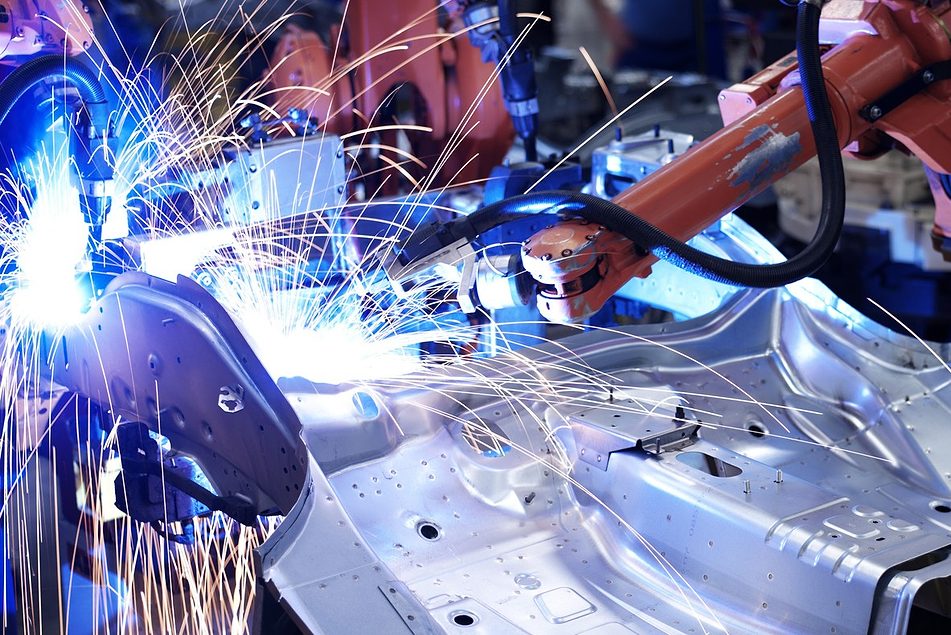
In a recent industry development, experts emphasize that the effective integration of robotics with high-frequency (HF) welding machines goes beyond mere installation. This advancement is crucial for enhancing manufacturing efficiency and ensuring worker safety. By properly implementing robotic systems, manufacturers can significantly accelerate production cycles, reduce the risk of workplace hazards, and minimize errors such as burn-through, which can compromise product quality. The insights reflect a growing recognition of the importance of strategic planning and training in the adoption of robotic technology within the welding sector. As companies seek to modernize their operations, understanding the nuances of this integration will be essential for maximizing the benefits of automation in manufacturing processes.
roboticstomorrow-Robotics Jun 21, 2026
NEURA has unveiled its comprehensive range of cognitive robots, alongside the Neuraverse platform and NEURA Gyms environments, during a recent showcase event. This presentation took place in October 2023, highlighting the company's advancements in robotics and artificial intelligence. The event aimed to demonstrate how NEURA's innovative technologies can enhance various applications, from personal assistance to complex industrial tasks. By integrating cognitive capabilities into their robots, NEURA seeks to address growing demands for automation and intelligent solutions in diverse sectors. The showcase provided an opportunity for industry professionals and potential clients to explore the functionalities and benefits of NEURA's offerings, emphasizing the company's commitment to leading the future of robotics.
RoboticsTomorrow.com Jun 19, 2026
Waymo, the autonomous vehicle service operated by Alphabet Inc., has launched a new subscription tier called "Waymo Premier," priced at $29.99 per month. Announced on June 14, 2026, this invite-only program aims to provide subscribers with faster pickup times and early access to new service areas. Initially available to select riders in San Francisco, Los Angeles, and Phoenix, the subscription includes benefits such as prioritized pickups, 10% cash back on rides, and five free cancellations each month. The introduction of this subscription service comes as Waymo continues to expand its operations in the U.S. and recently acquired a self-driving proving ground in Arizona, previously owned by Apple Inc. However, the company is facing challenges, including a recall of over 3,791 autonomous vehicles due to a software glitch that could lead to dangerous driving conditions. Additionally, Waymo's partnership with Uber Technologies Inc. has faced scrutiny, with some Uber executives questioning the scalability and reliability of fully autonomous services compared to a hybrid model that includes human drivers.
YahooFinance Jun 14, 2026
PUDU Robotics has released a video showcasing its cleaning robot's capabilities in a segment titled "Quick On-site Tes" on its official YouTube channel. The video was published on June 12, 2026, highlighting the robot's efficiency and effectiveness in real-time cleaning tasks. This initiative aims to demonstrate the advanced technology behind PUDU's cleaning solutions and their potential applications in various environments. By sharing this content, the company seeks to engage with its audience and promote the benefits of automation in maintaining cleanliness and hygiene.
RobotStart.info Jun 12, 2026RSF defines a common language for robot service capability, lifecycle operations, certification pathways, and service-provider networks.