Industry Briefing
A single destination for timely, editor-curated robotics news from around the world.

The future of unmanned surface vessels includes ISR and counter-UAS
Red Cat, a prominent player in the aerial drone industry, has announced the launch of Blue Ops, a new venture focused on the mass production of unmanned surface vehicles (USVs). This strategic move comes as part of Red Cat's ongoing efforts to diversify its product offerings and capitalize on the growing demand for advanced maritime technology. The announcement was made recently, signaling the company's commitment to innovation and expansion within the unmanned vehicle market. By establishing Blue Ops, Red Cat aims to leverage its expertise in drone technology to develop and manufacture USVs that meet the evolving needs of various sectors, including defense, surveillance, and environmental monitoring. The initiative reflects a broader trend in the industry, where companies are increasingly investing in unmanned systems to enhance operational capabilities and efficiency.
Naval Warfare Sponsored Post Blue Ops Counter UAS cUAS gray zone ISR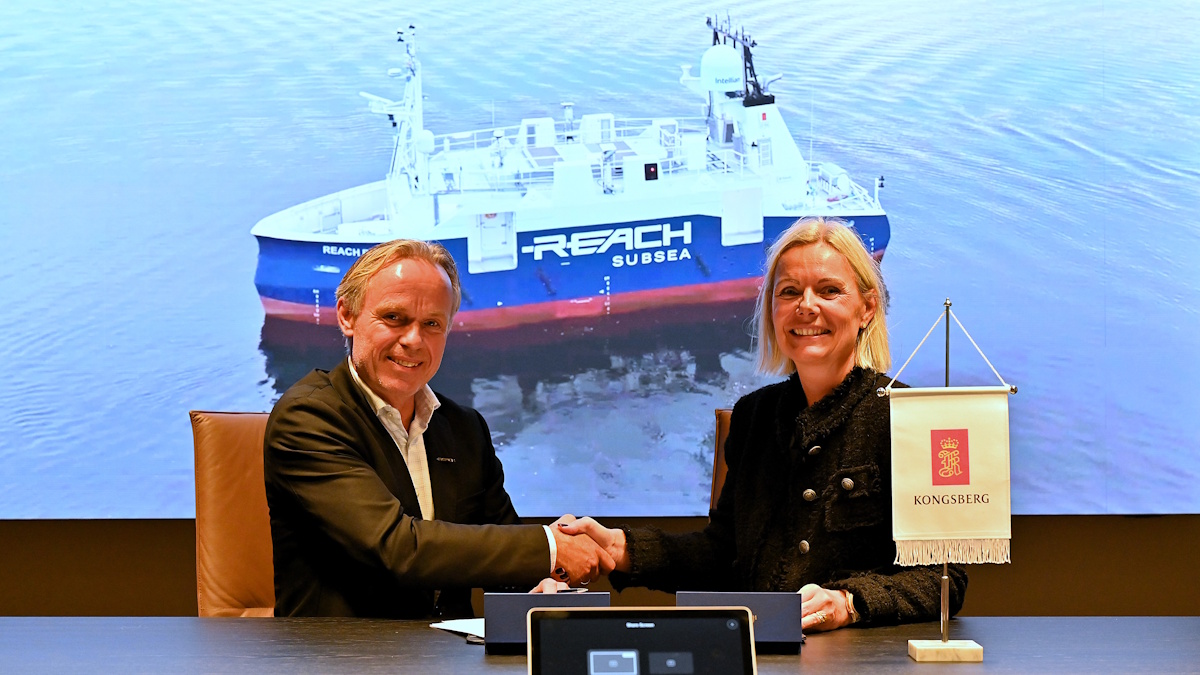
Kongsberg Maritime to deliver two more Uncrewed Vessels to REACH Subsea
Kongsberg Maritime has entered into a contract with REACH Subsea ASA to design, construct, and deliver two additional unmanned surface vessels (USVs), thereby enhancing the innovative REACH REMOTE fleet. This agreement marks a significant step in advancing autonomous maritime technology, reflecting the growing demand for unmanned solutions in various marine operations. The contract was finalized recently, although the specific date has not been disclosed. The collaboration aims to bolster REACH Subsea's capabilities in remote operations, driven by the increasing need for efficient and safe maritime exploration and data collection. Kongsberg Maritime will leverage its expertise in marine technology to ensure the successful development of these vessels, which are expected to play a crucial role in future underwater and surface missions.
kongsberg maritime uncrewed vessels usv reach subsea
MARTAC Announces Opening of Innovation Center West in San Diego, California
Maritime Tactical Systems, Inc. (MARTAC), a prominent provider of fully autonomous unmanned surface vessels (USVs), has officially opened the MARTAC Innovation Center West in San Diego, California. This new facility represents a key development in the company's strategic growth, enhancing its capacity to support defense, security, and commercial clients throughout the West Coast and Pacific regions. The establishment of the center underscores MARTAC's commitment to innovation and its aim to expand its operational footprint in these critical markets.
martac opening innovation center west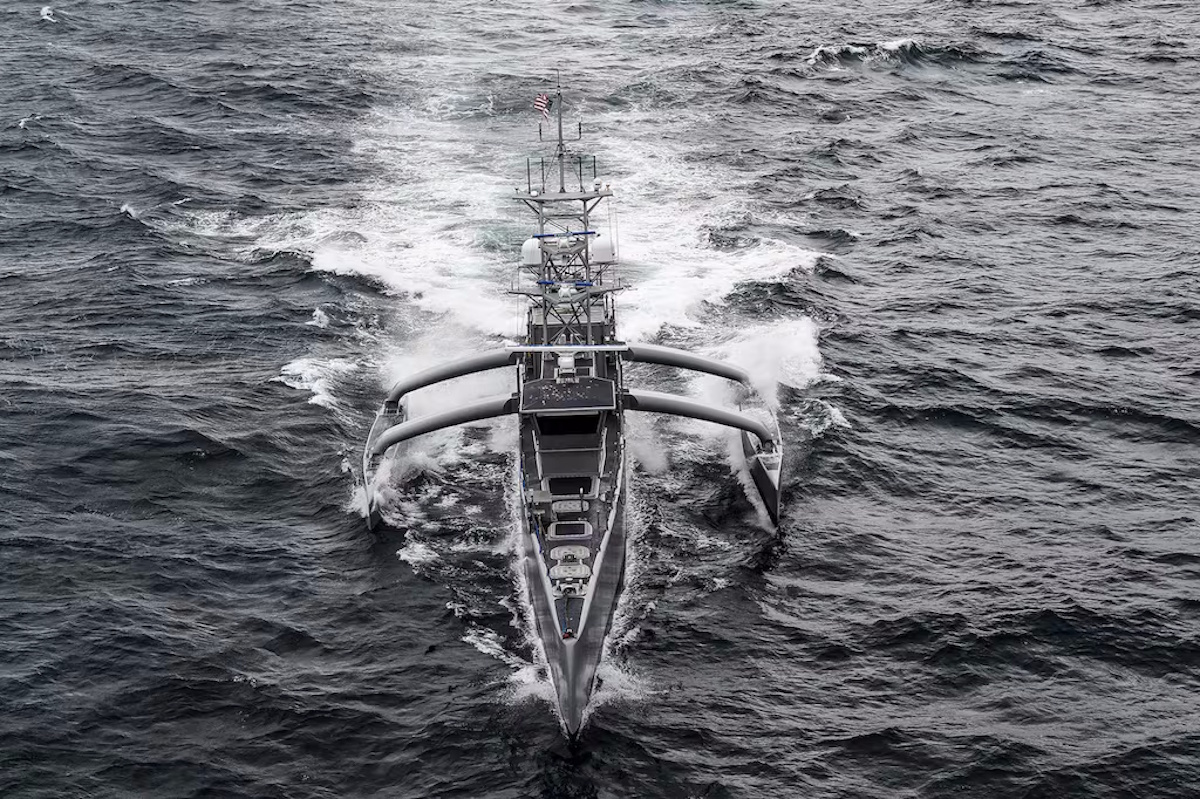
U.S. Navy Announces Seven Companies Selected for MUSV Marketplace At-Sea Demonstrations
The Department of the Navy has announced the selection of seven companies to proceed to the at-sea testing phase for the Medium Unmanned Surface Vessel (MUSV) marketplace. This decision, made public today, marks a significant step in the development of advanced maritime technologies aimed at enhancing naval operations. The selected companies will now engage in rigorous testing to evaluate the performance and capabilities of their unmanned surface vessels. This initiative is part of the Navy's broader strategy to integrate innovative solutions into its fleet, ultimately improving operational efficiency and mission effectiveness.
u.s. navy musv marketplace at-sea demonstrations
Navy tests MUSV autonomous control and payload architecture across seven prototypes
The US Navy has approved seven submissions for medium unmanned surface vessels (MUSVs) as part of its ongoing efforts to enhance maritime capabilities. This decision, announced recently, marks a significant step in the Navy's initiative to integrate advanced unmanned technologies into its fleet. The approvals come in response to the increasing demand for innovative solutions to address modern naval challenges, including surveillance and reconnaissance missions. By incorporating these unmanned vessels, the Navy aims to improve operational efficiency and reduce risks to personnel. The selected submissions will now move forward in the development process, with the Navy collaborating closely with the respective contractors to ensure successful implementation. This initiative underscores the Navy's commitment to leveraging cutting-edge technology to maintain its strategic advantage in maritime operations.

USVs could be ‘alternate options’ for missions for stretched manned fleet: Navy official
Unmanned Surface Vessels (USVs) are increasingly being recognized as versatile components of naval operations, particularly in scenarios where deploying a large combatant ship may be prohibitively expensive or tactically excessive. This shift in naval strategy reflects a growing trend among military forces to utilize USVs for a variety of missions, including surveillance, reconnaissance, and logistical support. As nations seek to enhance their maritime capabilities while managing costs, the adoption of these modular systems is expected to rise. The integration of USVs into naval fleets allows for more flexible and efficient responses to maritime challenges, enabling forces to maintain operational readiness without the financial burden of traditional vessels. This evolution in naval warfare underscores the importance of innovation in military technology and strategy, as armed forces adapt to modern threats and operational demands.
Naval Warfare Arleigh Burke AUVSI/MDEX 2026 Drones Navy USV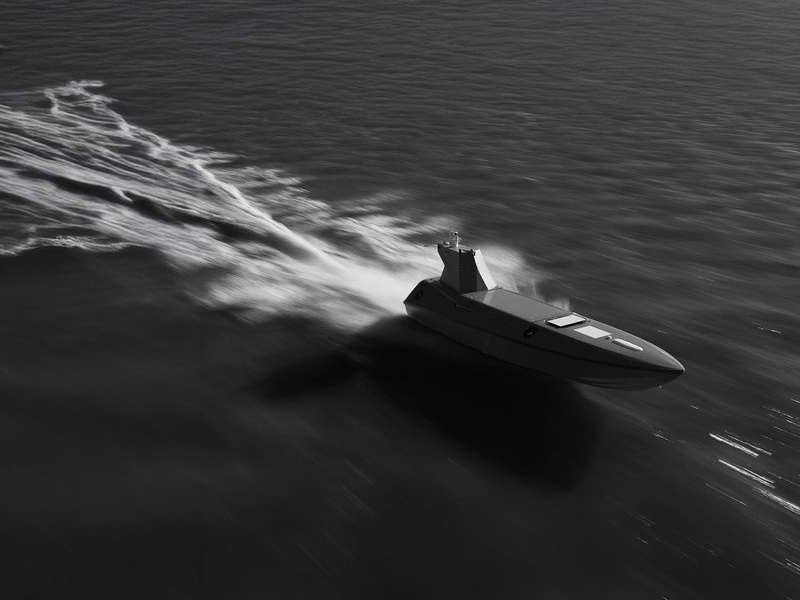
Anduril Partners with Kraken Technology Group on Small USVs
Recent developments in naval warfare have highlighted the critical need for advanced unmanned systems, as traditional strategies are becoming obsolete. The U.S. Navy, facing evolving threats, is seeking small unmanned surface vessels (USVs) capable of carrying flexible payloads over 1,000 pounds, sustaining prolonged operations, and being produced quickly. Navy Secretary John Phelan emphasized this urgency during a Senate Armed Services Committee hearing, stating that future conflicts cannot be won with outdated platforms. He underscored the importance of rapidly producing and integrating unmanned systems across air, surface, and subsurface domains to ensure success in modern warfare. The current domestic offerings, however, do not meet these requirements, prompting a reevaluation of the Navy's capabilities and production strategies.
anduril partnership kraken technology group small usvs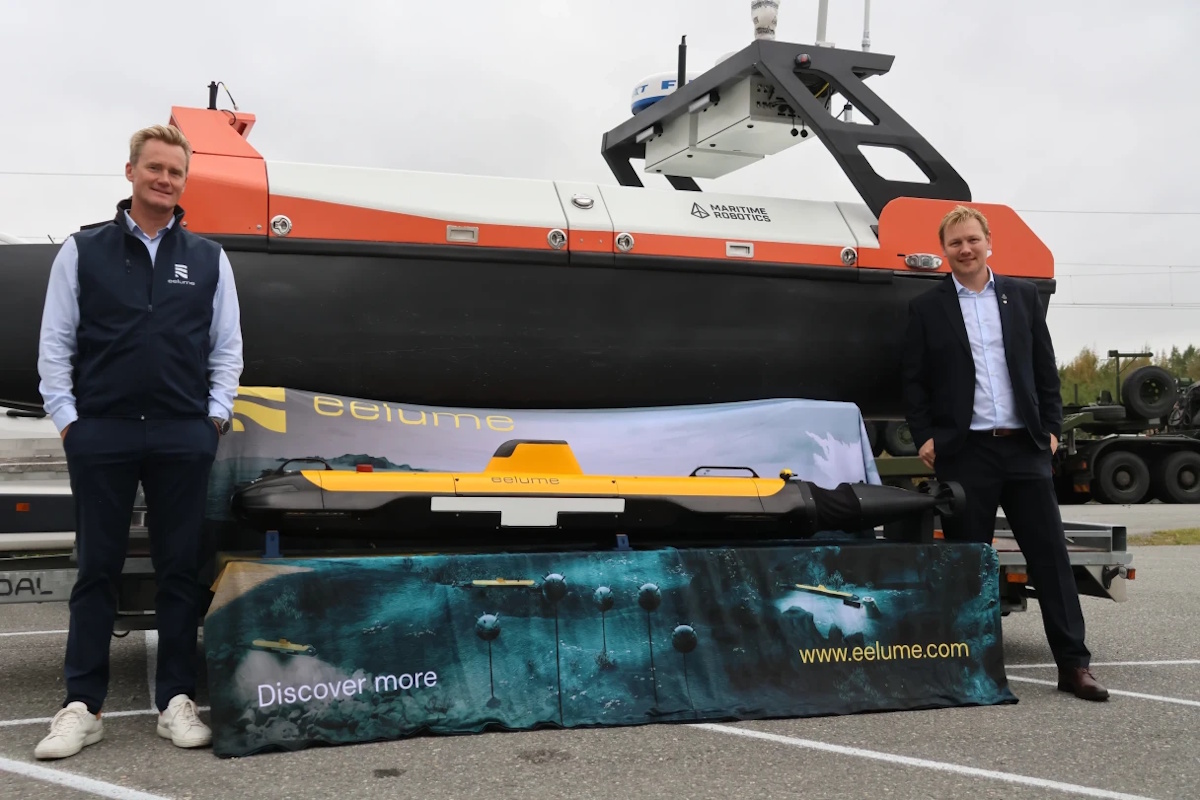
Maritime Robotics and Eelume Enter into Partnership for Ocean Surveillance and Security
Norway's Maritime Robotics and Eelume, two prominent companies in autonomous systems technology, have announced a strategic partnership aimed at enhancing maritime operations. This collaboration focuses on integrating unmanned surface vessels (USVs) with agile underwater vehicles (AUVs) to improve the efficiency and sustainability of exploration, surveillance, and security activities at sea. The partnership reflects a growing trend in the maritime industry to leverage advanced technologies for better operational outcomes.
maritime robotics eelume partnership ocean surveillance and security
Kongsberg to Develop Missiles and Drone Boats in Ukraine
Kongsberg Defence & Aerospace has signed agreements with two prominent Ukrainian companies to collaborate on the development and production of affordable, high-volume air defense missiles and unmanned surface vessels. This initiative aims to bolster Ukraine's defense capabilities amid ongoing regional tensions. In conjunction with these agreements, KONGSBERG is also establishing a permanent office in Kyiv to facilitate operations and strengthen its presence in the country. The move underscores the company's commitment to supporting Ukraine's defense industry and enhancing its military infrastructure.
kongsberg drone boats usv
MARTAC and Sealartec Introduce Fully Autonomous Launch and Recovery System for USV
Maritime Tactical Systems (MARTAC) and Sealartec have announced the launch of a groundbreaking Autonomous Launch & Recovery System designed for unmanned surface vessels (USVs). This innovative system enables the autonomous deployment and retrieval of MARTAC’s MANTAS T8 and T12 models from the Devil Ray T38 platform. The unveiling took place recently, highlighting the importance of such technology in enhancing swarming missions and maximizing the capabilities of unmanned marine systems. The development aims to operate effectively in various sea conditions with minimal human intervention, ensuring both speed and reliability in operations. This advancement is expected to significantly impact maritime operations, paving the way for more efficient and effective use of USVs in the field.
martac sealartec fully autonomous launch and recovery system usv
Not one-drone-fits-all: Admirals stress unmanned systems tailored to the mission
At the Sea-Air-Space conference, Rear Admiral Douglas Sasse emphasized the challenges of adapting military capabilities from regions like EUCOM and CENTCOM to the Pacific. He highlighted that while certain strategies may be effective in Europe and the Middle East, the vast distances in the Pacific present unique obstacles that require tailored approaches. Sasse's remarks underscore the importance of understanding regional dynamics in military planning and operations, particularly as the U.S. navigates its strategic posture in the increasingly complex Pacific theater.
Naval Warfare Networks & Digital Warfare Adm. Derek Trinque Adm. Douglas Sasse AI & Autonomy cyber security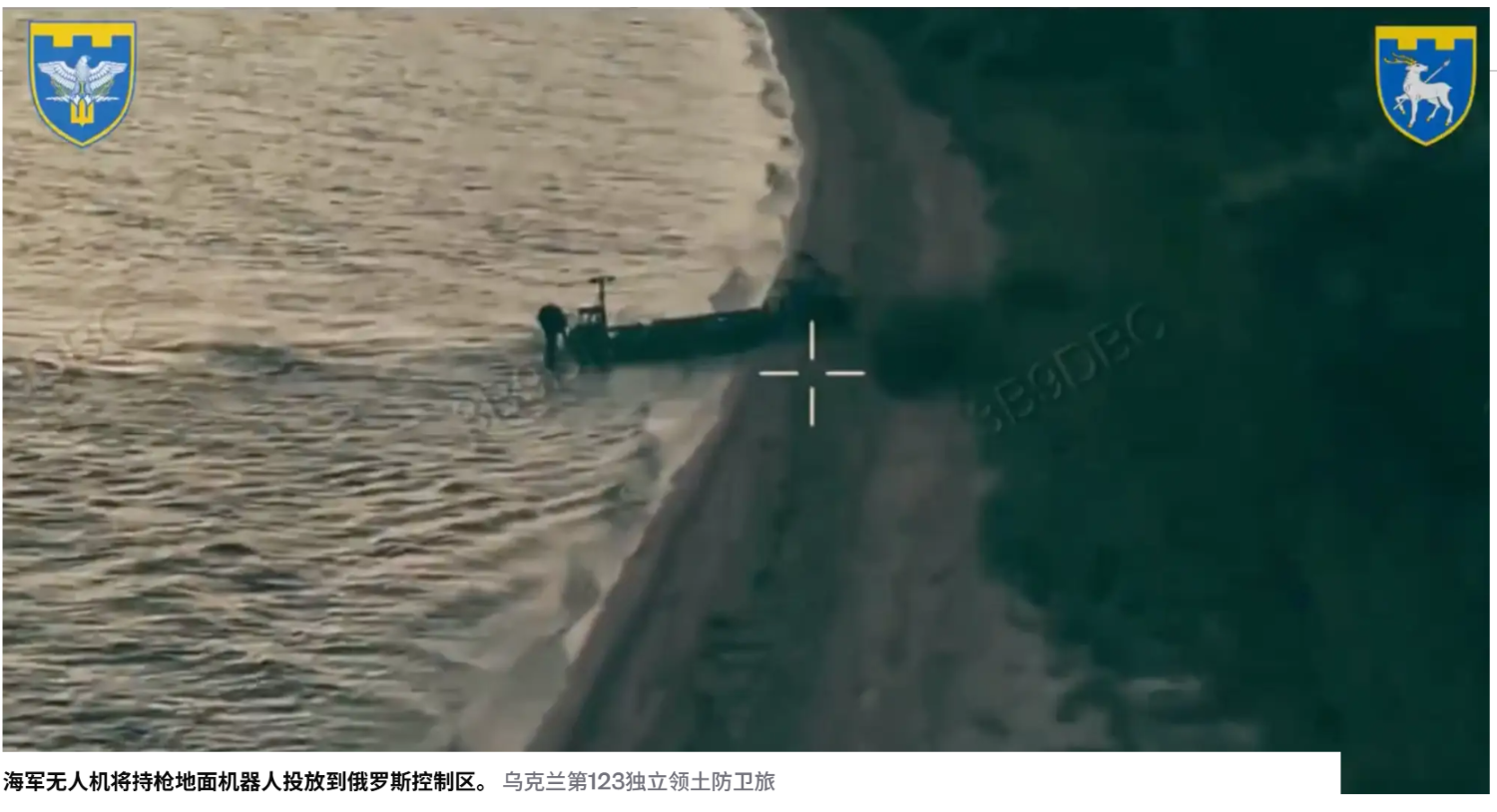
Ukraine's 123rd Territorial Defense Brigade Conducts Historic Amphibious Operation with Unmanned Systems
On July 13, 2026, Ukraine's 123rd Independent Territorial Defense Brigade executed a historic amphibious operation utilizing unmanned systems. This marked the first known joint combat mission involving an unmanned surface vessel (USV) and an unmanned ground vehicle (UGV) in a military context. The operation took place on the Kinburn Spit, an area long controlled by Russian forces, where the USV successfully delivered the UGV to the enemy coast without any human soldiers stepping onto hostile territory. The significance of this operation lies in its demonstration of a new combat paradigm where unmanned systems can effectively replace human soldiers in high-risk scenarios. The UGV, reportedly manufactured by Lviv's Roboneers, was equipped with a PKT 7.62mm machine gun and was able to engage targets after landing. The 123rd Brigade emphasized that this operation is not merely a technological novelty but represents a fundamental shift in warfare, highlighting the potential for machines to undertake dangerous missions. Looking ahead, the use of unmanned systems in military operations is expected to expand, as the Ukrainian military has already received over 1,000 various ground robot systems. The ongoing evolution from traditional amphibious assaults to unmanned operations could redefine the nature of warfare, reducing risks to human soldiers while increasing operational effectiveness.
Unmanned Systems Robotics Amphibious Operations Military Technology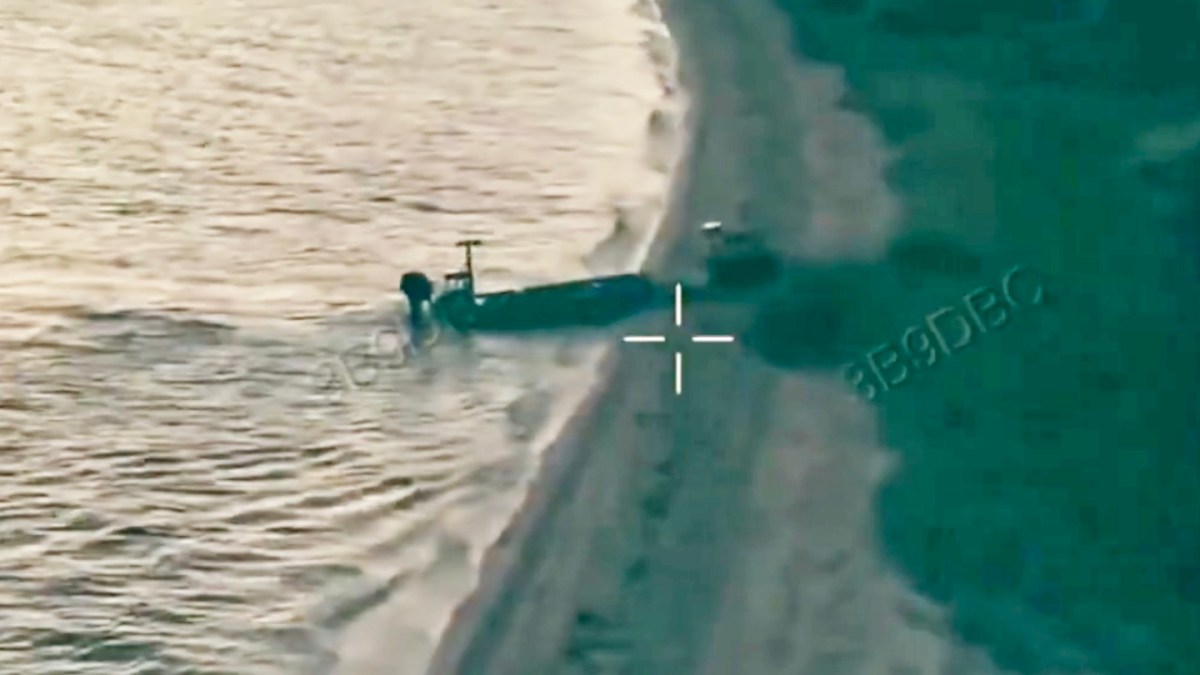
Ukraine Executes Historic Combat Mission Using Drone Boat to Deploy Armed Robot
Ukraine has conducted a groundbreaking military operation, deploying an armed ground robot via a sea drone on the Russian-occupied Kinburn Spit. This mission, executed by the 123rd Separate Territorial Defense Brigade, marks the first known instance of a sea drone transporting a combat robot into enemy territory, showcasing Ukraine's innovative use of uncrewed systems in warfare. The significance of this operation lies in its demonstration of advanced military technology and strategy, as Ukraine seeks to leverage unmanned systems to counter Russian forces. The use of the uncrewed surface vessel (USV) to deliver the Rys family ground robot reflects a shift towards automation in combat, potentially changing the dynamics of modern warfare. Looking ahead, the continued integration of uncrewed systems in military operations will be crucial for Ukraine's strategy. As the conflict evolves, further developments in robotic warfare and the effectiveness of these technologies in combat scenarios will be closely monitored. No further timeline was disclosed at the time of publication.
Sea Armies Around The Globe Drones Europe Land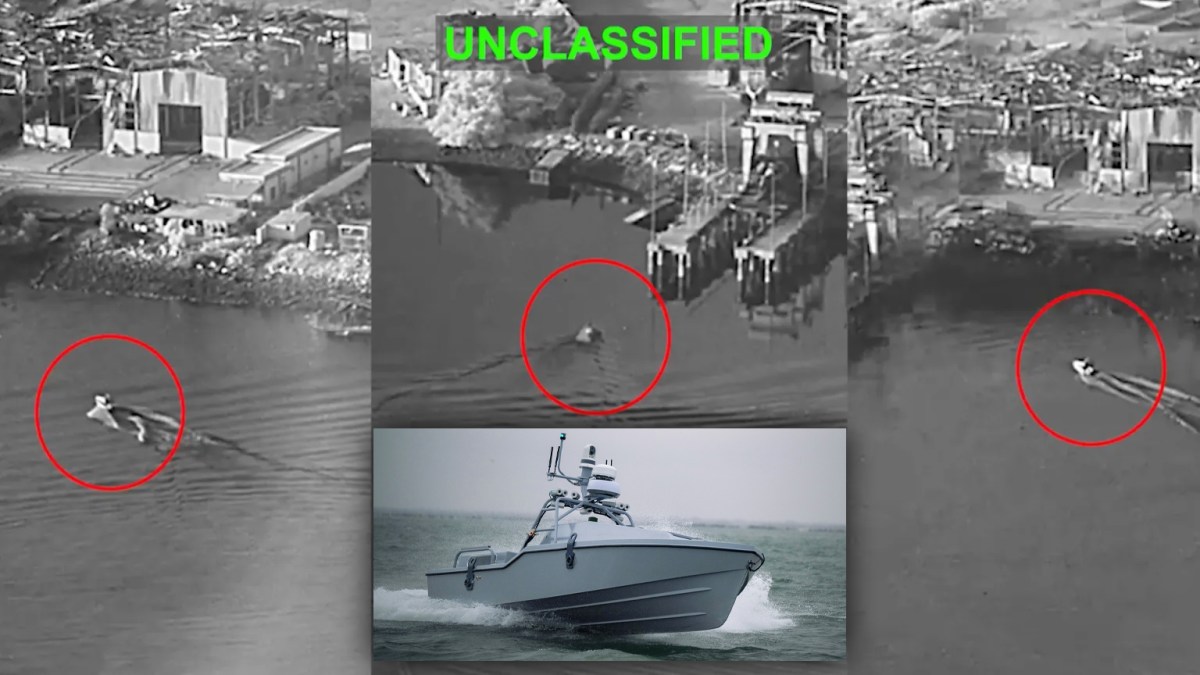
U.S. Military Deploys Saronic Corsair Drone Boats in Combat Operations for the First Time
For the first time in U.S. military history, uncrewed surface vessels (USVs) were utilized as a strike weapon during combat on July 12. The U.S. Central Command (CENTCOM) reported that three Saronic Corsair USVs targeted Iranian facilities, marking a significant advancement in naval warfare technology. This development is crucial as it reflects the evolving nature of military strategy, particularly in the context of ongoing tensions between the U.S. and Iran over the Strait of Hormuz. The successful strikes against Iranian targets demonstrate the potential of USVs to enhance operational capabilities while reducing the risk to manned aircraft and crews. Looking ahead, the operational use of USVs in combat roles may reshape naval engagements and strategies. The U.S. Navy's Task Force 59, established to integrate uncrewed and AI technologies, is likely to continue exploring these capabilities, which could lead to further innovations in military operations.
Sea Around The Globe Iran Middle East News & Features POTUS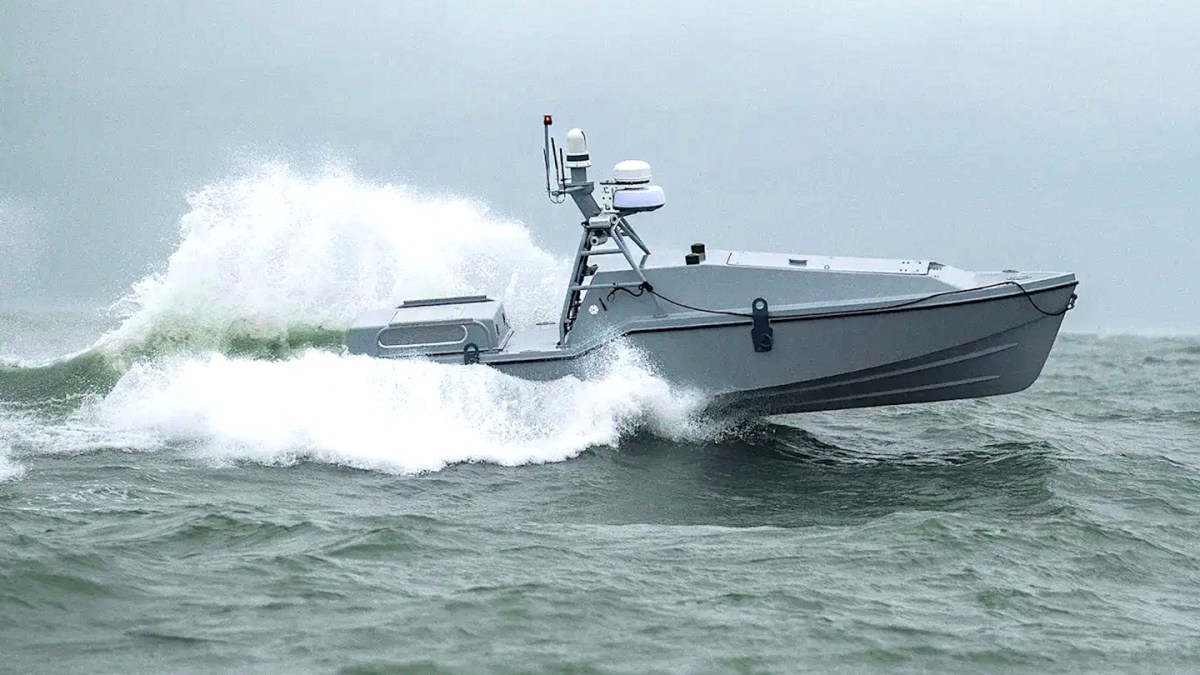
This Is The Corsair Drone Boat That Plucked The Downed Apache Crew Out Of The Gulf Of Oman
The U.S. Navy's leading drone task force in the Middle East has recently begun utilizing the Corsair uncrewed surface vessels, which were deployed for operations starting in March. This innovative technology played a crucial role in a recent rescue mission, successfully retrieving the crew of a downed Apache helicopter from the Gulf of Oman. The deployment of the Corsair underscores the Navy's commitment to enhancing maritime operations and improving response capabilities in the region. The use of these advanced drone boats marks a significant step in modern naval warfare and operational efficiency.
Sea Around The Globe Iran Middle East Navies News & Features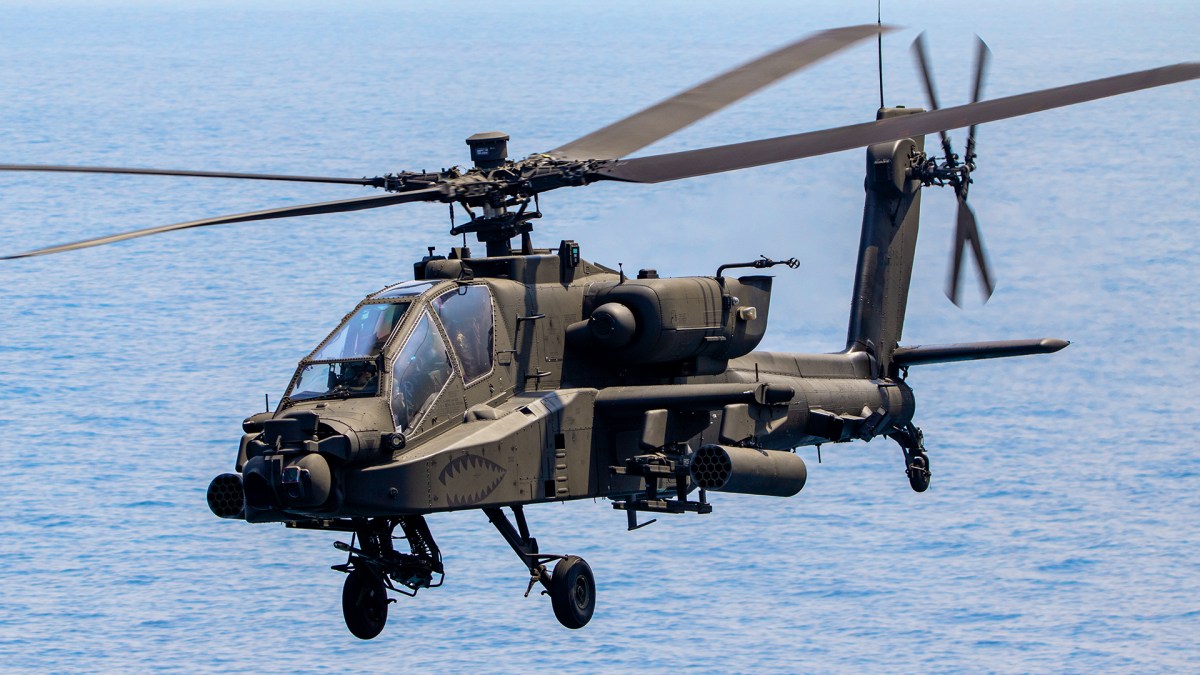
AH-64 Apache Crew Rescued By Drone Boat After Going Down Near Strait Of Hormuz
In a groundbreaking development, an uncrewed surface vessel successfully recovered the crew of an AH-64 Apache helicopter that had gone down near the Strait of Hormuz. This incident marks the first known instance of such a drone boat being utilized for aircrew recovery, signaling a significant advancement in military rescue operations. The event underscores the evolving role of autonomous technology in enhancing operational capabilities and safety for aircrews in challenging environments. As military forces increasingly integrate unmanned systems into their strategies, this successful recovery operation may pave the way for future applications of drone technology in various rescue and support missions.
News & Features AH-64 Air Around The Globe Helicopters Iran
Launching a new unmanned surface vessel for mine countermeasures
Eelume and Maritime Robotics have announced a partnership to develop an innovative mine countermeasures solution that integrates current maritime platforms with autonomous systems, aimed at enhancing operational effectiveness. The centerpiece of this collaboration is the Eelume WP960, an unmanned surface vessel (USV) designed to meet the standards of the Norwegian Armed Forces’ vessel strategy. This initiative reflects a growing trend in military operations to leverage advanced technology for improved safety and efficiency in maritime environments. The collaboration is set to advance the capabilities of naval forces in addressing underwater threats, marking a significant step forward in defense technology.
maritime robotics
Bringing Firepower to the Fleet: Lockheed Martin Invests $50M in Saildrone to Advance Unmanned Surface Vehicle Capabilities for US Navy
Lockheed Martin has announced a significant investment of $50 million in Saildrone, Inc., aimed at enhancing the capabilities of unmanned surface vehicles (USVs). This partnership, revealed today, seeks to integrate advanced defense technology with Saildrone's proven USV systems, positioning them for military applications. The collaboration is expected to accelerate the development of these vehicles, equipping them with cutting-edge technology for all-domain defense operations. The investment underscores Lockheed Martin's commitment to advancing defense solutions and reflects the growing importance of innovative technologies in military strategy.
lockheed martin investment saildrone
Enhanced Unscented Kalman Filter With Time‐Varying Attenuation Factor for Cross‐Domain Unmanned Surface Vehicle/Autonomous Underwater Vehicle Tracking Using Time‐Direction of Arrival Measurements
The Journal of Field Robotics has recently published an early view article highlighting advancements in robotic technology. This publication, which became available in October 2023, focuses on innovative applications of robotics in various fields, including agriculture, search and rescue, and environmental monitoring. Researchers and engineers are increasingly motivated to enhance robotic capabilities to address complex challenges and improve efficiency in these sectors. The article outlines the methodologies employed in developing these advanced robotic systems, emphasizing the integration of artificial intelligence and machine learning. By showcasing successful case studies and ongoing projects, the journal aims to inform and inspire further research and collaboration within the robotics community.
RESEARCH ARTICLE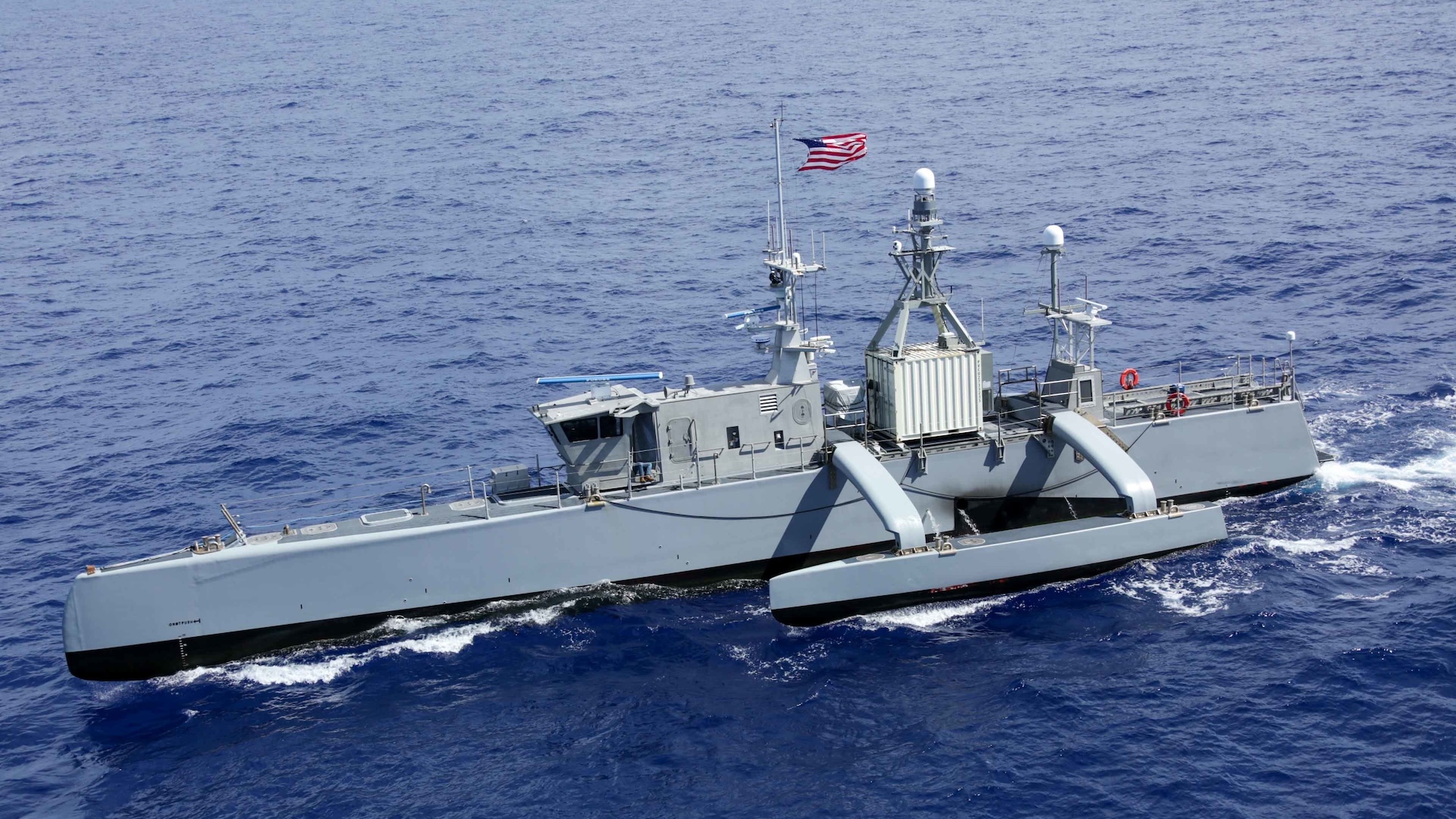
US plans to deploy more than 80 unmanned robotic warships to counter China’s naval dominance
The US Navy has announced the integration of unmanned surface and underwater vessels into its long-term shipbuilding strategy, which spans the next 30 years. This decision, made public in October 2023, reflects the Navy's commitment to modernizing its fleet and enhancing operational capabilities in response to evolving maritime threats. By incorporating advanced technologies, the Navy aims to improve surveillance, reconnaissance, and combat operations while reducing risks to personnel. The move is part of a broader initiative to adapt to the changing landscape of naval warfare and ensure the United States maintains its strategic advantage at sea. The plan outlines investments in research and development, as well as the construction of new vessels designed to operate autonomously, thereby increasing the Navy's efficiency and effectiveness in various mission scenarios.
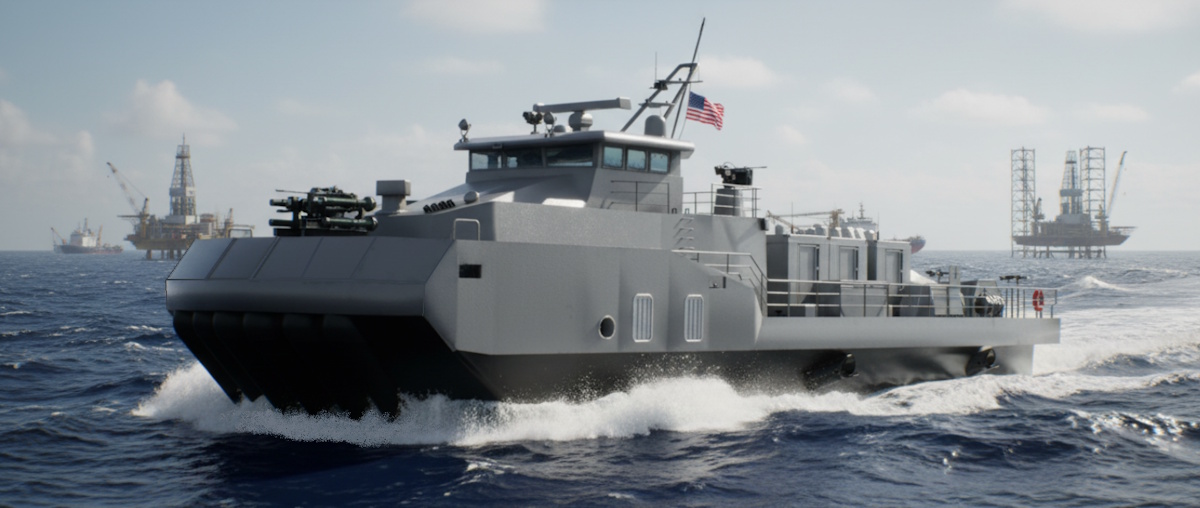
ABS, Eureka Naval Craft, AIRCAT Vessels, Team to Advance Safe, Dual-Use High-Speed Autonomous Vessels for Defense and Offshore Energy
Eureka Naval Craft, AIRCAT Vessels S.A.S., and the American Bureau of Shipping (ABS) have entered into a significant agreement aimed at advancing the safe development of high-speed Unmanned and Autonomous Surface Vessels (USVs/ASVs). This collaboration, announced today, focuses on enhancing naval defense capabilities and improving offshore energy operations. By leveraging their combined expertise, the partners intend to establish rigorous safety standards and innovative technologies that will facilitate the deployment of these advanced vessels. The initiative underscores the growing importance of autonomous maritime solutions in addressing modern security and energy challenges.
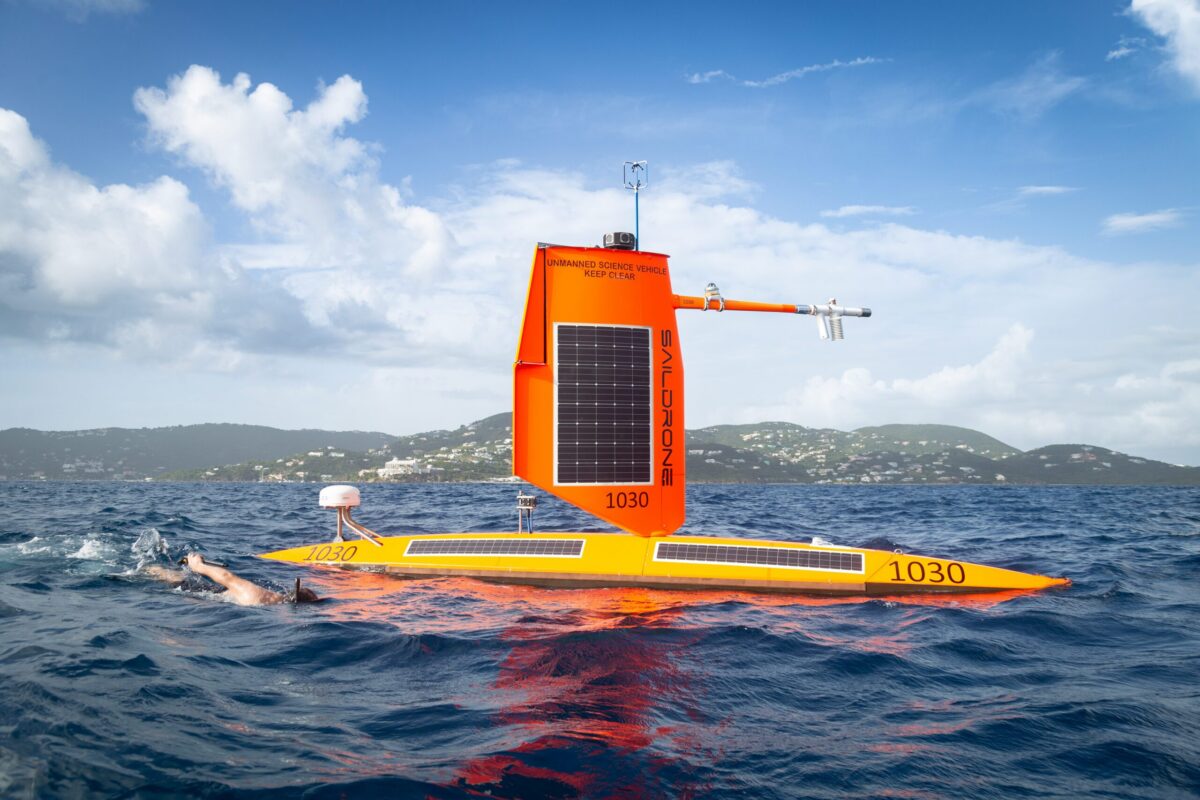
NOAA Sends Autonomous Surface Vehicles Into Hurricanes to Study Rapid Intensification
Saildrone, in collaboration with the National Oceanic and Atmospheric Administration (NOAA), has announced the deployment of 10 unmanned surface vehicles (USVs) during the 2026 hurricane season. This initiative aims to enhance hurricane forecasting and improve models for rapid intensification across the Atlantic basin. The partnership reflects a commitment to advancing storm research and understanding the dynamics of hurricanes, which is crucial for better preparedness and response strategies. By utilizing autonomous technology, the mission seeks to gather critical data that can lead to more accurate predictions and ultimately save lives during severe weather events.
Drone News Drone News Feeds News Research Weather Atlantic hurricane season
Oceanology International 2026 – Uncrewed Vehicles & Vessels Track Q&A
In a recent interview with Ocean Robotics Planet, Justin Manley, Chief Commercial Officer of Seahawk Robotics, discussed the advancements in autonomy within the uncrewed maritime industry. This conversation highlighted key themes that will be addressed during the Uncrewed Vehicles and Vessels conference track at Oi26, scheduled to take place later this year. The conference aims to showcase innovative developments and applications in marine autonomous systems, including technologies such as Robotics, Autonomous Underwater Vehicles (AUVs), Remotely Operated Vehicles (ROVs), and Autonomous Surface Vessels (ASVs). Manley emphasized the growing importance of these technologies in enhancing maritime operations and addressing various industry challenges. The insights shared during the interview and the upcoming conference reflect a significant shift towards automation in marine environments, driven by the need for efficiency and safety in maritime operations.
oceanology international 2026 oi26 uncrewed vehicles & vessels track q&a events
Oceanology International 2026 – Uncrewed Vehicles & Vessels Track Q&A
Richard Mills, Chief Commercial Officer of Cellula Robotics, recently spoke with Ocean Robotics Planet about his role as the moderator for the Uncrewed Vehicles and Vessels conference track at Oi26. This event, scheduled for later this year, will delve into the latest innovations and applications in marine autonomous systems, encompassing technologies such as Robotics, Autonomous Underwater Vehicles (AUVs), Remotely Operated Vehicles (ROVs), and Autonomous Surface Vessels (ASVs). The conference aims to highlight advancements in the field and foster discussions on the future of uncrewed marine technologies, addressing the growing demand for efficient and sustainable solutions in marine exploration and operations.
oceanology international 2026 oi26 uncrewed vehicles & vessels track q&a events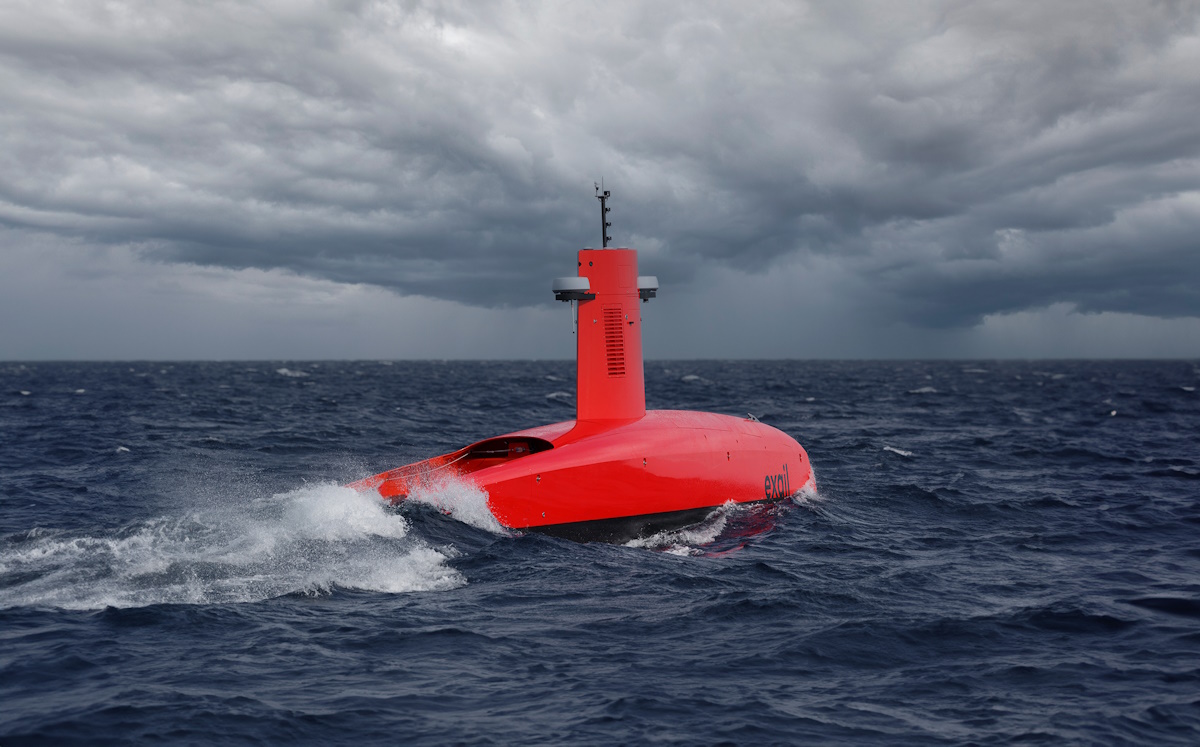
Exail Announces First Sale of DriX O-16 Transoceanic Uncrewed Surface Vessel
Exail has successfully completed its inaugural sale of the DriX O-16, a cutting-edge transoceanic Uncrewed Surface Vessel (USV). This advanced maritime technology has been purchased by a customer in the Indo-Pacific region, who operates within the civil sector. The DriX O-16 is specifically engineered for long-range maritime operations, showcasing Exail's commitment to innovation in unmanned maritime solutions. This sale marks a significant milestone for the company as it expands its presence in the global market.
exail drix o-16 transoceanic uncrewed surface vessel usv sale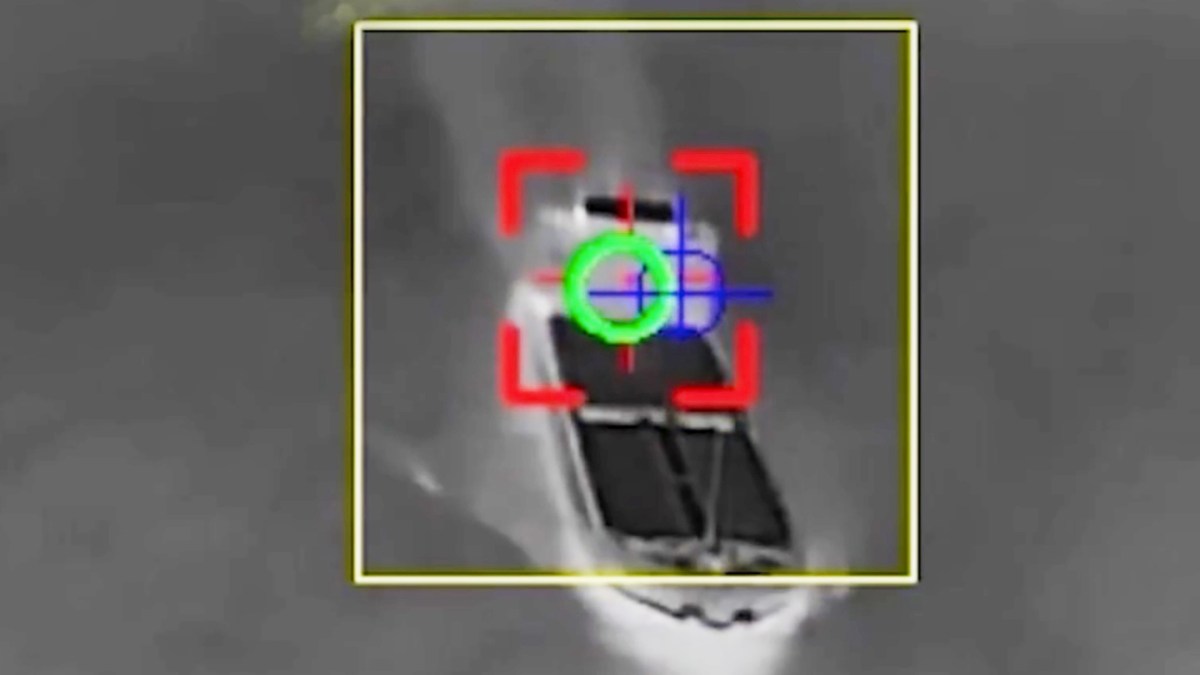
Ukrainian Drone Strikes Hit 28 Russian Vessels in Sea of Azov Campaign
On July 11, Ukraine reported that its aerial drones struck 28 Russian vessels in the Sea of Azov, part of an ongoing campaign that has targeted nearly 80 ships since July 6. This includes a significant number of oil tankers from Russia's shadow fleet, leading to a temporary halt in shipping through the Don-Azov Channel, a crucial navigable waterway for grain exports. The significance of these attacks lies in their impact on Russia's maritime operations and economy. Analysts noted that approximately 25% of Russia's wheat exports, the world's largest exporter of the grain, transit through the Sea of Azov. The strikes have prompted Russia to suspend new vessel transit applications through the Kerch Strait and halt navigation on the Don-Azov Canal, further isolating the Crimean peninsula and disrupting Russian energy supplies. Looking ahead, the Ukrainian military's 414th Separate Unmanned Strike Aviation System Brigade, known as “Magyar’s Birds,” continues to execute operations targeting Russian naval assets and infrastructure. The brigade's campaign, dubbed “Operation ‘Crimean Switch Off,’” aims to weaken Russian capabilities in the region. No further timeline was disclosed at the time of publication.
News & Features Air Around The Globe Drones Europe Russia
Australia launches first 3D-printed unmanned drone boat in Southern Hemisphere
Australia has introduced the southern hemisphere's first 3D-printed uncrewed surface vessel, marking a significant advancement in maritime technology. The vessel was unveiled recently as part of the country's efforts to enhance its naval capabilities and promote innovation in defense. This groundbreaking project took place at a facility in Australia, showcasing the nation's commitment to integrating modern technology into its maritime operations. The initiative aims to improve surveillance and reconnaissance missions while reducing costs associated with traditional shipbuilding methods. By leveraging 3D printing technology, Australia hopes to streamline the production process, allowing for quicker deployment of advanced vessels in response to emerging maritime challenges.
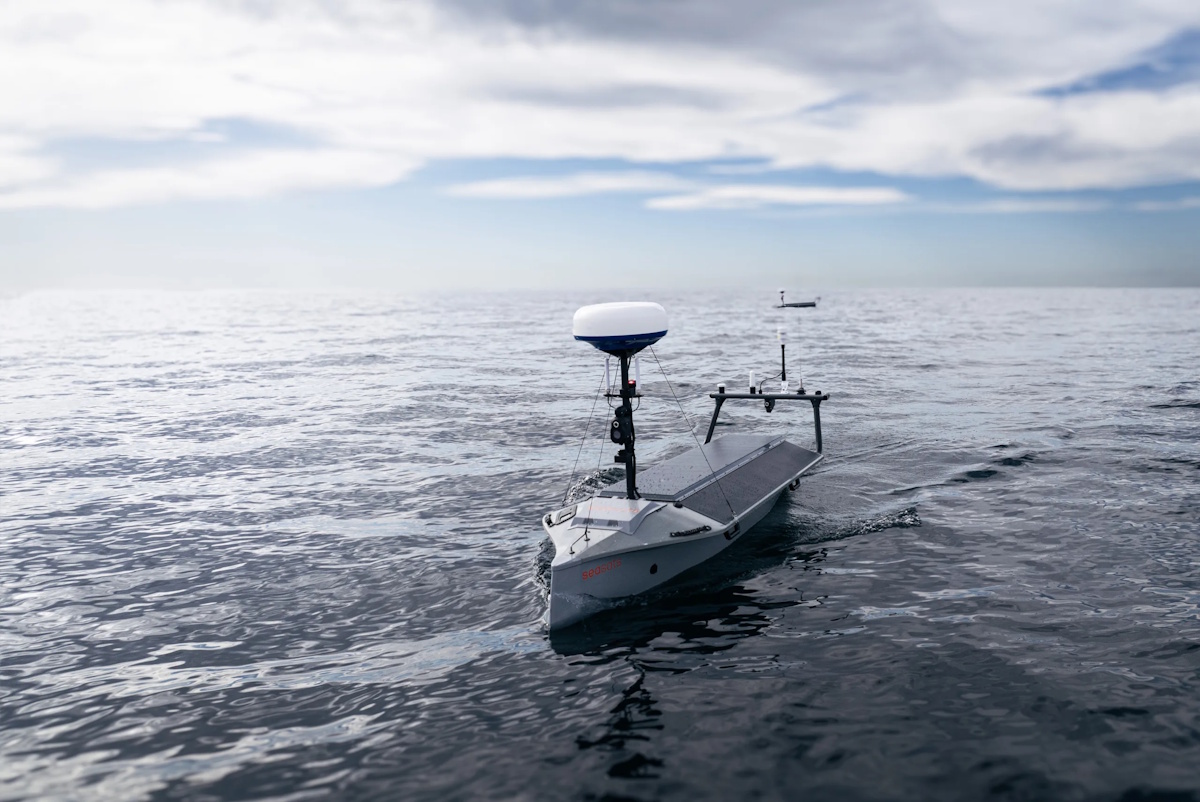
RS Aqua Announces Strategic Partnership with US -based Seasats to Bring Autonomous Surface Vehicles to UK and Ireland Defence Market
RS Aqua has formed a strategic partnership with Seasats, a developer of unmanned surface vehicles (USVs) based in San Diego, to launch a new range of security platforms tailored for the defense market in the United Kingdom and Ireland. This collaboration aims to enhance maritime security capabilities in these regions, responding to an increasing demand for advanced surveillance and operational solutions. The partnership is expected to leverage Seasats' innovative technology and RS Aqua's established presence in the UK and Ireland to effectively address the evolving security challenges faced by defense sectors.
rs aqua
HII Expands European Unmanned Operations with New Facility in Portchester, UK
HII, a prominent manufacturer of autonomous surface and underwater unmanned vehicles, has announced the expansion of its facility in Portchester, U.K., effectively doubling its size. This significant development comes as the company aims to enhance its production capabilities and meet the growing demand for unmanned technologies. The expansion is part of HII's strategic efforts to strengthen its position in the market and support advancements in autonomous vehicle manufacturing. With this investment, HII is poised to further innovate and deliver cutting-edge solutions in the unmanned vehicle sector.
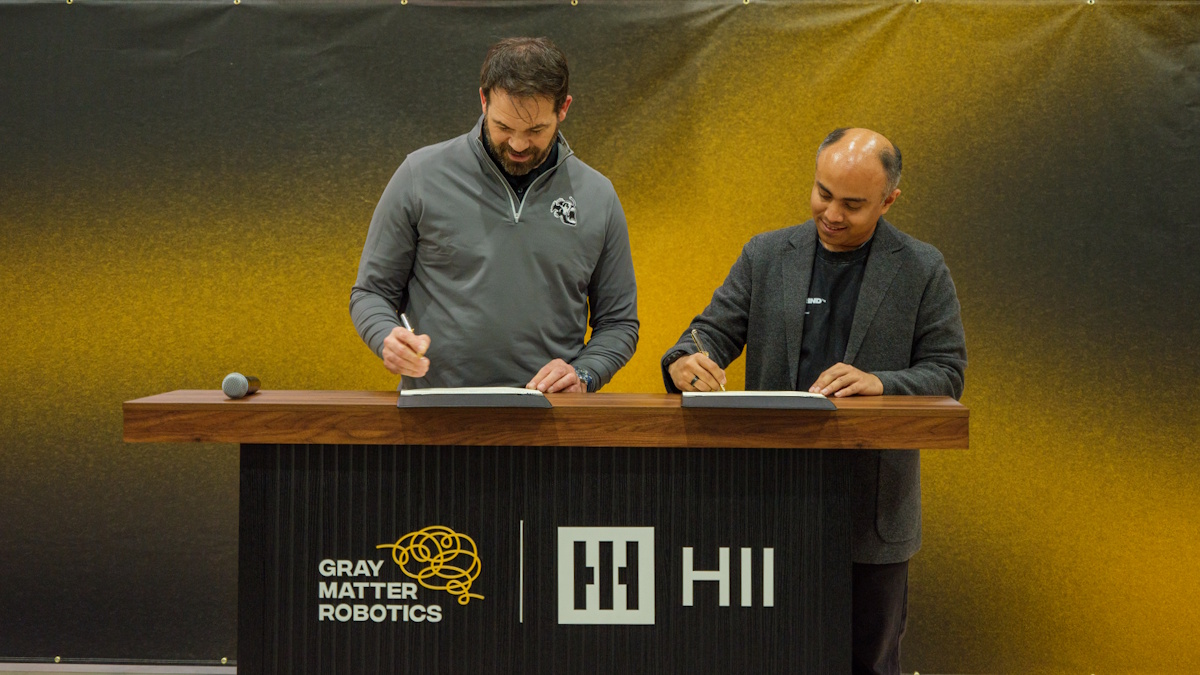
HII Teams with GrayMatter Robotics to Integrate Physical AI into Manned and Unmanned Shipbuilding
HII and GrayMatter Robotics (GMR) have entered into a memorandum of understanding to explore the integration of GMR’s Physical AI technology into shipbuilding operations. The agreement, signed at GMR's headquarters, aims to enhance production efficiency, bolster the maritime industrial base, and support the shipbuilding workforce. Key technologies under consideration include autonomous surface preparation, coating, and inspection processes. The signing ceremony featured Eric Chewning, HII’s executive vice president of maritime systems and corporate strategy, alongside Ariyan Kabir, CEO and co-founder of GrayMatter Robotics. This collaboration seeks to innovate and modernize shipbuilding practices, ultimately improving throughput and operational effectiveness in the industry.
hii graymatter robotics physical ai unmanned shipbuilding
Autonomous Defense Startup Scout AI Raises $100M Series A to Build Foundation Model for Unmanned Warfare
Scout AI, a defense-focused artificial intelligence startup, has successfully secured $100 million in an oversubscribed Series A funding round aimed at advancing its foundation model for autonomous military operations. The funding, which was co-led by Align Ventures and Draper Associates, attracted investments from several notable firms including Decisive Point, Booz Allen Ventures, BVVC, Neman Ventures, Evolution VC Partners, and Heraclitus Capital Management, among others. This significant financial backing will enable Scout AI to enhance its technological capabilities and accelerate the development of solutions designed to improve military efficiency and effectiveness. The funding round reflects growing interest and investment in AI technologies within the defense sector, highlighting the increasing reliance on advanced technology for national security operations.
AI AI Funding & Investment Robotics Align Ventures autonomous autonomous uncrewed surface vessel technology
Mach Industries wins DIU contract for maritime, long-range strike drone
The U.S. Navy is pursuing the development of an unmanned aerial system capable of launching from smaller vessels that lack extensive flight decks. This initiative aims to enhance the Navy's long-range strike capabilities, allowing for more versatile and efficient operations at sea. The move comes as part of the Navy's broader strategy to modernize its fleet and adapt to evolving maritime threats. By leveraging unmanned technology, the Navy seeks to extend its operational reach while minimizing risk to personnel and resources. The project is currently in the planning stages, with further details expected to emerge as the Navy refines its requirements and explores potential partnerships with defense contractors.
Air Warfare Naval Warfare Air Force destroyer Drones Navy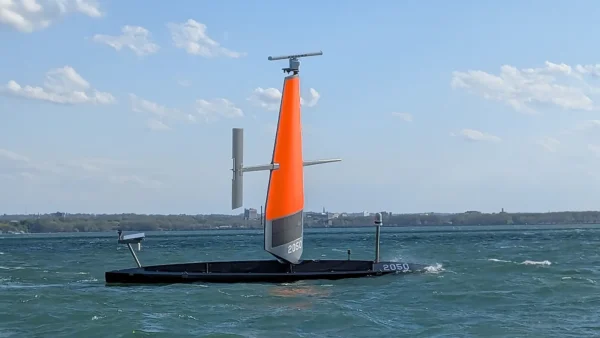
Saildrone Deploys 16 Voyager USVs for Coast Guard Great Lakes Mission
Saildrone, an autonomous maritime company based in Alameda, California, has announced the deployment of 16 Voyager unmanned surface vehicles (USVs) to enhance surveillance capabilities for the US Coast Guard. This initiative, which is part of a $15.5 million contract, aims to support Coast Guard missions across the Great Lakes and the Northeast. The deployment was officially announced on May 11, 2026, marking a significant step in the integration of advanced technology into maritime operations. The use of these unmanned vehicles is intended to improve monitoring and response efforts in these vital waterways, reflecting the Coast Guard's commitment to maintaining safety and security in the region.
Drone News Drone News Feeds News ocean safety and security seadrones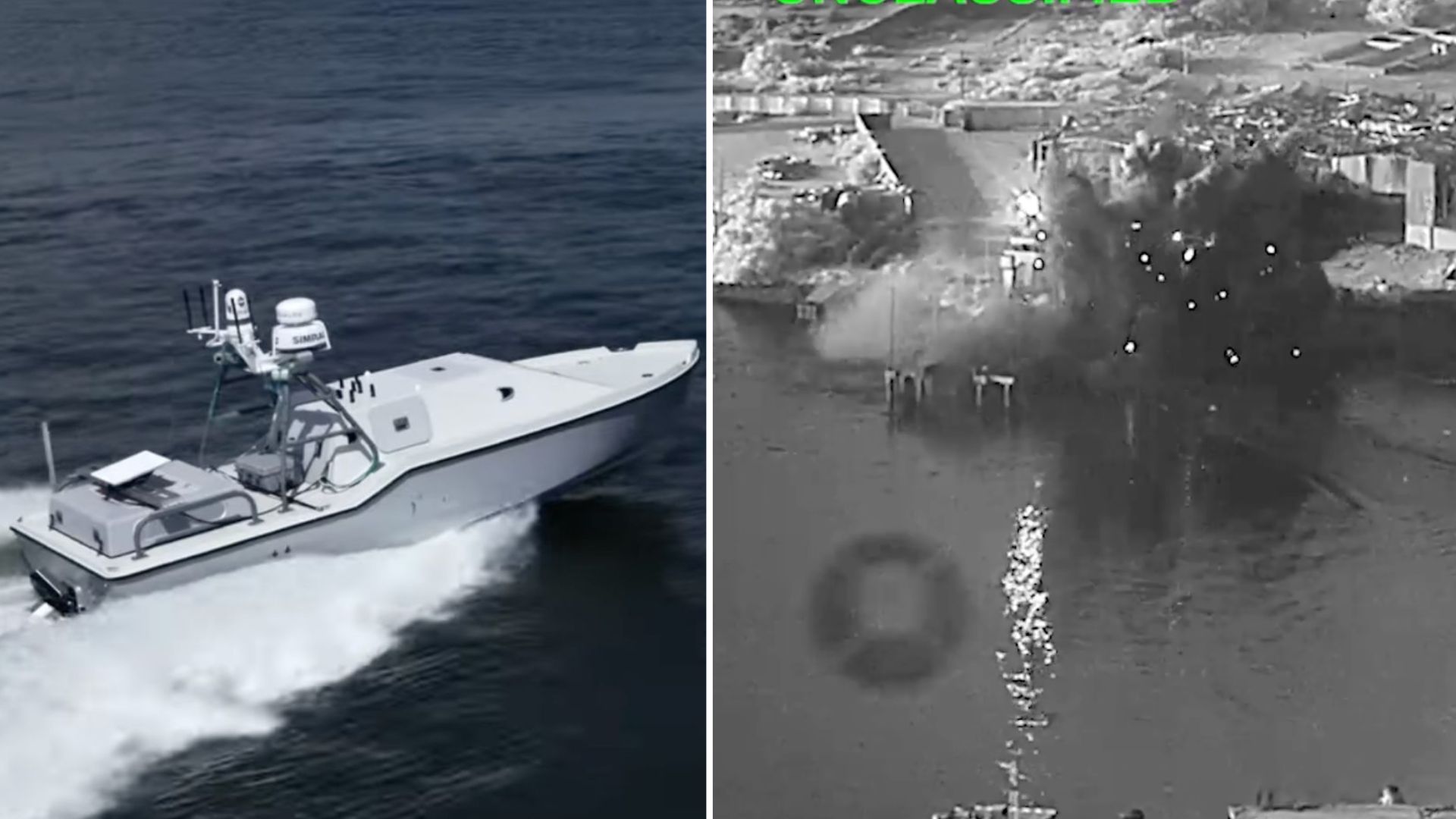
U.S. Military Executes First Offensive Strike with Autonomous Drone Boats on Iran's Naval Base
On July 12, 2026, the U.S. Central Command announced a significant advancement in naval warfare with a coordinated attack by three autonomous surface vessels on Iran's Bandar Abbas Naval Base. This operation, executed by the U.S. Navy's 5th Fleet through Task Force 59, marks the first offensive mission by a major navy using unmanned attack boats. The strike is pivotal as it demonstrates a shift toward utilizing autonomous platforms for combat missions, allowing militaries to conduct operations without risking crewed vessels. The Saronic Corsair vessels targeted a raised dock at the naval base, showcasing advanced capabilities in stealth and artificial intelligence for precise operations. Looking ahead, the success of this operation indicates a potential evolution in naval tactics, with autonomous vessels taking on more offensive roles. As militaries invest in unmanned systems, coordinated strikes like the one at Bandar Abbas may become increasingly prevalent in future naval engagements. No further timeline was disclosed at the time of publication.
Military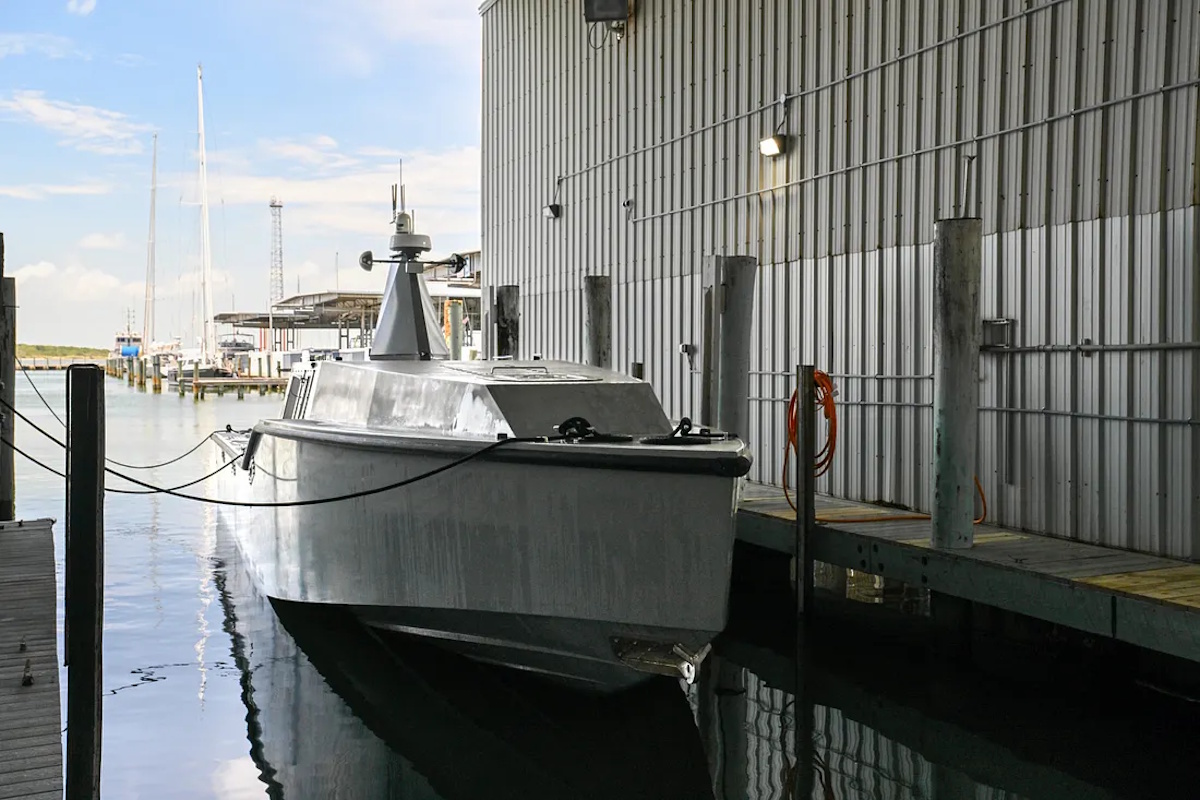
Saronic Launches 52-ft Mirage ASV for Maritime Operations in Texas
Saronic has officially launched its first Mirage, a 52-foot Autonomous Surface Vessel (ASV), at its test facility in Galveston, Texas. This vessel joins the existing fleet of the 24-foot Corsair and 180-foot Marauder, marking a significant milestone in Saronic's production capabilities. The Mirage, designed for dual-use, is set to undergo on-water trials following its rapid development from design to launch in under a year. The Mirage ASV boasts impressive specifications, including a top speed exceeding 35 knots, a range of over 2,500 nautical miles, and a payload capacity of 3,500 pounds. This new platform enhances maritime operations for both manned and unmanned teams, supporting missions in maritime domain awareness and security. The vessel operates autonomously or under remote supervision via Saronic's Echelon command-and-control platform, leveraging proven technologies from the company's existing fleet. Looking ahead, Saronic is already working on the next hull of the Mirage, with production capabilities at its Austin headquarters allowing for the manufacture of hundreds of these vessels annually. No further timeline was disclosed at the time of publication, but the rapid development and testing of the Mirage indicate a strong commitment to expanding Saronic's fleet and capabilities in the maritime sector.
saronic mirage usv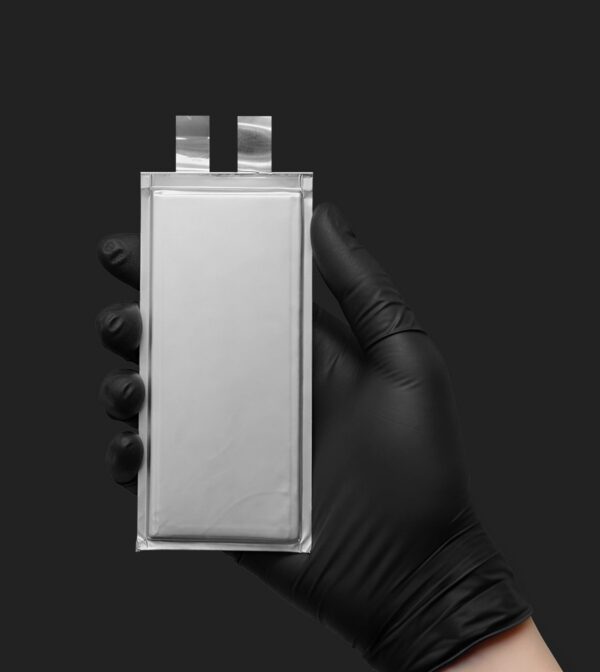
Buffalo’s Natrion Rolls Out NDAA-Compliant Drone Battery Cells
Natrion, a battery materials company based in Buffalo, New York, has introduced a new line of NDAA-compliant pouch cells that offer up to 80% more energy density than conventional lithium-ion batteries. Announced on May 14, 2026, these defense-optimized battery cells are designed for use in uncrewed systems, including drones, surface and underwater vessels, ground vehicles, and humanoid robots. The launch aims to enhance the performance and efficiency of military and defense applications, addressing the growing demand for advanced energy solutions in various unmanned technologies.
battery technology Defense Drone News Drone News Feeds Military NDAA Compliant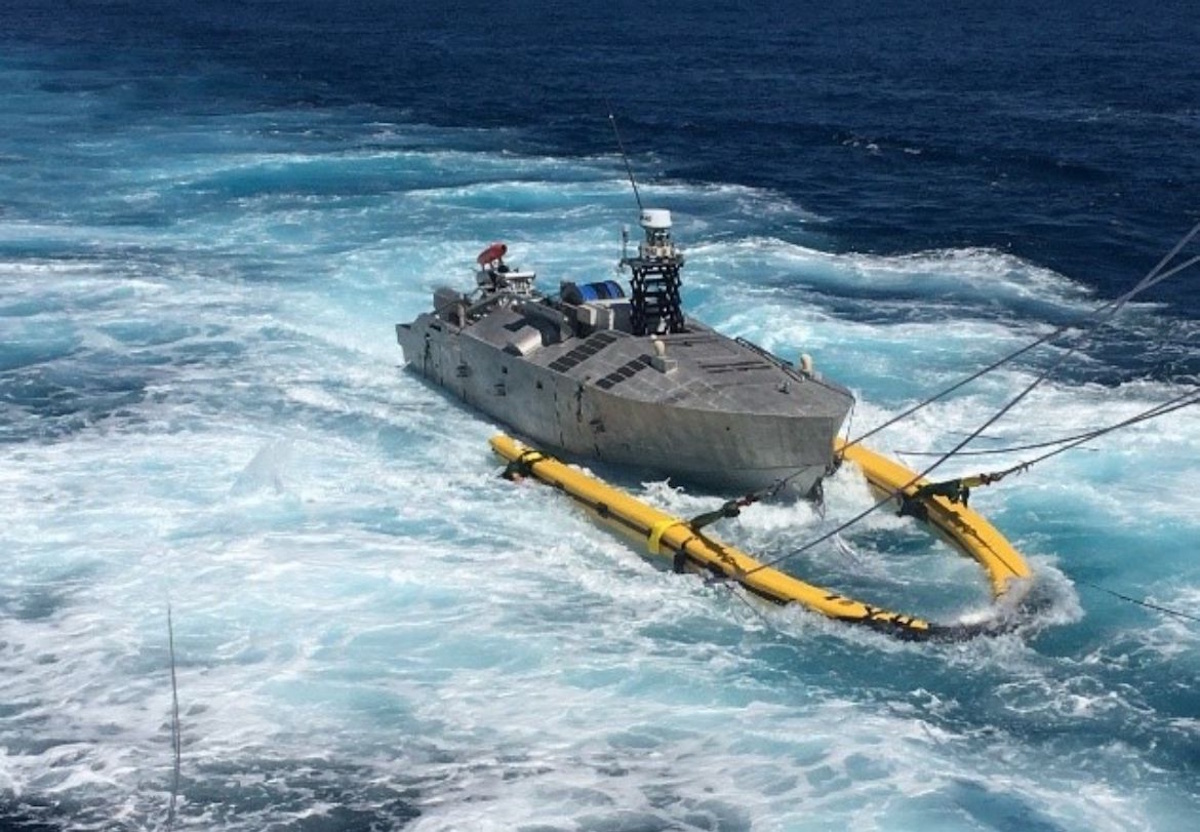
U.S. Navy Awards Contract for Deployment of Future Mine Countermeasures Capabilities
The U.S. Navy has awarded several contracts aimed at enhancing the deployment of Littoral Combat Ship (LCS) Mine Countermeasures (MCM) Mission Packages. This initiative, managed by the Program Executive Office for Unmanned and Small Combatants, focuses on the development of the MCM Unmanned Surface Vehicle (USV), a versatile, diesel-powered craft capable of being launched from an LCS, other vessels, or shore locations. The USV's modular design allows for the integration of various payload delivery systems that support critical MCM operations, such as minesweeping, mine hunting, and mine neutralization. These contracts are part of the Navy's strategy to ensure the availability of advanced unmanned systems, which are essential for effectively conducting mine countermeasure missions in coastal areas.
u.s. navy contract award mine countermeasures capabilities (mcm) littoral combat ship (lcs)
LR Awards Atlas Elektronik UK the First UMS Certificate Issued to a Naval Minehunter
Lloyd’s Register has granted Unmanned Marine Systems Certification to ATLAS ELEKTRONIK UK for its RNMB Hydra vessel, an innovative uncrewed surface craft developed for the UK Royal Navy. This certification marks a significant milestone in the advancement of maritime technology, particularly in the areas of mine sweeping and mine hunting. The RNMB Hydra is designed to enhance operational efficiency and safety in naval operations, reflecting the growing trend towards automation in military applications. The certification was awarded in October 2023, underscoring the vessel's compliance with rigorous safety and operational standards set by Lloyd’s Register. This development is expected to bolster the capabilities of the Royal Navy, allowing for more effective and safer maritime missions.
atlas elektronik uk ums certificate naval minehunter lloyd’s register (lr) unmanned marine systems (ums) rnmb hydra
Quantum Systems Group's Apex Recordhunter Drone Achieves 434 mph Speed Milestone
Quantum Systems Group, a German aerospace firm, has announced that its Apex Recordhunter experimental drone reached a remarkable speed of 434 miles per hour. This achievement, pending formal certification, could set a new world record for battery-powered unmanned aerial vehicles. The project emphasizes advancements in electric propulsion and aerodynamics, aiming to enhance military applications for future interceptor drones. The significance of this milestone lies in its potential to reshape aerial defense systems. As military conflicts increasingly utilize high-speed drones, the demand for agile interceptor systems has surged. Traditional surface-to-air missiles are often too expensive for engaging low-cost drones, prompting the development of dedicated UAVs that can effectively counter these threats. The technologies validated through the Apex Recordhunter program are expected to play a crucial role in the next generation of interceptor drones. Looking ahead, Quantum Systems Group plans to conduct further speed trials focused on operational military roles, including FPV platforms and specialized anti-aircraft interceptors. The rapid evolution of drone warfare necessitates breakthroughs in speed and maneuverability, making the Apex Recordhunter a pivotal testbed for future technologies. No further timeline was disclosed at the time of publication.
Military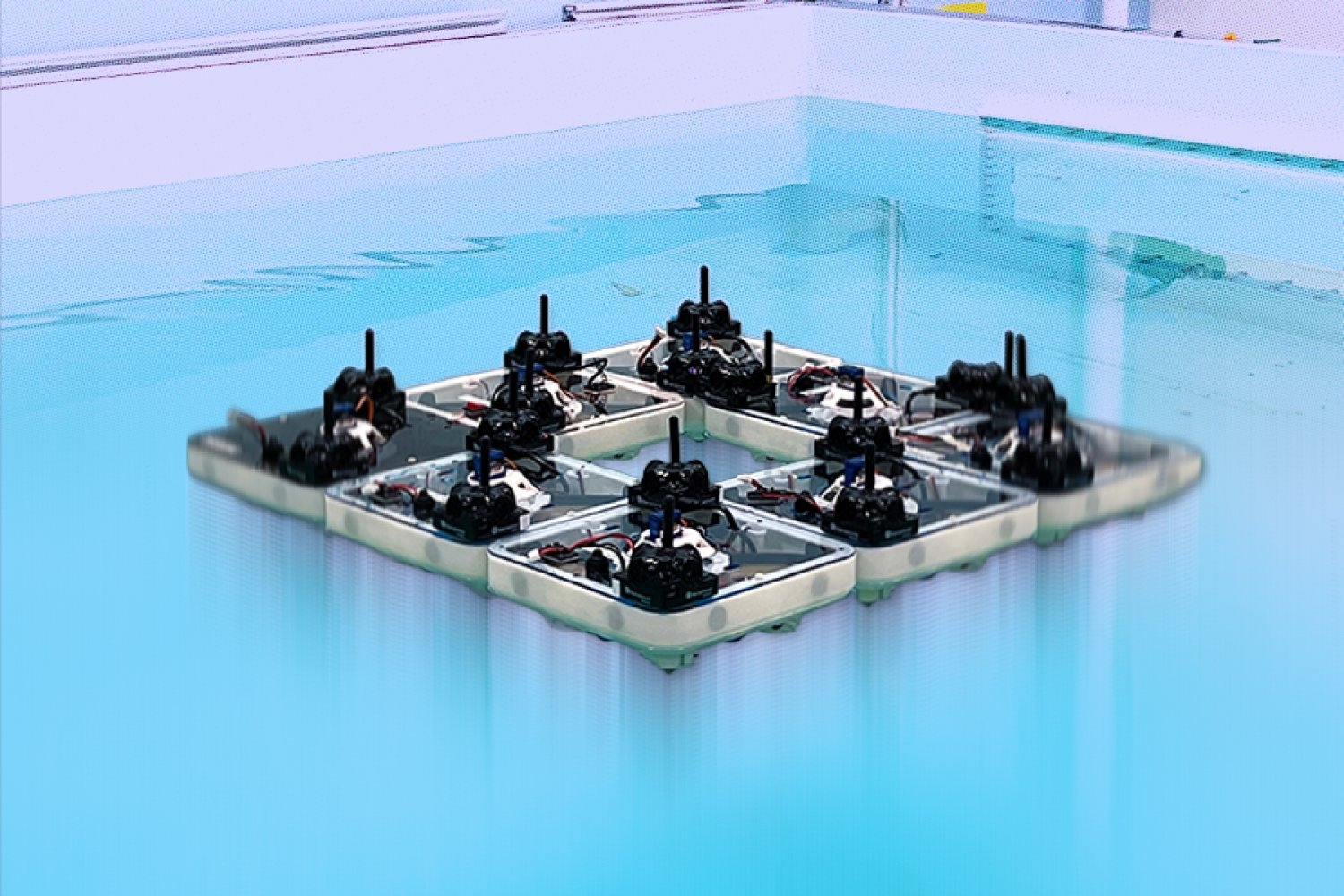
MIT's FloatForm Swarm Robots Create Adaptive Floating Structures for Urban Spaces
MIT researchers have developed FloatForm, a swarm of small robotic boats that autonomously assemble into larger floating structures. Each robot, measuring 21 centimeters square, is equipped with thrusters, sensors, and magnetic latches, allowing them to form bridges, platforms, and other structures with minimal human input. This innovative system aims to transform urban waterfronts into dynamic, programmable spaces, enhancing public infrastructure and emergency response capabilities. The significance of FloatForm lies in its potential to revolutionize how urban areas utilize water surfaces. By mimicking the self-organizing behavior of fire ants, the robots can adaptively create and reconfigure structures on demand, addressing challenges such as traffic alleviation during emergencies or creating temporary public spaces. This modular approach to floating infrastructure could lead to more livable cities by expanding usable public space onto underutilized water areas. Looking ahead, the research team plans to explore further applications of FloatForm in urban environments, with no specific timeline disclosed for future developments. The project builds on previous work with full-size autonomous vessels in Amsterdam, indicating a growing interest in leveraging water for urban mobility and public space expansion. The open-access findings were published in Nature Communications, highlighting the collaborative efforts of MIT's Computer Science and Artificial Intelligence Laboratory and the Senseable City Lab.
Research Robotics Autonomous vehicles Artificial intelligence Computer science and technology Machine learning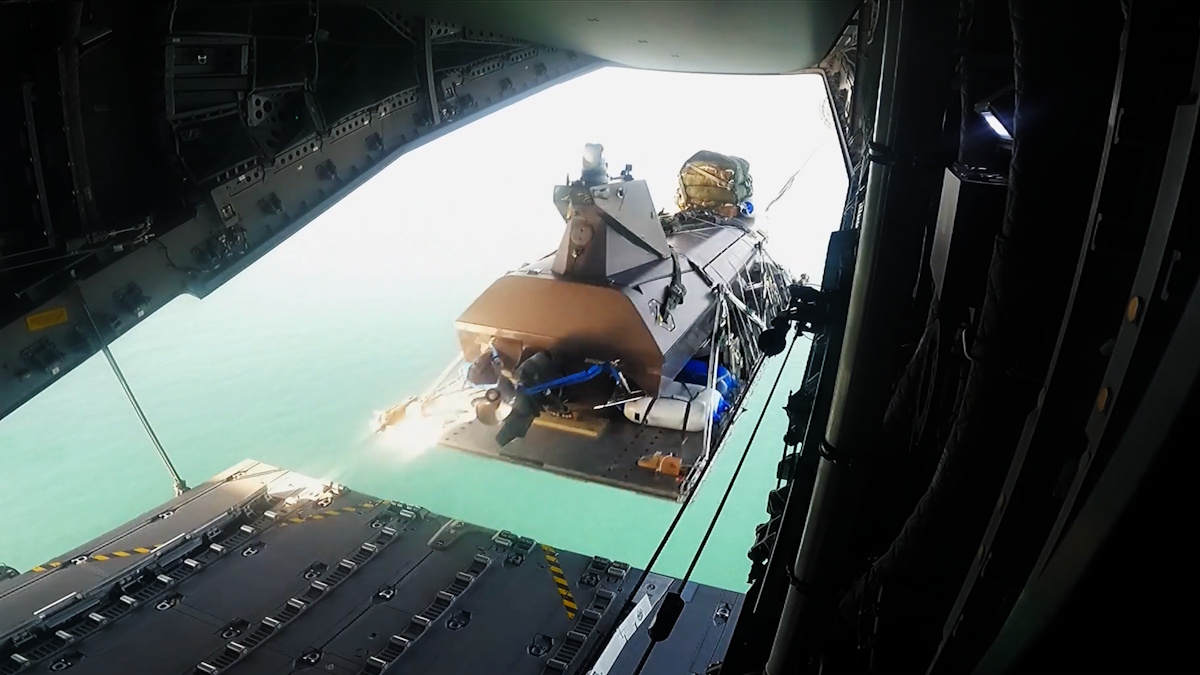
Kraken and Capewell Achieve First USV Airdrop from A400M Aircraft
Kraken Technology Group and Capewell, in collaboration with the Royal Navy, have successfully executed the world's first airdrop of an uncrewed surface vessel (USV) from an A400M military transport aircraft. This milestone was achieved during trials where the K3 SCOUT USV was deployed from 1,300 feet into waters with Sea State 4 conditions, demonstrating a new capability for rapid insertion of maritime vessels into challenging environments. The significance of this achievement lies in its potential to enhance military operations by allowing for quick deployment of high-performance USVs in contested areas. The trials utilized Kraken's K3 SCOUT airdrop kit and Capewell's Universal Maritime Craft Aerial Delivery System (UMCADS), showcasing a new IN-Release system that ensures reliable load disconnect across various applications, thereby improving operational flexibility and response times. Looking ahead, Kraken and Capewell plan to further develop their partnership to enhance operational capabilities with their modular platforms. No further timeline was disclosed at the time of publication, but the successful completion of four live airdrops in six days indicates a strong foundation for future advancements in USV deployment strategies.
usv airdrop kraken technology group capewell royal navy project beehive
Event: AUV2026 Southampton, UK - 1-3 September 2026
The IEEE OES AUV Symposium, a biennial event, convenes the marine robotics community to facilitate the exchange of ideas and promote collaboration in the field. Scheduled for this year, the symposium focuses on the latest technologies and applications related to autonomous underwater vehicles (AUVs), autonomous surface vessels (ASVs), underwater gliders, and Lagrangian floats. Participants will present research primarily centered on field robotics and data derived from real-world deployments. This gathering aims to enhance understanding and drive future advancements in marine robotics, fostering innovation and collaboration among researchers and industry professionals.
auv2026 southampton auv events
Expanding the Subsea Toolbox: Water Linked Joins NORBIT
NORBIT, a technology company, has announced its acquisition of Water Linked, a Trondheim-based firm known for its expertise in underwater navigation and imaging technologies tailored for remotely operated vehicles (ROVs), autonomous underwater vehicles (AUVs), and uncrewed surface vessels. This strategic move, finalized recently, aims to enhance NORBIT's capabilities in the maritime technology sector. By integrating Water Linked's innovative solutions, NORBIT seeks to strengthen its position in the growing market for underwater technology, driven by increasing demand for advanced navigation and imaging systems in various marine applications. The acquisition is expected to facilitate the development of new products and services, ultimately benefiting customers in the maritime industry.
water linked norbit
Drone rescue highlights US Navy's autonomous push
The recent deployment of a sea drone to rescue two U.S. Army aviators, reportedly downed by Iranian forces, highlights the increasing significance of unmanned vessels in the United States' naval strategies. Analysts noted that this incident, which took place on Wednesday, reflects a shift in military operations, emphasizing the role of advanced technology in modern warfare. The use of a sea drone not only showcases the capabilities of remote-operated vehicles but also illustrates the U.S. commitment to safeguarding its personnel in hostile environments. As tensions in the region escalate, the integration of such innovative tools into military operations may become a crucial factor in future engagements.
Robotics
Saronic and Castelion to Demonstrate First-of-Its-Kind Maritime Hypersonic Launch Capability
Saronic and Castelion have unveiled a collaborative initiative to develop a hypersonic vehicle that will be launched from an unmanned surface vessel. This partnership combines Castelion’s advanced Blackbeard technology with Saronic’s Medium Unmanned Surface Vessel (MUSV) Marauder, creating a formidable solution aimed at deterring potential adversaries. The announcement was made today, highlighting the companies' commitment to enhancing maritime defense capabilities through innovative technology. By leveraging their respective expertise, Saronic and Castelion aim to provide a credible and powerful option for national security in an increasingly complex global landscape.
saronic castelion demo maritime hypersonic launch capability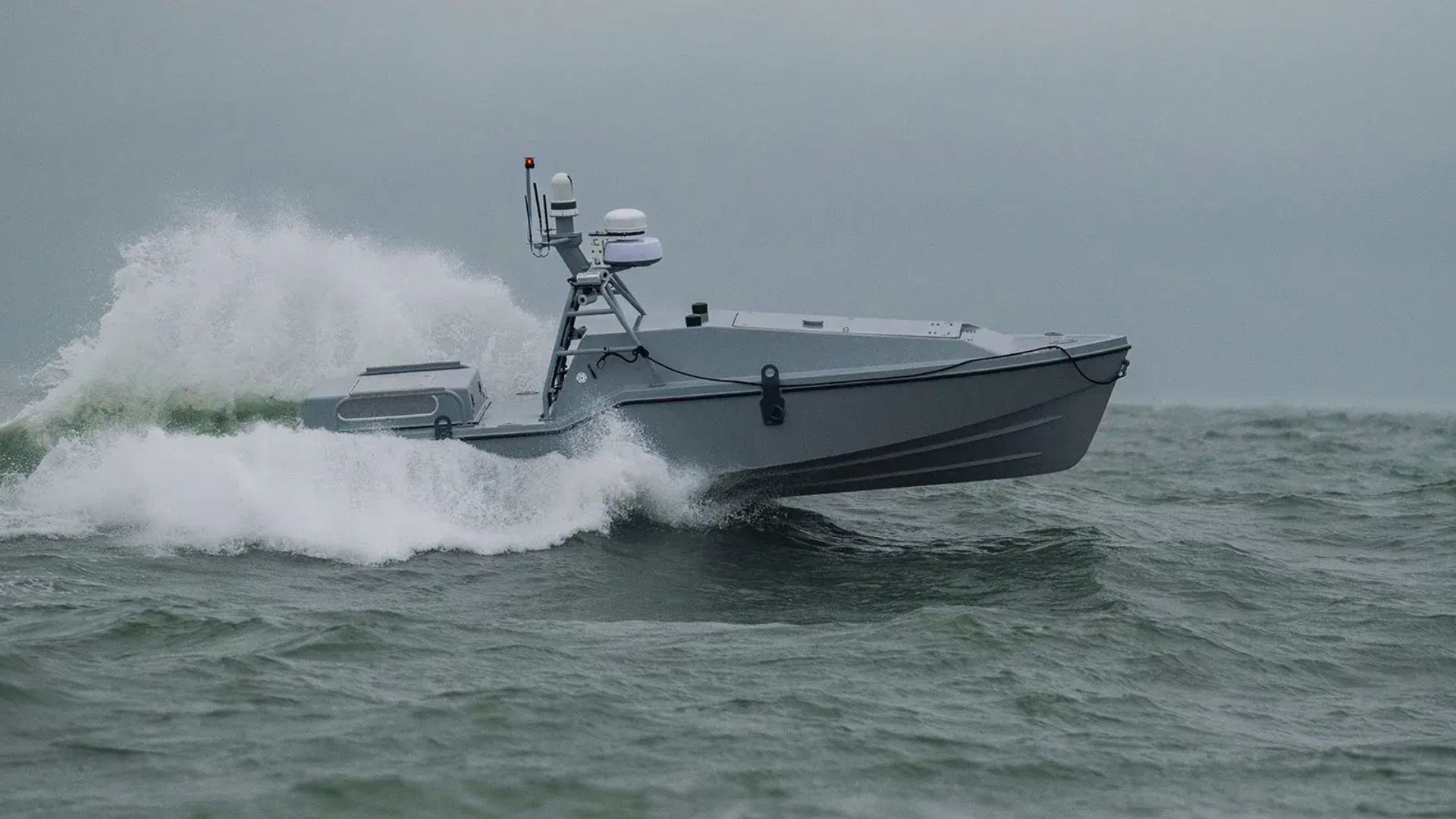
First-ever drone boat rescue: US Navy vessel pulls out two downed pilots from sea
A U.S. Navy unmanned surface vessel successfully conducted a rescue operation for two Army pilots whose AH-64 Apache helicopter had crashed. The incident occurred on a training mission off the coast of California on Tuesday. The unmanned vessel, equipped with advanced technology, was able to locate the pilots quickly and facilitate their safe retrieval from the water. This operation highlights the increasing role of unmanned systems in military rescue missions, showcasing their effectiveness in enhancing operational capabilities and ensuring the safety of personnel in distress. The successful rescue underscores the collaborative efforts between the Navy and Army in conducting joint operations and responding to emergencies in challenging environments.
Military
Saronic’s Marauder Enters On-Water Trials: Designed, Built, and Launched in Under a Year
Saronic has unveiled its inaugural Marauder Medium Unmanned Surface Vessel (MUSV), which is engineered to provide autonomous capabilities for both defense and commercial uses far from shore. This significant launch marks a remarkable achievement in American shipbuilding, as the transition from initial design to on-water trials was completed in less than a year—a pace not recorded since World War II. The swift development underscores Saronic's innovative approach and the effectiveness of its integrated production model.
saronic marauder usv on-water trials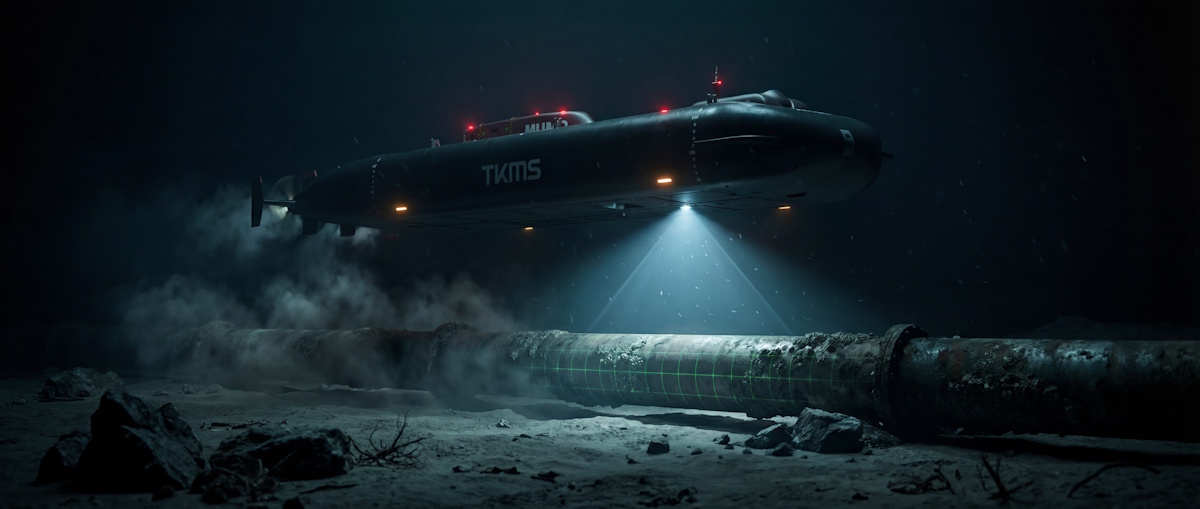
TKMS to Receive DNV Approval for Modifiable Underwater Mothership (MUM)
TKMS has achieved a notable advancement in autonomous unmanned watercraft technology with the recent approval from DNV for its MUM demonstrator. This Approval in Principle (AiP) signifies that the vessel has been designed and developed in compliance with DNV's class rule for underwater technology and the guidelines for autonomous and remotely operated vessels. This milestone underscores TKMS's commitment to innovation in maritime technology, paving the way for future developments in the field of autonomous maritime operations.
tkms dnv approval in principle (aip) modifiable underwater mothership (mum)
Rajant Health (RHI) and Chord Robotics Expand Cowbell Platform to Enable Scalable, Multi-Domain Collaborative Autonomy
Rajant Health (RHI) and Chord Robotics have announced an expanded partnership to enhance their Cowbell platform, introducing advanced "Flying Cowbell" capabilities aimed at enabling scalable, multi-domain collaborative autonomy. This collaboration, revealed on May 22, 2026, integrates RHI's Kinetic Mesh® networking with Chord Robotics' TEMPO™ software, facilitating real-time control of mixed fleets operating across air, land, and sea. The "Flying Cowbell" system transforms mobile nodes, including unmanned aerial systems (UAS) and unmanned surface vehicles (USVs), into active participants in a distributed compute and autonomy framework. This architecture allows for distributed workload execution, dynamic cluster formation, and transport-agnostic operations, even in connectivity-constrained environments. The partnership aims to address the need for persistent coverage and dynamic mission adaptation in complex scenarios where traditional infrastructure may be lacking. By leveraging Rajant's InstaMesh® networking capabilities alongside TEMPO, operators can manage heterogeneous fleets effectively, ensuring that each vehicle can make independent decisions while collaborating seamlessly. RHI's CEO, Robert J. Schena, emphasized that the initiative represents a shift from static infrastructure to a mobility-native system, while Chord Robotics' CEO, James Cooney, highlighted the potential for scaling autonomous fleets in challenging environments. Together, the companies are poised to redefine collaborative autonomy in unmanned systems, enhancing operational efficiency and adaptability.

ZeroUSV Demonstrates UK Sovereign Maritime Capability During VIP Tour
ZeroUSV recently hosted representatives from the Royal Navy, the Ministry of Defence (MOD), and the National Shipbuilding Office (NSO) at Manor Marine’s headquarters in Portland. The VIP tour highlighted the company's advancements in autonomous maritime technology. This visit comes on the heels of ZeroUSV's strategic investment in Manor Marine, which aims to enhance collaboration and increase the UK's production capacity for its Oceanus class uncrewed surface vessels (USVs). The partnership is expected to bolster the UK’s sovereign capabilities in maritime defense and innovation.
zerousv demo vip tour manor marine mod royal navyRobotics needs a service framework.
RSF defines a common language for robot service capability, lifecycle operations, certification pathways, and service-provider networks.