Industry Briefing
A single destination for timely, editor-curated robotics news from around the world.

Westlake Robotics Raises Over 100 Million Yuan to Enhance Dual-Pretraining Technology
Westlake Robotics completed a funding round exceeding 100 million yuan in June 2026, backed by Henan Investment Group's Huirong Fund. This marks the company's third financing round in five months, with total disclosed funding reaching several hundred million yuan. The funding is aimed at advancing their unique dual-pretraining technology, which combines a general brain and a humanoid small brain for improved robotic performance. The significance of this funding lies in Westlake Robotics' differentiated technical approach, utilizing a dual-pretraining model that integrates VLA and world model fusion. Their General Action Expert (GAE) model addresses common issues in humanoid robots, such as stiffness and imbalance, by enabling real-time interpretation of human motion intent. This capability allows a single operator to control multiple Westlake o1 robots simultaneously, reducing deployment and labor costs in applications like logistics inspection and data collection. Looking ahead, Westlake Robotics plans to use the latest funding to further develop their unified embodied large model and accelerate deployment with industrial clients. The company, founded by academic researchers from Westlake University, is positioned to leverage its strong academic background to bridge the gap between laboratory demonstrations and real-world applications. No further timeline was disclosed at the time of publication.
Robotics Embodied Intelligence Automation Logistics AI
PaleBlue Supplies ROV Training Simulator to DeepTech Oil Services
PaleBlue, a prominent player in digital training technology and ROV simulators, has announced the successful delivery of a state-of-the-art ROV training simulator to DeepTech Oil Services, a company specializing in subsea energy and marine services. This collaboration, finalized in October 2023, aims to enhance the training capabilities for DeepTech's personnel, ensuring they are equipped with the latest skills and knowledge for operating remotely operated vehicles in challenging underwater environments. The integration of this advanced simulator is expected to significantly improve operational efficiency and safety standards within the subsea industry.
paleblue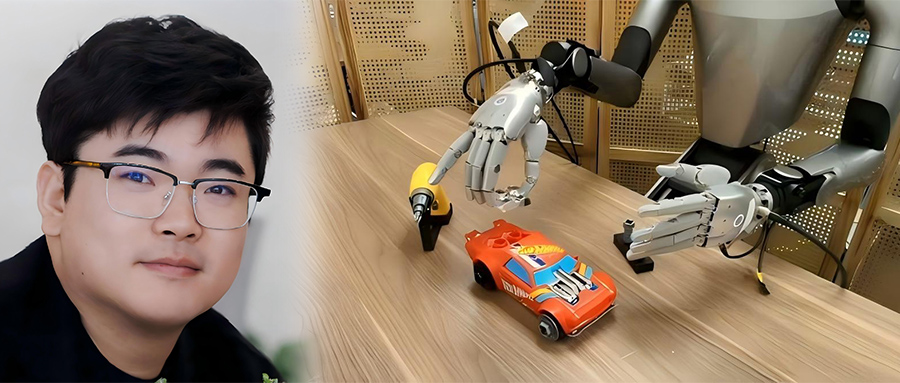
Harbin Institute of Technology Professor Establishes PHANES AI to Advance Tactile Robotics
Professor Yang Shuo from Harbin Institute of Technology (Shenzhen) has founded PHANES AI, focusing on human data, tactile perception, and world model research. The startup aims to enable humanoid robots to perform agile full-body movements. A key challenge identified is the gap in current training data, where visual cues do not capture the tactile feedback necessary for successful robotic operations. This initiative is significant as it addresses the limitations of existing robotic training methodologies, which rely heavily on visual data without incorporating tactile information. Recent studies, including NVIDIA's EgoScale, highlight the importance of first-person human operation data in training robots for complex tasks. By leveraging large amounts of human data combined with minimal real-world data, PHANES AI seeks to enhance the success rate of robots in intricate operations. Looking ahead, PHANES AI plans to develop innovative methods for collecting and scaling tactile data through its EgoTouch system, which integrates visual and tactile information. The startup's approach aims to bridge the gap between visual perception and physical interaction, ultimately improving the capabilities of humanoid robots in real-world applications. No further timeline was disclosed at the time of publication.
Humanoid Robots Tactile Perception Robotics AI Data-Centric AI
Jiying Technology Launches First Zero-Shot Generalizable Physics Model for Engineering Simulations
Jiying Technology has unveiled its Jiying 2.0 physics foundation model, which is capable of zero-shot generalization across various geometries, materials, and boundary conditions. This model represents a significant advancement in physics AI, particularly for engineering simulations, and was announced in October 2023. The introduction of the Jiying 2.0 model is crucial as it allows engineers to simulate complex physical scenarios without the need for extensive retraining on specific datasets. This capability can enhance efficiency and reduce the time required for simulations, making it a valuable tool in engineering design and analysis. Looking ahead, industry professionals will be keen to observe how the adoption of the Jiying 2.0 model influences engineering practices and simulation accuracy. No further timeline was disclosed at the time of publication regarding additional features or updates to the model.
Technology
Affordable AI Sports Robot Raises $1.5 Million in One Day
The Aura sports robot, developed by PongBot, achieved remarkable success by raising over $1.5 million on Kickstarter within the first day of its campaign. Priced at $849, this innovative device functions as both a training partner and coach, equipped with advanced artificial intelligence capabilities. It offers customizable training programs and provides real-time feedback, positioning it as a competitive alternative to traditional sports training machines. The rapid funding reflects a growing interest in technology-driven solutions for athletic training and performance enhancement.
AI Sports Robots Training Technology Crowdfunding Smart Fitness Devices
MIT and Toyota Develop SceneSmith to Enhance Robot Training with AI-Generated Environments
MIT and the Toyota Research Institute have introduced SceneSmith, a system that utilizes AI agents to create realistic 3D environments for robot training. This innovation addresses the significant challenge of generating diverse simulation content, which is crucial for teaching robots various tasks in a cost-effective manner. The SceneSmith system employs three AI agents, leveraging the advanced vision-language model GPT-5.2, to design intricate indoor scenes. These environments, featuring up to six times more objects than previous methods, allow robots to practice skills in a rich virtual playground, ultimately reducing the need for extensive real-world testing. As the research progresses, the effectiveness of these AI-generated environments will be closely monitored. The team has already demonstrated that robots can successfully navigate and perform tasks in these virtual settings, indicating a promising future for robotic training methodologies. No further timeline was disclosed at the time of publication.
Research Robotics Artificial intelligence Simulation Computer science and technology Machine learning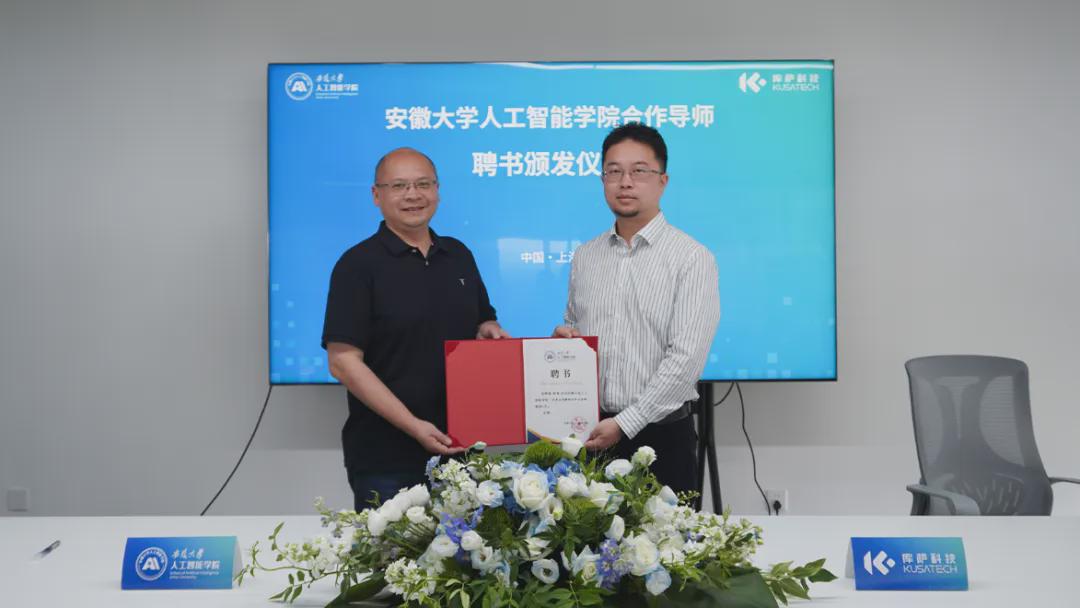
Kusa Technology Partners with Anhui University AI College for Robotics Development and Talent Training
Kusa Technology has announced a strategic partnership with Anhui University AI College to advance the development of embodied intelligent robots and nurture talent in this emerging field. This collaboration, which was unveiled recently, seeks to bridge the divide between academic research and practical applications, harnessing the unique strengths of both organizations. By combining Kusa Technology's expertise in robotics with the academic resources of Anhui University, the partnership aims to drive innovation and enhance the reliability of urban service robotics. This initiative reflects a growing trend in the tech industry to integrate educational institutions into the development process, ensuring that advancements in technology are aligned with real-world needs and applications.
Embodied Intelligence Robotics Development AI Talent Training Urban Service Robots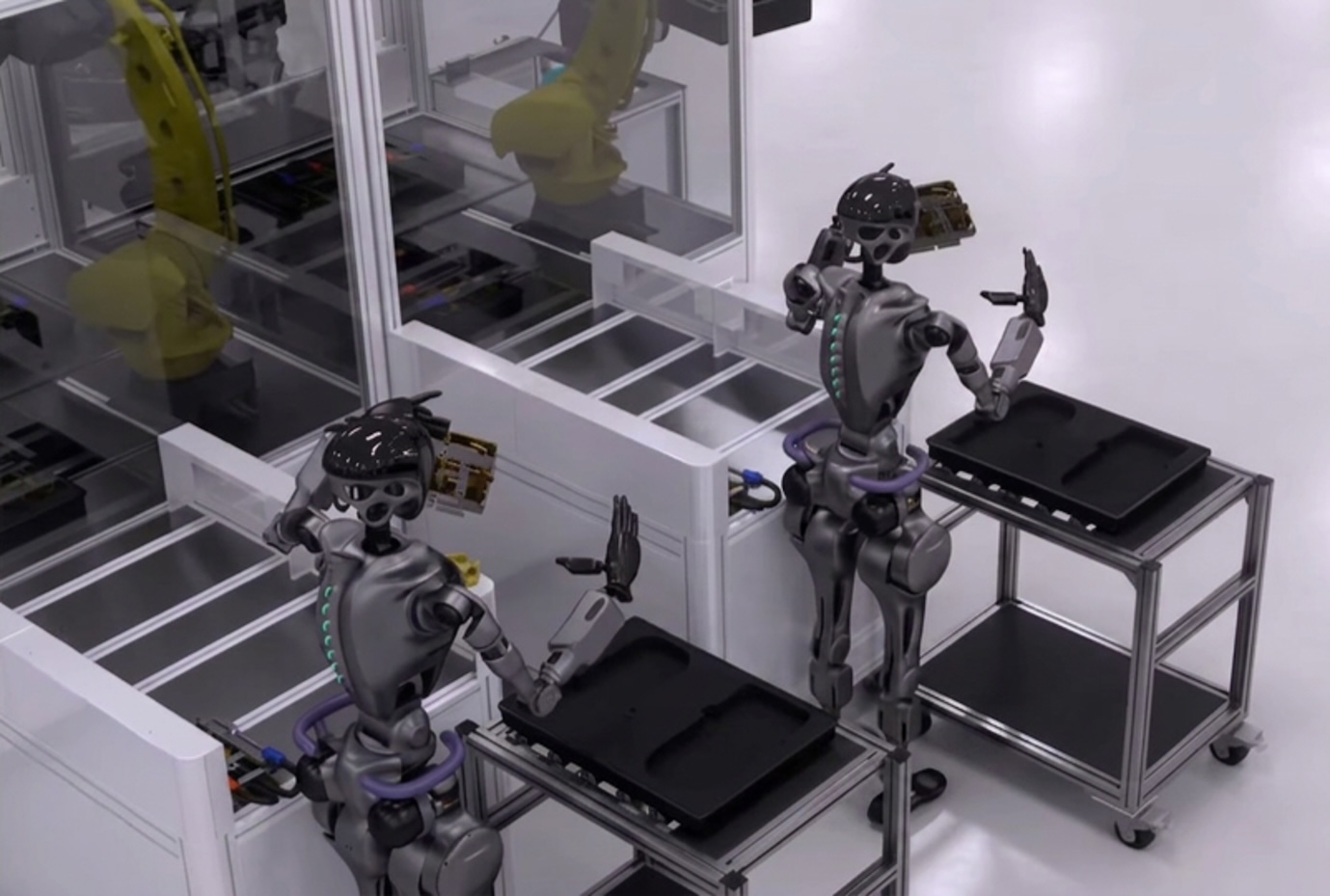
SpaceX Proposes 1 Million AI Satellites to Address Ground Data Center Constraints
On January 30, 2026, SpaceX filed with the FCC to launch up to 1 million AI compute satellites, positioning orbital data centers as a solution to the increasing demand for AI computing power. Ground data centers are facing significant challenges, with energy consumption projected to reach approximately 1,050 TWh in 2026, making them the fifth-largest electricity consumer globally. The demand for new data center capacity is outpacing the growth of power generation infrastructure, leading to a critical bottleneck in the grid system. The significance of this initiative lies in the structural constraints faced by ground data centers, including power delivery limitations, high water consumption, and local opposition to new projects. The Uptime Institute's 2026 outlook identifies power as the primary constraint on data center growth, with capacity clearing prices in the PJM grid skyrocketing to $329.17/MW, driven by data center expansion. Additionally, cooling requirements are becoming increasingly unsustainable, with facilities consuming vast amounts of water, further complicating their operational viability. Looking ahead, SpaceX's orbital AI compute initiative aims to circumvent these challenges by leveraging the advantages of space, such as continuous solar power and minimal local opposition. The first AI prototypes are expected to launch in early 2027, with operational deployments planned for 2028. No further timeline was disclosed at the time of publication.
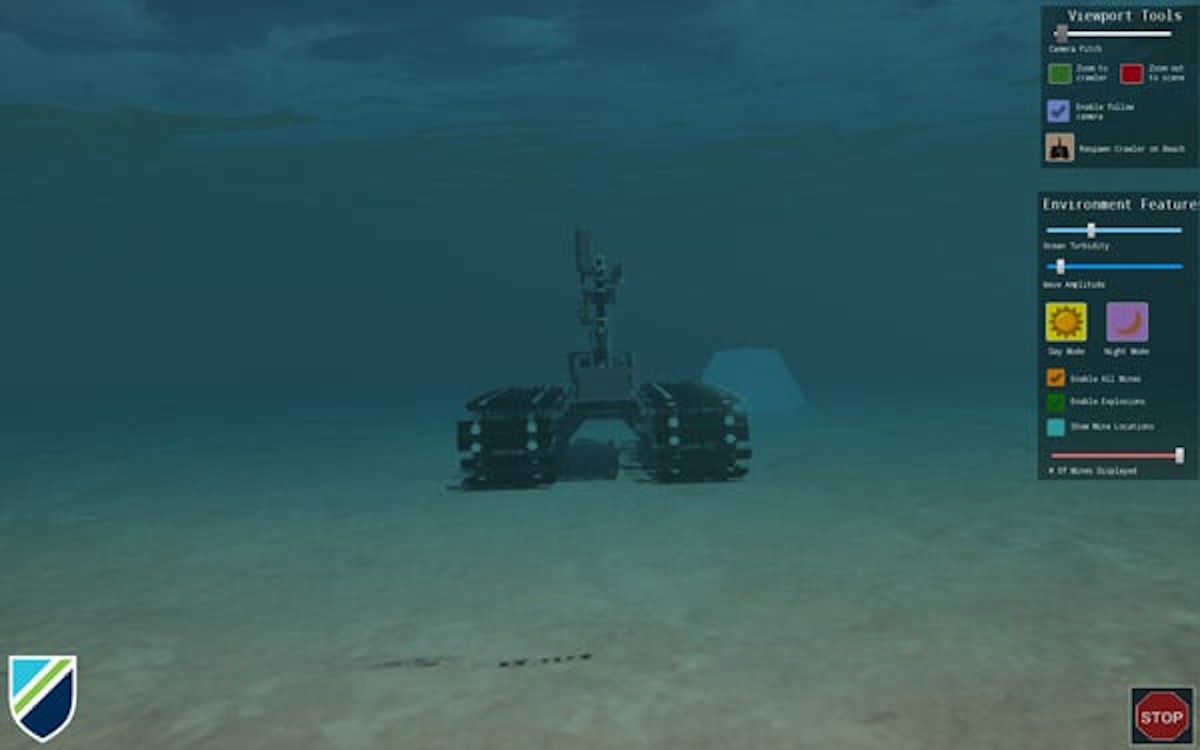
Greensea IQ Launches Bayonet AUGV Operator Training Simulator
Greensea IQ, a prominent player in subsea robotics and autonomous systems, has unveiled a new simulator aimed at enhancing the training of operators for its Bayonet Autonomous Underwater Ground Vehicles (AUGVs). The launch, announced today, provides a platform for users to learn, practice, and refine their operational skills in a controlled environment. This initiative reflects Greensea IQ's commitment to improving safety and efficiency in underwater operations, addressing the growing demand for skilled operators in the subsea industry. By utilizing advanced simulation technology, the company aims to equip users with the necessary expertise to effectively manage AUGVs, ultimately advancing the capabilities of subsea exploration and operations.
greensea iq bayonet autonomous underwater ground vehicles (augvs) augv operator training simulator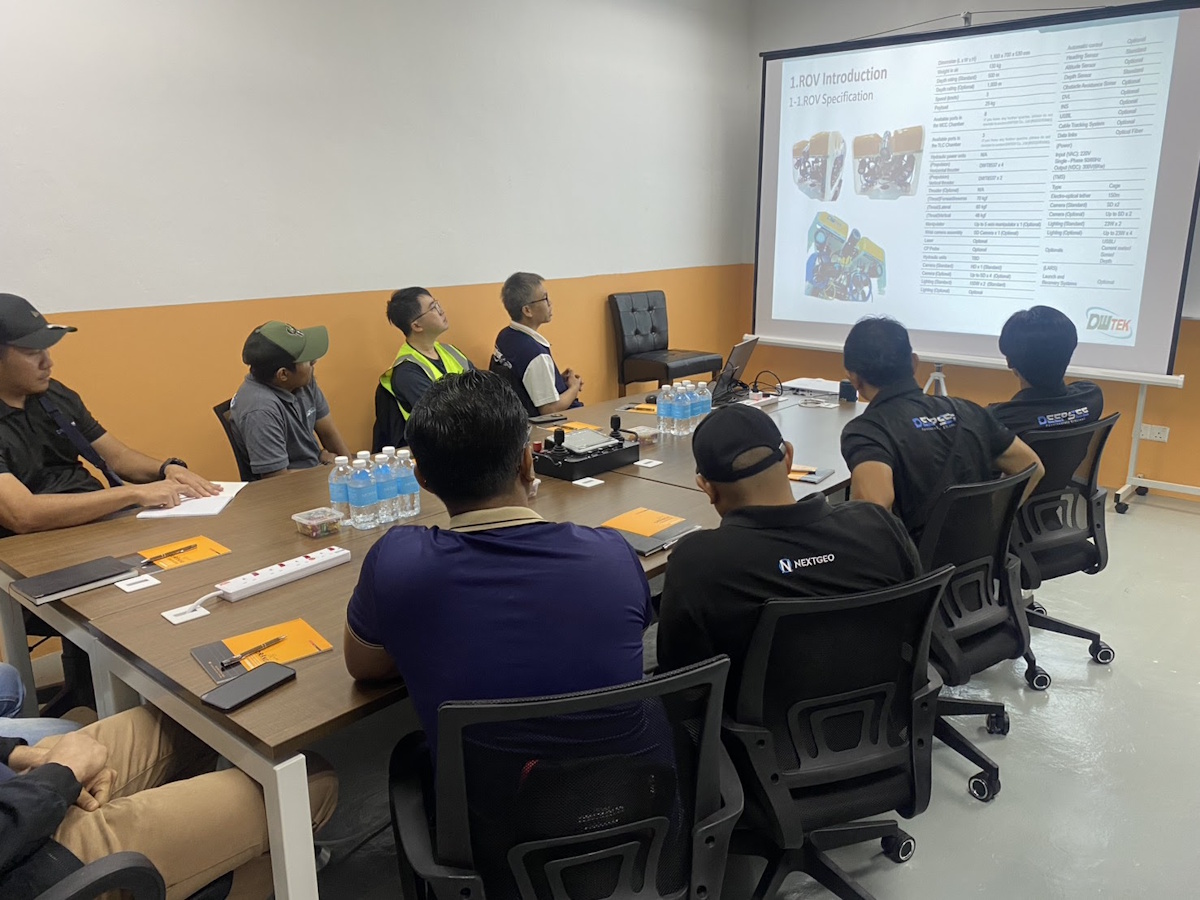
DWTEK Begins 2026 With ROV Training Program in Malaysia
At the start of 2026, DWTEK has launched its first major initiative of the year, an ROV training session, in collaboration with clients SWEN Holdings and DEEPSEE. This event is taking place in Malaysia and underscores the increasing demand for subsea capabilities in the region. The hands-on training program aims to equip participants with essential skills and knowledge, reflecting the industry's commitment to enhancing operational proficiency in underwater technology.
dwtek rov training program deepsee dwtek i90+ rov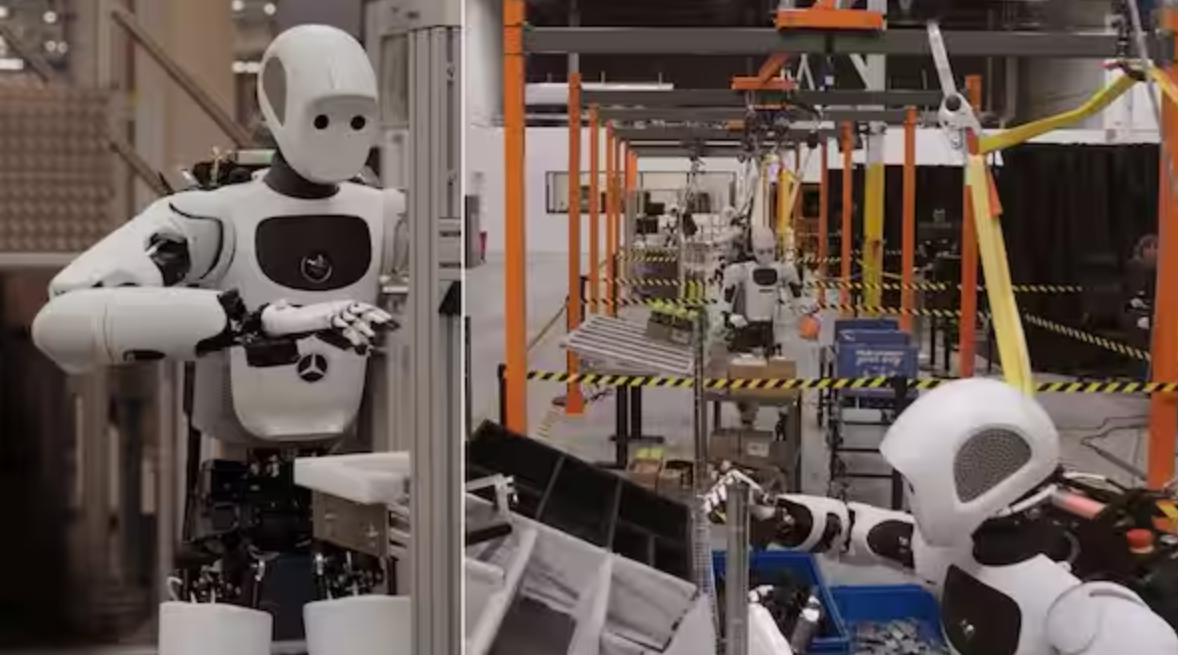
Google's Apptronik opens a 90,000 square foot "robot park": training humanoid robots with a data factory to walk towards...
Apptronik, a robotics company backed by Google, has inaugurated a 90,000 square foot facility known as a "robot park" dedicated to the training of humanoid robots. This state-of-the-art center, located in Austin, Texas, aims to enhance the capabilities of robots by utilizing a sophisticated data factory that allows them to learn and refine their walking abilities. The opening of the robot park comes as part of Apptronik's broader mission to advance humanoid robotics technology, driven by the increasing demand for automation and intelligent machines in various industries. By leveraging extensive data and innovative training methods, the facility is expected to significantly accelerate the development of robots that can perform complex tasks in real-world environments.
Robotics Automation AI
US firm builds 90,000-sq-ft robot park to advance humanoid robots with real-world training
Apptronik, a Texas-based humanoid robotics company, has launched Robot Park, an expansive training and data facility covering nearly 90,000 square feet. This state-of-the-art center, inaugurated recently, aims to enhance the development and capabilities of humanoid robots. By providing a dedicated space for training, Apptronik seeks to improve the performance of its robotic systems, ensuring they can effectively interact with humans and navigate complex environments. The establishment of Robot Park reflects the company's commitment to advancing robotics technology and addressing the growing demand for intelligent automation solutions. Through rigorous training programs and data collection, Apptronik plans to refine its robots' skills and adaptability, positioning itself at the forefront of the robotics industry.
AI and Robotics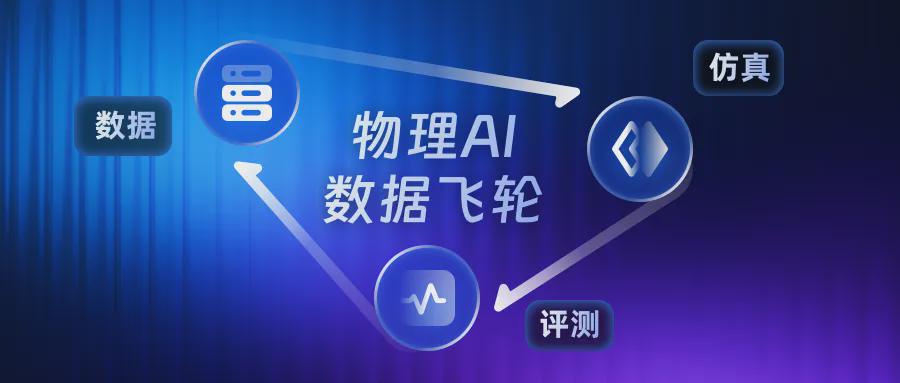
The Shift in Physical AI: Qunke Technology Develops a Simulation Data Production Line
Qunke Technology has introduced a pioneering solution to tackle the pressing shortage of high-quality 3D training data, which is vital for the advancement of the physical AI industry. As leading companies in embodied intelligence shift their focus from model architecture to data infrastructure, Qunke's innovative simulation data production line aims to fill this gap. The company’s efforts have been recognized at the European Conference on Computer Vision (ECCV), where three of its groundbreaking research papers were accepted. These contributions are expected to set new benchmarks in the fields of spatial intelligence and data synthesis, further propelling the development of AI technologies.
Embodied Intelligence Simulation Data 3D Training Data AI Benchmarking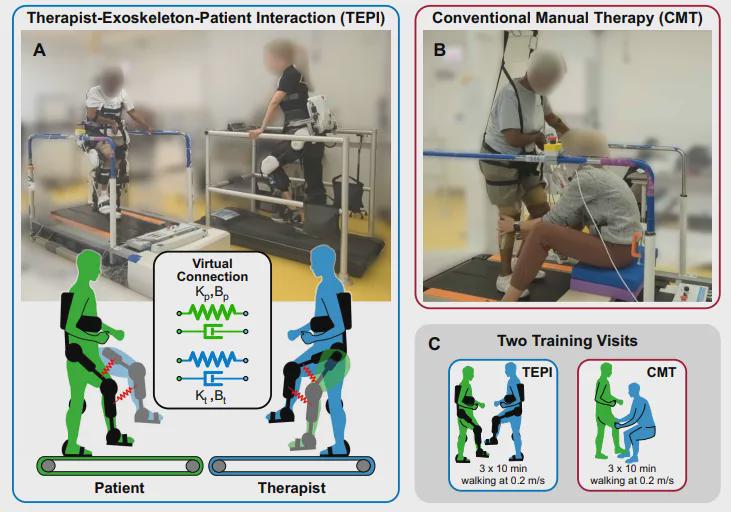
New Paradigm for Stroke Gait Training: Therapist-Exoskeleton-Patient Interaction
A research team from Northwestern University and Shirley Ryan AbilityLab has unveiled an innovative approach to stroke rehabilitation that integrates a therapist-exoskeleton-patient interaction model. This groundbreaking method enables both therapists and patients to don exoskeletons, facilitating real-time interaction during gait training sessions. The new technique aims to improve the effectiveness of rehabilitation and boost patient engagement, offering a significant advancement over conventional manual training methods. The introduction of this technology marks a promising development in the field of stroke recovery, potentially transforming how therapists assist patients in regaining mobility.
Stroke Rehabilitation Exoskeleton Technology Gait Training Physical Therapy
IEEE Rolls Out Large Language Models Virtual Training Course
Large language models (LLMs) have transitioned from research labs to everyday use in engineering, significantly altering how digital infrastructures are developed and maintained. As technical professionals increasingly rely on LLMs for complex tasks—such as identifying vulnerabilities in source code and converting fragmented discussions into detailed specifications—the demand for expertise in this technology is surging. According to MarketsandMarkets, the LLM technology market is projected to grow by approximately 33% annually through 2030. To effectively utilize LLMs, engineers must move beyond basic interactions and understand the underlying transformer architecture that enables these models to process vast datasets simultaneously. This knowledge is crucial to mitigate risks associated with inaccuracies, often referred to as "hallucinations," and to ensure reliable performance in coding and data handling. Key advancements include integrating LLMs with application programming interfaces (APIs) for direct database connections, addressing hallucination issues through retrieval-augmented generation (RAG), and prioritizing data security by establishing private model instances. Additionally, LLMs automate repetitive tasks, allowing engineers to focus on higher-level design and problem-solving. To bridge the growing knowledge gap, IEEE has launched an online program titled "Large Language Models Demystified," designed to equip technical professionals with a deeper understanding of LLMs. The curriculum covers the evolution of AI technology, transformer architectures, and practical model-building exercises. Participants will earn professional development credits and a digital badge upon completion, enhancing their credentials in this rapidly evolving field. Organizations interested in training their teams can consult with IEEE for tailored enrollment options.
Ai Type-ti Education Ieee-educational-activities Large-language-models Ieee-products-and-services
Bee Technology Aims to Solve Robotics Data Challenges Starting with a Cup
Bee Technology is making strides in the robotics sector by tackling the challenges of teaching robots to execute physical tasks, such as picking up objects. The company has recently obtained substantial funding to advance its MEgo series, which encompasses both hardware and data processing technologies. This initiative aims to establish a robust data supply chain essential for developing embodied intelligence in robots. By prioritizing high-quality physical AI data, Bee Technology is positioning itself as a key player in the industry, targeting businesses that depend on reliable data for training and optimizing their robotic models.
Embodied Intelligence Robotics Data Infrastructure AI Data Collection MEgo Hardware Data Processing Technology
Fastest, Largest, Strongest: NVIDIA Blackwell Sweeps MLPerf Training 6.0
In the rapidly evolving field of artificial intelligence, the initial phase of developing any advanced AI model begins with a crucial training run. The efficiency and effectiveness of this training process are heavily influenced by the underlying infrastructure that supports it. This infrastructure determines the speed at which teams can refine their models, the scale of the models they are capable of constructing, and the reliability of job completions. As AI technology continues to advance, the importance of robust and efficient training environments becomes increasingly clear, impacting the overall progress and capabilities of AI development.

New Infrastructure for Humanoid Robot Training Set to Surge by 2026
On June 8, the Ministry of Industry and Information Technology, alongside the State-owned Assets Supervision and Administration Commission, unveiled a collaborative initiative aimed at advancing humanoid robot training by 2026. This initiative seeks to establish practical training environments and validate applications in critical scenarios, signaling a transformative shift towards a data-driven infrastructure. The move is expected to redefine the humanoid robotics industry and enhance its competitive dynamics, reflecting a commitment to innovation and technological advancement in this rapidly evolving field.
Humanoid Robots Robot Training AI Data Infrastructure
Tsinghua-Harvard Team's Acorn Robot Develops 'Zero-Data' Robot That Learns Through Instinct, Not Training Data
A team of researchers educated at Tsinghua University and Harvard has developed an innovative robot capable of learning physical manipulation without any prior training data. This groundbreaking technology relies solely on tactile sensors and an instinct-driven trial and error approach to tackle complex tasks, such as picking up a flat credit card. The project highlights a significant advancement in robotics, showcasing the potential for machines to adapt and learn in real-time, which could revolutionize various applications in automation and artificial intelligence.
Robotics
ROKAE Robotics Partners with China Welding Association on Smart Welding Training
ROKAE Robotics has announced a partnership with the China Welding Association (CWA) to collaboratively develop and implement professional training programs focused on intelligent welding technology. The agreement was formalized during a visit from Wu Jiupeng, Deputy Secretary-General of the CWA, to ROKAE's facilities. This initiative aims to bridge the existing skills gap between theoretical knowledge of welding and practical operation of robotic systems, which both organizations have identified as a critical challenge in the industry. The collaboration is expected to enhance the skill set of welding professionals, ensuring they are better equipped to meet the demands of modern welding technology.
Cubic wins Italian Army SIM 2.0 live training modernisation contract
Cubic Defense has been awarded a contract by the Italian Army to enhance its live training capabilities and implement data-driven methodologies throughout its operations. This initiative aims to modernize the army's training processes, ensuring that personnel are equipped with advanced skills and knowledge. The contract reflects a growing trend among military forces to leverage technology and data analytics to improve training effectiveness and operational readiness. The collaboration is expected to take place over the coming months, with Cubic Defense providing innovative solutions tailored to the specific needs of the Italian Army.
News
Launch of 'Robot Kindergarten' Five-Year Plan by HeShan Technology and Richard Sutton
HeShan Technology has announced a collaboration with renowned AI expert Richard Sutton to initiate the 'Robot Kindergarten' project, a five-year research endeavor designed to enhance embodied intelligence in robotics. This innovative initiative aims to create a training platform that enables robots to engage in active learning through real-world interactions, shifting the focus from mere imitation to self-directed learning techniques. The project underscores the growing importance of developing intelligent systems that can adapt and learn autonomously in dynamic environments.
Embodied Intelligence Robotics Research Reinforcement Learning AI Development
ugo and FastLabel launch training program for developing VLA model with domestic humanoids and physical AI.
Ugo Corporation and FastLabel Inc. have launched a hands-on training program aimed at facilitating the development of Vision-Language-Action (VLA) models for companies, universities, and research institutions. This initiative utilizes the domestically produced humanoid robot, the "ugo Pro R&D model," to support participants from the initial stages of model development. The program, titled "ugo VLA Model Development Training Program powered by FastLabel," is designed to enhance practical skills and knowledge in the emerging field of VLA technology.
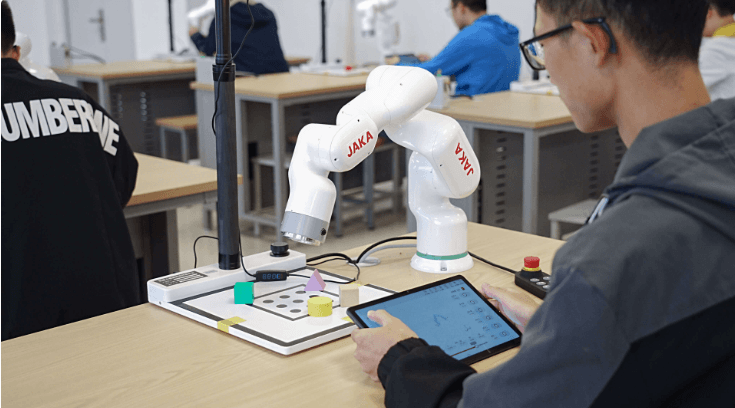
Industrial Automation and Robotics for Educators: Training the Next Generation
The rapid evolution of industrial automation and robotics is reshaping global manufacturing, leading to an increased need for a skilled workforce adept at managing advanced machinery. As educators strive to connect theoretical engineering principles with the practical demands of modern smart factories, there is a pressing requirement for classroom tools that reflect real-world equipment. By 2026, the integration of robotics into STEM curricula is expected to be crucial for fostering critical thinking and technical literacy among students. Educational programs are shifting towards "Embodied Intelligence," where learners engage with sophisticated technologies like industrial robot arms, enhancing their understanding of vision systems, sensor feedback, and machine learning. This hands-on experience equips students with essential skills in industrial safety, workflow optimization, and predictive maintenance, preparing them for careers as automation engineers and technicians. However, challenges persist, including the high costs and complexities associated with traditional industrial robots, which often require specialized facilities and safety measures. To address these issues, educational institutions are exploring "all-in-one" solutions that prioritize safety and usability while maintaining industrial-grade performance. JAKA Robotics is stepping up to meet these educational needs by providing tools that facilitate a safe learning environment. Their JAKA Academy offers a comprehensive training platform with courses ranging from basic operations to advanced software development. The versatile JAKA Zu and S series robots are designed for both research and classroom use, allowing students to engage in practical tasks and develop innovative AI-driven workflows. By incorporating JAKA's technology into educational settings, students are empowered to become the next generation of leaders in industrial automation.

Toyota Open Sources Complete Pipeline for Training Robot Brains
The Toyota Research Institute has announced the open-source release of its VLA Foundry, a comprehensive framework designed for training visual-language-action models in robotics. This initiative, unveiled recently, aims to streamline the training process for researchers by providing a unified system that tackles the prevalent issue of fragmented training methodologies in the field. By enabling researchers to begin from the ground up and execute the entire training process, the VLA Foundry seeks to enhance collaboration and innovation within the robotics community. This move reflects Toyota's commitment to advancing robotics technology and fostering a more integrated approach to model training.
Robot Training Open Source AI Models Robotics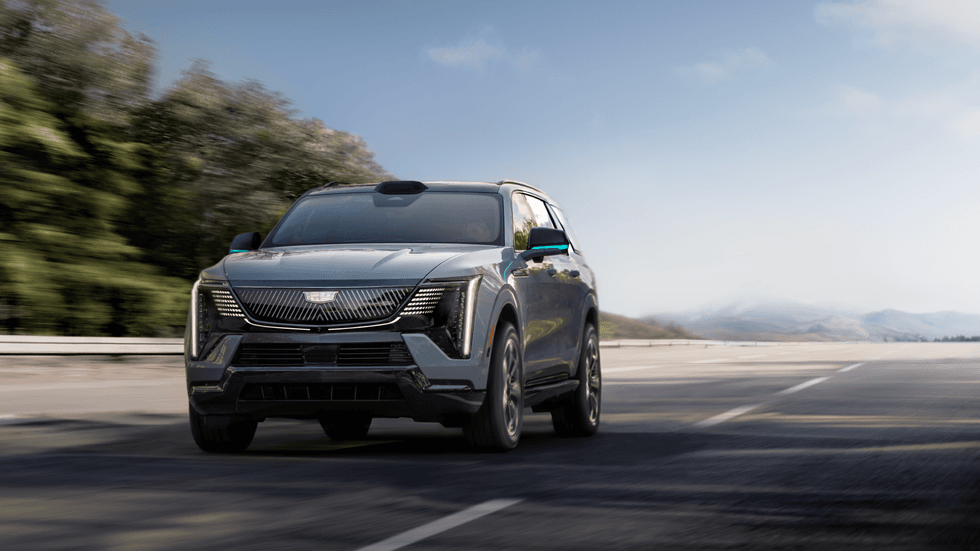
Training Driving AI at 50,000× Real Time
General Motors (GM) is advancing its autonomous driving technology by addressing the complex challenges associated with unpredictable road scenarios, known as the "long tail." This initiative is crucial as GM aims to achieve fully autonomous vehicles capable of navigating diverse environments safely. The company employs a combination of large-scale simulations, reinforcement learning, and advanced AI models, such as Vision Language Action (VLA), to enhance the decision-making capabilities of its autonomous systems. To prepare for rare and unexpected driving situations, GM conducts millions of high-fidelity simulations that replicate real-world conditions. These simulations allow engineers to test the vehicles against hazardous scenarios that would be difficult to encounter safely in reality. Additionally, GM utilizes innovative techniques like “Seed-to-Seed Translation” to generate synthetic training data, enabling the modeling of extreme weather conditions and traffic scenarios. The development process also incorporates a unique dual-frequency model that balances high-level decision-making with immediate vehicle control, ensuring quick responses to dynamic road conditions. Furthermore, GM's approach includes adversarial testing to identify potential safety risks by challenging the AI's perception capabilities. As GM continues to refine its autonomous driving technology, the company is focused on creating an ecosystem that integrates various learning methods and addresses the critical edge cases that will determine the readiness of autonomous vehicles for widespread deployment. This comprehensive strategy aims to enhance safety and reliability, paving the way for a future where autonomous driving can operate without human intervention.
Autonomous-vehicles Self-driving-cars Gm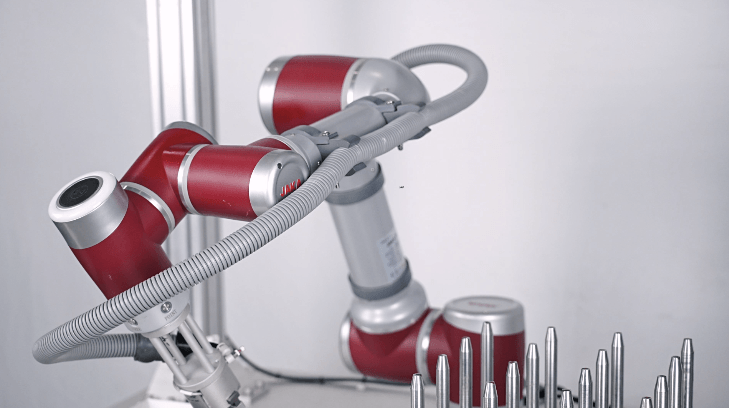
Implementing Vision Systems in Advanced Robotics Technology for Adaptive Tasks
A company specializing in advanced robotics is enhancing production efficiency by integrating vision systems into its industrial cobot solutions. This innovative approach allows robots, such as the JAKA Pro16, to perceive and adapt to changing conditions on the production line, enabling them to identify parts, detect orientation, and adjust movements in real time. The implementation of these vision systems minimizes the risk of misplacement and reduces human error during loading and unloading tasks. The company’s cobot platforms are designed for flexibility, allowing them to efficiently respond to diverse production requirements. By detecting subtle variations and unexpected obstacles, these robots enhance the resilience of production lines. The JAKA Pro16 features simple programming capabilities that facilitate quick adjustments to production setups, thereby minimizing downtime and improving overall efficiency and product quality. Additionally, the company emphasizes user-friendly programming interfaces, enabling operators with minimal training to manage complex tasks effectively. The drag-and-drop teaching and graphical interfaces of the JAKA Pro16 maximize robot utilization while allowing human resources to focus on strategic activities. This combination of visual perception and intelligent control algorithms ensures high precision and adaptability in various manufacturing scenarios. In summary, the integration of vision systems into robotics technology is pivotal for creating flexible manufacturing solutions. The company remains committed to developing adaptive robotics that enhance task accuracy, optimize workforce allocation, and support high-quality production outcomes.
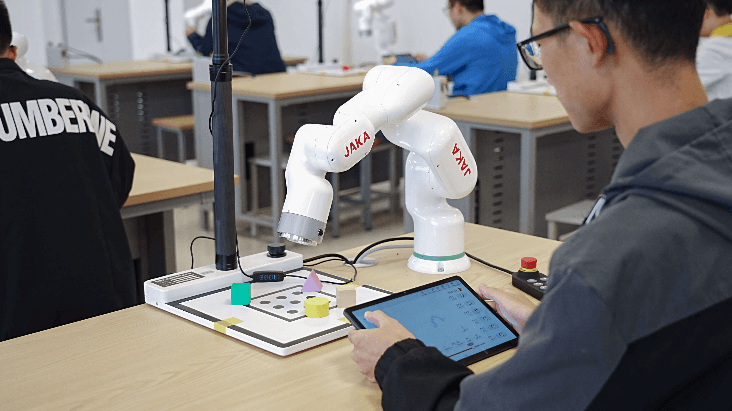
Automation and Industrial Robotics for Education: Training Programs and Platforms
JAKA, a leader in industrial automation and robotics, is revolutionizing technical education by integrating hands-on experience with industrial cobot systems into learning environments. This initiative aims to prepare students for future careers in manufacturing and engineering by providing practical knowledge that complements traditional theoretical studies. The company has developed training programs centered around the JAKA Pro16, an industrial cobot designed to operate in challenging environments, allowing students to engage in tasks such as palletizing, machine tending, and precision welding without damaging sensitive equipment. This hands-on approach helps learners understand the practical challenges of modern industrial settings. JAKA's modular platforms facilitate both individual and collaborative learning, enabling students to program trajectories, test automation sequences, and analyze data from integrated sensors. This immersive experience connects theoretical concepts with real-world applications, enhancing problem-solving skills and technical confidence. The goal of these educational programs is to equip students with the skills necessary for careers in manufacturing, engineering, and technology. By interacting with advanced robotics like the JAKA Pro16, students gain insights into mechanical operations, control systems, and safety protocols. JAKA also provides instructor guides and safety materials to ensure effective and secure learning. Through this commitment to integrating automation and robotics into education, JAKA is helping to bridge the gap between classroom learning and industry requirements, ultimately preparing the next generation for the evolving challenges of modern manufacturing.

Tongren Intelligence Secures Nearly 400 Million Yuan in Series A Funding, Launches 'Data-Free Training' Embodied Brain for Scalable Applications
Tongren Intelligence, a company incubated by the Chinese Academy of Sciences, has unveiled a pioneering 'embodied brain' technology that functions without the need for extensive data training. This innovative development has attracted nearly 400 million yuan in Series A funding, positioning the company to transform the smart manufacturing and defense sectors. By providing advanced robotic solutions, Tongren Intelligence aims to enhance operational efficiency and capabilities in these critical industries. The funding will support the further development and deployment of this cutting-edge technology, which promises to redefine traditional approaches to automation and robotics.
Embodied Intelligence Robotics Smart Manufacturing AI Technology
Generalist AI Releases "Science of Pretraining" Deep Dive: Why Data Quality Trumps Volume in Robotics
Generalist AI has unveiled new insights into its pretraining methodology in a technical addendum related to its recent GEN-0 launch. The company introduced innovative metrics, including "Reverse KL," designed to evaluate the creativity of its models. Additionally, Generalist AI announced that its infrastructure can process an impressive volume of data, equating to 6.85 years of robotic experience each day. This advancement highlights the company's commitment to enhancing artificial intelligence capabilities and underscores its efforts to push the boundaries of machine learning technology.
Data Collection Generalist AI embodied-ai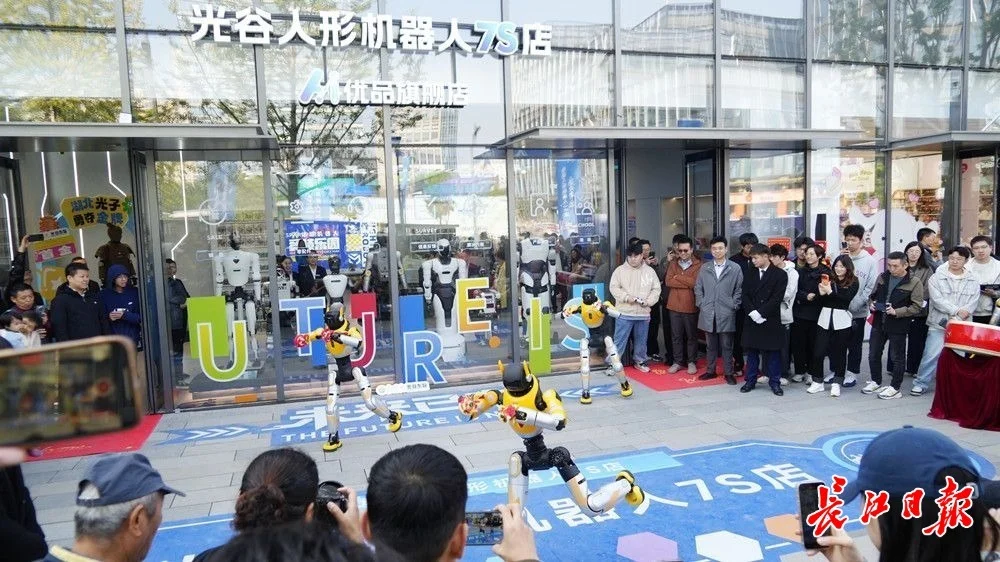
China's First '7S' Humanoid Robot Store Opens in Wuhan, Offering Sales, Service, and Training
A groundbreaking retail concept for humanoid robots has been introduced in Wuhan, China, marking a significant shift from traditional sales models. This innovative approach, known as the '7S' model, encompasses not only the sale of humanoid robots but also includes spare parts, training, and comprehensive lifecycle services. The initiative aims to enhance customer experience and support by utilizing a local supply chain, ensuring that all components and services are readily available to consumers. This launch reflects the growing demand for advanced robotics solutions and the importance of localized support in the rapidly evolving technology sector.
Supply Chain Hubei Wuhan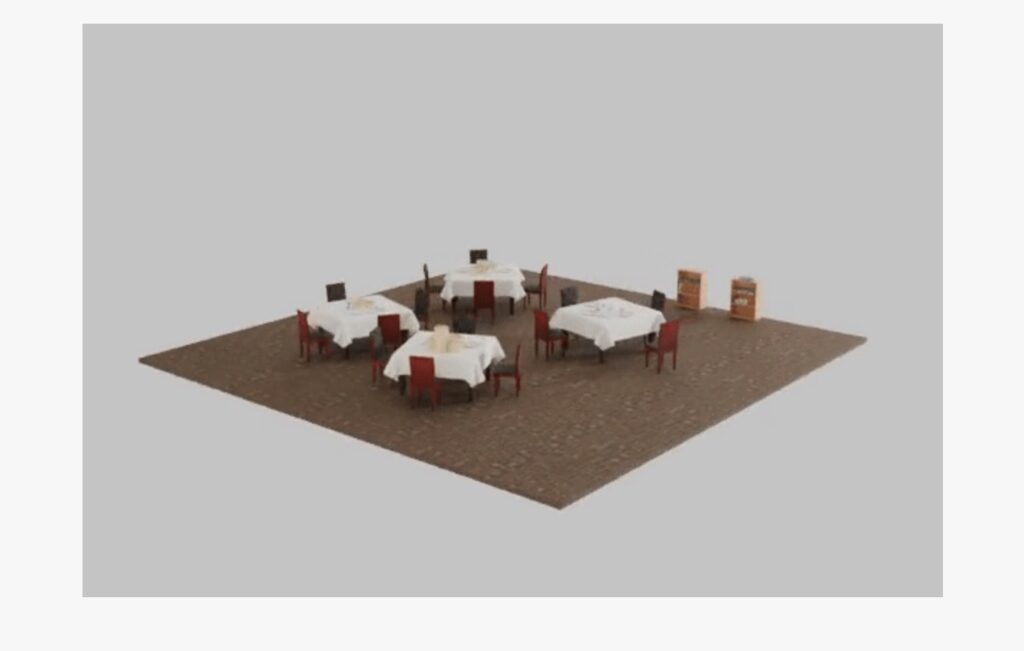
Using generative AI to diversify virtual training grounds for robots
Researchers have developed a new system called "steerable scene generation," designed to create digital environments such as kitchens, living rooms, and restaurants. This innovative technology allows engineers to simulate various real-world interactions and scenarios involving robots. The system aims to enhance the training and performance of robotic systems by providing realistic settings for testing and development. The advancements in generative AI play a crucial role in this process, enabling the creation of dynamic and adaptable scenes that can be tailored to specific needs. This breakthrough could significantly improve how robots are trained to navigate and interact within diverse environments, ultimately leading to more effective and versatile robotic applications.
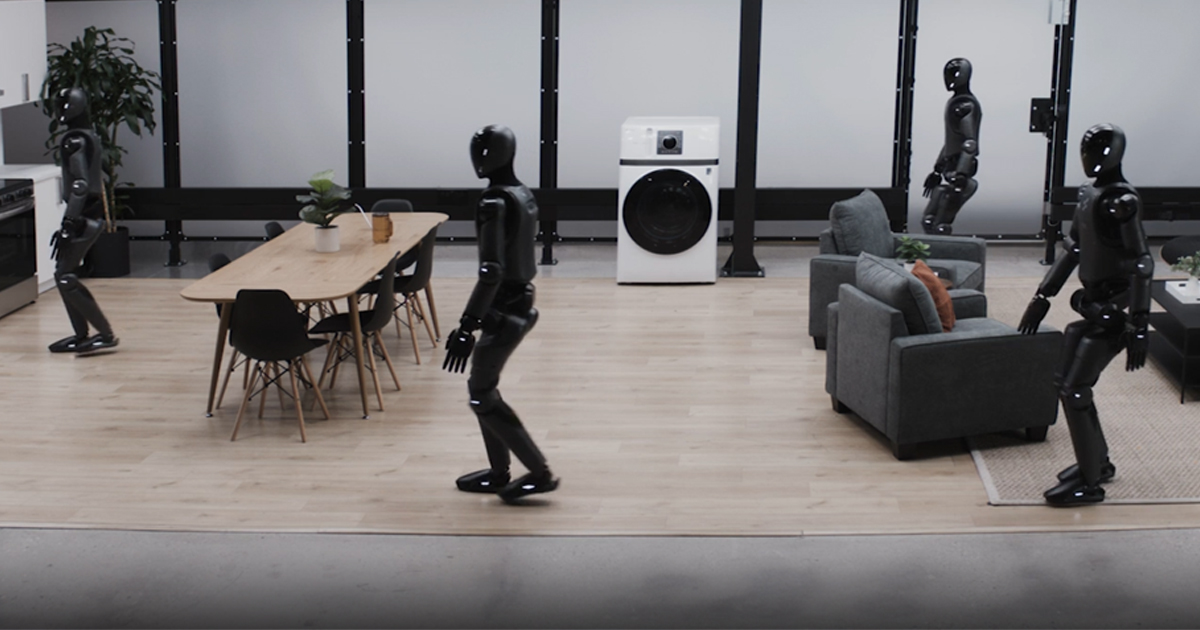
Project Go-Big: Internet-Scale Humanoid Pretraining and Direct Human-to-Robot Transfer
Figure has unveiled Project Go-Big, an innovative initiative aimed at developing the largest humanoid pretraining dataset in collaboration with Brookfield. This ambitious project is designed to enhance the capabilities of robots, allowing them to learn navigation and manipulation tasks directly from human-generated video content. By achieving zero-shot transfer of skills, Project Go-Big is set to significantly advance the field of humanoid robotics. The announcement comes as the demand for more sophisticated robotic systems continues to grow, highlighting the importance of effective training methods in the evolution of robotics technology.
humanoid robotics machine learning artificial intelligence natural language processing data collection
Figure Taps Brookfield's Global Real Estate Portfolio to Scale AI Training
Figure, a humanoid robotics company, has formed a strategic partnership with asset management firm Brookfield. This collaboration will provide Figure with access to an extensive portfolio of real estate, enabling the company to develop a significant real-world training dataset for its Helix AI model. The partnership aims to expedite the commercial deployment of Figure's robotics technology. By leveraging Brookfield's diverse properties, Figure seeks to enhance the capabilities of its AI, ultimately advancing the integration of humanoid robots into various sectors.
Brett Adcock Figure brookfield helix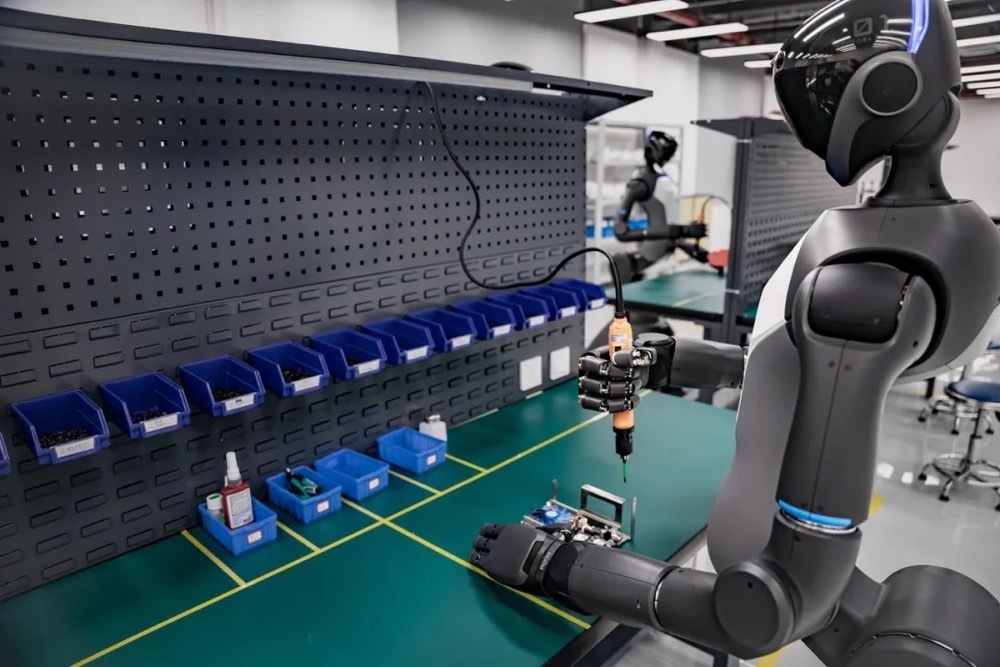
MIT Technology Review releases 2025 ’50 Smartest Companies’ list, recognizes Deepseek, Game Science and Unitree Robotics
At the EmTech China 2025 Global Technology Summit held last Friday, MIT Technology Review announced its prestigious annual list of the “50 Smartest Companies.” Among the distinguished honorees were Deepseek, Game Science, and Unitree Robotics. Deepseek stood out for its remarkable achievement in algorithm optimization, demonstrating world-class model performance while maintaining low training costs, marking a significant advancement in resource efficiency within the tech industry. The summit highlighted these companies' innovative contributions to technology, underscoring the importance of efficiency and performance in the rapidly evolving landscape.
News Feed
Doosan Robotics Opens Authorized Training Center at the University of Maine
Doosan Robotics has launched an Authorized Training Center at the University of Maine's Advanced Manufacturing Center (AMC) in Orono, marking a significant step in workforce development in robotics and automation. The center, located within the AMC's B.O.T. Loft, will provide hands-on training in robot programming, system integration, and industrial applications, utilizing Doosan's advanced robotic systems and other technologies. This initiative aims to equip both students and the general public with essential skills for today's high-tech job market. The partnership, which expands Doosan Robotics' U.S. training network—joining an existing center in Plano, Texas—reflects the company's commitment to fostering a skilled robotics workforce and promoting intelligent automation. Doosan will supply official training materials, lesson plans, and educational robot kits to support the curriculum. John Belding, director of the AMC, expressed enthusiasm for the collaboration, emphasizing the importance of providing direct experience with cutting-edge technology in shaping the future of manufacturing. The initiative also benefits from Industrial Automation Supply, Doosan's authorized distributor in Portland, enhancing access to automation solutions for local manufacturers. Founded in 1865, the University of Maine is the state's only public research university, dedicated to advancing education and innovation in advanced manufacturing. The establishment of this training center underscores the university's mission to deliver real-world training opportunities in high-demand fields.
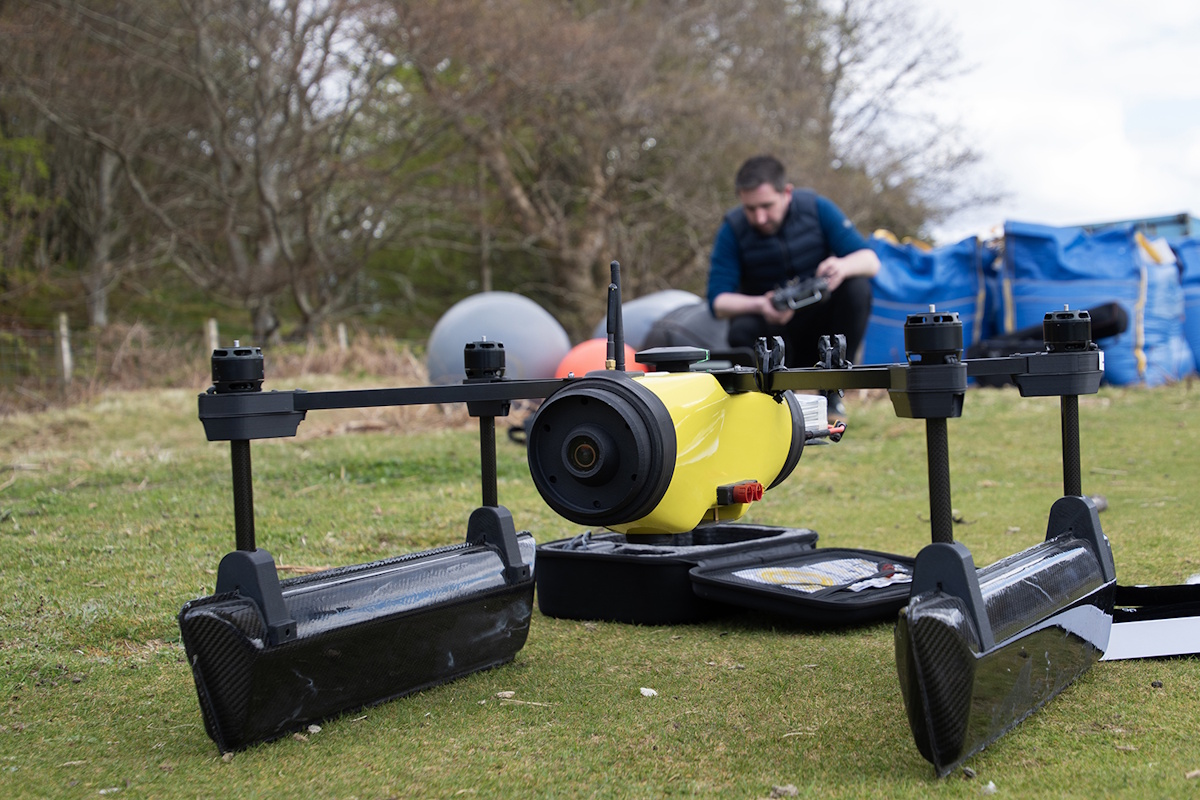
Master the Future of Technology with this Cutting-edge Course from the Scientific Robotics Academy
The Scientific Robotics Academy, located at the Scottish Association for Marine Science (SAMS) in Oban, is set to showcase various robotics systems during a training course scheduled for September 3rd to 5th. This initiative is partially funded by the UK government through the UK Shared Prosperity Fund, highlighting the government's commitment to advancing technological education and innovation. The event aims to enhance participants' understanding of robotics applications in marine science, providing hands-on experience with cutting-edge technology.
course scientific robotics academy scottish association for marine science (sams)
1X Teases "Incredible" Reveal Amidst Redwoods; Foundation Robotics Launches "Skynet Junior" Training Cluster
This week, robotics company 1X has generated buzz by teasing a significant update through a mysterious video set in a forest, showcasing its NEO humanoid robots. Concurrently, Sankaet Pathak, CEO of Foundation Robotics, revealed that their initial AI training cluster, dubbed "skynet junior," is now operational. The company also has ambitions to develop a more extensive "skynet" cluster in the near future. These developments highlight the ongoing advancements in robotics and artificial intelligence, as firms like 1X and Foundation Robotics push the boundaries of technology and innovation.
1X-technologies sankaet-pathak foundation NEO Bernt Børnich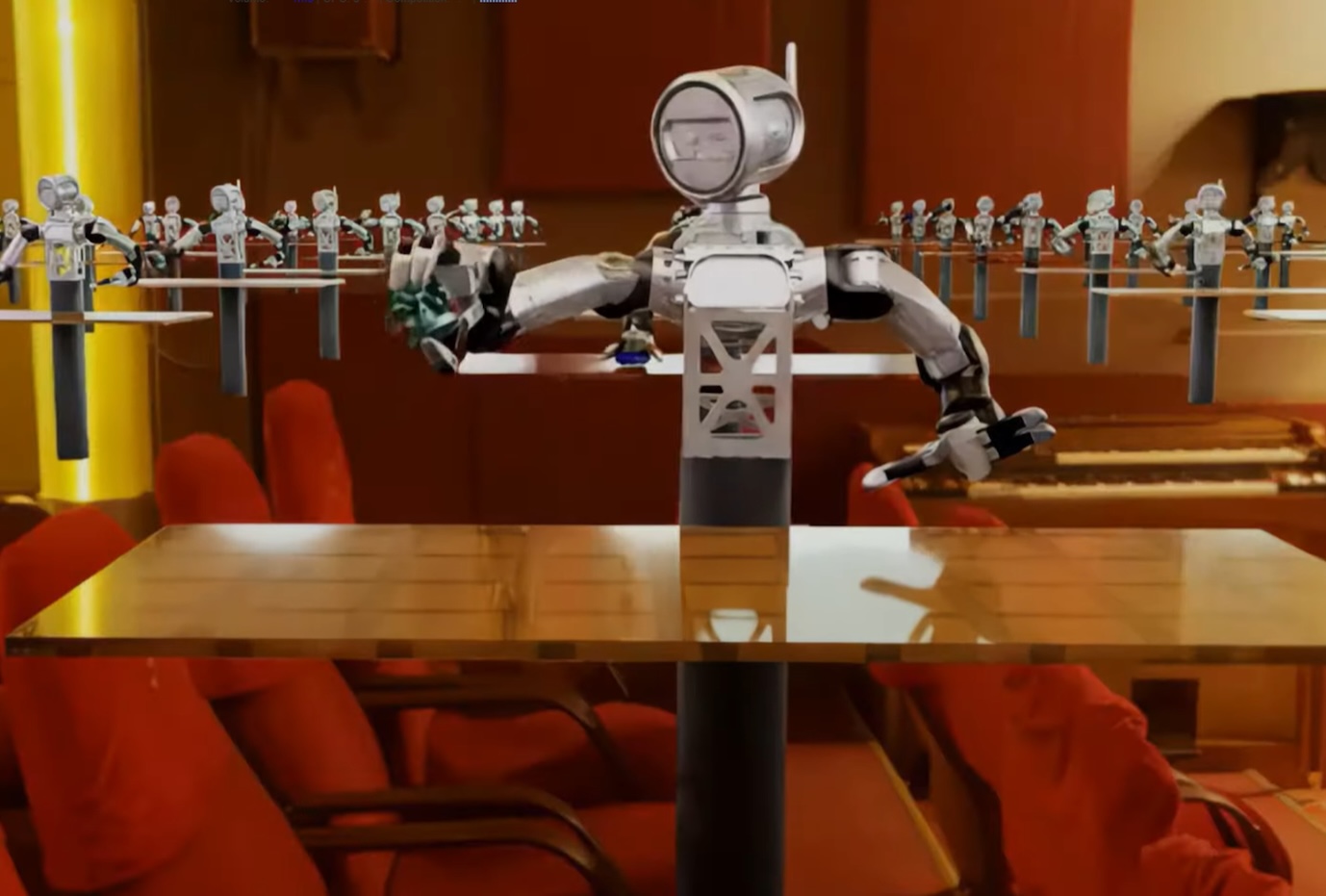
Tongji University purchases 10 Unitree humanoid robots for student training
Tongji University, a leading educational institution in China, has entered into a procurement agreement worth RMB 8.26 million (approximately $1.14 million) with Unitree Robotics. This contract, announced on the China Government Procurement Network, involves the acquisition of 10 Unitree H1-2 humanoid robots along with essential accessories, including high-precision depth cameras and LiDAR technology. The initiative aims to enhance the university's robotics training capabilities, reflecting a growing emphasis on advanced technology in education. The partnership is expected to facilitate hands-on learning and research opportunities in the field of robotics, positioning Tongji University at the forefront of innovation in this rapidly evolving sector.
News Feed
The biggest industry, training hurdles for making drone wingman a reality
In a recent video, experts examined the evolving dynamics of manned-unmanned teaming in military operations, highlighting anticipated shifts for defense manufacturers as the United States increasingly integrates drones into combat scenarios. This analysis comes at a pivotal moment when the U.S. military is actively seeking to enhance its operational capabilities through advanced drone technology. The discussion focuses on how these partnerships between manned aircraft and unmanned systems could reshape defense strategies and manufacturing processes. As the demand for sophisticated drone capabilities grows, manufacturers will need to adapt to new technological requirements and operational frameworks to remain competitive in the defense sector. The insights shared in the video underscore the importance of innovation and collaboration in modern warfare, reflecting a broader trend towards automation and enhanced aerial support in military engagements.
Air Warfare Naval Warfare Pentagon Air Force collaborative combat aircraft Drones
MIT researchers channel AI to turn hand gestures into robot training data
Researchers have developed an innovative method to enhance the capabilities of humanoid robots, particularly in tasks such as grasping objects. This advancement involves the use of a specialized ultrasound wristband worn by a human instructor, which captures the intricate movements of muscles, tendons, and ligaments beneath the skin. By analyzing this data, the robots can learn to replicate these movements more effectively. The initiative, which began in late 2023, aims to improve the dexterity and functionality of robots in various applications, from manufacturing to personal assistance. The ultrasound technology provides real-time feedback, allowing the robots to adjust their movements based on the instructor's actions. This approach not only enhances the robots' ability to perform complex tasks but also opens new avenues for human-robot interaction. The research is being conducted at a leading robotics lab, where experts are focused on bridging the gap between human-like movement and robotic precision. By mimicking the natural motion of human hands, the robots are expected to achieve greater efficiency and adaptability in their operations. This breakthrough could significantly impact industries that rely on automation, making robots more versatile and capable of handling delicate tasks that require a human touch.
Robotics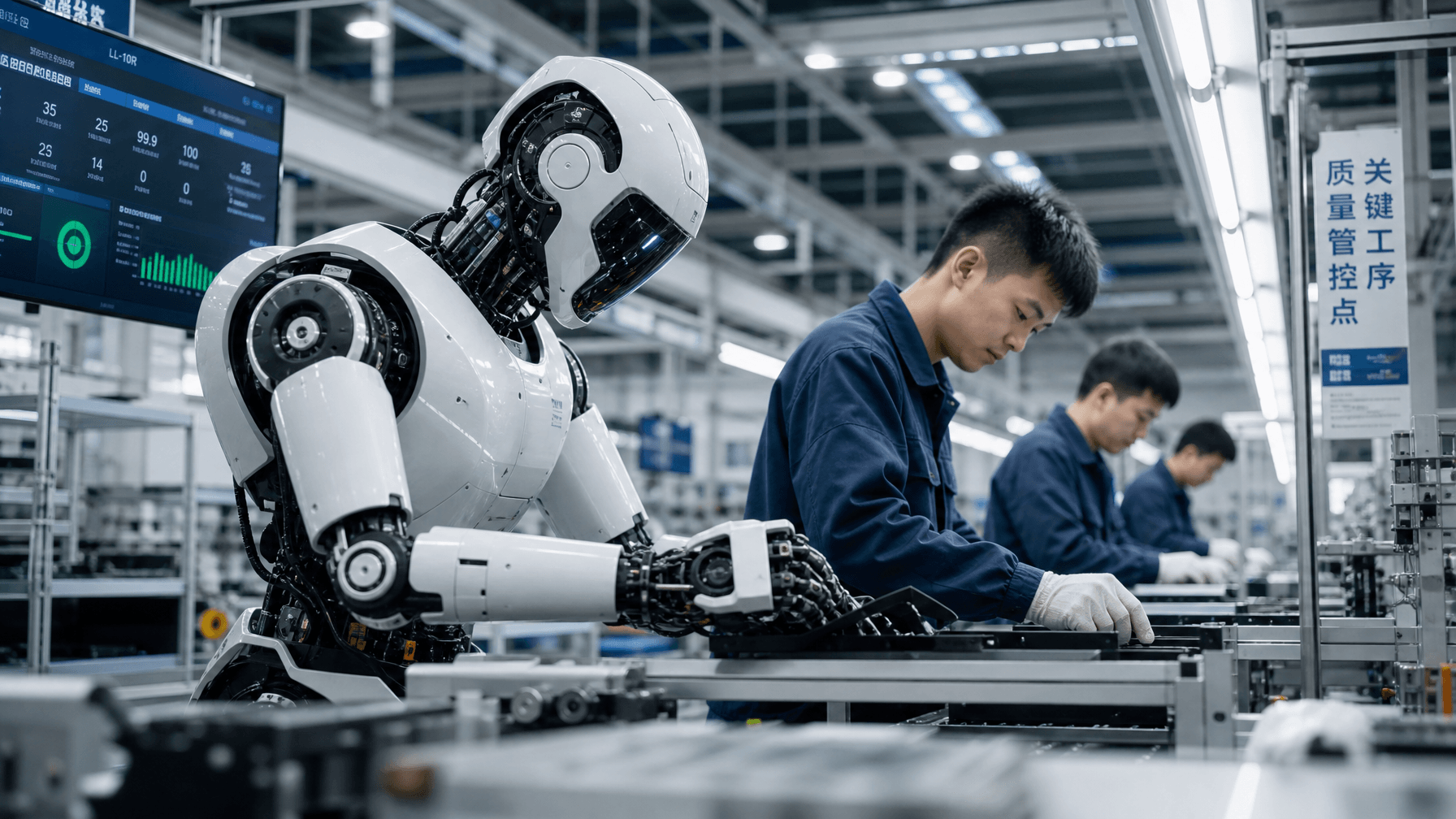
MIIT and SASAC Launch 2026 Humanoid Robot Real-Scene Training Initiative
China's Ministry of Industry and Information Technology (MIIT) and the State-owned Assets Supervision and Administration Commission (SASAC) have announced a comprehensive action plan aimed at deploying humanoid robots across various sectors by 2026. This initiative seeks to implement thousands of humanoid robots in real-world industrial, service, and specialized applications, with a focus on over 100 high-value scenarios. The plan underscores China's commitment to advancing its robotics industry and enhancing automation in key areas, reflecting a strategic move to boost productivity and innovation in the face of evolving market demands. The deployment strategy will involve collaboration between government bodies and private enterprises to ensure effective integration of these technologies into existing workflows.
HumanoidRobotics
Milestone: Ascend 910C Completes Full-Parameter Post-Training of 1.6 Trillion Parameter Model, Domestic AI Computing Crosses Key Threshold
Shenzhen Hetao College, in partnership with Harbin Institute of Technology (Shenzhen), the Shenzhen Big Data Research Institute, and Huawei, has announced a significant advancement in domestic artificial intelligence computing. The collaborative effort culminated in the successful completion of a full-stack AI computing platform, marking a pivotal moment for the region's technological landscape. This achievement, revealed on October 15, 2023, in Shenzhen, aims to enhance the capabilities of AI applications across various industries. The initiative is driven by the growing demand for advanced computing solutions and the need to bolster China's position in the global AI arena. By integrating expertise from academia and industry, the consortium has developed a robust system designed to support complex AI tasks, thereby fostering innovation and economic growth in the region.
AI
NVIDIA Research Unlocks Advanced Grasping, Smarter Autonomous Driving and Agent Training at Scale
Researchers are exploring advancements in robotics, focusing on the versatility of robot grippers and the safety of autonomous vehicle systems. The study highlights that the true utility of a robot gripper lies not only in its ability to grasp a single object but also in its capacity to adapt and handle various unfamiliar items consecutively. Similarly, the effectiveness of autonomous vehicles is assessed not just on their reasoning capabilities but on their overall safety in diverse driving conditions. This research, conducted by a team of engineers and computer scientists, aims to enhance the functionality of robotic systems and improve public trust in autonomous technology. The findings, which are expected to influence future designs and applications, were presented at a technology conference in early October 2023. By integrating advanced algorithms and machine learning techniques, the team is developing systems that can learn from experience, thereby increasing their efficiency and reliability in real-world scenarios.
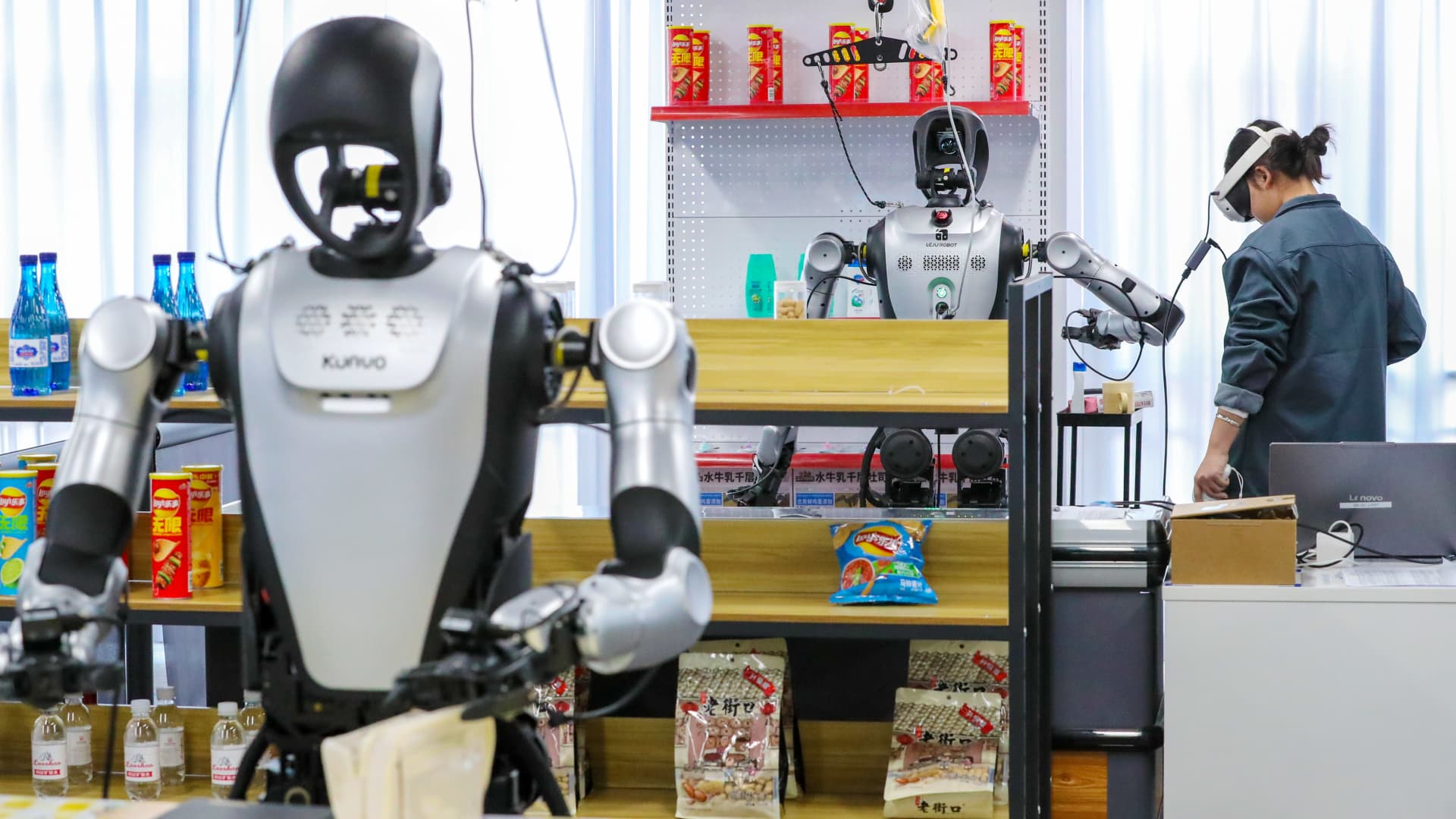
Job training for robots: How China is getting machines ready to join the workforce
During Tesla's fourth-quarter earnings call, CEO Elon Musk highlighted that China poses the most significant competition in the field of humanoid robots. This statement underscores the growing rivalry in robotics, particularly as advancements in technology and manufacturing capabilities continue to emerge from the region. Musk's remarks reflect Tesla's strategic focus on innovation and the need to stay ahead in a rapidly evolving market. The call, which took place recently, signals the company's acknowledgment of the competitive landscape and its implications for future developments in robotics.
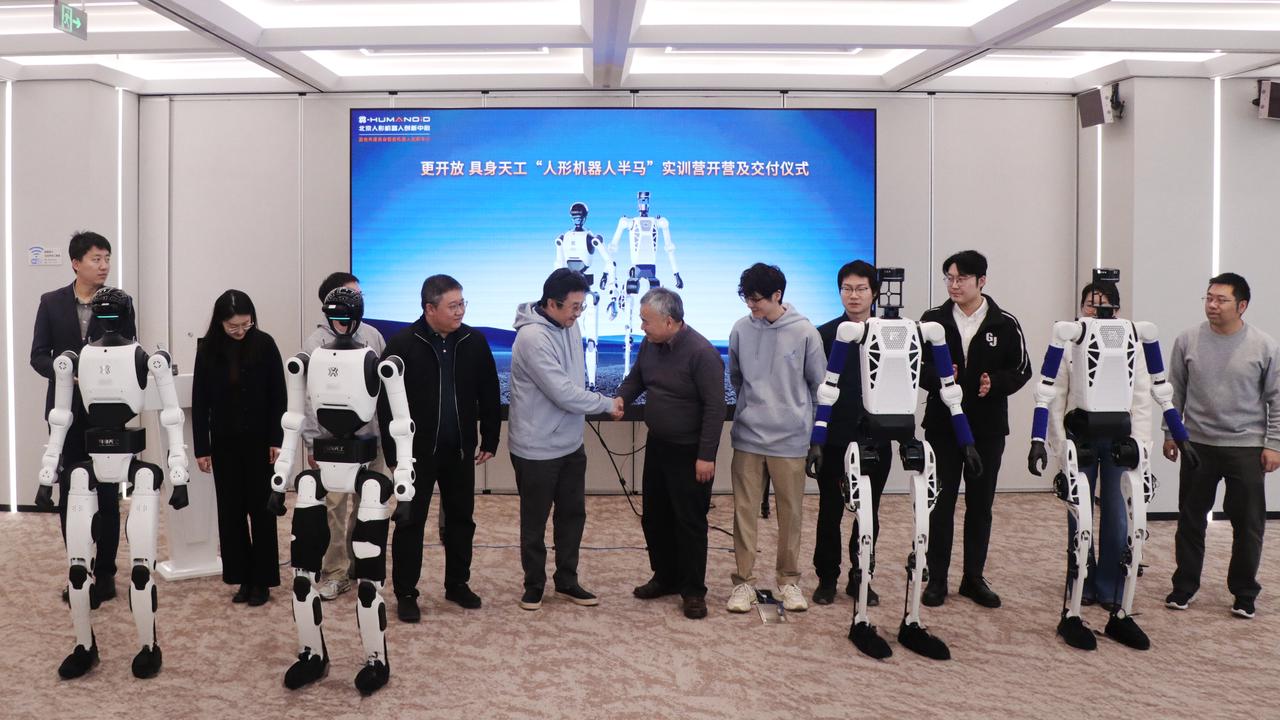
Beijing Humanoid Holds Robot Half Marathon Cooperation Delivery Ceremony to Explore the Limits of Embodied Intelligent Technology with Open Source Ecology
The Beijing Humanoid Robot Innovation Center, designated as China's "national team" for embodied intelligent robots, is spearheading advancements in core technologies and developing an independent industrial ecosystem. Since its establishment, the center has focused on aligning with national strategies to enhance China's global competitiveness. Recently, it inaugurated a data and training base for embodied intelligent robots, marking a pivotal step beyond physical capabilities. This initiative aims to position China as a leader in data strategy within the emerging field of embodied intelligence. The center is set to provide extensive, high-quality data infrastructure essential for the industry, while also leading the creation of China's first standards for data collection in this domain. By offering specialized services and generating valuable data, the center is poised to facilitate the integration of humanoid robots into various sectors and households. This effort is expected to accelerate the development of new productive forces and foster technological self-reliance in China. As the landscape of artificial intelligence evolves from "perceptual intelligence" to "embodied intelligence," the demand for high-quality data becomes increasingly critical to drive innovation and growth in the sector.
Robotics Automation AI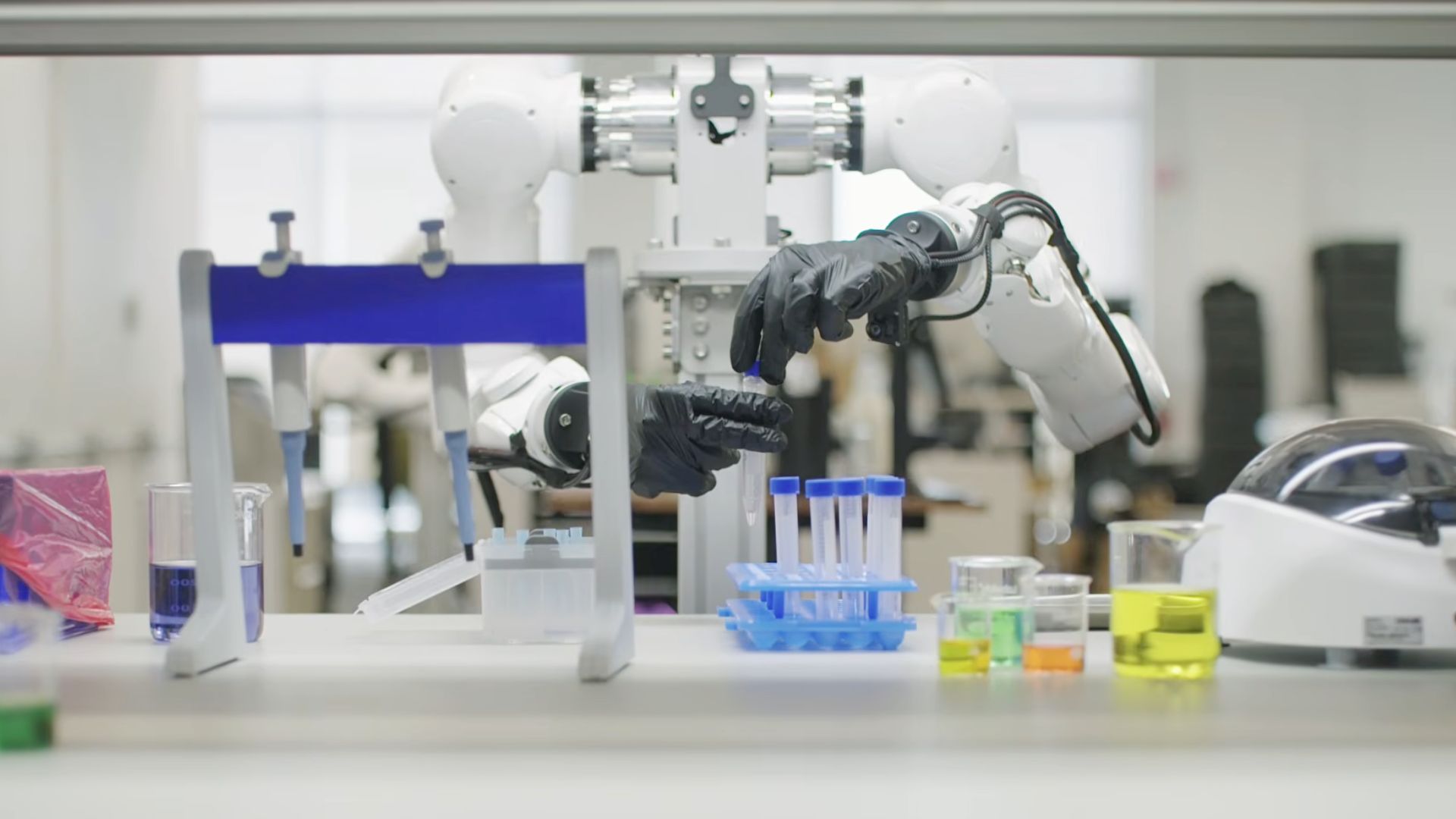
Video: Genesis’ smart robotic brain enables human-level manipulation and scalable training
Genesis AI has introduced GENE-26.5, an advanced robotic brain aimed at enabling robots to achieve human-level physical capabilities. The announcement was made during a technology conference held in San Francisco on October 15, 2023. This innovative development is part of Genesis AI's ongoing efforts to enhance robotic functionality and adaptability in various environments. By integrating sophisticated algorithms and machine learning techniques, GENE-26.5 is designed to improve robots' dexterity and decision-making processes, potentially transforming industries such as manufacturing, healthcare, and logistics. The launch of GENE-26.5 reflects the company's commitment to pushing the boundaries of artificial intelligence and robotics, paving the way for more intuitive and efficient machines that can work alongside humans.

Neutralizing the Gigascale Problem: How to Solve the Physical Power Paradox of Extreme AI Training Loads
As the demand for AI workloads escalates, the data center industry is confronting significant challenges related to power stability. At Data Center World 2026 in Washington, D.C., Ampace and Eaton highlighted these issues during their session titled "Powering Giga-scale AI." They discussed how modern AI computing clusters, which rely on extensive GPU setups, create abrupt and high-frequency power fluctuations that can destabilize local grids. Traditional backup systems, such as diesel generators, struggle to respond to these rapid changes, leading to costly infrastructure oversizing. To address this "power paradox," Ampace is introducing its semi-solid-state battery technology, which acts as a high-speed stabilizer for power spikes, thereby enhancing the reliability of AI infrastructure. This innovation is designed to work in tandem with Eaton's advanced UPS systems, which prioritize rapid load responsiveness. By transforming energy storage from a passive backup into an active component, the collaboration aims to ensure continuous AI operations while minimizing the risk of grid stress. Ampace's approach not only enhances safety by reducing the risk of thermal runaway but also optimizes the total cost of ownership for AI data centers by allowing operators to right-size their infrastructure. As AI technology continues to evolve, Ampace is committed to developing solutions that align with future grid requirements and ensure the resilience of AI systems.
Batteries Power-electronics Data-centers Energy-storage Ai-infrastructure
Tesla's Invisible Moat: The Most Elegant Physical AI Training Program Ever Built
A recent report highlights the growing trend of electric vehicle (EV) adoption across the globe, driven by increasing environmental concerns and government incentives. As of October 2023, major automotive manufacturers are ramping up production of EVs in response to consumer demand for sustainable transportation options. This shift is particularly evident in regions such as Europe and North America, where stricter emissions regulations are prompting both consumers and companies to transition away from traditional gasoline-powered vehicles. The surge in EV sales is also fueled by advancements in battery technology, which have significantly improved the range and affordability of electric cars. Industry experts predict that by 2025, EVs could account for a substantial portion of new vehicle sales, as more consumers become aware of the long-term cost savings and environmental benefits associated with electric vehicles. In addition, governments are implementing various policies to encourage EV adoption, including tax incentives, rebates, and investments in charging infrastructure. These initiatives aim to reduce carbon emissions and combat climate change, aligning with global sustainability goals. As the automotive landscape evolves, manufacturers are increasingly collaborating with tech companies to enhance the integration of smart technologies in EVs, further appealing to tech-savvy consumers. This multifaceted approach not only addresses environmental issues but also positions the automotive industry for a future that prioritizes innovation and sustainability.
TSLA TSLA:CA ZTSL:CA GOOGL META GM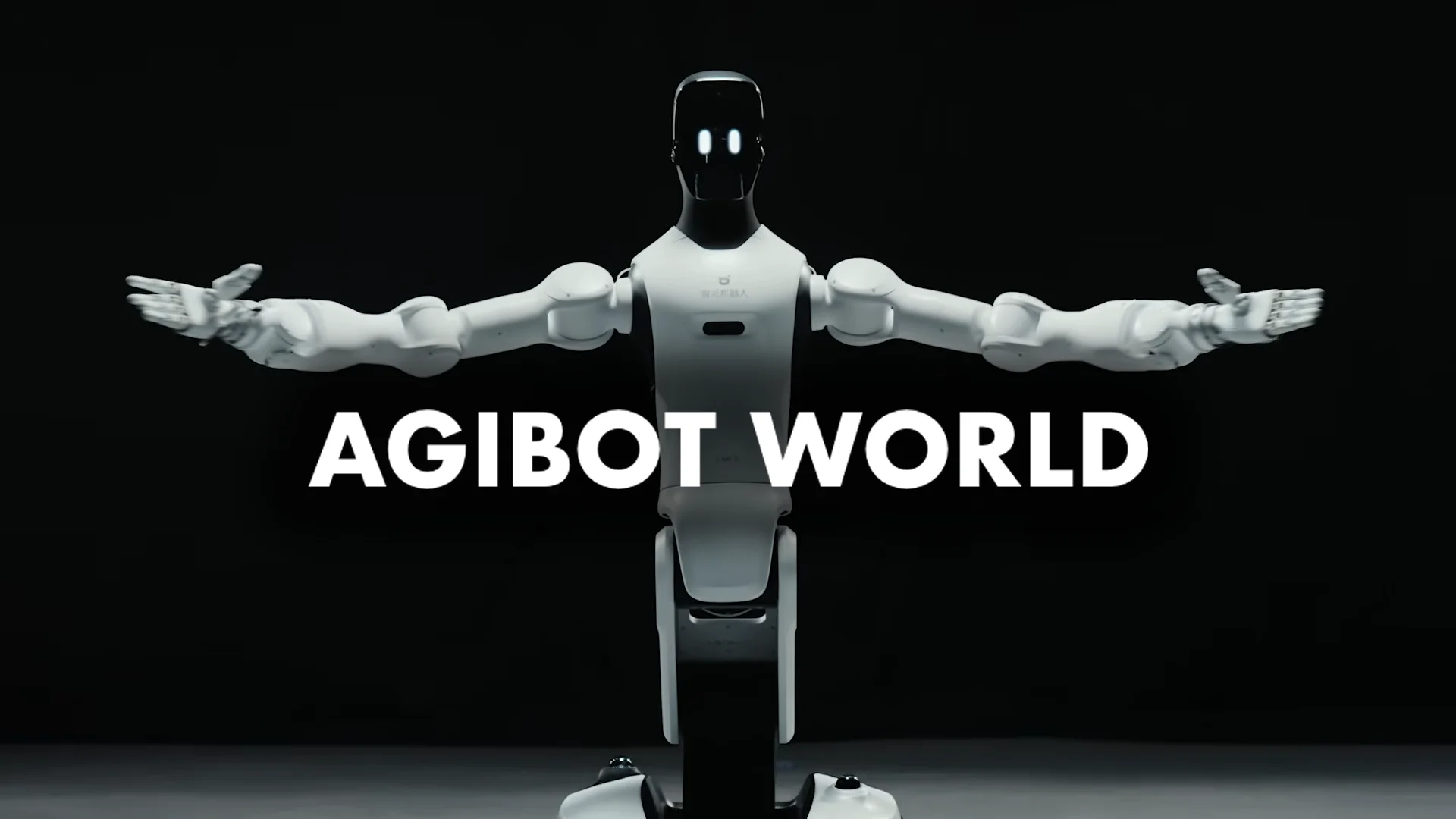
The Data Bottleneck: Why AGIBOT is Open-Sourcing its Real-World Training Library
AGIBOT has announced the launch of a multi-phase, industrial-grade dataset aimed at addressing the significant scaling challenges faced by the robotics industry. This initiative comes as robotics technology transitions from research environments to everyday use in homes. The dataset, which is expected to enhance the development and deployment of robotic systems, will be made available in phases, allowing for comprehensive testing and refinement. The move is part of AGIBOT's broader strategy to facilitate innovation and improve the efficiency of robotic applications, ultimately making them more accessible to consumers. This launch is particularly timely, given the increasing demand for advanced robotics solutions in various sectors.
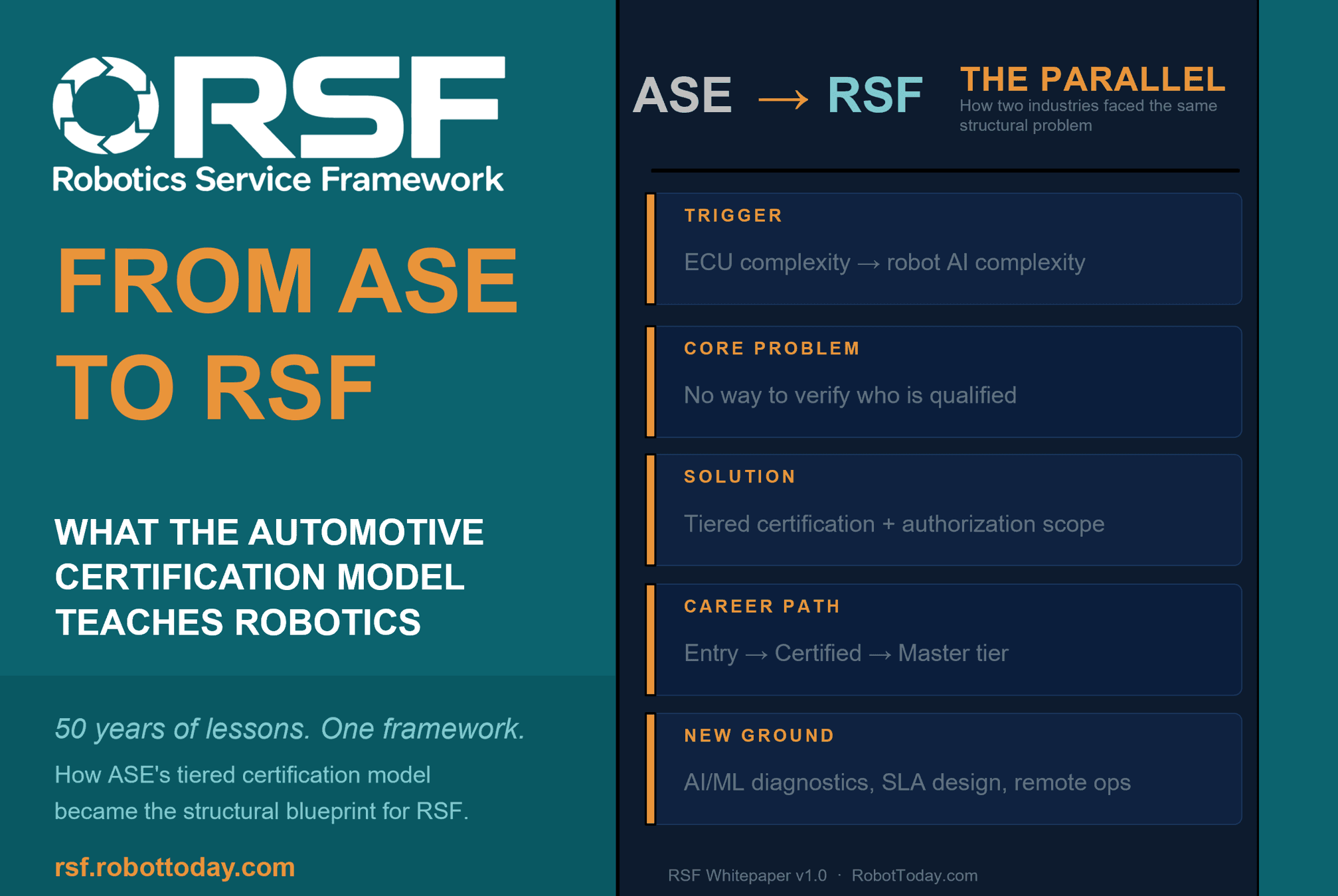
Data Collection AI Week Dataset China AGIBOTRobotics needs a service framework.
RSF defines a common language for robot service capability, lifecycle operations, certification pathways, and service-provider networks.