Industry Briefing
A single destination for timely, editor-curated robotics news from around the world.
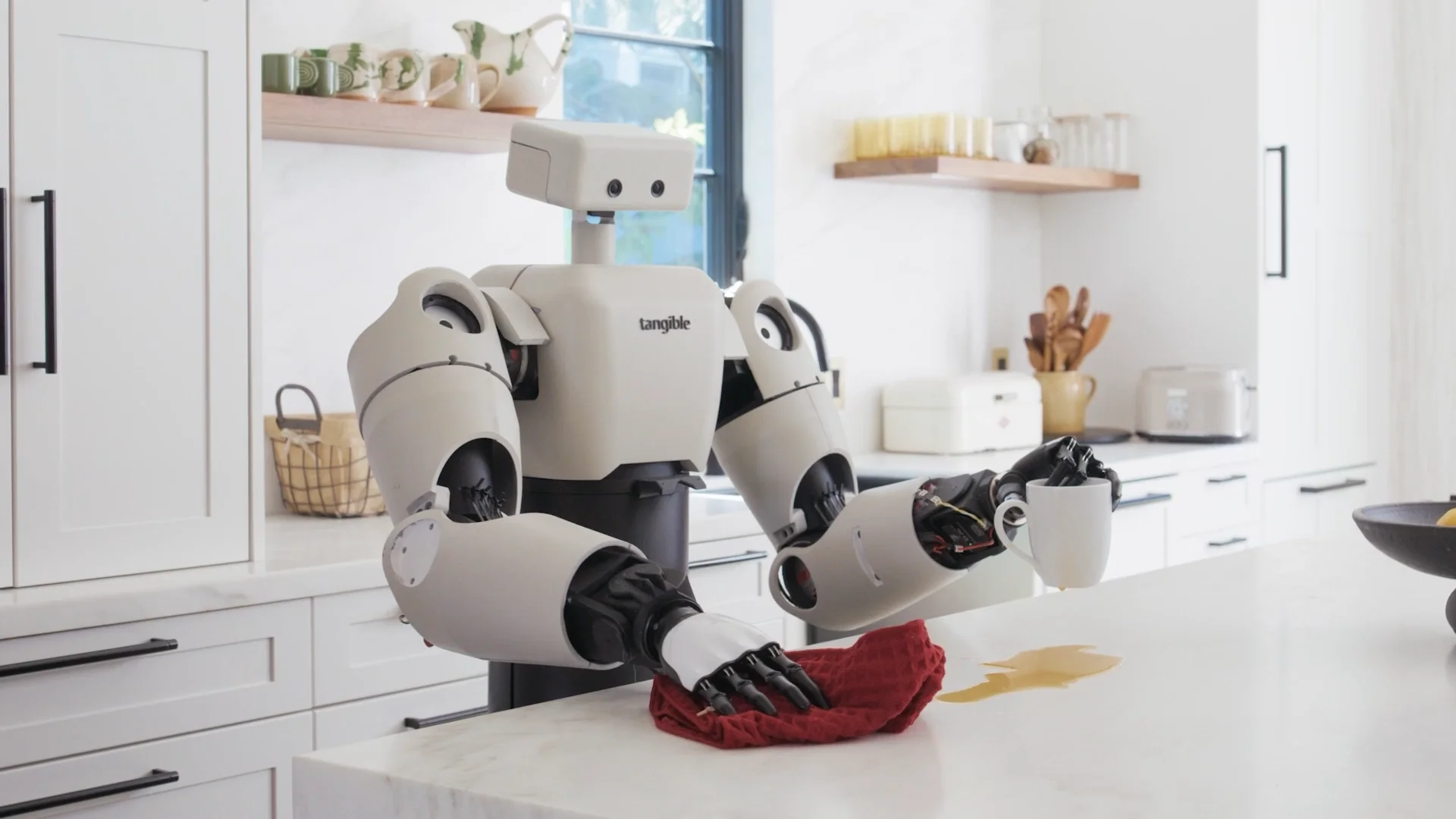
Meet Eggie: Tangible Robotics Joins the Wheeled-Humanoid Race, Betting on Dexterous Hands
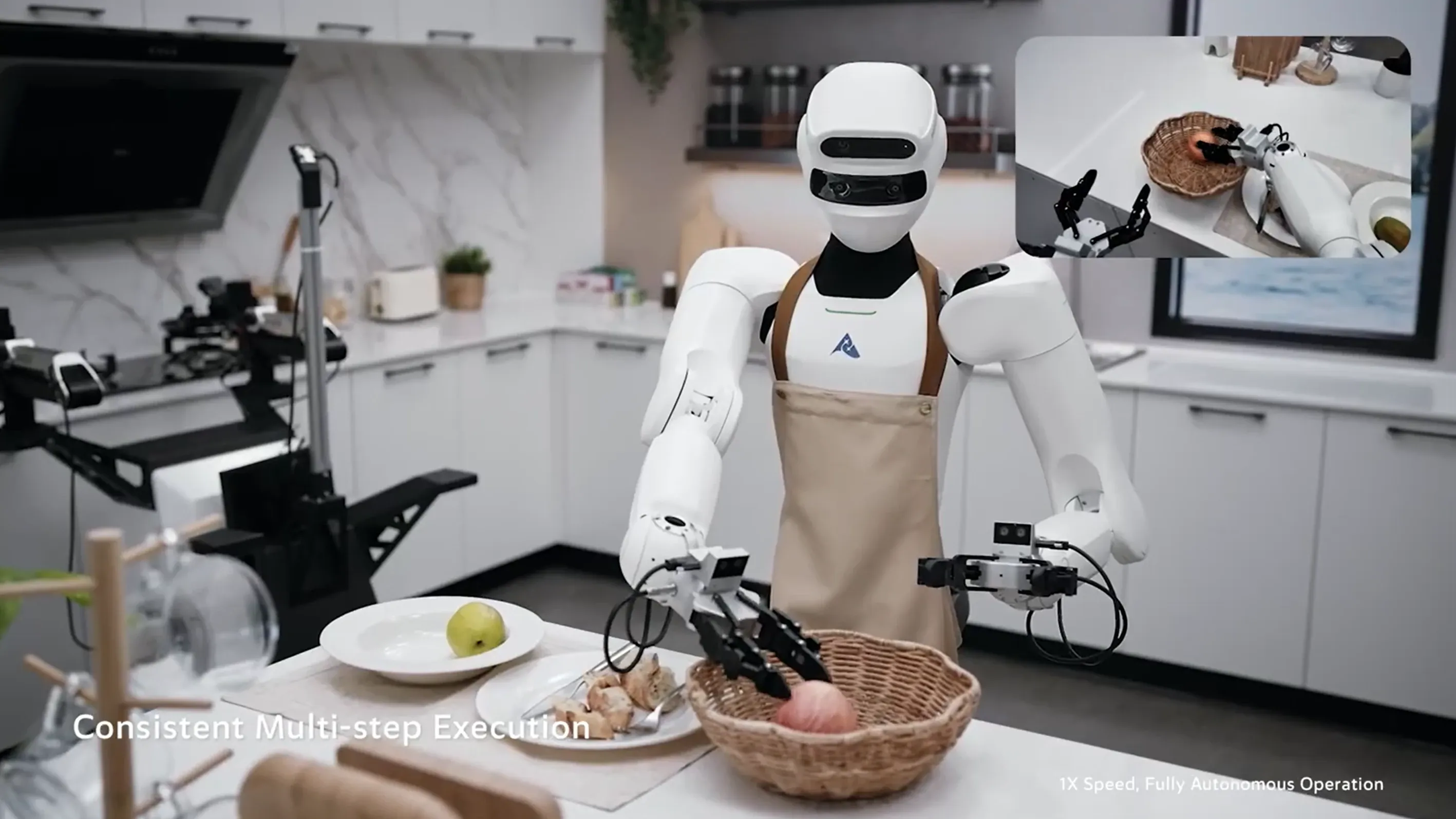
Tangible Robotics has officially launched its new home robot, "Eggie," shortly after the unveiling of a similar product by Sunday Robotics. This innovative robot features fully dexterous, human-like hands, setting it apart from competitors by emphasizing advanced hardware capabilities. The announcement marks Tangible Robotics' emergence from stealth mode, showcasing its commitment to a "full stack" approach in robotics. The introduction of Eggie aims to enhance home automation and assistive technology, reflecting the growing demand for sophisticated robotic solutions in everyday life.
Tangible
World Models at WAIC 2026: Bridging Understanding and Execution in Physical AI
The World Artificial Intelligence Conference (WAIC) 2026 highlighted the significance of world models as a crucial pathway for physical AI to transition from laboratory settings to real-world applications. The event featured a summit focused on the integration of world models and embodied intelligence, showcasing discussions led by Nobel laureates and industry leaders. This summit, organized by the WAIC committee and hosted by Daxiao Robotics, emphasized the need for machines to not only express but also understand and reliably act within the physical world. Key presentations included insights from Nobel laureate Sargent on the gap between AI expectations and human rationality, and a demonstration of the ACE technology stack by Daxiao Robotics' chairman, Wang Xiaogang, illustrating practical applications across various industries. The forum also introduced the PIQ platform, a unified evaluation benchmark for embodied physical intelligence, aimed at addressing industry challenges related to self-assessment and standardization. As industry representatives engaged in discussions about technical routes and implementation pathways, the event underscored the journey from theoretical frameworks to tangible industry applications, marking a pivotal moment in the evolution of physical AI.
World Models Physical AI AI Standards Industry Applications Technological Breakthroughs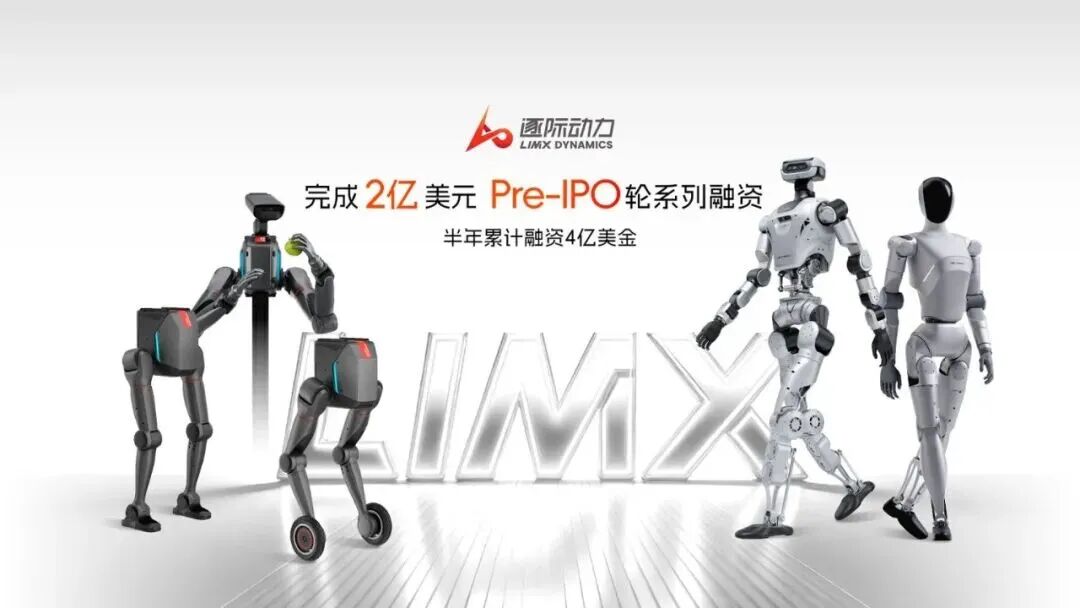
Zhuji Power Raises Nearly $200 Million in Pre-IPO Funding, Achieves $2.2 Billion Valuation
On July 14, Zhuji Power, a humanoid robotics company, announced the completion of its Pre-IPO funding round, raising nearly $200 million and achieving a post-funding valuation of approximately $2.2 billion. This marks a significant milestone as the company has secured a total of $400 million in funding over two rounds within six months, positioning itself among the top tier of humanoid robotics firms in China. The importance of this funding lies in Zhuji Power's strategic shift from a technology-focused narrative to a capital-driven approach, with plans for an IPO targeting Hong Kong. The company offers a diverse product lineup, including the full-sized humanoid robot Oli, priced at 158,000 yuan, aimed at industrial and research applications, and the interactive robot Luna, starting at 298,000 yuan, designed for commercial service scenarios. Looking ahead, Zhuji Power's next challenge will be to demonstrate its market impact by revealing sales figures and customer engagement. The company's ability to convert its extensive partnerships and technological advancements into tangible deployment data will be crucial in justifying its high valuation and ensuring a successful IPO process.
Humanoid Robots Pre-IPO Funding Robotics Technology Industrial Automation
Chinese AI company offers a new solution for physical AI in the uncertain trillion-dollar market.
In 2026, the field of physical AI is set to emerge as a transformative force, following a consensus reached by industry leaders at the CES in Las Vegas, where NVIDIA's CEO Jensen Huang heralded the arrival of "physical AI's ChatGPT moment." Over the past two years, significant advancements have been made in five key areas: brain models, imagination engines, training environments, ontology, and commercial ecosystems, laying the groundwork for real-world applications. In the first half of 2026, global investment in physical AI surged, with over $6.4 billion raised in just the first quarter, including notable funding rounds from AMI Labs and World Labs. The industry is witnessing a clear technological divergence, with three primary paths emerging: Visual Language Models (VLM), Visual Language Action (VLA), and world models. The anticipated future architecture for physical AI is expected to integrate VLA's decision-making capabilities with world models' predictive simulations. Despite the rapid growth, the competitive landscape remains uncertain, with various companies pursuing different strategies, including those focusing solely on VLA or world models, and others exploring hybrid approaches. The ultimate goal is to develop AI that can effectively navigate and understand the complexities of the physical world, moving beyond mere reactive capabilities to proactive, autonomous decision-making. As the physical AI market is projected to expand significantly, reaching an estimated $3.26 trillion by 2040, the industry faces the challenge of ensuring that technology translates into tangible business value. Companies like Om AI are pioneering innovative models that prioritize continuous perception and spatial understanding, aiming to redefine how AI interacts with its environment. The ongoing evolution of physical AI emphasizes the importance of real-world applications and the need for AI systems that can adapt and respond to dynamic physical spaces.
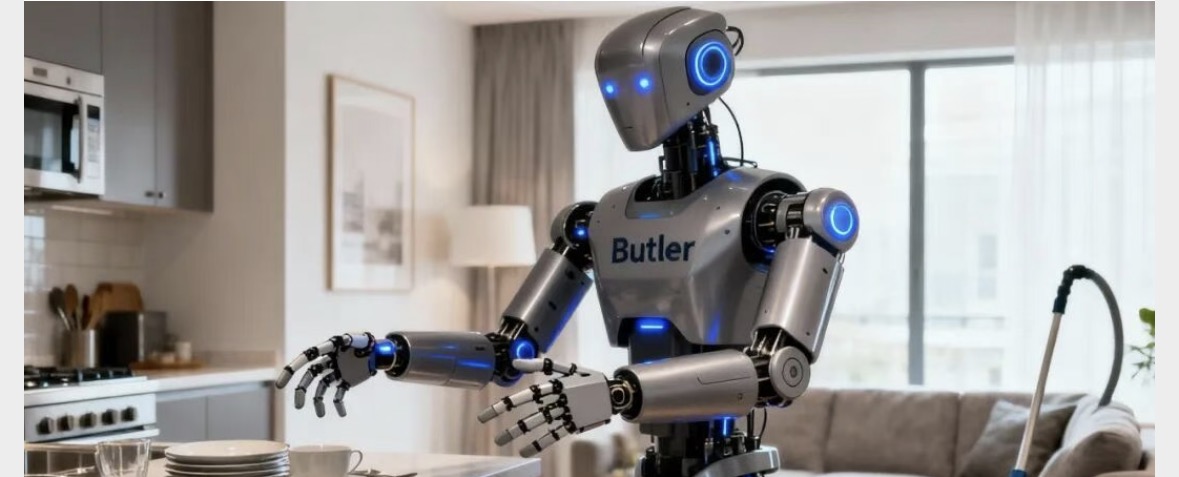
When AI Moves into the Physical World: How is Technology Realized, How are Applications Implemented, and How is Business Established?
In a recent exploration of the integration of artificial intelligence into tangible environments, experts gathered to discuss the realization of technology, the implementation of applications, and the establishment of businesses leveraging AI. This event took place in October 2023, highlighting the growing significance of AI in various sectors. Industry leaders emphasized the transformative potential of AI, not only in enhancing operational efficiency but also in creating innovative products and services that cater to evolving consumer demands. The discussions focused on the practical steps necessary for businesses to successfully adopt AI technologies, including the need for robust data infrastructure, skilled personnel, and strategic partnerships. Participants shared insights into successful case studies, illustrating how companies have effectively navigated the challenges of integrating AI into their operations. As the landscape of technology continues to evolve, the importance of understanding the implications of AI in the physical world becomes increasingly critical. This event served as a platform for fostering collaboration among stakeholders, aiming to drive forward the adoption of AI solutions that can address real-world problems and enhance productivity across various industries.
Robotics Automation AI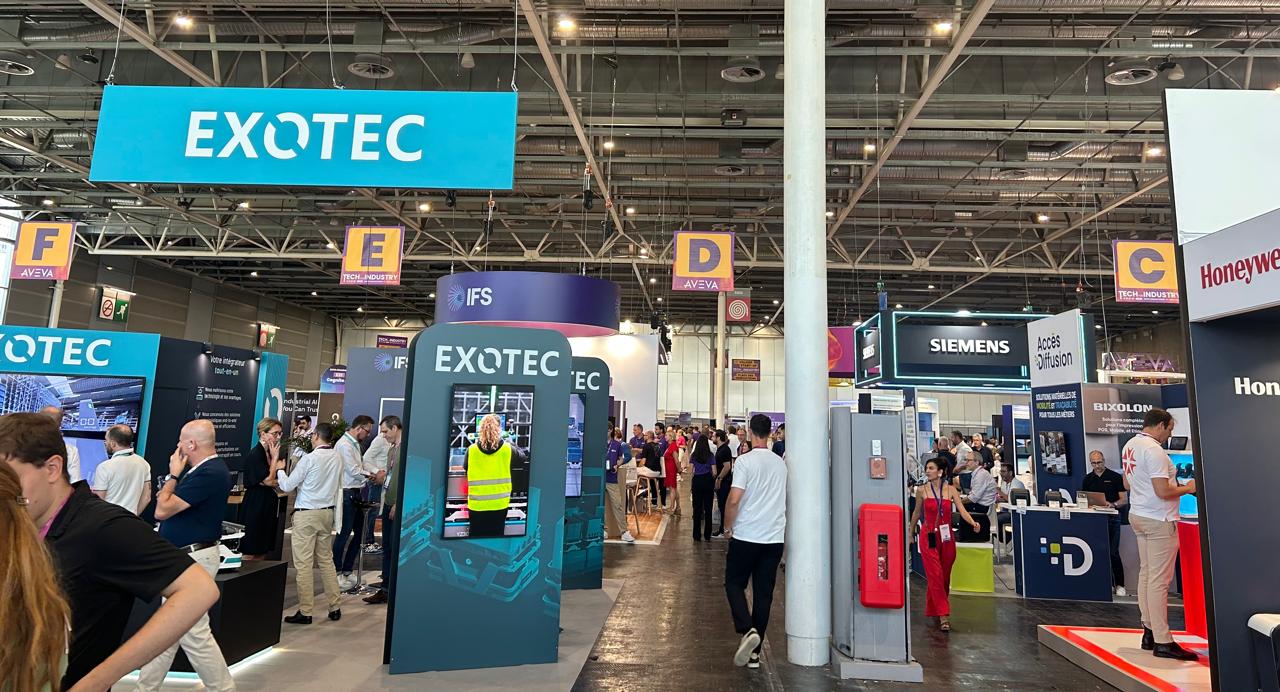
Tech for Industry Show: Technologies Transforming Industry
On June 23 and 24, 2026, the Tech for Industry exhibition took place in Paris, bringing together a rapidly evolving industrial ecosystem. As companies strive to enhance competitiveness, automate operations, and expedite their digital transformation, the event showcased that the concept of the industry of the future is now a tangible reality. This gathering highlighted the latest technologies that are reshaping the industrial landscape, reflecting the urgent need for innovation in a competitive market.
À la une IA Industrie Robotique automatisation industrielle. automatisation logistique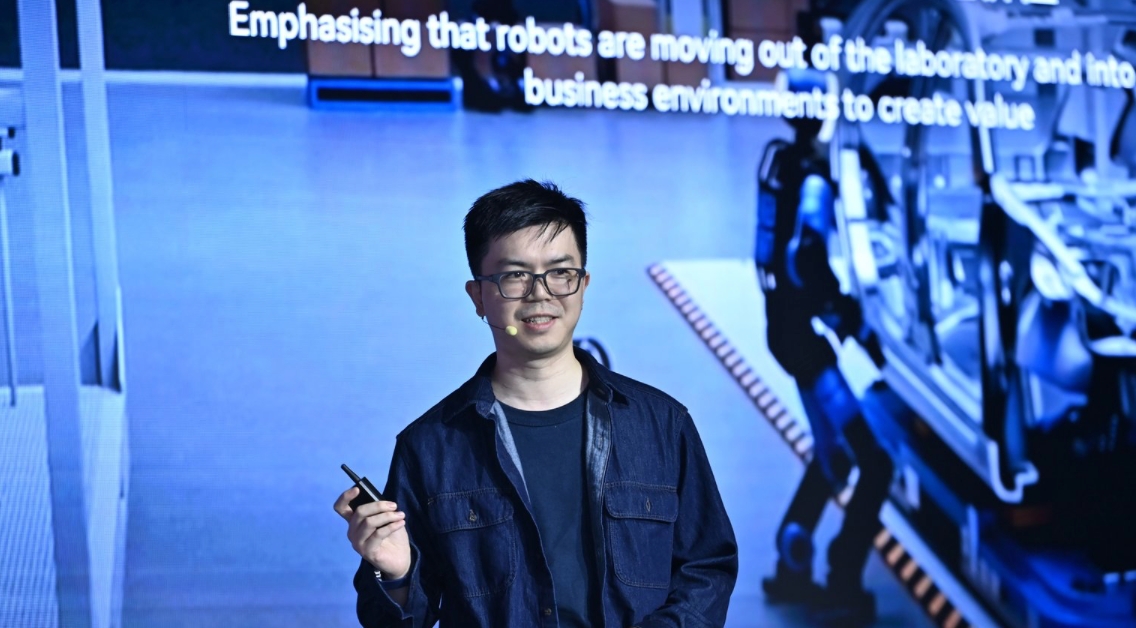
ZhiYuan's Peng Zhihui Discusses 'Three Intelligences Integration' for Advanced Embodied Intelligence Production
At the 2026 Mobile World Congress (MWC) in Shanghai, Peng Zhihui, co-founder and CTO of ZhiYuan, underscored the evolution of embodied intelligence from theoretical demonstrations to tangible applications within various industries. During his presentation, he stressed the importance of merging large-scale models, dependable robotics, and data-driven methodologies to boost productivity. This approach positions ZhiYuan at the forefront of the intelligent robotics sector, as the company continues to lead in the mass production of robots designed for a wide range of practical scenarios.
Embodied Intelligence Robotics Industrial Automation AI Technology
Microsoft highlights key points for executives as AI moves from experimentation to proven results.
At the recent Build 2026 conference, Microsoft outlined key strategies for transitioning enterprise AI from trial phases to full-scale implementation. The company emphasized the importance of understanding proprietary data, establishing robust infrastructure, and generating tangible results. Microsoft presented several initiatives, including Microsoft IQ, Microsoft Agent Platform, Microsoft Foundry, and Microsoft Discovery, aimed at enhancing AI capabilities. Additionally, the tech giant highlighted the utilization of GPU infrastructure to support these advancements, targeting executive leadership to drive adoption and integration within their organizations.

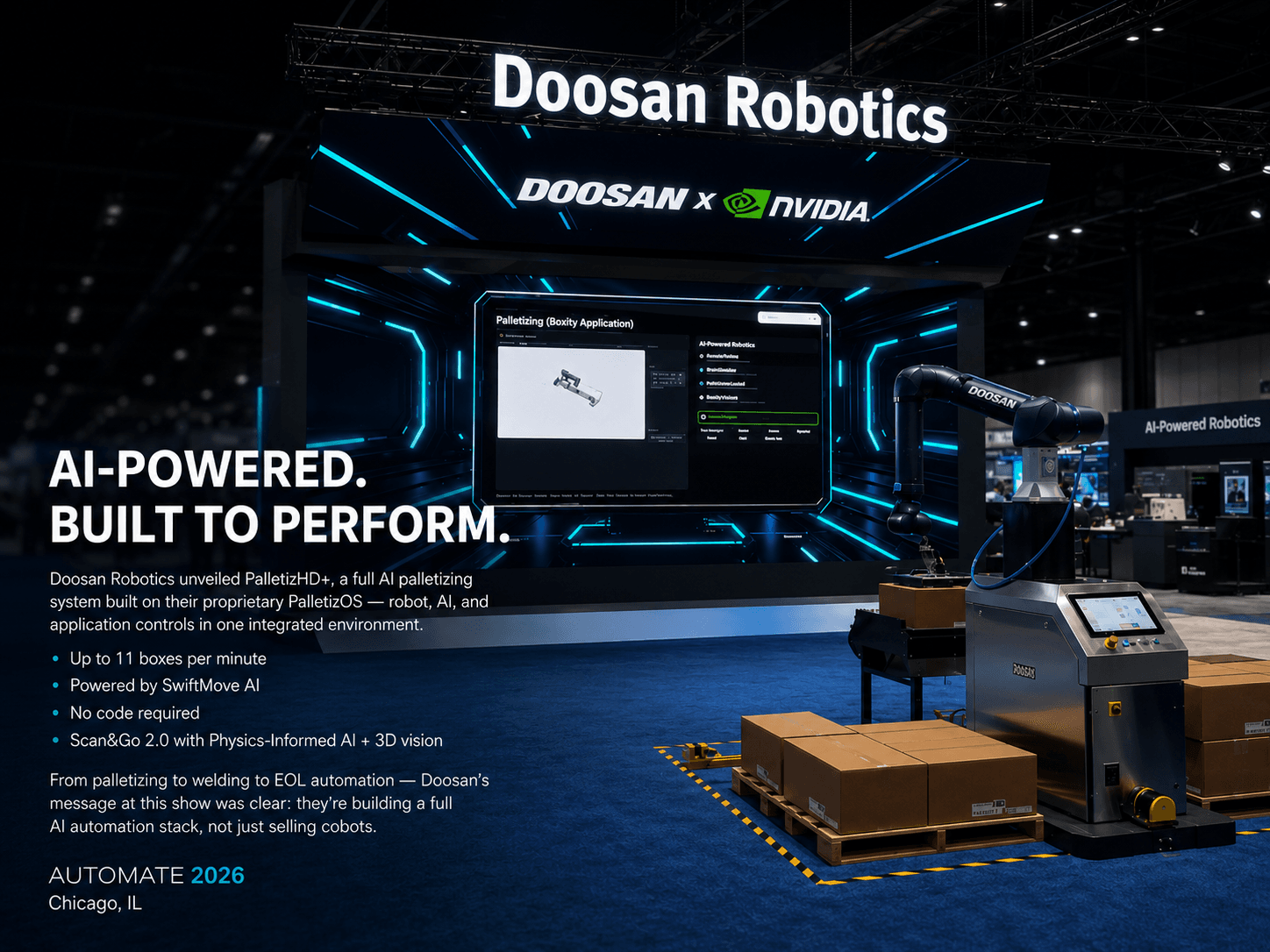
Teradyne Robotics Unveils Wide Range of Production-Ready Physical AI Applications at Automate 2026
A technology company is set to demonstrate practical applications of artificial intelligence, moving beyond theoretical discussions to showcase tangible solutions. The event, scheduled for later this month, will take place at their headquarters and will highlight advancements in various sectors, including electronics manufacturing and logistics. The motivation behind this initiative is to illustrate the real-world benefits of AI technology and its potential to enhance operational efficiency across industries. Attendees will have the opportunity to see firsthand how these deployable AI solutions can be integrated into existing workflows, providing insights into their functionality and effectiveness.

AGIBOT WORLD CHALLENGE 2026 Advances Embodied AI Competition from Simulation to Real-Robot Testing at ICRA 2026
A recent competition has marked a significant advancement in the evaluation of embodied artificial intelligence, emphasizing the importance of closed-loop testing with real robots and practical tasks. This shift away from traditional simulation scores aims to establish standardized benchmarks that better reflect the capabilities of AI systems in real-world scenarios. By focusing on tangible outcomes and interactions, the competition seeks to enhance the reliability and applicability of embodied AI technologies. The event, which took place in October 2023, gathered experts and innovators in the field, showcasing the latest developments and fostering collaboration to push the boundaries of AI performance in practical applications.
AGIBOT WORLD CHALLENGE 2026 Advances Embodied AI Competition from Simulation to Real
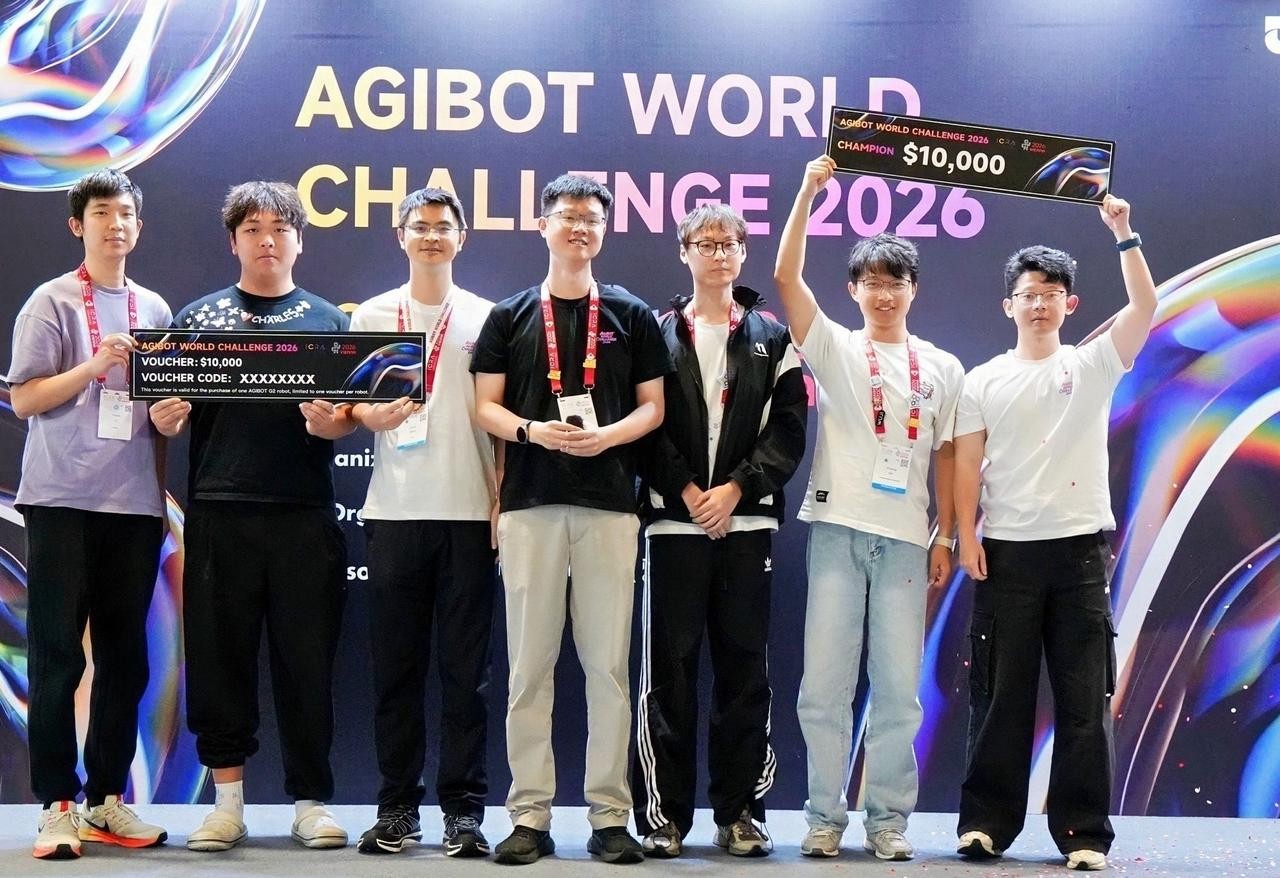
The AGIBOT WORLD CHALLENGE 2026 took place in Vienna, showcasing a pivotal shift in embodied artificial intelligence as it moved from simulation-based assessments to real-robot testing. The event attracted 526 teams from 27 countries, competing across two distinct tracks: Reasoning to Action and World Model. This competition aimed to address practical deployment requirements by emphasizing the execution of real-world tasks and adaptability of AI systems. The focus on tangible applications is expected to significantly enhance the evaluation framework for embodied AI, marking a notable advancement in the field.
Embodied AI Robotics Artificial Intelligence Technology Competition Benchmarking
Interview with GFT Technologies’ Brandon Speweik: Moving AI from detection to action on the factory floor
Manufacturers are increasingly shifting their focus from the theoretical applications of artificial intelligence to practical solutions that address real-world challenges. While discussions around AI have primarily centered on software tools such as dashboards, analytics, and predictive models, industry leaders are now seeking ways for AI to not only identify problems but also actively contribute to solving them. This evolution in perspective reflects a growing recognition of AI's potential to enhance operational efficiency and drive innovation within the manufacturing sector. As companies explore these advancements, the emphasis is on integrating AI technologies that can deliver tangible results and improve decision-making processes on the shop floor.
Components Features Manufacturing ai robotics artificial intelligence automation news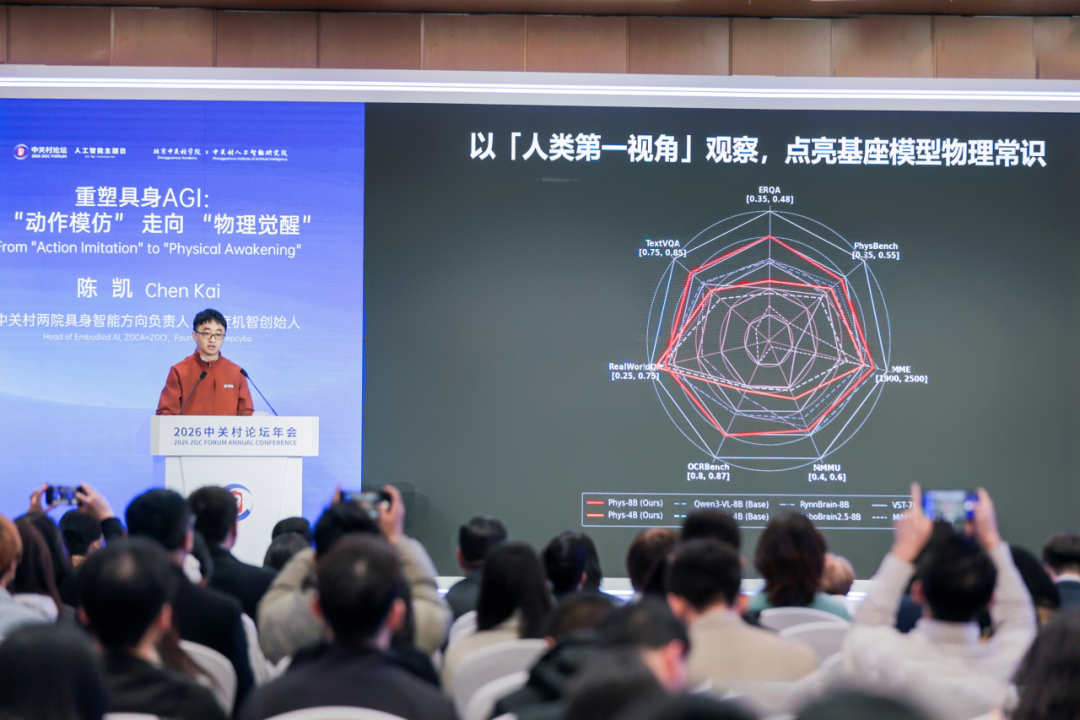
Deep Intelligence Secures Hundreds of Millions in Funding Within a Year: What Attracts Investors?
Beijing Deep Intelligence, a company established only a year ago, has successfully secured hundreds of millions in funding from prominent investors, including state-owned entities and major industry players. The firm has developed an innovative approach known as 'human learning,' which allows robots to comprehend their environment prior to performing tasks. This methodology has resulted in performance metrics that outshine those of competitors. As the demand for embodied intelligence continues to expand swiftly, the company faces the ongoing challenge of transforming its technological advancements into tangible commercial success.
Embodied Intelligence Robotics AI Technology Investment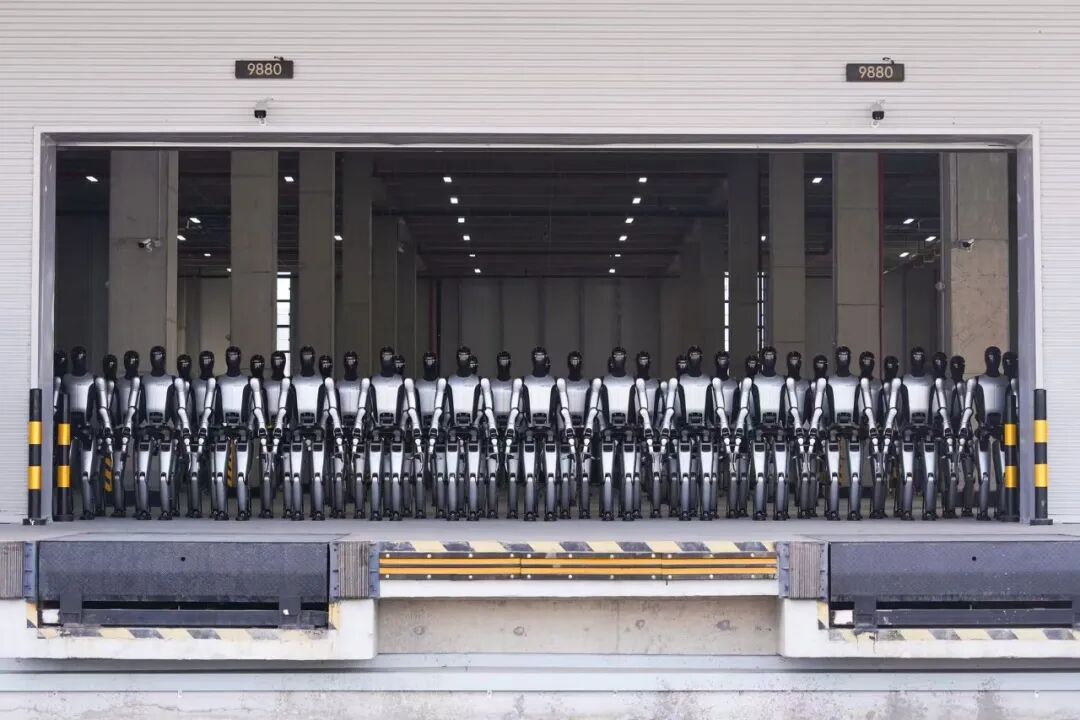
Humanoid Robot Company Sees Stock Surge Over 19% Following Annual Report Release
On March 31, UBTECH, a company specializing in humanoid robots, revealed in its 2025 annual report that it has achieved a remarkable revenue milestone, exceeding 2 billion yuan for the first time. This achievement highlights the company's commitment to research and development, as well as its robust position in the market. UBTECH's humanoid robots have emerged as a primary revenue driver, reflecting a broader industry trend towards the practical application of robotics, moving beyond theoretical concepts to tangible solutions.
Humanoid Robots Robotics Innovation Industrial Automation AI Technology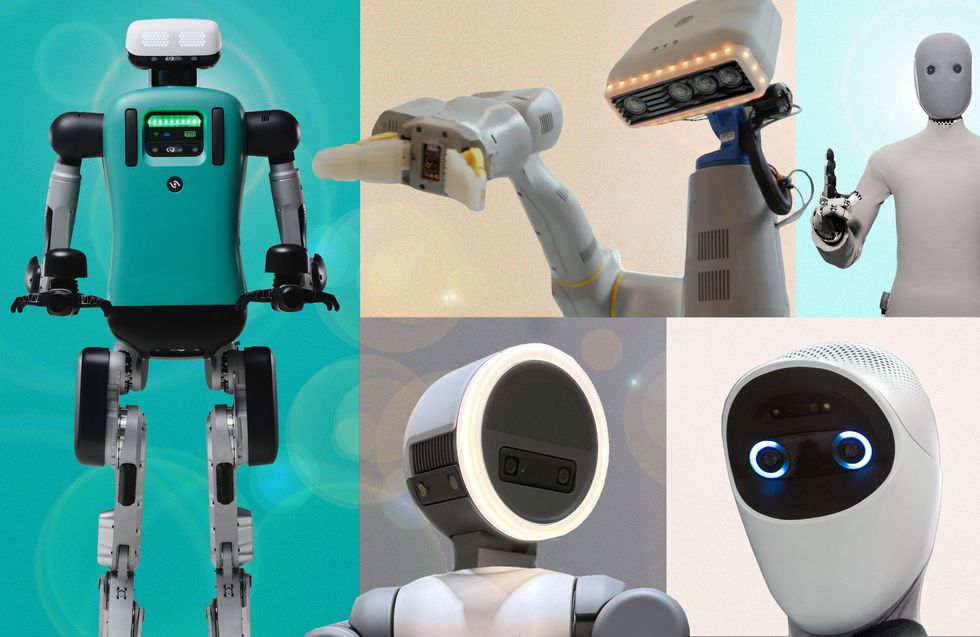
Will Robotics Have a ChatGPT Moment?
In the coming decades, billions of AI-powered robots are expected to collaborate with humans across various sectors, including factories, warehouses, elder care, disaster response, and home assistance. By 2025, investments in robotics reached a record $40.7 billion, highlighting the growing interest in this technology. Despite ambitious claims from robotics companies about humanoid robots entering homes soon, significant challenges remain in bridging the gap between current capabilities and the promises made. Experts in AI and robotics, including a professor from Oregon State University and a former Google X executive, emphasize that while AI is revolutionizing robotics, the complexity of real-world environments poses substantial hurdles. Current demonstrations of humanoid robots, such as those showcased at the 2026 Spring Festival Gala in China, often rely on scripted performances rather than genuine autonomy, revealing the limitations of existing technology. The development of general-purpose robots is hindered by the need for vast amounts of high-quality training data and the challenge of creating hardware that can safely interact with humans. As robotics evolves, the focus will shift to practical applications that address real-world needs, with an emphasis on safety and reliability. The path forward involves a series of incremental advancements rather than a single breakthrough, as AI-driven robots gradually begin to deliver tangible benefits across various industries, potentially transforming the economy and improving daily life.
Robotics Everyday-robots Agility-robotics Artificial-intelligence
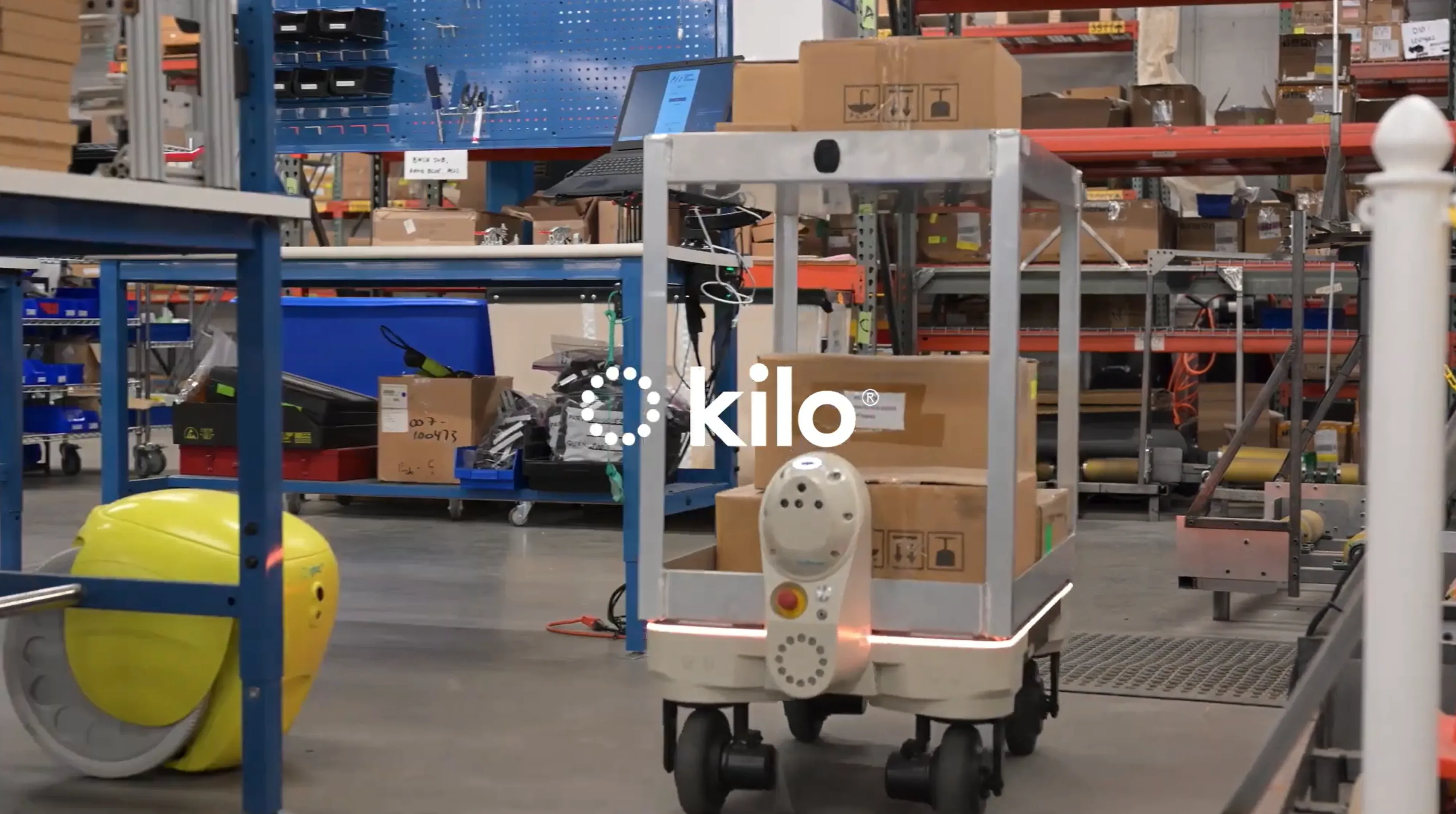
Seegrid Surpasses 20 Million Autonomous Miles, Cementing Its Leadership in Reliable AMR Solutions
Seegrid, a leader in autonomous mobile robot (AMR) solutions, has achieved a significant milestone by surpassing 20 million autonomous miles driven in real-world production environments. This accomplishment, announced on May 11, 2026, highlights Seegrid's strong position in the North American manufacturing, warehousing, and logistics sectors, equating to over 800 circumferences of the Earth. The milestone reflects the deep integration of Seegrid's technology into daily operations of major global manufacturers and logistics companies. CEO Chris Baker emphasized that this achievement validates the reliability of their technology, which has operated without any recordable safety incidents, showcasing the effectiveness of their proprietary vision and LiDAR/SLAM technology. The extensive miles logged in active production settings demonstrate Seegrid's commitment to delivering tangible returns on investment for its customers, which include automotive and e-commerce leaders. As companies face challenges like labor shortages and rising wages, Seegrid's AMRs are positioned as essential components of modern automated workflows, all designed and supported in the U.S. This milestone not only underscores Seegrid's operational excellence but also serves as a foundation for advancing Physical AI, enabling their robots to navigate complex industrial environments with human-like precision. The company expresses gratitude to its customers for their partnership in pushing the boundaries of autonomous material handling.

This former a16z partner and solo VC has backed 6 unicorns. Now he's raised $50 million to invest in hard tech
Refactor Capital, a venture capital firm established by Zal Bilimoria, has successfully raised $50 million for its fifth fund, which will focus on investments in hard technology. This new fund aims to support innovative companies developing advanced technological solutions. The fundraising comes at a time when there is a growing demand for investments in sectors that emphasize tangible, impactful technological advancements. Bilimoria's vision for the fund is to identify and nurture startups that are poised to make significant contributions to the hard tech landscape.
Tech AI limited-synd venture-capital investing robotics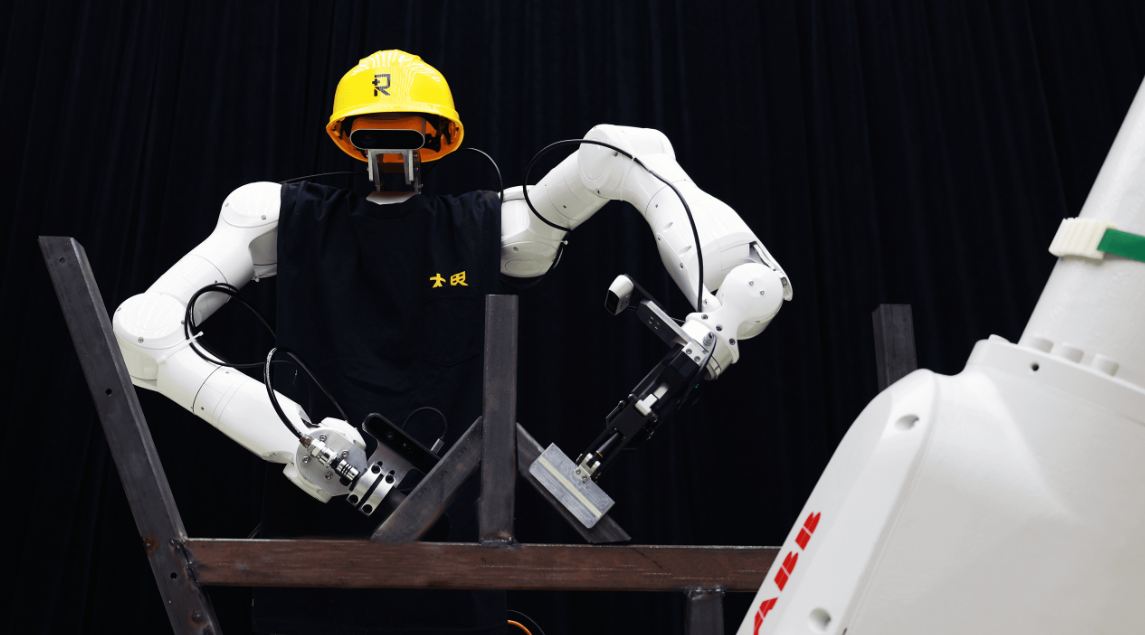
Three Illusions and One Reality of Embodied Intelligence
The embodied intelligence industry is grappling with several misconceptions that could hinder its growth and effectiveness. A recent analysis reveals that many stakeholders mistakenly believe that simply having advanced hardware will lead to market success. Additionally, there is an overreliance on large models that lack adequate real-world training, which can result in suboptimal performance. The report also points out the flawed assumption that merely entering a scene will automatically create value, emphasizing that this approach is misguided. To address these challenges, experts advocate for a shift towards sustainable deployment practices and the necessity of continuous value generation. By focusing on these areas, the industry can better align its technological advancements with practical applications, ensuring that innovations translate into tangible benefits. The discussion highlights the importance of a more nuanced understanding of the factors that contribute to success in embodied intelligence, urging stakeholders to rethink their strategies for future development.
Embodied Intelligence Robotics AI Models Industrial Automation
This Roboticist-Turned-Teacher Built a Life-Size Replica of ENIAC
Tom Burick, a technology instructor at PS Academy in Gilbert, Arizona, has spearheaded a project with his students to construct a full-scale replica of the Electronic Numerical Integrator and Computer (ENIAC) to commemorate the 80th anniversary of its creation. This initiative began at the start of the 2025-26 school year at the school, which caters to students with autism and other specialized learning needs. Burick, who has a background in robotics and a personal connection to neurodiversity, aims to inspire his students by leveraging their unique strengths through hands-on projects. The ENIAC, one of the first programmable electronic computers, was originally built in the 1940s and dismantled in the 1950s. Burick and his students embarked on this ambitious project to provide a tangible experience of the historic machine, which involved constructing 40 large panels and installing 18,000 simulated vacuum tubes. The project utilized nearly 300 square meters of cardboard and extensive glue and paint, showcasing the students' dedication and teamwork. Burick, who transitioned to teaching after closing his robotics company during the 2008 financial crisis, emphasizes the importance of mentorship and aims to pay forward the support he received as a young person. Through projects like the ENIAC replica, he fosters an environment where students can thrive and explore their interests in technology and robotics, reinforcing the notion that their neurodivergent traits can be powerful assets in problem-solving and creativity.
Robotics Eniac Teaching Neurodivergent Computer-history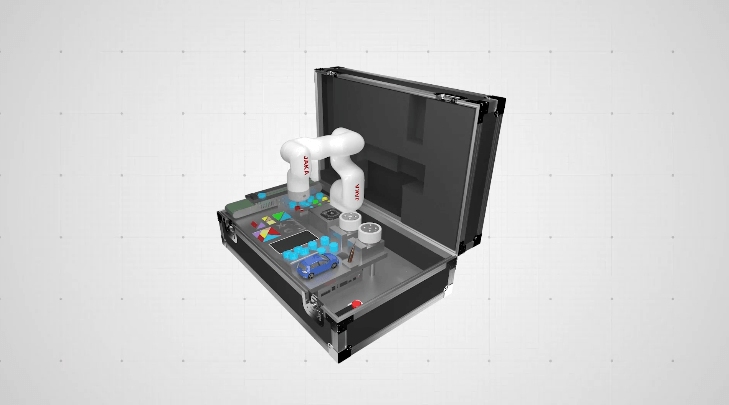
The ROI of Deploying Small Industrial Robots in Lean Manufacturing Cells
In a bid to enhance efficiency and cost-effectiveness in manufacturing, a company has successfully integrated small industrial robots, particularly the JAKA MiniCobo, into its lean manufacturing cells. This initiative, which began recently, aims to automate repetitive tasks such as material handling and machine tending, thereby alleviating labor bottlenecks and ensuring consistent production output. The JAKA MiniCobo stands out due to its compact design and flexibility, allowing for deployment in previously unsuitable spaces. By utilizing intuitive programming, the robot reduces setup time, enabling workers to concentrate on higher-value tasks. This streamlined approach not only boosts productivity but also improves product quality by minimizing human error, essential in lean manufacturing where even minor enhancements can significantly impact return on investment (ROI). Flexibility is a critical advantage of these small robots, which can be rapidly redeployed across various production line sections to meet changing demands without extensive reconfiguration. This adaptability leads to reduced downtime and more efficient scheduling, allowing manufacturing cells to respond dynamically to production needs while managing operational costs effectively. Although initial investment is a consideration, the focus remains on understanding the broader factors that influence cost-effectiveness, including labor savings, improved product consistency, and faster cycle times. The implementation of the JAKA MiniCobo not only promises direct labor replacement savings but also offers low maintenance requirements, ensuring a sustainable positive ROI over time. Overall, the deployment of small industrial robots represents a strategic move to maximize efficiency, enhance product quality, and optimize workforce allocation, demonstrating the tangible benefits of automation in modern manufacturing environments.
Asia’s supply chain strengths could give it edge over US in AI race: Granite Asia’s Foo
As the competition in artificial intelligence evolves from language models to tangible applications, Asia's manufacturing and supply chain capabilities may provide a significant advantage over the United States, according to Jixun Foo, a seasoned venture capitalist at Granite Asia. Foo highlighted that the recent advancements in AI, particularly those related to foundation models over the past two years, have ushered in a new era where physical applications—ranging from robotics to industrial automation—are gaining prominence. This shift could leverage Asia's existing strengths in manufacturing and logistics, positioning the region favorably in the ongoing AI race.
What I’ve learned from 25 years of automated science, and what the future holds: an interview with Ross King
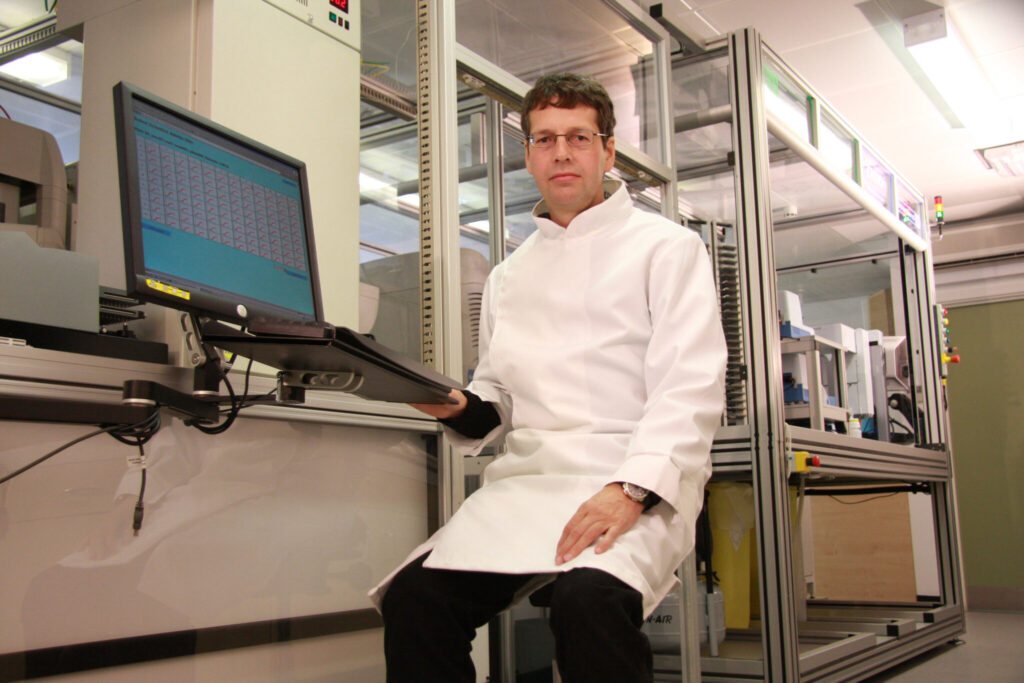
A new series has been launched to delve into the advancements in artificial intelligence, featuring interviews with prominent researchers in the field. The inaugural episode highlights Ross King, the pioneer behind the first robot scientist developed in 2009. In this interview, King shares insights on the significant breakthroughs in AI and discusses the tangible implications of these developments for the future. The series aims to provide audiences with an in-depth understanding of the current landscape of AI research and its potential impact on society.
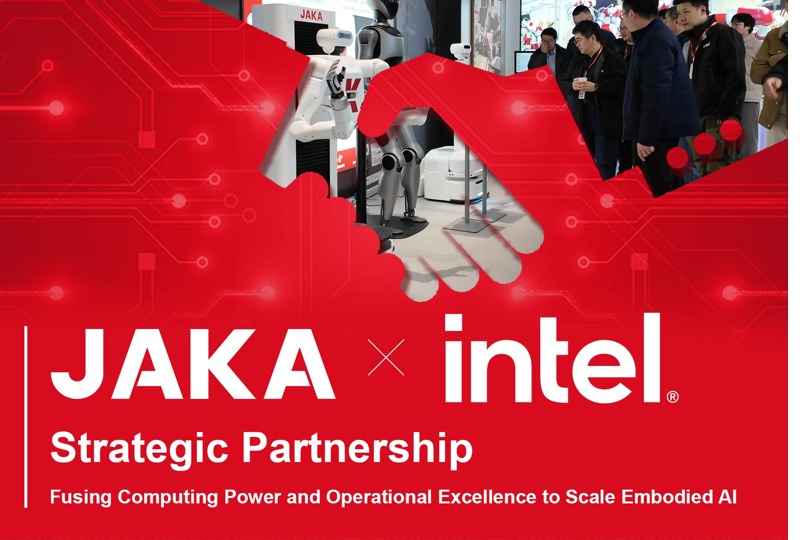
JAKA và Intel hợp tác để đưa Trí tuệ nhân tạo thể hiện (Embodied AI) từ phòng thí nghiệm đến các ngành công nghiệp toàn cầu.
On January 7, 2026, in Shanghai, China, JAKA Robotics and Intel China signed a Memorandum of Understanding (MoU) aimed at accelerating the commercialization of Embodied AI, transitioning this advanced technology from research labs to practical applications. JAKA Robotics, known for its comprehensive product range including the JAKA Kargo wheeled humanoid robot and the JAKA Lumi Embodied AI platform, is collaborating with Intel to leverage Intel's leadership in advanced computing and AI alongside JAKA's robotic capabilities. The partnership will focus on three strategic pillars: 1. Joint technical innovation, integrating Intel's hardware platforms, such as the Intel® Core™ Ultra processors, with JAKA's robotics technology to explore critical integration pathways and establish a shared development roadmap. 2. Scalable industrial solutions, aimed at creating easily deployable robotic solutions for industrial manufacturing and commercial services, turning AI concepts into tangible productivity gains. 3. Ecosystem development, fostering an open industrial ecosystem through joint marketing initiatives and support programs for academic and industrial partners. Wang Jingjia, General Manager of Intel China's Industry and Solutions Division, emphasized the importance of deep integration between robust open computing platforms and advanced robotic technology for the widespread application of Embodied AI. This collaboration marks a significant step toward scaling Embodied AI from concept to production, enabling smarter interactions and greater precision with a real impact on the global economy.
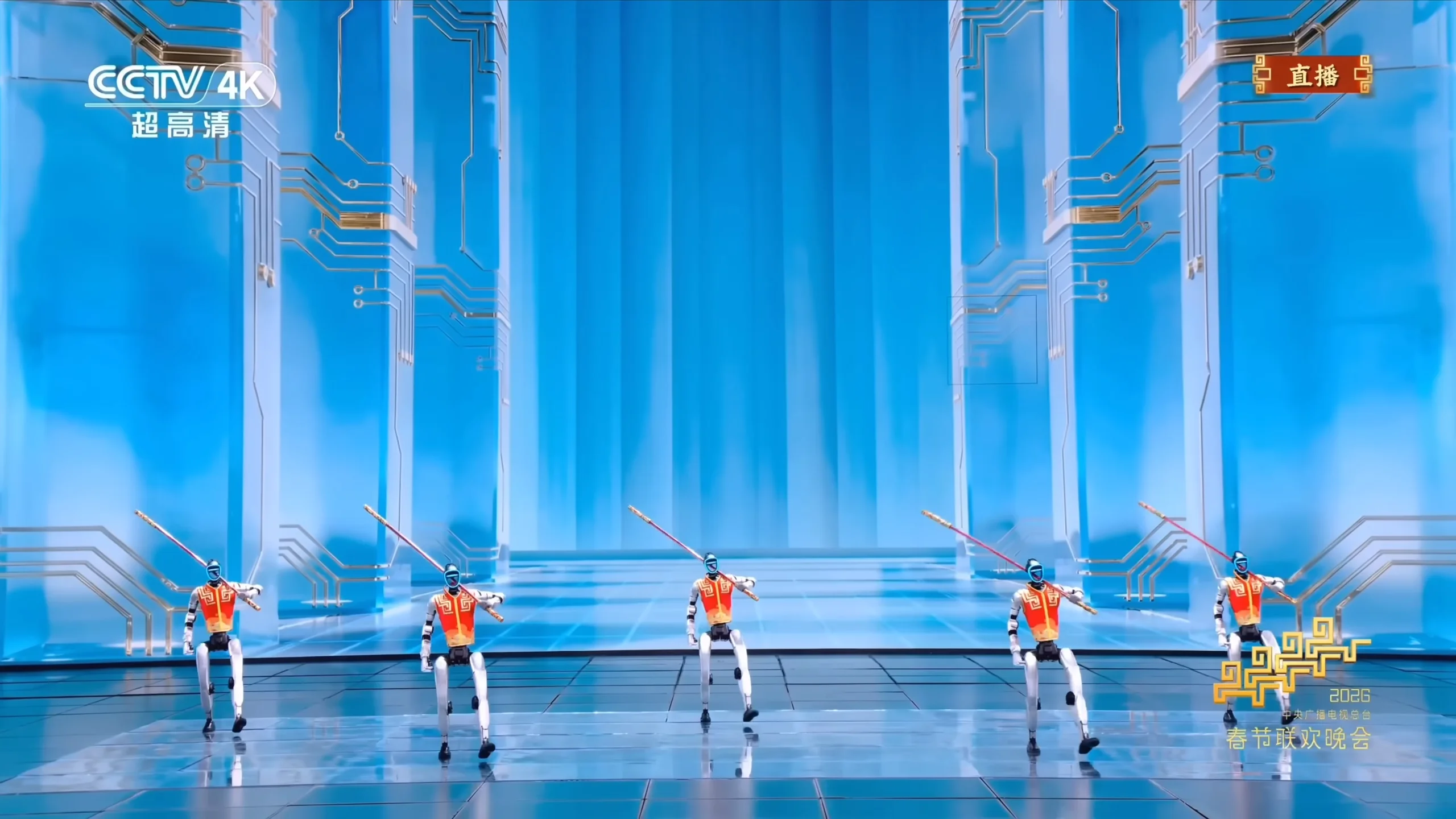
The $1.4 Billion Sprint: Inside China’s Post-Gala Humanoid Funding Frenzy
In a significant shift, China's humanoid industry is transitioning from flashy demonstrations to a fierce competition focused on industrial commercialization and survival. This change comes in the wake of over 10 billion yuan invested in the sector within a mere two months, highlighting the urgency and potential of the market. As companies strive to innovate and establish themselves, the landscape is becoming increasingly competitive, with firms racing to develop practical applications for humanoid technology. This rapid influx of capital and the drive for commercialization reflect a broader trend in China's technology sector, where the emphasis is moving toward tangible results and sustainable business models. The transformation is taking place against the backdrop of a growing demand for advanced robotics and automation solutions, prompting industry players to adapt quickly to meet market needs.
Unitree Robotics pndbotics galbot Market China Spirit AI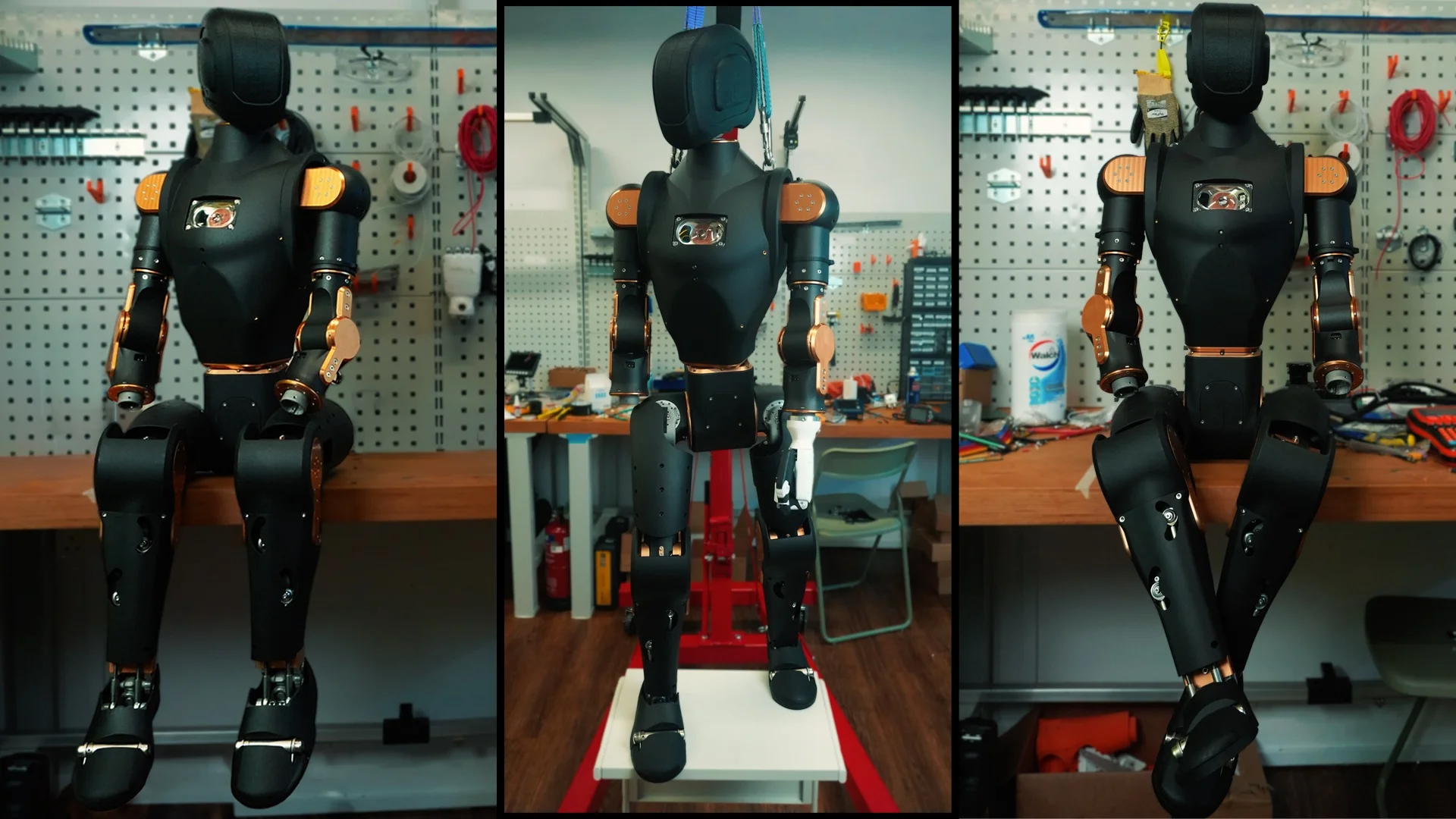
Asimov Launches $15,000 "Here Be Dragons" DIY Humanoid Kit
Menlo Research has transitioned its open-source project, Asimov, from a GitHub repository to tangible hardware, introducing a bipedal kit aimed at facilitating rapid iteration and "Processor-in-the-Loop" development. This move, announced in October 2023, marks a significant step in the project’s evolution, allowing developers and researchers to engage in hands-on experimentation with bipedal robotics. The new hardware kit is designed to streamline the development process, enabling users to quickly test and refine their algorithms in real-world scenarios. By bridging the gap between software and physical implementation, Menlo Research aims to enhance innovation in robotic systems and foster a collaborative environment for advancements in the field.
open-source Asimov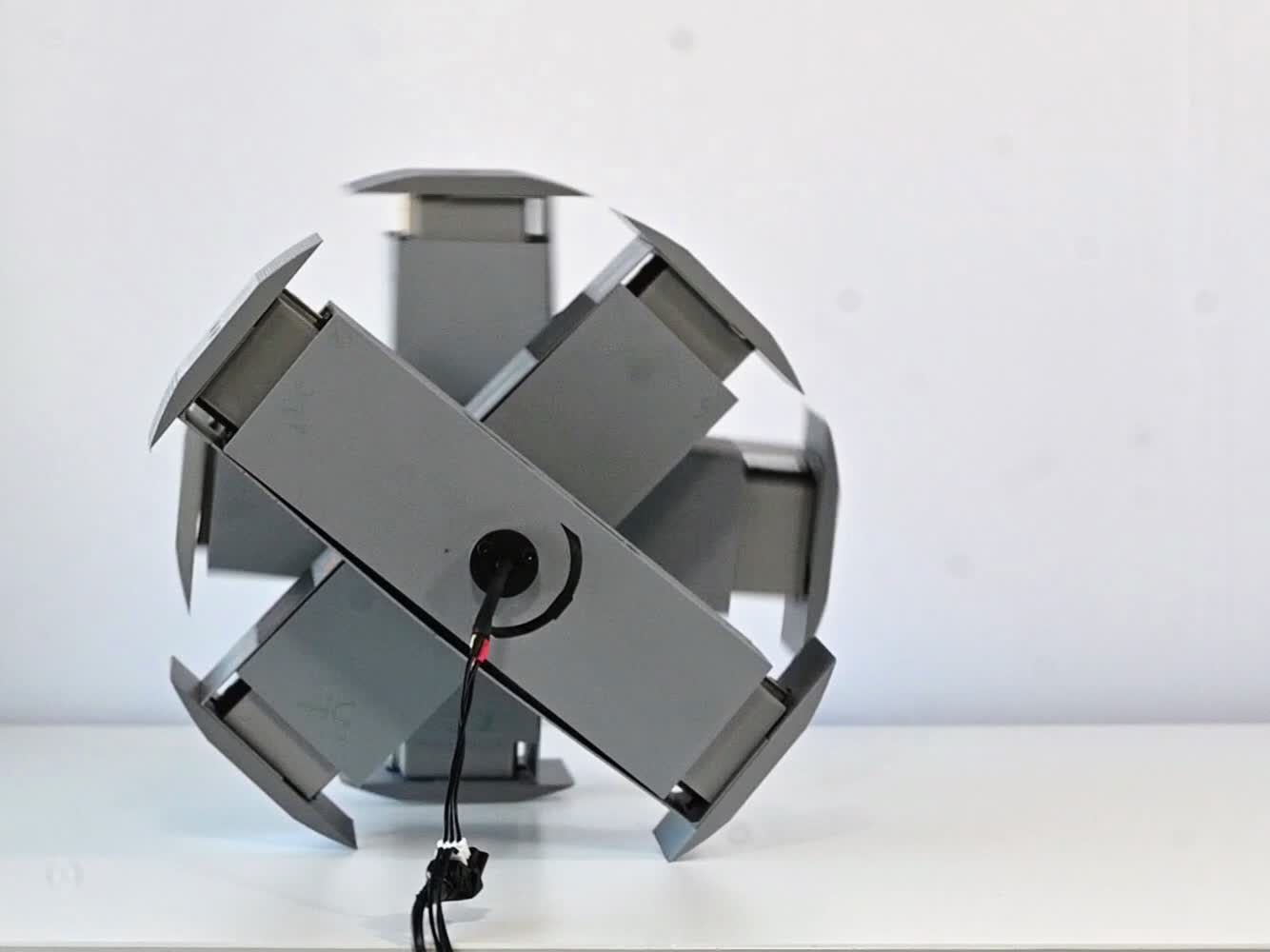
From Sci-Fi to Reality: SCS Alumni Reimagine Robot Locomotion
Carnegie Mellon University alumni Aditya Sripada and Abhishek Warrier have turned inspiration from the fictional robot in the film "Interstellar" into a tangible project focused on advancing robot locomotion. Their innovative work, which involves building and testing new robotic designs, showcases how curiosity can bridge the gap between science fiction and real-world applications. The duo's efforts highlight the potential for creative ideas to influence technological development, demonstrating the impact of imagination on engineering and robotics.
Research Uncategorized
JD.com and Unitree to open first offline store in Beijing, offering hands-on robot experience and on-site orders
JD.com and Unitree Robotics are set to launch their inaugural offline experience store in Beijing tomorrow. This new retail space marks a significant transition for consumer robotics, moving from predominantly online presentations to a tangible, in-person shopping experience. The initiative aims to enhance customer engagement by allowing potential buyers to see, interact with, and purchase robotic products directly at the store. By providing hands-on experiences, the companies hope to accelerate the adoption of consumer robots and reduce barriers to use, making technology more accessible to the public.
Heavy Hitters Content and entertainment Highlight News Robotics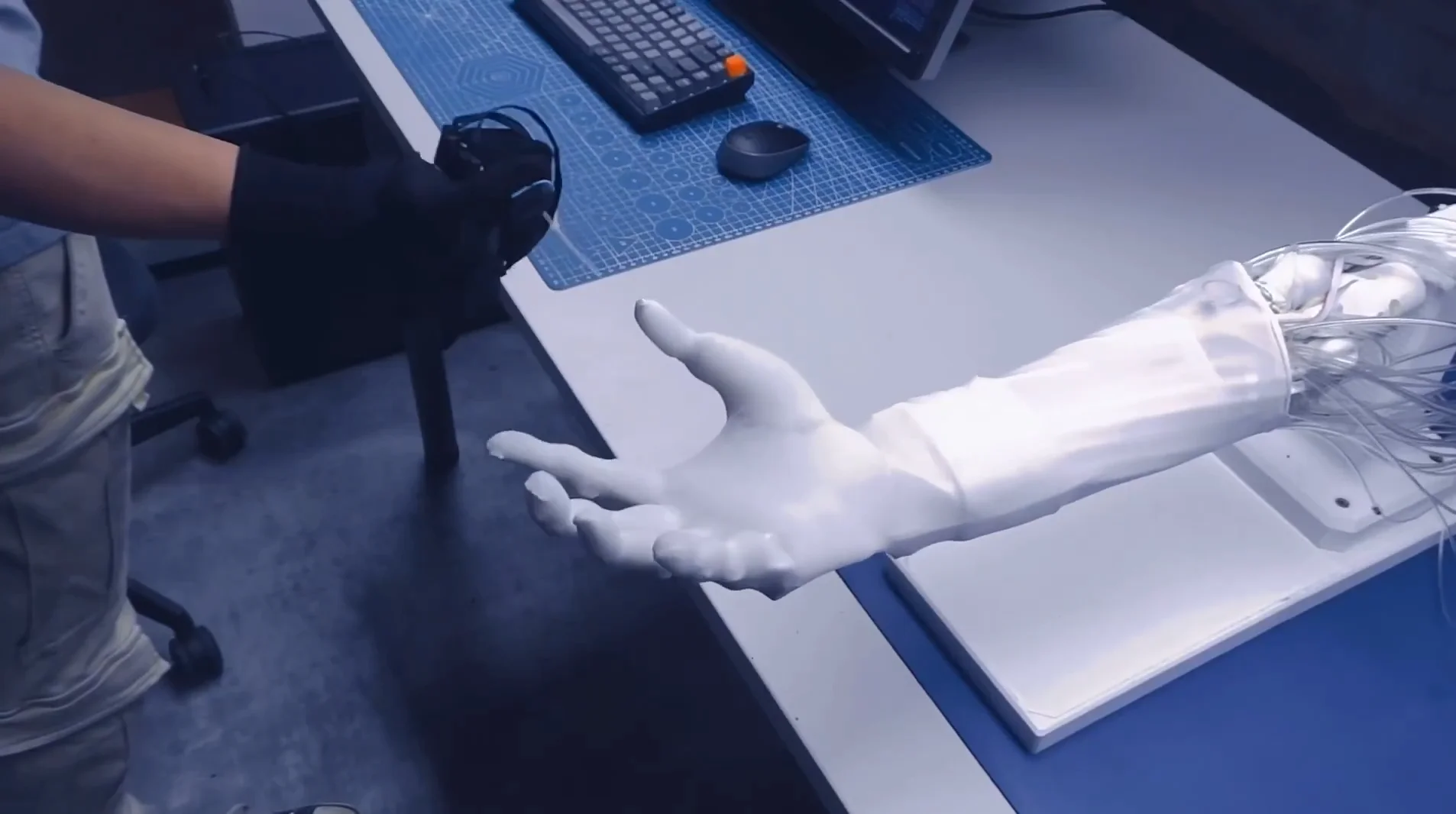
Clone Robotics Demos Startlingly Fast Robotic Hand, Touts Neural Controller
Clone Robotics has released a new video showcasing its advanced 27-degree-of-freedom (DoF) biomimetic hand, which accurately mimics human movements with remarkable speed. This demonstration highlights the company's innovative "neural joint controller," a significant development in their ongoing Clone Alpha project. The video serves as a tangible update on the project's progress, emphasizing the potential applications of this technology in fields such as robotics and prosthetics. By integrating sophisticated control systems, Clone Robotics aims to enhance the functionality and responsiveness of robotic hands, paving the way for more lifelike interactions in various environments.
clone robotics Europe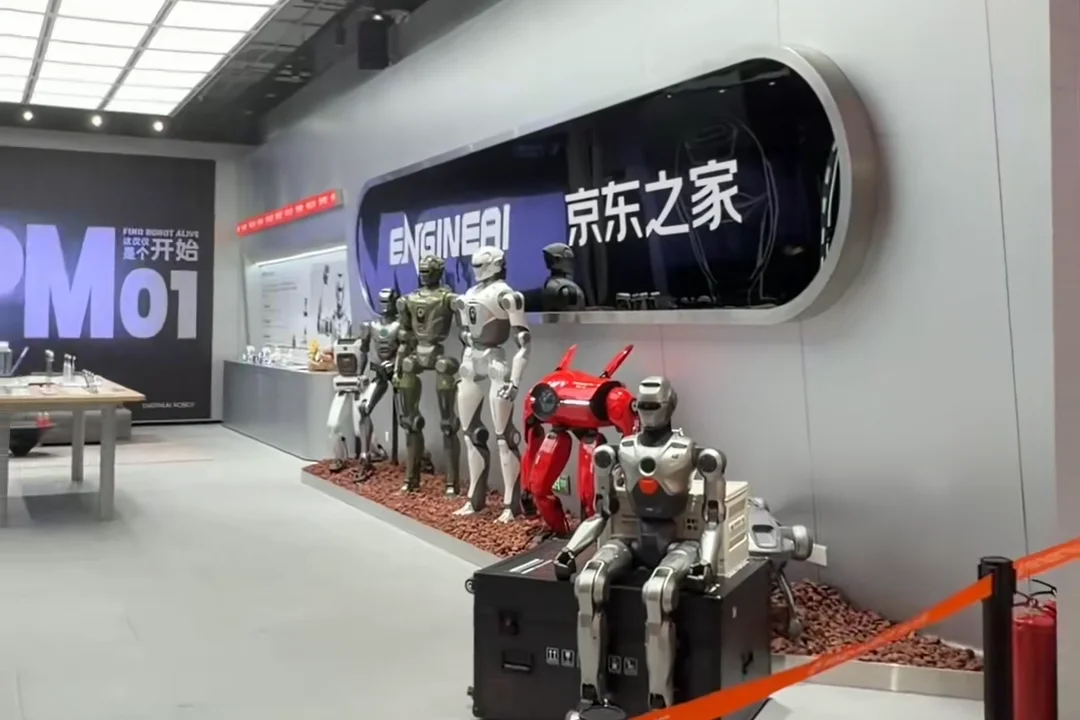
EngineAI Deploys Humanoid "Cyber Staff" in New Shenzhen Retail Store
EngineAI has launched a new "trendy goods" store in Shenzhen in collaboration with e-commerce leader JD.com, showcasing a significant advancement from previous viral demonstrations to a tangible retail experience. This innovative store is uniquely staffed by humanoid robots, highlighting the integration of artificial intelligence in everyday shopping environments. The opening represents a pivotal moment in the evolution of retail technology, as EngineAI aims to enhance customer engagement and streamline operations through automation. The partnership with JD.com, a major player in the e-commerce sector, underscores the growing trend of combining AI with traditional retail to meet the demands of modern consumers.
EngineAI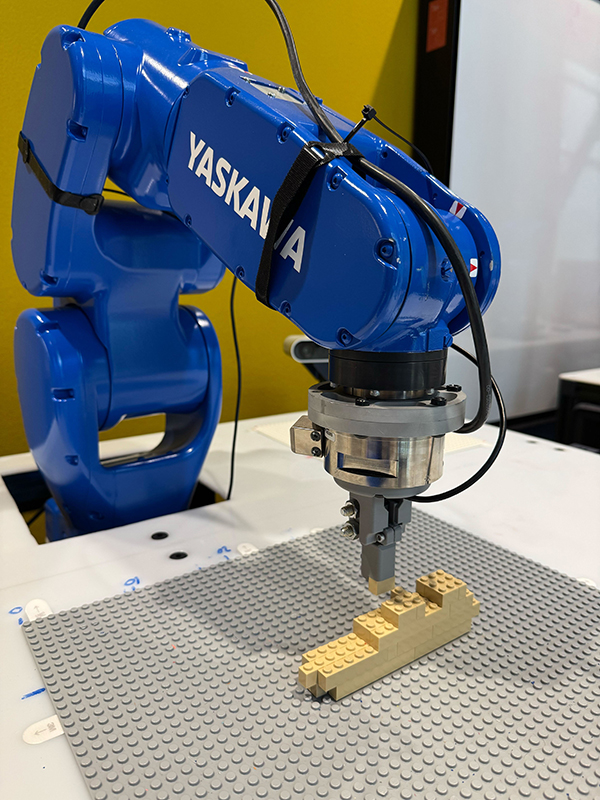
Imagination Meets Automation With BrickGPT
Researchers at Carnegie Mellon University's School of Computer Science have created an innovative tool called BrickGPT that merges artificial intelligence with creativity. This tool utilizes text prompts to assist both individuals and robots in transforming their ideas into tangible creations using Lego bricks. The development of BrickGPT represents a significant advancement in the intersection of imagination and automation, showcasing the potential for AI to enhance creative processes.
ResearchRobotics needs a service framework.
RSF defines a common language for robot service capability, lifecycle operations, certification pathways, and service-provider networks.