Industry Briefing
A single destination for timely, editor-curated robotics news from around the world.
The Lab Mistake That Might Revolutionize Computing
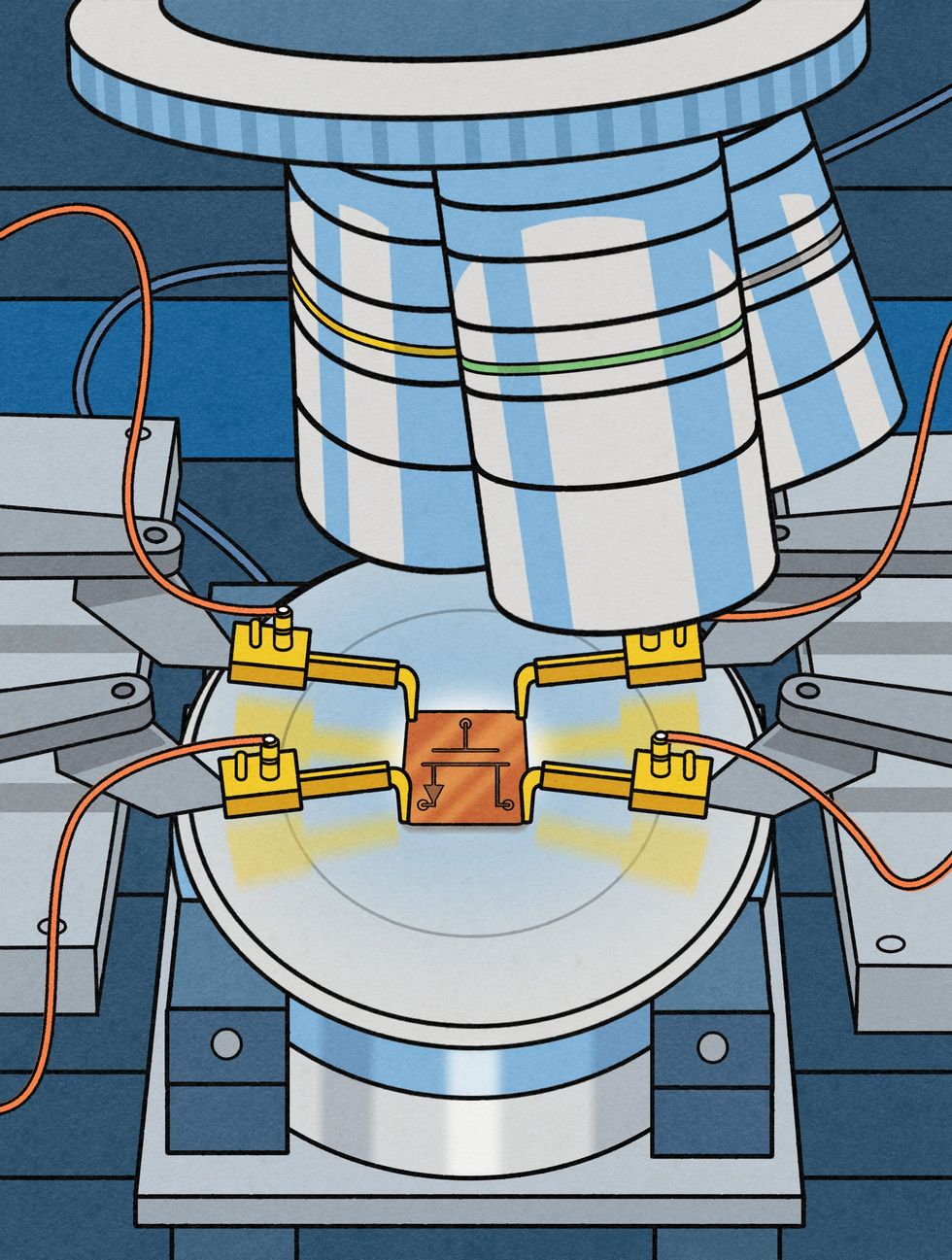
Researchers have made a significant breakthrough in artificial intelligence technology by discovering a new way to create electronic components that mimic the behavior of biological neurons and synapses. This development, which occurred in a laboratory in 2024, could drastically reduce the energy consumption associated with AI applications. Currently, AI systems rely on powerful GPUs housed in data centers, consuming up to 1,000 watts each, which is comparable to household appliances. In contrast, the human brain operates at a fraction of that energy efficiency. The team, led by researchers Mario Lanza and Sebastian Pazos, stumbled upon this innovation while experimenting with metal-oxide-semiconductor field-effect transistors (MOSFETs). They found that by manipulating the bulk terminal of a MOSFET, they could replicate neuron-like behavior, producing sharp current spikes similar to those of biological neurons. This discovery not only allows for the creation of artificial neurons but also enables the development of artificial synapses, leading to a new type of neurosynaptic random-access memory (NSRAM). The implications of this technology are vast, as it could lead to brain-inspired microchips that are more energy-efficient than current GPUs, particularly for smaller-scale AI tasks. The researchers are now focused on refining their models and conducting further simulations to optimize performance. If successful, this innovation could pave the way for a new generation of AI systems that are both powerful and environmentally sustainable.
Neuromorphic-computing Cmos Mosfet Synapse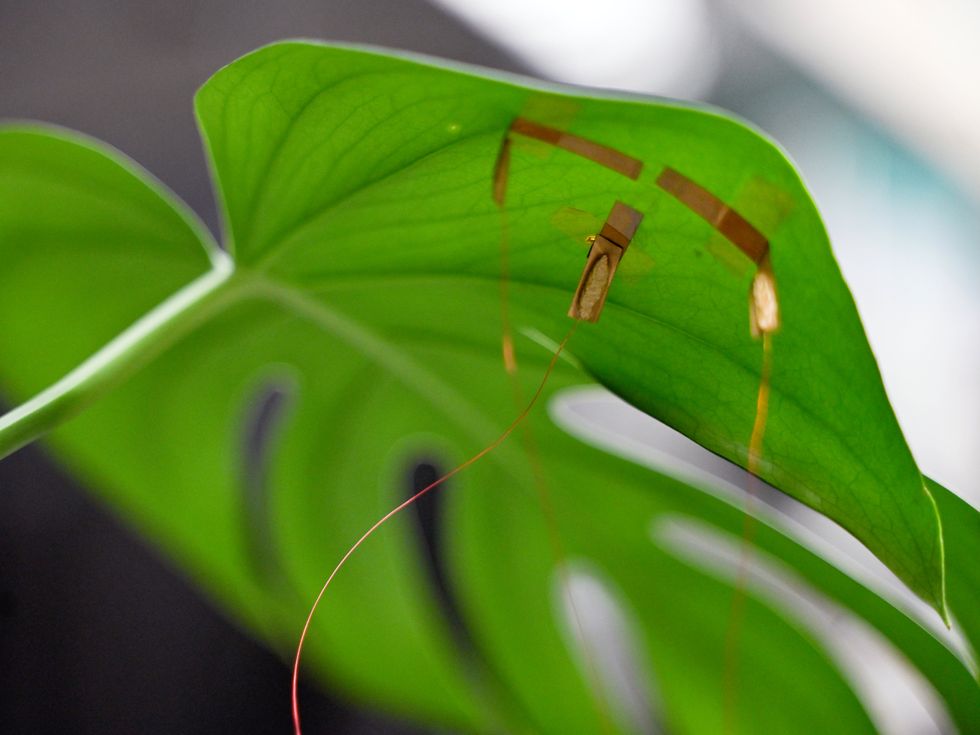
Graphene “Tattoos” for Plants Could Form Neural Networks
Researchers at the University of Texas at Austin have developed an innovative graphene "tattoo" that adheres directly to plant leaves, enabling real-time monitoring of leaf hydration. This breakthrough, published in the journal Nano Letters in February, addresses the limitations of traditional methods that require cutting leaves for moisture assessment. The sensor, which functions like a three-terminal transistor, sends electric pulses into the leaf, allowing it to measure moisture levels without disrupting photosynthesis. Led by associate professor Jean Anne Incorvia and graduate student Utkarsh Misra, the team envisions a future where these sensors could form a neural network across forests, providing critical data on drought and fire risks. The flexible and nearly transparent graphene material allows the tattoo to adapt to the leaf's movements, while its unique properties enable it to act as an artificial synapse, potentially enhancing plant-based computing. The concept emerged from a collaboration with geologist Ashley Matheny, highlighting the practical applications of the technology in agriculture and environmental monitoring. The researchers successfully trained a neural network to classify leaf hydration states, paving the way for more sophisticated plant monitoring systems that could help farmers and forest rangers respond to climate change challenges.
Graphene Agriculture Wildfires Neural-networks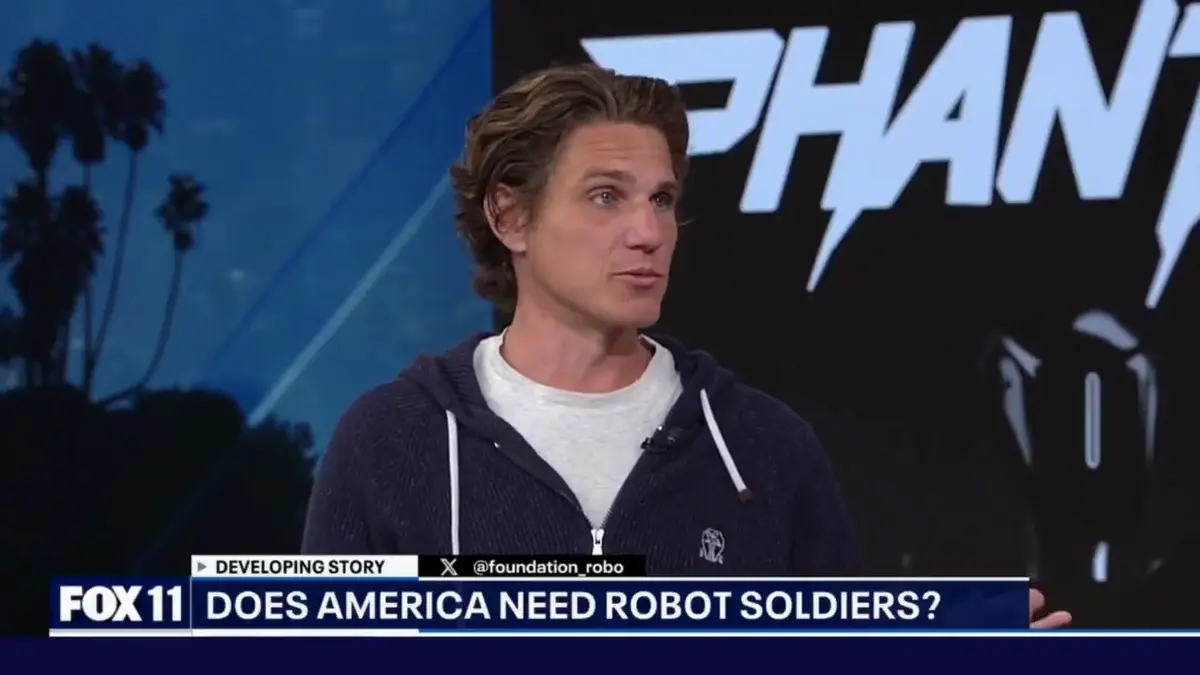
'Don't Send a Marine, Send a Robot': Foundation Co-Founder Details Military Pitch for Humanoids
In a recent television interview, Mike LeBlanc, co-founder of Foundation and a former Marine, highlighted the company's commitment to developing humanoid robots specifically for defense purposes. He described these robots as autonomous ground drones intended to take on perilous tasks traditionally performed by soldiers. This military-oriented strategy emerges as Foundation, under the leadership of the controversial former Synapse CEO Sankaet Pathak, intensifies its efforts to establish a foothold in the competitive robotics industry.
sankaet-pathak mike-leblanc military-robotics foundation
Humanoid Startup Foundation Pins Hopes on Decades of AI Research to Give Robots a Deeper Understanding of Physics
Startup Foundation, under the leadership of former Synapse CEO Sankaet Pathak and AI research chief Professor Patrick van der Smagt, has announced plans to develop humanoid robots that utilize Deep Variational Bayes Filters to enhance their interaction with the environment. The initiative aims to revolutionize how robots learn and adapt to their surroundings. As the company sets ambitious fundraising targets to support this innovative project, experts are scrutinizing the scientific principles behind these claims, as well as the potential challenges that may arise during development. The project is positioned at the forefront of AI and robotics, promising to push the boundaries of technology and human-robot interaction.
sankaet-pathak phantom foundation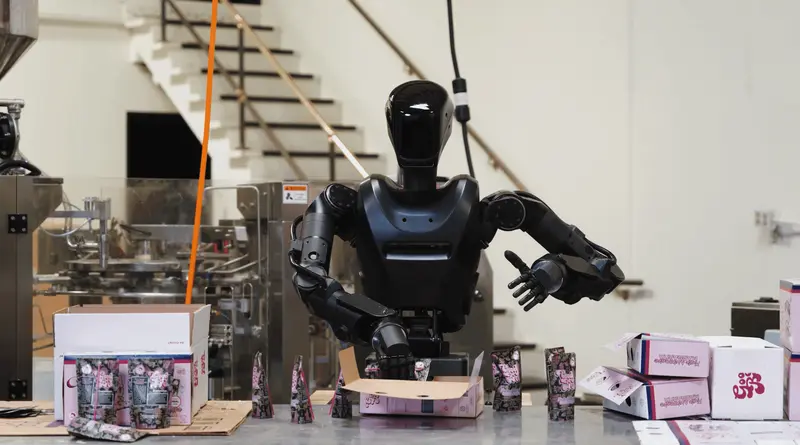
Foundation Robotics Reportedly Aiming for $100M Raise at $1B Valuation
Foundation, a humanoid robotics startup founded by former Synapse CEO Sankaet Pathak, is aiming to raise $100 million in funding, which would value the company at $1 billion. This funding initiative follows the recent launch of its 'Phantom' robot and comes in the wake of Pathak's previous venture facing bankruptcy. The ambitious financial goal reflects Foundation's confidence in its innovative technology and potential market impact, despite the challenges posed by the past failures of its leadership.
sankaet-pathak phantom foundation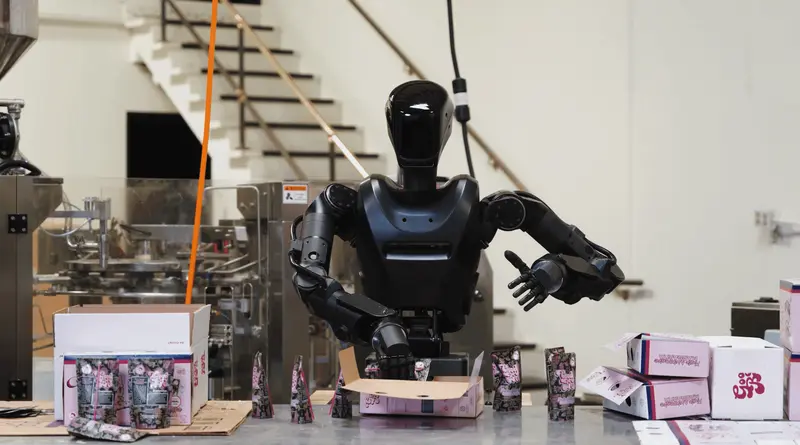
Foundation Emerges With 'Phantom' Humanoid, Betting on Novel Actuators and Hybrid AI
Foundation Robotics, a new company founded in May 2023 and led by former Synapse CEO Sankaet Pathak, has unveiled its humanoid robot, 'Phantom,' aimed at revolutionizing industrial automation. The company is focusing on developing proprietary high-efficiency actuators and employing a hybrid AI methodology that integrates state-based models with imitation learning. With plans for initial deliveries set for mid-2025, Foundation Robotics seeks to distinguish itself from competitors such as Figure and Tesla by prioritizing superior hardware performance and expedited AI training processes. This strategic approach is designed to meet the growing demand for advanced automation solutions in various industries.
sankaet-pathak phantom foundationRobotics needs a service framework.
RSF defines a common language for robot service capability, lifecycle operations, certification pathways, and service-provider networks.