Industry Briefing
A single destination for timely, editor-curated robotics news from around the world.

Strait of Hormuz Situation: Shipping Costs Surge Amid Ongoing Tensions and Low US Oil Reserves
The situation at the Strait of Hormuz continues to escalate, significantly impacting shipping and manufacturing. As of June 26, the US Strategic Petroleum Reserve holds 325.7 million barrels, the lowest since May 1983, according to the Department of Energy. This depletion is concerning as shipping costs remain high and shippers are reluctant to enter the area. The implications of these tensions are profound, particularly for row-crop farmers. Ben Klieve from The Benchmark Company noted that grain prices have sharply declined, falling below pre-Iran war levels, while input costs such as diesel and fertilizer remain elevated. This combination is squeezing farmers' profit margins, making it a challenging environment for agricultural production. Looking ahead, the situation remains precarious. Amrita Sen from Energy Aspects highlighted that while some vessels are exiting the region, the real test will come when new shipments are needed. No further timeline was disclosed at the time of publication.
Supply Chain
Challenges Faced by Military Forces in Securing the Strait of Hormuz
The article discusses the difficulties faced by military forces in securing the Strait of Hormuz against threats from Iran, a nation without a conventional navy. Despite being the world's most powerful military, the challenges stem from asymmetric warfare tactics employed by Iran, which complicate traditional military responses. The significance of this issue lies in the Strait of Hormuz being a critical chokepoint for global oil shipments, making its security vital for international trade and energy supply. The inability to effectively secure this strategic waterway raises concerns about potential disruptions and escalations in regional tensions. Looking ahead, observers should monitor developments in military strategies and diplomatic efforts aimed at enhancing security in the Strait. The evolving nature of threats and responses will be crucial in determining the effectiveness of military operations in this vital region. No further timeline was disclosed at the time of publication.
Naval Warfare Opinion convoy escort counter-drone Mark Cancian Middle East
Gulf Oil Exports Return to Pre-War Levels with 40% Bypassing Strait of Hormuz
Recent data from Kpler indicates that Gulf oil exports have rebounded to levels seen before the conflict. Notably, approximately 40% of this oil now departs from Gulf states without passing through the strategically significant Strait of Hormuz. This shift in export routes is significant as it highlights the changing dynamics of oil transportation in the region. The Strait of Hormuz has historically been a critical chokepoint for oil shipments, and the ability to bypass it could enhance the security and efficiency of Gulf oil exports. Looking ahead, industry observers will be keen to monitor how this trend develops and its potential implications for global oil markets. No further timeline was disclosed at the time of publication.
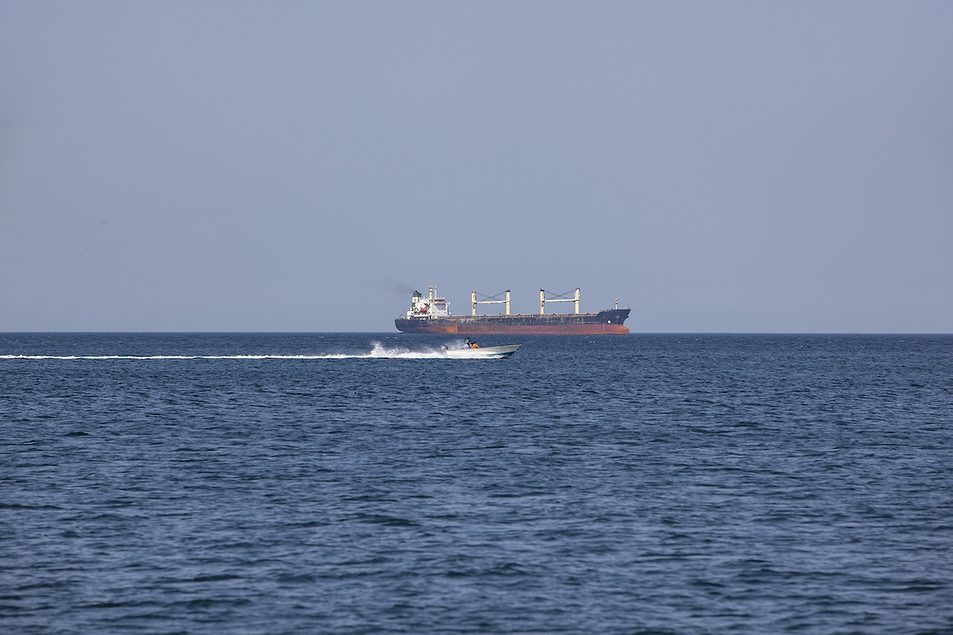
Iran's Islamic Revolutionary Guard Corps Claims Attacks on U.S. Vessels and Oil Tankers
Iran's Islamic Revolutionary Guard Corps has announced that it successfully targeted two U.S. vessels and eight oil tankers, representing a notable escalation in ongoing tensions. This incident marks the most significant increase in conflict in recent weeks, highlighting the fragile security situation in the region. Observers should monitor the potential repercussions of these attacks on maritime security and international relations in the Gulf area.
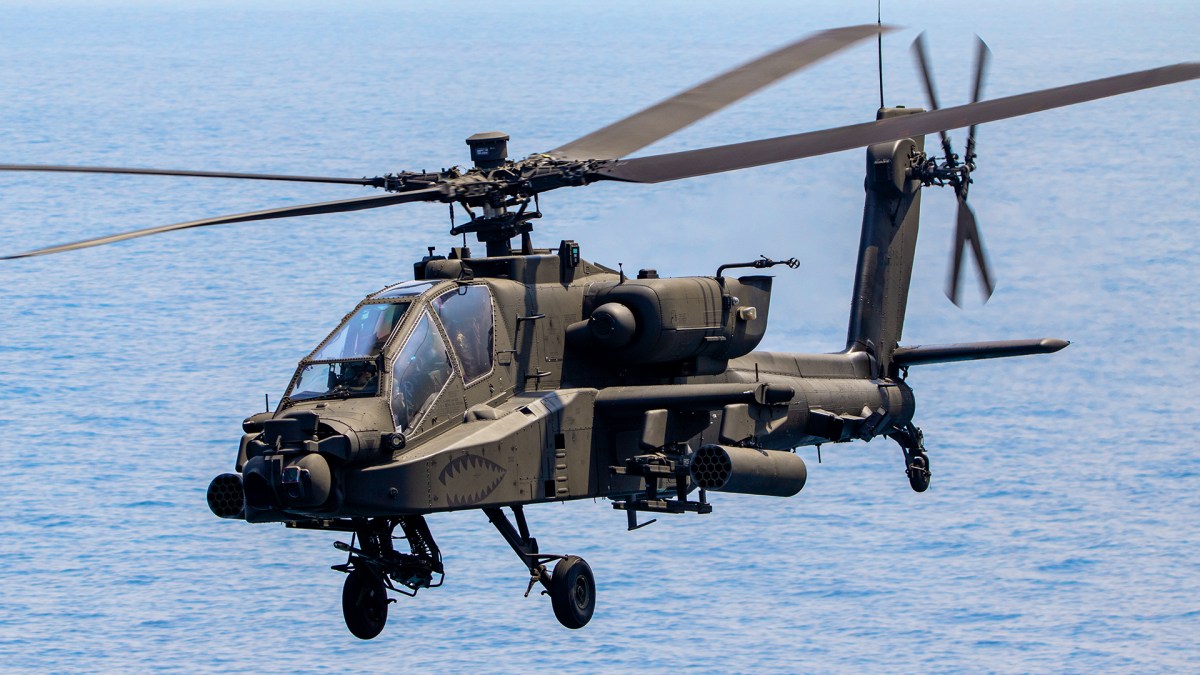
AH-64 Apache Crew Rescued By Drone Boat After Going Down Near Strait Of Hormuz
In a groundbreaking development, an uncrewed surface vessel successfully recovered the crew of an AH-64 Apache helicopter that had gone down near the Strait of Hormuz. This incident marks the first known instance of such a drone boat being utilized for aircrew recovery, signaling a significant advancement in military rescue operations. The event underscores the evolving role of autonomous technology in enhancing operational capabilities and safety for aircrews in challenging environments. As military forces increasingly integrate unmanned systems into their strategies, this successful recovery operation may pave the way for future applications of drone technology in various rescue and support missions.
News & Features AH-64 Air Around The Globe Helicopters Iran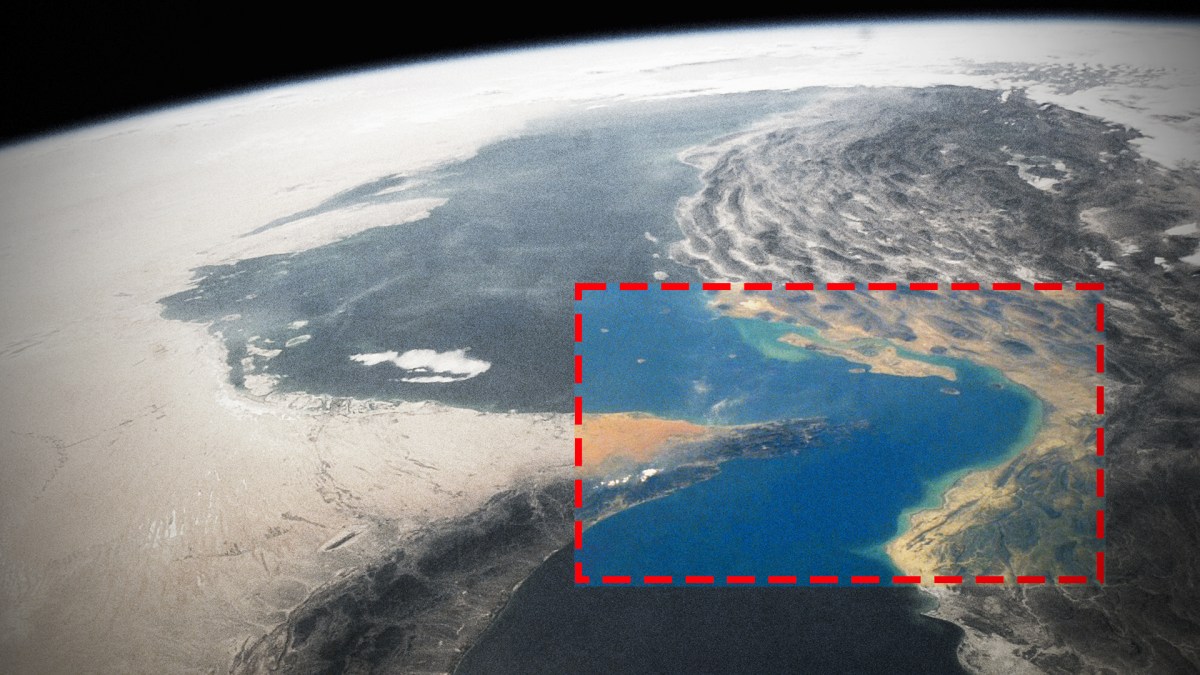
U.S. Shoots Down Iranian Drones Launched At Strait Of Hormuz: Official (Updated)
Tensions between Iran and the United States escalated once again as U.S. forces shot down Iranian drones that were launched towards the strategic Strait of Hormuz. This incident marks the latest confrontation in a series of hostilities that have persisted since the cessation of active conflict nearly two months ago. The U.S. military's decisive action underscores ongoing concerns over regional security and the potential for further escalation in the already volatile area. The situation continues to develop as both nations navigate the complexities of their fraught relationship.
News & Features Around The Globe Drones Iran Middle East
Royal Navy deploys Defender mine-hunting robot for Strait of Hormuz operations
The Royal Navy is set to deploy the Video Ray Defender, an advanced autonomous underwater robot, as part of its ongoing efforts to enhance maritime security. This deployment is scheduled for later this month, with operations taking place in various strategic locations to bolster surveillance and reconnaissance capabilities. The initiative aims to address increasing concerns over underwater threats and improve response times in maritime operations. By utilizing cutting-edge technology, the Royal Navy intends to streamline underwater missions, allowing for more efficient data collection and analysis. The introduction of the Video Ray Defender marks a significant step in the Royal Navy's modernization efforts, reflecting a commitment to incorporating innovative solutions in national defense strategies.

Strait of Hormuz Ship Transits Are Rising Thanks to U.S. Help
Several shipping companies have resumed transit through the Strait of Hormuz, marking a significant development since the onset of the ongoing conflict in the region. This decision comes as tensions have escalated, prompting a reassessment of maritime routes by these companies. The resumption of passage is particularly noteworthy as it involves vessels that had not navigated the strait since the war began. The Strait of Hormuz, a crucial chokepoint for global oil shipments, remains a focal point of geopolitical tensions, and the renewed activity reflects a complex interplay of risk management and economic necessity. As companies weigh the potential dangers against the need to maintain supply chains, this shift could have implications for regional stability and international trade.
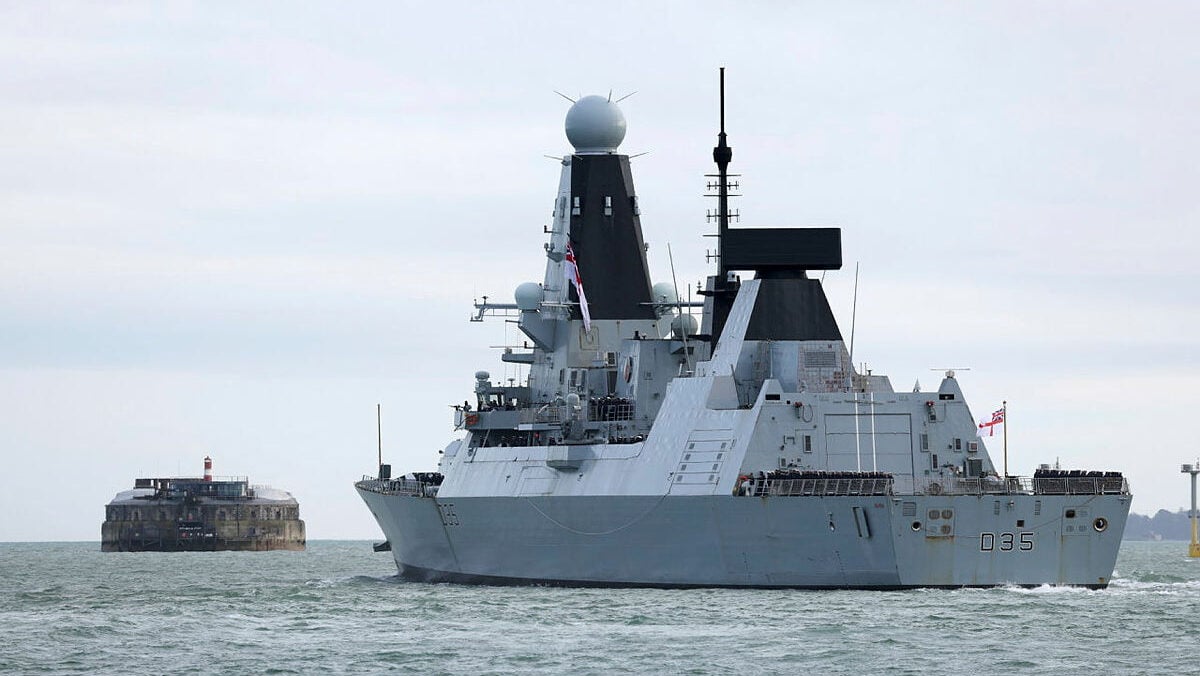
From destroyers to drones, how a Europe-led coalition aims to open the Strait of Hormuz
A new international initiative, spearheaded by the United Kingdom and France, aims to mobilize support from approximately 40 nations in response to ongoing conflicts. This collaborative effort is contingent upon the establishment of a ceasefire, which would serve as the prerequisite for the initiative to commence. The initiative seeks to address the urgent need for peace and stability in the affected regions, reflecting a collective commitment to diplomatic solutions and humanitarian assistance. The timeline for implementation remains uncertain, as it hinges on the successful negotiation of a ceasefire among the conflicting parties.
Air Warfare Global Middle East Naval Warfare Air Force Belgium
How Ukraine's demining robots could help U.S. open the Strait of Hormuz
Over the past four years of conflict with Russia, Ukraine has significantly advanced its demining techniques in the Black Sea region. This development comes as the country faces the ongoing challenge of clearing mines and unexploded ordnance left from the war, which pose risks to both military operations and civilian safety. The Ukrainian military, alongside specialized teams, has implemented innovative strategies and technologies to enhance their demining efforts, ensuring safer navigation and access to vital maritime areas. As the war continues, these improvements are crucial for restoring normalcy and protecting the livelihoods of those affected by the conflict.
Robotics needs a service framework.
RSF defines a common language for robot service capability, lifecycle operations, certification pathways, and service-provider networks.
Join the RobotToday community on LinkedIn
Daily robotics news, in-depth analysis, conference highlights, and discussions with professionals worldwide.