Industry Briefing
A single destination for timely, editor-curated robotics news from around the world.
Naval carrier set to deploy with a drone, while Marines say goodbye to the Harrier
This week, the U.S. Navy is enhancing its fleet capabilities as a Seahawk drone is scheduled to join the aircraft carrier USS Theodore Roosevelt. This integration reflects ongoing efforts to modernize naval operations and improve surveillance and reconnaissance missions. Additionally, the aviation community bids farewell to a legendary aircraft, which is making its final flight, marking the end of an era in military aviation history. The events highlight the Navy's commitment to advancing technology while honoring its storied past.
Air Warfare Naval Warfare Air Force Break Out Video harrier HarrierJumpJet
Oceanology International 2026 – Uncrewed Vehicles & Vessels Track Q&A
In a recent interview with Ocean Robotics Planet, Justin Manley, Chief Commercial Officer of Seahawk Robotics, discussed the advancements in autonomy within the uncrewed maritime industry. This conversation highlighted key themes that will be addressed during the Uncrewed Vehicles and Vessels conference track at Oi26, scheduled to take place later this year. The conference aims to showcase innovative developments and applications in marine autonomous systems, including technologies such as Robotics, Autonomous Underwater Vehicles (AUVs), Remotely Operated Vehicles (ROVs), and Autonomous Surface Vessels (ASVs). Manley emphasized the growing importance of these technologies in enhancing maritime operations and addressing various industry challenges. The insights shared during the interview and the upcoming conference reflect a significant shift towards automation in marine environments, driven by the need for efficiency and safety in maritime operations.
oceanology international 2026 oi26 uncrewed vehicles & vessels track q&a events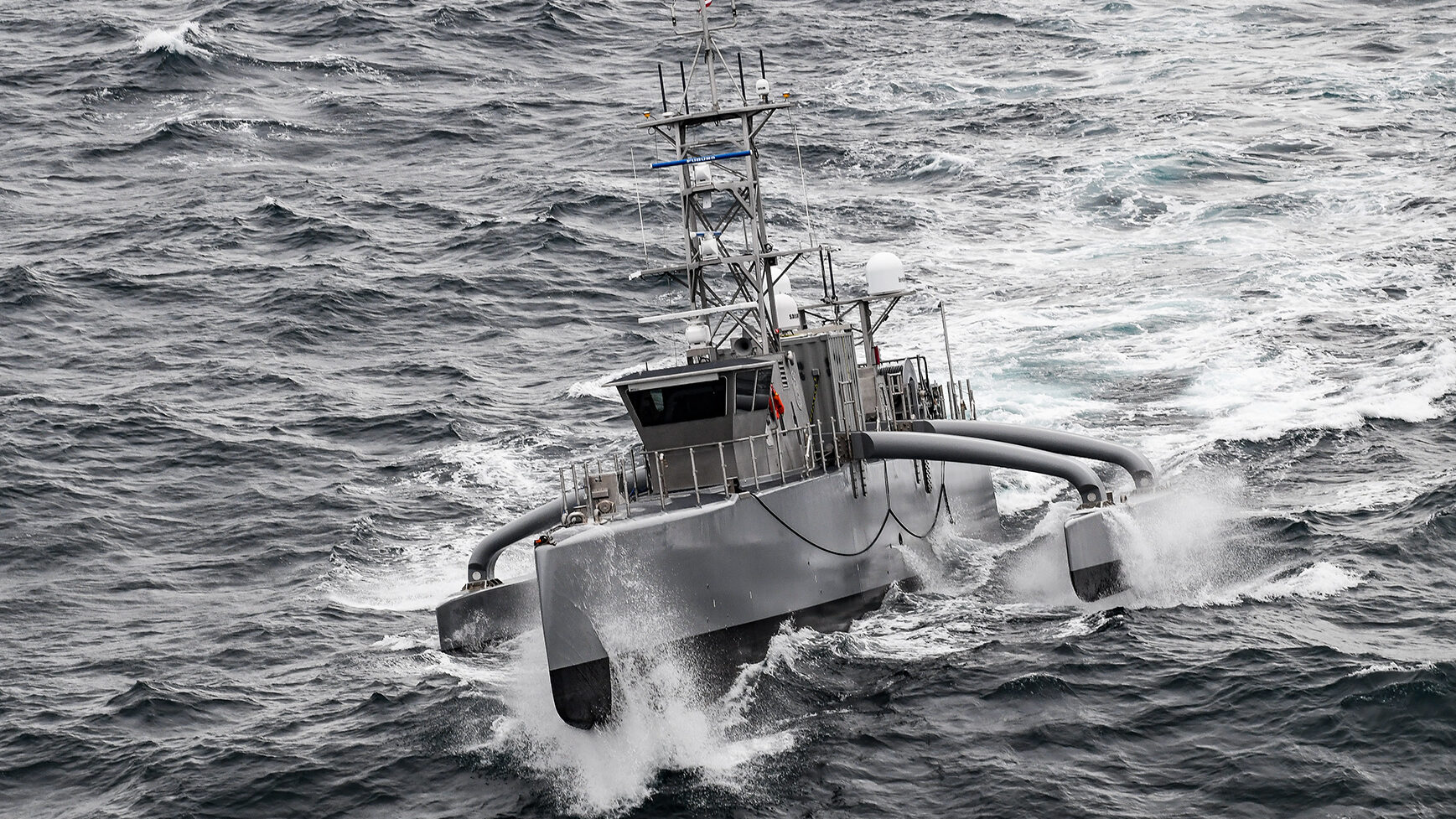
A Navy carrier is about to deploy with a robot ship. Could it change the service forever?
Experts have indicated that the recent deployment of unmanned systems by the Navy could significantly influence the future development of its operational strategies. This initiative, aimed at enhancing naval capabilities, is seen as a pivotal step in integrating advanced technologies into military operations. The deployment is expected to take place in the coming months, with strategic locations being evaluated for optimal effectiveness. By leveraging unmanned systems, the Navy aims to improve efficiency, reduce risks to personnel, and adapt to evolving threats in maritime environments. The insights gained from this deployment will likely shape the Navy's approach to unmanned operations and inform future investments in technology.
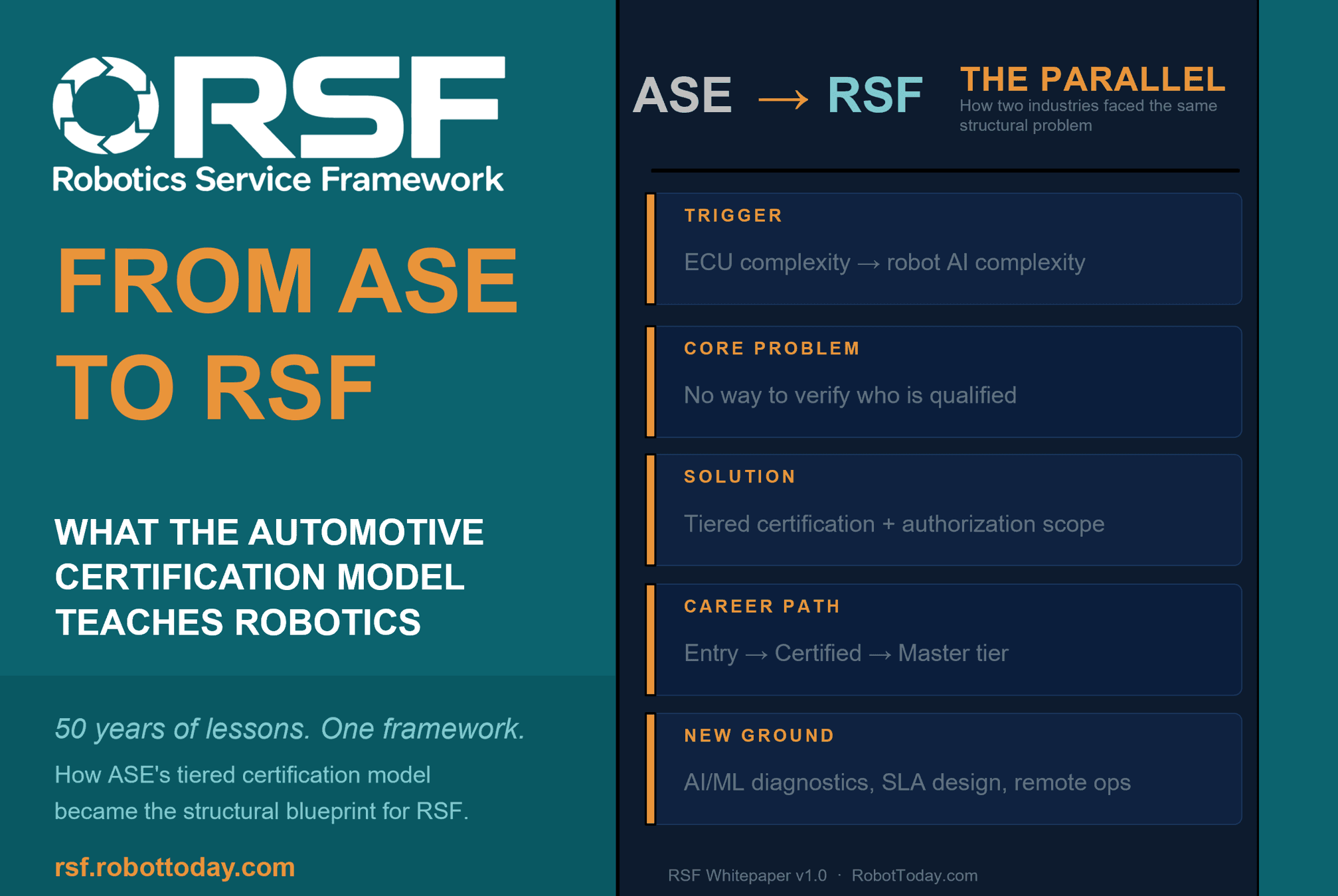
Naval Warfare Adm. Daryl Caudle Drones featured Leidos MUSVRobotics needs a service framework.
RSF defines a common language for robot service capability, lifecycle operations, certification pathways, and service-provider networks.