Industry Briefing
A single destination for timely, editor-curated robotics news from around the world.
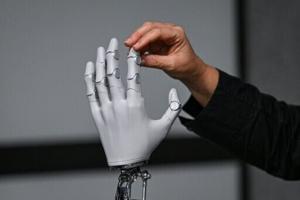
ON Semiconductor: Mispriced 800V-1200V AI Power And Physical AI Shift
ON Semiconductor has received a "Buy" rating, indicating a favorable outlook for investors as the company is expected to experience significant growth by 2027-2028. This positive assessment follows ON's strategic acquisition of Synaptics for $7 billion and the development of its proprietary Treo platform, which is projected to expand its total addressable market to $243 billion by 2030. Key factors driving this growth include a tenfold increase in content for 800V AI data center racks and a targeted margin expansion to 53%. Additionally, the company aims to reduce its reliance on the global auto market by capitalizing on exports of electric vehicles from China. However, analysts caution that risks remain, particularly concerning the integration of Synaptics, potential delays in retrofitting data centers, fluctuations in the average selling price of silicon carbide in China, and the company's balance sheet leverage. For those looking to invest in ON Semiconductor, the FTXL ETF is suggested as a diversified option to gain exposure to the company's performance.
SYNA FTXL ON Esxeleryn Analytics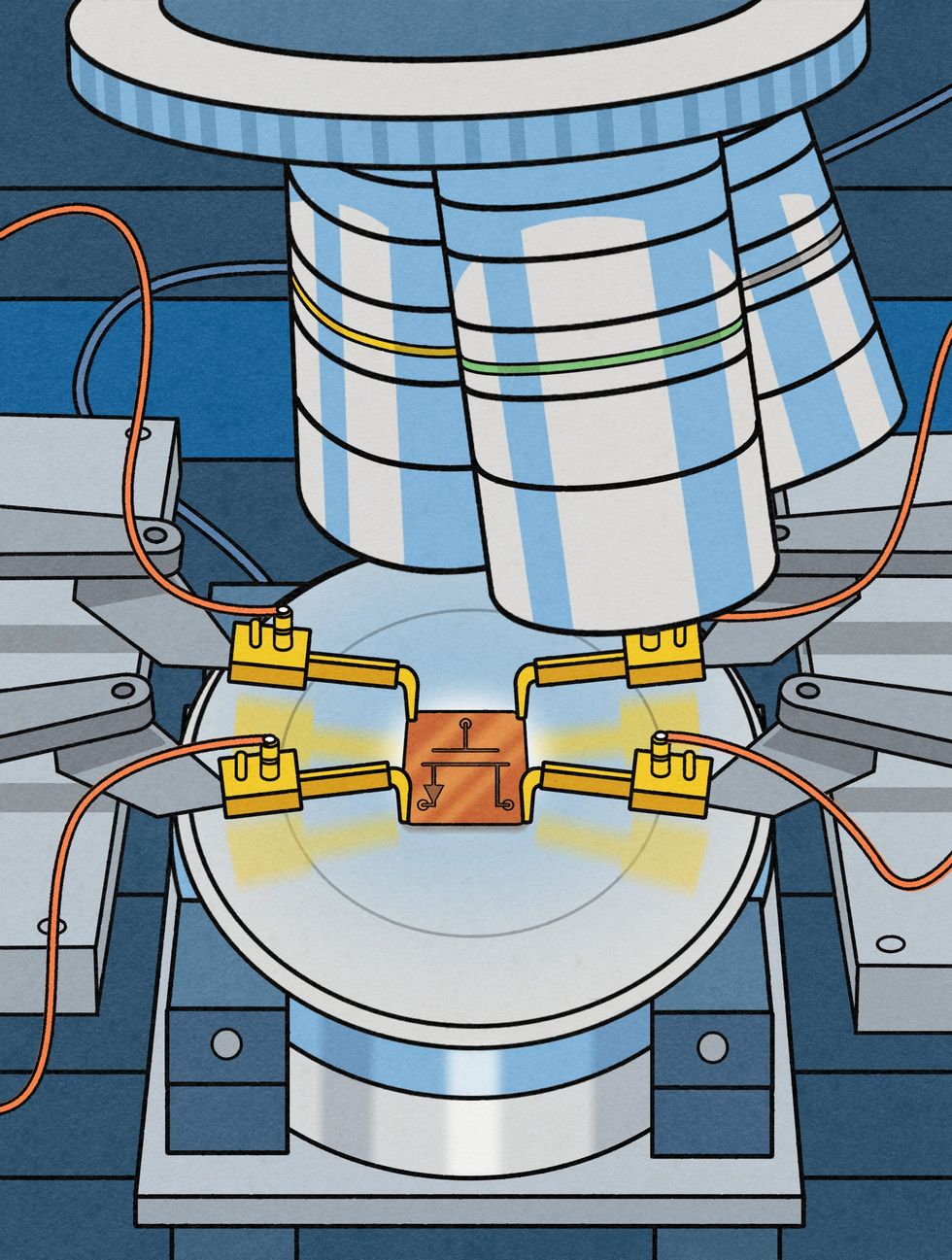
The Lab Mistake That Might Revolutionize Computing
Researchers have made a significant breakthrough in artificial intelligence technology by discovering a new way to create electronic components that mimic the behavior of biological neurons and synapses. This development, which occurred in a laboratory in 2024, could drastically reduce the energy consumption associated with AI applications. Currently, AI systems rely on powerful GPUs housed in data centers, consuming up to 1,000 watts each, which is comparable to household appliances. In contrast, the human brain operates at a fraction of that energy efficiency. The team, led by researchers Mario Lanza and Sebastian Pazos, stumbled upon this innovation while experimenting with metal-oxide-semiconductor field-effect transistors (MOSFETs). They found that by manipulating the bulk terminal of a MOSFET, they could replicate neuron-like behavior, producing sharp current spikes similar to those of biological neurons. This discovery not only allows for the creation of artificial neurons but also enables the development of artificial synapses, leading to a new type of neurosynaptic random-access memory (NSRAM). The implications of this technology are vast, as it could lead to brain-inspired microchips that are more energy-efficient than current GPUs, particularly for smaller-scale AI tasks. The researchers are now focused on refining their models and conducting further simulations to optimize performance. If successful, this innovation could pave the way for a new generation of AI systems that are both powerful and environmentally sustainable.
Neuromorphic-computing Cmos Mosfet Synapse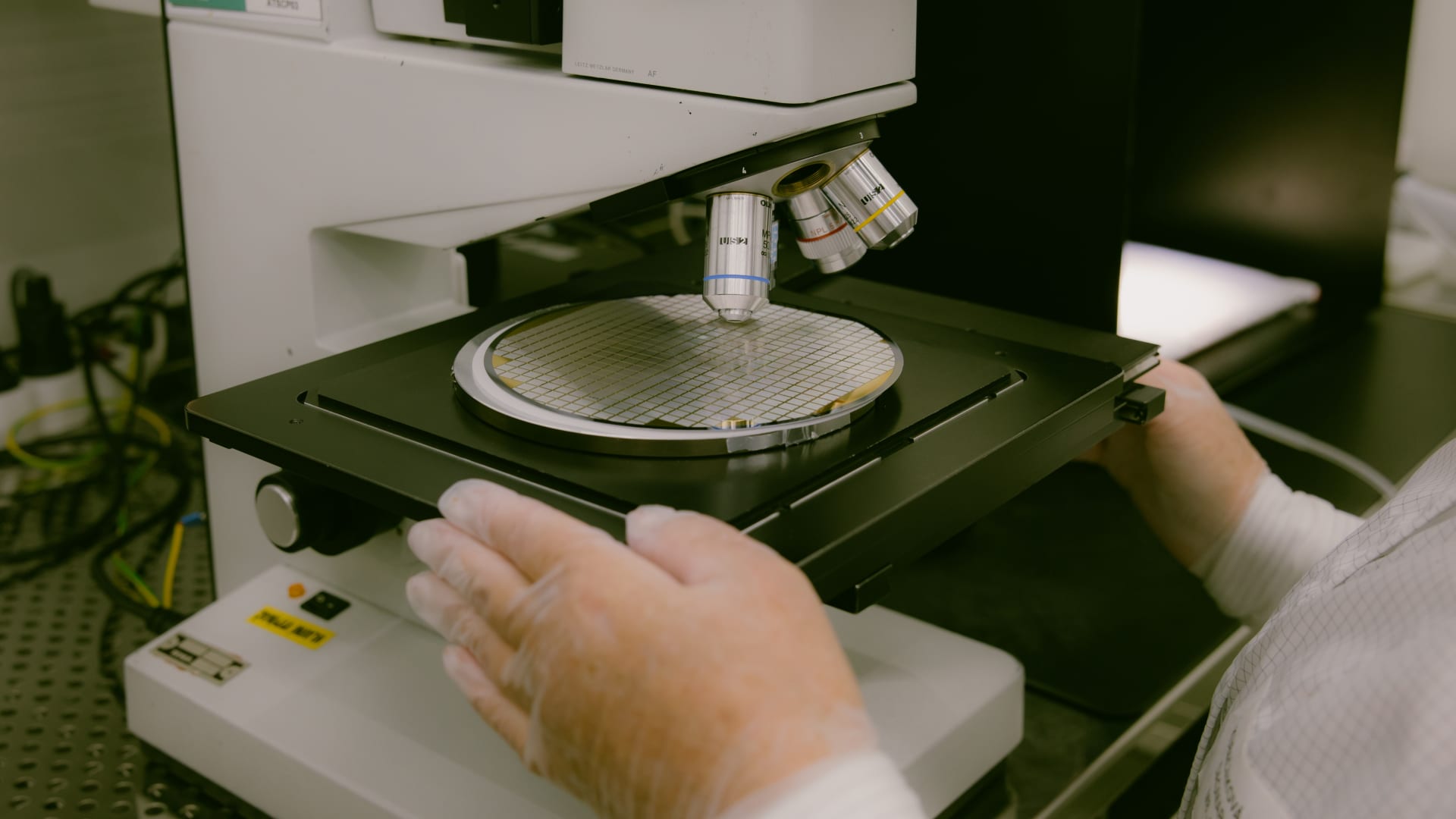
ON Semi tanks 20% following Synaptics deal as CEO defends core business
On Semiconductor has announced a significant expansion of its addressable market, projecting an increase of $30 billion through its pivot into physical artificial intelligence (AI). This strategic move aims to enhance the company's offerings and capitalize on the growing demand for AI technologies. The announcement comes as the company seeks to position itself at the forefront of innovation in the semiconductor industry. By integrating physical AI into its product lineup, On Semi is responding to evolving market needs and the increasing reliance on advanced technologies across various sectors. This expansion reflects the company's commitment to driving growth and maintaining competitiveness in a rapidly changing technological landscape.

ON Semiconductor strikes $7 billion deal for Synaptics in physical AI push
ON Semiconductor announced that a recent deal will increase its total addressable market by $30 billion, bringing the total to $243 billion by 2030. This strategic move reflects the company's commitment to expanding its footprint in the semiconductor industry, capitalizing on growing demand for advanced technologies. The announcement underscores ON Semiconductor's efforts to enhance its competitive position and drive future growth in an evolving market landscape.

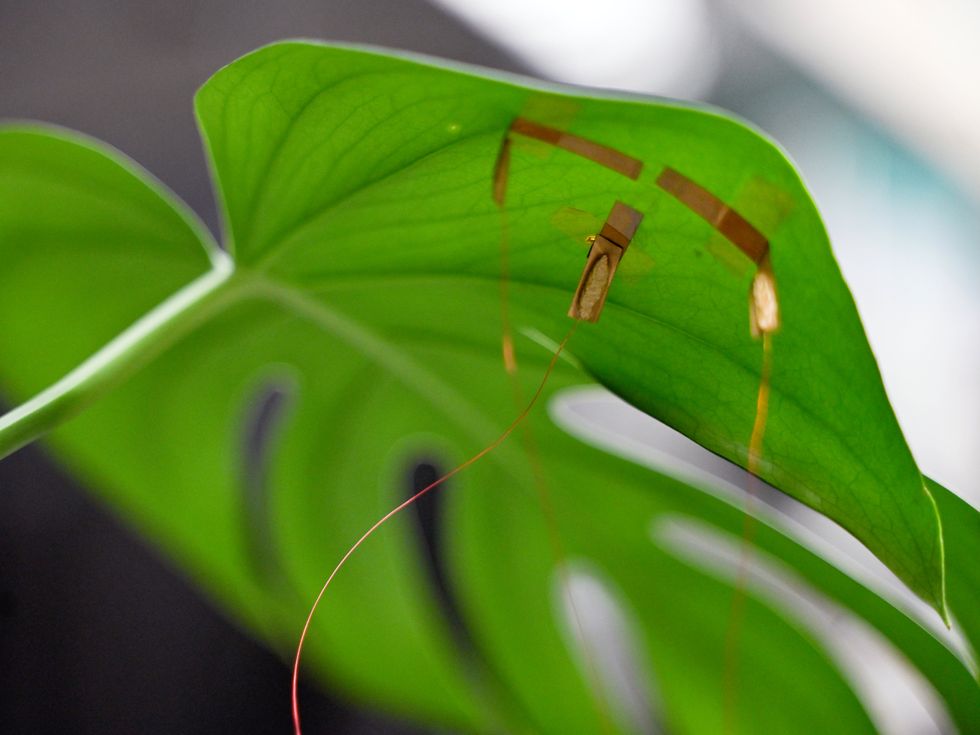
Graphene “Tattoos” for Plants Could Form Neural Networks
Researchers at the University of Texas at Austin have developed an innovative graphene "tattoo" that adheres directly to plant leaves, enabling real-time monitoring of leaf hydration. This breakthrough, published in the journal Nano Letters in February, addresses the limitations of traditional methods that require cutting leaves for moisture assessment. The sensor, which functions like a three-terminal transistor, sends electric pulses into the leaf, allowing it to measure moisture levels without disrupting photosynthesis. Led by associate professor Jean Anne Incorvia and graduate student Utkarsh Misra, the team envisions a future where these sensors could form a neural network across forests, providing critical data on drought and fire risks. The flexible and nearly transparent graphene material allows the tattoo to adapt to the leaf's movements, while its unique properties enable it to act as an artificial synapse, potentially enhancing plant-based computing. The concept emerged from a collaboration with geologist Ashley Matheny, highlighting the practical applications of the technology in agriculture and environmental monitoring. The researchers successfully trained a neural network to classify leaf hydration states, paving the way for more sophisticated plant monitoring systems that could help farmers and forest rangers respond to climate change challenges.
Graphene Agriculture Wildfires Neural-networks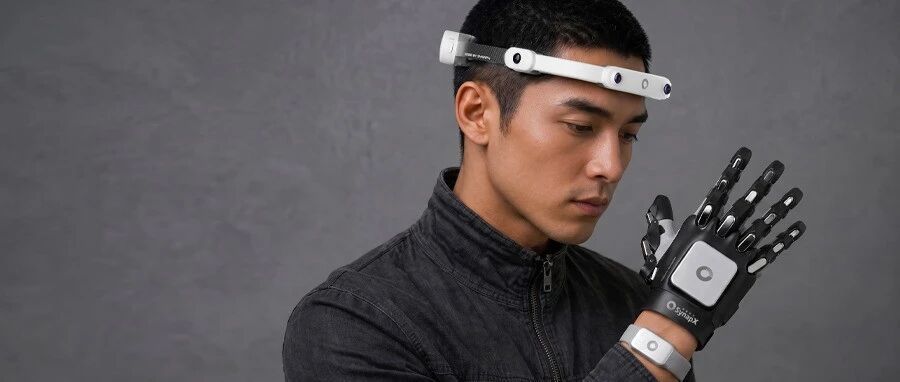
SynapX Launches SYNData: Multimodal Data Collection System for Embodied AI Era
SynapX has unveiled SYNData, an innovative multimodal data collection system designed to enhance dexterous manipulation capabilities in robotics. This cutting-edge system integrates ego vision, electromyography (EMG) signals, and data from exoskeleton gloves, facilitating the scalable collection of human manipulation data essential for advancing robot learning. The launch of SYNData aims to bridge the gap between human dexterity and robotic functionality, providing researchers and developers with comprehensive tools to improve robotic performance. This development is particularly significant as it addresses the growing demand for more sophisticated and adaptable robotic systems in various applications.
Robotics
SynapX Launches SYNData: Multimodal Data Collection System for Embodied AI Era
SynapX has introduced SYNData, an innovative multimodal data collection system designed to enhance dexterous manipulation capabilities. Launched recently, this system integrates ego vision, electromyography (EMG) signals, and data from exoskeleton gloves, facilitating the scalable collection of human manipulation data essential for advancing robot learning. The development aims to improve the interaction between humans and robots, ultimately contributing to more sophisticated robotic applications in various fields. By harnessing diverse data sources, SYNData promises to provide valuable insights that can drive the evolution of robotic dexterity and functionality.
Robotics
Showcase at LogiMAT 2026: KUKA presents mobile robotics in an interactive arena
At LogiMAT 2026, taking place from March 24 to 26 in Stuttgart, attendees will have the opportunity to explore a unique exhibit spanning over 600 square meters. The ‘Interoperability Arena’ will feature demonstrations by KUKA alongside partners including SYNAOS, WIFERION, and FPT Robotik. This showcase aims to highlight the seamless interaction between autonomous vehicles and 6-axis industrial robotics, illustrating advancements in automation technology and its applications in various industries. The event underscores the growing importance of interoperability in enhancing operational efficiency and productivity in logistics and manufacturing sectors.
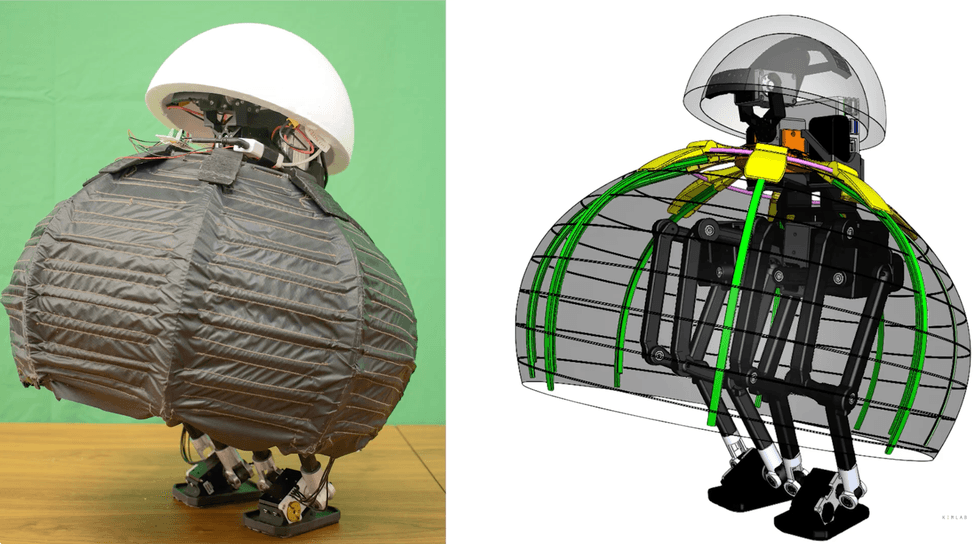
Video Friday: Bipedal Robot Stops Itself From Falling
IEEE Spectrum robotics has released its latest edition of Video Friday, showcasing a variety of innovative robotics videos and announcing upcoming events in the field. Among the highlights is the Robotic Autonomy in Complex Environments with Resiliency (RACER) program, which is nearing completion after extensive collaboration with the U.S. Army and Marine Corps. This program is expected to leave a lasting impact on military operations and stimulate private-sector investment in autonomous technologies. Notable advancements include the introduction of COSA, a cognitive operating system that enhances humanoid robots' capabilities for high-level cognition and motion control. Meanwhile, the 1X World Model has made significant strides in robot learning, allowing its NEO model to perform tasks autonomously based on voice or text prompts, even for unfamiliar objects. In assistive technology, the GuideData Dataset has been launched to improve interactions between guide dog trainers and visually impaired individuals, aiming to enhance mobility and safety. Additionally, Fourier's Care-Bot prototype is gaining attention for its interactive features at CES 2026. In environmental monitoring, ETH Zurich has developed an autonomous quadruped robot for volcanic gas measurements, successfully tested on Mount Etna. Humanoid robots have also made progress in industrial logistics, completing proof-of-concept testing at Siemens's factory in Erlangen. Columbia Engineers have created a robot capable of learning facial lip motions for speech and singing through observational learning, marking a significant milestone in robotics. Lastly, DEEP Robotics showcased its quadruped robots' capabilities in complex firefighting scenarios, while Synapticon introduced its POSITRON platform to enhance safety in humanoid robots for real-world applications.
Robotics Video-friday Bipedal-robots Humanoid-robots Quadruped-robots Industrial-robots
'Don't Send a Marine, Send a Robot': Foundation Co-Founder Details Military Pitch for Humanoids
In a recent television interview, Mike LeBlanc, co-founder of Foundation and a former Marine, highlighted the company's commitment to developing humanoid robots specifically for defense purposes. He described these robots as autonomous ground drones intended to take on perilous tasks traditionally performed by soldiers. This military-oriented strategy emerges as Foundation, under the leadership of the controversial former Synapse CEO Sankaet Pathak, intensifies its efforts to establish a foothold in the competitive robotics industry.
sankaet-pathak mike-leblanc military-robotics foundation
Humanoid Startup Foundation Pins Hopes on Decades of AI Research to Give Robots a Deeper Understanding of Physics
Startup Foundation, under the leadership of former Synapse CEO Sankaet Pathak and AI research chief Professor Patrick van der Smagt, has announced plans to develop humanoid robots that utilize Deep Variational Bayes Filters to enhance their interaction with the environment. The initiative aims to revolutionize how robots learn and adapt to their surroundings. As the company sets ambitious fundraising targets to support this innovative project, experts are scrutinizing the scientific principles behind these claims, as well as the potential challenges that may arise during development. The project is positioned at the forefront of AI and robotics, promising to push the boundaries of technology and human-robot interaction.
sankaet-pathak phantom foundation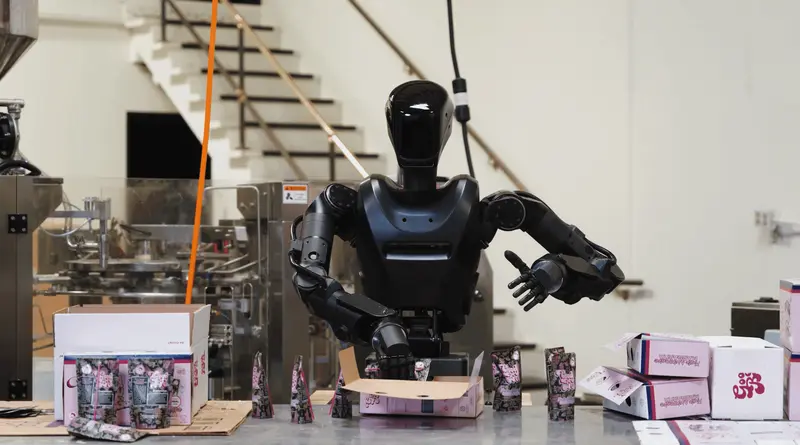
Foundation Robotics Reportedly Aiming for $100M Raise at $1B Valuation
Foundation, a humanoid robotics startup founded by former Synapse CEO Sankaet Pathak, is aiming to raise $100 million in funding, which would value the company at $1 billion. This funding initiative follows the recent launch of its 'Phantom' robot and comes in the wake of Pathak's previous venture facing bankruptcy. The ambitious financial goal reflects Foundation's confidence in its innovative technology and potential market impact, despite the challenges posed by the past failures of its leadership.
sankaet-pathak phantom foundation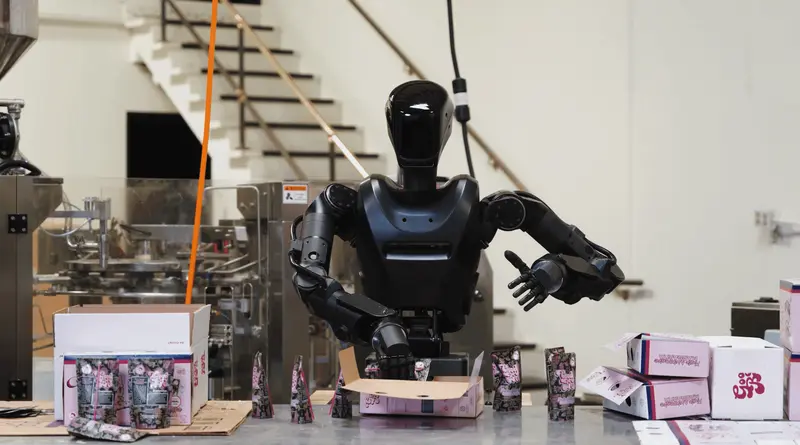
Foundation Emerges With 'Phantom' Humanoid, Betting on Novel Actuators and Hybrid AI
Foundation Robotics, a new company founded in May 2023 and led by former Synapse CEO Sankaet Pathak, has unveiled its humanoid robot, 'Phantom,' aimed at revolutionizing industrial automation. The company is focusing on developing proprietary high-efficiency actuators and employing a hybrid AI methodology that integrates state-based models with imitation learning. With plans for initial deliveries set for mid-2025, Foundation Robotics seeks to distinguish itself from competitors such as Figure and Tesla by prioritizing superior hardware performance and expedited AI training processes. This strategic approach is designed to meet the growing demand for advanced automation solutions in various industries.
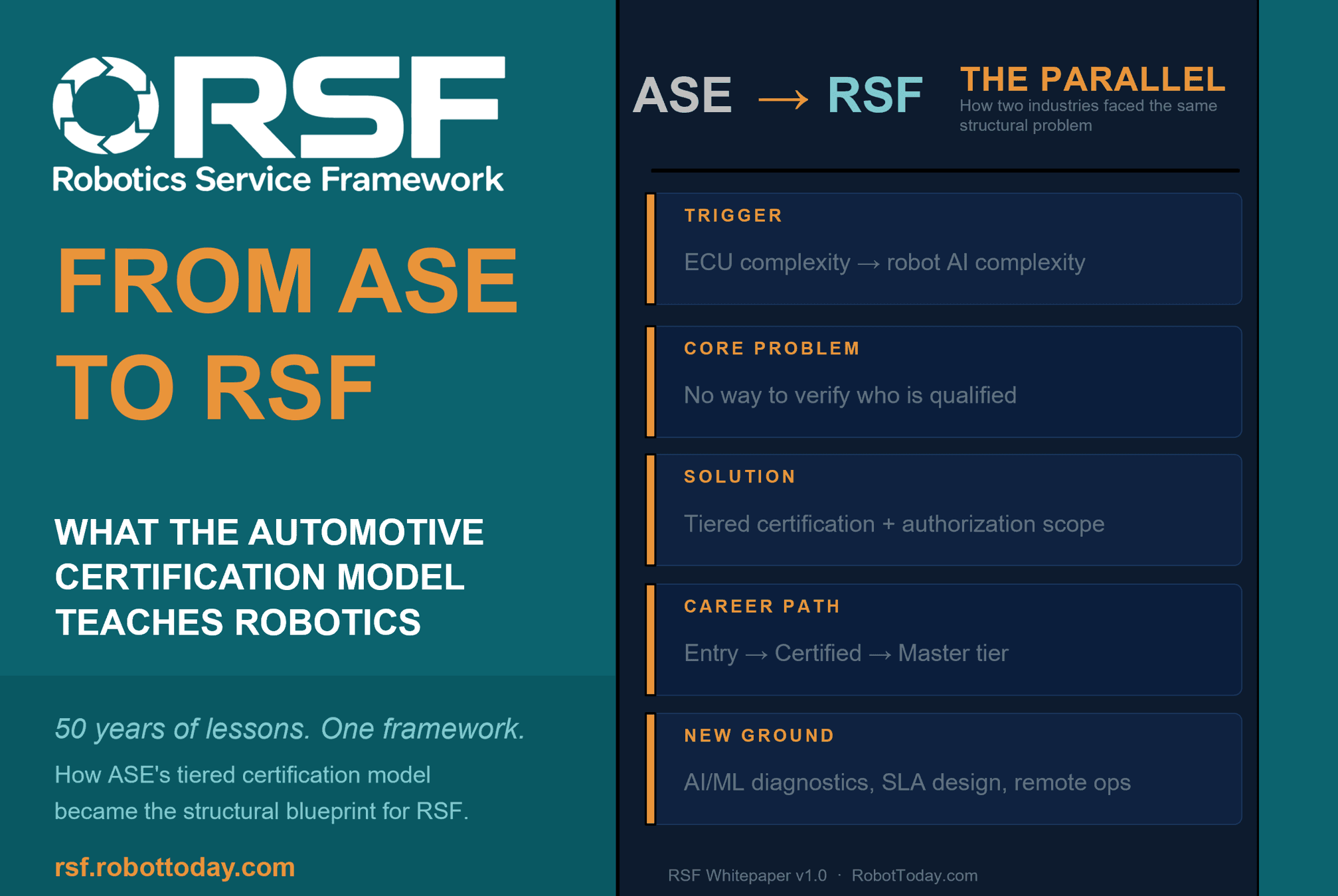
sankaet-pathak phantom foundationRobotics needs a service framework.
RSF defines a common language for robot service capability, lifecycle operations, certification pathways, and service-provider networks.