Industry Briefing
A single destination for timely, editor-curated robotics news from around the world.

Pudu Robotics Expands European Operations After IFA 2026, Introducing PUDU D7
Pudu Robotics is enhancing its European footprint following its participation in IFA Berlin 2026, where it unveiled its comprehensive range of service robotics. The introduction of the PUDU D7 marks a significant milestone in the company's strategy to establish a stronger presence in the European market. This expansion is crucial as Pudu Robotics aims to tap into the growing demand for commercial service robotics across various sectors, including service delivery, cleaning, and logistics. By showcasing its full portfolio at a major industry event, the company is positioning itself to meet the needs of European customers effectively. Looking ahead, Pudu Robotics' continued focus on localized growth strategies will be key to its success in Europe. No further timeline was disclosed at the time of publication.

Exotec Warns US Robotics Restrictions May Shift Chinese Suppliers to Europe
A senior executive from Exotec has issued a warning regarding the potential impact of new US robotics restrictions on the market. The Federal Communications Commission has recently tightened regulations concerning foreign-made robotics, which could influence the dynamics of the robotics supply chain. While European robotics systems authorized for sale in the US are not automatically banned, the new measures are expected to affect companies selling into the US market. This development is significant as it may lead to an increased interest from Chinese suppliers in European markets, potentially reshaping the competitive landscape. The tightening of US rules could create opportunities for European robotics companies, while also posing challenges for those reliant on the US market. The shift could result in a more diversified supply chain, but it may also intensify competition among suppliers in Europe. Looking ahead, industry stakeholders should monitor how these regulatory changes will influence supplier strategies and market dynamics. No further timeline was disclosed at the time of publication.
Economy Features Robotics chinese robots cybersecurity european manufacturing
Neura Robotics and SECO Collaborate to Enhance Humanoid Robot Production in Europe
Neura Robotics has entered into a strategic partnership with SECO to develop and manufacture electronic compute modules for its cognitive robots, including the 4NE1 humanoid. This collaboration aims to facilitate scalable series production in Europe, addressing the growing demand for advanced robotics solutions. The partnership is significant as it not only focuses on humanoid robot production but also aims to expand into physical AI applications within the semiconductor and electronics manufacturing sectors. This move is expected to enhance the capabilities of Neura's robots and improve production efficiency. Looking ahead, the collaboration between Neura Robotics and SECO could lead to advancements in both humanoid robotics and AI applications in manufacturing. No further timeline was disclosed at the time of publication.
Humanoids News 4ne1 cognitive robots dragonwing edge ai
Hai Robotics to Deploy 1,500 HaiPick Climb Robots at European Fulfillment Center
Hai Robotics has been chosen to supply automation technology for a new e-commerce fulfillment center operated by a prominent European fashion retailer. This initiative will feature the HaiPick Climb system, marking what is described as the largest deployment of rack-climbing warehouse robots globally. The significance of this project lies in its potential to revolutionize warehouse operations within the fashion retail sector. By integrating 1,500 HaiPick Climb robots, the fulfillment center aims to enhance efficiency and streamline logistics processes, setting a new standard for automation in the industry. Looking ahead, stakeholders will be keen to observe the implementation timeline and performance metrics of the HaiPick Climb system. No further timeline was disclosed at the time of publication.
News Warehouse robots automated storage ecommerce fulfillment fashion logistics fulfillment center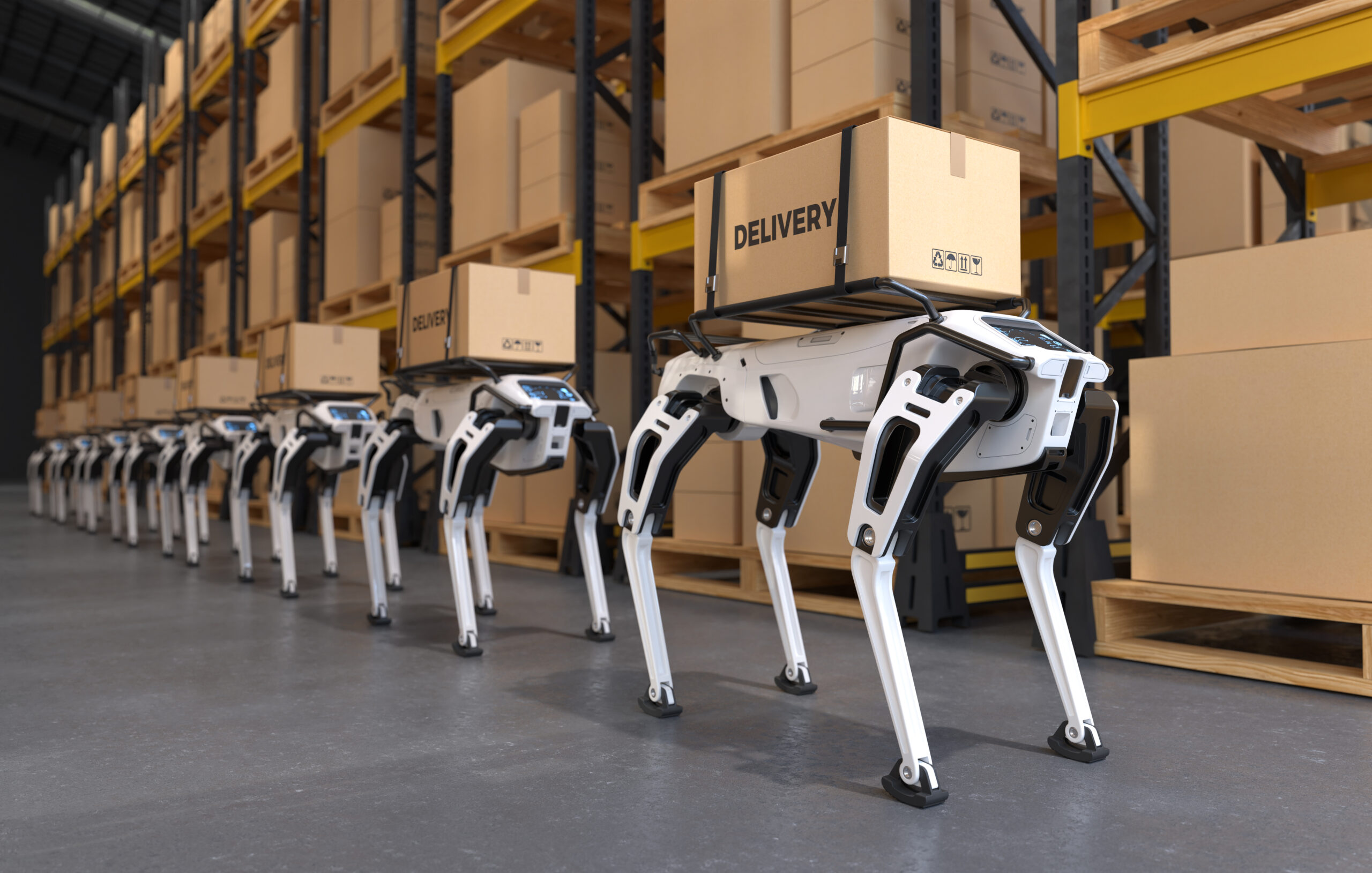
New U.S. Robotics Import Rules Affect European Market Dynamics
The U.S. Federal Communications Commission (FCC) has recently implemented stricter regulations regarding the importation of foreign-made robotics, impacting European suppliers. While existing European robotic systems authorized for sale in the U.S. are not immediately affected, new foreign-produced mobile robots will require additional FCC authorization, complicating the supply chain for many companies. This regulatory shift aligns with the U.S. government's heightened scrutiny of Chinese technology suppliers, raising concerns about intensified competition among U.S., European, and Chinese robotics firms. Exotec, a French warehouse robotics company, highlights that these measures could inadvertently make Europe a more appealing market for Chinese manufacturers, despite the absence of a blanket ban on foreign-made warehouse robots in Europe. As European companies navigate these changes, the emphasis will be on supply chain transparency, cybersecurity, and service capabilities. The evolving landscape suggests that while the U.S. measures may not immediately disrupt existing operations, they could reshape competitive dynamics in the robotics sector, particularly as companies assess their compliance with new security and regulatory requirements.
Materials Handling Robotic Picking Exotec Foreign-made Robotics Rules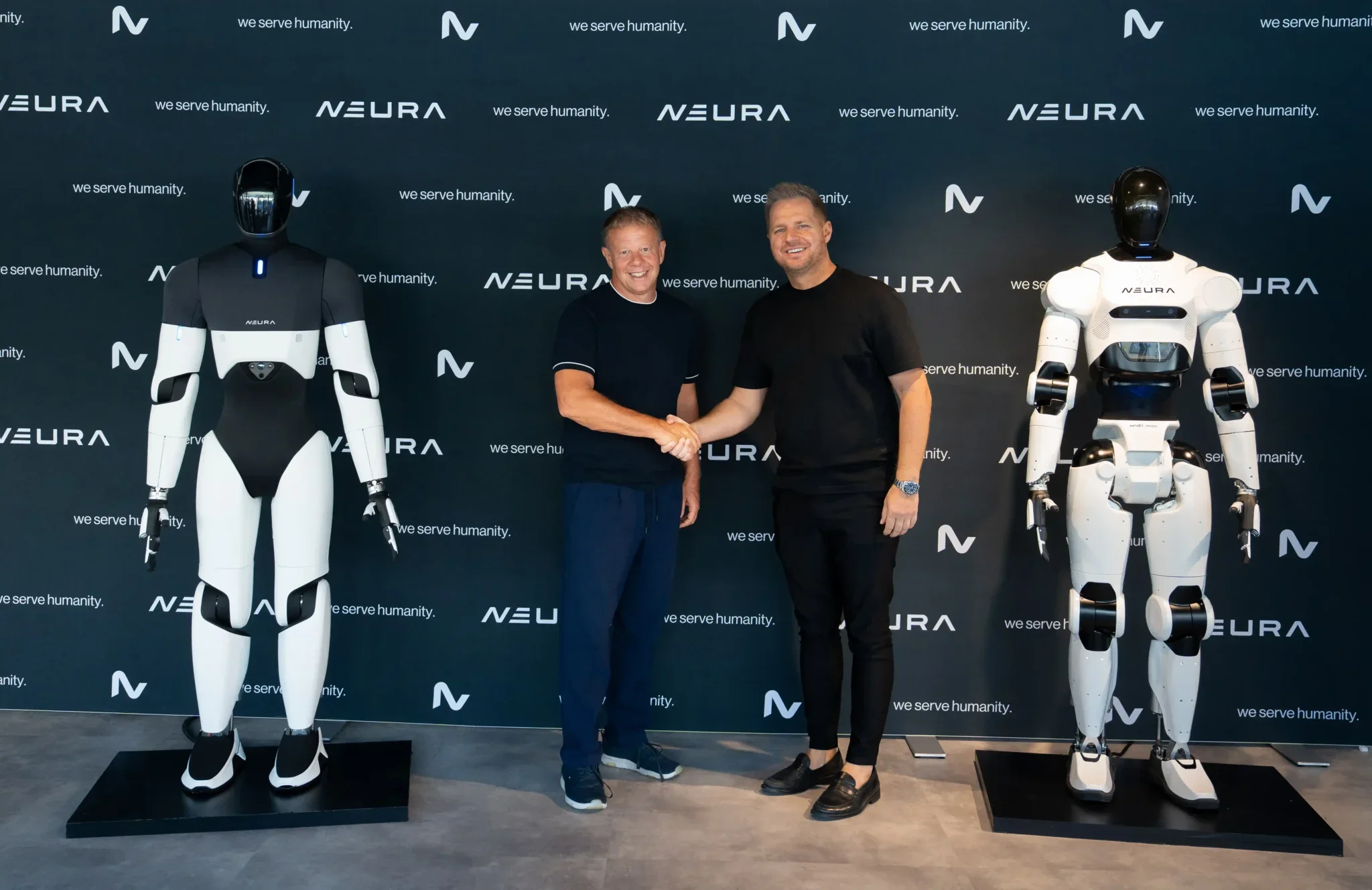
NEURA Robotics and SECO Collaborate to Advance European Physical AI Hardware Production
On September 7, 2026, NEURA Robotics, based in Metzingen, announced a strategic partnership with SECO S.p.A. to industrialize the compute infrastructure for NEURA's cognitive robots. SECO will design and produce industrial-grade electronic compute modules for NEURA’s humanoid platform, the 4NE-1, utilizing Qualcomm Dragonwing processors to support a decentralized compute strategy. This collaboration is significant as it aims to transition from centralized computing to localized, real-time edge processing, enhancing the robots' responsiveness in unpredictable industrial environments. NEURA's architecture, described as a 'Brain + Nervous System,' integrates sensing and compute hardware across the robot's limbs, allowing for ultra-low-latency interactions crucial for human-robot collaboration. Looking ahead, NEURA and SECO plan to establish a 'NEURA Gym' in Italy, focusing on real-world data collection to improve physical AI models. This initiative aims to address challenges in robotic autonomy during the transition from simulation to real-world applications, particularly in semiconductor manufacturing. No further timeline was disclosed at the time of publication.
Neura Robotics Europe Market
NEURA Robotics and SECO Partner to Enhance Physical AI Production in Europe
NEURA Robotics and SECO S.p.A. have announced a strategic partnership aimed at industrializing and scaling Physical AI in Europe. This collaboration will focus on the design, engineering, and manufacturing of electronic compute modules for NEURA's cognitive robots, including the humanoid 4NE1. The partnership is significant as it combines NEURA's expertise in Physical AI and robotics with SECO's embedded engineering and manufacturing capabilities. The electronic compute modules will utilize Qualcomm Dragonwing™ processors, which are integral to NEURA's distributed compute architecture, enhancing the performance of their robots. Looking ahead, the collaboration is expected to facilitate scalable series production of cognitive robots in Europe. No further timeline was disclosed at the time of publication.

Mind With Heart Robotics Introduces AnAn Panda Robot in European Market
Mind With Heart Robotics has officially launched its AnAn panda companion robot in Europe, with sales set to commence this month at prices ranging from $1,000 to $1,500. The company has completed an initial production run of 100 units and has signed distributor agreements in Germany and Belgium, marking a significant step in its international expansion. The AnAn robot is designed to provide companionship and support for the elderly, featuring full-body tactile sensing, proactive interaction, reminders, and long-term memory capabilities. This lifelike robot made its European debut at IFA Berlin on September 5, 2026, and was previously recognized as a CES 2026 Innovation Awards Honoree in the Artificial Intelligence category. Looking ahead, Mind With Heart Robotics plans to expand its offerings in Europe by introducing its Duncan Series companion robots aimed at both neurodivergent and typically developing children. The company is actively seeking channel partners across the region to enhance its market presence and support for European customers.
AI AI Funding & Investment Robotics companion robots IFA Berlin Mind With A Heart Robotics
Teradyne Robotics Initiates Patent Infringement Case Against JAKA in Europe
Teradyne Robotics A/S has launched a patent infringement lawsuit at the European patent court against JAKA, a Chinese competitor. The case involves allegations of infringement on both software and hardware patents held by Teradyne Robotics, specifically related to its subsidiary, Universal Robots A/S, which is recognized as the leading manufacturer of collaborative industrial robots. This legal action underscores the competitive landscape in the collaborative robot market, where Teradyne Robotics aims to protect its intellectual property rights against what it claims are infringements by JAKA. The outcome of this case could have significant implications for both companies, particularly in the European market where collaborative robots are increasingly in demand. Industry observers should monitor the developments of this case closely, as it may set precedents for future patent disputes in the robotics sector. No further timeline was disclosed at the time of publication.

Surge in North American Robotics Orders in Q2 Driven by Non-Automotive Sectors
In the second quarter of 2026, North American companies ordered 8,940 robots valued at $622 million, marking a 4.3% increase in order quantity and a 21.3% rise in order value compared to the same period in 2025. This shift indicates a significant structural change in the robotics market, moving away from a reliance on the automotive sector. The automotive industry, historically the backbone of the North American robotics market, saw a 25% decline in robot orders from vehicle manufacturers in the first half of 2026. In contrast, non-automotive sectors such as semiconductors, life sciences, and food are emerging as new growth drivers, with semiconductor orders increasing by 35% and life sciences by 32%. Notably, non-automotive clients accounted for 56% of all robot orders in Q2 2026. Collaborative robots played a crucial role, with 2,774 units ordered, valued at $114 million, and significant penetration in the life sciences and semiconductor sectors. No further timeline was disclosed at the time of publication.
Industrial Robotics Non-Automotive Growth Semiconductors Life Sciences Collaborative Robots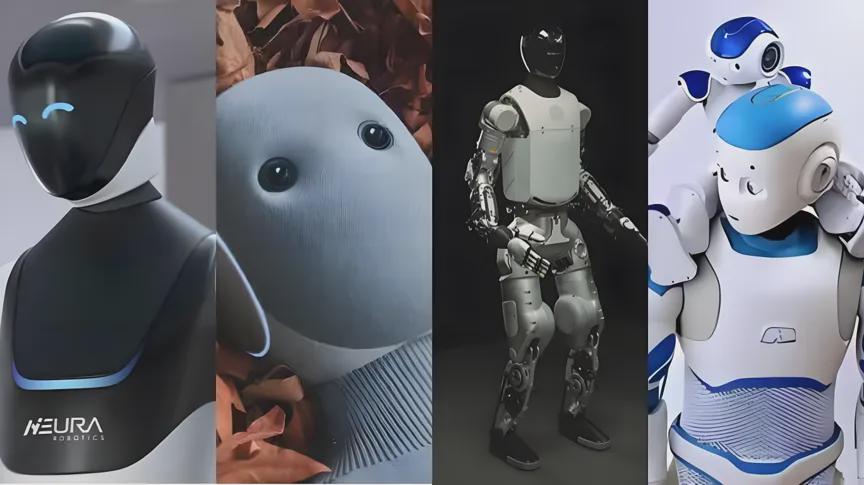
Europe's Humanoid Robotics Surge: Neura Robotics Leads with $1.4 Billion Funding
In a surprising shift, Europe is emerging as a significant player in humanoid robotics, traditionally dominated by the US and China. Companies like Neura Robotics from Germany, 1X from Norway, Humanoid from the UK, and Aldebaran Robotics from France are entering new development phases, with total funding exceeding 10 billion yuan projected for 2025-2026. This development is crucial as it marks a departure from Europe's historical focus on industrial robotics towards humanoid robots, driven by a unique European model of heavy industrial foundations and deep capital integration. Neura Robotics recently announced a record-breaking $1.4 billion in Series C funding, elevating its valuation to $7 billion and placing it among the top global humanoid robotics firms. Looking ahead, Neura Robotics plans to use over half of its new funding to expand global production facilities, aiming for mass production of millions of robots by 2030. The company's innovative Neuraverse ecosystem platform, which integrates various robotic forms, positions it well within the growing trend of platform-based development in the robotics industry.
Humanoid Robots Robotics Innovation AI Technology European Robotics
Humanoid Secures $152 Million Series A, Achieving $1.35 Billion Valuation as Europe's First Humanoid Robotics Unicorn
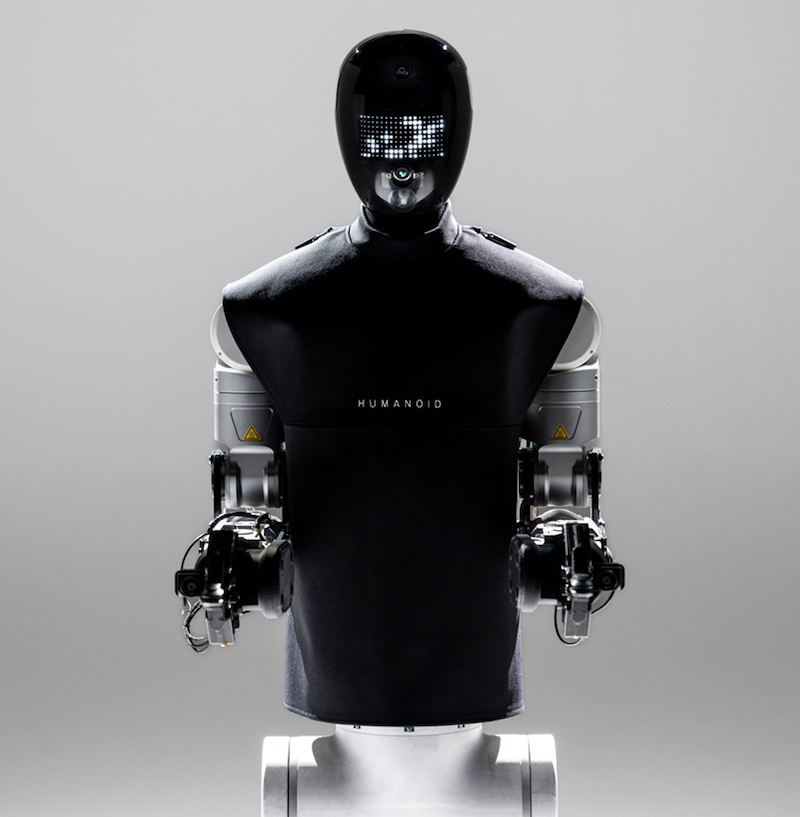
Humanoid, a UK-based AI and robotics firm, has successfully raised $152 million in Series A funding, achieving a post-money valuation of $1.35 billion. This funding round, which brings the total raised to $270 million, was led by Prime Movers Lab with participation from notable investors including Schaeffler and Bosch. This investment is significant for Europe's technology landscape, highlighting the potential for competitive Physical AI companies to emerge and thrive in the region. Humanoid's focus on developing industrial humanoid robots positions it as a key player in the robotics sector, showcasing the capabilities of European innovation in advanced technologies. Looking ahead, industry observers will be keen to see how Humanoid leverages this funding to scale its operations and further develop its humanoid robotics solutions. No further timeline was disclosed at the time of publication.
Humanoid Secures $152 Million Funding, Achieving $1.35 Billion Valuation as Europe's First Humanoid Robotics Unicorn
Humanoid, a UK-based AI and robotics firm, has successfully raised $152 million in Series A funding, achieving a post-money valuation of $1.35 billion. This investment increases the total funds raised to $270 million and was led by Prime Movers Lab, with participation from notable investors such as Schaeffler and Bosch. This funding round marks a significant milestone for the European technology landscape, highlighting the region's potential to lead in the rapidly evolving humanoid robotics sector. Historically, advancements in Physical AI have been dominated by the US and China, but this investment signals a shift, showcasing the capability of UK and European companies to innovate and compete on a global scale. Looking ahead, Humanoid plans to utilize the new capital to enhance its technology leadership and accelerate commercial deployments. The company has already established partnerships with major corporations, including SAP and Nvidia, and recently signed a significant agreement with Schaeffler for deploying thousands of humanoid robots in manufacturing settings. No further timeline was disclosed at the time of publication.
Financials & Investments Humanoids News artificial intelligence bosch humanoid
Humanoid Secures $152 Million, Achieving $1.35 Billion Valuation as Europe's First Humanoid Robotics Unicorn
Humanoid has successfully completed its Series A funding round, achieving a valuation of $1.35 billion just two years post-establishment. This funding round is noted as the largest ever for a humanoid-first robotics company in Europe, solidifying Humanoid's position as the leading humanoid robotics unicorn in both the UK and continental Europe. The significance of this investment extends beyond Humanoid, marking a pivotal moment for Europe's technology landscape. It demonstrates that competitive Physical AI companies can be developed and scaled within Europe, showcasing the potential for innovation in the region's tech ecosystem. Looking ahead, the newly acquired capital will be directed towards advancing Humanoid's next-generation robot development, facilitating commercial deployments with global industrial leaders, and enhancing its proprietary AI platform aimed at creating general-purpose humanoids. No further timeline was disclosed at the time of publication.
Europe's Critical Moment in Robotics: Facing Competition from China and the US
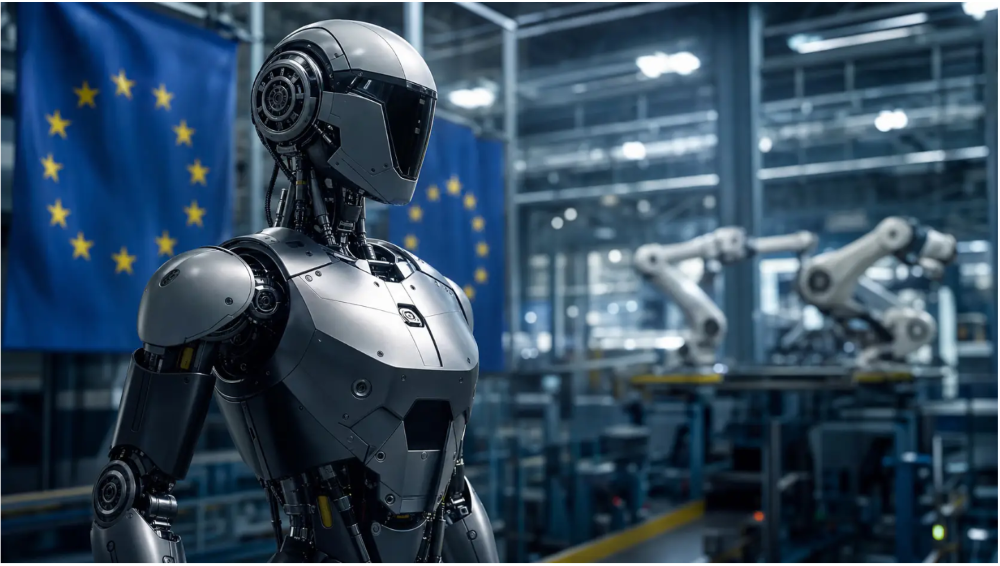
As humanoid robots from China surge with over 100,000 units produced annually, Europe finds itself at a pivotal crossroads. Despite having a strong foundation in industrial robotics, Europe risks losing its chance to define the next generation of robots. In the past two years, China has advanced humanoid robots from concept to mass production, with over 400 models developed, dominating global shipments with an 80% market share. The implications are significant; while Europe boasts traditional industrial giants like ABB and KUKA, it lacks competitive players in the general humanoid robot sector. Funding remains a critical weakness, with Europe accounting for only 14% of global robotics investment by 2025, compared to 52% for the US and 25% for China. The acquisition of KUKA by China's Midea Group exemplifies the trend of European companies being overshadowed by foreign capital. Looking ahead, the European Union's AI Act and revised Machinery Directive aim to establish a legal framework for autonomous robots, which could both protect and constrain the industry. While companies like Neura Robotics and Franka Emika show promise, the global humanoid robot market is expected to grow significantly in the next decade. Europe must act swiftly to avoid being left behind in defining the future of robotics.
Humanoid Robots Industrial Robotics AI Robotics Investment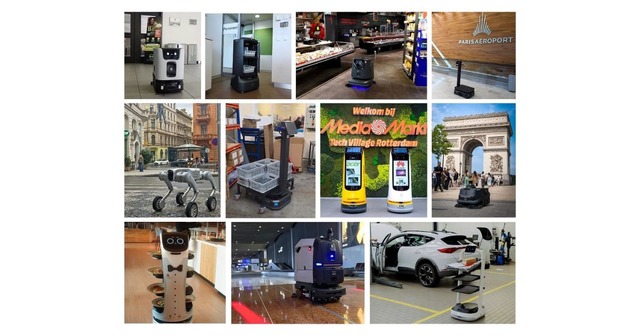
Pudu Robotics Accelerates European Expansion Following IFA 2026 Showcase
Pudu Robotics, a Chinese company specializing in commercial service robots, announced on September 14, 2026, that it will accelerate its expansion in Europe following its participation in IFA 2026 in Berlin, Germany. The company is advancing its business strategy across four key areas: service robots, commercial cleaning robots, industrial logistics, and embodied AI, tailored to regional characteristics. The significance of this expansion lies in Pudu Robotics' established presence in over 85 countries, with more than 130,000 robots delivered globally. Europe, encompassing over 20 countries including Germany, France, and the UK, is a strategically important market for the company, facilitating commercial deployment, product validation, and local business development. Looking ahead, Pudu Robotics plans to establish a new European headquarters in Germany to strengthen its organizational structure. This new headquarters will enhance local management, customer service, partner support, and solution implementation functions, further driving the adoption of commercial and embodied AI robots within the European market.
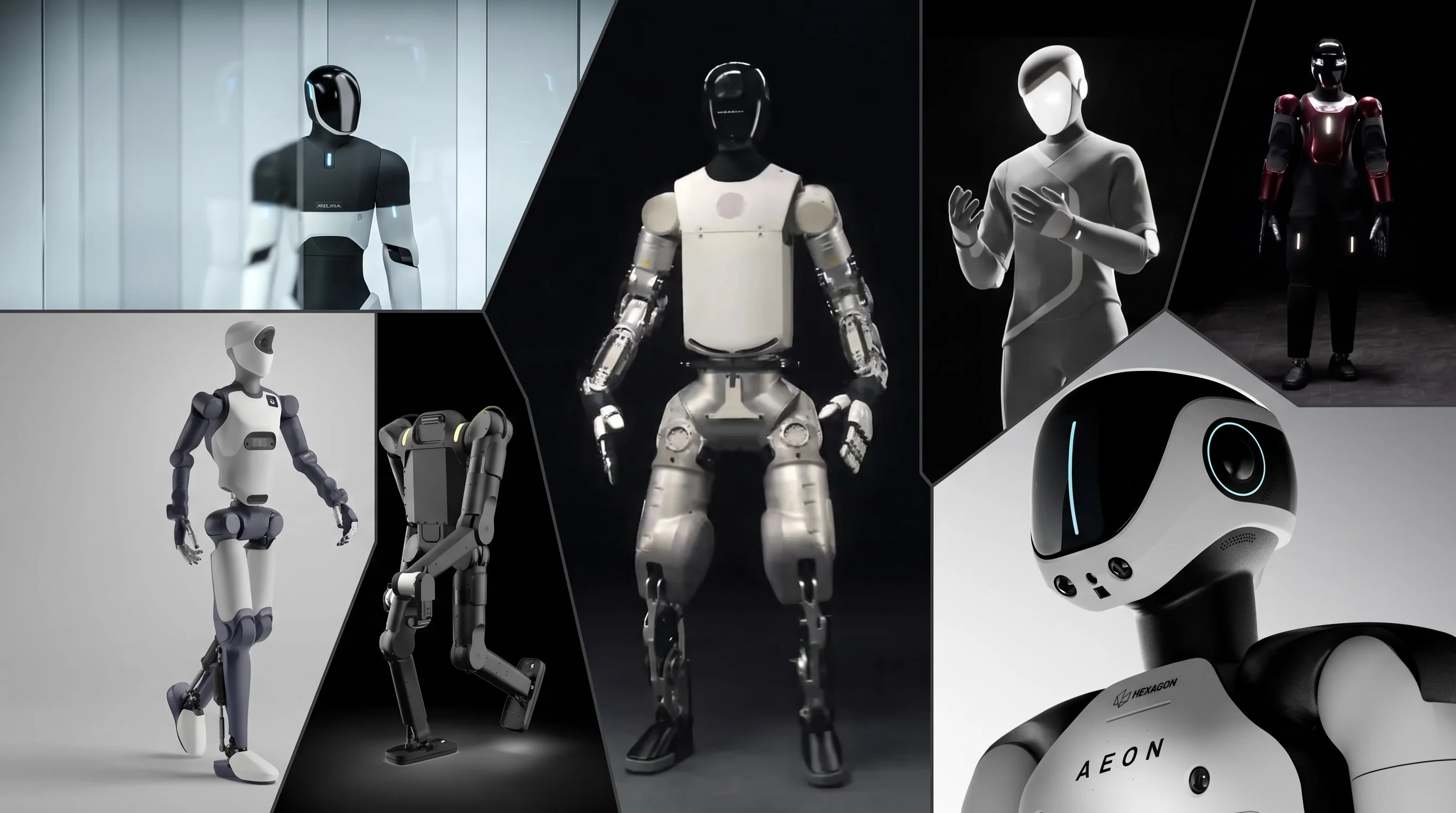
European Humanoid Robotics Market Grows with Significant Deployment Agreements and Investments
In the past year, European manufacturers have signed deployment agreements for thousands of humanoid robots, raising nearly $2 billion in disclosed equity. Companies like Schaeffler, Bosch, Renault, and BMW are leading the charge, integrating humanoid robots into their production lines without relying on demo reels. This shift highlights a structural difference in the European market, where industrial buyers prioritize equity and production capabilities over venture capital. Schaeffler's agreements to deploy NEURA 4NE1 and Hexagon AEON units exemplify this trend, as the company invests in humanoid technology while supplying critical components. Looking ahead, the European humanoid robotics landscape is set to evolve further, with NEURA Robotics planning to launch its Gen 3.5 model by the end of 2026. As companies continue to explore humanoid integration, the phased and revocable nature of these agreements will be crucial in navigating competition from Chinese alternatives.
Calvin Generative Bionics Uma AEON 4NE-1 Neura Robotics
Palladyne AI and Fanuc America Collaborate on AI-Enhanced Robotics for Industry
Palladyne AI and Fanuc America have established a strategic partnership to advance AI-driven robotic automation tailored for manufacturing, warehousing, and logistics sectors. This collaboration aims to integrate Fanuc's industrial robots with Palladyne IQ, focusing on enhancing motion planning, adaptive behavior, and human-assisted learning capabilities. The significance of this partnership lies in addressing challenges faced by manufacturers and logistics operators, such as skilled labor shortages and the need for increased productivity. By combining their technologies, the companies aim to create more adaptable robotic systems that can efficiently respond to dynamic environments, ultimately streamlining deployment processes across various operations. Looking ahead, the collaboration will also emphasize joint customer validation and the development of standardized deployment workflows, which are expected to simplify the introduction of robotic automation. No further timeline was disclosed at the time of publication.
AI AI Funding & Investment Capital Markets Robotics automation Fanuc
Harbin Engineering University Alumni Drive Significant Investment in Deep-Sea Robotics
In the summer and autumn of 2026, the deep-sea robotics sector experienced a surge in funding, with three major investments announced. Shihang Intelligent secured over 1 billion yuan in Series A funding, achieving a unicorn valuation; Deep-Sea Intelligence raised over 500 million yuan, backed by prominent investors including Guohua Venture Capital and others; and Gongzhi Ocean set a new record with nearly 100 million yuan in angel funding. These investments highlight the influence of alumni from Harbin Engineering University, with key figures such as Professor Guo Chunyu, who founded Gongzhi Ocean, and Ma Yiming, the founder of Deep-Sea Intelligence, both having strong ties to the university. Their companies are positioned to lead in various applications, including offshore oil and gas, underwater communication, and deep-sea mining, with Deep-Sea Intelligence already capturing a significant share of the domestic market. The deep-sea robotics industry is gaining momentum, with the Chinese government recognizing deep-sea technology as a strategic emerging industry. The global underwater service market is projected to reach 1.5 trillion yuan, growing at an annual rate of over 20%. As the industry transitions from research to commercialization, deep-sea robotics startups are poised for unprecedented opportunities.
Deep-Sea Robotics Marine Technology Investment Startups
European Parliament Hosts AI-Powered Robots to Showcase Robotics Innovation
This week, AI-powered robots made a brief appearance at the European Parliament, highlighting Europe's ambition to compete in the robotics sector. The demonstration aimed to position Europe as a significant player in a field currently led by the United States and China. The event underscores the urgency for Europe to enhance its technological capabilities and innovation in robotics. As global competition intensifies, showcasing advancements in AI and robotics is crucial for attracting investment and talent to the region. Looking ahead, it will be important to monitor how Europe develops its robotics strategy and whether it can effectively challenge the dominance of the US and China in this rapidly evolving industry. No further timeline was disclosed at the time of publication.
Robotics
The Limitations of Robotics and Automation Without Proper Data Management
Manufacturers are increasingly investing in robotics and automation, yet many fail to address the foundational issue of manual data management. This oversight significantly limits the return on investment (ROI) for new technologies. As automation does not inherently solve workforce challenges, the focus must shift to training and upskilling employees to enhance productivity in the automotive and machine-building sectors. The gap between automation investments and effective data management is critical, as it can stifle the potential benefits of new technologies. Without a robust data foundation, companies may find their automation efforts falling short of expectations, leading to inefficiencies and missed opportunities for growth. This situation highlights the importance of integrating data management strategies alongside automation initiatives. Looking ahead, companies must prioritize the development of comprehensive data management systems to fully leverage their investments in robotics and automation. No further timeline was disclosed at the time of publication, but the ongoing skills gap in the workforce remains a pressing concern for manufacturers aiming to optimize their operations and achieve sustainable growth.
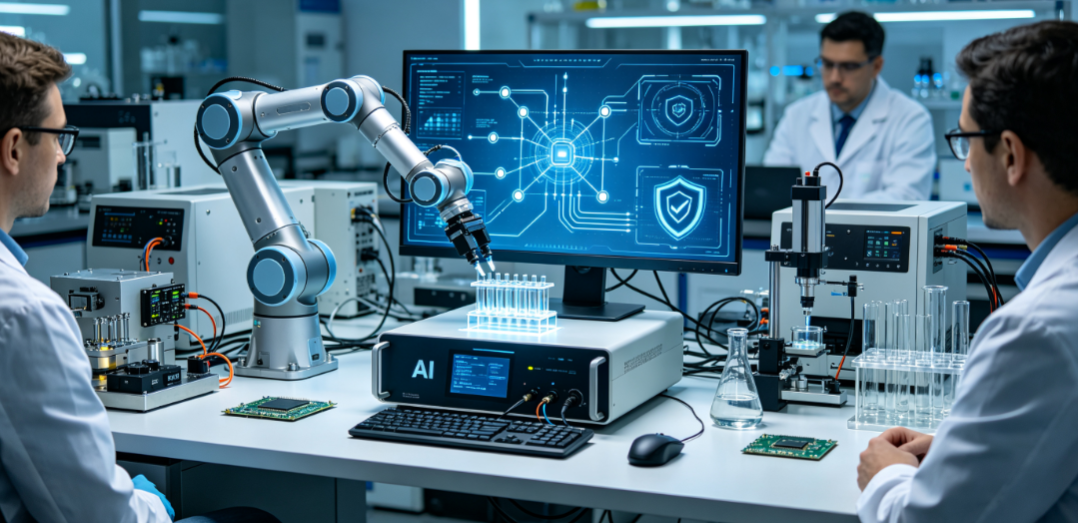
Anthropic Launches Model Hardware Standard for AI-Enabled Robotics
On August 27, Anthropic officially released a research preview of the Model Hardware Standard (MHS). This unified specification is designed for the safe operation of physical devices by AI agents, enabling models like Claude to directly interpret and control robots, scientific instruments, and industrial equipment. The MHS aims to replicate the success of the Model Context Protocol (MCP) in the software domain, which serves as a universal language for AI interactions with applications like Gmail and Slack. By establishing standardized 'dialogue rules' between AI and hardware, MHS simplifies programming interfaces into basic commands such as 'read' and 'write', allowing devices to discover and communicate across networks without the need for specialized coding. Notably, MHS enables AI to understand previously unseen devices by incorporating essential information like weight and safety limits directly into the standard. Anthropic's collaboration with the Janelia Research Campus has led to the initial preview being made available to select research labs and advanced manufacturers, with plans for open-sourcing after the preview period. The AI-driven robotics market is projected to reach a trillion-dollar valuation by 2035, highlighting the significance of MHS in bridging AI capabilities with physical operations.
AI Robotics Model Hardware Standard Scientific Research Automation Technology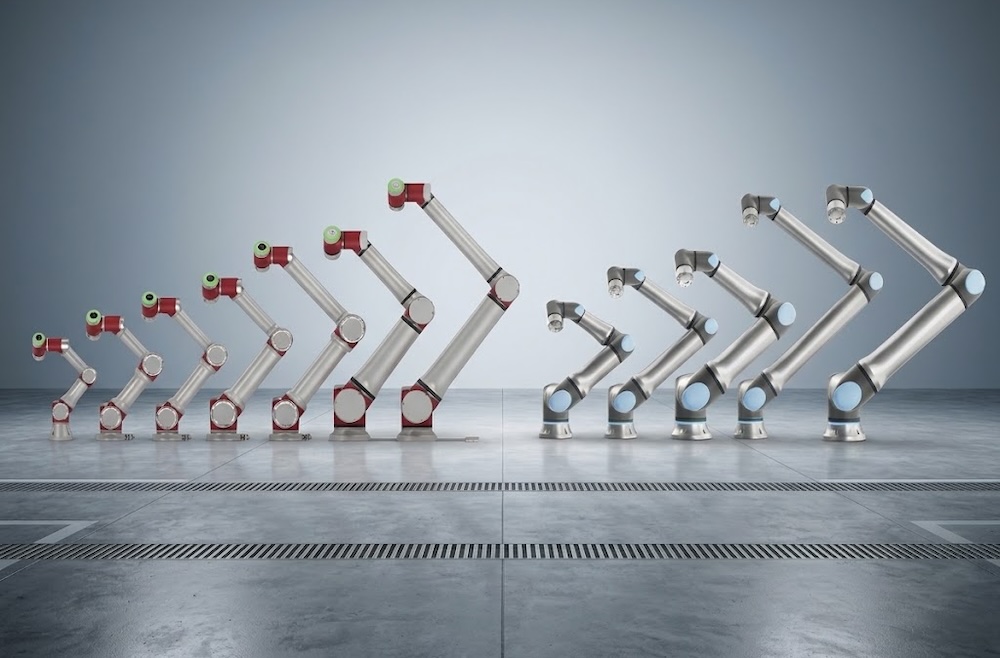
Teradyne Robotics Files Patent Infringement Lawsuit Against JAKA in Europe
Teradyne Robotics has initiated a patent infringement lawsuit against JAKA, a German subsidiary of the Chinese robotics company, alleging violations related to Universal Robots' collaborative robots. This marks Teradyne's second significant legal action against a Chinese robotics firm in Europe this year, following a copyright infringement case against Elite Robots. The lawsuit, filed with the Unified Patent Court in Copenhagen, claims that JAKA's products infringe multiple patents covering both hardware and software aspects of Universal Robots' offerings. Teradyne Robotics' interest in JAKA arose after observing similarities between their robot designs, prompting an investigation that suggested potential patent violations. As the case unfolds, a ruling from the Unified Patent Court could have extensive implications across 17 EU member states and potentially affect countries outside the UPC Agreement. Teradyne Robotics emphasizes its commitment to protecting its intellectual property rights against what it views as unfair competition in the robotics sector.
China Cobot Arms Collaborative Robots Investments News JAKA Robotics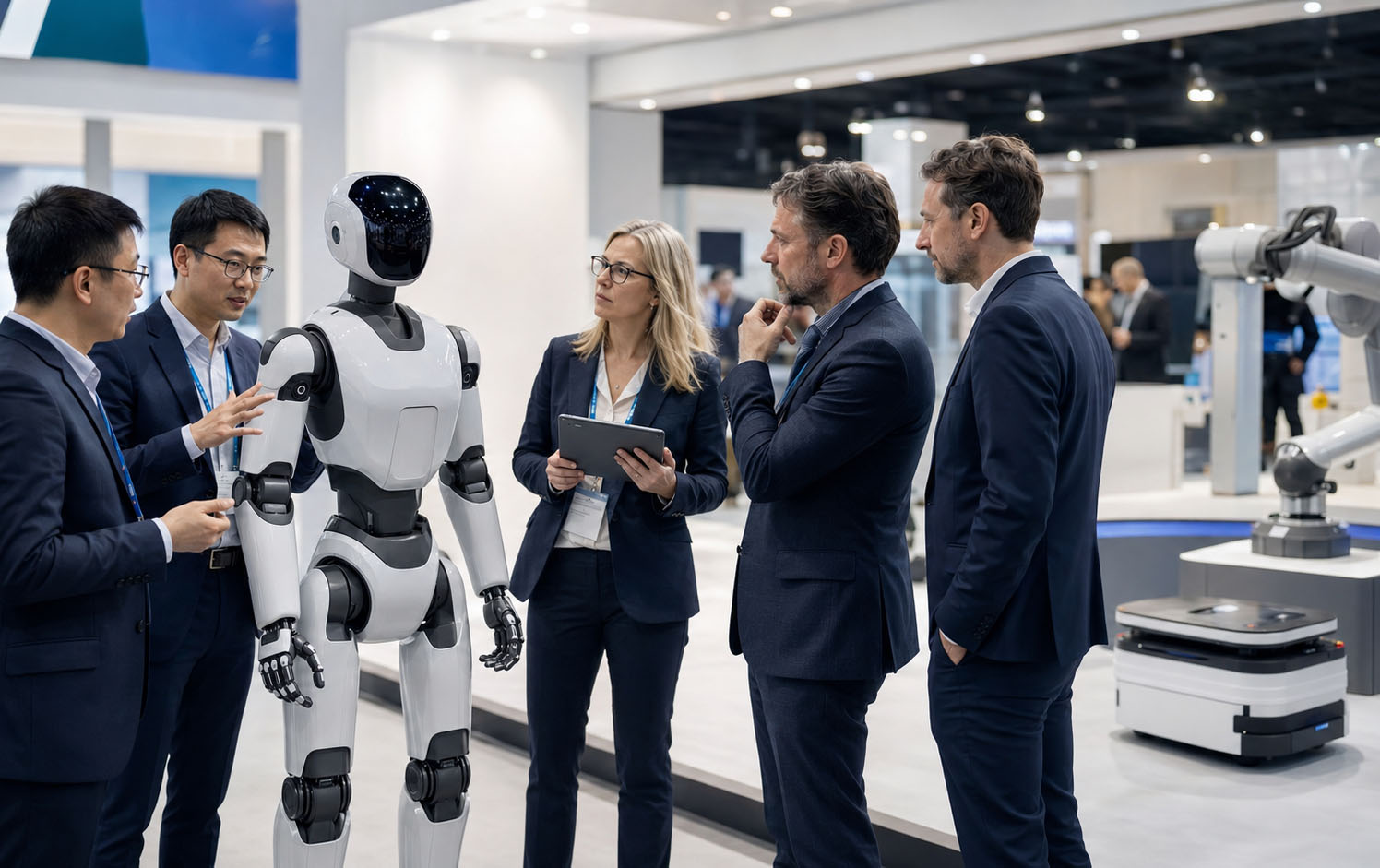
Chinese Robotics Manufacturers Seek Distributors and Integrators in Europe
Chinese robotics has evolved significantly, with many manufacturers now targeting the European market after establishing a strong domestic presence. Various types of robots, including humanoids, quadrupeds, AMRs, cobots, and cleaning robots, are being introduced internationally. However, selling these robots in Europe involves more than just shipping them from China; it requires customer presentations, integration into existing environments, maintenance, user training, and sometimes market-specific adaptations. The challenge now lies in identifying suitable distributors and integrators in Europe. Companies like Unitree Robotics, UBTECH, AgiBot, DEEP Robotics, LimX Dynamics, and Fourier Intelligence are developing robots that are beginning to find applications beyond China. This trend is particularly evident in humanoid robotics, which has transitioned from research projects to the early stages of industrial and commercial deployments. As a result, manufacturers are compelled to consider their international presence, with Europe being a strategically important market. No further timeline was disclosed at the time of publication.
À la une Humanoide IA Robotique AMR cobots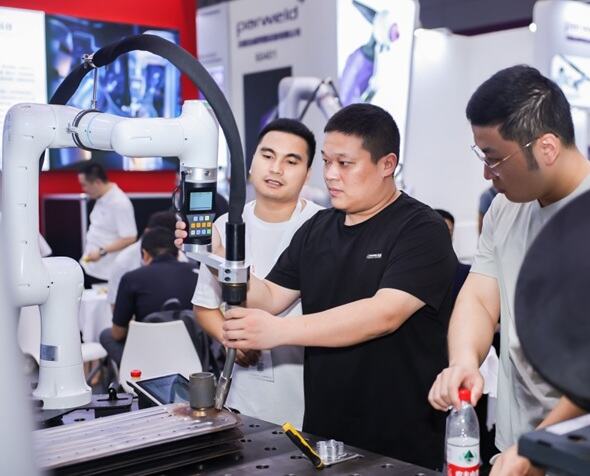
ROKAE Robotics Showcases AI-Driven Welding Innovations at Key Industry Exhibitions
In the summer of 2026, ROKAE Robotics made significant strides in the welding and intelligent manufacturing sectors by showcasing advanced AI-enabled solutions at two major events. At the Transformer Green Welding Conference in Changzhou, ROKAE's Marketing Director, Zi Lilong, presented insights on enhancing transformer manufacturing through intelligent welding technologies, emphasizing the need for greener and more efficient processes. The company's participation continued at the Beijing Essen Welding & Cutting Fair in Shenzhen, where ROKAE displayed its full-joint force-controlled collaborative welding robots. These robots, designed for various welding applications, demonstrated ROKAE's commitment to innovation and excellence in welding technology, attracting considerable attention from industry professionals. Looking ahead, ROKAE Robotics is poised to further influence the welding landscape with its cutting-edge solutions. The company's focus on integrating AI with collaborative robotics positions it as a leader in intelligent manufacturing. No further timeline was disclosed at the time of publication.

Europe's Robotics Challenge: Should It Develop Its Own 'Airbus of Robots'?
Europe has established itself with leaders like Airbus in aerospace and has a strong presence in various industries. However, as robotics evolves, the question arises: who will manufacture the robots that will work in factories, warehouses, hospitals, and potentially homes in the future? With advancements in AI, computer vision, and sensors, robots are becoming more versatile, moving beyond strictly industrial applications. This shift is significant as robots are transitioning from being solely industrial investments to becoming a new form of workforce. The U.S. is heavily investing in AI and robotics, particularly in humanoids and Physical AI, while China leverages its robust supply chain to dominate the industrial robotics landscape. The competition is not just about showcasing impressive humanoids but mastering the entire value chain, including components, manufacturing, software, and maintenance. Europe is not absent from the robotics scene, boasting recognized manufacturers, excellent laboratories, and specialized companies. Its substantial industrial base across sectors like automotive, aerospace, logistics, energy, healthcare, and food can serve as real-world testing grounds for the next generation of robots. No further timeline was disclosed at the time of publication.
À la une Humanoide IA Robotique Airbus des robots AMR
XPENG Robotics Secures Over $900 Million to Propel Humanoid Robot Development
XPENG's robotics division has successfully raised over $900 million, achieving a post-money valuation exceeding $6.3 billion. This funding marks a significant milestone as the largest single-round private financing in China's embodied AI sector. The investment round was spearheaded by prominent global investors, including IDG Capital, with contributions from Gaorong Ventures and strategic backing from Tencent and Alibaba. This financial boost is set to enhance XPENG's capabilities in mass-producing humanoid robots and advancing Physical AI model research and development. Looking ahead, the funding will facilitate XPENG's efforts to drive its general-purpose humanoid robots toward a new phase of global commercialization. No further timeline was disclosed at the time of publication.

Pudu Robotics Introduces PUDU ET1, an AI-Driven Compact Scrubber-Dryer for Small Businesses
Pudu Robotics has launched the PUDU ET1, a compact scrubber-dryer robot designed for small commercial spaces. This innovative robot features a commercial-grade cleaning performance and full-process automation, making it suitable for high-frequency cleaning tasks in environments where space is limited. The introduction of the ET1 signifies a significant advancement in AI-native cleaning technology, specifically tailored for small businesses that require efficient and effective cleaning solutions. Its compact design allows it to navigate tight spaces while delivering superior cleaning results, addressing the needs of modern commercial environments. Looking ahead, the impact of the PUDU ET1 on the market will be noteworthy as businesses increasingly seek automation solutions to enhance operational efficiency. No further timeline was disclosed at the time of publication.

Leju Unveils Dual Ecosystem Engine for Trillion-Yuan Robotics Industry at National Competition
On August 1, 2026, at the Shougang Ice Curling Center in Beijing, 213 humanoid robot teams competed for top honors at the 28th China Robotics and Artificial Intelligence Competition (CRAIC). This event is significant not only for showcasing robotics but also for establishing standards and ecosystems in the industry. Leju is transforming the competition into a platform that elevates the focus from individual robots to broader industry standards. The year 2026 is recognized as a pivotal moment for the commercialization of humanoid robots, yet the industry faces a critical talent shortage, particularly in robotics, with a gap of 4.5 million skilled workers. Leju's approach emphasizes practical training through real-world scenarios, moving beyond simulations to create authentic industrial environments for competitors. This shift allows participants to conduct pressure tests on their robots in realistic settings, preparing them for future production lines. Leju's strategy is supported by the OpenLET community, which fosters an ecosystem encompassing training, data sharing, and talent development. With over 70 member organizations and 10,000 developers, the community aims to address the fragmented nature of the humanoid and embodied intelligence industries. The CRAIC 2026 features various competitions that reflect real industrial needs, pushing technology from demonstration to reliable operation, ultimately shaping the future of the robotics sector.
Humanoid Robots AI Robotics Competitions Talent Development Industrial Automation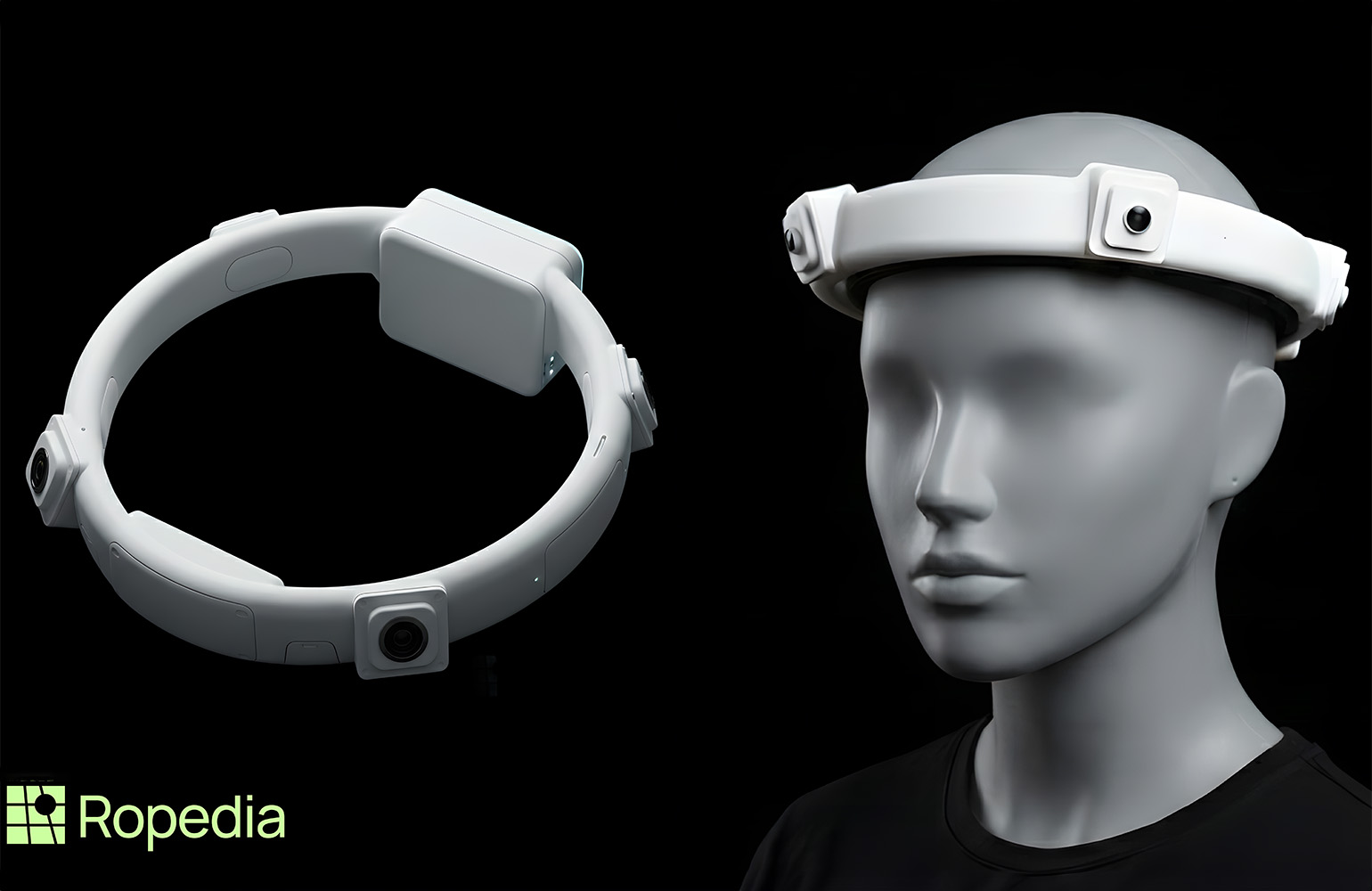
Ropedia Secures $22 Million to Enhance Data Collection for Robotics Training
Ropedia has announced the successful completion of a $22 million pre-Series A funding round, bringing its total funding to $30 million. The investment will be utilized to scale HOMIE, a lightweight, head-mounted device designed to capture first-person human movement and spatial context, which is essential for training robots. This funding is significant as it allows Ropedia to expand its business and technical teams, particularly in hardware, software, and data infrastructure. The company aims to enhance its presence in North America, especially the United States, where most of its clients are located. Ropedia's approach to data collection, which involves generating and structuring data internally, distinguishes it from traditional data-labeling providers. Looking ahead, Ropedia plans to further develop its data platform, incorporating annotation tools and quality analytics. The company is committed to building the necessary data infrastructure for the robotics industry to scale effectively. No further timeline was disclosed at the time of publication.
Artificial Intelligence Artificial Intelligence / Cognition Design / Development Financial Investments News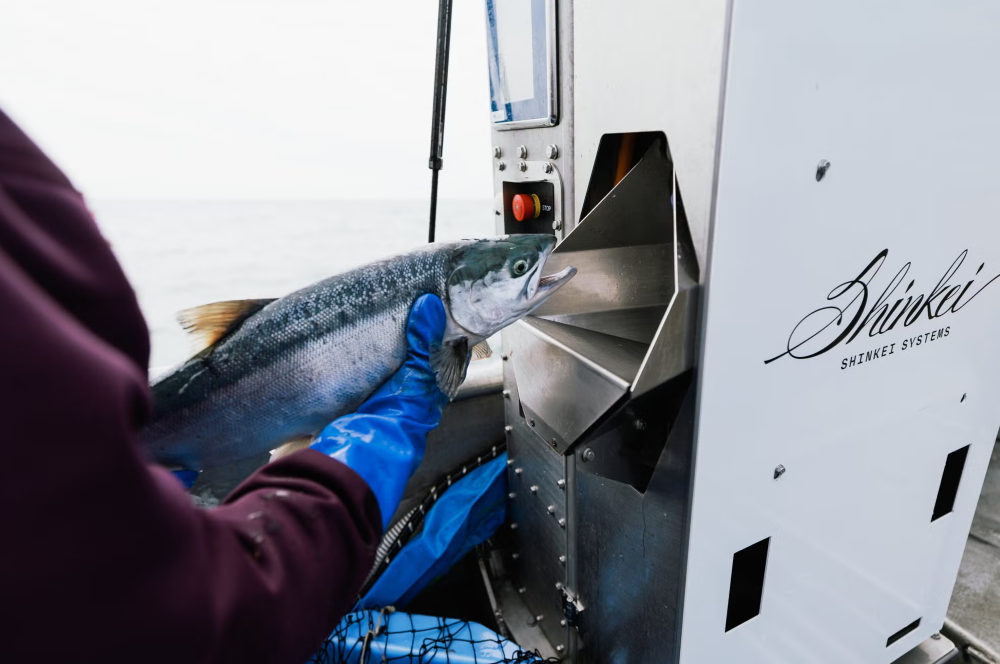
Shinkei Systems Introduces AI Robotics for Enhanced Fresh Fish Processing
Shinkei Systems, based in California, has developed a robotic solution for fish processing on fishing boats. Utilizing computer vision, the robot identifies fish species and performs precise slaughter within six seconds, adhering to the Japanese 'ike jime' technique to maintain meat quality. This innovation addresses the issue of stress hormones affecting fish taste during capture. The significance of this technology lies in its potential to improve the quality of seafood while providing fishermen with a stable supply of premium products. Shinkei offers its robots to Alaskan fishermen for free, purchasing their catch at above-market prices, and markets the fish under the 'Seremoni' brand. The company plans to introduce a new harvesting robot designed for small fishing vessels in the Cook Inlet by 2026. Currently, over 40 Michelin-starred restaurants across the U.S. are using Shinkei's technology, with retail chains like Wegmans and FreshDirect also stocking their products. Shinkei recently secured $22 million in Series A funding to expand its operations, including a new processing center in Tacoma, aiming to make high-quality seafood more accessible while preventing overfishing.
Robotic Processing AI Technology Seafood Industry Sustainable Fishing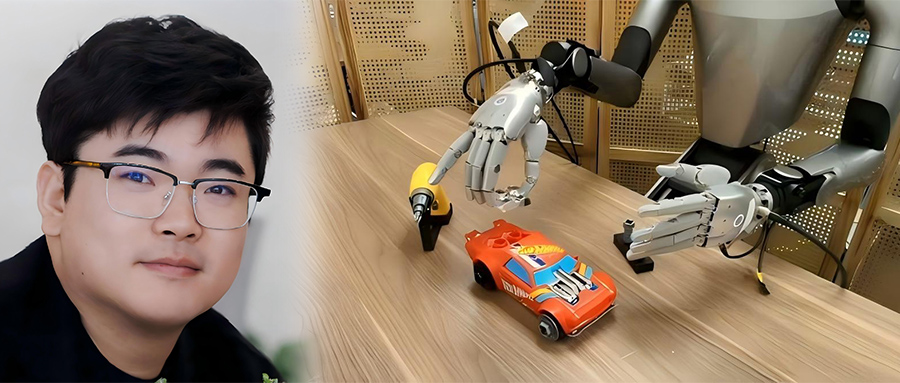
Harbin Institute of Technology Professor Establishes PHANES AI to Advance Tactile Robotics
Professor Yang Shuo from Harbin Institute of Technology (Shenzhen) has founded PHANES AI, focusing on human data, tactile perception, and world model research. The startup aims to enable humanoid robots to perform agile full-body movements. A key challenge identified is the gap in current training data, where visual cues do not capture the tactile feedback necessary for successful robotic operations. This initiative is significant as it addresses the limitations of existing robotic training methodologies, which rely heavily on visual data without incorporating tactile information. Recent studies, including NVIDIA's EgoScale, highlight the importance of first-person human operation data in training robots for complex tasks. By leveraging large amounts of human data combined with minimal real-world data, PHANES AI seeks to enhance the success rate of robots in intricate operations. Looking ahead, PHANES AI plans to develop innovative methods for collecting and scaling tactile data through its EgoTouch system, which integrates visual and tactile information. The startup's approach aims to bridge the gap between visual perception and physical interaction, ultimately improving the capabilities of humanoid robots in real-world applications. No further timeline was disclosed at the time of publication.
Humanoid Robots Tactile Perception Robotics AI Data-Centric AI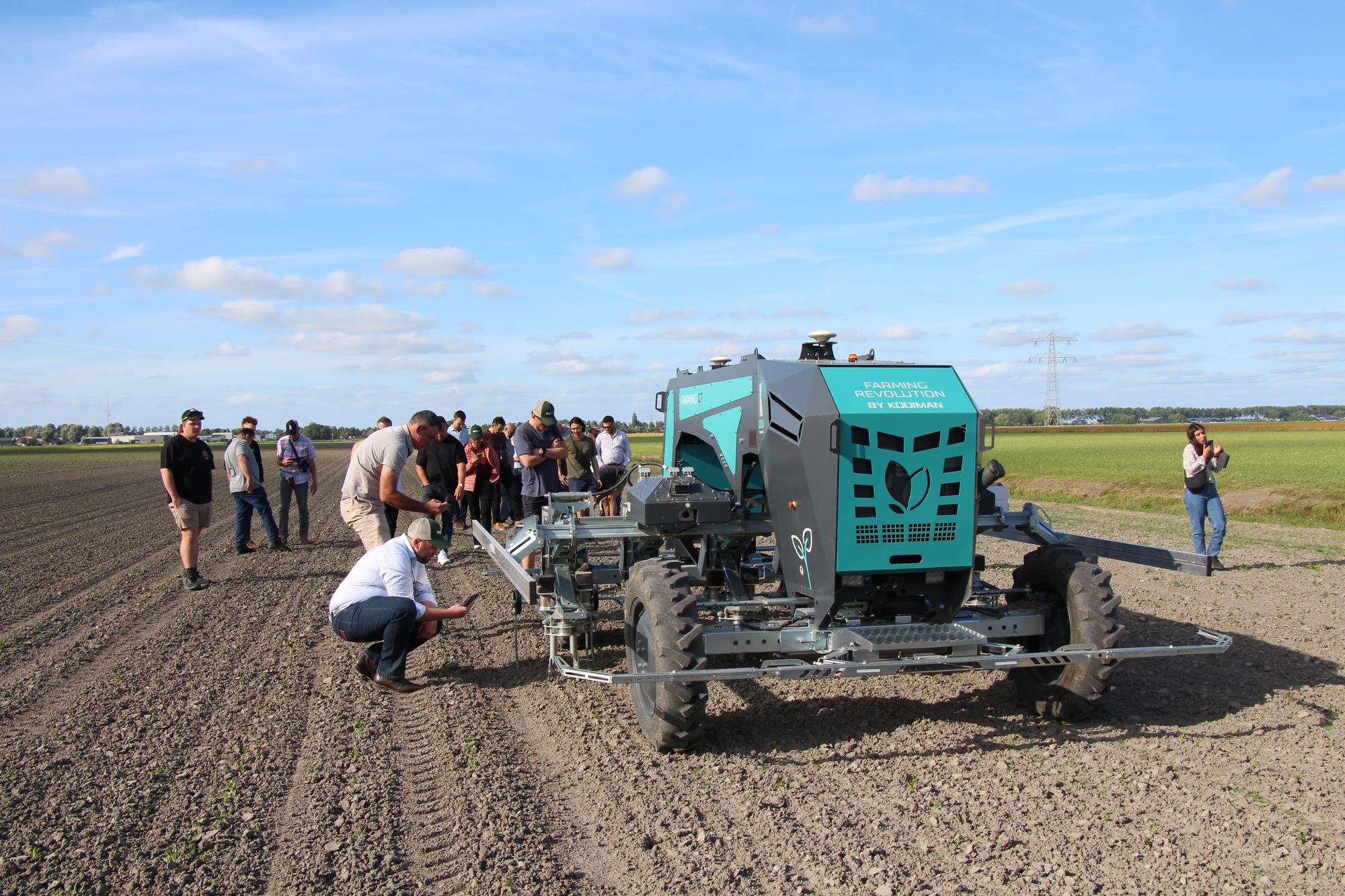
Australian Growers Gain Insights from European Study Tour on Automation and Robotics
Twenty Australian vegetable and onion growers participated in a 10-day study tour across the UK and the Netherlands, organized under the VegMech project. This initiative, led by the Department of Primary Industries (Queensland) and funded by Hort Innovation, aimed to showcase how European farmers are integrating automation and robotics into their agricultural practices. The tour provided firsthand insights into the use of technologies like the Farming GT hoeing robot, which has been effective in managing weeds in crops such as celeriac and pumpkins. With about 40 units sold in Europe, the Farming GT can hoe 8 to 10 hectares daily, addressing labor shortages and promoting sustainable weed management. Looking ahead, Australian growers are keen to explore precision agriculture solutions to enhance crop health while minimizing herbicide use. The interest in technologies like laser weeding indicates a shift towards more sustainable farming practices. No further timeline was disclosed at the time of publication.
Smart farming field robots laser weeding mechanical weeding robotic harvesting sustainable farming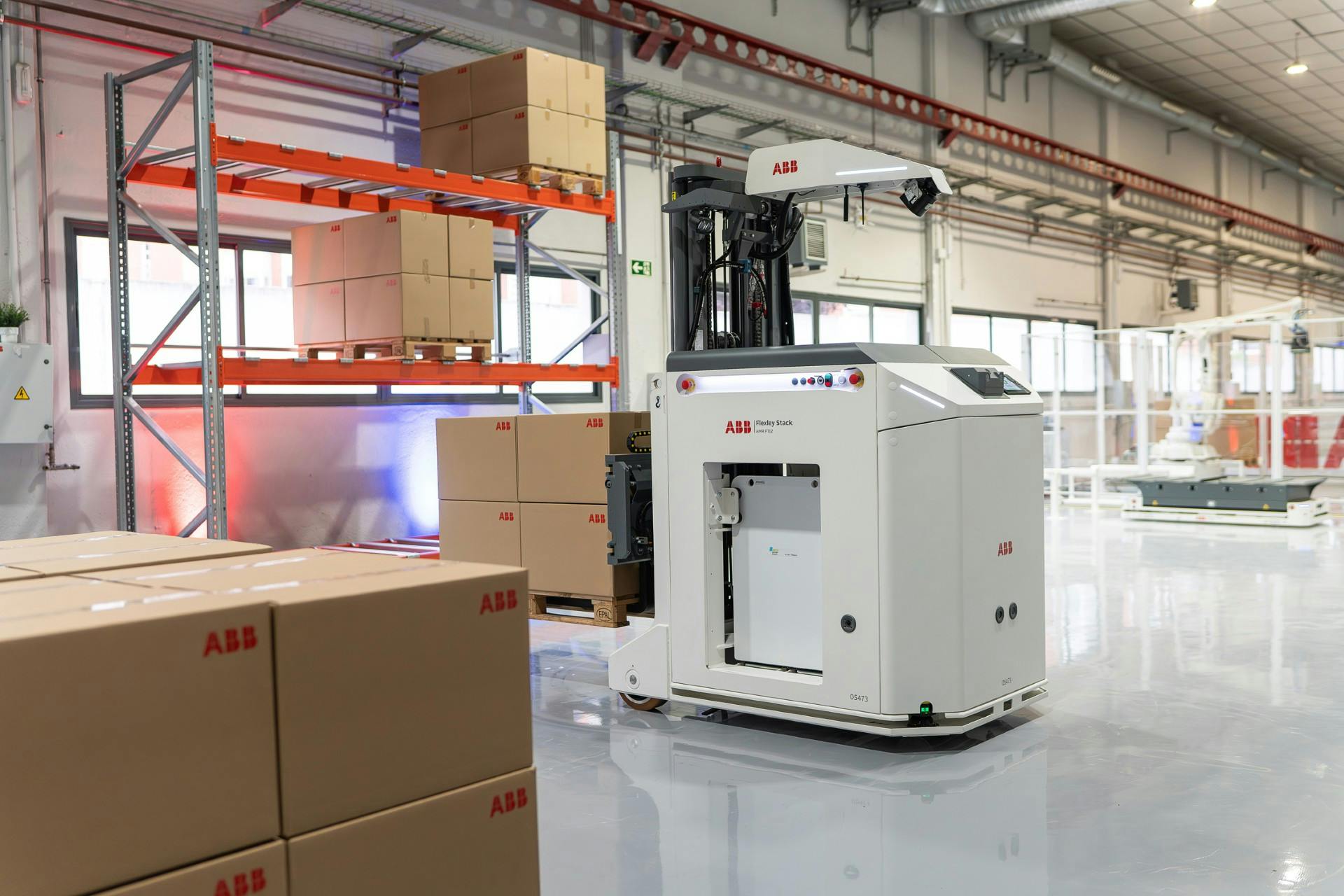
ABB Robotics Introduces Flexley Stack F712 Platform for AI-Driven Autonomous Forklifts
ABB Robotics has launched the Flexley Stack F712 platform, enhancing its AMR portfolio with AI-powered visual technology for autonomous forklifts. This innovation facilitates pallet transport and high-density storage, creating a cohesive ecosystem among ABB’s Visual SLAM AMR types, aimed at improving efficiency in material handling and warehouse operations across various industries, including automotive manufacturing. The introduction of the F712 is significant as it addresses the growing demand for faster and more flexible goods movement in intralogistics, particularly under constraints of limited labor availability. Marc Segura, president of ABB Robotics, emphasized the need for businesses to adapt to increased processing demands while leveraging advanced vision, mobility, and intelligence in their operations. Looking ahead, the Flexley Stack F712 can manage diverse load types and sizes, allowing customers to implement mixed fleets of Visual SLAM-powered vehicles on a unified navigation and fleet management platform. No further timeline was disclosed at the time of publication.
Factory / Analytics
Locus Robotics expands European headquarters.
Locus Robotics is expanding its presence in Europe by opening a new customer experience and demonstration hub at the Logistics Campus in Aalsmeer. This initiative aims to enhance the company's engagement with clients and showcase its innovative robotic solutions. The new facility is part of Locus Robotics' strategy to strengthen its operations in the European market, responding to the growing demand for automation in logistics and supply chain management. The opening of the hub underscores the company's commitment to providing hands-on experiences for potential customers, allowing them to interact with and understand the capabilities of Locus Robotics' technology.
Allgemein
Massachusetts Leads in Robotics Innovation with Warehouse Automation and AI-Driven Technologies
Massachusetts is at the forefront of robotics innovation, showcasing advancements in warehouse automation and logistics. Local companies are leveraging AI-driven robotics to enhance operational efficiency and streamline processes across various sectors. The significance of these developments lies in their potential to transform industries by improving productivity and reducing costs. As robotics technology evolves, Massachusetts firms are positioned to play a crucial role in shaping the future of automation and logistics. Looking ahead, it will be important to monitor how these innovations impact local economies and the broader robotics landscape. No further timeline was disclosed at the time of publication.
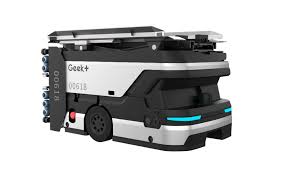
My Jewellery Implements Intelligent Robotics to Boost Warehouse Efficiency in Europe
Dutch fashion jewelry brand My Jewellery is expanding at an annual growth rate of 25% to 30%, launching 30 to 40 new designs weekly for core markets including Belgium, Germany, and France. The rapid growth has created challenges in their backend warehouse operations, where high SKU counts and short update cycles lead to inefficiencies. To address these issues, My Jewellery has adopted Geek+ RoboShuttle solutions, transforming their warehouse into a high-density intelligent storage system that accommodates both B2B and B2C fulfillment lines. The implementation features two types of robots: RS box robots that operate on 8-meter high shelving, retrieving boxes for delivery to workstations, and P40 robots that navigate narrow aisles for box transfer. This dual-robot system enhances space utilization and improves order picking efficiency, allowing employees to complete tasks without extensive searching. CFO Vilmar Bliekendaal noted that employee satisfaction has increased, and the project has quickly paid for itself, significantly boosting output efficiency. The system's scheduling capabilities ensure that robots operate without idle time, handling up to 700 orders per hour, with peak capacity reaching 14,000 orders during high-demand periods. My Jewellery's ongoing automation upgrades signal a commitment to maintaining operational stability, crucial for their rapid growth. The success of this project may serve as a replicable model for other European fashion brands facing similar supply chain challenges.
Warehouse Automation Robotics Fashion Retail Logistics
Philips Secures Up to $33.7 Million for AI-Driven Robotics in Stroke Care
Philips has received up to $33.7 million in funding from the U.S. health innovation agency ARPA-H to develop AI-driven robotic technology for stroke care. This initiative aims to make specialized treatments, such as mechanical thrombectomy, more accessible for patients living far from specialized hospitals. The significance of this funding lies in its demonstration of the rapid convergence of robotics, artificial intelligence, and medical technology. By integrating imaging, robotic control, and AI-driven automation, the project seeks to enhance support for complex endovascular procedures, potentially allowing for remote execution in the future. Philips is collaborating with Johns Hopkins University and Boston University on this project, which is part of ARPA-H's Autonomous Interventions and Robotics (AIR) program. The development is still in progress, and any clinical or commercial use will depend on further research and regulatory approvals. No further timeline was disclosed at the time of publication.
Nieuws algemeen Humanoids
Argonne National Laboratory Launches PoLARIS Project for AI-Driven Remote Experiments
Argonne National Laboratory has initiated the PoLARIS project, which integrates AI and robotics to conduct remote experiments in polymer science. Funded by a $20 million grant from the U.S. National Science Foundation, this collaboration with the University of Chicago aims to enhance domestic supply chains and bolster American competitiveness in a $200 billion industry. The PoLARIS project seeks to create a cloud-based laboratory that combines materials science, AI, and robotics, allowing researchers to perform complex experiments remotely. Jie Xu, a co-principal investigator, describes the robots as the 'hands and eyes' of the operation, while AI functions as the 'brain' to optimize experimental workflows and data analysis. Looking ahead, PoLARIS is expected to revolutionize materials research by making it faster, more reproducible, and accessible. The integration of advanced technologies could significantly impact the future applications of robotics and AI in scientific research. No further timeline was disclosed at the time of publication.
Factory / Robotics
2026 WRC Highlights Robotics Industry's Shift Towards Data-Driven Intelligence
The 2026 World Robot Conference (WRC) opened in Beijing on August 19, showcasing over 2,000 exhibits from more than 300 companies, including 150 new products. Notable demonstrations included TianGong Omni's pole walking and Yaskawa's cable assembly robots. However, the event highlighted a critical shortage of high-quality training data for robots, with only 22 types of embodiments and over one million real trajectories available publicly. The significance of this shortage lies in the growing demand for robots to prove their capabilities through real-world experience rather than mere demonstrations. The conference emphasized the importance of data-driven embodied intelligence, marking 2026 as a pivotal year for this sector. Companies are increasingly focusing on gathering extensive human behavior data, with Lightwheel Intelligent and JD.com leading efforts to collect millions of hours of data to enhance robotic training. Looking ahead, the robotics industry is witnessing a shift towards creating a robust data ecosystem to support robotic learning. The emergence of companies like Mifeng Technology, which showcased its MEgo Gripper and MEgo View, reflects a trend towards data collection without traditional robotic embodiments. No further timeline was disclosed at the time of publication.
Robotics Data-Driven Intelligence AI Training Industrial Automation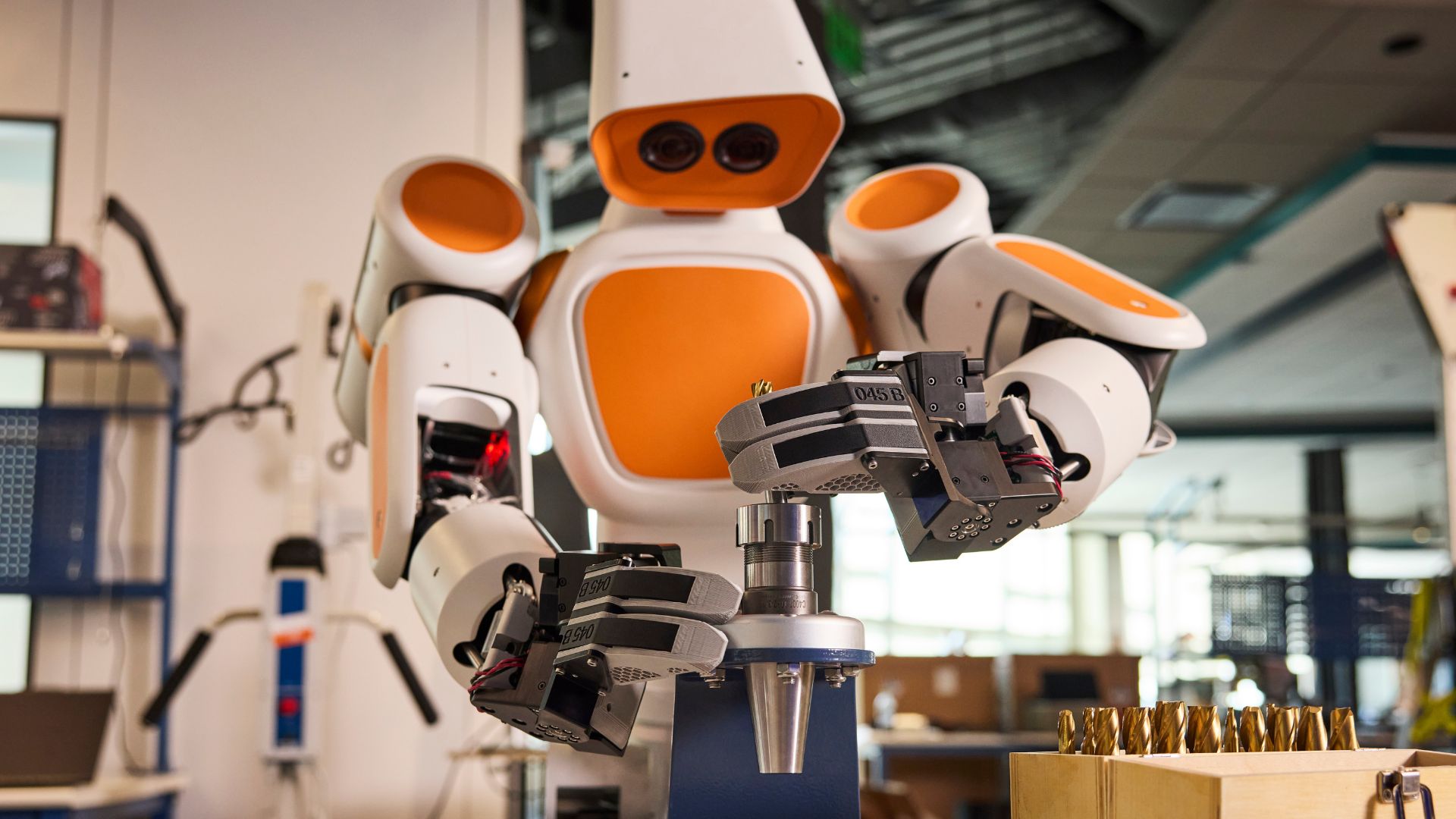
Walden Robotics Launches AI-Driven Factory Robots for Real-World Automation
Walden Robotics, a US-based startup, has unveiled a general-purpose robotics platform that enables Physical AI robots to learn and adapt while performing real work. Unlike traditional robots that follow pre-programmed workflows, Walden's robots continuously improve through real-world operations, making them suitable for complex tasks alongside human workers from the outset. The significance of Walden Robotics lies in its full-stack approach, which integrates hardware, AI, and deployment software to create robots that evolve in capability over time. With $300 million in funding and a valuation of $1.1 billion, the company is addressing the growing demand for flexible automation in sectors like automotive, aerospace, and logistics, driven by labor shortages and increasing product complexity. Looking ahead, Walden Robotics has already begun deploying its robots in production environments, including a Toyota manufacturing plant in North America. The company aims to enhance its robots' skills through real-world experience, utilizing advanced AI techniques such as Large Behavior Models and Diffusion Policy. No further timeline was disclosed at the time of publication.
AI and Robotics Innovation
Advancements in Humanoid Robotics Driven by Power Management Solutions
The latest episode of Designing the Future highlights the significant progress in humanoid robotics, driven by advancements in speed, mobility, and dexterity. As these technologies evolve, the role of power management becomes increasingly critical, particularly in the context of battery and fuel cell usage. Engineers face challenges in converting energy from onboard sources to effectively power mechatronics and logic systems. This focus on power management is essential for the realization of humanoid robots that can perform a wide range of tasks, fulfilling the long-held promise of general-purpose machines. The conversation between Jim Anderton and John Quinlan from Murata Power Solutions underscores the importance of efficient power solutions in enhancing robotic performance. As the industry continues to innovate, the interplay between power systems and robotic capabilities will shape future developments. Looking ahead, the demand for compact and efficient power products will likely grow as humanoid robots become more prevalent in various sectors, including industrial and medical markets. No further timeline was disclosed at the time of publication.
Humanoids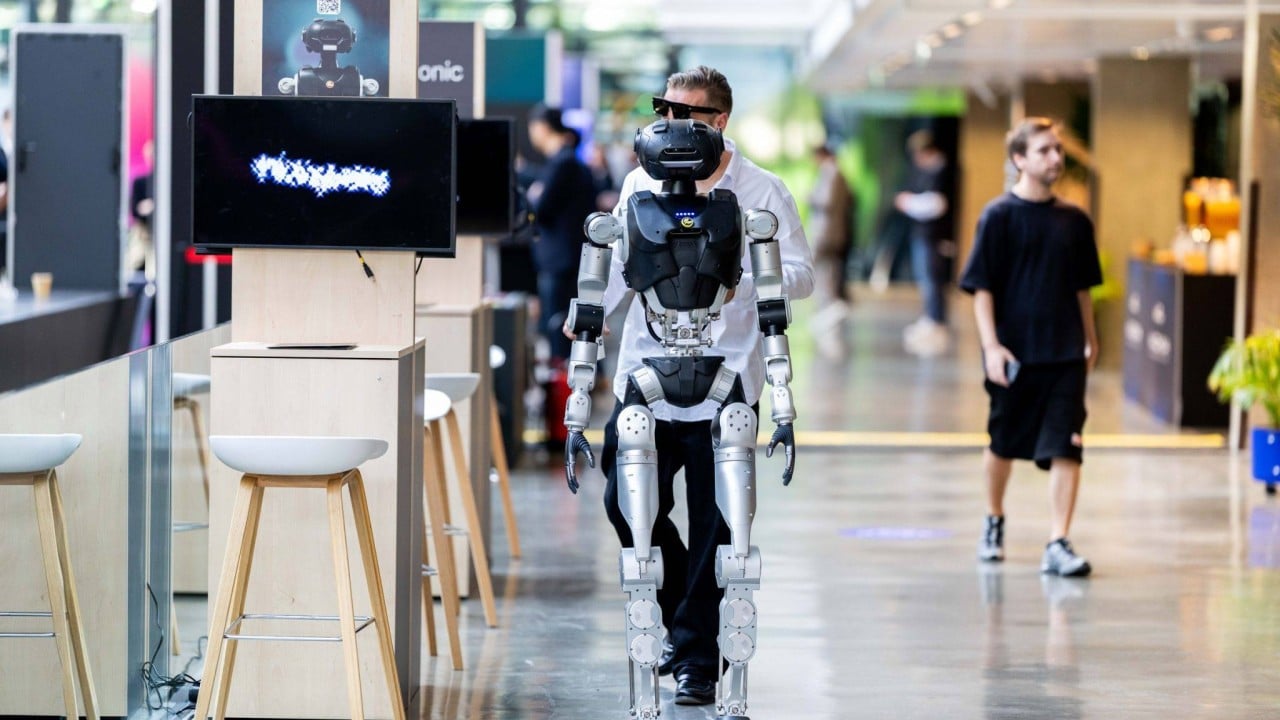
Physical AI ‘space race’: can Europe compete with China and the US in humanoid robotics?
European firms say they are fighting to secure a foothold in physical AI – the integration of artificial intelligence into robotics and machinery – as China and the United States take an early lead in the sector, with industry insiders warning the continent faces the threat of further deindustrialisation if it fails to establish a competitive industry. “You see China and the US … because of AI … typically they are considered the leaders, but do not count out Europe,” said David Kehr, president...
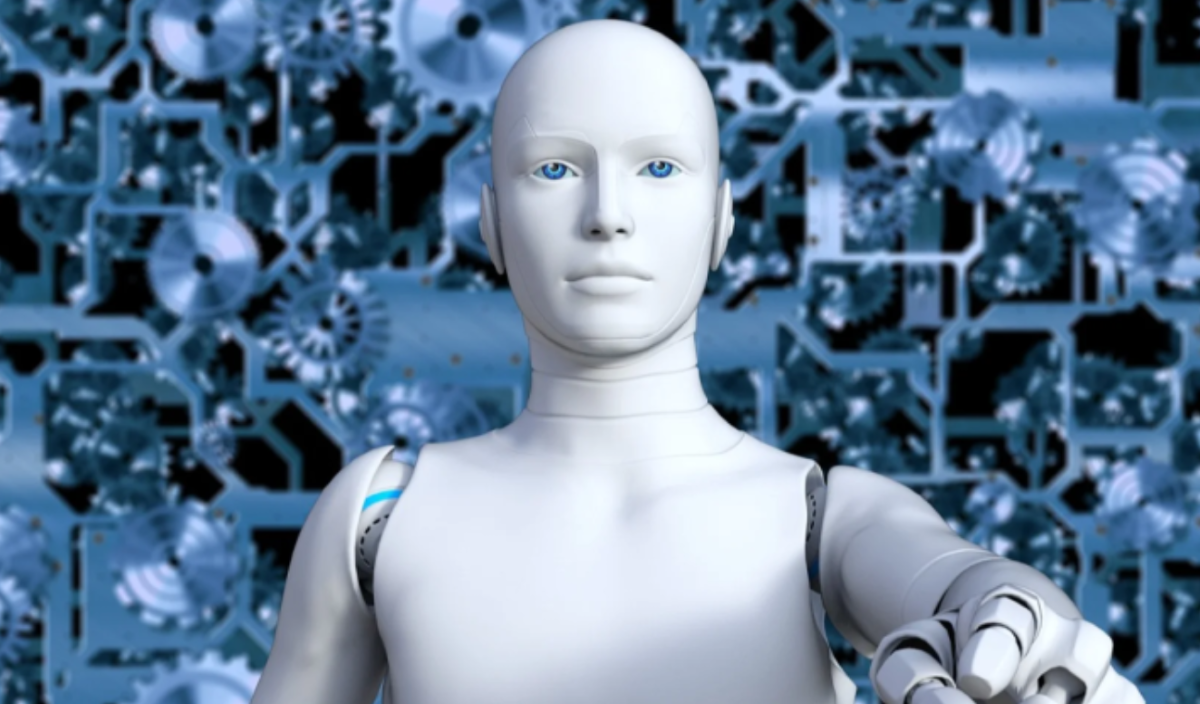
New Dutch Robotics Center Aims to Bridge Europe's Tech Gap
A new robotics research center was inaugurated in the Netherlands on July 5, designed to bridge the gap between Europe and leading nations in the field of robotics. The facility will prioritize practical applications and technology integration, featuring advancements such as humanoid robots and robotic dogs. CEO Evert Yap Lugter emphasized the urgency of enhancing Europe’s competitiveness in robotics, predicting that within five years, it will be nearly impossible to distinguish between humans and robots at close range. This initiative reflects a growing recognition of the need for Europe to innovate and keep pace in the rapidly advancing robotics sector.
Humanoid Robots Robotics Research AI Technology Automation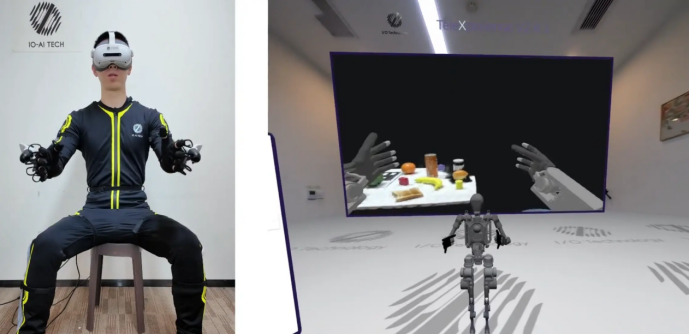
Data-Driven Unicorns: $2 Billion Valuation in Robotics Without Profit
In response to the growing demand for effective robot training, companies in the robotics sector are increasingly prioritizing the generation of high-quality multimodal training data over the mere construction of robots. This shift highlights a significant trend towards recognizing data as a vital resource for enhancing embodied intelligence in robotics. Several firms have successfully secured substantial funding to develop innovative solutions that cater to this emerging need. As the industry evolves, the focus on data-driven approaches is expected to play a crucial role in advancing the capabilities of robotic systems, marking a transformative phase in the field.
Robotics Data Training VR Technology AI
AGIBOT Hosts UK APC2026 in London, Advancing Commercial Deployment of Humanoid Robotics in Europe
AGIBOT held the UK AGIBOT Partner Conference 2026 in London, emphasizing its dedication to promoting the commercial use of humanoid robotics across Europe. The conference marked the European debut of the AGIBOT A3 and introduced a new Robot-as-a-Service (RaaS) model. This event showcased AGIBOT's partnerships with local organizations aimed at exploring practical applications of robotics and improving access to advanced robotic technologies in multiple sectors. Through these initiatives, AGIBOT seeks to drive innovation and enhance the integration of robotics into everyday business operations.
Humanoid Robotics Embodied AI Robot-as-a-Service Commercial Deployment Technology Innovation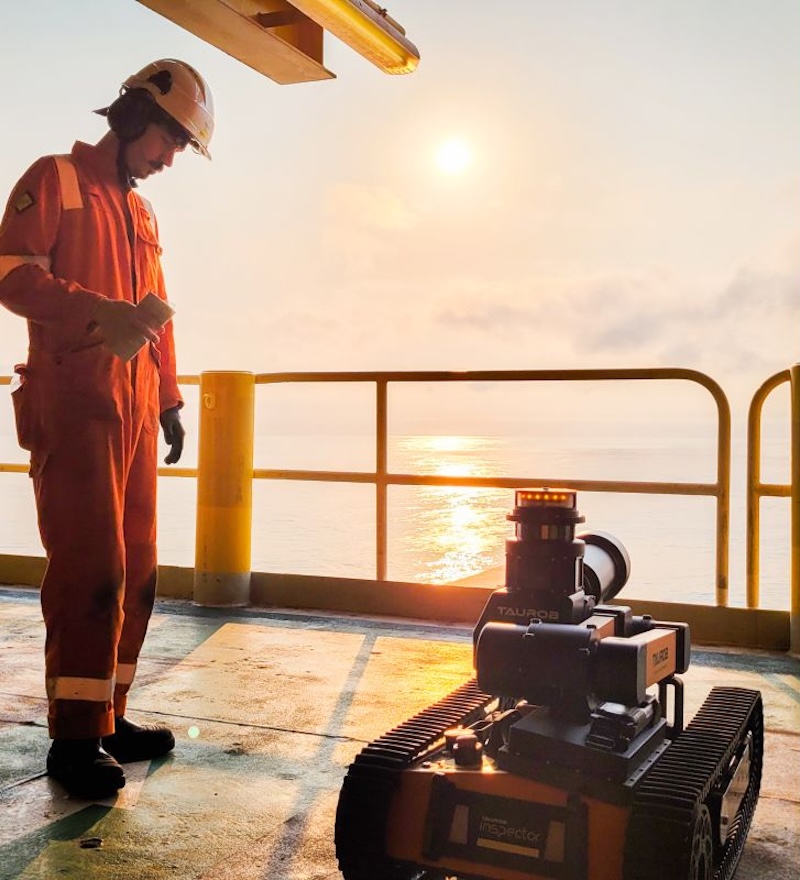
From oil platforms to power plants: Dietsmann showcases robotics-driven maintenance in Africa
Dietsmann, a leading independent provider of operation and maintenance services for energy production facilities, has announced its participation as a Bronze Sponsor at the upcoming African Energy Week (AEW) 2026. This significant event is scheduled to take place from October 12 to 16 in Cape Town, South Africa. The sponsorship underscores Dietsmann's longstanding commitment to the African energy sector, which has been a focus for the company for decades. By engaging in this prominent industry gathering, Dietsmann aims to enhance its visibility and influence within the region, reflecting its evolving role in supporting energy production and sustainability initiatives across Africa.
Events Features AEW 2026 African Energy Week AI analytics automation news
NVIDIA Corporation (NVDA) Partners with Nebius to Support AI Robotics Startup in Europe
NVIDIA Corporation has announced a strategic partnership with Nebius to bolster the development of robotics startups across Europe. On June 9, the two companies reaffirmed their collaboration aimed at creating a cloud platform specifically for robotics and physical artificial intelligence. As part of this initiative, Nebius has launched the Physical AI Living Lab, which will provide UK and European robotics startups with access to NVIDIA's advanced development tools and Nebius AI's cloud infrastructure. This six-month program is designed to help early-stage robotics firms overcome challenges related to large-scale simulation, synthetic data, and accelerated computing resources. Startups participating in the program will utilize NVIDIA technologies, including OSMO for workload orchestration and Cosmos World Foundation models. The goal of the Physical AI Living Lab is to connect UK robotics innovation with market-ready physical AI solutions by offering affordable cloud-scale training. NVIDIA, a leading provider of specialized computer chips and a key player in the global AI revolution, continues to expand its influence beyond gaming graphics into comprehensive infrastructure for artificial intelligence.
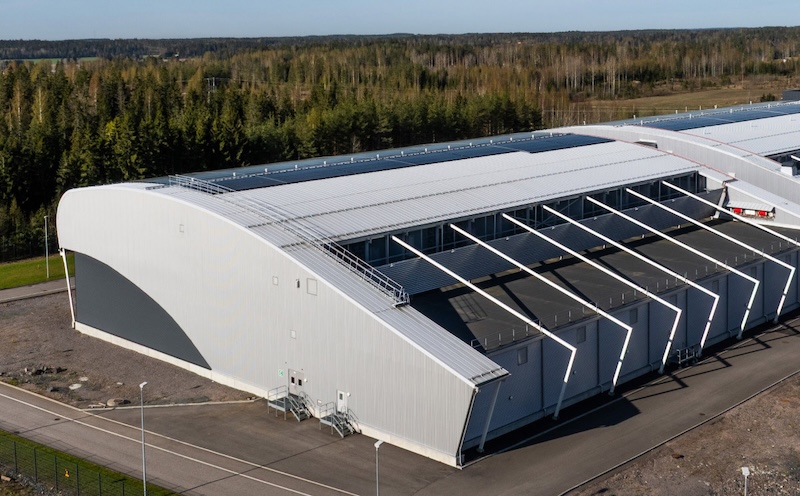
Nebius and Nvidia launch Physical AI Living Lab for European robotics startups
Nebius, a prominent AI cloud company, has launched the Physical AI Living Lab, a six-month initiative aimed at supporting robotics startups across Britain and Europe. This program provides participants with access to Nvidia’s advanced physical AI development tools alongside Nebius’s robust AI cloud infrastructure. The initiative addresses a significant challenge faced by early-stage robotics companies, which often lack the resources to create large-scale simulations, generate synthetic data, and utilize accelerated computing necessary for their development. By offering these essential tools and support, Nebius aims to foster innovation and growth within the robotics sector, ultimately enhancing the capabilities of emerging technologies in the field.
Artificial Intelligence Computing AI cloud computing AI infrastructure automation news nebius
ARX Robotics reveals European growth strategy, to double workforce
ARX Robotics has announced plans to expand its operations by establishing a new headquarters and production facility in Munich, Germany. This strategic move is aimed at enhancing the company's manufacturing capabilities and increasing its presence in the European market. The initiative reflects ARX Robotics' commitment to innovation and growth within the robotics sector. The new facility is expected to bolster production efficiency and support the development of advanced robotics solutions. The timeline for the completion of the new headquarters and facility has not been disclosed, but the company is focused on strengthening its infrastructure to meet growing demand in the industry.
NewsRobotics needs a service framework.
RSF defines a common language for robot service capability, lifecycle operations, certification pathways, and service-provider networks.
Join the RobotToday community on LinkedIn
Daily robotics news, in-depth analysis, conference highlights, and discussions with professionals worldwide.