

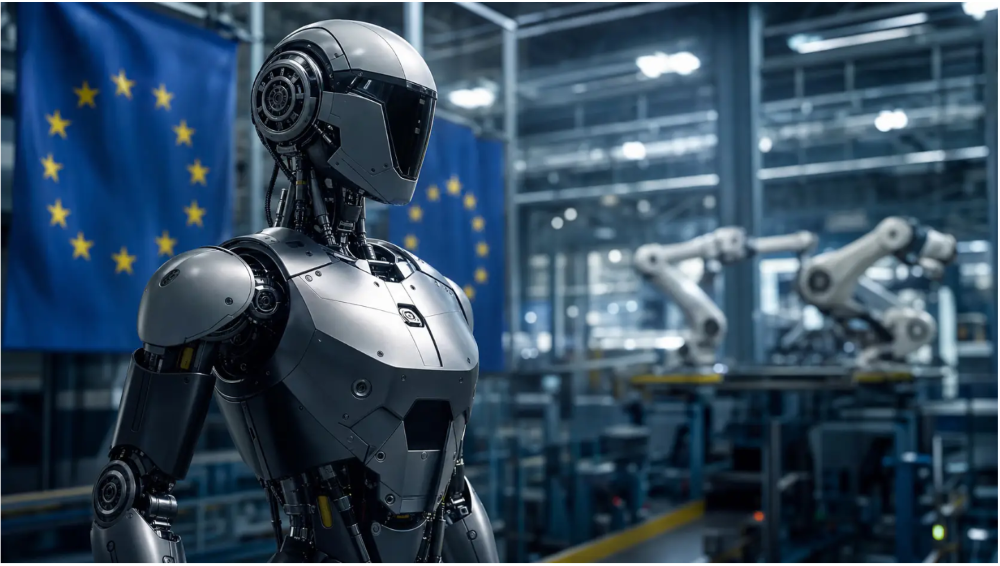
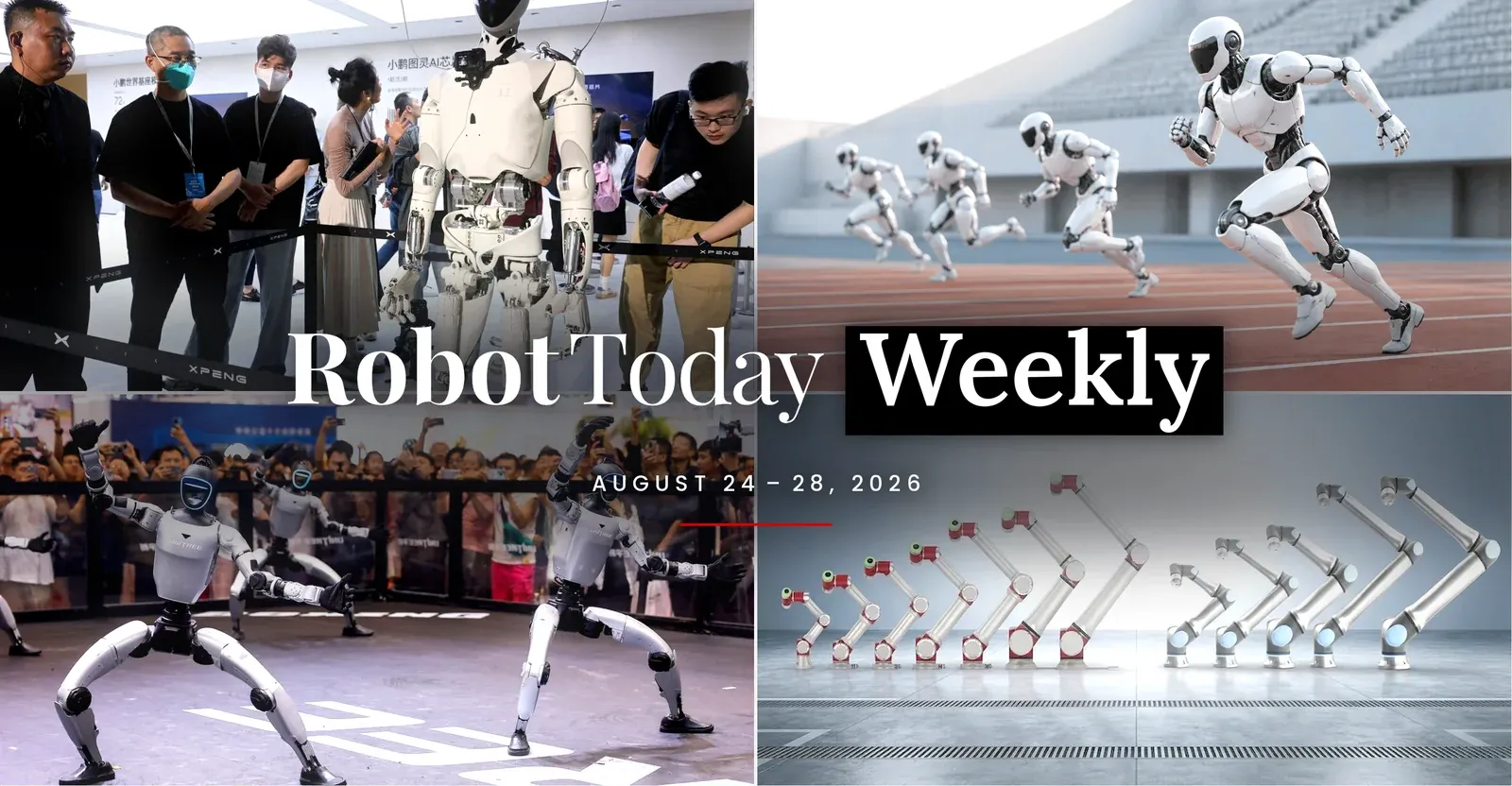
As humanoid robots from China surge with over 100,000 units produced annually, Europe finds itself at a pivotal crossroads. Despite having a strong foundation in industrial robotics, Europe risks losing its chance to define the next generation of robots. In the past two years, China has advanced humanoid robots from concept to mass production, with over 400 models developed, dominating global shipments with an 80% market share.
The implications are significant; while Europe boasts traditional industrial giants like ABB and KUKA, it lacks competitive players in the general humanoid robot sector. Funding remains a critical weakness, with Europe accounting for only 14% of global robotics investment by 2025, compared to 52% for the US and 25% for China. The acquisition of KUKA by China's Midea Group exemplifies the trend of European companies being overshadowed by foreign capital.
Looking ahead, the European Union's AI Act and revised Machinery Directive aim to establish a legal framework for autonomous robots, which could both protect and constrain the industry. While companies like Neura Robotics and Franka Emika show promise, the global humanoid robot market is expected to grow significantly in the next decade. Europe must act swiftly to avoid being left behind in defining the future of robotics.
Editor's Note
Europe's robotics industry faces a critical challenge as it competes with aggressive advancements from China and the US. The disparity in funding and technological leadership could hinder Europe's ability to innovate and lead in the humanoid robotics sector. As regulations evolve, balancing safety with competitiveness will be essential for European firms to thrive in a rapidly changing landscape.























Leave a comment