A single destination for timely, editor-curated robotics news from around the world.

At this year's WAIC, the spotlight in the robotics exhibition was on humanoid robots capable of complex movements, such as walking, dancing, and conversing. However, the real challenge lies in how these robots handle unpredictable real-world scenarios, such as identifying and scanning barcodes from randomly placed products. This capability is crucial for robots to transition from theoretical demonstrations to practical applications. The significance of these advancements is profound, as they reflect a shift in the robotics industry from rigid programming to adaptive learning. Robots must now operate in dynamic environments, requiring them to understand physical laws and continuously learn from their experiences. This evolution indicates a competitive transition where the focus is not just on the robots themselves but on the infrastructure that enables ongoing learning and adaptation. Looking ahead, the industry is poised for a transformation similar to that seen in AI, where NVIDIA played a pivotal role. The next phase of robotics will depend on establishing foundational systems that allow robots to learn from real-world data and simulations. As companies like Kuawei develop datasets and simulation engines, they aim to become the driving force behind the physical AI era, ensuring that robots can evolve and adapt effectively in various environments.
leaderobot.com By Leaderobot Jul 19, 2026 Humanoid Robots AI Infrastructure Robotics Learning Data Collection Simulation Technology
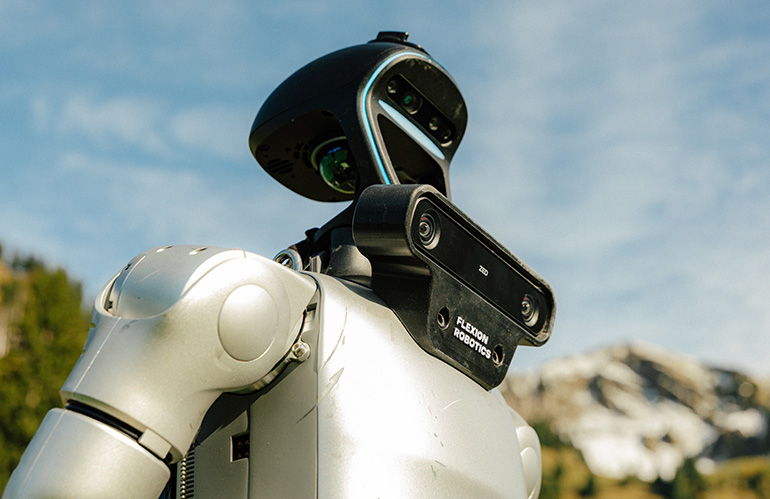
Flexion is developing a reinforcement learning and sim-to-real platform specifically for humanoid robots. Over the past 18 months, humanoid robotics companies have raised billions, primarily funding human operators to manage robots, which has led to a teleoperation and data challenge within the industry. This reliance on teleoperation as a labor solution raises concerns about the long-term viability of training physical AI systems. The assumption that enough human demonstrations will enable robots to generalize across environments is questionable, especially given that teleoperation datasets are significantly smaller than those used for training language models, creating a growing data gap. Looking ahead, the industry must address the limitations of teleoperation and the dependency on human input for robot training. If humanoid robots require continuous human demonstrations, the original vision of automation may be compromised. No further timeline was disclosed at the time of publication.
RoboticsBusinessReview.com By Nikita Rudin Jul 19, 2026 Artificial Intelligence Artificial Intelligence / Cognition Controllers Development Tools / SDKs / Libraries Humanoids News
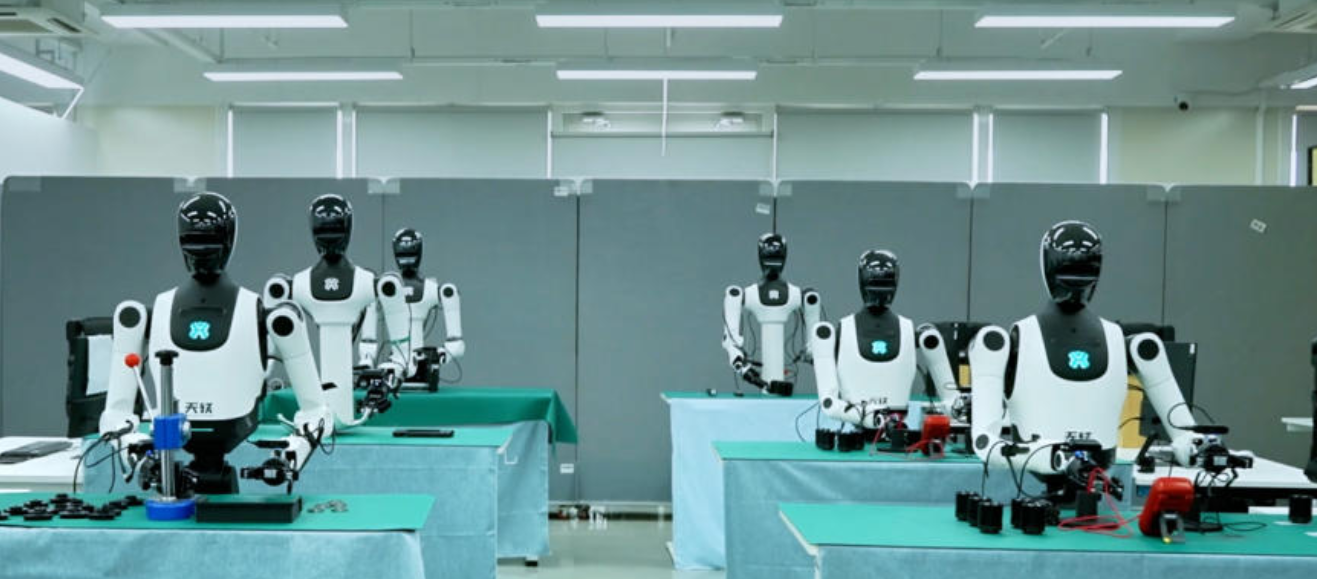
The Beijing Humanoid Robot Innovation Center and Renmin University of China's Gaoling Artificial Intelligence Institute have launched the Robo-ValueRL open-source framework. This initiative aims to enhance humanoid robots' decision-making capabilities in precision tasks, such as semiconductor assembly, by addressing challenges in data quality, control precision, and adaptability in dynamic environments. Robo-ValueRL introduces a value estimation mechanism based on historical observations, enabling robots to autonomously assess their actions. This closed-loop learning process—observation, value estimation, correction, and iteration—allows for improved accuracy and reduced instability in operations. The framework is fully open-source, providing access to core algorithms, evaluation tools, and standardized protocols for universities, research institutions, and manufacturers. The open-source nature of Robo-ValueRL significantly lowers the barriers for small and medium-sized manufacturers to implement reinforcement learning in specialized fields like semiconductor production and medical device manufacturing. This development marks a shift in humanoid robotics from laboratory experiments to practical industrial applications, paving the way for robots to evolve their decision-making capabilities independently.
leaderobot.com By Leaderobot Jul 14, 2026 Humanoid Robots Reinforcement Learning Precision Manufacturing Open Source Technology

A robot in a warehouse near Austin has fallen for the 4,000th time without assistance, showcasing the progress of embodied intelligence. This technology allows machines to physically interact with the world, fundamentally changing how they learn. Instead of merely processing information, these robots learn through experience, such as understanding gravity by knocking over objects. Embodied intelligence is gradually integrating into daily life, with humanoid robots working on assembly lines and assisting police in Hangzhou. In Malaysia, the Prime Minister introduced an AI digital twin to handle citizen inquiries autonomously. However, in Europe, there is growing concern about job displacement, with unions negotiating wage structures in anticipation of humanoid robot deployment. The societal divide is evident: while Asian countries view robots as helpful assistants, Europeans express fears of job loss. The future of embodied intelligence will depend on societal acceptance, highlighting a complex relationship between technology and human values. No further timeline was disclosed at the time of publication.
leaderobot.com By Leaderobot Jul 13, 2026 Embodied Intelligence Robotics AI Technology Human-Robot Interaction
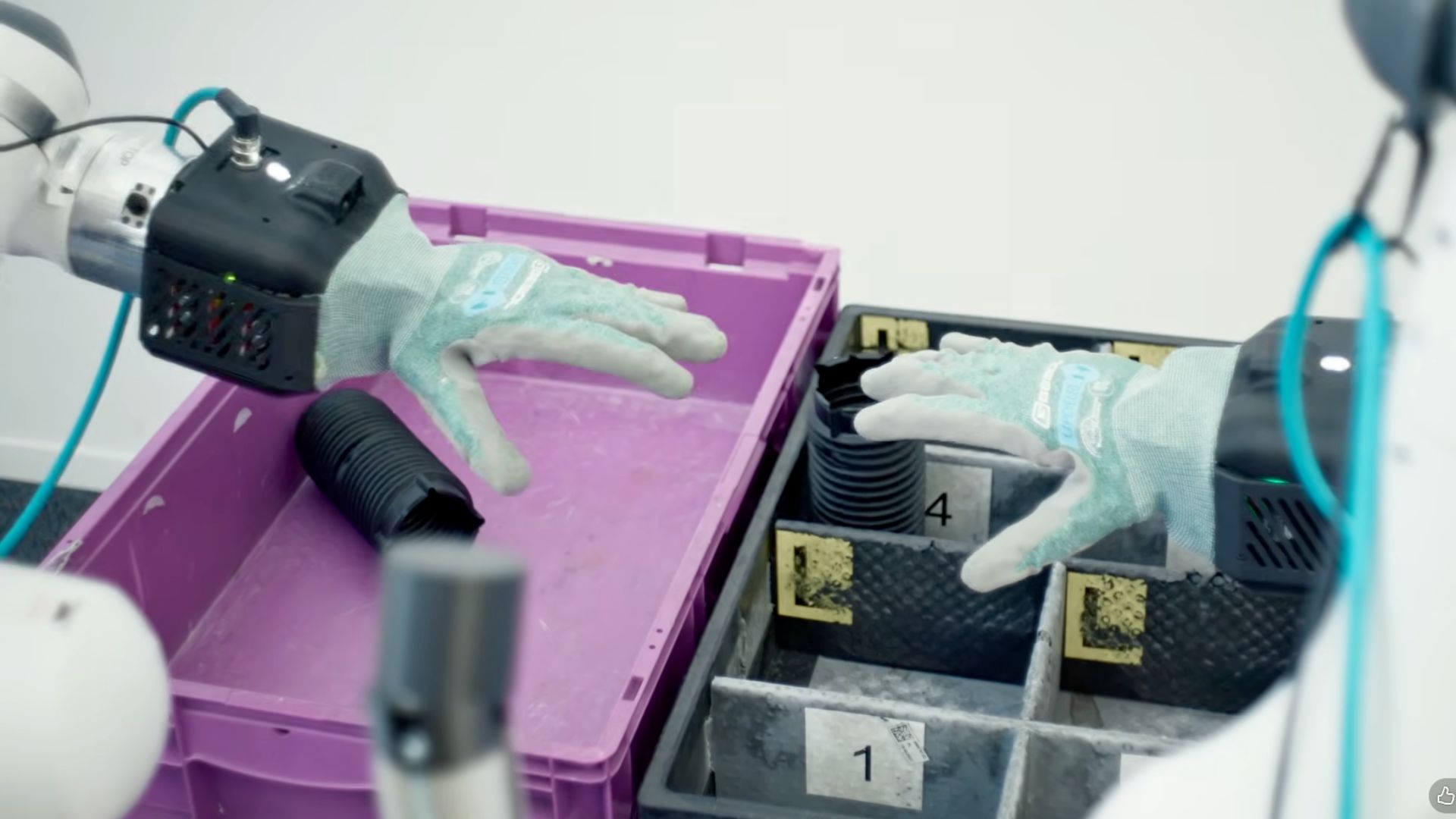
mimic Robotics has unveiled a new robotic hand, the mimic hand M1, along with the mimic wearable U1 exoskeleton and a proprietary software platform. This integrated system aims to enhance general-purpose dexterous manipulation in industrial robots by addressing the challenge of collecting high-quality training data for AI models that perform human-like tasks. The significance of this launch lies in mimic Robotics' approach to design, which focuses on human hand morphology rather than traditional two-finger grippers. The mimic hand M1 features 15 actuated degrees of freedom and is capable of handling payloads over 25 kg, while the mimic wearable U1 allows human operators to demonstrate tasks in real-time, improving data collection for AI training. Looking ahead, the company’s innovative middleware and teleoperation software are expected to enhance robot control and AI inference speed. No further timeline was disclosed at the time of publication.
RoboticsAndAutomationNews.com By Sam Francis Jul 18, 2026 Components Computing News ai automation dexterous manipulation
Agility Robotics has inaugurated a new facility in Fremont, California, aimed at accelerating advancements in physical AI that enhance customer operations. This 60,000-square-foot site will serve as a hub for software development and AI capabilities, focusing on training and testing technologies that enable the humanoid robot, Digit, to acquire new skills and perform complex tasks in various environments. The establishment of this facility is significant as it positions Agility Robotics in the heart of Silicon Valley, a region known for its AI talent and innovation. The company plans to employ nearly 200 staff members, including experts in hardware engineering and AI/ML software, to drive the development of next-generation AI capabilities that will enhance Digit's safety and productivity in enterprise settings. Looking ahead, Agility Robotics has secured over $300 million in multi-year orders for Digit v5 and has a growing pipeline of more than 30 customers. The Fremont facility is crucial for meeting the increasing demand for humanoid robots in warehouses and manufacturing, as it aims to deliver ongoing safety and productivity improvements in collaboration with human workers. No further timeline was disclosed at the time of publication.
RoboticsAndAutomationNews.com By Sam Francis Jul 17, 2026 Humanoids Infrastructure News agility robotics ai artificial intelligence
At the 2026 WAIC, a notable shift in robotics was observed as manufacturers increasingly focused on developing dexterous hands. Over the past two years, the industry has seen a surge in the complexity of these hands, with degrees of freedom increasing from six to twelve, sixteen, or even more. The ability of a robotic hand to perform tasks such as solving a Rubik's Cube or threading a needle has become a key benchmark for technological capability. As more dexterous hands demonstrate impressive capabilities, the industry must now address critical questions about their operational continuity, scalability, repairability, and the data they generate to enhance future performance. Companies like Aoyi Technology are expanding their product boundaries beyond mere actuators to include tactile-enabled devices like ROHand and OpenArm, integrating data collection and training tools into a cohesive system. This evolution signifies a shift from merely creating human-like hands to developing hands that can engage in a robotic learning loop. The industry's future hinges on whether these hands will become high-end toys or genuine industrial products, with reliability emerging as a core performance metric alongside flexibility and load capacity.
leaderobot.com By Leaderobot Jul 19, 2026 Dexterous Hands Robotics Technology Industrial Automation Sensor Technology
A group of K-12 students in Los Angeles has been hands-on with real humanoid robots and industrial-grade robotic dogs at Faraday Future's headquarters this summer. On July 15, Faraday Future announced that its EAI Robotics Summer Camp, in collaboration with the Lynwood and El Segundo school districts, has entered its second week, alongside a partnership with Triple I, a full-cycle education organization in the U.S. The summer camp is notable for using actual robotics equipment rather than toy kits or computer simulators. Students have worked with Faraday Future's own robots, including the Navi, an educational four-legged robot priced under $2,000, the industrial-grade Aegis, and the humanoid robot Master. The camp employs a five-day progressive learning structure, culminating in students programming and debugging real hardware. Participants have transformed from beginners to capable of autonomous system demonstrations within just one week. Faraday Future's Co-CEO Chen Zhe emphasized the importance of immersive engineering experiences for students and how their feedback aids product iteration and course design. He believes education will be a key application area for scaling consumer robotics in its early stages, as Faraday Future aims to bridge classroom learning with practical experience and home education.
leaderobot.com By Leaderobot Jul 15, 2026 Robotics Education Hands-on Learning Consumer Robotics Programming STEM
An erratum has been issued for the research article titled 'Observing a robot peer’s failures facilitates students’ classroom learning' published in Science Robotics. This correction addresses inaccuracies found in the original publication, ensuring the integrity of the research findings. The importance of this erratum lies in its impact on the understanding of how robot interactions can enhance educational outcomes. The original study highlighted the role of robot peer failures in facilitating learning among students, a significant aspect of integrating robotics into educational settings. Moving forward, it will be essential to monitor any further updates or corrections related to this research. No further timeline was disclosed at the time of publication.
AAAS:ScienceRobotics Jul 15, 2026 Errata
SoftServe has highlighted the importance of 'virtual gyms' for robotics teams, emphasizing their role in preparing robots for dynamic environments. These high-fidelity simulation environments allow robots to train, fail, and recover safely before real-world deployment, addressing the challenges posed by unpredictable operational conditions. The global robotics market is projected to grow at a 19.6% CAGR from 2026 to 2036, underscoring the need for effective training solutions like virtual gyms to enhance robotic autonomy and performance. The shift from programmed automation to physical AI necessitates that robots adapt to constantly changing environments, which traditional training methods struggle to accommodate. Virtual gyms integrate technologies such as digital twins, reinforcement learning, and sensor modeling to provide a comprehensive training platform. This approach mitigates the risks and costs associated with real-world trials, enabling teams to generate valuable training data in a controlled setting, thus improving deployment success rates. Looking ahead, the adoption of virtual gyms is expected to become a standard practice in robotics development, as they offer a solution to the simulation-to-reality gap. No further timeline was disclosed at the time of publication, but the increasing complexity of robotic tasks suggests that the demand for such training environments will continue to rise as the industry evolves.
RoboticsBusinessReview.com By Mariusz Janiak Jul 11, 2026 Artificial Intelligence Artificial Intelligence / Cognition Autonomous Mobile Robots (AMRs) Development Tools / SDKs / Libraries Industrial Robots Logistics
In a discreet industrial park in suburban Beijing, a humanoid robot is meticulously stacking bags of chips on a shelf. Nearby, workers are filming their actions of folding sheets and handling cushions, which will serve as 'textbooks' for the robots. China is undertaking a significant initiative to transition robots from laboratories to simulated environments like supermarkets, factories, and homes to learn human skills, and the scale of this 'internship' is rapidly expanding. This initiative is crucial as robots need to understand the physical world's rules, such as how to hold an egg without breaking it or catch a cup of water before it slips off a tray. Unlike the U.S., which relies on data purchasing and low-cost data collection in countries like India and Vietnam, China has established at least 64 data collection and training centers nationwide, with over 20 more under construction. At the Beijing Humanoid Robot Innovation Center, more than 120 robots are being trained across 30 scenarios in six major sectors, forming a comprehensive 'robot training network' across the country. As hardware advancements continue, Chinese robotics companies are focusing on enhancing their AI capabilities. Yushu Technology is preparing for an IPO, pledging nearly half of its $610 million fundraising to AI model development. By mid-2026, funding in China's embodied intelligence sector has already exceeded 90 billion yuan, five times that of the previous year. With plans to deploy over 1,000 humanoid robots in factories this year and more than 10,000 by 2027, China is leveraging its organizational capabilities to collect data at scale, positioning itself advantageously in the race towards general intelligence.
leaderobot.com By Leaderobot Jul 16, 2026 Humanoid Robots AI Robotics Training Data Collection Automation
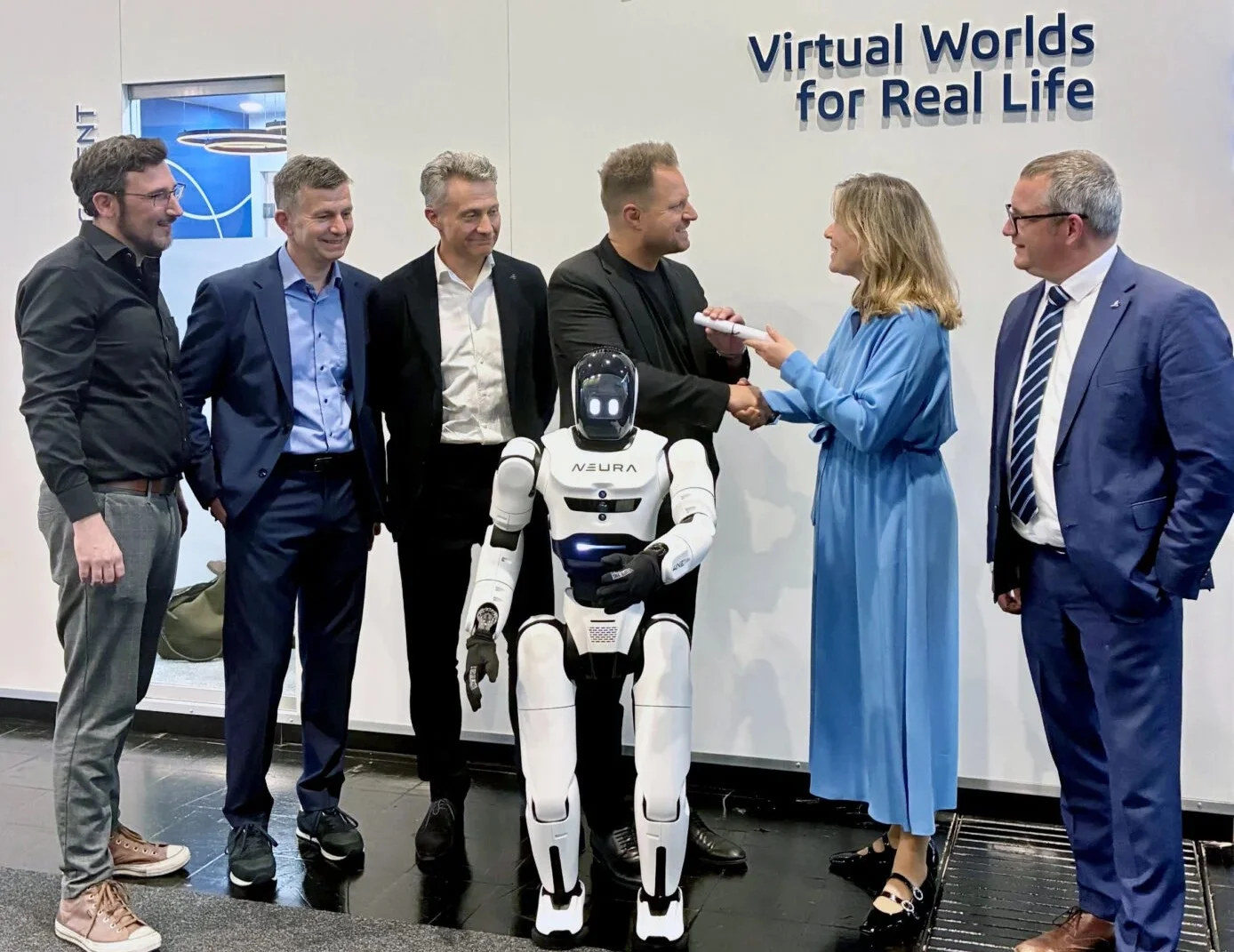
Neura Robotics has announced a partnership with Dassault Systèmes aimed at enhancing the training and deployment of robots. This collaboration integrates Neura's robotics platform with Dassault's 3DEXPERIENCE virtual twin platform, establishing a closed-loop system that allows robots to learn in simulated environments before operating in real-world settings. The initiative, which was revealed recently, seeks to facilitate continuous improvement of robotic systems by bridging the gap between virtual training and physical application. This innovative approach is expected to advance the efficiency and effectiveness of robotic operations across various industries.
AIInsider By Greg Bock Apr 24, 2026 AI AI Use Cases Robotics Dassault Systèmes Europe France
UK-based robotics and AI company Humanoid has introduced KinetIQ Ascend, the company’s reinforcement learning approach designed to reach 99.9 percent manipulation reliability at human speed and beyond. KinetIQ Ascend builds on the previously announced KinetIQ platform with trial-and-error learning, helping the company’s robots improve directly on industrial tasks. The new system was tested on several […]
RoboticsAndAutomationNews.com By Sam Francis Jul 06, 2026 Computing Humanoids News artificial intelligence automation embodied ai
Kawasaki Robotics unveiled its latest advancements in automation technology at the Automate 2026 trade show held in Chicago. The event, which took place recently, highlighted the transformative impact of robotics, artificial intelligence, machine learning, vision systems, and real-time control on industrial automation. A key feature of the showcase was the introduction of the new “RL030N” robot platform, which boasts eight degrees of freedom and is specifically designed for Physical AI applications. This innovation reflects Kawasaki Robotics' commitment to pushing the boundaries of automation and enhancing operational efficiency across various industries.
RoboticsAndAutomationNews.com By Sam Francis Jun 26, 2026 Industrial robots News Robotics 8-axis robot Automate 2026 BA013L
In recent years, STEM education has seen significant growth, fueled by a rising demand for practical engineering skills, artificial intelligence literacy, and interdisciplinary innovation. Despite this progress, schools, universities, and research laboratories continue to face challenges in creating effective robotics environments. Educators often struggle to integrate various components such as robotic arms, mobile platforms, sensors, and open-source software from multiple sources, complicating the development of comprehensive robotics programs. This ongoing issue highlights the need for streamlined solutions that can enhance the teaching and learning of robotics in educational settings.
RoboticsAndAutomationNews.com By Sam Francis Jun 26, 2026 Design Research Robotics AI education americas automation news
X Square Robot, a Chinese company focused on embodied AI, is pioneering an integrated stack for general-purpose robots. This stack combines data learning, a world model for predicting physical changes, and an action model that integrates perception, planning, reasoning, and decision-making. The company emphasizes the importance of quality interaction data over sheer quantity, utilizing its Universal Manipulation Interface (UMI) to enhance data collection. The significance of X Square Robot's approach lies in its potential to unify various aspects of robotic intelligence, addressing the fragmented nature of current systems. By prioritizing interaction quality and establishing a closed inspection loop for data validation, the company aims to create a more effective learning environment for robots. This method not only reduces costs but also enhances the reliability of the training data, which is crucial for developing general-purpose robots capable of performing diverse tasks. Looking ahead, X Square Robot's WALL-WM world model represents a shift towards event-based action prediction, allowing for more coherent and context-aware robotic behavior. As the company continues to refine its models and data collection methods, the broader robotics community will be watching for independent validation of its results and the potential implications for the future of general-purpose robotics.
IEEESpectrumAI By X Square Robot Jul 13, 2026 Home-robots Type-sponsored Large-language-models Embodied-intelligence Ai-robots Robot-learning
Veterans from the autonomous vehicle industry have established a new robotics company, highlighting the significant overlap in skills between the two fields. These industry pioneers shared insights with Business Insider, emphasizing that the expertise gained in developing autonomous vehicles is highly applicable to robotics. Their experience in data analysis, machine learning, and system integration equips them to tackle the challenges faced in the robotics sector. As the demand for advanced robotics solutions continues to grow, these founders aim to leverage their backgrounds to innovate and drive progress in this emerging market. The transition reflects a broader trend of professionals seeking to apply their technical skills across different technology domains, particularly as industries converge and evolve.
BusinessInsider By [email protected] (Lloyd Lee) Apr 29, 2026 Transportation robotaxi robotics hiring
A team of scientists has launched an innovative tabletop game aimed at educating players about marine robotics and technology, following the success of their recent crowdfunding campaign. This initiative seeks to make learning about complex scientific concepts accessible and engaging for both homes and classrooms. By combining entertainment with education, the creators hope to inspire a new generation of young minds to explore the field of marine science and robotics. The game is designed to facilitate hands-on learning experiences, encouraging players to interact with the technology in a fun and interactive way. With the backing of enthusiastic supporters from the crowdfunding platform, the project is set to reach a wider audience, promoting awareness and interest in marine technology.
ROVplanet.com By ROV Planet Nov 12, 2025 crowdfunding ocean robotics game launch scottish association for marine science (sams)
Lumos Robotics says its Prime R0 industrial embodied AI model has achieved the highest overall score on the latest MolmoSpaces leaderboard, outperforming larger models from competitors including Nvidia and research teams from the United States. The Chinese robotics company said its 2.8-billion-parameter model ranked first across both single-arm fine manipulation and dual-arm collaboration tasks in […]
RoboticsAndAutomationNews.com By Sam Francis Jul 07, 2026 Artificial Intelligence Computing News Robotics AI models embodied ai
The robotics industry is undergoing a transformation due to the swift advancement of embodied artificial intelligence, prompting companies to innovate machines that can tackle diverse real-world tasks instead of being limited to single functions. Notably, Shenzhen-based X Square Robot has emerged as a key player in this competitive landscape, successfully completing four consecutive financing rounds. This funding achievement underscores the growing interest and investment in versatile robotic technologies, as firms strive to enhance their capabilities and meet the increasing demand for intelligent automation solutions.
RoboticsAndAutomationNews.com By Sam Francis Jul 03, 2026 Business Features Robotics artificial intelligence Artixon china robotics
The robotics industry is experiencing a significant transformation, marked by advancements in autonomous mobile robots that are now navigating warehouses with enhanced precision and intelligence. As of October 2023, industrial robots are evolving to become smarter and more adaptable, while AI-powered vision systems are revolutionizing sectors such as manufacturing, logistics, and defense. This surge in technological capabilities is driven by the increasing demand for efficiency and automation across various industries, highlighting the critical role of innovation in shaping the future of robotics.
RoboticsAndAutomationNews.com By Sam Francis Jun 22, 2026 Aircraft Artificial Intelligence Engineering Features AI deployment AI infrastructure
As artificial intelligence continues to capture public attention, experts emphasize that the future of robotics hinges on more than just advanced software. While numerous companies are focused on creating sophisticated AI systems and foundation models, there is a growing consensus that the true challenge lies in integrating this intelligence with reliable hardware capable of functioning effectively in the physical environment. This perspective highlights the need for a holistic approach to robotics, where both software and hardware advancements are essential for achieving practical and efficient robotic solutions.
RoboticsAndAutomationNews.com By Sam Francis Jun 05, 2026 Features Robotics AI platforms ai robotics artificial intelligence automation news
Recent advancements in robotics are shifting focus from enhancing processors and mechanical designs to improving data quality, particularly through realistic training environments. This emerging field, known as Physical AI, emphasizes the creation of 3D assets and simulation environments that incorporate genuine physical properties. By accurately mimicking real-world behaviors, these simulations aim to enhance the training of robotic systems, enabling them to perform more effectively in various applications. As researchers and developers prioritize realistic data over traditional methods, the potential for breakthroughs in robotic capabilities is becoming increasingly evident. This evolution in robotics is expected to redefine how machines interact with their environments, paving the way for more sophisticated and adaptable technologies.
RoboticsAndAutomationNews.com By Sam Francis Jun 04, 2026 Artificial Intelligence Robotics ai robotics automation news Autonomous robots digital twins
Researchers at Virginia Tech are advancing the field of soft robotics, which utilizes flexible, muscle-like materials to create machines capable of bending and stretching in ways that surpass traditional rigid robots. This innovative technology enables applications such as harvesting ripe tomatoes and navigating complex search-and-rescue environments. However, the inherent flexibility of these robots presents significant challenges in control and precision. The team at Virginia Tech is focused on addressing these control difficulties to enhance the functionality and reliability of soft robotics, aiming to unlock their full potential in various practical applications.
RoboticsAndAutomationNews.com By Sam Francis May 27, 2026 Computing Features Robotics Science agricultural robotics ai robotics
In an industrial park near Beijing, humanoid robots are being utilized to learn human tasks, such as organizing snacks and folding sheets. These robots, equipped with advanced capabilities, aim to improve their functionality in everyday activities. This initiative is significant as it represents China's commitment to advancing robotics technology and enhancing the interaction between robots and humans. By focusing on practical tasks, the project seeks to bridge the gap between robotic capabilities and human-like performance. Looking ahead, the development of these humanoid robots will be closely monitored to assess their progress in learning and executing human tasks. No further timeline was disclosed at the time of publication.
BloombergTechnology By Bloomberg News Jul 15, 2026
Efort's QiZhi will present its Universal Base technology at the WAIC 2026, aiming to enhance the capabilities of robots. The technology focuses on providing a foundational infrastructure that allows robots to learn and perform tasks across various scenarios, addressing the industry's need for a generalized capability rather than just hardware improvements. This initiative is crucial as the robotics sector has seen a significant influx of capital, with funding in the domestic embodied intelligence sector surpassing 93.5 billion yuan in the first half of 2026. However, the industry consensus highlights a gap in data availability and the need for a robust framework to enable effective learning and task execution by robots. Looking ahead, Efort's approach could redefine the landscape of robotics by shifting the focus from hardware specifications to a comprehensive technological foundation. As the industry transitions from demonstration to practical applications, the success of this Universal Base technology will be pivotal in overcoming existing challenges and enhancing the deployment of robots in real-world scenarios. No further timeline was disclosed at the time of publication.
leaderobot.com By Leaderobot Jul 14, 2026 Robotics AI Industrial Automation Machine Learning
The KISS Institute for Practical Robotics (KIPR) has introduced BotBall, a robotics program designed to foster creativity and critical thinking among students. This initiative emphasizes student-led engineering, allowing participants from elementary to high school to engage in hands-on learning using a standardized kit. The program ensures a level playing field by providing all teams with the same materials, promoting accountability and project management skills without adult intervention during competitions. BotBall challenges traditional educational models by integrating real programming languages like C and Python into its curriculum, demonstrating that students can handle complex coding at an early age. The Junior Botball Challenge (JBC) further innovates by allowing up to five students to collaborate on a single robot, shifting the focus from competition to inquiry-driven problem solving. This approach encourages teamwork and a deeper understanding of both mechanics and software among participants. As the school year approaches, KIPR is expected to release more details about the upcoming competition schedule. The BotBall program represents a significant shift in STEM education, moving away from conventional roles and fostering a new generation of students who are well-versed in both engineering and programming disciplines. No further timeline was disclosed at the time of publication.
TheRobotReport.com By Mike Oitzman Jul 12, 2026 Autonomous Mobile Robots (AMRs) Educational News competition education workforce
Toshio Fukuda has been blazing trails for most of his career. He is considered to be one of the most prolific scholars in robotics, writing more than 2,000 research papers and authoring several books on the field. He’s an influential figure thanks to his pioneering work developing biomedical robotic systems, industrial robots, micro-nano robotics, mechatronics, and AI-driven automation.Fukuda launched one of the first robotics conferences, the IEEE/RSJ International Conference on Intelligent Robots and Systems (IROS). It is still popular almost 40 years later.Toshio FukudaEmployerEgypt-Japan University of Science and Technology, in Alexandria TitleProfessor and vice president of research Member gradeLife Fellow Alma matersWaseda University, in Tokyo; University of Tokyo An IEEE Life Fellow, he is a professor emeritus in the department of micro-nano systems engineering and a visiting professor at Nagoya University, in Japan, where he taught for nearly 25 years. Currently, he is a vice president of research at the Egypt-Japan University of Science and Technology, in Alexandria, Egypt.Within IEEE, Fukuda has held top volunteer positions including the organization’s highest office: He served as IEEE president in 2020, becoming the first person of Asian descent to hold the role.He’s a former program director of Japan’s Moonshot program, which by 2050 intends to develop advanced AI robots.Born in Japan, Fukuda has been recognized by the country for his contributions to science with two of its highest awards: the Medal of Honor with a purple ribbon in 2015 and the Order of the Sacred Treasure in 2022.IEEE honored him with this year’s Richard M. Emberson Award for “distinguished service advancing the technical objectives of IEEE, especially in the area of robotics.” The IEEE Board-level award is sponsored by the IEEE Technical Activities Board. Fukuda received the award on 24 April at a ceremony in New York City.As a former IEEE president who has served as a master of ceremonies at several of the organization’s major award events, Fukuda noted that he is more accustomed to bestowing awards than receiving them.“It’s very interesting to be on the receiving end,” he says.The journey into robotics researchAs a teenager, Fukuda spent his summer breaks teaching himself how to build things including transistor radios and steam engines.“It was very nice to have a hands-on hobby and make these kinds of things myself,” he says. His experimentation led him to study engineering.He earned a bachelor’s degree in engineering in 1971 from Waseda University, in Tokyo. He says one of his professors there—Ichiro Kato, regarded as the father of Japanese robotics research—was a good mentor who made a positive impact.Fukuda’s research interests were robotics and mechatronics, a field that combines robotics, electronics, computer science, and control systems.He went on to earn a master’s degree and a doctorate in science from the University of Tokyo, in 1971 and 1977. During those years, he also attended Yale, where he conducted research on advanced control theory in 1973.He reflects fondly on his time at Yale: “It was a very nice environment and a kind of free-thinking atmosphere. It motivated me to study more.”“IEEE doesn’t care who you are, what you do, what country you are from, or whether you are male or female. IEEE accepts people who have energy and passion.”While at Yale, Fukuda served as an assistant to his advisor—which led him to consider a career in academia, he says, because he enjoyed the freedom that research work afforded him.But he realized that such freedom comes with a price. University researchers are expected to raise the money that funds their work. He compares researchers to small-business owners who have to bring in money to keep their enterprise afloat.That realization led him to select robotics as his field because he intended to develop technologies useful to industry, he says.After earning his doctorate, he returned to Japan in 1977 to work as a research scientist at the government’s Mechanical Engineering Laboratory, later renamed the National Institute of Advanced Industrial Science and Technology, in Tsukuba.“There was a lot of research going on at the lab, including practical robotics and theory,” he says.He left Japan in 1979 to become a visiting research fellow at the University of Stuttgart, in Germany. During his year there, he studied systems, software problems, and related topics.He returned to Japan and was hired as an associate professor of mechanical engineering at the Tokyo University of Science. He conducted research into practical uses for robots by visiting industrial plants. He decided to develop robots that inspect industrial equipment such as those used in assembly plants, oil refineries, and power stations—places that “can be hostile environments for humans,” he says.His work drew interest from chemical, oil, and utility companies.“I got a lot of money from them for this very practical application, which funded my research,” he says, laughing.Developing popular robotic systemsFukuda grew tired of making those robots, he says, so he switched to creating ones for scientific applications. He developed many techniques, but he probably is best known for his modular, cellular robotic systems (CEBOTs), which he introduced in 1985.He has described how CEBOTs work in numerous papers published in the IEEE Xplore Digital Library.The CEBOT system is composed of a number of autonomous robotic cells that stick together like interlocking Lego plastic bricks, he says.Each cell is a fundamental modular unit that has a function. When a simple task is given, the system can analyze it and generate the structure of the cellular manipulator. The cells connect to and detach from each other through connection mechanisms and cooperate mutually, creating complex structures and configurations.“You start developing from the component-wise to the cell-wise to a small functional unit—and then you come up with clusters that make bigger systems. We can make a society of robot beings like that,” he explained in his oral history published on the Engineering and Technology History Wiki. “It’s a distributed robotic system, a self-organized robotic system, and also an evolutionary robotic system.“It’s also a fault-tolerant robot system because if something is wrong, you just remove those things and make a new one. You keep the system working. That’s a great thing.”Today CEBOTs are used for a variety of tasks such as delivering medication in hospitals, assisting with planting crops, and transporting products in distribution centers. Check out IEEE Spectrum’s Robots Guide for news from the world of robotics.In 1989 Fukuda joined Nagoya University as a professor of mechanical engineering and micro-nano systems engineering. During his 24-year career there, he was director of the university’s Center for Micro-Nano Mechatronics. He developed a long list of technologies at the university, including many for medical applications. He also conducted groundbreaking research into intelligent robotic systems and micro- and nano-robotics.Another technology he is known for is brachiation robots, which he helped develop in 1988. He calls them monkey robots because they’re based on the pendulum-like movement of monkeys swinging from tree to tree. The gravity-based locomotion enables continuous movement.Brachiation robots now are inspecting high-voltage transmission towers and bridges, searching damaged buildings for survivors, and performing maintenance on pipelines and cables.Fukuda retired from the university in 2013 and was named professor emeritus.He didn’t stay retired for long, though. He next held a teaching appointment at Meijo University, in Nagoya, until he left in 2022 to join the Egypt-Japan University.A prominent volunteerHe joined IEEE in 1980 at the encouragement of one of his research advisors, Professor Fumio Harashima, now an IEEE Life Fellow. After attending conferences and reading the organization’s publications, Fukuda says, he looked forward to becoming more involved.“I wanted to know how to organize a conference and how to edit a paper for one of its Transactions,” he says. “I wanted to know what was going on from inside the organization, not just the outside.”In 1988 he was the founding chair and organizer of IROS, in Tokyo. The conference had 330 attendees that year, and was supported by Harashima. Today it is one of the largest and most prestigious conferences on the topic, attracting more than 9,000 people annually. Out of 120,000 conferences, it was the only conference in the Nature Index database for this year, Fukuda says.In 1996 he and other members launched IEEE Transactions on Mechatronics.He was the founding president of the IEEE Nanotechnology Council, which was established in 2002. He is considered a pioneer in nanotechnology research, particularly regarding how it relates to robotics.Over the years, he has held numerous volunteer positions on IEEE editorial boards and committees.He was the 1998–1999 president of the IEEE Robotics and Automation Society, becoming the first non-U.S. member to hold the title.He was director of IEEE Division X (2001–2002 and 2017–2018), which covers intelligent systems, biological engineering, robotics, control systems, and photonic technologies. He served as the 2013–2014 director of IEEE Region 10 (Asia-Pacific).As the 2020 IEEE president, Fukuda saw the organization through the early part of the COVID-19 pandemic. Because of travel restrictions, he realized IEEE should change how it offered its in-person services, specifically educational programs. He encouraged IEEE Educational Activities to develop an online learning platform. The IEEE Learning Network started with just three courses and now offers nearly 2,000 courses, webinars, and learning materials.An award-winning memberThe Emberson Award joins a slew of other recognitions Fukuda has received from IEEE. They include several from the IEEE Robotics and Automation Society: a 2004 Pioneer Award, a 2009 Saridis Leadership Award, and the 2011 Harashima Award for Innovative Technologies. He is also a recipient of the Board-level 2010 IEEE Robotics and Automation Technical Field Award.He says he feels strongly that IEEE should be a diverse organization that is welcoming to all. As IEEE president, he led efforts to devise a diversity, equity, and inclusion program. Several policies, procedures, and bylaws were revised to give members a safe, inclusive place for discourse.“It’s important for IEEE to make everyone feel comfortable,” he says. “DEI programs are important. All people should be equal. IEEE doesn’t care who you are, what you do, what country you are from, or whether you are male or female. IEEE accepts people who have energy and passion.“It accepted me, from the Far East. That’s why I like it.”You can learn more about Fukuda and his career from the oral history conducted by the IEEE History Center.
Spectrum.ieee.orgAutomaton By Kathy Pretz Jul 07, 2026 Robotics Robots Ieee-member-news Type-ti Ieee-awards Toshio-fukuda
Researchers from Queen Mary University of London and the University of Florence have unveiled a groundbreaking mechanochromic film measuring just 16 microns in thickness, designed to enhance tactile sensing capabilities in robots. This innovative sensor operates without the need for deep learning, directly translating mechanical strain into color changes. As a result, it generates real-time pressure maps with an impressive spatial resolution of around 100 microns. This advancement significantly boosts the dexterity of robotic systems, enabling them to interact more effectively with their environments. The development marks a notable step forward in robotics, potentially transforming how machines perceive and respond to tactile stimuli.
leaderobot.com By Leaderobot Jul 06, 2026 Tactile Sensors Robotics Mechanochromic Materials Pressure Mapping
Humanoid has announced that its KinetIQ Ascend technology achieves an impressive 99.9% manipulation reliability, capable of performing industrial tasks at human speed and even surpassing it. This breakthrough is attributed to advanced reinforcement learning techniques that enable robots to exhibit human-level dexterity. The development marks a significant advancement in robotics, potentially transforming efficiency in various industrial applications.
RoboticsBusinessReview.com By The Robot Report Staff Jul 05, 2026 Artificial Intelligence Artificial Intelligence / Cognition Humanoids News dexterous manipulation humanoid
The Journal of Field Robotics has released an EarlyView article highlighting recent advancements in robotic technology. Researchers from various institutions have collaborated to develop innovative algorithms that enhance the efficiency and autonomy of field robots. This significant study, published in October 2023, aims to address the growing demand for automation in agriculture and environmental monitoring. The research focuses on improving the decision-making capabilities of robots operating in complex outdoor environments. By integrating machine learning techniques, the team has demonstrated how robots can better navigate and adapt to changing conditions, ultimately increasing productivity in agricultural practices. The findings are particularly relevant as the industry seeks to optimize resource use and reduce labor costs. The study was conducted across multiple test sites, showcasing the practical applications of these advancements in real-world scenarios. The researchers emphasize that these developments are crucial for meeting the challenges posed by climate change and the need for sustainable farming practices. By enhancing the operational capabilities of field robots, the team hopes to contribute to a more efficient and resilient agricultural sector. This publication marks a significant step forward in the field of robotics, underscoring the potential for technology to transform traditional practices and improve outcomes in various sectors. As the demand for automation continues to rise, the implications of this research could be far-reaching, paving the way for future innovations in robotic applications.
JournalofFieldRobotics By Shuhuan Wen, Huiying Yang, Zhixin Ji, Wenshan Shen, Ahmad B. Rad, Zhengzheng Guo Jun 28, 2026 RESEARCH ARTICLE
Kawasaki Robotics introduced its latest advancements in automation technology at Automate 2026, held in Chicago on June 17, 2026. The company showcased the new RL030N robot platform, which features eight degrees of freedom specifically designed for Physical AI applications, alongside its patented Pulseboard inspection technology. These innovations highlight Kawasaki's commitment to enhancing industrial automation through the integration of robotics, artificial intelligence, and machine learning. The RL030N robot stands out as the industry's first 8-axis platform, enabling high-speed motion and enhanced dexterity for complex tasks in dynamic environments. This robot is engineered to support AI-driven applications that require adaptive motion and obstacle avoidance, setting it apart from traditional industrial robots optimized for repetitive tasks. Additionally, Kawasaki demonstrated the Pulseboard technology in a robotic weld inspection system developed with Fives DyAG. This system significantly improves inspection efficiency by synchronizing image acquisition with the robot's movements, allowing for up to ten times faster weld inspections without compromising accuracy. Seiji Amazawa, President of Kawasaki Robotics, emphasized the importance of these technologies in shaping the future of automation, stating that they are designed to support emerging Physical AI applications while maintaining the reliability that manufacturers expect. The event marks a pivotal moment for Kawasaki Robotics as it continues to lead in intelligent automation solutions.
RoboticsTomorrow.com Jun 17, 2026
Neura Robotics, a German company specializing in humanoid robotics, has successfully raised $1.4 billion in a Series C funding round. The investment, spearheaded by Tether and backed by industry giants such as NVIDIA and Amazon, significantly enhances Neura's standing in the global robotics market. Unlike traditional robotics firms, Neura is concentrating on developing a 'physical AI' infrastructure, which aims to foster an ecosystem that promotes continuous learning and collaboration among its robotic products. This strategic focus positions the company to lead in the evolving landscape of humanoid robotics.
leaderobot.com By Leaderobot Jun 11, 2026 Humanoid Robots AI Infrastructure Robotics Funding Industrial Automation
NEURA Robotics is set to enhance its capabilities in robot learning and increase the global production of humanoid robots and other systems. The company aims to raise up to $1.4 billion through a Series C funding round, which will support its ambitious expansion plans. This funding initiative reflects NEURA Robotics' commitment to advancing physical artificial intelligence and solidifying its position in the robotics market. The announcement comes as the demand for innovative robotic solutions continues to grow, prompting the company to seek substantial investment to fuel its development and production efforts.
RoboticsBusinessReview.com By The Robot Report Staff Jun 10, 2026 Artificial Intelligence Artificial Intelligence / Cognition Autonomous Mobile Robots (AMRs) Collaborative Robots Development Tools / SDKs / Libraries Humanoids
At a recent exhibition, a bipedal humanoid robot showcased its advanced capabilities in industrial collaboration, intelligent guidance, and educational applications. The event highlighted the robot's ability to perform coordinated movements and execute tasks with precision, demonstrating significant advancements in robotics technology. This exhibition, aimed at promoting innovation in automation and education, attracted attention from industry professionals and educators alike. The robot's design reflects a growing trend towards integrating intelligent systems into various sectors, emphasizing the importance of robotics in enhancing operational efficiency and learning experiences.
RoboticsTomorrow.com Jun 10, 2026
TARS has unveiled its latest innovation, the DexHand, which promises to revolutionize hand-brain integration. The launch took place in October 2023, showcasing the device's advanced capabilities in enhancing human-computer interaction. This cutting-edge technology is designed to interpret hand signals and translate them into digital commands, aiming to improve efficiency in various fields, including robotics and virtual reality. The motivation behind the development of DexHand stems from the growing need for seamless communication between humans and machines, particularly as industries increasingly rely on automation and smart technologies. By utilizing sophisticated sensors and machine learning algorithms, the DexHand interprets a wide range of hand gestures, allowing users to control devices with precision and ease. The introduction of this device marks a significant step forward in the field of human-computer interaction, potentially transforming how users engage with technology in everyday tasks and specialized applications. As TARS continues to push the boundaries of innovation, the DexHand stands out as a pivotal advancement in bridging the gap between human intention and machine response.
RoboticsTomorrow.com Jun 08, 2026
Researchers are making significant strides in developing robots capable of manipulating objects with human-like dexterity, a challenge that has long posed difficulties in the field of robotics. This advancement is crucial as it could enhance the ability of robots to perform complex tasks in various settings, including homes, hospitals, and manufacturing plants. The ongoing work, which has gained momentum in recent months, is taking place in laboratories across the globe, where teams are experimenting with advanced algorithms and machine learning techniques. The motivation behind this research stems from the increasing demand for robots that can assist in everyday tasks, improve efficiency in industrial processes, and provide support in healthcare environments. By mimicking the intricate movements of the human hand, researchers aim to create robots that can handle delicate objects and perform tasks that require precision and adaptability. To achieve this, scientists are employing a combination of innovative hardware designs and sophisticated software programming. They are utilizing sensors and artificial intelligence to enable robots to learn from their interactions with various objects, refining their skills over time. This iterative learning process is essential for developing robots that can operate effectively in unpredictable environments. As the field progresses, the implications of these advancements could revolutionize how robots are integrated into daily life, making them more versatile and capable of performing a wider range of functions. The ongoing research highlights the potential for robots to not only assist but also enhance human capabilities in numerous domains.
InterestingEngineering.com By Neetika Walter Jun 03, 2026
Chinese robotics company Pudu has introduced a next-generation industrial semi-humanoid robot aimed at enhancing manufacturing processes. The unveiling took place at a technology expo in Shanghai on October 15, 2023. This innovative robot is designed to improve efficiency and productivity in factories, addressing the growing demand for automation in the manufacturing sector. Pudu's latest development incorporates advanced AI and machine learning capabilities, allowing the robot to adapt to various tasks and environments seamlessly. By leveraging cutting-edge technology, the company aims to support manufacturers in overcoming labor shortages and increasing operational efficiency. The introduction of this semi-humanoid robot marks a significant step forward in the integration of robotics within industrial settings, reflecting Pudu's commitment to leading the way in automation solutions.
InterestingEngineering.com By Jijo Malayil Jun 02, 2026
JAKA Robotics, a Shanghai-based company located in the Dalian Bay innovation hub of Minhang District, has unveiled the JAKA Pi, a compact humanoid robot designed for various applications. The launch took place recently as part of the company’s commitment to advancing robotics technology and providing innovative solutions for industries such as education, healthcare, and entertainment. The JAKA Pi aims to enhance human-robot interaction and is equipped with advanced AI capabilities, allowing it to perform tasks ranging from assistance in learning environments to providing companionship. This initiative reflects JAKA Robotics' vision to integrate robotics into everyday life, making technology more accessible and beneficial for a wider audience.
PanDaily.com By [email protected] (Pandaily) Jun 02, 2026 HumanoidRobotics
OpenAI CEO Sam Altman announced via social media that the company is seeking talented full-stack hardware, operations, systems, and machine learning engineers to collaborate on developing socially beneficial robots. He emphasized that artificial intelligence should assist humans in the real world. In the short term, OpenAI aims to create robots that can help technical workers build future infrastructure, while in the long term, the company envisions a future where everyone has a personal robot capable of fulfilling various needs. Altman revealed that OpenAI's world simulation research project has rapidly evolved over the past year into OpenAI Robotics, led by Aditya Ramesh. The project is making significant strides, grounded in the deep integration and collaborative design of robotics hardware and machine learning research.
36kr.com Jun 01, 2026
Peking University, in collaboration with the Beijing Humanoid Robotics Innovation Center, has introduced Demo-JEPA, an innovative system designed for cross-embodiment imitation in robotics. This groundbreaking approach allows a Franka robot to learn tasks by observing demonstrations from various robotic platforms. By redefining imitation as a goal-planning problem rather than merely replicating actions, Demo-JEPA significantly improves adaptability among different types of robots. The unveiling of this technology marks a significant advancement in the field of robotics, showcasing the potential for enhanced learning and flexibility in robotic systems.
leaderobot.com By Leaderobot May 28, 2026 Cross-Embodiment Imitation Robotic Learning AI Robotics Machine Learning
Torc Robotics has announced a groundbreaking partnership with the Quebec Artificial Intelligence Institute, known as Mila, aimed at enhancing physical AI research. This collaboration, revealed on May 27, 2026, marks Torc as the first autonomous trucking company to join Mila's ecosystem in Montreal. The partnership will provide Torc access to top academic talent, including students and researchers, and includes dedicated research space on-site. By embedding itself within Mila's renowned environment, Torc intends to advance its capabilities in areas such as generative world models, multi-agent behavior modeling, and reinforcement learning. This initiative is part of Torc's mission to develop safe and scalable autonomous trucks, with a focus on bridging the gap between research and real-world applications. Mila, recognized globally for its contributions to machine learning, has a strong network of researchers and ties to leading Canadian universities, making it an ideal partner for Torc. The collaboration builds on a relationship that began in 2020 and reflects Torc's commitment to investing in AI talent and research partnerships. Both organizations aim to unlock safer and more efficient autonomous transportation solutions, contributing to the commercialization of autonomous trucking technology.
RoboticsTomorrow.com May 27, 2026
In June 2026, the Journal of Field Robotics published a comprehensive study examining advancements in robotic technologies and their applications in various fields. This research highlights the contributions of leading experts in robotics, who analyzed the latest innovations and their potential to enhance efficiency and safety in sectors such as agriculture, manufacturing, and disaster response. The study emphasizes the growing importance of integrating artificial intelligence and machine learning into robotic systems to improve their adaptability and functionality. Researchers conducted extensive field tests to evaluate the performance of these robots in real-world scenarios, demonstrating their effectiveness in tasks ranging from precision farming to search and rescue operations. The motivation behind this research stems from the increasing demand for automation and the need for more reliable and intelligent robotic solutions to address complex challenges faced by industries today. By providing empirical data and insights, the study aims to inform policymakers, industry leaders, and researchers about the transformative potential of robotics. As the field continues to evolve, the findings presented in this publication are expected to influence future developments and investments in robotic technologies, ultimately shaping the landscape of automation in the coming years.
JournalofFieldRobotics By Jayashree Pradip Tamkhade, Sumalatha Bandari, Krishna Murthy Inumula May 27, 2026 RESEARCH ARTICLE
A recent study published in the Journal of Field Robotics highlights advancements in autonomous robotic systems designed for agricultural applications. Researchers from various institutions collaborated to develop innovative algorithms that enhance the efficiency and precision of robotic farming equipment. The findings, released in early October 2023, emphasize the growing importance of automation in agriculture, particularly in response to labor shortages and the need for sustainable farming practices. The research was conducted in multiple agricultural settings, showcasing how these robotic systems can adapt to different crop types and environmental conditions. By integrating machine learning and sensor technology, the robots are capable of performing tasks such as planting, weeding, and harvesting with minimal human intervention. This development aims to address the challenges faced by farmers, including the rising costs of labor and the increasing demand for food production. The study underscores the potential for these autonomous systems to revolutionize the agricultural sector, making it more efficient and environmentally friendly. As the agricultural industry continues to evolve, the implementation of such technologies could lead to significant improvements in productivity and sustainability.
JournalofFieldRobotics By Thomas Hickling, Maxwell Hogan, Abdulla Tammam, Nabil Aouf May 25, 2026 RESEARCH ARTICLE
Google has partnered with FANUC America Corporation, a leading Japanese robotics company, to enhance the development of Physical AI technology. This collaboration aims to integrate advanced artificial intelligence into robotics, enabling machines to better understand and interact with the physical world. The announcement was made recently, signaling a significant step forward in the field of robotics and AI. By combining Google’s expertise in AI and machine learning with FANUC's extensive experience in automation and robotics, the two companies seek to create more intelligent and adaptable robotic systems. This initiative is driven by the growing demand for automation in various industries, as businesses look to improve efficiency and productivity through innovative technologies. The partnership is expected to leverage cutting-edge research and development, paving the way for breakthroughs in how robots operate and collaborate with humans in diverse environments.
InterestingEngineering.com By Atharva Gosavi May 22, 2026
Toyota's CUE humanoid robot is advancing its capabilities through a novel approach that integrates reinforcement learning with Sim2Real techniques. This development focuses on improving the robot's walking and dribbling abilities, effectively narrowing the divide between simulated environments and real-world functionality. By employing this innovative method, Toyota aims to enhance the practical applications of robotics, showcasing the potential for more sophisticated interactions in various settings.
leaderobot.com By Leaderobot May 20, 2026 Humanoid Robots Reinforcement Learning Sim2Real AI Robotics
A research team at the Toyota Research Institute has made a significant breakthrough in robotics by showcasing the capabilities of Large Behavior Models (LBMs). Their findings indicate that LBMs can enhance learning efficiency for new tasks by five times. This research, which analyzed 1,700 hours of robot demonstration data, provides valuable insights that could advance the development of general-purpose robots. The study highlights the potential for LBMs to revolutionize how robots learn and adapt, paving the way for more versatile and efficient robotic systems in various applications.
leaderobot.com By Leaderobot May 20, 2026 Robotics Artificial Intelligence Machine Learning Automation
In a groundbreaking study published in the May 2026 issue of Science Robotics, researchers from a leading robotics institute have unveiled a new autonomous robotic system designed to assist in disaster response efforts. The innovative technology aims to enhance the efficiency and effectiveness of rescue operations in the aftermath of natural disasters, such as earthquakes and floods. The research team, comprised of experts in robotics and emergency management, conducted extensive field tests in various simulated disaster scenarios to evaluate the robot's capabilities. These tests demonstrated the system's ability to navigate challenging terrains, locate survivors, and deliver essential supplies, significantly reducing response times. The motivation behind this development stems from the increasing frequency and severity of natural disasters worldwide, which necessitate improved response strategies. By integrating advanced artificial intelligence and machine learning algorithms, the robotic system can adapt to dynamic environments and make real-time decisions, ultimately saving lives. The study highlights the potential for collaboration between technology and emergency services, showcasing how robotics can play a crucial role in humanitarian efforts. As the world grapples with the impacts of climate change, this innovation represents a significant step forward in preparing for and responding to future crises.
AAAS:ScienceRobotics By Melisa Yashinski May 20, 2026 Editors' Choice
Chef Robotics has announced the development of a bi-manual physical AI system aimed at enhancing food assembly tasks on prep tables, such as burger and burrito preparation. This innovative system, which is set to launch on May 19, 2026, will cater to various sectors including ghost kitchens, fast-casual restaurants, and catering services, focusing on lower-volume yet more complex meal assembly compared to traditional food manufacturing processes. The new AI system utilizes two robotic arms for coordinated and dexterous manipulation, mimicking human-like capabilities to handle a variety of food items and utensils. It is powered by Chef's Food Foundation Model (FFM), which employs imitation learning to adapt quickly to diverse tasks and environments, overcoming the limitations of existing robotic systems that struggle with the variability of food materials. Chef Robotics aims to automate manual prep table assembly, a critical area in the food industry that has remained largely reliant on human labor. By leveraging the FFM, the system is designed to learn from demonstrations, allowing it to generalize across different tasks and robotic platforms. This advancement is expected to improve operational efficiency, yield, and consistency in food preparation, ultimately transforming how food assembly is approached in various culinary settings.
RoboticsTomorrow.com May 19, 2026
A leading technology company has announced a significant advancement in its efforts to commercialize humanoid robotics, expanding its focus from wearable devices to fully integrated robotics platforms. This strategic shift, revealed in a press conference held on October 15, 2023, aims to meet the growing demand for advanced robotic solutions across various industries. The company’s CEO emphasized that the transition is driven by the increasing interest in automation and robotics, particularly in sectors such as manufacturing, healthcare, and customer service. By integrating humanoid capabilities into their robotics platforms, the company seeks to enhance operational efficiency and improve user interaction. The development process involves leveraging cutting-edge artificial intelligence and machine learning technologies to create robots that can perform complex tasks and interact naturally with humans. This initiative is expected to not only streamline operations but also open new markets for the company, positioning it as a leader in the rapidly evolving field of robotics. As the company moves forward with this ambitious project, it plans to collaborate with industry partners and research institutions to refine its technology and ensure that its products meet the needs of diverse applications. The announcement marks a pivotal moment in the company's trajectory, signaling its commitment to pioneering innovations that could reshape the future of work and daily life.
RoboticsTomorrow.com May 15, 2026RSF defines a common language for robot service capability, lifecycle operations, certification pathways, and service-provider networks.