

Industry Briefing
A single destination for timely, editor-curated robotics news from around the world.
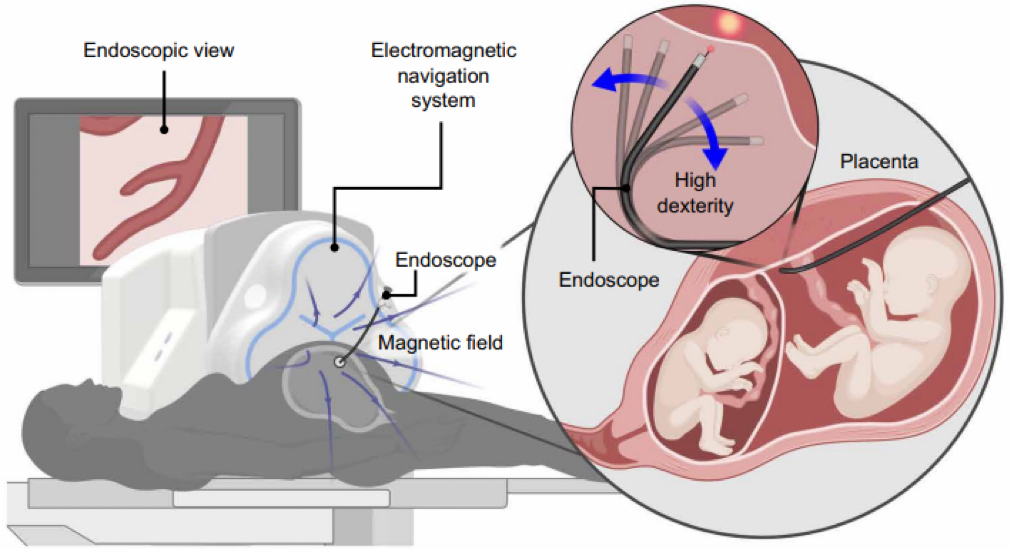
ETH Zurich Team Demonstrates Robotic System for Fetal Surgery in Sheep Using 3.2mm Endoscope
A research team from ETH Zurich has developed a magnetic-controlled flexible endoscope robot platform, successfully validating its navigation and ablation capabilities in a live sheep model for twin-to-twin transfusion syndrome (TTTS) laser surgery. This condition affects 10% to 15% of twin pregnancies sharing a placenta and is treated with fetal endoscopic laser coagulation (FLC). Current methods have a survival rate of about 70%, with significant risks of long-term neurological damage. The new 3.2mm robotic endoscope offers improved access and ablation angles compared to traditional rigid endoscopes, which struggle with visibility and precision. The flexible endoscope's design allows it to navigate through a 10-Fr cannula, crucial for better clinical outcomes. It can bend up to 173° under a 25 mT magnetic field, achieving a 91% coverage rate for optimal ablation angles, significantly outperforming existing tools. The team conducted in vivo experiments using a pregnant black goat, which closely resembles human placental and developmental characteristics. The robotic system demonstrated effective manual and automated navigation strategies, achieving high precision in targeting and image stitching. No further timeline was disclosed at the time of publication.
Robotic Surgery Medical Robotics Fetal Surgery Endoscopic Technology
Enhancing Precision Surgery in Large Cavities Through Robotic Flexible Endoscopy
A recent study published in Science Robotics highlights advancements in robotic flexible endoscopy aimed at improving minimally invasive precision surgery in large open cavities. This innovative approach could significantly enhance surgical outcomes by allowing for more precise interventions with reduced recovery times. The importance of this development lies in its potential to transform surgical practices, particularly in complex procedures where traditional methods may pose higher risks. By leveraging robotic technology, surgeons can achieve greater accuracy and control, ultimately leading to better patient safety and satisfaction. Looking ahead, it will be crucial to monitor the integration of these robotic systems into clinical settings and their impact on surgical training and patient outcomes. No further timeline was disclosed at the time of publication.
Research Article
Shelford Group Expands START Programme for Robotic Surgery Training in South East England
The Shelford Group has announced a significant expansion of its Surgical Training in Advanced Robotic Technology (START) programme. This initiative will extend accredited robotic surgery training to surgical trainees in the South East of England, starting from the 2026/27 academic year. Previously available in the North East, North West, and East of England, the START programme will now include regions such as Thames Valley, Wessex, and Kent, Surrey, and Sussex. This expansion aims to enhance the skills of surgical trainees in robotic surgery, which is becoming increasingly important in modern medical practices. As the demand for advanced surgical techniques grows, the expansion of the START programme is a crucial step in ensuring that more surgical trainees receive high-quality training. Stakeholders will be watching closely to see how this initiative impacts the quality of surgical care in the newly included regions. No further timeline was disclosed at the time of publication.

NCH Healthcare Achieves Milestones in Robotic Surgery in Florida
NCH Healthcare in Naples, Florida, has made significant advancements in robotic surgery, including the first single-port robotic abdominal wall reconstruction surgery in the Southeast U.S. Dr. Robert Grossman and his team utilized the da Vinci Single Port (SP) robotic platform to repair a recurrent incisional hernia through a single 1.5-inch incision, enhancing patient recovery and minimizing surgical trauma. This achievement underscores NCH's commitment to providing cutting-edge technology and high-quality care to the community. The outpatient surgical center, designed specifically for minimally invasive robotic surgeries, is equipped with the latest da Vinci systems and supports various specialties, including general surgery, urology, and vascular surgery. Looking ahead, NCH plans to expand its robotic surgery capabilities, aiming to increase the nearly 2,000 robotic surgeries performed annually. The new pelvic health program, led by specialized pelvic health physical therapists, further enhances NCH's offerings, addressing issues related to pelvic dysfunction and postpartum recovery. No further timeline was disclosed at the time of publication.
Robotic Surgery Minimally Invasive Surgery Healthcare Innovation Patient Care
Robotic Microsurgery Becomes Key Focus in Reconstructive Surgery Research Analysis
A recent analysis of 484 studies on robot-assisted surgery has revealed significant trends in publication, collaboration, and thematic shifts within the field of plastic surgery. This comprehensive review underscores the growing importance of robotic microsurgery in reconstructive procedures. The findings are crucial as they indicate a shift towards more advanced surgical techniques, enhancing precision and outcomes in reconstructive surgery. The analysis highlights how robotic systems are increasingly being integrated into surgical practices, reflecting a broader trend in the medical field towards automation and improved patient care. Looking ahead, stakeholders in the medical and surgical communities should monitor ongoing research and developments in robotic microsurgery. The increasing focus on this technology suggests potential advancements in surgical methodologies and patient outcomes. No further timeline was disclosed at the time of publication.
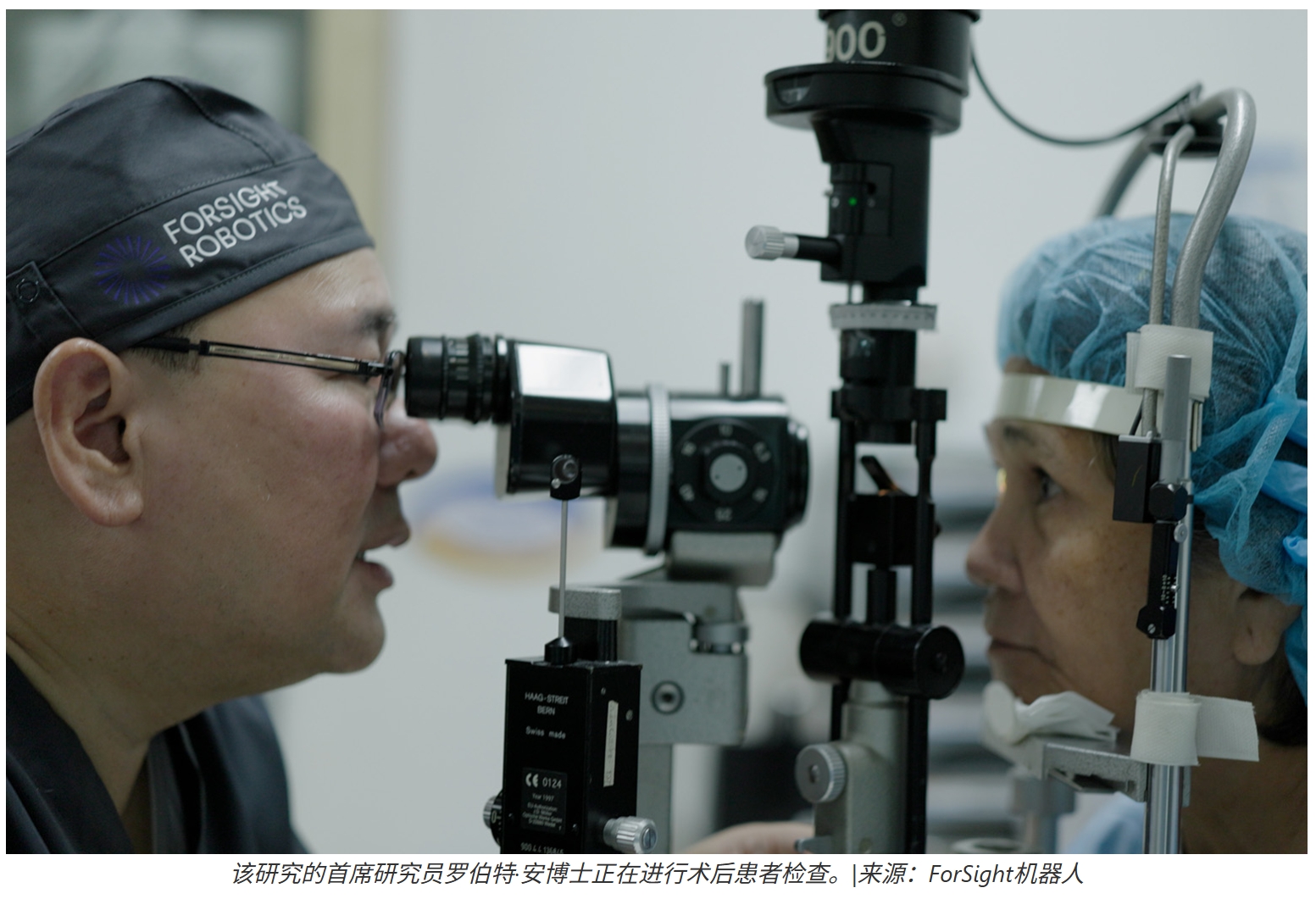
ForSight Robotics Completes First Fully Robotic Cataract Surgery with JASPER Platform
ForSight Robotics has successfully completed the world's first fully robotic cataract surgery using its JASPER platform, led by Dr. Alexey Rapoport in April 2026. This groundbreaking procedure was performed at the Asian Eye Institute in the Philippines, showcasing JASPER's ability to execute the entire surgery autonomously without general anesthesia, adhering to modern cataract surgery standards. The significance of this achievement lies in JASPER's unique design, which empowers surgeons rather than replacing them. By integrating AI algorithms, advanced computer vision, and miniature mechanical technology, JASPER provides enhanced imaging and precision control, allowing surgeons to perform with the accuracy of elite professionals. This innovation also addresses ergonomic concerns, as it enables surgeons to operate seated, potentially extending their careers and improving surgical outcomes. Looking ahead, ForSight Robotics aims to secure FDA approval for JASPER in the United States, with plans to bring this technology to market in the coming years. The company has raised $195 million since its founding in 2020, with significant investments from notable figures and organizations. No further timeline was disclosed at the time of publication.
Robotic Surgery Cataract Surgery AI in Healthcare Ophthalmology Medical Robotics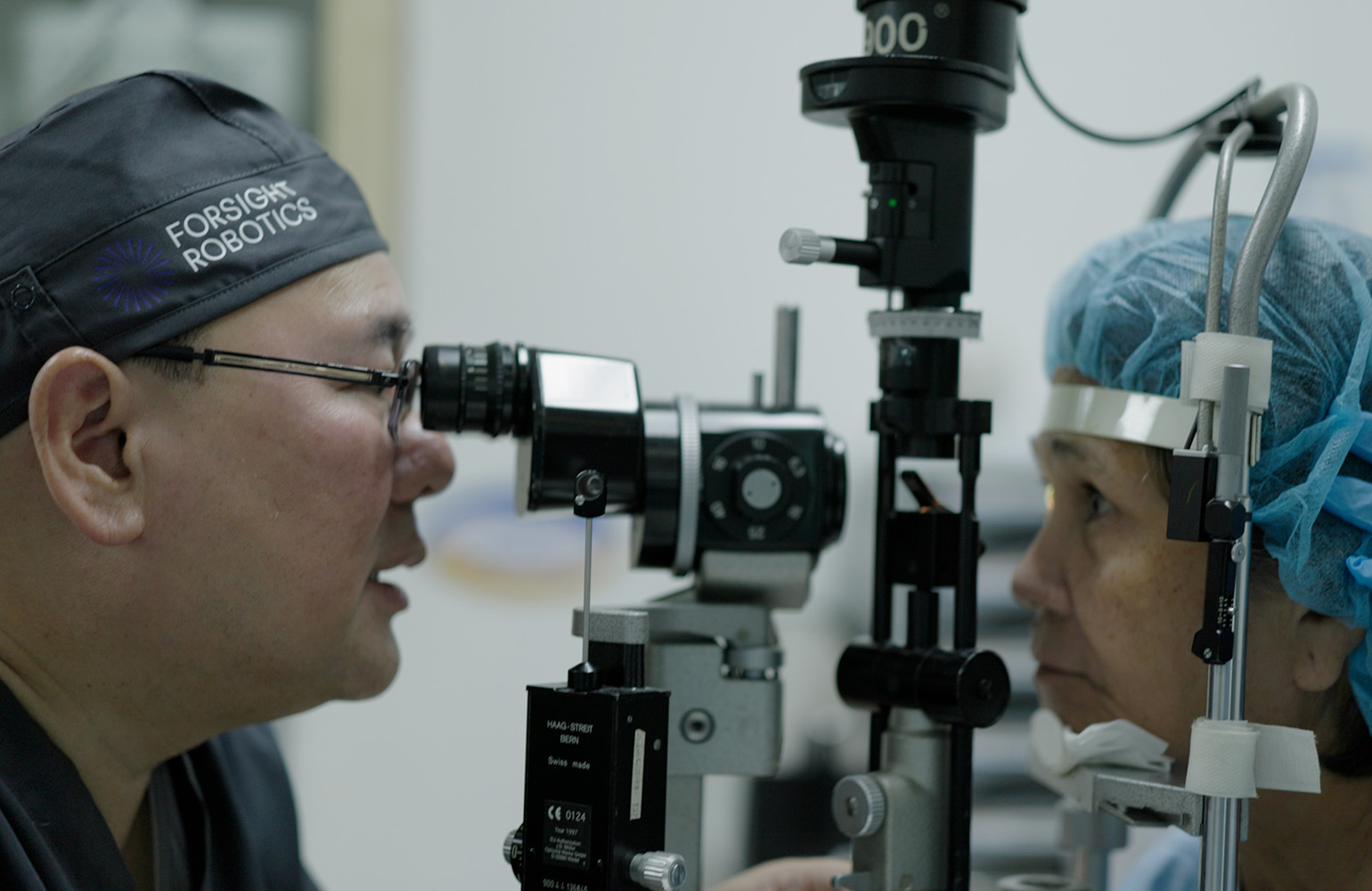
ForSight Robotics advances JASPER Platform for enhanced cataract surgery assistance
ForSight Robotics has developed the JASPER Platform, designed to assist surgeons during cataract surgeries. This platform maintains surgeon control while integrating robotic assistance, marking a significant step in surgical technology. The platform aims to improve precision and efficiency in procedures, although specific metrics on its performance have not been disclosed. The introduction of the JASPER Platform is significant as it represents a shift towards greater automation in ophthalmic surgeries. By providing robotic assistance, ForSight Robotics aims to enhance surgical outcomes and reduce the variability associated with manual techniques. This development could potentially lead to broader adoption of robotic systems in various surgical fields, as the demand for precision in medical procedures continues to grow. Looking ahead, ForSight Robotics is expected to further refine the JASPER Platform and explore its full robotic capabilities. No further timeline was disclosed at the time of publication, but industry watchers will be keen to see how this technology evolves and its impact on surgical practices in the near future.
Artificial Intelligence Artificial Intelligence / Cognition Design / Development Healthcare Robotics Markets / Industries News
China Achieves First AI-Guided Surgery for Congenital Heart Disease Using Intelligent Robotics
Recently, a medical team in China completed the world's first AI ultrasound robot-assisted interventional procedure for congenital heart disease. Conducted by the Cardiovascular Medicine Department of the Sixth Medical Center of the PLA General Hospital, this surgery marks a significant milestone in the clinical application of intelligent technology in healthcare. This breakthrough is crucial as it signifies the integration of artificial intelligence into one of the most critical aspects of surgical procedures: interpreting images, assessing positions, and aiding doctors in formulating operational plans. Traditionally, cardiovascular interventions heavily relied on physician experience, particularly in complex cases where accurate understanding of heart structure changes is essential. Looking ahead, the focus may shift from merely achieving higher precision with robotic arms to whether robots can comprehend medical images, analyze patient conditions, and adapt strategies in real-time. The integration of AI models, medical imaging, and robotic control systems will be vital for advancing surgical capabilities, especially in areas lacking experienced specialists.
AI in Healthcare Surgical Robotics Medical Imaging Cardiovascular Surgery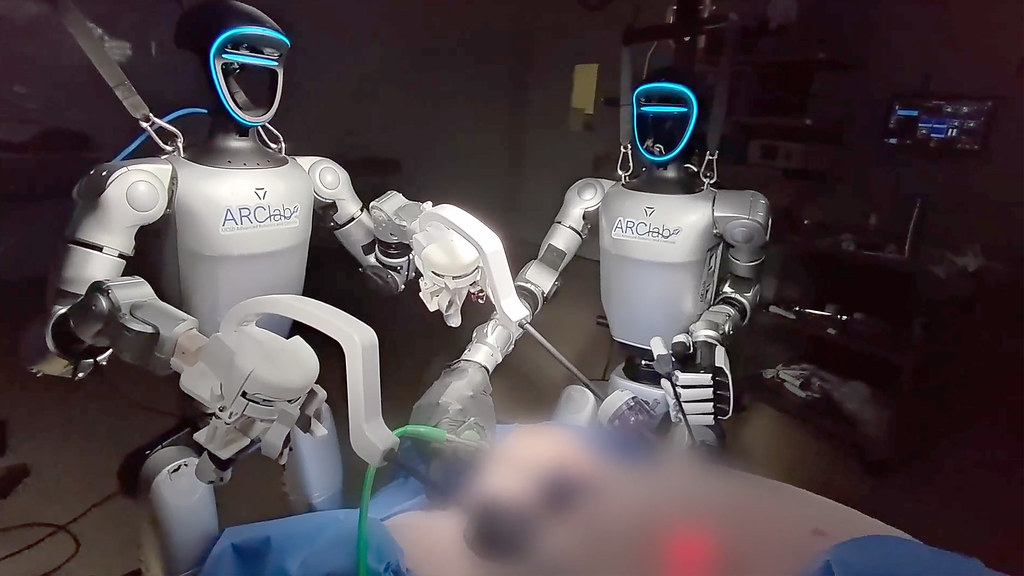
Yushu's Transformation: From Hardware to Intelligent Robotics with G1 Surgery
Yushu Technology has evolved from a hardware company into a model-driven enterprise, achieving significant milestones in robotics. On July 9, 2026, a surgeon at the University of California, San Diego, successfully performed the world's first live animal gallbladder removal using the Yushu G1 humanoid robot, showcasing its advanced capabilities. This operation, which involved a real pig and took under two hours, highlights the robot's precision and understanding of biological tissues. The transformation is underscored by Yushu's rapid registration on the Science and Technology Innovation Board, taking just 104 days, the fastest in its history. The G1 robot has previously demonstrated its ability to perform tasks like screwing, pouring, and sorting, but the surgical procedure required a higher level of precision and real-time feedback. Yushu defines its embodied intelligence model as a technology enabling robots to achieve high stability and complex motion control, akin to a robot's small brain. Investors are taking notice, with the embodied intelligence sector seeing a 4.2% increase from July 10 to 17, and Yushu-related stocks rising by an average of 7.8%. The company plans to allocate 2.022 billion for intelligent robot model research, part of a total fundraising of 42.02 billion. Future developments include the UnifoLM-WMA-0 model, which predicts actions and world states, marking a significant advancement in robotics technology.
Humanoid Robots Robotic Surgery AI Robotics Innovation
Intuitive Surgical Faces 34% Drop Amid Slower Growth Guidance Despite Strong Q2 Earnings
Intuitive Surgical (NASDAQ: ISRG) experienced a significant 34% decline in stock value following a slower growth forecast for da Vinci procedures. Despite this downturn, the company reported a Q2 EPS of $2.80, surpassing the consensus estimate of $2.50 for the fifth consecutive quarter. The stock currently trades at $373.71, approximately 28% below the average Wall Street price target of $477.25. The decline in stock price is attributed to a revised full-year 2026 growth projection for da Vinci procedures, now estimated at 13.5% to 15.5%, down from the previously expected 18%. Additionally, external factors such as tariffs affecting manufacturing and a Class II recall of 11,113 da Vinci SP drapes have contributed to the negative sentiment. Despite these challenges, analysts remain optimistic, citing the company's consistent performance and the potential for the upcoming da Vinci 5 upgrade cycle. Looking ahead, the bull case for Intuitive Surgical hinges on the anticipated success of the da Vinci 5 upgrade cycle, which could mirror the previous Xi cycle's trajectory. Analysts have rated ISRG with a mix of Strong Buy and Buy recommendations, indicating confidence in the company's long-term prospects. No further timeline was disclosed at the time of publication.

Robotics Revolutionizes Precision in Cataract Surgery with Advanced Technologies
Cataract surgery, long regarded as one of the most mastered surgical procedures, is entering a new phase with the introduction of robotics and high-precision lasers. Innovative platforms like the Polaris robot and solutions developed by Keranova assist surgeons with unmatched precision, enhancing the safety of the procedure. Robotic systems can achieve movements as precise as 5 microns, significantly improving surgical accuracy on delicate ocular structures. The integration of robotics in cataract surgery exemplifies the convergence of artificial intelligence, medical robotics, and high-precision imaging. While these technologies are still being deployed in many facilities, they herald a new generation of safer, more reproducible, and personalized ophthalmic surgery. With cataract surgery being the most performed surgical procedure globally, the demand for improved surgical productivity is critical, especially as the aging population increases the number of required interventions. As robotic platforms and next-generation lasers become more mature and accessible, they have the potential to transform the management of millions of cataract patients worldwide. The World Health Organization reports that cataracts affect over 94 million people, making advancements in surgical technology vital for addressing disparities in access to care, particularly in regions like sub-Saharan Africa.
À la une IA Industrie Robotique Santé automatisation médicale
Breakthrough in Surgical Robotics: First 5G-Enabled Remote Minimally Invasive Surgery
In June 2026, a significant medical technology milestone was achieved as a Chinese medical team, in collaboration with research institutions, successfully performed the world's first ultra-remote minimally invasive surgery using '5G + Embodied AI'. This operation demonstrated ultra-low latency control over thousands of kilometers, providing real-time feedback on tissue tension and vascular resistance to the remote surgeon. This advancement signifies a shift in surgical robotics from traditional remote manipulation tools to systems that incorporate physical AI autonomy and enhanced human-machine integration. The lead surgeon emphasized that the tactile feedback from the control console was crucial for performing the surgery, highlighting the importance of sensory perception in robotic-assisted procedures. Future developments will focus on overcoming the engineering challenges associated with achieving micro-level tactile feedback and stability in robotic systems. No further timeline was disclosed at the time of publication.
Surgical Robotics Embodied AI Minimally Invasive Surgery Tactile Feedback Medical Technology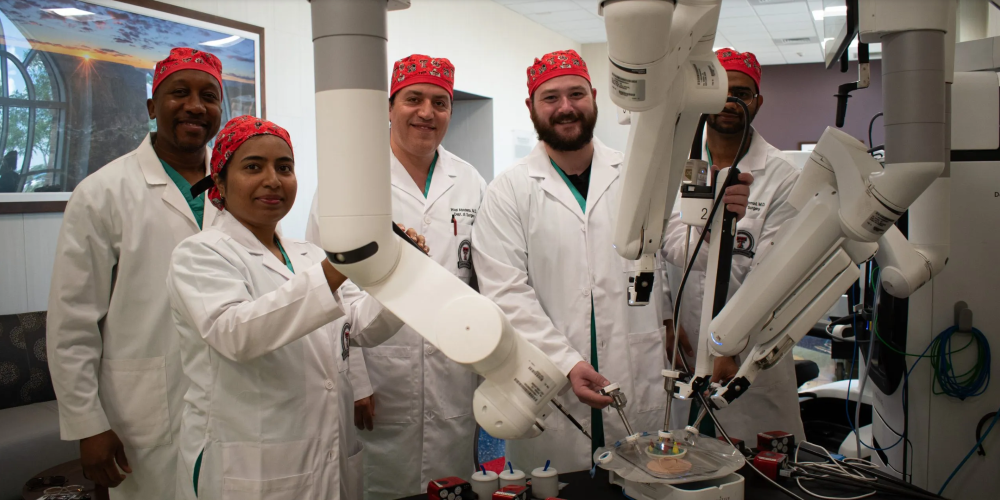
Texas Tech Surgeons Initiate Training with Advanced da Vinci Surgical System
In July, Texas Tech University Health Sciences Center (TTUHSC) welcomed its first cohort of general surgery residents, who began their training with the da Vinci Surgical System. This innovative approach aims to equip new surgeons with skills comparable to those at leading institutions like Mayo Clinic and hospitals in Dallas and Houston. The training program, led by Dr. Izzy Obokare, emphasizes a systematic learning process over five years, allowing residents to master robotic surgery techniques. The da Vinci Surgical System, approved by the FDA in 2024, features a tactile feedback system that enhances the surgical experience by reducing tissue trauma and promoting quicker recovery. TTUHSC's initiative aims to provide high-quality surgical care in the Texas Panhandle, minimizing the need for residents to travel to larger cities for advanced procedures. The program also includes an open experience event for healthcare providers to witness the capabilities of robotic surgery firsthand, showcasing the arrival of cutting-edge surgical technology in rural Texas.
Robotic Surgery Medical Technology Surgical Training Healthcare Innovation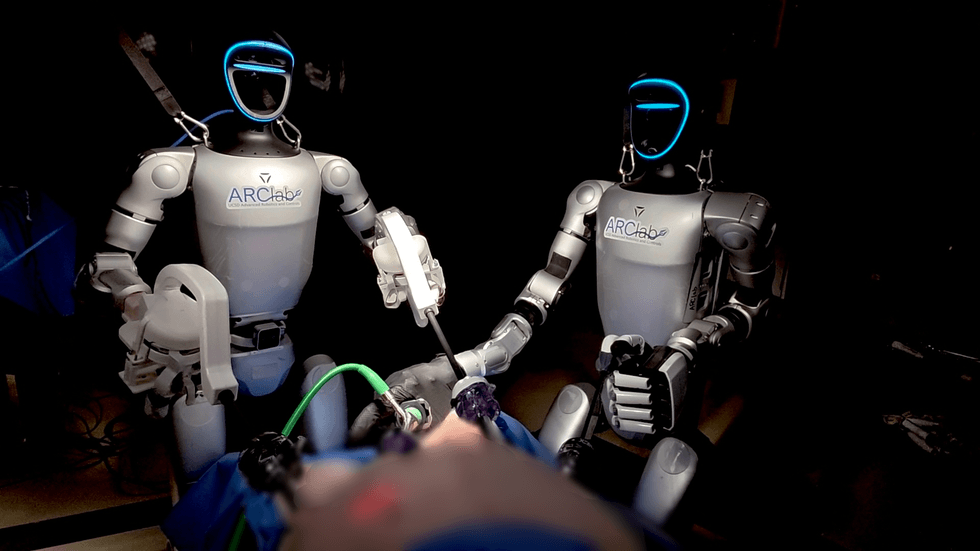
Weekly Robotics Videos Showcase Advances in Humanoid Surgery and Quadrupedal Locomotion
This week's Video Friday highlights significant advancements in robotics, including a systematic evaluation of humanoid technology for laparoscopic surgical tasks. Researchers developed a humanoid-based teleoperation framework and assessed its performance through various studies, revealing both potential and challenges for clinical deployment. The importance of these developments lies in their ability to enhance surgical precision and efficiency, which could transform medical practices. The study provides an evidence-based assessment of humanoid capabilities, emphasizing the need for further technical improvements before widespread clinical use. Looking ahead, the robotics community will continue to explore the integration of advanced technologies in surgical applications and other fields. Upcoming events, such as the Summer School on Multi-Robot Systems and Actuate 2026, will provide platforms for sharing insights and innovations in robotics.
Humanoid-robots Video-friday Quadruped-robots Robot-videos Robot-surgeon Boston-dynamics
Is Robotic Surgery Worth Traveling Abroad for? – Patient Guide
As patients face lengthy wait times and limited availability of specialized surgeons for robotic surgery, many are considering traveling abroad for their procedures. This trend has emerged as individuals seek more accessible options for advanced medical technology that may not be offered locally. The growing interest in international medical travel highlights the challenges within the healthcare system, prompting patients to explore alternatives that could expedite their treatment. By opting for overseas surgery, patients hope to receive timely care and benefit from cutting-edge techniques that may not be available in their home countries.
Health Technology automation news da Vinci surgical system healthcare innovation Healthcare Technology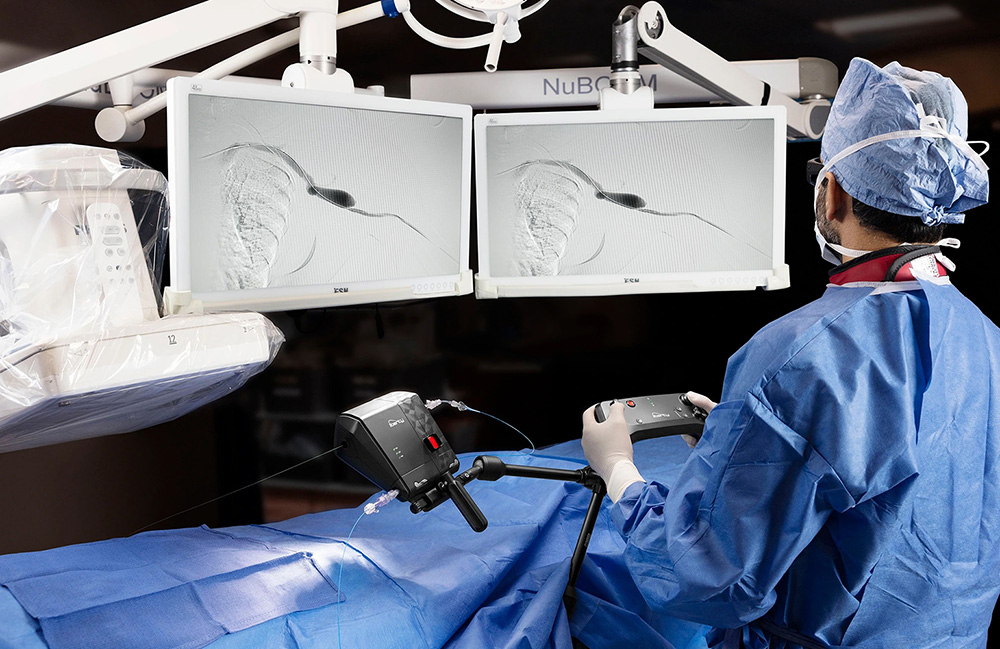
Microbot Medical to expand veteran access to robotic surgery with LIBERTY
Microbot Medical has announced a partnership with Lovell Government Services, which will serve as its service-disabled veteran-owned small business vendor. This collaboration aims to enhance access to robotic surgery for veterans through federal programs. The initiative underscores Microbot's commitment to expanding healthcare options for those who have served in the military. The partnership is set to facilitate the integration of innovative robotic surgical technologies into veteran healthcare services, thereby improving treatment outcomes and accessibility.
Healthcare Robotics Markets / Industries News Robots / Platforms Surgical / Interventional Systems government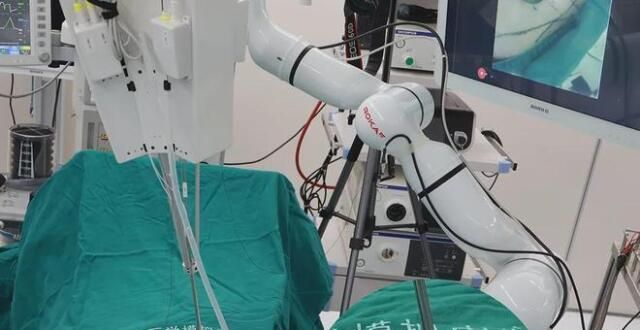
West China Hospital Develops MicroSpine: A 2mm Robotic Arm System for Minimally Invasive Spinal Surgery
Researchers at Sichuan University West China Hospital have developed a groundbreaking MicroSpine surgical robot, which utilizes three 2mm robotic arms housed within an 8mm sheath. This innovative technology has successfully demonstrated 100% accuracy in achieving posterior spinal target access during preclinical testing. The advancement aims to enhance precision in spinal surgeries, potentially improving patient outcomes and reducing recovery times. The development of this robotic system marks a significant step forward in minimally invasive surgical techniques, showcasing the hospital's commitment to advancing medical technology and improving surgical practices.
Technology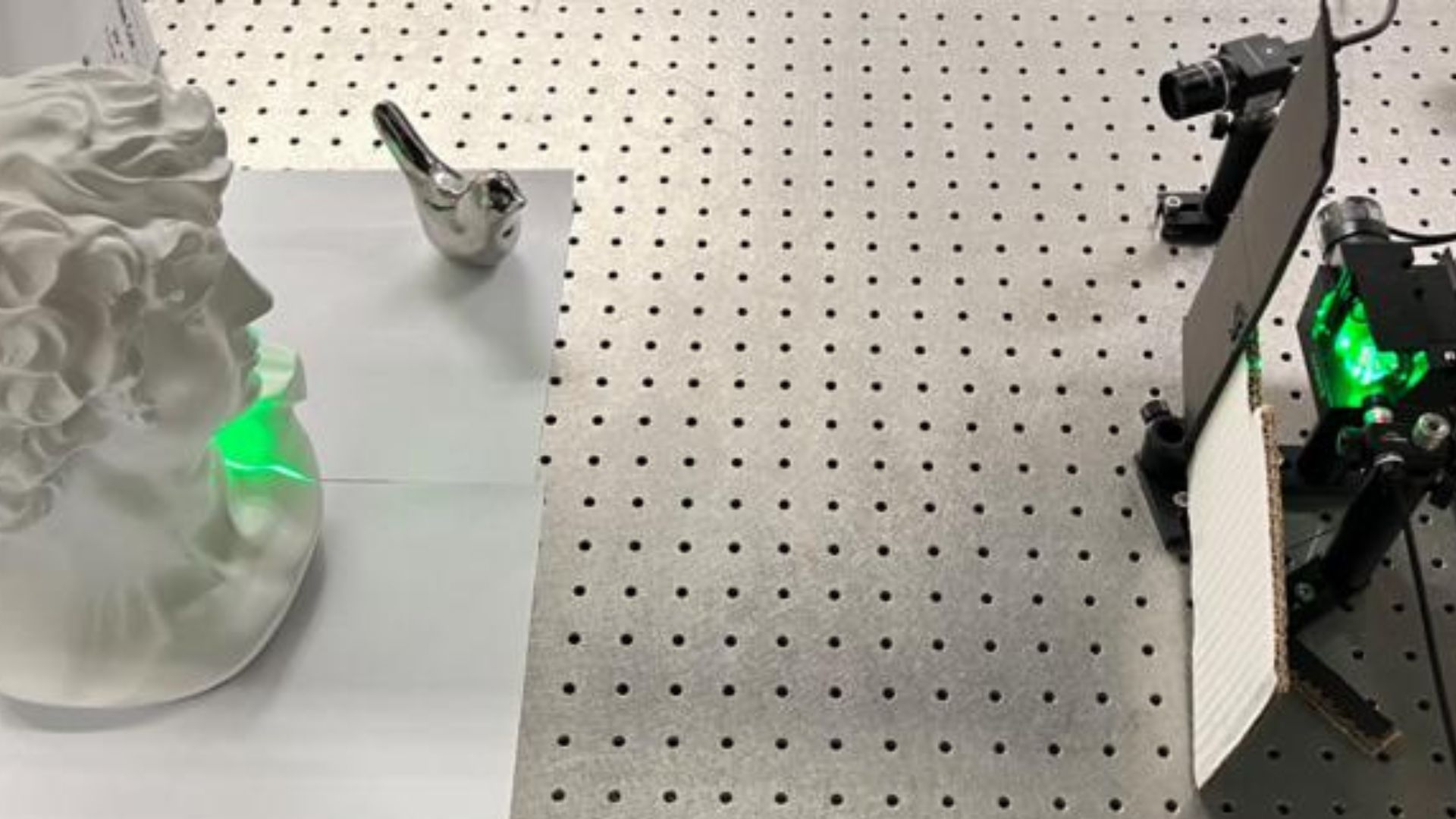
3D-sensing technology could improve self-driving cars and robotic surgery
Researchers at the University of Arizona have made significant strides in 3D-sensing technology, which could revolutionize how autonomous vehicles navigate complex urban environments. This breakthrough was announced recently, showcasing the potential to enhance safety and efficiency in city driving. The team developed an advanced system that utilizes sophisticated algorithms and sensors to interpret real-time data from the surrounding environment, enabling vehicles to better understand and respond to dynamic conditions on busy streets. By improving the accuracy of spatial awareness, this technology aims to reduce accidents and improve traffic flow, addressing the growing challenges of urban mobility. The research highlights the university's commitment to innovation in transportation technology, with implications that could extend beyond self-driving cars to various applications in robotics and smart city infrastructure.
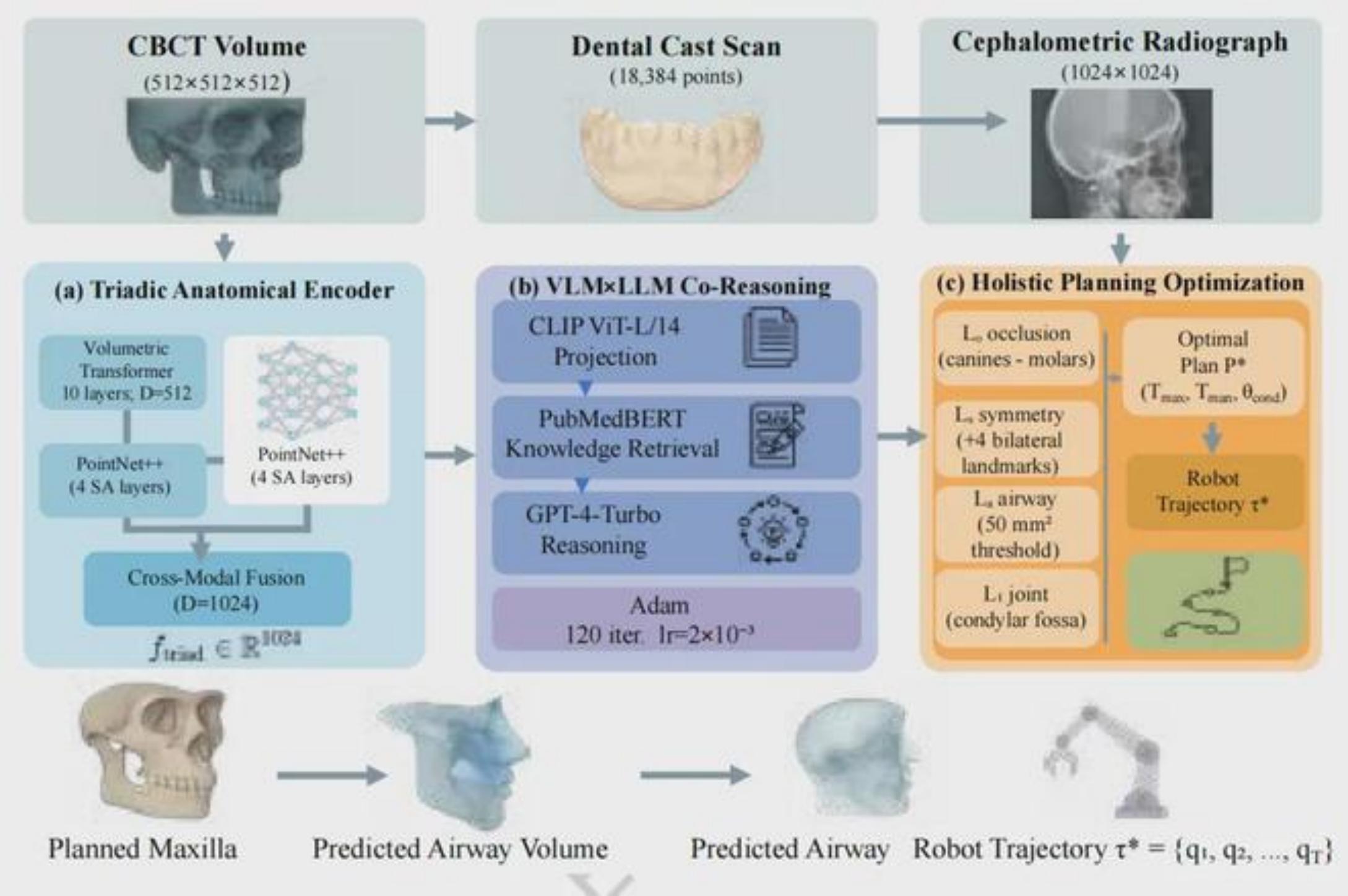
AI and Robotics Revolutionize Emergency Treatment for Maxillofacial Trauma, Reducing Surgery Time by 31% and Complications by 42.3% in Just 4 Minutes of Planning
A groundbreaking advancement in surgical technology has emerged with the introduction of the HoloTrauma 3X system, which integrates sophisticated visual and language models with robotic surgery. This innovative system is designed to streamline the planning process for complex maxillofacial trauma surgeries, cutting the average preparation time from 47 minutes to less than 4 minutes. The development, which aims to enhance patient outcomes and minimize complications, represents a significant leap forward in surgical efficiency. By leveraging cutting-edge technology, the HoloTrauma 3X system not only accelerates the surgical workflow but also holds the potential to improve the overall quality of care for patients undergoing these intricate procedures.
Robotic Surgery Emergency Medicine AI in Healthcare Maxillofacial Trauma Surgical Planning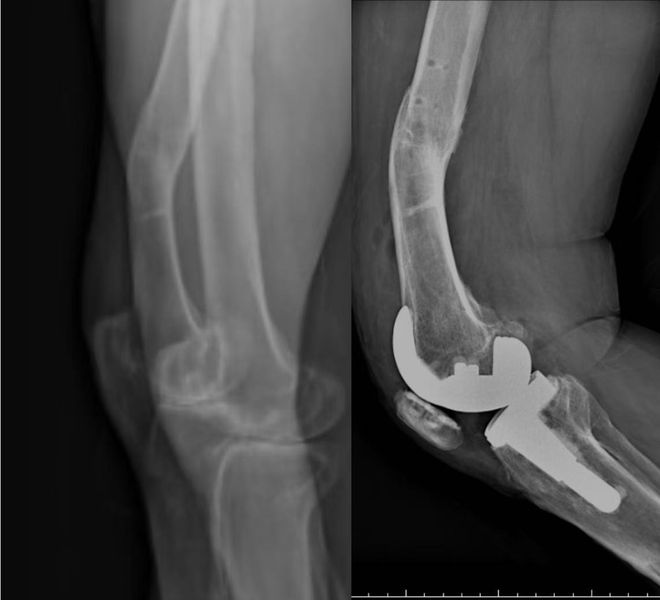
Robotic Assistance for Knee Replacement Surgery at PLA General Hospital
A team at PLA General Hospital, directed by Zhang Zhuo, has successfully completed a total knee replacement surgery on a 62-year-old patient suffering from complex joint deformities and old fractures. The procedure, which took place recently, utilized the advanced Kobot® orthopedic surgical robot, marking a significant advancement in surgical technology. This innovative approach not only restored proper limb alignment but also led to a notable improvement in the patient's knee function, enhancing their overall quality of life. The successful operation underscores the hospital's commitment to integrating cutting-edge technology in orthopedic care.
Orthopedic Robotics Knee Replacement Surgical Technology Medical Robotics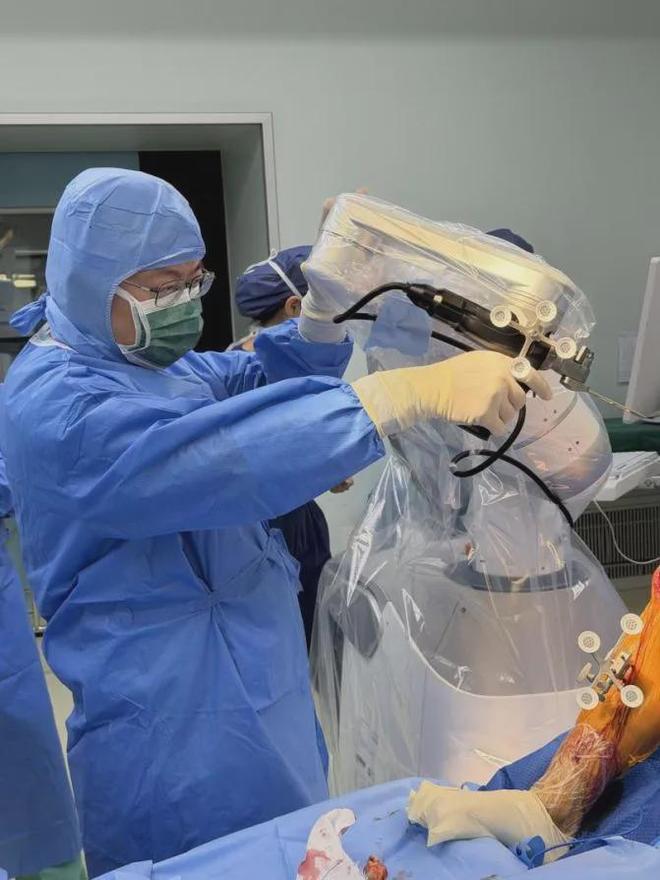
First HX Robotic Arm-Assisted Joint Replacement Surgery at PLA General Hospital's Fourth Medical Center
The orthopedic team at PLA General Hospital's Fourth Medical Center has achieved a significant milestone by successfully conducting its first total knee replacement surgery using the HX robotic arm. The procedure was performed on a 61-year-old female patient, marking a notable advancement in the application of domestic orthopedic surgical robots in clinical practice. This innovative technology aims to enhance surgical precision and promote quicker recovery times for patients undergoing knee replacement procedures.
Orthopedic Robotics Surgical Innovation Medical Technology Robotic SurgeryRobotics needs a service framework.
RSF defines a common language for robot service capability, lifecycle operations, certification pathways, and service-provider networks.
Join the RobotToday community on LinkedIn
Daily robotics news, in-depth analysis, conference highlights, and discussions with professionals worldwide.







