Industry Briefing
A single destination for timely, editor-curated robotics news from around the world.
ARX Robotics, Supacat collaborate on robotic mobility for land forces
ARX Robotics and Supacat have entered into a memorandum of understanding to collaborate on the development of robotic and autonomous systems aimed at enhancing the capabilities of land forces in the United Kingdom. This partnership, announced recently, seeks to leverage the expertise of both companies to innovate and improve military operations through advanced technology. The collaboration is expected to address the growing demand for modernized defense solutions, reflecting the UK's commitment to maintaining a competitive edge in military capabilities. By combining their resources and knowledge, ARX Robotics and Supacat aim to deliver cutting-edge systems that will support the operational needs of the UK armed forces.
News
1X Reveals the RL Core That Gives Its NEO Humanoid Fluid, Whole-Body Mobility
Robotics firm 1X has revealed the advanced reinforcement learning system that drives the movement of its NEO humanoid, following the introduction of its Redwood AI brain. This innovative unified controller allows the robot to perform a variety of human-like actions, including walking, running, and climbing stairs, utilizing only stereo vision for navigation. The announcement highlights 1X's commitment to enhancing robotic mobility and intelligence, showcasing the potential for humanoid robots to interact more naturally within human environments.
reinforcement-learning 1X-technologies Redwood humanoid-robots locomotion robotics-ai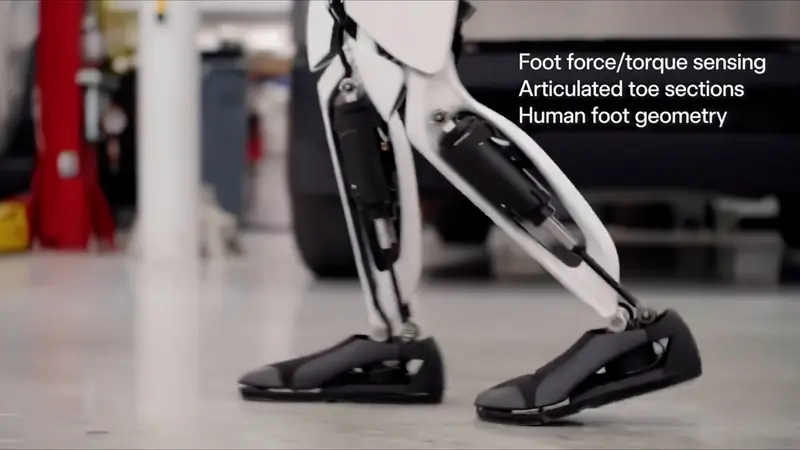
Stepping Forward: The Debate Over Active vs. Passive Toes in Humanoid Robotics
Recent videos showcasing Tesla's Optimus robot have ignited conversations about the design of robotic feet, particularly the significance of articulated and actuated toes in improving the agility and efficiency of humanoid robots. This development has prompted a closer examination of varying design philosophies within the robotics industry. As companies explore innovative solutions to enhance robotic mobility, the debate highlights the importance of foot design in achieving greater functionality and performance in humanoid robots. The discussions are part of a broader trend in robotics, where advancements in technology are continually pushing the boundaries of what robots can achieve.
Optimus Tesla Figure Boston Dynamics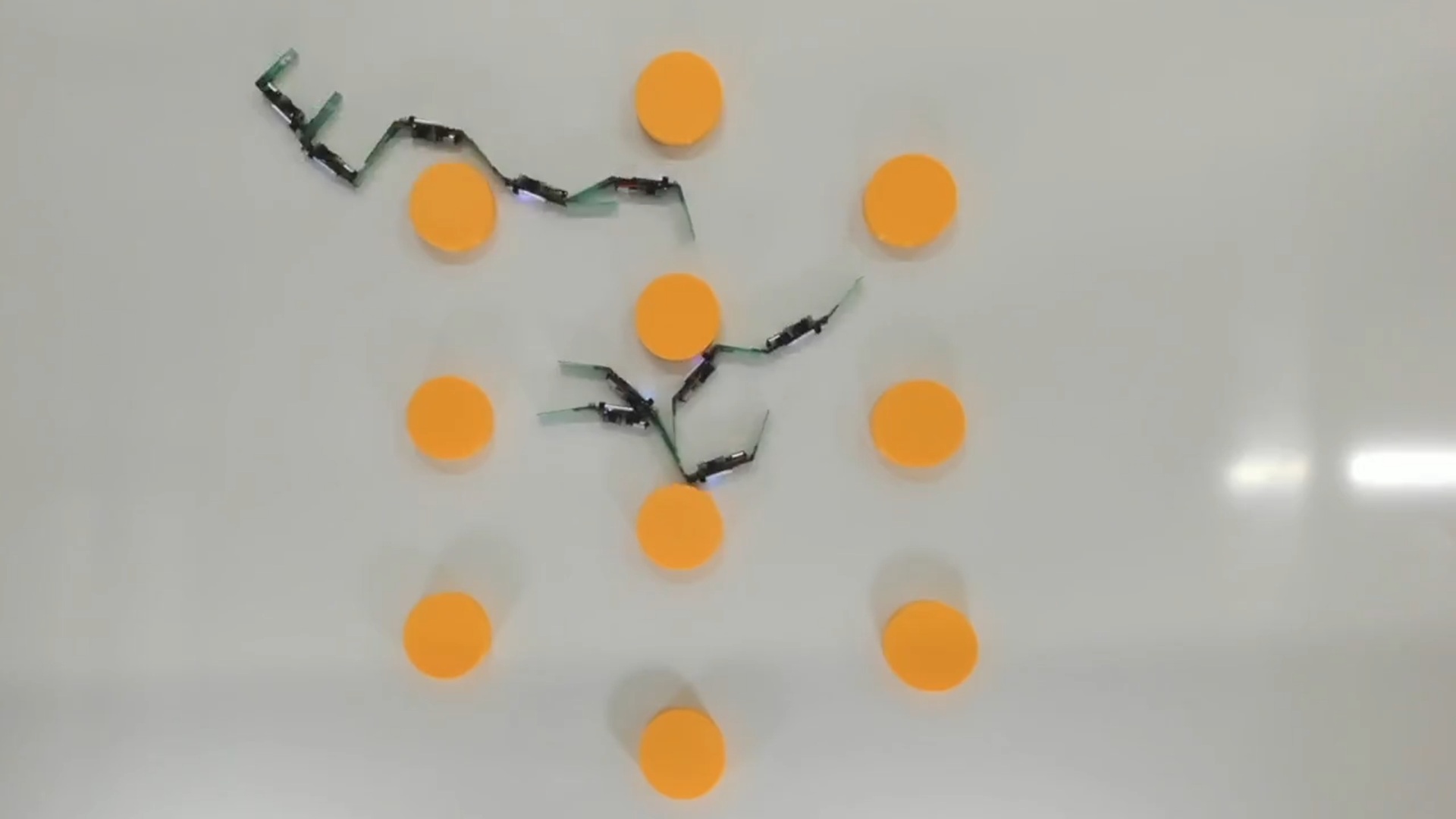
‘Like a flowing material’: Robot swarm uses physics, not commands to self-organize
Engineers at Cornell University have unveiled an innovative robotic system that mimics the behavior of flowing liquids. This groundbreaking development, announced in October 2023, aims to enhance the versatility and adaptability of robots in various applications. By incorporating principles of fluid dynamics, the team has created a robot capable of navigating complex environments with unprecedented ease. The motivation behind this project stems from the desire to improve robotic mobility and functionality, particularly in scenarios where traditional rigid robots struggle. The researchers utilized advanced algorithms and soft materials to enable the robot to change shape and move fluidly, allowing it to overcome obstacles and traverse challenging terrains. This new robotic system has the potential to revolutionize fields such as search and rescue, environmental monitoring, and even medical applications, where flexibility and adaptability are crucial. The team's findings highlight the importance of interdisciplinary approaches in robotics, merging concepts from engineering, biology, and physics to create more efficient and capable machines.
Chinese Team Achieves Breakthrough! HUSKY Framework Turns Humanoid Robots into Skateboarding Experts!
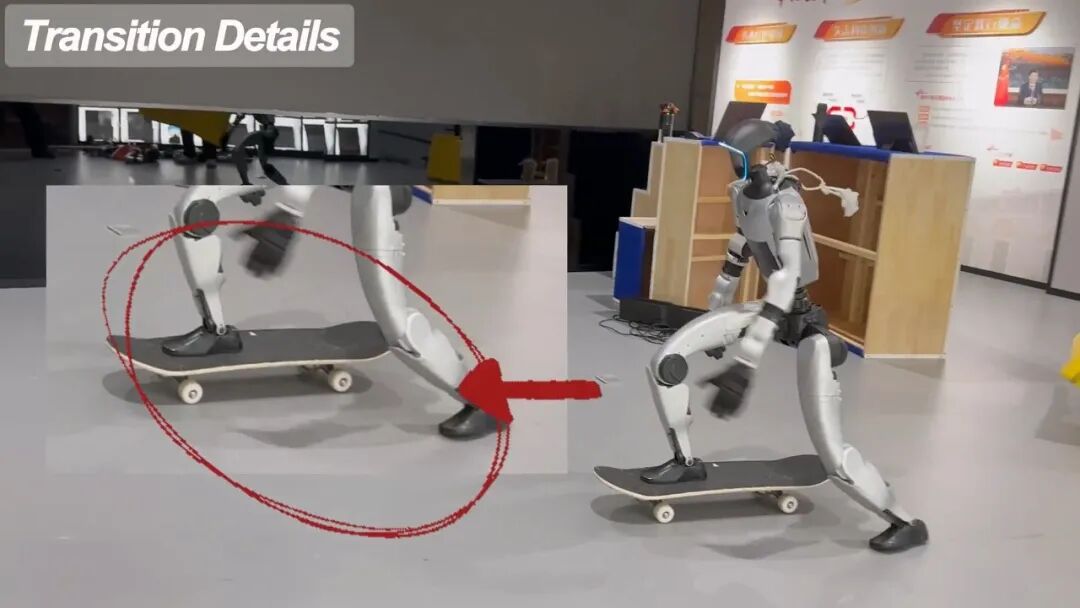
A research team from China has successfully created the HUSKY framework, which empowers humanoid robots to learn and perform skateboarding skills, such as propulsion and steering. This groundbreaking development, unveiled recently, demonstrates the robots' ability to maintain balance and stability across different terrains. The HUSKY framework employs advanced dynamic control techniques, marking a significant advancement in robotic mobility and agility. This innovation not only highlights the potential for humanoid robots in recreational activities but also paves the way for future applications in various fields requiring enhanced movement and coordination.
Humanoid Robots Robotics Control AI Skateboarding Technology
Biomedical jellyfish-inspired robot hits record swim speeds without onboard power
Researchers have developed a groundbreaking jellyfish-inspired soft robot capable of navigating through water at unprecedented speeds. This innovative technology, unveiled in a recent study, showcases the potential for advanced underwater exploration and environmental monitoring. The robot mimics the unique propulsion mechanism of jellyfish, allowing it to move efficiently and swiftly. The development took place in a laboratory setting, where scientists aimed to enhance robotic mobility in aquatic environments. By studying the biomechanics of jellyfish, the team was able to replicate their movement patterns, resulting in a soft robot that not only moves faster than existing models but also carries out tasks such as data collection and monitoring marine ecosystems. This advancement comes at a crucial time as researchers seek sustainable solutions for underwater exploration, driven by the need to better understand and protect marine life. The soft robot's design allows for flexibility and adaptability, making it suitable for various applications, from scientific research to environmental conservation efforts. As the technology progresses, the team envisions further enhancements that could lead to even greater speeds and capabilities, paving the way for a new era of robotic exploration in our oceans.

This robot sees danger, decides its route and powers over obstacles while carrying loads
A research team at KAIST has made significant advancements in quadrupedal robot technology, enabling these robots to navigate varied terrains without relying solely on visual input. This innovative system allows the robots to assess their surroundings using cameras and LiDAR sensors, enabling them to make autonomous decisions while walking, akin to how animals adapt their movements based on visual terrain analysis. The team anticipates that this technology will be applicable to a range of robotic platforms, including wheeled-legged robots and humanoid robots, potentially broadening the scope of robotic mobility and functionality.
Robotics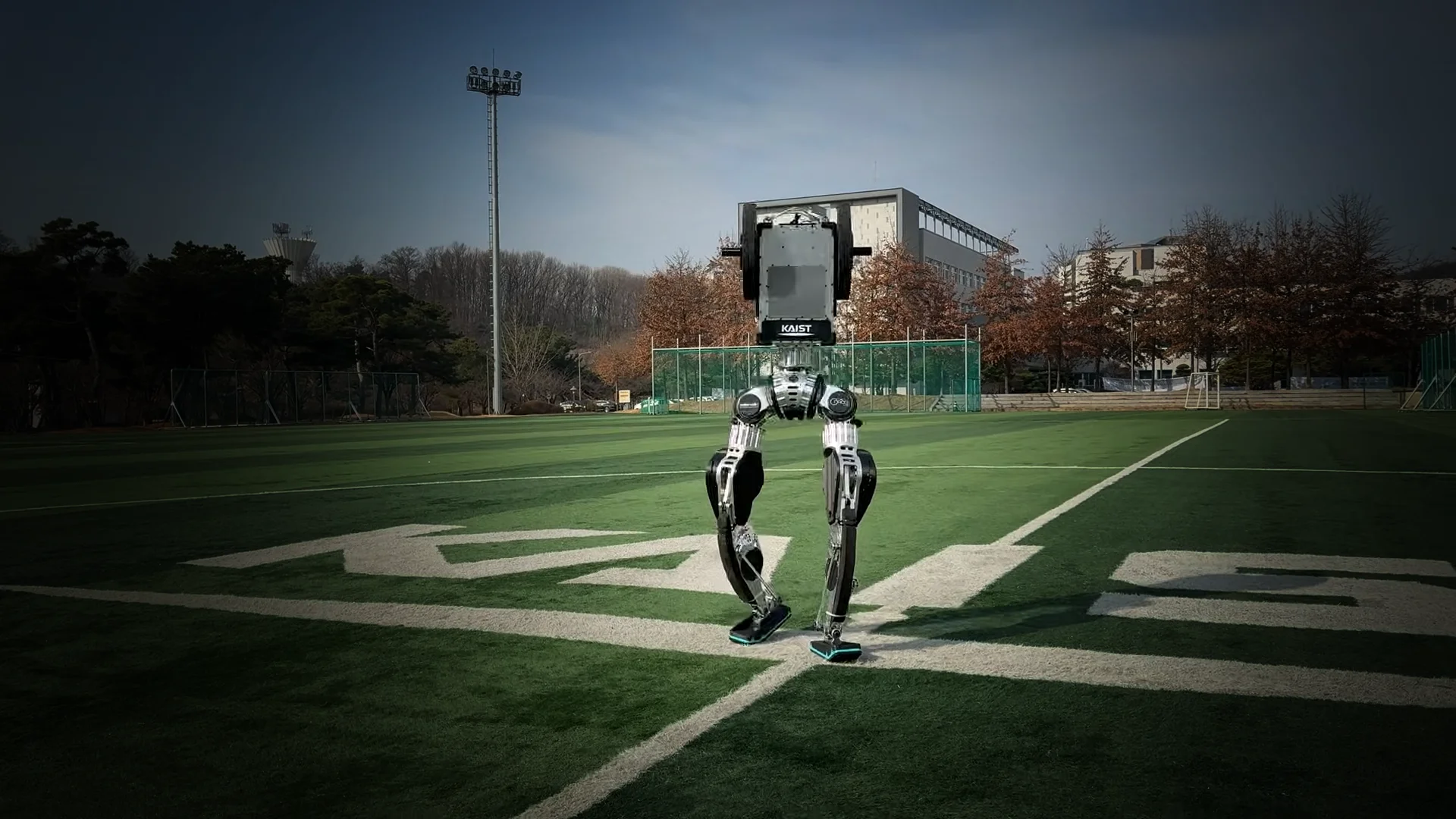
KAIST Humanoid v0.7: High-Speed Locomotion and the "Moonwalk" of Technical Independence
KAIST’s DRCD Lab has introduced an advanced bipedal robot platform that can run at speeds of up to 12 km/h while exhibiting human-like agility. This innovative technology, revealed recently, utilizes proprietary 3K planetary gearboxes combined with hybrid reinforcement learning techniques. The development aims to enhance robotic mobility and adaptability, potentially paving the way for more sophisticated applications in various fields, including robotics research and human-robot interaction. The lab's efforts reflect a growing trend in robotics to create machines that can navigate environments with the same fluidity and responsiveness as humans.
South Korea k-humanoid-alliance KAIST
Beijing hosts world’s first half-marathon for humanoid robots, Tiangong Ultra wins in two hours 40 minutes
On Saturday, Beijing hosted the inaugural half-marathon exclusively for humanoid robots, marking a significant intersection of technology and athletics. The event featured 20 teams from various Chinese universities, enterprises, and research institutions, showcasing their robotic innovations. Alongside the robots, approximately 12,000 human runners participated, creating a unique atmosphere of competition and collaboration. The Tiangong Robot Ultra, one of the standout competitors, maintained a steady pace of seven to eight kilometers per hour, demonstrating the advancements in robotic mobility and endurance. This pioneering event not only highlighted the capabilities of humanoid robots but also aimed to inspire further research and development in robotics and artificial intelligence. The successful execution of the race reflects the growing interest in integrating technology into sports, paving the way for future competitions that blend human and robotic participation.
Heavy Hitters Content and entertainment E-commerce and New Retail Highlight News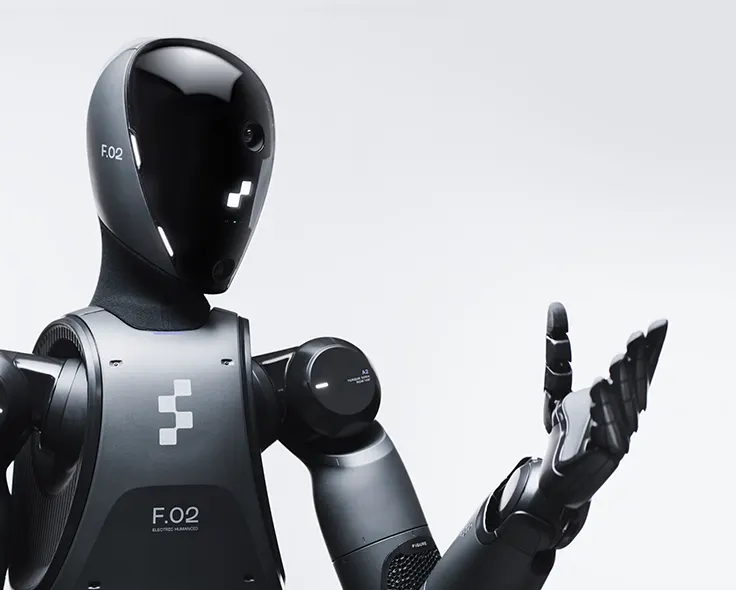
Figure Is Introducing Learned Natural Walking
The field of humanoid robotics is experiencing significant transformation due to advancements in reinforcement learning (RL). Figure, a leading robotics company, has unveiled an innovative end-to-end neural network that enhances humanoid locomotion, enabling their Figure 02 robot to walk with human-like precision. This breakthrough not only represents a major leap forward in robotic mobility but also prompts critical discussions regarding the scalability and reliability of such technologies in practical applications. As the industry evolves, the implications of these advancements will be closely monitored by experts and stakeholders alike.
Figure RL
EngineAI unveils world’s first humanoid robot able to complete front flip
EngineAI, a robotics company based in Shenzhen, has achieved a significant breakthrough in robotic mobility by successfully demonstrating the world’s first robot front flip. The milestone was showcased in a short video released yesterday, highlighting the engineering team's meticulous calculations that ensured the robot's stability throughout the maneuver and its ability to maintain balance upon landing. Founded in October 2023, EngineAI aims to push the boundaries of robotics technology, and this accomplishment marks a pivotal moment in their mission to enhance robotic agility and performance.
News Feed
BeingBeyond Unveils Being-M0.7: A Revolutionary Humanoid Robot for Mobility and Dexterity
On July 15, BeingBeyond officially launched the Being-M0.7, the world's first full-body mobile operation implicit world action model (Latent WAM). This model enables robots not only to 'see' the world but also to 'understand' how it operates, facilitating full-body movements and dexterous actions. It connects visual perception with physical interaction, allowing robots to exhibit human-like coordination. The significance of Being-M0.7 lies in its ability to learn from over 10,000 hours of human first-person video pre-training, enabling it to predict physical changes based on implicit visual and motion information. Before executing commands, the model learns three core capabilities: visual context understanding, future state prediction, and implicit representation of humanoid kinematics. This foundational understanding precedes its ability to control movements. Looking ahead, BeingBeyond's advancements in implicit world action models are noteworthy. The Being-M0.7 expands the capabilities of previous models, transitioning from desktop dexterous tasks to full-body mobile operations. Future demonstrations will likely showcase the robot's understanding of physical interactions and its ability to perform complex tasks autonomously, marking a significant step in humanoid robotics development.
Humanoid Robots Robotic Mobility AI Machine Learning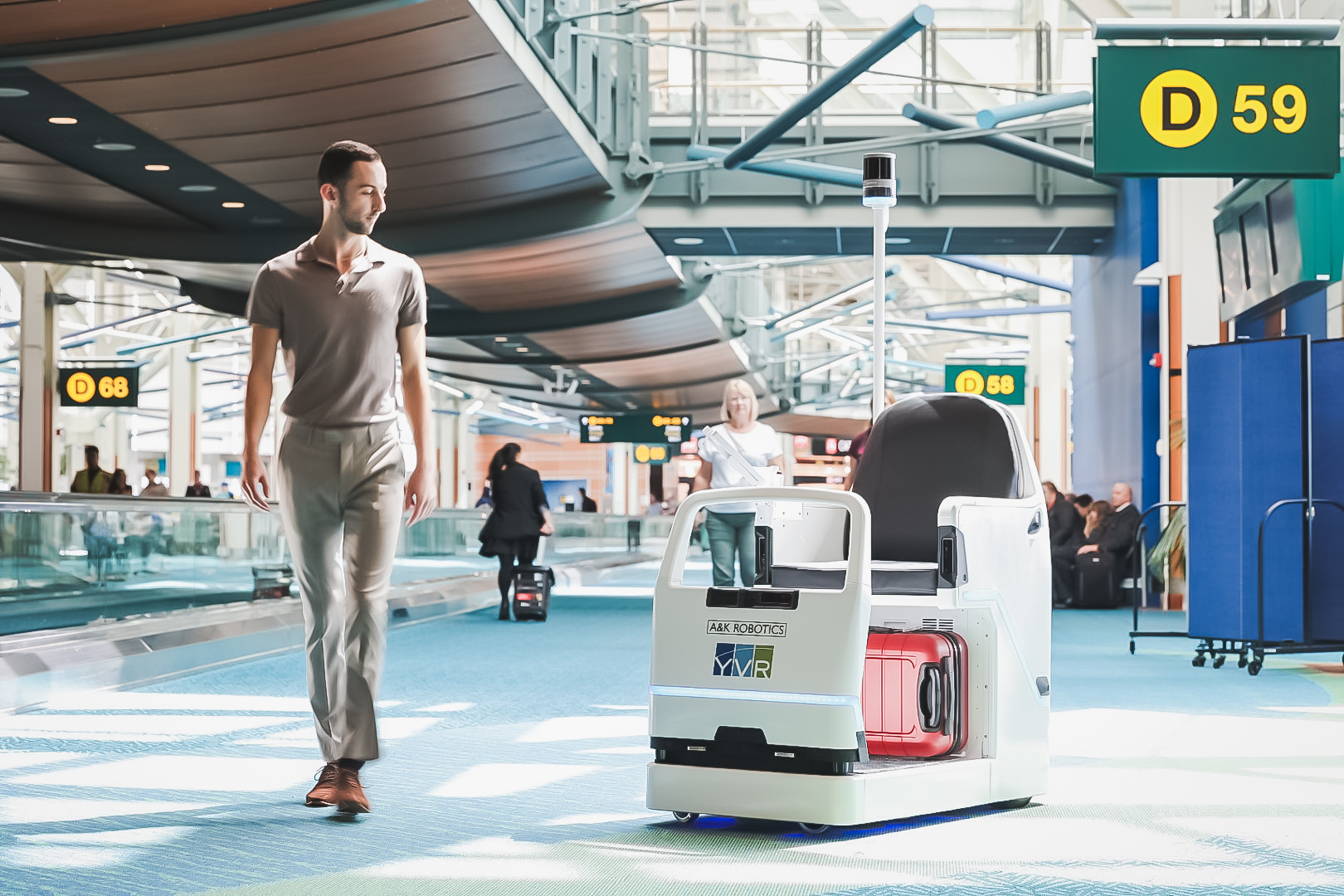
Cruz’ing through the terminal: A&K Robotics lands $8M for autonomous mobility
A&K Robotics has secured $8 million in funding to enhance its production and research and development capabilities, with the investment primarily coming from the Business Development Bank of Canada's Industrial Innovation Venture Fund and Vantage Futures. This financial boost aims to support the company's growth in the autonomous mobility sector. The announcement of the funding comes as A&K Robotics seeks to expand its operations and innovate within the rapidly evolving technology landscape.
Autonomous Mobile Robots (AMRs) Logistics Mobility / Navigation News A&K Robotics
A&K Robotics Raises $8 Million to Build Autonomous Mobility Infrastructure for Airports
A&K Robotics has secured an $8 million CAD Series A investment to develop autonomous mobility infrastructure for airports, addressing the growing challenges faced by passengers with mobility limitations. The funding round, announced on April 21, 2026, was led by the Business Development Bank of Canada’s Industrial Innovation Venture Fund and Vantage Futures, alongside other investors. With approximately 17% of the global population experiencing mobility challenges and a 10-15% annual increase in requests for airport assistance, A&K Robotics aims to enhance passenger experience through its self-driving mobility robot, Cruz. Designed to navigate complex indoor environments like airport terminals, Cruz autonomously transports passengers to their destinations while safely maneuvering around pedestrians. The company is already collaborating with major airport operators, including Vancouver International Airport and Madrid-Barajas Airport, to integrate this technology into daily operations. A&K Robotics’ CEO, Matthew Anderson, emphasized the importance of improving airport navigation, stating, "Air travel is chaotic enough — getting to your gate shouldn't be part of the problem." The investment will support A&K's expansion into large-scale deployments, helping airports enhance operational efficiency and passenger accessibility while paving the way for the future of autonomous mobility in complex indoor environments.

Path Robotics Launches Rove, Bringing Mobility to Welding Automation Powered by Physical AI
Path Robotics has unveiled Rove™, a mobile robotic welding system that integrates its advanced Obsidian™ physical AI model with a quadruped robot, marking a significant advancement in welding automation. Announced on April 16, 2026, this innovative system allows for intelligent welding directly at the workpiece, rather than requiring the part to be moved to a fixed welding cell. This development comes at a crucial time as industries face skilled welder shortages and the challenges of large-scale fabrication environments, such as shipbuilding and heavy construction. Rove is designed to operate effectively in high-variability settings, overcoming the traditional limitations of legged robots in precision welding. Early adopter Saronic Technologies, a leader in autonomous maritime vessels, is set to evaluate Rove's capabilities in its shipbuilding operations in Franklin, Louisiana. John Morgan, Head of Manufacturing at Saronic, emphasized the importance of adaptable tooling in modernizing shipyard operations. The Rove system will be showcased at the Sea-Air-Space 2026 maritime expo in National Harbor, Maryland, from April 19 to 22, where attendees can witness its capabilities firsthand. Path Robotics aims to revolutionize manufacturing processes by combining artificial intelligence, machine learning, and computer vision to enhance production quality and efficiency. For more information, interested companies can visit Path Robotics' website.

Polestar Automotive Holding UK PLC (PSNY) Presents at Global Autos, Mobility & Robotics Conference 2026 - Slideshow
Polestar Automotive Holding UK PLC has released a new slide deck in conjunction with its recent event, showcasing the company's ongoing developments and strategies. This initiative is part of a broader effort by Seeking Alpha's transcripts team, which is responsible for producing and publishing thousands of quarterly earnings call transcripts each quarter. The team aims to enhance its coverage and provide valuable insights to readers interested in transcript-related content. This release highlights Polestar's commitment to transparency and communication with its stakeholders as it navigates the evolving automotive market.
PSNY PSNYW PLSAY SA Transcripts
TechCrunch Mobility: The AI skills arms race is coming for automotive
TechCrunch Mobility has resumed its coverage, providing a comprehensive source for the latest news and insights related to the evolving landscape of transportation. This platform aims to keep readers informed about innovations, trends, and developments that are shaping the future of mobility. With a focus on emerging technologies and industry shifts, TechCrunch Mobility offers timely updates and expert analysis to help stakeholders navigate the rapidly changing transportation sector. The return of this resource comes as the industry faces significant transformations driven by advancements in technology and changing consumer demands.
Transportation AI General Motors Rivian RJ Scaringe Rapido
Advancements in Humanoid Robotics Driven by Power Management Solutions
The latest episode of Designing the Future highlights the significant progress in humanoid robotics, driven by advancements in speed, mobility, and dexterity. As these technologies evolve, the role of power management becomes increasingly critical, particularly in the context of battery and fuel cell usage. Engineers face challenges in converting energy from onboard sources to effectively power mechatronics and logic systems. This focus on power management is essential for the realization of humanoid robots that can perform a wide range of tasks, fulfilling the long-held promise of general-purpose machines. The conversation between Jim Anderton and John Quinlan from Murata Power Solutions underscores the importance of efficient power solutions in enhancing robotic performance. As the industry continues to innovate, the interplay between power systems and robotic capabilities will shape future developments. Looking ahead, the demand for compact and efficient power products will likely grow as humanoid robots become more prevalent in various sectors, including industrial and medical markets. No further timeline was disclosed at the time of publication.
Humanoids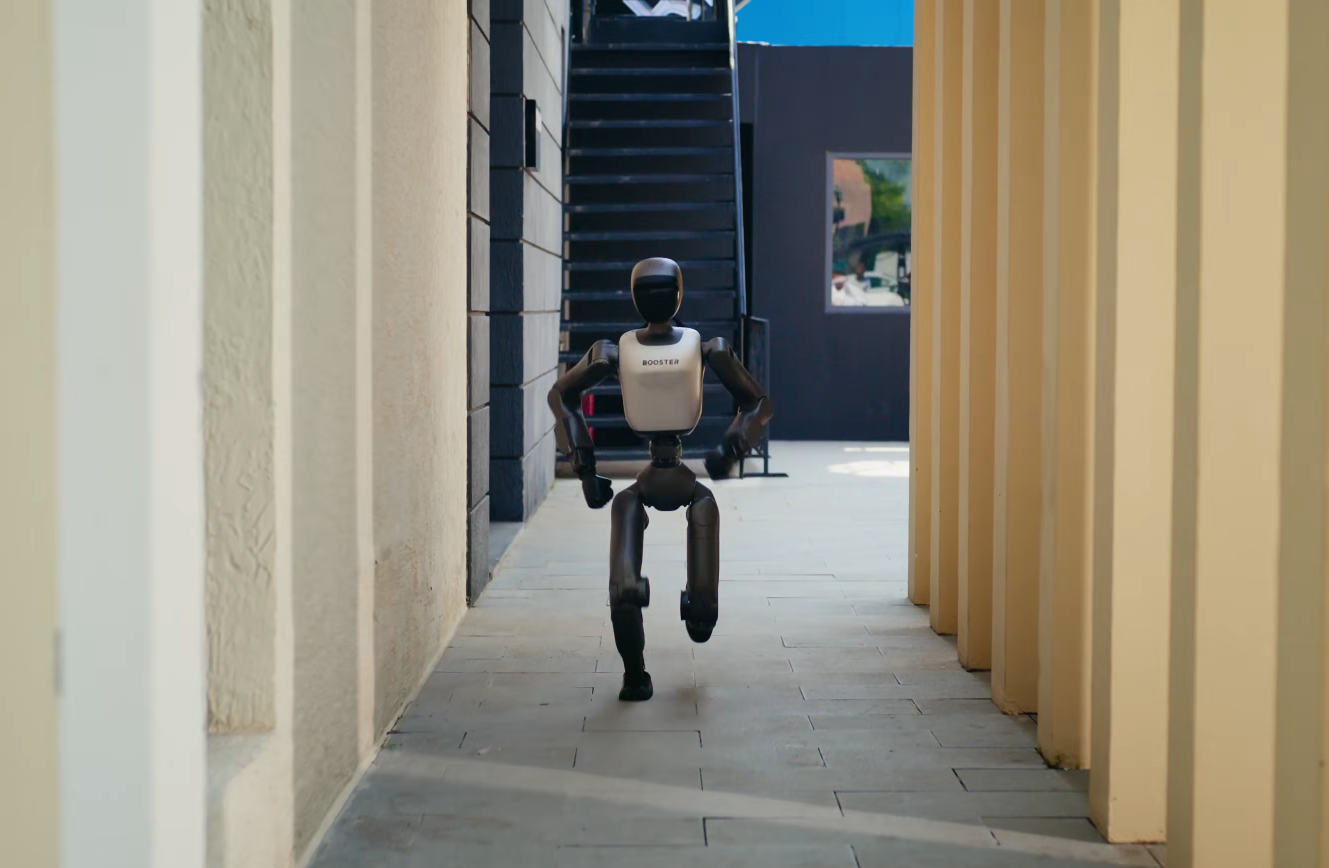
Booster Robotics Launches Booster T2 Humanoid Robot with NVIDIA Thor Computing Power
Booster Robotics has introduced the Booster T2, a humanoid robot platform aimed at real-world applications and embodied AI research. The T2 Pro version utilizes NVIDIA’s Thor chip, delivering up to 2,070 TFLOPS for real-time perception and control. The robot is designed for tasks requiring mobility and manipulation, showcasing advanced capabilities such as walking, dynamic balance, and athletic movements. The significance of the Booster T2 lies in its integration of cutting-edge technology and open development. With features like whole-body coordination and onboard AI computing, it supports a wide range of applications in robotics. The introduction of Booster Studio, an open software platform, further enhances its utility by allowing developers to simulate and deploy AI models effectively. Looking ahead, the Booster T2 is positioned to advance research in embodied AI and robotics. Its robust design, including 31 degrees of freedom and multiple hardware configurations, makes it suitable for various manipulation tasks. No further timeline was disclosed at the time of publication.
AI and Robotics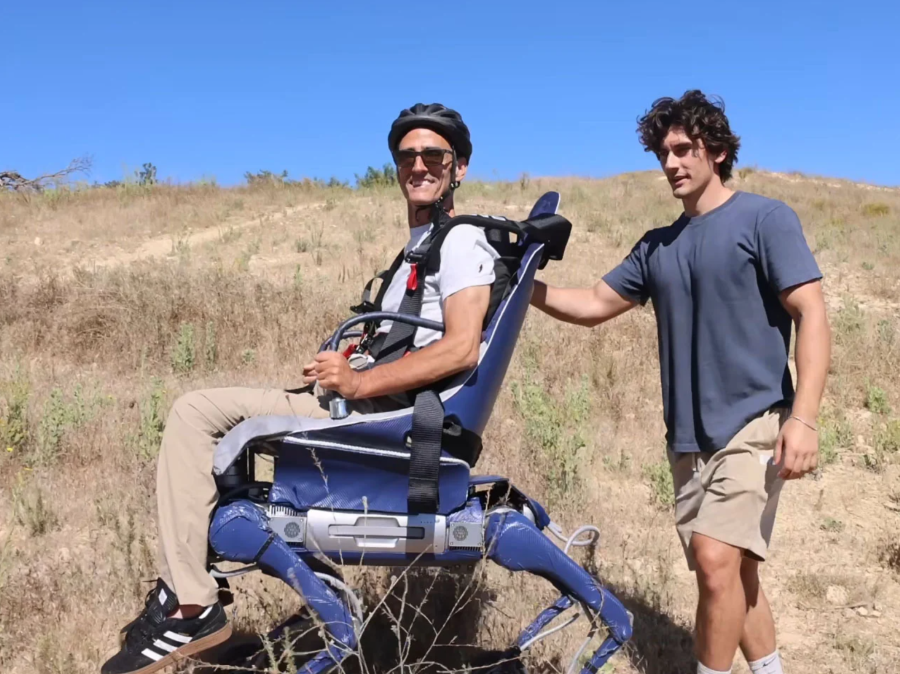
Jake Laser Transforms Unitree Robot Dog into Wheelchair for Father’s Mobility
Jake Laser has ingeniously modified a Unitree industrial robot dog into a wheelchair for his father, who has been affected by multiple sclerosis for over 20 years. This innovative device features a hybrid wheeled and walking design, allowing it to navigate various terrains, including stairs and rocky paths, providing newfound mobility for Jake's father. The significance of this transformation lies in its technical ingenuity and emotional impact. By integrating a racing-style seat and recalibrating the robot's software to accommodate his father's weight, Jake ensured that the robot could maintain balance and stability. The project not only enhances mobility but also restores a sense of independence and pride for his father, who can now control the robot using a wireless joystick. Looking ahead, Jake's creation marks a notable advancement in assistive technology, blending robotics with personal mobility solutions. No further timeline was disclosed at the time of publication, but the successful testing of the robot on challenging terrains indicates potential for broader applications in mobility aids for individuals with disabilities.
Assistive Technology Robotics Mobility Solutions Innovation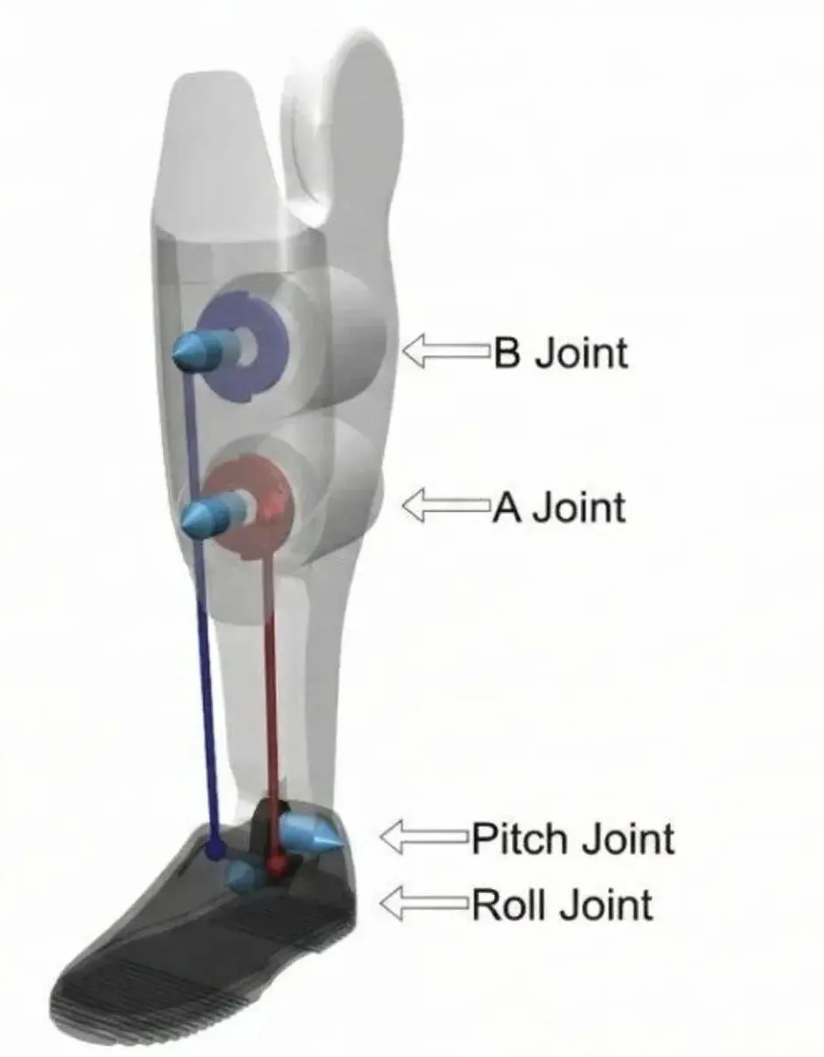
Advancements in Humanoid Robot Mobility: Walking, Running, and Jumping Challenges
Researchers are delving into the intricate field of humanoid robot locomotion, focusing on the technological advancements that facilitate walking, running, and jumping. This exploration, which has gained momentum in recent months, emphasizes innovations in joint mechanics, control systems, and materials that contribute to enhanced mobility in robots. Despite these advancements, the study also underscores the ongoing challenges in replicating human-like movement and stability, highlighting the complexity of achieving fluid and reliable locomotion in robotic designs. As the field progresses, experts aim to bridge the gap between current capabilities and the sophisticated movements characteristic of human beings, paving the way for more versatile and functional humanoid robots in the future.
Humanoid Robots Robot Mobility AI Technology Robotics Innovation
ABB Robotics completes its AI-powered Visual SLAM AMR portfolio with new autonomous forklift
ABB Robotics completes its AI-powered Visual SLAM AMR portfolio with new autonomous forklift Visit http://go.abb/robotics for further information -The new Flexley Stack F712 extends ABB Robotics’ AI-powered Visual SLAM technology to autonomous forklifts, enabling pallet transport and high-density storage. -Customers can now deploy mixed fleets of Visual SLAM-powered tugs, movers and forklifts on a common navigation, fleet management and software platform. -Powered by ABB Robotics' AMR Studio, the portfolio enables up to 20% faster commissioning while ensuring seamless interoperability and safe, reliable operation. 07/07/26, 07:10 AM | Industrial Robotics, Mobile Robots | ABB Inc. ABB Robotics is expanding its Autonomous Mobile Robotics (AMR) portfolio with the launch of the Flexley® Stack F712, creating a complete interoperable ecosystem across all major Visual SLAM AMR types. Combining autonomous forklifts, tugs and movers on one platform, ABB Robotics enables customers to automate a broader range of material-handling and intralogistics processes. Offering market-leading accuracy, the F712 is designed for demanding material handling, end-of-line storage and warehouse operations across industries including automotive manufacturing, helping increase efficiency, flexibility and scalability. More Headlines A3's Automate 2026 Breaks Records as Demand for Robotics, AI and Automation Grows NVIDIA and Hugging Face Bring New Models and Frameworks to LeRobot for the Open Robotics Community Palladyne AI Executes $4.2 Million U.S. Air Force Contract to Advance Swarming Capabilities for Integrated Cross-Domain Operations UMA Unveils Its Vision for the Next Generation of Humanoid Robots Robbyant Unveils LingBot-Depth 2.0 and LingBot-Vision to Redefine Robotic Spatial Perception Articles Unleash AI Innovation: The Power of NVIDIA RTX PRO 6000 Blackwell Workstation Edition Fueled by PNY-Supplied GPUs Automate 2026 Q&A with DESTACO Automate 2026 Q&A with Roboteon Advances in Robots to See & Interpret within Warehouse Environments Building Resilient Fulfillment Networks with Robotics and Real-Time Logistics Data "Across intralogistics operations, businesses are being asked to process greater volumes in less time, while working with increasingly limited resources," said Marc Segura, President, ABB Robotics. "They are under pressure to move goods faster and with greater flexibility, while labour availability is becoming a critical constraint. As part of our journey to more autonomous and versatile robotics (AVRTM), we have combined advanced vision, mobility and intelligence in the Flexley Stack F712 forklift AMR, completing our scalable, AI-powered AMR portfolio." F712 is versatile, capable of handling multiple load types and sizes - including open and closed pallets, containers or racks- up to 2,000 kg and reaching heights of 8.5 meters. The Flexley Stack AMR F712 joins the Flexley Tug and Flexley Mover in ABB Robotics' growing Visual SLAM AMR portfolio. Applications include intralogistics tasks such as warehouse storage and retrieval, as well as line supply, end-of-line handling, body- and press-shop and drive-in and light buffer in the automotive and industries sector. Unlike conventional AMR forklifts on the market, F712 uses Visual SLAM to map and navigate its environment, eliminating the need for pre-installed infrastructure like markers or reflectors. The AI-enabled Visual SLAM supports the autonomous decisions required to operate in complex, dynamic warehouse operations with a market-leading positional accuracy of ±10 mm. Together with AMR Studio®, this shortens commissioning times by up to 20 percent and creates a versatile and reliable system that can adapt instantly when a warehouse or production floor layout changes. Certified to the latest ISO and ANSI safety standards, Flexley Stack F712 can safely operate at class-leading speeds of up to 1.7 m/s while loaded. F712 is fully integrated with AMR Studio and is VDA5050 compatible, enabling seamless integration with ABB Robotics' Visual SLAM AMRs and existing systems within a unified project. This makes it easy to manage complex projects and integrate different types of mobile robots. The no-code, drag-and-drop software suite supports rapid setup, fleet coordination, traffic management and real-time visualization, allowing ABB Robotics' tugs, movers and forklifts to operate together in the same layout for scalable turnkey automation projects. ABB Robotics as one of the world's leading robotics companies, is the only company with a comprehensive and integrated AI-powered portfolio covering robots, cobots and Autonomous Mobile Robots (AMRs), designed and orchestrated by our value-creating software. We help companies of all sizes and sectors - from automotive to electronics and logistics - to outperform by becoming more resilient, flexible and efficient. ABB Robotics is at the forefront of developing and commercializing a new generation of Autonomous Versatile Robotics
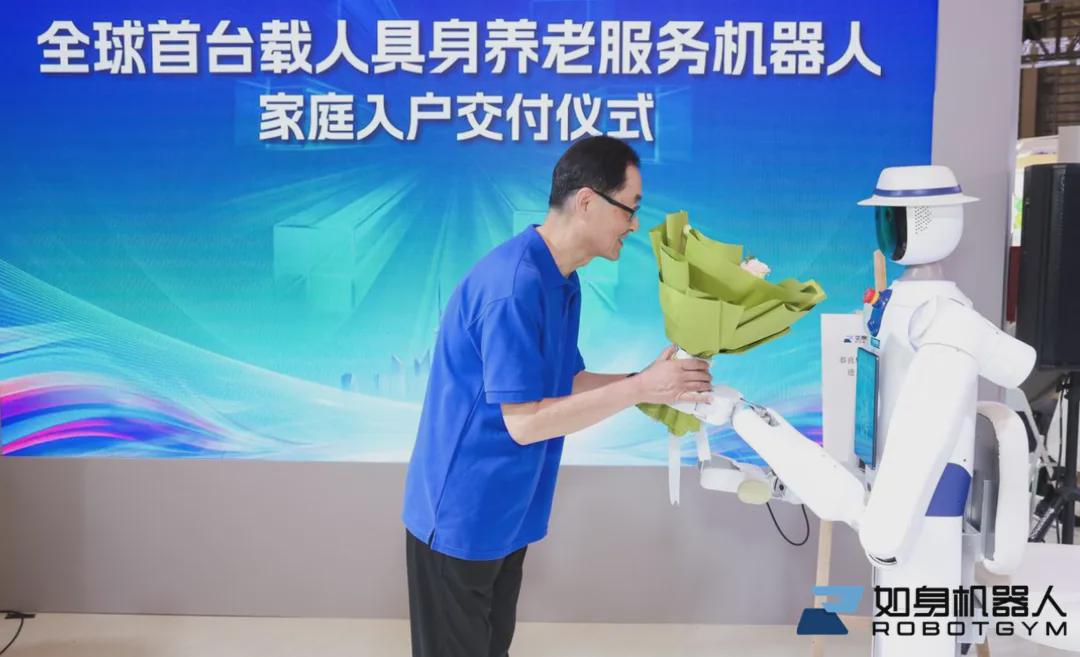
Investment in Embodied Care Robots: How RuShen Robotics is Integrating Robots into Real-World Elderly Care
RuShen Robotics has announced a major funding round aimed at advancing the use of embodied intelligent robots in elderly care facilities. The company specializes in creating robots designed to assist with a range of caregiving tasks, addressing the challenges presented by real-life scenarios. Their newest innovation, the QiCare robot, is engineered to effortlessly switch between mobility and caregiving functions, with the goal of optimizing the elderly care experience. This funding will enable RuShen Robotics to further develop and deploy these advanced robotic solutions, enhancing support for caregivers and improving the quality of life for elderly individuals.
Elderly Care Robots Healthcare Robotics AI Technology Robotics Innovation
Smart mobility company becomes top electric motorcycle brand in Indonesia after raising millions from CATL fund.
OMOWAY, a smart two-wheeler mobility company, has successfully completed both Series A and A+ funding rounds, each raising tens of millions of dollars. The A+ round was led by Lochpine Capital, a fund backed by CATL, while Monolith led the A round with participation from CICC Capital and existing investor ZhenFund. Founded less than two years ago, OMOWAY has attracted a strong roster of investors, including Sequoia, ZhenFund, and various funds from the new energy sector. With significant financial backing and industry resources, OMOWAY is accelerating the commercialization of its products globally. In June, the company launched its flagship product, the OMO-X, with its first delivery in Indonesia, where it quickly became the top-selling electric motorcycle in the country during its first month. OMOWAY aims to disrupt the traditional motorcycle market, which has long been dominated by Japanese fuel brands, by addressing common industry challenges such as the high premium on advanced smart products and the lack of technological appeal in affordable options. The OMO-X features advanced technology, including a digital key, automatic side stand, remote control capabilities, and a large 10.25-inch interactive display, significantly enhancing user experience. The OMO-X Smart model focuses on intelligent mobility, while the OMO-X Balance is the world's first mass-produced self-balancing motorcycle, utilizing gyroscopic technology to improve stability. OMOWAY is also developing a reinforcement learning model for real-world driving conditions and has implemented a 360° panoramic vision system for enhanced safety. With a proprietary technology framework that integrates AI and robotics, OMOWAY is expanding its dealer network in Indonesia and plans to enter markets in Thailand, Singapore, and Europe, aiming to evolve transportation into intelligent partnerships for various applications.

LG Chem to invest W15tr in chips, robotics, biotech by 2035
LG Chem has announced a significant investment of 15 trillion won (approximately $9.8 billion) in research and development by the year 2035. During a company-wide town hall meeting on Monday, CEO Kim Dong-choon revealed that 70 percent of this funding will be directed towards advancing materials for semiconductors, mobility, and robotics. This strategic move is part of LG Chem's broader initiative to penetrate high-growth sectors and enhance its competitive edge. In addition to these areas, the company will also focus on oncology therapeutics as a key future business domain, reflecting its commitment to innovation and expansion in critical industries.
All News
China's Robotics Industry Sees Multiple Breakthroughs Across Humanoid Robots and Physical AI
China's robotics industry has achieved significant advancements in humanoid robots and physical artificial intelligence, marking a pivotal moment in the sector's development. These breakthroughs were reported in October 2023, showcasing the country's commitment to enhancing its technological capabilities. The innovations include improved mobility and functionality in humanoid robots, which are now capable of performing complex tasks that were previously thought to be the domain of human workers. This progress is driven by a combination of increased investment in research and development, collaboration between universities and tech companies, and a growing demand for automation across various industries. As China aims to position itself as a global leader in robotics, these developments not only highlight the nation's technological prowess but also its strategic focus on integrating AI into everyday applications. The advancements are expected to have far-reaching implications, potentially transforming sectors such as manufacturing, healthcare, and service industries. By leveraging cutting-edge technology, China is setting the stage for a future where robots play an integral role in both the economy and society.
Robotics
ABB Robotics delivers new industry-ready physical AI at Automate 2026
At Automate 2026, ABB Robotics will showcase its latest advancements in physical AI, including the debut of its Physical AI Toolchain, designed to enhance the capabilities of industrial robots. The event, taking place at Booth #1241 on June 17, 2026, will feature demonstrations of the Autonomous Versatile Robotics (AVR™) system, which equips robots with advanced sensory and mobility functions to operate more efficiently across various applications. Marc Segura, President of ABB Robotics, emphasized that physical AI is transforming traditional robotic operations, allowing for faster, safer, and smarter performance. The new toolchain facilitates the training of robots using simulated and real-world data, bridging the gap between simulation and practical application with high precision. This initiative follows ABB's partnership with NVIDIA, which aims to enhance robot training through advanced simulation technologies. Among the highlights will be the introduction of ABB's high-speed PoWa™ cobot family and a collaboration with Aura Sensae, integrating intelligent sensing technology for improved human-robot interaction. Visitors can expect to see demonstrations of AI-powered palletizing systems, intuitive interfaces, and real-time interaction capabilities, showcasing ABB's commitment to human-centric robotics. Additionally, ABB Robotics will host special events focused on automotive and software innovations on June 23 and 24, respectively, further engaging with industry stakeholders.

Entangled robotic matter with cohesive motion
Cornell University engineers have unveiled an innovative robotic collective known as the Cross-Link Collective, which operates with a unique fluidity reminiscent of natural materials rather than traditional machines. This groundbreaking system comprises numerous small robots that, while individually limited in mobility, demonstrate remarkable coordination and adaptability when functioning as a cohesive unit. The development aims to enhance the robots' ability to reshape and respond to their environment without the need for centralized control, showcasing a significant advancement in robotics and collective behavior. The research highlights the potential for these robots to be utilized in various applications, from environmental monitoring to search and rescue missions, emphasizing their versatility and efficiency in dynamic settings.

XPeng Is Getting Serious About Physical AI as Its CEO Takes Over the Robotics Division
XPeng, a leading Chinese electric vehicle manufacturer, is intensifying its focus on physical AI as competition in the EV sector escalates. CEO He Xiaopeng will assume control of the company's robotics division, coinciding with the anticipated mass production and commercialization of its humanoid IRON robots. This strategic move aims to diversify XPeng's offerings beyond electric vehicles, with plans to launch commercial sales in China and internationally next year. The announcement comes amid challenges for XPeng, including a significant decline in vehicle deliveries and stock performance, with a 24.34% drop over the past year. In the first quarter of 2026, the company reported a 33.3% decrease in vehicle deliveries compared to the same period in 2025, alongside a 295.9% increase in net losses. Despite these setbacks, XPeng's gross margin improved, and analysts have mixed but generally favorable views on the company's stock, with several upgrades following its recent earnings report. XPeng aims to deliver between 100,000 and 106,000 vehicles in the second quarter of 2026, projecting revenue growth of approximately 7.3% to 13.8% year-over-year. As XPeng ventures into robotics, it seeks to position itself as a leader in intelligent mobility solutions, leveraging advanced technology to enhance customer experiences.
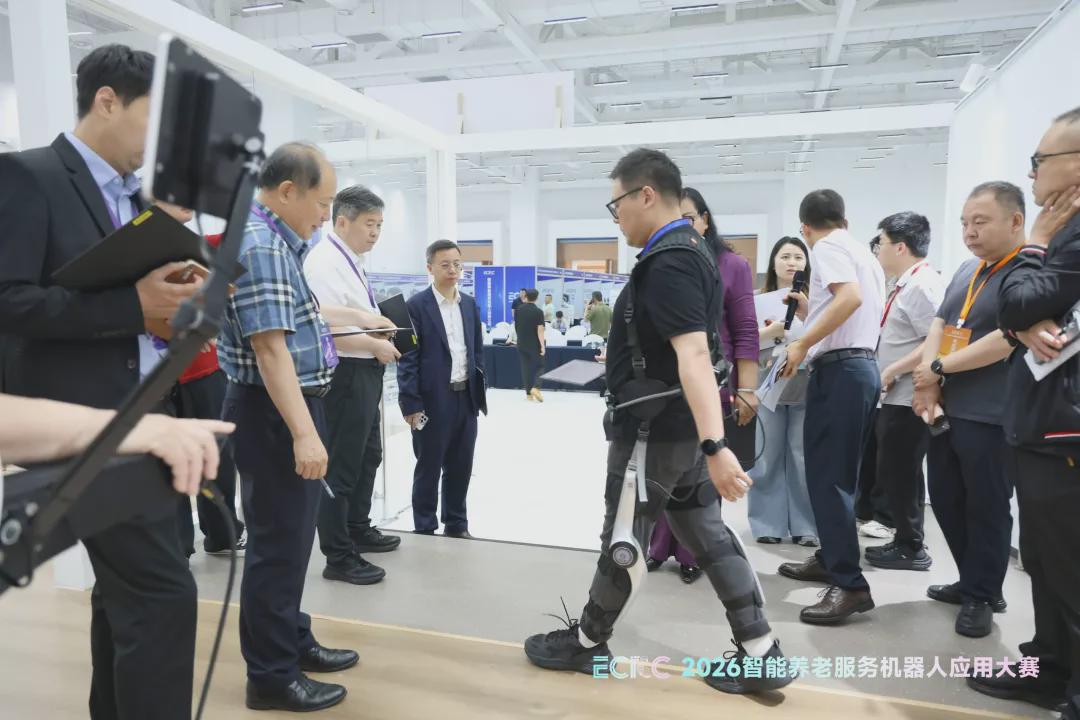
Empowering Elderly Care with Robotics: Highlights from the 2026 Smart Elderly Care Robot Competition
The 2026 Smart Elderly Care Robot Competition took place in Langfang, where 57 teams presented cutting-edge robotic solutions designed to improve the quality of care for the elderly. The event highlighted various technologies, including exoskeletons and care robots, which were tested in real-life scenarios to tackle challenges such as mobility assistance and emotional support for seniors. This competition aims to foster innovation in elderly care, addressing the growing need for effective solutions as the population ages. Participants showcased their advancements, demonstrating how robotics can play a vital role in enhancing the lives of older adults.
Elderly Care Robots Healthcare Technology Robotics Assistive Technology
Rajant Health (RHI) and Chord Robotics Expand Cowbell Platform to Enable Scalable, Multi-Domain Collaborative Autonomy
Rajant Health (RHI) and Chord Robotics have announced an expanded partnership to enhance their Cowbell platform, introducing advanced "Flying Cowbell" capabilities aimed at enabling scalable, multi-domain collaborative autonomy. This collaboration, revealed on May 22, 2026, integrates RHI's Kinetic Mesh® networking with Chord Robotics' TEMPO™ software, facilitating real-time control of mixed fleets operating across air, land, and sea. The "Flying Cowbell" system transforms mobile nodes, including unmanned aerial systems (UAS) and unmanned surface vehicles (USVs), into active participants in a distributed compute and autonomy framework. This architecture allows for distributed workload execution, dynamic cluster formation, and transport-agnostic operations, even in connectivity-constrained environments. The partnership aims to address the need for persistent coverage and dynamic mission adaptation in complex scenarios where traditional infrastructure may be lacking. By leveraging Rajant's InstaMesh® networking capabilities alongside TEMPO, operators can manage heterogeneous fleets effectively, ensuring that each vehicle can make independent decisions while collaborating seamlessly. RHI's CEO, Robert J. Schena, emphasized that the initiative represents a shift from static infrastructure to a mobility-native system, while Chord Robotics' CEO, James Cooney, highlighted the potential for scaling autonomous fleets in challenging environments. Together, the companies are poised to redefine collaborative autonomy in unmanned systems, enhancing operational efficiency and adaptability.

Robotic collective flows like matter, adapting without centralized control
Engineers at Cornell University have introduced an innovative robotic collective known as the Cross-Link Collective, which operates with a unique approach that mimics the behavior of natural materials. This system, unveiled recently, comprises numerous small robots that, while individually limited in mobility, can work together to achieve coordinated and sustained motion. The development aims to enhance adaptability in robotics, allowing these machines to reshape and respond to their environment without the need for centralized control. This breakthrough could pave the way for more versatile applications in various fields, including manufacturing, search and rescue operations, and environmental monitoring.
Robotics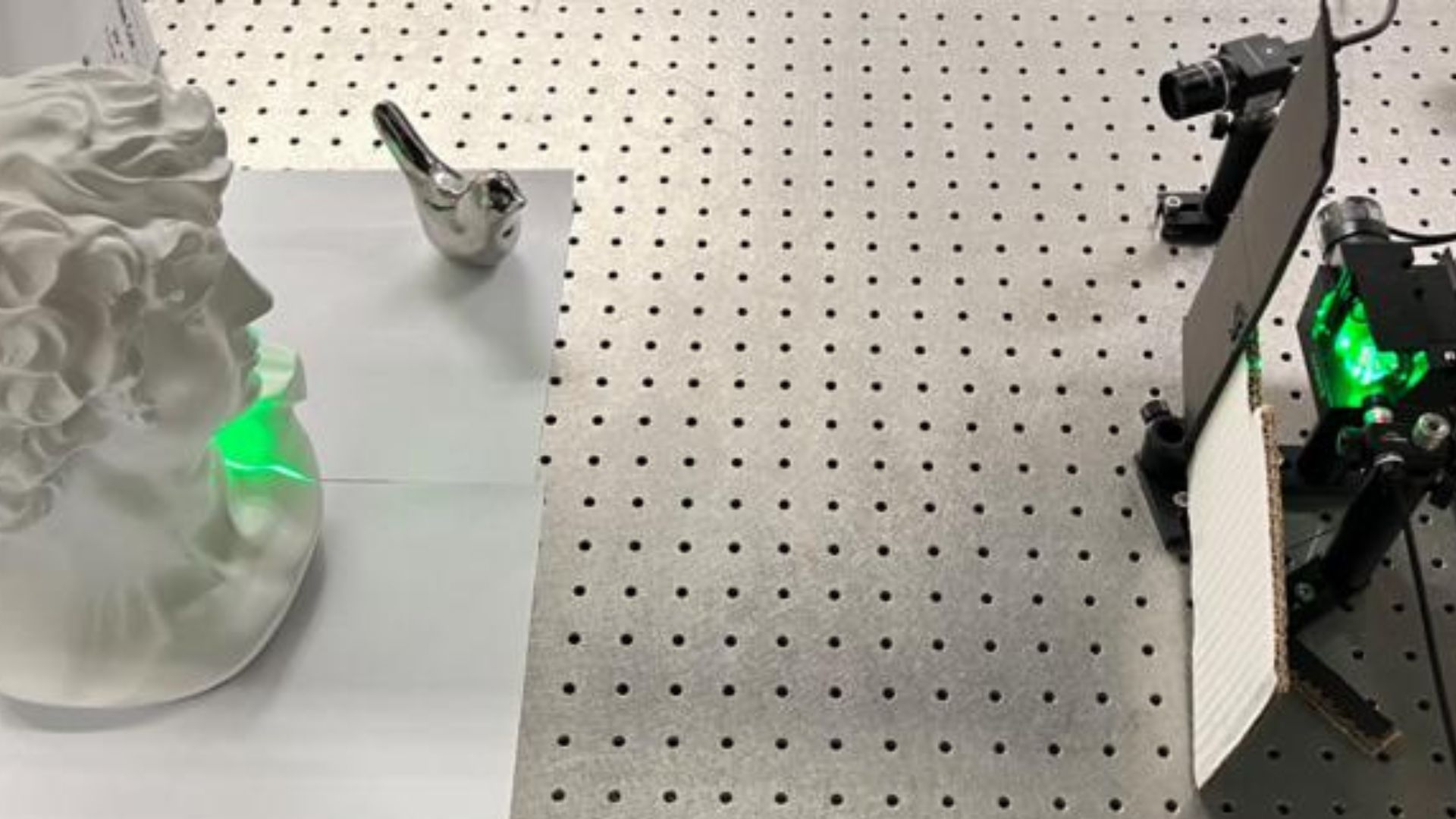
3D-sensing technology could improve self-driving cars and robotic surgery
Researchers at the University of Arizona have made significant strides in 3D-sensing technology, which could revolutionize how autonomous vehicles navigate complex urban environments. This breakthrough was announced recently, showcasing the potential to enhance safety and efficiency in city driving. The team developed an advanced system that utilizes sophisticated algorithms and sensors to interpret real-time data from the surrounding environment, enabling vehicles to better understand and respond to dynamic conditions on busy streets. By improving the accuracy of spatial awareness, this technology aims to reduce accidents and improve traffic flow, addressing the growing challenges of urban mobility. The research highlights the university's commitment to innovation in transportation technology, with implications that could extend beyond self-driving cars to various applications in robotics and smart city infrastructure.
Is Faraday Future Intelligent Electric Inc. (FFAI) Emerging as an AI Robotics Stock to Watch in 2026?
Faraday Future Intelligent Electric Inc. (FFAI), a California-based company specializing in AI-driven mobility and robotics, has emerged as a notable penny stock under $1, according to a recent report by TheFly. The company announced its Q1 2026 results on May 14, revealing initial sales revenue from its Embodied AI robotics division, which generated $512,000, nearly matching its total revenue for all of 2025. As of April 30, 2026, FFAI shipped 68 EAI robots and aims to deliver 200 units in the first quarter and over 1,500 throughout the year. Despite a net loss from operations of $35.9 million, the company reported a significant increase in stockholders’ equity by 148% to $19.2 million. In a strategic move to bolster its AI robotics initiatives, FFAI signed a memorandum of understanding on May 8 with Boston International Business School to establish the BIBS–FF AI Robotics Institute. This partnership, announced during the Berkshire Hathaway annual shareholders meeting in Omaha, aims to enhance education and development in the fields of robotics and artificial intelligence. While the agreement is currently non-binding and pending board approval, it reflects FFAI's commitment to expanding its technological ecosystem through academic collaborations. As the company continues to scale its operations, it remains to be seen how these developments will impact its market position and investment potential in the competitive AI landscape.

Hyundai Mobis deepens robotics, physical AI push in Silicon Valley
Hyundai Mobis hosted its fifth Mobis Mobility Day on Monday in Sunnyvale, California, aiming to enhance collaboration in robotics and physical AI with international partners. The annual event, which serves as the company’s primary open innovation platform, attracted approximately 400 participants this year, more than doubling last year’s attendance. The gathering brought together startups, global automakers, and investors to discuss business strategies and explore potential partnerships, reflecting Hyundai Mobis' commitment to advancing innovation in the mobility sector.
All News
Hyundai Mobis Seeks Robotics Technology Alliances in U.S. Silicon Valley!
Mobis recently held its fifth annual "Mobis Mobility Day," an open innovation event centered on the theme of "Robotics and Physical AI." The event saw a significant increase in attendance, with representatives from startups, global automakers, and investors doubling compared to last year. This surge reflects the company's growing influence and achievements in Silicon Valley over the past five years. Mobis aims to enhance its competitiveness in emerging business sectors by identifying promising global companies at an early stage. To further this initiative, the company plans to organize an additional event in Asia later this year.
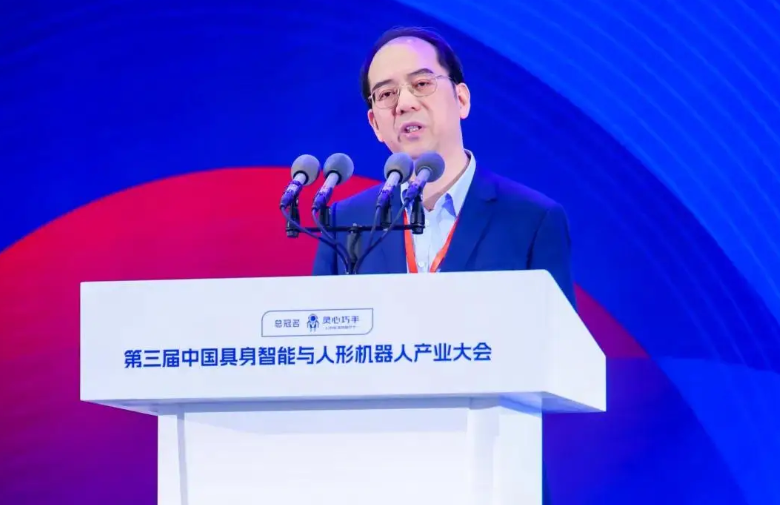
Academician Yin Zhouping: The Evolution of Humanoid Robots from 'Mobility' to 'Interactivity' is Overcoming Three Challenges
Academician Yin Zhouping has highlighted the significant advancements in humanoid robots, noting a transformative shift from basic mobility to sophisticated intelligent interaction. During a recent discussion, he emphasized the critical role of tactile sensing and emotional computing in facilitating more natural interactions between humans and robots. Yin outlined a strategic development pathway that aims to enhance these capabilities, underscoring the importance of integrating advanced technologies to create robots that can better understand and respond to human emotions. This evolution in robotics is poised to redefine human-robot relationships, making them more intuitive and effective in various applications.
Humanoid Robots Tactile Sensing AI Interaction Robotics Technology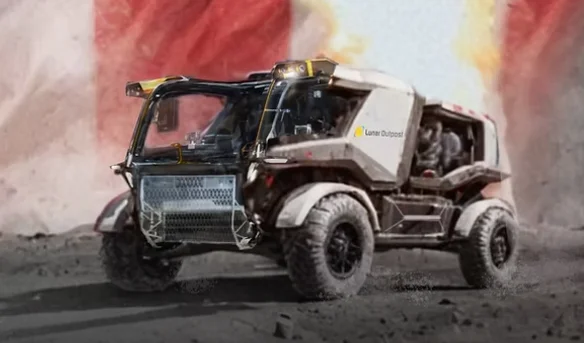
Lunar Outpost Raises $30M in Series B Funding for Moon Robotics Development
Lunar Outpost, a Colorado-based company specializing in lunar robotics and mobility systems, has successfully raised $30 million in a Series B funding round. The investment was spearheaded by Industrious Ventures, with additional contributions from Type One Ventures, Eniac Ventures, Promus Ventures, and Reliable Equity. This funding will be utilized to enhance the production capabilities of the company's robotic vehicles and infrastructure technologies, positioning Lunar Outpost to play a pivotal role in the future of lunar exploration.
AI AI Funding & Investment Robotics Artemis Moon Base Colorado Lunar Outpost
Unitree Robotics demonstrates wheeled-legged humanoid robot capable of skating and advanced flips
Unitree Robotics has unveiled an innovative wheeled-legged humanoid robot that showcases remarkable capabilities, including skating, spinning, and executing front flips. This demonstration, which took place recently, underscores significant advancements in dynamic motion control technology. The robot's design integrates both wheels and legs, allowing for enhanced mobility and agility, which could have various applications in industries ranging from entertainment to logistics. By pushing the boundaries of robotic movement, Unitree Robotics aims to revolutionize how machines interact with their environments, potentially paving the way for more versatile and efficient robotic solutions in the future.
News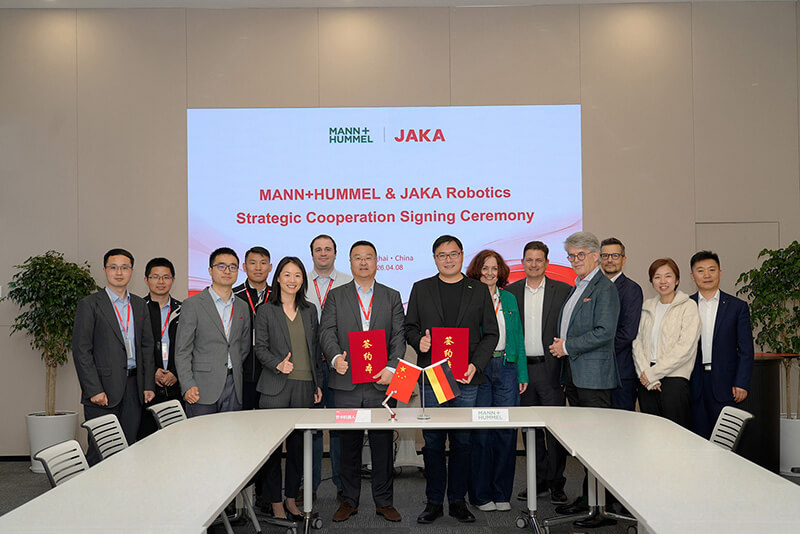
JAKA Robotics and MANN+HUMMEL China Partner to Automate Sustainable Filtration Production
JAKA Robotics, a leader in intelligent robotics, has partnered with MANN+HUMMEL Filter (Shanghai) to enhance smart and sustainable filtration solutions, particularly in the mobility sector. The collaboration aims to integrate JAKA's advanced robotic technology with MANN+HUMMEL's extensive industry knowledge to improve the efficiency of filtration manufacturing processes. This strategic alliance was formalized during a signing ceremony attended by senior executives from both companies, including Kurk Wilks, CEO of MANN+HUMMEL, and Liz Chang, Vice President of JAKA Robotics. The partnership reflects a shared commitment to advancing smart manufacturing practices and aims to contribute to the long-term sustainability of the filtration industry. JAKA Robotics, founded in 2014, has established itself as a global player in the robotics field, serving over 1,500 clients worldwide, including major automotive brands. MANN+HUMMEL, with an 85-year legacy in filtration, is focused on developing innovative solutions for cleaner mobility and environmental applications. This collaboration is expected to accelerate the transition towards energy-efficient filtration technologies, benefiting both companies and the broader industry.

Electrofluidic fiber muscles could enable silent robotic systems
Researchers at the MIT Media Lab and Politecnico di Bari in Italy have made significant advancements in the field of robotics and prosthetics by developing new artificial muscle fibers that closely mimic the unique capabilities of natural muscles. This breakthrough addresses long-standing challenges faced by engineers in replicating the strength, rapid response, scalability, and control found in biological systems. The innovation promises to enhance the performance of robotic devices and prosthetic limbs, potentially improving their functionality and user experience. This development marks a notable step forward in creating more effective and responsive artificial muscles, which could revolutionize the way machines interact with their environments and assist individuals with mobility impairments.
Robotics
Robust Ship‐to‐Ship Object Pick‐Up With a 6‐DoF Robotic Arm Based on Force/Torque Measurement and Gripper Design
In a recent study published in the Journal of Field Robotics, researchers explored advancements in robotic navigation systems, focusing on enhancing autonomous vehicles' capabilities. This research, conducted by a team of engineers and computer scientists, was published in May 2026 and highlights significant improvements in the algorithms used for real-time decision-making in complex environments. The study was carried out at a leading robotics research facility, where the team aimed to address the challenges faced by autonomous vehicles in dynamic settings, such as urban areas with unpredictable obstacles. The motivation behind this research stems from the increasing demand for reliable and efficient autonomous transportation solutions, which are crucial for the future of smart cities and sustainable mobility. To achieve their objectives, the researchers employed a combination of machine learning techniques and advanced sensor technologies, allowing the vehicles to better interpret their surroundings and make informed navigation choices. The findings suggest that these enhanced systems could significantly reduce the likelihood of accidents and improve overall traffic flow. As the world moves towards greater automation in transportation, this study represents a critical step in ensuring that autonomous vehicles can safely and effectively navigate the complexities of modern urban landscapes. The implications of this research could pave the way for widespread adoption of autonomous vehicles, ultimately transforming how people and goods are transported in the future.
RESEARCH ARTICLE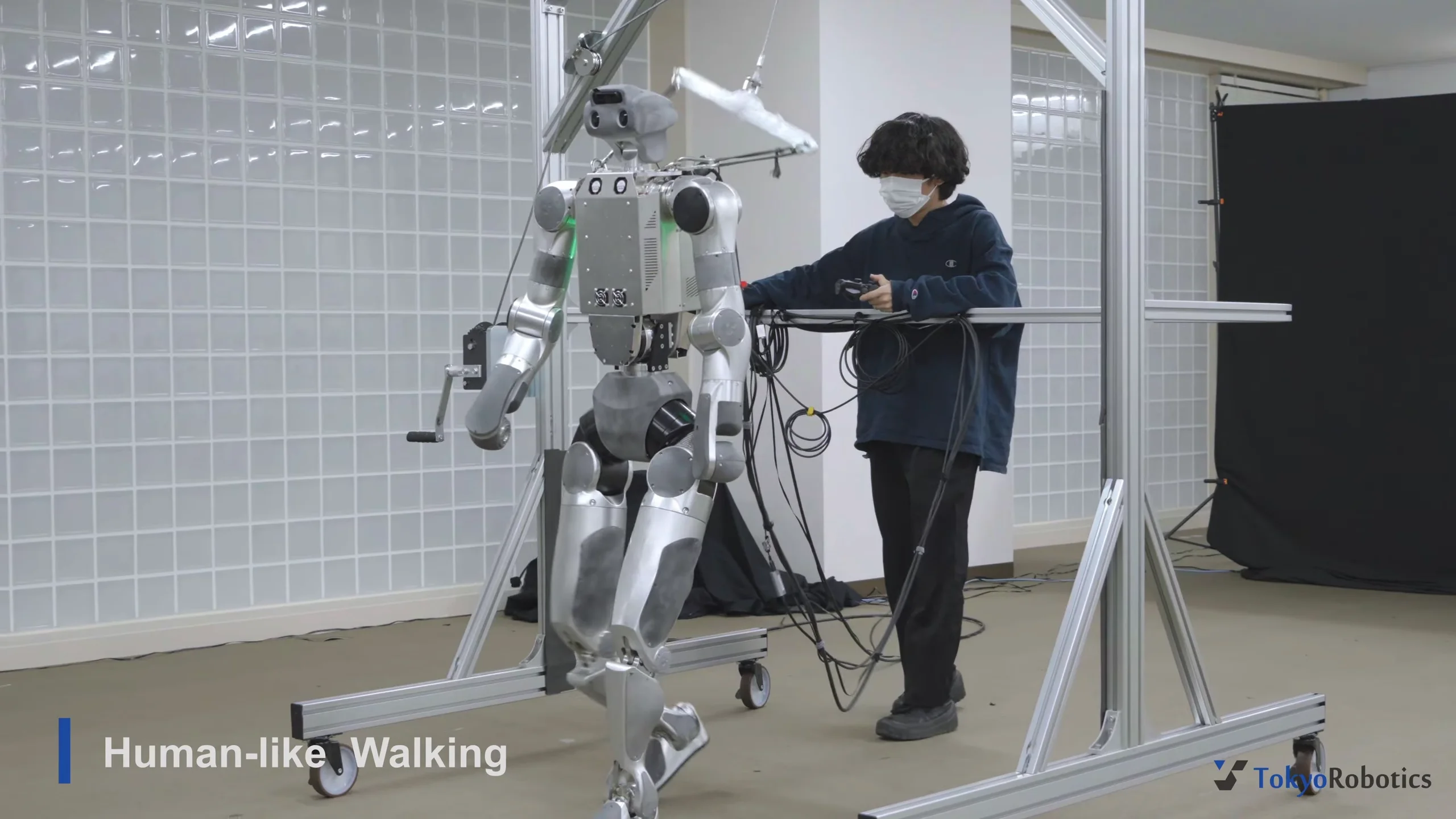
Tokyo Robotics Steps Into the Bipedal Arena with RL-Driven Humanoid
Tokyo Robotics has unveiled an innovative bipedal prototype that showcases advanced self-balancing capabilities and real-time whole-body teleoperation. This development marks a significant evolution from the company's established wheeled Torobo platform. The demonstration highlights the potential for enhanced mobility and control in robotic applications, reflecting the company's commitment to pushing the boundaries of robotics technology. The prototype's capabilities were showcased recently, emphasizing Tokyo Robotics' role in advancing the field of humanoid robotics. This breakthrough aims to address various practical applications, including assistance in complex environments and improved interaction with humans.
Japan Torobo Tokyo Robotics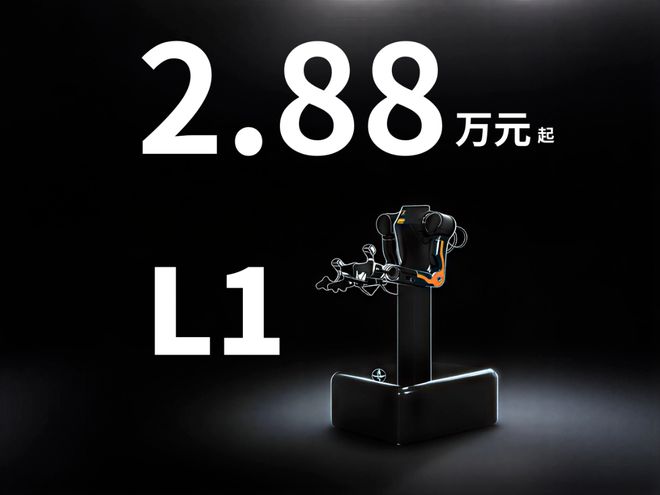
Starting at 28,800 Yuan! VLAI Robotics Launches the L1 Mobile Dual-Arm Robot, Ushering in a New Era of Embodied Intelligence
VLAI Robotics has introduced its latest innovation, the L1 mobile dual-arm robot, which aims to enhance flexibility and precision across multiple sectors. Launched with a starting price of 28,800 Yuan, the L1 is engineered to meet the demands of research, industrial automation, and service industries. This advanced robot features superior mobility and dual-arm functionality, positioning it as a versatile solution for a range of applications. The unveiling of the L1 marks a significant step forward in robotic technology, catering to the increasing need for automation and efficiency in various fields.
Mobile Robots Dual-Arm Robotics AI Automation Research and Development
JAKA Robotics is heading to AW2026
Asia's premier smart manufacturing innovation expo, Automation World 2026 (AW2026), will be held at Coex in Seoul from March 4 to 6. JAKA Robotics will showcase its cutting-edge technologies at Booth D711, featuring the JAKA Lumi Embodied AI Platform and the JAKA K1 Dual-arm Robot. Attendees will have the opportunity to see firsthand how advancements in AI vision, smart mobility, and external axes are pushing the limits of robotic capabilities. The event aims to highlight the versatility of JAKA robots across various sectors, including education and commerce, and invites industry professionals and enthusiasts to explore the future of smart factories.
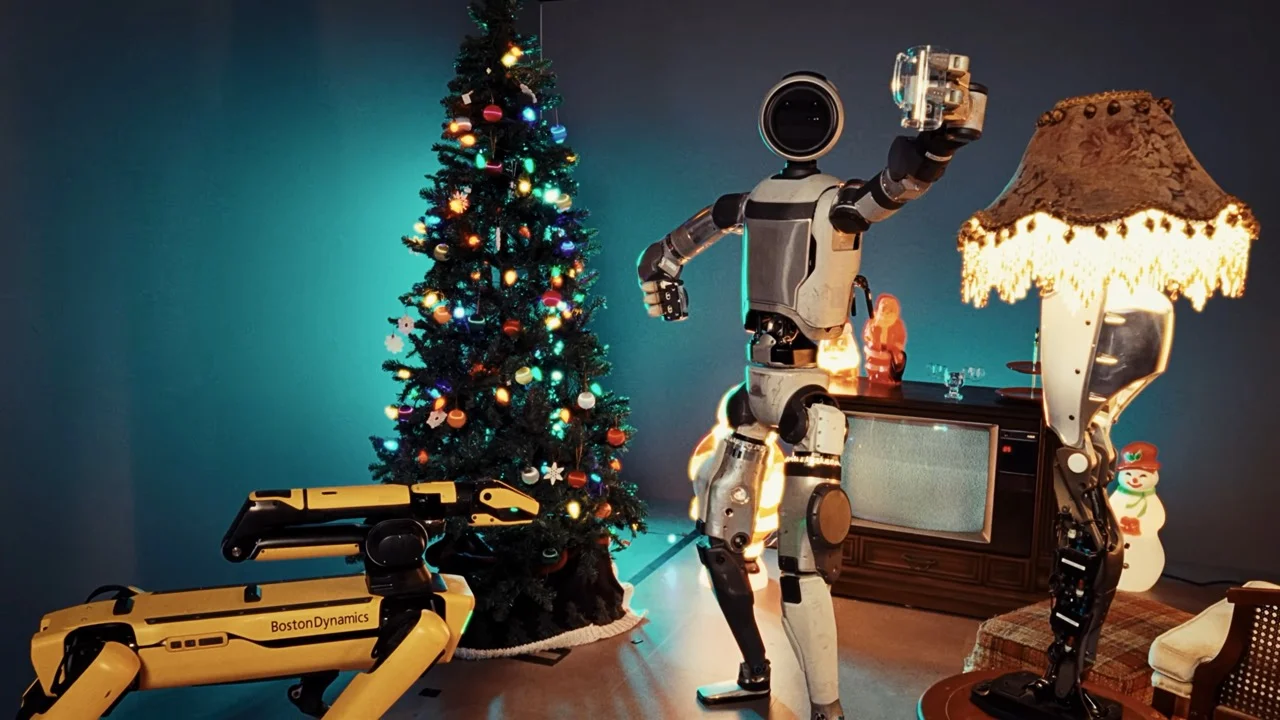
Hyundai Confirms CES 2026 Debut for Atlas and "Group-Wide" AI Robotics Strategy
Hyundai Motor Group is set to unveil its long-anticipated "January Update," which will outline its strategy for the mass deployment of robots. This significant announcement will take place in Las Vegas, where the company will also introduce the electric Atlas vehicle to the public for the first time. The event highlights Hyundai's commitment to advancing technology and innovation in the automotive sector, as the company seeks to integrate robotics into its operations and product offerings. The unveiling is expected to attract considerable attention from industry stakeholders and consumers alike, showcasing Hyundai's vision for the future of mobility and automation.
hyundai CES 2026 South Korea Boston Dynamics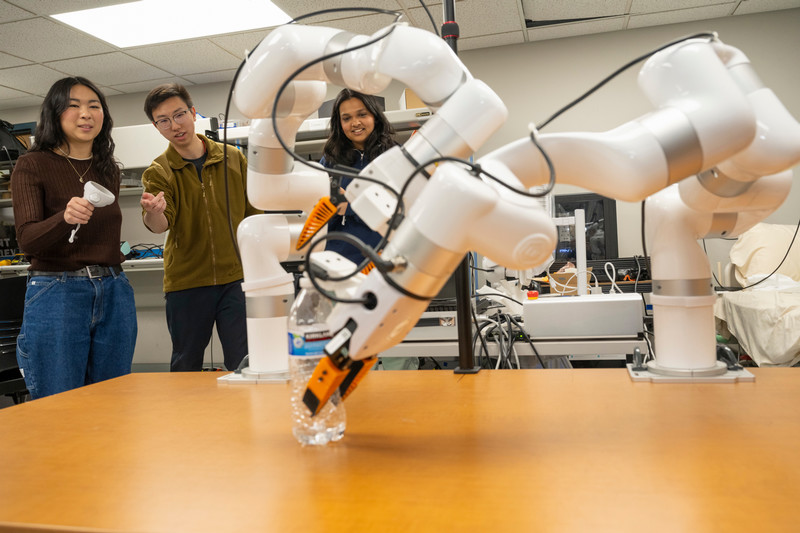
CMU Collaborates on Project To Develop Future Robotic Wheelchair
Researchers at Carnegie Mellon University are embarking on a federally funded initiative aimed at reimagining and redesigning wheelchairs to enhance mobility through the integration of advanced technologies. This collaborative project seeks to develop innovative robotic wheelchairs that will improve the user experience and accessibility for individuals with mobility challenges. The effort underscores a commitment to leveraging cutting-edge research to create more functional and adaptive mobility solutions.
Research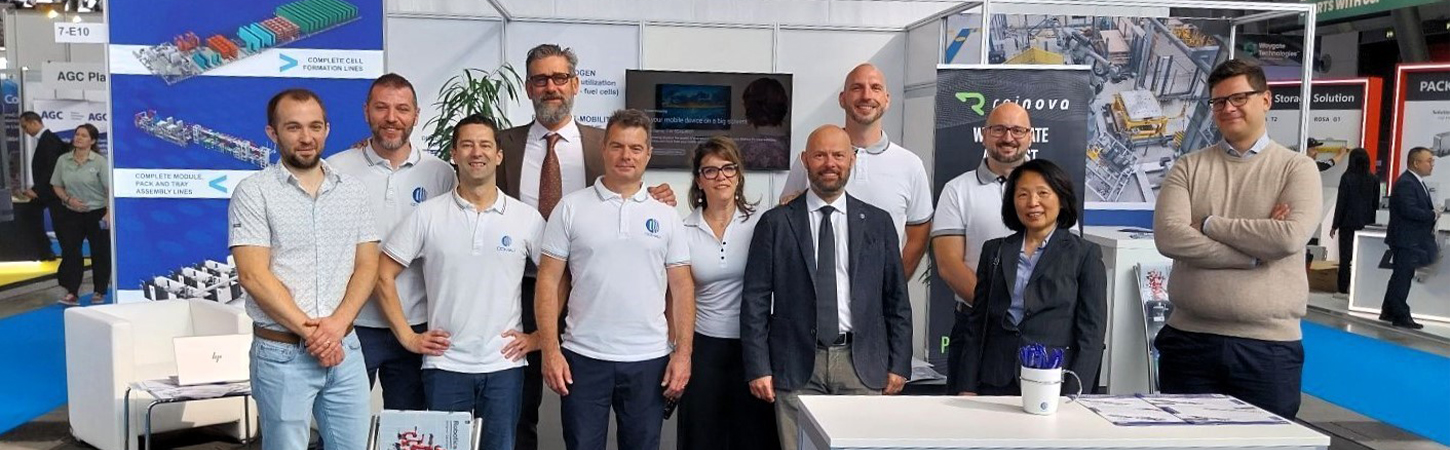
Comau to display its cell formation and new e-mobility solutions at the Battery Show Stuttgart
Comau showcased its innovative cell formation and e-mobility solutions at the Battery Show held in Stuttgart, Germany. The event took place recently, attracting industry leaders and stakeholders interested in advancements in battery technology and electric mobility. Comau's participation highlights the company's commitment to enhancing production processes and supporting the growing demand for sustainable energy solutions. By presenting its latest technologies, Comau aims to demonstrate how its automation and robotics expertise can streamline battery manufacturing, ultimately contributing to the transition towards greener transportation options. The exhibition provided a platform for networking and collaboration among key players in the battery and automotive sectors, emphasizing the importance of innovation in meeting future energy needs.
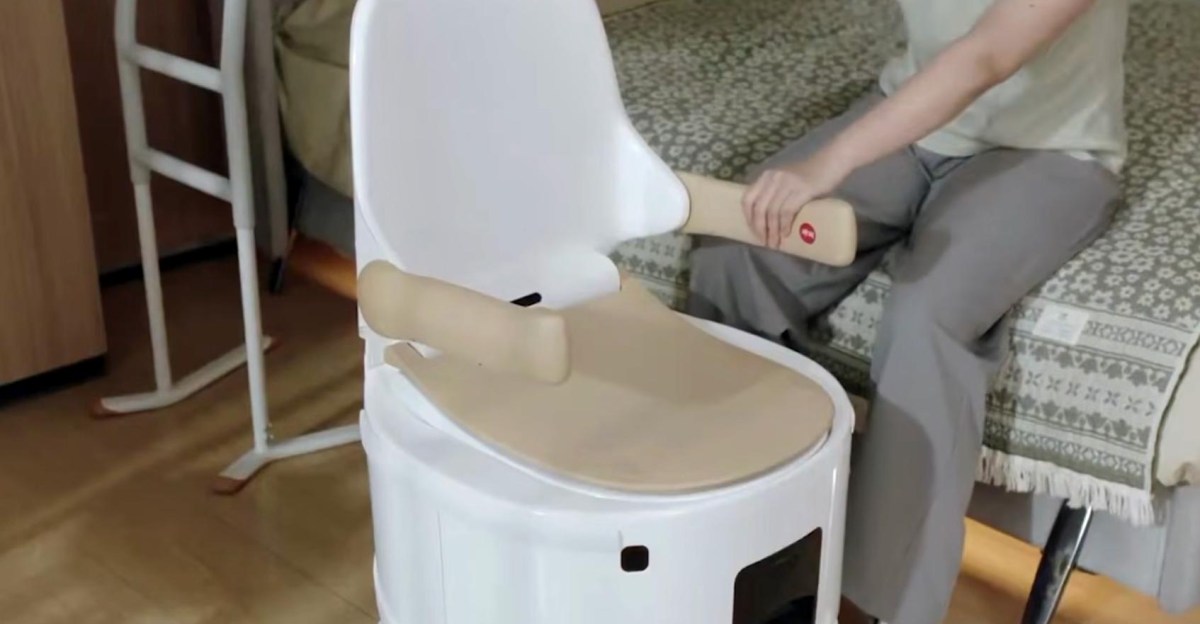
This robotic self-driving toilet comes to you
At a recent expo in Shanghai dedicated to elderly care, assistive devices, and rehabilitation medicine, the Chinese company Yueban unveiled an innovative smart toilet that autonomously moves to its users. The Xiaoban toilet aims to enhance accessibility for individuals facing mobility challenges, particularly the elderly. This groundbreaking design addresses the needs of those with limited movement, offering a solution that promotes independence and comfort in personal hygiene. The introduction of the self-driving toilet reflects a growing trend in technology aimed at improving the quality of life for aging populations.
Gadgets News Tech
NVIDIA and LG Group build AI factory to train robots and power future mobility
Researchers and engineers are advancing the next frontier of artificial intelligence, focusing on the development of machines capable of movement, visual perception, and autonomous decision-making. This initiative, which has gained momentum in recent months, aims to enhance the functionality and adaptability of AI systems across various sectors, including healthcare, transportation, and robotics. The push for these advancements is driven by the increasing demand for intelligent systems that can operate in dynamic environments and perform complex tasks without human intervention. By integrating advanced sensors and machine learning algorithms, developers are working to create AI that not only processes information but also interacts with the physical world in real-time. This evolution in AI technology is taking place in research laboratories and tech hubs around the globe, with significant contributions from universities, private companies, and government agencies. As these entities collaborate, they are exploring innovative applications that could revolutionize industries and improve everyday life. The ongoing research is expected to culminate in prototypes and pilot programs by early 2024, showcasing the potential of these intelligent machines. As the field progresses, ethical considerations and safety measures are also being prioritized to ensure responsible deployment and integration into society. The ultimate goal is to create AI systems that enhance human capabilities and contribute positively to various aspects of life.
Robotics needs a service framework.
RSF defines a common language for robot service capability, lifecycle operations, certification pathways, and service-provider networks.