Industry Briefing
A single destination for timely, editor-curated robotics news from around the world.
Six Robots Assemble a 3.5-Meter Great Wall Model Using 81,920 Blocks at WAIC
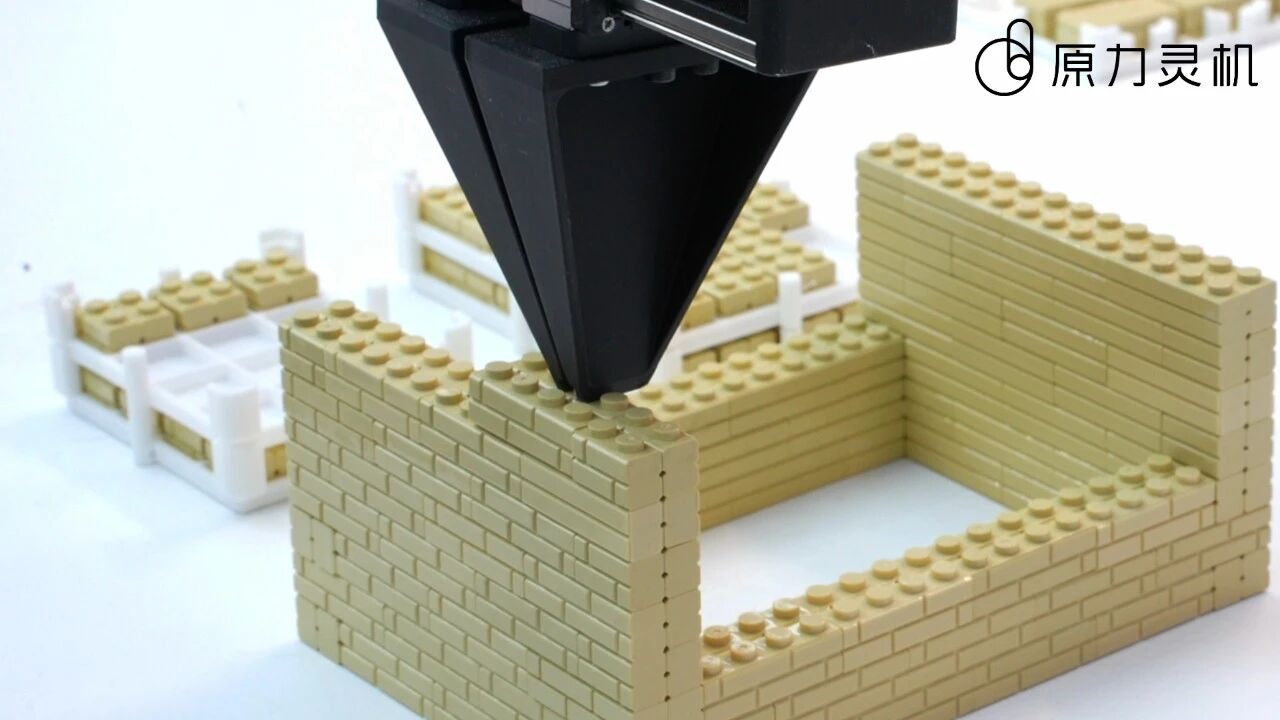
At the World Artificial Intelligence Conference (WAIC), six robots from General Embodied Intelligence Company, Yuanli Lingji, undertook a challenging task to assemble a Great Wall model using 81,920 micro building blocks over 15 hours. Each robot was required to complete approximately 910 assembly actions per hour, achieving a speed comparable to skilled human workers. This demonstration highlights the complexities of robotic assembly, as traditional industrial robots operate under fixed conditions, while block assembly requires real-time perception and adaptability to varying positions and angles. The robots needed to maintain sub-millimeter precision throughout the task, pushing the limits of robotic capabilities and mimicking human dexterity. The execution team consisted of four desktop robots and two humanoid wheeled robots, each equipped with independent perception, decision-making, and execution abilities. The challenge tested multi-agent collaboration in a dynamic environment, emphasizing the need for real-time negotiation and coordination among robots to adapt to unforeseen circumstances during the assembly process. No further timeline was disclosed at the time of publication.
Robotic Assembly AI Technology Collaborative Robotics Precision Engineering
UK Robotic Construction Company All3 Raises $25M in Seed Round Funding
UK-based construction robotics startup All3 has successfully secured $25 million in seed funding, with RTP Global leading the investment round. The company is focused on revolutionizing the construction industry by developing an integrated platform that utilizes autonomous robots to assemble buildings directly on-site. In addition to the robotic assembly, All3's innovative approach incorporates artificial intelligence to design building components and robotic factories that manufacture these parts prior to their arrival at construction sites. This funding will enable All3 to advance its technology and streamline the construction process, addressing the growing demand for efficiency and automation in the sector.
AI AI Funding & Investment Robotics ALL3 autonomous construction autonomous robots
Benchmarking Your Development System for Effective Robotics Simulations
The development of robotics begins long before physical assembly, relying heavily on simulations to validate designs and refine algorithms. These simulations demand significant computational resources, making system benchmarking crucial to identify hardware limitations early in the process. By measuring workstation performance under demanding workloads, engineers can establish a performance baseline that aids in spotting potential bottlenecks. Understanding how different hardware components affect simulation performance is essential for robotics development. Whether using macOS, Windows, or Linux, benchmarking helps determine if slowdowns are due to software changes or hardware limitations. Key components such as the processor, graphics card, memory, and storage play varying roles in performance, and the weakest link can dictate the overall experience. As robotics projects grow in complexity, the need for robust hardware becomes increasingly important. Engineers should focus on comprehensive benchmarking to ensure their systems can handle the demands of their simulations. No further timeline was disclosed at the time of publication.
Components Robot simulation ABB RobotStudio automation cpu delmia
FORT Robotics Enhances AI Safety with Nvidia Halos at Automate Conference
FORT Robotics has joined the Nvidia Halos for Robotics ecosystem to enhance safety for autonomous robots. The company will showcase its agentic safety application, developed using the Nvidia Halos Outside-In Safety Blueprint, at the Automate conference in Chicago. This innovative solution utilizes external infrastructure sensors and visual AI agents to provide real-time, safety-certifiable functional safety, significantly improving operational efficiency in dynamic environments. The collaboration is significant as it addresses the limitations of traditional inside-out functional safety systems, which rely solely on onboard sensors. By integrating Nvidia's IGX Thor and Holoscan Sensor Bridge, FORT's solution allows robots to operate safely alongside human workers in high-efficiency modes. This adaptability is crucial for modern warehouses and factories, where environments are constantly changing, and safety frameworks must evolve to protect workers effectively. Looking ahead, FORT's integration with Nvidia Halos is expected to provide substantial value to customers in warehousing, manufacturing, and other automated sectors. The Outside-In Safety framework aims to prevent safety incidents in mixed human-robot environments, optimizing processes like inventory replenishment and product assembly. No further timeline was disclosed at the time of publication.
Artificial Intelligence Industry ai automation Autonomous robots fort robotics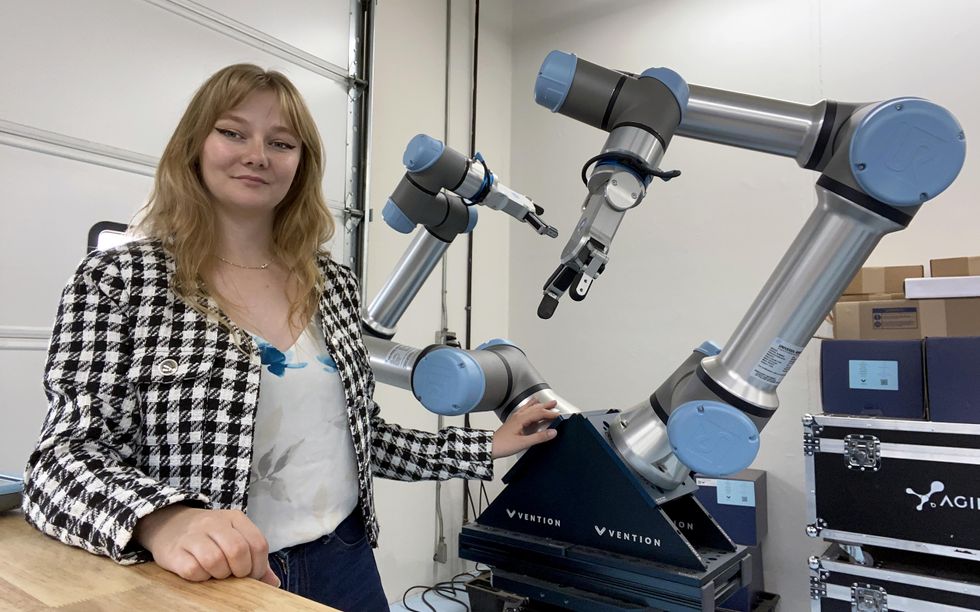
Graduate Student Develops NASA Robot Assembly Algorithm for Satellite Antennas
Sarah Downs, a graduate student at Texas A&M University, has developed an algorithm for NASA that enables robots to assemble satellites in space. This algorithm addresses the classic peg-in-hole problem by allowing robots to insert antennas accurately into designated spots. Downs's work is significant as it enhances the capabilities of robots operating in the challenging environment of outer space. The importance of Downs's research lies in its potential to improve satellite assembly processes, which are critical for space missions. By creating a robot that can perform tasks without relying on vision systems, Downs addresses the challenges posed by the harsh conditions of space where cameras may fail. This innovation could lead to more reliable and efficient satellite deployment in future missions. Looking ahead, Downs plans to continue her research on satellite assembly and manipulation at a larger scale. As she progresses in her Ph.D. studies, her work will likely contribute to advancements in robotics that could transform how satellites are constructed and maintained in orbit. No further timeline was disclosed at the time of publication.
Type-ti Ieee-member-news Robots Nasa Student-member Satellites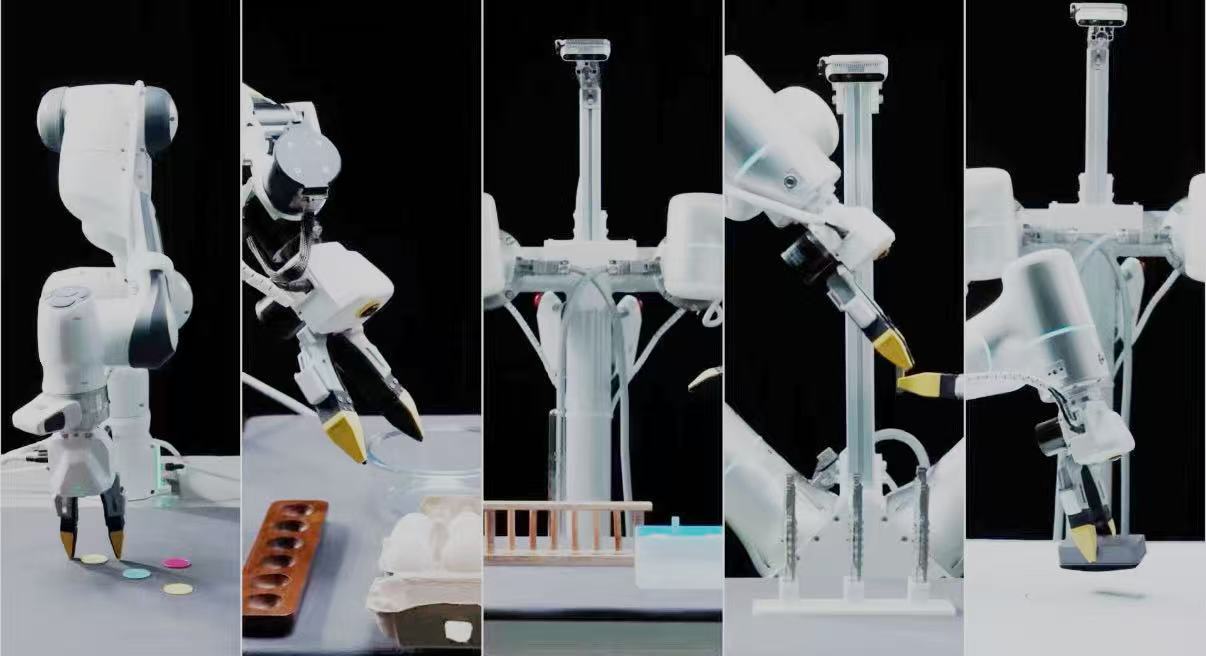
Qianjue Robotics Launches X-TouchMind V1 and TacVerse 1k for Enhanced Robot Interaction
On July 16, Qianjue Robotics unveiled its first embodied tactile model, X-TouchMind V1, alongside the TacVerse 1k multimodal dataset. This development addresses the limitations of traditional visual models in robotic operations, particularly in precision assembly and handling delicate objects, where failures often occur after contact. The new model integrates visual, linguistic, tactile, and robotic state data to enhance physical interaction capabilities. The significance of this release lies in Qianjue's comprehensive approach, which encompasses tactile perception hardware, self-developed multimodal data collection devices, and the new tactile model. Unlike previous attempts that merely supplemented tactile signals to visual data, the VTLA embodied tactile model establishes a closed-loop system that fundamentally redefines the perception boundaries of robotic models. This innovation allows robots to understand and respond to physical interactions more effectively. Looking ahead, Qianjue Robotics will demonstrate the capabilities of the VTLA model at the WAIC 2026 exhibition, showcasing real-world applications such as autonomous box stacking and precise assembly of headphones. The focus will be on how the model can dynamically adjust actions based on tactile feedback, marking a significant advancement in robotic interaction technology. No further timeline was disclosed at the time of publication.
Tactile Intelligence Robotic Interaction Precision Assembly Multimodal Data AI Robotics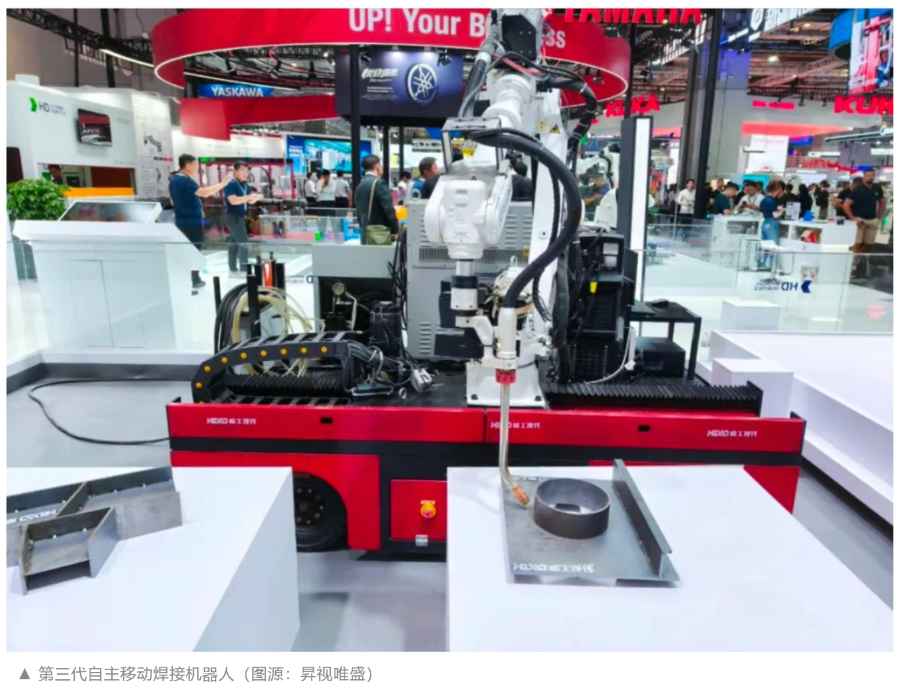
3Srobotics Secures Hundreds of Millions in Series B Funding for Smart Welding Solutions
3Srobotics, a company specializing in embodied intelligent robotics for industrial manufacturing, announced the completion of a Series B funding round on July 9, raising hundreds of millions. The round was led by Shanghai Semiconductor Investment and Jinqiao Fund, with participation from several venture capital firms. The funding aims to enhance their smart welding robotics capabilities and expand production capacity. The significance of this investment lies in addressing the critical shortage of skilled welders in China, where the average age of registered welders exceeds 45. With an estimated shortfall of millions of welding engineers by 2025, 3Srobotics' technology aims to improve welding quality, efficiency, and stability. The smart welding robot market is projected to reach hundreds of billions in the next decade, highlighting the urgent need for automation in this sector. Looking ahead, 3Srobotics plans to leverage its smart welding robots to introduce a range of industrial automation products, including grinding, cutting, assembly, and handling robots. The company aims to penetrate the entire manufacturing process, with a revenue target of several hundred million by 2026. No further timeline was disclosed at the time of publication.
Smart Welding Robots Industrial Automation AI Robotics Manufacturing Technology
N Ways Robotic Arms Are Transforming the Automotive Assembly Line
The automotive manufacturing industry is experiencing a significant transformation driven by the integration of advanced robotic arms, particularly collaborative robots, which enhance production efficiency, precision, and flexibility. JAKA, a leader in intelligent manufacturing, is at the forefront of this shift, implementing its robotic technology to address challenges such as low efficiency, inconsistent quality, and high labor costs in automotive assembly. As consumer demand evolves towards smaller batches and diverse product varieties, JAKA's collaborative robots, exemplified by the JAKA S12, offer high-precision adaptive assembly capabilities. With built-in force sensors and a lightweight design, these robots can be quickly deployed on assembly lines, minimizing downtime and adapting to various workpiece shapes and sizes. In the critical welding phase of automotive assembly, JAKA's robotic arms improve quality and efficiency by optimizing the welding process. Their user-friendly configuration interface and safety features ensure reliable operation, while compatibility with various welding machine brands enhances their versatility. Moreover, JAKA's collaborative robots lower the barriers to automation with zero-cost deployment and straightforward operation, allowing companies to implement these systems without specialized technical staff. This innovation not only reduces training costs but also enables manufacturers to quickly adapt to automation in their assembly lines. As the automotive sector increasingly embraces intelligent and flexible manufacturing, JAKA is committed to continuous innovation, providing high-quality robotic solutions that empower enterprises to enhance production efficiency and sustainability in the evolving market landscape.

Chef Robotics Advances Bi-Manual Physical AI System for Prep Table Food Assembly Powered by a Food Foundation Model
Chef Robotics has announced the development of a bi-manual physical AI system aimed at enhancing food assembly tasks on prep tables, such as burger and burrito preparation. This innovative system, which is set to launch on May 19, 2026, will cater to various sectors including ghost kitchens, fast-casual restaurants, and catering services, focusing on lower-volume yet more complex meal assembly compared to traditional food manufacturing processes. The new AI system utilizes two robotic arms for coordinated and dexterous manipulation, mimicking human-like capabilities to handle a variety of food items and utensils. It is powered by Chef's Food Foundation Model (FFM), which employs imitation learning to adapt quickly to diverse tasks and environments, overcoming the limitations of existing robotic systems that struggle with the variability of food materials. Chef Robotics aims to automate manual prep table assembly, a critical area in the food industry that has remained largely reliant on human labor. By leveraging the FFM, the system is designed to learn from demonstrations, allowing it to generalize across different tasks and robotic platforms. This advancement is expected to improve operational efficiency, yield, and consistency in food preparation, ultimately transforming how food assembly is approached in various culinary settings.

Chef Robotics Expands into Component Assembly for CPG Manufacturing
Chef Robotics has announced an expansion into component assembly for consumer packaged goods (CPG) manufacturing, enabling automation of secondary packaging and kitting processes. This development, revealed on May 11, 2026, allows Chef robots to efficiently handle a variety of items, including sauce sachets, seasoning packets, and even non-food inserts like cutlery kits and instruction cards. Historically, CPG assembly lines have relied heavily on manual labor due to the challenges posed by lightweight and deformable items. Chef Robotics aims to address this issue by utilizing AI-powered computer vision, which enables robots to assess and manipulate items in real time, ensuring precise placement without damage. The technology adapts to the variability of items in unstructured bins, eliminating the need for pre-sorting. The new assembly application features three key capabilities: detecting and reorienting items mid-pick for accurate placement, picking and placing multiple components simultaneously, and ensuring correct item allocation in multi-compartment products. This innovation promises higher throughput, reduced labor dependency, and consistent item placement across production shifts. Chef's CPG assembly application is available in the US, Canada, the UK, and Germany, and operates on existing robotic hardware and software, allowing for seamless integration into current manufacturing setups. The service is offered under Chef's robotics-as-a-service (RaaS) pricing model, further solidifying the company's position as a leader in AI-driven food robotics solutions.
How a Small Robotic Arm Reduces Footprint in Electronics Benchtop Assembly
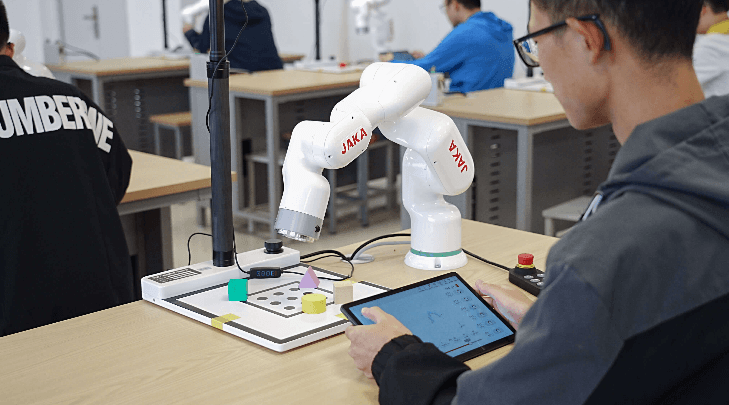
In the rapidly evolving field of electronics manufacturing, JAKA has introduced the MiniCobo, a compact robotic arm designed to optimize workspace efficiency. This innovative solution addresses the challenges of limited bench space, allowing manufacturers to streamline assembly tasks without sacrificing operational capability. The MiniCobo's lightweight construction ensures easy positioning and minimal structural modifications, making it particularly beneficial in crowded electronics assembly environments. Launched recently, the MiniCobo enables quick setup and seamless integration into existing workflows, automating repetitive tasks to enhance productivity and reduce error rates. This small robotic arm not only improves throughput but also maintains high operational reliability, making it an attractive option for small-scale production and pilot assembly lines. By offering a cost-effective alternative to larger robotic systems, the MiniCobo reduces energy consumption and simplifies maintenance, leading to significant operational savings. Its adaptability allows for the deployment of multiple units in parallel, catering to varying production demands without substantial investment. Overall, JAKA's MiniCobo represents a strategic advancement in benchtop assembly, combining compact design, precise operation, and flexible deployment to meet the evolving needs of modern electronics production.
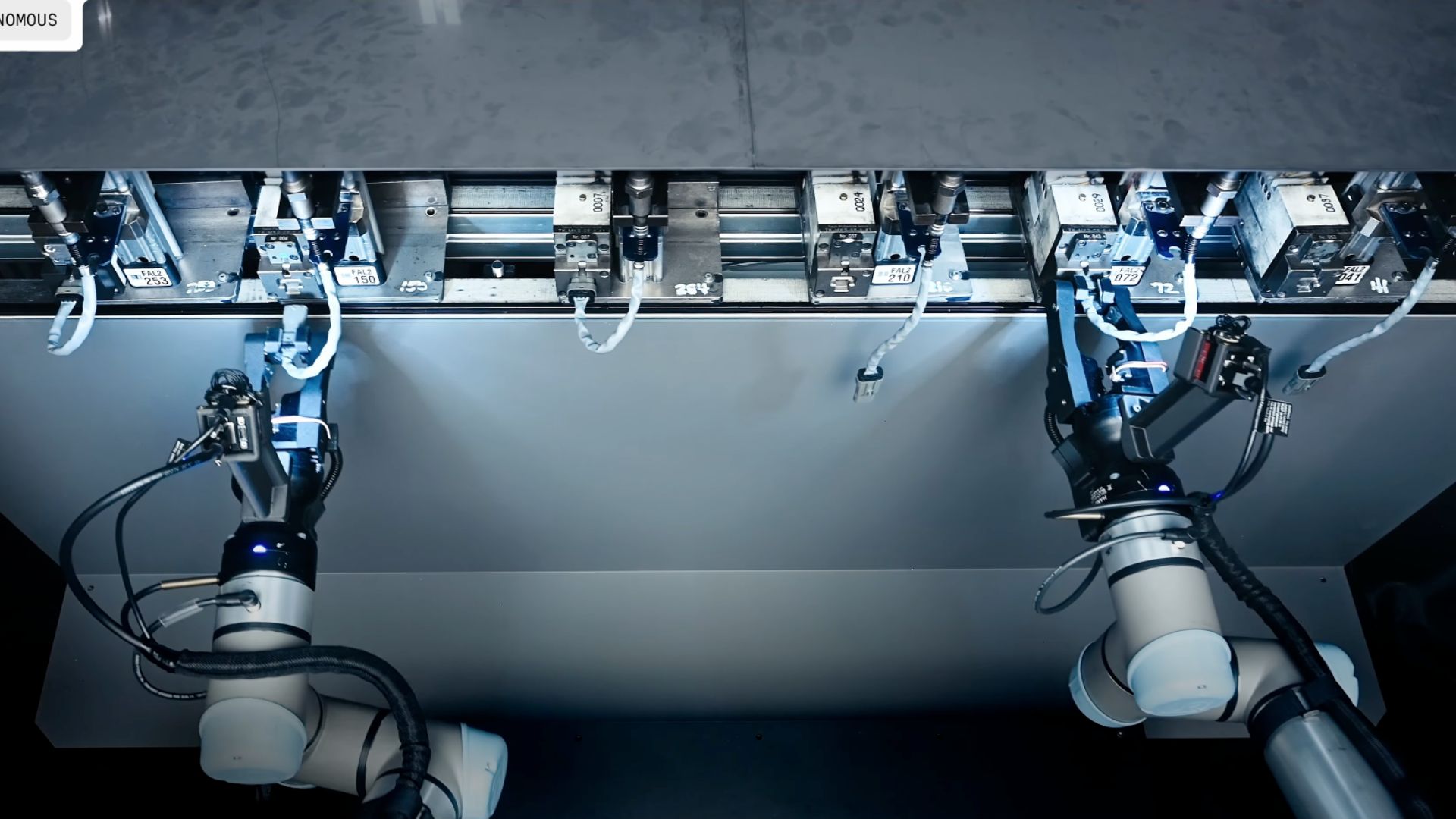
Video: New robotic system achieves 99.5% success in fast auto factory wire assembly
Sanctuary AI, a Canadian robotics company, has announced a major breakthrough in industrial automation. The firm has developed advanced AI-driven robots capable of performing complex tasks traditionally handled by human workers. This innovation comes as industries increasingly seek to enhance productivity and efficiency amid labor shortages and rising operational costs. The robots, which are designed to seamlessly integrate into existing workflows, utilize sophisticated machine learning algorithms to adapt to various environments and tasks. This development was unveiled during a press conference held in Toronto on October 15, 2023, where company executives highlighted the potential of these robots to revolutionize sectors such as manufacturing and logistics. By automating repetitive and labor-intensive processes, Sanctuary AI aims to not only improve operational efficiency but also allow human workers to focus on more strategic and creative roles.
AI and Robotics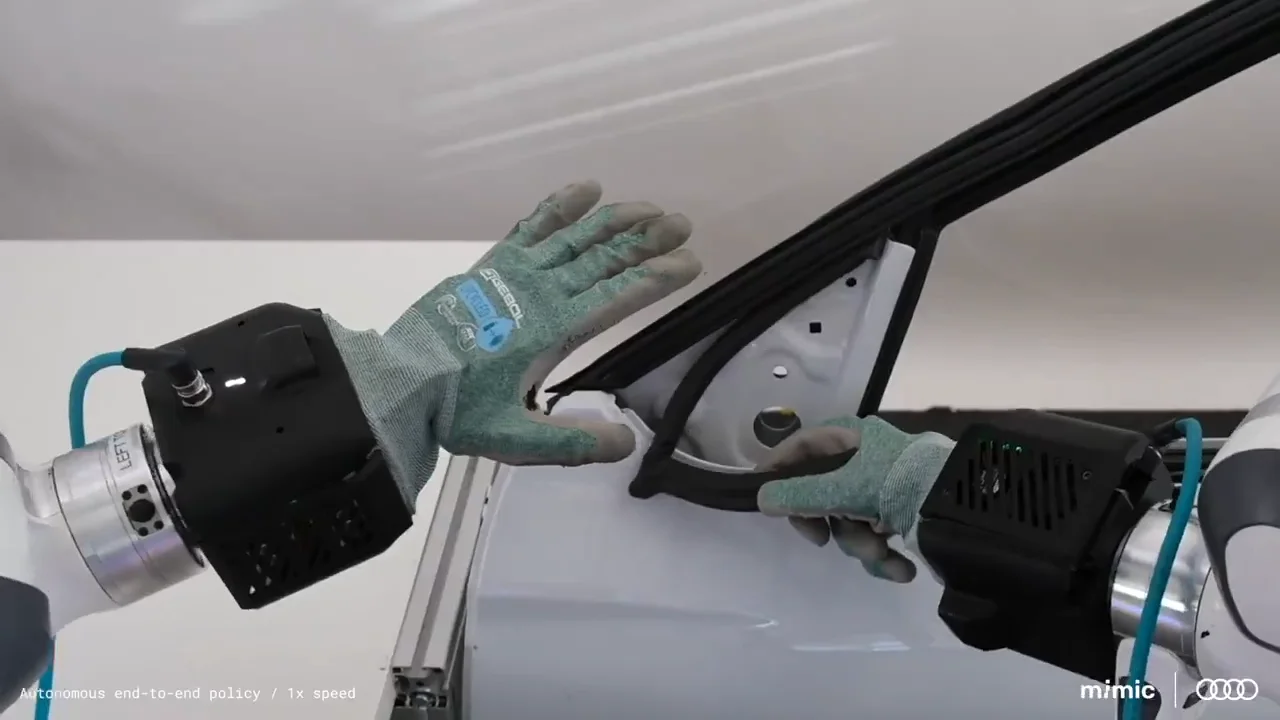
Audi Partners with Mimic Robotics for AI-Driven Automotive Assembly
Audi has announced a partnership with Zurich-based startup Mimic Robotics to enhance its manufacturing processes by incorporating learning-based, end-to-end robotic systems. This collaboration signifies a significant transition from traditional rigid programming methods to a more adaptable approach known as "Physical AI." By leveraging advanced robotics, Audi aims to improve efficiency and flexibility in its production lines, responding to the evolving demands of the automotive industry. The integration of these innovative technologies is expected to streamline operations and foster a more responsive manufacturing environment.
Mimic Robotics Europe Audi ETH Zurich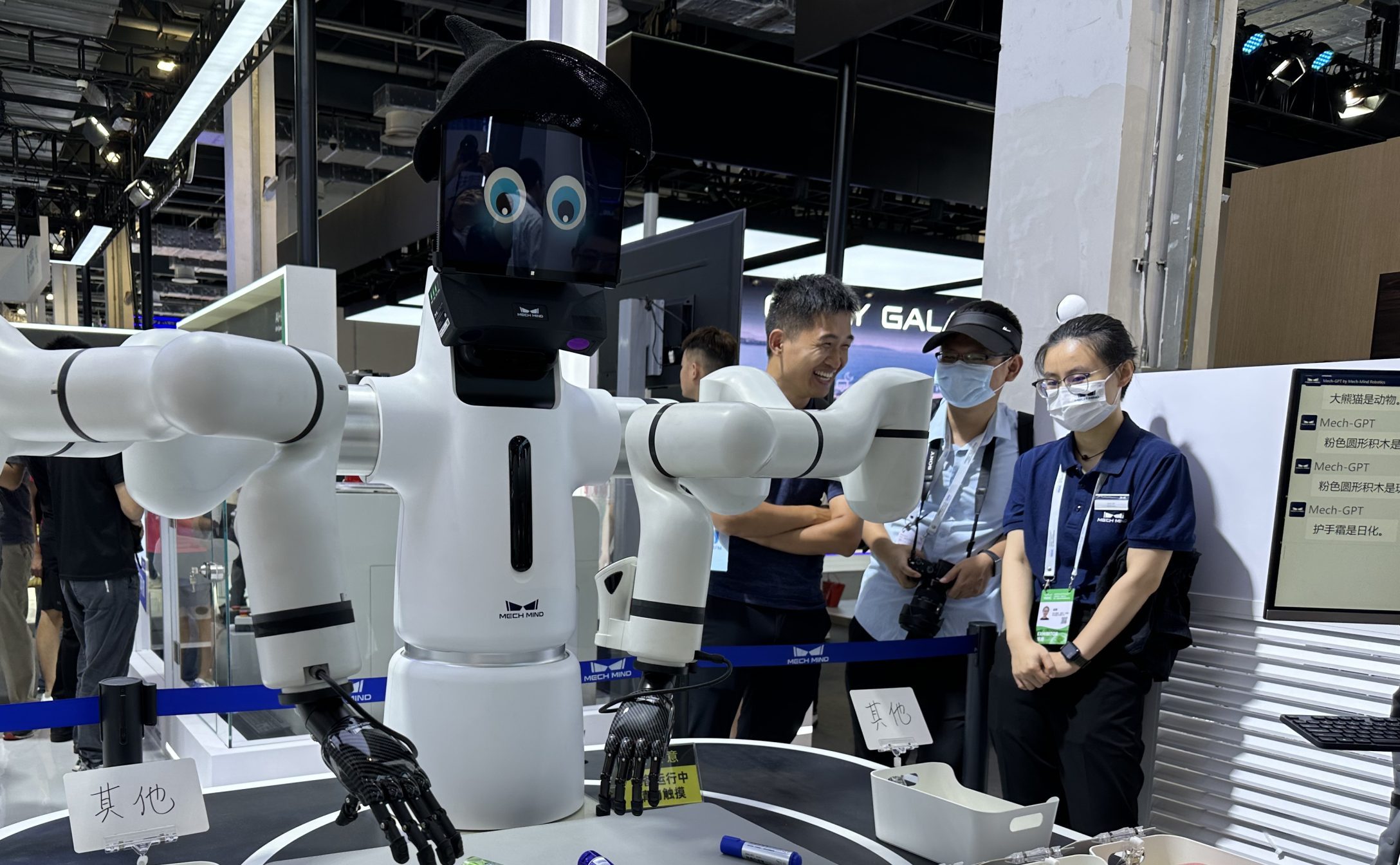
From retro streets and robot assembly to robot boxing, WAIC 2025 unveils China’s latest robotics tech
The 2025 World Artificial Intelligence Conference (WAIC) took place in Shanghai from July 26 to 28, focusing on the theme of "Global Solidarity in the AI Era." This year’s event marked a significant increase in participation, with over 80 companies involved in embodied intelligence, compared to just 18 robotics companies at last year's conference. The surge in attendance underscores the growing interest and investment in artificial intelligence technologies. The conference featured various discussions and showcases aimed at fostering collaboration and innovation in the AI sector.
Heavy Hitters Content and entertainment government Highlight News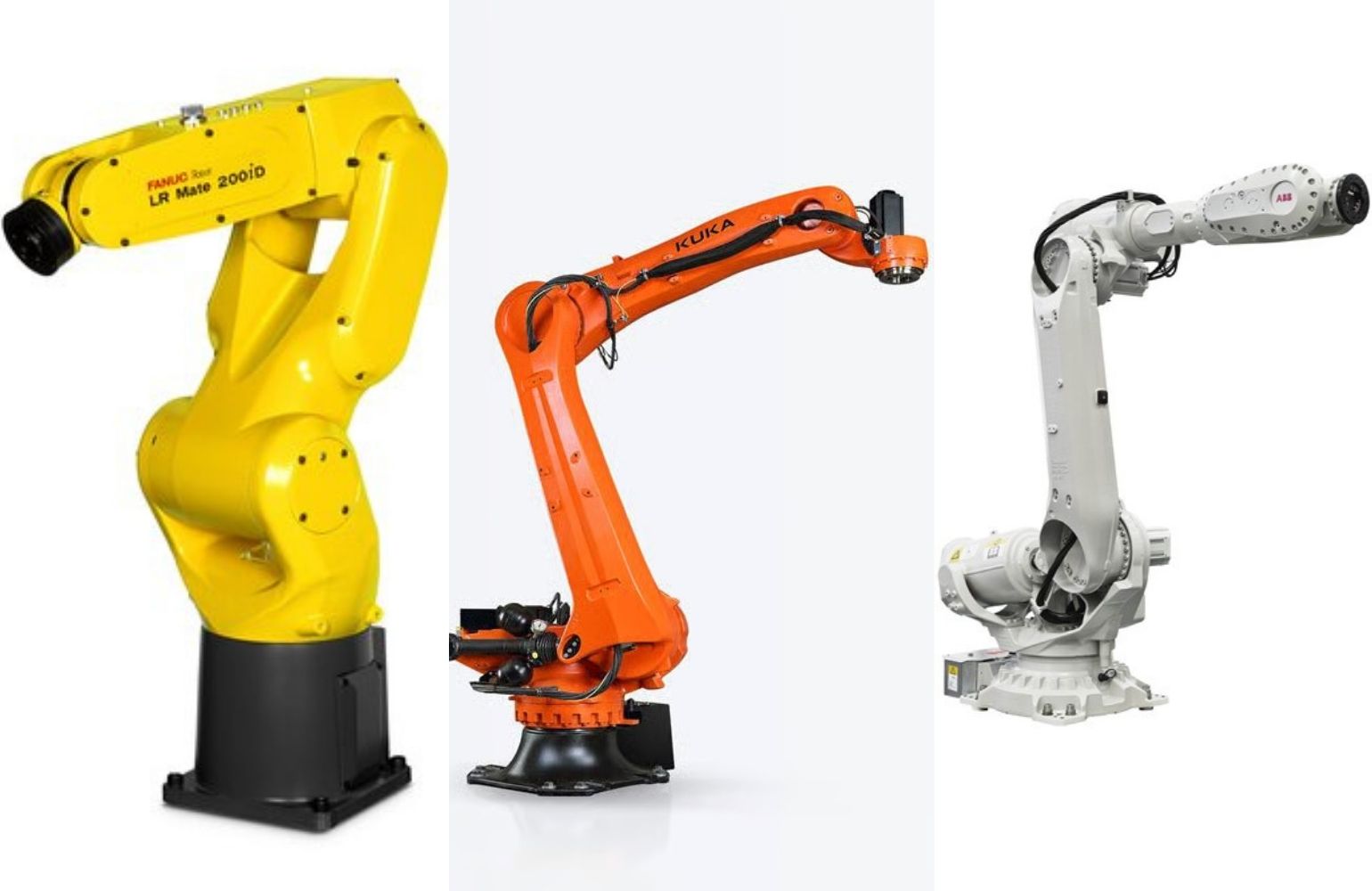
Why you should combine robot dexterity with mechanical positioning for complex assembly operations
Experts in robotics are increasingly emphasizing the significance of mechanical positioning in enhancing machine mobility, range, and speed. This recognition comes as industries seek to improve efficiency in complex assembly operations. The integration of robot dexterity with advanced mechanical positioning techniques is seen as a crucial step towards achieving more effective and precise automation solutions. By optimizing these elements, manufacturers can streamline their processes, reduce errors, and ultimately boost productivity. The insights were shared in a recent article on The Robot Report, highlighting the growing trend of combining these technologies to meet the demands of modern manufacturing environments.
Arms / Manipulators Assembly Industrial Robots Manufacturing Markets / Industries Motion Control
Why Precision Swiss Machining is Critical to the Future of Robotics and Automation
The industrial production landscape is undergoing a significant transformation due to the rapid advancements in robotics, factory automation, and intelligent manufacturing systems. This shift is characterized by an increasing reliance on highly precise mechanical systems that can operate continuously with minimal deviation. As automation technologies evolve and become more interconnected, modern manufacturing environments are integrating collaborative robots, automated assembly systems, and sensor-driven equipment. These innovations are not only enhancing efficiency but also improving the accuracy and reliability of production processes. The ongoing evolution in this sector reflects a broader trend towards smarter, more automated manufacturing practices that aim to meet the growing demands of global markets.
Automation Engineering Factories automated manufacturing automation hardware automation news
Appetronix Acquires Cibotica to Expand Food Robotics & AI Ecosystem
Appetronix, a leading robotics company specializing in foodservice automation, has announced its acquisition of Cibotica, known for its innovative ingredient dispensing and portioning technology. The transaction, the financial details of which remain undisclosed, will enhance Appetronix's offerings by integrating Cibotica's advanced automated bowl and salad assembly system. This strategic move aims to further Appetronix's mission of revolutionizing the foodservice industry through intelligent automation solutions.
AI Capital Markets Robotics acquisition Appetronix Cibotica
Nauticus Robotics Announces Movement of Second Aquanaut Vehicle into the Acceptance Testing Phase
Nauticus Robotics, a prominent player in the field of autonomous subsea robotics and software, has successfully completed the assembly of its second flagship underwater vehicle, the Aquanaut Mark 2. This significant milestone marks a key advancement in the company's efforts to enhance underwater exploration and operations. The announcement comes as Nauticus continues to push the boundaries of technology in the subsea sector, aiming to provide innovative solutions for various industries, including oil and gas, environmental monitoring, and underwater infrastructure maintenance. The Aquanaut Mark 2 is expected to play a crucial role in expanding the capabilities of autonomous underwater vehicles, further solidifying Nauticus's position as a leader in this emerging field.
nauticus robotics second aquanaut vehicle acceptance testing phase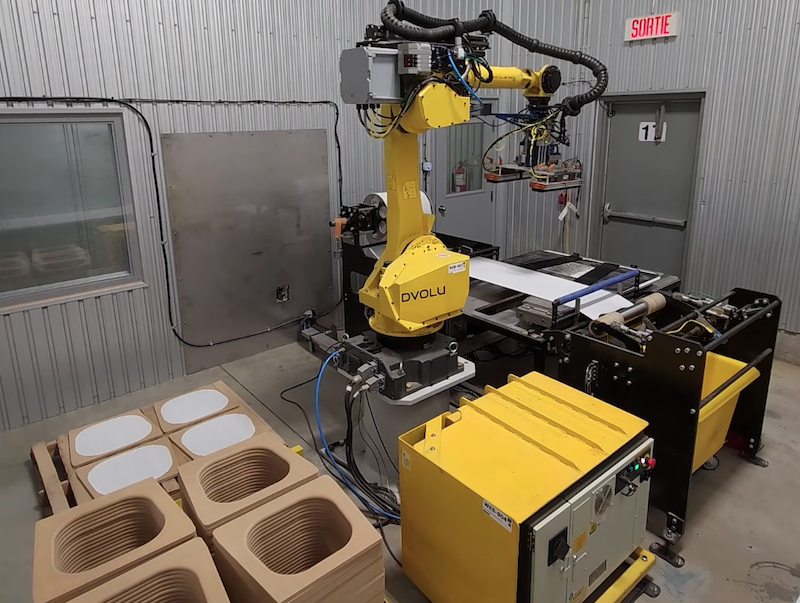
Fanuc-powered robotic cell automates one of furniture manufacturing’s toughest jobs
A Canadian furniture manufacturer has successfully implemented automation in its upholstery process by utilizing a robotic work cell centered around a Fanuc M-710iC industrial robot. This innovative system, developed by Fanuc Authorized System Integrator Dvolu, streamlines tasks that have traditionally demanded skilled labor, such as fabric stretching, stapling, trimming, and palletizing chair seats. The automation aims to enhance efficiency and reduce reliance on manual labor, addressing challenges in workforce availability and productivity. By integrating advanced robotics into their operations, the manufacturer is poised to improve production speed and consistency, marking a significant shift in the furniture industry’s approach to upholstery.
Industrial robots News advanced manufacturing ai vision systems automated trimming automation news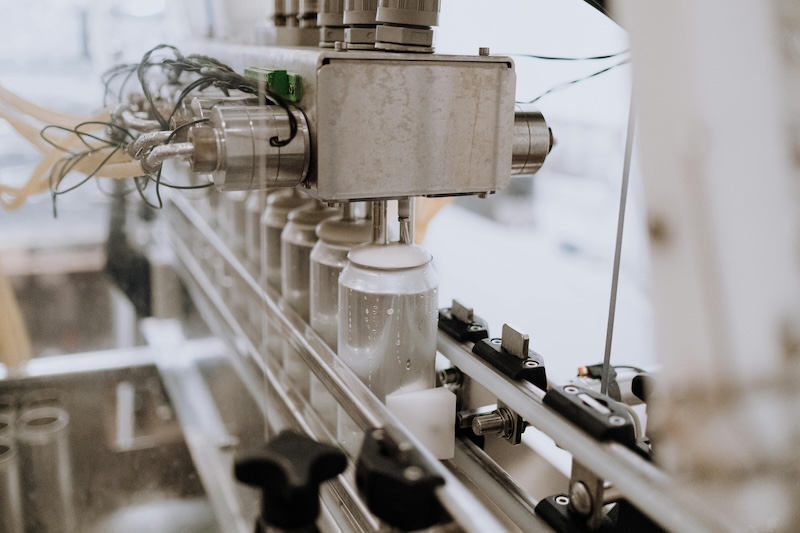
Application engineering for assembly systems is quietly becoming manufacturing’s biggest competitive edge
In a significant shift within the manufacturing sector, companies are increasingly focusing on application engineering to enhance assembly systems. This evolution is driven by the need for higher productivity and reduced error rates on the factory floor. Leading the charge is Atlas Copco, a prominent player in the industry, which is fully embracing this transformation. The emphasis is now on not just the machines themselves, but also on the engineering that connects and adjusts these machines in real-time to align with operational demands. As factories strive to optimize their processes, the integration of advanced engineering techniques is becoming essential for success in a competitive landscape.
Engineering Manufacturing application engineering assembly line automation assembly systems atlas copco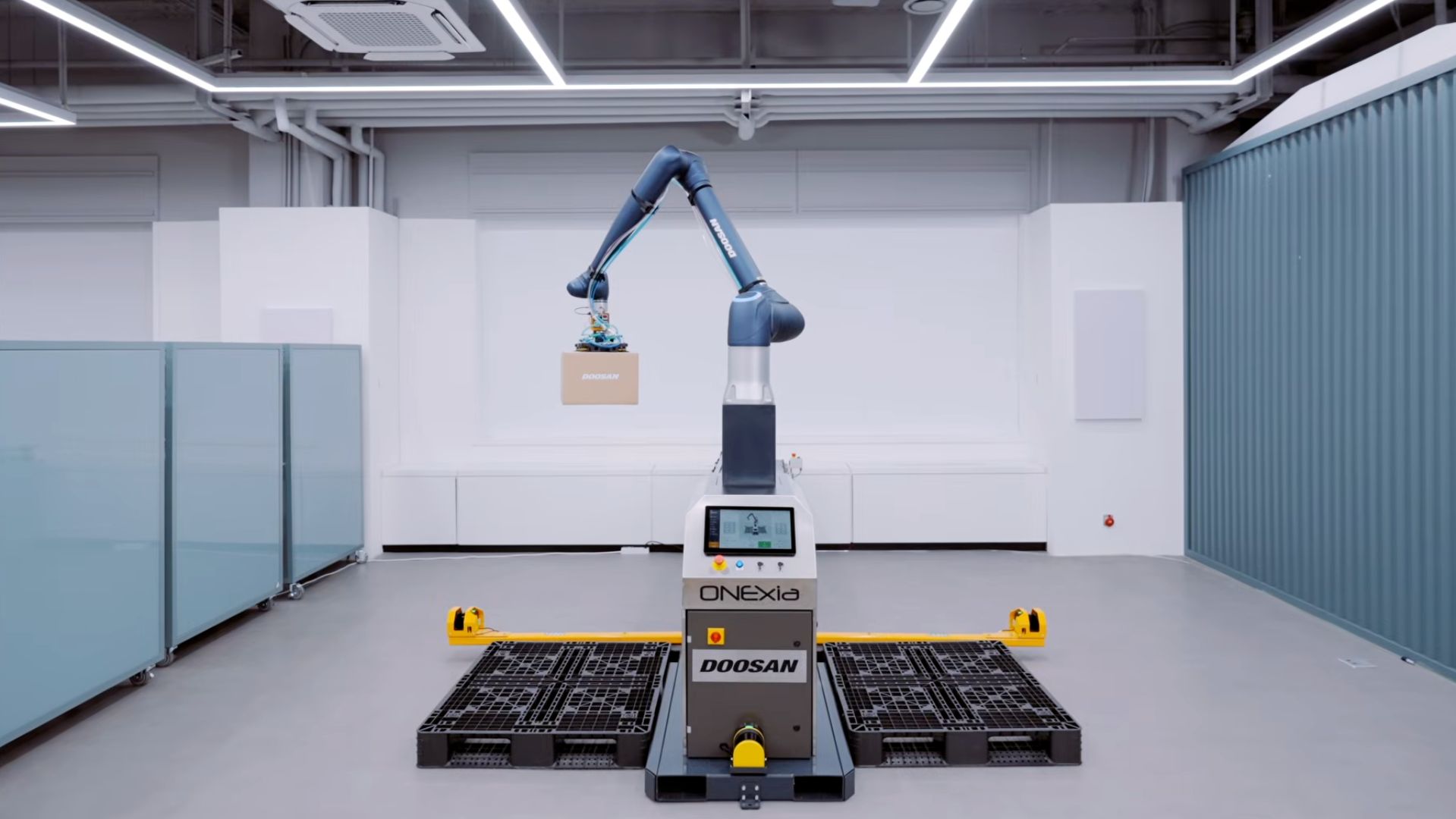
Grid Dynamics Partners with Doosan Robotics to Enhance Physical AI in Manufacturing
A US technology company, Grid Dynamics, has formed a strategic partnership with South Korea's Doosan Robotics to promote the use of Physical AI in manufacturing and logistics. This collaboration will provide Doosan's industrial collaborative robot customers with a comprehensive software stack and integration services, facilitating advanced automation tasks such as complex object inspection and variable component assembly. The significance of this partnership lies in its potential to expedite the deployment of AI-powered robotic systems, thereby broadening the applications of Physical AI within industrial operations. Doosan Robotics, a leading manufacturer of collaborative robots, offers a range of models designed for various tasks, including the lightweight A Series and heavy-duty H Series, which can handle payloads up to 55 pounds. Looking ahead, the integration of Grid Dynamics' GAIN Platform with Doosan's cobots is expected to enhance automation capabilities, particularly for complex tasks that traditional robotics struggle with. No further timeline was disclosed at the time of publication.
AI and Robotics Innovation
The Rise of Force Sensing Technology in China's Robotics Industry
Recent trends in the robotics industry indicate a shift from mere mobility to operational intelligence, particularly in humanoid robots. Companies are now focusing on practical applications such as tool handling and assembly, highlighting the importance of force sensing technology. As robots engage in physical tasks, understanding the force exerted becomes crucial for effective operation. This transition underscores the growing significance of six-dimensional force sensors, which are evolving from optional components in industrial robots to essential infrastructure for next-generation intelligent robots. The recent funding rounds exceeding 100 million yuan reflect a broader interest from both traditional investors and state-owned enterprises, signaling a pivotal moment in the industry's development. Looking ahead, the demand for comprehensive sensing, control, and manufacturing infrastructure will likely increase as the humanoid robotics sector matures. The complexity of enabling robots to perform sustained tasks, such as assembly and material handling, will challenge developers to innovate beyond flashy capabilities and focus on the intricate details that drive commercialization.
Humanoid Robots Force Sensing Technology Industrial Automation Robotics Innovation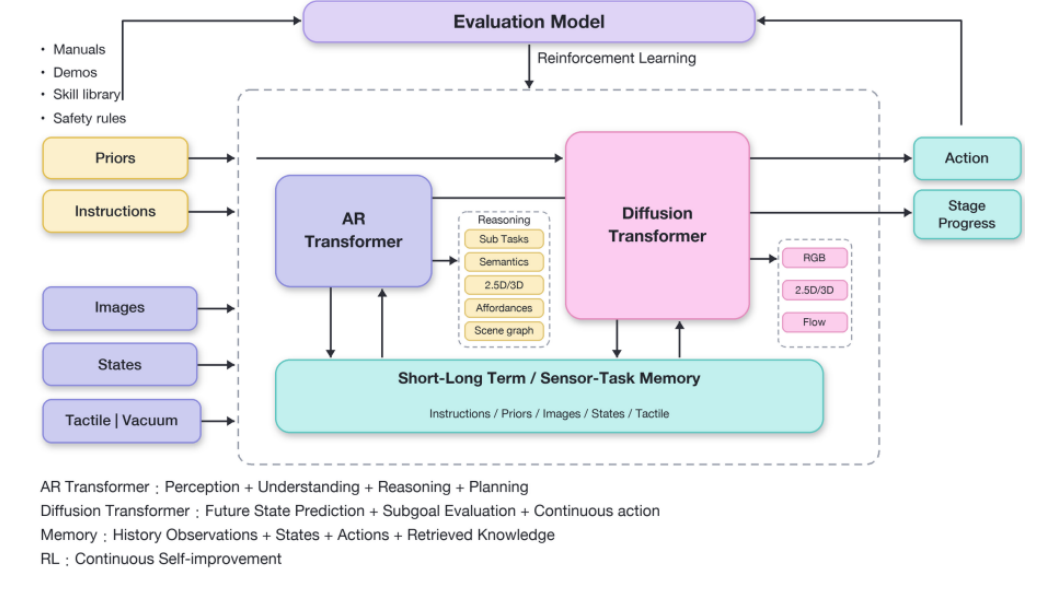
Gravity Develops Unified Framework for Long-Range Complex Robotic Tasks
Gravity has introduced a unified embodied intelligence framework designed for long-range and complex robotic tasks. This framework, built on a Mixture-of-Transformers (MoT) architecture, integrates visual language models (VLM) for instruction and scene understanding, task reasoning, and world modeling to predict future states and evaluate sub-goals. It also incorporates tactile and force feedback, prior knowledge, and multi-modal supervision to enhance task execution and adaptability. The significance of Gravity's framework lies in its ability to improve the success rate of complex operations that require precise contact and autonomous error correction. By combining AR Transformer and Diffusion Transformer, Gravity enables robots to simulate multiple strategies and assess risks before executing tasks. This advancement shifts robotic capabilities from reactive responses to proactive planning, making it suitable for applications in precision assembly, complex sorting, and flexible manufacturing. Looking ahead, Gravity aims to further develop its complete system, having already implemented components like Gravity VLA and Gravity 4D WAM. The focus will be on enhancing the framework's ability to learn from real-world experiences, thereby creating a continuous feedback loop that improves operational efficiency and adaptability in various industrial contexts. No further timeline was disclosed at the time of publication.
Robotic Frameworks Embodied Intelligence Task Automation Machine Learning Robotics
Tesla Supplier New Sword Seeks 2.822 Billion Yuan in IPO for Robotics Expansion
Hangzhou New Sword Electromechanical Transmission Co., Ltd. has submitted its IPO application to the Shenzhen Stock Exchange, aiming to raise 2.822 billion yuan by issuing up to 27.99 million shares. Established in 1999, the Zhejiang-based company is recognized as one of the three major players in Tesla's humanoid robot supply chain, primarily supplying planetary roller screws for the Tesla Optimus robot. The significance of this IPO lies in New Sword's projected revenue growth, which is expected to rise from 263 million yuan in 2023 to 383 million yuan by 2025. The company anticipates a dramatic increase in revenue from the embodied intelligent robotics sector, with projections of 31.11 million yuan by 2025, marking a 346% year-on-year growth. The funds raised will primarily support the industrialization project for producing 1 million humanoid robots and automotive planetary roller screws, with a total planned investment of 2.6 billion yuan. Looking ahead, New Sword's business model is shifting as it evolves from a single screw supplier to a comprehensive assembly supplier, including sensors and motors, for Tesla. The company aims to capitalize on the anticipated demand for Tesla's Optimus robots, with CEO Elon Musk indicating a target of 1 million units annually by the end of 2026. However, the timeline for mass production has faced multiple adjustments since the project's announcement in 2021, leaving uncertainty in the market.
Humanoid Robots IPO Supply Chain Electromechanical Components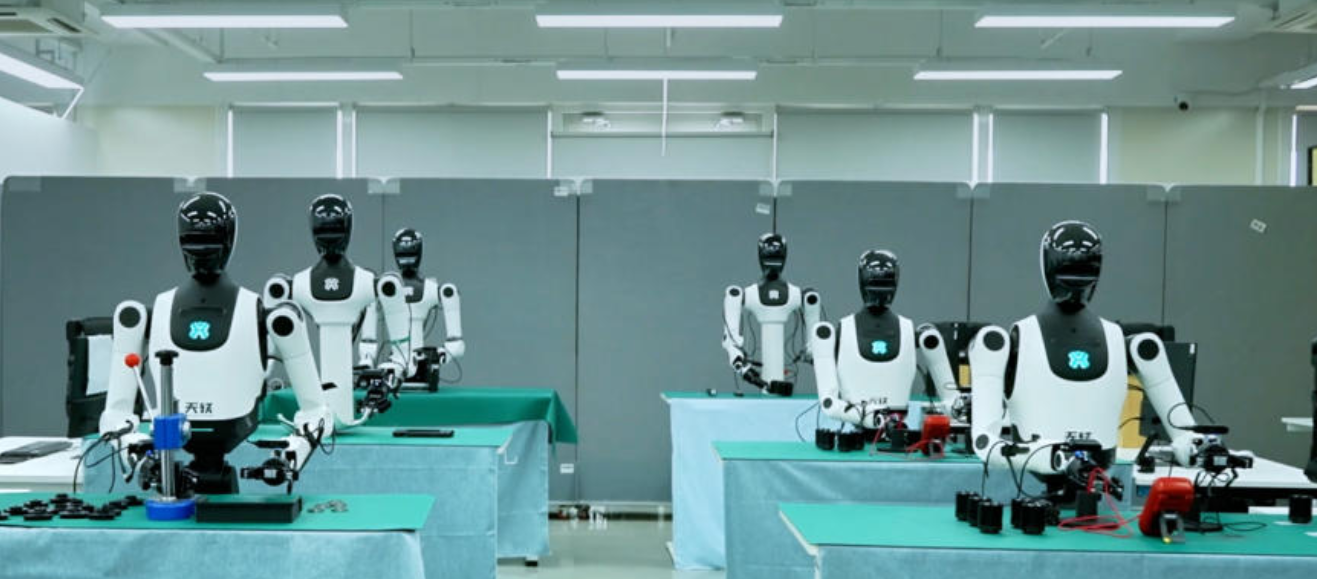
Launch of Robo-ValueRL: The First Open-Source VLA Reinforcement Learning Framework for Robotics
The Beijing Humanoid Robot Innovation Center and Renmin University of China's Gaoling Artificial Intelligence Institute have launched the Robo-ValueRL open-source framework. This initiative aims to enhance humanoid robots' decision-making capabilities in precision tasks, such as semiconductor assembly, by addressing challenges in data quality, control precision, and adaptability in dynamic environments. Robo-ValueRL introduces a value estimation mechanism based on historical observations, enabling robots to autonomously assess their actions. This closed-loop learning process—observation, value estimation, correction, and iteration—allows for improved accuracy and reduced instability in operations. The framework is fully open-source, providing access to core algorithms, evaluation tools, and standardized protocols for universities, research institutions, and manufacturers. The open-source nature of Robo-ValueRL significantly lowers the barriers for small and medium-sized manufacturers to implement reinforcement learning in specialized fields like semiconductor production and medical device manufacturing. This development marks a shift in humanoid robotics from laboratory experiments to practical industrial applications, paving the way for robots to evolve their decision-making capabilities independently.
Humanoid Robots Reinforcement Learning Precision Manufacturing Open Source Technology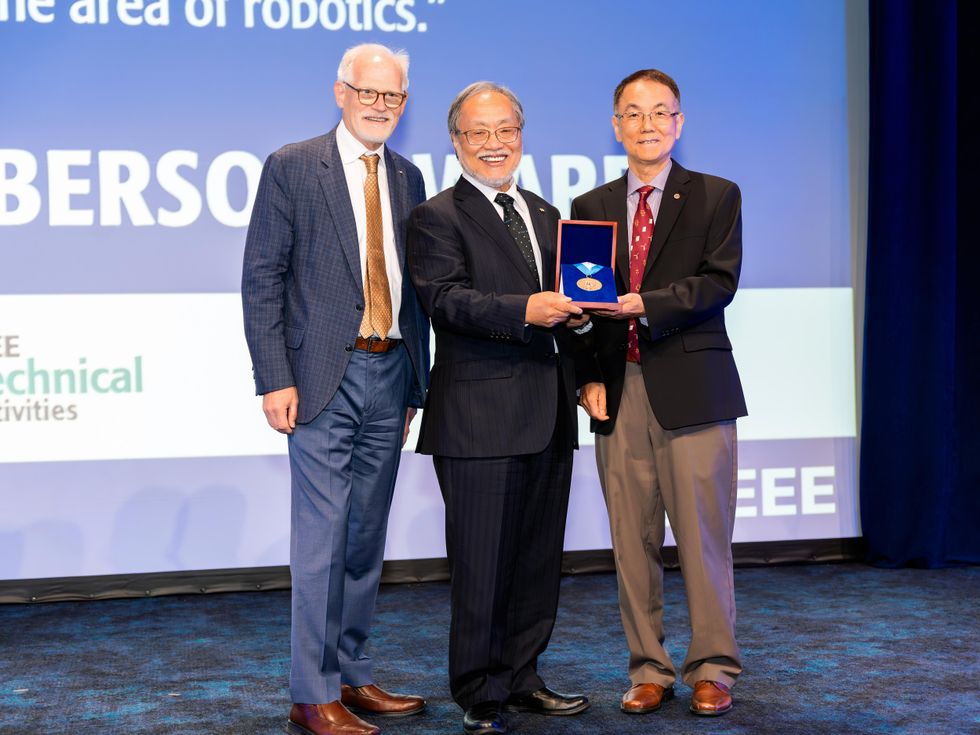
IEEE Honors Robotics Pioneer Toshio Fukuda
Toshio Fukuda has been blazing trails for most of his career. He is considered to be one of the most prolific scholars in robotics, writing more than 2,000 research papers and authoring several books on the field. He’s an influential figure thanks to his pioneering work developing biomedical robotic systems, industrial robots, micro-nano robotics, mechatronics, and AI-driven automation.Fukuda launched one of the first robotics conferences, the IEEE/RSJ International Conference on Intelligent Robots and Systems (IROS). It is still popular almost 40 years later.Toshio FukudaEmployerEgypt-Japan University of Science and Technology, in Alexandria TitleProfessor and vice president of research Member gradeLife Fellow Alma matersWaseda University, in Tokyo; University of Tokyo An IEEE Life Fellow, he is a professor emeritus in the department of micro-nano systems engineering and a visiting professor at Nagoya University, in Japan, where he taught for nearly 25 years. Currently, he is a vice president of research at the Egypt-Japan University of Science and Technology, in Alexandria, Egypt.Within IEEE, Fukuda has held top volunteer positions including the organization’s highest office: He served as IEEE president in 2020, becoming the first person of Asian descent to hold the role.He’s a former program director of Japan’s Moonshot program, which by 2050 intends to develop advanced AI robots.Born in Japan, Fukuda has been recognized by the country for his contributions to science with two of its highest awards: the Medal of Honor with a purple ribbon in 2015 and the Order of the Sacred Treasure in 2022.IEEE honored him with this year’s Richard M. Emberson Award for “distinguished service advancing the technical objectives of IEEE, especially in the area of robotics.” The IEEE Board-level award is sponsored by the IEEE Technical Activities Board. Fukuda received the award on 24 April at a ceremony in New York City.As a former IEEE president who has served as a master of ceremonies at several of the organization’s major award events, Fukuda noted that he is more accustomed to bestowing awards than receiving them.“It’s very interesting to be on the receiving end,” he says.The journey into robotics researchAs a teenager, Fukuda spent his summer breaks teaching himself how to build things including transistor radios and steam engines.“It was very nice to have a hands-on hobby and make these kinds of things myself,” he says. His experimentation led him to study engineering.He earned a bachelor’s degree in engineering in 1971 from Waseda University, in Tokyo. He says one of his professors there—Ichiro Kato, regarded as the father of Japanese robotics research—was a good mentor who made a positive impact.Fukuda’s research interests were robotics and mechatronics, a field that combines robotics, electronics, computer science, and control systems.He went on to earn a master’s degree and a doctorate in science from the University of Tokyo, in 1971 and 1977. During those years, he also attended Yale, where he conducted research on advanced control theory in 1973.He reflects fondly on his time at Yale: “It was a very nice environment and a kind of free-thinking atmosphere. It motivated me to study more.”“IEEE doesn’t care who you are, what you do, what country you are from, or whether you are male or female. IEEE accepts people who have energy and passion.”While at Yale, Fukuda served as an assistant to his advisor—which led him to consider a career in academia, he says, because he enjoyed the freedom that research work afforded him.But he realized that such freedom comes with a price. University researchers are expected to raise the money that funds their work. He compares researchers to small-business owners who have to bring in money to keep their enterprise afloat.That realization led him to select robotics as his field because he intended to develop technologies useful to industry, he says.After earning his doctorate, he returned to Japan in 1977 to work as a research scientist at the government’s Mechanical Engineering Laboratory, later renamed the National Institute of Advanced Industrial Science and Technology, in Tsukuba.“There was a lot of research going on at the lab, including practical robotics and theory,” he says.He left Japan in 1979 to become a visiting research fellow at the University of Stuttgart, in Germany. During his year there, he studied systems, software problems, and related topics.He returned to Japan and was hired as an associate professor of mechanical engineering at the Tokyo University of Science. He conducted research into practical uses for robots by visiting industrial plants. He decided to develop robots that inspect industrial equipment such as those used in assembly plants, oil refineries, and power stations—places that “can be hostile environments for humans,” he says.His work drew interest from chemical, oil, and utility companies.“I got a lot of money from them for this very practical application, which funded my research,” he says, laughing.Developing popular robotic systemsFukuda grew tired of making those robots, he says, so he switched to creating ones for scientific applications. He developed many techniques, but he probably is best known for his modular, cellular robotic systems (CEBOTs), which he introduced in 1985.He has described how CEBOTs work in numerous papers published in the IEEE Xplore Digital Library.The CEBOT system is composed of a number of autonomous robotic cells that stick together like interlocking Lego plastic bricks, he says.Each cell is a fundamental modular unit that has a function. When a simple task is given, the system can analyze it and generate the structure of the cellular manipulator. The cells connect to and detach from each other through connection mechanisms and cooperate mutually, creating complex structures and configurations.“You start developing from the component-wise to the cell-wise to a small functional unit—and then you come up with clusters that make bigger systems. We can make a society of robot beings like that,” he explained in his oral history published on the Engineering and Technology History Wiki. “It’s a distributed robotic system, a self-organized robotic system, and also an evolutionary robotic system.“It’s also a fault-tolerant robot system because if something is wrong, you just remove those things and make a new one. You keep the system working. That’s a great thing.”Today CEBOTs are used for a variety of tasks such as delivering medication in hospitals, assisting with planting crops, and transporting products in distribution centers. Check out IEEE Spectrum’s Robots Guide for news from the world of robotics.In 1989 Fukuda joined Nagoya University as a professor of mechanical engineering and micro-nano systems engineering. During his 24-year career there, he was director of the university’s Center for Micro-Nano Mechatronics. He developed a long list of technologies at the university, including many for medical applications. He also conducted groundbreaking research into intelligent robotic systems and micro- and nano-robotics.Another technology he is known for is brachiation robots, which he helped develop in 1988. He calls them monkey robots because they’re based on the pendulum-like movement of monkeys swinging from tree to tree. The gravity-based locomotion enables continuous movement.Brachiation robots now are inspecting high-voltage transmission towers and bridges, searching damaged buildings for survivors, and performing maintenance on pipelines and cables.Fukuda retired from the university in 2013 and was named professor emeritus.He didn’t stay retired for long, though. He next held a teaching appointment at Meijo University, in Nagoya, until he left in 2022 to join the Egypt-Japan University.A prominent volunteerHe joined IEEE in 1980 at the encouragement of one of his research advisors, Professor Fumio Harashima, now an IEEE Life Fellow. After attending conferences and reading the organization’s publications, Fukuda says, he looked forward to becoming more involved.“I wanted to know how to organize a conference and how to edit a paper for one of its Transactions,” he says. “I wanted to know what was going on from inside the organization, not just the outside.”In 1988 he was the founding chair and organizer of IROS, in Tokyo. The conference had 330 attendees that year, and was supported by Harashima. Today it is one of the largest and most prestigious conferences on the topic, attracting more than 9,000 people annually. Out of 120,000 conferences, it was the only conference in the Nature Index database for this year, Fukuda says.In 1996 he and other members launched IEEE Transactions on Mechatronics.He was the founding president of the IEEE Nanotechnology Council, which was established in 2002. He is considered a pioneer in nanotechnology research, particularly regarding how it relates to robotics.Over the years, he has held numerous volunteer positions on IEEE editorial boards and committees.He was the 1998–1999 president of the IEEE Robotics and Automation Society, becoming the first non-U.S. member to hold the title.He was director of IEEE Division X (2001–2002 and 2017–2018), which covers intelligent systems, biological engineering, robotics, control systems, and photonic technologies. He served as the 2013–2014 director of IEEE Region 10 (Asia-Pacific).As the 2020 IEEE president, Fukuda saw the organization through the early part of the COVID-19 pandemic. Because of travel restrictions, he realized IEEE should change how it offered its in-person services, specifically educational programs. He encouraged IEEE Educational Activities to develop an online learning platform. The IEEE Learning Network started with just three courses and now offers nearly 2,000 courses, webinars, and learning materials.An award-winning memberThe Emberson Award joins a slew of other recognitions Fukuda has received from IEEE. They include several from the IEEE Robotics and Automation Society: a 2004 Pioneer Award, a 2009 Saridis Leadership Award, and the 2011 Harashima Award for Innovative Technologies. He is also a recipient of the Board-level 2010 IEEE Robotics and Automation Technical Field Award.He says he feels strongly that IEEE should be a diverse organization that is welcoming to all. As IEEE president, he led efforts to devise a diversity, equity, and inclusion program. Several policies, procedures, and bylaws were revised to give members a safe, inclusive place for discourse.“It’s important for IEEE to make everyone feel comfortable,” he says. “DEI programs are important. All people should be equal. IEEE doesn’t care who you are, what you do, what country you are from, or whether you are male or female. IEEE accepts people who have energy and passion.“It accepted me, from the Far East. That’s why I like it.”You can learn more about Fukuda and his career from the oral history conducted by the IEEE History Center.
Robotics Robots Ieee-member-news Type-ti Ieee-awards Toshio-fukuda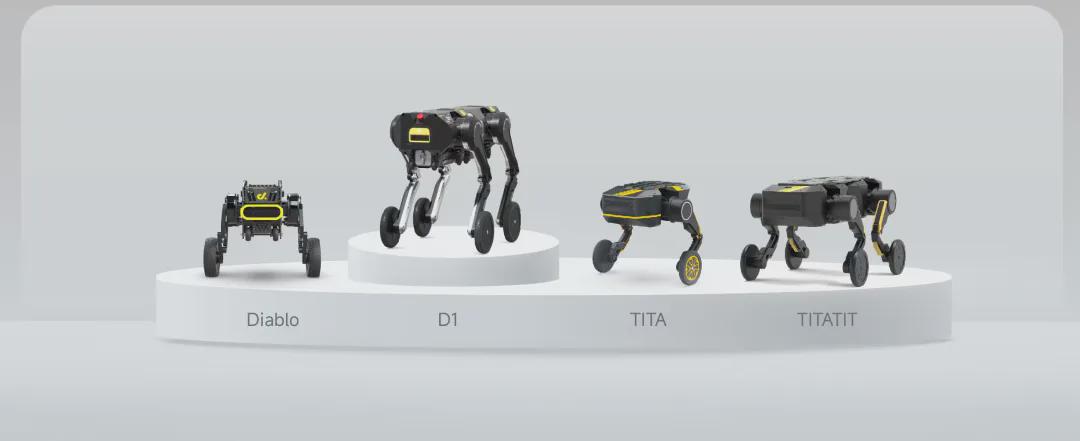
Benmo Technology Passes Hong Kong Stock Exchange Listing Hearing, Establishes Three Core Robotics Technologies
Benmo Technology, a robotics company established in 2020, has successfully cleared the listing hearing at the Hong Kong Stock Exchange. The firm specializes in direct-drive technology and has developed three key innovations: robotic power modules, wheeled robots, and modular assembly systems. These advancements are designed to improve performance and adaptability across a range of applications. With the robotics market showing significant growth potential, Benmo plans to capitalize on its technological expertise to enhance its market presence and increase revenue.
Robotics Technology Direct-Drive Systems Wheeled Robots Modular Robotics Market Growth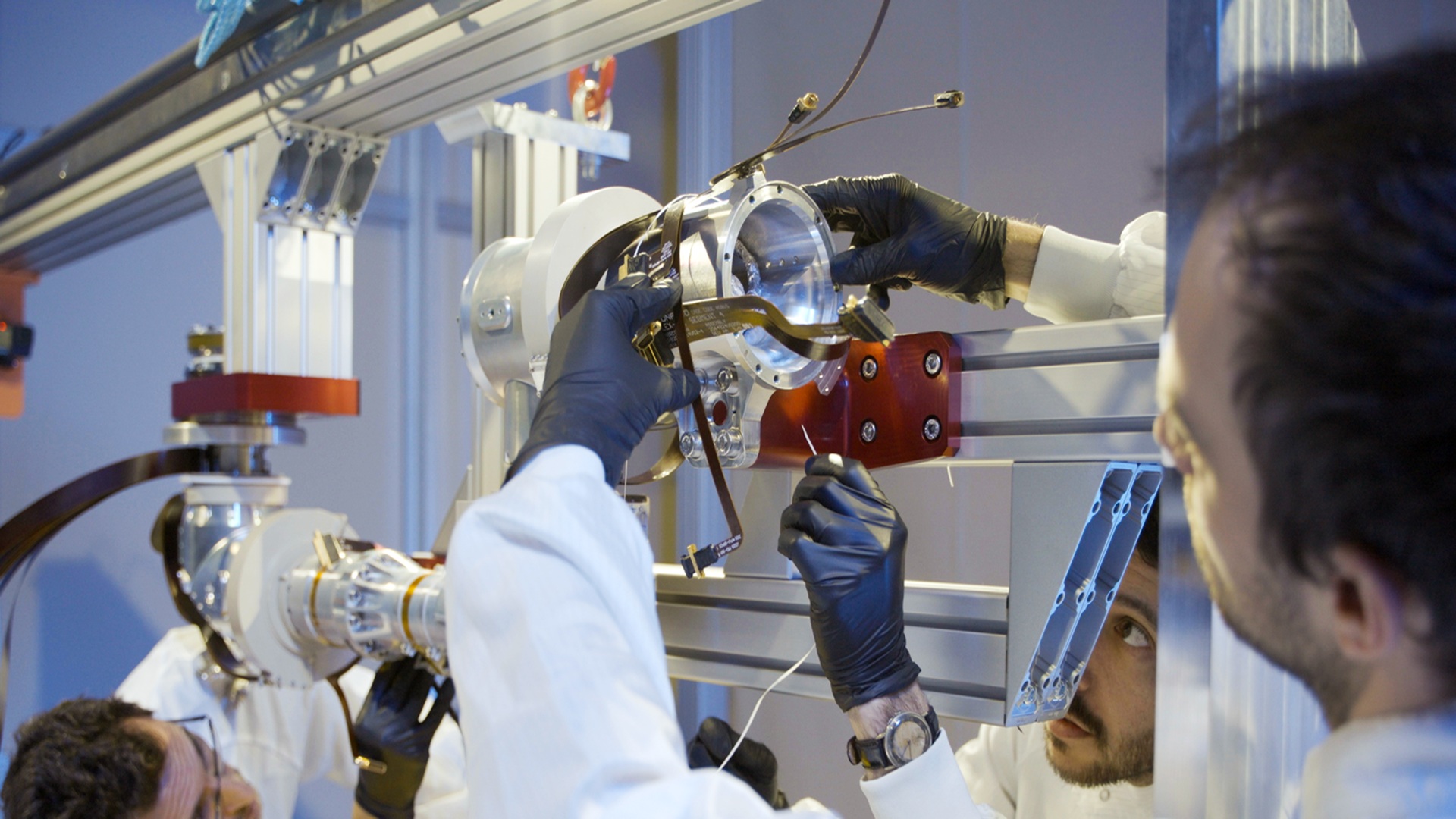
Europe builds robotic arm that can see, feel and handle samples for Moon missions
Engineers at the European Space Agency (ESA) are currently in the process of assembling a highly sophisticated robotic arm designed for future space missions. This advanced technology aims to enhance the capabilities of European spacecraft, allowing for more complex tasks in orbit and on planetary surfaces. The assembly is taking place at ESA's facilities in the Netherlands, where teams are meticulously working to ensure the arm meets stringent operational standards. The initiative is part of ESA's broader strategy to strengthen its role in international space exploration and to contribute to collaborative missions with other space agencies. By developing this cutting-edge robotic arm, ESA seeks to improve the efficiency and effectiveness of its missions, ultimately advancing scientific research and exploration beyond Earth.
AI and Robotics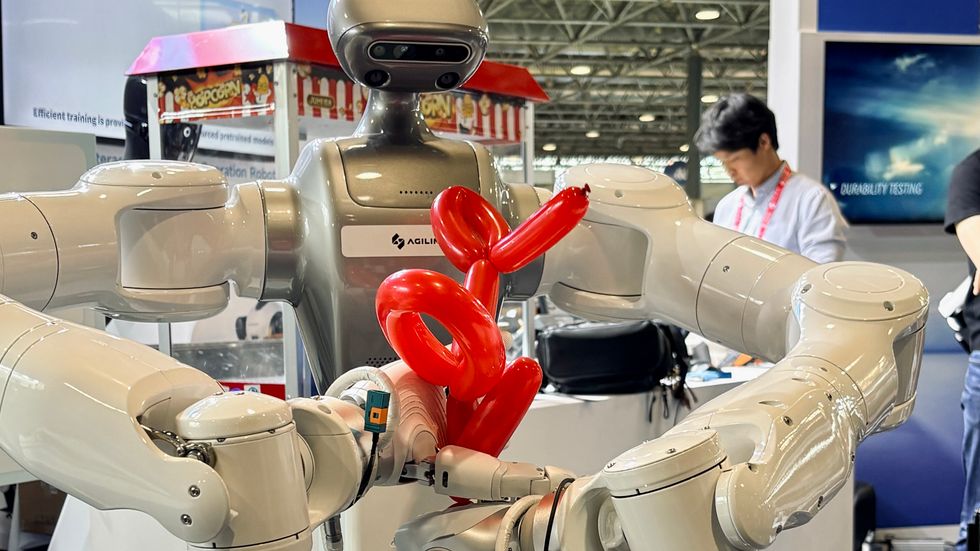
Beyond Dexterity: Why Contact May Define the Next Era of Robotics
At the 2026 IEEE International Conference on Robotics (ICRA) in Vienna, AGILINK showcased a captivating demonstration of robotic dexterity by creating a balloon dog, which drew significant attention from attendees. This seemingly playful task is recognized in the robotics community as a complex manipulation challenge due to the balloon's lightweight and highly deformable nature. The demonstration highlighted the intricate balance between motion and contact intelligence, essential for successful robotic manipulation. AGILINK's approach involved mapping the actions of professional balloon artists to robotic hands, allowing the robot to learn both successful manipulation sequences and recovery strategies during failures. This dual focus on motion and contact intelligence is crucial, as maintaining stable interaction with the balloon is as important as executing the correct sequence of actions. In conjunction with the balloon dog demonstration, AGILINK introduced the OmniHand 3 Ultra-M, a dexterous robotic hand designed to enhance contact intelligence through advanced sensing and faster response capabilities. The hand features 20 active degrees of freedom and a direct-drive architecture, enabling precise force regulation and tactile sensing across its surface. The significance of these advancements extends beyond balloon animals, addressing broader challenges in robotics related to unstable and deformable interactions, such as delicate assembly and household tasks. As robotics research increasingly prioritizes interaction dynamics, AGILINK's innovations may pave the way for more effective manipulation in unpredictable real-world environments.
Humanoid-robots Physical-ai Dexterous-hands Direct-drive-actuation Robotic-manipulation Reinforcement-learning
Miniature sensors for the safe operation of robotic grippers
Contrinex has introduced a new line of inductive and photoelectric miniature sensors designed specifically for robotic grippers used in Pick&Place applications and precision assembly. These sensors aim to enhance the safety and efficiency of robotic operations, ensuring reliable performance in various industrial settings. The development reflects a growing demand for advanced automation solutions that can improve productivity and operational safety in manufacturing processes.
Allgemein Greifer & Werkzeuge Robotik
XELA Robotics to Unveil New Major Tactile Sensor Capabilities at Automate 2026
Researchers have successfully developed advanced robotic fingertips equipped with sensitive nails, enabling precise grasping of extremely thin objects. This innovative technology, which was unveiled recently, features a universal manipulation interface that enhances the robot's ability to interact with various items. Additionally, the system includes improved magnetic interference compensation, allowing for more reliable handling of fragile objects. The advancements aim to address challenges in robotic dexterity and manipulation, making these robotic fingertips suitable for a range of applications, from delicate assembly tasks to intricate surgical procedures. This breakthrough represents a significant step forward in robotics, potentially transforming industries that require high precision and care in handling lightweight and fragile materials.
Best Practices for Calibrating and Maintaining Manufacturing Robotic Arms
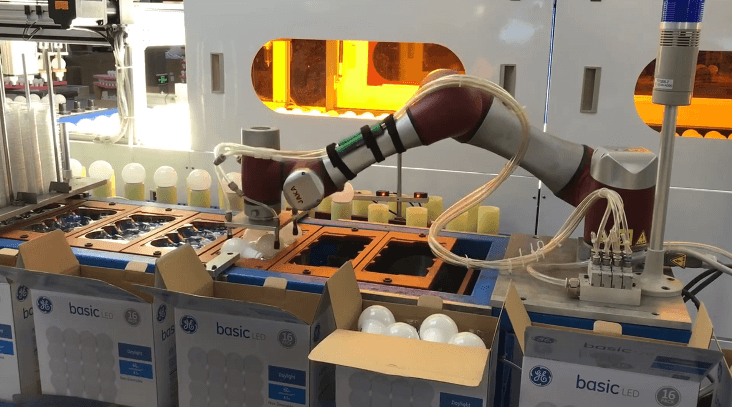
In the evolving landscape of modern manufacturing, robotic arms and collaborative robots have emerged as essential tools, enhancing efficiency and precision while minimizing human error. JAKA, a leading provider of collaborative robots, emphasizes the importance of scientific calibration and regular maintenance to ensure the stable operation of these machines, which directly impacts production quality and safety. To maintain optimal performance, JAKA outlines best practices for calibrating and servicing robotic arms, particularly its JAKA Zu12 model. Regular kinematic calibration is crucial for correcting geometric errors and ensuring accurate motion trajectories, which is vital for collaborative robots that interact closely with humans. The JAKA Zu12’s integrated design facilitates efficient calibration during assembly, maximizing its reach and payload capabilities. Daily and periodic maintenance is also critical in reducing failure rates. Daily tasks include cleaning, checking cable connections, and ensuring joint operation, while periodic maintenance focuses on lubricating joints, inspecting wear on components, and updating software. For collaborative robots like the JAKA Zu12, regular safety checks are essential to ensure safe human-robot interactions. JAKA also advocates for scenario-based maintenance tailored to specific application needs, such as handling and palletizing tasks, to enhance processing precision and operational reliability. By implementing systematic calibration and maintenance strategies, JAKA aims to help enterprises optimize the performance of their robotic arms, ultimately reducing costs and boosting production efficiency in automated manufacturing environments.
Cobots for Electronics Assembly: 5 Best Options You Can't Miss
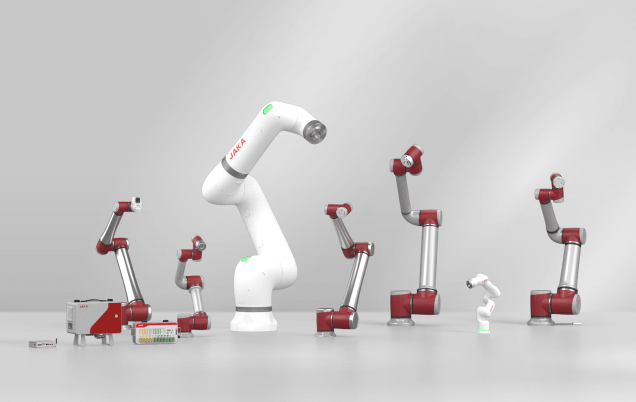
In the rapidly evolving electronics assembly sector, JAKA Robotics is leading the charge in enhancing operational efficiency through its innovative collaborative robots, or cobots. These advanced machines are designed to work alongside human operators, significantly boosting productivity and precision in manufacturing processes. The JAKA ZU series exemplifies high-quality standards and versatility, enabling seamless integration into existing workflows for tasks such as small component handling. Meanwhile, the JAKA S series features intelligent force control, allowing for careful handling of delicate electronic parts, thereby ensuring safety and effectiveness in assembly operations. For challenging environments, the JAKA Pro series offers robust performance with its IP68 protection rating, making it suitable for settings exposed to dust and liquids. The JAKA AL series stands out by integrating intelligent vision systems, facilitating complex operations like precise component placement and inspection, which enhances quality control. Lastly, the JAKA A series provides a flexible solution for various industrial applications, allowing quick reconfiguration to meet changing production demands. By incorporating these cobots, companies can significantly improve their assembly processes, driving growth and maintaining a competitive edge in the electronics industry. JAKA Robotics’ commitment to innovation is redefining the future of work in manufacturing, unlocking new potential for operational excellence.
ROKAE Robotics at CIBF 2026: Force-Controlled Welding Solutions for Battery Manufacturing
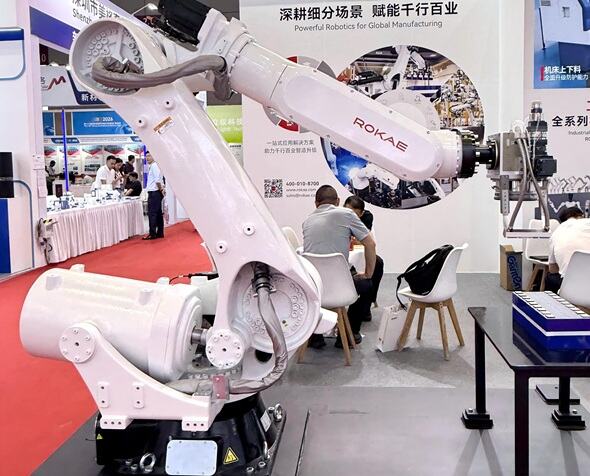
ROKAE Robotics showcased its advanced automation solutions for lithium battery manufacturing at the 2026 China International Battery Fair (CIBF), held at the Shenzhen World Exhibition & Convention Center. The company highlighted its innovative technologies focused on force-controlled assembly and robot-integrated laser welding, aimed at enhancing efficiency and precision in battery production. This exhibition provided ROKAE Robotics with a platform to demonstrate its commitment to advancing the battery manufacturing industry, responding to the growing demand for high-quality and reliable lithium batteries in various applications.
Implementing Automated Quality Inspection with a Pick and Place Robotic Arm
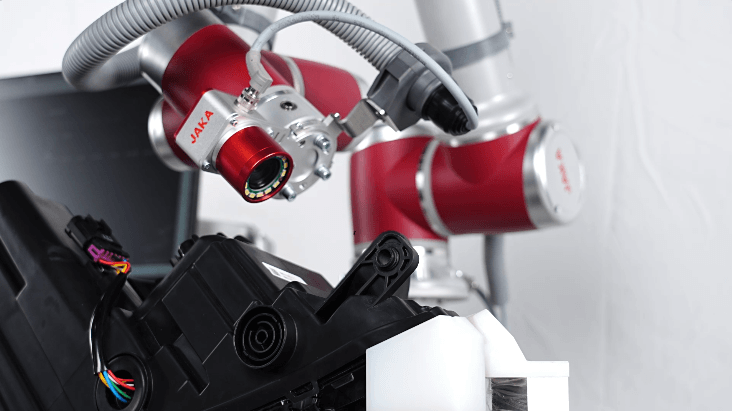
In a significant advancement towards "Zero-Defect Manufacturing," the boundaries between production and quality control are being redefined. Modern manufacturing facilities are now incorporating real-time inspection directly into the material handling process, rather than waiting until products reach the end of the assembly line. This shift is facilitated by the use of a 6-axis robotic arm, which functions as both a pick-and-place device and an inspection station, enabling manufacturers to detect defects immediately and minimize waste. During the automated quality inspection, the robotic arm evaluates components as it lifts them, utilizing a vision tunnel or high-resolution sensors to check for dimensional accuracy, surface integrity, and assembly verification. Parts that meet quality standards proceed to the "Good" bin, while those that fail are diverted to rework or scrap stations, ensuring that only flawless components advance in the production process. To achieve effective robotic inspection, three key technologies are essential: adaptive grippers for versatile handling, advanced vision sensors for precise measurements, and Edge AI processing to enable real-time data analysis. The JAKA Zu series of robots exemplifies this integration, particularly the JAKA Zu7 model, which is designed for high-precision inspection tasks. With a payload capacity of 7kg and a work radius of 819mm, it offers the agility and strength needed for rapid inspection cycles, while its compatibility with various communication protocols allows seamless integration with manufacturing systems. This innovative approach transforms each handling operation into an opportunity for quality assurance, enhancing overall production efficiency.
ROKAE AR Arms Prove Their Mettle in Autonomous Assembly
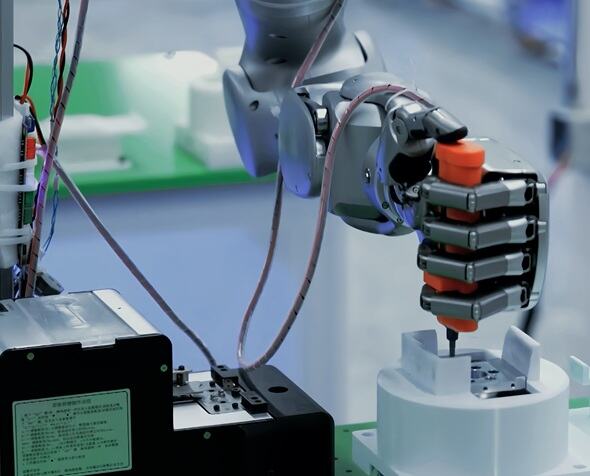
ROKAE Robotics has gained significant industry attention following a recent broadcast segment that showcased its advanced AR humanoid force-control arms. The segment highlighted a dual-arm robot that autonomously completed the entire assembly sequence of mechanical arm joints, demonstrating remarkable progress in the field of embodied intelligence. This innovative technology not only underscores ROKAE Robotics' commitment to advancing robotics but also reflects the growing interest in automation solutions across various sectors. The broadcast serves as a pivotal moment for the company, positioning it at the forefront of robotics innovation.
Assembly Robots for Consumer Electronics: Challenges and Solutions
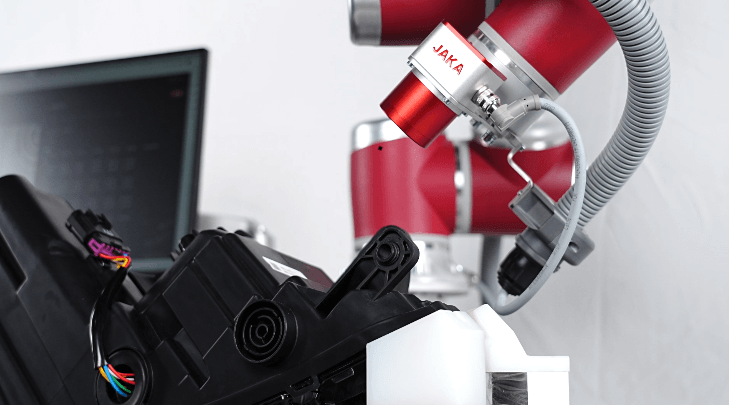
The consumer electronics industry is increasingly adopting specialized assembly robots to address the challenges posed by rapid product life cycles and the need for precision in manufacturing. As smartphones, wearables, and home gadgets evolve, traditional manual assembly methods struggle to keep up with the demand for high-quality production. This shift is driven by the need for accuracy in handling densely packed components, which require sub-millimeter precision and are sensitive to electrostatic discharge. To adapt to frequent design changes and seasonal updates, manufacturers are turning to flexible automation solutions. These advanced robots can be quickly reprogrammed and equipped with modular end-effectors, enabling them to perform various tasks across different product lines. The integration of 2D and 3D vision systems enhances quality control, allowing robots to make real-time adjustments to ensure precise assembly. JAKA, a leader in robotics technology, has developed the JAKA A12L, designed specifically for the electronics sector. This robot offers a long reach and high payload capacity, making it suitable for large-format assembly. With an impressive repeatability of ±0.03mm, JAKA's solutions meet the stringent requirements of consumer electronics manufacturing. The company emphasizes ease of integration and safety, providing an open software ecosystem for seamless communication with vision sensors and factory systems, along with user-friendly wireless control through the JAKA App. This innovation positions manufacturers to turn production challenges into competitive advantages.

Germany develops new robotic system to recover and repurpose EV battery cells
German researchers are advancing the development of a robot-assisted system aimed at repurposing old electric vehicle (EV) batteries. This innovative project, which is currently underway, seeks to address the growing challenge of battery waste as the demand for electric vehicles continues to rise. By creating a more efficient method for recycling and reusing these batteries, the researchers hope to contribute to sustainability efforts and reduce environmental impact. The system utilizes robotic technology to streamline the disassembly and refurbishment processes, ensuring that valuable materials can be extracted and reused effectively. This initiative not only aims to extend the life cycle of EV batteries but also to promote a circular economy within the automotive industry. The project is part of a broader effort in Germany to lead in green technology and sustainable practices, reflecting the country’s commitment to environmental innovation.
DAIMON Robotics Wants to Give Robot Hands a Sense of Touch
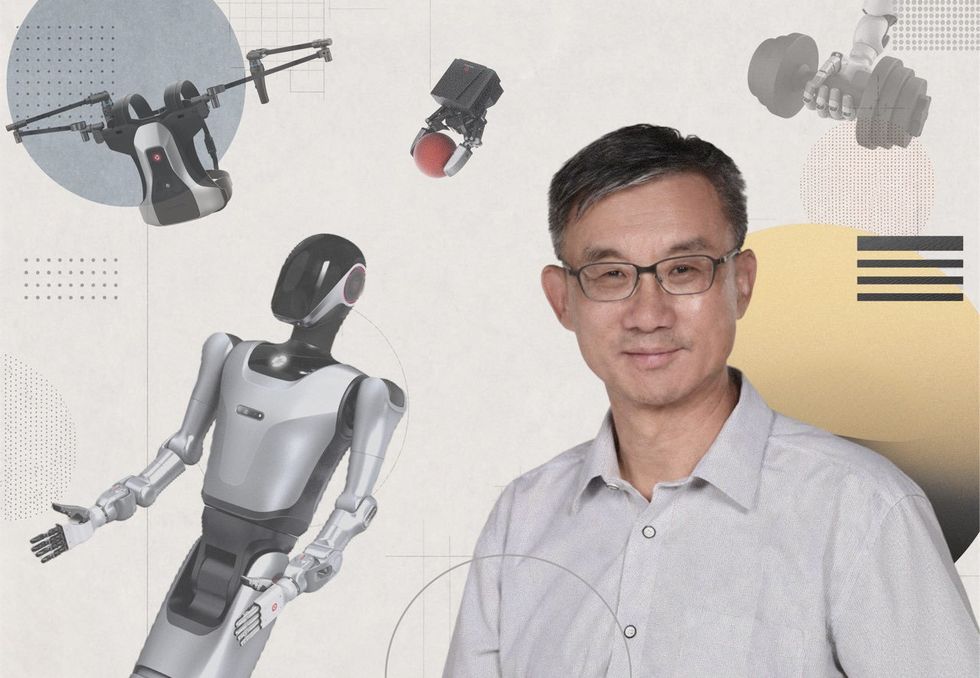
In April 2023, DAIMON Robotics, a Hong Kong-based company, launched Daimon-Infinity, touted as the world's largest omni-modal robotic dataset for physical AI. This extensive dataset, which includes high-resolution tactile sensing data from over 80 real-world scenarios and 2,000 human skills, aims to enhance robot manipulation capabilities across various tasks, from household chores to industrial assembly lines. The initiative is backed by collaborations with prominent partners, including Google DeepMind, Northwestern University, and the National University of Singapore. Prof. Michael Yu Wang, co-founder and chief scientist of DAIMON, emphasized the importance of tactile feedback in improving robotic dexterity, advocating for a shift from the traditional Vision-Language-Action (VLA) model to a more integrated Vision-Tactile-Language-Action (VTLA) framework. This transition is crucial for enabling robots to perform complex manipulation tasks effectively, especially in environments where visual data alone is insufficient. Recognizing a significant data gap in the robotics industry, DAIMON has committed to open-sourcing 10,000 hours of its dataset to support broader research and development efforts. The company aims to accelerate the deployment of embodied AI by providing high-quality tactile data, which is essential for training robots to interact with their surroundings more naturally and effectively. As the robotics landscape evolves, DAIMON's innovative approach positions it as a key player in advancing the capabilities of humanoid robots in real-world applications.
Type-sponsored Factory-robots Tactile-sensing Ai-models Embodied-intelligence
All3 raises $25m in Seed funding to triple productivity in the construction industry through robotics and AI
All3, a London-based startup focused on revolutionizing the construction industry, has successfully raised $25 million in seed funding to enhance productivity through robotics and artificial intelligence. The funding round, led by RTP Global and supported by SuperSeed, Begin Capital, s16vc, and VNV Global, aims to develop an integrated system that includes an AI architecture platform, robotic factories, and Mantis, an autonomous robot designed for on-site assembly. With Mantis already operational and initial commercial deployments set for Germany later this year, All3's innovative approach promises significant cost savings and efficiency improvements, potentially reducing construction timelines by up to 50% and embodied carbon by 25%. The founding team, which previously established the successful grocery delivery service Samokat, is applying their expertise to address the stagnation in construction productivity, which has seen little advancement in the past 50 years. The funding will primarily support research and development efforts in London and Belgrade, as well as the deployment of robots across active construction sites in Germany, where there is a pressing need for approximately 700,000 new homes. CEO Rodion Shishkov emphasized the company's mission to tackle the housing crisis and improve access to quality housing through advanced technology. Early market demand has already validated All3's model, with over 100,000 square meters of residential projects processed using their AI-powered design software, laying the groundwork for a robust construction pipeline in the coming years.
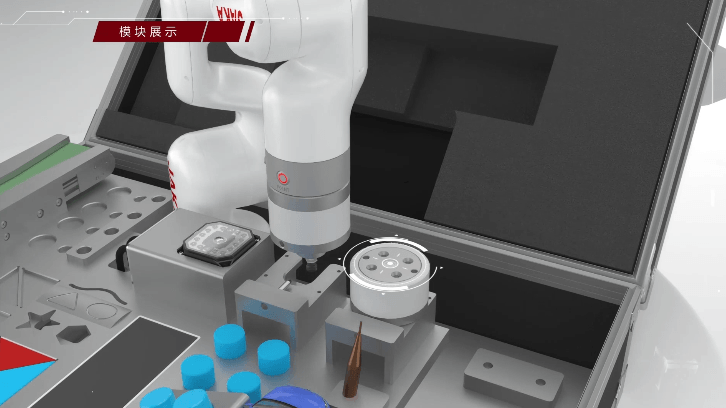
Educational Robotic Arm in Action: Case Studies in High School Robotics Clubs
In recent years, high school robotics clubs have increasingly adopted educational robotic arms, such as the JAKA MiniCobo, to enhance student learning through hands-on experience with automation and programming. This versatile tool allows students to engage in various tasks, including sorting and assembly, while minimizing direct contact with potentially hazardous equipment, thereby creating a safer learning environment. The JAKA MiniCobo has become a central resource in several robotics clubs, where students have successfully programmed the arm to identify and separate components during projects. This adaptability enables students to explore multiple programming approaches and fosters collaboration as they work in teams to troubleshoot and refine their coding solutions. Educators have noted that the use of this robotic arm not only improves accuracy and efficiency but also teaches essential skills in workflow optimization and precision control, crucial for careers in engineering and STEM fields. Furthermore, the integration of the JAKA MiniCobo into extracurricular activities has significantly boosted student engagement. Students benefit from immediate feedback on their programming efforts and enjoy the creative freedom to design new tasks, simulating real-world industrial processes. This hands-on approach cultivates curiosity and confidence in technology, ultimately preparing students for future innovations. Overall, the incorporation of educational robotic arms like the JAKA MiniCobo in high school settings exemplifies the transformative potential of automation in education, equipping students with valuable skills while promoting a safe and engaging learning atmosphere.
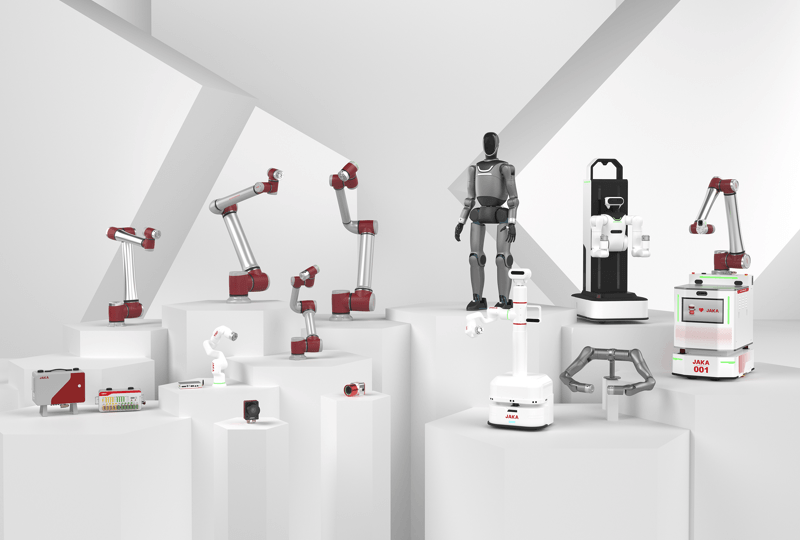
JAKA Robotics nhận được nguồn vốn mới từ các ông lớn trong ngành sản xuất.
JAKA Robotics, a leading player in industrial automation, has successfully completed a new funding round aimed at accelerating the development of its general-purpose intelligent robots. The investment, which involves a Shanghai-based industrial investment fund and global leaders in electronics and automotive manufacturing, will enhance JAKA's research and development efforts in perceptual intelligence, improving the robots' capabilities in sensing, reasoning, and interacting with the physical world. Founded in 2014, JAKA has deployed tens of thousands of robots in nearly 100 countries, earning the trust of over 1,500 industry leaders, including major companies like Toyota, Ford, Schneider Electric, and Flex. In response to the growing demands of the industry, JAKA has strategically repositioned itself for 2025, focusing on general-purpose intelligent robots, which include collaborative robots and integrated intelligent solutions. The company’s collaborative robots, weighing between 1 and 40 kg, continue to evolve, while its intelligent integrated products—such as JAKA Kargo, Khan, Lumi, K1, and S³—have achieved industrial-scale certification in logistics, inspection, and precision assembly. By enhancing cognitive and reasoning abilities, JAKA is transforming robots from task-specific tools into reliable partners capable of adapting to complex environments, making real-time decisions, and collaborating with humans to achieve shared goals. This latest support underscores JAKA's market leadership and the long-term potential of general-purpose intelligent robots as the company transitions perceptual intelligence from the lab to practical applications in manufacturing and services.
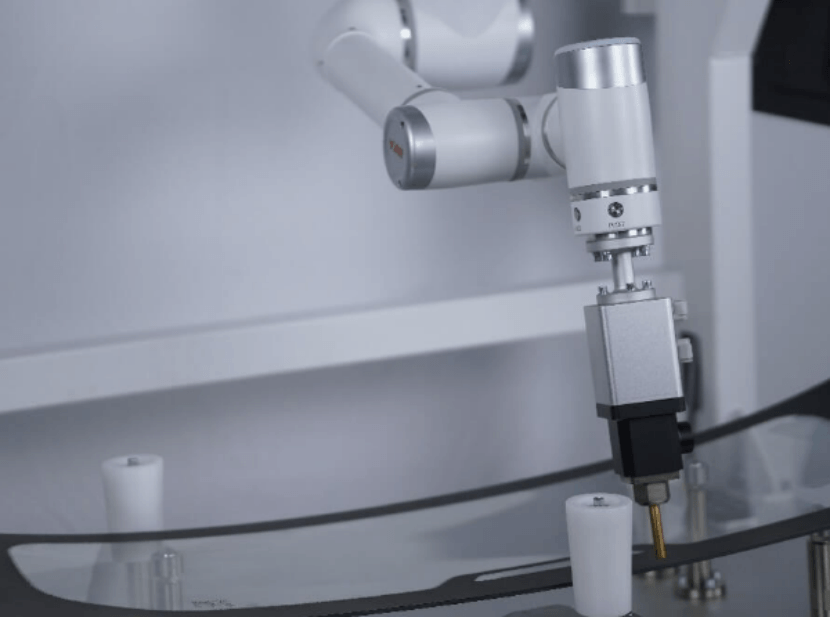
How Assembly Robots Achieve High-Precision Tolerance in Automotive Manufacturing
In the automotive manufacturing sector, achieving high-precision tolerance is crucial for maintaining quality across large production volumes. As vehicle designs evolve to become more compact and modular, traditional manual assembly processes are increasingly inadequate in ensuring the necessary accuracy during extended shifts. JAKA, a leader in robotic solutions, has identified that integrating automation at key assembly stages can enhance tolerance control and support flexible production planning. The company emphasizes the importance of robotic systems, particularly industrial robot arms, in managing repeatability and process stability. These robots execute predefined trajectories with consistent speed and positioning, significantly reducing variability associated with manual operations. For instance, when used for tasks like gluing, these robots can maintain uniform glue beads and consistent joint dimensions, even amidst changing production schedules. By replacing manual dispensing methods, which often lead to fluctuations in flow rate and application angles, automotive manufacturers can achieve more stable and programmable production processes. JAKA's robotic solutions facilitate precise flow control, minimize material waste, and enhance surface appearance, all while being user-friendly and requiring minimal retraining for operators. Ultimately, JAKA's approach underscores that high-precision tolerance is best achieved through the integration of assembly robots into workflows, thereby reducing human error and maintaining flexibility on the production floor. As automation continues to advance, JAKA aims to provide practical robotic solutions that meet the evolving needs of the automotive industry.

How Lean Manufacturing Principles Drive Efficiency at a Robotic Arm Factory
At JAKA, a leading manufacturer of collaborative robots, the implementation of lean manufacturing principles is transforming their robot arm production process. By focusing on waste reduction and streamlined workflows, the company aims to enhance efficiency without adding complexity. This approach is integral to their long-term development strategy, which spans design, assembly, testing, and delivery. The factory employs lean practices to optimize material flow and workstation layouts, minimizing unnecessary movements and wait times. This meticulous refinement not only ensures consistent build quality but also shortens internal production cycles, which is crucial for meeting the diverse needs of industries such as electronics and automotive. Flexibility is a key aspect of modern automation, and JAKA's modular production planning allows for adjustments in configurations without disrupting overall workflow. This adaptability is essential for producing robots that cater to various payloads and installation environments. By balancing customization with production consistency, JAKA can efficiently respond to specific project requirements. Moreover, integrating quality checks at each production stage enhances system reliability and reduces the need for rework, ensuring that the robotic arms meet stringent functional and safety standards. This commitment to lean manufacturing supports JAKA's goal of fostering safe human-robot collaboration and delivering reliable performance in demanding industrial settings. Overall, JAKA views lean manufacturing as a continuous discipline that underpins their commitment to sustainable efficiency, enabling them to meet evolving automation demands while maintaining transparent and effective manufacturing operations.

What Company Makes Robotic Arms?
As industrial automation increasingly shapes modern manufacturing, companies are seeking robotic arms that can effectively adapt to real production environments. JAKA, a prominent player in the robotics sector, emphasizes the importance of understanding how robotic arms function on the factory floor rather than merely in controlled testing scenarios. The demand for flexible and compact robotic systems is rising, driven by the need for quick deployment and adaptability to changing production requirements across various industries, including electronics and automotive assembly. JAKA distinguishes itself by focusing on collaborative robotic arms that facilitate close interaction with human workers and existing production systems. By developing systems that balance precision, payload, and safety without necessitating extensive infrastructure changes, JAKA enables the integration of robotic arms into compact workspaces and mixed-production lines. Their design philosophy prioritizes standardized interfaces and modularity, allowing seamless compatibility with vision systems and other automation components. The design and support of robotic arms throughout their lifecycle are crucial factors in determining a manufacturer’s reliability. JAKA’s lightweight structures, consistent motion control, and user-friendly programming interfaces reduce deployment time and operational barriers, making their systems suitable for a variety of tasks such as assembly, inspection, packaging, and testing. By emphasizing system compatibility and long-term usability, JAKA positions itself as a trusted supplier, committed to supporting customers through integration and future automation expansions. Ultimately, the effectiveness of robotic arms in real-world applications hinges on their ability to adapt and support sustainable automation strategies.
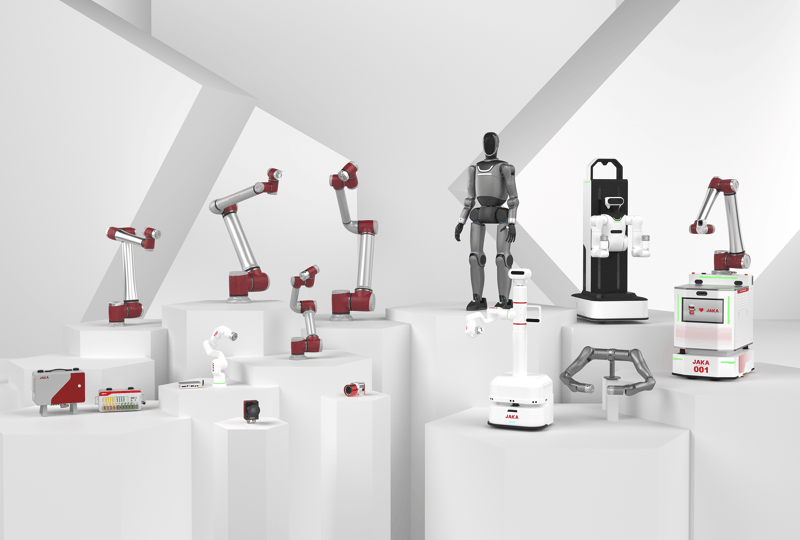
JAKA Robotics Secures New Funding Backed by Manufacturing Giants
JAKA Robotics, a leader in industrial automation, has successfully secured a new round of equity funding aimed at enhancing the development of general intelligent robots. The funding, which includes contributions from a Shanghai-based industrial fund and prominent global electronics and automotive manufacturers, will support research and development focused on embodied intelligence, enabling robots to improve their capabilities in perception, reasoning, and interaction with the physical environment. Founded in 2014, JAKA has deployed tens of thousands of robots in nearly 100 countries, serving over 1,500 industry leaders such as Toyota, Ford, and Schneider Electric. In response to evolving industry demands, the company shifted its strategic focus in 2025 towards general intelligent robots, expanding its product offerings to include collaborative robots and advanced embodied intelligence solutions. JAKA's products, including the JAKA Kargo, Khan, Lumi, K1, and S³, have already demonstrated industrial-scale effectiveness in logistics, inspection, and precision assembly. By enhancing robots' perception and reasoning abilities, JAKA aims to transform them from mere task-specific tools into adaptable partners capable of making real-time decisions and collaborating with humans in complex environments. This recent funding round highlights JAKA's leadership in the market and the significant potential of general intelligent robots as the company seeks to transition embodied intelligence from research and development into practical applications in production and service sectors.
Who is Leading AI Robotics?
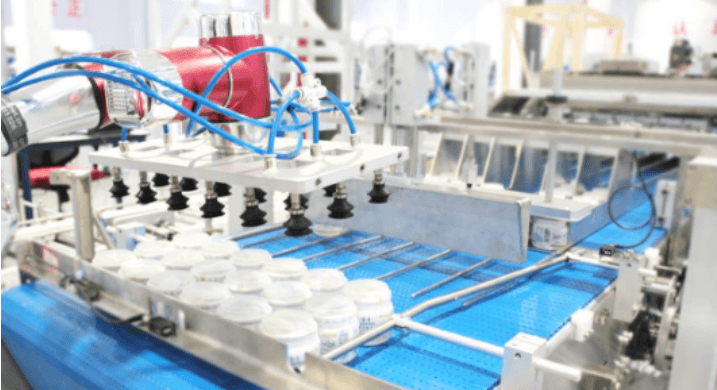
In the rapidly evolving field of AI robotics, JAKA, an industrial robot company, is at the forefront of integrating intelligent systems with collaborative robots to address the changing needs of manufacturing. Over the past decade, JAKA has focused on developing advanced control algorithms and user-friendly interfaces, ensuring their solutions enhance efficiency while adhering to strict safety standards. The company’s robotic systems are designed for precision and reliability, achieving sub-millimeter repeatability essential for industries such as electronics, semiconductor manufacturing, and automotive assembly. By employing high-resolution encoders and adaptive servo control, JAKA ensures consistent performance across various production lines, minimizing errors and downtime. JAKA also emphasizes flexibility and human-machine collaboration through lightweight robots like the Zu series and MiniCobo, which are easy to deploy in compact spaces. Their intuitive programming interface allows workers to create complex trajectories without advanced coding skills, further enhancing operational efficiency. Safety features, including collision protection and durable designs, ensure stable operation in challenging environments. Through ongoing innovation and partnerships, JAKA bridges the gap between research and practical industrial applications, positioning itself as a leader in AI robotics. The company aims to transform manufacturing processes worldwide by delivering reliable, adaptable, and intelligent automation solutions that promote productivity and sustainable practices.
JAKA Robotics: Driving Innovation as a Leading Robotics Company in APAC
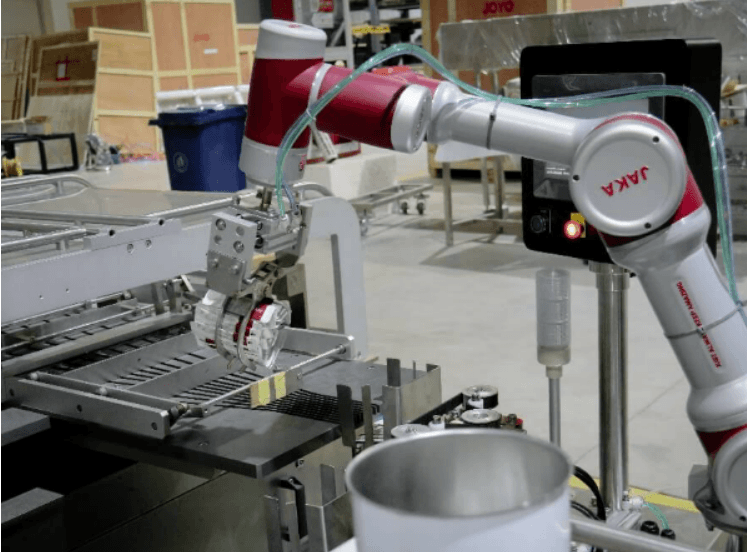
JAKA Robotics is making significant strides in the field of industrial automation, focusing on smart manufacturing solutions across the Asia-Pacific (APAC) region. The company specializes in collaborative robots that work safely alongside human operators, ensuring consistent performance in various applications such as electronics assembly, automotive component handling, and semiconductor processes. With a commitment to precision and stability, JAKA employs advanced control systems and intelligent software, achieving high repeatability levels essential for sensitive tasks like shaft assembly. Their robots are designed with low-noise circuitry and automated quality controls, enabling manufacturers to maintain efficiency and reduce errors during production. The Zu series of JAKA robots highlights the company's emphasis on flexible deployment, featuring compact designs that fit into confined workspaces. User-friendly programming tools allow even those without technical backgrounds to manage complex tasks, while safety features like collision protection and zero-drift calibration enhance human-robot collaboration. JAKA also prioritizes seamless system integration, offering communication interfaces compatible with manufacturing execution systems (MES), automated guided vehicles (AGVs), and vision modules. This adaptability supports more complex automation scenarios and allows non-specialized staff to operate sophisticated processes efficiently. As JAKA Robotics continues to innovate, it remains dedicated to enhancing productivity and operational resilience in the electronics, automotive, and semiconductor sectors, exemplifying how advanced automation solutions can transform modern manufacturing in the APAC region.
Advanced Calibration Techniques for Vision Guided Robotic Systems
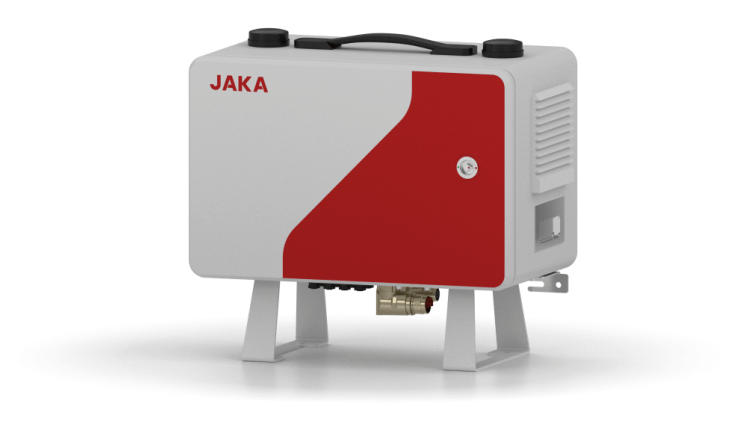
JAKA, a leader in robotic technology, emphasizes the critical importance of meticulous calibration in vision-guided robotic systems to achieve high operational accuracy. This process, which aligns the coordinate systems of the camera, robot, and environment, is essential for delicate tasks such as assembly and inspection. Poor calibration can lead to significant operational failures. The calibration process begins with intrinsic calibration, which corrects lens distortion and establishes the camera's focal length, followed by extrinsic calibration to determine the camera's position relative to the robot. JAKA's robotic platforms are designed with anti-interference and low-vibration features, ensuring a stable foundation for these calibrations. For enhanced precision, JAKA employs hand-eye calibration, which establishes the spatial relationship between the camera and the robot's end-effector. This method is vital for guiding the robot accurately to targets viewed by the moving camera. The company's advanced control technology ensures repeatable performance, crucial for effective hand-eye coordination. Moreover, JAKA recognizes that calibration is an ongoing process. Process-specific calibration fine-tunes systems for particular tasks, while periodic recalibration addresses issues like thermal drift and mechanical wear. The intuitive graphical programming in JAKA's cobot systems facilitates these adjustments, maintaining long-term accuracy. Through these advanced calibration techniques, JAKA transforms vision systems and robots into cohesive, intelligent units, enabling them to perform complex tasks accurately in dynamic environments.
Doosan Robotics to Supply Large-Scale Manufacturing Robot Solutions to Kwangjin Group
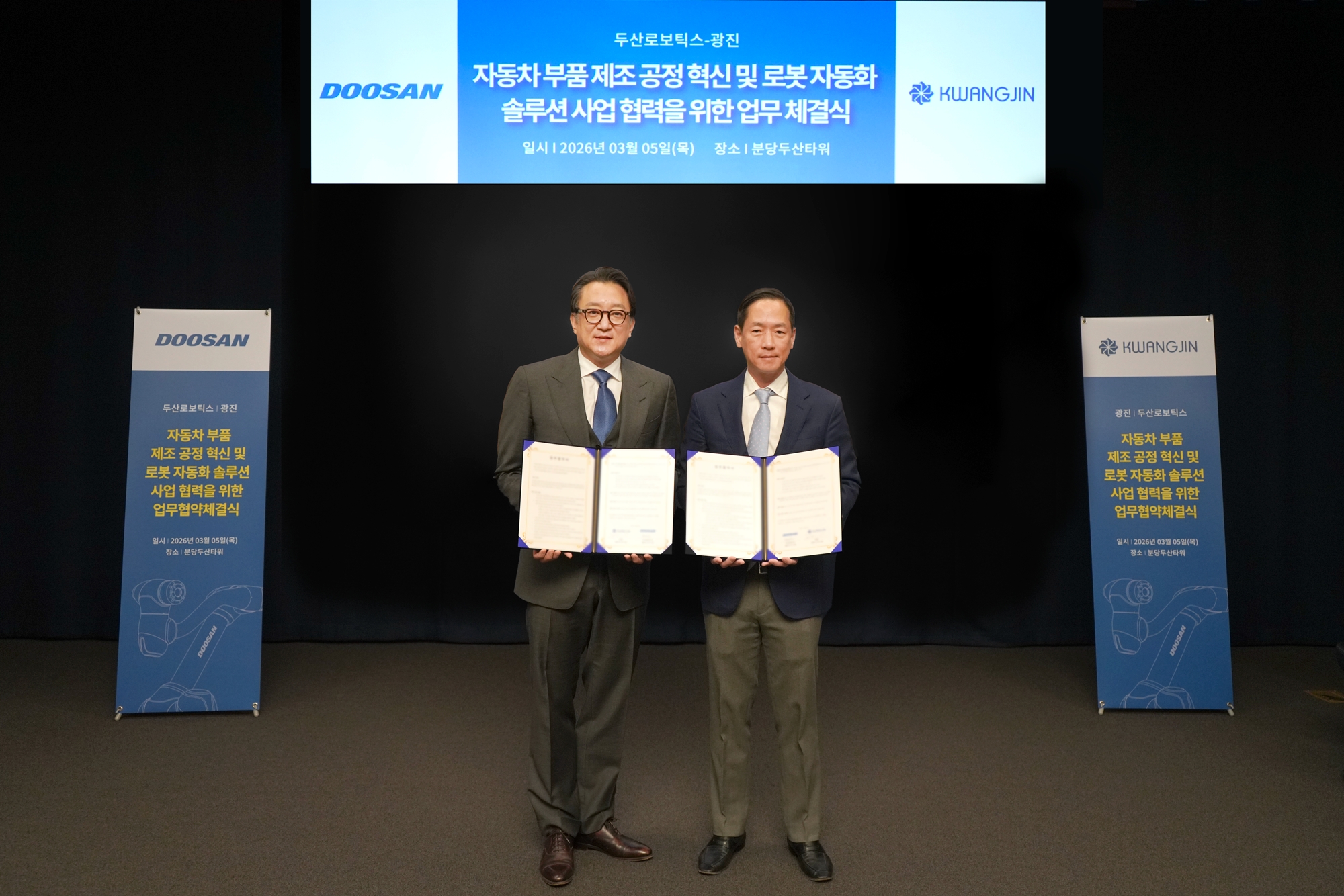
Doosan Robotics has entered into a strategic partnership with Kwangjin Group, a global automotive components manufacturer, to supply over 100 manufacturing robot solutions. The agreement was formalized on March 9 at Bundang Doosan Tower in Seongnam, South Korea, through a Memorandum of Understanding (MOU). This collaboration aims to enhance manufacturing process automation and improve quality competitiveness by integrating Doosan's robotic solutions into Kwangjin's production lines. Kwangjin Group, known for its automotive door system components, operates facilities in key markets including the United States, Mexico, India, and Vietnam, serving major clients such as General Motors, Ford, and Volkswagen. The partnership follows Kwangjin's successful implementation of Doosan's technologies in its riveting, assembly, and inspection processes, which resulted in a remarkable reduction of product defect rates to zero. The deployment of these robotic solutions, which can be integrated without altering existing factory layouts, is expected to enhance safety, precision, and productivity while minimizing quality variations. The two companies plan to further their collaboration by developing customized robot solutions for additional manufacturing processes and establishing a joint task force to optimize production environments. Inwon Park, CEO of Doosan Robotics, emphasized the trust in their solutions, particularly after achieving a zero-defect rate, which has solidified this expanded partnership. The collaboration is set to continue evolving, positioning both companies to lead in the global automation market while advancing manufacturing innovation.
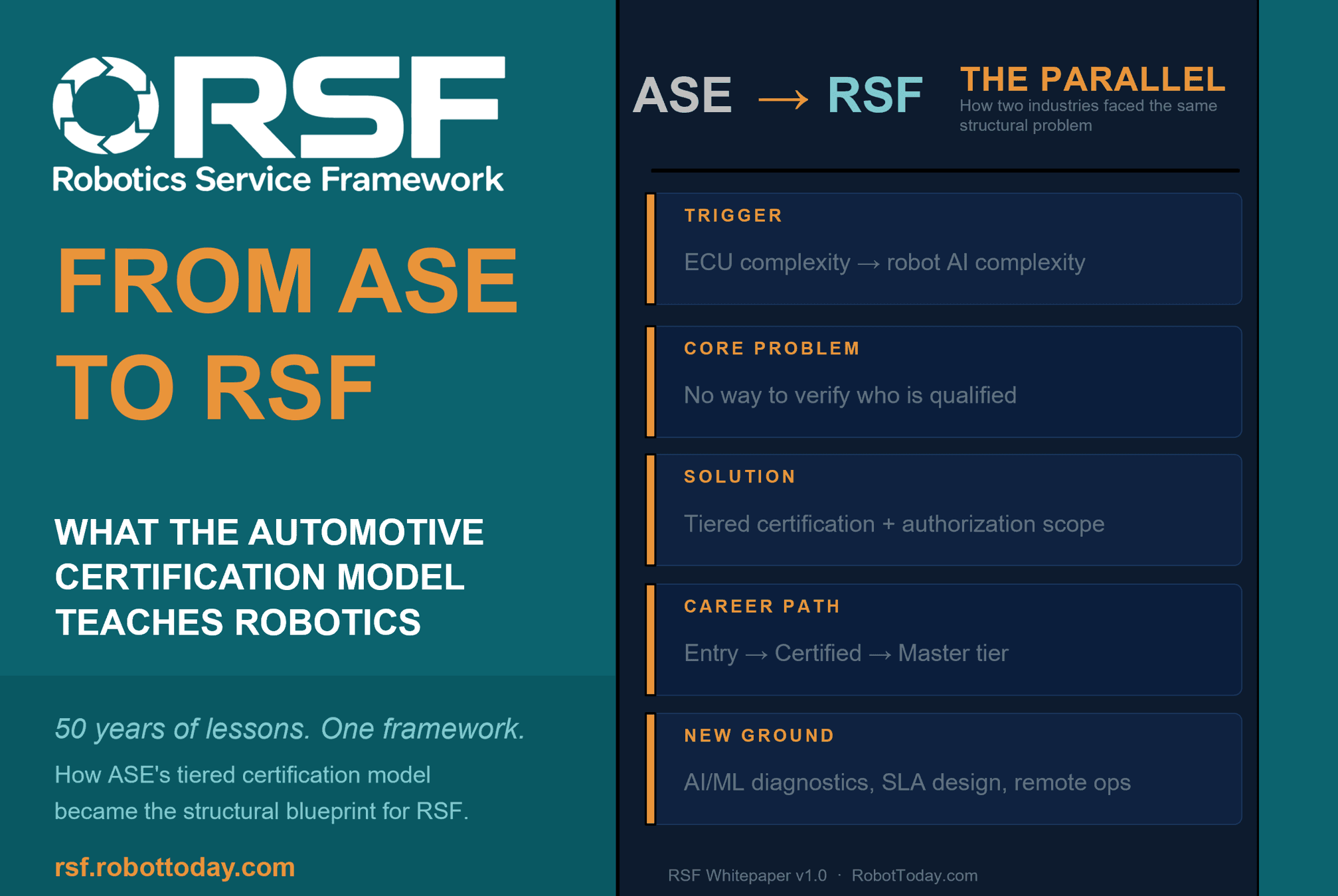
Robotics needs a service framework.
RSF defines a common language for robot service capability, lifecycle operations, certification pathways, and service-provider networks.