Industry Briefing
A single destination for timely, editor-curated robotics news from around the world.
Video Friday: Do Robots Even Need Legs?
In the latest edition of Video Friday, IEEE Spectrum robotics showcases a variety of innovative robotics videos and announces upcoming events in the field. Notable events include RSS 2026 scheduled for July 13-17 in Sydney, the Summer School on Multi-Robot Systems from July 29 to August 4 in Prague, Actuate 2026 on August 18-19 in San Francisco, and IROS 2026 from September 27 to October 1 in Pittsburgh. Among the featured projects, Eno, an advanced AI and general-purpose robot developed by Genesis, exemplifies a new generation of robots designed to enhance human capabilities. Meanwhile, NASA's Jet Propulsion Laboratory is testing the ERNEST rover in California's Colorado Desert, which is being developed for future lunar missions and can operate autonomously over challenging terrain. Sony AI's Ace project demonstrates a robotic system capable of adapting to unpredictable scenarios in table tennis, while ANYbotics highlights the economic benefits of their quadruped robots in industrial inspections, preventing significant production losses. GITAI is preparing for a robotic satellite servicing demo, and Bi-AQUA is exploring underwater photography challenges for robots. Sanctuary AI has achieved impressive results in wire plugging tasks for a major automotive supplier, showcasing a success rate exceeding 99.5%. Additionally, various other robotics projects are highlighted, including a bipedal robot named GrowBot, which operates on a low-cost Raspberry Pi and aims to make physical AI accessible to a broader audience.
Video-friday Robot-videos Lunar-rover Inspection-robots Robot-hands Robot-ai
Open-Source Software Is Starting to Help Robots Think
A new wave of open-source robotics is transforming the field, enabling a broader range of individuals to develop advanced robotic systems. This movement, which gained momentum in the last two years, has seen major companies like Hugging Face, Nvidia, and Alibaba invest in tools and models aimed at enhancing robots' cognitive abilities. The initiative builds on the success of the Robot Operating System (ROS), introduced in 2007, which standardized robotics software and significantly reduced the time researchers needed to focus on their core projects. Nvidia has developed a comprehensive open-source robotics stack that includes simulation tools and pre-trained models, making it easier for developers to create sophisticated robots without needing extensive expertise. Hugging Face has furthered this effort with its LeRobot platform, which has rapidly expanded its dataset offerings, now boasting over 58,000 robotics datasets. While the open-source approach democratizes access to robotics technology, concerns arise regarding the influence of commercial interests in shaping the field. Experts warn that as companies drive the movement, there is a risk of duplicating existing solutions rather than innovating. Nevertheless, the growing community of contributors—from industry leaders to hobbyists—signals a promising future for open-source robotics, fostering collaboration and creativity in a field that is becoming increasingly accessible.
Open-robotics Robot-ai Huggingface Ros Nvidia
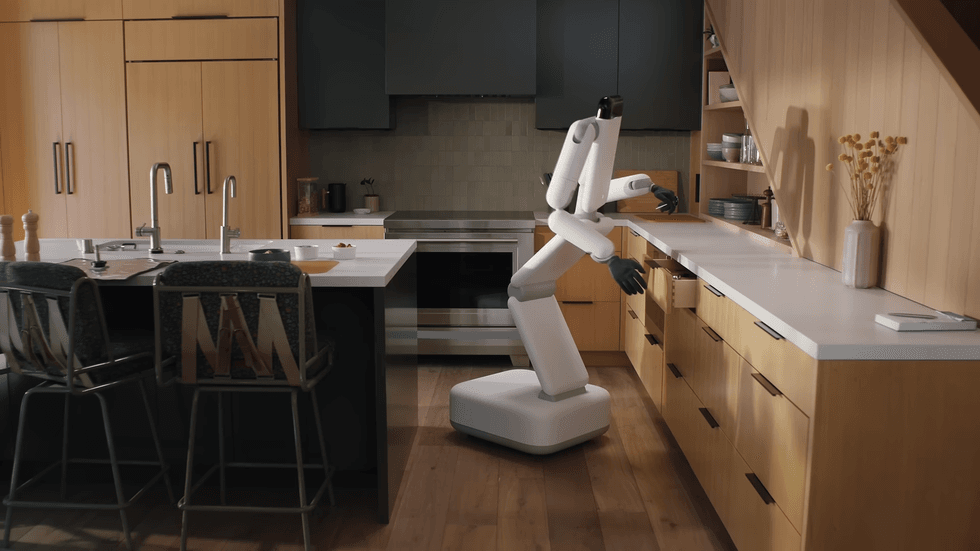
Video Friday: This Floor Lamp Will Do Your Chores
IEEE Spectrum robotics has released its weekly roundup of notable robotics videos, along with a calendar of upcoming events in the field. Key events include the International Conference on Robotics and Automation (ICRA) scheduled for June 1-5, 2026, in Vienna, and the Robotics Science and Systems (RSS) conference from July 13-17, 2026, in Sydney. Among the highlights is Lume, a sculptural floor lamp that reportedly can perform household chores such as making beds and folding laundry, though skepticism surrounds its capabilities due to the presentation of its functionality in promotional materials. Additionally, researchers from MIT Media Lab and Politecnico di Bari have introduced Electrofluidic Fiber Muscles, a new type of artificial muscle that is soft and flexible, utilizing electric fields to operate silently without external pumps. Another innovation is GEN-1, a general-purpose AI model that significantly improves success rates in physical tasks and enhances speed, marking a step towards achieving generalist intelligence in robotics. The report also discusses advancements in legged manipulators, which face challenges in interacting with diverse articulated objects, and highlights the development of Tether, a system for autonomous interactive play that enhances policy learning through efficient data generation. As the robotics community continues to innovate, these developments signal exciting possibilities for the future of robotics applications.
Home-robots Video-friday Artificial-muscle Agricultural-robots Robot-ai Quadruped-robots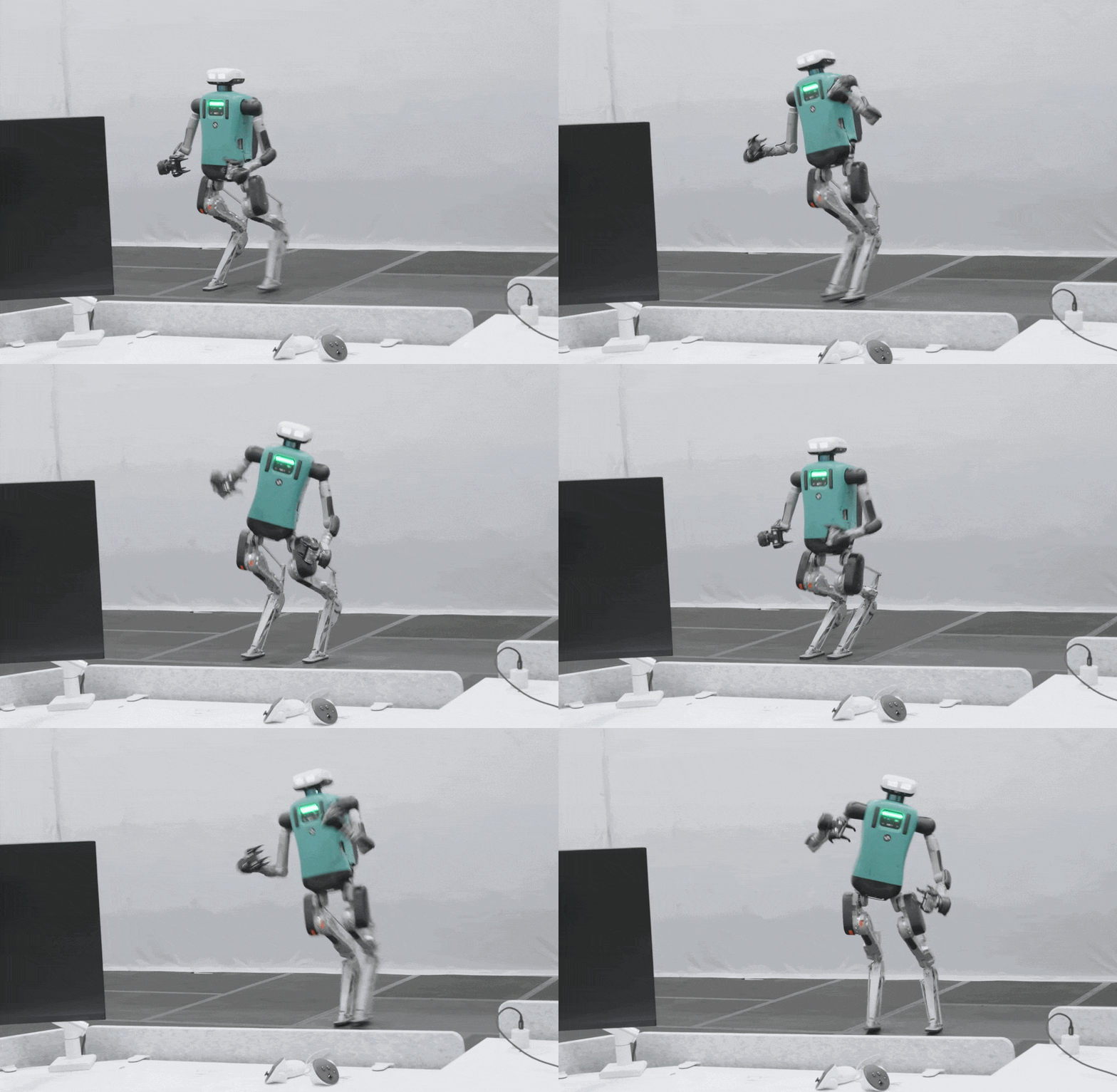
Video Friday: Digit Learns to Dance—Virtually Overnight
In a recent roundup of advancements in robotics, IEEE Spectrum highlighted several notable developments and upcoming events in the field. Among the key innovations is Digit, a humanoid robot that can learn new whole-body control capabilities overnight through sim-to-real reinforcement training, enhancing its performance in various tasks. Additionally, the introduction of GEN-1 marks a significant milestone in robot learning, achieving a 99% success rate in simple physical tasks and drastically reducing task completion time. Unitree has made strides by open-sourcing the UnifoLM-WBT-Dataset, a comprehensive dataset for humanoid robot teleoperation, which has been available since March 5, 2026. Meanwhile, researchers presented MRReP, a Mixed Reality interface that allows users to guide autonomous mobile robots in human-shared environments through hand gestures. In other developments, Sanctuary AI showcased its advanced hydraulic hands capable of dexterous manipulation, while China’s Yuxing 3-06 satellite successfully completed an in-orbit refueling test, paving the way for future satellite servicing. Furthermore, Japan Railway West collaborated with Serendix to utilize 3D printing technology for rapid construction at Hatsushima station, demonstrating innovative solutions to infrastructure challenges. Upcoming robotics events include ICRA 2026 in Vienna from June 1-5, and the Summer School on Multi-Robot Systems in Prague from July 29 to August 4, 2026, providing platforms for further exploration and collaboration in the robotics sector.
Humanoid-robots Video-friday Robot-ai Human-robot-interaction Teleoperation Industrial-robots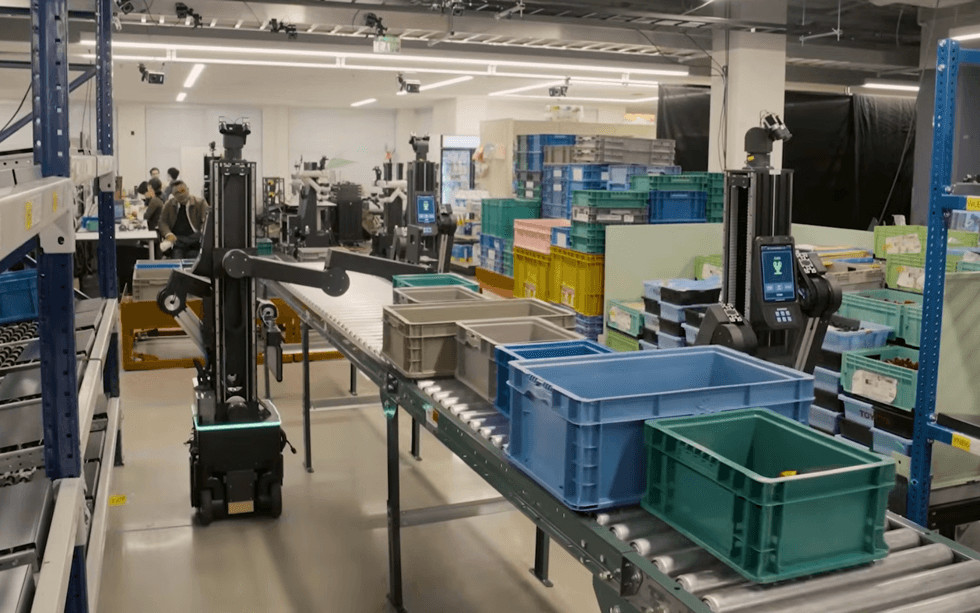
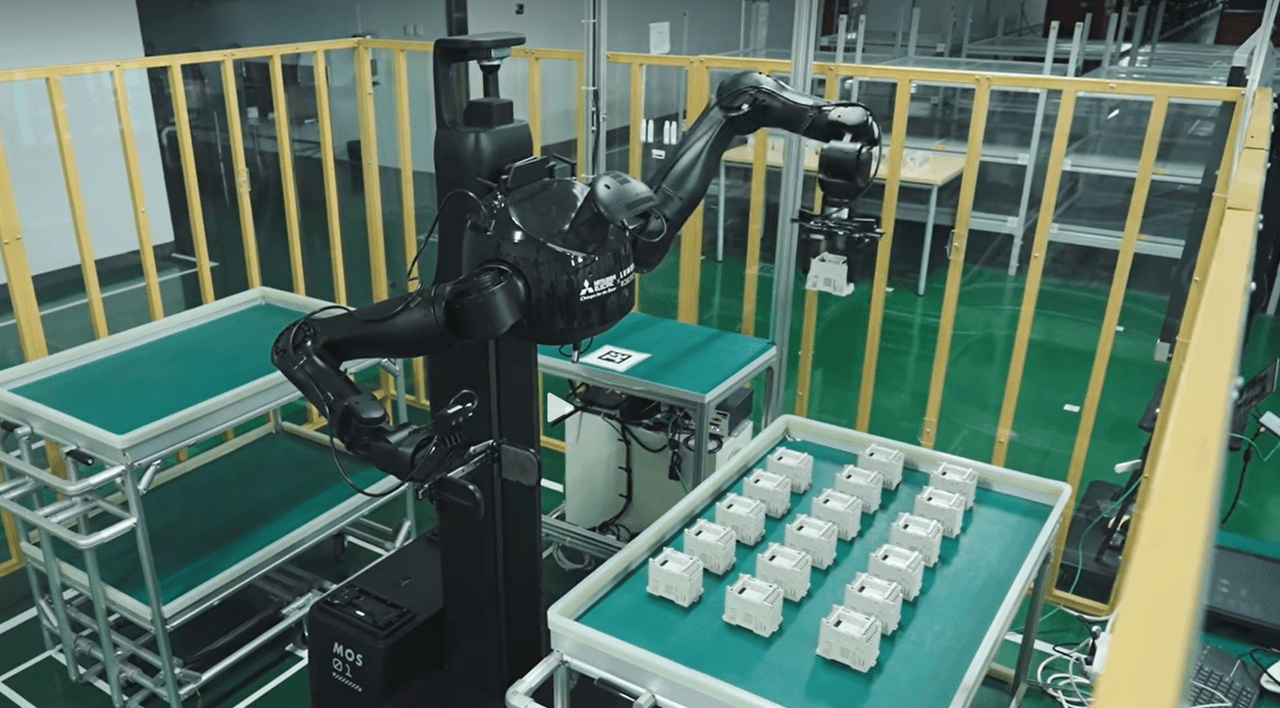
Video Friday: Autonomous Robots Learn By Doing in This Factory
In a recent edition of Video Friday, IEEE Spectrum robotics showcased a variety of innovative robotics projects and developments. Notably, scientists at the Toyota Research Institute are collaborating with Toyota Manufacturing to implement autonomous robots on factory floors, enhancing production efficiency. Zipline shared insights into their drone delivery system, detailing the challenges faced and lessons learned in its development. Humanoid introduced KinetIQ, an AI framework designed for the orchestration of humanoid robot fleets, which integrates task allocation and execution through advanced cognitive layers. Meanwhile, researchers at VISTEC unveiled a decentralized adaptive resilient neural control system (DARCON) that enables legged robots to autonomously adapt to limb loss, ensuring mission success despite mechanical failures. NASA's Jet Propulsion Lab presented an animation of the Perseverance rover's drive along the Jezero Crater, captured on December 10, 2025, showcasing the rover's navigation capabilities. Additionally, Unitree's humanoid robot G1 made its mark on the snowfields of Altay, demonstrating its adaptability in extreme conditions. The Norwegian University of Science & Technology introduced a hierarchical 3D scene graph to enhance autonomous agents' understanding of their environments. Other highlights included the HoLoArm quadrotor, which features compliant arms for improved stability, and SkyDreamer, a pioneering vision-based autonomous-drone racing policy. The event also featured demonstrations of dexterous object manipulation by the AI Worker robot and advancements in swarm robotics for architectural applications.
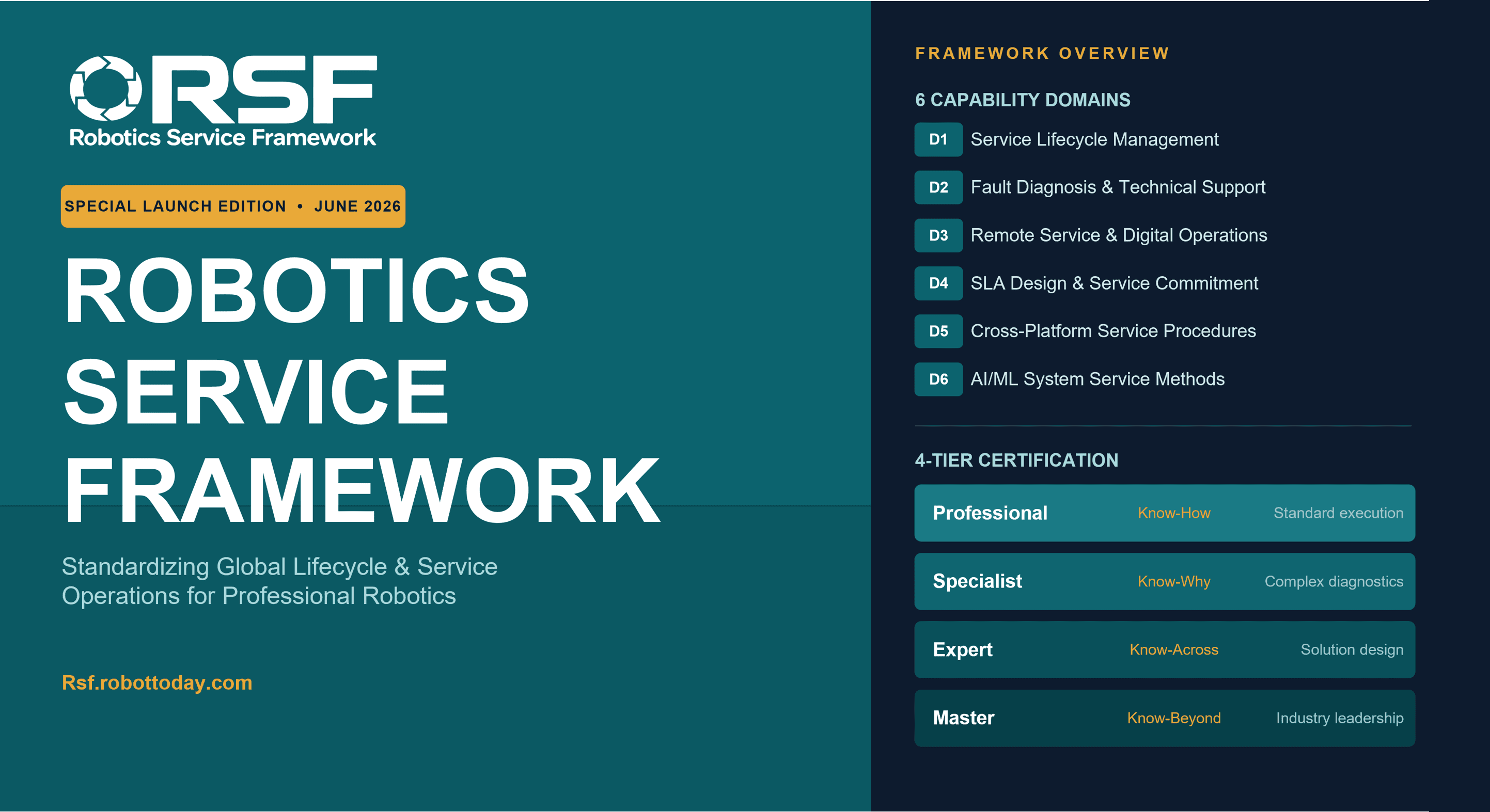
Video-friday Autonomous-robots Humanoid-robots Industrial-robots Robot-ai Perseverance-roverRobotics needs a service framework.
RSF defines a common language for robot service capability, lifecycle operations, certification pathways, and service-provider networks.