

Industry Briefing
A single destination for timely, editor-curated robotics news from around the world.
Tesla Initiates Procurement of Chinese Components for US-Manufactured Humanoid Robots
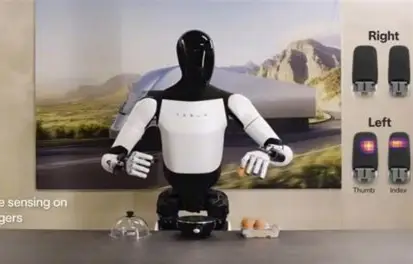
Tesla has started sourcing components from China for its humanoid robots produced in the United States. This move is expected to enhance production capacity at Tesla's Fremont factory in California, leveraging China's status as the largest producer of humanoid robot parts. The procurement process began in mid-September when Tesla's robotics team conducted factory audits of three automotive parts suppliers in Ningbo: Joyson Electronics, Top Group, and Sanhua Automotive. These suppliers have already received orders for components such as joint modules, actuators, and precision structural parts, indicating a pre-existing collaboration with Tesla in the automotive sector. Looking ahead, Tesla's strategy of ordering components before auditing production lines highlights its confidence in these suppliers' capabilities. The ongoing partnership with these established companies reflects China's growing influence in the global robotics industry, particularly as Tesla shifts focus to humanoid robot production at its California facility.
Humanoid Robots Supply Chain Automotive Components Robotics Manufacturing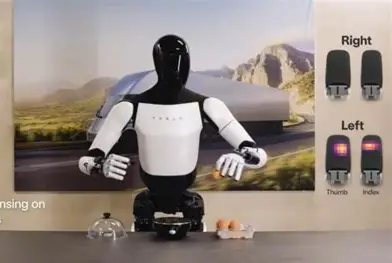
Tesla Sources Chinese Components for Humanoid Robots Produced in the US
Tesla has started procuring components from China for its humanoid robots manufactured in the United States. This move aims to enhance production capacity at Tesla's Fremont factory in California, leveraging China's status as the largest producer of humanoid robot parts. In mid-September, Tesla's robotics team conducted factory audits of three automotive parts suppliers in Ningbo, including Joyson Electronics, Top Group, and Sanhua Automotive Components, which had already received orders for robot parts such as joint modules and actuators. The collaboration with these suppliers, which already provide parts for Tesla's electric vehicles, indicates a solid foundation for partnership. The audits focus on ensuring that the production lines can meet mass production requirements for the humanoid robot components. Joyson Electronics, Top Group, and Sanhua Automotive Components rank 29th, 57th, and 100th respectively in the Automotive News 2026 global supplier rankings, showcasing their experience in supplying parts for leading humanoid robot companies. Tesla's decision to source from Chinese suppliers reflects its consistent strategy in the automotive sector, where Chinese companies excel in cost control, mass production capabilities, and supply chain responsiveness. This procurement strategy highlights China's growing influence in the global robotics industry, especially as Tesla continues to develop its Optimus humanoid robot assembly line at its California facility.
Humanoid Robots Supply Chain Automotive Components Robotics Manufacturing
Tesla Initiates Procurement of Chinese Components for US-Made Humanoid Robots
Tesla has begun sourcing components from China for its humanoid robots produced in the United States. This move is expected to enhance production capacity at Tesla's Fremont factory in California, leveraging China's status as the largest supplier of humanoid robot parts globally. In mid-September, Tesla's robotics division started factory audits of three automotive component suppliers located in Ningbo, China: Joyson Electronics, Top Group, and Sanhua Automotive. These suppliers had already received orders for parts such as joint modules, actuators, and precision components prior to the audits, which will assess production line performance and compliance with regulations. The focus will be on whether these suppliers can meet mass production requirements for robot components. Given their existing relationships with Tesla in the automotive sector, the suppliers are expected to have the necessary capabilities. The upcoming months will reveal if these suppliers can scale production in line with Tesla's ambitious output targets for its Optimus humanoid robots.
Humanoid Robots Supply Chain Robotics Components Automotive Parts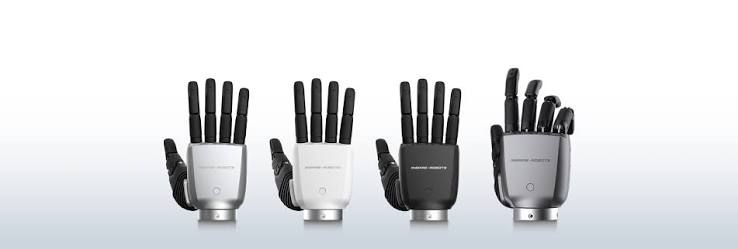
China Launches First Insurance for Intelligent Robotic Components at 2026 Service Trade Fair
On September 11, China Pacific Insurance and Beijing Daqi Yuequan Biomimetic Technology signed a collaboration for insurance covering intelligent robotic components, marking the first such insurance in the country. The policy protects against accidents, natural disasters, design defects, and operational errors, while also covering third-party injuries and property damage caused by equipment use. This insurance product addresses significant concerns for manufacturers and end-users of dexterous hands, which are costly and require high precision. With this coverage, procurement decisions may become easier as risks associated with equipment loss and third-party liabilities are mitigated. The collaboration aims to bolster confidence in the intelligent robotics sector by establishing a risk barrier for core components. The launch of this insurance indicates a shift in the industry, suggesting that key components have moved beyond experimental phases to a stage where tangible investments are necessary. Future developments to watch include the alignment of insurance rates with actual fault data and the potential introduction of similar insurance products for other critical components like joint modules and sensors.
Robotic Components Insurance Embodied Intelligence Risk Management
Benmo Technology Achieves Rapid Growth in Robotics Physical Components Market
Benmo Technology has experienced significant revenue growth, increasing from 17.54 million yuan to 282 million yuan in three years, with a compound annual growth rate exceeding 300%. The company focuses on integrated direct-drive joints, eliminating the need for reducers, which reduces energy loss and noise while extending lifespan to 50,000-100,000 hours. As of 2025, Benmo Technology is projected to capture 61.1% of the Chinese consumer robotics direct-drive module market, with shipments of approximately 8.5 million units across various robot categories. The company also operates a wheeled robot business, exporting products to over 50 countries, and has become a leading manufacturer in this sector. Looking ahead, Benmo Technology's dual business model allows for a feedback loop between mass production of power modules and whole machine development. The consumer-grade direct-drive modules are expected to account for 88% of total revenue by 2025. The company is well-positioned to meet future demands for reliable robotic bodies as advanced AI models mature.
Robotics Direct-Drive Modules Embodied Intelligence Robot Manufacturing
Shifts in Robotics Investment Focus on Core Components Amid Market Changes
Since 2026, the robotics capital market has shifted focus from complete machines to core components such as chips, sensors, and actuators. This change reflects a move from concept validation to mass production, as investors seek more certainty in their investments. In July alone, 13 out of 52 financing events in the robotics sector were in core components, indicating a significant rise in interest. The importance of core components is underscored by the realization that relying solely on imported parts can severely impact profitability for humanoid robots. As domestic supply chains struggle to keep pace, companies with substantial funding may still find themselves at the mercy of foreign manufacturers. This shift highlights that competition in the robotics industry is evolving beyond just complete machines to encompass the entire supply chain. One notable player in this space is Tao Shi Intelligent, established in 2024, which has developed a unique orthogonal drive technology for reducers. With a focus on high precision and compact design, the company has successfully integrated its products into the supply chains of major firms like Foxconn. As demand for dexterous hands rises, Tao Shi Intelligent is poised to capitalize on this trend, having signed agreements for 100,000 joint modules with various robotics companies.
Robotics Core Components Supply Chain Investment Trends
LG Electronics Advances Humanoid Robot Actuator Production Plans Amid Industry Shift
As artificial intelligence technology progresses, the humanoid robot industry is transitioning from proof-of-concept to commercialization. The focus of competition is shifting from showcasing complete robots to the core components that drive scalability. Actuators, which connect the robot's control system to its mechanical structure, are becoming a key area of investment. Recently, LG Electronics announced its commercialization plan for humanoid robot actuators at the IFA 2026 exhibition, revealing plans to establish an automated production line in Changwon, South Korea, to supply its AXIUM series integrated actuators globally. This move indicates LG's transition from a consumer electronics company to a core supplier in the robotics sector, aiming to secure a critical position in the future humanoid robot supply chain. The actuator's performance and cost significantly impact the robot's mobility, stability, and commercialization costs, as a standard humanoid robot typically requires around 30 actuators, which can account for 60% to 70% of the total cost. The competition in the humanoid robot industry will not only revolve around mechanical structures but also the integration of hardware and software capabilities, necessitating industry collaboration to address challenges in power, perception, computation, and algorithms.
Humanoid Robots Actuators AI Technology Robotics Supply Chain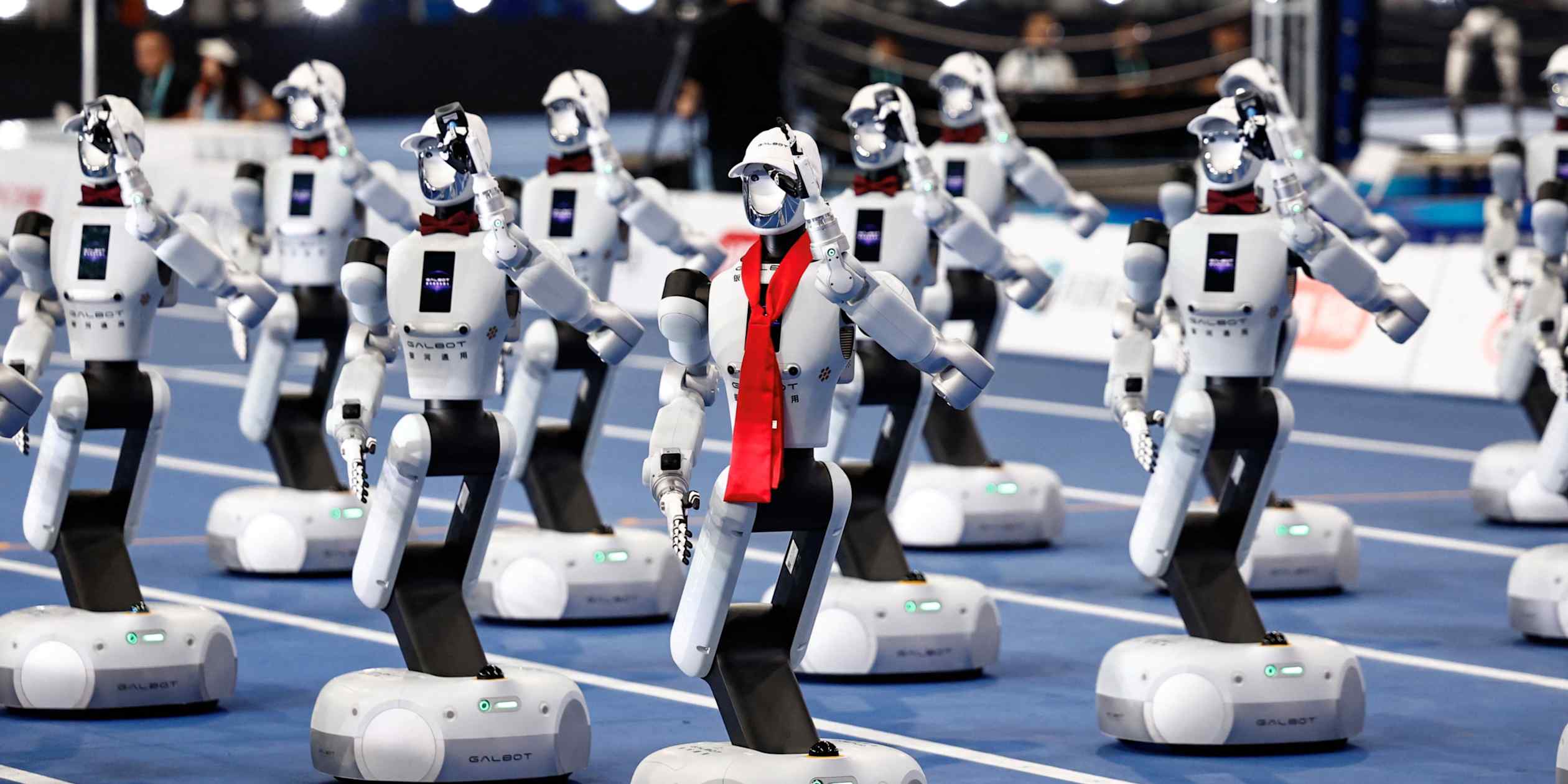
New US Robot Restrictions Highlight Dependence on Chinese Components in Industry
Recent US restrictions on advanced robots have revealed the significant reliance of American manufacturers and researchers on Chinese-made hardware. This situation poses challenges as companies face potential increases in costs and delays in production, which could hinder the industry's growth. The implications of these restrictions are profound, as they underscore the tension between Washington's security objectives and the operational needs of a rapidly expanding robotics sector. Firms are concerned that reshoring production may not only be costly but also disrupt supply chains that have been reliant on Chinese components. Looking ahead, industry stakeholders will need to navigate these new regulations while seeking alternative sources for critical components. No further timeline was disclosed at the time of publication.
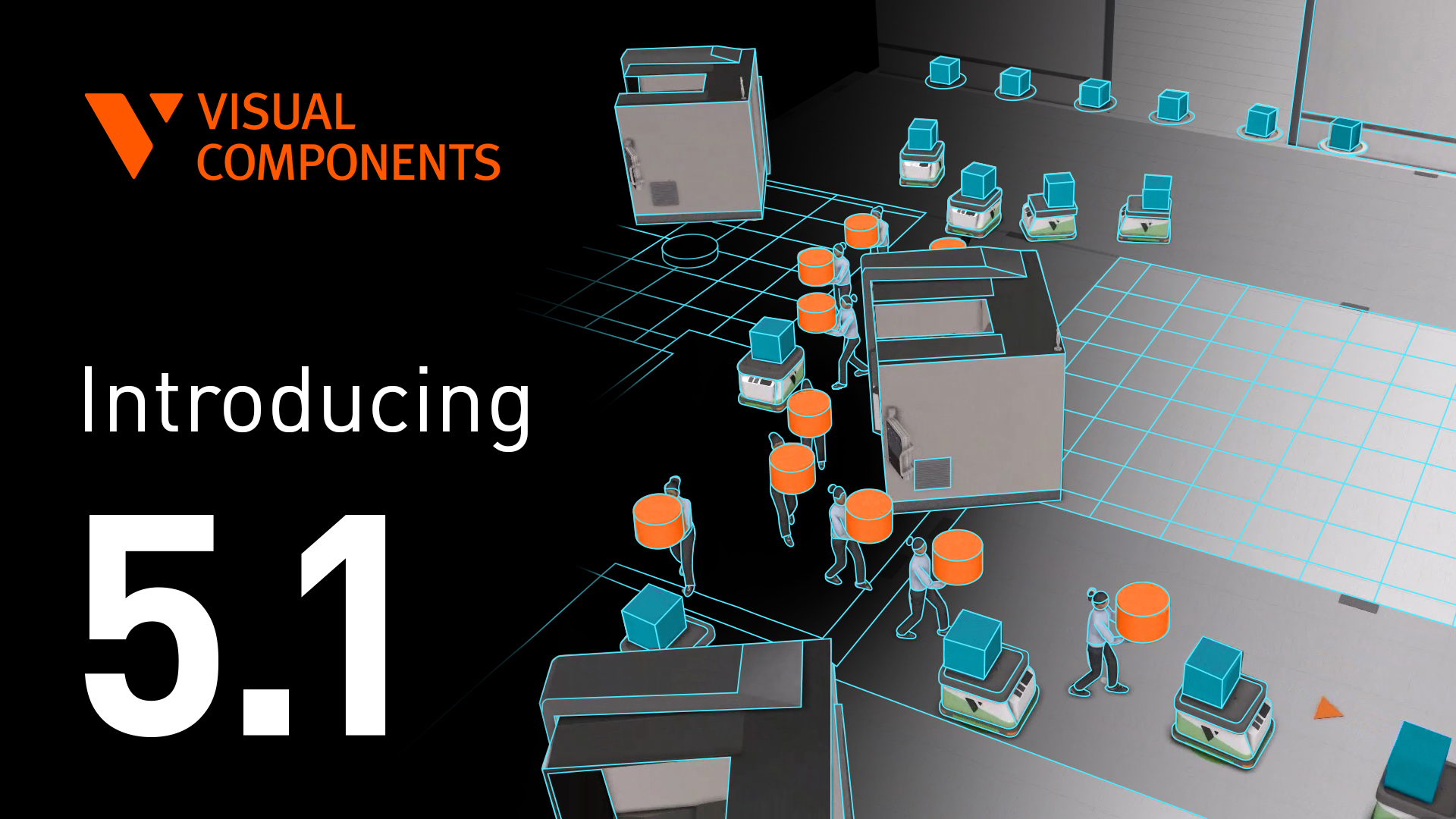
Visual Components launches version 5.1 to enable manufacturers to simulate and validate large-scale autonomous robot operations before deployment
A recent software release has empowered manufacturers to simulate hundreds of Autonomous Mobile Robots (AMRs) and Automated Guided Vehicles (AGVs) with enhanced dynamic collision avoidance capabilities. This update significantly boosts performance, achieving speeds up to ten times faster than previous versions. The integration of updated PhysX technology further enhances the realism of physics simulations, providing a more accurate representation of real-world scenarios. This advancement is expected to streamline operations in various manufacturing environments, allowing for more efficient planning and deployment of robotic systems. The release, which reflects the latest developments in simulation technology, aims to meet the growing demand for automation in the manufacturing sector.
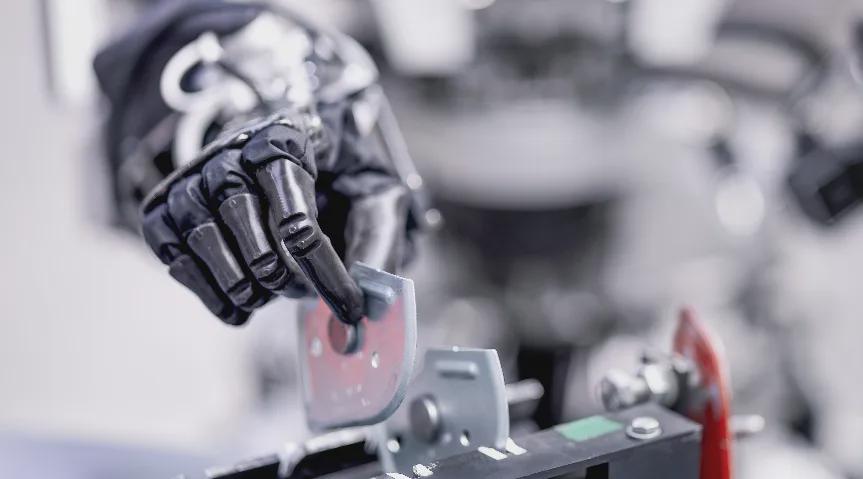
Who Will Lead the Next Generation of Humanoid Robot Components?
The Chinese robotics industry is making significant strides in the development of core components, especially six-dimensional force sensors, which are vital for improving robotic functionality. Major companies, including Foxconn and Tianqi, are heavily investing in this technology, driven by the increasing demand for sensors that allow robots to mimic the delicate touch of skilled human workers. This advancement is particularly important for precision assembly in diverse manufacturing sectors, highlighting the industry's commitment to enhancing automation capabilities. As these investments continue, the potential for robots to perform complex tasks with greater accuracy and efficiency is set to transform the landscape of manufacturing in China.
Humanoid Robots Six-Dimensional Force Sensors Robotics Components Manufacturing Automation
Hyundai creates dedicated units for software-defined factory, robot components
Hyundai Motor Group is taking significant steps to enhance its manufacturing capabilities by establishing dedicated units focused on its software-defined factory (SDF) strategy and sourcing robotic components. This initiative aims to integrate Atlas humanoid robots into its auto manufacturing processes. The announcement was made on Monday, with industry sources revealing that the group has appointed Alpesh Patel, currently the chief innovation officer at Hyundai Motor Group Innovation Center Singapore, to oversee the SDF initiative. This move reflects Hyundai's commitment to modernizing its production facilities and improving efficiency through advanced robotics and software integration.
All News
From Robot Components to Industrial Screws: The Strategic Moves of Zhejiang Rongtai in Thailand
Zhejiang Rongtai has announced a significant shift in its production strategy, transitioning from manufacturing robot components to focusing on industrial screws and fire-resistant materials. This decision, made to improve operational efficiency and comply with regulatory standards, also includes plans to establish a major manufacturing base in Thailand. The move reflects the company's commitment to adapting to market demands and enhancing its competitive edge in the industry.
Industrial Automation Robot Components Overseas Manufacturing Supply Chain Management
Schaeffler Aims for Hundreds of Millions in Humanoid Robotics Orders by 2030
Schaeffler has set a target to secure an order book worth hundreds of millions of euros in its humanoid robotics division by 2030, as revealed by CEO Klaus Rosenfeld. This ambitious goal comes as the company shifts its capital allocation and strategic priorities, currently engaging with around 45 humanoid robotics players globally, including firms in the U.S. and China. The significance of this target lies in Schaeffler's innovative 'user-supplier' model, which positions the company as both a consumer of robotic labor and a Tier 1 component provider. With five major customer contracts already ratified, Schaeffler is working to establish its hardware as the industry standard, aiming to capture 10% of the humanoid market, which is projected to reach 1 million units by 2030. As the humanoid robotics industry gears up for a production surge, Schaeffler's strategic pivot is seen as a buffer against the volatility of the traditional automotive market. With initial contracts for actuators secured, the company is transitioning from pilot projects to generating industrial-scale revenue, marking a significant step in its growth trajectory in the robotics sector.
Europe Market Schaeffler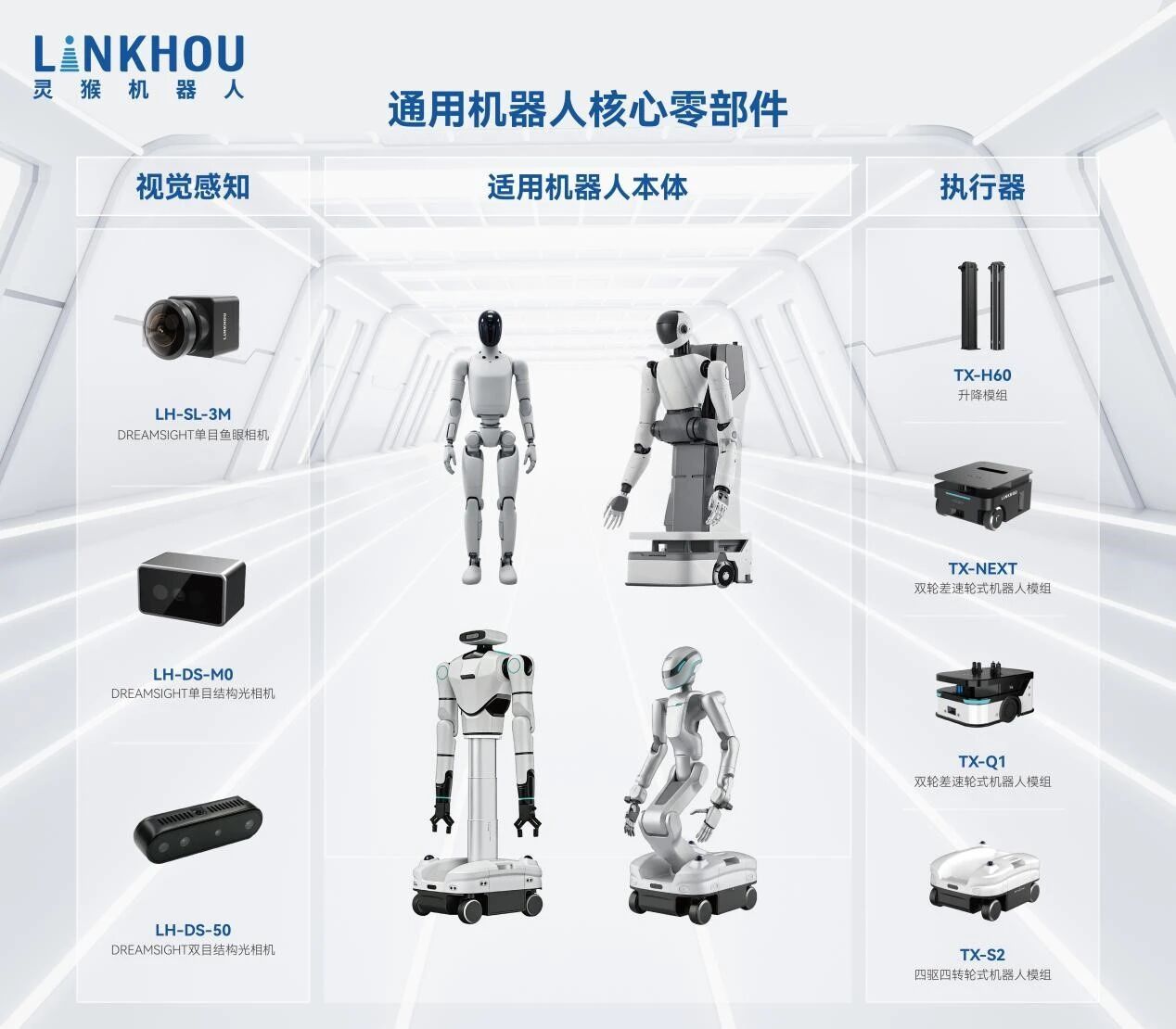
Linkhou Raises USD Tens of Millions to Expand Robotics Components Production
Linkhou, a company based in Suzhou, has successfully secured hundreds of millions of yuan in a Series B+ funding round, which was led by the China Internet Investment Fund. This significant investment aims to enhance the production capabilities of the company's essential components for embodied AI robots, specifically focusing on vision modules and mobile chassis. The funding will enable Linkhou to scale its operations and meet the growing demand for advanced robotics technology.
News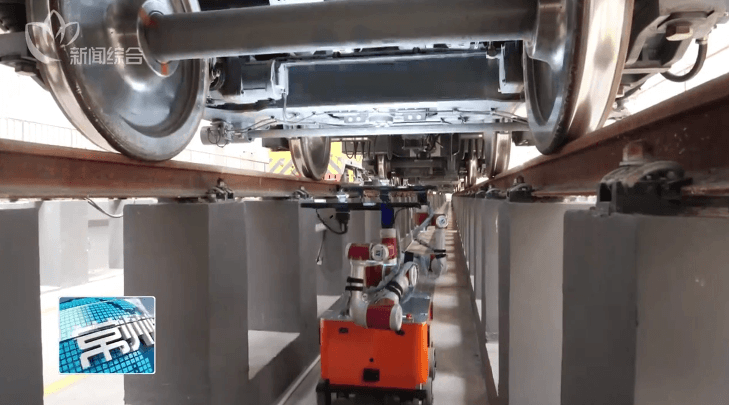
Beyond the Arm: Integrating Robotic Arm Components for Advanced HMI
In the evolving landscape of modern manufacturing, JAKA is redefining human-machine interaction (HMI) by integrating industrial robot arms into cohesive systems that enhance operational efficiency. This approach emphasizes that robots should not function as isolated units but as integral components of a larger framework that includes mechanical structures, control logic, and software interfaces. By focusing on mechanical integration, JAKA ensures that robotic arms interact safely and accurately with operators, facilitating intuitive engagement and stable production behaviors. The design of robotic arms at JAKA prioritizes harmonized joints and controlled motion, which allows for smooth feedback and precise movements. This is particularly beneficial in packaging applications, where high repeatability minimizes errors and enhances operational clarity. Furthermore, JAKA's control systems are engineered to ensure that robotic arms respond predictably to user inputs, whether in automated or manual modes, thus improving the overall quality of HMI. The integration of these systems not only streamlines workflows but also reduces management overhead by providing clear and actionable feedback. This results in consistent output rates and decreased waste in production processes. JAKA's holistic approach to robotic systems fosters a manufacturing environment that is adaptable to real operational needs, ultimately leading to more efficient and transparent human interactions in tasks such as packing and spraying.
Robotics needs a service framework.
RSF defines a common language for robot service capability, lifecycle operations, certification pathways, and service-provider networks.
Join the RobotToday community on LinkedIn
Daily robotics news, in-depth analysis, conference highlights, and discussions with professionals worldwide.







