Industry Briefing
A single destination for timely, editor-curated robotics news from around the world.

Dexmal Introduces DM0.5 Model and DexOS at Action Developer Conference
Dexmal has launched its DM0.5 foundation model, DexOS operating system, and an embodied Mobility-as-a-Service (MaaS) platform during the Action developer conference. This event took place recently and aims to position Dexmal as a key player in the robotics industry by creating a versatile platform akin to Android for robotics applications. The introduction of the DM0.5 model and DexOS is significant as it seeks to address the challenges of scaling robotic models into practical, real-world scenarios. By providing a unified operating system and a robust foundation model, Dexmal aims to enhance interoperability and functionality across various robotic applications, potentially transforming how developers approach robotics solutions. Looking ahead, Dexmal's next steps involve further development of its MaaS platform and expanding the capabilities of the DM0.5 model. No further timeline was disclosed at the time of publication, but industry watchers will be keen to see how these innovations influence the robotics landscape and attract developer interest.
Robotics
OneRobotics Brings Home Robots to Global Real-World Scenarios: China’s Counterpart to Figure AI
OneRobotics (06600.HK) is making strides in the international market for home robotics with its innovative 'one brain, multiple forms' approach. The company recently demonstrated its capabilities in executing real household tasks, which caught the attention of NHK, Japan's national broadcasting organization. This development highlights OneRobotics' ambition to establish itself as a leading competitor in the global robotics sector, particularly as a Chinese alternative to established players like Figure. The company's efforts reflect a growing trend in the robotics industry towards versatile and efficient home solutions, aiming to meet the increasing demand for smart home technology worldwide.
News
Goodbye to 'Training Fabrication'! Agent-World Uncovers 1,978 Real Scenarios, Enabling Agents to Operate Effectively
Agent-World, a groundbreaking initiative developed through a partnership between ByteDance's Seed team and Renmin University of China, is transforming the landscape of agent training by employing 1,978 real-world scenarios rather than traditional simulated environments. Launched recently, this innovative program aims to improve agents' performance across multiple industries by enabling them to engage with authentic situations, fostering self-diagnosis and ongoing enhancement of their skills. This shift towards real-world applications is designed to better prepare agents for the complexities of their respective fields, ultimately leading to more effective and adaptable professionals.
AI Agent Training Real-World Scenarios Machine Learning Automation
AGIBOT WORLD CHALLENGE 2026 Advances Embodied AI Competition from Simulation to Real-Robot Testing at ICRA 2026
A recent competition has marked a significant advancement in the evaluation of embodied artificial intelligence, emphasizing the importance of closed-loop testing with real robots and practical tasks. This shift away from traditional simulation scores aims to establish standardized benchmarks that better reflect the capabilities of AI systems in real-world scenarios. By focusing on tangible outcomes and interactions, the competition seeks to enhance the reliability and applicability of embodied AI technologies. The event, which took place in October 2023, gathered experts and innovators in the field, showcasing the latest developments and fostering collaboration to push the boundaries of AI performance in practical applications.

Why robots still struggle to see the real world
Orbbec co-founder emphasizes that enhancing machine perception for practical applications necessitates more than advancements in artificial intelligence; it also demands the use of accurately calibrated sensors. This insight highlights the ongoing challenges robots face in effectively interpreting their environments. The discussion sheds light on the complexities involved in developing reliable robotic vision systems, which are crucial for their successful deployment in real-world scenarios. The commentary reflects the current state of technology as of October 2023, underscoring the need for a multi-faceted approach to improve robotic capabilities.
Artificial Intelligence Artificial Intelligence / Cognition Autonomous Mobile Robots (AMRs) Cameras / Imaging / Vision Healthcare Robotics Logistics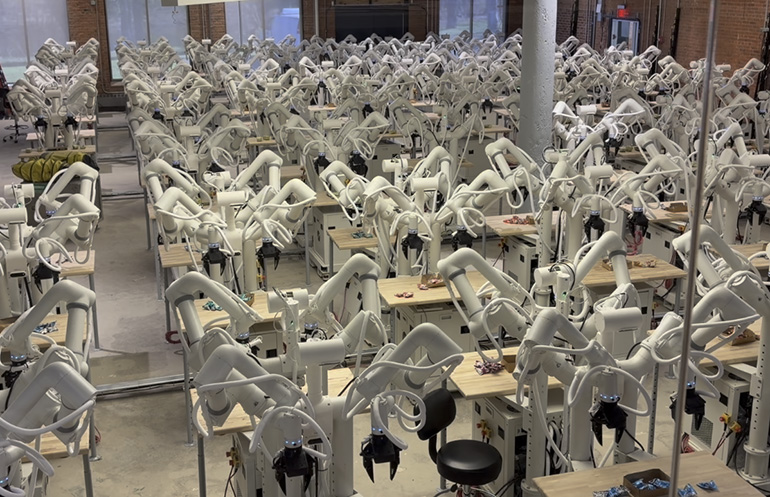
Tutor Intelligence builds Data Factory to train robot AI in the real world
Tutor Intelligence has initiated the operation of 100 Sonny semi-humanoid robots at its headquarters, a move aimed at enhancing the training of artificial intelligence in real-world scenarios. This initiative is part of the company's broader strategy to develop a Data Factory that will facilitate the sharing of technology and data with its Cassie mobile manipulator. By leveraging these advanced robotic systems, Tutor Intelligence seeks to improve the efficiency and effectiveness of AI training, ultimately advancing its capabilities in various applications. The deployment of these robots marks a significant step in the company's commitment to innovation in robotics and AI technology.
Arms / Manipulators Artificial Intelligence Artificial Intelligence / Cognition Cobot Arms Consumer Robotics Food / Beverage
Interview with Wang Zhongyuan: VLA will survive, but world models are the future.
In recent months, the concept of "World Model" has gained significant traction within the AI and robotics sectors, driven by underlying industry anxieties. As AI technology has rapidly evolved over the past two years, limitations in embodied intelligence have become apparent, revealing that while robots can recognize objects, they struggle to understand physical interactions and causal relationships. The World Model aims to bridge this gap by enabling robots to learn the laws of the physical world. At the forefront of this exploration is Wang Zhongyuan, the director of the Beijing Academy of Artificial Intelligence, who identifies four distinct paths in the development of World Models. These include language-centered models, pixel-centered models, 3D structure-centered models, and visual representation-centered models. The Beijing Academy is pioneering a fifth approach that integrates language and visual data into a unified latent space representation, allowing for more complex interactions and predictions. Wang emphasizes that the World Model's potential lies in its ability to enhance embodied intelligence, enabling robots to understand and predict physical interactions over time. He envisions a future where World Models serve as the foundational brain for robots, capable of complex reasoning and decision-making in real-world scenarios. However, he cautions that achieving this goal will require significant advancements in data collection and model training, with a timeline of three to five years anticipated for substantial progress. As the field continues to evolve, the competition will focus on the ability to create models that accurately reflect the complexities of the physical world.
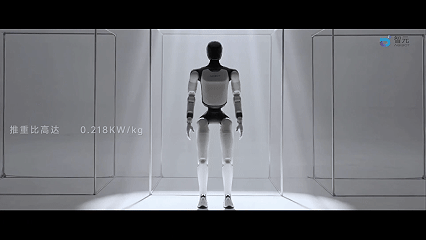
World's First Full-Size Humanoid Robot Achieves Autonomous Table Tennis Play
The Zhiyuan Expedition A3, a full-size humanoid robot, has achieved a significant milestone by successfully demonstrating autonomous table tennis play. This event highlights the robot's advanced capabilities in real-time decision-making and motion control, showcasing its potential for practical applications across various industries. The demonstration underscores Zhiyuan's commitment to advancing embodied intelligence, aiming to expedite the integration of humanoid robots into real-world scenarios.
Humanoid Robots AI Robotics Autonomous Systems
vivo Robotics Team Wins ICRA 2026 AGIBOT World Challenge Reasoning to Action Track
At the ICRA 2026 conference, vivo showcased its advanced robotics capabilities by achieving top performance in two global challenges. This event, held in a prominent international venue, highlighted the company's commitment to innovation and the practical application of its technologies in real-world scenarios. By excelling in these competitions, vivo aims to demonstrate the robustness and versatility of its robotics solutions, reinforcing its position as a leader in the industry. The successful outcomes of these challenges serve to validate the effectiveness of vivo's research and development efforts, further motivating the company to push the boundaries of robotics technology.
Innovative Soft Material‐Assisted Robot Grasping Devices: From Design Concept to Fabrication and Application Scenarios
In June 2026, the Journal of Field Robotics published a comprehensive study examining the advancements in robotic technologies and their applications in various fields. The research highlights significant developments in autonomous navigation, sensor integration, and machine learning, showcasing how these innovations are transforming industries such as agriculture, healthcare, and logistics. The study, conducted by a team of leading researchers in robotics, aims to address the growing need for efficient and reliable robotic systems in response to increasing demands for automation and precision in operations. By analyzing recent case studies and experimental results, the authors provide insights into the effectiveness of these technologies in real-world scenarios. The findings suggest that as robotic systems become more sophisticated, they can enhance productivity and safety while reducing operational costs. The research emphasizes the importance of continued investment in robotics research and development to keep pace with technological advancements and meet future challenges. This publication serves as a critical resource for industry professionals, policymakers, and academics interested in the future of robotics and its potential to reshape various sectors.
SURVEY ARTICLE
Without Real Data, How Can We Discuss Embodied Intelligence? Pacini Provides the Ultimate Answer with a Cluster of 100,000 Square Meters of Factories
In a bid to overcome the challenges faced by embodied AI, researcher Pacini is pioneering a novel strategy aimed at improving the technology's effectiveness through the use of real-world data. Recognizing the critical issue of data scarcity in the industry, Pacini is establishing a network of super data collection factories designed to generate high-quality, multimodal datasets. This initiative is expected to significantly enhance the generalization capabilities of AI systems, allowing them to perform better in diverse real-world scenarios. By focusing on the integration of comprehensive data sources, Pacini's approach seeks to propel the advancement of embodied AI, addressing a fundamental barrier to its widespread application.
Embodied AI Data Collection Artificial Intelligence Robotics Machine Learning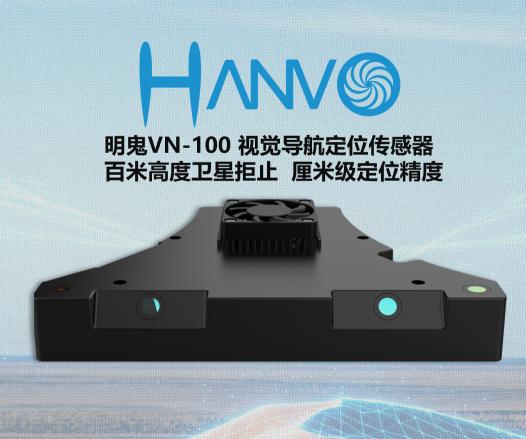
Two Years of Rigorous Testing Across 52 Scenarios: Embodied Intelligence Redefines Visual Navigation Technology
As embodied intelligence moves from laboratory settings to practical applications, researchers are addressing a significant challenge: enabling mobile agents to navigate effectively without relying on satellite signals. A recent exploration into modular visual navigation technology reveals promising advancements that have been validated in extreme environments. This innovative approach enhances the capabilities of various robotic applications, paving the way for more robust and versatile navigation solutions in real-world scenarios. The development of this technology is crucial as it aims to overcome the limitations posed by traditional navigation systems, particularly in areas where satellite signals are unreliable or unavailable.
Visual Navigation Robotics Autonomous Drones Sensor Technology
Table tennis robot defeats some of world's best players. Why this has major implications for robotics
In a groundbreaking development for artificial intelligence, a table tennis robot named Ace has demonstrated superior performance against elite players in recent evaluations. This achievement highlights a significant advancement in AI technology, showcasing its ability to function effectively in fast-paced and unpredictable real-world scenarios. The evaluations took place in October 2023, marking a pivotal moment in the integration of AI into competitive sports. The success of Ace not only illustrates the potential for AI systems to excel in complex environments but also raises questions about the future of human competition in sports as technology continues to evolve.
Robotics
Virtual Worlds Teach AI To Think Like a Physicist
Researchers at Carnegie Mellon University’s School of Computer Science have developed a groundbreaking approach to training artificial intelligence by utilizing simulated physics environments instead of relying on traditional static text data. This innovative system, known as Breakdown Sim2Reason, generates an unlimited supply of high-quality training data from virtual worlds, significantly enhancing the AI's ability to reason in real-world scenarios. The advancements achieved through this method have shown promise in solving complex physics problems, demonstrating the potential for AI to think more like a physicist. This research aims to transform the way AI learns and interacts with physical concepts, paving the way for more sophisticated applications in various fields.
Research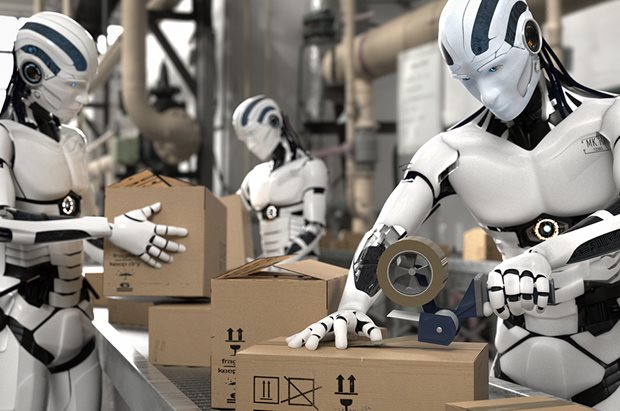
Hybrid Velocity Obstacle‐Nonlinear Control Method for Real‐Time Collision Avoidance of Nonholonomic Mobile Robots
In May 2026, researchers published a study in the Journal of Field Robotics, exploring advancements in robotic technology and its applications in various fields. The study highlights the integration of artificial intelligence and machine learning in enhancing the capabilities of field robots. Conducted by a team of engineers and scientists, the research aims to address challenges faced in agriculture, search and rescue operations, and environmental monitoring. The findings demonstrate how these innovations can improve efficiency and accuracy in tasks traditionally performed by humans, thereby reducing labor costs and increasing safety in hazardous environments. The team employed a series of experiments to test the robots' performance in real-world scenarios, showcasing their ability to navigate complex terrains and make autonomous decisions. This research is significant as it underscores the potential of robotics to transform industries by providing solutions that are not only effective but also sustainable. The authors emphasize the importance of continued investment in robotic research to further develop these technologies and expand their applications.
RESEARCH ARTICLE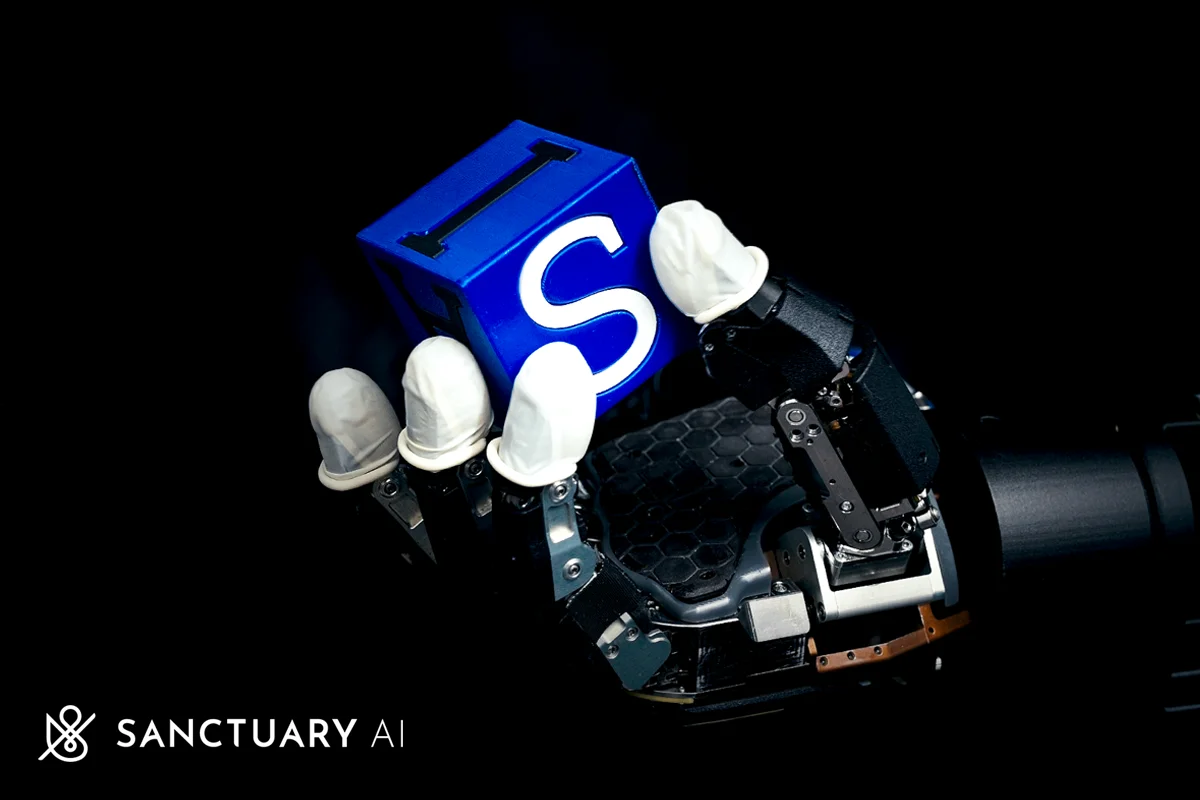
Sanctuary AI Achieves "Zero-Shot" Sim-to-Real Milestone for Hydraulic Dexterous Hands
Sanctuary AI has achieved a significant breakthrough in robotics by successfully demonstrating zero-shot transfer for in-hand manipulation. This innovative technique enables a policy that was entirely trained in a simulated environment to effectively reorient physical objects using actual hardware, without the need for any real-world fine-tuning. The demonstration showcases the potential for advanced robotic systems to operate seamlessly in real-world scenarios, leveraging training data and algorithms developed up to October 2023. This advancement could pave the way for more efficient and adaptable robotic applications across various industries, enhancing automation and precision in tasks that require dexterity and manipulation.
Canada hand sanctuary-ai hands North America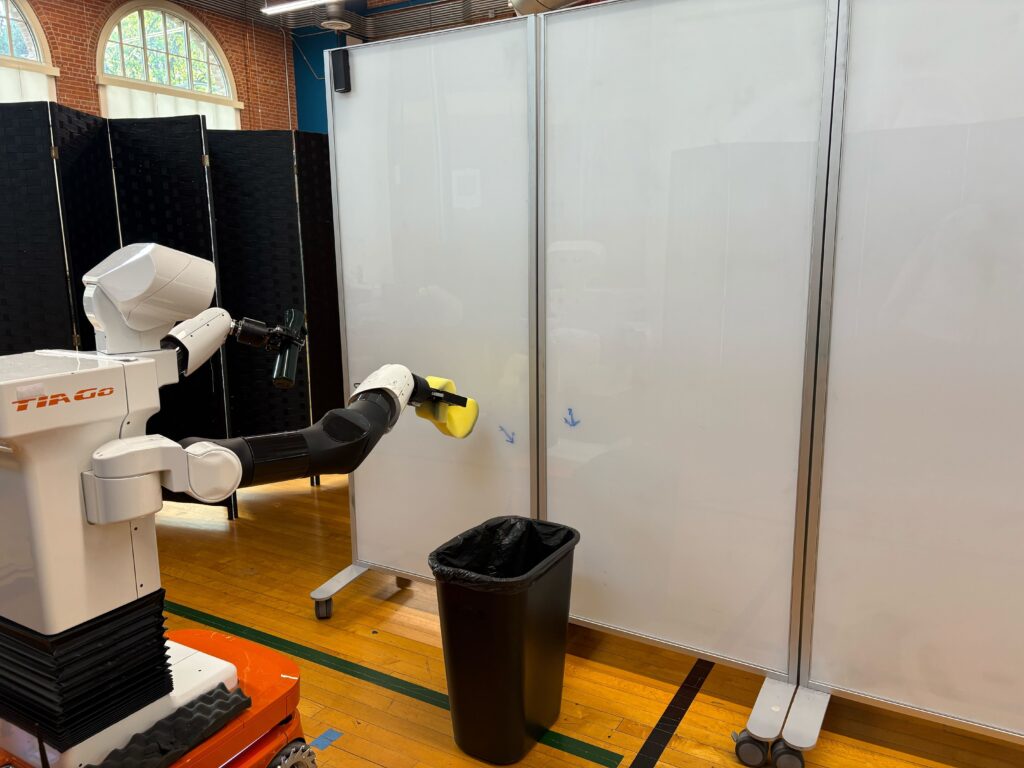
How can robots acquire skills through interactions with the physical world? An interview with Jiaheng Hu
Researchers are tackling the challenges of controlling high-degree-of-freedom systems, such as mobile manipulators, which are essential for both household and industrial robotics. Despite the potential of reinforcement learning to develop effective robot control policies, scaling these methods to more complex systems has presented significant difficulties. To address this issue, a team has introduced SLAC, or Simulation-Pretrained Latent Action Space, a novel approach designed to enhance the scalability of reinforcement learning in robotic applications. This innovative method aims to streamline the process of training robots, making it easier to implement advanced control strategies in real-world scenarios. The ongoing research highlights the importance of developing efficient robotic systems that can adapt to various environments and tasks, ultimately paving the way for more versatile and capable robots in the future.
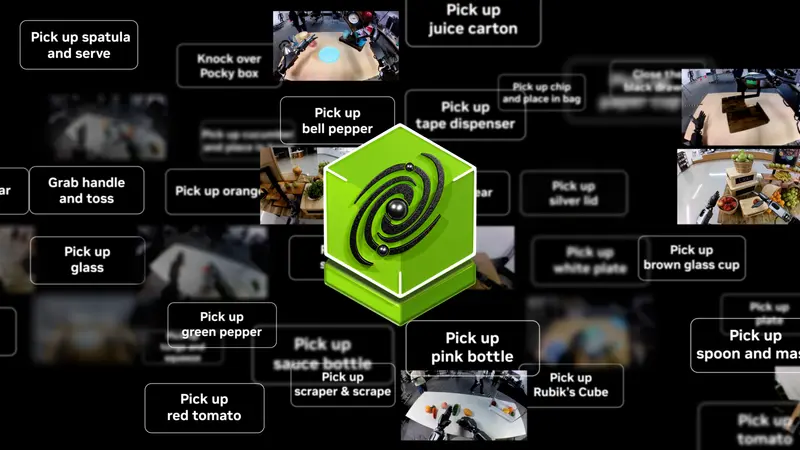
NVIDIA Advances Humanoid AI with GR00T N1.5, Eyeing a Future of Simulated Realities
NVIDIA has introduced its latest innovation, the Isaac GR00T N1.5, along with advanced simulation tools aimed at enhancing the learning capabilities of humanoid robots. This announcement, made during a recent tech conference, highlights the company's commitment to addressing the challenges associated with the 'Physical Turing Test' through the use of synthetic data generation. By leveraging these new tools, NVIDIA aims to improve the performance and adaptability of robots in real-world scenarios. The initiative reflects the growing demand for more sophisticated robotic systems that can seamlessly interact with their environments, ultimately pushing the boundaries of artificial intelligence and robotics.
NVIDIA GR00T
New chip could help tiny robots traverse complex environments
A team of researchers has developed an innovative method for creating 3D maps to enhance navigation systems, utilizing a combination of an efficient algorithm and specialized hardware. This advancement, which was announced in October 2023, aims to significantly reduce the memory and power requirements typically associated with 3D mapping technologies. By streamlining the mapping process, the researchers hope to improve the efficiency and accessibility of navigation tools, making them more practical for a variety of applications, including autonomous vehicles and mobile devices. The integration of dedicated hardware with the algorithm allows for rapid map generation, which could lead to faster and more reliable navigation solutions in real-world scenarios.
Research Computer science and technology Algorithms Artificial intelligence Machine learning Robotics
General Intuition in talks to raise $300M at around $2B valuation
A startup specializing in artificial intelligence is leveraging Medal's extensive dataset, which comprises 2 billion videos annually sourced from 10 million active users each month. This initiative aims to enhance the training of embodied AI and world models, utilizing the rich variety of visual content available. The training process incorporates data collected up until October 2023, allowing the AI systems to develop a more nuanced understanding of real-world scenarios and interactions. By harnessing such a vast and diverse dataset, the startup seeks to push the boundaries of AI capabilities, ultimately contributing to advancements in technology that can better interpret and interact with the world around us.
AI Fundraising ai agent Exclusive general intuition world models
Efort to Showcase Universal Base Technology at WAIC 2026 for Robotics Advancement
Efort's QiZhi will present its Universal Base technology at the WAIC 2026, aiming to enhance the capabilities of robots. The technology focuses on providing a foundational infrastructure that allows robots to learn and perform tasks across various scenarios, addressing the industry's need for a generalized capability rather than just hardware improvements. This initiative is crucial as the robotics sector has seen a significant influx of capital, with funding in the domestic embodied intelligence sector surpassing 93.5 billion yuan in the first half of 2026. However, the industry consensus highlights a gap in data availability and the need for a robust framework to enable effective learning and task execution by robots. Looking ahead, Efort's approach could redefine the landscape of robotics by shifting the focus from hardware specifications to a comprehensive technological foundation. As the industry transitions from demonstration to practical applications, the success of this Universal Base technology will be pivotal in overcoming existing challenges and enhancing the deployment of robots in real-world scenarios. No further timeline was disclosed at the time of publication.
Robotics AI Industrial Automation Machine Learning
ETCO Incorporated Launches New Electrical Connectors and Terminals for Robotics and Automation
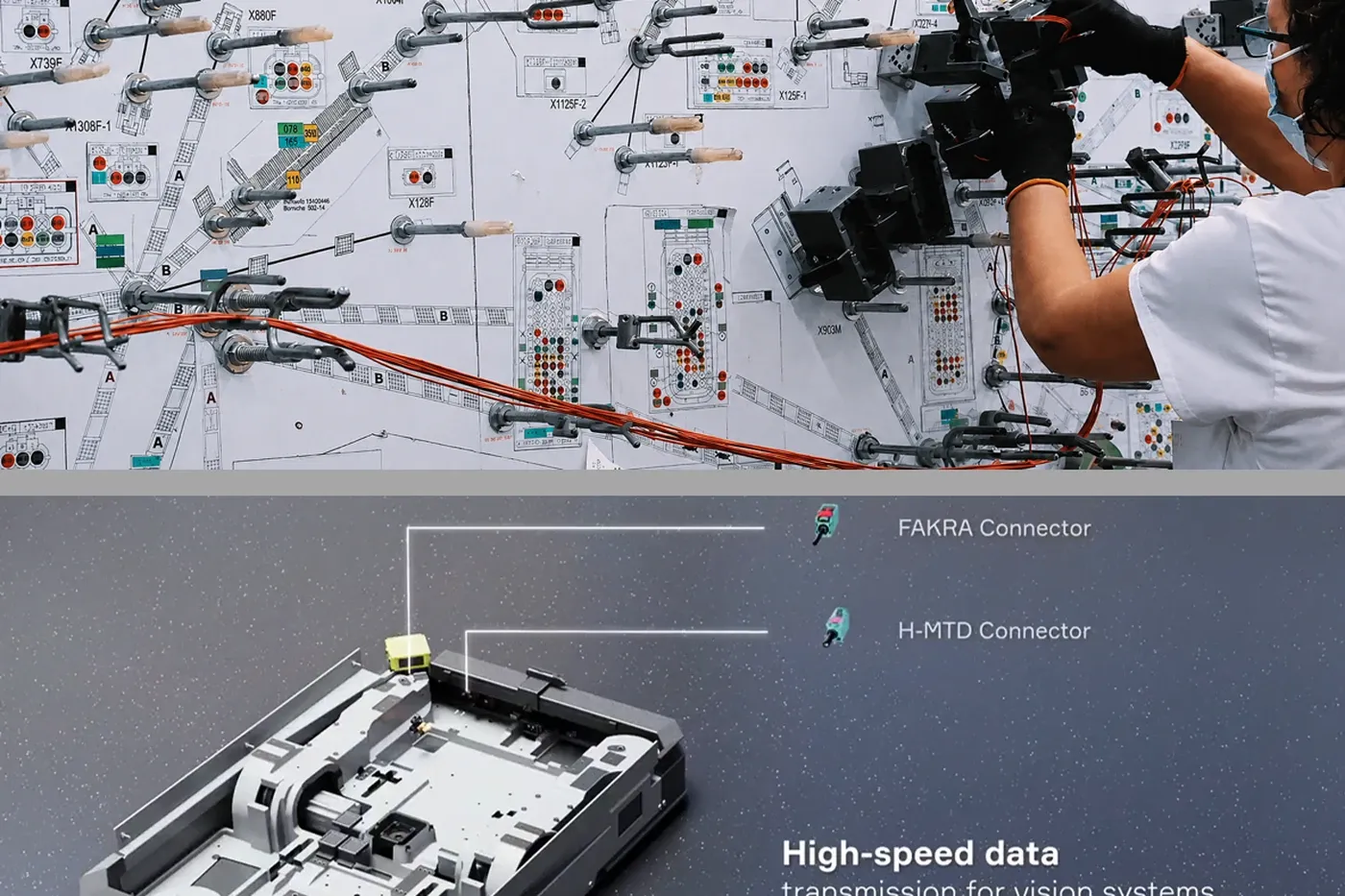
ETCO Incorporated has unveiled a new range of standard and custom electrical connectors and terminals designed specifically for automation systems and robotics. These products are engineered to endure intense operations, constant motion, and vibration, making them suitable for demanding applications. The introduction of these connectors and terminals is significant as they address the growing need for reliable electrical components in automation and robotics. With the increasing complexity of automated systems, the durability and performance of electrical connections are crucial for operational efficiency and safety. Looking ahead, industry stakeholders should monitor the adoption of ETCO's new products in various applications. The effectiveness of these connectors and terminals in real-world scenarios will be key to their success in the market. No further timeline was disclosed at the time of publication.

The Advantages for OEMs Collaborating with Skilled Robotics Integrators
A proficient robotics integrator serves as a vital link between robot manufacturers and customers' operational needs. By leveraging their deep understanding of technology, integrators facilitate the effective application of robotic solutions in real-world scenarios. This collaboration is essential as it ensures that the unique requirements of customers are met while maximizing the potential of robotic technology. OEMs benefit from this partnership by gaining insights into customer operations, leading to tailored solutions that enhance productivity and efficiency. Looking ahead, the role of integrators will continue to evolve as they adapt to emerging technologies and customer demands. OEMs should monitor these developments to optimize their strategies and maintain a competitive edge in the robotics market.
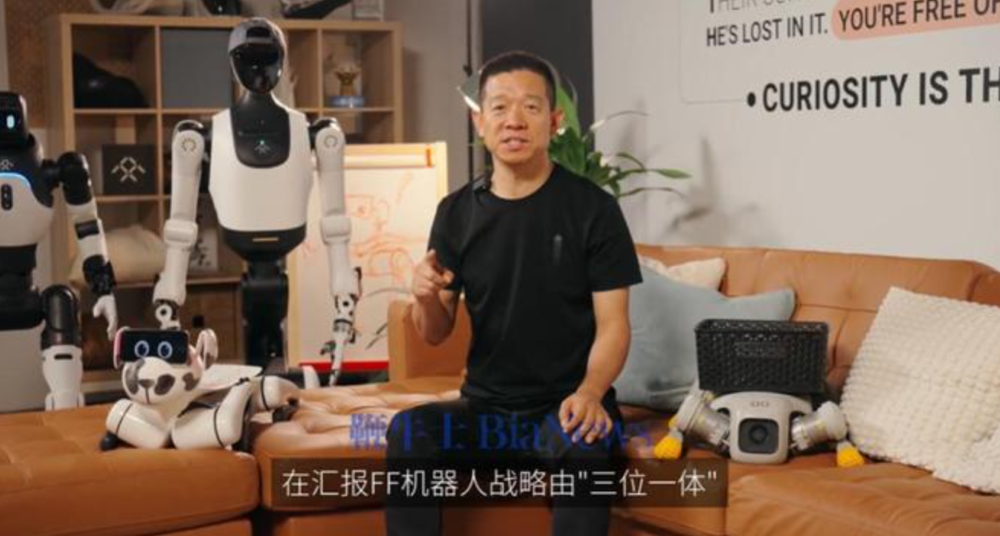
FF Robotics Upgrades Strategy with 'Quad-Core Intelligence' Ecosystem and 2000 Units Target
On July 13, FF founder Jia Yueting announced the upgrade of FF Robotics' strategy from a 'Trinity' model to a 'Quad-Core Intelligence' ecosystem. This strategic iteration follows the launch of four major robot series in February and the completion of the 'Full-Form EAI Robot World' in June, marking a significant advancement in embodied intelligence. The upgrade introduces a new core module focused on industry productivity solutions and a developer platform, targeting four key sectors: education, industrial, security, and inspection. Jia emphasized that this shift aims to transition from standalone capabilities to a comprehensive system that addresses industry-specific pain points, facilitating the practical application of FF robots in real-world scenarios. Looking ahead, FF aims to achieve a sales target of 2000 units by the end of the year, with the Q3 launch of the first FF EAI Robot Productivity Practical League to showcase real-world applications. This initiative, alongside the sales goal, is expected to validate the effectiveness of robots as productivity tools, moving beyond mere demonstrations to practical utility.
Robotics Artificial Intelligence Industry Solutions Productivity Tools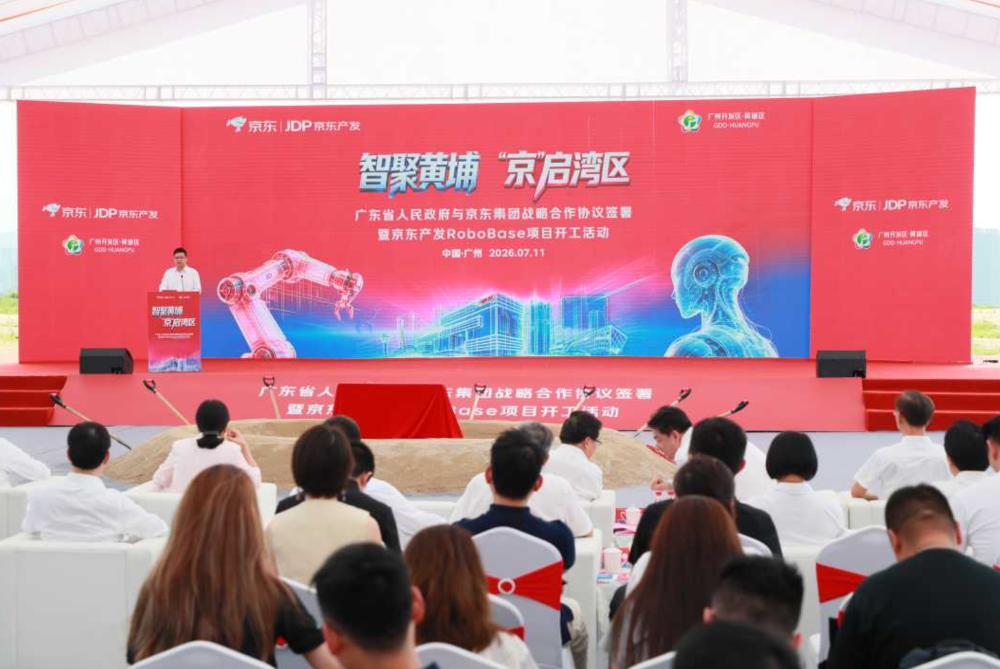
JD Group Launches First RoboBase Project in Guangzhou to Foster Robotics Ecosystem
On July 11, JD Group signed a comprehensive strategic cooperation agreement with the Guangdong provincial government, focusing on nine key areas including digital economy and modern logistics. The first physical benchmark of this agreement, the RoboBase project, commenced construction in the Huangpu Science City, Guangzhou. This marks JD's first RoboBase globally, covering approximately 190,000 square meters, with completion expected by the end of 2028 and an anticipated annual output value of about 1.75 billion yuan. The RoboBase project aims to integrate high-end manufacturing, technological innovation, and ecological services, concentrating on core robotic components, complete machine manufacturing, and high-end intelligent equipment. JD's approach is unique as it positions itself as an 'industrial infrastructure operator' rather than directly engaging in robot manufacturing. This strategy is designed to support robotics companies by providing a conducive environment for their operations. Looking ahead, JD's RoboBase will facilitate long-term testing for robots across various real-world scenarios, including JD MALL and logistics parks. The project also emphasizes talent development through partnerships with vocational schools in Guangdong. No further timeline was disclosed at the time of publication.
Robotics Ecosystem High-End Manufacturing Technological Innovation Supply Chain Solutions
Flexible Soft Sensor Enables Robotic Action Without Traditional Electronics
Researchers have developed a new soft sensor that allows soft robots to convert touch into action without relying on traditional electronic components. This innovation addresses a critical limitation in soft robotics, which often depend on bulky electronic sensors and actuators. The sensor is made from flexible materials, enhancing the robot's adaptability for various applications, including minimally invasive surgery and deep-sea exploration. The significance of this development lies in its potential to simplify the design and functionality of soft robots. By eliminating the need for electronic sensors and circuits, the new soft sensor reduces weight and complexity, making robots more efficient and reliable in challenging environments. This advancement could lead to broader applications in sectors where traditional electronics may fail, such as in wet or high-pressure conditions. Looking ahead, the next steps involve further testing and refinement of the soft sensor technology. Researchers aim to explore its integration into existing soft robotic systems and assess its performance in real-world scenarios. No further timeline was disclosed at the time of publication.
Robotics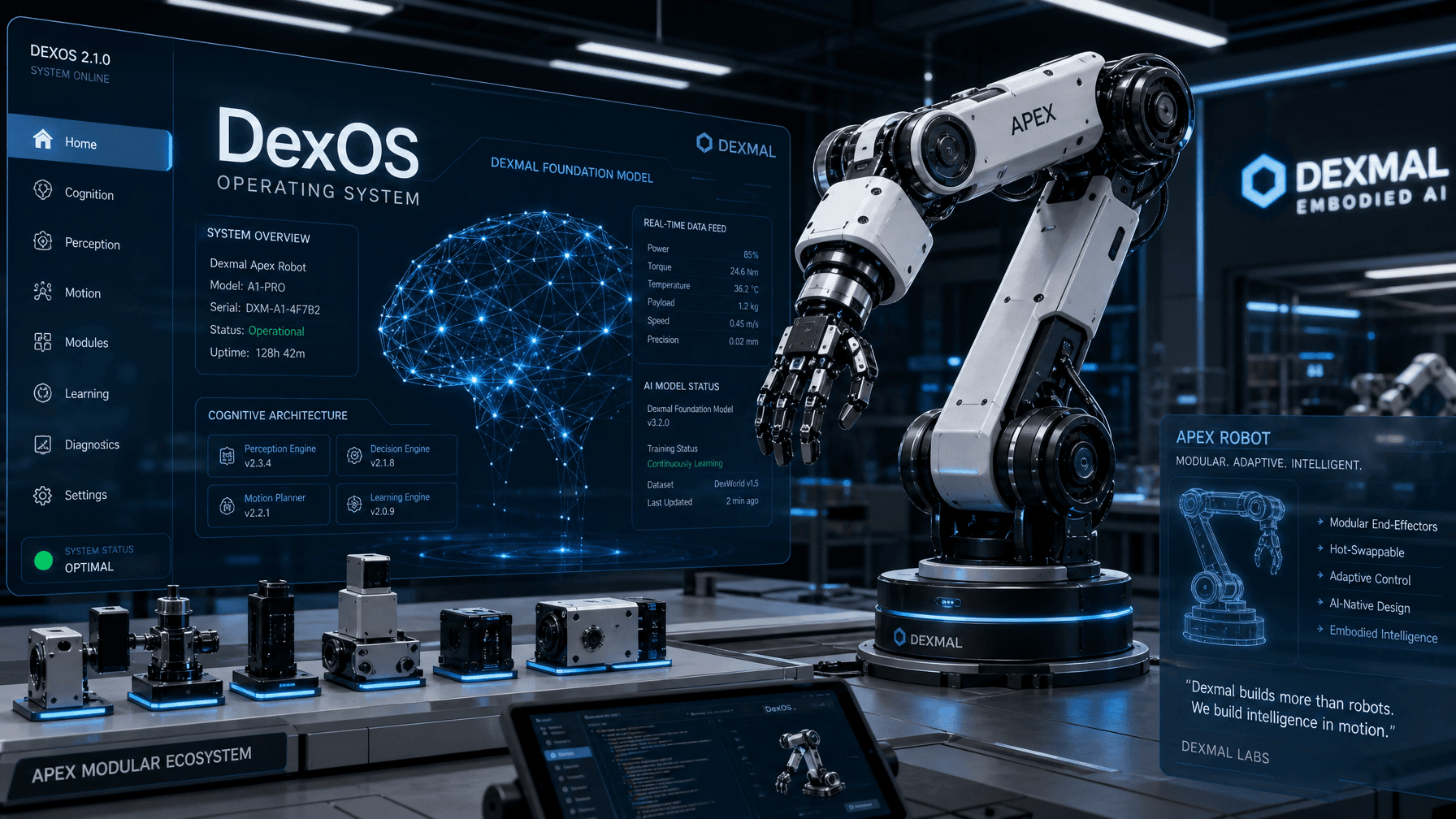
Dexmal Launches DM0.5 Model and DexOS to Enhance Embodied AI Productivity
Dexmal has introduced its DM0.5 foundation model, Apex universal robot, DexOS operating system, and MaaS platform, aiming to bridge the engineering gap between embodied AI models and practical productivity. This launch marks a significant step in the company's strategy to enhance the application of AI in real-world scenarios, with a focus on improving operational efficiency. The introduction of these products is crucial as they represent a comprehensive approach to integrating AI into various sectors. By addressing the final engineering challenges, Dexmal seeks to enable more seamless interactions between AI systems and physical environments, potentially transforming workflows across industries. The DM0.5 model is designed to optimize performance, while DexOS provides a robust operating framework for managing AI tasks. Looking ahead, Dexmal's three-stage strategy will be pivotal in determining the success of these innovations. The company has not disclosed specific timelines for the rollout of these products, but the focus on enhancing productivity through embodied AI suggests a proactive approach to market demands and technological advancements.
Technology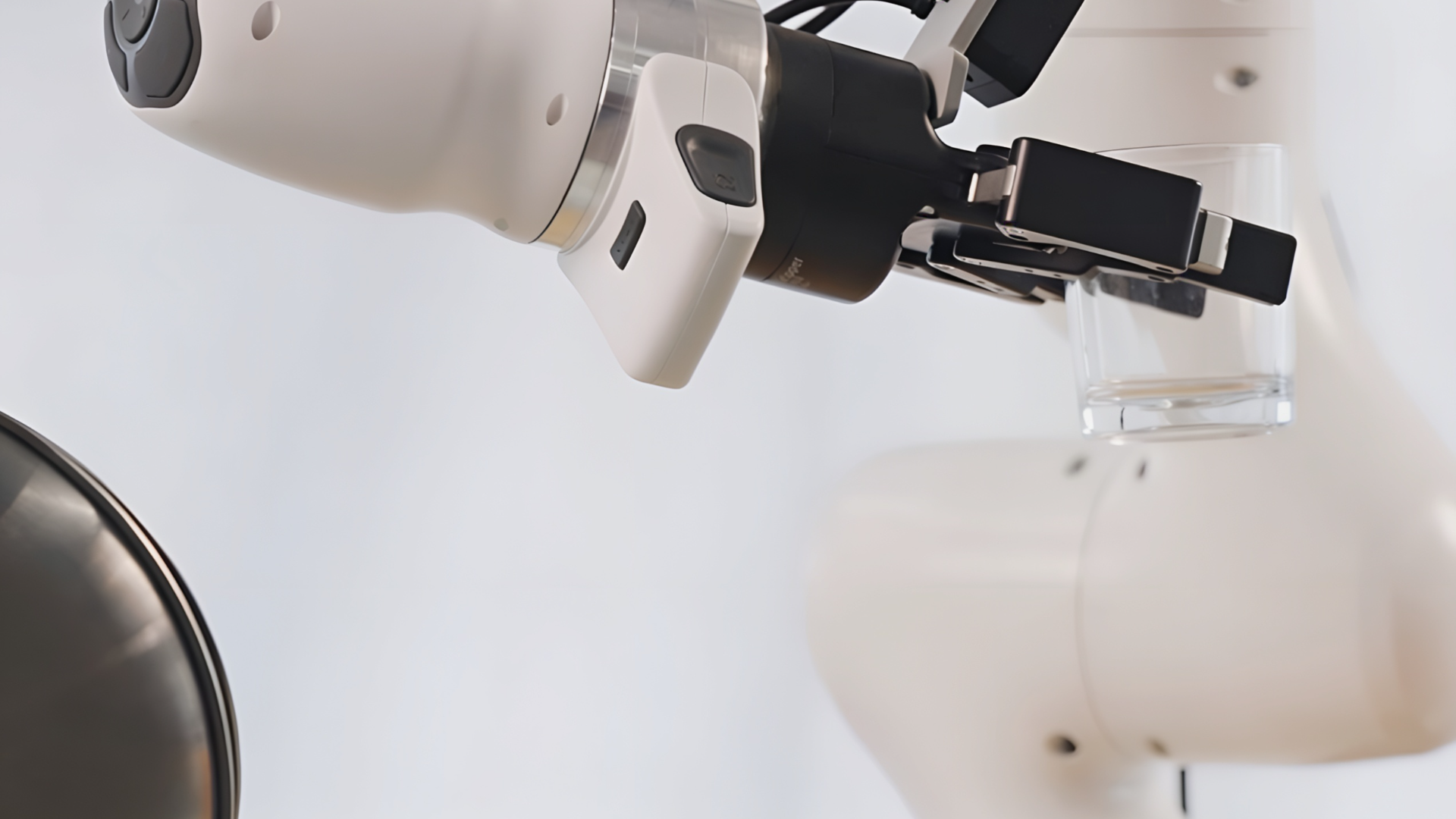
Robbyant Unveils LingBot-Depth 2.0 with Enhanced Spatial Perception for Robotics
Chinese AI company Robbyant has launched LingBot-Depth 2.0, a next-generation spatial perception model designed to enhance robotic navigation in complex environments. This model builds on the previous LingBot-Depth, utilizing the Masked Depth Modeling technique and trained on 150 million samples, achieving top results in 12 out of 16 depth completion benchmarks. Notably, it reduces depth error by over 50%, improving accuracy in challenging indoor settings. The significance of LingBot-Depth 2.0 lies in its ability to accurately perceive transparent and reflective surfaces, areas where traditional depth cameras often struggle. The model's advancements are attributed to LingBot-Vision, a visual foundation model that employs a unique “boundary structure” pre-training objective, enabling sub-pixel-level boundary localization. Despite being trained on a smaller dataset of 160 million images, it demonstrates robust performance across various robotic vision applications, enhancing object boundary detection and tracking. Looking ahead, Robbyant's collaboration with Orbbec aims to integrate LingBot-Depth 2.0 into new hardware solutions for robotics data collection. The RGB-D EGO device, part of Orbbec’s Robot-Free Data Collection Hardware Platform, will feature a customized version of the model. Future updates are expected to further enhance depth completion and spatial structure understanding, providing a solid foundation for training embodied AI systems in real-world scenarios. No further timeline was disclosed at the time of publication.
AI and Robotics
Humanoid Robots Enhance Performance in Real-World Applications with New Testing Metrics
Recent advancements in humanoid robotics have led to the development of new testing methods that evaluate how effectively these robots can handle real-world forces. This shift is significant as humanoid robots transition from novelty items to practical tools in various industries, including manufacturing and logistics, where they perform tasks such as lifting heavy boxes and moving furniture. The importance of this testing lies in its ability to measure the robots' capabilities in dynamic environments, ensuring they can operate safely and efficiently alongside human workers. As these robots take on more demanding roles, understanding their physical interactions with the environment becomes crucial for their integration into workplaces, enhancing productivity and safety. Looking ahead, the continued evolution of testing methodologies will be essential for the deployment of humanoid robots in more complex scenarios. No further timeline was disclosed at the time of publication, but ongoing research is expected to yield more robust performance metrics that will guide future developments in this field.
Robotics
MIT Develops FloatForm Swarm of Modular Aquatic Robots for Dynamic Structures
MIT researchers have unveiled FloatForm, a swarm of small square robotic boats capable of self-assembly into larger structures on water. This innovative system allows the robots to break apart and reconfigure with minimal human intervention, showcasing a new approach to aquatic construction. The project emphasizes the potential for dynamic, adaptable structures in marine environments, with applications in environmental monitoring and infrastructure development. The significance of FloatForm lies in its ability to create modular and reconfigurable structures, which can respond to changing environmental conditions. This technology could revolutionize how we think about construction and deployment in aquatic settings, offering flexibility and efficiency in design. The robots' self-assembly capabilities could lead to advancements in marine architecture and environmental sustainability. Looking ahead, the next steps for the FloatForm project include further testing and potential applications in real-world scenarios. No further timeline was disclosed at the time of publication, but the implications of this technology could influence future developments in robotics and marine engineering.
Robotics
California Startup Develops Tube-Launched Quadcopter for U.S. Military Defense
A California-based startup, founded by a 22-year-old Ukrainian software engineer, is developing a tube-launched, foldable quadcopter designed to counter unmanned aerial systems (UAS). The company aims to market this innovative defense technology to the U.S. military, targeting the rising threat of drone and missile attacks. Specific metrics regarding the quadcopter's capabilities and launch timeline have not been disclosed. This initiative is significant as it addresses the increasing frequency and sophistication of drone warfare, which poses challenges to military operations. By making drone attacks financially burdensome, the startup hopes to deter potential aggressors and enhance national security. The focus on a compact, easily deployable system aligns with current military needs for versatile and effective countermeasures against aerial threats. Looking ahead, the startup's next steps include securing partnerships with defense agencies and demonstrating the quadcopter's effectiveness in real-world scenarios. No further timeline was disclosed at the time of publication, but the company is poised to make waves in the defense sector if successful in its endeavors.
Anti-drone technology Applications Defense defense Drone News Drone News Feeds
This startup thinks robotics is about to have its ChatGPT moment
General Intuition is investing significantly in the potential of video game data to enhance the development of physical artificial intelligence. The company believes that millions of hours of gameplay data can be utilized to train foundational models, which could streamline the process of creating more intelligent robots that require less real-world data for training. This initiative comes as the demand for advanced robotics continues to grow, with applications spanning various industries. By leveraging the rich datasets generated from video games, General Intuition aims to accelerate the evolution of AI technologies, making them more efficient and capable in real-world scenarios. The project is set to unfold over the coming months, with the goal of transforming how robots learn and adapt to their environments.
AI Robotics Equity general intuition pim de witte
Pudu Robotics Brings Physical AI into Everyday Life at Davos Tech Summit's Robot City
Pudu Robotics is showcasing the practical applications of commercial service robots in various sectors, including retail, hospitality, and public spaces. The company has deployed its robots to enhance operational efficiency and customer service in these environments. By integrating advanced technology, Pudu Robotics aims to address the growing demand for automation and improve the overall experience for both businesses and consumers. This initiative highlights the increasing role of robotics in everyday operations, demonstrating their potential to create significant value in real-world scenarios.
X Square Robot brings its valuation to $2.8B with four consecutive funding rounds
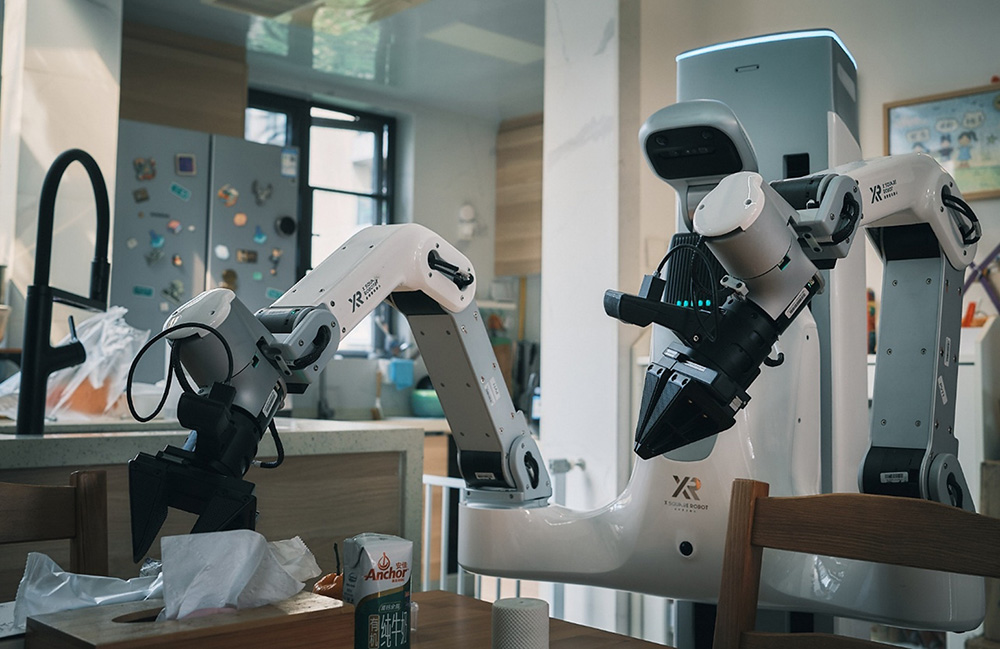
X Square Robots has successfully raised its valuation to $2.8 billion following a series of four consecutive funding rounds. The company specializes in integrating foundation models with robotics hardware, supported by a robust data pipeline system and practical deployments in real-world scenarios. This significant financial backing underscores the growing interest and investment in advanced robotics technologies, highlighting the company's potential to innovate and expand within the industry.
Artificial Intelligence Artificial Intelligence / Cognition China Design / Development Financial Investments
A Hybrid Technique for Active SLAM Based on RPPO Model With Transfer Learning
The Journal of Field Robotics has released an EarlyView article highlighting recent advancements in robotic technology. Researchers from various institutions have collaborated to develop innovative algorithms that enhance the efficiency and autonomy of field robots. This significant study, published in October 2023, aims to address the growing demand for automation in agriculture and environmental monitoring. The research focuses on improving the decision-making capabilities of robots operating in complex outdoor environments. By integrating machine learning techniques, the team has demonstrated how robots can better navigate and adapt to changing conditions, ultimately increasing productivity in agricultural practices. The findings are particularly relevant as the industry seeks to optimize resource use and reduce labor costs. The study was conducted across multiple test sites, showcasing the practical applications of these advancements in real-world scenarios. The researchers emphasize that these developments are crucial for meeting the challenges posed by climate change and the need for sustainable farming practices. By enhancing the operational capabilities of field robots, the team hopes to contribute to a more efficient and resilient agricultural sector. This publication marks a significant step forward in the field of robotics, underscoring the potential for technology to transform traditional practices and improve outcomes in various sectors. As the demand for automation continues to rise, the implications of this research could be far-reaching, paving the way for future innovations in robotic applications.
RESEARCH ARTICLE
RoboScience launches Visics, a versatile embodied model for cross-ontology, cross-object, and cross-task applications.
On June 24, RoboScience, a company specializing in embodied intelligence, unveiled its self-developed Visics large model, introducing the innovative VLOA (Vision-Language-Object-Action) architecture. This announcement marks a significant advancement in the field, demonstrating the model's applications in real-world scenarios such as furniture assembly, dexterous grasping, and dynamic assembly lines. The current landscape of embodied intelligence lacks a universally accepted foundational representation unit, which hampers data collection, model learning, and the transfer of knowledge to new contexts. Traditionally, models have focused on replicating specific robotic movements tied to particular tasks, limiting their adaptability to new robots, objects, or environments. Founder and CEO Tian Ye highlighted three major challenges in robotic operations: poor generalization, difficulty in precise manipulation, and cumulative errors in long-range tasks. To address these issues, RoboScience has developed a new foundational representation unit from the ground up. The Visics model employs a dual-engine architecture, consisting of an embodied world model and a universal operation model, each operating independently. The embodied world model utilizes vast amounts of internet video data to learn the physical dynamics of objects, while the operation model translates object trajectories into actionable commands for robots. This layered design enhances the model's generalization capabilities across various robotic platforms and tasks. RoboScience's innovative approach also includes a high-precision simulation engine, RoboMirage, which, combined with automated video data annotation, significantly reduces data acquisition costs. The company aims to build a comprehensive dataset of over 1 terabyte of high-quality manipulation trajectories by 2026. Since its inception, RoboScience has garnered support from multiple investors and established research and production centers in major Chinese cities. The company plans to collaborate with various sectors, including retail and logistics, to standardize robotic products for industrial and commercial applications by the end of this year.
AGIBOT’s 15,000th Robot Rolls Off the Production Line, Marking a New Milestone in Embodied AI Deployment
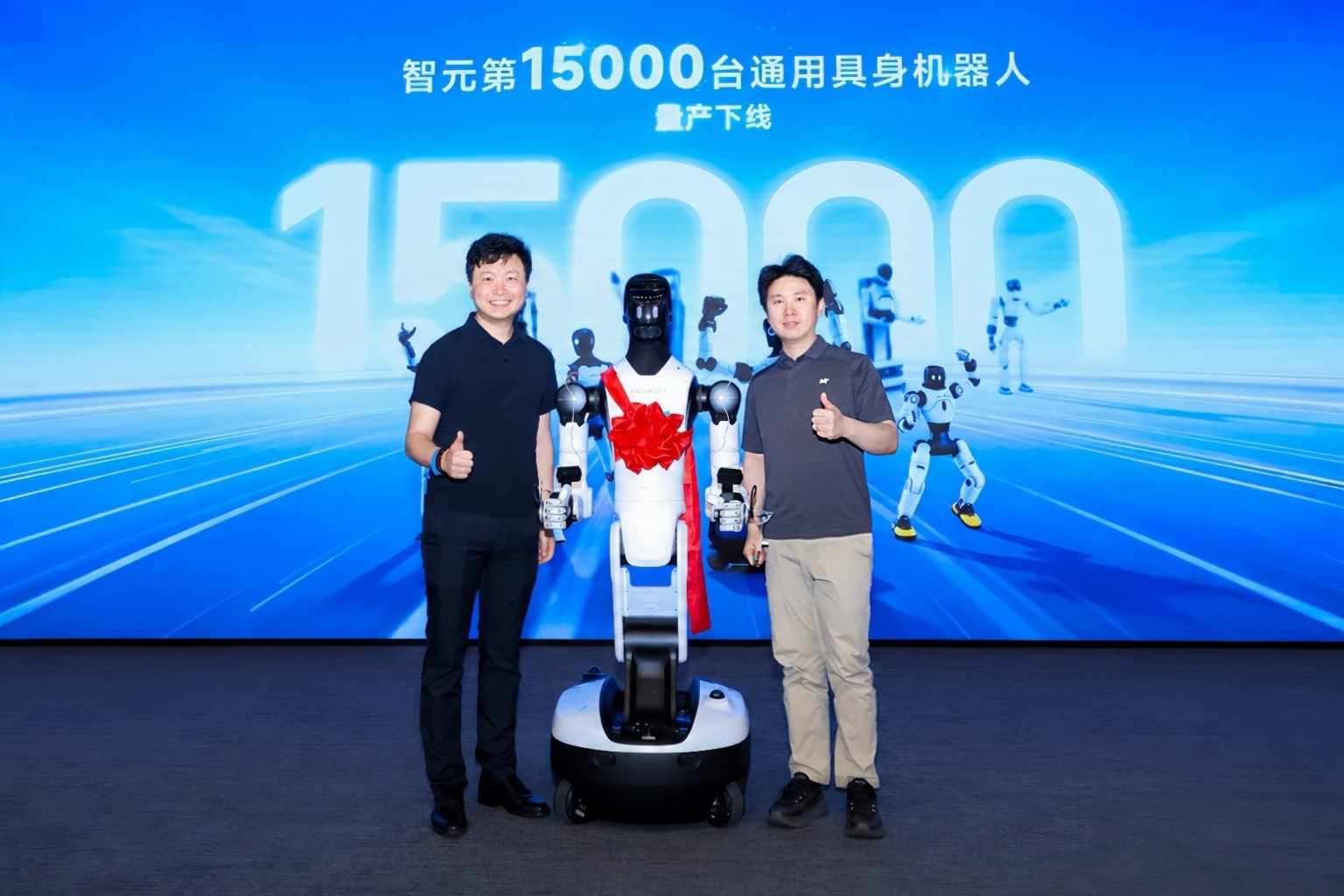
AGIBOT has reached a significant milestone by producing its 15,000th robot, the AGIBOT G2, underscoring the company's rapid advancement in embodied AI technology. This achievement reflects AGIBOT's successful transition from initial product validation to large-scale manufacturing and practical application in various industries. The milestone not only emphasizes the company's leadership in the robotics sector but also highlights its commitment to innovation and the growing demand for robotic solutions in real-world scenarios.
Robotics Embodied AI Industrial Automation Manufacturing Technology
Learning flight navigation like a honey bee
In June 2026, a groundbreaking study published in Science Robotics highlights significant advancements in robotic technology aimed at enhancing human-robot collaboration. Researchers from leading universities and tech companies have developed a new generation of robots equipped with advanced artificial intelligence, enabling them to perform complex tasks alongside human workers more efficiently. This initiative is driven by the increasing demand for automation in various industries, particularly in manufacturing and healthcare, where precision and reliability are paramount. The study outlines how these robots can adapt to dynamic environments, learn from human interactions, and improve their performance over time, thereby reducing the risk of workplace accidents and increasing productivity. The research team conducted extensive field tests in factories and hospitals to evaluate the robots' capabilities in real-world scenarios. The results demonstrated a marked improvement in task execution speed and accuracy when robots and humans worked in tandem, showcasing the potential for these technologies to transform traditional workflows. As industries continue to evolve, the implications of this research could lead to a new era of collaboration between humans and machines, addressing labor shortages and enhancing operational efficiency. The findings underscore the importance of ongoing innovation in robotics, paving the way for future developments that could redefine the nature of work across various sectors.
Editors' Choice
RoboDK to Demonstrate New CAM Software That Cuts Robotic Machining Deployment Time by Up to 40% at Automate Chicago 2026
RoboDK is set to demonstrate its advanced capabilities in CAD-to-robot machining and collision-free motion planning at an upcoming event. Utilizing a Mecademic robot, the company will present a production-ready setup that highlights the efficiency and precision of its technology. This showcase aims to illustrate how RoboDK's software can streamline robotic machining processes, enhancing productivity and safety in manufacturing environments. The event is scheduled for later this month, providing an opportunity for industry professionals to witness firsthand the innovations in robotic automation and their practical applications in real-world scenarios.

Is Tactile Feedback the Key to Embodied Intelligence?
NVIDIA's DreamZero model has achieved significant recognition by surpassing two prominent robot benchmarks, igniting discussions about the influence of world models on embodied intelligence. This development, reported recently, has drawn attention to the contrasting perspectives within the tech community. Proponents argue that virtual training offers substantial promise for advancing robotic capabilities, while critics caution about the inherent difficulties associated with real-world physical interactions. The discourse highlights the critical role of tactile perception in effectively linking virtual simulations to practical tasks. In this context, the XHAND 1 Pro has emerged as an innovative tool, facilitating high-precision data collection essential for enhancing robotic performance in real-world scenarios.
Embodied Intelligence Tactile Perception Robotics AI Models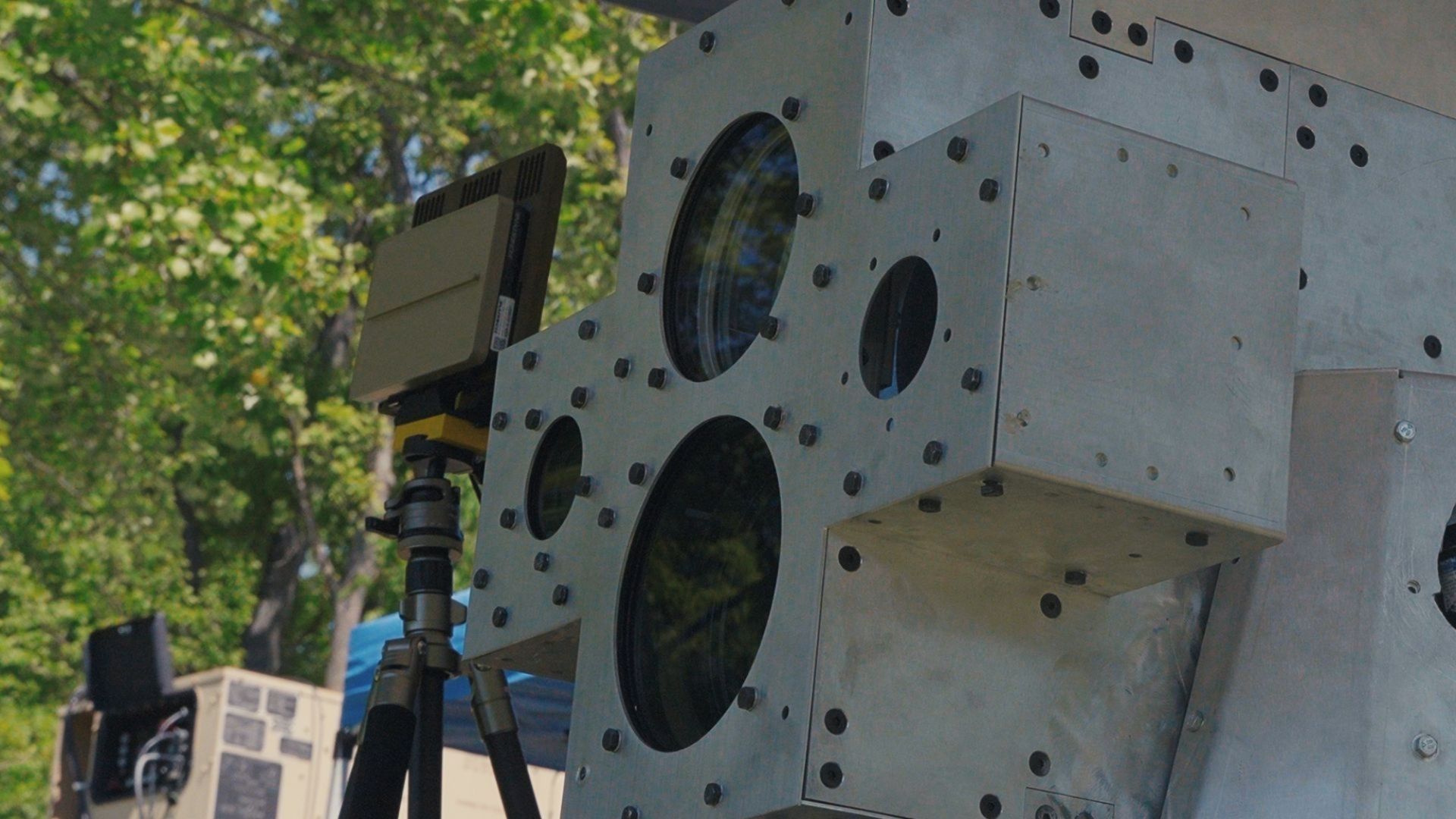
New Archimedes laser weapon system for low-cost drone kill trialed for Pentagon
Aurelius Systems, a US-based technology firm, has successfully completed live testing of its Archimedes autonomous directed-energy system. This significant milestone was achieved recently, showcasing the system's capabilities in real-world scenarios. The testing took place at a designated facility, where the system demonstrated its potential applications in defense and security. The motivation behind developing the Archimedes system is to enhance military operations by providing advanced directed-energy solutions that can effectively neutralize threats. The testing process involved rigorous evaluations to ensure the system's reliability and effectiveness in various conditions, marking a crucial step towards its deployment in operational settings.
Military
Wing-shape tests could unlock smoother water-to-air drone launches
Researchers are making significant strides in developing unmanned aerial vehicles (UAVs), or drones, capable of executing the challenging maneuver of transitioning from water to air. This complex task, often performed effortlessly by birds and marine animals like mobula rays, has proven to be a formidable challenge for drone technology. As of October 2023, advancements in engineering and design are being explored to enhance the capabilities of these aerial vehicles, aiming to improve their performance in various applications, including search and rescue missions, environmental monitoring, and recreational use. The ongoing research highlights the potential for drones to operate in diverse environments, ultimately expanding their utility and effectiveness in real-world scenarios.
Robotics
Countdown to the 2026 Zhangjiang EAI Conference: Key Dialogues on Embodied Intelligence
The 2026 Zhangjiang EAI Conference is set to convene industry leaders and experts to tackle pressing issues within the embodied intelligence sector. Scheduled to take place in Zhangjiang, the conference will delve into technological pathways, world models, and collaborative manufacturing. Participants will explore the crucial transition from prototype development to market-ready products, highlighting the significance of system engineering capabilities and their application in real-world scenarios. This event aims to foster dialogue and innovation, ultimately advancing the industry’s growth and effectiveness.
Embodied Intelligence Robotics AI Technology Industrial Automation
Insights from the 2026 Zhangjiang Embodied Intelligence Developer Conference
The 2026 Zhangjiang Embodied Intelligence Developer Conference is set to convene over 100 experts and representatives from 200 leading companies to explore the evolution of humanoid robots from mere demonstrations to practical applications. Scheduled to take place in Zhangjiang, the conference will focus on critical industry trends, essential technologies, and collaborative manufacturing efforts. The discussions aim to tackle the challenges associated with integrating embodied intelligence into real-world scenarios, highlighting the importance of innovation in this rapidly advancing field.
Humanoid Robots Embodied Intelligence Industrial Automation AI Robotics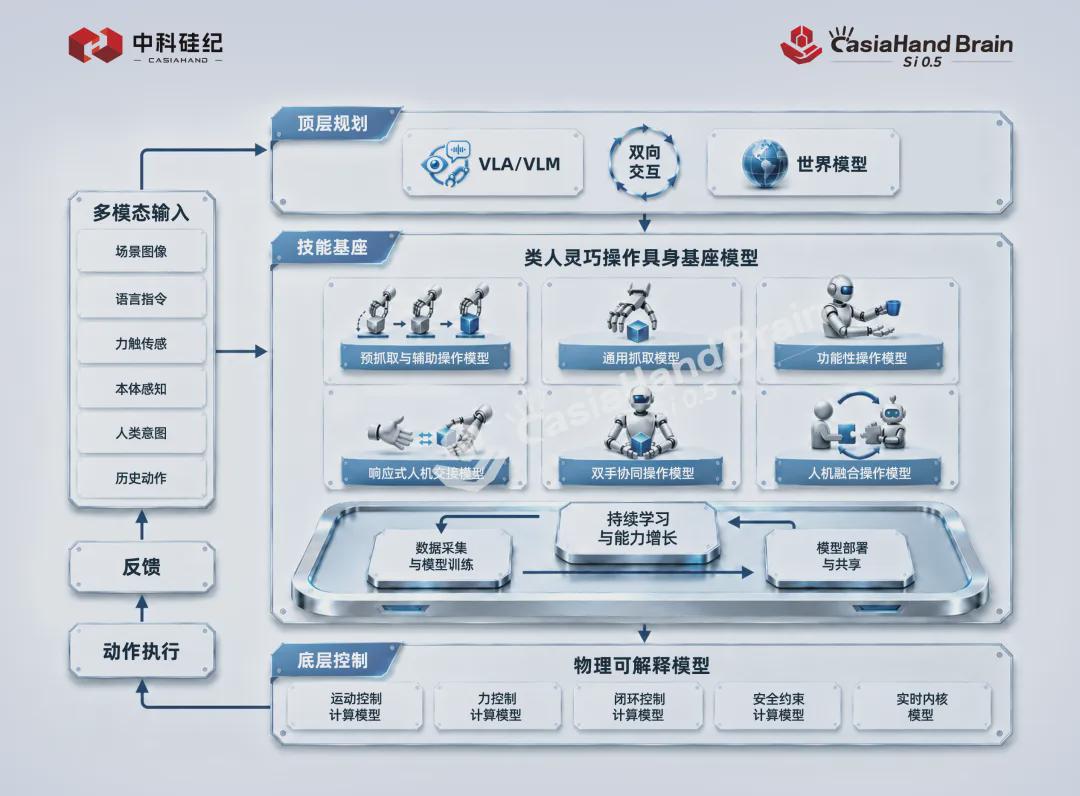
Global Launch of CasiaHand Brain-Si 0.5: Redefining Embodied Intelligence in Robotics
CasiaHand Robotics has introduced the CasiaHand Brain-Si 0.5, the world's first humanoid dexterous operation model, marking a significant advancement in the field of embodied intelligence. This innovative technology aims to transition from theoretical demonstrations to practical applications, addressing various challenges faced by industries. The company has already secured substantial orders for 2026, indicating strong market interest and confidence in the model's capabilities. By implementing a comprehensive technology framework, CasiaHand Robotics seeks to enhance operational efficiencies and effectiveness in real-world scenarios, paving the way for the future of humanoid dexterous operations.
Humanoid Robotics Dexterous Manipulation Embodied Intelligence Robotics Technology
Visual Components launches version 5.1 to enable manufacturers to simulate and validate large-scale autonomous robot operations before deployment
A recent software release has empowered manufacturers to simulate hundreds of Autonomous Mobile Robots (AMRs) and Automated Guided Vehicles (AGVs) with enhanced dynamic collision avoidance capabilities. This update significantly boosts performance, achieving speeds up to ten times faster than previous versions. The integration of updated PhysX technology further enhances the realism of physics simulations, providing a more accurate representation of real-world scenarios. This advancement is expected to streamline operations in various manufacturing environments, allowing for more efficient planning and deployment of robotic systems. The release, which reflects the latest developments in simulation technology, aims to meet the growing demand for automation in the manufacturing sector.

Tsinghua University and FiveAges Team Win Global Championship at ICRA 2026 Robotics Competition
The Youth2Real team, a partnership between Tsinghua University and FiveAges, has achieved a remarkable victory by winning the global championship in the Picking in Clutter Track at the 11th Robotic Grasping and Manipulation Competition (RGMC). This prestigious event took place during the International Conference on Robotics and Automation (ICRA) 2026 in Vienna. The team's success underscores their advanced expertise in robotic grasping and manipulation, reflecting significant technological progress that has potential applications in various real-world scenarios.
Robotic Grasping Artificial Intelligence Robotics Competition Automation Technology
Airbus debuts U145 autonomous helicopter drone with no cockpit for military missions
Airbus Helicopters has unveiled a new autonomous aircraft derived from its widely-used H145 platform, marking a significant advancement in aviation technology. The announcement was made during the International Paris Air Show, which took place from June 19 to June 25, 2023. This innovative aircraft aims to enhance operational efficiency and safety in various sectors, including medical transport, search and rescue, and logistics. The motivation behind this development stems from the growing demand for unmanned aerial vehicles that can perform complex missions with minimal human intervention. By leveraging advanced automation and artificial intelligence, Airbus Helicopters seeks to address challenges in urban air mobility and improve response times in critical situations. The aircraft is designed to operate in diverse environments, showcasing its versatility and potential for integration into existing air traffic systems. Through rigorous testing and collaboration with regulatory bodies, Airbus aims to ensure that the new autonomous H145 meets safety standards and can be deployed effectively in real-world scenarios. This initiative reflects Airbus Helicopters' commitment to innovation and its vision for the future of aviation, where autonomous systems play a crucial role in enhancing air transport capabilities.

Thales’ new radio frequency weapon destroys 80 drones with zero ammo use in trials
A cutting-edge radio frequency weapon has demonstrated its effectiveness by successfully neutralizing 80 drones in recent tests. Developed by a leading defense technology company, this innovative system aims to address the growing threat posed by unmanned aerial vehicles. The tests were conducted in October 2023 at a designated military facility, showcasing the weapon's capabilities in real-world scenarios. The motivation behind this development stems from increasing concerns over drone usage in both military and civilian contexts, where they can be employed for surveillance or attacks. By disrupting the communication signals of these drones, the radio frequency weapon effectively renders them inoperable, providing a strategic advantage in airspace security. The successful deployment of this technology marks a significant advancement in counter-drone measures, as military forces around the world seek reliable solutions to mitigate potential risks associated with drone operations.
Frontier Forum on Embodied Intelligence: Insights on Industrialization Paths
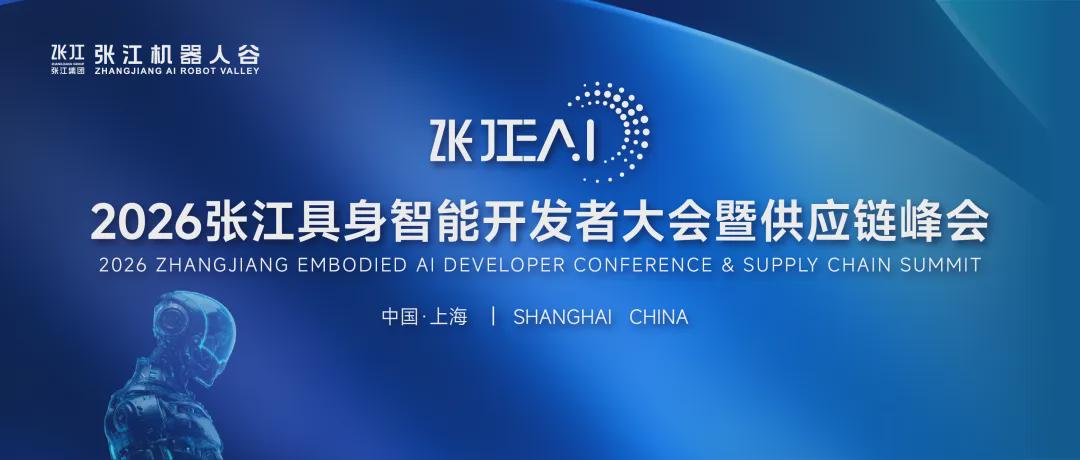
The 2026 Zhangjiang EAI-Embodied Intelligence Developer Conference is set to take place in Zhangjiang, where industry leaders and experts will gather to discuss the practical applications of embodied intelligence. Scheduled for next year, the conference aims to address the complexities of interpreting the physical world, advancements in collaborative manufacturing, and the development of humanoid robots. Through a series of forums and exhibitions, participants will explore industry consensus and future trends, providing valuable insights into the evolving landscape of embodied intelligence. This event highlights the growing importance of integrating advanced technologies into real-world scenarios, fostering innovation and collaboration within the field.
Embodied Intelligence Humanoid Robots Industrial Automation AI RoboticsRobotics needs a service framework.
RSF defines a common language for robot service capability, lifecycle operations, certification pathways, and service-provider networks.