Industry Briefing
A single destination for timely, editor-curated robotics news from around the world.

Transforming Data Science With NVIDIA RTX PRO 6000 Blackwell Workstation Edition
In response to the increasing demands of data science, PNY Technologies has introduced the NVIDIA RTX PRO 6000 Blackwell Workstation Edition, a powerful solution designed to enhance the efficiency of data preparation, scaling, and processing for massive datasets. As traditional CPU-based systems struggle to keep pace with modern AI and analytics workflows, this workstation offers accelerated computing performance that seamlessly integrates into enterprise environments. The launch of the RTX PRO 6000 comes at a time when data scientists face significant challenges, including the complexity of data preparation and the rapid growth of data volumes, which often leads to suboptimal downsampling practices. With the demand for advanced AI hardware outstripping supply, PNY's workstation aims to fill this gap by providing real-time rendering, rapid prototyping, and collaboration capabilities. Equipped to support up to four NVIDIA RTX PRO 6000 GPUs, this workstation delivers data center-level performance directly to users' desktops, enabling them to handle extensive datasets and perform advanced visualizations efficiently. The system is optimized for AI workflows, leveraging NVIDIA's software stack to facilitate zero-code-change acceleration for Python-based tasks and support over 100 AI applications. By offloading compute tasks from data centers and minimizing reliance on cloud resources, organizations can enhance security and reduce costs. The RTX PRO 6000 Blackwell Workstation Edition is positioned as a transformative tool for data scientists, streamlining the entire data science pipeline from preparation to model deployment, and significantly boosting productivity and innovation in enterprise-ready AI development.
Artificial-intelligence Computing Data-science Gpu-acceleration Ai-workstations Nvidia
A Day in the Life in Ouachita Parish: Inside a Real-Time Crime Center Where Drones Shape the Response
At the Motorola Solutions Summit 2026, Chief Deputy Larry Knight of the Ouachita Parish Sheriff’s Office discussed the transformative role of aerial intelligence in law enforcement. The integration of drone technology has enabled deputies to respond to incidents with enhanced information and safety. This real-time crime center allows for immediate data collection and analysis, significantly improving the decision-making process from the initial call to the final response. The initiative aims to bolster public safety and operational efficiency in Ouachita Parish, showcasing how innovative technology can reshape policing strategies.
Applications DL Exclusive Drone News Drone News Feeds Featured – Safety and Security News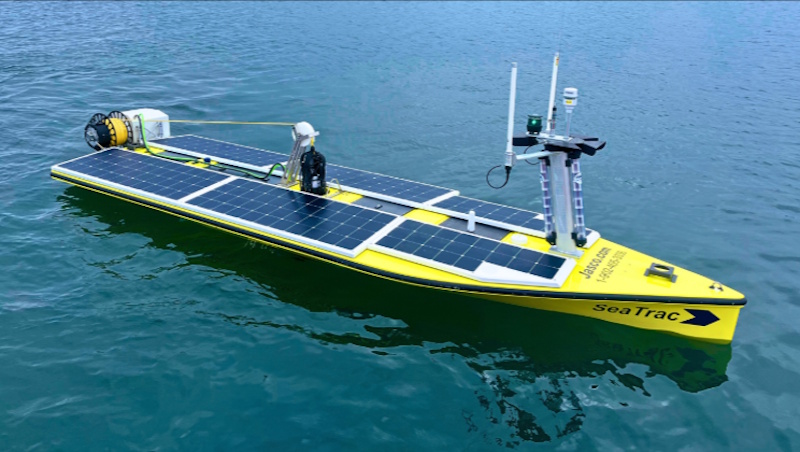
SeaTrac USV Equipped with JASCO OceanObserver Dipping Array Enables Breakthrough in Real-Time Marine Mammal Monitoring
A groundbreaking initiative, backed by the Innovative Solutions Canada (ISC) program, has successfully showcased a new method for monitoring marine mammals in real-time using uncrewed surface vehicles. This project aims to enhance the understanding and protection of marine life by providing timely data on the presence and behavior of marine mammals. The demonstration took place recently, highlighting the potential of technology in environmental conservation efforts. By utilizing uncrewed vehicles, researchers can gather crucial information without disturbing the animals, thereby promoting a more sustainable approach to marine monitoring. This innovative solution is expected to play a significant role in informing conservation strategies and ensuring the safety of marine ecosystems.
seatrac usv jasco oceanobserver dipping array real-time marine mammal monitoring
World's First Ultra-High Frame Rate World Model Achieved: Domestic NPU Hits 50FPS with 70% Cost Reduction
A team of Chinese developers has introduced MoWorld, an innovative real-time interactive world model that operates at 50 frames per second without relying on NVIDIA GPUs. This groundbreaking technology utilizes domestic neural processing unit (NPU) technology, which not only lowers inference costs but also improves the immersive experience across various applications, including robotics, gaming, and digital environments. The launch of MoWorld marks a significant advancement in the field, showcasing the potential of homegrown technology to compete with established international standards in high-performance computing.
World Models Real-Time Rendering Domestic NPU AI Technology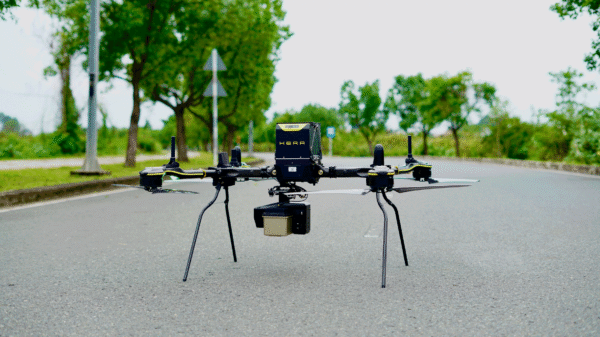
GeoCue’s TrueView 641 Certified for Real-Time Robotics HERA Drone
The companies say the integration gives customers a secure aerial mapping option that combines heavy-lift American-made drones with engineering-grade LiDAR. Huntsville, Ala.-based GeoCue has announced that its TrueView LiDAR payloads are now compatible with drones from Real-Time Robotics Inc., a pairing the companies say expands NDAA-compliant drone LiDAR options for customers in surveying, defense, public […] The post GeoCue’s TrueView 641 Certified for Real-Time Robotics HERA Drone appeared first on DRONELIFE.
Drone News Drone News Feeds Inspection LiDAR News Sensors
Building Resilient Fulfillment Networks with Robotics and Real-Time Logistics Data
Combining robotics and real-time data will positively impact supply chain management. As logistics becomes more complex, demanding, and international, these technological advances have come at the right time.
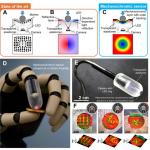
New color-changing tactile sensor gives robots a real-time sense of touch
Researchers have developed an innovative color-changing tactile sensor that enables machines to perceive and respond to their surroundings in real-time. This groundbreaking technology was unveiled in October 2023 and represents a significant advancement in the field of robotics and artificial intelligence. The sensor mimics the way humans and animals sense touch and texture, providing machines with the ability to "see" and interpret the materials they come into contact with. The motivation behind this development lies in enhancing the interaction between machines and their environment, allowing for more sophisticated and responsive robotic systems. By integrating this tactile sensor, robots can better understand the properties of objects, leading to improved performance in various applications, such as manufacturing, healthcare, and service industries. The process involves a combination of advanced materials and engineering techniques that allow the sensor to change color based on the pressure and texture of the surfaces it touches. This visual feedback not only aids in object recognition but also enhances the machine's ability to make informed decisions based on tactile information. As this technology continues to evolve, it holds the potential to revolutionize how machines interact with the world, paving the way for smarter, more adaptable robotic systems that can operate effectively in diverse environments.
AI and Robotics
New 6 mW Chip Helps Small Robots Build 3D Maps in Real Time
Gleanmer, a technology company specializing in autonomous navigation solutions, has developed an innovative system that integrates Gaussian-based mapping with specialized hardware. This advancement aims to significantly decrease memory and power requirements, enabling more efficient real-time navigation for autonomous vehicles. The new technology is expected to enhance the performance of self-driving systems, making them more viable for widespread use. The announcement comes as the industry continues to seek solutions that address the growing demands for energy efficiency and computational power in autonomous systems. Gleanmer's approach represents a promising step forward in the quest for sustainable and effective navigation technologies.

Why deterministic real-time systems are more critical than ever in robotics
Winston Leung recently highlighted the significance of QNX in the fields of robotics and artificial intelligence during a discussion centered on safety, innovation, and emerging industry trends. His insights underscore the increasing importance of deterministic real-time systems in robotics, particularly as the demand for reliable and efficient technology continues to grow. This conversation, featured in a post on The Robot Report, reflects the evolving landscape of robotics and the critical role that advanced operating systems play in ensuring both safety and performance in automated systems. As industries increasingly adopt AI-driven solutions, the need for robust and responsive systems like QNX becomes paramount to meet the challenges of modern robotics.
Artificial Intelligence Business Resources News Opinion Podcast Robots / Platforms
Custom-trained AI locks laser onto mosquitoes, eliminates pests in real time
A computer vision and robotics enthusiast has unveiled an innovative AI-powered laser system designed to detect and identify objects with remarkable precision. This groundbreaking technology, which was introduced during a tech conference in San Francisco on October 15, 2023, aims to enhance automation and safety in various industries, including manufacturing and security. The motivation behind this development stems from the increasing demand for advanced automation solutions that can improve operational efficiency and reduce human error. By integrating artificial intelligence with laser detection, the system can analyze its surroundings in real-time, allowing for swift and accurate responses to potential hazards or operational needs. The creator demonstrated the system's capabilities through a series of live tests, showcasing its ability to recognize different objects and respond accordingly. This innovative approach not only promises to streamline processes but also addresses safety concerns by minimizing the risk of accidents in environments where precision is critical. As industries continue to evolve with technology, this AI-powered laser system represents a significant step forward in the quest for smarter, safer operational tools. The developer hopes that this invention will inspire further advancements in robotics and computer vision, ultimately leading to a more automated and secure future.
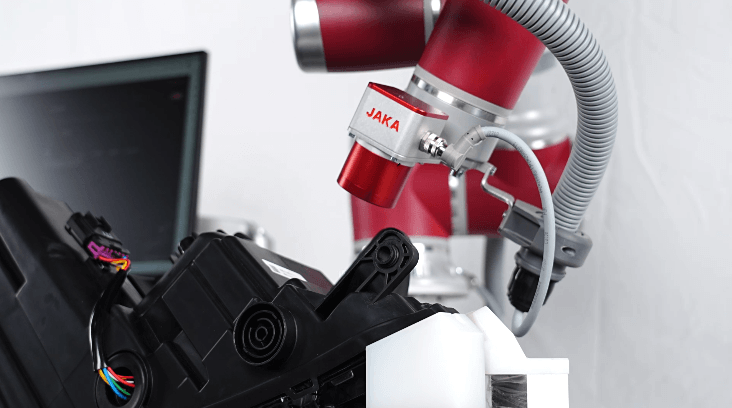
Enhancing Safety and Precision with Real-Time Force Feedback in Controllable Robots
The manufacturing sector is undergoing a significant transformation with the rise of collaborative robots, or cobots, particularly through innovations from JAKA Robotics. The company’s controllable robots utilize real-time force feedback technology, enhancing safety and precision in various industrial applications. This technology continuously monitors the forces exerted during operations, allowing cobots to adapt to unexpected changes in their environment, such as obstacles or excessive force during assembly. By equipping their cobots with real-time force feedback, JAKA Robotics significantly improves workplace safety, enabling safe collaboration between human workers and machines. For instance, when a cobot detects a sudden force change or an object in its path, it can automatically slow down or stop, reducing the risk of accidents. This capability not only enhances safety but also allows human operators to focus on more strategic tasks by relieving them from repetitive, hazardous activities. The JAKA Zu3 cobot exemplifies this innovation, designed for high-precision tasks in confined spaces, with a payload capacity of 3 kg and a reach of 626 mm. Its integration with vision systems allows for non-destructive testing and precise measurements, crucial in industries like electronics manufacturing. As the demand for advanced cobots grows, JAKA Robotics is committed to enhancing operational efficiency while prioritizing worker safety. The integration of real-time force feedback is set to redefine automation standards, positioning companies to thrive in a competitive landscape by improving productivity and quality control.
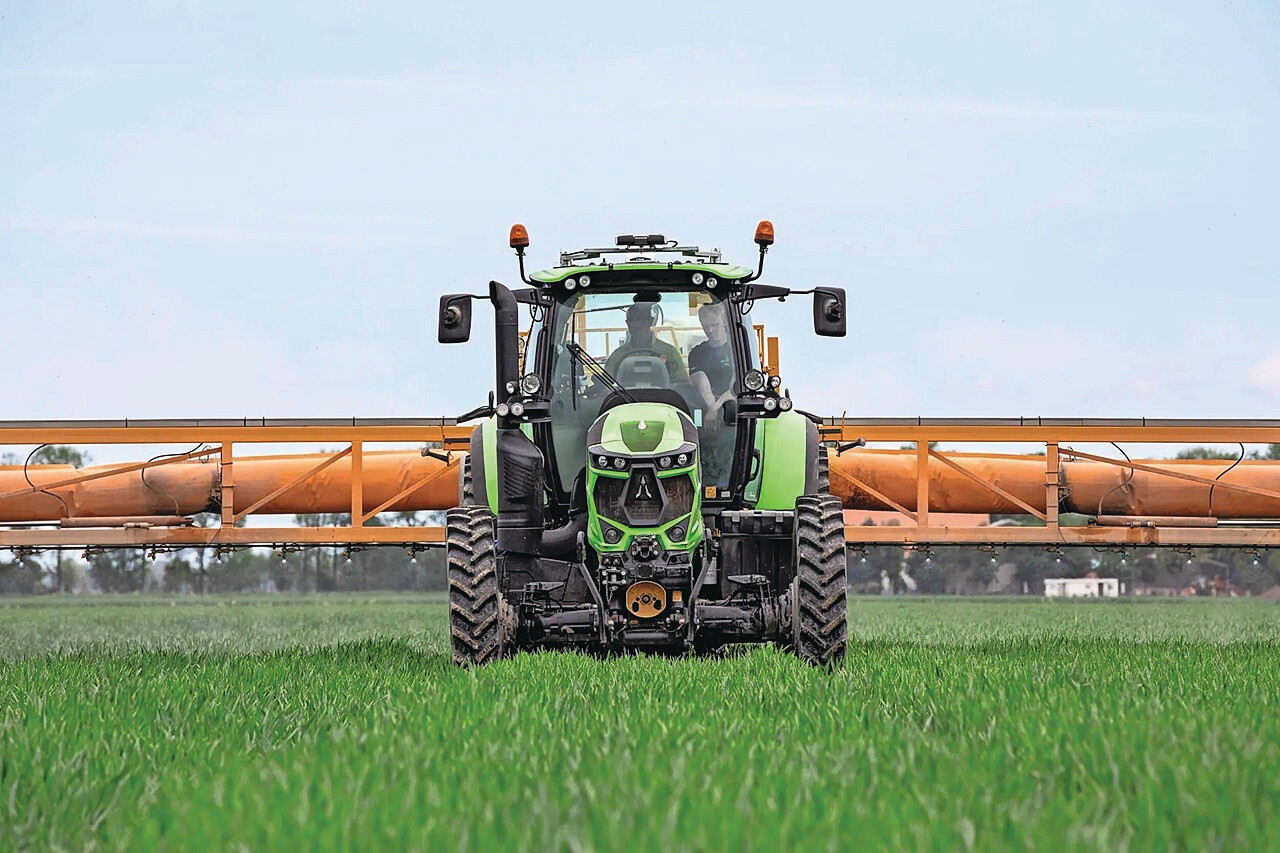
Crop cameras broaden the view on real-time nitrogen application
Recent advancements in crop camera technology are transforming the way farmers apply fertilizers, shifting from a static approach to a dynamic, real-time decision-making process. These innovative camera systems continuously monitor crop growth and biomass across entire fields, enabling immediate adjustments to nitrogen application rates as conditions change. This development not only promotes more precise fertilizer use but also reduces waste and enhances the efficiency of autonomous farming systems. Future Farming is exploring these technological advancements, examining emerging suppliers, and assessing the future trajectory of this impactful agricultural innovation.
Smart farming multispectral sensors nitrogen management precision agriculture variable rate application
China builds rice-sized sensor that lets surgical robots feel touch in real time
Chinese researchers have unveiled a groundbreaking optical sensor the size of a grain of rice, designed to enhance the capabilities of surgical robots. This innovative technology, introduced recently, aims to improve precision in minimally invasive surgeries by providing real-time imaging and feedback during procedures. The development is driven by the need for more effective surgical tools that can reduce recovery times and minimize complications for patients. By integrating this compact sensor into robotic systems, the researchers hope to revolutionize surgical practices, making them safer and more efficient. The sensor's small size allows for easy incorporation into existing robotic frameworks, paving the way for its potential widespread adoption in medical facilities.

Emerson Accelerates Edge Ecosystem for Real-Time Enterprise Operations Intelligence
Emerson, a prominent player in the global automation sector, has unveiled its latest innovation, DeltaV™ Live Enterprise View, aimed at enhancing real-time control system visualization beyond traditional control room boundaries. This new application, launched recently, is designed to provide secure access to critical operational data, enabling users to monitor and manage industrial processes more effectively from various locations. By leveraging advanced technology, Emerson seeks to empower industries with improved decision-making capabilities and operational efficiency, addressing the growing need for flexible and remote access in today’s fast-paced industrial environment.

Real‐Time Terrain Traversability Analysis and Mapping for Autonomous Robotics in Dynamic Environments: Fusing Appearance‐ and Geometry‐Based Approaches
In a recent study published in the Journal of Field Robotics, researchers explored advancements in robotic technologies aimed at enhancing agricultural efficiency. The study, which appears in the May 2026 issue, highlights innovative approaches to integrating robotics into farming practices to address labor shortages and improve crop yields. Conducted by a team of experts in robotics and agriculture, the research was carried out in various agricultural settings to assess the effectiveness of these technologies in real-world applications. The findings suggest that the implementation of autonomous robots can significantly streamline farming operations, reduce costs, and increase productivity. This research is particularly timely as the agricultural sector faces increasing challenges due to a declining workforce and the need for sustainable practices. The study emphasizes the potential of robotics to transform the industry, paving the way for smarter, more efficient farming solutions.
RESEARCH ARTICLE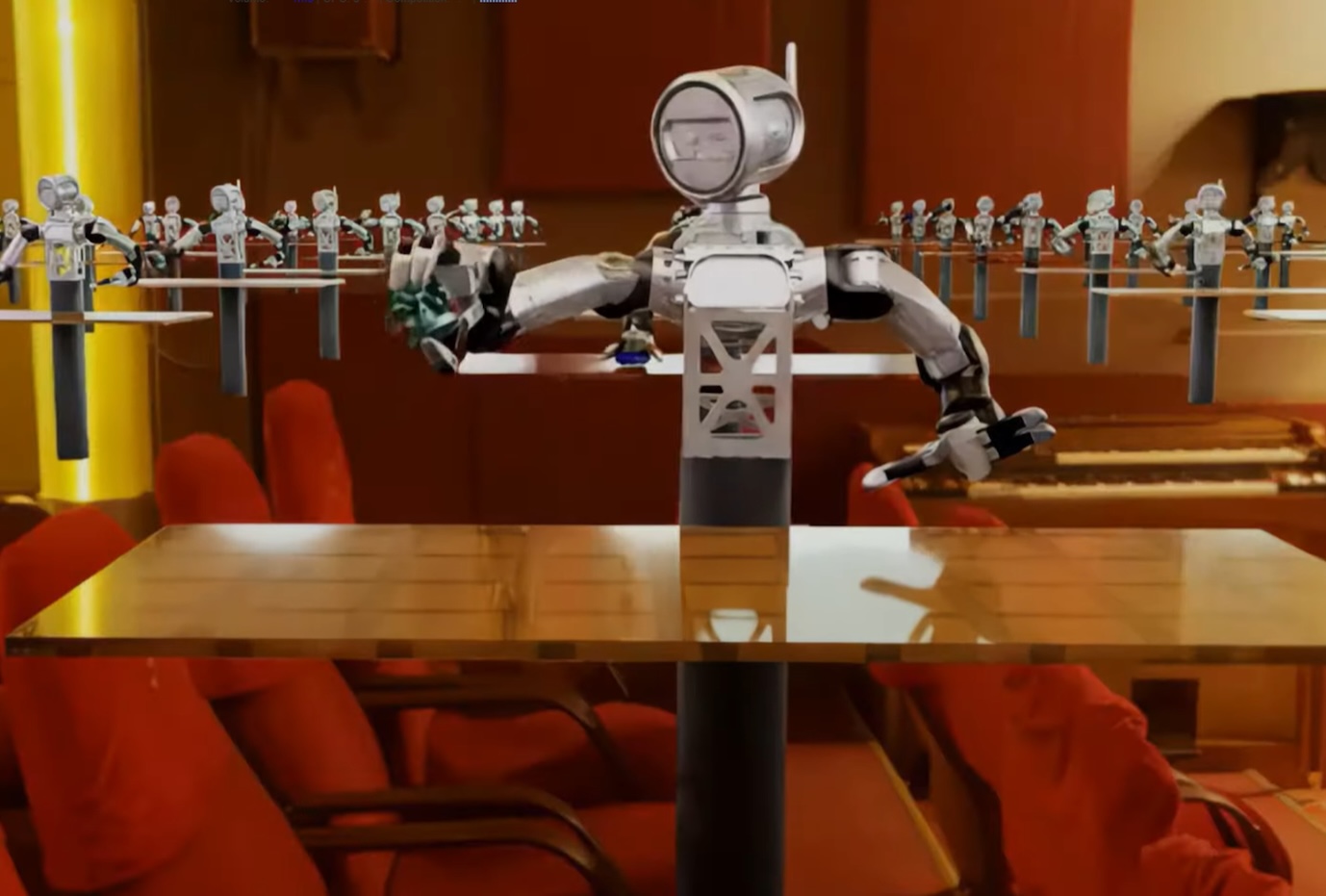
Westlake Robotics launches Titan o1 humanoid with real-time motion imitation
Westlake Robotics, a company developed by Westlake University, has officially launched Titan o1, a humanoid robot capable of mimicking human movements in real time. This innovative robot is being introduced as a market-ready product, moving beyond its initial prototype phase. Westlake University announced that Titan o1 will offer extensive customization options, catering to various applications. The launch marks a significant step in the integration of advanced robotics into everyday use, showcasing the company's commitment to pushing the boundaries of technology in human-robot interaction.
News Feed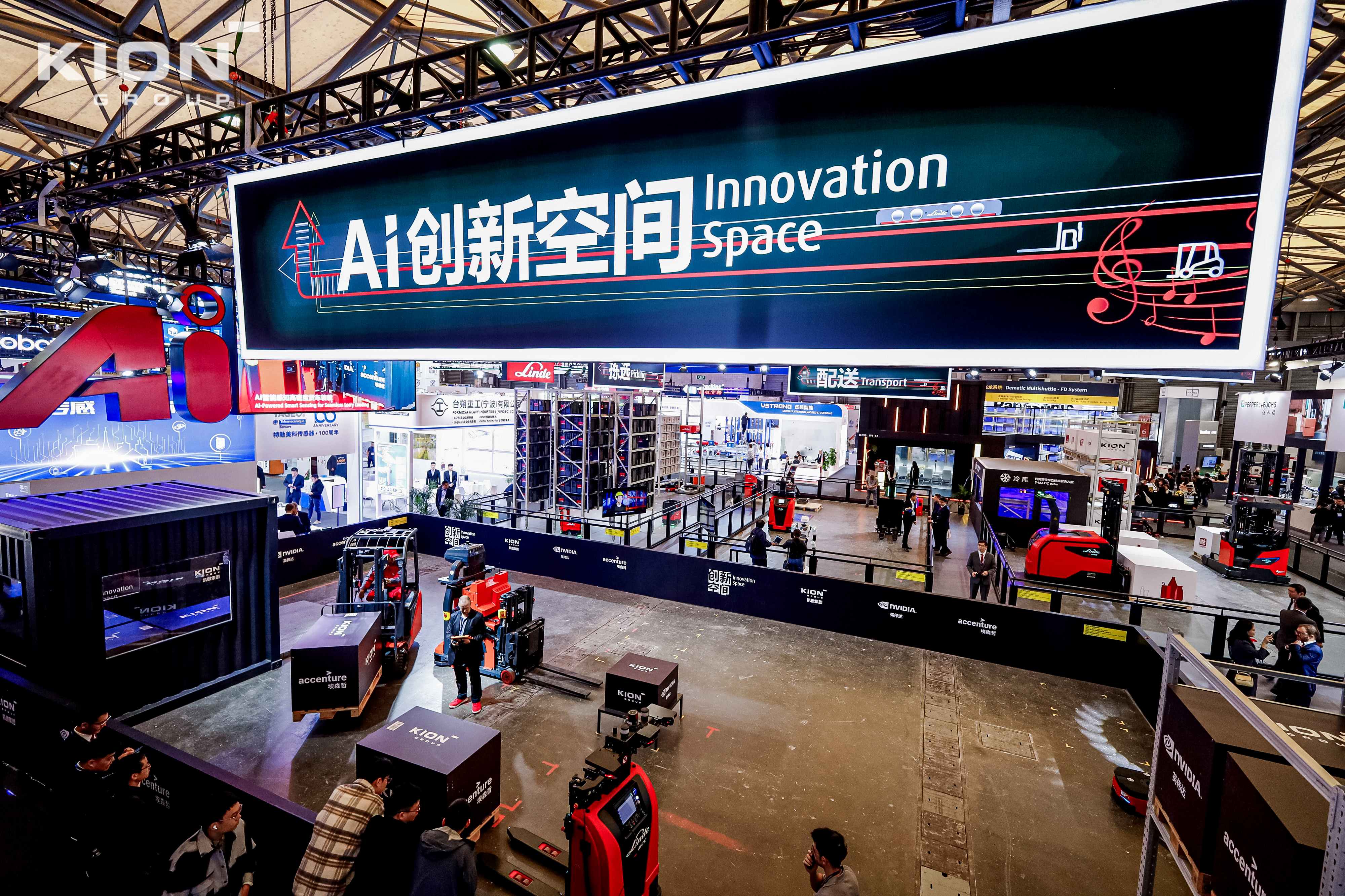
KION showcases physical AI turning real-time data into real-world warehouse performance at CeMAT Shanghai
At CeMAT Shanghai, KION Group presented its cutting-edge physical AI solutions, emphasizing a partnership with NVIDIA and Accenture aimed at advancing warehouse automation. The event showcased innovative AI-driven industrial trucks and digital twin technology, designed to optimize supply chain operations and enhance efficiency in real-time. This collaboration reflects KION's commitment to integrating advanced technology into logistics, addressing the growing demand for smarter and more efficient warehouse solutions in the industry.
intralogistics supply chain solutions industrial trucks forklift trucks warehouse trucks automation technology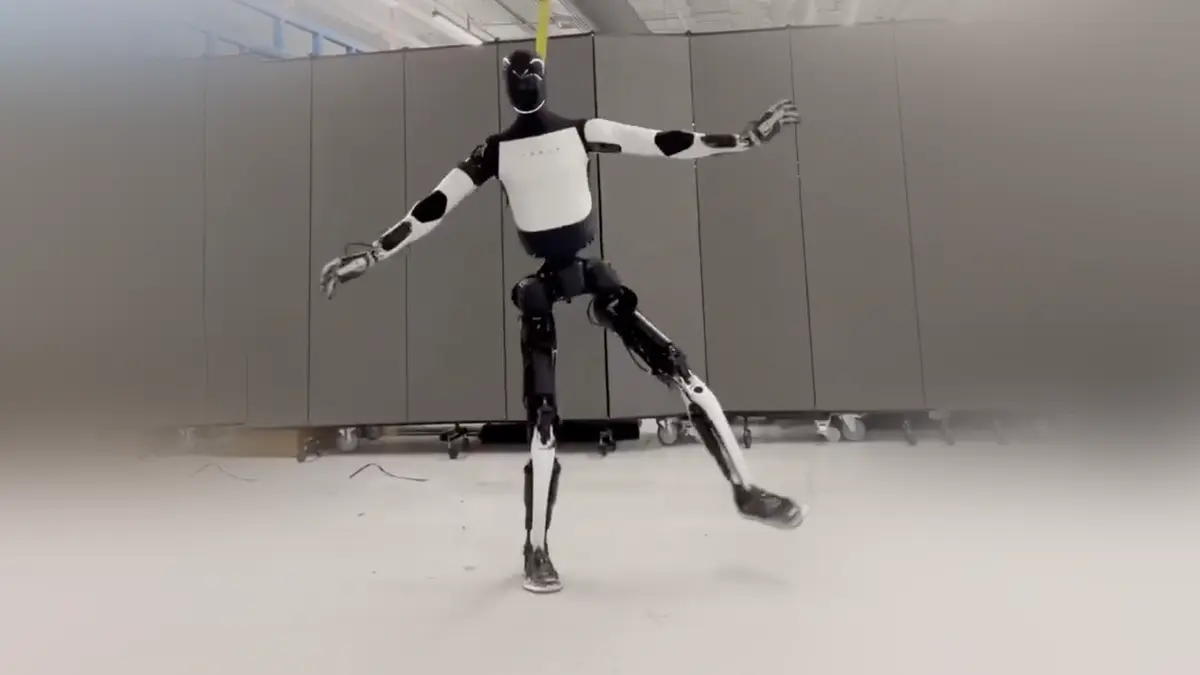
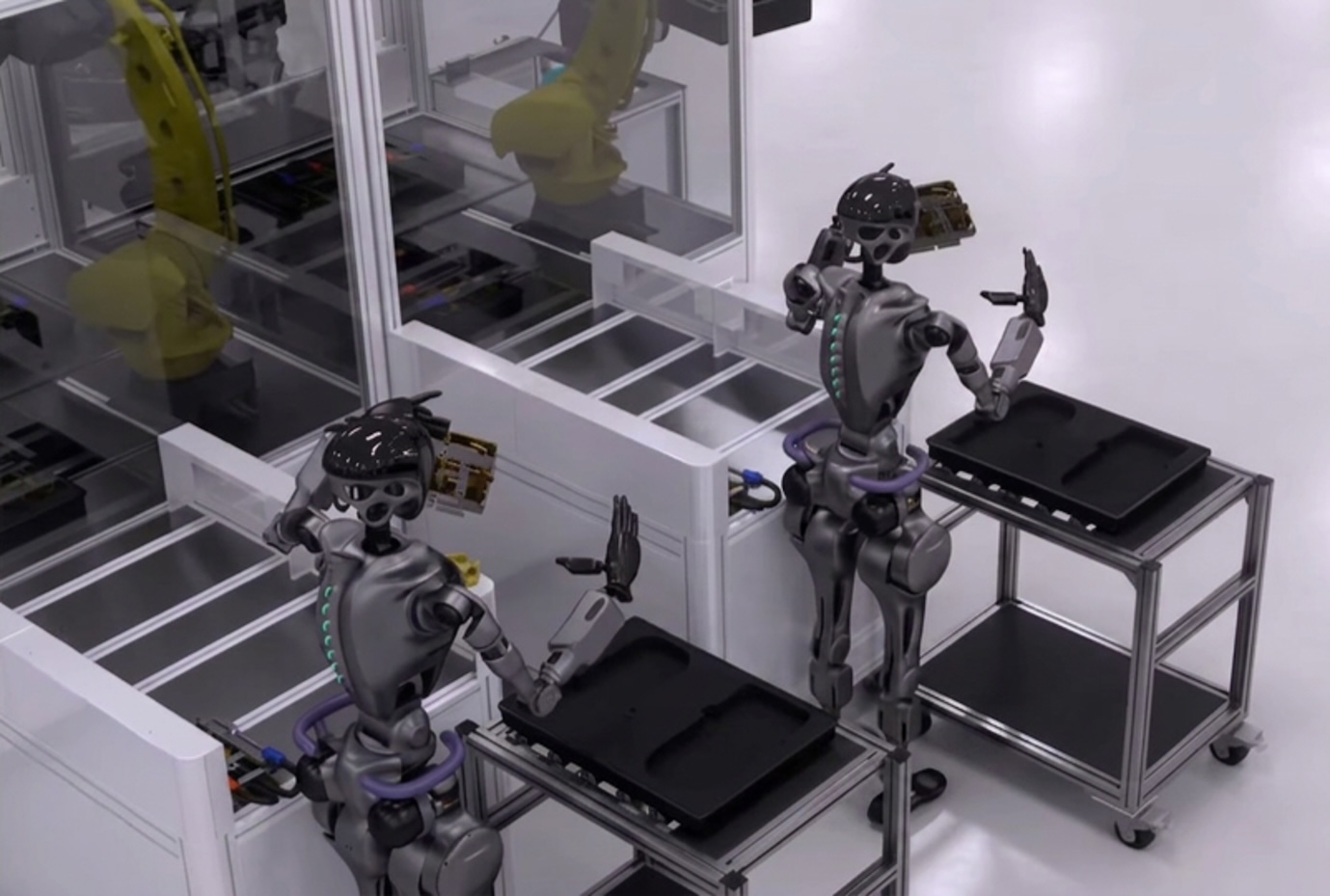
Optimus Shows Off New 'Real-Time' Dance Moves as Humanoid Agility Advances
Tesla's Optimus robot has showcased significant advancements in humanoid robotics, exhibiting more fluid and human-like movements, which Elon Musk described as "real real-time." This demonstration, part of Tesla's ongoing efforts to enhance robotic capabilities, underscores the rapid progress being made in the field, largely fueled by advancements in simulation and reinforcement learning. The developments come amid similar innovations from competitors such as Unitree and EngineAI, as well as academic initiatives like HuB. These collective efforts highlight a growing trend in robotics, focusing on creating more agile and responsive machines that can better mimic human actions.
Optimus Tesla Unitree Robotics EngineAI Elon Musk
TIME Cover Story Offers Grounded Look at Figure 03's Ambitious Reality
A recent cover story in TIME Magazine offers an extensive behind-the-scenes exploration of Figure and its latest innovation, the Figure 03 humanoid robot. The article delves into the company's lofty aspirations of integrating robots into everyday households, juxtaposed with the current limitations and awkwardness of the robot's functionality. It emphasizes the considerable challenges that lie ahead, particularly regarding data management and safety concerns that must be addressed before achieving widespread adoption.
Figure Figure-03 time-magazine
SpaceX's Starmind Faces Feasibility Challenges for 1 Million Satellite Deployment
On January 30, 2026, SpaceX submitted a request to the FCC to launch up to 1 million satellites as part of its Starmind orbital compute constellation. This ambitious plan is unprecedented, as the total number of satellites ever launched globally is in the low tens of thousands. The proposal seeks a waiver from standard deployment milestones, citing reliance on the Starship's full reusability for success. The significance of this request lies in the technical and logistical challenges it presents. Experts warn that low Earth orbit may not support the proposed number of active satellites without risking a debris cascade. SpaceX's own IPO prospectus acknowledges unresolved dependencies related to Starship's launch cadence and reusability, which are critical for the orbital AI compute strategy. Looking ahead, the timeline for achieving the necessary launch cadence and manufacturing capacity remains uncertain. SpaceX's Gigasat facility in Texas aims for volume production by late 2027, but this would require unprecedented output levels. No further timeline was disclosed at the time of publication, leaving the feasibility of the Starmind project in question.

Starmind's Orbital Compute vs. Terrestrial Data Centers: Analyzing Resource Advantages
Starmind's orbital compute technology presents a significant advantage over traditional ground-based data centers by eliminating constraints related to land, water, and grid permitting. While terrestrial data centers are currently cheaper and faster to construct, with U.S. data center spending reaching $85.3 billion in 2026, Starmind's approach focuses on addressing the growing resource limitations faced by hyperscale facilities. The significance of Starmind's technology lies in its ability to sidestep the increasing challenges of land and water usage. For instance, a 100 MW data center can consume approximately 530,000 gallons of water daily for cooling, while Starmind's AI1 utilizes deployable liquid radiators that require no water. This structural advantage could resonate with investors as the demand for AI computing continues to escalate, potentially leading to annual water withdrawals of up to 1.7 trillion gallons by 2027. Looking ahead, Starmind's next milestones include the launch of AI1 prototypes scheduled for early 2027. However, the technology's claims regarding cooling efficiency and operational reliability remain unverified until real flight data is available. As the industry evolves, the competition between orbital and terrestrial solutions will become increasingly relevant, particularly in the context of resource management and sustainability.
SpaceX Proposes 1 Million AI Satellites to Address Ground Data Center Constraints
On January 30, 2026, SpaceX filed with the FCC to launch up to 1 million AI compute satellites, positioning orbital data centers as a solution to the increasing demand for AI computing power. Ground data centers are facing significant challenges, with energy consumption projected to reach approximately 1,050 TWh in 2026, making them the fifth-largest electricity consumer globally. The demand for new data center capacity is outpacing the growth of power generation infrastructure, leading to a critical bottleneck in the grid system. The significance of this initiative lies in the structural constraints faced by ground data centers, including power delivery limitations, high water consumption, and local opposition to new projects. The Uptime Institute's 2026 outlook identifies power as the primary constraint on data center growth, with capacity clearing prices in the PJM grid skyrocketing to $329.17/MW, driven by data center expansion. Additionally, cooling requirements are becoming increasingly unsustainable, with facilities consuming vast amounts of water, further complicating their operational viability. Looking ahead, SpaceX's orbital AI compute initiative aims to circumvent these challenges by leveraging the advantages of space, such as continuous solar power and minimal local opposition. The first AI prototypes are expected to launch in early 2027, with operational deployments planned for 2028. No further timeline was disclosed at the time of publication.

SpaceX's Starmind Project: Supplier Strategy and Chip Manufacturing Plans for 2026
SpaceX's Starmind project, aimed at deploying up to 1 million AI satellites, was filed with the FCC on January 30, 2026. The initiative is designed to minimize reliance on external suppliers, with CEO Elon Musk stating that current chip production capabilities only meet 2% of the projected needs. The first satellite, AI1, is set for prototype launches in early 2027, featuring a 70-meter wingspan and a modular payload system that allows for interchangeable chips from various suppliers. The significance of Starmind lies in its ambitious supply chain strategy, which seeks to transition from external hardware suppliers to a fully integrated Musk-owned facility by 2028. The Gigasat manufacturing site in Bastrop, Texas, is expected to be operational by the end of 2027, with plans for high-volume production of the D3 chip, specifically designed for space applications. This approach aims to consolidate chip manufacturing processes under the Terafab joint venture, which has an estimated initial investment of $55 billion. Looking ahead, the next milestone for Starmind is the launch of AI1 prototypes in early 2027, while the full-scale chip production at Terafab is projected to ramp up significantly thereafter. However, analysts express skepticism regarding the feasibility of achieving Musk's ambitious compute goals, which may require substantial investment and time to establish the necessary manufacturing capabilities.

SpaceX's Starmind Targets AI Labs with $6.3 Billion Compute Contracts
SpaceX's Starmind is designed to provide wholesale AI compute services to businesses, particularly AI labs and cloud customers, rather than individual consumers. The service operates similarly to AWS, where users benefit from applications running on Starmind without direct subscriptions. The compute capacity of a single AI1 satellite is comparable to one NVIDIA GB300 rack, emphasizing its enterprise-grade capabilities. The significance of Starmind lies in its positioning as a potential fourth hyperscaler, joining the ranks of AWS, Microsoft Azure, and Google Cloud. The Reflection AI contract, valued at $150 million per month, exemplifies the enterprise-focused model, with total payments potentially reaching $6.3 billion through 2029. This contract highlights the growing demand for AI compute resources, particularly from AI-native startups and labs. Looking ahead, the focus will remain on securing additional enterprise contracts as Starmind expands its offerings. No consumer-facing products or subscriptions have been announced, and the current strategy is to cater to businesses with substantial AI workloads. No further timeline was disclosed at the time of publication.

Startup helps retailers track their products in real-time
Cartesian, a technology company, has developed an innovative system for locating objects, leveraging technology originally invented at the Massachusetts Institute of Technology (MIT). This cutting-edge system has the potential to revolutionize various industries, including manufacturing, logistics, and robotics. By enhancing the accuracy and efficiency of object tracking, Cartesian aims to streamline operations and improve productivity across these sectors. The technology, which was first conceptualized at MIT, is now being adapted for practical applications in real-world settings. As industries increasingly rely on automation and precise tracking systems, Cartesian's advancements could play a crucial role in shaping the future of operational efficiency.
Research Startups Innovation and Entrepreneurship (I&E) Electrical engineering and computer science (EECS) Machine learning Wireless
Comprehensive Task Coverage and Real Data-Driven! SenseTime Launches Smart Convenience Store Robot
SenseTime has introduced the SenseMartGo robot convenience store, marking a significant step in the integration of artificial intelligence into retail. The company plans to expand this innovative shopping model across various cities by 2026. Utilizing advanced AI and data analytics, the SenseMartGo store promises to enhance the shopping experience while achieving notable operational efficiency. This launch not only showcases SenseTime's commitment to technological advancement in retail but also aims to capture a growing market interested in automated shopping solutions. As the demand for convenient and efficient shopping options rises, SenseTime's initiative positions it as a leader in the evolving landscape of retail technology.
Retail Robotics AI Technology Smart Stores Data Analytics
LMBC: Low‐Power Marine Benthos Counting Framework for Underwater Robotic Real‐Time Applications
A recent study published in the Journal of Field Robotics explores advancements in robotic technology aimed at enhancing agricultural efficiency. Researchers from various institutions conducted the study to address the growing need for sustainable farming practices amid increasing global food demand. The findings, released in early October 2023, highlight innovative robotic systems designed to automate tasks such as planting, monitoring crop health, and harvesting. The research was carried out in various agricultural settings, demonstrating the robots' capabilities in real-world environments. By integrating artificial intelligence and machine learning, these robots can adapt to different crop conditions and improve productivity while minimizing resource use. The motivation behind this development stems from the urgent need to reduce labor costs and environmental impact in agriculture. The study outlines the process of designing and implementing these robotic systems, showcasing their potential to revolutionize traditional farming methods. As the agricultural sector faces challenges related to labor shortages and climate change, the introduction of such technology could play a crucial role in ensuring food security for the future. The research underscores the importance of innovation in addressing the complexities of modern agriculture and highlights the collaborative efforts of scientists and engineers in this field.
RESEARCH ARTICLE
Real‐Time Detection and Robotic Picking of Stropharia Rugoso‐Annulata Using Enhanced YOLOv11s
In a recent study published in the Journal of Field Robotics, researchers explored advancements in robotic navigation systems, focusing on their application in complex environments. The findings, released in May 2026, highlight innovative algorithms that enhance the ability of robots to navigate through challenging terrains, such as urban landscapes and disaster-stricken areas. The research team, composed of experts in robotics and artificial intelligence, conducted extensive field tests to assess the performance of these new navigation systems. By integrating machine learning techniques, the robots demonstrated improved decision-making capabilities, allowing them to adapt to unforeseen obstacles and dynamic surroundings. This study is significant as it addresses the growing need for efficient robotic solutions in various sectors, including search and rescue operations, urban planning, and environmental monitoring. The enhanced navigation systems could lead to more effective deployment of robots in critical situations, ultimately saving lives and resources. The researchers emphasized that the successful implementation of these technologies relies on ongoing collaboration between academia and industry, ensuring that advancements in robotics can be effectively translated into real-world applications. As the demand for autonomous systems continues to rise, this research represents a crucial step toward more intelligent and adaptable robotic solutions.
RESEARCH ARTICLE
Real‐Time Monocular 2D Occupancy Grid Mapping for Autonomous Navigation of Ground Robots
In May 2026, researchers published a significant study in the Journal of Field Robotics, focusing on advancements in robotic technology. The study, appearing in Volume 43, Issue 3, pages 1844-1860, highlights innovative methodologies for enhancing the efficiency and autonomy of field robots. Conducted by a team of experts in robotics and artificial intelligence, the research aims to address the growing demand for automation in various industries, including agriculture and disaster response. The findings reveal new algorithms that improve navigation and decision-making processes for robots operating in complex environments. This research is particularly relevant as industries increasingly seek to integrate robotic solutions to optimize operations and reduce human risk in hazardous situations. By employing advanced machine learning techniques, the team demonstrated how robots can adapt to dynamic conditions, thereby increasing their effectiveness in real-world applications. The study's implications extend beyond theoretical advancements, as it provides practical frameworks for deploying robots in challenging scenarios. As the field of robotics continues to evolve, this research contributes to the ongoing dialogue about the future of automation and its potential to revolutionize traditional practices across multiple sectors.
RESEARCH ARTICLE
Hybrid Velocity Obstacle‐Nonlinear Control Method for Real‐Time Collision Avoidance of Nonholonomic Mobile Robots
In May 2026, researchers published a study in the Journal of Field Robotics, exploring advancements in robotic technology and its applications in various fields. The study highlights the integration of artificial intelligence and machine learning in enhancing the capabilities of field robots. Conducted by a team of engineers and scientists, the research aims to address challenges faced in agriculture, search and rescue operations, and environmental monitoring. The findings demonstrate how these innovations can improve efficiency and accuracy in tasks traditionally performed by humans, thereby reducing labor costs and increasing safety in hazardous environments. The team employed a series of experiments to test the robots' performance in real-world scenarios, showcasing their ability to navigate complex terrains and make autonomous decisions. This research is significant as it underscores the potential of robotics to transform industries by providing solutions that are not only effective but also sustainable. The authors emphasize the importance of continued investment in robotic research to further develop these technologies and expand their applications.
RESEARCH ARTICLE
Real‐Time Multi‐View Flower Counting With a Ground Mobile Robot
In May 2026, the Journal of Field Robotics published a comprehensive study exploring advancements in robotic technology and its applications in various fields. The research, conducted by a team of engineers and scientists, highlights significant progress in the development of autonomous systems capable of performing complex tasks in unpredictable environments. The study emphasizes the importance of these innovations in enhancing efficiency and safety in industries such as agriculture, construction, and disaster response. By integrating advanced sensors and artificial intelligence, the researchers demonstrated how robots can adapt to dynamic conditions, improving their functionality and reliability. This research is particularly timely, as the demand for automation solutions continues to grow in response to labor shortages and the need for increased productivity. The findings are expected to influence future designs and applications of robotic systems, paving the way for more sophisticated and versatile machines. The publication serves as a crucial resource for professionals in robotics and related fields, offering insights into the latest technological developments and their potential impacts on society.
RESEARCH ARTICLE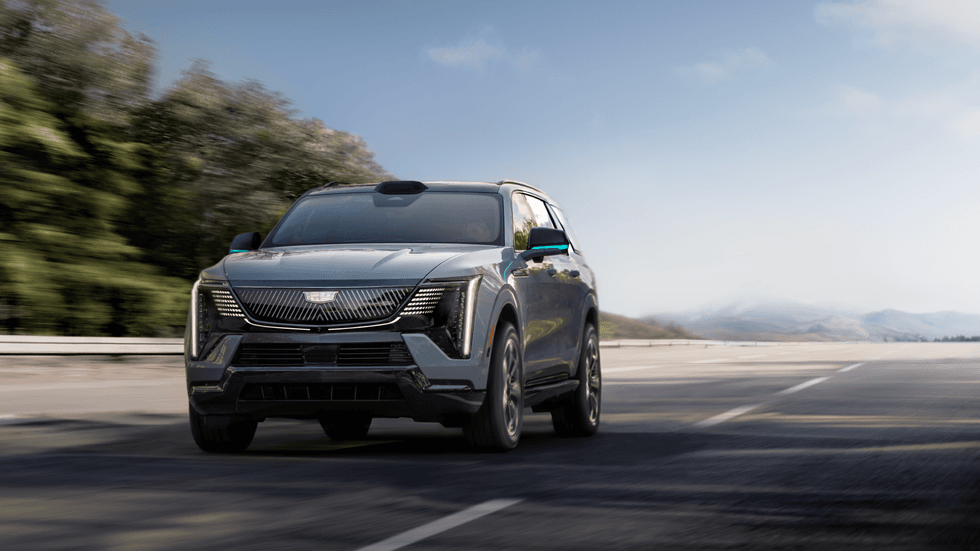
Training Driving AI at 50,000× Real Time
General Motors (GM) is advancing its autonomous driving technology by addressing the complex challenges associated with unpredictable road scenarios, known as the "long tail." This initiative is crucial as GM aims to achieve fully autonomous vehicles capable of navigating diverse environments safely. The company employs a combination of large-scale simulations, reinforcement learning, and advanced AI models, such as Vision Language Action (VLA), to enhance the decision-making capabilities of its autonomous systems. To prepare for rare and unexpected driving situations, GM conducts millions of high-fidelity simulations that replicate real-world conditions. These simulations allow engineers to test the vehicles against hazardous scenarios that would be difficult to encounter safely in reality. Additionally, GM utilizes innovative techniques like “Seed-to-Seed Translation” to generate synthetic training data, enabling the modeling of extreme weather conditions and traffic scenarios. The development process also incorporates a unique dual-frequency model that balances high-level decision-making with immediate vehicle control, ensuring quick responses to dynamic road conditions. Furthermore, GM's approach includes adversarial testing to identify potential safety risks by challenging the AI's perception capabilities. As GM continues to refine its autonomous driving technology, the company is focused on creating an ecosystem that integrates various learning methods and addresses the critical edge cases that will determine the readiness of autonomous vehicles for widespread deployment. This comprehensive strategy aims to enhance safety and reliability, paving the way for a future where autonomous driving can operate without human intervention.
Autonomous-vehicles Self-driving-cars Gm
MIT’s 6 mW chip lets tiny drones see and map their surroundings in real time
Researchers at the Massachusetts Institute of Technology (MIT) have unveiled a groundbreaking low-power chip designed to enhance the capabilities of small drones and robots. This innovative technology, introduced in October 2023, aims to facilitate the construction of complex structures by enabling these machines to work collaboratively and autonomously. The development is driven by the need for more efficient and sustainable solutions in various fields, including construction and disaster response. By equipping drones and robots with this advanced chip, the team has demonstrated how these devices can communicate and coordinate their actions effectively, thereby significantly improving their operational efficiency. The research highlights the potential for such technology to revolutionize the way we approach tasks that require precision and teamwork in environments that are challenging for human workers.
Innovation
New radio frequency platform achieves 85% real-time signal accuracy under one watt
Australia-based technology company BrainChip has unveiled a new hardware platform aimed at enhancing the classification of radio frequency signals. This innovative development was announced recently, positioning BrainChip at the forefront of advancements in signal processing technology. The platform is expected to improve the efficiency and accuracy of radio frequency classification, which is crucial for various applications, including telecommunications and defense. By leveraging cutting-edge technology, BrainChip seeks to address the growing demand for sophisticated signal analysis tools in an increasingly complex technological landscape. The launch underscores the company's commitment to driving innovation and providing solutions that meet the evolving needs of the industry.
AI and Robotics Military
Brownfield Is the Real Test of Automation: How ForwardX Scaled 484 AMRs in a Live Auto OEM Factory Without Production Downtime
Over a year since its implementation, ForwardX's autonomous mobile robot (AMR) system is successfully expanding within Chery Automobile's manufacturing facility in Dalian, China, while maintaining uninterrupted production. This project has emerged as one of the largest brownfield AMR deployments in the automotive sector, showcasing the effectiveness of integrating advanced robotics into existing manufacturing processes. The deployment aims to enhance operational efficiency and streamline logistics within the facility, reflecting the growing trend of automation in the automotive industry.
RGPB‐Planner: A Real‐Time Gaussian Potential B‐Spline Trajectory Planner for Unmanned Aerial Vehicles in Complex Environments
A recent study published in the Journal of Field Robotics explores advancements in autonomous robotic systems designed for agricultural applications. Researchers from various institutions conducted the study to address the growing need for efficient farming solutions amid increasing global food demands. The findings, released in early October 2023, highlight innovative technologies that enhance the capabilities of robots in tasks such as planting, harvesting, and monitoring crops. The research was conducted in diverse agricultural settings, showcasing how these robotic systems can adapt to different environments and crop types. By integrating artificial intelligence and machine learning, the robots are able to optimize their performance, reducing labor costs and increasing productivity for farmers. This initiative stems from the urgent necessity to improve agricultural efficiency and sustainability in response to climate change and population growth. The study emphasizes that the implementation of these robotic systems could significantly transform traditional farming practices, making them more resilient and resource-efficient. The research team utilized a combination of field tests and simulations to demonstrate the effectiveness of the robotic technologies, providing a comprehensive analysis of their potential impact on the agricultural sector. As the industry continues to evolve, the insights from this study may pave the way for broader adoption of robotics in farming, ultimately contributing to food security and environmental sustainability.
RESEARCH ARTICLE
MOVENSYS to Showcase Real-Time Physical AI Execution Technology at Intel Edge Solution Summit 2026
MOVENSYS has been invited by Intel to showcase its innovative solutions at a prominent global event. The presentation will focus on addressing the latency gap that exists between artificial intelligence decision-making and robotic execution, utilizing a single Intel Core Ultra Series 3-based PC. This opportunity highlights MOVENSYS's commitment to advancing technology in the robotics sector, aiming to enhance the efficiency and responsiveness of AI-driven systems. The event is set to take place in the coming weeks, providing a platform for industry leaders to explore cutting-edge developments in AI and robotics.
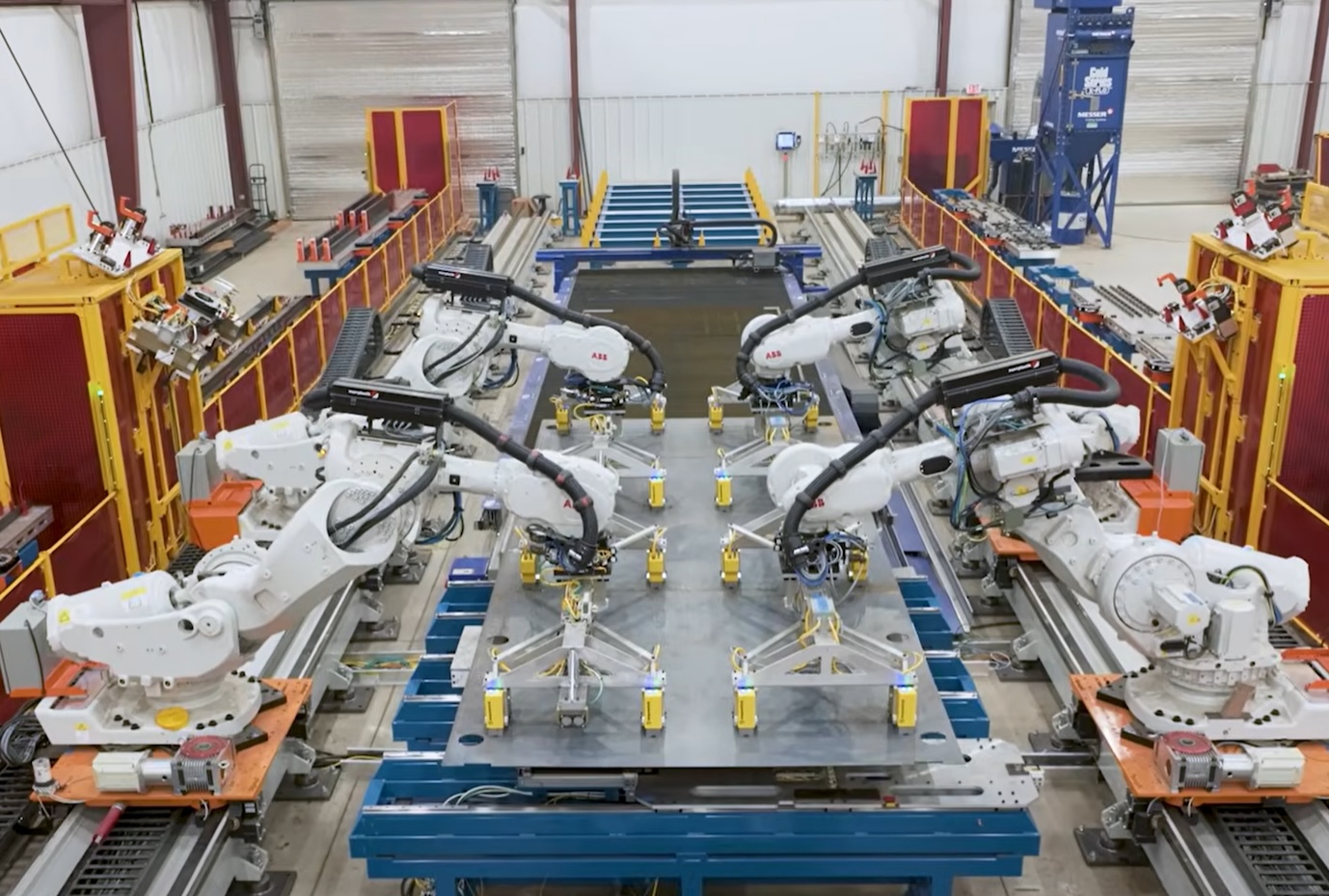
Design of a Multi‐Sensor Integrated Control System for Vehicle‐Mounted Tunnel Lining Inspection With Real‐Time Velocity and Posture Tracking
In June 2026, researchers published a comprehensive study in the Journal of Field Robotics, focusing on advancements in robotic technologies and their applications in various fields. The study highlights innovative methodologies that enhance the efficiency and effectiveness of robotic systems, particularly in challenging environments such as disaster response and exploration. The research team, comprised of experts in robotics and engineering, conducted extensive field tests to evaluate the performance of these advanced robotic systems. Their findings demonstrate significant improvements in navigation, autonomy, and adaptability, which are crucial for tasks that require precision and reliability. This study aims to address the growing demand for sophisticated robotic solutions in sectors like agriculture, search and rescue, and environmental monitoring. By showcasing the potential of these technologies, the researchers hope to inspire further development and investment in robotics, ultimately contributing to safer and more efficient operations in critical situations. The publication serves as a pivotal resource for industry professionals and academics alike, providing insights into the future of robotics and its role in addressing complex challenges faced by society.
RESEARCH ARTICLE
Video: This $42k humanoid robot from China blends real-time motion, vision, and smart control
Chinese robotics company LimX Dynamics has unveiled a full-size humanoid robot aimed at enhancing automation across various industries. The launch took place on October 15, 2023, at a technology expo in Shanghai, where the company showcased its latest advancements in robotics. This innovative robot is designed to perform tasks traditionally handled by humans, thereby increasing efficiency and productivity in workplaces. LimX Dynamics believes that the integration of such robots can significantly reduce labor costs and address workforce shortages in sectors like manufacturing and logistics. The development process involved extensive research and collaboration with industry experts to ensure the robot's capabilities meet the demands of modern enterprises.

Autonomous eDNA Robot Enables Real-Time Aquatic Monitoring
A groundbreaking development in environmental monitoring has emerged with the introduction of an AI-enabled eDNA-bot, designed to autonomously collect and analyze environmental DNA. This innovative technology enhances the detection of various species and facilitates ongoing ecological surveillance. By utilizing advanced algorithms and automated processes, the eDNA-bot operates efficiently in diverse ecosystems, allowing researchers and conservationists to gather critical data without the need for constant human intervention. This advancement is particularly significant as it addresses the growing need for effective and continuous monitoring of biodiversity, which is essential for conservation efforts and understanding ecological changes. The deployment of the eDNA-bot marks a pivotal step in leveraging artificial intelligence to support environmental science, with the potential to transform how species are monitored and protected.
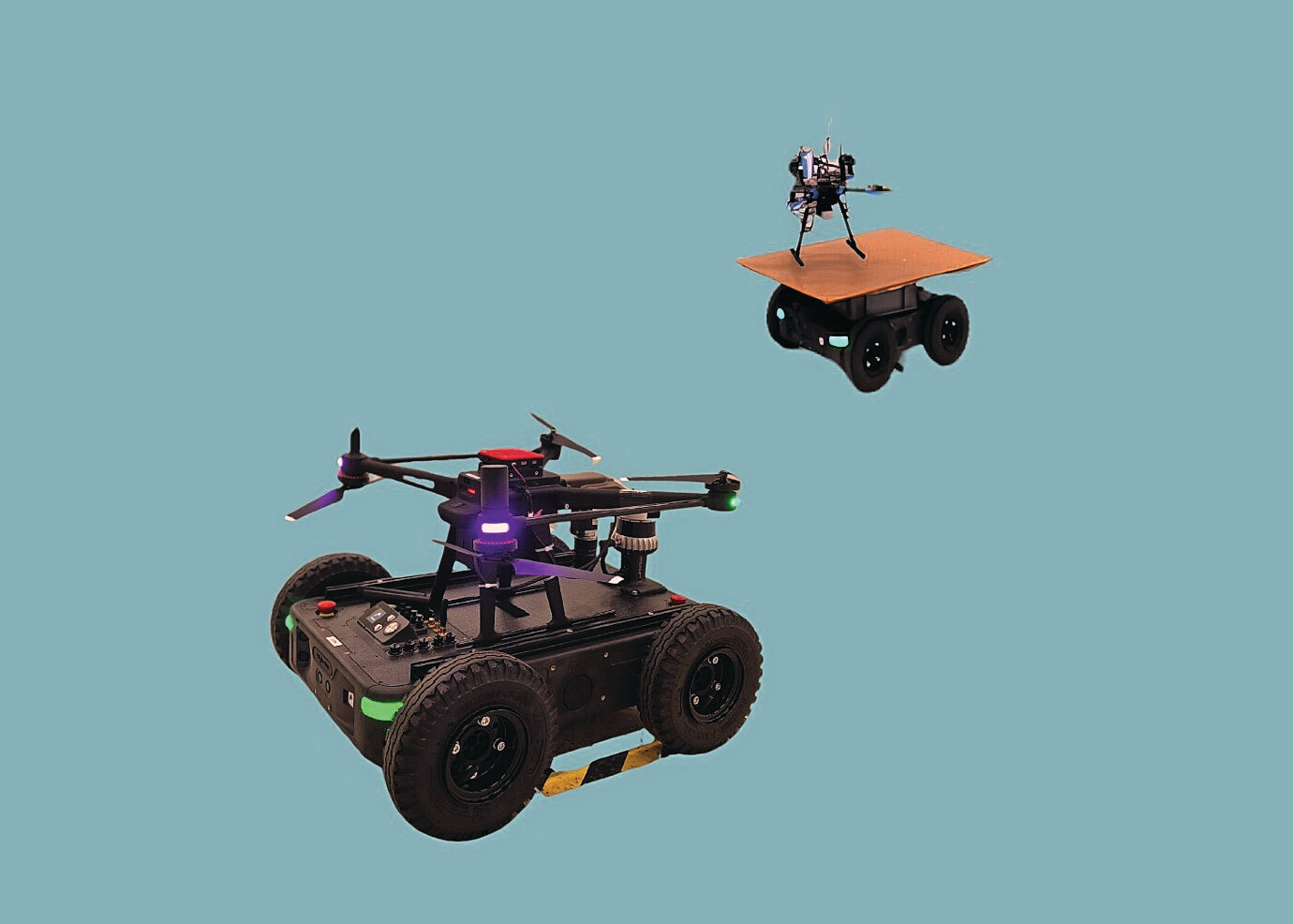
Mathematical models help farm robots work together in real time
Researchers at the University of Groningen in the Netherlands are pioneering the development of innovative mathematical control systems aimed at enabling drones and ground robots to work together autonomously in agricultural settings. This initiative, which is currently underway, seeks to enhance efficiency in farming operations without the need for extensive datasets or artificial intelligence training. The project highlights a significant advancement in agricultural technology, focusing on streamlined cooperation between aerial and terrestrial robotic systems to optimize farming practices. By leveraging mathematical algorithms, the researchers aim to create a more sustainable and effective approach to agriculture, potentially transforming how crops are monitored and managed in the future.
Smart farming agricultural robots crop monitoring drones robotics
Advanced Deep Learning Architecture for Real‐Time Online Train Tread Segmentation and Wear Detection
In May 2026, researchers published a study in the Journal of Field Robotics, exploring advancements in robotic technology for agricultural applications. The study focuses on the development of autonomous robots designed to enhance efficiency in crop management and harvesting processes. Conducted by a team of engineers and agricultural scientists, the research highlights the growing need for innovative solutions in the face of labor shortages and increasing food production demands. The team conducted field trials in various agricultural settings to assess the robots' performance and adaptability to different crop types. Their findings indicate that these autonomous systems can significantly reduce labor costs and improve yield quality, addressing both economic and environmental challenges faced by the agriculture sector. The research underscores the potential for robotics to transform traditional farming practices, making them more sustainable and efficient. This study is part of a broader initiative to integrate advanced technologies into agriculture, aiming to support farmers in meeting the global food supply challenges. By leveraging robotics, the researchers hope to pave the way for smarter farming practices that can respond to the dynamic needs of the industry.
RESEARCH ARTICLE
Real‐Time Behavior Recognition Using a Legged Robot for Animal–Robot Interaction
A recent study published in the Journal of Field Robotics highlights advancements in robotic technologies aimed at enhancing agricultural practices. Researchers from various institutions collaborated to explore innovative solutions for improving crop management and efficiency. The findings, released in May 2026, underscore the growing need for automation in agriculture due to increasing labor shortages and the demand for higher productivity. The study focuses on the development of autonomous robots capable of performing tasks such as planting, monitoring, and harvesting crops. By integrating artificial intelligence and machine learning, these robots can analyze soil conditions and optimize resource use, ultimately aiming to reduce waste and increase yield. The research was conducted in various agricultural settings, demonstrating the versatility and adaptability of these robotic systems. This initiative is driven by the urgent need to address food security challenges posed by a rising global population and climate change. The researchers emphasize that implementing such technologies could significantly transform traditional farming methods, making them more sustainable and efficient. As the agricultural sector continues to evolve, the successful deployment of these robotic solutions could pave the way for a new era in farming, ensuring that food production meets future demands while minimizing environmental impact.
RESEARCH ARTICLE
Nemotron Labs: How AI Agents Are Turning Documents Into Real-Time Business Intelligence
In today's fast-paced business environment, companies are grappling with the challenge of extracting valuable insights from a diverse array of documents, such as reports, presentations, PDFs, web pages, and spreadsheets. As organizations strive to remain competitive, the ability to analyze and interpret this vast amount of information has become increasingly crucial. The need for effective data management and analysis tools has intensified, prompting businesses to seek innovative solutions that can streamline the process of uncovering actionable insights. This trend highlights the growing importance of data literacy and the integration of advanced technologies in decision-making processes. As companies navigate this complex landscape, the demand for skilled professionals who can harness these insights is also on the rise, shaping the future of business intelligence and analytics.
Real‐Time Detection of Undesired Human Interventions in Robotic Work Cells Using a Convolutional Neural Network‐Based Novel Architecture and Reliability Analysis With Explainable Artificial Intelligence
A recent study published in the Journal of Field Robotics highlights advancements in autonomous robotic systems designed for agricultural applications. Researchers from various institutions conducted the study to explore how these technologies can enhance efficiency and productivity in farming practices. The findings, released in early October 2023, indicate that the integration of robotics in agriculture not only streamlines operations but also addresses labor shortages faced by the industry. The research was carried out in diverse agricultural settings, showcasing the adaptability of robotic systems to different crops and farming techniques. By employing sensors and artificial intelligence, these robots can perform tasks such as planting, monitoring crop health, and harvesting with precision. The motivation behind this innovation stems from the need to increase food production while minimizing environmental impact and labor costs. As farmers face growing challenges from climate change and a declining workforce, the study emphasizes the potential of robotics to transform traditional farming methods. The researchers advocate for further investment in robotic technologies to ensure sustainable agricultural practices and improve overall food security. This study marks a significant step towards the future of farming, where automation plays a crucial role in meeting the demands of a growing global population.
RESEARCH ARTICLE
Scientists reveal a tiny brain chip that streams thoughts in real time
Researchers have developed BISC, an ultra-thin neural implant designed to establish a high-bandwidth wireless connection between the brain and computers. This innovative device features a compact single-chip design that incorporates tens of thousands of electrodes, enabling it to support sophisticated AI models for decoding movement, perception, and intent. Initial clinical trials have demonstrated that BISC can be safely inserted through a small opening in the skull, where it remains stable while capturing intricate neural activity. This groundbreaking technology holds the potential to revolutionize treatments for conditions such as epilepsy, paralysis, and blindness, offering new hope for patients facing these challenges.

Australian Maritime College and HII Report Near-Perfect Availability as REMUS 100 Completes 935 Missions with Only Two Days of Downtime
The Australian Maritime College (AMC) and HII have announced a significant achievement regarding the reliability of AMC’s Legacy REMUS 100 autonomous underwater vehicle (AUV). This milestone was revealed today, highlighting the advancements made in the technology and performance of the AUV. The collaboration between AMC and HII aims to enhance underwater exploration and data collection capabilities, addressing the growing demand for reliable and efficient marine technology. The REMUS 100 is designed for various applications, including environmental monitoring and underwater research, making it a vital tool for marine scientists and researchers. This development underscores the commitment of both organizations to push the boundaries of autonomous underwater operations and improve the reliability of such technologies in real-world applications.
hii australian maritime college (amc)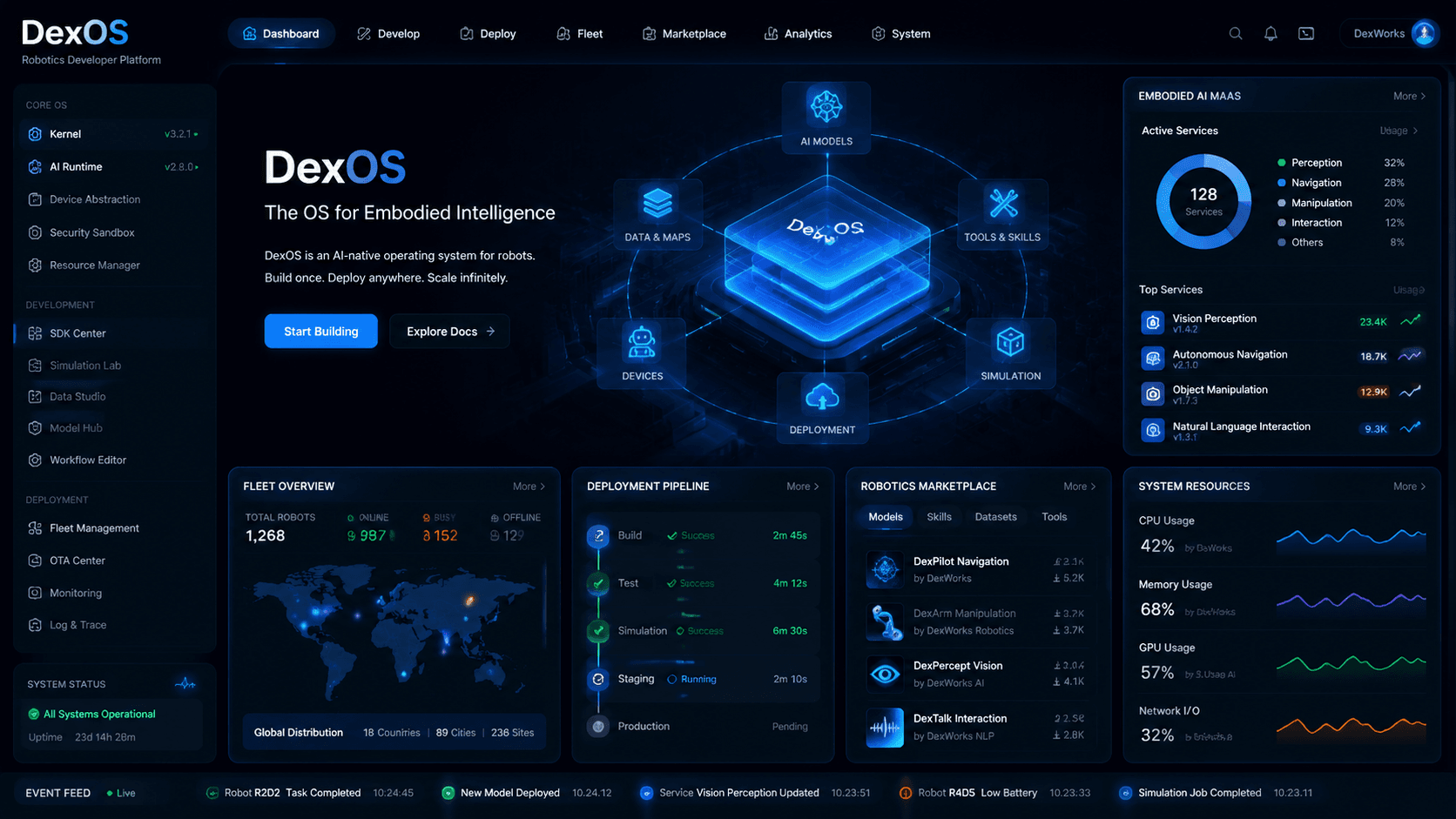
Dexmal Introduces DM0.5 Model and DexOS at Action Developer Conference
Dexmal has launched its DM0.5 foundation model, DexOS operating system, and an embodied Mobility-as-a-Service (MaaS) platform during the Action developer conference. This event took place recently and aims to position Dexmal as a key player in the robotics industry by creating a versatile platform akin to Android for robotics applications. The introduction of the DM0.5 model and DexOS is significant as it seeks to address the challenges of scaling robotic models into practical, real-world scenarios. By providing a unified operating system and a robust foundation model, Dexmal aims to enhance interoperability and functionality across various robotic applications, potentially transforming how developers approach robotics solutions. Looking ahead, Dexmal's next steps involve further development of its MaaS platform and expanding the capabilities of the DM0.5 model. No further timeline was disclosed at the time of publication, but industry watchers will be keen to see how these innovations influence the robotics landscape and attract developer interest.
Robotics
Time-of-Flight as a key technology for cost-sensitive 3D applications
Patrick Schick, the Product Manager for 3D Vision at IDS, recently provided insights into the development and technical considerations surrounding Nion, a cutting-edge technology in the field of 3D imaging. In his discussion, Schick contextualized the innovative iToF (indirect Time of Flight) technology, emphasizing its significance in enhancing depth perception and spatial awareness in various applications. He outlined typical use cases for Nion, showcasing its potential across industries such as robotics, automation, and augmented reality. Schick's commentary sheds light on the strategic decisions that guided the creation of Nion, illustrating how advancements in 3D vision technology can drive efficiency and innovation in multiple sectors.

Powering the next era of AI in manufacturing: Why it’s time to upgrade to the NVIDIA RTX PRO 4500 Blackwell Workstation Edition
NVIDIA has unveiled its latest advancements in manufacturing technology, showcasing how artificial intelligence and digital twins can significantly accelerate innovation in the industry. This announcement was made during a recent event held in October 2023, where industry leaders gathered to explore cutting-edge solutions. The integration of AI and digital twin technology aims to enhance efficiency and streamline processes within manufacturing operations. By leveraging NVIDIA's Blackwell architecture, companies can expect improved data processing capabilities that facilitate real-time decision-making and predictive analytics. This transformation is poised to not only boost productivity but also drive competitive advantage in an increasingly fast-paced market.
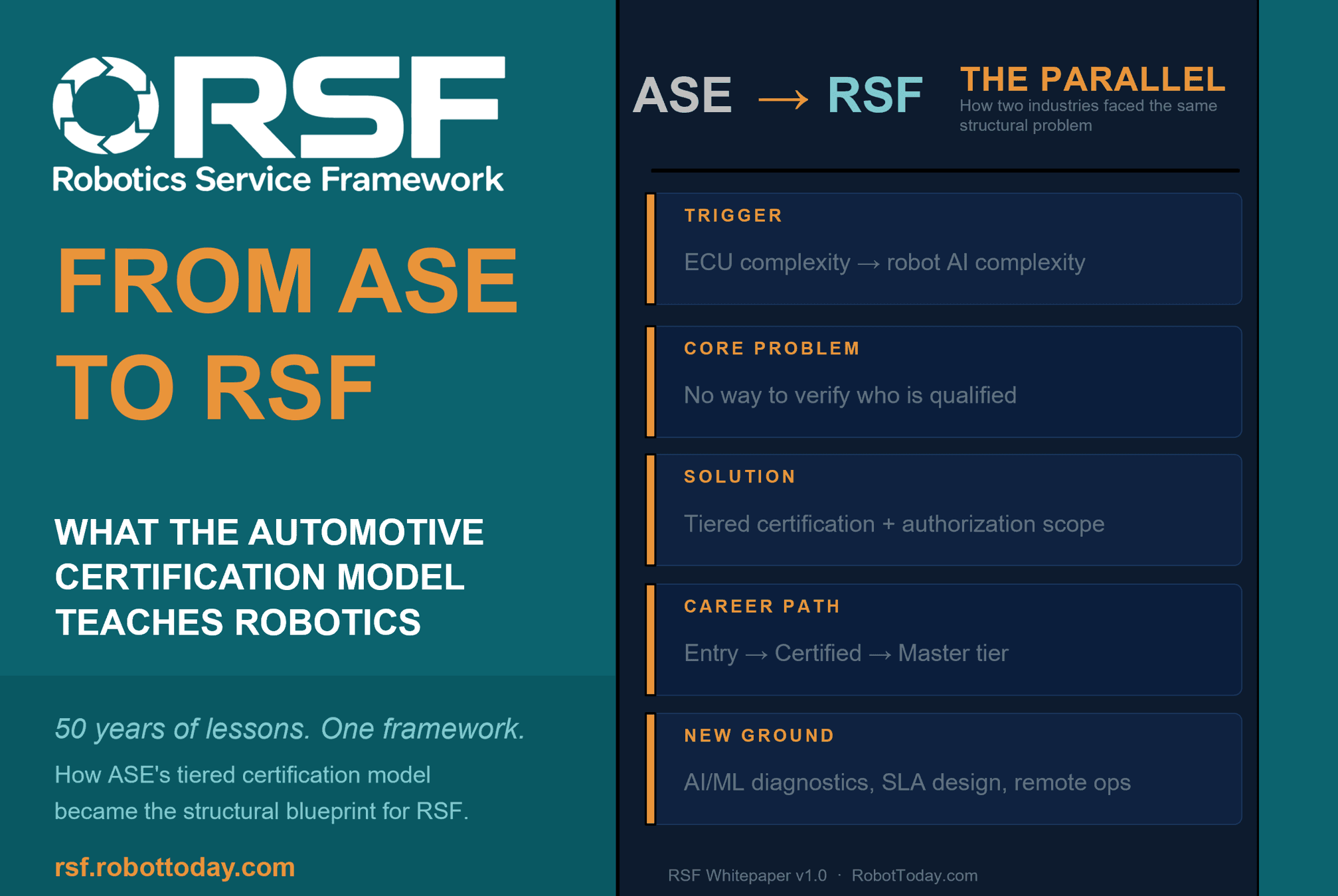
Robotics needs a service framework.
RSF defines a common language for robot service capability, lifecycle operations, certification pathways, and service-provider networks.