Industry Briefing
A single destination for timely, editor-curated robotics news from around the world.
Inside NIO's AI factory, where cars build themselves
In Hefei, China, NIO's F2 electric vehicle plant showcases a fully automated body assembly line, eliminating the need for human labor. The facility is dominated by advanced machinery, particularly German-based KUKA robots, which work in unison to construct aluminum vehicle bodies. One robot expertly positions a door, while another ensures precise alignment using sensors, and additional robots perform welding tasks in mere seconds. This cutting-edge automation reflects the company's commitment to efficiency and innovation in the electric vehicle manufacturing sector, highlighting a significant shift towards robotics in automotive production.
All News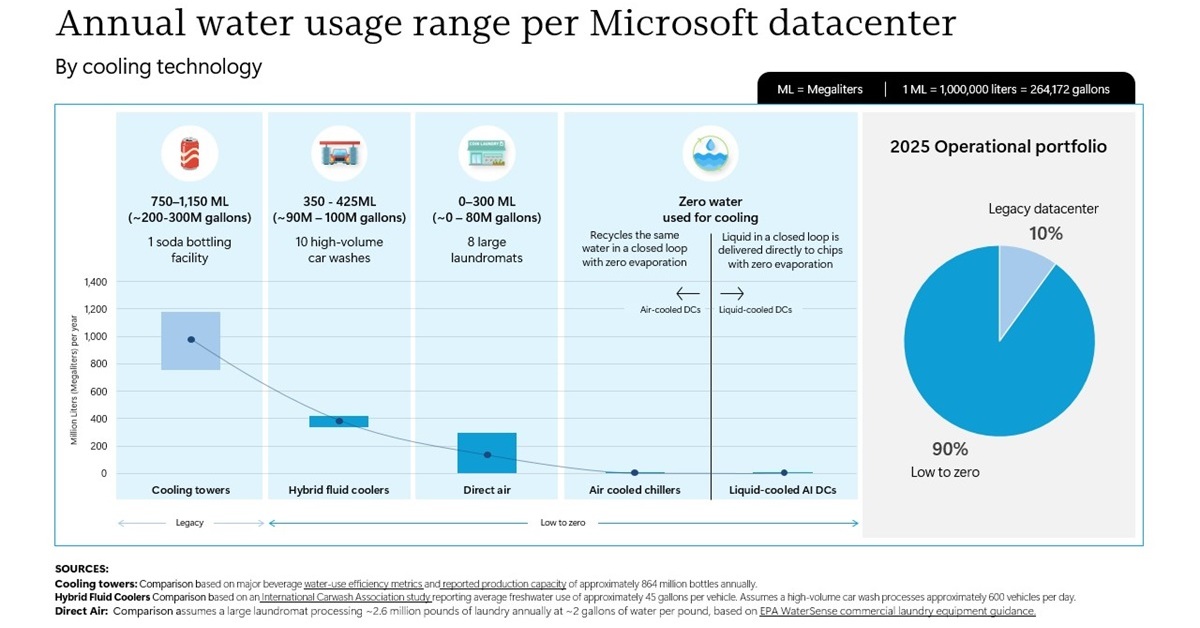
Is "Dehydration Cooling" the Future for Data Centers in the AI Era? Insights from Microsoft's Waterless Cooling Strategy.
Microsoft has announced new water conservation measures for its data centers in response to the growing demand for AI and cloud services. The tech giant aims to achieve water positivity by 2030, targeting a 90% improvement in water usage efficiency compared to initial levels. To support this goal, Microsoft plans to implement waterless cooling systems in its latest facilities and utilize rainwater, thereby promoting sustainable infrastructure operations.

China's Aerospace-Grade Carbon Fiber Breaks Free from Foreign Dependency with Major Production Expansion
Zhongfu Shenying has launched three advanced carbon fiber production lines in Lianyungang, a significant step towards enhancing China's self-sufficiency in aerospace materials. This initiative, unveiled recently, aims to reduce the country's reliance on foreign suppliers, particularly Japan's Toray and various U.S. manufacturers, which have dominated the market for critical aerospace components. By establishing these production lines, Zhongfu Shenying is positioning itself as a key player in the high-performance materials sector, responding to the growing demand for domestic production capabilities in the aerospace industry. This move not only strengthens China's industrial base but also aligns with national objectives to bolster local manufacturing and innovation in strategic sectors.
Technology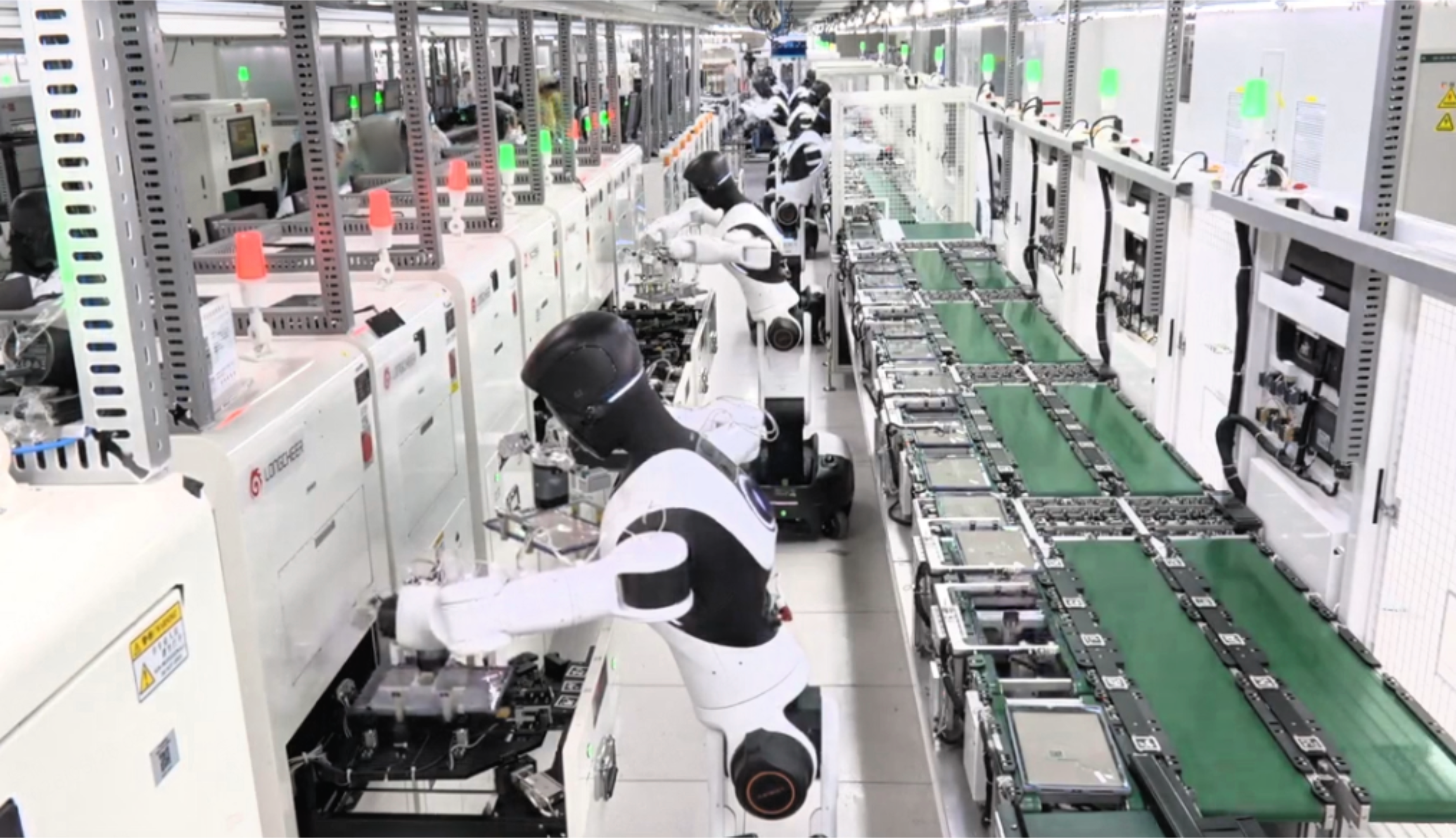
AGIBOT Concludes Six
AGIBOT has achieved a milestone by concluding a six-day livestream event that featured its humanoid robots functioning in a real factory environment. This innovative demonstration represents a pivotal transition in the humanoid robotics industry, moving away from conventional showcases to a focus on validating the practical deployment of robots in dynamic industrial settings. The event underscores the industry's evolving emphasis on integrating robots into actual production workflows, highlighting their potential for value creation in real-world applications.
Humanoid Robotics Embodied AI Industrial Automation Robotics Deployment Production Efficiency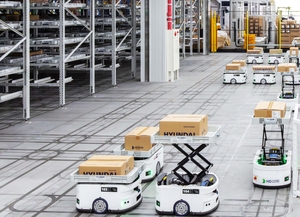
Inside HD Hyundai Electric’s AI power push
HD Hyundai Electric unveiled its new power distribution complex in Cheongju, North Chungcheong Province, during a media tour on Thursday. The facility represents a significant shift in the electricity sector, showcasing a sophisticated network of robotic arms and autonomous carriers that streamline operations. Observers noted the advanced control room, where workers monitored real-time energy data, highlighting the plant's focus on automation and efficiency. This development reflects the company's commitment to modernizing power distribution and adapting to the evolving energy landscape.
All News
NASA prepares to launch rescue to save telescope from falling to Earth
A $30 million salvage operation is set to commence this week, featuring the launch of a robotic lifesaver designed to assist in recovery efforts. The initiative aims to address the challenges posed by recent maritime incidents, reflecting a growing commitment to enhancing safety and efficiency in salvage operations. The deployment of advanced technology underscores the urgency of the situation and the need for innovative solutions in maritime recovery. As the operation unfolds, stakeholders are hopeful that the robotic system will significantly improve the chances of successful salvage and recovery.
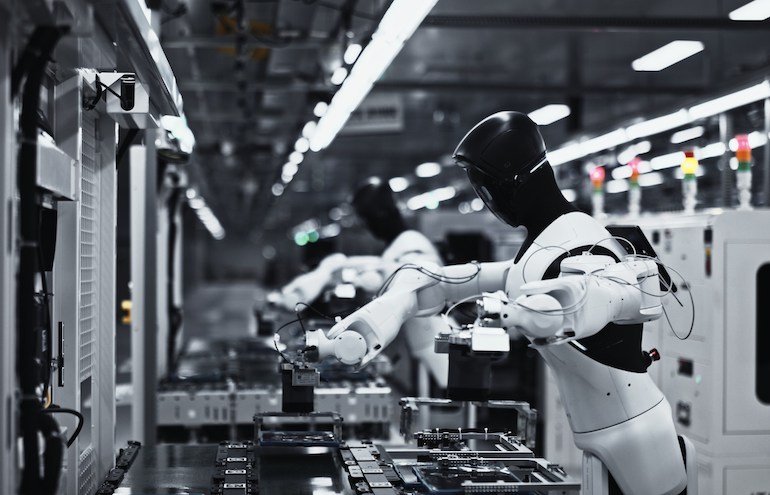
AGIBOT produces 15,000th robot, marking a milestone in embodied AI deployment
AGIBOT has achieved a significant milestone by deploying 15,000 wheeled semi-humanoid robots, marking a pivotal shift from the development and production phases of embodied artificial intelligence to active deployment. This rollout signifies the company's commitment to advancing robotics technology and enhancing its practical applications in various sectors. The deployment of these robots is expected to streamline operations and improve efficiency in environments where they are utilized. AGIBOT's efforts reflect a growing trend in the robotics industry, focusing on integrating AI into everyday tasks and operations.
Artificial Intelligence Autonomous Mobile Robots (AMRs) Collaborative Robots Humanoids News AgiBot
Tesla (TSLA) to Raise Production at Berlin Plant by 20%, Reuters Reports
Tesla, Inc. has announced plans to increase production at its Berlin plant by 20%, raising output to 7,500 vehicles per week starting in October 2026. This decision, reported on June 25, comes as the company aims to meet the growing demand for its Model Y and will involve hiring an additional 1,000 employees. The production boost follows a previous capacity increase announced in April and a commitment to enhance battery cell production at the facility. In a related development, Tesla has also expanded its unsupervised robotaxi service across the Austin Metro area in Texas, which is part of its broader strategy to integrate artificial intelligence and robotics into its operations. This shift reflects Tesla's evolving focus beyond electric vehicles to include advanced technology solutions.

The memory shortage shaking Apple and Microsoft is 'existential crisis' for smaller players
Apple and Microsoft have announced price increases on their key devices, a move aimed at offsetting the rising costs of memory components. This decision comes amid a challenging landscape for smaller consumer electronics companies, which are struggling to maintain profitability in the face of these industry-wide price hikes. The price adjustments by the tech giants reflect broader economic pressures affecting the electronics market, particularly the escalating costs of production materials. As larger companies adapt to these challenges, smaller firms find themselves in a precarious position, potentially jeopardizing their market presence and financial stability. The situation highlights the ongoing impact of supply chain issues and inflation on the technology sector, raising concerns about the future viability of smaller players in an increasingly competitive environment.
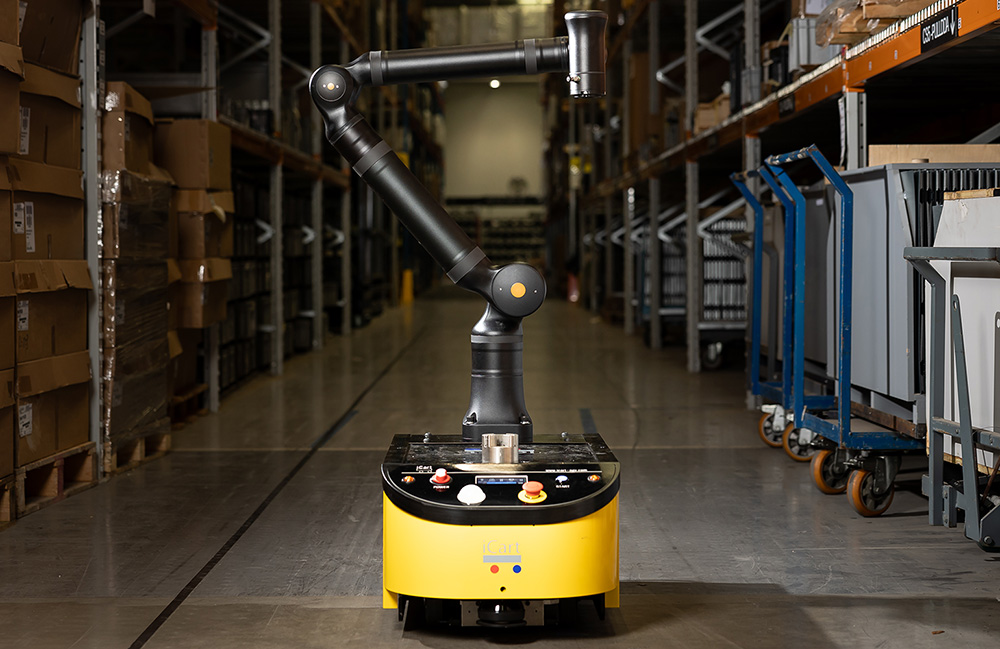
How compact cobot integration enhances autonomous mobile robot applications
The integration of collaborative robots, or cobots, is significantly transforming the warehousing industry, with projections indicating a tenfold increase in their usage from 2018 to 2025, according to industry expert Kassow. This surge in adoption highlights the growing reliance on automation to enhance efficiency and productivity in logistics operations. As businesses seek to streamline processes and reduce labor costs, cobots are becoming essential tools for complementing autonomous mobile robots in various applications. The advancements in technology and the increasing demand for flexible automation solutions are driving this trend, positioning cobots as a key component in the future of warehousing.
Autonomous Mobile Robots (AMRs) Cobot Arms Collaborative Robots Controllers Logistics News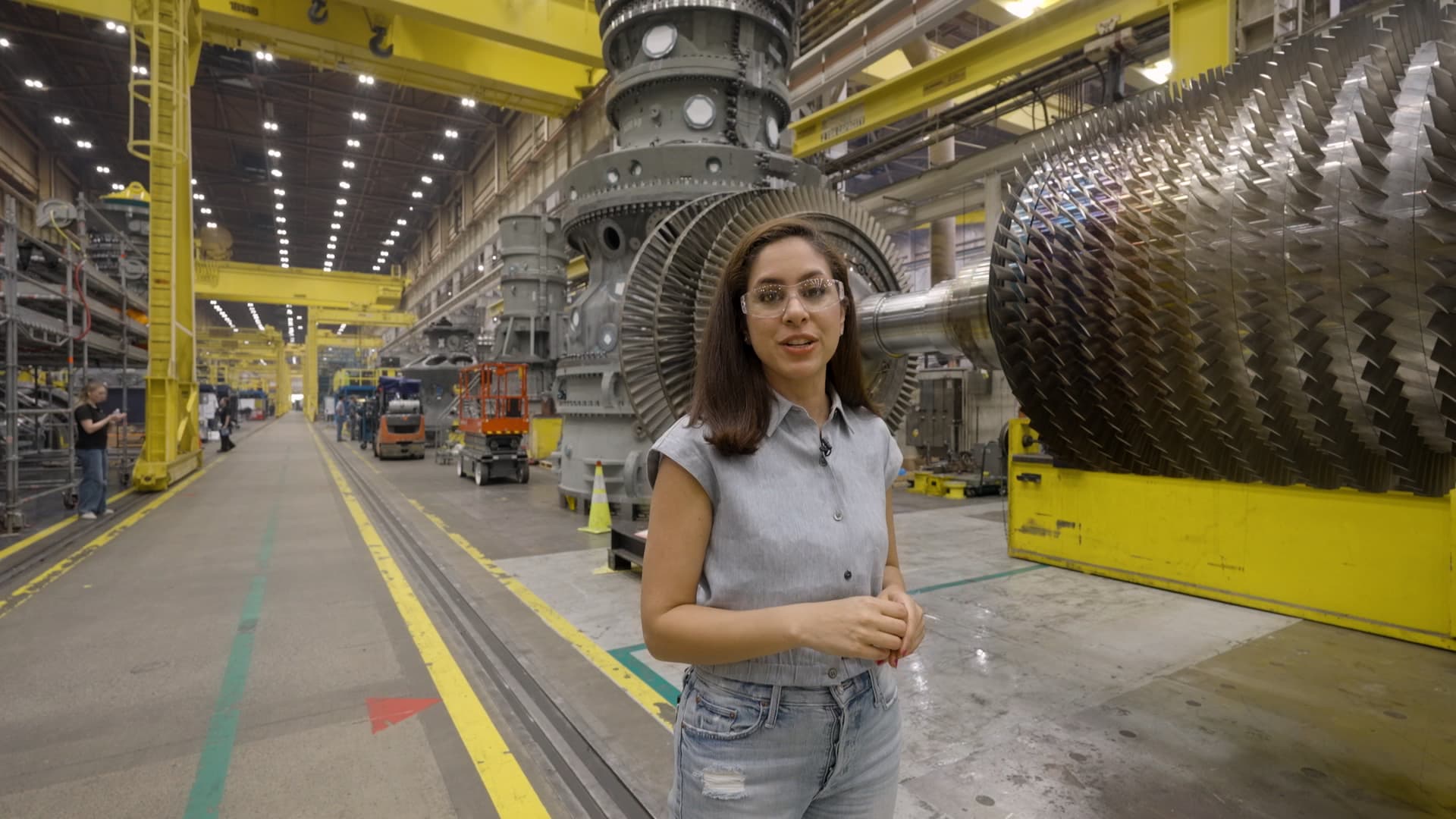
How GE Vernova builds the massive gas turbines powering the AI data center boom
Elon Musk's xAI Colossus 1 data center is now being powered by GE Vernova turbines, marking a significant advancement in sustainable energy for tech infrastructure. In a related move, Microsoft has also acquired seven of these turbines to supply energy to its data center located in Texas. This initiative comes as both companies seek to enhance their operational efficiency and reduce their carbon footprint, aligning with broader industry trends towards renewable energy solutions. The deployment of GE Vernova's technology is expected to support the growing demand for data processing while promoting environmental sustainability.
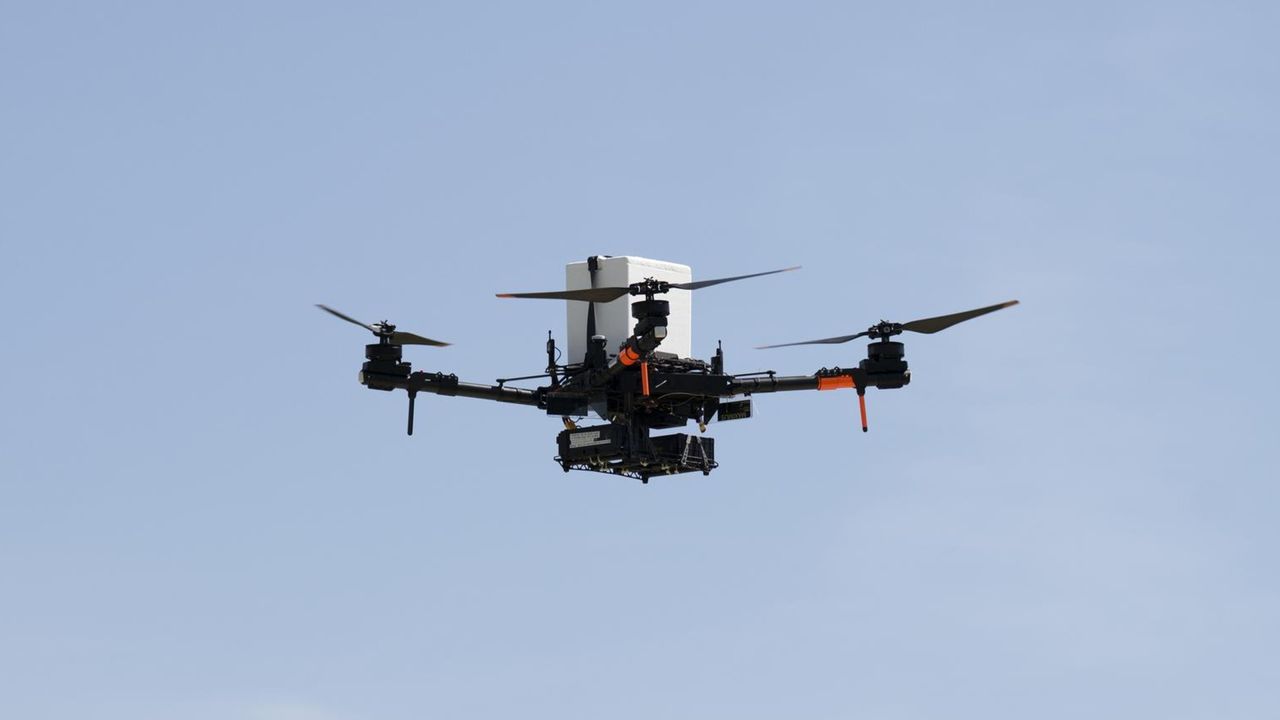
NASA used a drone to deliver a human kidney. Is this the future of transplant transport?
A drone successfully flew beyond the line of sight to transport a kidney deemed unsuitable for organ transplant, marking a significant step in testing the feasibility of drone deliveries for medical purposes. This innovative trial aims to explore the potential for drones to expedite the delivery of organs and other medical supplies to patients in need. Conducted recently, the test highlights advancements in drone technology and its application in healthcare logistics. By demonstrating the capability to navigate and deliver even when out of sight, researchers are investigating how such methods could enhance the efficiency of organ transportation, ultimately improving patient outcomes.
Technology
What lessons is Ideal learning to catch up with FSD V14?
The competitive landscape of the intelligent driving industry has undergone significant changes in recent years, shifting from hardware specifications to advanced model development. Companies are increasingly recognizing that merely having larger models is insufficient for achieving generational advantages; instead, the integration of models, data, computing power, and chips into a continuous iterative loop is becoming crucial. This realization has prompted many automakers to invest in in-house research and development. Tesla has established a comprehensive ecosystem that spans data collection, training infrastructure, and self-developed chips, while Chinese companies like Li Auto, Xpeng, and NIO are also deepening their technological foundations. Li Auto has introduced its self-developed Mach M100 chip in its L8 and L9 models, which it views as a significant advancement in AI technology. In a recent discussion with Li Auto's autonomous driving and chip leaders, they emphasized that the industry should focus on the practical problems these investments aim to solve rather than merely the existence of in-house development. They outlined their strategies to achieve performance comparable to Tesla's Full Self-Driving (FSD) system, highlighting the importance of safety, efficiency, and comfort in user experience. As the industry moves towards higher levels of autonomy, the integration of vision and language models is seen as essential for developing systems that can handle complex, unforeseen scenarios. The executives noted that achieving higher levels of autonomy (L3 and L4) requires models that can reason and think like humans, underscoring the growing significance of language in AI systems. Overall, the conversation revealed the industry's focus on enhancing AI capabilities through innovative chip design and data utilization, aiming for a future where autonomous driving technology can meet the challenges of real-world driving conditions.
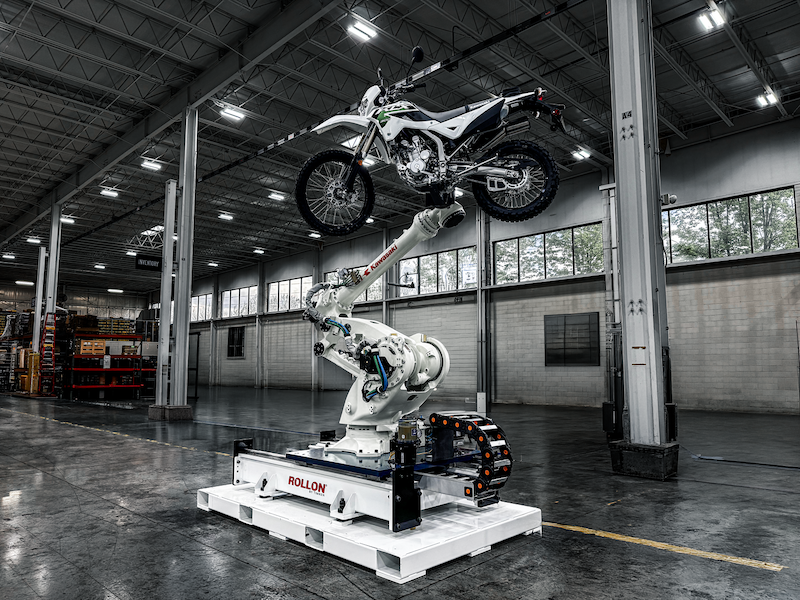
Kawasaki Robotics showcases 8-axis Physical AI robot and intelligent automation technologies at Automate 2026
Kawasaki Robotics unveiled its latest advancements in automation technology at the Automate 2026 trade show held in Chicago. The event, which took place recently, highlighted the transformative impact of robotics, artificial intelligence, machine learning, vision systems, and real-time control on industrial automation. A key feature of the showcase was the introduction of the new “RL030N” robot platform, which boasts eight degrees of freedom and is specifically designed for Physical AI applications. This innovation reflects Kawasaki Robotics' commitment to pushing the boundaries of automation and enhancing operational efficiency across various industries.
Industrial robots News Robotics 8-axis robot Automate 2026 BA013L
General Intuition raises $320M to use video game data to train robots
General Intuition has secured $320 million in funding to enhance its innovative approach to artificial intelligence training for robotics. The company is leveraging video game clips that feature embedded action labels to accelerate the training process for AI systems. This funding will enable General Intuition to further develop its technology, which aims to improve the efficiency and effectiveness of robotic learning. By utilizing the rich data from video games, the company seeks to provide robots with a more nuanced understanding of actions and environments, ultimately advancing the field of robotics. The investment comes at a time when the demand for sophisticated AI solutions in various industries is on the rise, highlighting the potential impact of General Intuition's work in shaping the future of robotics.
Artificial Intelligence Artificial Intelligence / Cognition Design / Development Financial Investments News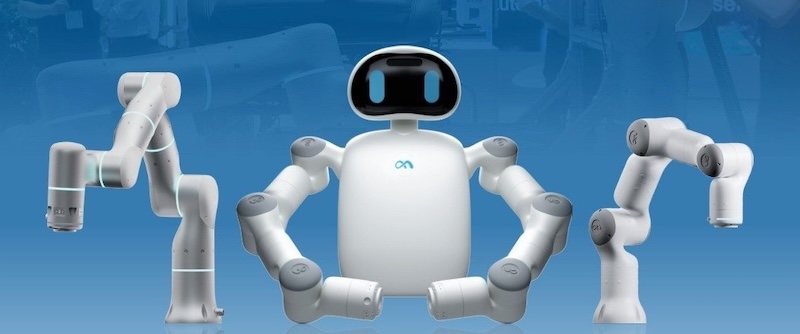
Flexiv launches new ‘adaptive robots’ for industrial automation
Flexiv has introduced two innovative adaptive robots aimed at enhancing tactile sensing and physical AI capabilities within the realm of industrial automation. The company unveiled its flagship Enlight robotic arm and the Mico dual-arm robotic platform, marking a notable advancement in force-controlled robotics and embodied intelligence. The Enlight arm features a seven-axis design, allowing for greater flexibility and precision in various applications. This launch, which took place recently, underscores Flexiv's commitment to pushing the boundaries of robotics technology to meet the evolving needs of the manufacturing sector. By integrating advanced sensing and control mechanisms, these robots are expected to improve operational efficiency and adaptability in complex industrial environments.
Industrial robots News adaptive robots cobots collaborative robots embodied ai
Zhang Yaqin: AI is not a bubble, but AI companies are.
In June, during an interview at the Tsinghua Wuxi Research Institute's Intelligent Industry Innovation Center, Academician Zhang Yaqin discussed the current state of AI investment and entrepreneurship, suggesting a more cautious approach to the rapidly growing sector. Zhang, who founded the Tsinghua University Intelligent Industry Research Institute (AIR) five years ago, noted that while AIR has successfully incubated ten companies with a combined valuation of 150 billion yuan, its primary focus remains on research rather than commercialization. Zhang, a prominent figure in AI and a fellow of the IEEE, likened the current AI investment climate to the internet boom of 1998-1999, emphasizing the importance of sustainable growth and cautioning against the potential for market bubbles. He highlighted the need for new AI algorithms to enhance efficiency and pointed out that while the AI sector holds significant long-term potential, many early-stage companies may face challenges in proving their viability. Every June, AIR hosts the "Taihu Dialogue" in Wuxi, fostering discussions on AI advancements. Zhang expressed concerns about the risks associated with high valuations and the necessity for a focused approach in startups. He emphasized that while funding is crucial, it should not overshadow the importance of developing robust products and technologies. Looking ahead, Zhang identified "physical AI" as a key area for development by 2026 and outlined the challenges of creating robots capable of performing complex tasks in real-world environments. He underscored the importance of collaboration between academia and industry to cultivate talent and drive innovation in AI, while also addressing the ethical and safety risks associated with advanced AI systems.
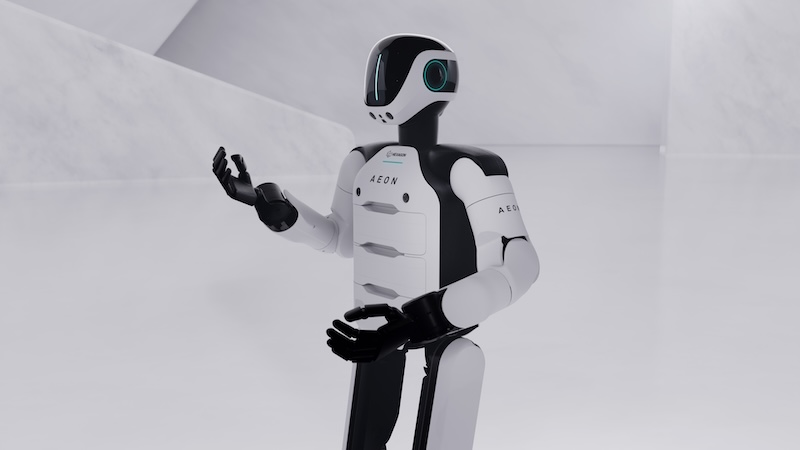
People want robots in warehouses and factories, not hospitals or schools, Hexagon study finds
A recent study by Hexagon, part of its global Robot Generation research, reveals a growing acceptance of robots in the workplace among both adults and children. The findings indicate that while there is a willingness to integrate robots into various tasks, respondents are establishing clear guidelines regarding their use. Adults showed a preference for robots to perform physical and repetitive tasks, suggesting a desire for efficiency and productivity in the workplace. The study highlights a significant shift in attitudes towards automation, reflecting a balance between embracing technological advancements and maintaining human oversight in job roles. As industries increasingly look to incorporate robotic solutions, understanding these preferences will be crucial for successful implementation.
Artificial Intelligence Culture Robotics ai automation news factory automation
Teradar enters paid evaluation program with German automaker for terahertz vehicle sensing technology
Teradar, a company specializing in terahertz (THz) vision technology, has initiated a paid technical evaluation program with a leading German automotive manufacturer. This collaboration aims to assess Teradar's innovative sensing technology for potential integration into advanced driver assistance systems (ADAS) and autonomous driving platforms. The evaluation will specifically target challenging scenarios where traditional sensing technologies, including cameras, radar, and lidar, may face limitations. By exploring the capabilities of THz technology, both Teradar and the automotive manufacturer seek to enhance the safety and efficiency of future automotive systems.
Components Design Engineering adas advanced driver assistance systems automation news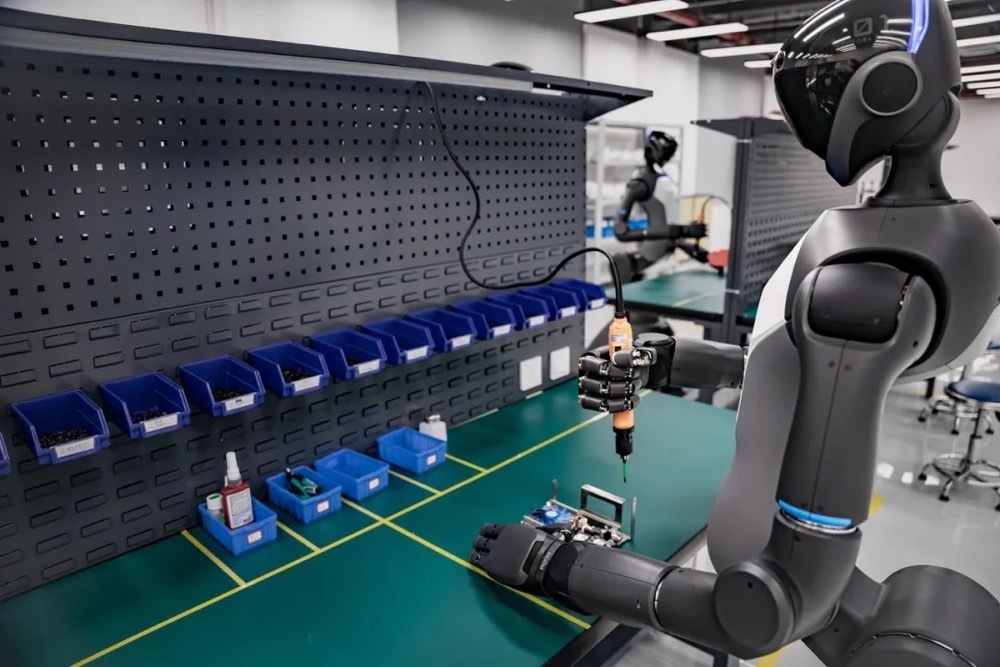
AI in warfare – friend or foe?
Military organizations are increasingly integrating artificial intelligence into various facets of warfare, significantly enhancing their operational capabilities. This shift includes advancements in targeting systems, which utilize AI to improve accuracy and efficiency in combat scenarios. Additionally, training simulations are being revolutionized through AI, providing soldiers with more realistic and adaptive training environments. The use of autonomous drones, powered by AI, is also on the rise, allowing for more strategic and precise missions without direct human intervention. This trend has gained momentum as military leaders recognize the potential of AI to transform traditional warfare tactics. The integration of these technologies is seen as essential for maintaining a competitive edge in modern conflicts. As of October 2023, the focus on AI in military applications reflects a broader commitment to innovation and modernization within defense strategies. The ongoing development and deployment of these technologies are expected to reshape the future of military operations, emphasizing the importance of adapting to rapidly evolving technological landscapes.
Analyst Comment
Inside Disney’s Push to Upgrade Its Theme Parks With Robots
Disney is actively enhancing its theme parks by integrating advanced robotics technology to improve guest experiences and operational efficiency. This initiative, which began gaining momentum in 2023, aims to modernize attractions and streamline services across various locations, including Disneyland and Walt Disney World. The motivation behind this push is to create a more immersive and engaging environment for visitors while addressing staffing challenges and rising operational costs. By incorporating robots into various roles, Disney seeks to maintain its reputation for innovation and guest satisfaction in an increasingly competitive entertainment landscape. The implementation of robotics involves deploying automated systems for tasks such as guest assistance, maintenance, and even entertainment, allowing human staff to focus on more complex interactions. Disney's investment in this technology reflects a broader trend in the theme park industry, where automation is seen as a solution to enhance efficiency and improve visitor experiences. As Disney continues to roll out these upgrades, the company is committed to ensuring that the integration of robots complements the magical atmosphere that has defined its parks for decades. This strategic move not only aims to elevate the overall guest experience but also positions Disney as a leader in the future of theme park operations.
NYS:DIS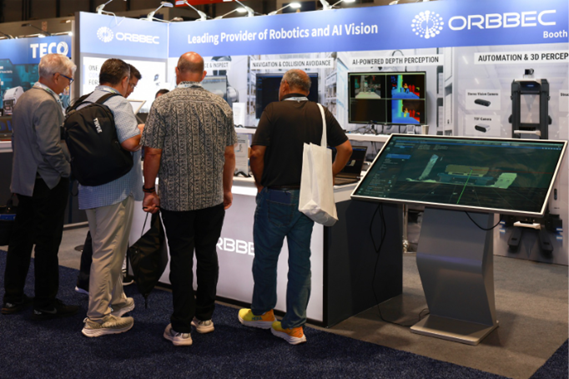
Orbbec shows AI-powered vision systems at Automate 2026
Orbbec showcased its latest industrial-grade 3D cameras designed for demanding automation environments during the Automate 2026 event. The company emphasized the integration of artificial intelligence to improve robotic perception, highlighting advancements that enable more sophisticated automation solutions. This presentation reflects Orbbec's commitment to addressing the complexities of modern industrial applications, aiming to enhance efficiency and accuracy in robotic systems. The event, which gathered industry leaders and innovators, provided a platform for Orbbec to demonstrate how its technology can meet the evolving needs of automation in various sectors.
Artificial Intelligence Artificial Intelligence / Cognition Automation Autonomous Mobile Robots (AMRs) Cameras / Imaging / Vision Collaborative Robots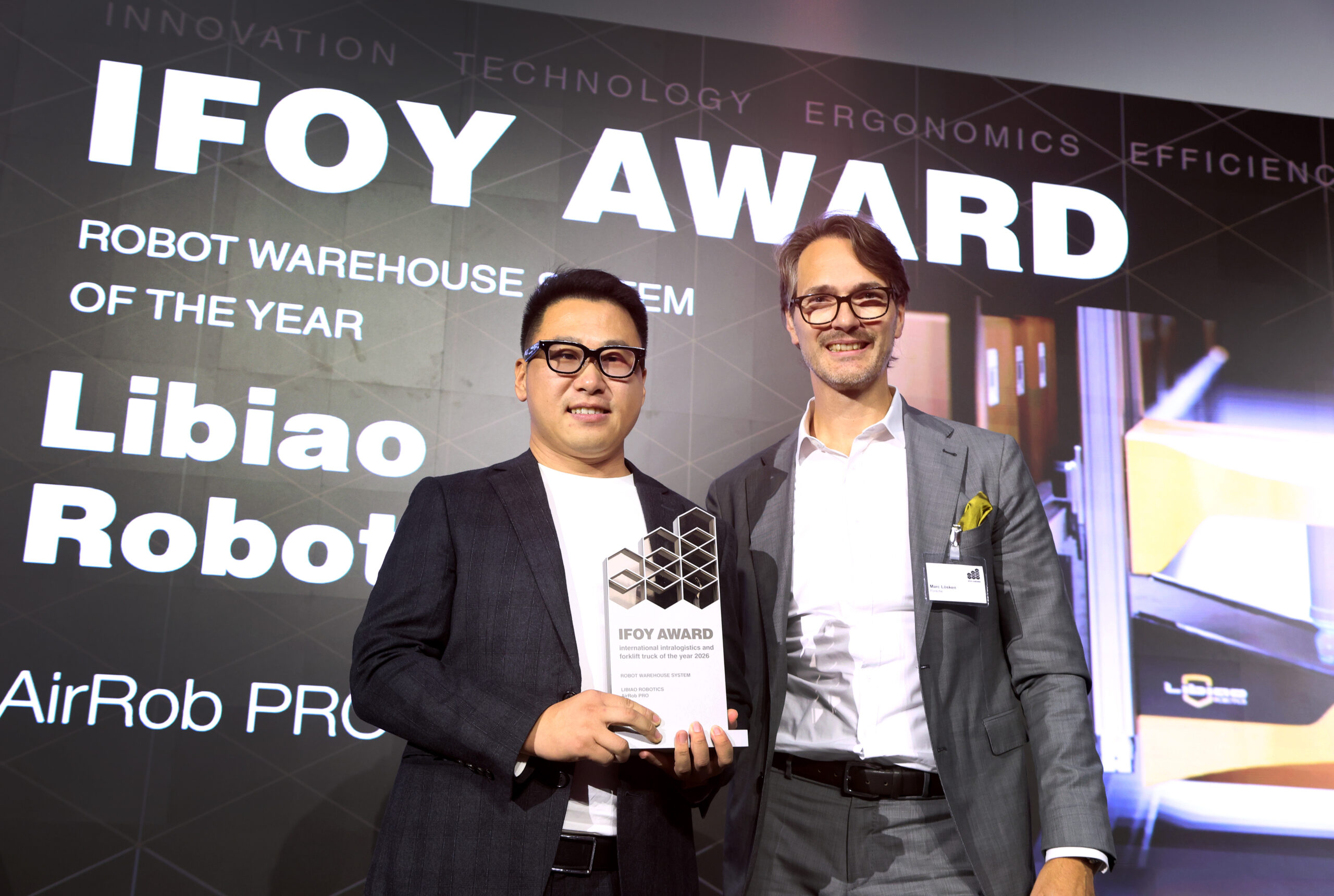
AirRob Pro Wins Award for Libiao
Libiao Robotics has achieved recognition in the global material handling and warehouse automation sector by winning the Robot Warehouse System category at the 2026 International Intralogistics and Forklift Truck of the Year (IFOY) Award. This prestigious accolade was presented during the IFOY AWARD Night, held at the company's headquarters. The award underscores Libiao's commitment to innovation and excellence in robotics technology, highlighting its significant contributions to enhancing efficiency in warehouse operations.
AMR and AGV Automation Systems and Shuttles Conveying and Sortation Materials Handling Robotic Picking AirRob PRO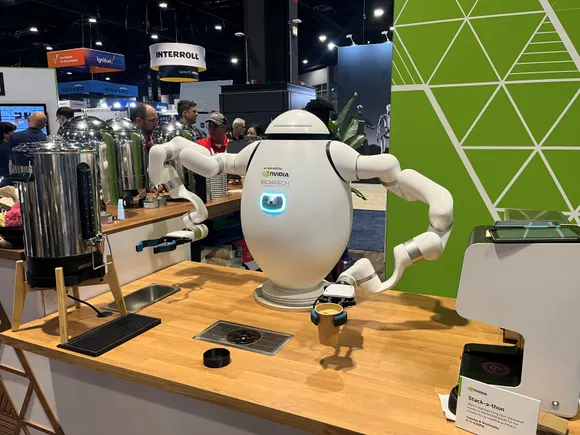
US robotics installations rebounded in 2025, on track for more growth: IFR
Global demand for robotics is surging, particularly driven by the automotive and electronics sectors, with significant deployments occurring primarily in China, Japan, and South Korea. Meanwhile, the United States is experiencing an increase in robotics applications, particularly in food production and supply chain services. This trend highlights the growing reliance on automation across various industries, as companies seek to enhance efficiency and productivity in response to evolving market needs.

10 Best Workforce Management Software Platforms in 2026
As businesses navigate the complexities of modern workforce management, the need for effective solutions has become increasingly apparent. Organizations are facing challenges such as dispersed teams, fluctuating workloads, and heightened demands for efficiency. In response to these issues, many companies are turning to workforce management software to streamline operations and enhance oversight. By centralizing workforce planning and performance tracking, these tools aim to provide better visibility and consistency in managing employee productivity. The shift towards digital solutions reflects a broader trend of adapting to the evolving landscape of work, where traditional manual planning methods are proving inadequate. As of October 2023, this transition is seen as essential for businesses seeking to maintain competitive advantages in a rapidly changing environment.
Business Software ADP Workforce Now automation news BambooHR Calabrio
Order Picking Network for Optimisation
WITRON is set to transform intralogistics with the introduction of its Order Picking Network (OPN), which emphasizes the integration of warehouse, transport, store, and enterprise operations rather than focusing solely on automation performance. This initiative represents a significant shift in strategy for the company, as highlighted by managing directors Helmut Prieschenk and Karl Högen. By prioritizing overall value creation through enhanced interaction across various logistics levels, WITRON aims to optimize processes and improve efficiency in supply chain management. The OPN initiative reflects the company's commitment to evolving industry standards and meeting the dynamic needs of modern logistics.
Automation Systems and Shuttles Conveying and Sortation eFulfilment Materials Handling Robotic Picking WMS & SCM Software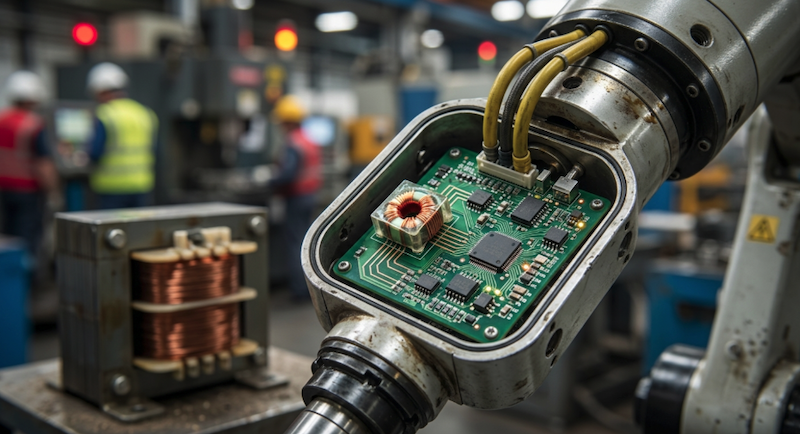
The Small Component Problem Behind More Reliable Industrial Robots
In a groundbreaking development for the manufacturing industry, advanced automation technology is transforming assembly lines and semiconductor packaging facilities. A robotic arm, capable of executing movements with sub-millimeter precision at an impressive rate of 300 cycles per minute, is at the forefront of this innovation. These robotic systems are enhanced by machine vision technology, remote input/output blocks, and sensitive microcontrollers, allowing for seamless coordination and efficiency in production processes. This technological advancement is taking place in various industrial settings, where multiple machines share a common power source through an industrial rail system. The integration of heavy CNC machines into this grid further exemplifies the collaborative nature of modern manufacturing, where precision and speed are paramount. The motivation behind this shift towards automation is to increase productivity and reduce human error in manufacturing processes. By leveraging sophisticated robotics and interconnected systems, companies aim to streamline operations and enhance overall output. As industries continue to adopt these cutting-edge technologies, the future of manufacturing looks increasingly automated and efficient, promising significant advancements in production capabilities.
Components Design Engineering Industrial robots amrs automation news
Automation is Leaving the Factory Floor and Moving into the Back Office
For decades, automation has primarily been associated with industrial settings, such as factories and warehouses, where robots and programmable systems efficiently managed repetitive physical tasks. However, recent developments indicate a significant shift in the application of automation beyond traditional environments. As of late 2023, various sectors are increasingly integrating automation into diverse areas, including service industries and everyday consumer interactions. This expansion is driven by the need for enhanced efficiency and precision, as organizations seek to reduce labor costs and improve productivity. The transition is facilitated by advancements in technology, which allow for more sophisticated automation solutions that can adapt to a wider range of tasks. As businesses recognize the potential benefits, the conversation around automation is evolving, highlighting its growing presence in non-industrial contexts.
Automation Business Industry ai agents artificial intelligence automation news
How Cold Chain Operators Are Turning Energy Flexibility Into a Competitive Advantage
Cold storage facilities, known for their high energy consumption, face increasing challenges as the cost of electricity becomes more dependent on consumption timing rather than just the volume used. This shift in energy pricing creates a difficult situation for operators who have traditionally viewed electricity costs as fixed. As refrigeration systems must run continuously to maintain product integrity, the significant energy load required raises concerns about operational expenses and sustainability. The industry is now compelled to adapt to these changing dynamics, prompting a reevaluation of energy management strategies to mitigate costs and enhance efficiency.
Business Logistics automation news cold chain cold chain logistics cold storage
German Economy Calls for Faster Humanoid Robotics Adoption
A recent survey reveals that 82% of respondents believe humanoid robots will play a crucial role in driving future innovation. Conducted in October 2023, the study highlights the growing public interest in the potential of humanoid robotics across various sectors. Participants expressed optimism about the technology's ability to enhance productivity, improve efficiency, and address labor shortages in industries such as healthcare, manufacturing, and customer service. The findings suggest that as advancements in artificial intelligence and robotics continue, society may increasingly rely on humanoid robots to tackle complex challenges and foster economic growth. This shift reflects a broader trend towards automation and the integration of intelligent systems into everyday life, prompting discussions about the implications for the workforce and ethical considerations surrounding the use of such technology.

DEEPX and Sixfab Launch 'DEEPX AI HAT' to Drive Edge Physical AI on Raspberry Pi
A new partnership has emerged to enhance the Raspberry Pi ecosystem by providing high-performance, low-power AI acceleration. This initiative aims to eliminate the reliance on cloud services for real-time inference, particularly benefiting applications in robotics and smart automation. The collaboration has introduced a production-ready Starter Kit and software development kits (SDKs) designed to lower entry barriers for developers worldwide. By making these tools accessible, the partnership seeks to empower a broader range of innovators to integrate advanced AI capabilities into their projects, fostering growth and development within the global tech community.

LLMs help robots understand vague instructions and focus on key details
Researchers at MIT have developed an innovative approach to enhance the efficiency of robots in performing chores in various environments, including homes and factories. This new method employs a dual-language model system: the first model is designed to interpret and clarify user instructions, while the second model focuses on filtering out irrelevant information that may hinder task execution. This advancement aims to improve the interaction between humans and robots, making it easier for machines to understand and carry out complex tasks effectively. The initiative reflects MIT's commitment to advancing robotics technology and its potential applications in everyday life.
School of Engineering MIT Schwarzman College of Computing Aeronautical and astronautical engineering Electrical engineering and computer science (EECS) Computer Science and Artificial Intelligence Laboratory (CSAIL) Computer science and technology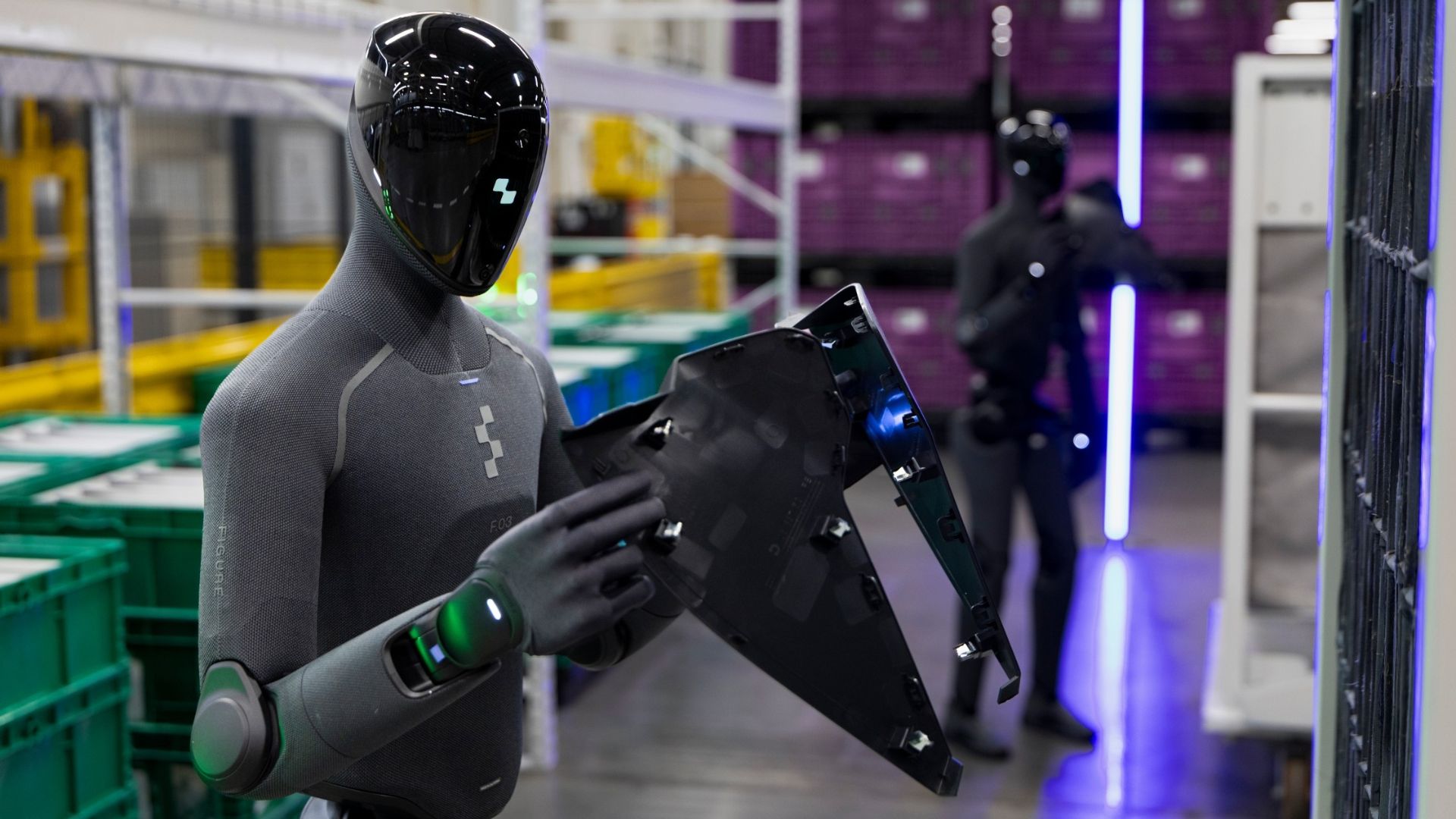
BMW’s smart factory in US gets Figure 03 humanoid robot for advanced logistics work
BMW Group has enhanced its manufacturing processes by integrating next-generation Physical AI technologies. This initiative, announced recently, aims to improve efficiency and precision in production lines. The implementation of these advanced AI systems is taking place at various BMW facilities worldwide, reflecting the company's commitment to innovation and modernization in the automotive industry. By leveraging Physical AI, BMW seeks to streamline operations, reduce costs, and enhance product quality, ultimately responding to the growing demand for smarter manufacturing solutions. The integration process involves upgrading existing machinery and training staff to work alongside AI systems, ensuring a seamless transition into this new era of manufacturing.
AI and Robotics
Mercedes-Benz reportedly expands job cuts in China to R&D and manufacturing
Beijing Mercedes-Benz Sales & Service Co. is set to significantly reduce its workforce from approximately 900 employees to fewer than 600. This decision involves two rounds of workforce adjustments, with around 10% of the reductions already implemented. This restructuring is part of a broader trend within Mercedes-Benz, which has been optimizing personnel across various business units in China since 2025. The company aims to streamline operations and enhance efficiency in response to evolving market conditions.
News Feed
Liquid AI's smallest model yet LFM2.5-230M beats models 4X its size at data extraction, can run 'anywhere'
Liquid AI, a company founded by former MIT computer scientists, has unveiled its latest AI language model, LFM2.5-230M, which is designed for efficient data extraction and local deployment on devices such as smartphones and laptops. Released today, this 230-million-parameter model is noted for its ability to run on various hardware platforms, outperforming larger models like Alibaba's Qwen3.5 and Google's Gemma 3 in specific benchmarks. Targeting developers and engineers, LFM2.5-230M operates under a dual-use commercial license, allowing free access for individuals and companies with annual revenues below $10 million, while larger enterprises must secure a paid agreement. The model distinguishes itself by utilizing the LFM2 architecture, enabling high inference speeds with a minimal memory footprint, making it suitable for edge computing. Liquid AI's launch reflects a broader industry shift towards architectural efficiency rather than sheer parameter counts, as major AI firms focus on models with hundreds of billions of parameters. The LFM2.5-230M is specifically tailored for lightweight data extraction tasks, allowing businesses to automate processes without relying on costly cloud services. In practical applications, the model has been successfully deployed in a humanoid robot, demonstrating its capability to process complex commands efficiently. Available immediately on platforms like Hugging Face, LFM2.5-230M aims to revolutionize how enterprises manage data extraction, moving away from traditional, rigid systems to more adaptable AI-driven solutions.
Technology
Hirebotics offers no-code, explosion-proof cobot for painting
Hirebotics has introduced a new no-code, explosion-proof collaborative robot (cobot) designed specifically for stationary painting applications. This innovative technology allows parts to be placed in a designated paint booth, where the cobot autonomously handles all spraying operations. The development aims to enhance safety and efficiency in industrial painting processes, providing manufacturers with a reliable solution that minimizes the risk of explosions while simplifying the operation through its no-code interface. This advancement reflects Hirebotics' commitment to improving automation in the manufacturing sector, making it easier for companies to adopt robotic solutions without extensive programming knowledge.
Arms / Manipulators Artificial Intelligence / Cognition Automotive Cobot Arms Collaborative Robots Design / Development
Robust.AI chooses Aptiv PULSE sensor for Gen 3 Carter mobile robot
Robust.AI has selected Aptiv's PULSE sensor for its third-generation Carter mobile robot, enhancing the robot's ability to navigate safely around people. This collaboration leverages Aptiv's advanced sensor fusion technology, which integrates radar and vision systems powered by artificial intelligence. The integration aims to improve the operational safety and efficiency of the Carter robot in various environments. This development marks a significant step forward in the robotics industry, as it addresses the growing need for autonomous systems to operate safely in human-populated spaces.
Autonomous Mobile Robots (AMRs) Collaborative Robots Logistics Manufacturing Mobility / Navigation News
Omnidirectional Mobile Robotics: Foundations, Advantages, and Industrial Applications
In response to the increasing demands for agile workflows and optimized operational efficiency in industrial applications, businesses are increasingly turning to omnidirectional mobile robotics. This technology is recognized as a crucial strategic investment for enhancing productivity and ensuring millimeter precision in coupling operations. As industries evolve and seek to streamline processes, the integration of these advanced robotics is becoming essential for maintaining competitive advantage. The trend reflects a broader shift towards automation and innovation in the manufacturing sector, highlighting the importance of adapting to modern operational needs.

Automated Online Investing: How Technology Helps You Build Wealth Passively
Automated online investing is revolutionizing wealth-building strategies for individuals by streamlining the investment process. This innovative approach alleviates the burdens of manual tracking, trade timing, and emotional decision-making, allowing investors to depend on sophisticated systems that manage the majority of the work. As a result, more people are gaining access to investment opportunities, fostering a more inclusive financial landscape. This transformation, driven by advancements in technology and data analytics, is reshaping traditional investment practices and empowering individuals to grow their wealth with greater ease and efficiency.
Business Financials & Investments AI investing algorithmic investing artificial intelligence automated online investing
Mouser Expands Industrial Automation Portfolio with New Manufacturer Additions to Support Next-Gen Systems
A recent expansion initiative aims to enhance access to essential technologies in artificial intelligence, connectivity, power, control, and sensing. This development is crucial for fostering the integration of industrial environments, which are becoming increasingly interconnected. By broadening the availability of these key technological components, the initiative seeks to support industries in adapting to modern demands and improving operational efficiency. The move is expected to facilitate innovation and growth across various sectors, positioning them to better meet the challenges of a rapidly evolving technological landscape.

UCF-led virtual experience research accelerator achieves initial milestones for XR science
An international research consortium, spearheaded by the University of Central Florida (UCF), has unveiled two groundbreaking advancements in renewable energy technology. This announcement was made during a press conference held on October 15, 2023, at the UCF campus in Orlando. The consortium, which includes experts from various institutions across the globe, aims to address the urgent need for sustainable energy solutions in response to climate change and rising global energy demands. The first innovation involves a new type of solar panel that significantly increases energy conversion efficiency, making solar power more viable for widespread use. The second breakthrough focuses on an advanced energy storage system that allows for more efficient and reliable storage of renewable energy, addressing one of the key challenges in the transition to sustainable energy sources. These developments are expected to play a crucial role in reducing carbon emissions and promoting the use of clean energy. By leveraging cutting-edge research and collaboration among leading scientists and engineers, the consortium hopes to accelerate the adoption of renewable energy technologies worldwide. The project exemplifies a commitment to innovation and sustainability, aiming to contribute to a greener future for generations to come.
AI and Robotics
Microsoft lifts price of Xbox consoles due to soaring component costs
Microsoft has announced a price increase for its Xbox game consoles, a decision that follows a similar move by Apple, which recently raised prices for its MacBooks and iPads. The timing of Microsoft's announcement aligns closely with Apple's adjustments, suggesting a broader trend in the tech industry regarding pricing strategies. This decision is likely driven by rising production costs and market dynamics, as companies seek to maintain profit margins amid economic pressures. The price hikes are expected to take effect in the coming weeks, impacting consumers looking to purchase new gaming hardware. As both tech giants navigate these changes, the implications for consumers and the competitive landscape in the gaming and electronics markets remain to be seen.

OpenAI's updated GPT-5.5 Instant is better at shopping, complex constraints, and understanding user intent — and it's already in the API
OpenAI has announced an update to its popular language model, GPT-5.5 Instant, which is now the default for free ChatGPT users. The upgrade, revealed on June 24, enhances the model's ability to understand user intent and adapt responses, particularly in complex scenarios like shopping and local recommendations. This update follows the model's initial release in early May 2026, which aimed to address factual inaccuracies and improve conversational quality. The latest version is being rolled out first to paid subscribers, with free users gaining access shortly thereafter. While OpenAI has not provided specific performance benchmarks, the company claims significant improvements in handling multi-part instructions and contextual awareness. This is expected to make ChatGPT more effective for everyday tasks, such as planning trips or comparing products. For developers, the updated model can be accessed through OpenAI's chat-latest API alias, which points to the latest Instant model. However, OpenAI continues to recommend the separate gpt-5.5 model for production use. The update reflects a shift towards more intuitive AI systems capable of better inferring user goals and maintaining context across interactions, marking a significant step forward in generative AI technology.
Technology
Tesla and Waymo duel in the robotaxi race — but the company spending the most builds no cars at all
Tesla and Waymo are competing in the rapidly evolving robotaxi market, with Tesla focusing on its own fleet of autonomous vehicles while Waymo continues to expand its ride-hailing services. As of spring 2026, Tesla has deployed approximately 20 driverless Model Y vehicles in Texas cities like Austin, Dallas, and Houston, but its ambitious Cybercab project is still in the early stages of production, with significant revenue not expected until 2027. Meanwhile, Waymo has achieved a notable milestone with half a million weekly rides, highlighting the disparity in progress between the two companies. Investors are increasingly scrutinizing the financial viability of these ventures, as both Tesla and Uber, which is pursuing a different strategy by investing in autonomous technology rather than owning the vehicles, have made substantial commitments to self-driving initiatives. Uber recently invested nearly $500 million in the startup Nuro, aiming to integrate autonomous taxis into its network. This investment is part of a broader strategy that includes partnerships with various companies to deploy thousands of autonomous vehicles in the coming years. As the market evolves, the competition between Tesla's vertically integrated approach and Uber's model of leveraging partnerships raises questions about the future of robotaxis and the potential for profitability in this emerging sector. With both companies facing challenges and delays, the race for dominance in the robotaxi space is far from over.

RoboScience launches Visics, a versatile embodied model for cross-ontology, cross-object, and cross-task applications.
On June 24, RoboScience, a company specializing in embodied intelligence, unveiled its self-developed Visics large model, introducing the innovative VLOA (Vision-Language-Object-Action) architecture. This announcement marks a significant advancement in the field, demonstrating the model's applications in real-world scenarios such as furniture assembly, dexterous grasping, and dynamic assembly lines. The current landscape of embodied intelligence lacks a universally accepted foundational representation unit, which hampers data collection, model learning, and the transfer of knowledge to new contexts. Traditionally, models have focused on replicating specific robotic movements tied to particular tasks, limiting their adaptability to new robots, objects, or environments. Founder and CEO Tian Ye highlighted three major challenges in robotic operations: poor generalization, difficulty in precise manipulation, and cumulative errors in long-range tasks. To address these issues, RoboScience has developed a new foundational representation unit from the ground up. The Visics model employs a dual-engine architecture, consisting of an embodied world model and a universal operation model, each operating independently. The embodied world model utilizes vast amounts of internet video data to learn the physical dynamics of objects, while the operation model translates object trajectories into actionable commands for robots. This layered design enhances the model's generalization capabilities across various robotic platforms and tasks. RoboScience's innovative approach also includes a high-precision simulation engine, RoboMirage, which, combined with automated video data annotation, significantly reduces data acquisition costs. The company aims to build a comprehensive dataset of over 1 terabyte of high-quality manipulation trajectories by 2026. Since its inception, RoboScience has garnered support from multiple investors and established research and production centers in major Chinese cities. The company plans to collaborate with various sectors, including retail and logistics, to standardize robotic products for industrial and commercial applications by the end of this year.

Beyond the Drone: Percepto’s New Platform Brings AI to Infrastructure Inspections
Percepto has unveiled its next-generation inspection software at the InnovateEnergy Week conference, which is currently taking place in The Woodlands, Texas. This new platform aims to enhance the capabilities of energy companies, particularly in the oil, gas, and electric utility sectors, by providing actionable data that is crucial for their operations. The launch reflects the industry's growing need for advanced technology to optimize infrastructure inspections and improve efficiency. By integrating artificial intelligence into their inspection processes, Percepto seeks to revolutionize how companies manage and analyze their energy resources, ultimately supporting their production goals.
Applications Drone News Drone News Feeds Drones in the News Energy infrastructure
Trump admin proposes axing brake-pedal requirement for AVs in a boost for Tesla
The Department of Transportation has proposed a significant regulatory change that would eliminate the requirement for brake pedals in vehicles intended solely for operation by automated driving systems. This initiative aims to streamline the design of autonomous vehicles, potentially accelerating their development and deployment. The announcement comes as part of ongoing efforts to adapt existing transportation regulations to better accommodate advancements in technology. By removing the brake-pedal requirement, the Department seeks to encourage innovation in the automotive industry and enhance the safety and efficiency of future transportation solutions. The proposal is currently under review, with stakeholders from various sectors invited to provide feedback on the implications of this change.
Government & Policy Transportation autonomous vehicles robotaxis Tesla zoox
Robotic Process Automation in 2026: A Buyer’s Guide for Procurement Teams
Over the past decade, the landscape of Robotic Process Automation (RPA) has evolved significantly. Initially characterized by basic screen-scraping bots that mimicked human interactions with legacy desktop applications, the technology has now advanced to include both attended and unattended bots. These modern bots are capable of managing user interface tasks within various enterprise systems such as ERP and CRM platforms, as well as billing tools that organizations are reluctant to phase out. As of October 2023, RPA has shifted towards an API-first approach, enabling more sophisticated orchestration that directly integrates with cloud services at various integration points. This transformation reflects the growing demand for automation solutions that enhance efficiency and streamline operations across industries. The shift not only highlights the technological advancements in RPA but also underscores the necessity for businesses to adapt to changing digital landscapes in order to remain competitive.
Automation Business Digital Automation ai agents automation anywhere automation news
This $5 Billion Startup Is Putting Humanoid Robots To Work
A $5 billion startup is deploying humanoid robots in Texas, marking a significant step towards a machine-powered future. This initiative, detailed by journalist Joshua Brustein, showcases the startup's ambition to integrate advanced robotics into various sectors, potentially transforming industries and labor dynamics. The move comes amid growing interest in automation and artificial intelligence, as businesses seek innovative solutions to enhance productivity and efficiency. By leveraging cutting-edge technology, the startup aims to address labor shortages and streamline operations, indicating a shift in how work may be conducted in the coming years. The deployment of these robots in Texas serves as a pilot for broader applications, reflecting the increasing acceptance of robotics in everyday tasks.

New ceramic solid-state battery for military, aerospace tech survives 302°F heat
A research team from Tsinghua University in China has successfully developed a compact, all-ceramic solid-state lithium-ion battery. This innovative battery design aims to enhance safety and efficiency in energy storage solutions. The announcement was made recently, highlighting the potential of this technology to address common issues associated with traditional lithium-ion batteries, such as flammability and limited lifespan. By utilizing an all-ceramic structure, the researchers believe they can significantly improve the performance and stability of batteries, making them more suitable for various applications, including electric vehicles and portable electronics. The team's work represents a significant advancement in battery technology, driven by the growing demand for safer and more efficient energy storage options in an increasingly electrified world.
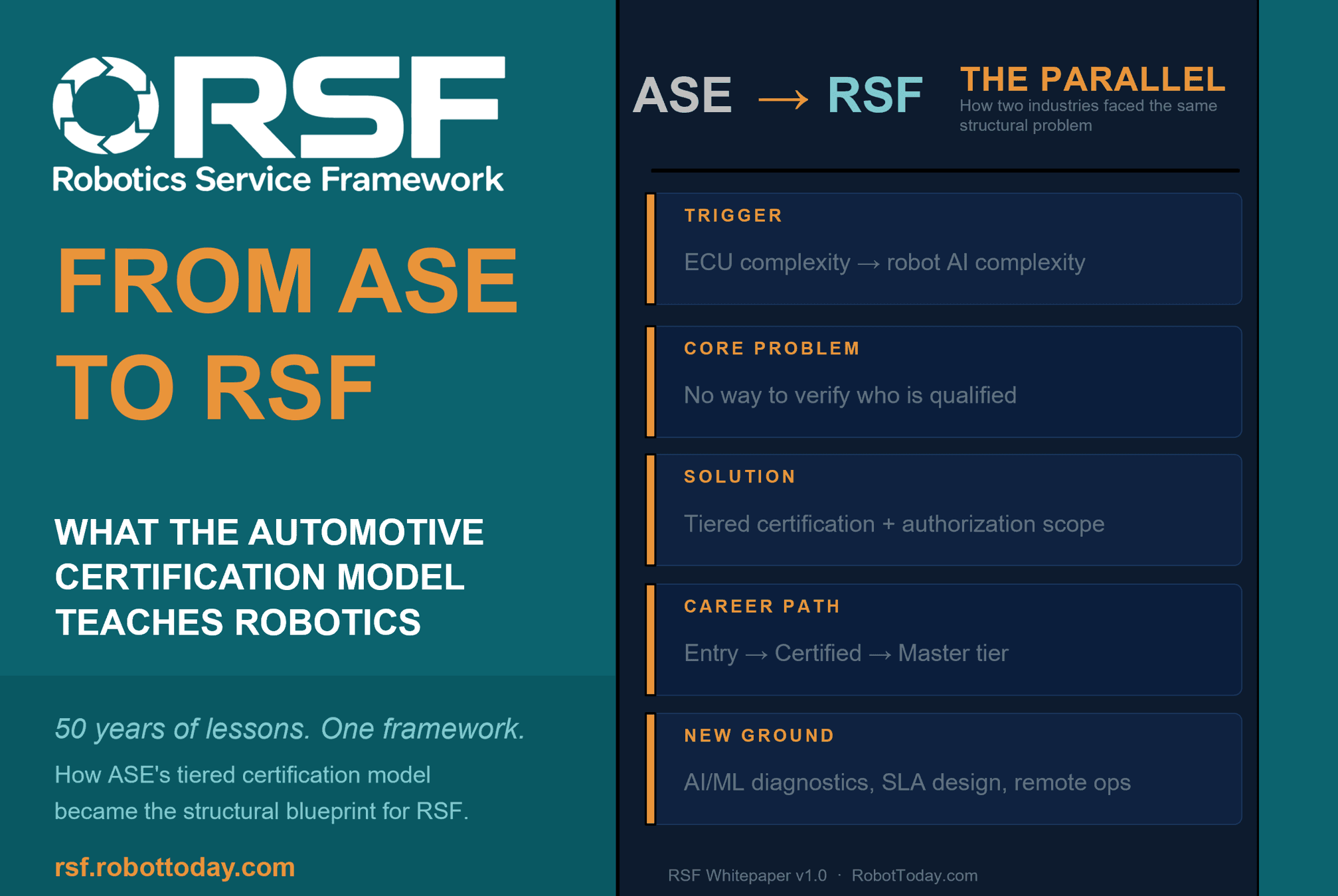
EnergyRobotics needs a service framework.
RSF defines a common language for robot service capability, lifecycle operations, certification pathways, and service-provider networks.