

Industry Briefing
A single destination for timely, editor-curated robotics news from around the world.
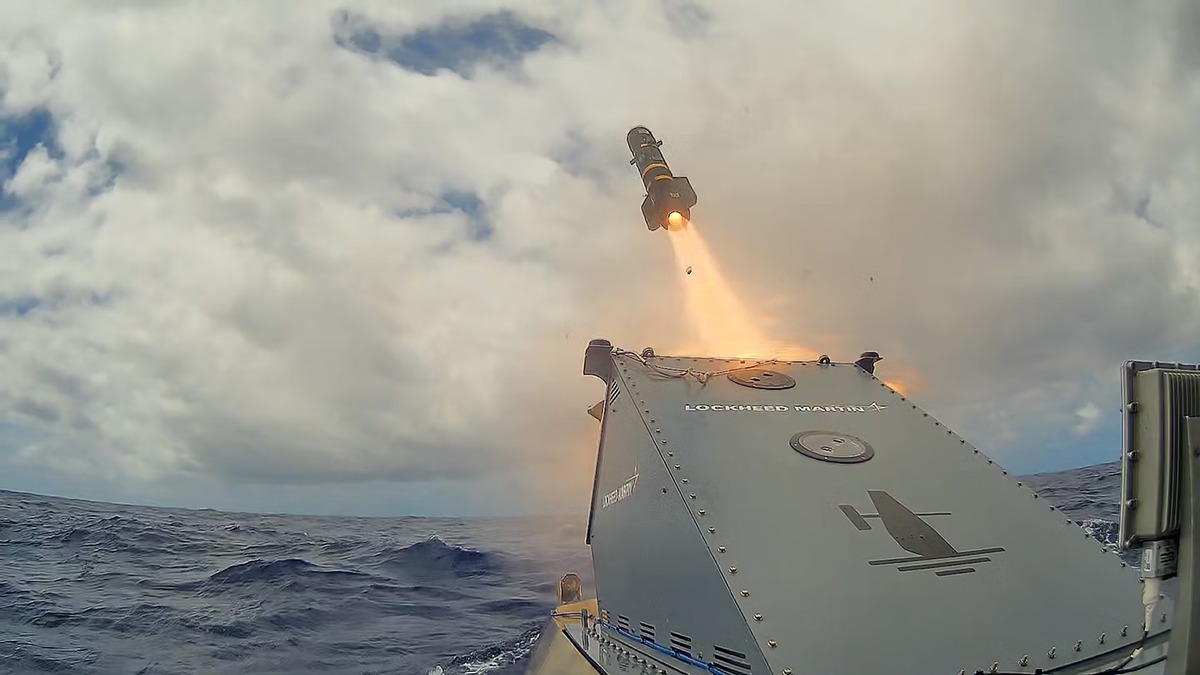
Saildrone and Lockheed Martin Enhance Autonomous Naval Warfare with RIMPAC Missile Launch
Saildrone successfully executed two Joint Air-to-Ground Missile launches from its Surveyor unmanned surface vehicle (USV) during the US Navy's Rim of the Pacific (RIMPAC) exercise. This marks a significant milestone as it is the first-ever missile launch from a Saildrone USV, showcasing the integration of Saildrone's technology with Lockheed Martin's missile capabilities. The demonstration is crucial as it highlights the potential of autonomous systems in modern naval warfare, allowing for extended operational capabilities in contested environments. The collaboration between Saildrone and Lockheed Martin, initiated in October 2025, aims to enhance the operational readiness of unmanned platforms, providing commanders with the necessary tools to project power effectively. Looking ahead, Saildrone plans to further develop its platform capabilities to meet evolving military requirements. The successful integration of electronic warfare sensors during the RIMPAC exercise also indicates the potential for future enhancements in autonomous naval operations. No further timeline was disclosed at the time of publication.
saildrone lockheed martin autonomous naval warfare rimpac demonstration usv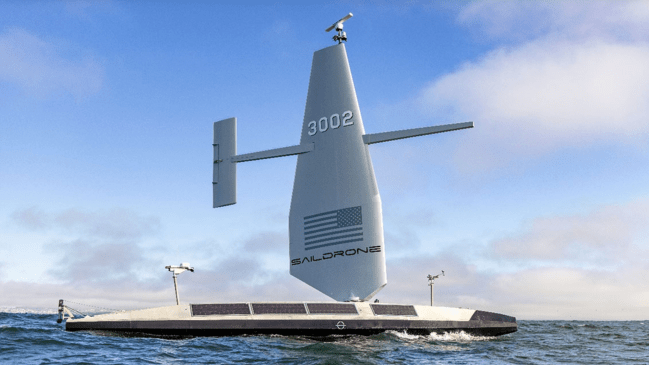
Lockheed Martin and Saildrone Test Missile System on Unmanned Vessel During RIMPAC 2026
Lockheed Martin and Saildrone successfully demonstrated missile launches from an unmanned surface vessel during the RIMPAC 2026 exercise near Hawaii. This integration of Lockheed Martin’s Joint-Air-to-Ground Missile (JAGM) Dual Launcher and Adjunct Remote Engagement System (ARES) on a Surveyor-class Saildrone marks a significant advancement in adapting commercial autonomous platforms for military applications. The demonstration highlights the potential for unmanned vessels to operate alongside traditional naval forces, as evidenced by the vessel's engagement with a surrogate high-speed surface craft while coordinating with the USS Theodore Roosevelt Carrier Strike Group. The rapid development of this system, from concept to live demonstration in just six months, underscores the efficiency of integrating existing defense technologies with commercial platforms. Looking ahead, both companies plan to expand testing capabilities on Saildrone platforms, including the larger Spectre-class vessel. This initiative aims to enhance the operational use of unmanned systems in naval missions, with a focus on integrating advanced weaponry and reducing technical risks associated with deploying new military technologies.
Military
L3Harris Secures Contracts with DOD and Lockheed Martin to Enhance Missile Component Production
L3Harris has secured new contracts with the Department of Defense (DOD) and Lockheed Martin to expand its production capabilities for missile components. This includes the solid rocket boost motors for the THAAD interceptor, manufactured at facilities in Huntsville, Alabama, and Camden, Arkansas, as well as the Liquid Divert and Attitude Control Systems produced in Los Angeles. These contracts are significant as they build on previous agreements awarded to major defense contractors like Lockheed Martin, Boeing, and Honeywell Aerospace. The PAC-3 missile system, crucial for the U.S. Army, is also part of this expansion, with Lockheed Martin receiving a $4.7 billion contract to increase production, which includes the Attitude Control Motors and Lethality Enhancer solid rocket motors. Looking ahead, L3Harris is investing billions to enhance its manufacturing capabilities, including the establishment of a new advanced propulsion campus in Virginia and the expansion of its PAC-3 campus in Camden. The company is also working on integrating advanced manufacturing technologies, such as AI-driven automated inspection systems, to meet the growing demand from the Pentagon.
Lockheed Martin and Leonardo to Consider C-130J MRO Services Expansion in MENA Region
Lockheed Martin and Leonardo have reached an agreement to explore the expansion of maintenance, repair, and overhaul (MRO) services for the C-130J Super Hercules aircraft. This initiative aims to enhance support for the C-130J fleet across the Middle East and North Africa (MENA) region. The collaboration between Lockheed Martin and Leonardo is significant as it addresses the growing demand for efficient MRO services in the MENA region, ensuring that the C-130J Super Hercules can maintain operational readiness. This move reflects the companies' commitment to providing high-quality support and services to their customers in the region. As discussions progress, stakeholders will be keen to observe the outcomes of this partnership and any potential developments regarding the establishment of MRO facilities. No further timeline was disclosed at the time of publication.
News
Lockheed Martin and Venus Aerospace Collaborate on Advancing RDRE Rocket Technology
Lockheed Martin has entered into a joint technology development agreement with Venus Aerospace to explore and enhance Rotating Detonation Rocket Engine (RDRE) technology. This collaboration aims to support the development of future long-range precision fires systems. The partnership is significant as it focuses on advancing rocket technology that could improve the efficiency and effectiveness of military operations. RDRE technology is known for its potential to provide higher performance and reduced fuel consumption, making it a critical area of research for defense applications. Looking ahead, stakeholders will be keen to monitor the progress of this collaboration and its implications for future military capabilities. No further timeline was disclosed at the time of publication.
News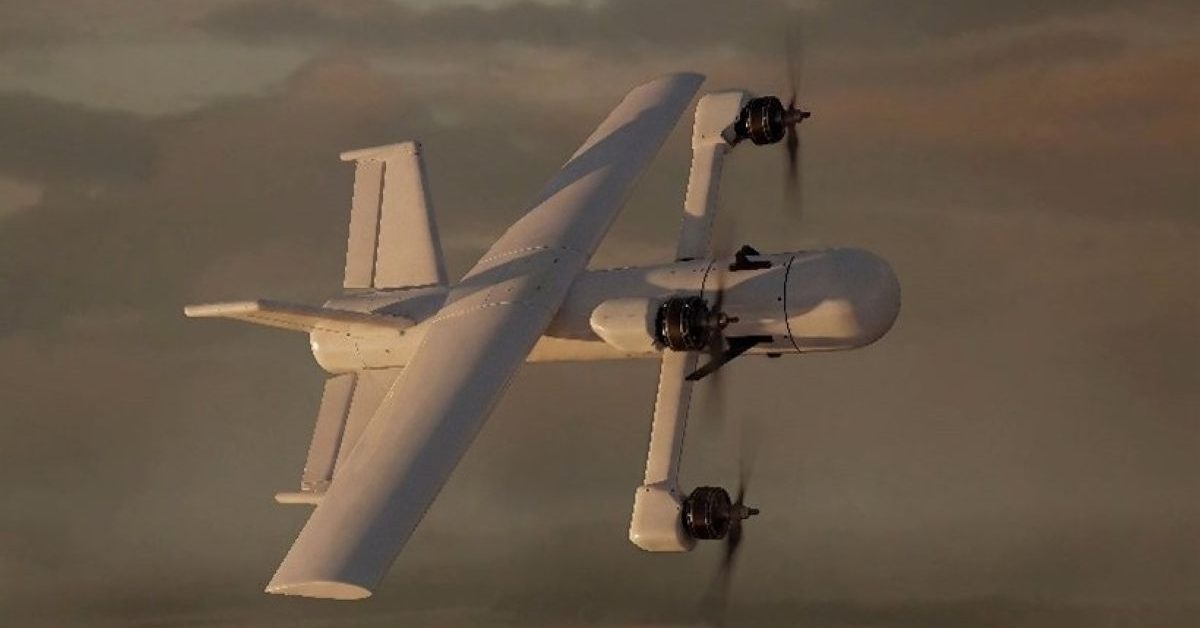
Lockheed Martin Introduces MORFIUS X-Rotor to Neutralize Over 50 Drones in Flight
Lockheed Martin has unveiled the MORFIUS X-Rotor, an airborne counter-drone system designed to neutralize over 50 hostile drones in a single flight using high-power microwave technology. This innovative approach aims to address the growing challenge of drone swarms faced by militaries worldwide, offering a cost-effective alternative to traditional missile systems. The significance of MORFIUS X-Rotor lies in its ability to disrupt the electronics of multiple drones simultaneously, making it particularly effective against coordinated drone attacks. The system is reusable and integrates seamlessly into existing defense networks, which is crucial for military operations seeking affordable solutions against inexpensive commercial drones. Looking ahead, Lockheed Martin is ramping up prototype production and preparing for additional flight tests to validate the system's capabilities. The MORFIUS X-Rotor aligns with the US Department of Defense’s Rapid Response Counter-UAS Roadmap, emphasizing the need for scalable counter-drone solutions. Future testing will determine the system's effectiveness in operational environments.
News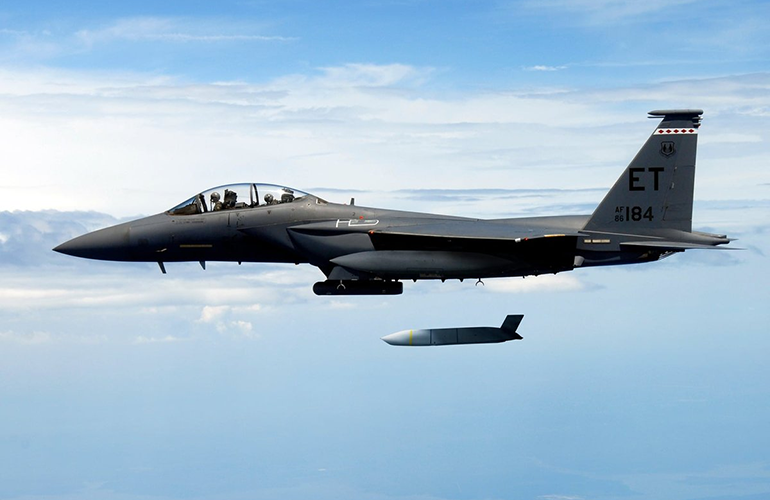
Machina Secures Contract with Lockheed Martin for JASSM Missile Parts Production
Machina Labs has received a qualification contract from Lockheed Martin to support the Joint Air-to-Surface Standoff Missile (JASSM) program. This contract marks a significant milestone as it is the first instance of a component produced using Machina's robotic 'RoboForming' technology qualifying for a U.S. defense missile system. The importance of this contract lies in addressing the production constraints faced by missile programs, as highlighted by Machina's CEO Edward Mehr. The company's advanced manufacturing capabilities allow for the rapid formation and assembly of complex metal structures, which is crucial for meeting the demands of defense readiness and enhancing production speed. Looking ahead, Machina is set to open its new facility, Factory 3, dedicated to producing defense systems. This 200,000-square-foot facility will house up to 50 RoboCraftsman cells, enabling high-rate production of mission-critical components for the JASSM program and potentially other defense initiatives. No further timeline was disclosed at the time of publication.
6-Axis Aerospace Defense / Security Manufacturing News Lockheed Martin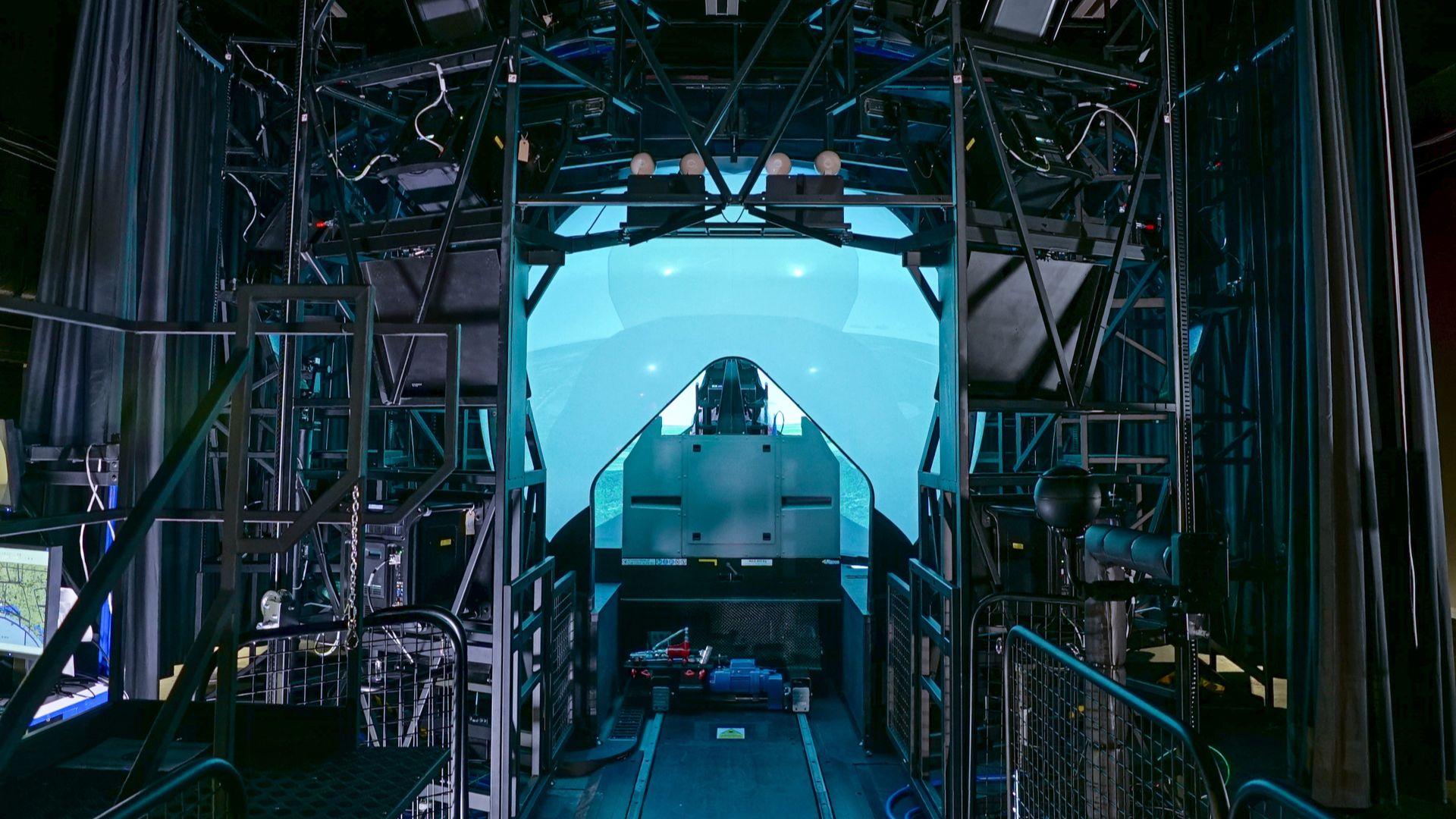
Lockheed Martin Connects 16 F-35 Simulators for Distributed Combat Training Exercise
Lockheed Martin successfully connected 16 F-35 full mission simulators across four military bases for a two-hour distributed mission rehearsal. This exercise integrated F-18 simulators and an E-2D Hawkeye controller from a fifth location, testing the coordination of crews stationed thousands of miles apart during a simulated multidomain operation. The significance of this event lies in its demonstration of how geographically separated units can effectively train together without relocating personnel or aircraft. By maintaining command-and-control links, the participating sites achieved all training objectives, showcasing the capability of U.S. Marine Corps and U.S. Navy units to collaborate in a shared operational picture. Looking ahead, the success of this exercise highlights the potential for future distributed training formats, allowing military units to rehearse complex missions across vast distances. No further timeline was disclosed at the time of publication.
Military
Lockheed Martin Expands Investment in Vectis Stealth Drone with Five Prototypes Planned
Lockheed Martin has announced plans to develop five prototypes of the Vectis stealth drone, with the inaugural flight scheduled for 2027. This initiative underscores Lockheed's commitment to advancing stealth technology and enhancing its capabilities in unmanned aerial systems. The Vectis project is part of Lockheed's broader strategy to innovate within its Skunk Works division, known for pioneering advanced aerospace technologies. As the development progresses, industry stakeholders will be keen to monitor the Vectis program's milestones and its potential impact on future defense applications. No further timeline was disclosed at the time of publication.
Air Warfare AFA 2026 Air Force Business & Industry collaborative combat aircraft Drones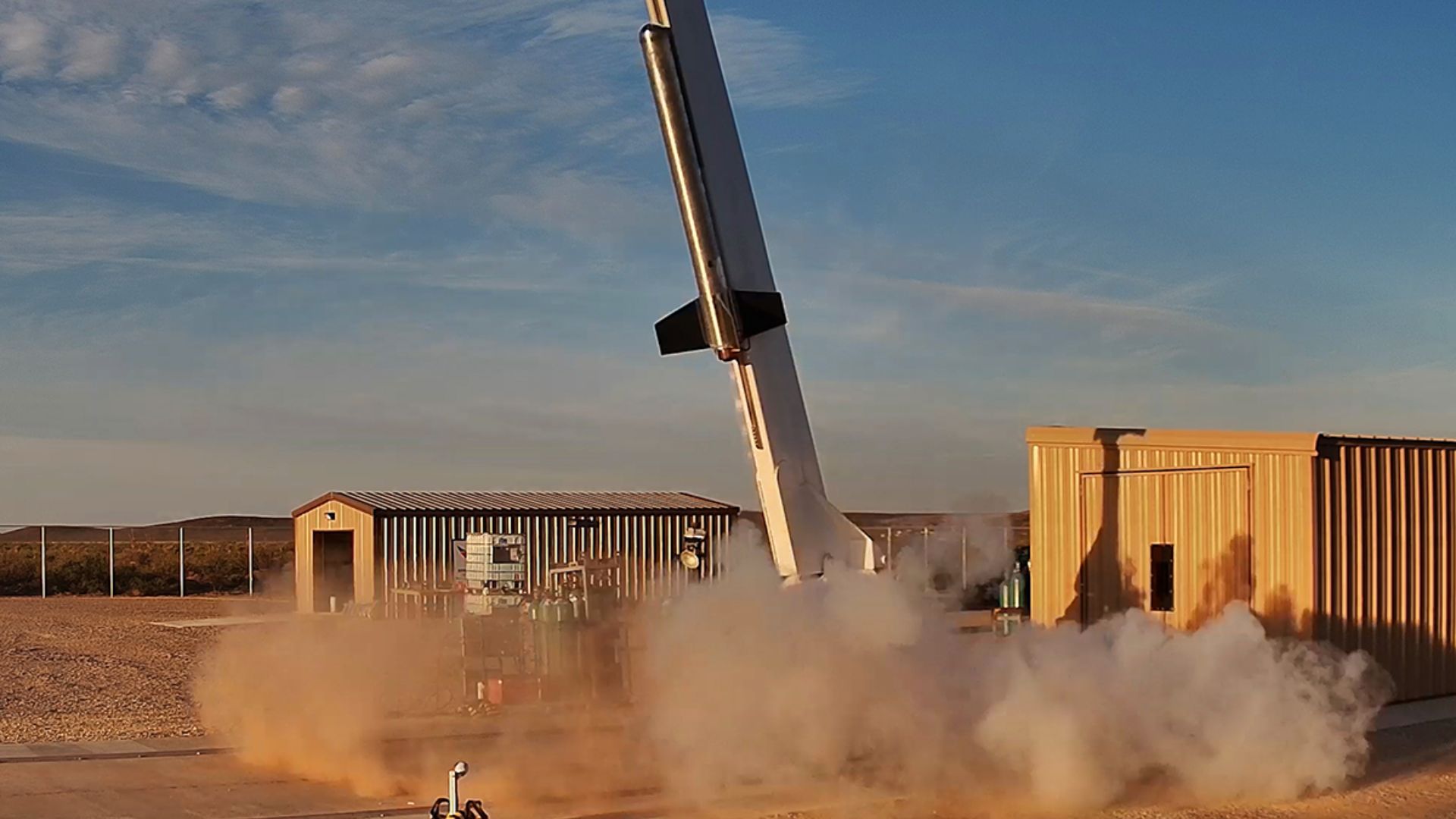
Lockheed Martin and Venus Aerospace Collaborate on Rotating Detonation Rocket Engines for Enhanced Missile Capabilities
Lockheed Martin has partnered with Venus Aerospace to adapt Rotating Detonation Rocket Engine (RDRE) technology for military applications, specifically targeting long-range precision strikes. This collaboration aims to transition RDRE from experimental phases to standardized missile platforms, enhancing speed and range while meeting the Army's production needs. The significance of this partnership lies in its potential to revolutionize missile design and capabilities. By utilizing RDRE technology, the companies aim to develop systems that achieve greater operational flexibility and efficiency, addressing the increasing demand for advanced defense solutions that can respond to emerging threats. Looking ahead, the focus will be on assessing how RDRE can support next-generation precision fires capabilities. No further timeline was disclosed at the time of publication.
Military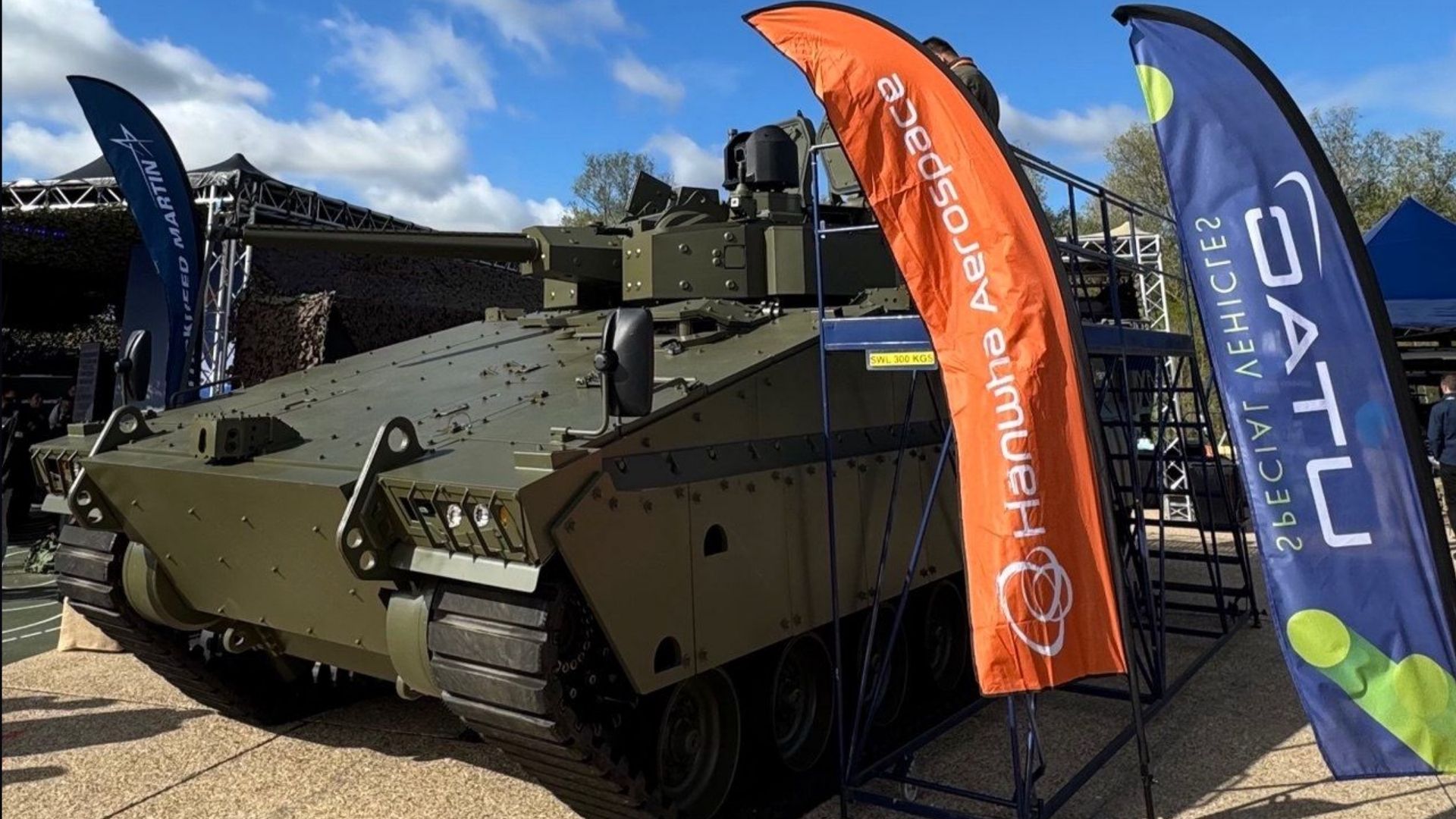
Hanwha Aerospace and Lockheed Martin UK Introduce Enhanced Redback IFV with 40mm Turret
Hanwha Aerospace and Lockheed Martin UK have launched a new version of the Redback infantry fighting vehicle (IFV), featuring a British-built 40mm turret and counter-drone technology. This configuration was showcased at Defense Vehicle Dynamics 2026 in Millbrook, England, aimed at NATO countries looking to modernize their armored forces. The upgraded Redback retains its tracked hull but replaces the Australian-selected configuration with Lockheed Martin UK's crewed turret, which is equipped with a CTA International 40mm cannon. This change allows access to a variety of NATO-qualified ammunition, enhancing the vehicle's operational flexibility. The integration of Lockheed Martin UK's SkyKeeper command-and-control system further enables the Redback to perform dual roles in both conventional infantry fighting and counter-uncrewed aircraft systems operations. Looking ahead, Hanwha plans to conduct live demonstrations of the new Redback configuration in 2027, including events in Canada and South Korea. This initiative reflects the evolving battlefield landscape, where armored units must address aerial threats alongside traditional ground targets. No further timeline was disclosed at the time of publication.
Military
Lockheed Martin Reveals New Details on Vectis Collaborative Combat Aircraft Design
Lockheed Martin's Skunk Works has unveiled new information about its Vectis Collaborative Combat Aircraft (CCA), emphasizing its advanced stealth features. The aircraft boasts a unique submerged air inlet design that enhances survivability, setting it apart from other CCA models. With a length of approximately 34 feet and a wingspan of around 38 feet, Vectis is designed to meet diverse mission requirements, with prototype construction already underway and plans for additional units. The significance of the Vectis lies in its innovative design and operational capabilities, particularly its focus on stealth and flexibility. The submerged air inlet configuration is intended to reduce drag and improve performance, which is crucial for missions in challenging environments. Lockheed Martin's commitment to developing a tailless drone reflects a strategic move towards enhancing the survivability of future combat operations. Looking ahead, the first prototype of Vectis is expected to take flight by the end of next year, with four more prototypes planned. As the Air Force continues to emphasize Agile Combat Employment, the Vectis may play a vital role in future military operations, adapting to various mission needs while maintaining low observability.
News & Features Air Collaborative Combat Aircraft Drones Loyal Wingman Unmanned
Lockheed Martin Unveils MORFIUS: A Drone Capable of Neutralizing Adversary Drones
Lockheed Martin has introduced the MORFIUS X-Rotor, a counter-UAS system designed to neutralize over 50 adversary drones in a single sortie. This drone features a High Power Microwave (HPM) payload and a cross-wing configuration for vertical takeoff and landing, enabling field recovery and rapid reuse. The significance of MORFIUS lies in its ability to counter both individual drones and complex swarms, a growing concern on modern battlefields. Lockheed Martin's Jason Reynolds emphasized the system's potential to protect critical assets and sites, highlighting the increasing global demand for effective counter-UAS solutions. Looking ahead, Lockheed Martin has completed live-fire testing and is accelerating production to meet the rising interest in MORFIUS. No further timeline was disclosed at the time of publication.
News & Features Counter-Unmanned Aerial Vehicles (C-UAS) Drones Land
Lockheed Martin Enhances Decision Advantage for Warfighters with Advanced Missile Defense Systems
Lockheed Martin is addressing the urgent need for commanders to access trustworthy mission data instantaneously. In modern warfare, the ability to quickly interpret intelligence reports is critical, as every moment spent analyzing information can provide adversaries with an opportunity to act. The company is engineering decision advantage through integrated capabilities, ensuring that secure information translates into a tactical edge. The Space-Based Infrared System (SBIRS) has been a cornerstone of U.S. missile warning and tracking, showcasing Lockheed Martin's expertise in this domain. The introduction of the Next-Generation OPIR GEO (NGG) aims to enhance sensing capabilities against emerging threats, including hypersonic weapons. Built on the LM2100 Combat Bus™, NGG is designed for advanced survivability, ensuring that critical information is delivered where it is needed most. Lockheed Martin's Transport Layer satellites, utilizing the LM50 bus, are pivotal in providing secure, low-latency communications that facilitate rapid data distribution across the force. As the U.S. Space Force develops a Resilient Missile Warning/Missile Tracking layer in MEO, Lockheed Martin is competing for the Epoch 2 contract, demonstrating its commitment to advancing missile defense architecture and maintaining operational superiority.
Space Sponsored Post GEO Lockheed Martin Lockheed Martin Space MEO
Lockheed Martin's X-62A Achieves 27 Autonomous Intercepts Using Live Sensor Data
Lockheed Martin and the U.S. Air Force Test Pilot School have successfully conducted flight tests where an AI agent autonomously flew the X-62A fighter aircraft. Utilizing live sensor data, the AI executed 27 autonomous intercepts across eight sorties, marking a significant advancement in airborne autonomy systems. This achievement is crucial as it demonstrates the AI's capability to process real-time infrared search and track data, enhancing the operational effectiveness of military pilots. The integration of live sensor feeds allows the AI to make tactical decisions akin to those faced by human pilots during actual missions, potentially reducing pilot workload in complex scenarios. Looking ahead, the successful tests pave the way for future upgrades to the X-62A, including a Mission Systems Upgrade that will enhance integration between sensors and AI agents. This initiative reflects the U.S. military's strategy to incorporate AI as a supportive partner in air combat, improving response times and maneuver execution during critical operations.
AI and Robotics Military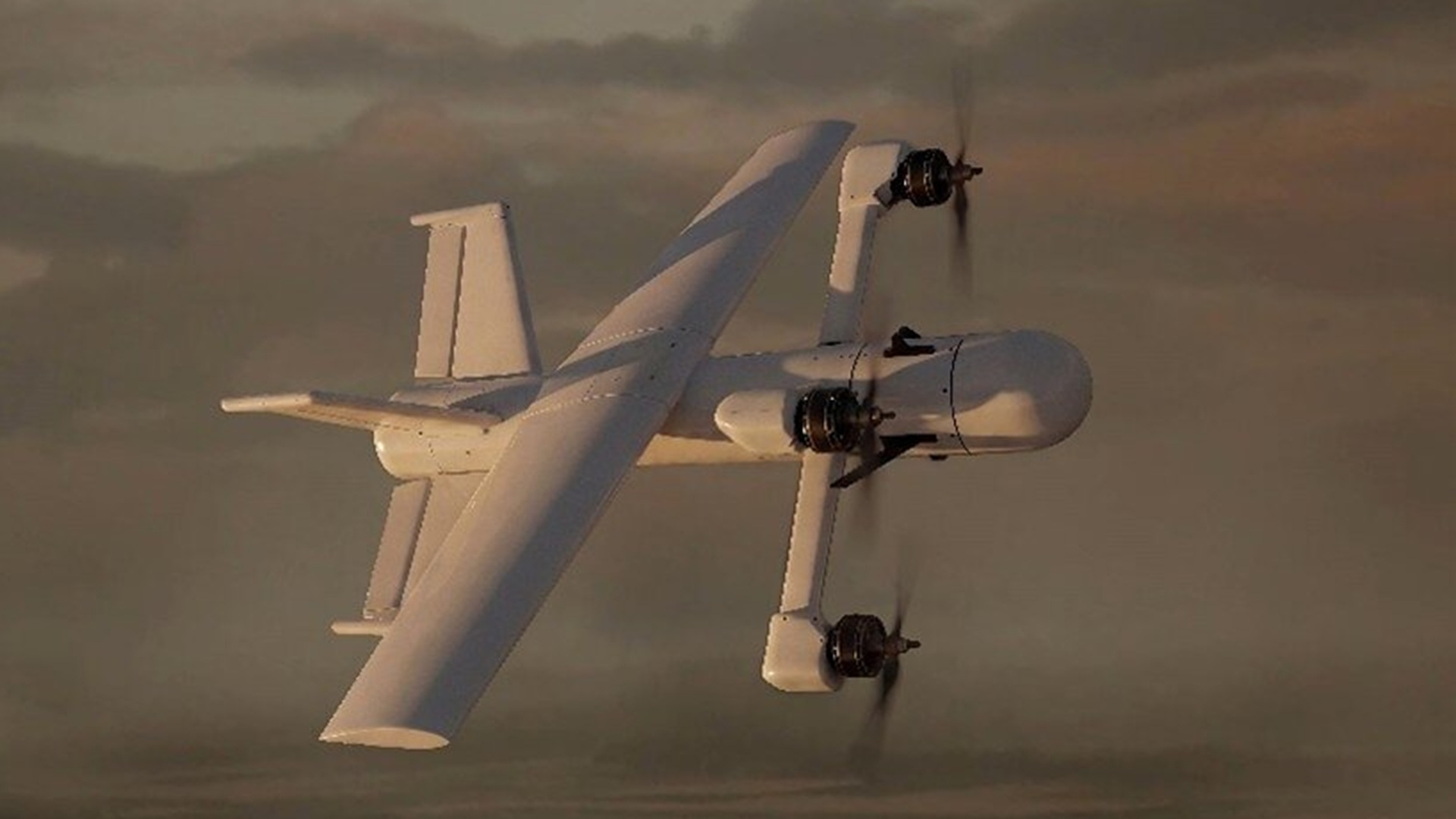
Lockheed Martin Launches Morfius X-rotor, a Reusable Microwave Drone Countermeasure
Lockheed Martin has introduced the Morfius X-rotor, a reusable airborne counter-drone system capable of neutralizing over 50 UAVs in a single mission. Utilizing high-power microwave technology, this system targets and disrupts the electronics of multiple drones simultaneously, making it effective against swarm attacks. The significance of the Morfius X-rotor lies in its ability to maintain low operational costs while delivering high kill rates. As drone swarms increasingly threaten modern military operations, this system offers a cost-effective solution that can be integrated with existing battlefield infrastructure, enhancing its deployment across various military units. Looking ahead, Lockheed Martin is expediting the production of the Morfius platform and its microwave payload, with plans for further flight demonstrations following successful tests in Arizona, California, and Oklahoma. The company aims to enhance the system's capabilities and readiness for deployment in diverse operational environments.
Military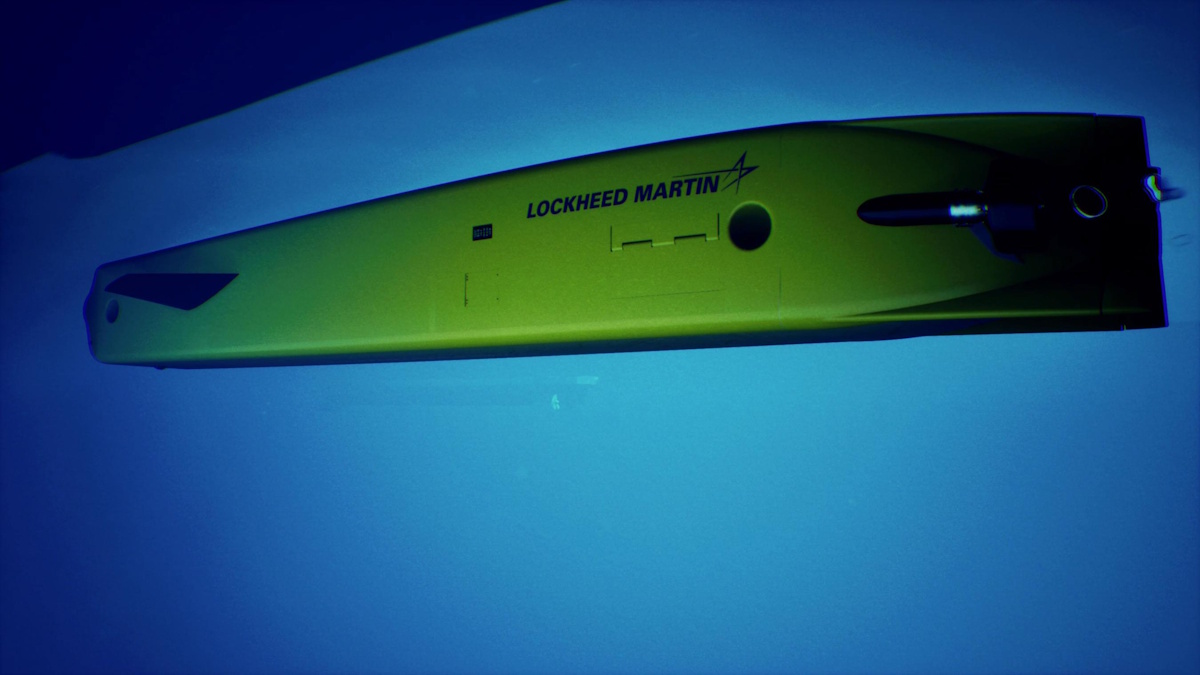
Lockheed Martin Unveils LampreyMMAUV – The Deep Doesn’t Let Go
Lockheed Martin has introduced the Lamprey Multi-Mission Autonomous Undersea Vehicle (MMAUV), a cutting-edge submersible designed to enhance the operational capabilities of U.S. and allied military forces. This innovative "plug-and-play" technology aims to provide a strategic advantage in increasingly competitive maritime environments. The unveiling took place today, showcasing the vehicle's potential to adapt to various missions and improve underwater warfare tactics. By integrating advanced systems, the Lamprey MMAUV is expected to play a crucial role in modern naval operations, addressing the evolving challenges faced by military personnel in maritime settings.
lockheed martin lampreymmauv
Bringing Firepower to the Fleet: Lockheed Martin Invests $50M in Saildrone to Advance Unmanned Surface Vehicle Capabilities for US Navy
Lockheed Martin has announced a significant investment of $50 million in Saildrone, Inc., aimed at enhancing the capabilities of unmanned surface vehicles (USVs). This partnership, revealed today, seeks to integrate advanced defense technology with Saildrone's proven USV systems, positioning them for military applications. The collaboration is expected to accelerate the development of these vehicles, equipping them with cutting-edge technology for all-domain defense operations. The investment underscores Lockheed Martin's commitment to advancing defense solutions and reflects the growing importance of innovative technologies in military strategy.
lockheed martin investment saildroneRobotics needs a service framework.
RSF defines a common language for robot service capability, lifecycle operations, certification pathways, and service-provider networks.
Join the RobotToday community on LinkedIn
Daily robotics news, in-depth analysis, conference highlights, and discussions with professionals worldwide.







