Industry Briefing
A single destination for timely, editor-curated robotics news from around the world.
Modeling and Simulation Approaches for Modern Power System Studies
A free webinar focused on power system modeling and simulation will take place soon, offering insights into various analytical techniques for energy professionals. Participants will learn to construct power system networks programmatically using standard data formats and configure models for specific engineering objectives. The session will cover workflows for quasi-static 8760-hour simulations on an IEEE 123-node distribution feeder, as well as electromagnetic transient (EMT) simulations on transmission system benchmarks, including generator trip dynamics. Attendees will also gain an understanding of comprehensive fault studies, learning how to systematically inject faults into a distribution system and utilize the resulting data to train machine-learning algorithms for automated fault detection and classification. Additionally, the webinar will address the integration of inverter-based resources (IBRs) into the grid, including techniques for frequency scanning and compliance testing for grid-forming converters against established interconnection standards. This event aims to equip energy professionals with the necessary skills and knowledge to enhance their modeling and simulation capabilities in the evolving landscape of power systems. Interested individuals are encouraged to register for the webinar to secure their participation.
Type-webinar Energy Power-system Emt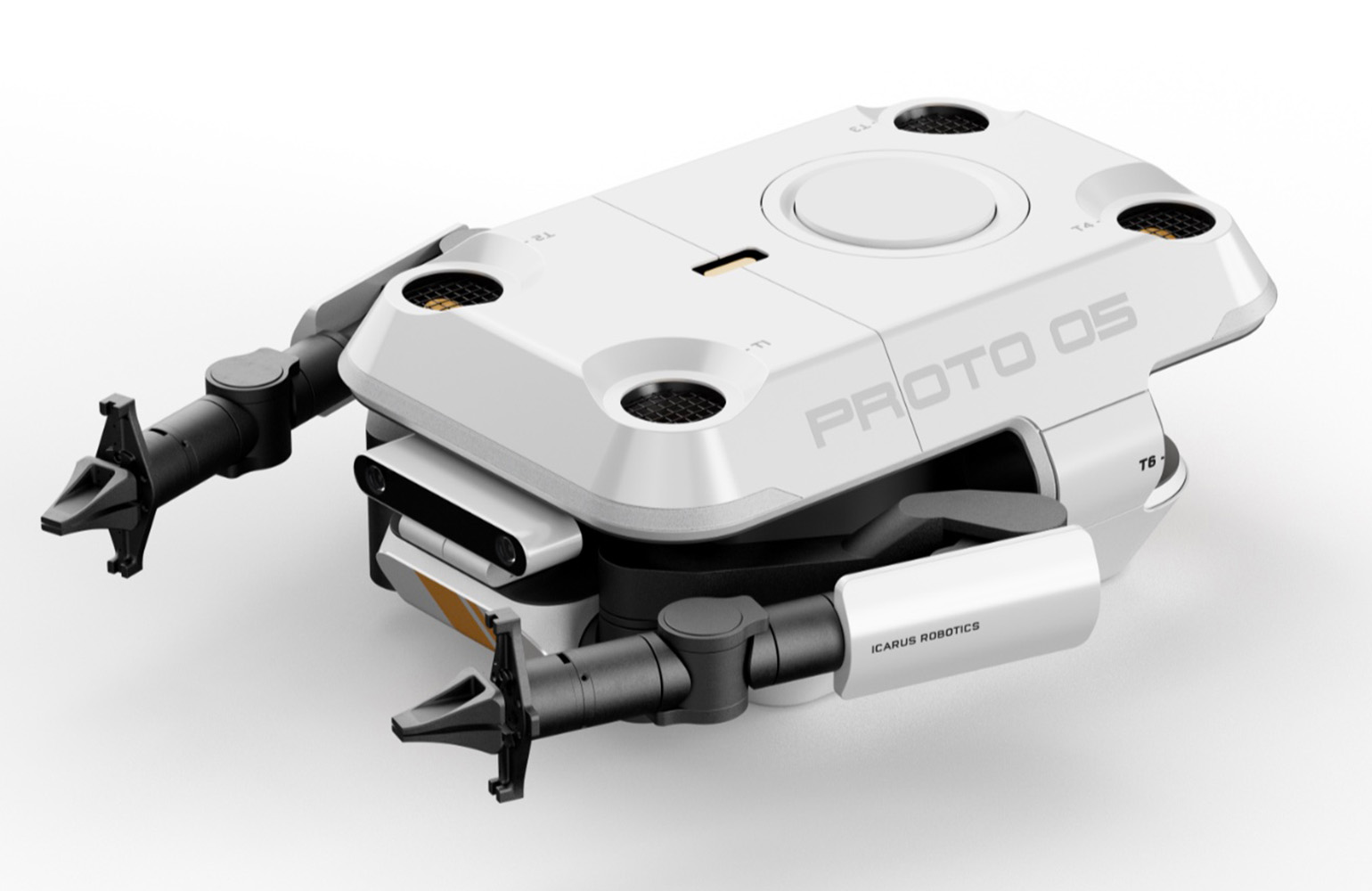
Icarus Robotics Selects KULR Technology for JOY Space Robot's Power System
Icarus Robotics has announced KULR Technology Group as the battery supplier for its autonomous free-flying robot, JOY, which is set to launch to the International Space Station (ISS) in early 2027. KULR will provide its KULR ONE Space (K1S) battery systems, engineered to NASA safety standards, ensuring reliable operation aboard the ISS. The partnership is significant as KULR’s battery technology has already been validated during the Artemis II lunar mission, which enhances the approval process with NASA. Icarus co-founder Ethan Barajas emphasized the importance of flight heritage in the space sector, stating that proven components expedite the approval process, crucial for a startup like Icarus. Looking ahead, JOY, powered by embodied AI, aims to assist astronauts with routine tasks and infrastructure maintenance, allowing them to concentrate on more critical research objectives. No further timeline was disclosed at the time of publication.
Aerospace Batteries / Power Supplies Markets / Industries News Technologies Icarus
Why Reliable Backup Power is Becoming Essential for Modern Robotics Systems
Modern robotics systems are revolutionizing various industries by enhancing efficiency, accuracy, and productivity. Organizations across sectors, including manufacturing and logistics, are increasingly relying on automated systems to ensure seamless operations around the clock. As businesses seek reliable backup power solutions for their robotics infrastructure, Nite & Day Power emerges as a key resource, offering specialized information on uninterruptible power systems. This shift towards automation and the need for dependable power sources highlight the growing importance of technology in maintaining operational continuity in today's fast-paced industrial environment.
Energy Robotics Technology automation news backup power industrial automation
NautiGEN Launches Hydrogen Power Solutions for Maritime Operations, Autonomous Systems and Subsea Applications
On World Oceans Day, NautiGEN, Inc. officially launched as a new player in the maritime hydrogen power sector. The company, a collaboration between Cellula Robotics and Infinity Fuel Cell and Hydrogen, Inc., aims to revolutionize maritime operations, autonomous systems, and subsea applications by providing high-density fuel cell power solutions. This initiative is driven by the need for sustainable energy alternatives in the maritime industry, addressing both environmental concerns and the demand for efficient power sources. NautiGEN's innovative approach is expected to enhance the performance and sustainability of various maritime technologies, marking a significant step forward in the transition to cleaner energy solutions at sea.
cellula robotics nautigen hydrogen power maritime operations autonomous systems subsea applications
Why Reliable Backup Power is Becoming Essential for Modern Robotics Systems
Modern robotics systems are revolutionizing various industries by enhancing efficiency, accuracy, and productivity. Organizations across manufacturing and logistics sectors are increasingly relying on automated systems to ensure continuous operations. In this context, businesses seeking reliable backup power solutions for their robotics infrastructure can access essential resources from Nite & Day Power, a company that specializes in uninterruptible power systems. This development underscores the growing importance of robust power solutions in supporting the seamless functioning of automated technologies.
Energy Robotics automation infrastructure automation news autonomous systems backup power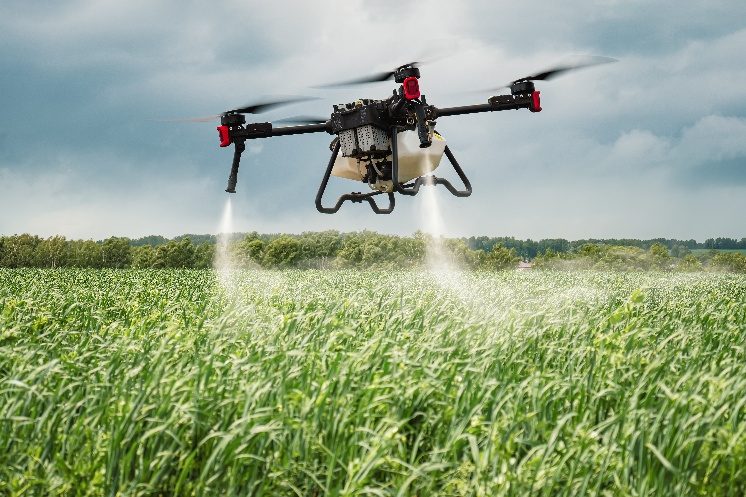
ePropelled Launches Integrated Power System for Agricultural Drones
ePropelled has unveiled a new integrated propulsion and power system tailored for agricultural drones, responding to the increasing global adoption of UAV technology in precision agriculture. The announcement was made on May 13, highlighting the company's commitment to meeting the rising demand for efficient and reliable drone solutions in the agricultural sector. As the market for agricultural drones continues to expand, ePropelled aims to enhance operational capabilities for farmers and agribusinesses through this innovative platform.
Agriculture Applications Drone Manufacturing Drone News Featured - Agriculture News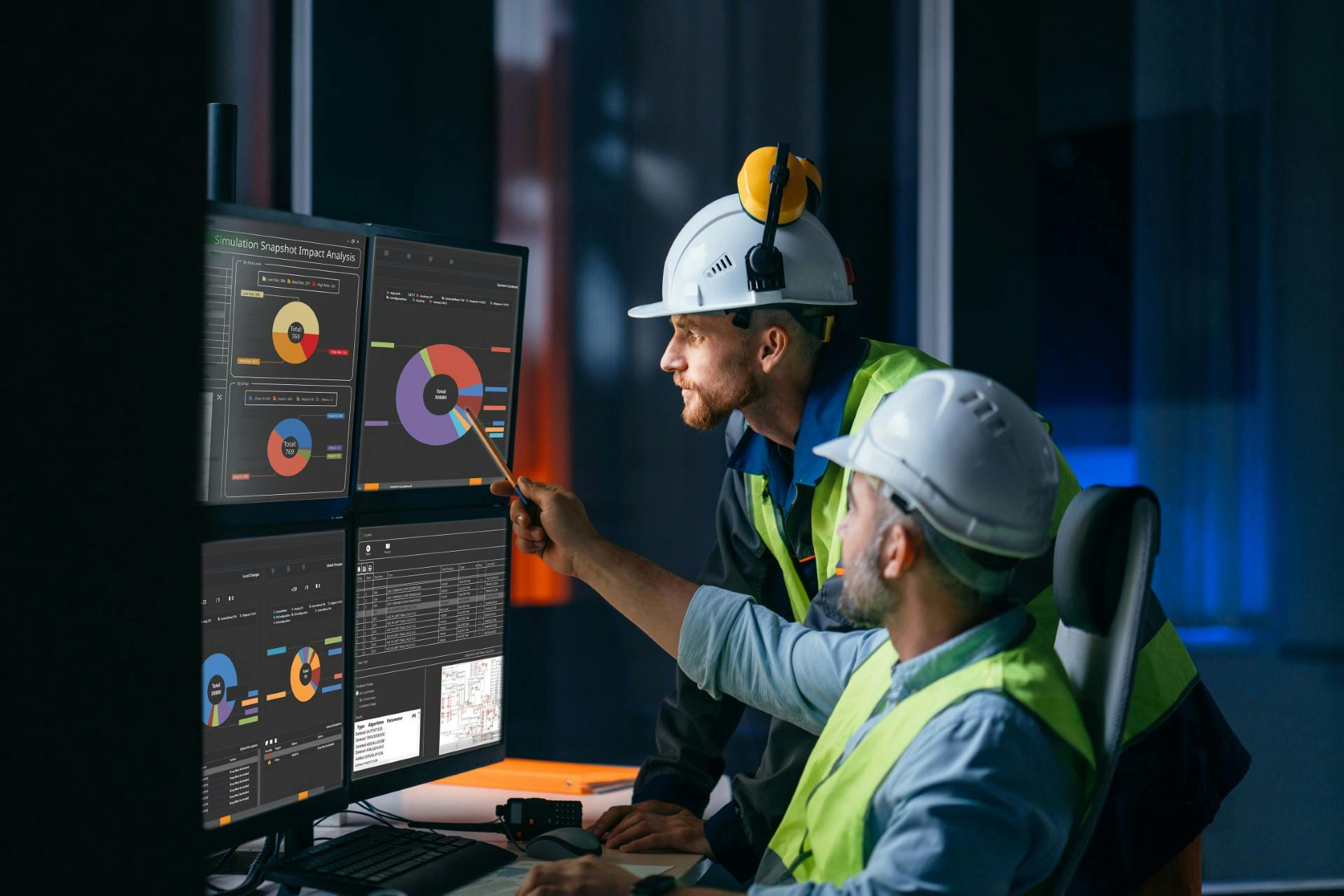
Emerson Introduces Ovation Curation Tool for Enhanced Control Systems Management
Emerson has launched the Ovation Curation Tool, a synchronization software designed for power and water control systems. This tool aims to maintain version control and change history across multiple Ovation systems and simulators, automating the management of changes between production systems and their digital twins. The introduction of the Ovation Curation Tool is significant as it addresses the challenges of keeping digital twins synchronized with live systems, especially amid workforce shortages. By improving testing and training accuracy, the tool is expected to save engineering time and facilitate faster troubleshooting, enhancing overall operational efficiency. Looking ahead, the software's ability to automatically track changes and provide an intuitive dashboard for users will be crucial for organizations seeking to optimize their control systems. No further timeline was disclosed at the time of publication.
Factory / Digital Transformation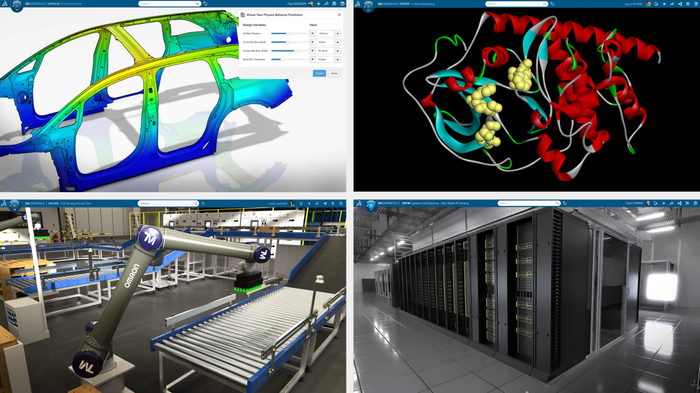
Dassault Systèmes and NVIDIA Partner to Build Industrial AI Platform Powering Virtual Twins
Dassault Systèmes and NVIDIA have entered into a long-term strategic partnership aimed at creating a unified industrial architecture for mission-critical artificial intelligence applications across various industries. This collaboration, announced recently, seeks to leverage both companies' expertise to enhance the integration and deployment of AI technologies in industrial settings. By combining Dassault Systèmes' advanced simulation and modeling capabilities with NVIDIA's powerful computing platforms, the partnership aims to drive innovation and efficiency in sectors that rely heavily on AI. The initiative reflects a growing trend among technology firms to collaborate in order to address the increasing demand for sophisticated AI solutions that can operate reliably in critical environments.

LiTime Powers Smart Agriculture and Robotics in Agriculture with Extended Runtime and System Integration
Automation is transforming the landscape of modern agriculture, with technologies such as lawn mowers, irrigation control systems, automated transporters, and robotics becoming increasingly prevalent on farms, plantations, and in greenhouses. These advanced tools are designed to operate efficiently over extended periods, requiring intelligent management and minimal maintenance in challenging outdoor conditions. In response to these demands, LiTime, a prominent manufacturer of lithium batteries, is stepping up to provide innovative energy solutions tailored for agricultural automation. Their products aim to enhance the performance and reliability of these automated systems, ensuring that farmers can maximize productivity while minimizing operational challenges.
Agriculture Automation agricultural automation agricultural machinery agricultural robots amrs
Advancements in Humanoid Robotics Driven by Power Management Solutions
The latest episode of Designing the Future highlights the significant progress in humanoid robotics, driven by advancements in speed, mobility, and dexterity. As these technologies evolve, the role of power management becomes increasingly critical, particularly in the context of battery and fuel cell usage. Engineers face challenges in converting energy from onboard sources to effectively power mechatronics and logic systems. This focus on power management is essential for the realization of humanoid robots that can perform a wide range of tasks, fulfilling the long-held promise of general-purpose machines. The conversation between Jim Anderton and John Quinlan from Murata Power Solutions underscores the importance of efficient power solutions in enhancing robotic performance. As the industry continues to innovate, the interplay between power systems and robotic capabilities will shape future developments. Looking ahead, the demand for compact and efficient power products will likely grow as humanoid robots become more prevalent in various sectors, including industrial and medical markets. No further timeline was disclosed at the time of publication.
Humanoids
OpenHarmony Achieves Major Milestones in Operating System Development and Ecosystem Growth
OpenHarmony has reached significant milestones, surpassing 13,000 contributors and 140 million lines of code, while powering 1.3 billion devices in its ecosystem. This growth is pivotal for driving digital transformation across various sectors, including mining, power, healthcare, and government services. The expansion of OpenHarmony's ecosystem highlights its role in facilitating technological advancements and improving operational efficiencies in industries that are critical to modern society. With its extensive codebase and contributor network, OpenHarmony is positioned to influence the future of digital infrastructure. Looking ahead, stakeholders should monitor how OpenHarmony continues to evolve and adapt to the needs of diverse industries. No further timeline was disclosed at the time of publication.
Technology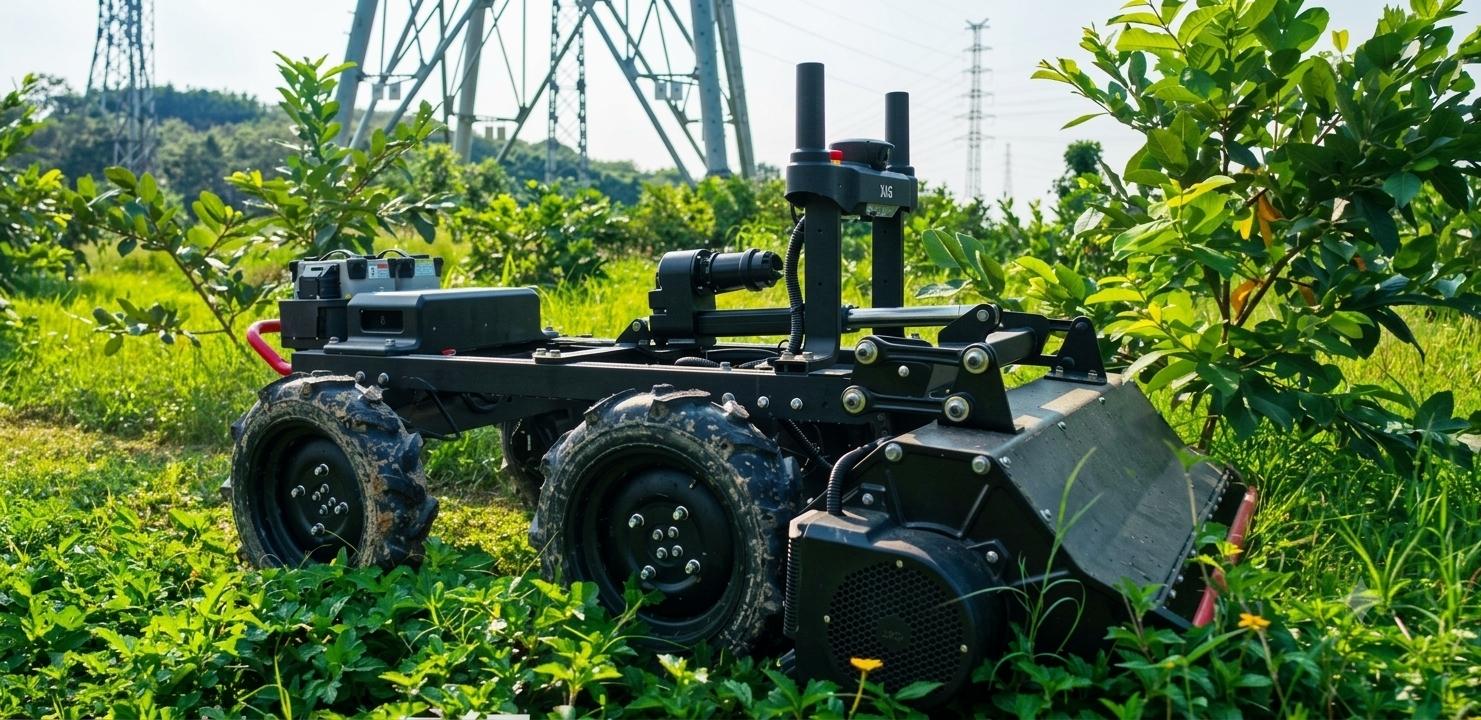
XAG Introduces RM80 Electric Mower and X Series Drone System for Autonomous Farming
XAG has launched the RM80, a 143 kg all-electric unmanned mower, at the Agricultural Robot Conference in Guangzhou, China. Designed for orchard management and land reclamation, the RM80 operates for up to 40 minutes per charge and can autonomously cover 0.33 to 0.53 hectares per hour. It features advanced navigation through the SuperX 5 Ultra control system and can also perform stubble removal for effective weed control. The introduction of the RM80 coincides with the unveiling of XAG's new X Series drone system, aimed at creating a fully autonomous farming workflow. This system includes the X Series drone, XA1 docking station, and LM1 chemical mixing unit, enhancing automation in tasks like charging and chemical refilling. The drone boasts improved computing power and perception capabilities, allowing it to survey up to 300 hectares in a single mission, while the docking station ensures precise automatic charging and refilling. XAG has not disclosed pricing details for the RM80 or the X Series system, with market packages expected to vary based on local dealer offerings. The company's strategy emphasizes integrating various robotic functions into a coordinated workflow, positioning its equipment as essential components of modern smart farming rather than standalone tools. No further timeline was disclosed at the time of publication.
Smart farming agricultural robots autonomous technology drone technology electric tractors robotic harvesting
SpaceX Proposes 1 Million AI Satellites to Address Ground Data Center Constraints
On January 30, 2026, SpaceX filed with the FCC to launch up to 1 million AI compute satellites, positioning orbital data centers as a solution to the increasing demand for AI computing power. Ground data centers are facing significant challenges, with energy consumption projected to reach approximately 1,050 TWh in 2026, making them the fifth-largest electricity consumer globally. The demand for new data center capacity is outpacing the growth of power generation infrastructure, leading to a critical bottleneck in the grid system. The significance of this initiative lies in the structural constraints faced by ground data centers, including power delivery limitations, high water consumption, and local opposition to new projects. The Uptime Institute's 2026 outlook identifies power as the primary constraint on data center growth, with capacity clearing prices in the PJM grid skyrocketing to $329.17/MW, driven by data center expansion. Additionally, cooling requirements are becoming increasingly unsustainable, with facilities consuming vast amounts of water, further complicating their operational viability. Looking ahead, SpaceX's orbital AI compute initiative aims to circumvent these challenges by leveraging the advantages of space, such as continuous solar power and minimal local opposition. The first AI prototypes are expected to launch in early 2027, with operational deployments planned for 2028. No further timeline was disclosed at the time of publication.

indie Launches Edge AI SoC to Power Smarter Perception Systems for Automotive and Humanoids
indie, an automotive solutions innovator based in Aliso Viejo, CA, has announced the launch of its next-generation edge AI system-on-chip (SoC), the iND881, designed to enhance smart camera technology for automotive and robotic applications. Unveiled on June 10, 2026, the iND881 integrates an AI compute engine with indie’s advanced low-latency multi-camera image signal processor (ISP), providing an efficient solution for developers. The iND881 is engineered for low power consumption and real-time responsiveness, featuring a Neural Processing Unit (NPU), a versatile Digital Signal Processor (DSP), and a quad-core ARM Cortex-A53 CPU. This architecture is tailored for demanding edge perception tasks, making it particularly beneficial for advanced driver assistance systems, including driver and occupant monitoring and smart mirrors with blind-spot detection. In addition to automotive applications, the iND881 supports robotics and physical AI automation, facilitating accurate sensing and navigation for autonomous mobile robots. The device's capabilities include multi-channel video compression, high-dynamic-range ISP, and compatibility with various sensor modalities such as infrared and LiDAR, ensuring robust performance in complex environments. The iND881 is ASIL-B compliant and automotive qualified, currently available for sampling. It will be showcased at the upcoming AutoSens and InCabin USA 2026 events. Fred Jarrar, indie's senior vice president, emphasized that the launch not only expands their product portfolio but also positions indie as a comprehensive solutions provider in the edge AI market.
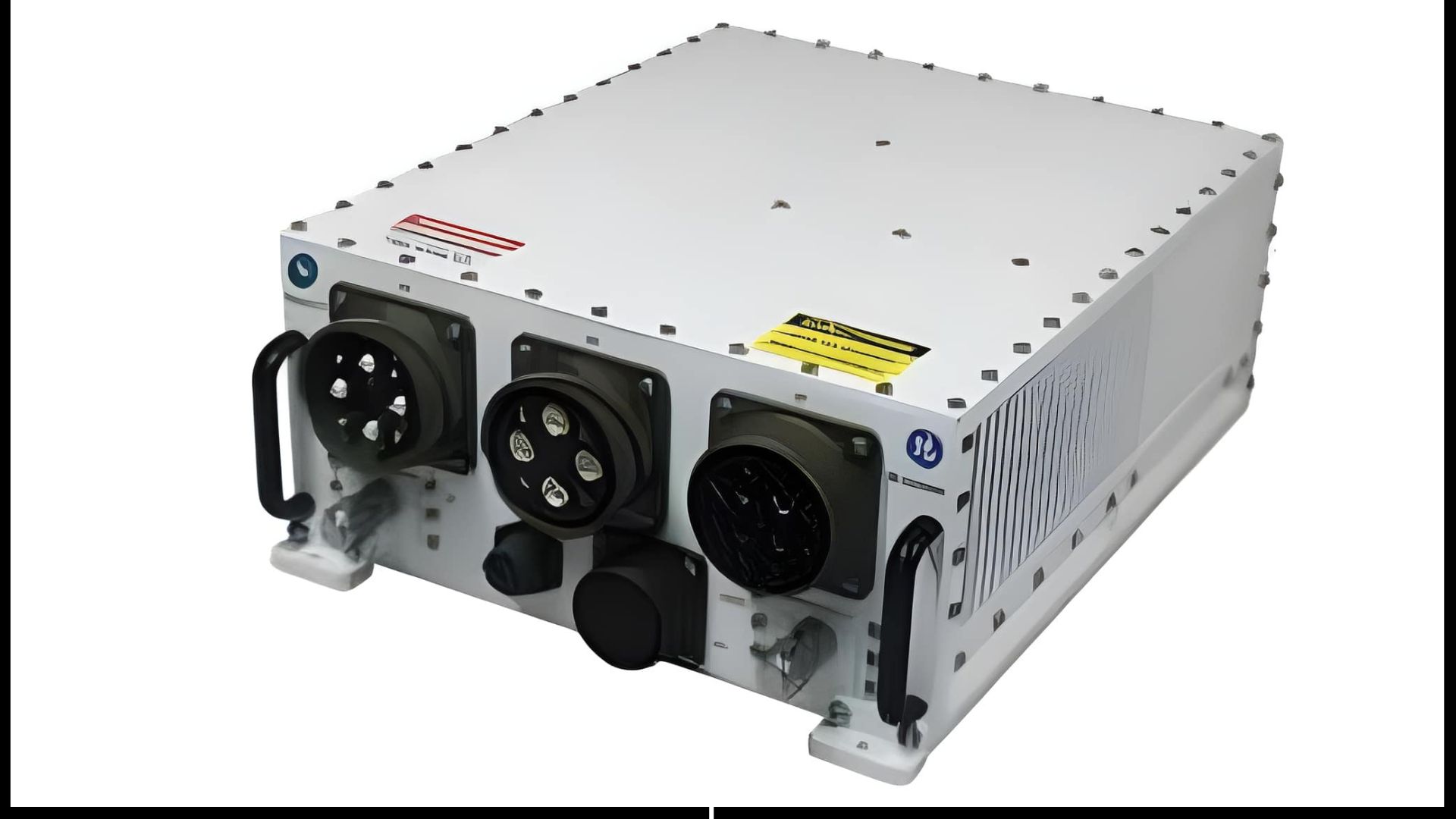
GE Aerospace qualifies 600-volt power systems for next-generation US Army vehicles
GE Aerospace has successfully qualified two high-voltage power electronics systems intended to enhance the capabilities of the U.S. Army. This significant development was announced recently, marking a crucial step in advancing military technology. The systems are designed to improve power management and efficiency for various applications within the Army's operations. By integrating these advanced power electronics, GE Aerospace aims to support the Army's mission to modernize its equipment and enhance operational readiness. The qualification process involved rigorous testing to ensure reliability and performance standards were met, demonstrating GE Aerospace's commitment to delivering innovative solutions for defense applications.

Chef Robotics Advances Bi-Manual Physical AI System for Prep Table Food Assembly Powered by a Food Foundation Model
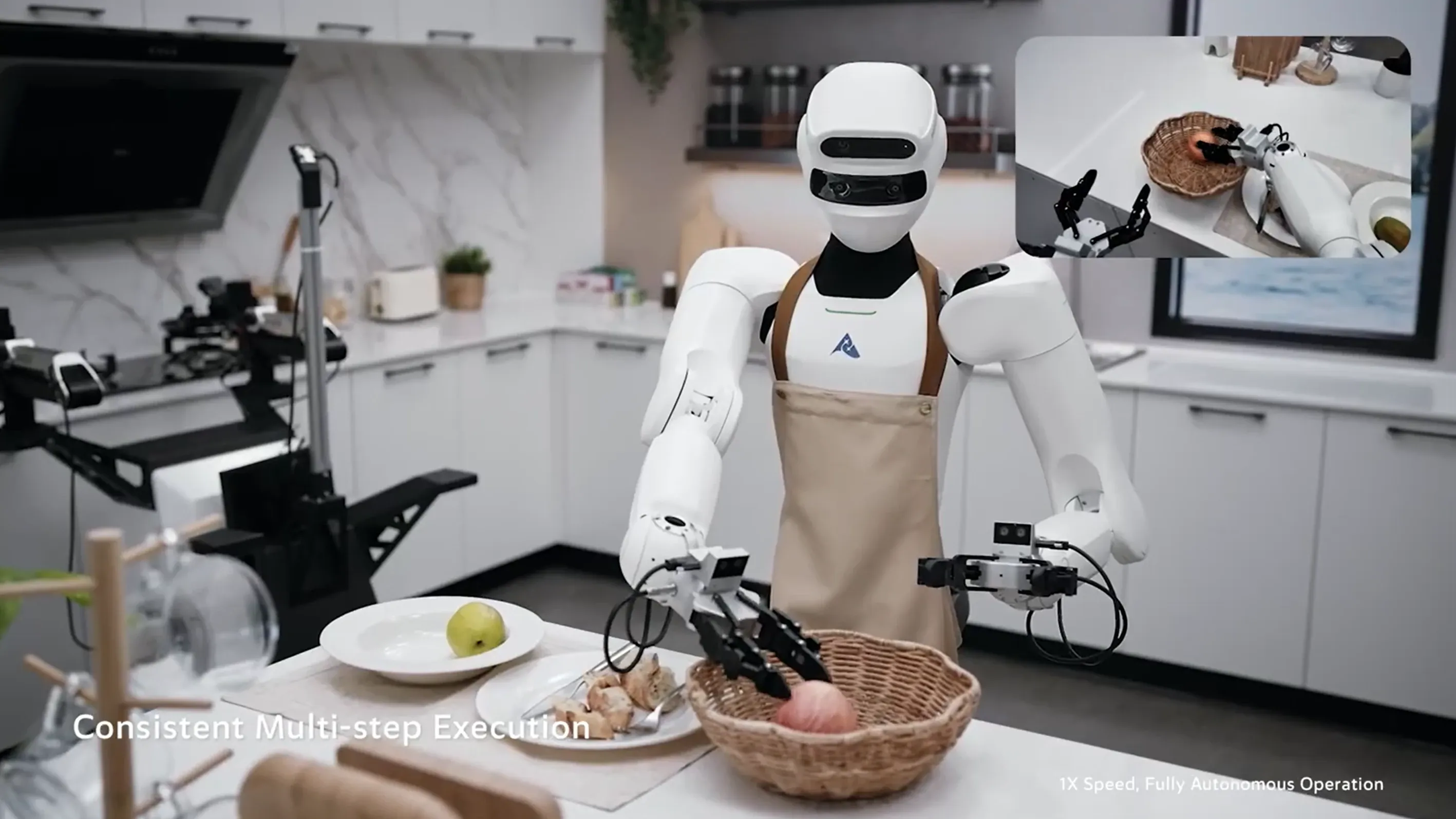
Chef Robotics has announced the development of a bi-manual physical AI system aimed at enhancing food assembly tasks on prep tables, such as burger and burrito preparation. This innovative system, which is set to launch on May 19, 2026, will cater to various sectors including ghost kitchens, fast-casual restaurants, and catering services, focusing on lower-volume yet more complex meal assembly compared to traditional food manufacturing processes. The new AI system utilizes two robotic arms for coordinated and dexterous manipulation, mimicking human-like capabilities to handle a variety of food items and utensils. It is powered by Chef's Food Foundation Model (FFM), which employs imitation learning to adapt quickly to diverse tasks and environments, overcoming the limitations of existing robotic systems that struggle with the variability of food materials. Chef Robotics aims to automate manual prep table assembly, a critical area in the food industry that has remained largely reliant on human labor. By leveraging the FFM, the system is designed to learn from demonstrations, allowing it to generalize across different tasks and robotic platforms. This advancement is expected to improve operational efficiency, yield, and consistency in food preparation, ultimately transforming how food assembly is approached in various culinary settings.

Cognex releases fully integrated AI-powered vision system for robotics
Cognex has launched a fully integrated AI-powered vision system designed specifically for robotics applications. This innovative system combines advanced artificial intelligence, edge AI, and rule-based vision tools with a high-performance embedded computing platform. The release aims to enhance the capabilities of robotic systems, enabling them to perform complex tasks with greater efficiency and accuracy. By leveraging cutting-edge technology, Cognex seeks to address the growing demand for intelligent automation solutions in various industries. The announcement marks a significant advancement in the field of robotics, positioning Cognex as a leader in AI-driven vision systems.
Artificial Intelligence Artificial Intelligence / Cognition Cameras / Imaging / Vision Design / Development News Technologies
Empowering Robotic Arms with Self-Learning Capabilities: RealMan Launches AI Intelligent Teaching Generalization System
RealMan has introduced its groundbreaking AI Intelligent Teaching Generalization System, which empowers robotic arms to learn independently by observing human demonstrations. This innovative technology, unveiled recently, promises to drastically cut down the time required for task deployment while facilitating ongoing skill enhancement. By transforming robotic arms into versatile production partners, RealMan aims to revolutionize automation in various industries. The system's ability to adapt and evolve through continuous learning positions it as a significant advancement in the field of robotics, potentially reshaping workflows and increasing efficiency in production environments.
Robotic Arms AI Technology Automation Machine Learning
Import AI 435: 100k training runs; AI systems absorb human power; intelligence per watt
As artificial intelligence continues to evolve, experts are increasingly discussing its potential impact on daily life. With advancements in AI technology projected to accelerate, individuals may soon experience significant changes in their routines and interactions. These developments are anticipated to unfold over the next few years, particularly as AI systems become more integrated into various sectors, including healthcare, education, and transportation. The motivation behind this shift is rooted in the desire to enhance efficiency and improve quality of life. AI has the potential to automate mundane tasks, provide personalized recommendations, and facilitate better decision-making processes. As a result, people may find themselves relying more on AI-driven tools for everything from managing schedules to accessing information. This transformation is expected to occur through the gradual implementation of AI solutions in everyday applications. As businesses and organizations adopt these technologies, consumers will likely see an increase in AI-powered services and products, leading to a more interconnected and streamlined experience. In summary, the ongoing advancements in AI technology are set to reshape daily life in the coming years, driven by the need for greater efficiency and improved living standards. As these changes unfold, individuals will need to adapt to a new reality where AI plays an increasingly prominent role in their everyday activities.

CubeMars Launches New Hollow Planetary Power Modules for Humanoid Robot Joints
In 2026, humanoid robots are approaching a critical point for industrial application. CubeMars has launched two specialized hollow planetary power modules, AKH70-16 and AKH70-48, which are crucial for enhancing flexibility and load capacity in robotic joints. These modules integrate brushless motors, planetary gear reducers, encoders, and driver boards, addressing common wiring issues with a 7mm hollow structure. The AKH70-16 focuses on lightweight applications, featuring a peak torque of 85Nm and a compact design, making it suitable for joints like the neck and elbow. In contrast, the AKH70-48 emphasizes high torque and stability, with a peak torque of 222Nm, ideal for heavy-load joints such as hips and knees. Both modules share advanced technologies, including dual encoder feedback and multi-mode control, which improve precision and operational efficiency. As the humanoid robot industry transitions from prototype development to commercial production, CubeMars's ability to control the entire manufacturing process positions it as a key player. The company’s self-developed capabilities ensure stable delivery and quality, addressing the challenges faced by robotic enterprises in scaling production and meeting market demands. No further timeline was disclosed at the time of publication.
Humanoid Robots Robotic Joints Power Modules Automation Technology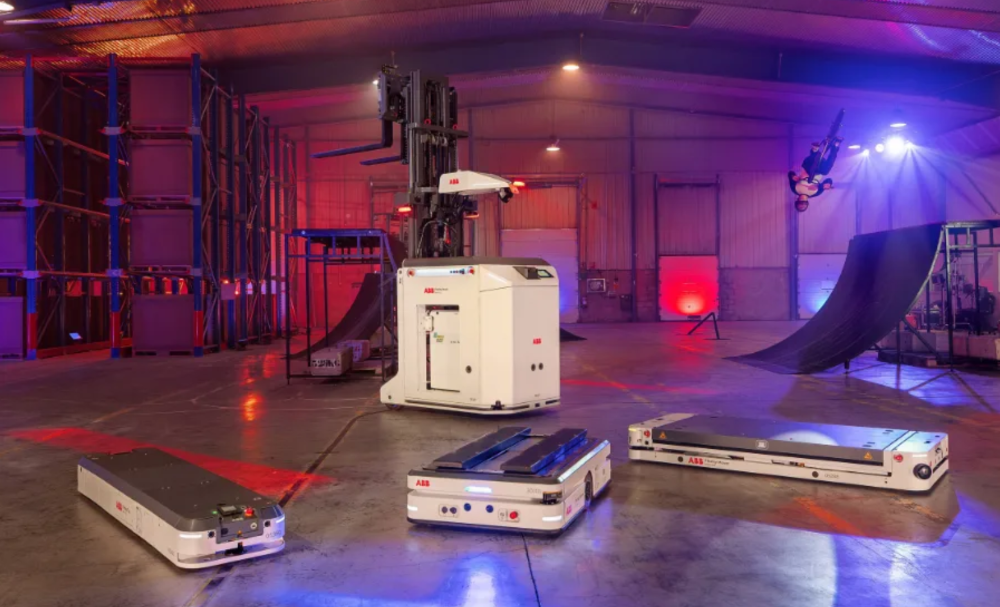
ABB Introduces Flexley Stack F712 AI-Powered Forklift with Visual SLAM Technology
On July 8, ABB Robotics launched the Flexley Stack F712, an AI-driven autonomous forklift utilizing visual SLAM technology. This product completes ABB's lineup of autonomous mobile robots (AMRs), which now includes forklifts, tuggers, and transport vehicles. The F712 can handle various load types, with a maximum capacity of 2000 kg and a lifting height of 8.5 meters, achieving a top speed of 1.7 meters per second under full load. The significance of the F712 lies in its advanced navigation capabilities, which eliminate the need for traditional infrastructure like reflective markers or magnetic strips. With a positioning accuracy of ±10 mm, the F712 can autonomously navigate complex warehouse environments. It integrates seamlessly with the AMR Studio software, allowing for rapid deployment and fleet coordination, reducing debugging time by 20% compared to traditional systems. Looking ahead, the F712 is designed to support various internal logistics tasks, including warehousing and production line operations, and is compliant with the latest ISO and ANSI safety standards. No further timeline was disclosed at the time of publication, but the F712 represents a significant step towards more autonomous and capable robotic solutions in smart manufacturing environments.
Autonomous Forklifts AI Robotics Warehouse Automation Visual SLAM Logistics Technology
How Kollmorgen Motion System Powers a Cable Robot to Triple Throughput
A new robotic system, the ROCAP, has been introduced to enhance operational efficiency in large-scale work environments. This innovative technology is capable of covering an area of up to 900 square meters and can lift payloads weighing as much as 250 kilograms. Designed to accommodate various end effectors, the ROCAP is anchored to the existing structure of the facility, which allows it to operate without the need for cumbersome gantries and rails. This development aims to streamline workflows and improve productivity in industries that require handling of heavy materials. The implementation of the ROCAP is expected to significantly reduce space constraints and enhance flexibility in work processes.
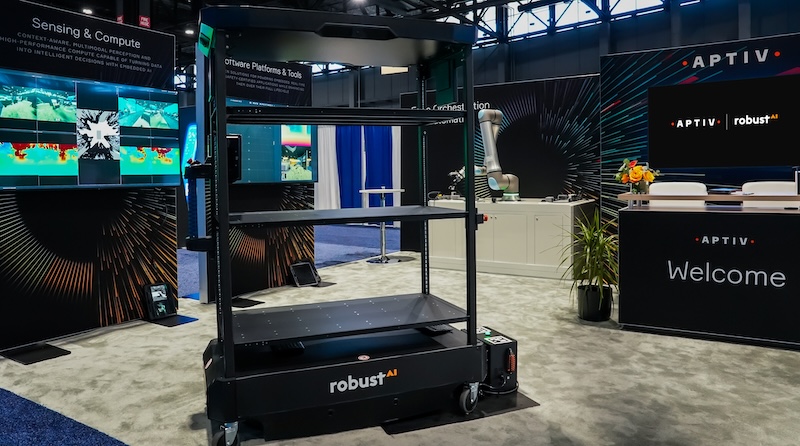
Robust.AI selects Aptiv’s AI-powered perception system for next-generation Carter warehouse robot
Aptiv, an industrial technology company, has announced that Robust.AI, a developer of AI-driven warehouse automation, has selected Aptiv’s intelligent perception solutions, including AI and Machine Learning based sensor fusion powered by the Aptiv Pulse sensor for its Gen 3 Carter collaborative mobile robot. This selection builds on the companies’ existing collaboration to combine Aptiv’s proven […]
Computing News Sensors AI perception amrs aptiv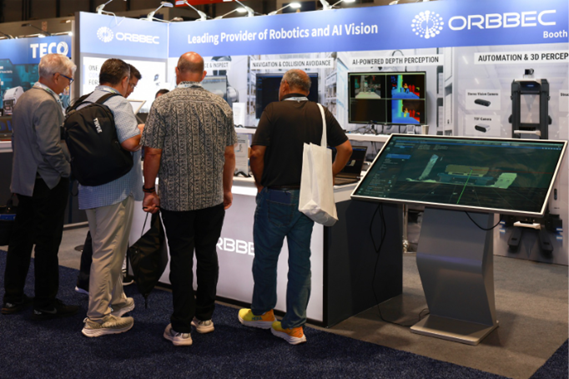
Orbbec shows AI-powered vision systems at Automate 2026
Orbbec showcased its latest industrial-grade 3D cameras designed for demanding automation environments during the Automate 2026 event. The company emphasized the integration of artificial intelligence to improve robotic perception, highlighting advancements that enable more sophisticated automation solutions. This presentation reflects Orbbec's commitment to addressing the complexities of modern industrial applications, aiming to enhance efficiency and accuracy in robotic systems. The event, which gathered industry leaders and innovators, provided a platform for Orbbec to demonstrate how its technology can meet the evolving needs of automation in various sectors.
Artificial Intelligence Artificial Intelligence / Cognition Automation Autonomous Mobile Robots (AMRs) Cameras / Imaging / Vision Collaborative Robots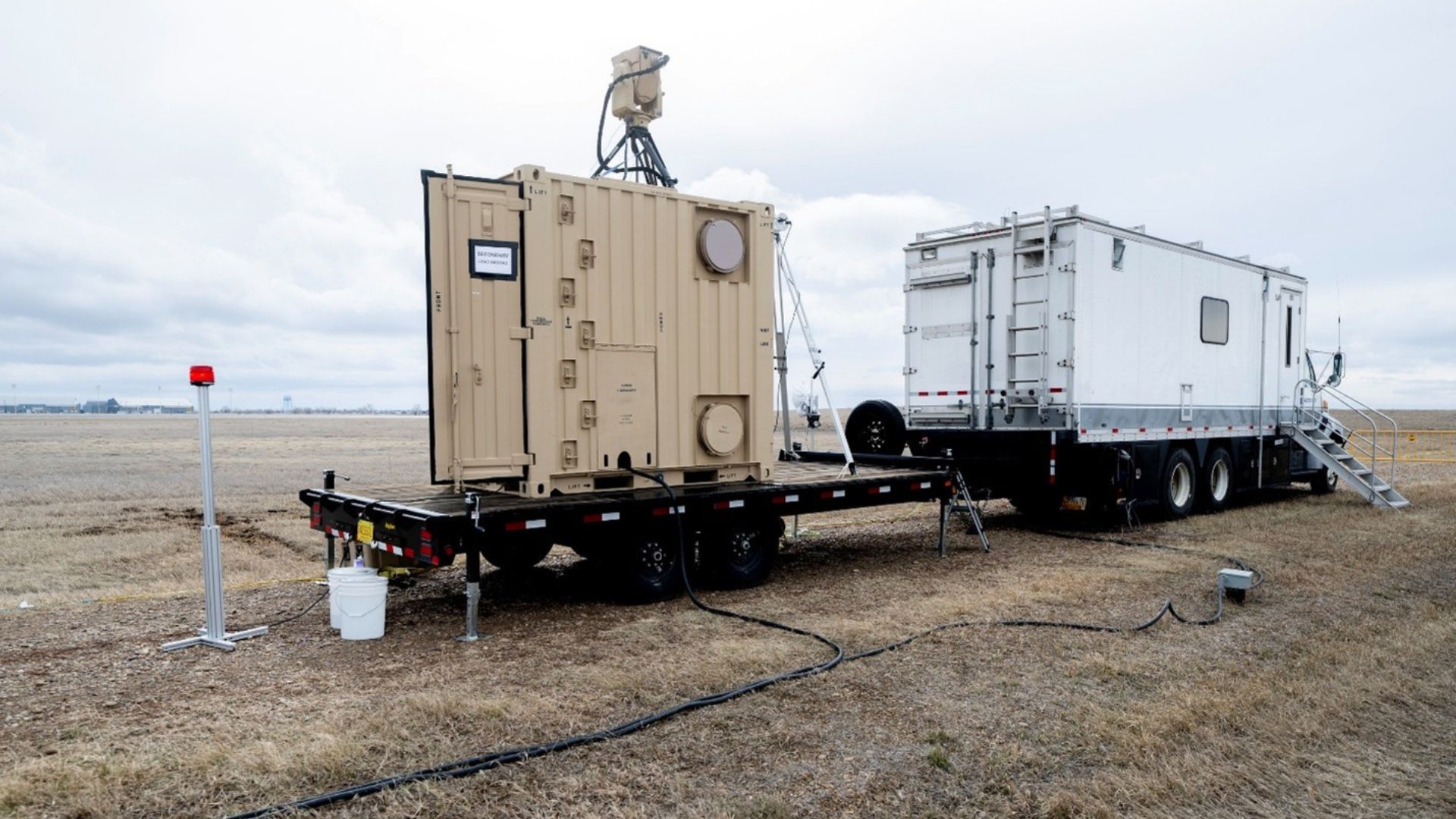
US Navy tests dual-use laser that beams power and counters drone threats in one system
The U.S. Naval Research Laboratory (NRL) has successfully demonstrated a groundbreaking laser system capable of transmitting data at unprecedented speeds. This innovative technology was showcased during a recent test conducted at the laboratory's facilities in Washington, D.C. The demonstration highlights the potential for advanced communication systems that could enhance naval operations and improve data transfer capabilities in various military applications. By utilizing laser technology, the NRL aims to address the growing demand for faster and more secure communication methods in an increasingly digital battlefield. The successful test marks a significant step forward in the development of high-speed data transmission solutions, paving the way for future advancements in military communications.
Military
Waymo to turn retired robotaxi batteries into solar power storage systems
Waymo is repurposing the batteries from its autonomous vehicles to support energy storage solutions. This innovative approach, announced recently, aims to enhance sustainability by utilizing the batteries for grid storage, thereby contributing to renewable energy efforts. The initiative comes as part of Waymo's broader commitment to environmental responsibility and efficient resource management. By integrating these batteries into energy systems, the company hopes to extend their lifecycle and reduce waste, aligning with growing demands for sustainable practices in the tech industry. This development not only underscores Waymo's leadership in autonomous technology but also highlights its proactive stance in addressing climate change challenges.
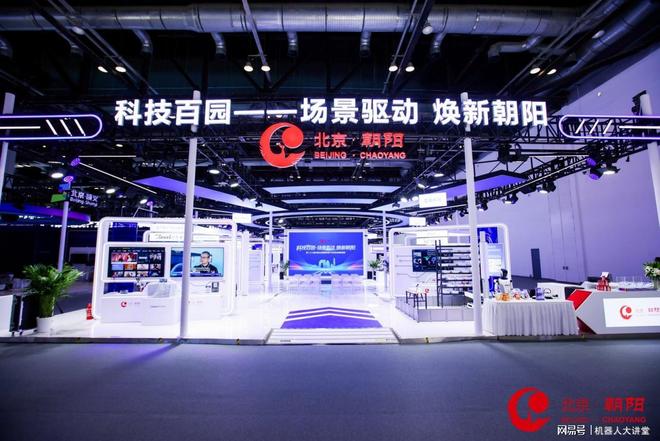
Weihan Power Showcases at the 28th Beijing International Science and Technology Industry Expo, Supporting the 'True Work' Robot Ecosystem
At the 28th Beijing International Science and Technology Industry Expo, Weihan Power showcased its latest innovations in integrated joint modules and advanced robotic applications. The event, held recently in Beijing, highlighted the company's commitment to delivering high-density power solutions designed to enhance the reliability and performance of robotic technologies. By demonstrating these advancements, Weihan Power aims to promote scalable robotic applications across diverse industries, positioning itself as a leader in the evolving tech landscape.
Robotic Technology Joint Modules Automation Solutions AI Robotics
US turns to AI-powered target recognition systems to destroy drones faster than human operators
The Department of Defense is advancing its efforts to implement artificial intelligence-driven target recognition systems aimed at enhancing the capabilities of military troops and vehicles. This initiative, announced in October 2023, seeks to improve operational efficiency and decision-making on the battlefield. By leveraging AI technology, the Defense Department aims to streamline the identification and engagement of potential threats, thereby increasing the safety and effectiveness of military operations. The move comes in response to the growing complexity of modern warfare, where rapid and accurate target recognition is crucial for mission success. The integration of these advanced systems is expected to transform how military personnel interact with their environments, ultimately leading to more strategic and informed actions in combat scenarios.
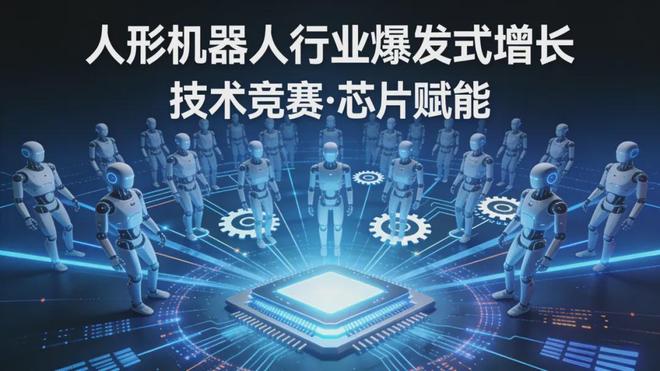
How GaN Technology is Reshaping the Power System Architecture of Humanoid Robots
The humanoid robot market is experiencing significant growth, with projections indicating that the number of units will reach 51,000 by 2026. This surge is largely attributed to advancements in Gallium Nitride (GaN) technology, which plays a crucial role in improving power efficiency and control within these robots. The integration of GaN technology addresses key challenges related to miniaturization and thermal management, enabling more sophisticated and compact designs. As the demand for humanoid robots increases across various sectors, the ongoing development of these technologies is expected to drive further innovation and expansion in the market.
Humanoid Robots Power Systems GaN Technology Robotics AI
Nike Unveils Project Amplify, the World’s First Powered Footwear System for Running and Walking
Nike is currently in the early stages of testing a new footwear system that integrates art and science to enhance athletic performance. Collaborating with robotics partner Dephy, the company aims to refine this innovative technology before a broad consumer launch anticipated in the coming years. This initiative reflects Nike's commitment to pushing the boundaries of performance gear, leveraging advanced robotics to create a product that meets the evolving needs of athletes. As the project progresses, the partnership with Dephy is expected to play a crucial role in the development and eventual rollout of this cutting-edge footwear.

An AI-powered control system for robots with legs
Walking robots, such as quadruped robotic dogs, must be able to move safely through rough, often changing environments. Today, there are two main ways to program these walking, or legged, robots. The first is called model predictive control. This technique optimizes the robot's behavior but relies on accurate dynamics models, which are challenging to achieve in real-world settings and often require simplifying assumptions. The second is model-free reinforcement learning, which allows the robot to learn reliable but fixed behaviors, making them difficult to adapt after training.
Robotics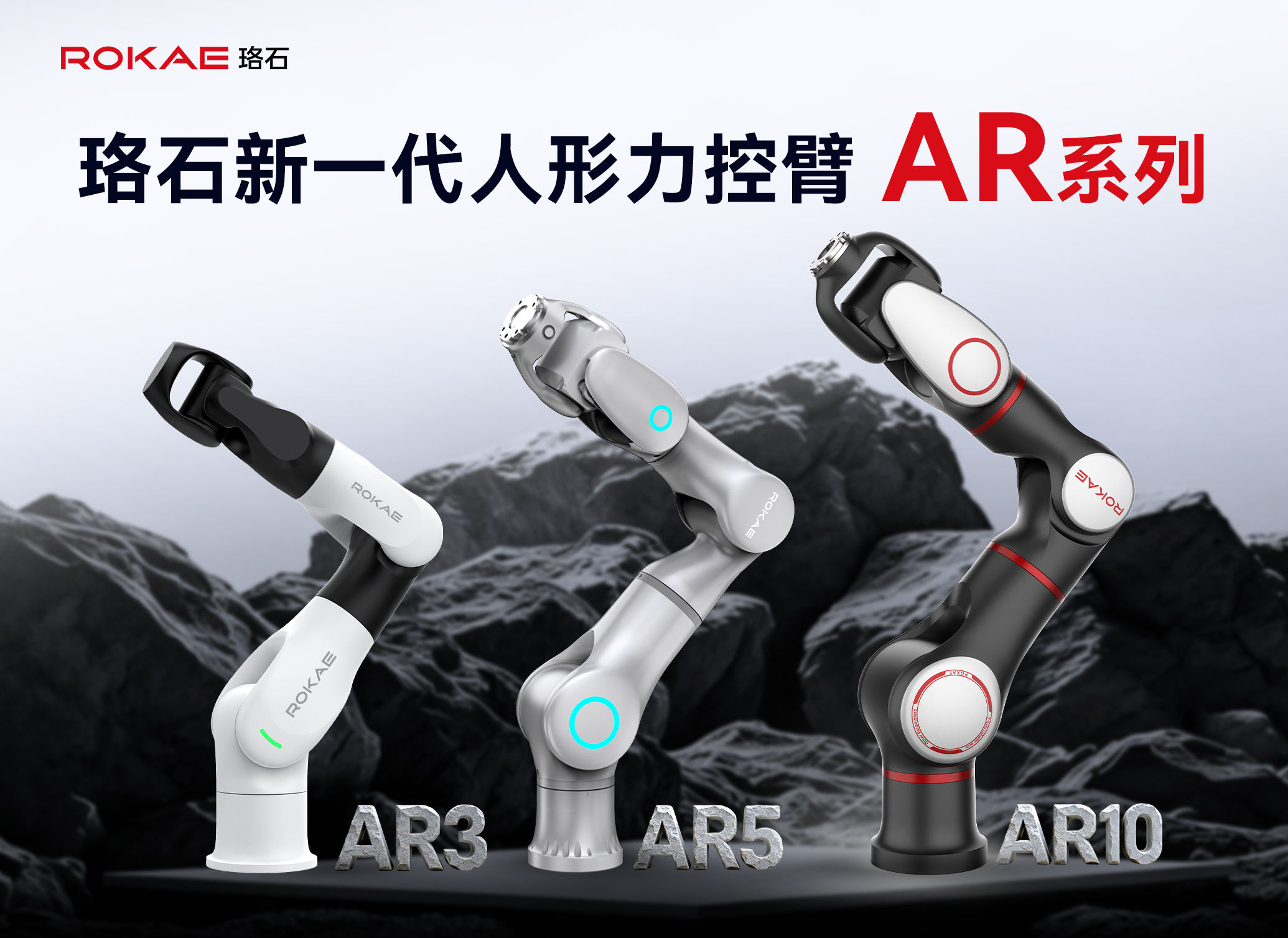
LuoShi: Empowering Robotics Technology and Ecosystem in the Era of Embodied Intelligence
In the last two years, the robotics and embodied intelligence sector has experienced significant investment growth, prompting many companies to enter the market. Among them, LuoShi Robotics is distinguishing itself by prioritizing the development of core technologies, such as force control joints and humanoid robotic arms. The company is actively fostering collaboration with algorithm firms, research institutions, and manufacturers to enhance innovation and reduce market homogenization. This strategic approach aims to position LuoShi Robotics as a leader in a rapidly evolving industry, addressing the increasing demand for advanced robotic solutions.
Robotics Embodied Intelligence Force Control Technology Humanoid Robots
TECO Debuts High-Payload Commercial UAV Powertrain Systems and Robotic Joint Modules in North America Expanding into North America's UAV and Robotics Markets
TECO is making significant strides in the burgeoning commercial UAV and intelligent robotics sectors. By utilizing the localized service capabilities of its Texas-based subsidiary, TECO-Westinghouse, the company is able to offer customers a complete range of solutions, from initial development to after-sales support. This strategic expansion reflects TECO's commitment to meeting the increasing demand for advanced technology in these rapidly evolving markets.

As AI Reshapes Global Energy Systems, Melbourne Leads Through Engineering Collaboration
As artificial intelligence (AI) rapidly expands, it is driving a significant increase in global electricity demand, presenting urgent challenges for energy systems. Melbourne, Australia, is positioning itself as a leader in addressing these issues, with a focus on the infrastructure necessary to support AI's growth. By 2035, data centers in Australia are expected to consume up to 11 percent of the nation's electricity, raising concerns about generation and system reliability. The University of Melbourne is at the forefront of this initiative, with interdisciplinary research aimed at developing energy systems that can meet the demands of AI. The Melbourne Energy Institute is exploring how various energy technologies interact, while facilities like the Smart Grid Lab allow for real-time simulations of power systems. This integrated approach is essential for designing resilient and efficient energy systems that can adapt to new patterns of demand. Victoria's advanced energy ecosystem, which includes renewable generation and battery storage, is crucial for balancing digital growth with sustainability. The collaboration between researchers, industry, and policymakers is vital for creating future energy systems that are affordable and resilient. Looking ahead, Melbourne will host the IEEE PES Generation Transmission and Distribution Asia 2027 Conference, bringing together global experts to address the evolving challenges in power systems. This event underscores Melbourne's commitment to fostering international collaboration and innovation in energy solutions, reinforcing its role as a key player in the global energy transition.
Artificial-intelligence Australia Energy-systems University-of-melbourne Ai-data-centers Power-grid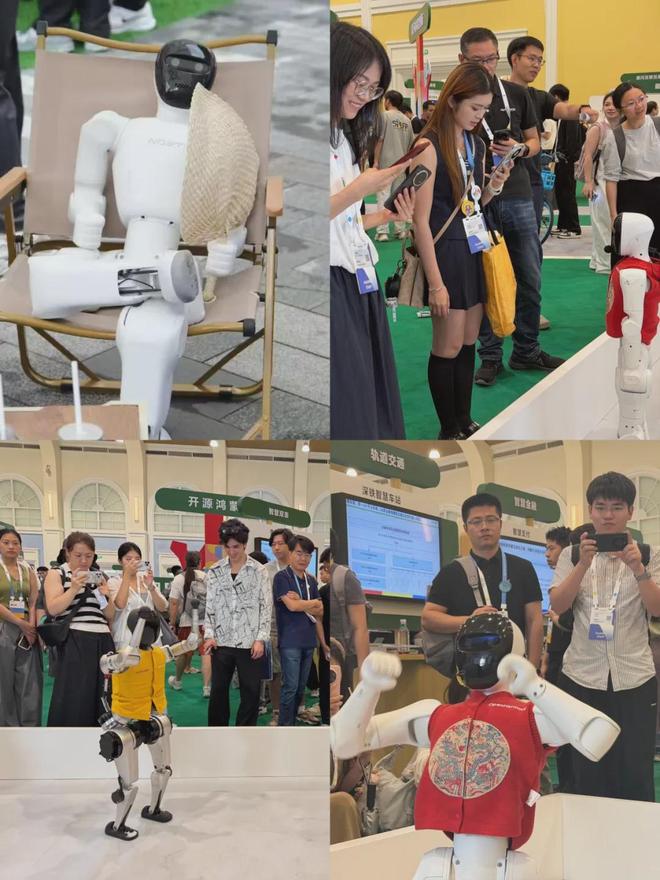
Songyan Power Unveils OpenHarmony Consumer Humanoid Robot at HDC2026
At the HDC2026 conference, Songyan Power unveiled its first consumer-grade humanoid robot, which operates on the OpenHarmony platform. This launch highlights significant advancements in technology integration and the development of a cohesive ecosystem. The company is focused on enhancing user experience by ensuring the robot can seamlessly connect with smart home devices and educational tools. Additionally, Songyan Power announced a new initiative titled '100 People, 100 Machines,' aimed at encouraging collaboration among developers within the industry. This initiative seeks to foster innovation and expand the capabilities of humanoid robots in everyday applications.
Humanoid Robots OpenHarmony AI Developer Ecosystem Smart Home Technology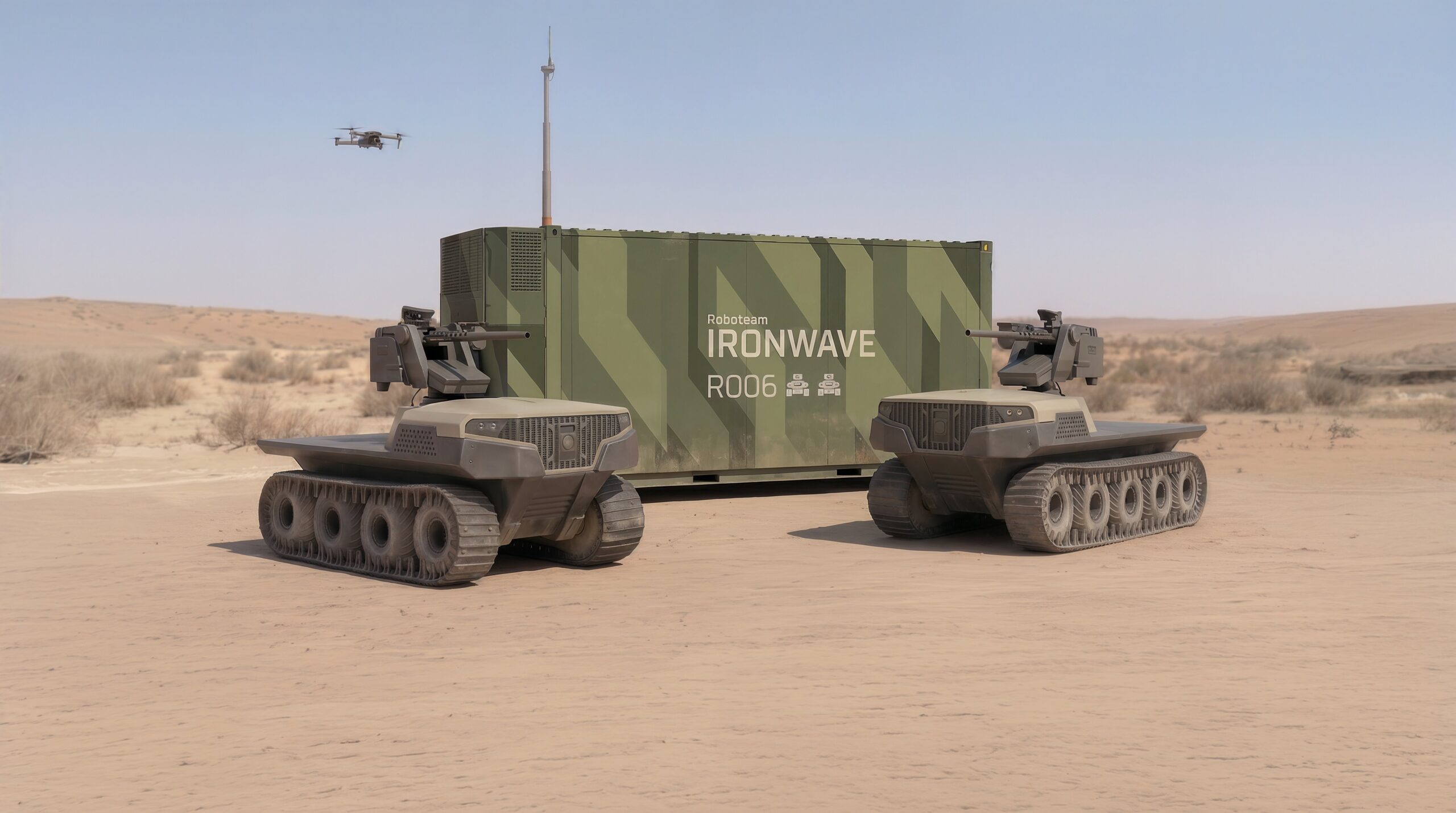
Ondas Unveils New Autonomous Counter-Drone and Robotic Combat Systems
Ondas Holdings has introduced two innovative autonomous defense systems, MODUS and IRON WAVE, aimed at assisting military forces in countering the escalating threats posed by drones and enhancing the deployment of robotic systems. This announcement highlights the company's commitment to addressing critical challenges faced by modern military operations. The unveiling of these systems comes at a time when the proliferation of drone technology and robotic warfare is reshaping the battlefield landscape. By providing advanced solutions, Ondas Holdings seeks to empower frontline troops with enhanced capabilities to effectively neutralize aerial threats and integrate robotic support into their operations.
Anti-drone technology Applications C-UAS defense Defense Drone News
Emerson Accelerates Edge Ecosystem for Real-Time Enterprise Operations Intelligence
Emerson, a prominent player in the global automation sector, has unveiled its latest innovation, DeltaV™ Live Enterprise View, aimed at enhancing real-time control system visualization beyond traditional control room boundaries. This new application, launched recently, is designed to provide secure access to critical operational data, enabling users to monitor and manage industrial processes more effectively from various locations. By leveraging advanced technology, Emerson seeks to empower industries with improved decision-making capabilities and operational efficiency, addressing the growing need for flexible and remote access in today’s fast-paced industrial environment.
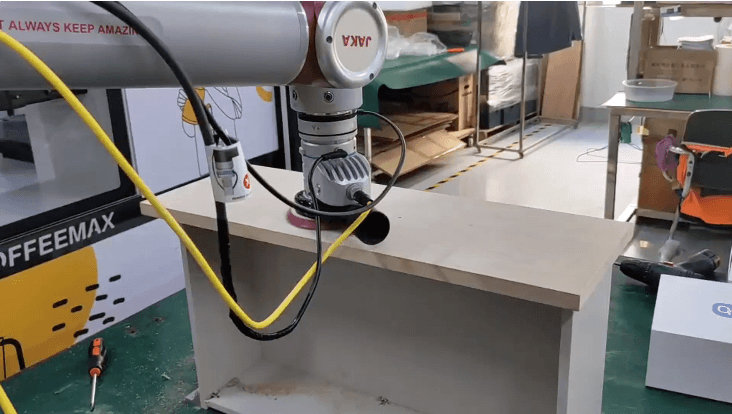
Understanding Automation Robotics Technology: From Sensors to Control Systems (JAKA CAB V3)
JAKA, a leader in automation robotics technology, has unveiled its advanced polishing robot, powered by the innovative CAB V3 controller, designed to enhance the precision and consistency of metal component finishing. This cutting-edge system, which integrates sophisticated sensing and control mechanisms, addresses the challenges faced by skilled artisans in achieving flawless surfaces. The CAB V3 controller serves as the brain of the robot, translating high-resolution sensor data into precise motion commands. Equipped with advanced proprioceptive sensors and force control technology, the polishing robot can adapt to subtle variations in part geometry, ensuring optimal tool orientation and pressure during operation. This real-time feedback loop allows the robot to maintain high standards of quality while compensating for any deviations. JAKA's design philosophy emphasizes the seamless integration of sensing, computation, and mechanical action, enabling the polishing robot to operate smoothly without vibrations that could damage surfaces. The CAB V3 also supports connectivity with external vision systems and factory networks, enhancing flexibility in mixed-production environments. By leveraging this advanced automation technology, manufacturers can achieve unprecedented levels of consistency and quality in their finishing tasks, transforming the traditional polishing process into a highly efficient and repeatable operation.
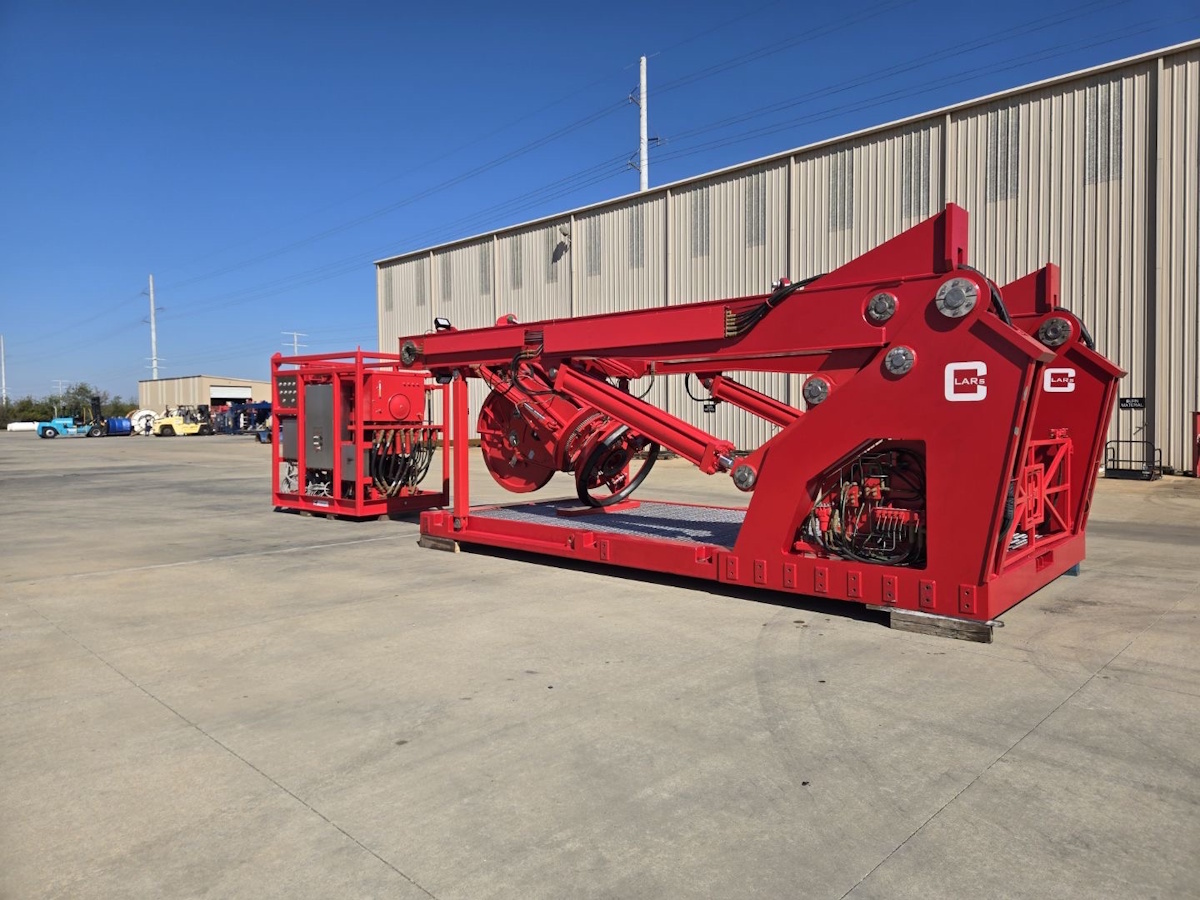
C-LARS Delivers New State of the Art Launch and Recovery System
C-LARS has successfully delivered its advanced Launch and Recovery System to Helix Robotics Solutions in the United States, enhancing the capabilities of their existing fleet. This cutting-edge hydraulic system includes a multiple drive winch system (CTW513) equipped with a Scantrol mTrack Active Heave Package, a powerful 300 horsepower electro-hydraulic power unit (CTH2300), and a self-erecting LARS (CTA620). The delivery marks a significant upgrade for Helix Robotics, aimed at improving operational efficiency and performance in underwater robotics applications.
c-lars launch and recovery system
Mission-Critical Automation: Ensuring Uninterrupted Operations Through Robust Power Management
Effective power management in facilities necessitates meticulous planning and the integration of various technologies and techniques for optimal oversight. This comprehensive approach involves assessing energy consumption patterns, implementing advanced monitoring systems, and utilizing energy-efficient solutions to enhance overall energy use. By employing strategies such as real-time data analytics and automated control systems, facilities can significantly reduce energy waste and improve operational efficiency. The focus on seamless power management is driven by the need to lower operational costs and minimize environmental impact, making it a critical consideration for businesses aiming to achieve sustainability goals. As organizations increasingly prioritize energy efficiency, the adoption of these innovative practices is expected to grow, leading to more sustainable and economically viable operations.

Greensea IQ and Ocean Power Technologies Announce Strategic Collaboration to Advance Autonomous Hull Maintenance
Greensea IQ and Ocean Power Technologies (OPT) have announced a strategic partnership to combine Greensea IQ’s EverClean robotic hull grooming system with OPT’s WAM-V® Unmanned Surface Vehicle (USV) platform. This collaboration, unveiled recently, aims to create a fully autonomous launch and recovery system designed to enhance the efficiency and environmental sustainability of hull maintenance operations. By integrating these advanced technologies, the companies seek to revolutionize the maritime maintenance sector, addressing the growing need for eco-friendly solutions in marine operations.
greensea iq ocean power technologies strategic collaboration autonomous hull maintenance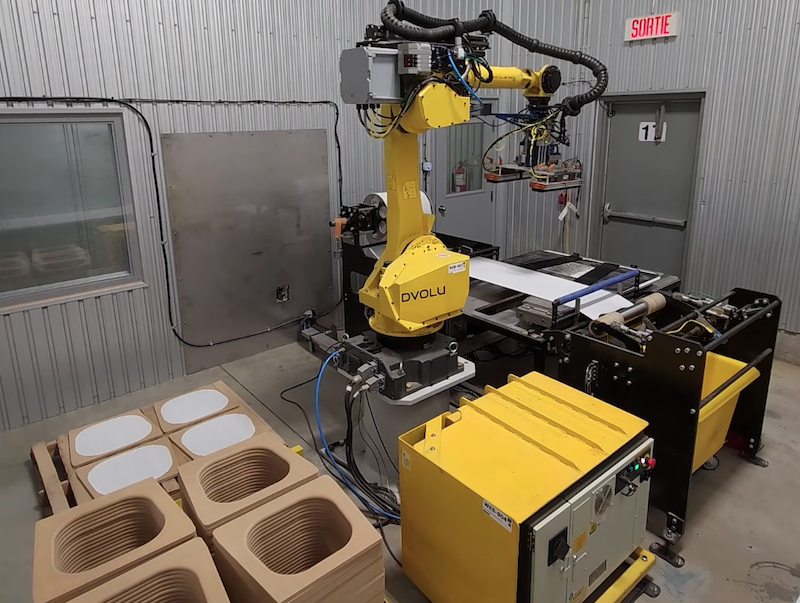
Fanuc-powered robotic cell automates one of furniture manufacturing’s toughest jobs
A Canadian furniture manufacturer has successfully implemented automation in its upholstery process by utilizing a robotic work cell centered around a Fanuc M-710iC industrial robot. This innovative system, developed by Fanuc Authorized System Integrator Dvolu, streamlines tasks that have traditionally demanded skilled labor, such as fabric stretching, stapling, trimming, and palletizing chair seats. The automation aims to enhance efficiency and reduce reliance on manual labor, addressing challenges in workforce availability and productivity. By integrating advanced robotics into their operations, the manufacturer is poised to improve production speed and consistency, marking a significant shift in the furniture industry’s approach to upholstery.
Industrial robots News advanced manufacturing ai vision systems automated trimming automation news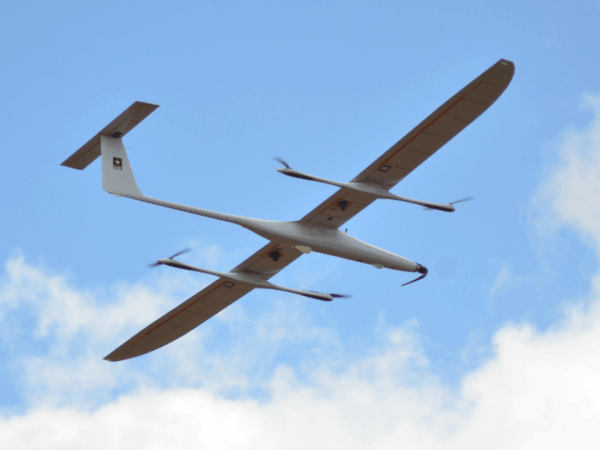
Kraus Hamdani Aerospace Demonstrates Wireless Power Beaming to K1000ULE at Shaw AFB
Kraus Hamdani Aerospace (KHA) and PowerLight Technologies successfully demonstrated their innovative wireless power beaming technology for the K1000ULE drone at Shaw Air Force Base. This event, hosted by the AFCENT Battle Lab, showcased the capability to sustain continuous intelligence, surveillance, and reconnaissance (ISR) operations without the need for ground recovery. The demonstration highlights the potential of laser-based power transmission to enhance operational efficiency for military applications, aligning with CENTCOM's focus on advancing operational energy innovation.
Defense Drone News Drone News Feeds Long Range News aerial surveillance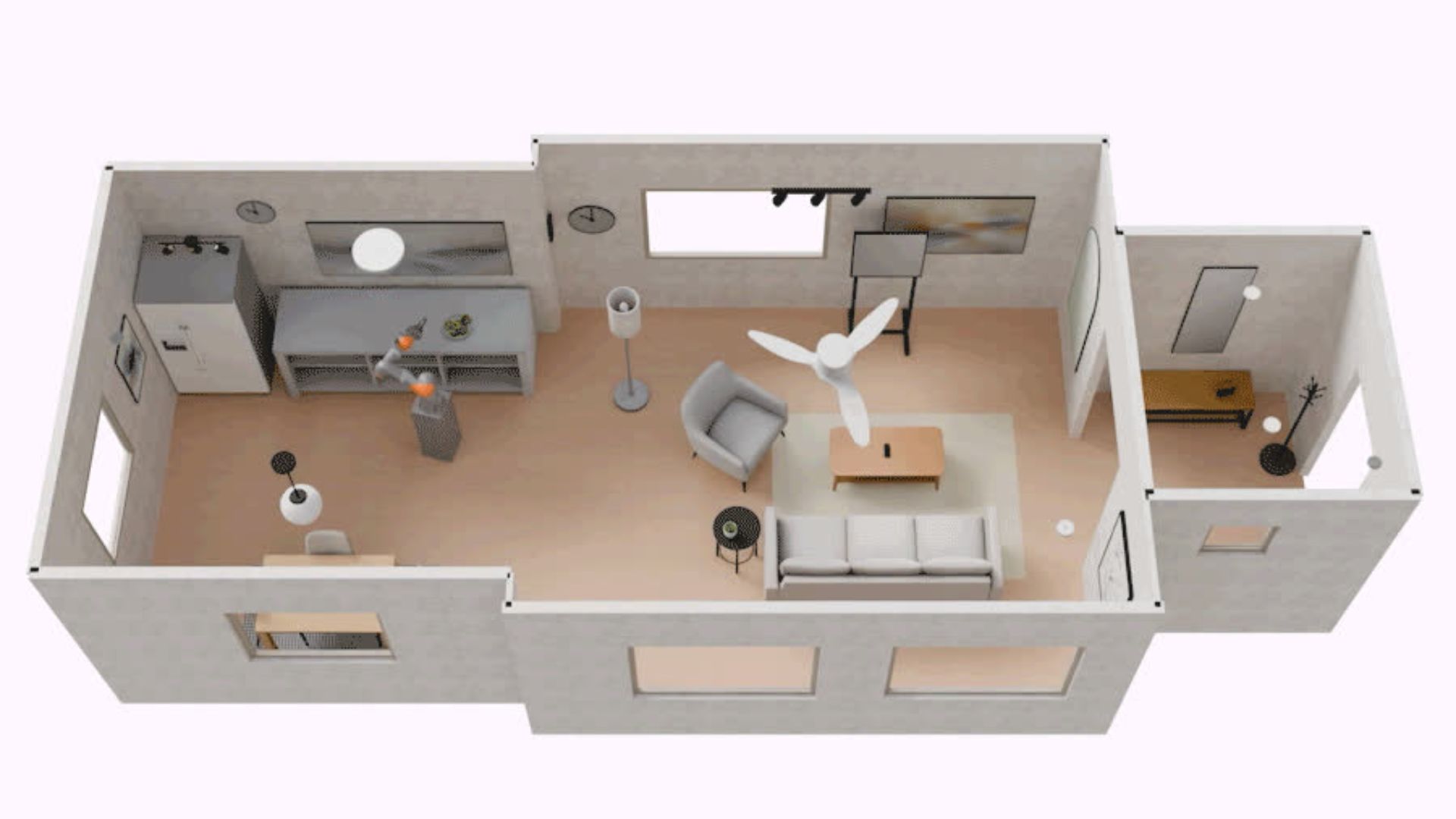
MIT Develops SceneSmith: AI System for Creating Realistic 3D Training Environments for Robots
Researchers at MIT have developed SceneSmith, an AI-powered platform that generates realistic 3D indoor environments for robot training. This innovative system utilizes three collaborative AI agents to create detailed virtual spaces, enabling robots to practice everyday tasks safely and efficiently before real-world deployment. The significance of SceneSmith lies in its ability to reduce the costs and time associated with traditional robot training methods. By providing a virtual setting that mimics real-life environments such as kitchens and offices, robots can learn to interact with various objects without the need for extensive human supervision or physical trials. Looking ahead, SceneSmith has already generated over 1,300 virtual environments, allowing robots to practice tasks like placing fruit on plates and opening cabinets. Researchers have tested robot control programs in 100 different environments, achieving over 99 percent agreement between AI evaluations and human reviewers. No further timeline was disclosed at the time of publication.
AI and Robotics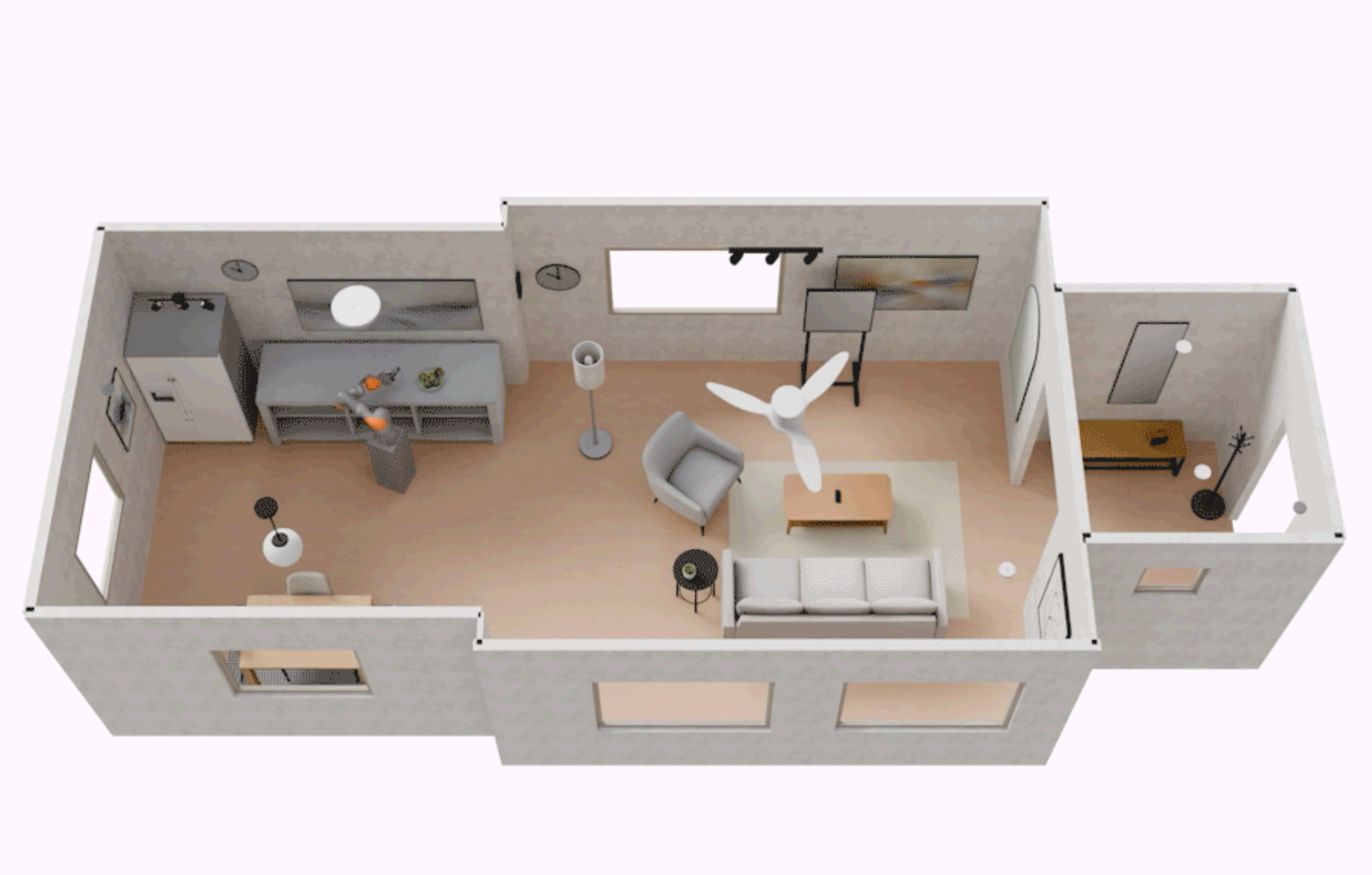
MIT and Toyota Research Institute Unveil SceneSmith for Robot Household Training
MIT's Computer Science and Artificial Intelligence Laboratory (CSAIL) and the Toyota Research Institute have developed SceneSmith, an AI-powered system that allows robots to practice household tasks in a virtual environment. This system utilizes three visual language models to collaboratively create realistic 3D scenes, enabling robots to learn complex skills through extensive simulation. SceneSmith not only generates lifelike environments but also incorporates physical properties like mass, friction, and inertia, allowing robots to interact meaningfully within these spaces. The research team tested over 100 unique action plans in the digital world, revealing flaws in the robots' planning that were validated by human consensus over 99% of the time, helping to refine their strategies before real-world application. The effectiveness of SceneSmith was highlighted at a recent international machine learning conference, where it received positive feedback from over 200 testers, with more than 90% rating its visual realism highly. As robots learn to perform tasks like moving objects in a kitchen, the prospect of robots handling household chores may soon become a reality.
AI Robotics Virtual Reality Machine Learning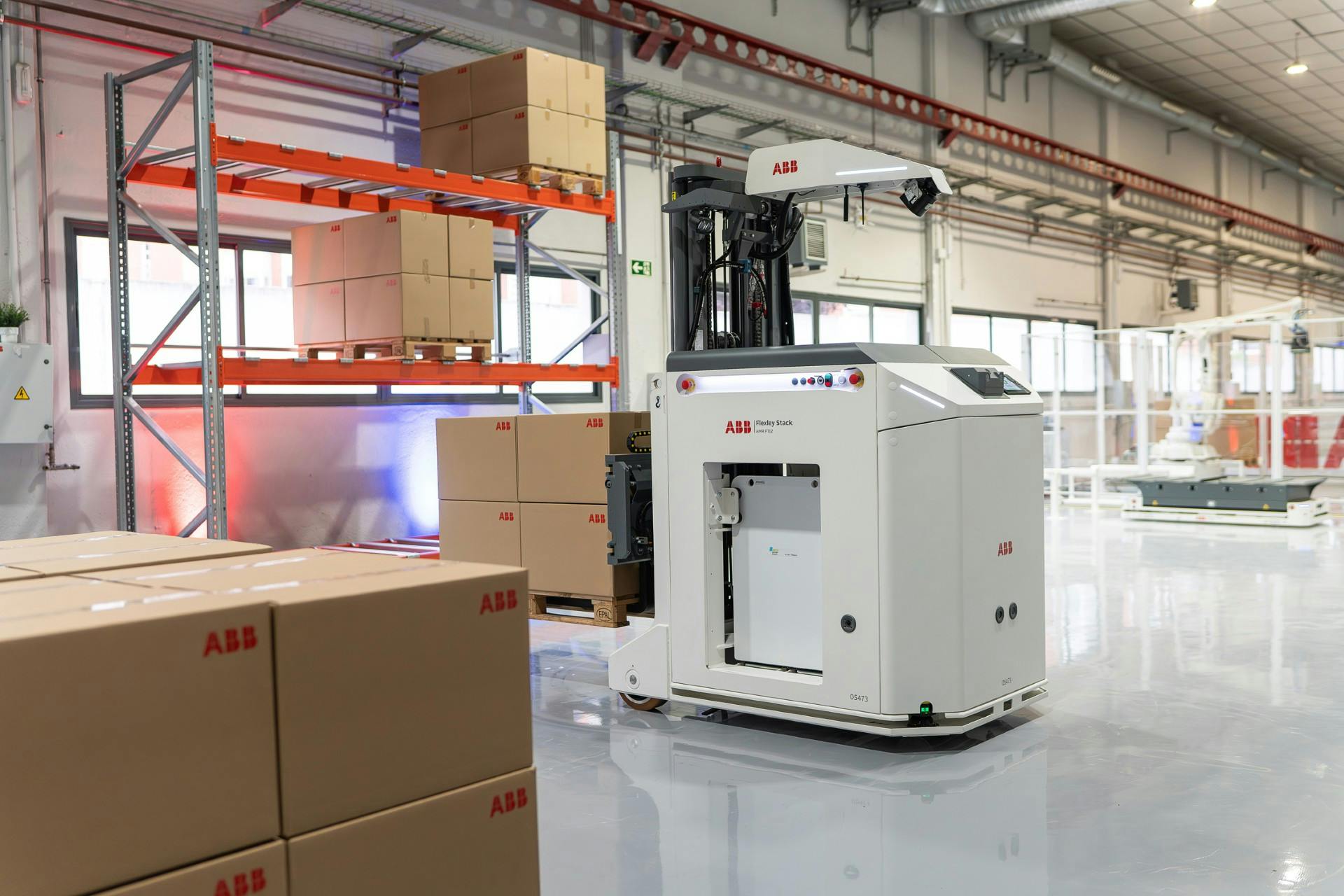
ABB Robotics Introduces Flexley Stack F712 Platform for AI-Driven Autonomous Forklifts
ABB Robotics has launched the Flexley Stack F712 platform, enhancing its AMR portfolio with AI-powered visual technology for autonomous forklifts. This innovation facilitates pallet transport and high-density storage, creating a cohesive ecosystem among ABB’s Visual SLAM AMR types, aimed at improving efficiency in material handling and warehouse operations across various industries, including automotive manufacturing. The introduction of the F712 is significant as it addresses the growing demand for faster and more flexible goods movement in intralogistics, particularly under constraints of limited labor availability. Marc Segura, president of ABB Robotics, emphasized the need for businesses to adapt to increased processing demands while leveraging advanced vision, mobility, and intelligence in their operations. Looking ahead, the Flexley Stack F712 can manage diverse load types and sizes, allowing customers to implement mixed fleets of Visual SLAM-powered vehicles on a unified navigation and fleet management platform. No further timeline was disclosed at the time of publication.
Factory / Analytics
Quantum Systems Group's Apex Recordhunter Drone Achieves 434 mph Speed Milestone
Quantum Systems Group, a German aerospace firm, has announced that its Apex Recordhunter experimental drone reached a remarkable speed of 434 miles per hour. This achievement, pending formal certification, could set a new world record for battery-powered unmanned aerial vehicles. The project emphasizes advancements in electric propulsion and aerodynamics, aiming to enhance military applications for future interceptor drones. The significance of this milestone lies in its potential to reshape aerial defense systems. As military conflicts increasingly utilize high-speed drones, the demand for agile interceptor systems has surged. Traditional surface-to-air missiles are often too expensive for engaging low-cost drones, prompting the development of dedicated UAVs that can effectively counter these threats. The technologies validated through the Apex Recordhunter program are expected to play a crucial role in the next generation of interceptor drones. Looking ahead, Quantum Systems Group plans to conduct further speed trials focused on operational military roles, including FPV platforms and specialized anti-aircraft interceptors. The rapid evolution of drone warfare necessitates breakthroughs in speed and maneuverability, making the Apex Recordhunter a pivotal testbed for future technologies. No further timeline was disclosed at the time of publication.
Military
Insta360 Introduces AI Cameraman Concept with Luna Ultra Gimbal on 11th Anniversary
Insta360 celebrated its 11th anniversary by presenting a vision for an AI-powered Cameraman robot. This concept is not limited to a single hardware product but represents an AI agent capable of autonomous filming, with panoramic drones as one of its initial prototypes. The company has developed essential technologies for various components of the robot, including its brain and sensory systems. The significance of this development lies in Insta360's ambition to innovate beyond traditional photography solutions. The Luna Ultra dual-camera gimbal is highlighted as a crucial step towards realizing the Cameraman's full potential. Founder Liu Jingkang emphasized the company's commitment to addressing challenges that others may avoid, focusing on creativity and aesthetics in their technological pursuits. Looking ahead, Insta360 aims to further refine its AI Cameraman concept and explore additional prototypes. No further timeline was disclosed at the time of publication, but the company's focus on commercialization and efficiency suggests a strategic roadmap for future developments in autonomous filming technology.
News Feed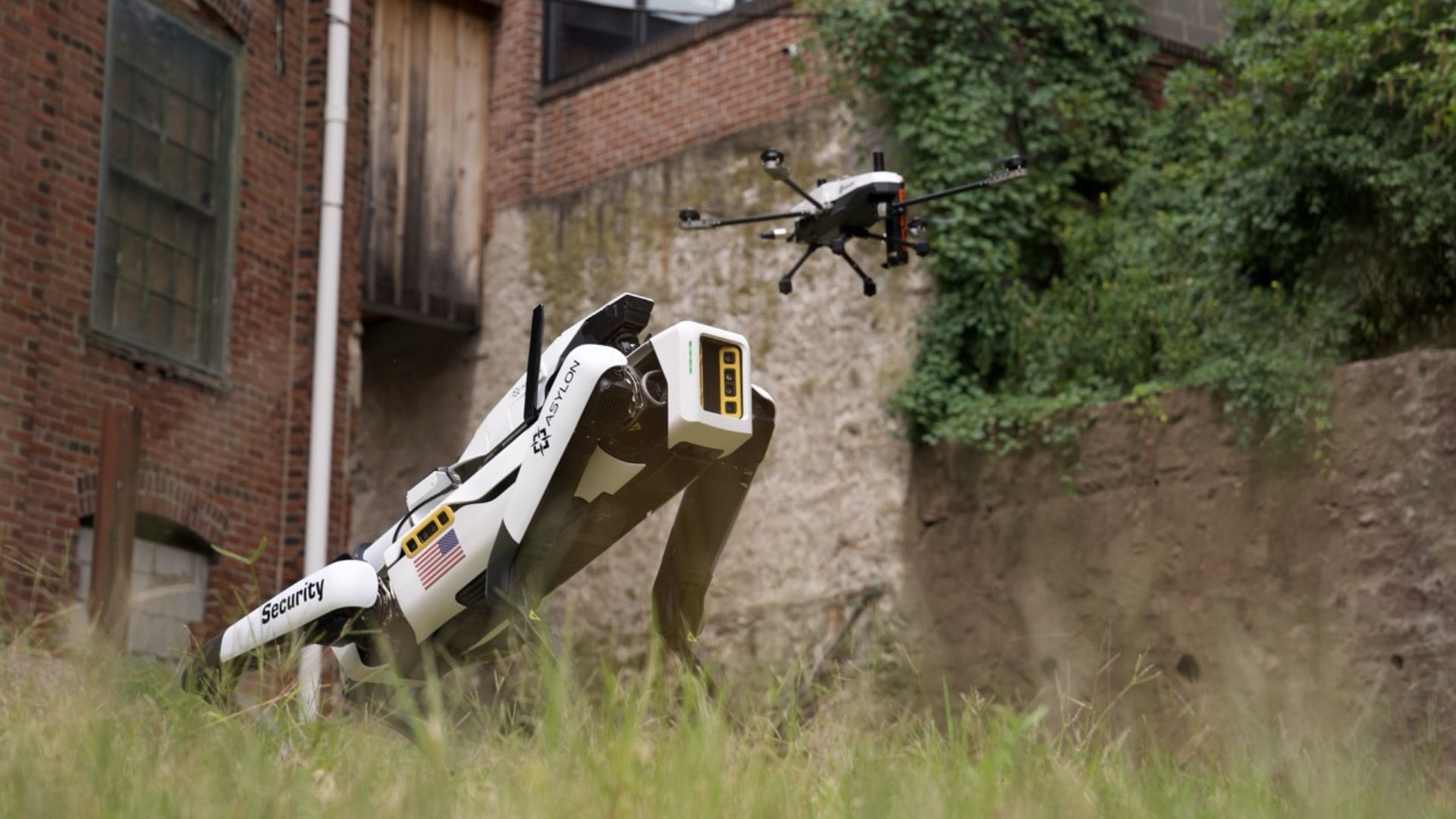
Asylon's MARIA System Enhances Aircraft Inspections for U.S. Air Force
Asylon has secured a Phase Three contract with the U.S. Air Force's Warner Robins Air Logistics Complex to deploy its Multi-modal Autonomous Robotics for Inspection of Aircraft (MARIA) system. This initiative aims to streamline aircraft inspections by integrating air and ground robotic platforms, significantly reducing the time for general visual inspections while enhancing consistency in maintenance tasks. The MARIA system combines Asylon's Guardian unmanned aircraft with the DroneDog Q-UGV, utilizing the Range autonomy software and DroneIQ command-and-control system for efficient inspection management. The significance of this deployment lies in its potential to transform aircraft maintenance operations. By automating inspections, the MARIA system not only improves inspection quality but also mitigates the risks associated with labor-intensive tasks. The integration of imagery, LiDAR data, and telemetry into a single platform allows maintenance personnel to make informed decisions quickly, thereby enhancing aircraft readiness without increasing manpower demands. This project marks a pivotal shift in how the Air Force approaches maintenance, leveraging autonomous technologies to optimize operational efficiency. Looking ahead, the success of the MARIA deployment at Warner Robins could lead to broader adoption of these technologies across military maintenance organizations. No further timeline was disclosed at the time of publication, but the ongoing collaboration between Asylon and the Air Force may pave the way for future advancements in defense sustainment operations, particularly in the realm of autonomous inspections and maintenance support.
Military
SpaceX Unveils AI1 Satellite Specs for Starmind Constellation with Key Thermal Challenges
SpaceX has introduced the AI1 satellite, the inaugural component of its Starmind constellation, which stands 20 meters tall and has a wingspan of 70 meters. This orbital compute node is designed to deliver computing power equivalent to one NVIDIA GB300 server rack, utilizing a unique cooling system with deployable liquid radiators. The satellite's specifications were revealed during a presentation on June 8, 2026, ahead of SpaceX's IPO. The significance of the AI1 satellite lies in its role as a compute platform rather than a traditional satellite, focusing on running AI inference workloads. The satellite's cooling system, which is critical for its operation in the vacuum of space, is designed to reject heat through infrared radiation. However, independent engineers have raised concerns about the feasibility of the thermal and mass claims made by SpaceX, suggesting that the cooling requirements may exceed practical limits. Looking ahead, SpaceX plans to launch two AI1 prototypes in early 2027, with full-scale production expected to commence later that year at its Gigasat facility in Bastrop, Texas. The ongoing debate regarding the satellite's thermal management capabilities will be crucial to monitor as the project progresses, with no further timeline disclosed at the time of publication.
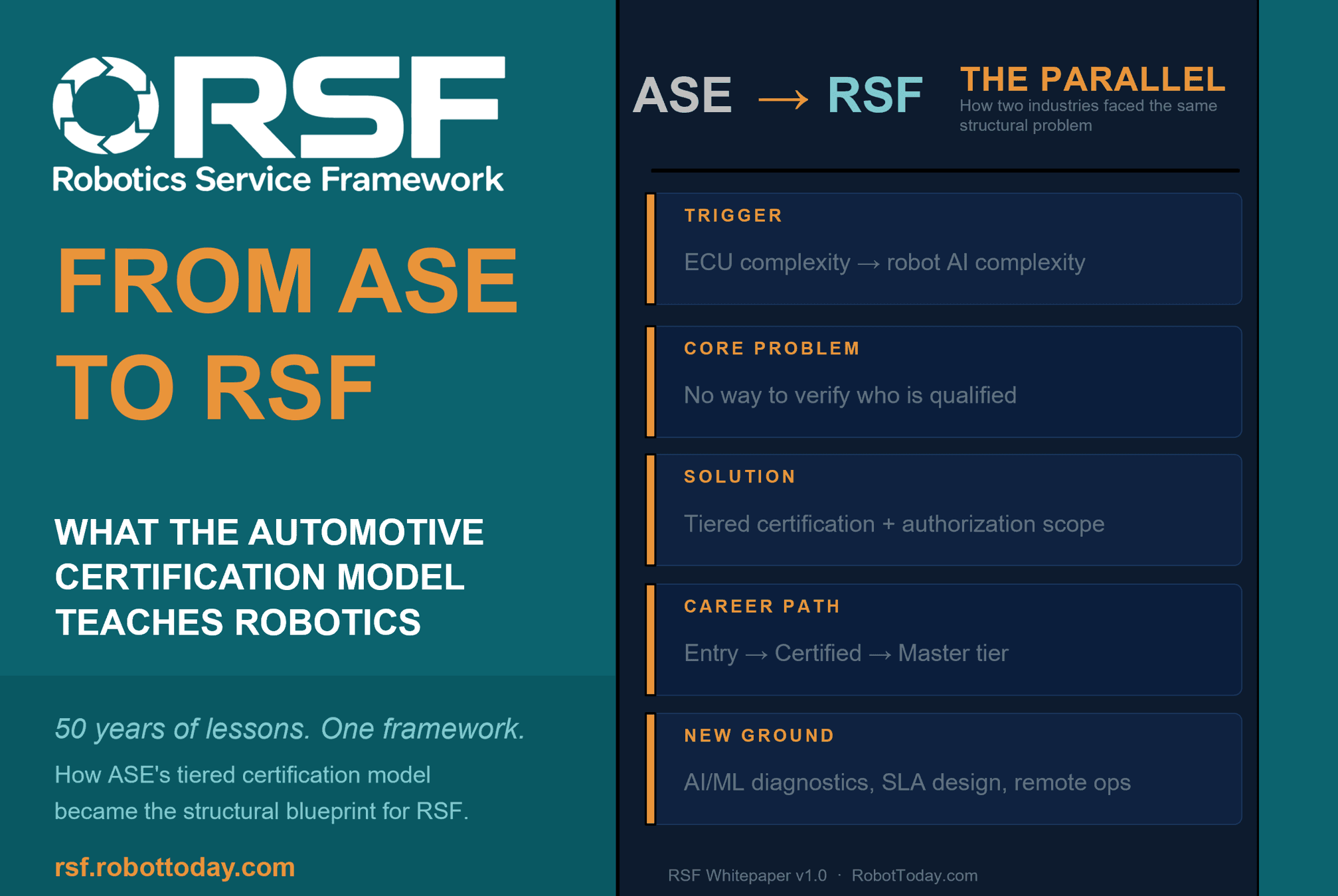
Robotics needs a service framework.
RSF defines a common language for robot service capability, lifecycle operations, certification pathways, and service-provider networks.