Industry Briefing
A single destination for timely, editor-curated robotics news from around the world.

Paris aims to become the European capital of Physical AI by 2026.
A new era of artificial intelligence is emerging, transitioning from the digital realm of generative AI to the physical world with the development of robots that can perceive, reason, and act in real environments. On July 7, Paris will host the inaugural edition of MACHINA 2026, an event aimed at establishing the city as the European capital of Physical AI. This initiative reflects a growing interest in integrating advanced AI technologies into everyday life, highlighting the potential for robots to enhance various sectors by interacting with their surroundings in meaningful ways. The event is expected to showcase innovations and foster discussions on the future of robotics and AI in society.
À la une IA Industrie Robotique 1X Robotics Agility Robotics
Industry 4.0 Conference to Take Place in Paris on June 23-24
On June 23 and 24, Paris Expo – Porte de Versailles will host the Tech For Industry Show, a new professional event focused on Industry 4.0 technologies. This gathering aims to highlight advancements in industrial technology and is expected to be a significant highlight on the industrial agenda. Robot-Magazine.fr is serving as an official partner for the event, which promises to attract industry professionals and showcase innovative solutions.
À la une IA Industrie Robotique AMR robots mobiles autonomes automatisation industrielle.
Tesla's Performance Since Joining the S&P 500: A Comparison with Index Funds
On December 18, 2020, Tesla's shares rose nearly 6% to close at $695 as it prepared to join the S&P 500. This addition was based on that closing price, leading index funds to effectively purchase shares at this rate. Since then, a $10,000 investment in Tesla would have grown to approximately $15,700, while the same amount in an S&P 500 index fund would have increased to about $20,500. Despite Tesla's significant growth, including a revenue of $31.5 billion in 2020 and its first profitable year, the stock's performance has lagged behind the S&P 500. The index has seen a 105% increase since Tesla's inclusion, translating to about 13% annual growth, while Tesla's stock has only appreciated by about 57% over the same period, averaging around 8% per year. Looking ahead, Tesla's stock has fluctuated, reaching a high of $498.83 in the past year, which would have valued a $10,000 investment at over $21,000. However, it has not maintained this level. No further timeline was disclosed at the time of publication.

MIT Study Reveals Brain Circuit's Role in Sensory Decision-Making and Memory Comparison
MIT neuroscientists have identified a brain circuit that connects sensory decision-making regions with those that assess recent sensory changes. This circuit enables the brain to compare past sensory experiences with current information, aiding in decision-making. The findings could have implications for understanding sensory processing in conditions like autism. The research highlights the importance of the pulvinar region of the thalamus in guiding sensory decisions based on immediate past experiences. By studying mice trained to discern movement patterns in a video game, the team demonstrated that the LP-ACC circuit influences how sensory information is processed and decisions are made. This understanding of the brain's decision-making mechanisms could lead to advancements in treating sensory processing disorders. Future research may explore the applications of these findings in understanding autism, where individuals often struggle with sensory predictions. The study opens avenues for further investigation into how the brain integrates sensory perception and learning to inform behavior. No further timeline was disclosed at the time of publication.
Research Brain and cognitive sciences Learning Memory Neuroscience Vision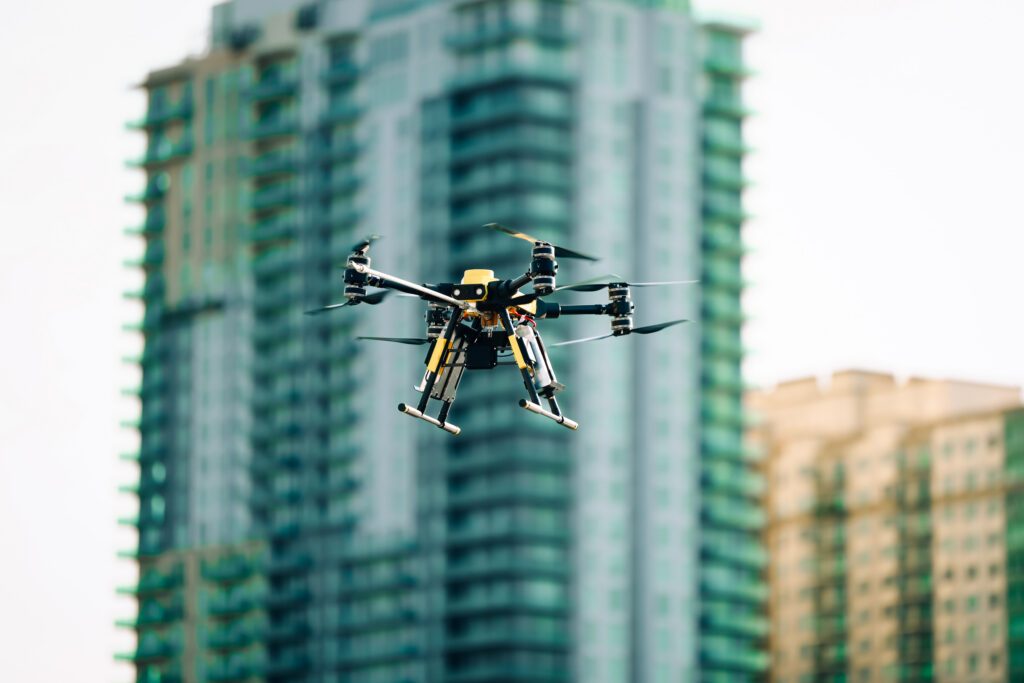
Apellix B2 Leads Commercial Cleaning Drone Market with Superior Specs in 2026
As of August 6, 2026, the Apellix B2 stands out among purpose-built commercial cleaning drones, boasting a working height of 195 feet and a maximum flight time of 32 minutes. The growing trend of using drones for exterior cleaning is reshaping the industry, as it reduces the need for traditional scaffolding and keeps crews safely on the ground. The significance of this shift is underscored by recent contracts, such as a Jacksonville building bid that specifically sought drone cleaning services, resulting in an Apellix operator winning the contract. This competitive landscape has prompted traditional window-washing companies to adopt drone technology to remain viable in the market. Looking ahead, the Apellix Power Wash Drone continues to dominate the commercial cleaning sector, with deployments in 21 countries. Buyers are encouraged to evaluate specific configurations and performance metrics before making a purchase, as the market for cleaning drones is rapidly evolving and diversifying.
Applications Drone News Drone News Feeds Sponsored Content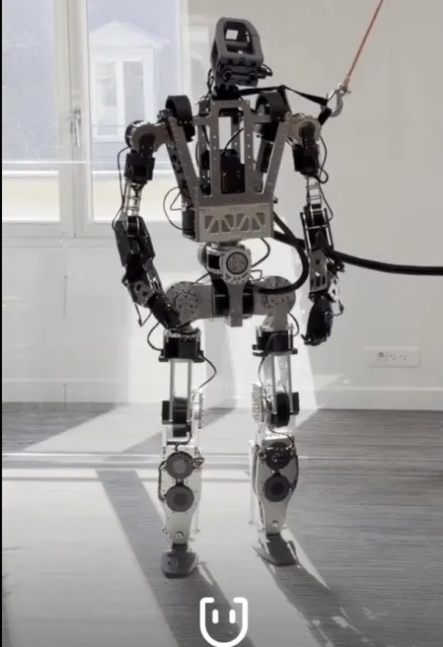
Former Tesla Scientist Launches European Humanoid Robot 'Northstar' in Paris
Rémi Cadène, a former scientist at Tesla's Optimus project, has launched UMA in Paris, which is dedicated to creating 'Northstar', a lightweight humanoid robot designed for the manufacturing and logistics industries. The initiative comes in response to Europe's escalating labor costs and its aging workforce, aiming to provide practical and safe robotic solutions that leverage real-time learning for skill acquisition. With backing from prominent investors, UMA is actively engaging with approximately 50 potential clients to explore pilot projects across various sectors, signaling a significant step towards integrating advanced robotics into the European market.
Humanoid Robots Robotics Development AI Technology Automation Solutions
Starmind's Orbital Compute vs. Terrestrial Data Centers: Analyzing Resource Advantages
Starmind's orbital compute technology presents a significant advantage over traditional ground-based data centers by eliminating constraints related to land, water, and grid permitting. While terrestrial data centers are currently cheaper and faster to construct, with U.S. data center spending reaching $85.3 billion in 2026, Starmind's approach focuses on addressing the growing resource limitations faced by hyperscale facilities. The significance of Starmind's technology lies in its ability to sidestep the increasing challenges of land and water usage. For instance, a 100 MW data center can consume approximately 530,000 gallons of water daily for cooling, while Starmind's AI1 utilizes deployable liquid radiators that require no water. This structural advantage could resonate with investors as the demand for AI computing continues to escalate, potentially leading to annual water withdrawals of up to 1.7 trillion gallons by 2027. Looking ahead, Starmind's next milestones include the launch of AI1 prototypes scheduled for early 2027. However, the technology's claims regarding cooling efficiency and operational reliability remain unverified until real flight data is available. As the industry evolves, the competition between orbital and terrestrial solutions will become increasingly relevant, particularly in the context of resource management and sustainability.
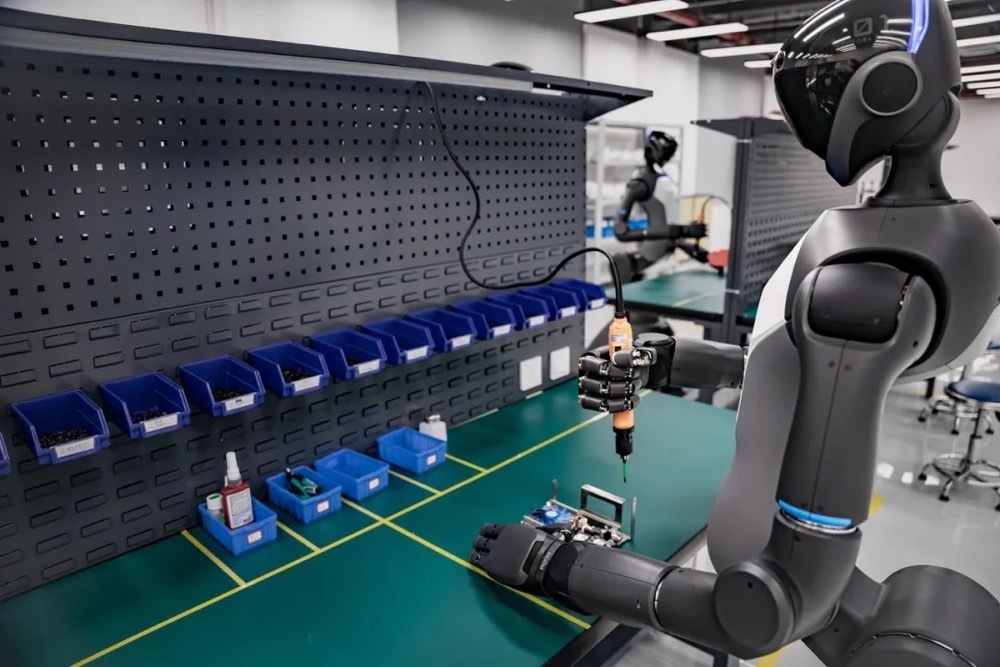
Tesla Optimus vs Unitree G1, 1X NEO & Digit: 2026 Comparison
In a comprehensive comparison of advanced robotics, Tesla's Optimus is pitted against Unitree's G1, 1X NEO, and Agility's Digit, showcasing their specifications, pricing, and availability as of 2026. This analysis highlights the key features and functionalities of each model, providing potential buyers with essential information to make informed decisions. The comparison comes at a time when interest in robotic technology is surging, driven by advancements in automation and artificial intelligence. As consumers and businesses alike seek to integrate robotics into their operations, understanding the differences between these models is crucial. The evaluation not only outlines the technical capabilities of each robot but also addresses their market readiness, allowing interested parties to assess which options are currently available for purchase.

AGIBOT Showcases Embodied AI Robots at VivaTech 2026 in Paris
AGIBOT, a leader in embodied AI and robotics, showcased its innovative humanoid robots at the 10th-anniversary celebration of VivaTech 2026 in Paris on June 23. The event, held on the iconic Champs-Élysées, allowed visitors to engage with cutting-edge technologies, including live demonstrations of AGIBOT's robotics capabilities in areas such as interaction, locomotion, and manipulation. William Shi, AGIBOT's President for Europe and the Americas, emphasized the shift in the humanoid robotics industry from experimental concepts to practical applications, highlighting the importance of platforms like VivaTech for connecting with the technology and business communities in Europe. During the event, AGIBOT's robots, including the X2 and D1 models, participated in a coordinated performance and a robot parade, captivating an audience of 2,000. Additionally, AGIBOT engaged in a bilingual panel discussion focused on the future of AI and humanoid robotics, exploring the transition from demonstration to real-world deployment. The company aims to advance its robotics technologies to create smarter and safer robotic solutions for various applications. AGIBOT's commitment to innovation is underscored by the recent milestone of producing its 10,000th robot earlier this year.
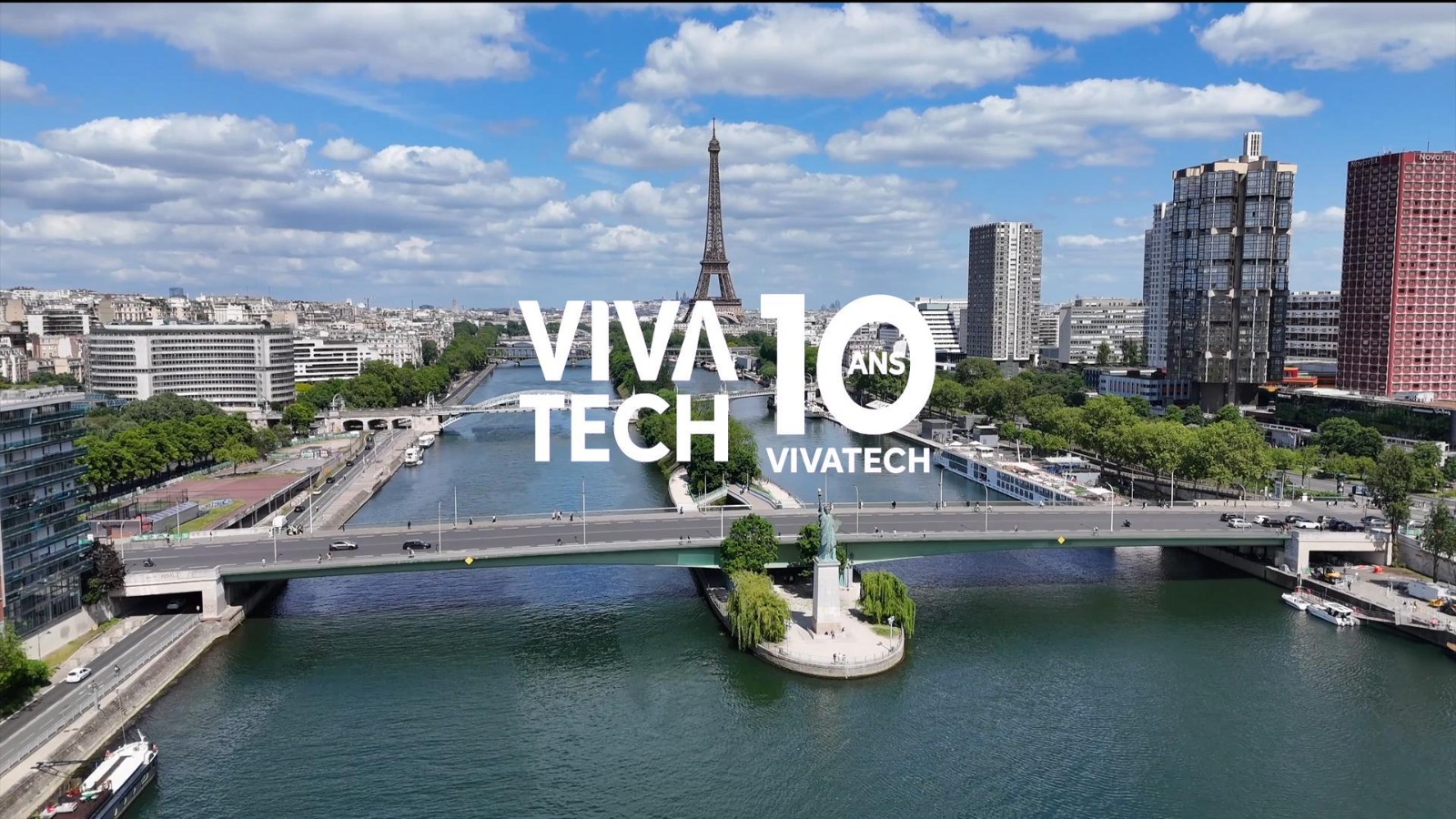
AGIBOT Showcases Embodied AI Robots at VivaTech 2026 in Paris
AGIBOT unveiled its cutting-edge embodied AI robots during VivaTech 2026, held in Paris. The company conducted live demonstrations showcasing the robots' advanced interaction, locomotion, and manipulation abilities. Central to their presentation was the 'Three Intelligences in One' architecture, which underscores the evolution of humanoid robotics from experimental concepts to practical applications. AGIBOT also engaged with industry leaders to discuss the future trajectory of AI and robotics, highlighting the growing relevance of these technologies in various sectors.
Embodied AI Robotics Technology Innovation Humanoid Robotics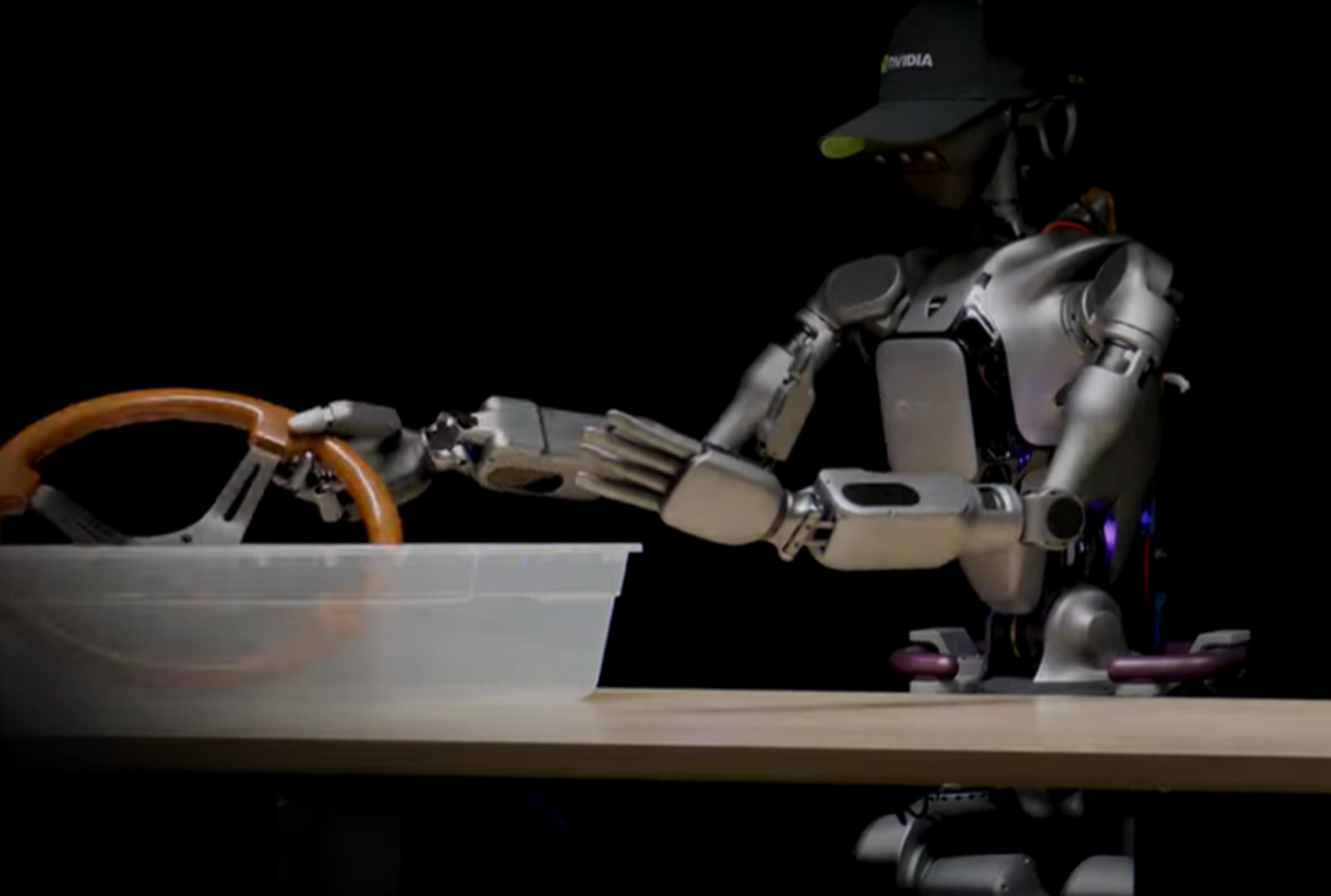
With new Paris office, UAE’s EDGE Group sees Europe as ‘next large market’: CEO
EDGE CEO Hamad Al Marar reported to Breaking Defense that the company is experiencing a surge in demand for its technology following its involvement in defending the United Arab Emirates against Iranian attacks. This increased interest in EDGE's offerings highlights the growing importance of advanced defense systems in the region, particularly in light of recent geopolitical tensions. Al Marar's comments underscore the company's pivotal role in enhancing national security and its commitment to providing innovative solutions to meet the evolving challenges faced by the UAE.
Air Warfare Global Land Warfare africa Air Force Army
UAE’s EDGE Group launches European arm out of Paris
EDGE Europe has announced the establishment of two key sites in France, with a head office located in Chaillot, central Paris, and a manufacturing facility in Bordeaux. The Paris office will primarily focus on government interactions and investment opportunities, while the Bordeaux site will be dedicated to the design, integration, and development of various platforms. This strategic move aims to enhance the company's operational capabilities and strengthen its presence in the European market. The decision reflects EDGE Europe's commitment to expanding its footprint and fostering collaboration with local governments and industries.
Global Business & Industry EDGE Group Europe EUROSATORY 2026 france
Tesla Optimus Gen 3 vs Gen 2: Full Specs Comparison (2026)
A detailed comparison of the specifications for the upcoming Generation 3 and the previous Generation 2 robotic hands has been released, highlighting significant advancements in technology. The new Generation 3 model boasts 50 actuators and 22 degrees of freedom (DoF), a marked improvement over the Generation 2, which features only 28 actuators and 11 DoF. This comparison has generated considerable interest as it outlines both confirmed features and aspects that remain uncertain. The unveiling of these new specifications is set to take place at the AWE (Augmented World Expo) in Shanghai, scheduled for 2026. The enhancements in the Generation 3 model are expected to provide greater dexterity and functionality, reflecting ongoing innovations in robotic design aimed at improving user interaction and performance. The anticipation surrounding this reveal underscores the growing importance of advanced robotics in various applications, from industrial use to personal assistance.
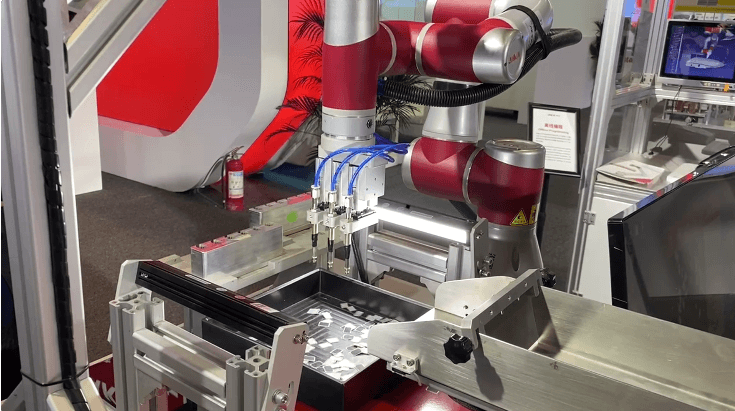
Understanding the Different Robot Arm Types (6-Axis, SCARA, Delta): A Comparison Guide
In the evolving field of automation, selecting the right type of robotic arm is crucial for optimizing production strategies. Different robotic configurations, including 6-axis, SCARA, and Delta robots, offer unique mechanical strengths and capabilities tailored to specific manufacturing tasks. The 6-axis articulated robot, commonly found in factories, mimics human arm movements and excels in complex processes like welding and assembly due to its six degrees of freedom and flexible work envelope. In contrast, SCARA robots, known for their rigidity in the vertical axis and compliance in horizontal movements, are ideal for high-speed tasks such as pick-and-place and electronics assembly, achieving remarkable precision and faster cycle times. Delta robots, characterized by their lightweight, spider-like design, are engineered for high-speed sorting and packaging in industries like food and pharmaceuticals, making them suitable for handling lightweight items quickly. JAKA Robotics has focused on enhancing 6-axis collaborative industrial robots, offering models like the JAKA Zu and Pro series that combine power and agility for various applications, from precision assembly to heavy-duty palletizing. JAKA emphasizes "Embodied Intelligence," ensuring their robots provide precise repeatability and user-friendly operation through wireless control and intuitive programming, catering to the needs of modern smart factories.
Tesla Optimus vs Figure AI vs Hyundai Atlas: Full Comparison 2026
As the competition in the humanoid robot sector intensifies, Tesla, Figure, and Electric Atlas are vying for dominance with their latest models. By 2026, these companies are expected to showcase significant advancements in specifications, production capabilities, and artificial intelligence integration. Tesla's Gen 3 robot aims to leverage its existing technology and infrastructure to enhance efficiency and functionality, while Figure is focusing on creating a more agile and adaptable humanoid design. Electric Atlas, on the other hand, is emphasizing robust funding and innovative engineering to push the boundaries of what humanoid robots can achieve. The race is not just about technological superiority; it also involves strategic partnerships and investments that could shape the future of robotics. As these companies ramp up their production efforts, the industry is closely monitoring their progress, particularly in terms of AI capabilities that will enable these robots to perform complex tasks autonomously. The outcome of this competition could redefine the landscape of robotics and its applications across various sectors, including manufacturing, healthcare, and personal assistance. With the deadline of 2026 approaching, industry experts are analyzing the strengths and weaknesses of each contender, assessing how their unique approaches to design and technology will influence their success in capturing market share. As advancements continue, the question remains: which company will emerge as the leader in the humanoid robot race?
PARIS’ VIVATECH ENTERS A NEW DIMENSION FOR ITS 10TH ANNIVERSARY
From June 17 to 20, 2026, Porte de Versailles in Paris will be the venue for the 10th edition of VivaTech, Europe’s premier event focused on startups and technology. This annual gathering has become an essential platform for industry leaders, innovators, and entrepreneurs to engage in discussions about the latest advancements in technology, particularly artificial intelligence. The event aims to foster collaboration and spark important conversations about the future of tech, making it a key date on the calendar for anyone involved in the tech sector.
Events News CHINA Highlight
Cobots vs. Alternatives: The Ultimate Comparison Chart
Modern manufacturing is at a pivotal crossroads as companies seek to balance the demands of high-speed production with the need for flexibility. Traditionally, manufacturers faced a choice between manual labor for intricate tasks and industrial robots for high-volume output. However, the introduction of collaborative robots, or cobots, has provided a versatile solution that combines safety and adaptability, addressing the limitations of both previous options. While traditional industrial robots excel in speed and power, they require substantial investments in safety measures, such as fencing and barriers. On the other hand, manual labor, though flexible, is becoming increasingly unsustainable due to rising costs and labor shortages. Cobots are designed to work alongside humans, equipped with advanced technology that allows them to detect resistance and halt operation, thus eliminating the need for extensive safety infrastructure. This capability enables manufacturers to seamlessly integrate automation into existing production lines without the need for facility expansion. JAKA, a leader in this field, has developed cobots that combine industrial-grade precision with user-friendly features. Their JAKA Zu series can handle payloads of up to 20 kg, while the JAKA Pro series is built to withstand challenging environments, including exposure to metal shavings and liquids. With intuitive programming and wireless teaching, JAKA's cobots empower existing staff to operate them with minimal training, fostering a collaborative environment where technology and human skills enhance production efficiency.

A Day in the Life in Ouachita Parish: Inside a Real-Time Crime Center Where Drones Shape the Response
At the Motorola Solutions Summit 2026, Chief Deputy Larry Knight of the Ouachita Parish Sheriff’s Office discussed the transformative role of aerial intelligence in law enforcement. The integration of drone technology has enabled deputies to respond to incidents with enhanced information and safety. This real-time crime center allows for immediate data collection and analysis, significantly improving the decision-making process from the initial call to the final response. The initiative aims to bolster public safety and operational efficiency in Ouachita Parish, showcasing how innovative technology can reshape policing strategies.
Applications DL Exclusive Drone News Drone News Feeds Featured – Safety and Security News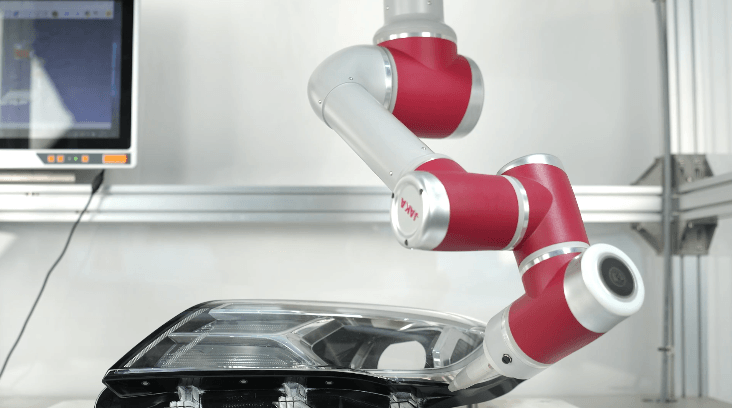
Cobot Arms vs. Traditional Arm Robots Industrial: TCO and Flexibility Comparison
Manufacturers are increasingly reassessing the role of automation in their long-term production strategies, particularly in light of the advantages offered by collaborative robots (cobots) compared to traditional industrial robots. JAKA, a leader in this field, reports a surge in demand for adaptable industrial robot arms that can be quickly deployed to meet fluctuating production requirements. This trend underscores a shift towards collaborative automation, which enhances efficiency without the need for rigid setups or complex infrastructure. The total cost of ownership (TCO) is a critical factor in this evaluation, extending beyond the initial purchase price of robotic systems. Traditional robots often incur higher indirect costs due to the need for safety measures, intricate integration, and extended commissioning times. In contrast, cobots simplify installation and allow for rapid redeployment across various tasks, ultimately lowering TCO. JAKA emphasizes that manufacturers also consider maintenance, retraining, and downtime when selecting automation solutions. Flexibility is another significant advantage of cobots, which are designed for easy reprogramming to accommodate varying product specifications. The JAKA Zu3, for instance, is frequently utilized in adhesive applications, allowing manufacturers to adapt to changing workflows efficiently. This capability is particularly beneficial in fast-paced environments with short product lifecycles. Moreover, cobots enhance safety by taking over hazardous tasks, thereby reducing the risk of accidents while ensuring consistent processing precision and product quality. While traditional robots remain effective for high-volume operations, collaborative robots offer a balanced solution that prioritizes safety, quality, and adaptability. JAKA continues to innovate in this space, helping manufacturers align their automation strategies with evolving production needs.
Tesla Optimus Gen 2 vs Gen 1: Full Specs & Comparison (2026)
A comprehensive comparison of specifications between the first and second generation of a robotic model has been released, highlighting key differences in performance and capabilities. The robot, weighing 57 kg, operates at a speed of 8 km/h and features 28 degrees of freedom, showcasing its advanced mobility. It is powered by a 2.3 kWh battery, which enhances its operational efficiency. Additionally, the report includes insights into the upcoming third generation, which is set to receive significant upgrades, further improving its functionality. The deployment of the new factory, scheduled for 2026, marks a pivotal step in the production and advancement of these robotic technologies. This analysis, based on data available until October 2023, aims to inform stakeholders about the evolution of robotic capabilities and the strategic plans for future developments in the industry.
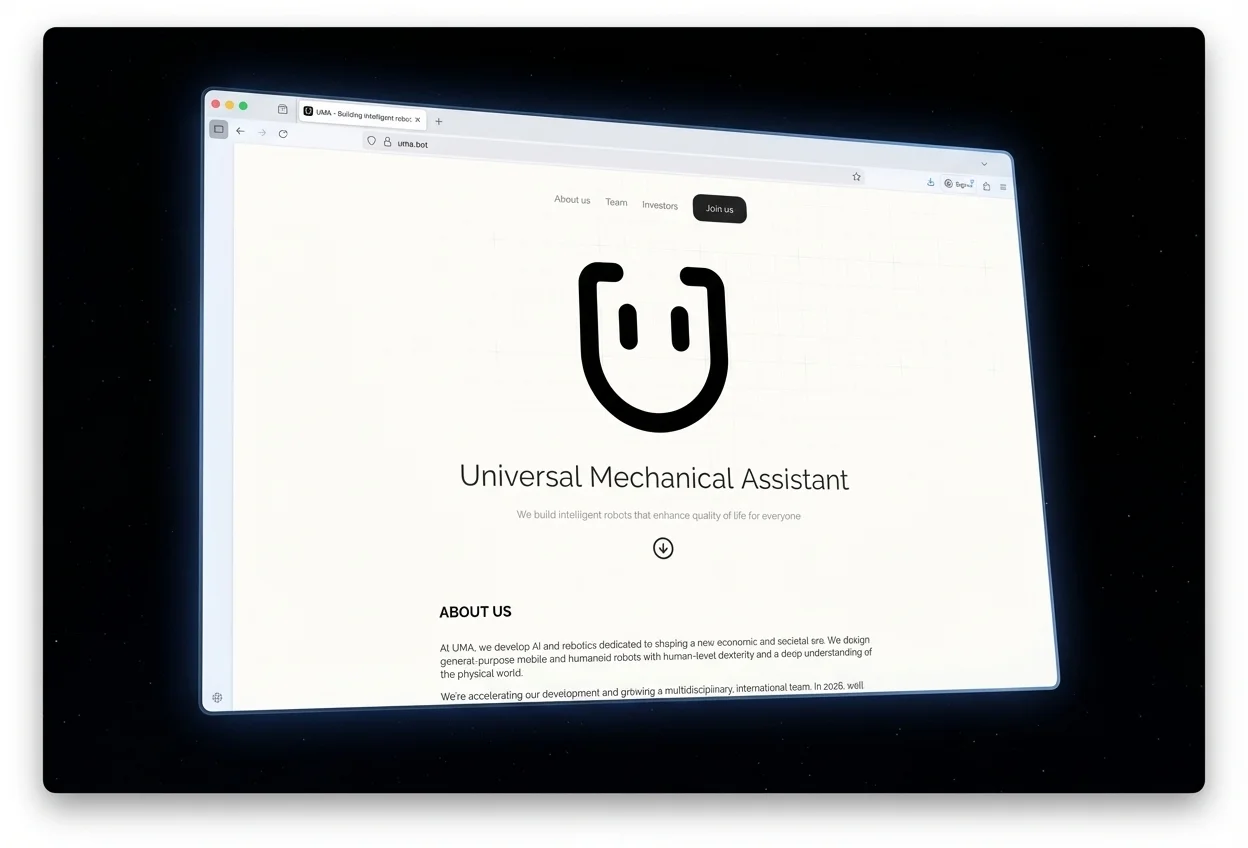
UMA Exits Stealth: The European Robotics ''Supergroup'' Arrives in Paris
Rémi Cadene, a former researcher at Tesla and Hugging Face, has unveiled UMA, a new venture that boasts a formidable founding team and aims to develop general-purpose robots by 2026. The announcement highlights the company's ambitious vision to revolutionize the robotics industry, leveraging advanced technologies to create versatile machines capable of performing a wide range of tasks. With a strong emphasis on innovation and practicality, UMA seeks to address the growing demand for automation across various sectors. The initiative is set to position itself at the forefront of the robotics field, promising significant advancements in functionality and efficiency.
Uma Europe
In Paris, a New Stealth Startup Named UMA Enters the Humanoid Race
A new French company is entering the rapidly evolving European robotics sector by developing "intelligent humanoid robots" designed for stylized movement and learning-based control. Job listings from the venture indicate a strong emphasis on advanced robotics technology, reflecting the growing interest and competition in the field. As the demand for innovative robotic solutions increases, this initiative aims to contribute to the landscape by combining cutting-edge design with adaptive learning capabilities. The company's focus on humanoid robots highlights a shift towards more interactive and versatile machines, potentially transforming various industries.
Uma EuropeRobotics needs a service framework.
RSF defines a common language for robot service capability, lifecycle operations, certification pathways, and service-provider networks.
Join the RobotToday community on LinkedIn
Daily robotics news, in-depth analysis, conference highlights, and discussions with professionals worldwide.