A single destination for timely, editor-curated robotics news from around the world.
The demand for oceanfront condominiums continues to surge as buyers from various parts of the country seek properties that offer immediate access to the beach. This trend highlights a growing interest in coastal living, driven by the allure of scenic views and a desirable lifestyle. Potential homeowners are increasingly recognizing that the value of these properties extends beyond their picturesque locations; they also represent long-term investment opportunities. As the market evolves, savvy buyers are advised to carefully consider their options to ensure they make informed decisions that align with their lifestyle preferences and financial goals.
RoboticsAndAutomationNews.com By Sam Francis 6 hours ago Culture Economy Beach condos Beachfront property Coastal real estate Condo association
In a significant advancement for warehouse operations, a company has successfully transitioned from manual electric carts to fully automated transport systems utilizing autonomous mobile robots. This shift, which took place recently, aims to enhance efficiency and streamline logistics within the facility. By implementing these robots, the company seeks to reduce the need for human intervention in material handling, thereby minimizing the risk of accidents and improving overall productivity. The integration of this technology marks a pivotal change in how goods are transported within the warehouse, reflecting a broader trend towards automation in the industry.
kuka.com By KUKA Jun 29, 2026
Tuya Inc., a prominent player in the AI and IoT sector, has announced a strategic partnership with Zeroth on June 12, 2026, to enhance the capabilities of smart home robots. This collaboration aims to merge Tuya's advanced AI+IoT ecosystem with Zeroth's robotics expertise, creating intelligent household companions that can adapt to user needs. Traditionally, home service robots have functioned as isolated devices, limiting their integration with other smart home systems. The partnership seeks to overcome this challenge by enabling robots to serve as integrated hubs within connected homes, effectively managing various devices such as lighting, climate control, and security systems. Utilizing Tuya's proprietary Physical AI Engine (PAE), the robots will transform into proactive household managers, enhancing the overall smart living experience. This initiative reflects Tuya's commitment to delivering innovative solutions in the smart device market while addressing the growing demand for more sophisticated home automation.
YahooFinance Jun 26, 2026
Amazon.co.jp is currently offering a time-limited sale on the YAMAZEN Living Fan AMR-BJ30 (W), which features remote control operation and three adjustable wind speeds. This fan is designed with five blades and includes an automatic oscillation function as well as a timer feature for added convenience.
ITmedia.co.jp Jun 25, 2026
Elon Musk is expanding his vision beyond electric vehicles and humanoid robots, aiming to revolutionize multiple industries through advanced technology. At a recent event, Musk outlined his ambitious plans for the future of transportation, artificial intelligence, and sustainable energy. He emphasized the importance of innovation in addressing global challenges, such as climate change and resource scarcity. Scheduled for implementation over the next few years, Musk's initiatives will take place primarily at Tesla's headquarters in California, where the company is ramping up research and development efforts. By integrating cutting-edge AI and robotics into everyday life, Musk hopes to enhance productivity and improve living standards. The motivation behind these projects stems from Musk's belief in creating a sustainable future and reducing humanity's reliance on fossil fuels. He envisions a world where technology not only serves as a means of transportation but also contributes to a cleaner and more efficient way of living. Through strategic partnerships and investments in new technologies, Musk plans to accelerate the development and deployment of these innovations, making them accessible to a broader audience. As he continues to push the boundaries of what is possible, Musk's endeavors are set to reshape the landscape of various sectors, ultimately aiming to create a more sustainable and technologically advanced society.
InterestingEngineering.com By Mrigakshi Dixit Jun 22, 2026 AI and Robotics
Tokyo-based startup MW has successfully secured 3 billion yen, roughly $21 million, in seed funding to advance its innovative housing solutions. This funding round attracted notable investments from Alpha, the National Guarantee Innovation Fund, and other Japanese entities. The company aims to develop residential spaces that integrate artificial intelligence and robotics, anticipating their increasing presence in everyday life. The initiative reflects a growing trend towards smart living environments that cater to the evolving needs of modern society.
AIInsider By Greg Bock Jun 15, 2026 AI AI Funding & Investment Robotics Alpha funding Japan
NVIDIA Corporation has announced a strategic partnership with Nebius to bolster the development of robotics startups across Europe. On June 9, the two companies reaffirmed their collaboration aimed at creating a cloud platform specifically for robotics and physical artificial intelligence. As part of this initiative, Nebius has launched the Physical AI Living Lab, which will provide UK and European robotics startups with access to NVIDIA's advanced development tools and Nebius AI's cloud infrastructure. This six-month program is designed to help early-stage robotics firms overcome challenges related to large-scale simulation, synthetic data, and accelerated computing resources. Startups participating in the program will utilize NVIDIA technologies, including OSMO for workload orchestration and Cosmos World Foundation models. The goal of the Physical AI Living Lab is to connect UK robotics innovation with market-ready physical AI solutions by offering affordable cloud-scale training. NVIDIA, a leading provider of specialized computer chips and a key player in the global AI revolution, continues to expand its influence beyond gaming graphics into comprehensive infrastructure for artificial intelligence.
YahooFinance Jun 13, 2026
In Beijing, cleaner Lin Meiqiong experienced a significant change in her daily routine when she was assigned to work alongside a new robotic colleague. This tall, wheeled robot, equipped with advanced AI technology, is designed to assist with cleaning tasks, making Lin's job more efficient. The introduction of this innovative technology aims to enhance productivity and streamline operations in urban environments. By integrating AI into the workforce, the initiative seeks to address labor shortages and improve service quality in the city. Lin's positive experience highlights the potential benefits of human-robot collaboration in the cleaning industry.
TechXplore:Robotics Jun 11, 2026 Robotics
In South Korea, 78-year-old Bang Chun-ja has found companionship in an AI-powered doll, which she prefers over human interaction. Living alone in her small apartment, Bang has embraced this technology as a means to alleviate loneliness. The doll, designed to engage and respond to her, offers her a sense of connection and comfort in her daily life. As societal shifts lead to increased isolation among the elderly, Bang's experience highlights the growing trend of using artificial intelligence to combat loneliness and enhance the quality of life for seniors.
TechXplore:Robotics Jun 11, 2026 Robotics
Nebius, a prominent AI cloud company, has launched the Physical AI Living Lab, a six-month initiative aimed at supporting robotics startups across Britain and Europe. This program provides participants with access to Nvidia’s advanced physical AI development tools alongside Nebius’s robust AI cloud infrastructure. The initiative addresses a significant challenge faced by early-stage robotics companies, which often lack the resources to create large-scale simulations, generate synthetic data, and utilize accelerated computing necessary for their development. By offering these essential tools and support, Nebius aims to foster innovation and growth within the robotics sector, ultimately enhancing the capabilities of emerging technologies in the field.
RoboticsAndAutomationNews.com By Sam Francis Jun 09, 2026 Artificial Intelligence Computing AI cloud computing AI infrastructure automation news nebius
A Chinese robotics company has initiated the deployment of its humanoid robots in private residences, signaling a significant advancement in domestic automation. This initiative commenced recently as part of the company's broader strategy to integrate advanced robotics into everyday life. The robots are designed to assist with various household tasks, enhancing convenience and efficiency for homeowners. By introducing these humanoid robots into real homes, the company aims to showcase their capabilities and gather user feedback to refine their technology further. This move reflects the growing trend of incorporating artificial intelligence and robotics into personal living spaces, driven by the increasing demand for smart home solutions. The deployment is expected to pave the way for more widespread acceptance and utilization of humanoid robots in domestic settings.
InterestingEngineering.com By Kaif Shaikh Jun 08, 2026
A California-based startup has unveiled the fourth generation of its home assistance robot, Stretch. This latest model was introduced to the public in October 2023, showcasing advancements in technology aimed at enhancing household efficiency. The robot is designed to assist with various tasks around the home, reflecting the company's commitment to improving daily living through innovative automation solutions. The launch event highlighted the robot's upgraded features, which include improved mobility and enhanced user interaction capabilities, making it a more effective tool for homeowners. The development of Stretch is part of a broader trend in the tech industry, where companies are increasingly focusing on smart home devices to meet the growing demand for convenience and support in everyday life.
TechCrunch By Tim Fernholz Jun 04, 2026 AI Robotics Startups Exclusive hello robot
Researchers at Stanford University have developed an innovative microscope that can image nanostructures within living cells, marking a significant advancement in cellular imaging technology. This breakthrough was announced in October 2023 and aims to enhance our understanding of cellular processes at the nanoscale. By enabling scientists to observe these structures in real-time, the new microscope offers insights into cellular functions and interactions that were previously difficult to study. The motivation behind this development is to provide a more detailed view of cellular mechanisms, which could lead to advancements in medical research and treatments. The microscope employs advanced imaging techniques that allow for high-resolution visualization of nanostructures, paving the way for new discoveries in biology and medicine.
InterestingEngineering.com By Munis Raza Jun 01, 2026
VinDynamics recently unveiled Dyno, an advanced humanoid robot aimed at enhancing everyday life as a versatile assistant. This innovative showcase took place in October 2023, highlighting the company's commitment to integrating cutting-edge technology into modern living spaces. Dyno is designed to assist with various tasks, reflecting the growing trend of utilizing robotics to improve efficiency and convenience in daily activities. The introduction of this intelligent robot underscores VinDynamics' vision of a future where technology seamlessly integrates into our homes and workplaces, making life easier and more efficient for users.
RoboticsTomorrow.com Jun 01, 2026
At the Humanoids Summit Tokyo 2026, Disney Research delivered a presentation showcasing the technological foundation that supports robotic characters in theme parks. The company aims to bring movie and animation characters to life as "living entities" in the real world, enhancing the immersive experience for visitors. This initiative reflects Disney's commitment to innovation in entertainment and its vision of integrating advanced robotics into its attractions.
RobotStart.info May 29, 2026
In a significant advancement for construction technology, a 12-apartment residential building has been completed in France utilizing 3D concrete printing. This innovative project, which showcases the potential of additive manufacturing in the housing sector, was finalized in a remarkably short timeframe, demonstrating the efficiency of this modern building technique. The initiative aims to address the ongoing housing crisis by providing affordable and sustainable living options. By employing 3D printing, the project not only reduces construction time but also minimizes waste and lowers overall costs, making it an attractive solution for future developments. This landmark achievement highlights the growing trend of integrating technology into traditional construction methods, paving the way for more rapid and environmentally friendly building practices.
InterestingEngineering.com By Munis Raza May 29, 2026
Researchers have been exploring the potential of cyborg insects as bio-hybrid systems that integrate living organisms with miniature electronic devices. This innovative approach aims to enhance capabilities in various fields, including disaster search and rescue, environmental monitoring, and operations in environments that are too confined or hazardous for traditional robots. Despite the promise of these systems, current methodologies primarily focus on controlling insect behavior through observable actions, such as movement patterns. As the field advances, scientists are looking to refine these techniques to improve the functionality and application of cyborg insects in real-world scenarios.
TechXplore:Robotics May 28, 2026 Robotics
Researchers at the Massachusetts Institute of Technology (MIT) have made significant strides in the field of ionotronics, a burgeoning area of study focused on the transfer of data via ions. This innovative approach aims to create a connection between traditional electronics and biological tissues, potentially revolutionizing the way information is processed and transmitted in various applications. The advancements were announced in October 2023, highlighting the ongoing efforts to enhance the integration of electronic systems with biological environments. By harnessing the unique properties of ions, the team at MIT is exploring new methods to facilitate communication between electronic devices and living organisms, paving the way for future developments in medical technology and bioengineering.
Robohub.org By MIT News May 28, 2026
Roboticists have long sought to replicate the diverse forms and functionalities found in nature, drawing inspiration from the symmetry observed in various organisms, such as the bilateral structure of vertebrates and the radial patterns of starfish. This endeavor has spanned decades, with researchers developing robots that mimic the appearances and movements of humans, dogs, and insects. The ongoing exploration into biomimicry aims to enhance robotic design and performance by integrating the efficient and adaptive traits seen in living creatures. As technology advances, these efforts continue to push the boundaries of robotics, potentially leading to more versatile and capable machines in the future.
TechXplore:Robotics May 27, 2026 Robotics
Kazakhstan is embarking on an ambitious project to construct a new smart city that will integrate drones and flying transportation systems from its inception. This initiative aims to position the country as a leader in innovative urban development within Central Asia. The project reflects Kazakhstan's commitment to modernizing its infrastructure and embracing advanced technologies to enhance urban living. By focusing on aerial transportation, the city is expected to alleviate ground traffic congestion and improve overall mobility for residents. The development is part of a broader strategy to diversify the economy and attract investment in cutting-edge technologies. As construction progresses, the city is set to become a model for future urban planning, showcasing how advanced transport solutions can be seamlessly integrated into everyday life.
Dronedj.com By Ishveena Singh May 26, 2026 News
Chinese tech company GigaAI has launched what it claims to be the first commercial robotic butler, marking a significant advancement in home automation technology. The unveiling took place at a technology expo in Beijing on October 15, 2023. This innovative device aims to enhance everyday living by performing various household tasks, such as cleaning, cooking, and providing companionship, thereby addressing the growing demand for smart home solutions. The motivation behind GigaAI's development of the robotic butler stems from the increasing interest in automation and artificial intelligence among consumers, who seek convenience and efficiency in their daily routines. The company has integrated advanced AI algorithms and machine learning capabilities into the device, allowing it to adapt to individual household needs and preferences. During the launch event, GigaAI demonstrated the butler's functionalities, showcasing its ability to navigate complex home environments and interact with family members. The company plans to begin commercial sales in early 2024, with the goal of making this technology accessible to a broader audience. As the market for smart home devices continues to expand, GigaAI's robotic butler could potentially revolutionize the way people manage their households, setting a new standard in the industry.
InterestingEngineering.com By Jijo Malayil May 25, 2026
A recent study highlights the advanced capabilities of robot vacuums in home cleaning. Researchers observed that when placed in a living room, these devices effectively create detailed maps of their surroundings, allowing them to navigate and clean efficiently. This development comes as more households adopt smart home technology, seeking convenience and improved cleaning solutions. The study, conducted in various residential settings, demonstrates how robot vacuums utilize sensors and algorithms to optimize their cleaning paths. As the demand for automated home care increases, manufacturers are focusing on enhancing these technologies to meet consumer expectations for efficiency and thoroughness.
InterestingEngineering.com By Mrigakshi Dixit May 25, 2026
A university in Tokyo is set to develop a cutting-edge urban area that will integrate advanced artificial intelligence and robotics technologies. The ambitious project, known as Science Tokyo, aims to launch its mixed-use development by fiscal 2031 and has garnered the support of 70 partners, including major corporations such as NTT and Hitachi. This initiative seeks to create a futuristic enclave that exemplifies innovation and technological advancement in the heart of the Japanese capital. The collaboration among various stakeholders highlights a collective effort to push the boundaries of urban living and technology integration, positioning Tokyo as a leader in the development of smart cities.
Nikkei.com May 21, 2026
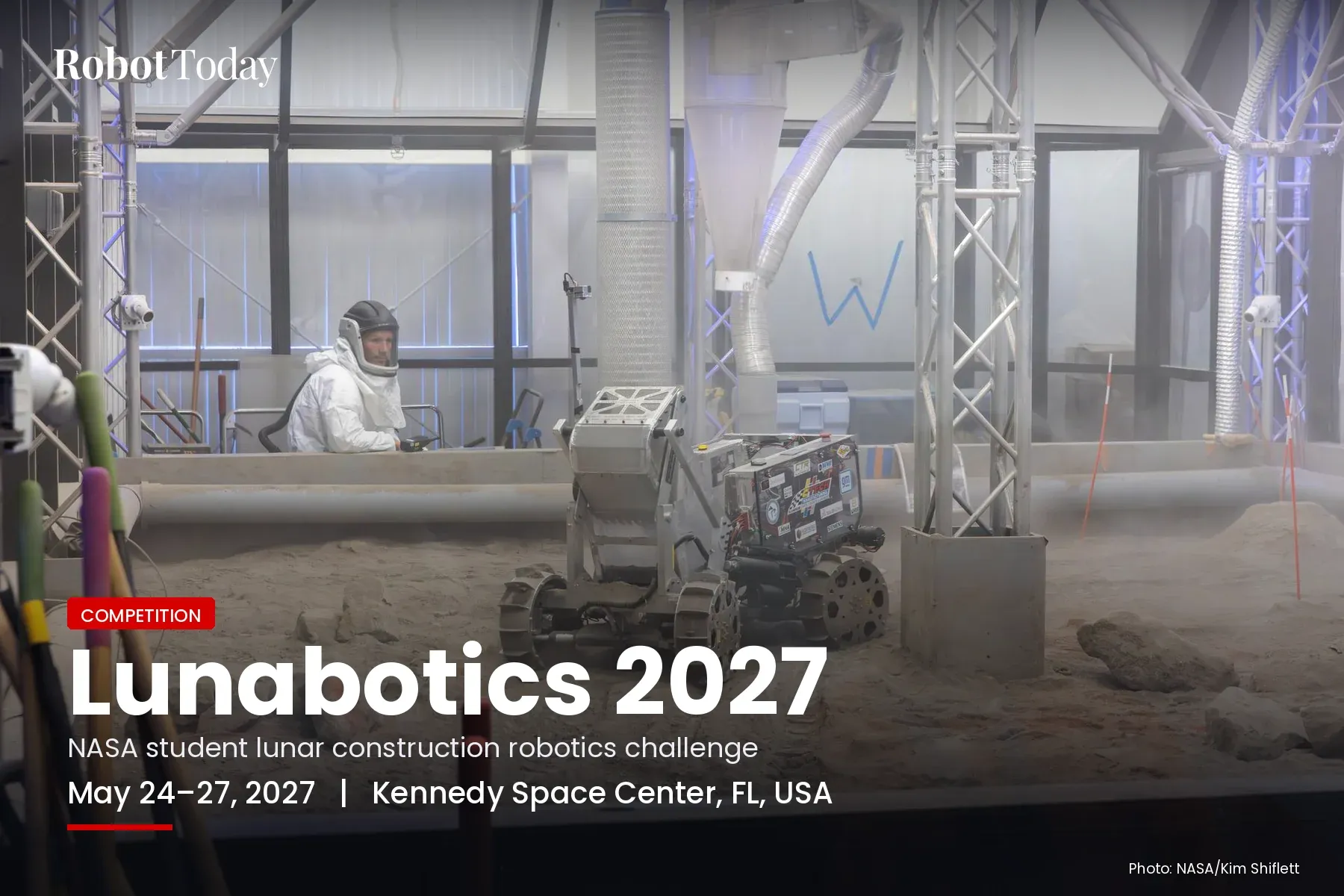
Students at the University of Virginia are developing innovative robots aimed at mining lunar soil and constructing habitats on the Moon. This ambitious project, which began in early 2023, is part of a broader initiative to explore sustainable living on extraterrestrial bodies. The students are motivated by the potential for lunar resources to support future space missions and the possibility of establishing a human presence beyond Earth. The team is utilizing advanced engineering techniques and collaborating with experts in robotics and space exploration to create machines capable of operating in the harsh lunar environment. Their work includes designing robots that can autonomously navigate the Moon's surface, extract regolith, and assemble structures using the mined materials. This initiative not only enhances the students' practical skills in engineering and robotics but also contributes to the growing field of space exploration, as NASA and other space agencies look to the Moon as a stepping stone for future missions to Mars and beyond. The project is expected to culminate in a demonstration of the robots' capabilities in simulated lunar conditions later this year.
InterestingEngineering.com By Neetika Walter May 19, 2026
A team of scientists has successfully created living microrobot swarms using algae and nanoparticles, marking a significant advancement in the field of robotics and bioengineering. This innovative development was announced in a study published recently, showcasing the potential of these microrobots to self-assemble and perform tasks autonomously. Conducted at a research facility, the project aims to explore new applications in environmental monitoring and medical treatments. The motivation behind this research stems from the desire to harness the natural properties of algae, which can photosynthesize and move in response to environmental stimuli, combined with the versatility of nanoparticles. By integrating these elements, the scientists have designed microrobots that can adapt to their surroundings and execute complex operations without human intervention. The process involves programming the algae and nanoparticles to work together, allowing the microrobots to respond to specific signals and assemble into desired structures. This breakthrough could pave the way for future innovations in various fields, including drug delivery systems and pollution cleanup efforts. As the research progresses, the team is optimistic about the potential applications of these living microrobots, which could revolutionize how we approach complex challenges in both healthcare and environmental science.
InterestingEngineering.com By Neetika Walter May 15, 2026
Shangyue Technology, a Shenzhen-based startup, has successfully secured a multi-million dollar seed funding round, with Chuxin Capital leading the investment. The company is set to unveil its innovative product, the Flyer O1, which is touted as the world's first home flying robot designed specifically for family environments. The official launch of the Flyer O1 is anticipated by the end of this year, marking a significant advancement in home robotics and technology. This funding will likely support the final stages of development and marketing efforts for the groundbreaking device, aimed at enhancing domestic living experiences.
PanDaily.com By [email protected] (Pandaily) May 12, 2026 Robotics
In a comprehensive evaluation of vacuum cleaners, a team of experts has tested numerous models, including cordless, upright, and robot vacuums, to determine the most effective options for tackling pet hair, dust, and everyday messes. The testing process involved rigorous assessments of performance and efficiency, with a focus on how well each vacuum could handle various types of debris commonly found in households. The results highlight the top-performing vacuums that stood out from the competition, providing consumers with informed choices for maintaining a clean living environment. This analysis, conducted in October 2023, aims to guide pet owners and households seeking reliable cleaning solutions.
BusinessInsider By [email protected] (Jaclyn Turner) May 06, 2026 Home (Reviews) Reviews cordless-stick-vacuums vacuums handheld-vacuums cleaning
Nearly 100 students from the Massachusetts Institute of Technology (MIT) are actively engaged in a buddy program designed to support residents in the Boston area. This initiative, which fosters community connections, aims to provide assistance and companionship to local individuals in need. The program has gained traction as students seek to make a positive impact on their surrounding community while also gaining valuable experiences. Through this collaborative effort, participants are not only helping others but also enhancing their own understanding of the diverse challenges faced by residents in the area. The program reflects MIT's commitment to community service and social responsibility, encouraging students to apply their skills and knowledge in real-world settings.
MITNews By Sarah Foote | Division of Student Life May 06, 2026 Clubs and activities Students Alumni/ae Biology Community Student life
A recent report highlights the ongoing challenges faced by the global economy as inflation rates continue to rise. Economists from various institutions gathered on October 10, 2023, in New York City to discuss the implications of these economic trends. The meeting aimed to address concerns over the increasing cost of living and its impact on consumer spending and business investments. Experts noted that persistent inflation, driven by supply chain disruptions and rising energy prices, has prompted central banks to consider tightening monetary policies. This shift could lead to higher interest rates, which may further strain economic growth. Participants emphasized the need for coordinated efforts among governments and financial institutions to mitigate the adverse effects of inflation on vulnerable populations. The discussions underscored the urgency for policymakers to implement strategies that balance inflation control with economic recovery. As the meeting concluded, attendees expressed cautious optimism about the potential for innovative solutions to stabilize the economy while addressing the root causes of inflation.
Seekingalpha.com Apr 25, 2026 MBLY Bay Area Ideas
Engineers at Northwestern University have made significant advancements in the integration of machines with the human brain by developing artificial neurons that can effectively communicate with biological neurons. This innovative technology, which involves the printing of flexible and cost-effective devices, has demonstrated the ability to generate lifelike electrical signals that can activate living brain cells. The breakthrough was successfully tested using mouse brain tissue, marking a pivotal step in neuroscience and potential future applications in brain-machine interfaces.
ScienceDaily.com Apr 18, 2026
Researchers at the Massachusetts Institute of Technology (MIT) have made significant strides in the field of ionotronics, a burgeoning area of study focused on the transfer of data through ions. This innovative approach aims to create a seamless interface between electronic devices and biological tissues, potentially revolutionizing how data is communicated within and between living organisms. The advancements were reported recently, highlighting the ongoing efforts to enhance the integration of technology with biological systems. By harnessing the unique properties of ions, the team at MIT is exploring new pathways for data transmission that could lead to breakthroughs in medical devices and bioengineering. This work underscores the importance of interdisciplinary research in bridging the gap between traditional electronics and the complexities of biological functions.
MITNews By Elizabeth A. Thomson | Materials Research Laboratory Apr 16, 2026 Research Robotics Light Materials science and engineering Wearables Materials Research Laboratory
Researchers at Tufts University have developed a groundbreaking type of biological machine known as a "neurobot," which combines living cells with neural networks to create self-directed systems. This innovative advancement was reported in the journal Advanced Science last month. The neurobots, which are constructed from frog cells, are capable of swimming and responding to their environment through integrated neurons that allow for electrochemical signaling. The development of neurobots marks a significant evolution from earlier biological machines, known as xenobots, which were limited to mechanical movements. These new creations exhibit more complex behaviors, such as exploring their surroundings and adapting to stimuli, thanks to their ability to process information internally. The research aims to deepen understanding of how neural networks can lead to sophisticated behaviors, potentially paving the way for applications in tissue repair and environmental monitoring. The team, led by biologist Michael Levin, plans to extend this technology by incorporating human neural cells into their designs, creating "anthrobots." These living machines could be trained to perform specific tasks, such as detecting environmental pollutants. The commercial startup Fauna Systems, co-founded by Levin, is focusing on deploying xenobots for environmental sensing, aiming to provide real-time indicators of ecosystem health. Despite the promising potential of neurobots, researchers acknowledge significant technical challenges ahead. However, the initial focus remains on simpler xenobots, which are already demonstrating valuable capabilities in monitoring environmental conditions.
Spectrum.ieee.orgAutomaton By Elie Dolgin Apr 02, 2026 Bioengineering Frog Living-cells Biomimetics Bioinspired-robots
Researchers at Leiden University, led by Professor Daniela Kraft and Mengshi Wei, have developed innovative microscopic robots that operate independently of sensors, software, or external control. These tiny robots, measuring just a few tens of micrometers—significantly smaller than a human hair—exhibit remarkable capabilities such as swimming, sensing, navigating, and adapting to their surroundings in a manner reminiscent of living organisms. Their unique behavior is a result of their design and interactions with the environment, rather than any form of centralized control or intelligence. This groundbreaking work, which showcases the potential for autonomous micro-robots, could have significant implications for various fields, including medicine and environmental monitoring.
TechXplore:Robotics Mar 27, 2026 Robotics
Founded in 2024, MOVA has emerged as a prominent Chinese brand specializing in smart home appliances that prioritize AI-driven intelligent living solutions. Initially launching with a range of cleaning devices, particularly robotic vacuum cleaners, the company has rapidly diversified its product offerings to include personal care and outdoor smart products across various categories. MOVA's growth is supported by a robust supply chain and advanced algorithm capabilities, enabling the brand to continuously innovate and improve its product lineup. As the demand for smart home technology rises, MOVA positions itself at the forefront of the industry, aiming to enhance everyday living through intelligent solutions.
TechNode.com By Jessie Wu Mar 27, 2026 On the Cusp Content and entertainment E-commerce and New Retail Highlight News
SpaceX has unveiled an ambitious roadmap for Mars colonization, detailing plans for its Optimus robot to assist in establishing a human presence on the planet. This announcement follows the company's recent pivot towards lunar missions, which was made public in February 2026. The roadmap outlines a series of milestones aimed at making human settlement on Mars a reality, highlighting the technological advancements and logistical challenges that lie ahead. The initiative reflects SpaceX's commitment to interplanetary exploration and its vision of creating a sustainable human colony on Mars. By leveraging its expertise in rocket technology and robotics, the company aims to address the complexities of living and working in a Martian environment. As SpaceX continues to develop its strategies, the timeline for colonization remains ambitious, with the company seeking to inspire global interest and investment in space exploration.
optimusk.blog By OptimusK Blog Mar 20, 2026
In May 2019, a cardiac surgeon at Boston Children’s Hospital successfully performed a complex heart surgery on a child with a severe congenital defect, utilizing advanced virtual twin technology. This innovative approach involved creating a detailed 3D model of the child's heart and vascular system from MRI and CT scans, allowing the surgical team to simulate various strategies and predict outcomes before the operation. The procedure was critical due to the unique nature of the child's heart condition, which had no established surgical manual. The Living Heart Project, initiated in 2014, has since guided nearly 2,000 surgeries by employing virtual twin modeling, which combines engineering principles with medical expertise to enhance surgical precision and patient outcomes. This project, now involving over 150 organizations globally, aims to revolutionize medical treatment by providing a dynamic, predictive tool that can simulate the human body's responses. The technology not only aids in surgical planning but also has the potential to streamline clinical trials. By creating virtual patient cohorts, researchers can test treatments more efficiently, reducing the time and costs associated with traditional trials. The FDA has recognized the significance of this approach, collaborating with the project to establish guidelines for in silico clinical trials, marking a significant shift in how medical innovations are developed and validated. As virtual twins expand beyond cardiac applications to other organs, they promise to transform healthcare by enabling personalized medicine and fostering a deeper understanding of patient physiology, ultimately improving treatment outcomes and patient engagement in their health management.
IEEESpectrumAI By Steve Levine Mar 19, 2026 Cardiology Digital-twins Personalized-medicine Virtual-heart Generative-ai
Helix 02, an innovative home robot, has recently showcased its advanced capabilities in autonomously tidying living rooms. By effectively combining locomotion, dexterity, and real-time planning, the robot demonstrates a significant leap towards achieving scalable humanoid intelligence for everyday household tasks. This development highlights Helix 02's ability to learn new tasks through data, marking a notable progression in the field of robotics. The demonstration underscores the potential for such technology to transform domestic chores, making them more efficient and manageable for users.
figure.ai By Figure AI Mar 09, 2026 robotics home automation artificial intelligence humanoid robots machine learning
In a recent discussion, Claire spoke with Maria Guix, a chemist and nanotechnology researcher at the University of Barcelona, about the innovative field of biohybrid robots. This conversation highlighted Guix's work in the ChemInFlow lab, where she focuses on merging electronics with biological components to develop miniaturized living robots. These biohybrid robots possess emergent properties that could enhance their functionality and adaptability. Guix is also integrating flexible sensors into microfluidic platforms, a process aimed at advancing the understanding of these robotic systems. The research is significant as it explores the intersection of biology and technology, potentially leading to breakthroughs in robotics and bioengineering.
Robohub.org By Robot Talk Mar 06, 2026
A recent exploration into the concept of superintelligence arcologies has sparked interest among futurists and urban planners. This innovative idea envisions self-sustaining, high-density urban environments that integrate advanced artificial intelligence to enhance living conditions and resource management. The discussion gained momentum in October 2023, as experts gathered at a technology conference to examine the potential benefits and challenges of such developments. Proponents argue that superintelligence arcologies could address pressing global issues, including climate change, urban overcrowding, and resource scarcity. By leveraging AI, these structures could optimize energy use, waste management, and transportation systems, creating a more sustainable urban ecosystem. The integration of smart technology would allow for real-time data analysis, enabling residents to make informed decisions about their environment. Critics, however, caution against the risks associated with relying heavily on AI for urban living. Concerns about privacy, security, and the potential for systemic failures in such complex systems were highlighted during the discussions. The feasibility of constructing these arcologies also raises questions about economic viability and societal acceptance. As the conversation continues, researchers and developers are exploring various models and designs for superintelligence arcologies, aiming to create prototypes that could be tested in real-world scenarios. The outcome of these efforts could significantly shape the future of urban living, potentially transforming cities into interconnected, intelligent habitats that prioritize sustainability and quality of life.
Substack.com By Jack Clark Mar 02, 2026
As the prevalence of consumer electronics and smart devices rises, display technology is becoming crucial in enhancing user experience. TCL China Star Optoelectronics Technology (CSOT), a leading Chinese firm, has been at the forefront of this evolution, conducting extensive research and development in LCD, OLED, and other emerging display technologies. The company has achieved significant advancements in these areas, positioning itself as a key player in the competitive landscape of display innovation. Today, CSOT is showcasing its latest breakthroughs, highlighting its commitment to pushing the boundaries of display technology to meet the growing demands of the market.
TechNode.com By Jessie Wu Jan 16, 2026 Up and Comers Content and entertainment E-commerce and New Retail Highlight News
Recent simulations have challenged the long-held belief that foam behaves like glass, where bubbles are thought to be static at the microscopic level. Researchers have discovered that foam bubbles are in constant motion, even as the overall structure of the foam remains intact. This unexpected finding suggests that the dynamic behavior of foam follows mathematical principles similar to those used in training artificial intelligence. The implications of this research, conducted by a team of scientists, point to the possibility that learning-like behavior may be a fundamental characteristic shared among various materials, machines, and living organisms. This breakthrough could pave the way for new insights into the nature of complex systems and their interactions.
ScienceDaily.com Jan 15, 2026
At CES 2026, Roborock introduced the G-Rover, a groundbreaking concept device that is being hailed as the world's first wheel-legged robot vacuum capable of navigating stairs and multi-level homes. This innovative prototype features a unique dual wheel-leg architecture, allowing each leg to lift independently and adjust its height for optimal maneuverability. Enhanced by advanced AI algorithms and 3D spatial perception technology, the G-Rover is designed to efficiently clean various surfaces and adapt to complex environments. The unveiling of this device highlights Roborock's commitment to pushing the boundaries of home automation and robotics, aiming to provide consumers with a versatile cleaning solution for modern living spaces.
TechNode.com By TechNode Feed Jan 07, 2026 News Feed CES 2026
Researchers at Carnegie Mellon University have developed an innovative caregiving robot designed to assist individuals by responding to spoken instructions while performing various physical tasks. This advanced robot not only executes commands but also explains its actions, listens to user feedback, and adjusts its behavior in real time, enhancing user interaction and understanding. The robot was recently tested at Baptist Senior Family's Providence Point, an independent living facility, where residents engaged with the technology to gauge its effectiveness in providing assistance with daily tasks. This initiative aims to improve the quality of life for seniors by making robotic assistance more accessible and user-friendly. The project highlights the potential for robots to play a significant role in caregiving, particularly for the elderly, by bridging the gap between technology and human interaction.
ri.cmu.edu By Mallory Lindahl Jan 06, 2026 Research
Engineers at the Massachusetts Institute of Technology (MIT) have unveiled an innovative design that has the potential to enhance various biohybrid systems. This groundbreaking development, announced recently, aims to improve the functionality and efficiency of biohybrids, which combine biological and synthetic components for applications in fields such as robotics and medicine. The motivation behind this research stems from the growing need for advanced technologies that can mimic natural processes and improve interaction with living organisms. By integrating new materials and engineering techniques, the team at MIT has created a design that could significantly advance the capabilities of biohybrid builds, paving the way for more sophisticated applications in the future.
Robohub.org By MIT News Dec 18, 2025
As artificial intelligence continues to evolve, experts are increasingly discussing its potential impact on daily life. With advancements in AI technology projected to accelerate, individuals may soon experience significant changes in their routines and interactions. These developments are anticipated to unfold over the next few years, particularly as AI systems become more integrated into various sectors, including healthcare, education, and transportation. The motivation behind this shift is rooted in the desire to enhance efficiency and improve quality of life. AI has the potential to automate mundane tasks, provide personalized recommendations, and facilitate better decision-making processes. As a result, people may find themselves relying more on AI-driven tools for everything from managing schedules to accessing information. This transformation is expected to occur through the gradual implementation of AI solutions in everyday applications. As businesses and organizations adopt these technologies, consumers will likely see an increase in AI-powered services and products, leading to a more interconnected and streamlined experience. In summary, the ongoing advancements in AI technology are set to reshape daily life in the coming years, driven by the need for greater efficiency and improved living standards. As these changes unfold, individuals will need to adapt to a new reality where AI plays an increasingly prominent role in their everyday activities.
Substack.com By Jack Clark Nov 17, 2025
Unique Group, a prominent player in subsea technologies and engineering, has been appointed as the specialized technology provider for DEEP’s innovative subsea human habitat initiative. This collaboration focuses on the design, engineering, and project management of essential systems necessary for the deployment of Vanguard, the pilot habitat. The partnership aims to advance underwater living capabilities, reflecting a growing interest in sustainable and long-term habitation solutions beneath the sea.
ROVplanet.com By ROV Planet Nov 12, 2025 deep partnership unique group subsea human habitat
In a recent interview, Carolina Parada from Google DeepMind highlighted the innovative features of Gemini Robotics 1.5, particularly its unique 'agentic' two-part brain. Parada emphasized the robot's impressive capability to transfer skills across different robotic platforms, showcasing a significant advancement in robotics technology. She also expressed her belief that the home environment represents one of the final frontiers for the application of such technology, suggesting a future where robots could play an integral role in daily household tasks. This discussion sheds light on the ongoing developments in robotics and the potential for transformative impacts in personal living spaces.
HumanoidsDaily By [email protected] (Humanoids Daily Staff) Oct 25, 2025 vla World-Models AI Gemini google-deepmind Carolina-Parada
Researchers have developed a new system called "steerable scene generation," designed to create digital environments such as kitchens, living rooms, and restaurants. This innovative technology allows engineers to simulate various real-world interactions and scenarios involving robots. The system aims to enhance the training and performance of robotic systems by providing realistic settings for testing and development. The advancements in generative AI play a crucial role in this process, enabling the creation of dynamic and adaptable scenes that can be tailored to specific needs. This breakthrough could significantly improve how robots are trained to navigate and interact within diverse environments, ultimately leading to more effective and versatile robotic applications.
Robohub.org By MIT News Oct 24, 2025
The Ministry of Digital in Malaysia hosted the Smart City Expo Kuala Lumpur (SCEKL 2025) from September 17 to 19 at the Kuala Lumpur Convention Center. This event gathered city leaders, policymakers, industry stakeholders, and innovators from across the ASEAN region to collaboratively develop digital strategies aimed at shaping the future of urban living. The expo highlighted Malaysia's dedication to a people-centric digital agenda, which aligns with its role as the ASEAN Chair for 2025 and supports the long-term vision of becoming an AI Nation by 2030.
TechNode.com By TechNode Staff Sep 29, 2025 News Asia smart city
Researchers at Carnegie Mellon University's Robotics Institute are exploring the potential of in-home robots to enhance quality of life by assisting with tasks such as cleaning, companionship, security, and healthcare. While these robots offer significant convenience, concerns regarding their noise levels have emerged as a critical issue for effective human-robot interaction. To address this challenge, the team has developed the ANAVI framework, which focuses on managing and reducing the noise produced by these robotic systems. This initiative aims to create a more harmonious living environment, ensuring that the benefits of robotic assistance do not come at the cost of comfort and tranquility in the home.
ri.cmu.edu By Mallory Lindahl Jan 23, 2025 ResearchRSF defines a common language for robot service capability, lifecycle operations, certification pathways, and service-provider networks.
Excepteur sint occaecat cupidatat non proident