A single destination for timely, editor-curated robotics news from around the world.

On April 19, a humanoid robot named 'Lightning' made headlines in Beijing by winning a half marathon, completing the race in an impressive 50 minutes and 26 seconds, thus breaking the previous human record. This remarkable achievement highlights the rapid advancements in robotic technology, particularly in hardware engineering and autonomous navigation. The event not only underscores the potential of robotics in athletic performance but also signifies a transformative moment for the industry, showcasing how far technology has come in mimicking human capabilities.
leaderobot.com By Leaderobot Apr 21, 2026 Humanoid Robots Marathon Technology Robotics Engineering Autonomous Navigation
Researchers at the University of Michigan have developed a groundbreaking AI system capable of interpreting brain MRI scans within seconds. This innovative technology can accurately identify various neurological conditions and assess which cases require immediate medical attention. The AI model was trained on an extensive dataset comprising hundreds of thousands of real-world scans and accompanying patient histories, enabling it to achieve an impressive accuracy rate of up to 97.5%. This performance surpasses that of other advanced AI tools currently available, marking a significant advancement in the field of medical imaging and patient care.
ScienceDaily.com Feb 10, 2026
Israeli startup Esh-Tech has unveiled an innovative laser-based air defense system aimed at countering the increasing threat of aerial attacks. The announcement was made during a technology showcase in Tel Aviv on October 15, 2023. This advanced system is designed to provide a cost-effective and efficient solution for intercepting drones and other airborne threats, which have become more prevalent in recent conflicts. Esh-Tech's motivation stems from the urgent need for enhanced security measures in the region, as traditional defense systems often face limitations in terms of cost and effectiveness against modern aerial threats. The laser technology allows for precise targeting and engagement, significantly reducing the expense associated with conventional missile systems. The development process involved extensive research and collaboration with defense experts, ensuring that the system meets the rigorous demands of military applications. Esh-Tech aims to position its product as a vital tool for both national defense and private sector security, potentially transforming the landscape of air defense strategies in Israel and beyond.
InterestingEngineering.com By Sujita Sinha Jun 23, 2026 Military
Esh-Tech has unveiled a groundbreaking energy system that promises to revolutionize the industry, according to CEO Erex Riahi. The new system, which operates on just 4kWh, is designed to be compact and can be easily connected to vehicles. Riahi emphasized that this innovative technology is priced three to four times lower than existing laser or microwave systems, making it a more accessible option for consumers. The announcement marks a significant advancement in energy solutions, with potential implications for both personal and commercial use.
BreakingDefense By Seth J. Frantzman Jun 12, 2026 Air Warfare Global Air Force Counter UAS cUAS Drones EUROSATORY 2026
Microsoft has announced the launch of Majorana 2, its latest quantum chip, which boasts a remarkable 1,000-fold enhancement in qubit performance. This significant advancement in quantum computing technology was revealed during a press event held on October 25, 2023, at the company’s headquarters in Redmond, Washington. The development of Majorana 2 aims to address the growing demand for more powerful and efficient quantum processors, as researchers and businesses increasingly seek to harness the potential of quantum computing for complex problem-solving and data processing. By improving qubit stability and coherence times, Microsoft hopes to accelerate breakthroughs in various fields, including cryptography, materials science, and artificial intelligence. The Majorana 2 chip is expected to play a crucial role in advancing the company’s quantum computing initiatives, positioning Microsoft as a leader in this rapidly evolving technological landscape.
InterestingEngineering.com By Neetika Walter Jun 02, 2026
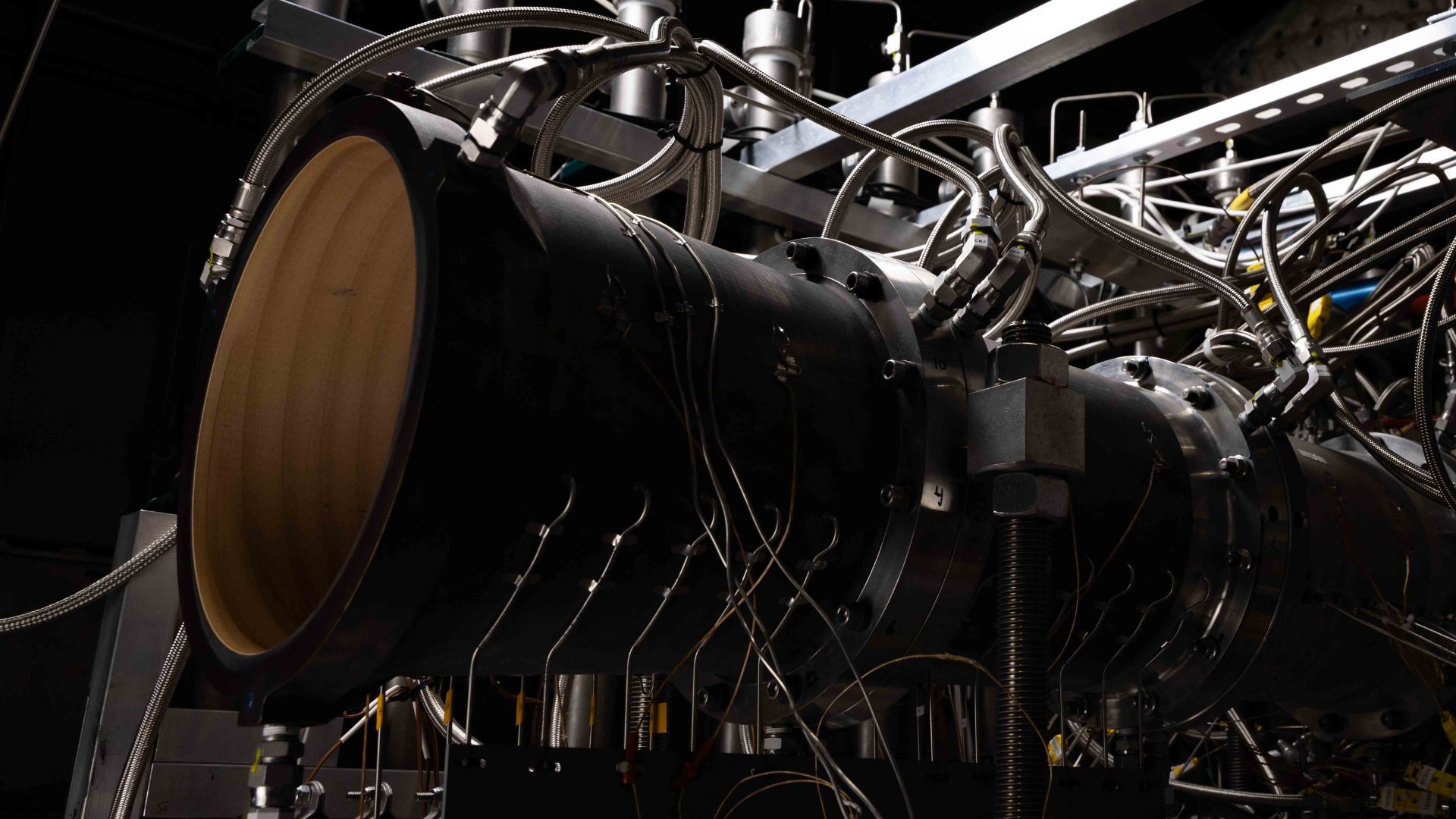
GE Aerospace, a leading aerospace manufacturer based in the United States, has achieved a significant milestone by unveiling the preliminary design layout for its next-generation aircraft engine. This announcement was made on October 15, 2023, during a press conference held at the company's headquarters in Evendale, Ohio. The new engine design aims to enhance fuel efficiency and reduce emissions, aligning with the industry's push for more sustainable aviation solutions. The development process involved extensive research and collaboration with various stakeholders, including engineers, environmental experts, and airline partners, to address the growing demand for greener technologies in aviation. GE Aerospace's commitment to innovation and sustainability is evident in this latest project, which is expected to play a crucial role in the future of air travel. The company plans to conduct further testing and refinement of the design over the coming months, with the goal of bringing the engine to market within the next few years. This achievement not only underscores GE Aerospace's leadership in the aerospace sector but also reflects the broader industry trend towards environmentally responsible practices.
InterestingEngineering.com By Abhishek Bhardwaj May 20, 2026
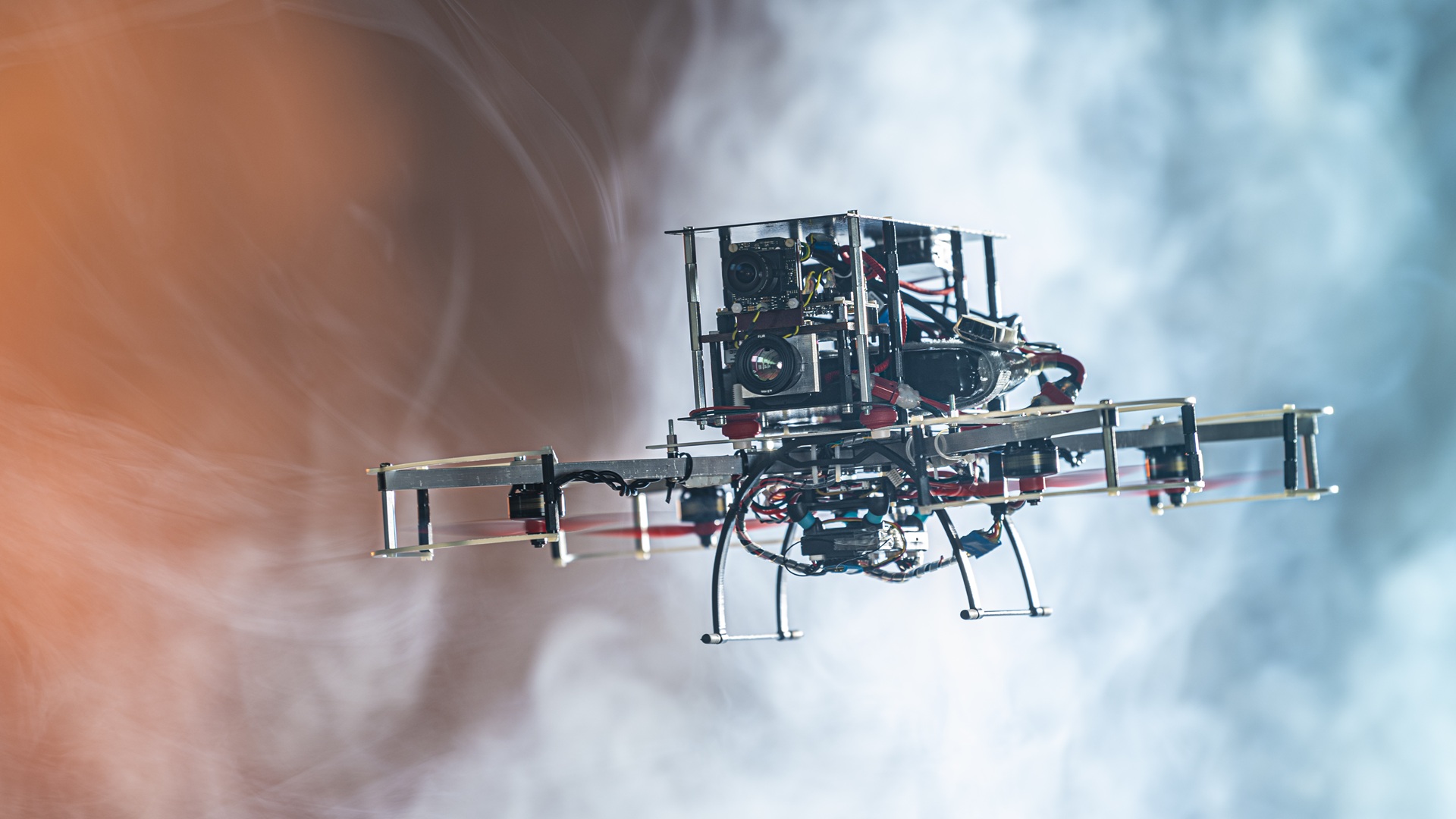
In the wake of a catastrophic earthquake, researchers are exploring the use of unpiloted aerial vehicles (UAVs) to assist in rescue operations by navigating through collapsed structures. These UAVs are designed to create detailed maps of disaster zones, providing critical information that can help rescuers locate and reach survivors more efficiently. However, the implementation of this technology presents significant challenges, as the autonomous drones must be capable of rapidly adjusting their flight paths to avoid unexpected obstacles while maintaining their intended course. The development of such advanced UAV systems aims to enhance emergency response efforts and improve outcomes in disaster scenarios.
TechXplore:Robotics May 19, 2026 Robotics
China has unveiled its latest photonic quantum computer, Jiuzhang 4.0, which aims to achieve quantum supremacy. This advanced technology was introduced during a press conference held in Beijing on October 15, 2023. Researchers from the University of Science and Technology of China, who developed Jiuzhang 4.0, assert that it can perform complex calculations at speeds unattainable by traditional supercomputers. The motivation behind this development is to enhance China's position in the global quantum computing race, a field that holds significant implications for various industries, including cryptography and materials science. Jiuzhang 4.0 utilizes photonic technology to process information, which allows it to manipulate quantum bits more efficiently than its predecessors. This breakthrough is expected to pave the way for further advancements in quantum technology, potentially revolutionizing computing capabilities and fostering innovation in numerous sectors.
InterestingEngineering.com By Ameya Paleja May 15, 2026
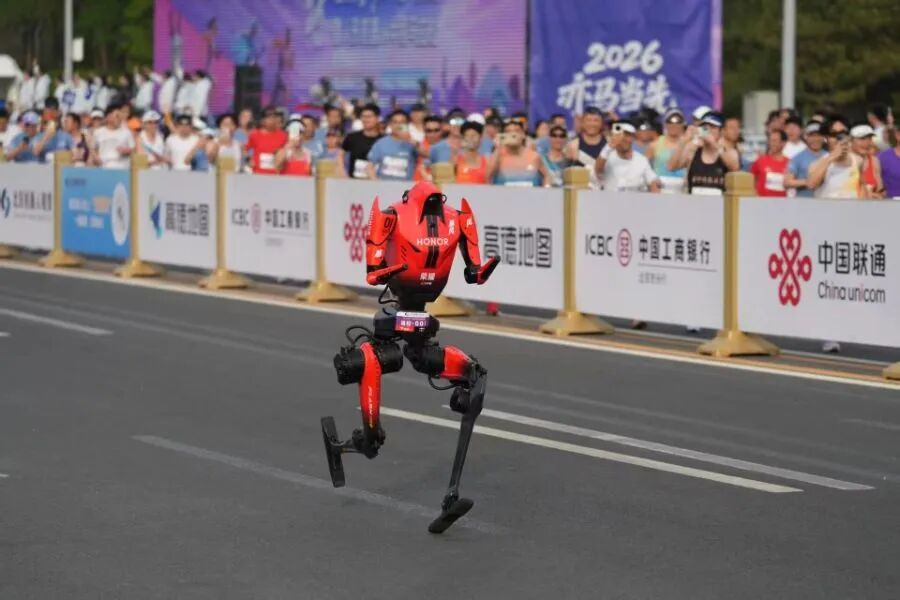
Researchers in Germany have unveiled an innovative drone interceptor designed to enhance aerial security. This cutting-edge technology employs thin metal chains to effectively capture and neutralize rogue drones, addressing growing concerns over unauthorized drone activities. The development comes amid increasing incidents of drone-related threats, particularly in urban areas and near sensitive infrastructure. The new interceptor was tested successfully in various scenarios, demonstrating its ability to entangle and bring down drones without causing collateral damage. This method not only minimizes risks to surrounding environments but also provides a non-destructive solution to drone interference. The research team aims to contribute to public safety and security by offering a reliable defense mechanism against potential drone misuse. As drone technology continues to advance, the need for effective countermeasures becomes increasingly critical, prompting this significant breakthrough in drone interception capabilities.
InterestingEngineering.com By Georgina Jedikovska May 06, 2026
A significant shortage of DJI drones has been reported at various retailers across the United States, prompting inquiries into the company's market operations. Tech outlet The Verge highlighted that shelves in Best Buy stores have been largely emptied of DJI products, leaving only older models and refurbished units available for purchase online. Similarly, Amazon's US marketplace is experiencing limited stock, with many popular models unavailable. This scarcity has raised concerns among consumers and industry observers about potential supply chain issues or changes in DJI's distribution strategy. As demand for drones continues to grow, the situation underscores the challenges facing retailers and the impact on consumer access to the latest technology.
TechNode.com By Jessie Wu Jun 27, 2025 Heavy Hitters Content and entertainment E-commerce and New Retail Highlight News

A former senior product executive at DingTalk, Alibaba's enterprise messaging division, has raised significant concerns about the company's direction in a detailed internal letter following their departure. The letter criticizes the erosion of Alibaba's corporate culture, its unsuccessful mergers and acquisitions strategy, and a perceived stagnation in innovation. This candid assessment has garnered attention, prompting a rare public response from Alibaba founder Jack Ma. The memo has sparked widespread reflection both within the company and among the public, highlighting the challenges Alibaba faces in maintaining its competitive edge in the tech industry.
TechNode.com By Shuang Jing Jun 13, 2025 News Alibaba E-commerce and New Retail Highlight Jack Ma
The Ondas DZYNE acquisition combines long-endurance ISR, counter-UAS, and autonomous effects under a new operating division for U.S. defense customers. Ondas Inc. (Nasdaq: ONDS) has announced the acquisition of DZYNE Technologies, LLC in a cash and stock transaction valued at $875.8 million. According to Ondas, the Ondas DZYNE acquisition establishes a multi-domain autonomous defense platform […] The post Ondas Acquires DZYNE Technologies for $875.8M appeared first on DRONELIFE.
Dronelife.com By staff Jul 06, 2026 Defense defense Drone News Drone News Feeds News affordable mass
In May, an anonymous artist who goes by SHL0MS on X posted that he had used AI to generate an image inspired by Claude Monet and asked people to weigh in on how it missed the mark. More than 600 responses called out issues, saying the colors were off, the depth was all wrong, and that AI didn’t understand how light worked.SHL0MS then revealed that the image was of a real Monet, one of around 250 variations of water lilies the artist had painted in his lifetime. He had simply downloaded a high-resolution image from Wikimedia and cropped out the signature. He minted the exchange as an NFT (a unique digital collectible recording ownership of the work), titled it “Inferior Image,” and sold it for just over US $40,000 after 28 bids.The stunt exposed how charged the conversation around AI art has become, and how quick people are to dismiss anything AI-generated as slop—even when it’s not. Yet even as those arguments continue, a market for AI-generated art has begun to form anyway. It’s fragmented and contested, but bigger than most people realize.Jediwolf, an anonymous collector who says he has spent more than 20 years acquiring digital and AI art, was watching the experiment unfold in real time on X. He had never interacted with SHL0MS before, but when the NFT went up for auction he made a bid and won. “I was buying a unique moment in time,” he says, “captured by an artist and preserved as a token.”The Monet was not AI art, but most of what Jediwolf buys is. One of Jediwolf’s digital collections, which he calls UnderTheGAN—a play on GANs, or generative adversarial networks, the AI technology that preceded today’s diffusion models—comprises roughly 100 works valued at around $72,000, focused on early AI art from 2015 to 2020, before the medium went mainstream. He describes his role as part collector, part researcher, part curator, trying to document a fast-moving field.“A decade ago, digital art was often treated as peripheral to the ‘serious’ art world,” he says. “Today, it is increasingly difficult to separate contemporary culture from the internet.”AI Art Moves Into MuseumsThe market for AI art extends beyond NFTs: AI-generated pieces are also finding their way into physical installations. Last month saw the opening of Dataland, the world’s first generative AI museum, in downtown Los Angeles. It was spearheaded by Refik Anadol, a digital artist who has built a career out of transforming data into large-scale immersive experiences. The opening exhibition has pieces that use data that Anadol collected from rainforests around the world, with real-time weather information from 16 rainforests feeding into all five galleries. In three of the rooms, the imagery also shifts in response to visitors’ own biometric data, tracked by bracelets they wear. Like any museum it sells tickets, ranging from $49 to $79, and has a gift shop. This shop, however, uses visitors’ biometric data collected during their visit to generate a unique design printed on a T-shirt. For $15,000, a robotic painting system called Qualia creates a one-of-a-kind canvas from that same data, painted once a day, with a waiting list already forming. A founding collection of 1,000 AI data sculptures that evolve based on environmental data from global rainforests sold out in 34 minutes at $5,000 each.The system running it all, which Anadol calls the Large Nature Model, was trained on more than 500 million nature images representing 2.2 million species, gathered through field expeditions to 16 rainforests and partnerships with institutions including the Smithsonian and the Cornell Lab of Ornithology.For Anadol, AI art requires a different kind of transparency than any medium that came before it. Because commercial AI tools have shaped how most people understand the technology, artists working with it seriously have to be more open about their process than painters or photographers ever did.“For AI art, we have to know where the data comes from, we have to know which model is trained and how it’s trained,” he says. “We can’t just think about authenticity and uniqueness if a service and product is the fundamental layer of the artwork.”The reviews for Dataland have mostly been positive, with one critic calling it the Citizen Kane of immersive experiences. But Anadol is used to a more divided reception. His 2022 installation at MoMA—a 7-by-7-meter screen of AI-generated fluid forms with shifting colors and sounds—drew 3 million visitors and entered the permanent collection, even as New York Magazine called it “a massive techno lava lamp.” Anadol sees the skepticism as nothing new, just the latest version of a resistance that has greeted all new media. “Every art form has gone through similar cycles of denial,” he says. “We are living in a renaissance that started 10 years ago, and I just don’t think everyone is aware of it yet.”Who Is Buying AI Art?The broader market data points in multiple directions at once. According to the Art Basel and UBS Art Market Report 2026, digital art’s share of sales nearly tripled between 2024 and 2025, and just over half of all fine art collectors surveyed had purchased a digital artwork in 2025, making it the third most popular category after painting and sculpture (the report does not break out AI art specifically).Meanwhile, Christie’s shuttered its pioneering digital art department in September, folding digital works back into its broader contemporary sales after none of its dedicated auctions broke $400,000.The most data-rich window into buyer behavior comes from a less glamorous corner of the market. After one major stock image platform allowed AI-generated images, monthly sales jumped 80 percent, according to Samuel Goldberg, an economist at Stanford Graduate School of Business who published a research paper about the shift. Traditional contributors began leaving the platform as generative images flooded in, and creators using AI tools rushed to fill the gap. “It looks like consumers like generative AI,” Goldberg says, “and it seems like nongenerative artists could be getting crowded out of the market.” Stock images are essentially a commodity version of art, according to Goldberg, and because image-generating models are already very good at producing them, what’s happening there may be a preview of what’s coming for other creative goods markets—including fine arts—as the technology improves.Artists are typically among the first to test the limits of a new technology; early adopters have created AI art since the 1970s. What’s new now is the ability for anyone to generate an image in seconds with a text prompt. That, according to Christiane Paul, curator of digital art at the Whitney Museum of American Art, is not the same thing at all. What fills those stock-image platforms, and what most people encounter when they think of AI art, does not qualify as art.True AI art, Paul says, is a subcategory of digital art that uses artificial intelligence as both a tool and a medium, engaging with it practically and conceptually, doing things like training custom models, building extensions, and layering control systems. “A visual created by a prompt is not art,” she says. What serious AI artists are actually doing is much more than typing a few words into DALL-E.Far from the shortcut most people assume, working seriously with AI as an artistic medium is, by her account, brutally hard. Every artist she talks to says the same thing. “It is much, much harder than a paintbrush to handle,” she says. “You are literally communicating with a system with a completely different logic.”Thanks to bubblemaps.io for its research assistance on the NFT market.
IEEESpectrumAI By Jackie Snow Jul 07, 2026 Ai-art Generative-ai Digital-art Blockchain
One morning in 2019, Adebayo Alonge was in a Cape Town hotel room, preparing to demonstrate his startup’s AI answer to a serious problem in African health care: counterfeit medication, which kills thousands of people across the continent every year.The RxScanner is a handheld spectrometer that scans a pill with infrared light, then sends the item’s molecular profile to an AI model equipped with a pharmaceutical database. In seconds, the AI identifies the medication from its molecular profile—or reports that it’s phony.Pharmacies were using the system in more than a dozen countries, including Ghana, Kenya, Myanmar, and Alonge’s native Nigeria. But that morning in South Africa, it didn’t work. “I was shocked,” Alonge says.The spectrometer connected to the AI model—but the data center was 14,000 kilometers away and bandwidth was limited. “Our server was in the United States, and just to get the result of a single scan was taking me over 5 minutes.”So Alonge immediately asked his engineers to shrink the AI model down to a smaller, low-power, unconnected version that could run entirely on his Android phone. They produced it 2 hours later, and that saved the demo.More importantly, the work birthed a new version of his device, which can authenticate a pill in places without broadband, computers, or even reliable electricity. It also turned Alonge into an advocate for this kind of “small AI.”Small AI for Global Health Care AccessSmall AI is a far cry from wealthy nations’ colossal large language models (LLMs), hyperscale data centers, multibillion-dollar investments, and debates about AI consciousness. But for millions of people around the world, the only AI that matters, and often the only kind available, is small. (According to a World Bank Report issued in November, only 0.7 percent of internet users in the world’s poorest countries have used ChatGPT, compared to a quarter of all internet users in the most developed nations.)“Most people are discussing AI from the LLM/generative side. But that needs a lot of computing power, electricity, massive data, and skilled people to manage it,” Ajay Banga, president of the World Bank, said last January at the World Economic Forum, in Davos. “Outside the developed world, other than maybe India and China, very few countries have that combination.”By contrast, small AI can deliver useful, even life-saving services to people in areas that have none of those things, Banga said. In India, where the government’s AI plans call for more development of small AI, many such systems are working for farmers.For example, a drone-based system developed by Bala Murugan and colleagues at the Vellore Institute of Technology, in India, takes photos of cashew plants and quickly identifies those with splotches that indicate disease. All the processing takes place on the drone itself, so there’s no need for a computer on-site, nor for a connection to a central server.Using small language models trained for a specific problem, and sometimes running on cheap, low-power devices, other small-AI implementations have been developed to identify ant infestations in a Uruguayan vineyard, detect the presence of malaria-carrying mosquitoes in a number of nations, and run electrocardiograms from an Arduino device in parts of Brazil that lack access to more complex equipment.“This is the most important area in AI nowadays,” says Marcelo José Rovai, a professor at the Institute of Engineering and Information Systems at the Federal University of Itajubá, in Brazil, who was involved in all three projects. “It’s growing very fast.”Low-Power, Small-AI Models on Devices Small AI models can run on a variety of low-power devices, including [from left to right] an Arduino Nano 33 BLE Sense, a Seeed Wio Terminal, and an Arduino Portenta.Moez AltayebFor Alonge, Rovai, and other advocates, small AI is not just “a promising trend,” as that November World Bank report calls it. It may be, in the long term, the form of AI that will touch the most lives and remain sustainable after some of the giant models become too costly for most users.“I think the future of AI is not like one giant model, at a center. I think it’s millions of small, precise models deployed at the edge, each one solving like a specific problem, a specific context,” Alonge says. This is partly because much of humanity—including people in parts of rich countries as well as the developing world—lives without access to cutting-edge frontier models. But, he says, it’s also because those models are not sustainable.“If someone is not subsidizing it, most people will not be able to afford those models. So those of us who are said to be small-AI developers are the ones who will have to build for the majority of the world,” Alonge says.There is no strict definition of “small AI,” but people often use the term for language models with at most a few billion parameters. (Compare that to cutting-edge models, which can include more than a trillion.) That’s small enough to run directly on a phone or a Raspberry Pi. That’s what allows these applications to run on devices without a connection to a data center and use only a few watts of power, often supplied by a battery or a solar panel.Despite their small footprint, these models aren’t fundamentally different technology from that of gigantic AI models, Rovai says. Many instances of small language models were created the same way the phone-based version of Alonge’s pharmaceuticals scanner was—by “pruning” large models, or removing the parameters that weren’t involved in the task. The result is a system that’s less capable generally but still very good at the specific job it was pruned for, Rovai says. A lighter version of RxAll’s RxScanner spectrometer sends its results to an AI model run locally on a phone to check that a drug’s molecular signature is genuine.RxAllOther small models are created by “distillation.” They are trained to mimic a large model, until their performance approaches that of their “teacher,” Rovai says. In other cases, a larger model’s precision is reduced, for example, so that a model run on 32-bit architecture can run on 8-bit designs. In situations where the machine learning application is being used to classify data or predict patterns (like an ant infestation), it’s trained from the beginning on a small device, not derived from a larger model at all. Running all these small, specialized systems is becoming easier, Rovai says, for two reasons.The first reason is that hardware is getting better and more capable while using less power, he says. This means more and more phones can run small AI—especially those equipped with neural processing units, which are specialized chips that handle AI tasks like facial recognition and changing the brightness, shadows, or contrast in a photo.In 2025, slightly more than a third of all smartphones shipped worldwide were capable of running generative AI, and that figure will reach 45 percent by the end of this year, according to the technology research firm Counterpoint. By the end of next year, slightly more than half of all smartphones will be able to run a small AI model.The second reason Rovai cites is the shrinking footprint of language models. Both Google DeepMind’s Gemma 4 (released in April) and Alibaba’s Qwen 3.5 are “fantastic” for small AI, Rovai says. Both models are “open weight,” meaning users can adjust the connections between parameters to suit their needs. This makes it easy, for example, “to take a lot of data from, say, the milk industry and retrain the model specifically on that,” Rovai says.Rovai illustrated these reasons on a Zoom call, using one of his most recent experiments. Holding up a device, he says, “This is the new Arduino UNO Q—a US $50 device with a Qualcomm chipset. I’m running a language model here, which collects data from sensors and analyzes that data to detect tiny pools of water where mosquitoes might be breeding. It takes 3 watts to run it.”Support for Small-AI DevelopmentConvinced that millions of people are already benefiting from these kinds of applications, the World Bank now actively promotes small AI with grants, mentorship programs, financing, technical advice, and models of government policies that are friendly for small-AI development. For example, in Rwanda, the World Bank is backing a government program to help low-income households get devices that can run AI.All that said, no one claims that large language models are going away entirely. To create a generative AI that can run on a phone or other small device requires the architectural insights, data processing, and results of a larger model, Rovai says. “We need the big models to create these smaller models.” And for all that small AI can benefit people without access to big AI, the technology can’t solve the larger problems of development and digital inequality, Alonge says. Implementing small AI won’t allow nations to escape the challenge of creating an ecosystem to support AI: reliable power, a supply chain that works, and an educational system that develops the talents needed to create AI tools.Though his drug-scanning system can run for days on a phone with no connection, “you still want to be able to enable periodic syncing for updates with new signatures for the medications and analytics,” Alonge says. “And even when you are using batteries, reliable power is important. That phone battery is not going to last forever.”In many parts of the world, the future of small AI isn’t assured, he says. “It works, and many places will eventually need to use it. The question is whether or not the political actors are wise enough to invest in infrastructure to support it long term.”
IEEESpectrumAI By David Berreby Jul 06, 2026 Small-language-models Artificial-intelligence Llms
$4.1 Billion Deal Shows Why Ferrari and Tesla Are Ditching Copper for a Substitute $4.1 Billion Deal Shows Why Ferrari and Tesla Are Ditching Copper for a Substitute Stjepan Kalinic Sun, July 5, 2026 at 8:31 AM PDT 6 min read RACE.MI TSLA Benzinga and Yahoo Finance LLC may earn commission or revenue on some items through the links below. Substitution is one of the fundamental economic forces. If a product goes up in price, consumers have a direct incentive to switch to a cheaper substitute. While branding power dictates some price flexibility, such calculations are more straightforward for fungible commodities. When copper costs about $15,000 a metric ton, manufacturers have every right to ask – does every wire really need to be copper? With data centers, grid upgrades and green-energy projects tightening supply, the answer from automakers is increasingly no. Aluminum, trading at $3,100 per ton, is being promoted wherever physics allows. Don't Miss: A single bad hire can set a startup back years. Here are the 5 hires founders most often misjudge — and why Still Learning the Market? These 50 Must-Know Terms Can Help You Catch Up Fast Driving Investment and Corporate Consolidation Aside from being much cheaper, the metal is lighter and good enough for many vehicle applications. The appeal to save on weight is just a bonus for range-anxious electric vehicles. Ferrari has used aluminum in bodies, engines, and chassis for years and has recently begun using aluminum power cables in the 296 hybrid and other models. The payoff can be meaningful: wiring weight savings of up to 20%. "We are not choosing aluminum because it's cheaper; we choose the material that has better performance," the firm's communications executive Dario Esposito said per Reuters. Market interest is driving asset transactions, as Alcoa Corp. has just signed a binding agreement to acquire most of South32 Ltd.'s aluminum value chain for $4.1 billion. These include assets in Australia, South Africa and Brazil, but not the Mozal operation in Mozambique. The largest domestic aluminum producer expects the transaction will generate about $900 million in synergies. JPMorgan estimates the aluminum substitution could affect about 2% of global copper demand this year, and potentially as much as 6% by 2030. Trending: Avoid the #1 Investing Mistake: How Your 'Safe' Holdings Could Be Costing You Big Time A Partial Substitute Still, aluminum is not copper with a discount sticker. It is less electrically conductive, meaning cables often must be thicker to carry the same current. Those properties create problems in tight spaces – shared by both data centers and automobiles. For high-performance systems and specialized applications, copper's efficiency still remains ahead. Story Continues Then, there are environmental and geopolitical complications. The final phase of aluminum production is energy-intensive, often generating a much larger carbon footprint than copper. Energy prices have squeezed domestic producers and closed smelters, while trade frictions, including U.S. tariffs, further complicate sourcing. Cable makers provide some guidance on the issue. Xavier Mathieu, VP of Nexans, the second-largest global cable manufacturer, said buyers typically start switching when copper costs about 3.5 times as much as aluminum. The current ratio exceeds 4.2. The math means aluminum will keep swallowing market share where weight and space permit, but copper's performance edge still means it is the hedge, not the heir. Photo by laowaika via Shutterstock Read Next: Skip the Regrets: The Essential Retirement Tips Experts Wish Everyone Knew Earlier. Think you're saving enough for your kids? You might be dangerously off — see why Building Wealth Across More Than Just the Market Building a resilient portfolio means thinking beyond a single asset or market trend. Economic cycles shift, sectors rise and fall, and no one investment performs well in every environment. That's why many investors look to diversify with platforms that provide access to real estate, fixed-income opportunities, precious metals, and even self-directed retirement accounts. By spreading exposure across multiple asset classes, it becomes easier to manage risk, capture steady returns, and create long-term wealth that isn't tied to the fortunes of just one company or industry. Arrived Backed by Jeff Bezos, Arrived Homes makes real estate investing accessible with a low barrier to entry. Investors can buy fractional shares of single-family rentals and vacation homes starting with as little as $100. This allows everyday investors to diversify into real estate, collect rental income, and build long-term wealth without needing to manage properties directly. FarmTogether Farmland has historically held its value through market volatility and delivered returns uncorrelated to stocks and bonds. For accredited investors, FarmTogether offers direct access to high-quality U.S. farmland starting at $15,000 — fully ma
YahooFinance Jul 05, 2026
The rapid growth of artificial intelligence infrastructure is reshaping electricity demand dynamics, posing new challenges for grid operators. As data centers are projected to consume 3 to 4 percent of global electricity by the end of the decade, their energy consumption patterns are becoming increasingly unpredictable. Unlike traditional industrial loads, AI workloads can fluctuate dramatically within milliseconds, driven by synchronized computational tasks and varying user demands. This unpredictability complicates grid management, as it creates abrupt demand spikes that can stress local infrastructure, particularly in regions like Northern Virginia, known as "Data Center Alley," where data centers are concentrated. Utilities, including Dominion Energy, are adjusting their forecasts to account for this rapid growth, but existing regulatory frameworks often fail to address the complexities introduced by high-density compute clusters. These facilities not only require significant power but also generate unique challenges related to thermal management and power quality. As a result, grid operators are exploring new demand response mechanisms and flexible scheduling to mitigate the impact of these fluctuating loads. The Electric Reliability Council of Texas (ERCOT) has acknowledged the implications of large flexible loads for grid stability and planning. As AI infrastructure continues to expand, it is crucial for regulatory and operational frameworks to adapt, focusing not just on total energy consumption but also on the volatility and geographic concentration of demand. Understanding these new consumption patterns will be essential for maintaining grid resilience in the face of evolving energy needs.
IEEESpectrumAI By Matt Hasan Jul 03, 2026 Data-centers Artificial-intelligence Electrical-grid Demand-response
A significant advancement in enterprise integration has been achieved with the introduction of the Model Context Protocol, which aims to eliminate existing bottlenecks in data communication between systems. This innovative protocol was unveiled by a leading tech consortium during a conference held in San Francisco on October 15, 2023. The initiative responds to the growing demand for seamless data exchange in increasingly complex business environments, where inefficiencies can hinder productivity and decision-making. By providing a standardized framework for data integration, the Model Context Protocol enables organizations to streamline their operations and improve interoperability among various software applications. Experts believe that this development could revolutionize how businesses manage their data, ultimately leading to enhanced collaboration and faster response times in the marketplace.
AutomationWorld.com By (Ross Meyercord) Jun 29, 2026 Factory / Communication
In Hefei, China, NIO's F2 electric vehicle plant showcases a fully automated body assembly line, eliminating the need for human labor. The facility is dominated by advanced machinery, particularly German-based KUKA robots, which work in unison to construct aluminum vehicle bodies. One robot expertly positions a door, while another ensures precise alignment using sensors, and additional robots perform welding tasks in mere seconds. This cutting-edge automation reflects the company's commitment to efficiency and innovation in the electric vehicle manufacturing sector, highlighting a significant shift towards robotics in automotive production.
KoreaHerald.com By The Korea Herald Jun 29, 2026 All News
Concerns over the valuation of AI companies have led to a deterioration in market sentiment, resulting in increased costs for credit default protection on euro-denominated bonds. A report from Deutsche Bank strategists highlights that worries about the technology sector have overshadowed investor optimism regarding progress in U.S.-Iran negotiations. According to data from S&P Global Market Intelligence, the iTraxx Europe Crossover index, which tracks euro high-yield credit default swaps, rose by 3 basis points to 250 basis points. Meanwhile, the iTraxx Europe Main index, which monitors euro investment-grade credit default swaps, increased by 1 basis point to 52 basis points.
36kr.com Jun 23, 2026
Dell has unveiled a cutting-edge high-density AI and supercomputing server, aimed at enhancing computational capabilities for enterprises and research institutions. This launch took place on October 10, 2023, at the company's annual technology conference in Austin, Texas. The new server is engineered to address the growing demand for advanced processing power in fields such as artificial intelligence, machine learning, and data analytics. The motivation behind this development stems from the increasing need for efficient and powerful computing solutions that can manage complex workloads and large datasets. Dell's latest offering is designed to optimize performance while minimizing energy consumption, aligning with the industry's push towards sustainability. The server incorporates innovative technologies, including advanced cooling systems and modular designs, allowing for scalability and flexibility in various operational environments. By providing organizations with the tools necessary to accelerate their AI initiatives, Dell aims to solidify its position as a leader in the supercomputing market. This strategic move not only responds to current technological trends but also anticipates future demands in high-performance computing.
InterestingEngineering.com By Atharva Gosavi Jun 23, 2026 AI and Robotics
On June 22, UK Prime Minister Keir Starmer announced his resignation from the leadership of the Labour Party, stating he would continue to serve as Prime Minister until a successor is chosen. Starmer acknowledged the party's concerns about his ability to lead them into the next election and accepted the feedback he received. In South Korea, semiconductor giant SK Hynix surpassed Samsung Electronics in market capitalization for the first time in 25 years, with a total value of approximately 207.97 trillion won, outpacing Samsung by about 18.85 trillion won. This shift marks a significant change in the Korean stock market, where Samsung had held the top position since 1999. Meanwhile, Samsung Electronics has rolled out ChatGPT and Codex to all its employees in South Korea, aiming to enhance AI adoption within the company. This deployment is one of OpenAI's largest enterprise-level initiatives to date, covering various operational areas including research and development, manufacturing, and marketing. In the United States, SpaceX's stock has seen a significant decline, dropping 16% and falling below its initial public offering price. The company is now planning to issue bonds to raise at least $20 billion to repay a transitional loan and support general corporate purposes. Lastly, former U.S. Federal Reserve Chairman Alan Greenspan passed away at the age of 100, leaving behind a legacy of significant influence on U.S. economic policy during his tenure from 1987 to 2006.
36kr.com Jun 23, 2026
SPH Engineering has launched a new training initiative in collaboration with Vets to Drones, aimed at equipping military veterans with advanced flight planning skills essential for surveying, mapping, and inspection work in the commercial drone industry. This partnership responds to the growing demand for skilled drone operators capable of managing complex missions. By providing veterans with specialized training, the initiative seeks to expand their career opportunities in a rapidly evolving field. The program highlights the commitment of both organizations to support veterans in transitioning to civilian roles while addressing the industry's workforce needs.
Dronelife.com By Miriam McNabb Jun 22, 2026 Applications Drone News Drone News Feeds Drones in the News Mapping News
On April 19, 2026, the Honor Lightning humanoid robot set a remarkable record by completing a half-marathon in just 50 minutes and 26 seconds, surpassing the previous human world record by seven minutes and outperforming the best robot time from 2025 by nearly two hours. This achievement has sparked interest in the technology behind its performance, particularly in comparison to competitors like Unitree, which struggled with overheating issues during the race. The Lightning's success can be attributed to its innovative design, particularly its advanced liquid cooling system that prevents overheating during prolonged exertion. Unlike traditional air cooling methods, the robot utilizes capillary-like liquid cooling pipes that circulate over four liters of coolant per minute through its motors, allowing it to maintain optimal performance without succumbing to heat-related limitations. While the robot's motor specifications remain undisclosed, its engineering emphasizes an optimal gear ratio of 45:1, which balances torque and speed effectively for running. This design contrasts with other humanoid robots, which may be optimized for walking but struggle with the demands of running, resulting in higher power consumption and inefficiencies. Honor's achievement highlights not only the potential of humanoid robots in athletic endeavors but also the engineering trade-offs necessary for different tasks. While the Lightning excels in speed, it may not be as versatile for other applications, underscoring the importance of targeted engineering in robotics. The event has reignited discussions about the capabilities of machines versus humans, emphasizing that comparisons between the two should be approached with caution, as their strengths and limitations differ significantly.
Spectrum.ieee.orgAutomaton By Avik De Jun 17, 2026 Robotics Running-robots Robot-sports Humanoid-robots
The Manufacturing Technology Centre (MTC) in the UK has inaugurated a new Robot Experience Centre (REC) at its Ansty Park facility in Coventry. This innovative, vendor-neutral center aims to support UK manufacturers in accelerating the integration of robotics and automation technologies into their operations. By providing a space for manufacturers to explore, test, and validate various robotics solutions, the REC facilitates informed investment decisions. The initiative responds to the growing need for advanced manufacturing solutions, enabling businesses to enhance efficiency and competitiveness in an increasingly automated industry landscape.
RoboticsAndAutomationNews.com By Sam Francis Jun 16, 2026 News Technology automation news automation training cobots collaborative robots
Recently, Zhi Ping Fang unveiled NeuroVLA, an innovative brain-inspired embodied intelligence system, marking a significant advancement in robotics. This system features a unique three-tier architecture that mimics the human brain, comprising the cortex for semantic understanding and task planning, the cerebellum for high-frequency motion coordination and dynamic correction, and the spinal cord for rapid motion execution and safety reflexes. Experimental results indicate that NeuroVLA can reduce robotic motion jitter by over 75% and achieve reflex responses within 20 milliseconds following a collision, all while significantly lowering system power consumption. This breakthrough aims to enhance the efficiency and safety of robotic operations, positioning NeuroVLA at the forefront of intelligent robotics technology.
36kr.com Jun 15, 2026
Invesco Income Fund Class A shares reported a positive absolute return for the first quarter of 2026, despite underperforming against the Bloomberg U.S. Securitized MBS/ABS/CMBS Index. The yield curve experienced a notable shift, with increases in short- and intermediate-maturity Treasury yields driving the changes from the previous quarter. During this period, structured credit outperformed both Treasuries and investment-grade corporate bonds. Invesco adjusted its strategy by increasing the fund's allocation to Agency mortgage-backed securities (MBS) and adding non-Agency residential mortgage-backed securities (RMBS). The firm maintains that a neutral allocation to Agency MBS is suitable, as valuations have become more attractive while remaining sensitive to interest rate fluctuations.
Seekingalpha.com Jun 10, 2026 AGOVX AGVSX AGVYX Invesco US Mutual Fund Commentaries
Fanuc has introduced its CRX-3iA collaborative robot in Europe, marking the launch of the lightest and smallest model in its CRX lineup. Weighing only 11 kg, this new robot is designed to be compact, portable, and user-friendly, making it particularly suitable for welding applications. The launch responds to an increasing demand in industries such as shipbuilding and steel manufacturing, where precision and efficiency are critical. The CRX-3iA aims to enhance productivity and streamline operations in these sectors, showcasing Fanuc's commitment to innovation in automation technology.
RoboticsAndAutomationNews.com By Sam Francis Jun 03, 2026 Industrial robots News agv integration automation news cobot collaborative automation
In June 2026, the Journal of Field Robotics published a significant study highlighting advancements in robotic technology aimed at enhancing agricultural efficiency. Researchers from various institutions collaborated to develop innovative robotic systems capable of performing tasks such as planting, monitoring crop health, and harvesting. This initiative responds to the growing demand for sustainable farming practices and the need to address labor shortages in the agricultural sector. The study, which spans pages 2848 to 2866 in the journal’s fourth issue, showcases how these robots utilize artificial intelligence and machine learning to adapt to diverse farming environments. By integrating advanced sensors and data analytics, the robotic systems can make real-time decisions, optimizing resource use and minimizing environmental impact. The research team conducted extensive field trials across multiple agricultural settings, demonstrating the robots' effectiveness in improving yield and reducing operational costs. The findings are expected to influence future agricultural policies and practices, promoting the adoption of technology in farming to ensure food security in an increasingly challenging climate. This groundbreaking work not only illustrates the potential of robotics in agriculture but also underscores the importance of interdisciplinary collaboration in addressing global challenges.
JournalofFieldRobotics By Alessio De Luca, Luca Muratore, Nikos G. Tsagarakis, Martin Azkarate May 27, 2026 FIELD REPORT
A recent study published in the Journal of Field Robotics highlights advancements in autonomous robotic systems designed for agricultural applications. Researchers from various institutions conducted the study to address the growing need for efficient farming solutions amid increasing global food demands. The findings, released in early October 2023, showcase innovative technologies that enhance crop monitoring and management through the use of drones and ground-based robots. The research, conducted in diverse agricultural settings, demonstrates how these autonomous systems can optimize resource usage, reduce labor costs, and improve yield quality. By integrating artificial intelligence and machine learning, the robots are capable of analyzing vast amounts of data in real-time, allowing farmers to make informed decisions quickly. This initiative is particularly significant as it responds to the challenges posed by climate change and labor shortages in the agricultural sector. The study emphasizes the potential of robotics to transform traditional farming practices, making them more sustainable and efficient. As the global population continues to rise, the implementation of such technologies could play a crucial role in ensuring food security for the future.
JournalofFieldRobotics By Yueming Li, Enrui Sui, Jian Cao, Ye Li, Yanqing Jiang, Bo Wang, Teng Ma May 25, 2026 RESEARCH ARTICLE
A team of researchers from Hong Kong City University and Southern University of Science and Technology has unveiled an innovative tactile sensor named TAP, which allows robots to detect both the direction and magnitude of force. In a recent experiment involving a balance beam challenge, robots equipped with this technology completed tasks in just 2.4 seconds, achieving an impressive success rate of 81.5%. This performance not only highlights the advanced capabilities of the TAP sensor but also demonstrates a significant improvement over human participants in similar tasks. The development of TAP aims to enhance robotic dexterity and functionality, paving the way for more sophisticated applications in various fields.
leaderobot.com By Leaderobot May 20, 2026 Robotics Tactile Sensors AI Automation
Beijing has unveiled the world's first smart elderly care station, equipped with more than 40 robots designed to assist with various tasks such as cooking, providing companionship, and facilitating rehabilitation. This groundbreaking facility, which aims to integrate advanced technology into daily care for seniors, responds to the increasing demand for support as the global population ages. By leveraging robotics, the initiative seeks to enhance the quality of life for elderly individuals, ensuring they receive the necessary assistance and companionship in a rapidly changing demographic landscape.
leaderobot.com By Leaderobot May 20, 2026 Elderly Care Robotics Smart Technology Healthcare Innovation
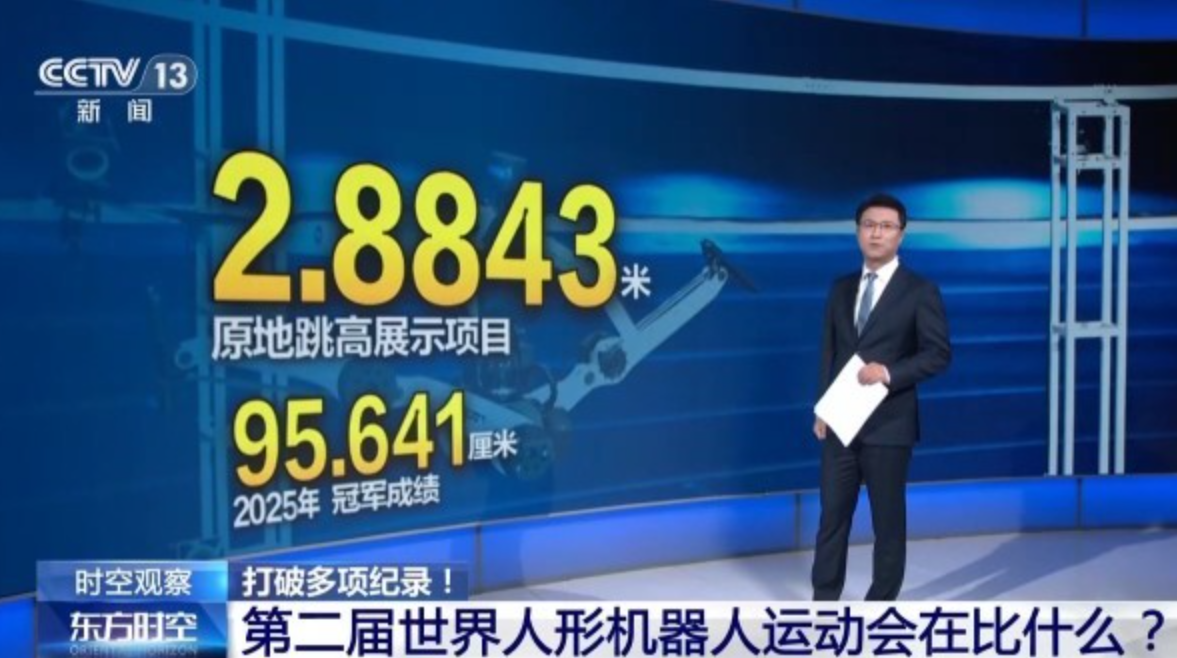
On April 19, the 2026 Beijing Yizhuang Humanoid Robot Half Marathon took place, showcasing significant advancements in robotics. The Honor "Lightning" robot achieved a remarkable net time of 50 minutes and 26 seconds, breaking the human men's half marathon world record and improving upon the previous year's robot champion's time by an impressive 110 minutes. The event drew enthusiastic crowds, reflecting a growing interest in the embodied intelligence sector. A notable shift in participation methods was observed, with nearly 40% of the competing robots operating autonomously, a departure from the reliance on remote control seen in last year's inaugural event, where technicians managed the robots manually. This transition to autonomous operation not only highlights rapid technological progress but also positions the event to potentially set a Guinness World Record for the most autonomous humanoid robots in a half marathon. The advancements in robotics within just one year indicate a significant leap in the industry, marking a new era for robotic participation in competitive events. Following the marathon, on April 22, Qianxun Positioning announced further developments in the field, underscoring the momentum generated by this groundbreaking event.
leaderobot.com By Leaderobot May 20, 2026 Robotics Automation AI
In the evolving landscape of Industry 4.0, manufacturers are increasingly turning to 6-axis robot arms to address complex production challenges. As of now, these advanced collaborative robots are essential for managing diverse product lines, limited workspace, and a shortage of specialized labor. Unlike traditional automation, which often relies on fixed machinery, the 6-axis design allows for greater agility and flexibility in navigating three-dimensional spaces, making it ideal for intricate tasks that require specific angles and movements. The introduction of these robots has transformed assembly processes by eliminating the need for expensive rotating fixtures, as they can approach parts from various angles. This adaptability also enables manufacturers to integrate automation without overhauling entire production lines, allowing for quick responses to localized bottlenecks, such as increased palletizing demands. Moreover, the rise of high-mix, low-volume production has necessitated a shift in automation strategies. The 6-axis robot arms, equipped with advanced features like quick-change grippers and vision systems, can swiftly adapt to different products, reducing changeover times from hours to mere seconds. JAKA, a leader in this field, has developed the JAKA Zu30, a robust 6-axis robot capable of handling heavy-duty tasks with a 30kg payload capacity. This model not only excels in palletizing and machine tending but also ensures safety with high-sensitivity sensors. Controlled via a user-friendly app, the JAKA Zu30 exemplifies the modern manufacturing solutions needed to navigate the complexities of today's production environments.
jaka.com By JAKA May 20, 2026
Import AI, a newsletter dedicated to artificial intelligence research, has been launched to provide insights and updates in the field. The newsletter aims to keep readers informed about the latest developments and trends in AI, drawing on data and research available up to October 2023. By curating relevant information and analyses, Import AI seeks to foster a deeper understanding of AI technologies and their implications for various industries. The initiative responds to the growing interest in AI and the need for accessible, well-researched content that can guide professionals and enthusiasts alike in navigating this rapidly evolving landscape.
Substack.com By Jack Clark May 18, 2026
The introduction of 6-axis robot arms into modern workplaces is transforming productivity and reshaping human-machine interactions. Unlike traditional industrial robots confined to isolated spaces, these advanced jointed arms are designed for close collaboration with human workers. This shift necessitates a focus on safety, which is essential not only for regulatory compliance but also for fostering a sustainable and confident workforce. To ensure safe operation, comprehensive risk assessments are crucial. Operators must establish "safety planes" and restricted zones within the robot's software to manage potential hazards, especially from end-effectors like sharp tools or high-temperature grippers. These virtual barriers enable the robot to function at full speed when unoccupied but switch to reduced speed or stop when a human enters the workspace. Key safety features include force-sensing technology, where internal torque sensors in the robot's joints detect resistance and halt movement within milliseconds upon contact with an object or person. Regular testing of these systems is vital for maintaining safety standards. Moreover, human awareness and training are critical. Workers are advised to avoid loose clothing and ensure that emergency stop buttons are easily accessible. Proper techniques during programming and operation further enhance safety. JAKA, a leader in robotic safety innovation, emphasizes employee protection with its JAKA Zu series, which combines high payload capacity with collaborative capabilities. Their intuitive safety configuration system, accessible via the JAKA App, allows users to easily set safety boundaries and collision sensitivity. By prioritizing safety in their designs, JAKA aims to provide powerful automation solutions while safeguarding workers' well-being.
jaka.com By JAKA May 18, 2026
Unitree Tech has introduced the GD01, marking a significant advancement in robotics as the world's first mass-produced human-carrying transforming mecha. Priced at approximately 3.9 million RMB (around $540,000), this innovative 500-kilogram robot is designed to walk upright, punch through brick walls, and seamlessly transition into a quadruped form within seconds. The launch of the GD01 highlights Unitree Tech's commitment to pushing the boundaries of technology and robotics, aiming to enhance human capabilities and redefine mobility. This groundbreaking product was unveiled recently, showcasing the potential for practical applications in various fields, including construction and rescue operations.
PanDaily.com By [email protected] (Pandaily) May 12, 2026 News
Researchers at Carnegie Mellon University have developed an innovative AI system called World2Rules, aimed at enhancing aircraft safety by analyzing patterns of risky behavior in real airport operations and incident data. This system, which operates alongside existing prediction technologies, simplifies its warnings to ensure they are easily understood by airport personnel. The initiative responds to the critical need for improved safety measures in managing airport traffic, where even minor errors can result in serious incidents. By leveraging advanced data analysis, World2Rules seeks to significantly reduce the risk of collisions at airports, contributing to safer skies for both passengers and crew.
ri.cmu.edu By Mallory Lindahl May 08, 2026 Research
A European defense technology company, Intelic, has launched a new platform called Intelic BASE, aimed at accelerating the deployment of unmanned systems across European militaries. Announced on May 4, 2026, in Amsterdam, this innovative procurement hub is designed to enhance interoperability among various defense systems, enabling governments to more efficiently locate and deploy drones. The initiative responds to the growing need for streamlined processes in military operations, ultimately improving the effectiveness of defense strategies in Europe.
Dronelife.com By Miriam McNabb May 04, 2026 Applications Defense defense Drone News Drone News Feeds Dual Use
Forum Energy Technologies (FET) has introduced its newest subsea handling equipment, the Model 6000 (M6000) Launch and Recovery System (LARS). This innovative system was unveiled recently as part of FET's ongoing commitment to enhancing operational efficiency in subsea operations. The launch took place at the company's headquarters, where industry experts and stakeholders gathered to witness the demonstration of the M6000's capabilities. The M6000 is designed to improve safety and reliability during the deployment and retrieval of subsea equipment, addressing critical challenges faced by operators in harsh underwater environments. FET's development of this system responds to the growing demand for advanced technology in the subsea sector, driven by an increase in offshore exploration and production activities. By incorporating cutting-edge engineering and design, the M6000 aims to streamline operations, reduce downtime, and ultimately lower costs for clients. The system's advanced features include enhanced control systems and improved handling capacities, making it a significant advancement in subsea technology. FET's latest launch underscores the company's position as a leader in the subsea equipment market, reinforcing its dedication to innovation and customer satisfaction. As the industry continues to evolve, the M6000 is poised to play a pivotal role in the future of subsea operations.
ROVplanet.com By ROV Planet Apr 28, 2026 forum energy technologies' latest lars model launches onto the market with a compact all-in-one package
The U.S. Navy is set to deploy thousands of autonomous drone vessels in the Indo-Pacific region as part of a strategic initiative to enhance maritime security and deter potential threats. This deployment is expected to begin in the coming months, reflecting the Navy's commitment to modernizing its fleet and adapting to evolving geopolitical challenges. The move aims to bolster surveillance capabilities and improve operational efficiency in a region marked by increasing tensions and territorial disputes. By integrating advanced technology into its operations, the Navy seeks to maintain a competitive edge and ensure freedom of navigation in vital shipping lanes. The initiative underscores the importance of innovation in military strategy, as the U.S. responds to the growing influence of rival nations in the area.
InterestingEngineering.com By Munis Raza Apr 24, 2026
Huawei has unveiled its inaugural AI smart glasses powered by HarmonyOS, featuring a 12MP camera capable of capturing images in just 0.7 seconds. The launch took place today, showcasing the company's latest innovation in wearable technology. These smart glasses not only allow for quick image capture but also incorporate AI-assisted framing and first-person video recording capabilities. Equipped with Huawei's Xiaoyi AI assistant, the glasses facilitate real-time video interactions and offer simultaneous translation in 42 languages, enhancing communication for users. The frame is constructed from aerospace-grade titanium, underscoring Huawei's commitment to durability and quality in its products. This launch marks a significant step for Huawei in the wearable tech market, aiming to blend advanced technology with practical applications for everyday users.
TechNode.com By TechNode Feed Apr 20, 2026 News Feed
In a groundbreaking achievement, Honor's humanoid robot, known as "Flash," clinched victory at the Beijing Yizhuang Humanoid Robot Half Marathon on Sunday. Completing the 21.0975-kilometer course in an impressive time of 50 minutes and 26 seconds, Flash not only secured the championship but also set a new record, surpassing the previous human half marathon world record of 56 minutes and 42 seconds. The event, which showcased advanced robotic technology, featured a challenging course with diverse terrains, highlighting the capabilities of modern robotics in athletic performance. This milestone underscores the rapid advancements in robotics and their potential to outperform human athletes in specific tasks.
TechNode.com By TechNode Feed Apr 20, 2026 News Feed
In a groundbreaking achievement for robotics, the humanoid robot named 'Lightning,' developed by Honor's team, completed a half marathon in an impressive time of 50 minutes and 26 seconds, setting a new world record that surpasses the previous mark held by human male runners. This remarkable event took place recently, featuring a competitive field of 300 robots, all demonstrating the significant advancements in autonomous navigation technology that have been made over the past year. The success of 'Lightning' not only highlights the potential of robotic innovation but also raises questions about the future of robotics in athletic competitions.
leaderobot.com By Leaderobot Apr 20, 2026 Humanoid Robots Autonomous Navigation Marathon Robotics AI Technology
In a remarkable demonstration of technological advancement, a robot named Lightning won a half-marathon in Beijing on Sunday, setting a new record by finishing in 50 minutes and 26 seconds. This achievement surpasses the previous human world record of 57 minutes and 20 seconds, held by Ugandan runner Jacob Kiplimo, by over six minutes. Developed by Honor, a Chinese smartphone and gadget company that entered the robotics sector just last year, Lightning's performance highlights the rapid evolution of robotics and artificial intelligence. The event not only showcases the capabilities of modern technology but also raises questions about the future of competitive sports as machines increasingly outperform human athletes.
SCMPTech By Ben Jiang Apr 19, 2026
Collaborative robots are increasingly being adopted in the automotive parts manufacturing sector due to their high precision, consistency, flexibility, and safety. Jieka Robotics has emerged as a key player, offering advanced solutions that enhance production efficiency and reduce costs. Their robots, known for their robustness, precision of ±0.02mm, and rapid deployment capabilities, are extensively utilized in critical processes such as transmission systems, chassis, headlights, engines, and seats. The need for collaborative robots arises from the challenges faced in traditional automation, which often involves high costs and long implementation cycles, especially in environments requiring frequent product changes and small batch sizes. Jieka's robots address these issues by providing a compact design that fits into tight production spaces and ensuring safe human-robot collaboration. Notably, Jieka has partnered with Toyota, supplying hundreds of robots to the Tianjin factory, where they have significantly improved efficiency by reducing cycle times to 8-10 seconds and minimizing defect rates to below 0.3%. Their solutions have also been recognized in the automotive industry, with successful implementations in automated processes for headlight manufacturing and flexible production lines for chassis components. With a focus on high-quality production, Jieka Robotics continues to expand its presence in the automotive sector, offering standardized and customized automation solutions that facilitate digital and intelligent upgrades for manufacturers. Their commitment to precision, safety, and efficiency positions them as a leading choice for automotive parts processing.
jaka.com By JAKA Apr 15, 2026
On April 2, 2026, QuanZhiBo unveiled its state-of-the-art integrated joint automation production line in Wuxi, representing a major advancement in the mass production of humanoid robots. The new facility boasts over 85% automation, significantly streamlining the manufacturing process and reducing the delivery cycle to just 90 seconds. This innovation is expected to greatly enhance production efficiency and facilitate the swift expansion of humanoid robot applications across various sectors.
leaderobot.com By Leaderobot Apr 02, 2026 Humanoid Robots Automation Manufacturing Technology Robotics Supply Chain Management
At the Yabuli China Entrepreneurs Forum held on Tuesday, Wang Xingxing, the founder of Unitree Robotics, made a bold prediction regarding the future of humanoid robots. He stated that by mid-2024, these robots, particularly in China, are expected to surpass human speed limits, with the potential for 100-meter sprints to be completed in under 10 seconds. This would exceed the current world record of 9.58 seconds set by Usain Bolt. Wang's remarks highlight the rapid advancements in robotics technology and the competitive landscape in China, where innovation in this field is accelerating. The discussion at the forum underscores the growing interest and investment in robotics, as developers strive to push the boundaries of what machines can achieve.
TechNode.com By TechNode Feed Mar 18, 2026 News Feed
Chinese technology company UBTECH Robotics has secured a significant $1 billion strategic financing agreement with global investment firm Infini Capital, announced on Monday. This partnership will enable UBTECH to access rapid financing through the subscription of newly issued shares and convertible bonds, along with cash withdrawal rights provided by Infini Capital’s high-tech fund. The collaboration aims to bolster UBTECH's financial resources, facilitating its growth and innovation in the robotics sector.
TechNode.com By TechNode Feed Sep 01, 2025 News Feed
Teradyne, Inc., a prominent provider of automated test solutions, has made a significant announcement regarding its latest advancements in technology. The company, based in North Reading, Massachusetts, revealed its new testing systems aimed at enhancing efficiency and accuracy in various industries. This announcement comes as part of Teradyne's ongoing commitment to innovation and meeting the evolving needs of its clients. The new solutions are expected to streamline testing processes, ultimately reducing costs and improving product reliability. Teradyne's initiatives reflect its strategic focus on maintaining a competitive edge in the automated testing market as it responds to increasing demand for high-quality testing solutions.
investors.teradyne.com By Teradyne Investors Mar 10, 2025
On January 22, as the Spring Festival celebrations reached their peak, Nanjing South Railway Station became a bustling center of activity, reflecting the deep emotions and hopes of countless travelers. Thousands of individuals converged at the station, each carrying their own stories of longing and connection to home. The atmosphere was charged with anticipation as families reunited and friends gathered, embodying the spirit of the holiday. This annual migration underscores the significance of the Spring Festival in Chinese culture, where returning home is a cherished tradition. The station, filled with the sounds of laughter and the hustle of passengers, served as a poignant reminder of the bonds that tie people to their roots during this festive season.
estun.com By ESTUN Jan 23, 2025 ESTUN AUTOMATION ROBOTICS SERVO SYSTEMSRSF defines a common language for robot service capability, lifecycle operations, certification pathways, and service-provider networks.
Excepteur sint occaecat cupidatat non proident