Industry Briefing
A single destination for timely, editor-curated robotics news from around the world.
Engineering Collisions: How NYU Is Remaking Health Research
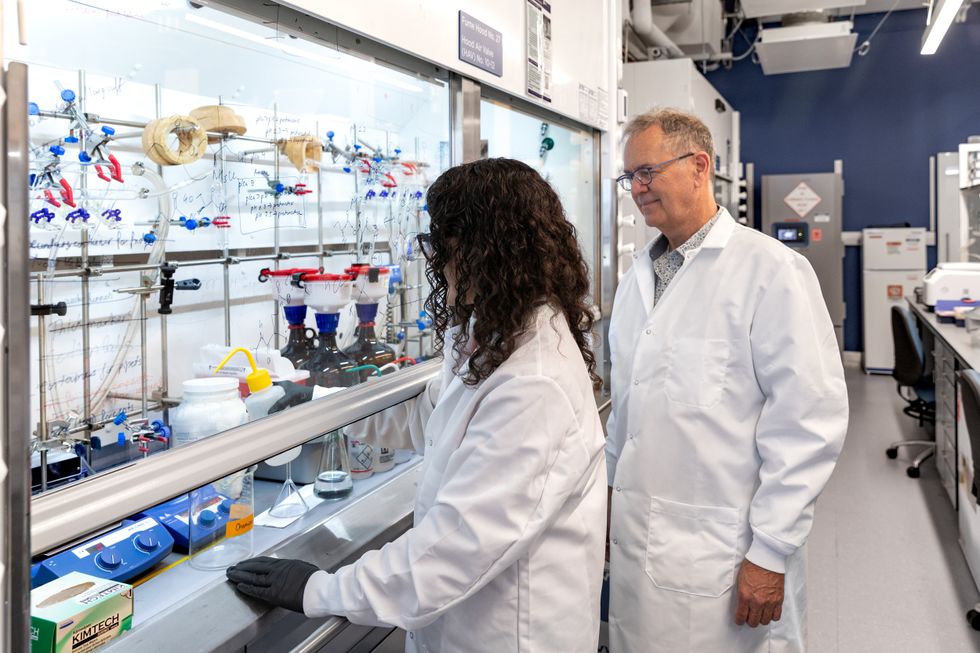
New York University (NYU) is revolutionizing academic research through its newly established Institute for Engineering Health, which focuses on addressing disease states rather than adhering to traditional academic disciplines. This innovative approach encourages collaboration among experts in various fields, including immunology, engineering, and artificial intelligence, to tackle specific health challenges, such as allergic asthma. Under the leadership of Jeffrey Hubbell, NYU's vice president for bioengineering strategy, the institute has already seen promising outcomes, such as the development of a startup that creates devices for detecting airborne pathogens and navigation technology for visually impaired subway riders. Hubbell advocates for a shift from a conventional drug-inhibition model to one that promotes beneficial biological pathways, necessitating a new breed of researchers who possess interdisciplinary skills. To foster this environment, NYU is constructing a science and technology hub in Manhattan, designed to facilitate collaboration among diverse disciplines. This initiative aligns with the university's strategy of organizing around "grand challenges" rather than traditional academic silos, as emphasized by Juan de Pablo, the executive dean of the Tandon School of Engineering. The institute also emphasizes a proactive approach to translating research into practical applications, conducting "translational exercises" to map potential pathways from discovery to deployment. This comprehensive strategy aims to accelerate innovation in science and technology, positioning NYU as a leader in addressing complex health issues through collaborative, cross-disciplinary research.
Type-sponsored Nyu-tandon Health Clinical-trials Data-science Nyu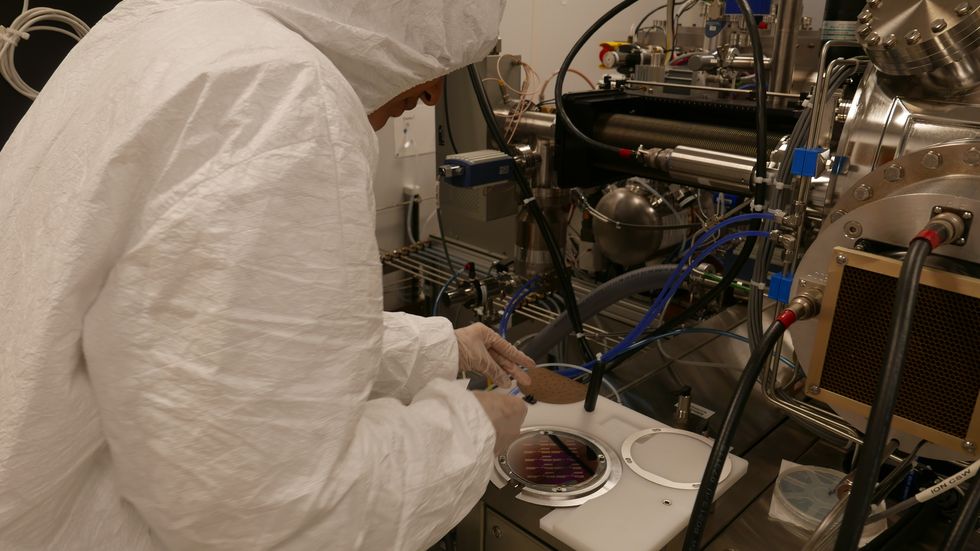
NYU’s Quantum Institute Bridges Science and Application
New York University (NYU) has launched the NYU Quantum Institute (NYUQI) in Manhattan's West Village, positioning itself as a pivotal player in the rapidly evolving field of quantum technology. This initiative aims to harness the dense urban ecosystem surrounding the university, which is home to over 500 tech firms, banks, and hospitals, to accelerate advancements in quantum computing, sensing, and communications. The institute, led by Director Javad Shabani, seeks to break down traditional academic silos by fostering collaboration among physicists, engineers, and computer scientists. This integrated approach is designed to enhance the development of practical quantum solutions, which have been hindered by fragmentation in the field. NYUQI will operate from a newly renovated million-square-foot facility, complemented by a state-of-the-art Nanofabrication Cleanroom in Brooklyn, allowing for real-time testing and refinement of quantum technologies. Recently, New York Senators Charles Schumer and Kirsten Gillibrand secured $1 million in funding to introduce Thermal Laser Epitaxy technology at NYU, marking a significant advancement in the U.S. quantum research landscape. The institute also aims to address the skills gap in the quantum workforce by launching a Master of Science in Quantum Science & Technology program, preparing students to tackle complex challenges in this interdisciplinary field. By leveraging its urban location and fostering collaboration, NYUQI aims to transform theoretical quantum research into practical applications, ultimately contributing to advancements in finance, medicine, and security.
Nyu-tandon Quantum-computing Quantum-internet Semiconductors Quantum-communications
Tencent launches Hunyuan Hy3, integrates model across multiple products
On Monday, Tencent launched Hunyuan Hy3, a new reasoning model that integrates both fast and slow thinking. Built on a Mixture of Experts (MoE) architecture, Hy3 features 295 billion total parameters with 21 billion activated parameters and supports a context window of up to 256K tokens. Hy3 has been integrated into several Tencent products and […]
News Feed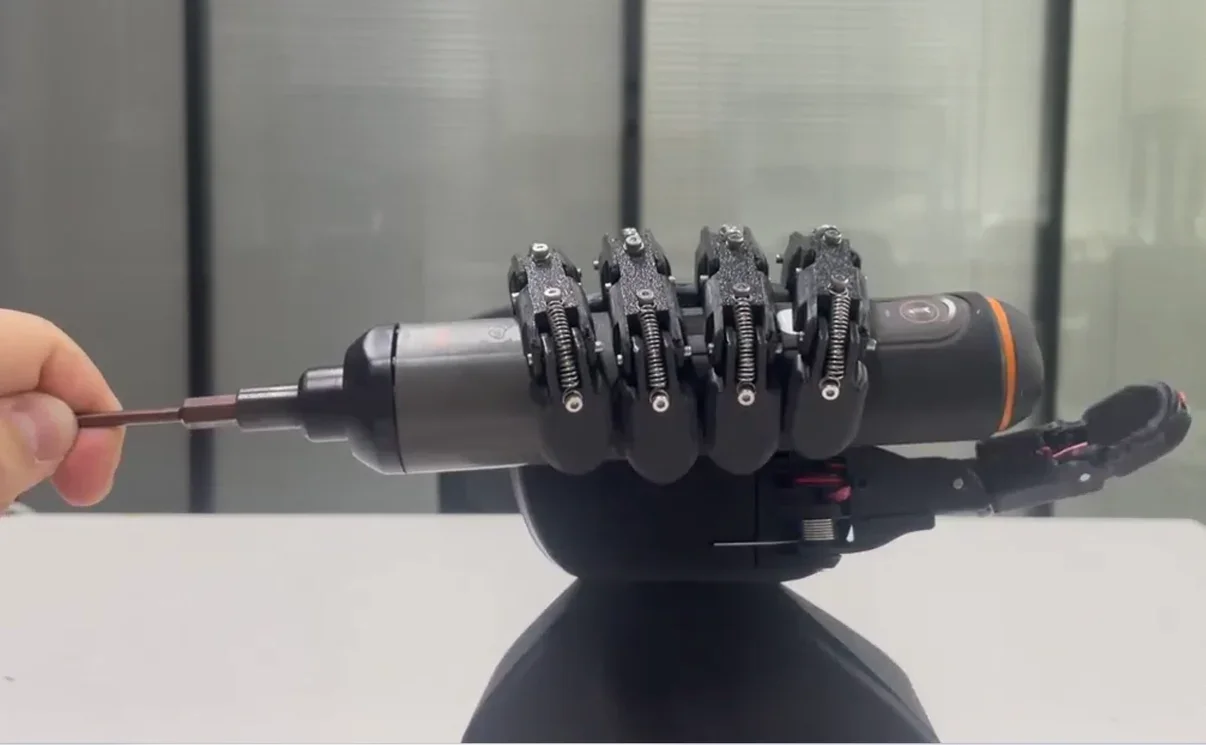
NYU’s Open-Source RUKA Hand Now Available as Affordable Kit, Starting at $549
The RUKA hand, a high-dexterity robotic hand that originated as an open-source DIY project at New York University, has transitioned into a commercial product, now available for purchase starting at $549. This development is part of a collaborative effort to enhance accessibility to advanced robotics hardware. To achieve this competitive pricing, the commercial version includes a significant modification to one of its components. The launch of the RUKA hand marks a significant step in making sophisticated robotic technology more affordable and available to a broader audience.
RUKA hand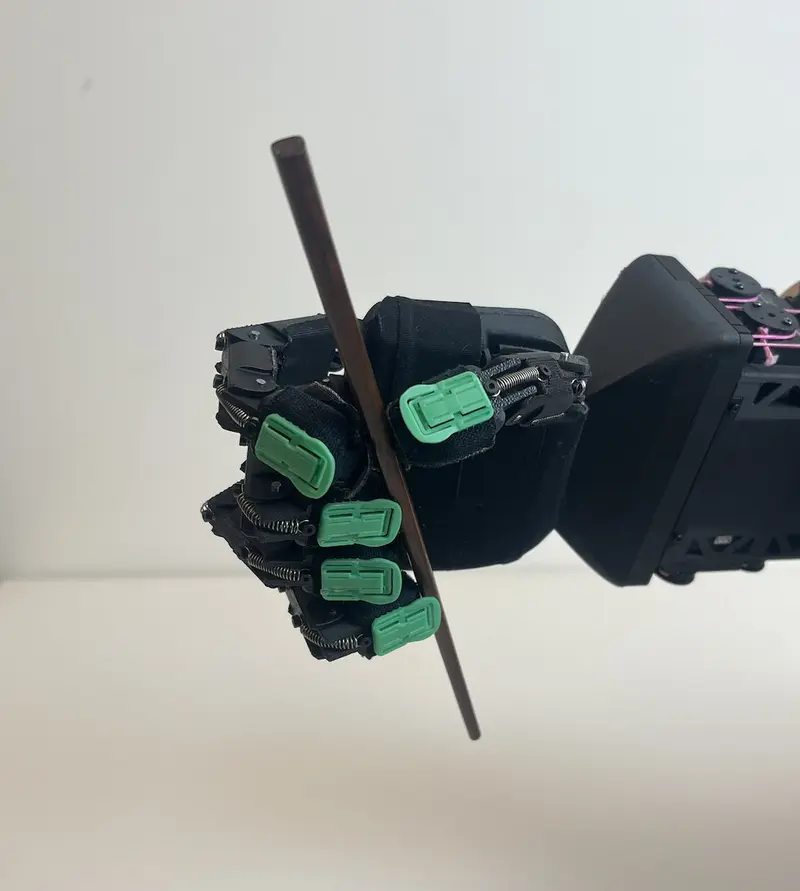
NYU's Open Source RUKA Hand Promises High Dexterity on a Budget
Researchers at New York University have unveiled RUKA, an innovative, low-cost robotic hand designed for dexterous manipulation, priced at approximately $1,300. This anthropomorphic device utilizes tendon-driven underactuation combined with a learning-based controller to deliver impressive performance. The project aims to advance the field of robotics by making sophisticated technology more accessible, as it has been fully open-sourced to encourage further research and development in dexterous manipulation. The initiative reflects a commitment to democratizing technology, allowing a broader range of researchers and developers to explore and enhance robotic capabilities.

Long March 10B Achieves Successful Recovery, Boosting China's Commercial Space Efforts
China's Long March 10B rocket successfully completed its first flight recovery, marking a significant milestone in the country's commercial space sector. This achievement is expected to accelerate competition among companies like LandSpace and JianYuan, which are also aiming for reflight milestones by the end of 2023. The successful recovery of the Long March 10B is crucial as it demonstrates China's growing capabilities in reusable rocket technology, which is essential for reducing launch costs and increasing launch frequency. This development positions China as a formidable player in the global commercial space race, potentially attracting more investments and partnerships in the sector. Looking ahead, both LandSpace's Zhuque-3 and JianYuan's YX-1 are targeting their own reflight milestones within the same timeframe. No further timeline was disclosed at the time of publication, but the ongoing advancements suggest a rapidly evolving landscape in China's commercial space endeavors.
Technology
BofA Highlights Pony AI (PONY) Robotaxi Expansion
Pony AI Inc. (NASDAQ:PONY), a key player in the autonomous mobility sector, is poised for significant growth as highlighted by BofA Securities, which reaffirmed its Buy rating and set a target price of $19 for the company. The announcement came on July 1, 2026, as Pony AI expands its robotaxi operations into challenging urban environments, including Tianhe, Huangpu, and Panyu Chimelong, where dense office buildings and heavy traffic present unique operational hurdles. Analyst Ming Hsun Lee noted that these new zones introduce complex challenges, but Pony AI is leveraging its proprietary PonyWorld and Virtual Driver systems to navigate these conditions. The company aims to enhance profitability through economies of scale and plans to increase its fleet to over 3,500 robotaxis across more than 20 cities by the end of 2026, with Singapore's Punggol district serving as a central hub following the recent public launch of its autonomous mobility service via the Zig app. While BofA acknowledges the potential of Pony AI as an investment, it suggests that other AI stocks may offer greater upside with less risk. The company continues to diversify its offerings, including software deployment, vehicle engineering, and logistics services, positioning itself as a significant player in the evolving autonomous vehicle landscape.

HKU Professor Li Hongyang secures hundreds of millions in seed funding for his startup on embodied AI.
Archon Robotics, a Shanghai-based company specializing in whole-body humanoid models, has successfully secured hundreds of millions in seed funding from prominent investors, including ZhenFund, Gao Rong Capital, IDG Capital, and others. The financing round, which took place recently, aims to enhance the development of humanoid models, collect multimodal motion data, expand the talent team, and establish research centers and industry partnerships, with the goal of launching an open-source humanoid model by the end of this year. Founded in April 2026, Archon Robotics focuses on creating whole-body intelligence for humanoid robots, enabling them to perform complex tasks that require full-body coordination. The company's founder, Dr. Hongyang Li, is an assistant professor at the University of Hong Kong and has received accolades for his work in autonomous driving. Co-founder and CEO Dr. Tianyu Li, along with the core team, brings expertise from top institutions and has a strong background in robotics and AI. The humanoid robotics sector is at a pivotal moment, with significant investments occurring but lacking a unified technical consensus. Current limitations in training data restrict robots to simple tasks, as they often lack the necessary information for complex human-like interactions. Archon Robotics aims to address these gaps by redefining data collection methods to better capture human coordination and movement dynamics. The company plans to release its first humanoid model in late 2026, emphasizing the need for robots to operate effectively in dynamic home environments. By focusing on comprehensive data collection and understanding physical interactions, Archon Robotics seeks to advance the capabilities of humanoid robots beyond current limitations.
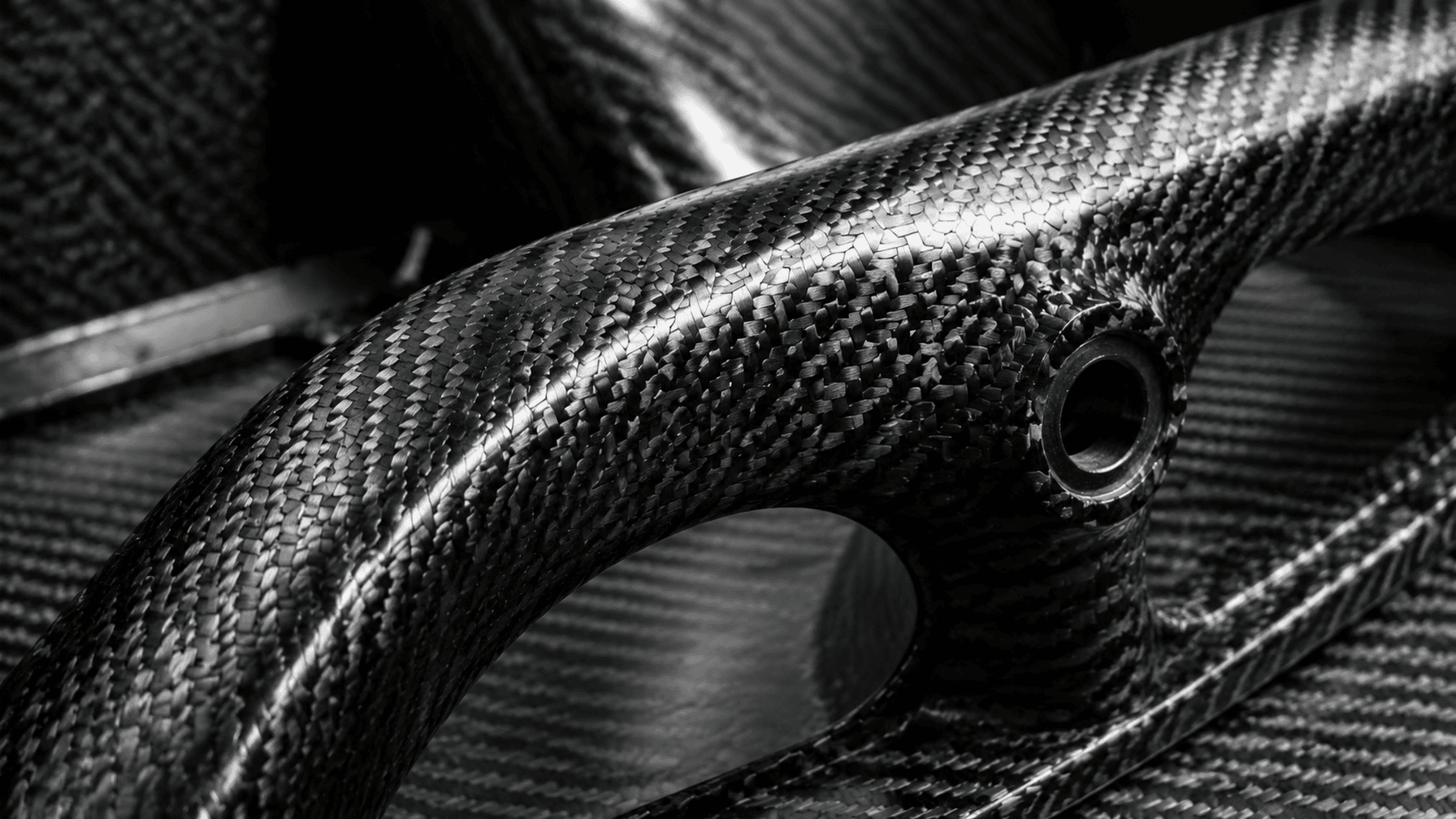
China's Aerospace-Grade Carbon Fiber Breaks Free from Foreign Dependency with Major Production Expansion
Zhongfu Shenying has launched three advanced carbon fiber production lines in Lianyungang, a significant step towards enhancing China's self-sufficiency in aerospace materials. This initiative, unveiled recently, aims to reduce the country's reliance on foreign suppliers, particularly Japan's Toray and various U.S. manufacturers, which have dominated the market for critical aerospace components. By establishing these production lines, Zhongfu Shenying is positioning itself as a key player in the high-performance materials sector, responding to the growing demand for domestic production capabilities in the aerospace industry. This move not only strengthens China's industrial base but also aligns with national objectives to bolster local manufacturing and innovation in strategic sectors.
Technology
Roundtable: We Celebrate Adventure - Sooner, Smaller, and Deeper | 36Kr WAVES 2026 New Wave
In 2026, the investment landscape in China is witnessing a significant shift as artificial intelligence (AI) transitions from a conceptual technology to a mainstream industry force. The WAVES 2026 conference, hosted by 36Kr and AnYun, took place over two days in the Liangcang Creative Park in Panyu, Guangzhou, under the theme "This Summer." The event brought together top investors, industry leaders, and emerging entrepreneurs to explore key sectors such as AI, hard technology, healthcare, and international expansion through 14 in-depth roundtable discussions and numerous independent speeches. Prominent figures in the venture capital sector, including Liu Yuan from ZhenFund, Xu Shi from Shanhang Capital, Lin Haizhuo from Zhuoyuan Asia, and Xu Zhihao from Mingshi Capital, shared insights on the challenges and opportunities in early-stage investments. They discussed the current state of angel investments, which account for only 1.9% of the total equity market, emphasizing the need for a deeper understanding of the evolving technology landscape and the importance of backing resilient founders who can adapt to rapid changes. The conference highlighted the critical role of early-stage investors in identifying promising startups and supporting them through various funding rounds, despite the inherent risks and uncertainties. As the AI revolution continues to unfold, the dialogue among industry experts underscored the necessity of fostering innovation and collaboration to drive China's technological future.
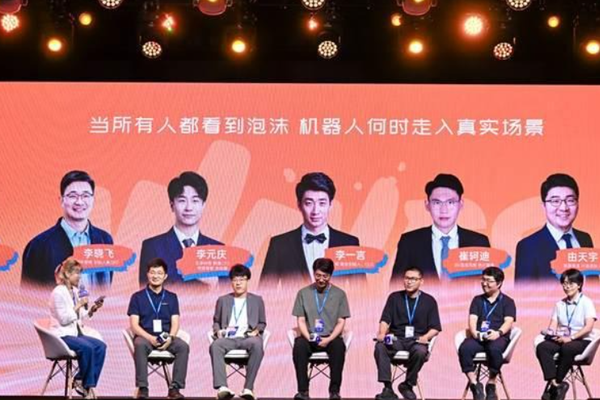
Roundtable: When Will Robots Enter Real Scenarios Amid Widespread Bubble Awareness?
In 2026, the investment landscape in China is witnessing a significant shift as artificial intelligence (AI) transitions from a conceptual technology to a driving force in various industries. The WAVES 2026 conference, hosted by 36Kr and AnYun, took place in Guangzhou's Panyu district, bringing together top investors, industry leaders, and emerging entrepreneurs to explore the evolving landscape of AI, hard technology, and healthcare through 14 in-depth roundtable discussions and numerous independent speeches. Prominent figures in the field, including CEOs and CTOs from leading tech companies, gathered to discuss the potential of embodied intelligence—a rapidly growing sector attracting substantial investment. The discussions highlighted the challenges and opportunities within this domain, particularly regarding the commercialization of robotics and AI technologies. Participants shared insights on the current state of the market, with some companies already generating revenue through innovative applications of AI in various sectors. However, concerns about market bubbles and the sustainability of investments were also raised, emphasizing the need for a deeper understanding of the underlying business models and real-world applications. As the conference concluded, the consensus among attendees was that while the industry is still in its infancy, the potential for growth and innovation remains vast, driven by a new generation of entrepreneurs eager to redefine the future of technology in China.

Roundtable Discussion: Hey? AI! This Month, This Year, and Next Five Years of AI | 36Kr WAVES 2026 New Wave
In 2026, the investment landscape in China is witnessing a significant transformation as artificial intelligence (AI) evolves from a mere technical concept to a driving force in various industries. The WAVES 2026 conference, organized by 36Kr and AnYun, took place in Guangzhou's Panyu district, gathering top investors, industry leaders, and emerging entrepreneurs to explore the implications of AI and hard technology on the future of innovation. Over two days, the event featured 14 in-depth roundtable discussions and numerous independent presentations, focusing on key sectors such as AI, hard technology, international expansion, and healthcare. During the conference, industry experts discussed the rapid pace of AI development, highlighting how companies are now experiencing frequent valuation updates and financing rounds. Investors shared insights on the changing dynamics of funding, with many companies securing multiple rounds of financing within months, a stark contrast to previous trends. The conversation also touched on the implications of regulatory challenges, particularly concerning AI models and their accessibility. Participants emphasized the importance of stability and reliability in AI applications, as well as the need for a deep understanding of specific industries to successfully implement AI solutions. The discussions underscored a growing interest in physical AI applications, with expectations for commercialization in sectors like pharmaceuticals and materials science within the next few years. As the AI landscape continues to evolve, investors are increasingly focused on identifying unique opportunities and fostering innovative solutions that address real-world challenges.
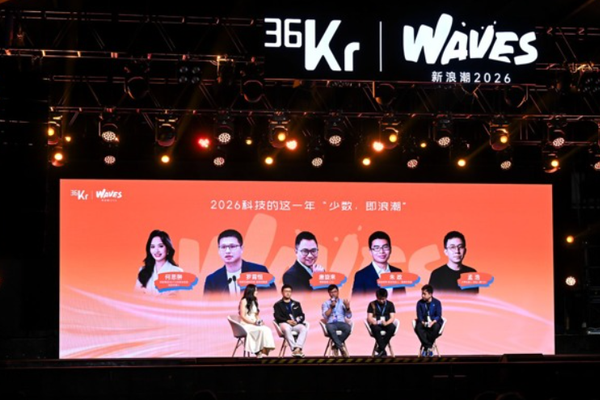
Roundtable Forum: 2026 - A Year of Technology "Minority, Yet a Wave" | 36Kr WAVES 2026 New Wave
In 2026, the Chinese venture capital landscape is witnessing a significant shift as artificial intelligence (AI) transitions from a conceptual technology to a mainstream industry force. The WAVES 2026 conference, organized by 36Kr and AnYun, took place in Guangzhou's Panyu District, bringing together top investors, industry leaders, and emerging entrepreneurs to explore the evolving landscape of AI, hard technology, and other key sectors. Over two days, the event featured 14 in-depth roundtable discussions and numerous independent speeches, focusing on the underlying logic of these core areas and highlighting how the persistence of a few innovators is shaping industry transformation. During a roundtable hosted by He Sichong from Ant Group's NEXTA Innovation Lab, four prominent entrepreneurs shared insights on the rapid advancements in their respective fields. They discussed the increasing acceptance of previously niche technologies, such as embodied intelligence and tactile perception, which are now beginning to redefine industrial processes and human-machine interactions. Despite the enthusiasm, the panelists acknowledged the challenges of integrating these technologies into real-world applications, emphasizing the need for continued innovation and adaptation to meet evolving market demands. As the conference concluded, participants expressed optimism about the future of embodied intelligence and its potential to revolutionize various sectors, while also recognizing the importance of addressing the complexities of deploying these technologies in dynamic environments.
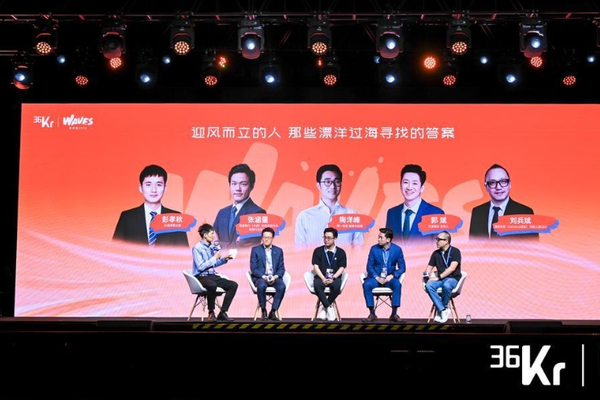
Roundtable: Those who stand against the wind, seeking answers across the sea | 36Kr WAVES 2026 New Wave
In 2026, the WAVES conference, organized by 36Kr and AnYun, took place in Panyu, Guangzhou, focusing on the theme "This Summer." The event gathered top investors, industry leaders, and emerging entrepreneurs over two days to discuss the evolution of AI and hard technology, which are shifting from niche areas to mainstream consensus. The conference featured 14 in-depth roundtable discussions and numerous independent speeches that explored the underlying logic of key sectors such as AI, hard technology, overseas expansion, and healthcare. Key speakers included Peng Xiaoqiu, editor-in-chief of 36Kr, Zhang Hanliang from DBS Bank, Tao Yangfeng from Zero One Capital, Guo Bin from Paradise Silicon Valley, and Liu Bingbin, CEO of Zendure. They shared insights on the changing landscape of entrepreneurship, particularly the transition from manufacturing advantages to brand and engineering advantages in the past decade. Discussions highlighted the importance of understanding market demands and the risks associated with overseas expansion, emphasizing that successful ventures require a deep understanding of both domestic and international markets. The conference underscored the necessity for entrepreneurs to be aware of their capabilities and the potential pitfalls of blindly pursuing global opportunities. As the landscape of international business continues to evolve, the insights shared at WAVES 2026 aim to guide entrepreneurs in navigating the complexities of global markets.

Roundtable Forum: The Real Landscape of AI Venture Capital Beyond Consensus
In a recent roundtable discussion on the evolving landscape of artificial intelligence (AI) investment, industry leaders emphasized the importance of acting ahead of consensus to seize opportunities. The forum featured prominent figures such as Zhu Tianyu, managing partner at BlueRun Ventures, and Qin Shentao, founder and CEO of OriginFlow, who shared insights on their early investment strategies. Zhu, who joined BlueRun in 2009, highlighted his early investments in successful companies like Li Auto and Genspark, noting that he made quick decisions based on a structured understanding of global challenges rather than just project details. He expressed confidence in OriginFlow’s potential, which focuses on non-invasive neural interfaces for embodied intelligent robots, aligning with key trends in artificial general intelligence (AGI), robotics, and 3D interaction. Qin, a Tsinghua University PhD, explained that OriginFlow aims to revolutionize how intelligent systems interact with the physical world, addressing a significant gap in data collection and processing. Within just five months of operation, the company secured over 500 million RMB in funding, demonstrating strong market interest. Both leaders acknowledged the challenges of navigating the current AI investment climate, characterized by rapid funding influxes and potential market bubbles. They stressed the need for investors to discern genuine innovation from fleeting trends, emphasizing that true value lies in solving fundamental problems rather than chasing hype. As the discussion concluded, they reiterated their commitment to fostering groundbreaking advancements in AI and embodied intelligence.

Scott Galloway Says Tesla, Nvidia, Broadcom Could Get Caught In The Crossfire Of The Space X IPO
Scott Galloway, a professor at NYU and co-host of the Prof G Markets podcast, has raised concerns about the potential impact of upcoming AI initial public offerings (IPOs) on established companies like Tesla and Nvidia. He predicts that the anticipated IPOs, including SpaceX’s listing at $135 per share, could lead to significant declines in the stock prices of these tech giants within the next 12 to 24 months. Galloway likens the current AI boom to historical technology bubbles, suggesting that the influx of new IPOs could trigger a market correction similar to those seen during the railroad and dot-com eras. The upcoming IPO wave is expected to require around $400 billion in new equity, with SpaceX alone valued at $1.77 trillion. This massive capital influx may force investors to sell shares of existing companies, such as Tesla and Nvidia, to fund their investments in the new offerings. Co-host Ed Elson highlighted that this rotation could affect the stock prices of established firms, while Allianz Global Investors strategist Stefan Rondorf argued that the reallocation of funds might not lead to significant disruptions. Market predictions indicate that SpaceX is favored to become the largest IPO of 2026, with a strong chance of exceeding its initial valuation. As the IPO landscape evolves, the performance of these new listings will be closely watched, particularly for their implications on the broader market and established tech companies.

Tencent’s chief AI scientist dismisses lag concerns, says race a ‘long-term game’
Yao Shunyu, the chief AI scientist at Tencent Holdings and a former researcher at OpenAI, addressed concerns regarding the company's perceived slow progress in artificial intelligence. Speaking recently, Yao emphasized that the AI race is only beginning, highlighting significant untapped potential in areas such as coding agents and embodied intelligence. He likened the current phase of AI development to the early days of personal computers in the 1970s, suggesting that the most crucial advancements are yet to come. Yao's comments reflect Tencent's commitment to advancing its AI capabilities amid a rapidly evolving technological landscape.

Q&A: Robots can't feel, but novel sensors could change that
A research team led by Huanyu "Larry" Cheng, an associate professor of engineering science and mechanics at Penn State, is developing an advanced electronic "skin" that incorporates pressure sensors. These tiny devices, comparable in size to a paperclip, are capable of measuring force applied over a surface area. The initiative aims to enhance the functionality of robots and prosthetic limbs, providing them with a heightened sense of touch and responsiveness. This innovative project is part of ongoing efforts to improve human-robot interaction and the usability of prosthetic devices, ultimately seeking to bridge the gap between technology and human sensory experience.
Robotics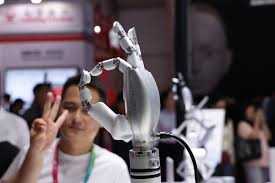
Tencent hires multiple core engineers from ByteDance’s Seed AI team
Tencent has intensified its recruitment efforts by hiring senior personnel from ByteDance's Seed AI team, focusing on expertise in visual AI platforms, infrastructure engineering, training infrastructure, and reinforcement learning algorithms. This strategic move aligns with Tencent's initiative to expedite the development of its large language models, as the company prepares for the anticipated launch of its next-generation Hunyuan 3.0 system in the second half of the year. The hiring spree reflects Tencent's commitment to enhancing its AI capabilities amid increasing competition in the tech industry.
News Feed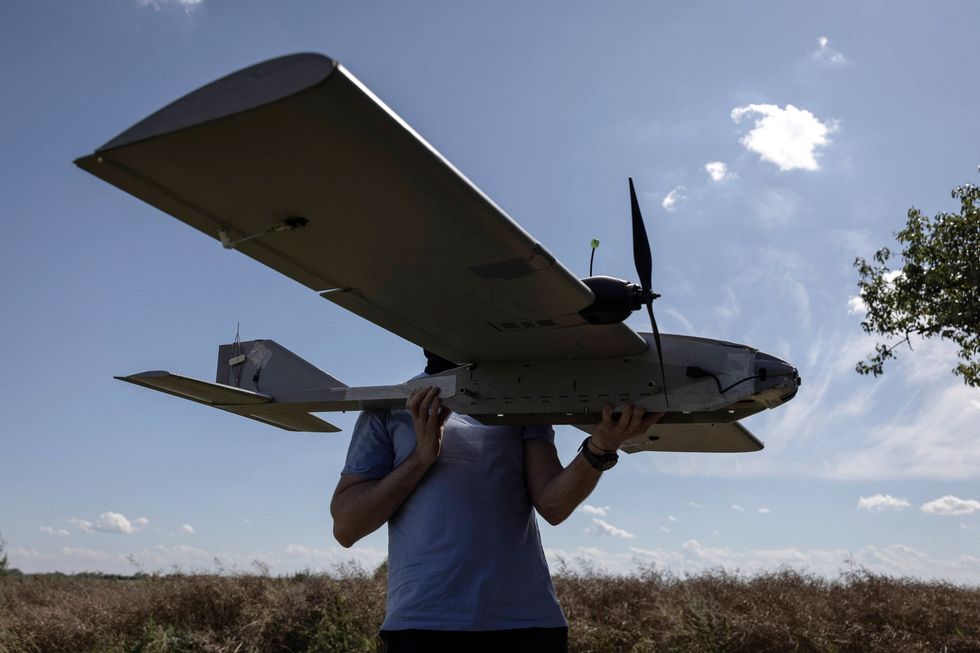
The Coming Drone-War Inflection in Ukraine
In late December 2025, Yaroslav Azhnyuk, a Kyiv-born engineer and co-founder of the tech company Petcube, expressed concerns about the future of warfare, envisioning a landscape dominated by autonomous drones and AI-controlled military technology. Following Russia's invasion of Ukraine in February 2022, Azhnyuk shifted his focus from consumer tech to military applications, founding two companies, The Fourth Law and Odd Systems, to enhance drone capabilities for Ukrainian forces. By 2023, Ukrainian troops had begun utilizing consumer drones for surveillance and combat, leading to a significant evolution in warfare tactics. Azhnyuk's companies have developed autonomy modules that allow drones to navigate independently, increasing strike success rates significantly. This innovation is crucial as Ukraine faces a technologically superior adversary in Russia, which has also advanced its drone capabilities, including the use of Iranian-designed Shahed drones. As both sides continue to innovate, the conflict is shaping a new era of warfare characterized by autonomous systems capable of operating without direct human control. Analysts predict that the shift from human-operated drones to autonomous swarms could drastically change the dynamics of military engagements, raising concerns about the implications for global security. Azhnyuk warns that the West, particularly Europe and the U.S., risks falling behind in this technological arms race, emphasizing the need for rapid advancements in defense technologies to ensure security in the coming years.
Military-robots Military-drones Drone-war Shahed-drones Ai-agents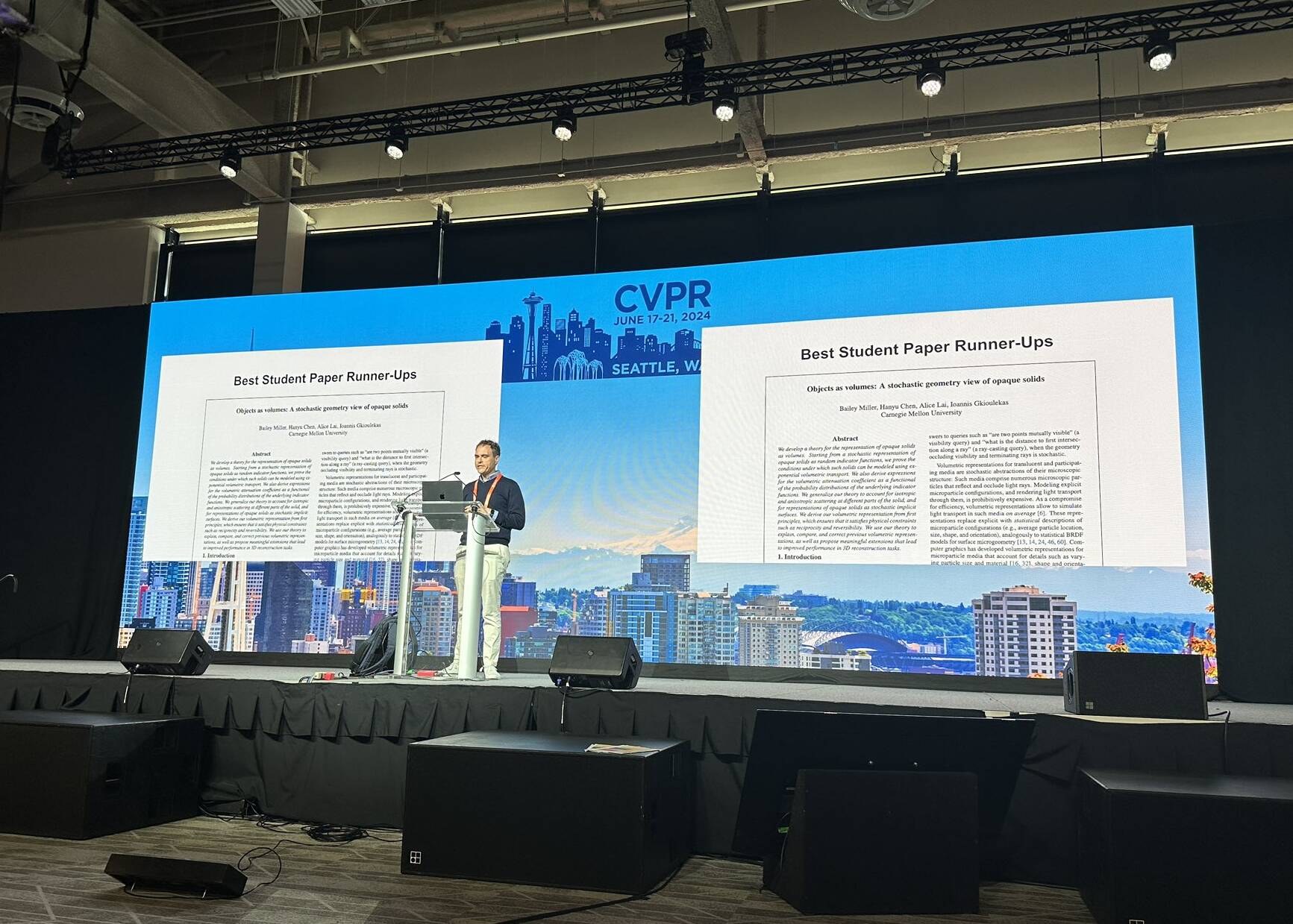
Miller and co-authors receive award at CVPR 2024
Bailey Miller, a PhD student in computer science, along with co-authors Hanyu Chen, Alice Lai, and Ioannis Gkioulekas, has been recognized with an honorable mention for best student paper at the 2024 IEEE Conference on Computer Vision and Pattern Recognition (CVPR), which took place in Seattle, Washington. Their award-winning paper, titled “Objects as volumes: A stochastic geometry view of opaque solids,” presents a novel theoretical framework aimed at enhancing the understanding of opaque solids through the lens of stochastic geometry. This recognition highlights the innovative contributions of the authors to the field of computer vision and pattern recognition.
Uncategorized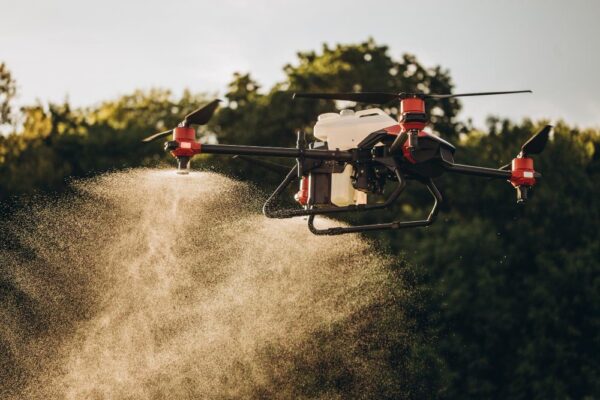
Haryana’s Drone City Project Kicks Off With Indian Drone Company AVPL’s 11.5-Acre Campus
AVPL International is set to inaugurate Phase 1 of its ₹80 crore Drone City project on May 16, 2026, in Village Sisai, Hansi, Haryana. This ambitious initiative, which represents an investment of approximately $8.3 million, aims to establish an integrated hub for drone manufacturing, skills development, and innovation in India. The project has garnered significant incentive support, highlighting the government's commitment to advancing the country's drone industry. The development is expected to bolster local employment and position India as a key player in the global drone market.
Drone Manufacturing Drone News Drone News Feeds India Drone Industry India Drone News NewsRobotics needs a service framework.
RSF defines a common language for robot service capability, lifecycle operations, certification pathways, and service-provider networks.