Industry Briefing
A single destination for timely, editor-curated robotics news from around the world.
The Lab Mistake That Might Revolutionize Computing
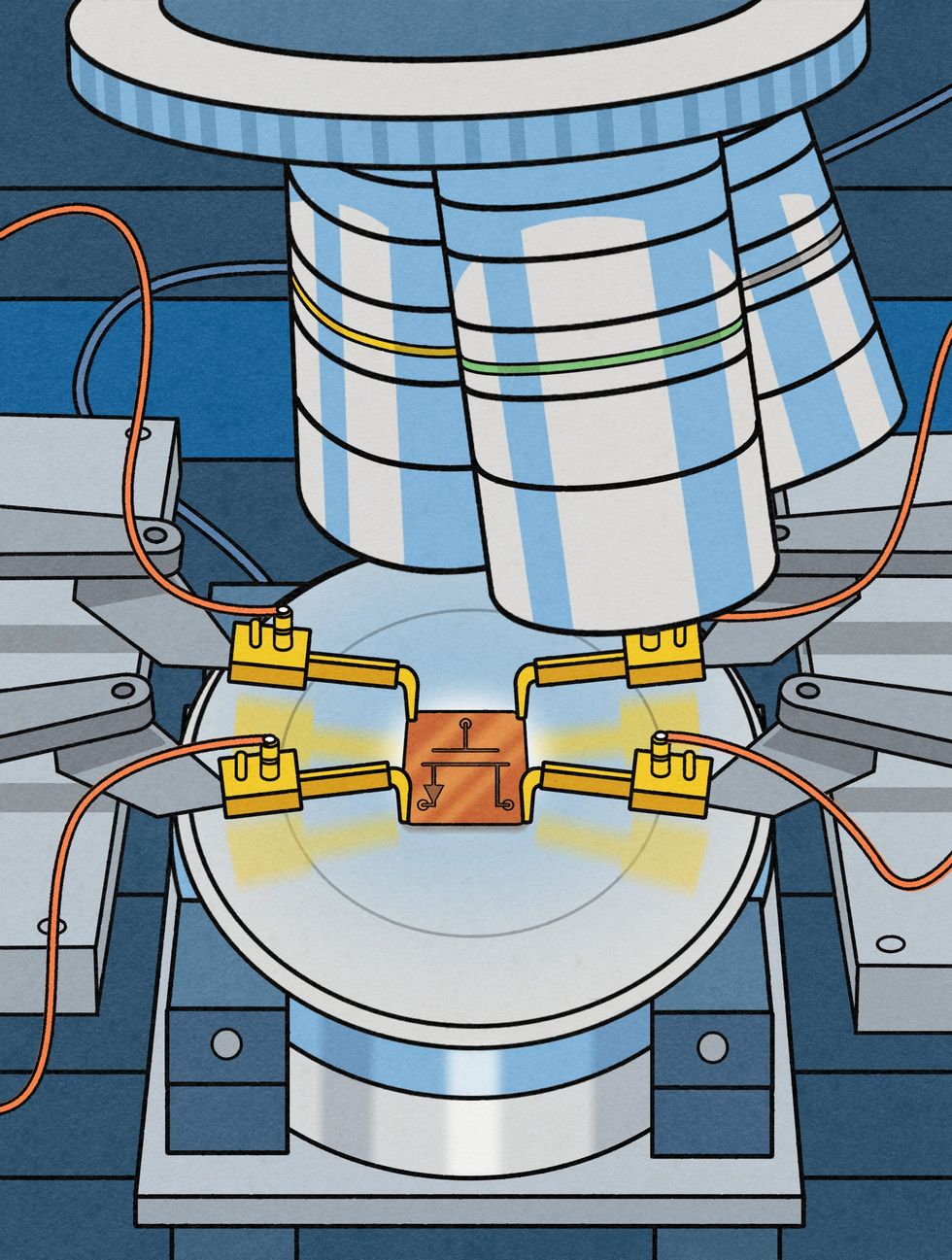
Researchers have made a significant breakthrough in artificial intelligence technology by discovering a new way to create electronic components that mimic the behavior of biological neurons and synapses. This development, which occurred in a laboratory in 2024, could drastically reduce the energy consumption associated with AI applications. Currently, AI systems rely on powerful GPUs housed in data centers, consuming up to 1,000 watts each, which is comparable to household appliances. In contrast, the human brain operates at a fraction of that energy efficiency. The team, led by researchers Mario Lanza and Sebastian Pazos, stumbled upon this innovation while experimenting with metal-oxide-semiconductor field-effect transistors (MOSFETs). They found that by manipulating the bulk terminal of a MOSFET, they could replicate neuron-like behavior, producing sharp current spikes similar to those of biological neurons. This discovery not only allows for the creation of artificial neurons but also enables the development of artificial synapses, leading to a new type of neurosynaptic random-access memory (NSRAM). The implications of this technology are vast, as it could lead to brain-inspired microchips that are more energy-efficient than current GPUs, particularly for smaller-scale AI tasks. The researchers are now focused on refining their models and conducting further simulations to optimize performance. If successful, this innovation could pave the way for a new generation of AI systems that are both powerful and environmentally sustainable.
Neuromorphic-computing Cmos Mosfet SynapseRobotics needs a service framework.
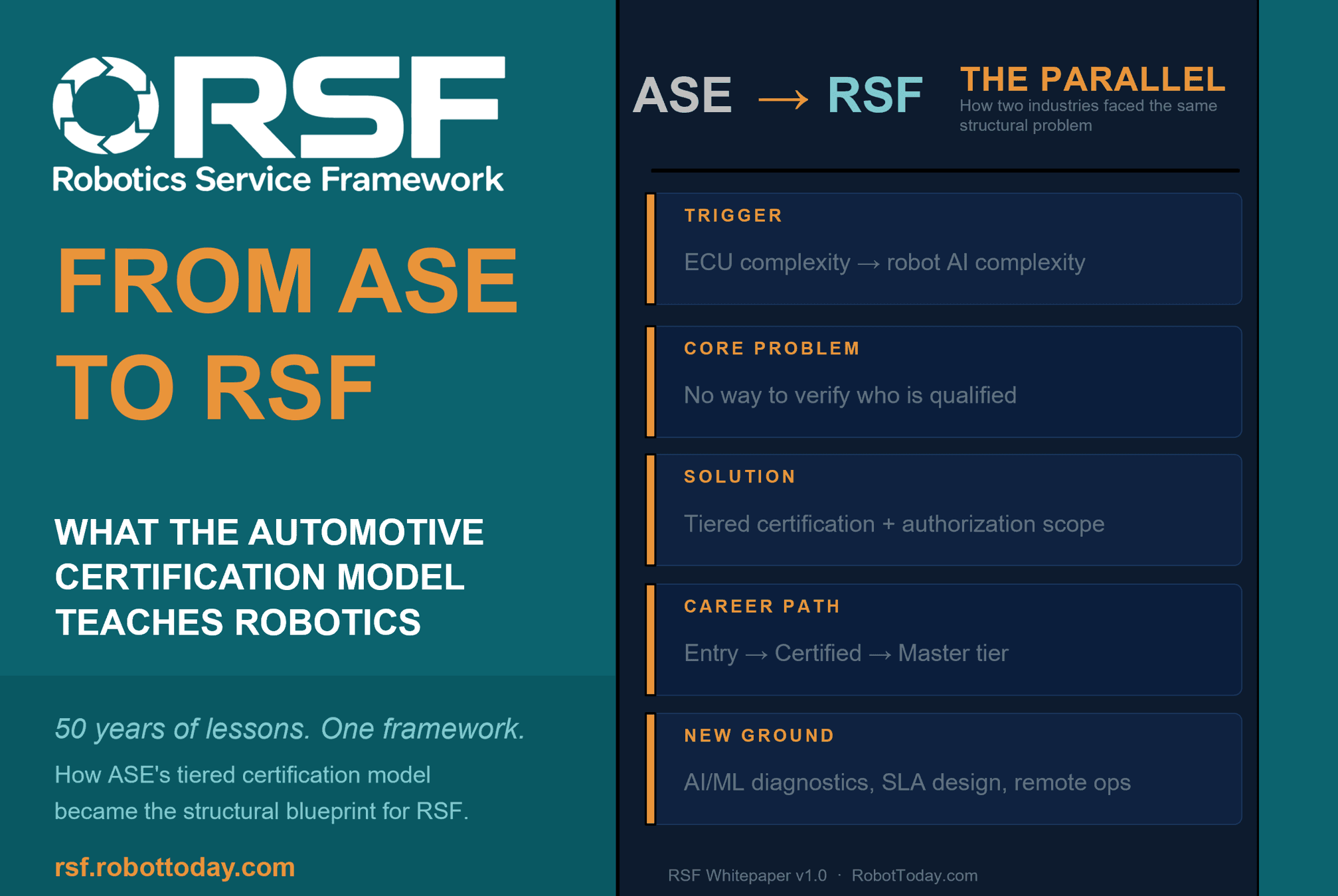
RSF defines a common language for robot service capability, lifecycle operations, certification pathways, and service-provider networks.