Industry Briefing
A single destination for timely, editor-curated robotics news from around the world.
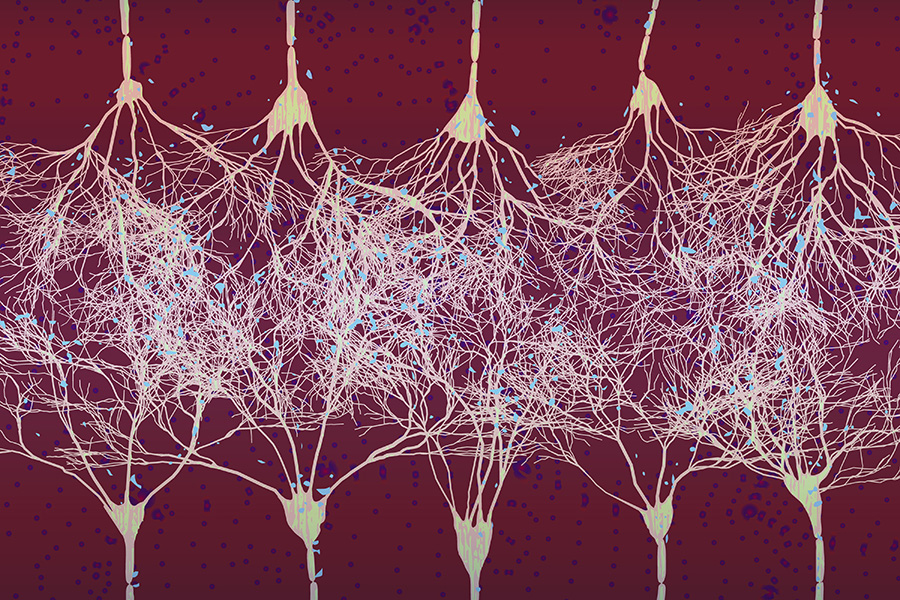
MIT and York University Study Visual Learning in the Brain Using Neural Networks
Researchers at MIT’s McGovern Institute for Brain Research and York University in Toronto have investigated how visual learning occurs in the brain. By analyzing neural activity and utilizing computational modeling, they compared the learning processes of animals and an artificial neural network designed to mimic brain architecture. Their findings, published on July 8 in Nature Communications, reveal that changes in visual processing are crucial for learning to discriminate new objects. This research is significant as it enhances our understanding of the brain's adaptability and the mechanisms behind visual learning. The study suggests that while the overall activity patterns in the inferior temporal cortex remain stable, subtle changes occur in response to learned object recognition. These insights could inform educational strategies and improve learning outcomes across various contexts. Looking ahead, the researchers aim to further explore how these modest changes in neural activity contribute to learning. They believe that artificial neural networks can provide valuable insights into biological learning processes, potentially leading to new experimental approaches and predictions that extend beyond current understanding. No further timeline was disclosed at the time of publication.
Research Neuroscience Learning Brain and cognitive sciences Computer modeling Vision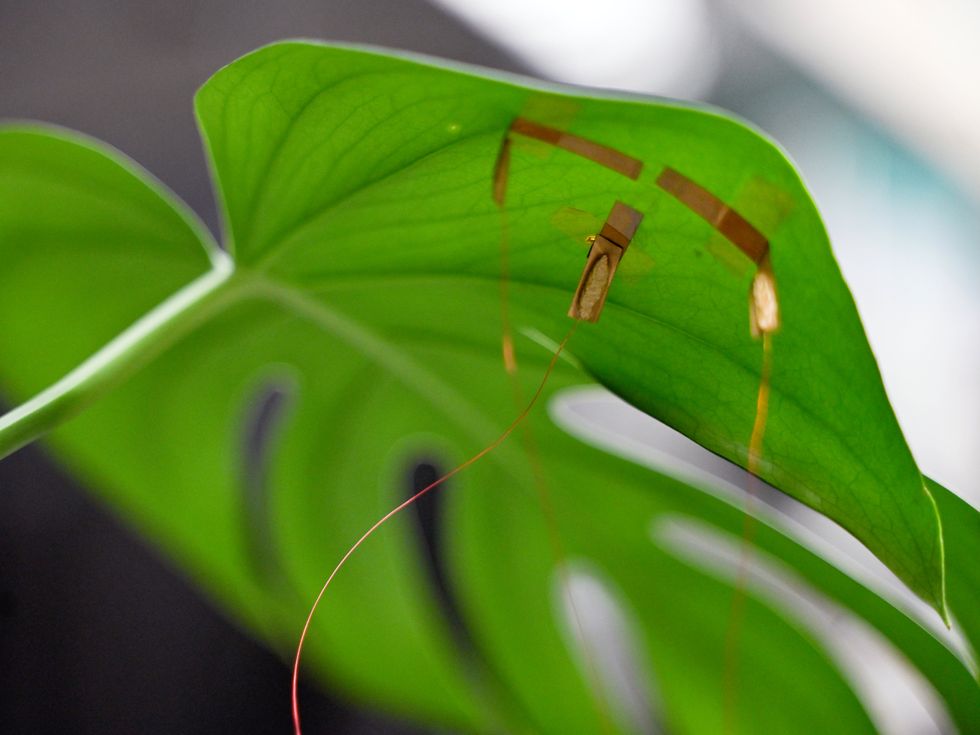
Graphene “Tattoos” for Plants Could Form Neural Networks
Researchers at the University of Texas at Austin have developed an innovative graphene "tattoo" that adheres directly to plant leaves, enabling real-time monitoring of leaf hydration. This breakthrough, published in the journal Nano Letters in February, addresses the limitations of traditional methods that require cutting leaves for moisture assessment. The sensor, which functions like a three-terminal transistor, sends electric pulses into the leaf, allowing it to measure moisture levels without disrupting photosynthesis. Led by associate professor Jean Anne Incorvia and graduate student Utkarsh Misra, the team envisions a future where these sensors could form a neural network across forests, providing critical data on drought and fire risks. The flexible and nearly transparent graphene material allows the tattoo to adapt to the leaf's movements, while its unique properties enable it to act as an artificial synapse, potentially enhancing plant-based computing. The concept emerged from a collaboration with geologist Ashley Matheny, highlighting the practical applications of the technology in agriculture and environmental monitoring. The researchers successfully trained a neural network to classify leaf hydration states, paving the way for more sophisticated plant monitoring systems that could help farmers and forest rangers respond to climate change challenges.
Graphene Agriculture Wildfires Neural-networks
Pose Estimation Accuracy Improvement Using Different Orientation Representations With Neural Networks: Case Study for the VIVE HTC Tracker
In a recent study published in the Journal of Field Robotics, researchers from a leading robotics institute have unveiled innovative advancements in autonomous navigation systems. This groundbreaking research, conducted in October 2023, aims to enhance the efficiency and safety of robotic applications in various fields, including agriculture and disaster response. The team focused on developing algorithms that enable robots to better interpret their surroundings and make real-time decisions. By integrating advanced sensor technology and machine learning techniques, the researchers demonstrated how these systems could significantly improve the robots' ability to navigate complex environments. The motivation behind this research stems from the increasing demand for autonomous solutions that can operate in unpredictable conditions. As industries seek to leverage robotics for tasks that are hazardous or labor-intensive, the need for reliable navigation systems becomes paramount. The study involved extensive field tests, where the robots were deployed in diverse scenarios to assess their performance. The results indicated a marked improvement in navigation accuracy and obstacle avoidance, showcasing the potential for these technologies to revolutionize how robots are utilized in real-world applications. This research not only contributes to the academic field but also has practical implications for industries looking to adopt autonomous systems. By addressing the challenges of navigation in dynamic environments, the findings pave the way for more effective and safer robotic operations in the future.
RESEARCH ARTICLE
RAI to Demonstrate a Brain with Identity for Humanoid Robots at World Robot Conference 2026
A Dutch artificial intelligence company has unveiled an innovative approach to machine intelligence that emphasizes memory, identity, beliefs, and long-term development. This new methodology aims to enhance the capabilities of AI systems by enabling them to better understand and process information in a way that mimics human cognitive functions. The announcement was made during a technology conference held in Amsterdam on October 15, 2023. The motivation behind this development stems from the growing need for AI to not only perform tasks but also to engage in more complex interactions that require a deeper understanding of context and human-like reasoning. By integrating concepts of memory and identity into AI systems, the company believes it can create machines that are more adaptable and capable of evolving over time, thus improving their utility in various applications. The implementation of this approach involves advanced algorithms and neural networks designed to simulate human-like thought processes. This breakthrough could potentially revolutionize industries ranging from healthcare to education, where personalized and context-aware AI solutions are increasingly sought after. As the technology continues to evolve, the company aims to collaborate with other tech firms and researchers to further refine its methods and explore new possibilities in the field of artificial intelligence.
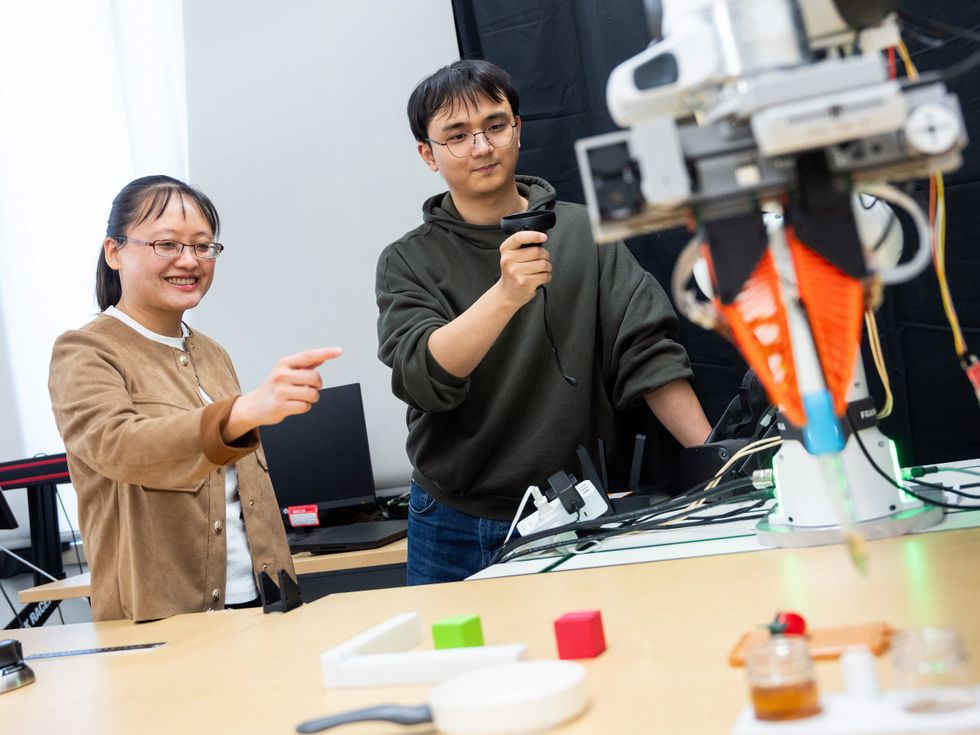
Award-Winning Researcher Trains Robots to Make Educated Guesses
Yen-Ling Kuo, an assistant professor of computer science at the University of Virginia, has been recognized for her significant contributions to robotics and automation. Last year, she received the IEEE Robotics and Automation Society’s inaugural Outstanding Women in Robotics and Automation Early Career Contribution Award for her paper, “Diff-DAgger: Uncertainty Estimation with Diffusion Policy for Robotic Manipulation.” This innovative research introduces a method that enhances robots' ability to identify and manage uncertainty during unfamiliar tasks, thereby reducing the need for human supervision and increasing task completion rates. Kuo’s journey began in Taiwan, where her fascination with science and technology was sparked by early exposure to programming and computer logic. After earning her degrees from National Taiwan University and MIT, she gained practical experience at Google, where she contributed to AI-driven shopping technologies. This experience motivated her to pursue a Ph.D. to deepen her understanding of neural networks. Her current research focuses on developing computational models that enable robots to interpret both explicit data and subtle social cues, aiming to replicate human-like reasoning in machines. Kuo's work has garnered attention from the National Science Foundation, which awarded her a five-year Career Award to support her research on human-robot interactions. As robotics and autonomous vehicles become more prevalent, Kuo envisions creating robots that can seamlessly integrate into social environments, enhancing human-robot collaboration.
Ieee-member-news Robots Artificial-intelligence Ieee-robotics-and-automation-soc Careers Type-ti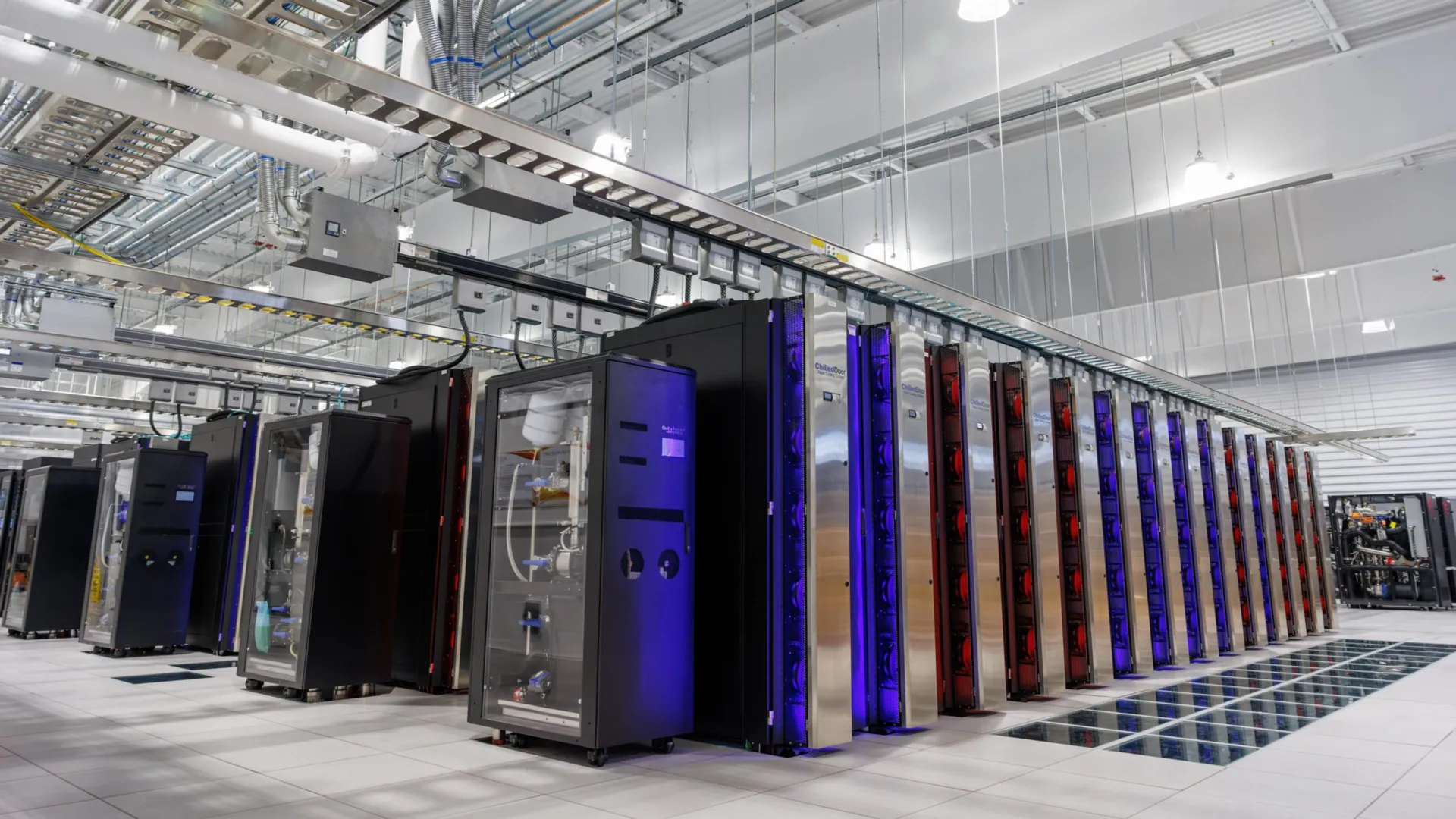
AI breakthrough cuts energy use by 100x while boosting accuracy
Researchers have introduced a groundbreaking approach to artificial intelligence that could significantly reduce energy consumption while enhancing accuracy. Currently, AI accounts for over 10% of electricity usage in the United States, and this demand is projected to rise. The new system integrates neural networks with human-like symbolic reasoning, enabling robots to process information more logically rather than relying solely on trial and error methods. This innovative technique has the potential to decrease AI energy use by as much as 100 times, addressing both efficiency and performance concerns in the rapidly evolving field of AI technology.
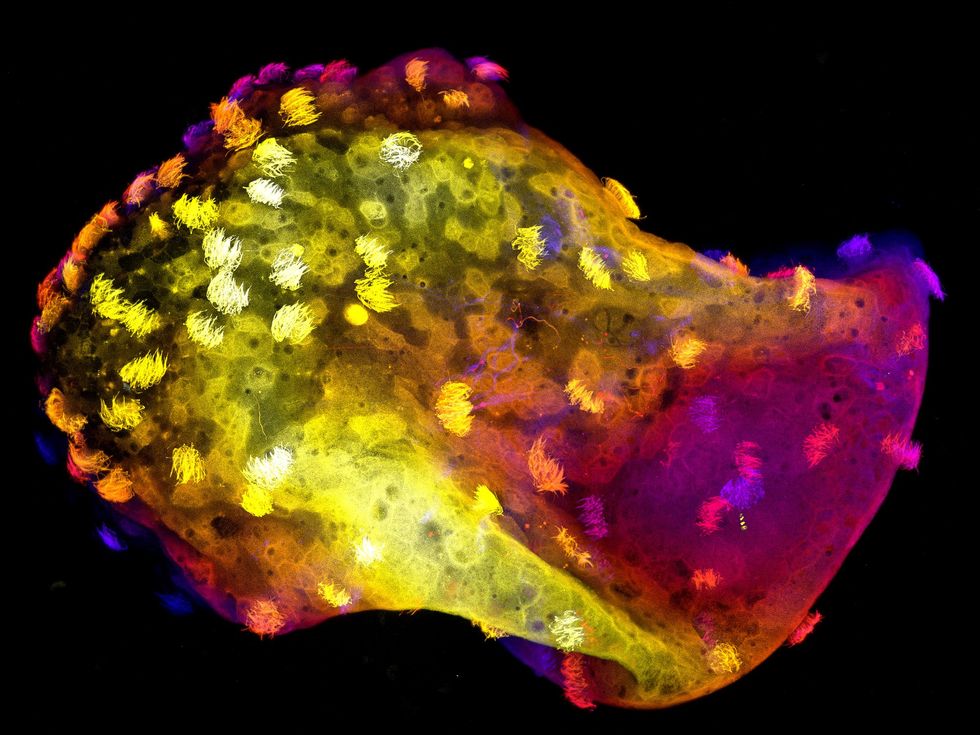
Scientists Build Living Robots With Nervous Systems
Researchers at Tufts University have developed a groundbreaking type of biological machine known as a "neurobot," which combines living cells with neural networks to create self-directed systems. This innovative advancement was reported in the journal Advanced Science last month. The neurobots, which are constructed from frog cells, are capable of swimming and responding to their environment through integrated neurons that allow for electrochemical signaling. The development of neurobots marks a significant evolution from earlier biological machines, known as xenobots, which were limited to mechanical movements. These new creations exhibit more complex behaviors, such as exploring their surroundings and adapting to stimuli, thanks to their ability to process information internally. The research aims to deepen understanding of how neural networks can lead to sophisticated behaviors, potentially paving the way for applications in tissue repair and environmental monitoring. The team, led by biologist Michael Levin, plans to extend this technology by incorporating human neural cells into their designs, creating "anthrobots." These living machines could be trained to perform specific tasks, such as detecting environmental pollutants. The commercial startup Fauna Systems, co-founded by Levin, is focusing on deploying xenobots for environmental sensing, aiming to provide real-time indicators of ecosystem health. Despite the promising potential of neurobots, researchers acknowledge significant technical challenges ahead. However, the initial focus remains on simpler xenobots, which are already demonstrating valuable capabilities in monitoring environmental conditions.
Bioengineering Frog Living-cells Biomimetics Bioinspired-robots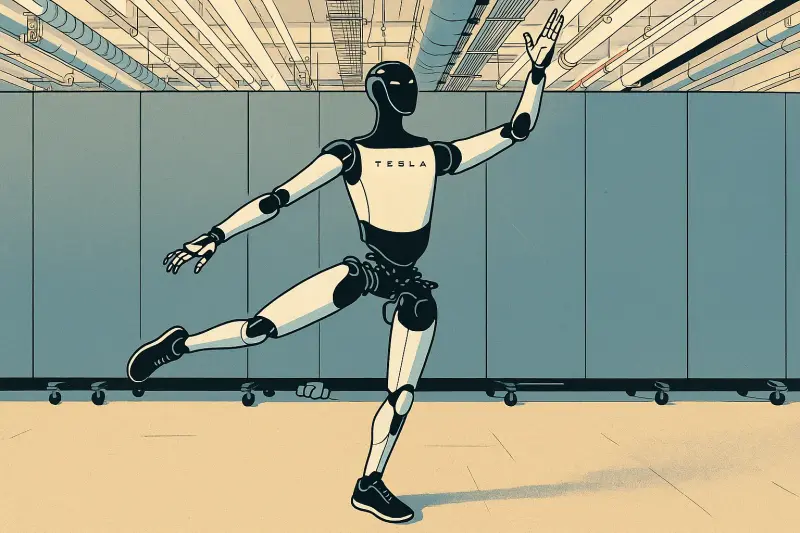
Tesla Outlines Optimus Production Goals, Musk Says Current Robot 'Far From Final Form'
Tesla has announced significant updates regarding its Optimus humanoid robot, revealing ambitious production targets that include a future goal of producing 1,000 units per month, although this milestone is still several months away. CEO Elon Musk emphasized that the current Generation 2 Optimus is still in development and "far from its final form." To enhance the robot's artificial intelligence, Tesla is actively hiring data collectors to improve its capabilities, utilizing larger neural networks than those used in its vehicles. The company aims to commercialize the Optimus robot by mid-2026, with a target price of $20,000 per unit.
Optimus Tesla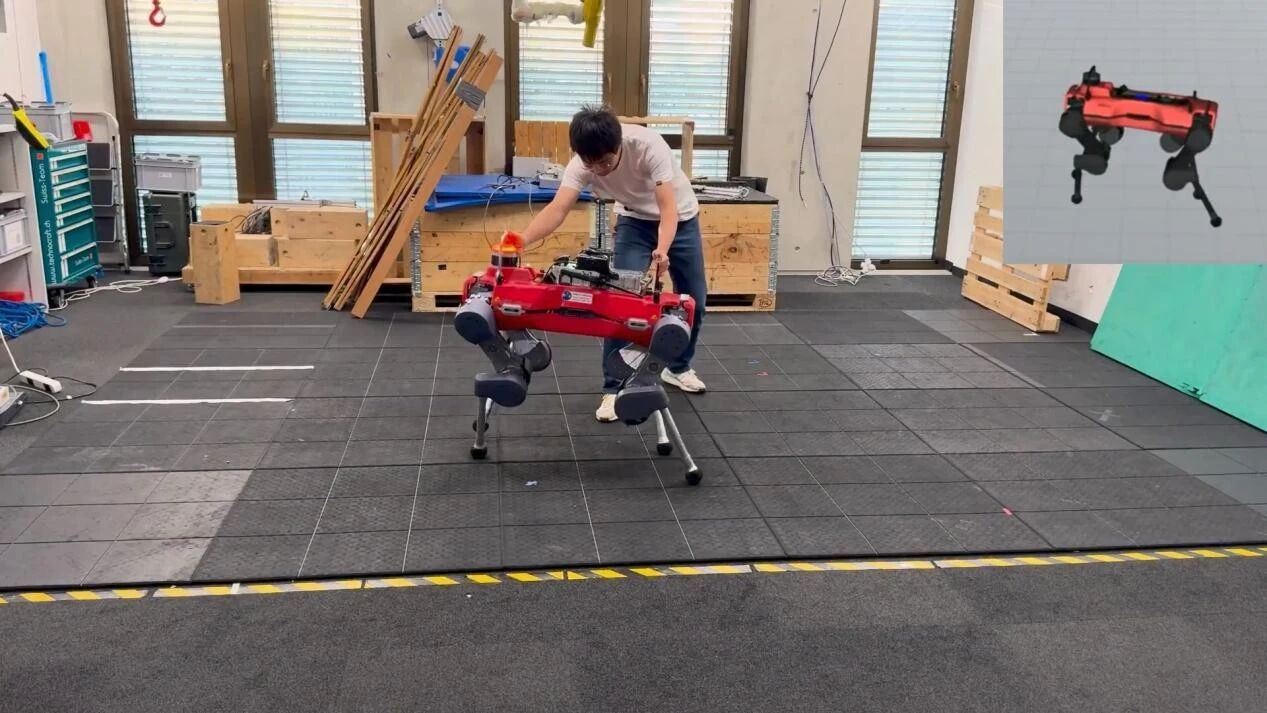
ETH Zurich Enables Robots to 'Imagine': Zero-Shot Deployment for Quadrupedal and Humanoid Robots!
A research team at ETH Zurich has unveiled a groundbreaking neural network simulator designed to enhance robotic capabilities by enabling robots to visualize actions internally before executing them on physical hardware. This innovative framework, known as the Robotic World Model (RWM), facilitates zero-shot transfer for ANYmal D and Unitree G1 robots, significantly improving their ability to predict motion trajectories with remarkable accuracy. The development, which was completed recently, represents a significant advancement in robotics, potentially transforming how robots interact with their environments by allowing for more efficient and precise movements.
Robotic Simulation Neural Networks Quadrupedal Robots Humanoid Robots AI Training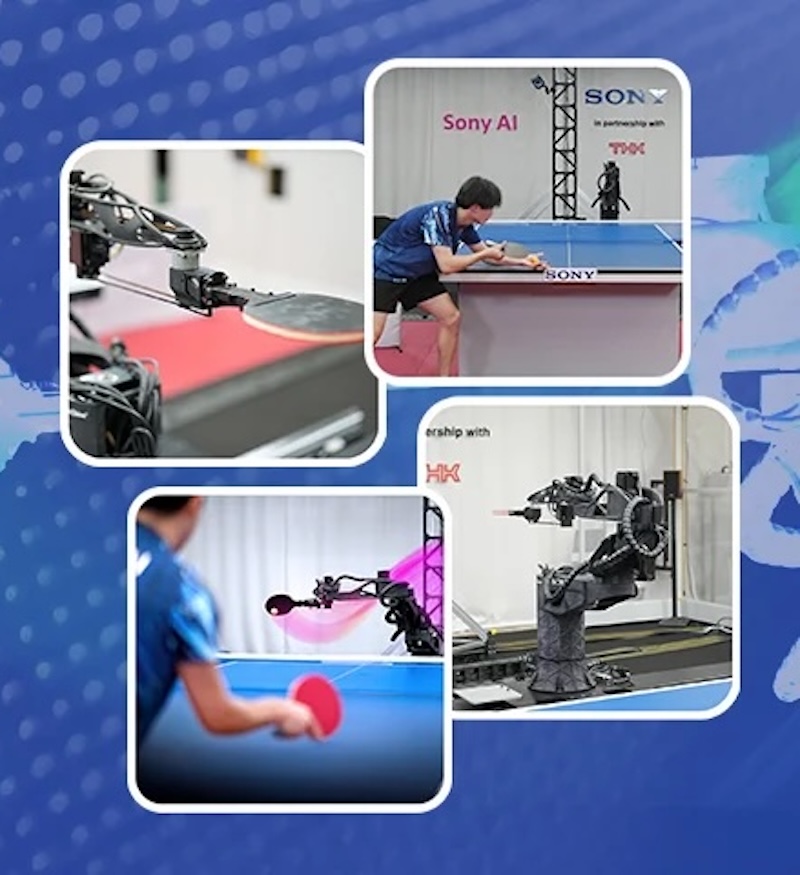
How Sony AI’s table tennis robot is advancing physical AI
Omron and Kuka have showcased their latest advancements in robotics with a table tennis-playing robot, highlighting the innovative potential of industrial robots beyond traditional manufacturing tasks. While these companies have previously demonstrated similar robotic systems, the introduction of a robot capable of playing table tennis captures attention due to its unique application of robotics and artificial intelligence. This development underscores the growing interest among researchers in exploring the capabilities of robots in dynamic environments, where agility and quick decision-making are crucial. The demonstration serves not only as a testament to technological progress but also as a playful reminder of the diverse possibilities that robotics can offer in various fields.
Computing Features Ace robot artificial intelligence automation news Autonomous robotsRobotics needs a service framework.
RSF defines a common language for robot service capability, lifecycle operations, certification pathways, and service-provider networks.