

Industry Briefing
A single destination for timely, editor-curated robotics news from around the world.
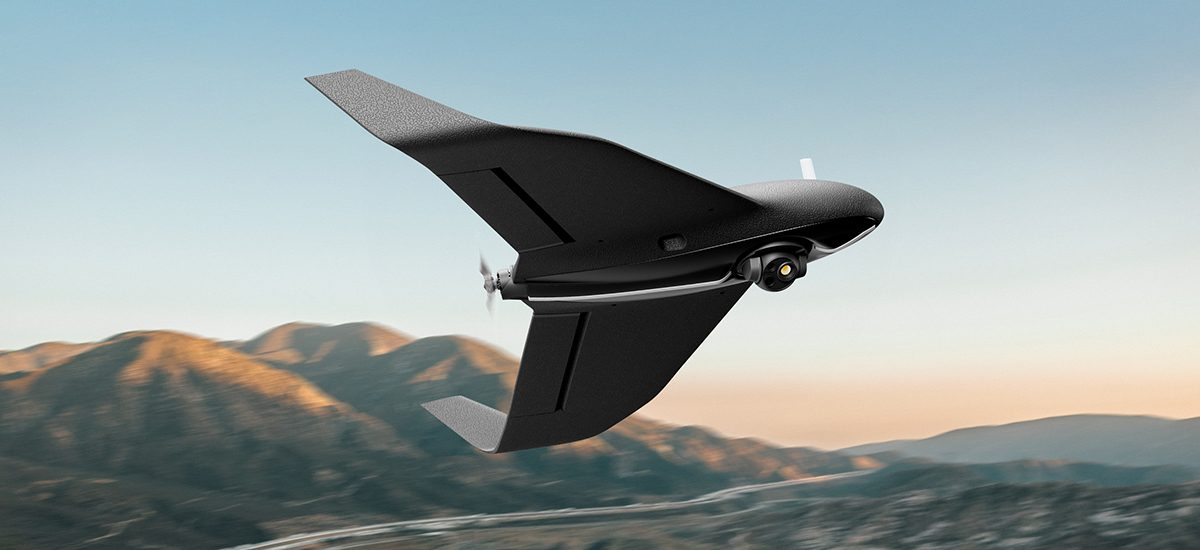
EagleNXT Delivers eBee VISION Drone Kits to U.S. Army Training Center
EagleNXT has successfully delivered nine eBee VISION drone kits to the U.S. Army’s National Training Center located at Fort Irwin, California. This shipment fulfills an order announced in April 2026 and marks a significant step in the company's commitment to domestic production of drones and sensors in the United States. The delivery is crucial as it supports the Army's training operations, particularly in opposing force exercises and counter-drone instruction. EagleNXT's CEO, Bill Irby, emphasized that establishing their headquarters in Allen, Texas, was aimed at achieving domestic production, which is now a reality. The eBee VISION drone is designed for intelligence, surveillance, and reconnaissance, boasting features such as a 90-minute flight time and a video link range of up to 12 miles. Looking ahead, EagleNXT's operations in Allen are expanding, with the recent launch of the updated MicaSense RedEdge-MX sensor for commercial customers. This dual focus on defense and commercial markets indicates a strategic approach to enhance production capabilities while meeting diverse customer needs. No further timeline was disclosed at the time of publication.
Applications Defense Drone News Drone News Feeds News Army drones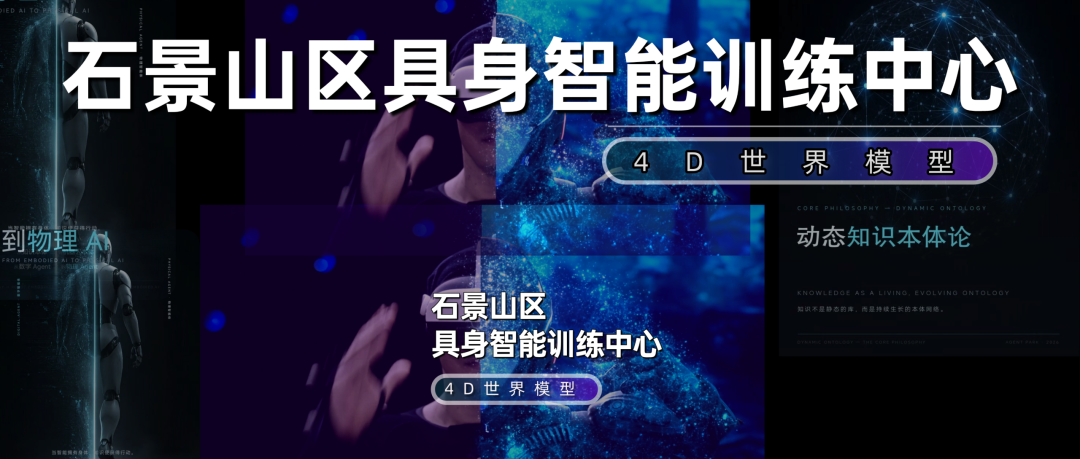
Beijing's Shijingshan Intelligent Training Center Undergoes Major Upgrade Amid AI Advances
The Shijingshan Intelligent Training Center in Beijing has completed a significant upgrade, enhancing its technical architecture and logic. This upgrade, led by Lingyun Guang·Yuan Keshijie, a prominent visual technology company, aligns with global AI developments, particularly in embodied intelligence. The center aims to transition from merely mimicking actions to enabling robots to understand their environment, addressing the challenges faced in real-world applications. This upgrade is crucial as the robotics industry grapples with the limitations of traditional training methods, which often rely on 2D video and fixed environments. These methods fail to equip robots with the necessary understanding of dynamic, real-world scenarios. The shift towards a comprehensive 'world model' that incorporates 3D and 4D data is essential for improving robots' decision-making capabilities in varied environments. Looking ahead, the Shijingshan center is set to officially launch its upgraded facilities during the upcoming service trade fair. It will feature over 100 robots and ten real-world scenarios, including home care and automotive assembly. The center's evolution represents a pivotal step in addressing the industry's data challenges and enhancing the training of robots for practical applications.
Robotics AI Training Data Collection Machine Learning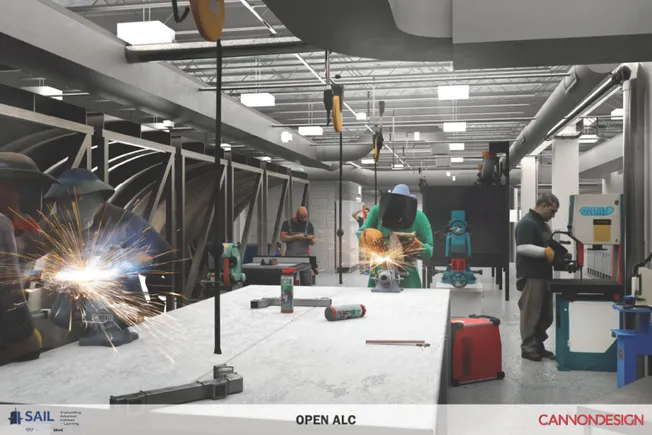
Electric Boat and NEIT to Launch Submarine Workforce Training Center in Rhode Island
Electric Boat (EB) and the New England Institute of Technology (NEIT) are collaborating to establish a submarine workforce training center in Rhode Island, supported by a $20 million investment from the U.S. Navy’s Submarine Industrial Base program. This initiative aims to enhance workforce skills in areas such as welding and machining, aligning with EB's goal to hire 8,000 employees by 2026. The training center will feature 20 classrooms designed for hands-on skill development, expanding NEIT's existing partnership with EB, which has trained over 4,500 new workers since 2013. This expansion comes as EB prepares to fulfill two significant contracts with the Navy, totaling $76.6 billion, which include the production of Columbia-class and Virginia-class submarines. Looking ahead, the establishment of the training center is crucial for meeting the increasing demand for skilled labor in submarine production. No further timeline was disclosed at the time of publication.

A3 and Mahoning County Career & Technical Center Launch Free Robotics Training Initiative in Ohio
The Association for Advancing Automation (A3) and the Mahoning County Career & Technical Center (MCCTC) have announced a new initiative to provide no-cost robotics and automation training throughout Ohio. This program is supported by a $499,000 workforce grant aimed at enhancing the skill sets of residents in the state. This initiative is significant as it addresses the growing demand for skilled workers in technology-driven careers, particularly in robotics and automation. By offering free training, A3 and MCCTC are making it easier for individuals to gain valuable skills that are increasingly sought after in the job market. Looking ahead, stakeholders will be monitoring the impact of this training program on workforce development in Ohio. The success of this initiative could serve as a model for similar programs in other regions, promoting the importance of skills training in adapting to technological advancements. No further timeline was disclosed at the time of publication.
SpaceX Proposes 1 Million AI Satellites to Address Ground Data Center Constraints
On January 30, 2026, SpaceX filed with the FCC to launch up to 1 million AI compute satellites, positioning orbital data centers as a solution to the increasing demand for AI computing power. Ground data centers are facing significant challenges, with energy consumption projected to reach approximately 1,050 TWh in 2026, making them the fifth-largest electricity consumer globally. The demand for new data center capacity is outpacing the growth of power generation infrastructure, leading to a critical bottleneck in the grid system. The significance of this initiative lies in the structural constraints faced by ground data centers, including power delivery limitations, high water consumption, and local opposition to new projects. The Uptime Institute's 2026 outlook identifies power as the primary constraint on data center growth, with capacity clearing prices in the PJM grid skyrocketing to $329.17/MW, driven by data center expansion. Additionally, cooling requirements are becoming increasingly unsustainable, with facilities consuming vast amounts of water, further complicating their operational viability. Looking ahead, SpaceX's orbital AI compute initiative aims to circumvent these challenges by leveraging the advantages of space, such as continuous solar power and minimal local opposition. The first AI prototypes are expected to launch in early 2027, with operational deployments planned for 2028. No further timeline was disclosed at the time of publication.

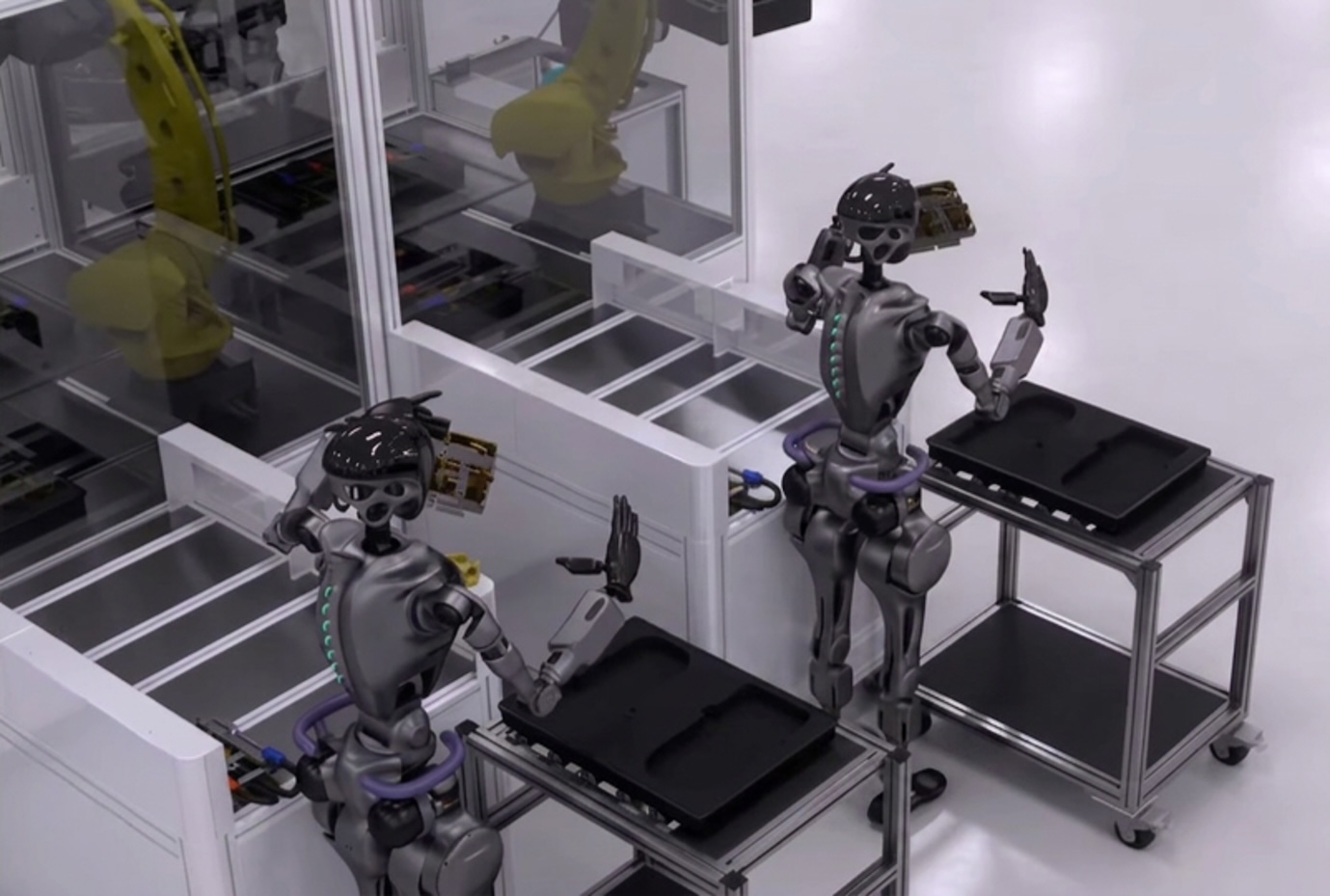
Boston Dynamics Launches Metaplant Application Center for Atlas Humanoid Training
Boston Dynamics has inaugurated its Robotics Metaplant Application Center (RMAC) near Savannah, Georgia, aimed at training Atlas humanoids for integration into Hyundai's automotive manufacturing processes. This facility will serve as a testbed for developing specific skill sets necessary for general-purpose automation in the automotive sector. The RMAC represents a significant advancement in the collaboration between Boston Dynamics and Hyundai Motor Group, focusing on optimizing supply chain and production capabilities. Zack Jackowski, chief product and technology officer at Boston Dynamics, emphasized the importance of this partnership in pioneering physical AI at an enterprise scale, aiming to enhance productivity and safety in manufacturing. Looking ahead, Boston Dynamics plans to expand Atlas's capabilities to include component assembly by 2030, with the humanoids expected to take on more complex tasks involving repetitive motions and heavy lifting. The RMAC will play a crucial role in refining these applications through real-world training and data collection.
Artificial Intelligence Artificial Intelligence / Cognition Assembly Automotive Food / Beverage Humanoids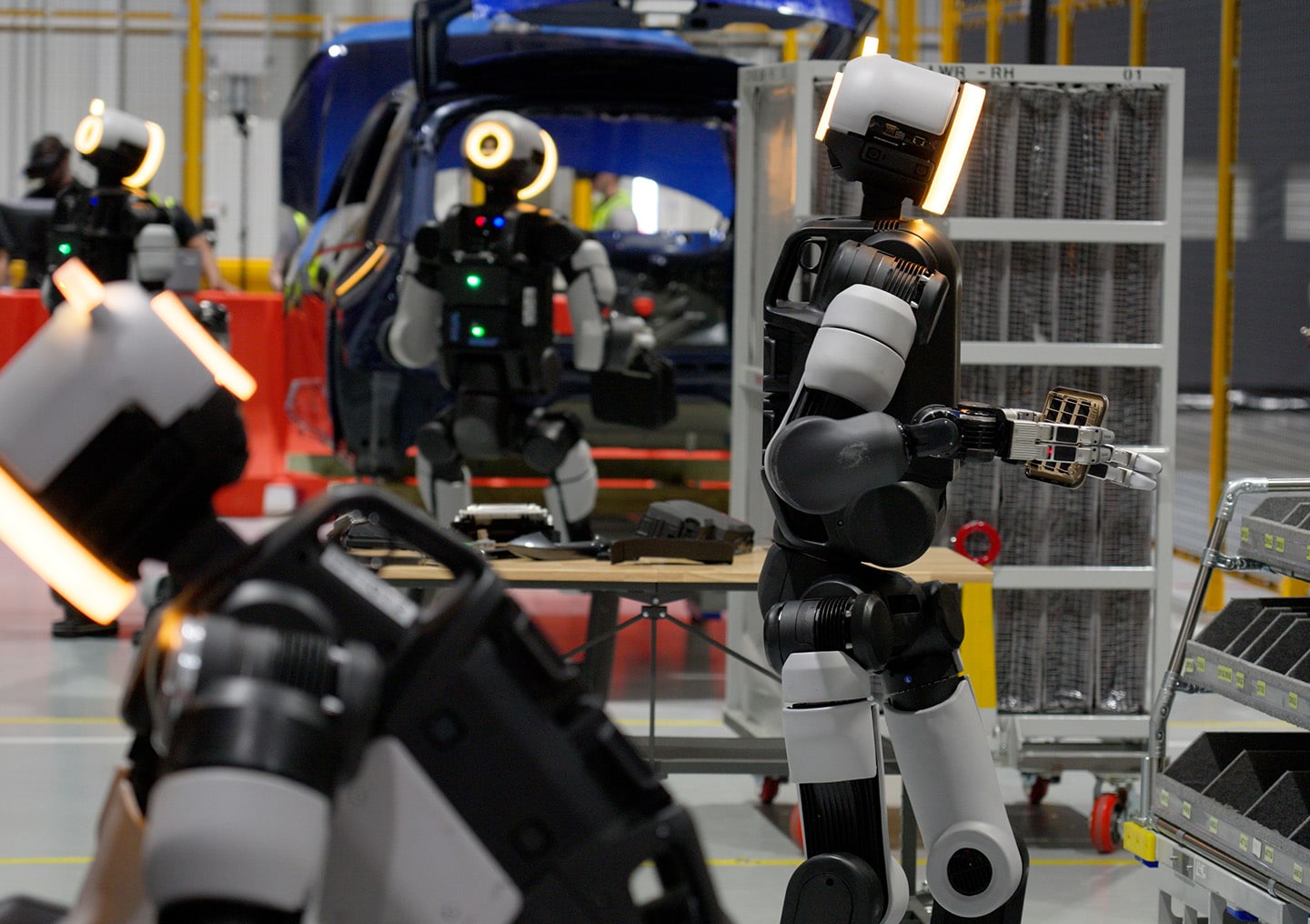
Boston Dynamics Launches Robotics Metaplant Application Center for Atlas Robot Training
Boston Dynamics has unveiled the Robotics Metaplant Application Center (RMAC) at Hyundai Motor Group Metaplant America, marking a significant advancement in its robotics and AI strategy. This facility will serve as a training ground for Atlas robots, integrating them into Hyundai's automobile manufacturing processes, with plans to expand applications to component assembly by 2030. The collaboration with Hyundai Motor Group is crucial as it aims to deploy 25,000 Atlas robots across global plants in the coming years. The RMAC will enhance supply chain and production capabilities, reinforcing the shared vision of making work safer and more efficient through robotics. The first phase of RMAC is operational, with plans for significant expansion next year. Looking ahead, Boston Dynamics intends to explore additional industry applications for Atlas, engaging with existing customers in sectors such as aerospace and logistics to enhance data collection and training processes. No further timeline was disclosed at the time of publication.

Northeast Texas Community College Achieves Yaskawa MERIT Certification for Robotics Training
Northeast Texas Community College (NTCC) has achieved certification as a Yaskawa Motoman Endorsed Robotics Instructor Training (MERIT) center. This certification enables NTCC to provide training in YRC1000 Basic Programming and Basic Programming with Material Handling, enhancing educational opportunities in robotics. The certification is significant as it expands access to recognized robotics training for students, manufacturers, and workforce professionals in Northeast Texas and the surrounding areas. This initiative aligns with the growing demand for skilled professionals in the robotics sector, supporting local economic development. Looking ahead, NTCC's status as a certified training center positions it to play a crucial role in workforce development in the region. No further timeline was disclosed at the time of publication.

China's National Robot Vocational School: Merging Simulation with Practical Skills Training
The National Robot Vocational School in Hangzhou has officially opened, focusing on bridging the gap between simulated training and real-world applications. This facility, known as a national-level vocational skills training ground, aims to enhance the practical capabilities of robots by addressing the challenges faced when transitioning from laboratory success to real-world performance. The significance of this initiative lies in its innovative dual-driven testing model, combining real-world scenarios with virtual simulations. With over 140 robots and more than 40 application-oriented training scenarios, the school enables precise data collection and model training, facilitating the development of robots capable of performing tasks in various sectors, including power inspection and logistics. Looking ahead, the robots trained at this facility have already begun to be deployed in real-world settings, such as traffic management and hazardous environment inspections. The implementation of local regulations supporting the development of embodied intelligent robots further underscores the importance of this initiative in advancing practical robotics applications in China.
Robotics Training Embodied Intelligence AI Applications Automation Vocational Education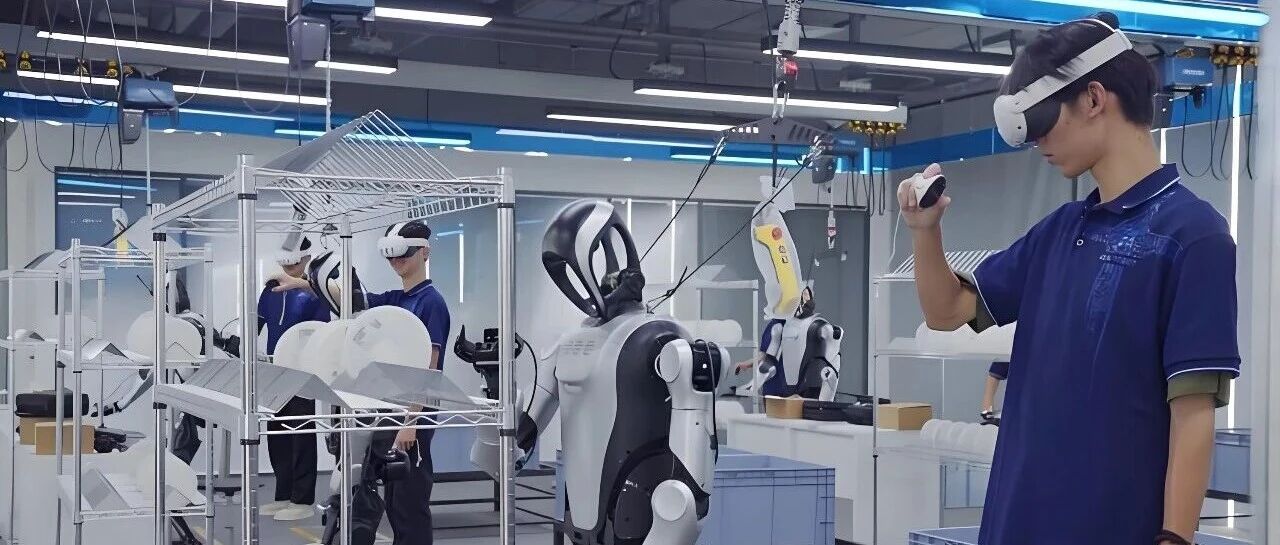
China's Humanoid Robot Data Collection Training Centers: Locations, Operators, and Data Flow
China has established over 100 humanoid robot data collection training centers across 18 provinces by August 2026. These centers are crucial for gathering high-quality interaction samples needed for developing autonomous capabilities in robots. However, the current supply of usable data falls significantly short of the estimated demand, creating a competitive landscape focused on acquiring high-quality data. The concentration of training centers in provinces like Guangdong, Jiangsu, and Zhejiang is driven by factors such as real-world scenario density, policy support, and the presence of leading enterprises. As the market evolves, the competition is shifting from merely establishing centers to ensuring the quality and applicability of the data produced. This transition highlights the importance of creating a robust data ecosystem to meet the growing needs of the robotics industry. Looking ahead, the focus will be on enhancing data quality and establishing standardized processes for data collection and evaluation. The government is also playing a significant role in facilitating the development of these training centers as part of broader industrial infrastructure initiatives. No further timeline was disclosed at the time of publication.
SpaceX's Starmind Plans 1 Million AI Satellites Amid Collision Risks
SpaceX has announced its ambitious Starmind project, which aims to deploy 1 million AI satellites in orbits between 500 and 2,000 km. This initiative, confirmed by Elon Musk on June 23, 2026, follows a merger with xAI, valuing the combined entity at $1.25 trillion. The satellites will function as orbital data centers, processing AI workloads powered by solar arrays and linked by optical lasers. The significance of Starmind lies in its potential to add 100 gigawatts of AI compute capacity annually, contingent on the successful operation of the Starship launch system. However, the project raises concerns regarding space debris, as the current orbital environment is already congested, with a 20% increase in collision risk reported since 2024. The European Space Agency has highlighted that the density of debris in low Earth orbit is now comparable to that of active satellites, complicating the operational landscape for new entrants like Starmind. Looking ahead, the first operational orbital AI deployments are targeted for 2028, with test launches expected in early 2027. However, the project faces scrutiny regarding its impact on space debris, as even a 1% failure rate could significantly increase the number of uncontrollable objects in orbit, exacerbating existing risks. No further timeline was disclosed at the time of publication.
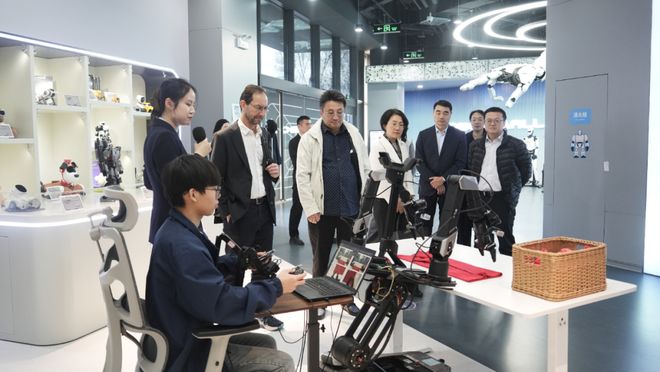
International Collaboration Promotes Synergy: ISO Secretary-General Visits Beijing Humanoid Robot Innovation Center
Sergio Mujica, the Secretary-General of the International Organization for Standardization (ISO), recently visited the Beijing Humanoid Robot Innovation Center to engage in discussions about international standards and collaboration within the emerging technology sector. The visit underscored China's significant progress in robotics and emphasized the critical role of standardization in ensuring the safe and efficient development of new technologies. Mujica's discussions aimed to foster cooperation among industry leaders and promote best practices in the rapidly evolving field of robotics.
Humanoid Robots International Standards Robotics Innovation Technology Collaboration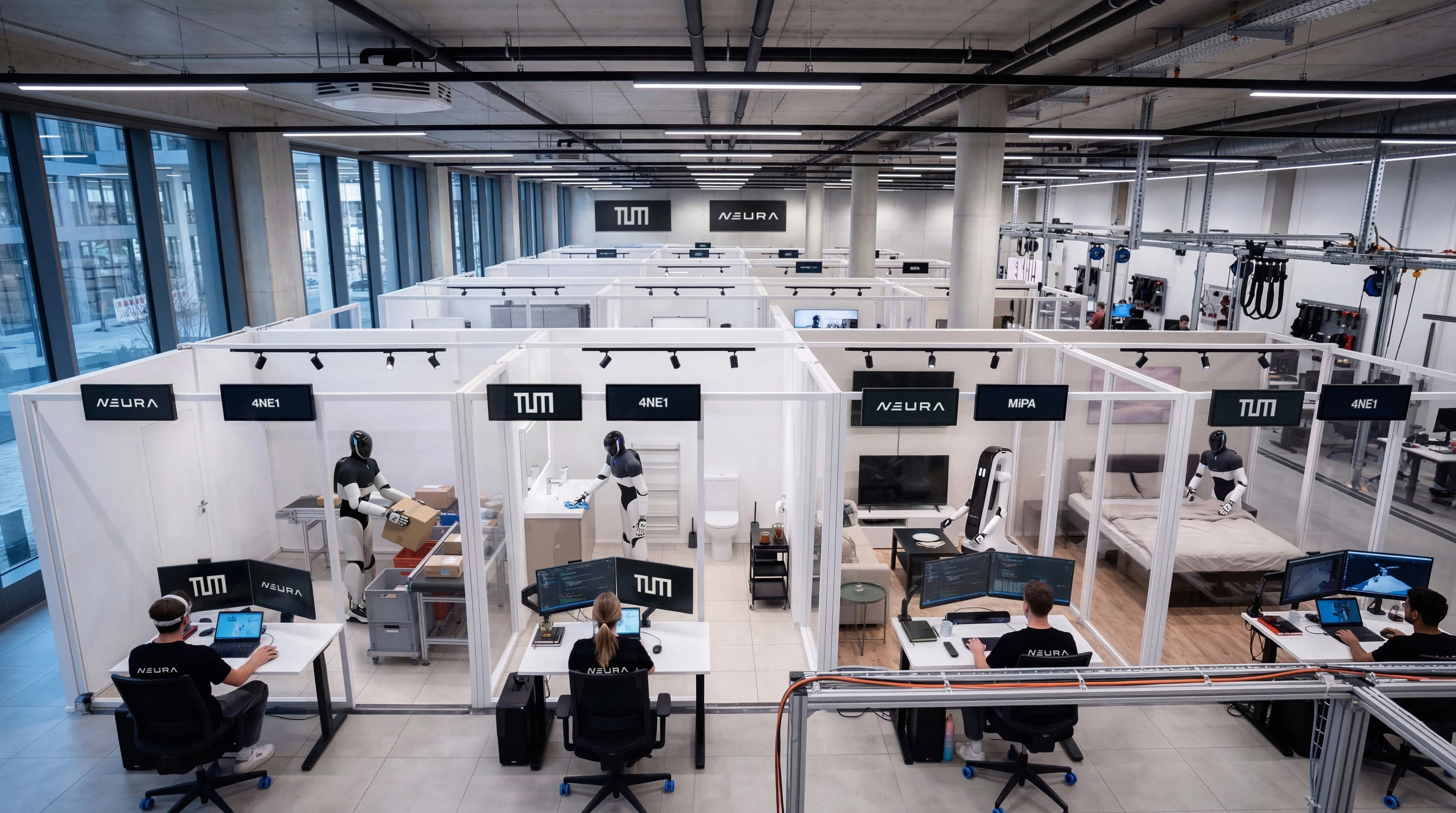
NEURA Robotics and TUM Launch Europe’s Largest Physical AI Training Center
Munich Airport is set to unveil a state-of-the-art "TUM RoboGym," a €17 million facility designed to enhance robotics training by utilizing a fleet of humanoid robots. This innovative project aims to bridge the gap between simulation and real-world applications, significantly advancing the capabilities of NEURA’s hardware-agnostic Neuraverse platform. The RoboGym is expected to play a crucial role in the development and deployment of advanced robotic technologies, fostering research and practical applications in the field. The facility is anticipated to open in the near future, marking a significant milestone in the integration of robotics into everyday environments.
4NE-1 Neura Robotics Europe Neura Gym
China Launches e-CNY International Operations Center in Shanghai
The People's Bank of China has officially launched the e-CNY International Operations Center in Shanghai, marking a significant step in the country's digital currency initiatives. The center introduces three key business platforms: a cross-border payment platform designed to enhance the efficiency of international transactions, a blockchain service platform for standardized on-chain transactions, and a digital assets platform that provides financial-grade services. These developments aim to address existing challenges in cross-border payments and facilitate seamless e-CNY settlements on the blockchain. The launch reflects China's commitment to advancing its digital currency framework and improving global financial interactions.
News Feed
Doosan Robotics Opens Authorized Training Center at the University of Maine
Doosan Robotics has launched an Authorized Training Center at the University of Maine's Advanced Manufacturing Center (AMC) in Orono, marking a significant step in workforce development in robotics and automation. The center, located within the AMC's B.O.T. Loft, will provide hands-on training in robot programming, system integration, and industrial applications, utilizing Doosan's advanced robotic systems and other technologies. This initiative aims to equip both students and the general public with essential skills for today's high-tech job market. The partnership, which expands Doosan Robotics' U.S. training network—joining an existing center in Plano, Texas—reflects the company's commitment to fostering a skilled robotics workforce and promoting intelligent automation. Doosan will supply official training materials, lesson plans, and educational robot kits to support the curriculum. John Belding, director of the AMC, expressed enthusiasm for the collaboration, emphasizing the importance of providing direct experience with cutting-edge technology in shaping the future of manufacturing. The initiative also benefits from Industrial Automation Supply, Doosan's authorized distributor in Portland, enhancing access to automation solutions for local manufacturers. Founded in 1865, the University of Maine is the state's only public research university, dedicated to advancing education and innovation in advanced manufacturing. The establishment of this training center underscores the university's mission to deliver real-world training opportunities in high-demand fields.

China’s Innovative Humanoid Robot Training Center
In July, Shanghai will launch China’s inaugural heterogeneous humanoid robot training facility, marking a significant step in the nation’s efforts to advance its artificial intelligence and robotics sectors. The facility will concentrate on data sharing and training robots for a variety of applications, reflecting a commitment to fostering innovation and enhancing capabilities within the industry. This initiative is expected to play a crucial role in positioning China as a leader in the rapidly evolving technological landscape.
Robotics needs a service framework.
RSF defines a common language for robot service capability, lifecycle operations, certification pathways, and service-provider networks.
Join the RobotToday community on LinkedIn
Daily robotics news, in-depth analysis, conference highlights, and discussions with professionals worldwide.







