Industry Briefing
A single destination for timely, editor-curated robotics news from around the world.

German robotics firm Neura Robotics secures $1.4 billion in funding with support from Amazon and Nvidia.
On June 10, Neura Robotics, a German robotics company, announced the successful completion of a record-breaking Series C funding round, which could reach up to $1.4 billion. This significant investment aims to accelerate the development of a leading global platform in physical artificial intelligence. The funding round received backing from notable investors, including Amazon, NVIDIA, and the European Investment Bank, highlighting strong confidence in the company's vision and potential in the robotics sector.
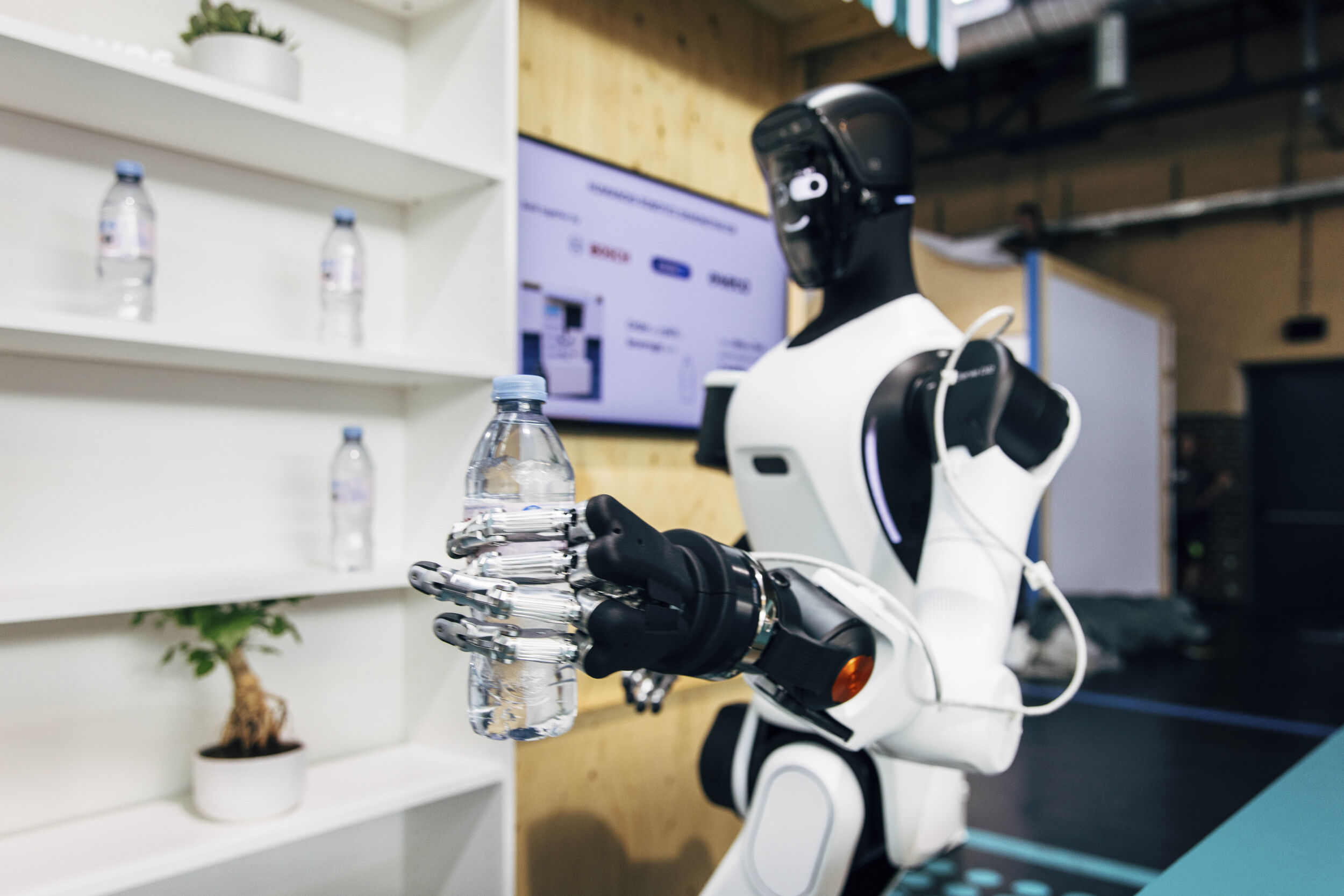
Record funding for Neura Robotics
Neura Robotics has announced a Series C funding round, securing up to $1.4 billion. This significant financial boost aims to enhance the company's development of advanced robotics technologies. The announcement highlights Neura Robotics' growing influence in the robotics sector and its commitment to innovation. The funding is expected to accelerate the company's projects and expand its market reach, positioning it as a leader in the industry.
Allgemein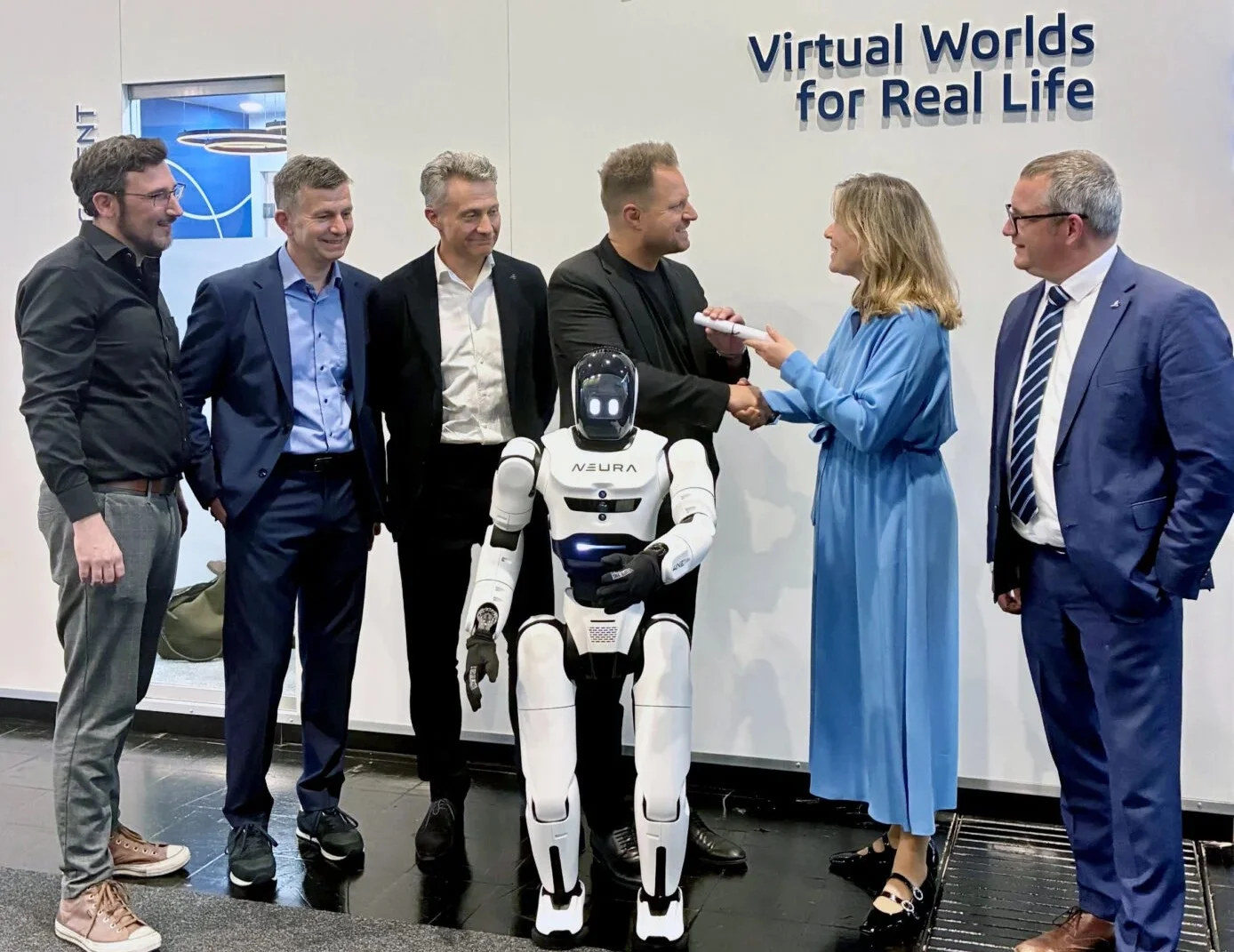
Neura Robotics and Dassault Systèmes Partner to Scale Physical AI Through Virtual Twins and Real World Learning
Neura Robotics has announced a partnership with Dassault Systèmes aimed at enhancing the training and deployment of robots. This collaboration integrates Neura's robotics platform with Dassault's 3DEXPERIENCE virtual twin platform, establishing a closed-loop system that allows robots to learn in simulated environments before operating in real-world settings. The initiative, which was revealed recently, seeks to facilitate continuous improvement of robotic systems by bridging the gap between virtual training and physical application. This innovative approach is expected to advance the efficiency and effectiveness of robotic operations across various industries.
AI AI Use Cases Robotics Dassault Systèmes Europe France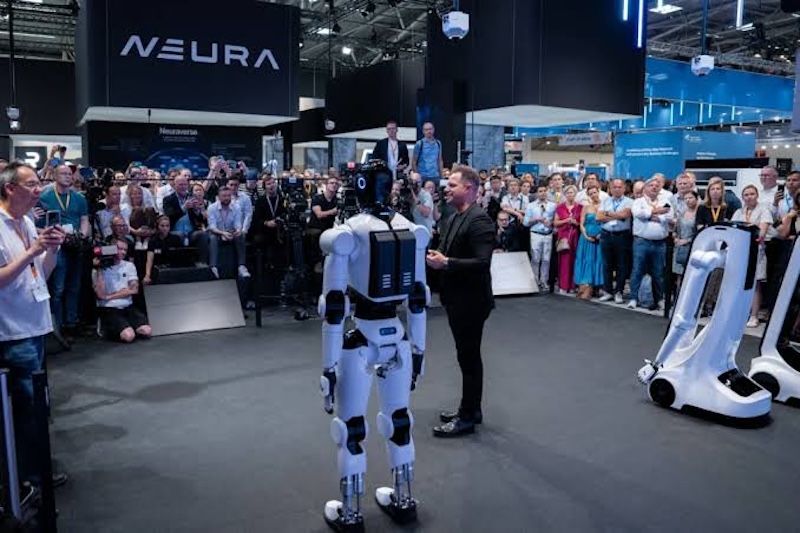
Neura Robotics raises record Series C of $1.4 billion to accelerate physical AI platform
Neura Robotics, a leader in cognitive robotics and the developer of the Neuraverse, has secured a significant Series C financing round totaling up to $1.4 billion. This funding aims to expedite the company's goal of establishing what it describes as the world's foremost physical AI platform. The substantial investment indicates a strong market valuation for Neura Robotics, reflecting investor confidence in its innovative technology and future potential.
Artificial Intelligence News Robot simulation ai robotics automation news Autonomous robots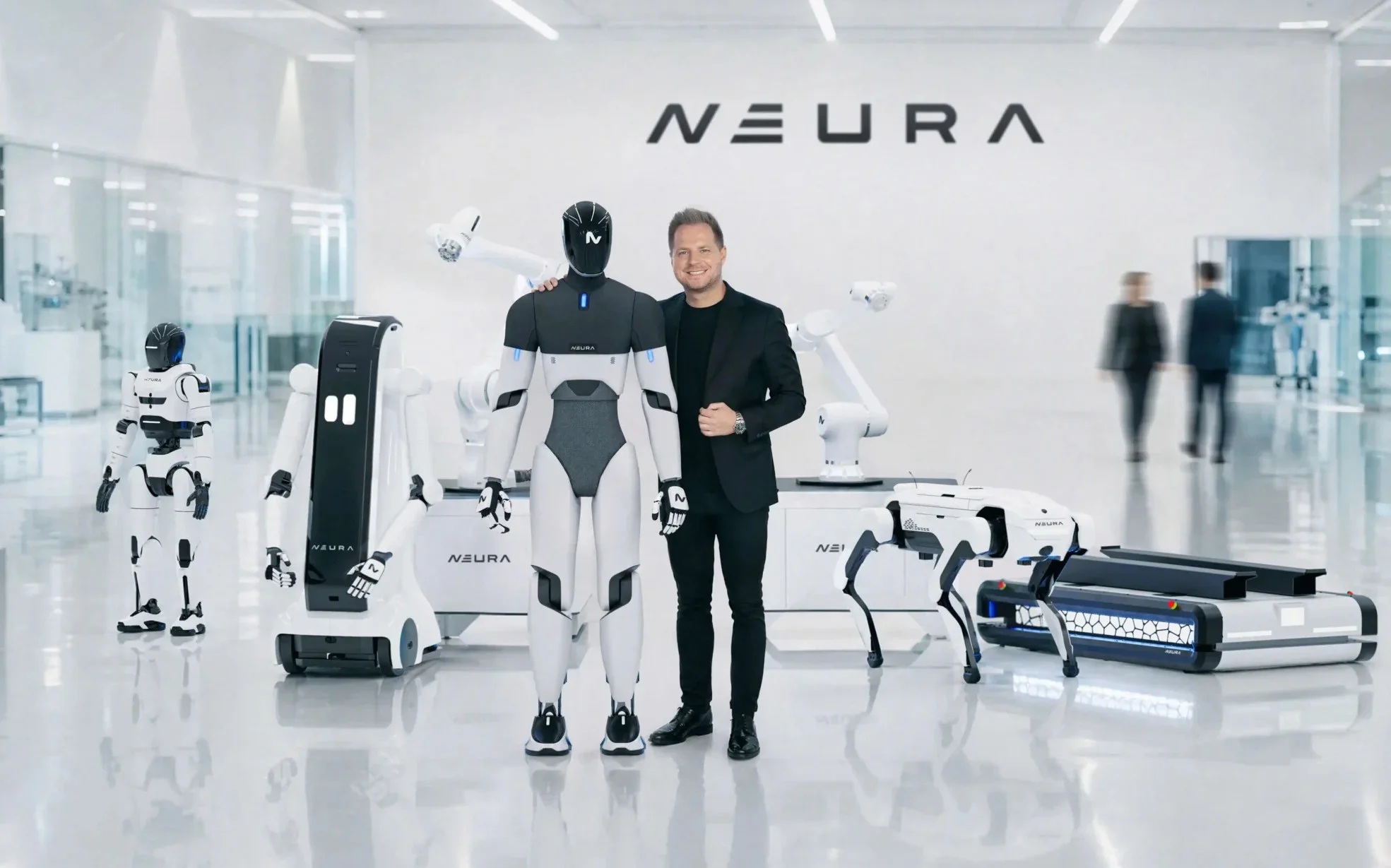
Neura Robotics Announces $1.4B Series C Including Nvidia, Amazon, Tether and Qualcomm
Neura Robotics, a German robotics firm, has successfully completed a Series C funding round, raising up to $1.4 billion. This significant investment aims to facilitate the expansion of the company's cognitive robots and enhance its Physical AI platform. The funding round attracted support from a consortium of prominent technology, industrial, and financial investors, underscoring the growing interest in advanced robotics and AI solutions. The company plans to leverage these funds to accelerate its deployment efforts and further innovate within the robotics sector.
AI AI Funding & Investment Robotics Amazon Bosch funding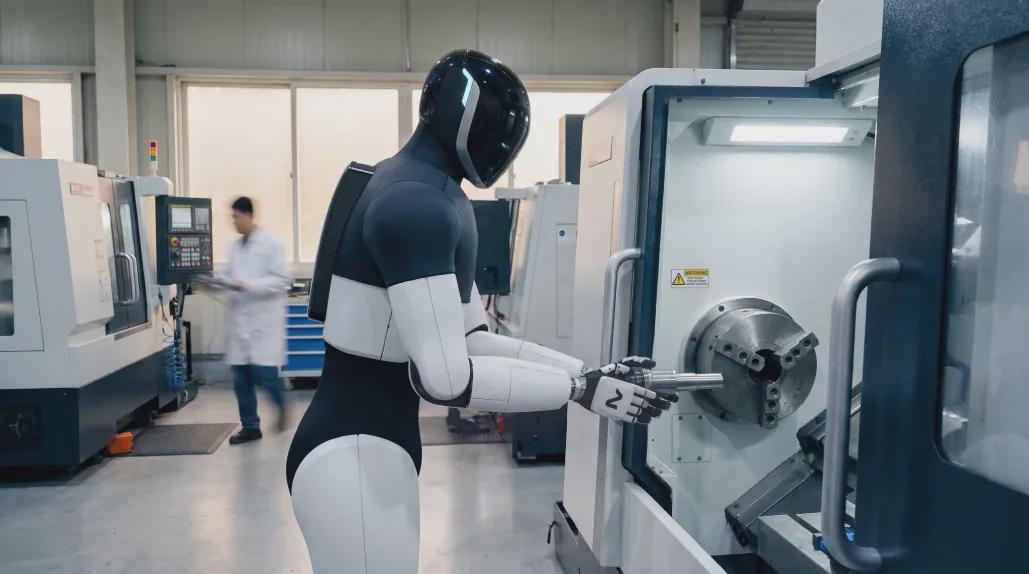
NVIDIA, Amazon, and Qualcomm Invest $1.4 Billion in NEURA Robotics
NEURA Robotics, a German company specializing in cognitive robotics, has successfully raised $1.4 billion in a Series C funding round, attracting investments from major players such as NVIDIA, Amazon, and Qualcomm. This substantial financial backing underscores a strategic pivot towards developing infrastructure that enables robots to learn and adapt in real-world settings, moving beyond the traditional emphasis on improving humanoid aesthetics. The funding will likely accelerate NEURA's efforts to innovate in the robotics sector, positioning the company at the forefront of technological advancements in automation and intelligent systems.
Cognitive Robotics AI Infrastructure Investment Humanoid Robots Physical AI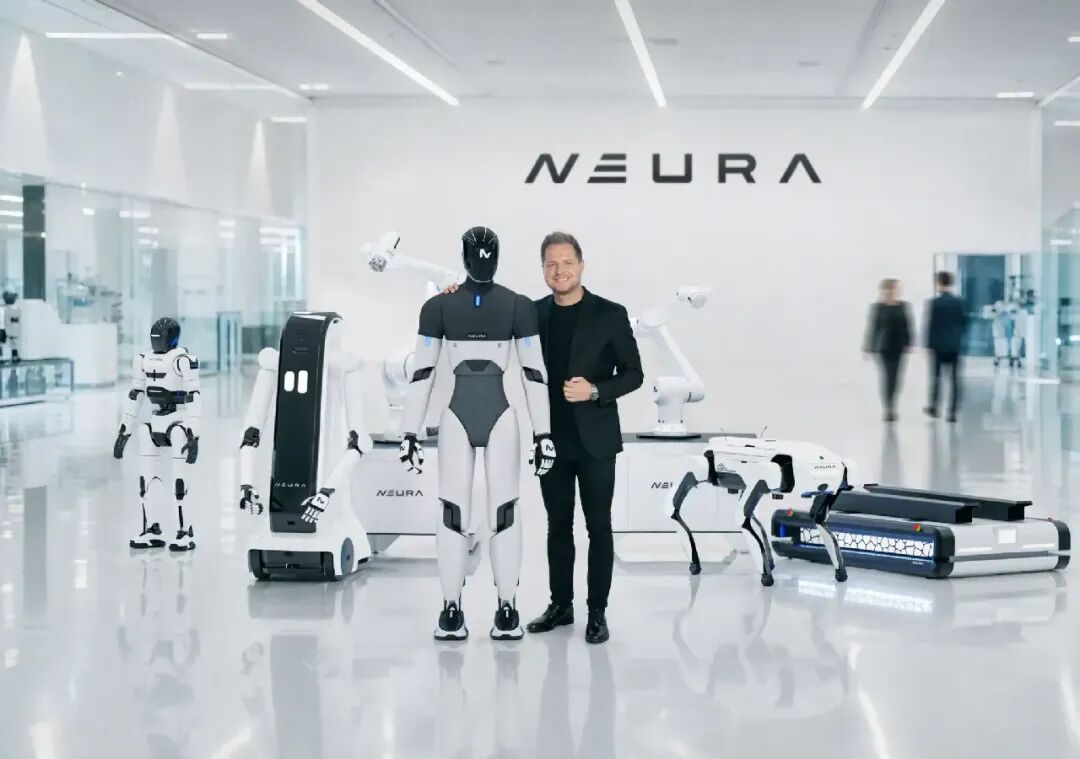
Neura Robotics Secures $1.4 Billion Funding, Valuation Surpasses $7 Billion
Neura Robotics, a German company specializing in humanoid robotics, has successfully raised $1.4 billion in a Series C funding round. The investment, spearheaded by Tether and backed by industry giants such as NVIDIA and Amazon, significantly enhances Neura's standing in the global robotics market. Unlike traditional robotics firms, Neura is concentrating on developing a 'physical AI' infrastructure, which aims to foster an ecosystem that promotes continuous learning and collaboration among its robotic products. This strategic focus positions the company to lead in the evolving landscape of humanoid robotics.
Humanoid Robots AI Infrastructure Robotics Funding Industrial Automation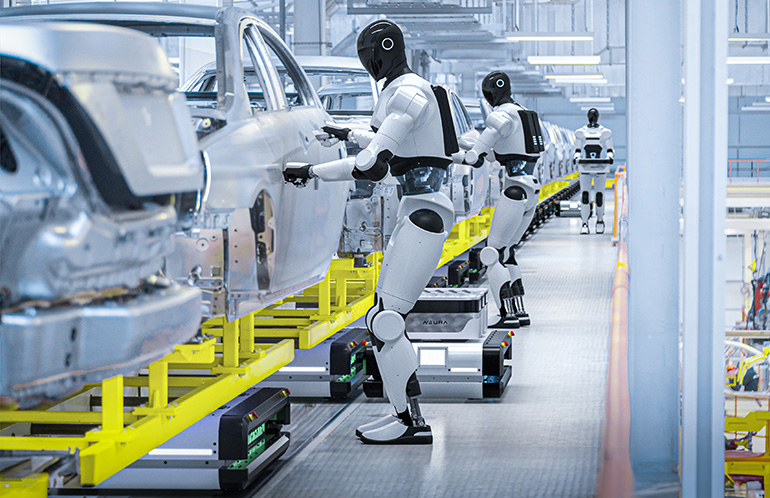
NEURA Robotics to raise up to $1.4B in Series C funding for physical AI
NEURA Robotics is set to enhance its capabilities in robot learning and increase the global production of humanoid robots and other systems. The company aims to raise up to $1.4 billion through a Series C funding round, which will support its ambitious expansion plans. This funding initiative reflects NEURA Robotics' commitment to advancing physical artificial intelligence and solidifying its position in the robotics market. The announcement comes as the demand for innovative robotic solutions continues to grow, prompting the company to seek substantial investment to fuel its development and production efforts.
Artificial Intelligence Artificial Intelligence / Cognition Autonomous Mobile Robots (AMRs) Collaborative Robots Development Tools / SDKs / Libraries Humanoids
NEURA Robotics and Amazon Web Services Enter Strategic Collaboration to Accelerate Physical AI at Scale
NEURA Robotics and Amazon Web Services (AWS) have announced a strategic collaboration aimed at advancing Physical AI on a global scale. This partnership, revealed on April 21, 2026, will leverage NEURA's cognitive robotics platform alongside AWS's cloud and AI infrastructure to develop and deploy intelligent robots capable of working alongside humans. The collaboration will focus on three key areas: utilizing AWS's cloud infrastructure to support the Neuraverse for training and data processing, integrating NEURA's training environments with Amazon SageMaker to enhance AI development, and joining the AWS Partner Network to explore the deployment of NEURA's robotic systems in Amazon's fulfillment centers. This initiative aims to address the challenge of acquiring real-world training data, which is essential for the effective deployment of robotics in logistics and warehouse operations. David Reger, CEO of NEURA Robotics, emphasized that the partnership will enable the scaling of their technology in one of the most advanced operational environments, while Jason Bennett, VP at AWS, highlighted NEURA's innovative approach as crucial for unlocking the potential of Physical AI. Together, they aim to create a robust ecosystem that facilitates continuous learning and improvement of robotic intelligence, ultimately bringing the vision of Physical AI into reality.
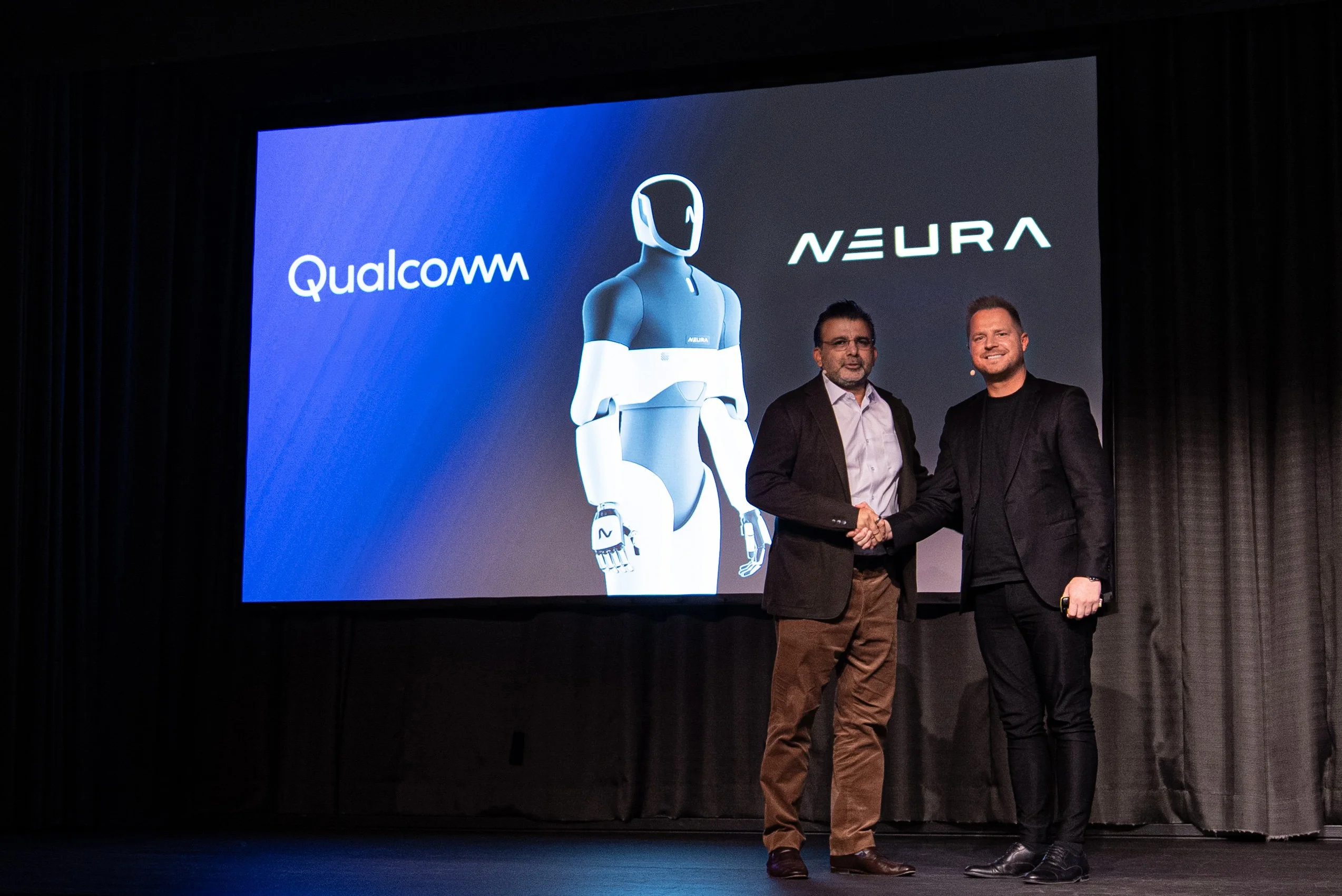
Neura Robotics and Qualcomm Partner to Standardize "Brain and Nervous System" for Physical AI
Neura Robotics and Qualcomm have announced a strategic collaboration aimed at expediting the commercialization of humanoid robots. This partnership will leverage Qualcomm's advanced Dragonwing processors alongside Neura Robotics' Neuraverse ecosystem, enhancing the capabilities and efficiency of humanoid robotics. The initiative, which was unveiled recently, seeks to address the growing demand for innovative robotic solutions in various sectors. By integrating cutting-edge technology from both companies, the collaboration is poised to significantly advance the development and deployment of humanoid robots, ultimately transforming industries that rely on automation and robotics.
US Neura Robotics Qualcomm Europe Market Neuraverse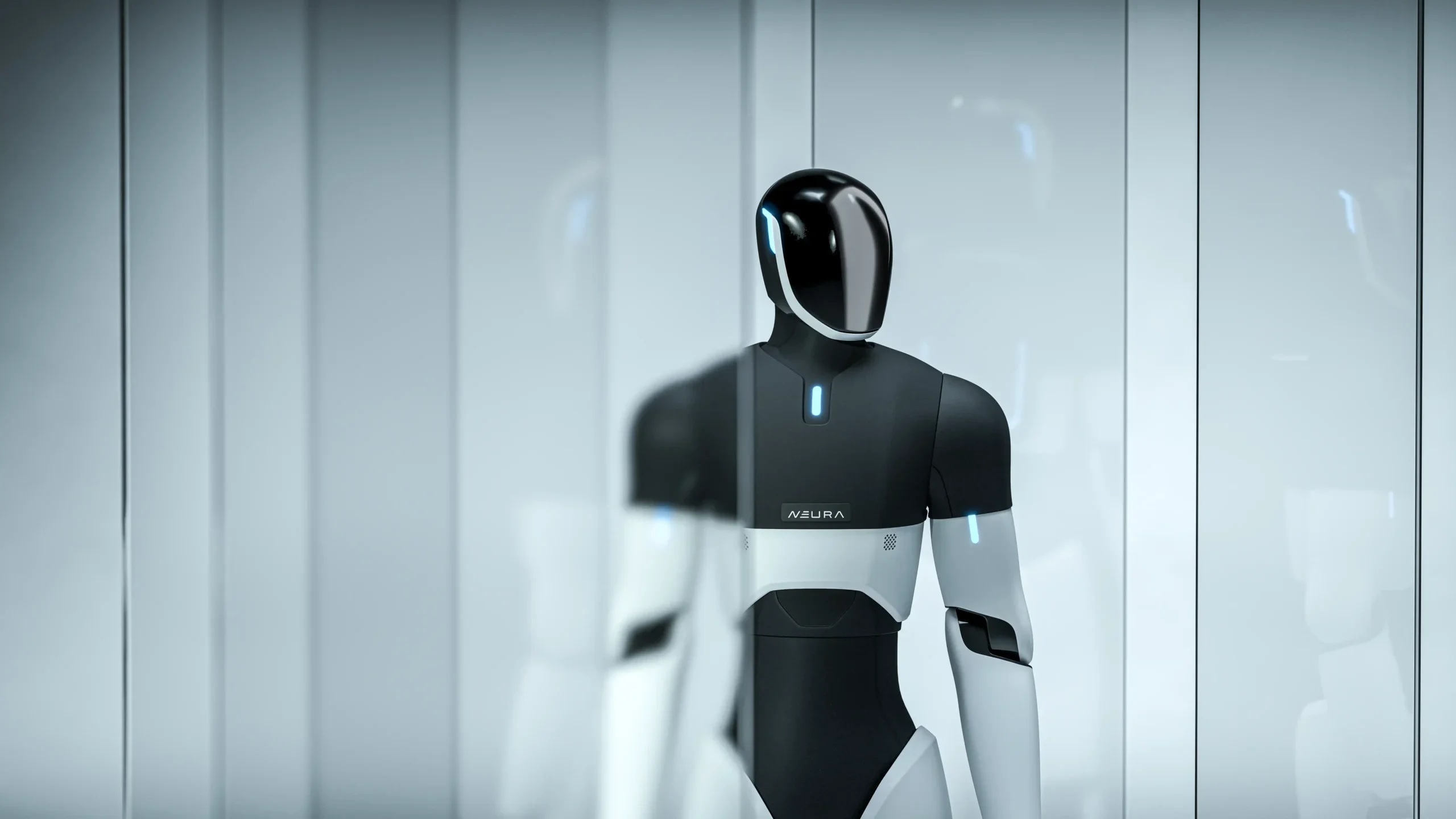
Neura Robotics Reportedly Secures €1 Billion from Tether to Scale Humanoid Vision
Neura Robotics, a German robotics company, has successfully secured €1 billion in funding, with the investment led by Tether, a prominent player in the stablecoin market. This funding round has elevated the company's valuation to €4 billion, positioning it for the mass production of its advanced cognitive humanoid robots. The investment comes as Neura Robotics aims to expand its capabilities and market presence in the rapidly evolving robotics sector.
Neura Robotics Europe Market fundraising Tether
Neura Robotics Moves Humanoid R&D to Zurich, Tapping into Europe’s "Robotics Valley"
Neura Robotics, a prominent German robotics company, has inaugurated a new development center in Zurich, marking a strategic relocation of its research and development efforts for the 4NE-1 humanoid robot. This decision underscores Zurich's emerging reputation as a significant global center for embodied artificial intelligence, aligning the company with other notable institutions in the area, such as Disney Research and Flexion. The establishment of the center aims to leverage Zurich's innovative ecosystem and talent pool, further advancing Neura Robotics' mission in the rapidly evolving field of robotics.
4NE-1 Neura Robotics Europe Business ETH Zurich embodied-ai
SAP Launches Major ‘Embodied AI’ Push with Humanoid, Neura Robotics, and Others
SAP, the prominent software company, is collaborating with several robotics firms, such as Humanoid and Neura Robotics, to enhance robots with "business context awareness." This initiative aims to integrate advanced robotics into supply chain operations, allowing robots to interact more effectively with enterprise systems. Recent pilot programs at BITZER and Martur Fompak demonstrate this technology in action, where robots are now capable of receiving and processing orders directly from SAP's warehouse management software. This partnership seeks to streamline operations and improve efficiency in logistics, showcasing the potential of robotics in modern business environments.
Unitree Robotics 4NE-1 Neura Robotics Booster Robotics HMND-01 AGIBOT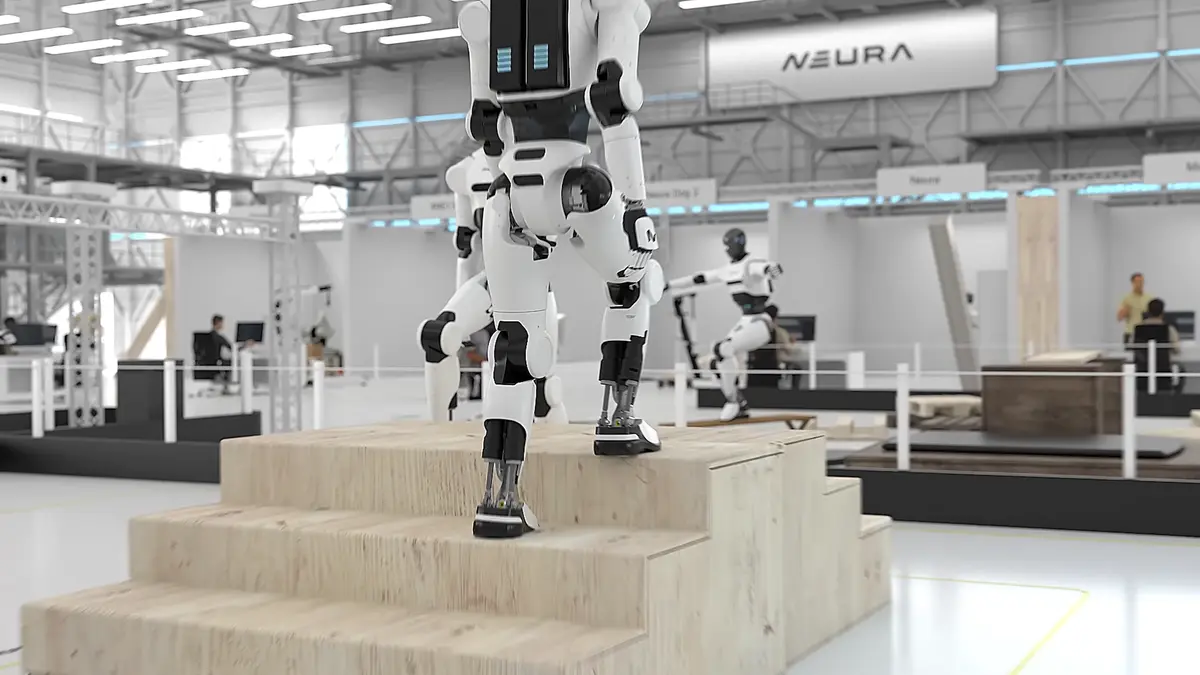
Neura Robotics Unveils ‘Neura Gym’ to Bridge AI’s Simulation-to-Reality Gap
Neura Robotics has unveiled the NEURA Gym, a state-of-the-art physical training facility aimed at enhancing the capabilities of robots by generating real-world interaction data. This initiative, announced recently, addresses a significant challenge in the field of robotics: the difficulty of transferring skills learned in simulated environments to the unpredictable dynamics of the physical world. By utilizing this facility, the company seeks to improve the reliability and effectiveness of AI models, ultimately advancing the development of autonomous robotic systems.
Data Collection Neura Robotics Europe Neura Gym
NEURA Robotics Partners With Sona Comstar to Scale Humanoid Production in India
German company NEURA Robotics has partnered with Indian auto-tech leader Sona Comstar to develop and manufacture cognitive robots and humanoids. This collaboration, formalized through a memorandum of understanding (MoU), marks a significant step towards advancing automation in India. The agreement aims to leverage both companies' expertise to enhance industrial automation capabilities, reflecting a growing trend to integrate advanced robotics into various sectors. The initiative is expected to contribute to the modernization of manufacturing processes in India, fostering innovation and potentially creating new job opportunities in the tech sector.
India 4NE-1 Neura Robotics Europe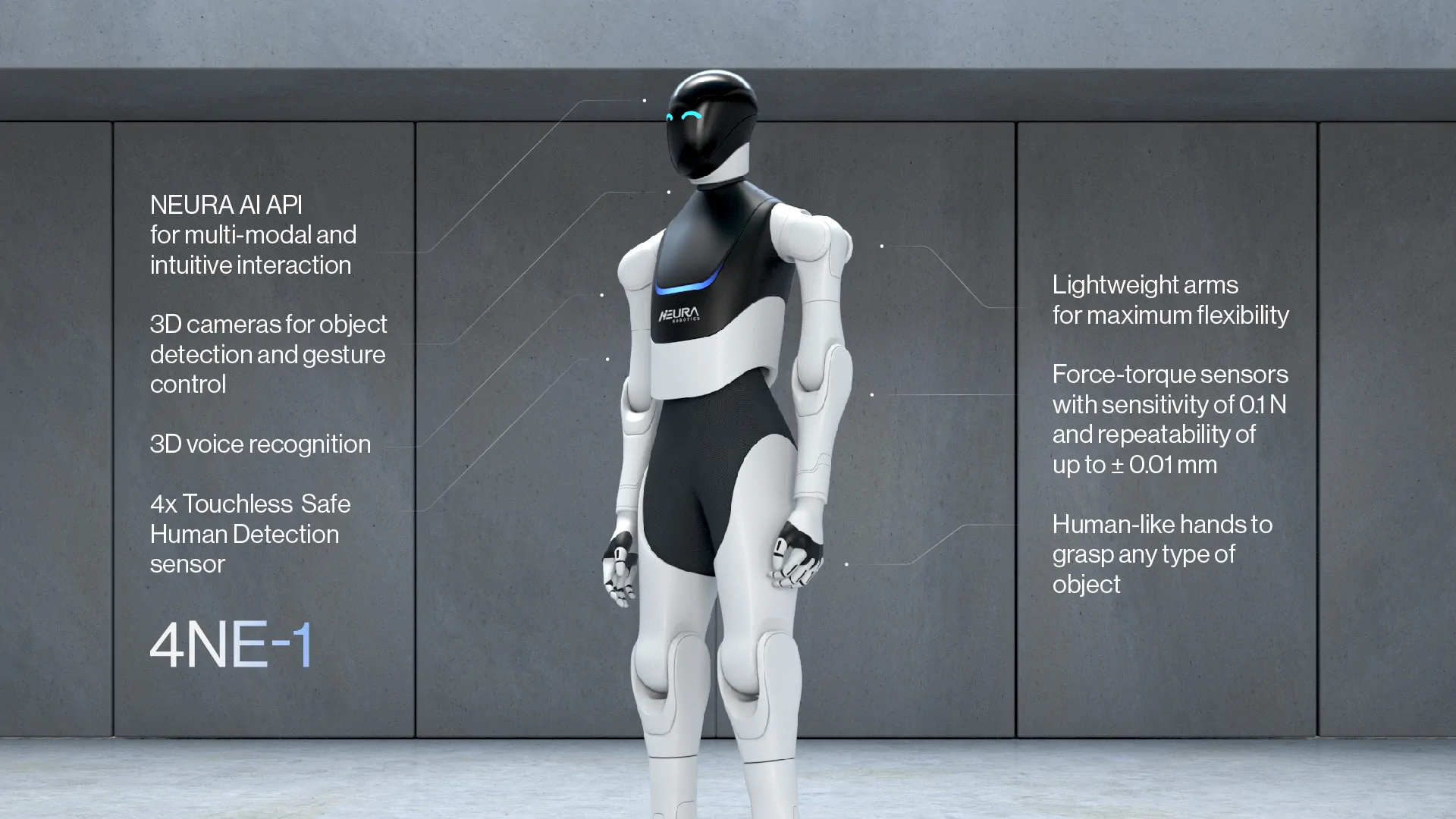
Neura Robotics Quietly Establishes €45 Million Subsidiary in China, Signaling Major Supply Chain Move
Neura Robotics, a German company specializing in humanoid robotics, has opened a major branch office in Hangzhou, China, with a registered capital of €45 million. This development, revealed through public corporate records, underscores the company's strategic initiative to leverage China's extensive robotics supply chain. The establishment of this office aims to enhance the production capabilities of Neura Robotics' 4NE-1 humanoid robot, reflecting the firm's commitment to expanding its operations in the rapidly growing Asian market.
4NE-1 Neura Robotics Europe Supply Chain China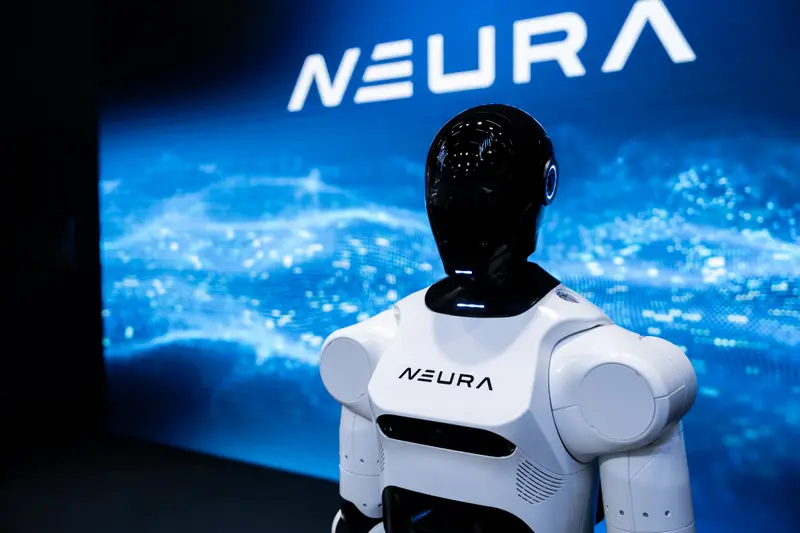
NEURA Robotics Unleashes Next-Gen Humanoids and Cognitive Ecosystem at Automatica 2025
At Automatica 2025, NEURA Robotics introduced its third-generation 4NE-1 humanoid robot, engineered for safe collaboration with humans. The event also marked the debut of the MiPA cognitive service robot. This launch emphasizes the growth of the Neuraverse, an AI-driven ecosystem designed to democratize robotics by facilitating shared learning and offering an "app-store" for robot skills. NEURA Robotics aims to make cognitive robotics accessible to the mass market, reflecting its commitment to innovation in the field.
Automatica 2025 4NE-1 humanoid-robots Cognitive Robotics Neura Robotics AI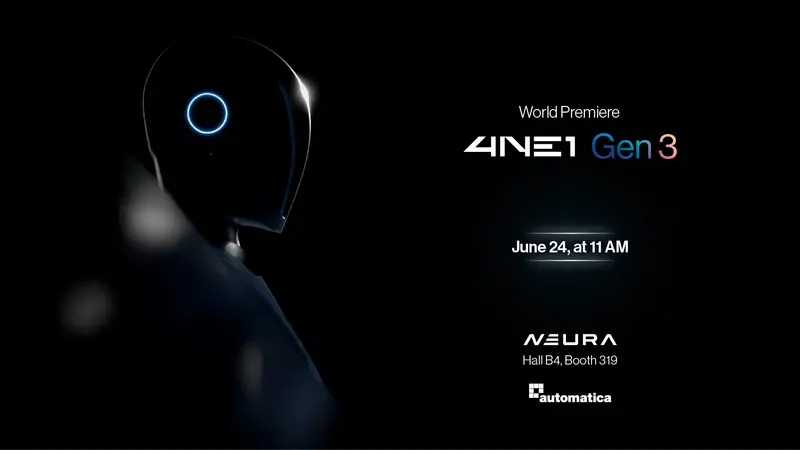
NEURA Robotics Set to Unveil Next-Gen 4NE-1 Humanoid at Automatica 2025
NEURA Robotics is set to unveil the third generation of its 4NE-1 humanoid robot at Automatica 2025, taking place in Munich, Germany. This launch, scheduled for the upcoming event, is highly anticipated as it promises to highlight significant advancements in the robot's actuation, dexterity, and sensory capabilities, including innovative "robot skin." These enhancements aim to bring the 4NE-1 closer to being a market-ready, versatile machine suitable for both industrial and domestic applications. CEO David Reger has expressed his ambition for this iteration to become the "best humanoid robot on the planet," reflecting the company's commitment to pushing the boundaries of robotic technology.
Automatica 2025 4NE-1 humanoid-robots Cognitive Robotics Neura Robotics AI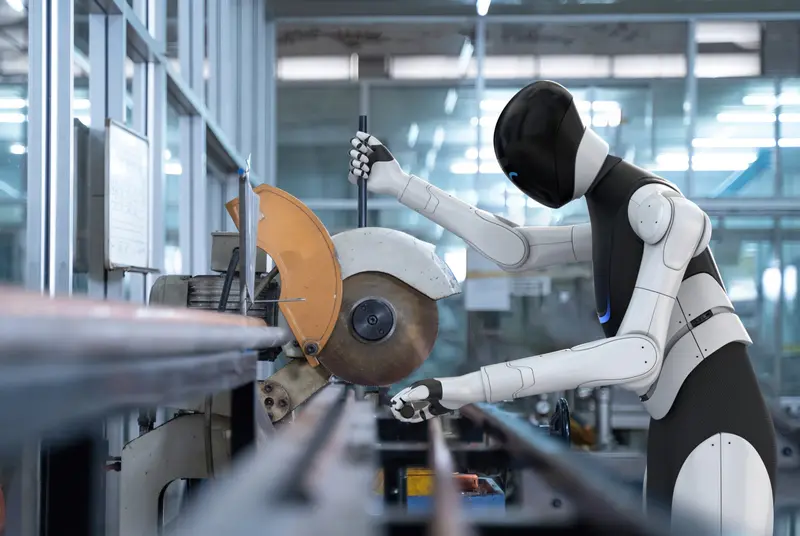
Neura Robotics CEO David Reger on Cognitive Platforms, Humanoid Design, and the Path to Physical AI
In a recent podcast episode hosted by Scott Walter, David Reger, CEO of Neura Robotics, elaborated on the company's vision for cognitive robotics and the significance of their Neuraverse platform. During the discussion, Reger provided insights into the engineering processes that underpin their humanoid robots, particularly focusing on the 4NE-1 model. He emphasized the company's commitment to in-house development as a strategy to enhance human-robot interaction in a rapidly evolving technological landscape. The conversation sheds light on Neura Robotics' innovative approach and its implications for the future of robotics.
David Reger Scott Walter 4NE-1 Neura Robotics Europe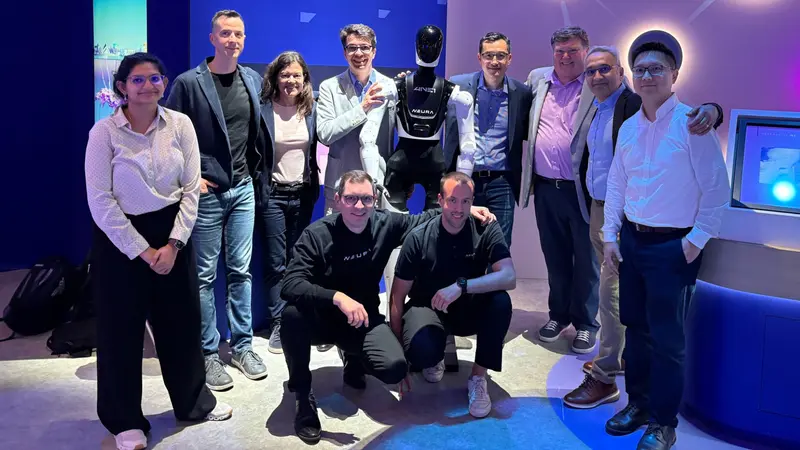
NEURA Robotics, SAP, and NVIDIA Partner to Bring Business AI to Physical Robots
NEURA Robotics, SAP, and NVIDIA have formed a strategic partnership to enhance robotic capabilities through the integration of advanced technologies. This collaboration, announced recently, aims to combine SAP's business AI with NVIDIA's digital twin technology and NEURA's cognitive robots. The initiative seeks to develop what is termed 'physical Business AI,' allowing robots to autonomously execute complex tasks by leveraging real-time enterprise data. This innovative approach will be facilitated through NEURA's Neuraverse platform, marking a significant step forward in the automation and efficiency of business operations.
NVIDIA 4NE-1 Neura Robotics Neuraverse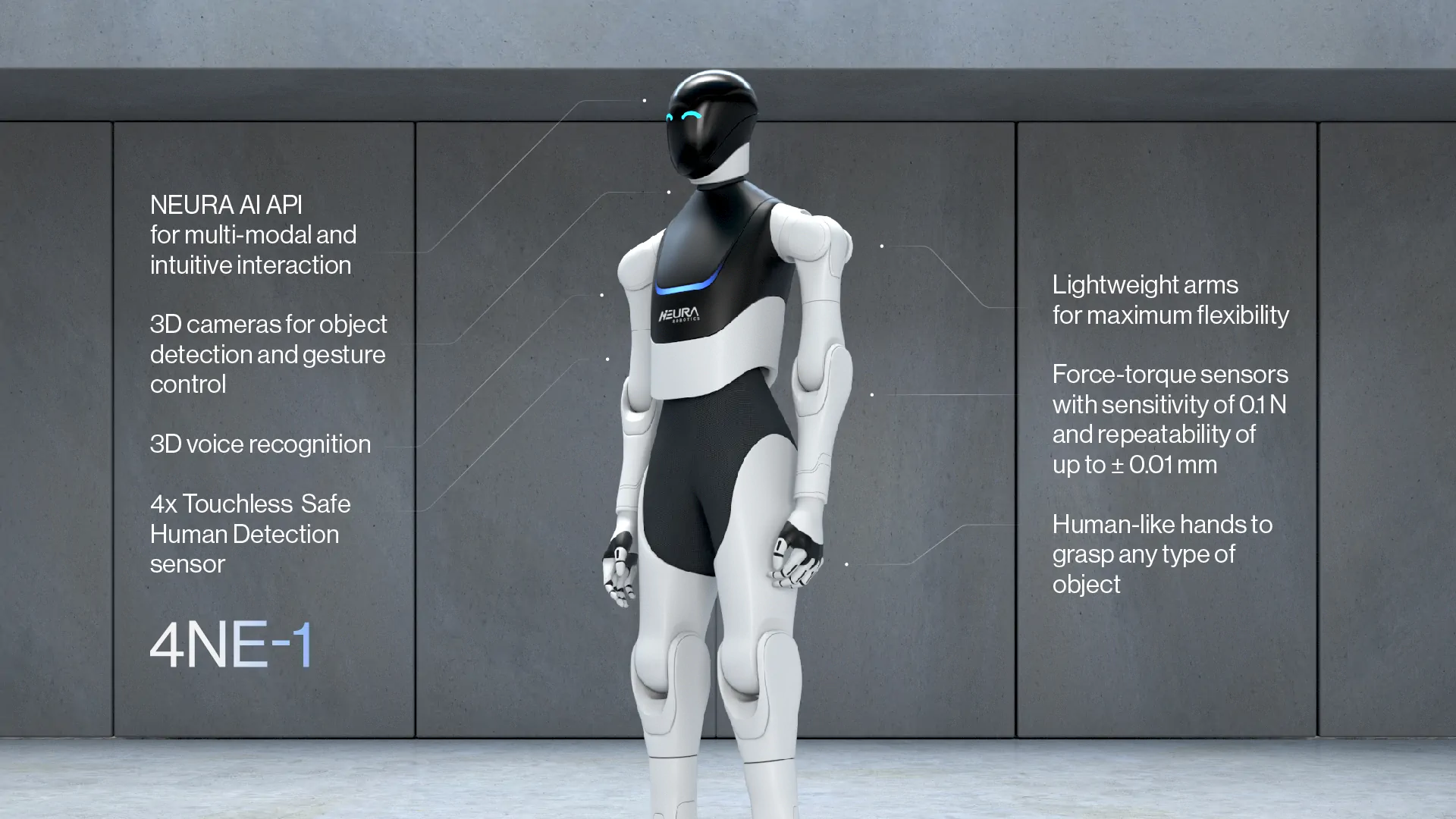
Neura Robotics to launch its humanoid this June
Neura Robotics is set to unveil its third generation of humanoid robots, a development that could significantly impact the robotics industry. This launch is scheduled for later this year, with the company aiming to enhance the capabilities and functionalities of its robots to meet evolving market demands. By integrating advanced technologies and innovative designs, Neura Robotics seeks to address various applications, from industrial automation to personal assistance. The initiative reflects the company's commitment to pushing the boundaries of robotics and improving human-robot interaction, positioning itself as a leader in the field.
4NE-1 Neura Robotics Europe
NEURA Robotics Showcases Full-Stack Robotics Platform at Automate 2026
NEURA has unveiled its comprehensive range of cognitive robots, alongside the Neuraverse platform and NEURA Gyms environments, during a recent showcase event. This presentation took place in October 2023, highlighting the company's advancements in robotics and artificial intelligence. The event aimed to demonstrate how NEURA's innovative technologies can enhance various applications, from personal assistance to complex industrial tasks. By integrating cognitive capabilities into their robots, NEURA seeks to address growing demands for automation and intelligent solutions in diverse sectors. The showcase provided an opportunity for industry professionals and potential clients to explore the functionalities and benefits of NEURA's offerings, emphasizing the company's commitment to leading the future of robotics.
NEURA Robotics and TUM Launch Europe’s Largest Physical AI Training Center
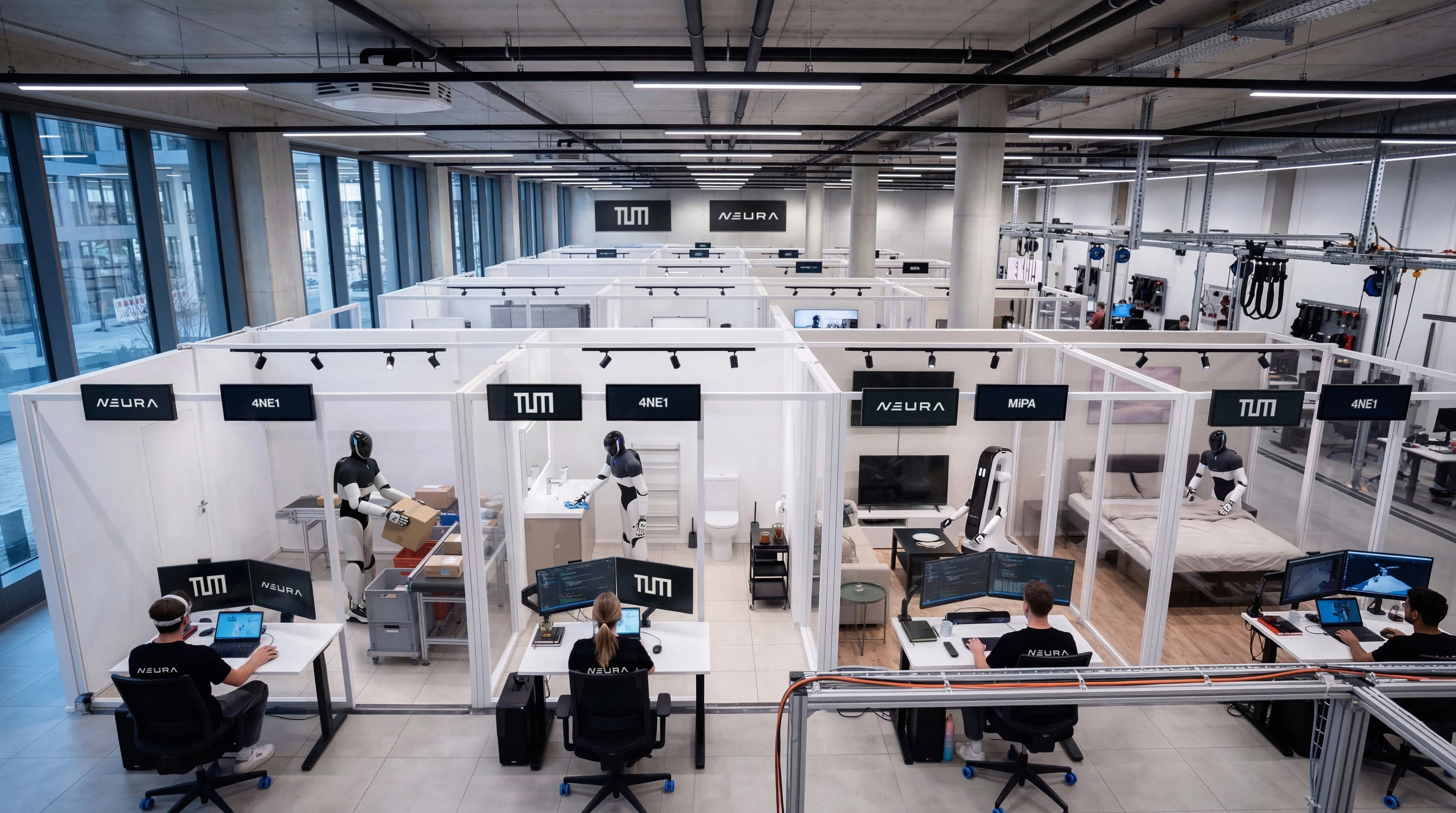
Munich Airport is set to unveil a state-of-the-art "TUM RoboGym," a €17 million facility designed to enhance robotics training by utilizing a fleet of humanoid robots. This innovative project aims to bridge the gap between simulation and real-world applications, significantly advancing the capabilities of NEURA’s hardware-agnostic Neuraverse platform. The RoboGym is expected to play a crucial role in the development and deployment of advanced robotic technologies, fostering research and practical applications in the field. The facility is anticipated to open in the near future, marking a significant milestone in the integration of robotics into everyday environments.
4NE-1 Neura Robotics Europe Neura Gym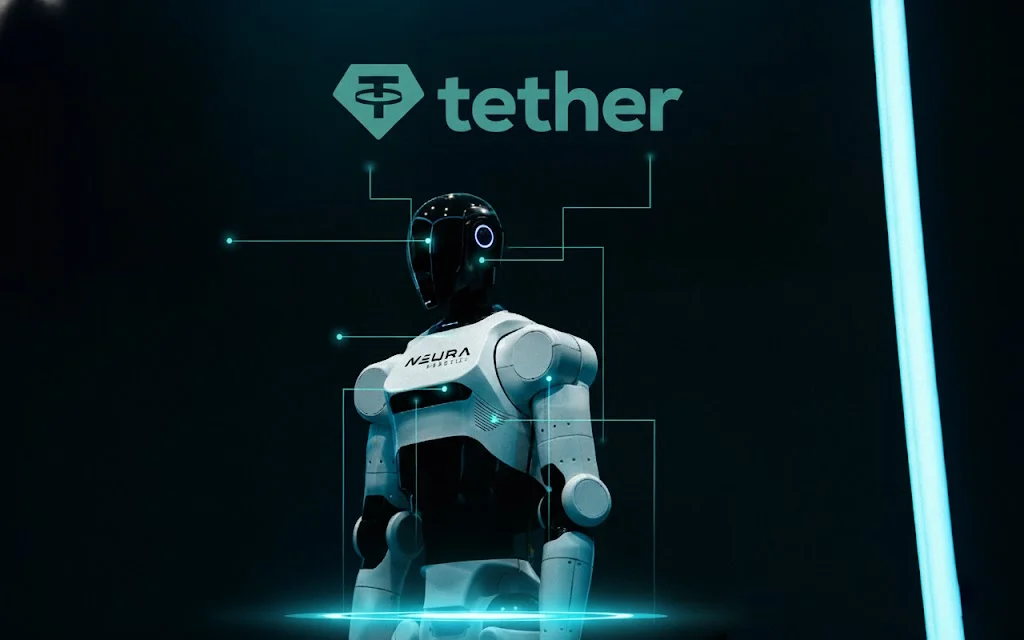
Report: Crypto Giant Tether in Talks to Lead €1B Funding Round in Neura Robotics
A recent report from the Financial Times reveals that a prominent stablecoin issuer is in negotiations to spearhead a significant funding round for a German humanoid robotics company. This investment could potentially elevate the company's valuation to as high as €10 billion. The discussions indicate a growing interest in the robotics sector, particularly in humanoid technology, as investors seek to capitalize on advancements in automation and artificial intelligence. The outcome of these negotiations could have substantial implications for both the stablecoin market and the future of robotics in Europe.
Morgan Stanley Neura Robotics Europe Tether
Krypton Evening News: Token prices drop to a few dollars; OpenAI may significantly reduce product prices; discounted train tickets for
Christian Stein has been appointed as the new CEO of Renault Group Spain, effective July 1, succeeding Josep María Recasens, who is leaving the company for new career opportunities. Stein will also continue in his role as Chief Communications Officer and report to Renault Group CEO François Provost. In a significant shift, General Motors is considering abandoning the use of lithium iron phosphate (LFP) batteries for electric vehicles, despite plans to produce them by the end of 2027 at a joint factory in Tennessee. This decision comes as the company reassesses its battery technology strategy amidst a competitive market. Global prediction markets Polymarket and Kalshi have reported that contracts for the upcoming World Cup champion have surpassed $2 billion, potentially setting a new record for single-event prediction market transactions. In the tech sector, OpenAI is contemplating substantial price reductions for its products to compete with rival Anthropic, as rising costs for AI services have become a concern for executives. Meanwhile, J&T Express has responded to an investigation by China's State Post Bureau, emphasizing its commitment to cooperate fully and improve safety management practices in light of the inquiry. AliExpress, Alibaba's cross-border e-commerce platform, has launched official local delivery services in five countries, including the U.S. and Spain, aiming to enhance logistics efficiency for merchants. In product news, Insta360 has unveiled the Luna Ultra, the world's first 8K dual-camera gimbal, which sold out shortly after its launch on June 10. Lastly, Neura Robotics, a German robotics firm, has secured $1.4 billion in funding to accelerate its development of a leading physical AI platform, with backing from major investors like Amazon and NVIDIA.

Did Tether Just Give Robots Their Own Bank Accounts?
Tether, a leading stablecoin issuer, announced on June 10, 2026, that it is spearheading a Series C funding round of up to $1.4 billion for NEURA Robotics, a German company specializing in cognitive humanoid robotics. This funding round, reported by Handelsblatt as the largest in German startup history, aims to integrate Tether’s Wallet Development Kit (WDK) into NEURA's robots. This open-source technology will enable these machines to possess self-custodial crypto wallets, allowing them to autonomously receive payments and execute transactions without human intervention. The initiative aligns with Tether's long-term goal of establishing itself as a financial infrastructure provider for the physical world. By equipping robots with their own private keys, Tether seeks to enhance their financial independence, contrasting traditional banking systems that can restrict access to funds. Major investors, including Amazon and Nvidia, have contributed to this funding round, which values NEURA Robotics at approximately $7 billion. The integration of WDK allows for seamless machine-to-machine payments, streamlining operations in logistics and manufacturing. NEURA Robotics CEO David Reger envisions a future where intelligent machines can autonomously coordinate and transact, creating value without human oversight. This partnership not only positions Tether to expand its transaction categories but also sets the stage for a new era in machine-economy infrastructure.
Clone Robotics Demos Startlingly Fast Robotic Hand, Touts Neural Controller
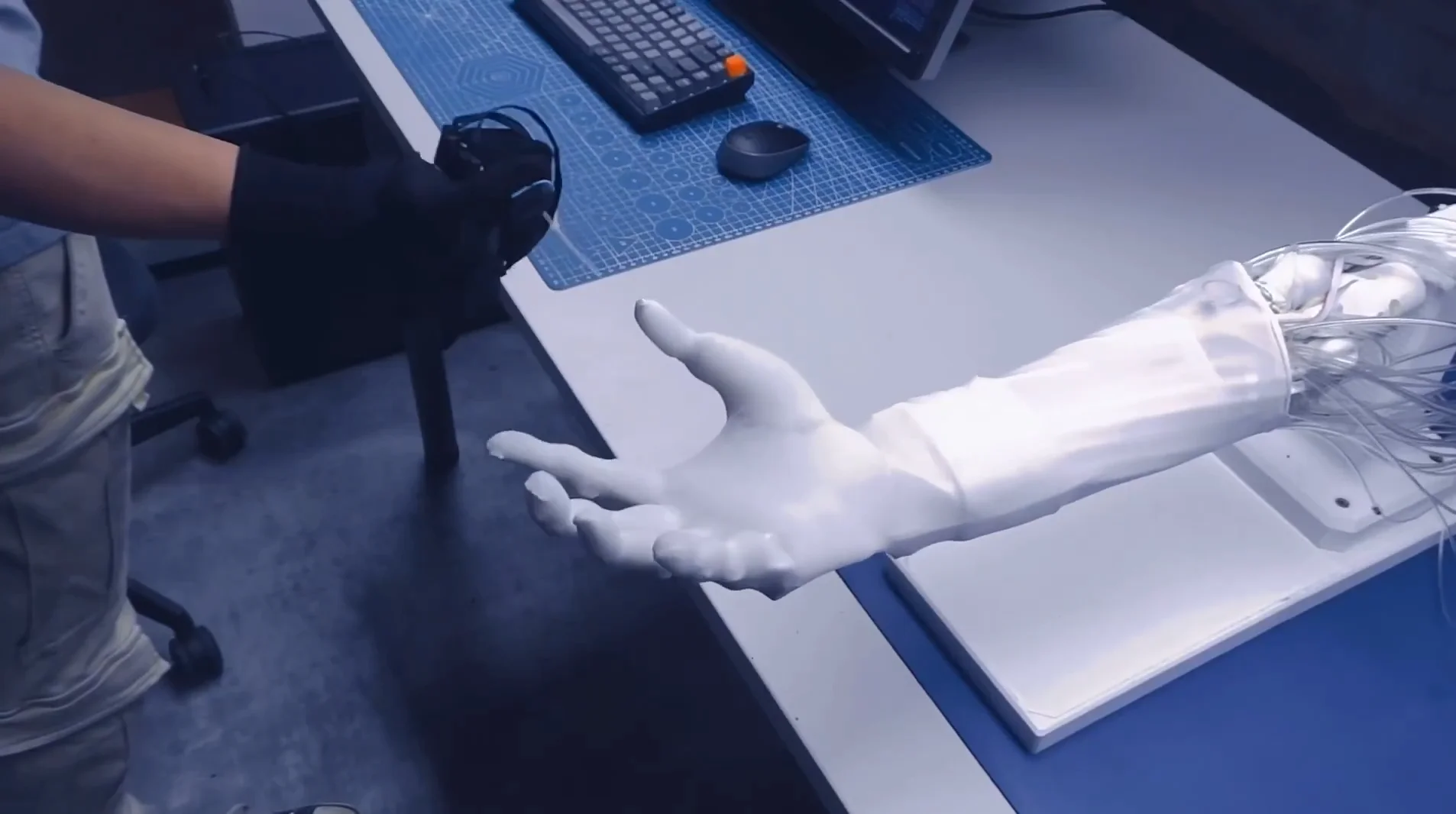
Clone Robotics has released a new video showcasing its advanced 27-degree-of-freedom (DoF) biomimetic hand, which accurately mimics human movements with remarkable speed. This demonstration highlights the company's innovative "neural joint controller," a significant development in their ongoing Clone Alpha project. The video serves as a tangible update on the project's progress, emphasizing the potential applications of this technology in fields such as robotics and prosthetics. By integrating sophisticated control systems, Clone Robotics aims to enhance the functionality and responsiveness of robotic hands, paving the way for more lifelike interactions in various environments.
clone robotics Europe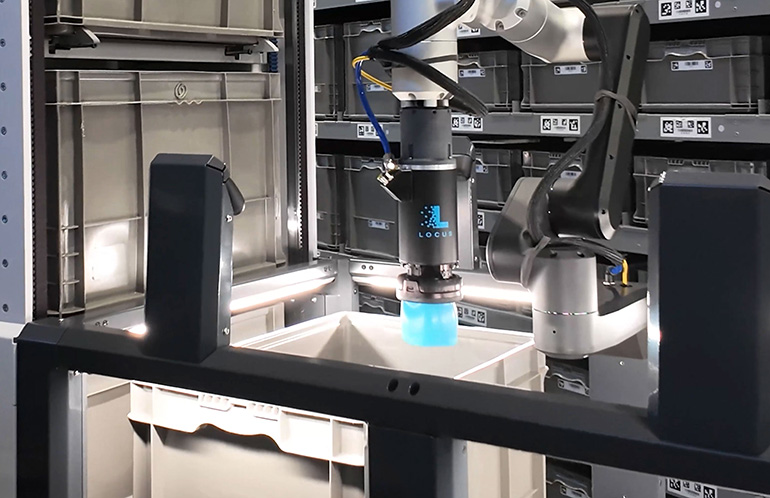
Locus Array expands picking ability with Nexera Robotics’ NeuraGrasp
Nexera Robotics has announced that its adaptive NeuraGrasp technology will enhance the picking capabilities of the Locus Array mobile manipulator, allowing it to handle a significantly larger variety of e-commerce stock-keeping units (SKUs). This development aims to improve efficiency in warehouse operations, addressing the growing demand for automation in the e-commerce sector. The integration of NeuraGrasp with the Locus Array is set to streamline the picking process, ultimately supporting businesses in meeting customer needs more effectively.
Autonomous Mobile Robots (AMRs) End Effectors / Grippers Grippers Logistics Mergers & Acquisitions News
Paris aims to become the European capital of Physical AI by 2026.
A new era of artificial intelligence is emerging, transitioning from the digital realm of generative AI to the physical world with the development of robots that can perceive, reason, and act in real environments. On July 7, Paris will host the inaugural edition of MACHINA 2026, an event aimed at establishing the city as the European capital of Physical AI. This initiative reflects a growing interest in integrating advanced AI technologies into everyday life, highlighting the potential for robots to enhance various sectors by interacting with their surroundings in meaningful ways. The event is expected to showcase innovations and foster discussions on the future of robotics and AI in society.
À la une IA Industrie Robotique 1X Robotics Agility Robotics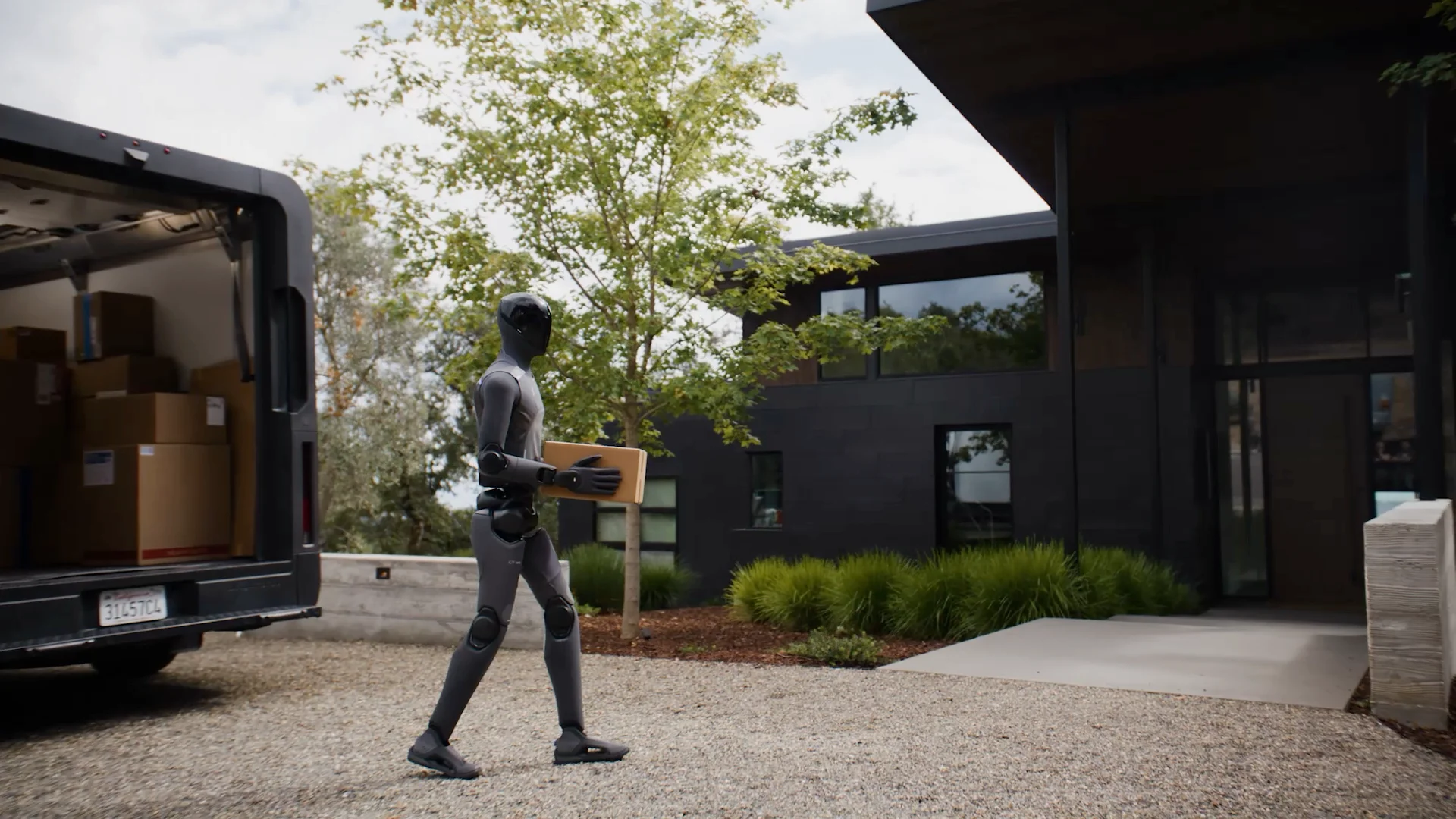
The Great Valuation Chasm: A 2025 Guide to the Humanoid Robotics Capital Race
A comprehensive analysis of the humanoid robotics sector is set to be released in late 2025, highlighting the top-valued "pure-play" companies, including Figure, Neura, and Unitree. This report will also delve into the competitive dynamics among major industry players, referred to as "Titans," such as Tesla, Samsung, and Nvidia, who are engaged in a strategic "proxy war" to dominate the market. The analysis aims to provide insights into the evolving landscape of humanoid robotics, driven by advancements in technology and increasing investment in automation. By examining these key players and their strategies, the report seeks to shed light on the future trajectory of the industry and the factors influencing its growth.
1X-technologies Tesla Unitree Robotics Figure Leju Robot Neura Robotics
Virginia Tech researchers control soft robotics with ‘AI’s cousin’: ‘Reservoir computing’
Researchers at Virginia Tech are advancing the field of soft robotics, which utilizes flexible, muscle-like materials to create machines capable of bending and stretching in ways that surpass traditional rigid robots. This innovative technology enables applications such as harvesting ripe tomatoes and navigating complex search-and-rescue environments. However, the inherent flexibility of these robots presents significant challenges in control and precision. The team at Virginia Tech is focused on addressing these control difficulties to enhance the functionality and reliability of soft robotics, aiming to unlock their full potential in various practical applications.
Computing Features Robotics Science agricultural robotics ai robotics
Study on Offshore Wind Turbine Blade Repair Using Particle Swarm Optimization and Advanced Control Techniques
A recent study published in the Journal of Field Robotics explores innovative methods for repairing offshore wind turbine blades. The research focuses on utilizing a Particle Swarm Optimization-Backpropagation Neural Network combined with Improved Active Disturbance Rejection Control to enhance repair efficiency. This research is significant as it addresses the growing need for effective maintenance strategies in offshore wind energy, which is crucial for maximizing energy output and minimizing downtime. The integration of advanced algorithms aims to improve the precision and reliability of repair processes, ultimately contributing to the sustainability of wind energy. Looking ahead, the implications of this study could influence future developments in wind turbine maintenance technologies. No further timeline was disclosed at the time of publication.
RESEARCH ARTICLE
Robotics startup backed by Nvidia, Amazon and others raises $1.4B
Neura has announced plans to utilize new capital to enhance its robot production and deployment across various industries. The initiative aims to expand the company's training and intelligence infrastructure, allowing for more advanced and efficient robotic solutions. This strategic move comes as Neura seeks to strengthen its position in the rapidly evolving robotics market, responding to growing demand for automation and intelligent systems. By increasing production capabilities and improving training resources, Neura intends to meet the needs of diverse sectors and drive innovation in robotic technology.
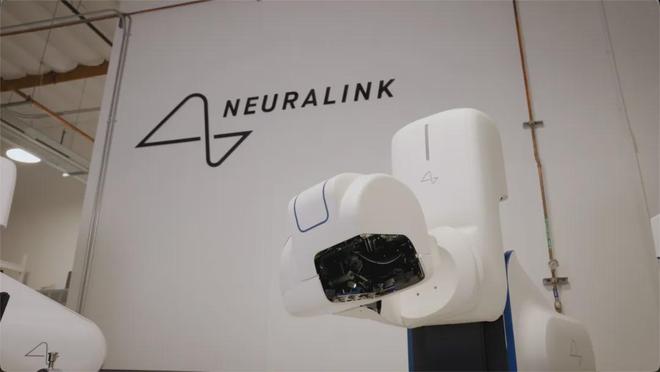
Neuralink Advances Brain-Computer Interface with Specialized Surgical Robot and Fully Automated Implantation
Neuralink has introduced a cutting-edge surgical robot designed to automate the implantation of brain-computer interfaces, a significant advancement in neurosurgery. This innovative technology addresses the complex challenge of implanting devices without the need to remove the dura mater, the protective layer surrounding the brain. The company aims to achieve mass production of this robotic system by 2026, with the goal of improving the precision and safety of surgeries for individuals suffering from paralysis and vision impairments. This development marks a crucial step forward in the integration of advanced robotics in medical procedures, potentially transforming the treatment landscape for patients with neurological conditions.
Brain-Computer Interfaces Surgical Robotics Neurotechnology Medical Devices
Two Robots Team Up for Life: The World's First Multi-Robot Collaboration Using a Single Neural Network
Figure AI has made a significant advancement in robotics by demonstrating the successful collaboration of two humanoid robots, equipped with the innovative Helix-02 system, to clean a bedroom in under two minutes. This event, which took place recently, represents a milestone in the field of robotics as it is the first instance of multi-robot cooperation utilizing a single neural network. The robots showcased remarkable autonomy and interaction, operating effectively without the need for central control. This breakthrough highlights the potential for enhanced efficiency in robotic tasks and paves the way for future developments in autonomous systems.
Humanoid Robots Robot Collaboration AI Automation
Locus Robotics Acquires Nexera Robotics, Advancing a Patented Breakthrough in Mobile Manipulation
Locus Robotics has announced its acquisition of Vancouver-based Nexera Robotics, a move aimed at enhancing its capabilities in mobile manipulation. The acquisition, revealed on May 19, 2026, will integrate Nexera's patented NeuraGrasp™ technology into Locus's existing AI platform, significantly expanding the range of SKUs that the Locus Array can autonomously handle. This advancement is expected to open new categories and improve efficiency in warehouse operations, addressing challenges that have historically limited robotic picking capabilities. Rick Faulk, CEO of Locus Robotics, emphasized the importance of AI-driven mobile manipulation for the future of warehouse robotics, stating that the ability to efficiently grasp a wide variety of inventory is crucial for creating value in the coming decade. The NeuraGrasp™ technology combines AI intelligence, sensory inputs, and computer vision, allowing a single gripper to adapt to various item characteristics, thereby enhancing reliability in real-world warehouse conditions. The acquisition follows the successful launch of Locus Array at MODEX 2026, where it garnered significant market interest and recognition as a top innovation. With Nexera now wholly owned by Locus Robotics, the integration of NeuraGrasp™ is expected to accelerate the company's growth and broaden its market reach, positioning it at the forefront of the autonomous fulfillment industry.
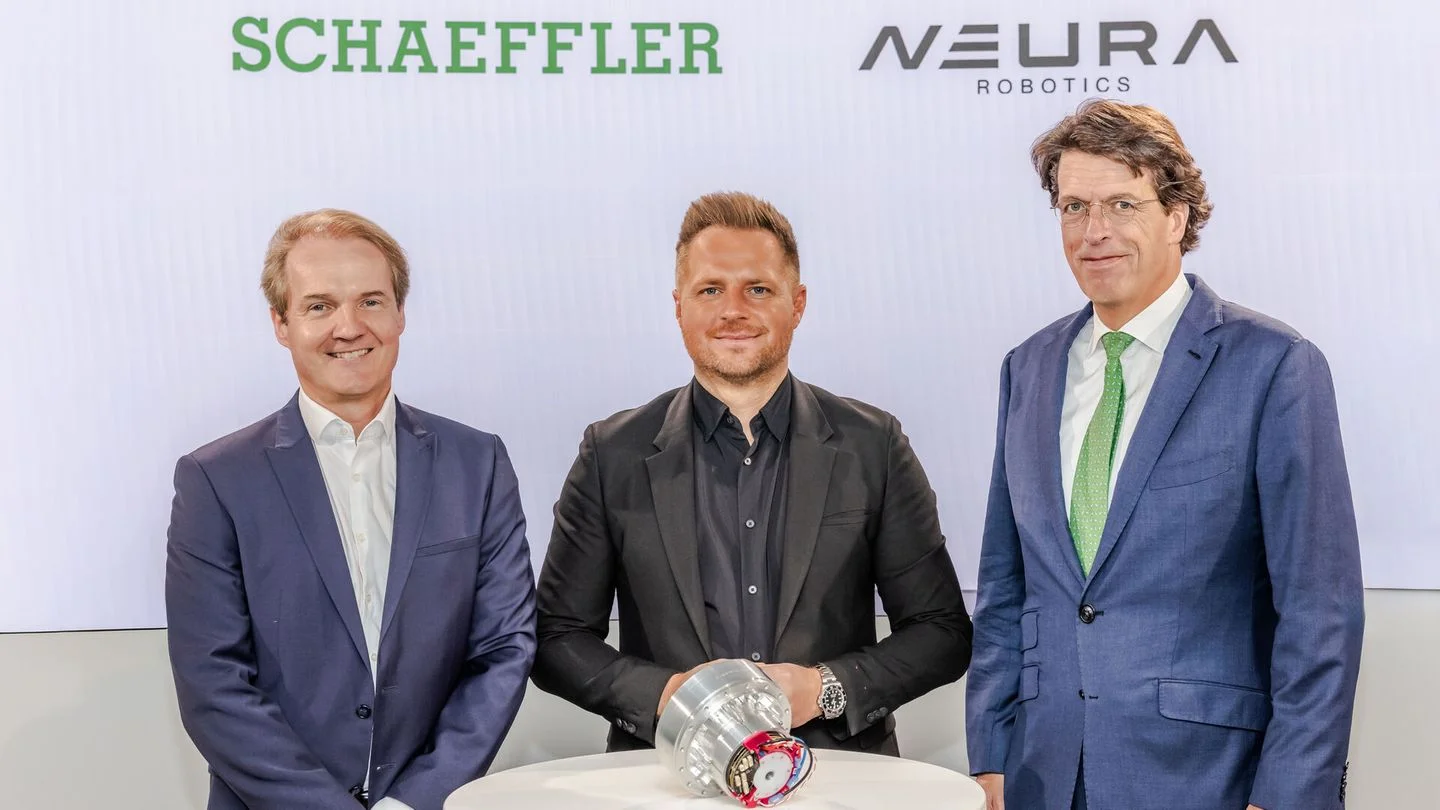
Schaeffler Commits to Thousands of Neura Humanoids in Deep Component and AI Partnership
German industrial giant Schaeffler has announced plans to deploy thousands of Neura's 4NE-1 humanoid robots by the year 2035. In addition to this significant rollout, Schaeffler will collaborate with Neura to co-develop and supply essential actuators for the robots. This partnership aims to enhance Neura's "Neuraverse" AI ecosystem by integrating real-world data collected from the deployed robots. The initiative reflects Schaeffler's commitment to advancing automation and robotics within the industrial sector, positioning itself at the forefront of technological innovation.
4NE-1 Neura Robotics Europe Schaeffler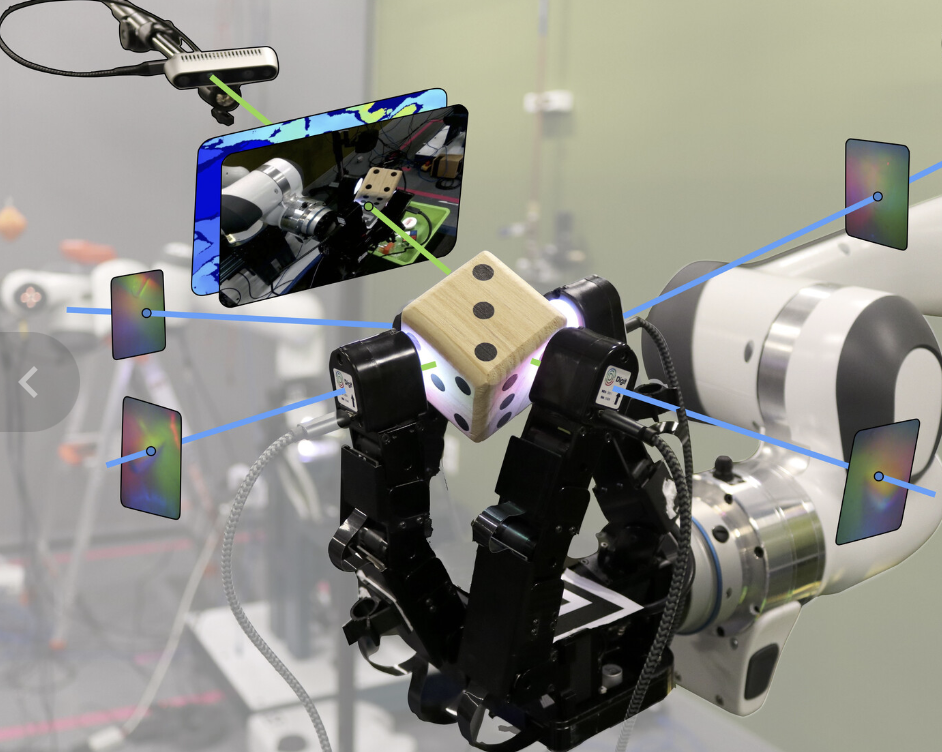
CMU and Partners Redefine Robotic Perception with NeuralFeels
A collaborative research effort involving Carnegie Mellon University, Meta FAIR, the University of California, Berkeley, the Technical University of Dresden in Germany, and the Centre for Tactile Internet with Human-in-the-Loop (CeTI) has led to the development of NeuralFeels, an innovative machine learning model. This model enhances robotic perception by integrating vision and touch sensing capabilities within a robotic hand, enabling it to reconstruct and track objects that are not directly visible. The initiative aims to advance the field of robotics by improving how machines interact with and understand their environments, addressing limitations of traditional sensing methods. The research findings were recently announced, showcasing the potential of NeuralFeels to redefine the capabilities of robotic systems in various applications.
Research
Robots Use Neural Motion Planning To Navigate Challenging Obstacles in Unfamiliar Environments
Researchers at Carnegie Mellon University's Robotics Institute have developed a groundbreaking approach called Neural Motion Planning, which enhances robots' ability to navigate and perform tasks in unfamiliar environments. This innovative technology allows robots to execute complex actions, such as retrieving a book from a cluttered shelf, by effectively planning and maneuvering around obstacles. While humans can effortlessly grab items with minimal thought, the process is intricate for robots, requiring advanced cognitive capabilities to assess their surroundings and make real-time decisions. This development aims to improve robotic interaction with dynamic environments, paving the way for more sophisticated applications in various fields.
Uncategorized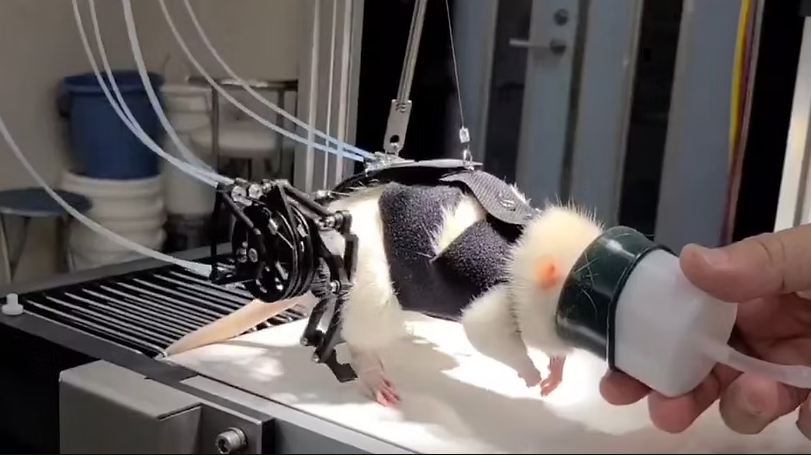
Innovative Rat Exoskeleton Aids Neural Rehabilitation Research
A research team at Tsukuba University has unveiled a groundbreaking lightweight exoskeleton designed for rats, which weighs just 80 grams and effectively mimics natural walking by synchronously activating the hip, knee, and ankle joints. This innovative device represents a significant advancement in rehabilitation robotics, with the potential to help paralyzed patients regain mobility. The development is rooted in insights gained from animal studies, addressing ethical concerns that often arise in human trials. By leveraging these findings, the team aims to pave the way for future applications that could enhance the quality of life for individuals with mobility impairments.
Rehabilitation Robotics Exoskeleton Technology Neural Rehabilitation Biomechanics
A Novel High‐Voltage‐Wire Stripping Robot and Adaptive Fuzzy RBF Neural Network PID Controller Optimized by PSO‐GA Algorithm
In a recent study published in the Journal of Field Robotics, researchers have unveiled significant advancements in robotic navigation systems. This groundbreaking research, conducted by a team of engineers and scientists, was published in the June 2026 issue and highlights innovative algorithms that enhance the ability of robots to navigate complex environments. The study focuses on improving the efficiency and accuracy of robotic systems, which are increasingly utilized in various sectors, including agriculture, manufacturing, and disaster response. By employing advanced machine learning techniques, the researchers demonstrated how robots can better interpret sensory data and make real-time decisions, ultimately leading to safer and more effective operations. The research was conducted in various simulated environments, allowing the team to rigorously test the new navigation algorithms under different conditions. This work is particularly timely as industries are seeking to automate processes and improve operational efficiency in response to growing demands for productivity and safety. The findings are expected to have a profound impact on the future development of autonomous systems, paving the way for more sophisticated robots capable of performing tasks in unpredictable settings. As the field of robotics continues to evolve, this study represents a significant step forward in the quest for smarter, more adaptable machines.
RESEARCH ARTICLE
Pose Estimation Accuracy Improvement Using Different Orientation Representations With Neural Networks: Case Study for the VIVE HTC Tracker
In a recent study published in the Journal of Field Robotics, researchers from a leading robotics institute have unveiled innovative advancements in autonomous navigation systems. This groundbreaking research, conducted in October 2023, aims to enhance the efficiency and safety of robotic applications in various fields, including agriculture and disaster response. The team focused on developing algorithms that enable robots to better interpret their surroundings and make real-time decisions. By integrating advanced sensor technology and machine learning techniques, the researchers demonstrated how these systems could significantly improve the robots' ability to navigate complex environments. The motivation behind this research stems from the increasing demand for autonomous solutions that can operate in unpredictable conditions. As industries seek to leverage robotics for tasks that are hazardous or labor-intensive, the need for reliable navigation systems becomes paramount. The study involved extensive field tests, where the robots were deployed in diverse scenarios to assess their performance. The results indicated a marked improvement in navigation accuracy and obstacle avoidance, showcasing the potential for these technologies to revolutionize how robots are utilized in real-world applications. This research not only contributes to the academic field but also has practical implications for industries looking to adopt autonomous systems. By addressing the challenges of navigation in dynamic environments, the findings pave the way for more effective and safer robotic operations in the future.
RESEARCH ARTICLE
Tesla Optimus AGI & End-to-End Neural Nets: The Brain Behind the Robot
Tesla is advancing its artificial intelligence capabilities with the introduction of its latest technologies, including VLA models, the AI5 chip, Grok integration, and Cortex 2.0. These innovations are part of the company's roadmap toward achieving artificial general intelligence (AGI) by 2026. The developments were detailed in a comprehensive technical breakdown that outlines how Tesla's robot AI architecture is designed to enhance performance and efficiency. By leveraging these cutting-edge technologies, Tesla aims to position itself at the forefront of the AI revolution, addressing the growing demand for intelligent automation in various sectors. The insights shared reflect the company's commitment to pushing the boundaries of AI and robotics, with a focus on creating systems that can learn and adapt in real-time. As Tesla continues to refine its approach, the implications of these advancements could significantly impact the future of robotics and AI integration across industries.

Combining Neural Network and RRT*: A Novel Path Planning Method for Hyper‐Redundant Manipulators With 2N + 1 DOF
The Journal of Field Robotics has published an early view article highlighting recent advancements in robotic technology. This publication, released in October 2023, focuses on innovative applications of robotics in various fields, including agriculture, healthcare, and environmental monitoring. Researchers from multiple institutions collaborated to explore how these technologies can improve efficiency and accuracy in their respective sectors. The motivation behind this research stems from the increasing demand for automation and precision in tasks traditionally performed by humans. By utilizing advanced algorithms and machine learning techniques, the study demonstrates how robots can adapt to dynamic environments and perform complex tasks with minimal human intervention. This work is expected to contribute significantly to the ongoing discourse on the future of robotics and its potential to transform industries worldwide.
RESEARCH ARTICLE
A Boustrophedon‐Optimized Neural Network for Autonomous Path Planning in Large‐Scale Photovoltaic Farms
In May 2026, researchers published a significant study in the Journal of Field Robotics, focusing on advancements in robotic technology. The study explores innovative algorithms designed to enhance the navigation capabilities of autonomous robots in complex environments. Conducted by a team of engineers and computer scientists, the research aims to address the challenges faced by robots in real-world applications, such as search and rescue operations and environmental monitoring. The team conducted extensive field tests to validate the effectiveness of their algorithms, demonstrating improved accuracy and efficiency in navigation tasks. This research is particularly relevant as industries increasingly rely on autonomous systems for various applications, highlighting the need for reliable and adaptable robotic solutions. The findings are expected to contribute to the development of more sophisticated robots capable of operating in unpredictable settings, ultimately advancing the field of robotics and its practical applications.
RESEARCH NOTE
Real‐Time Detection of Undesired Human Interventions in Robotic Work Cells Using a Convolutional Neural Network‐Based Novel Architecture and Reliability Analysis With Explainable Artificial Intelligence
A recent study published in the Journal of Field Robotics highlights advancements in autonomous robotic systems designed for agricultural applications. Researchers from various institutions conducted the study to explore how these technologies can enhance efficiency and productivity in farming practices. The findings, released in early October 2023, indicate that the integration of robotics in agriculture not only streamlines operations but also addresses labor shortages faced by the industry. The research was carried out in diverse agricultural settings, showcasing the adaptability of robotic systems to different crops and farming techniques. By employing sensors and artificial intelligence, these robots can perform tasks such as planting, monitoring crop health, and harvesting with precision. The motivation behind this innovation stems from the need to increase food production while minimizing environmental impact and labor costs. As farmers face growing challenges from climate change and a declining workforce, the study emphasizes the potential of robotics to transform traditional farming methods. The researchers advocate for further investment in robotic technologies to ensure sustainable agricultural practices and improve overall food security. This study marks a significant step towards the future of farming, where automation plays a crucial role in meeting the demands of a growing global population.
RESEARCH ARTICLE
Physics-informed neural controlled differential equations for long horizon multi-agent motion forecasting
Researchers are tackling the complexities of long-horizon motion forecasting for multiple autonomous robots, a task made difficult by non-linear interactions among agents and the accumulation of prediction errors over time. This initiative, which aims to enhance trajectory forecasting, is particularly relevant for applications such as travel time prediction, prediction-guided planning, and surrogate simulation. By developing efficient forecasting methods, the team seeks to improve the reliability and accuracy of autonomous systems in dynamic environments. The work is ongoing, with implications for various fields that rely on advanced robotics and automation.
Machine learning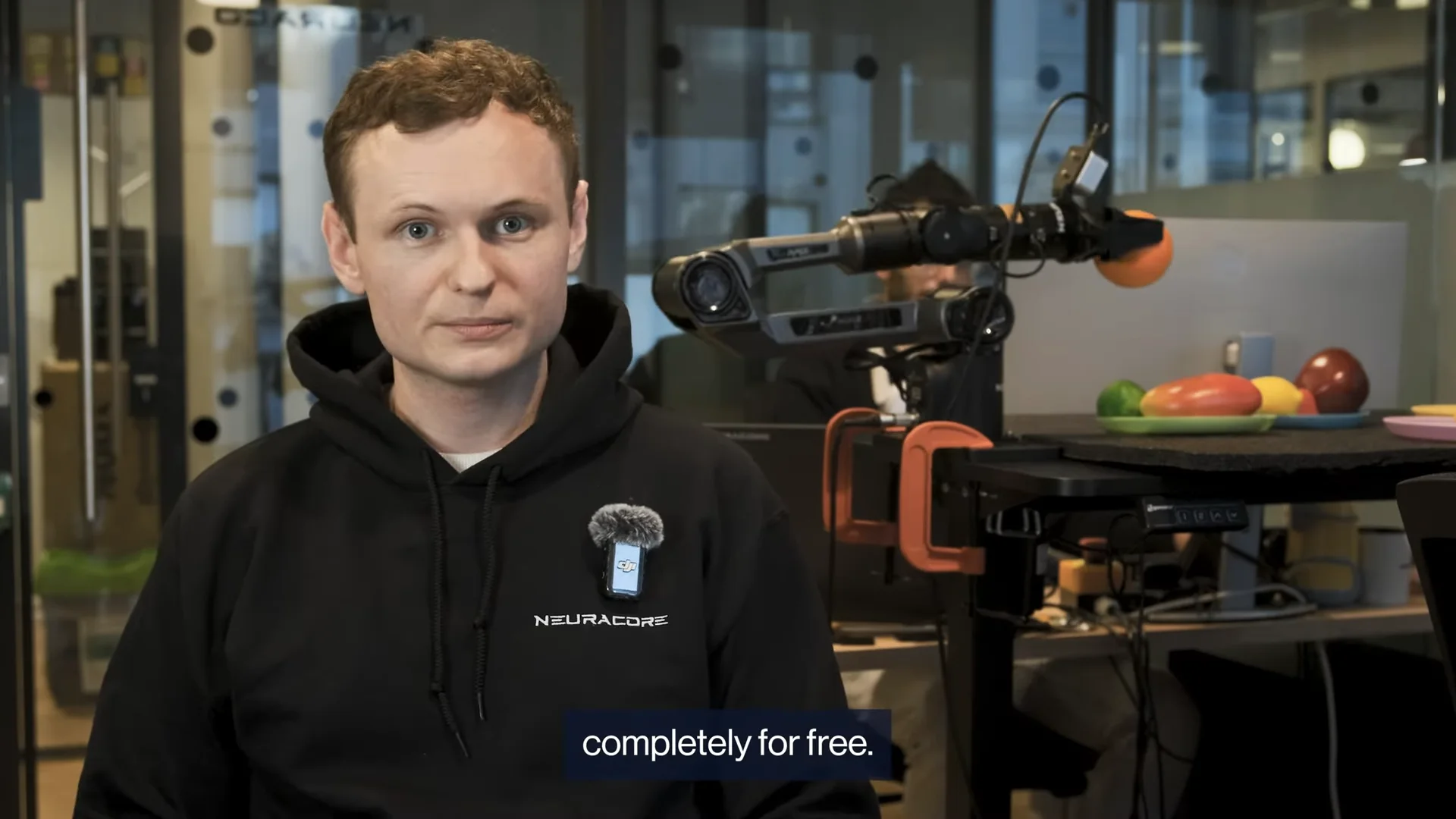
Neuracore Opens Its "Data Foundation" to Academics for Free, Backed by $3M Pre-Seed
A London-based startup is positioning itself as a crucial infrastructure provider for robot learning by offering free cloud-native data tools aimed at researchers. This initiative seeks to address the ongoing challenges associated with data management and integration, often referred to as the "plumbing" problem in the field. By providing these resources, the startup aims to facilitate advancements in robotics and artificial intelligence, enabling researchers to focus on innovation rather than technical hurdles. The launch of these tools is expected to significantly enhance the capabilities of researchers and contribute to the development of more sophisticated robotic systems.
Data Collection Neuracore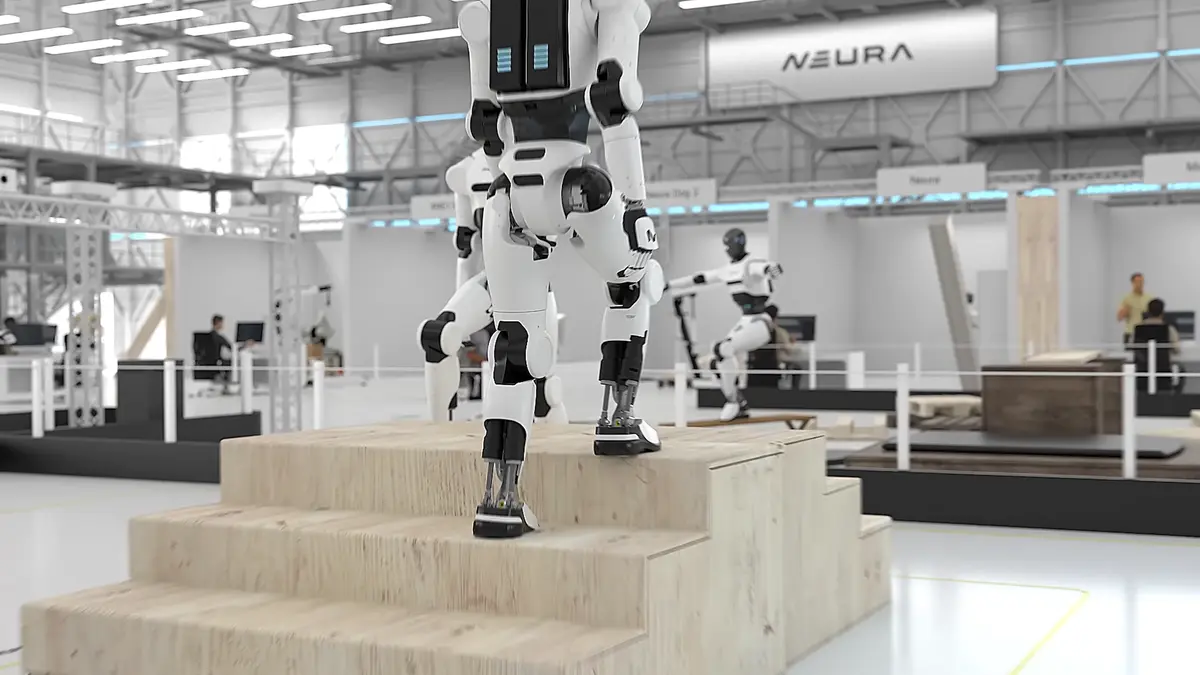
The Physical AI Bottleneck: Comparing the Data Strategies of 1X, Figure, Tesla, and Neura
A recent report by the LA Times reveals that leading robotics companies are engaged in a significant, low-tech initiative to collect real-world data, which has emerged as a critical challenge in the field. As of October 2023, these companies are exploring various strategies to address this data bottleneck, with approaches ranging from human-video capture and teleoperation to extensive simulation techniques. The diversity in methods reflects the industry's urgent need to enhance robotic capabilities and improve performance in real-world applications.
Data Collection 1X-technologies Tesla Figure Neura Robotics Neura Gym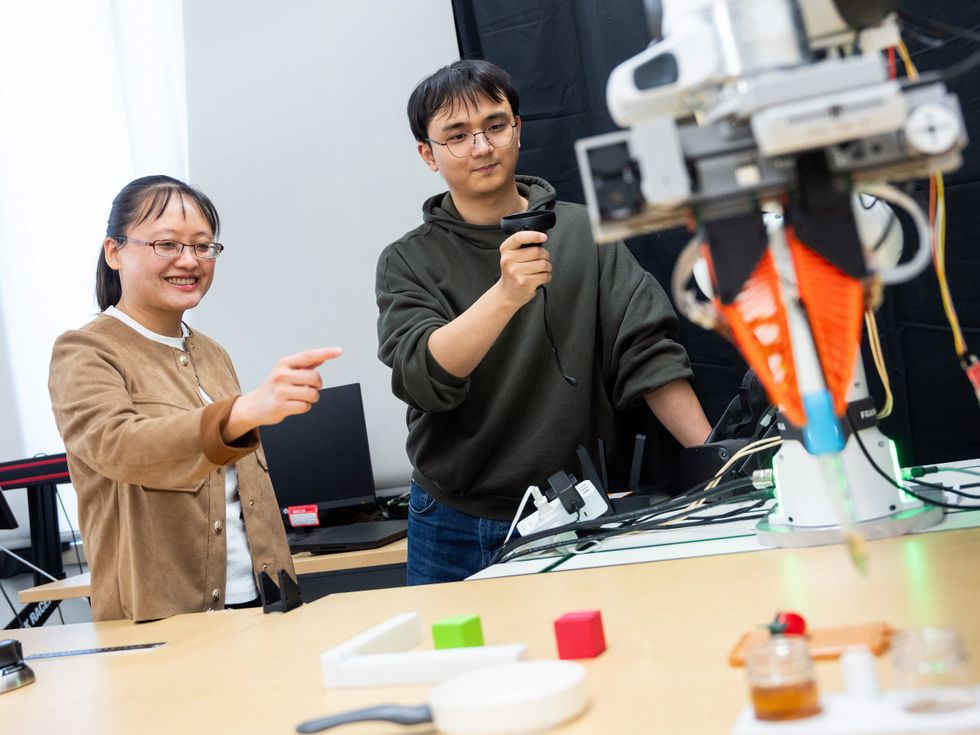
Award-Winning Researcher Trains Robots to Make Educated Guesses
Yen-Ling Kuo, an assistant professor of computer science at the University of Virginia, has been recognized for her significant contributions to robotics and automation. Last year, she received the IEEE Robotics and Automation Society’s inaugural Outstanding Women in Robotics and Automation Early Career Contribution Award for her paper, “Diff-DAgger: Uncertainty Estimation with Diffusion Policy for Robotic Manipulation.” This innovative research introduces a method that enhances robots' ability to identify and manage uncertainty during unfamiliar tasks, thereby reducing the need for human supervision and increasing task completion rates. Kuo’s journey began in Taiwan, where her fascination with science and technology was sparked by early exposure to programming and computer logic. After earning her degrees from National Taiwan University and MIT, she gained practical experience at Google, where she contributed to AI-driven shopping technologies. This experience motivated her to pursue a Ph.D. to deepen her understanding of neural networks. Her current research focuses on developing computational models that enable robots to interpret both explicit data and subtle social cues, aiming to replicate human-like reasoning in machines. Kuo's work has garnered attention from the National Science Foundation, which awarded her a five-year Career Award to support her research on human-robot interactions. As robotics and autonomous vehicles become more prevalent, Kuo envisions creating robots that can seamlessly integrate into social environments, enhancing human-robot collaboration.
Ieee-member-news Robots Artificial-intelligence Ieee-robotics-and-automation-soc Careers Type-tiRobotics needs a service framework.
RSF defines a common language for robot service capability, lifecycle operations, certification pathways, and service-provider networks.