

Industry Briefing
A single destination for timely, editor-curated robotics news from around the world.
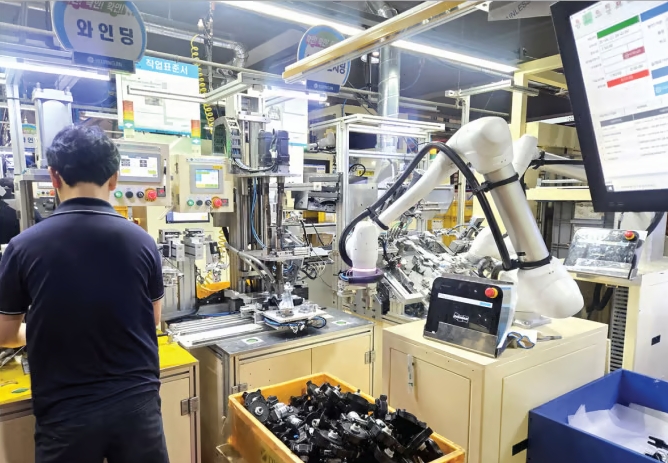
Kwangjin Achieves Near-Zero Defects with Doosan Cobots
Kwangjin Group, a leading automotive-parts manufacturer in South Korea, has significantly enhanced its production processes through the adoption of collaborative robots from Doosan Robotics. This transition, initiated in 2024 due to labor shortages, has transformed the riveting process at its Asan plant in South Chungcheong Province. By employing four Doosan Robotics collaborative robots, Kwangjin has reduced defects in its door-module assembly from approximately 12 defective plates per million to just one or two, effectively nearing zero defects. The robots, capable of lifting module plates and applying consistent pressure, have replaced manual labor, which was prone to errors due to variations in human skill and physical condition. The automation process took about four to six months and required an investment of approximately KRW 1.3 billion. Kwangjin chose Doosan Robotics over competitors due to its superior after-sales support and established technical response systems. The successful implementation of these robots has attracted attention from other Korean automotive manufacturers, who are visiting the Asan facility to observe the technology in action. Kwangjin plans to deploy over 100 collaborative robots across 17 global sites, including in the U.S. and Poland, by 2027. Meanwhile, Doosan Robotics aims to expand its intelligent robotic solutions by integrating AI and motion-control technologies, further solidifying its position in the automotive manufacturing sector.

Allient to demonstrate advanced motion control systems at 2026 Robotics Summit & Expo
Allient is set to showcase its advanced motion and control technologies at the Robotics Summit & Expo taking place this week in Boston. The company aims to highlight its innovative systems, which are designed to enhance robotic applications and improve operational efficiency. This exhibition represents an opportunity for Allient to engage with industry professionals and demonstrate the capabilities of its latest developments in motion control. The event serves as a platform for networking and collaboration within the robotics sector, emphasizing the importance of technological advancements in driving the future of automation.
Actuators / Motors / Servos Controllers Events Motion Control News allient
Elmo Motion Control – The Titanium Line, Redefining Limits of Motion Control
Elmo Motion Control has unveiled its latest line of advanced Titanium servo drives, designed to enhance motion control solutions across various applications. This new generation of single-axis and multi-axis drives boasts high power density and exceptional performance, making them suitable for demanding industrial environments. The drives are equipped with cutting-edge multi-core processors that facilitate superior productivity and ensure functional safety. Set to revolutionize the industry, these compact drives can be operational within minutes, allowing for quick integration into existing systems. The Titanium line also features advanced networking capabilities and local intelligence, providing users with a streamlined and efficient control experience. This innovation aims to meet the growing demand for intelligent motion control solutions that prioritize both performance and safety in an increasingly automated world.

Regal Rexnord to bring its motion control portfolio to the Robotics Summit
Regal Rexnord is set to showcase its advanced motion control portfolio at the upcoming Robotics Summit. The event will highlight how the company’s unified motion ecosystem enhances the design of modern robotic systems. This demonstration aims to illustrate the innovative solutions Regal Rexnord offers to meet the evolving needs of the robotics industry. The Robotics Summit serves as a platform for industry leaders to exchange ideas and explore the latest technological advancements, making it an ideal venue for Regal Rexnord to present its capabilities.
Events Motion Control News Robot Components Kollmorgen portescap
Overcoming Core Engineering Barriers in Humanoid Robotics Development
Engineers in the humanoid robotics field are set to address critical challenges related to sensing, motion control, power, and thermal management during an upcoming technical examination. This event will delve into the complexities of motion control, which remains one of the most significant hurdles in achieving stable bipedal locomotion in dynamic environments. Attendees will explore the intricacies of modeling, real-time feedback, and sensor fusion essential for maintaining balance and stability. Additionally, the session will highlight the importance of advanced sensing architectures, including inertial measurement units and tactile sensors, which play a crucial role in enhancing human-robot interaction and ensuring safety through effective collision avoidance. Participants will also examine the implications of power and thermal constraints on system design, focusing on the trade-offs involved in battery chemistry choices and thermal protection strategies that influence operational endurance. As the industry transitions from prototype development to mass production, the event will provide insights into the shift towards modular architectures and cost-effective component selection, with a keen eye on supply chain readiness anticipated for the late 2020s. This comprehensive examination aims to equip engineers with the knowledge necessary for real-world deployment of humanoid robotics, addressing both current challenges and future advancements.
Sensor-fusion Type-whitepaper Motion-control Humanoid-robots
Elmo releases new motion controller and servo drives for industrial applications
Elmo has unveiled its latest motion controller and servo drives, enhancing its existing Platinum product line and launching a new Titanium line. This development aims to set new standards for power density in industrial applications. The announcement highlights Elmo's commitment to innovation and leadership in the automation sector, as the company seeks to meet the growing demands for efficient and high-performance solutions in the market. The new products are expected to provide advanced capabilities for various industrial applications, reinforcing Elmo's position as a key player in the industry.
Actuators / Motors / Servos Events Motion Control News Robot Components servo
Introducing the New Slim Hollow Shaft Encoder for Compact Robotics and Motion Control Applications
The IH520 Series has been introduced as a slim incremental hollow shaft encoder, specifically engineered to deliver accurate motion feedback for compact robotics and motion control applications. This innovative device is particularly suited for environments with restricted space and the need for continuous operation. Key features include a low axial profile, flange mounting, and a hollow shaft design, all of which facilitate straightforward installation. The development of the IH520 Series addresses the growing demand for efficient and reliable motion control solutions in modern robotics.

Quiz: All About AI-Driven Motion Control
Industry experts are increasingly exploring the integration of artificial intelligence (AI) to enhance motion control systems. This trend has gained momentum as companies seek to improve efficiency and precision in various applications, ranging from robotics to manufacturing. Recent discussions among specialists highlight the transformative potential of AI in optimizing motion control processes, particularly in automating complex tasks and improving responsiveness to dynamic environments. As businesses face growing demands for innovation and adaptability, the adoption of AI-driven motion control solutions is seen as a critical step forward. Experts emphasize that leveraging AI can lead to significant advancements in performance, allowing systems to learn from data and make real-time adjustments. This capability not only streamlines operations but also reduces the likelihood of errors, thereby increasing overall productivity. The conversations surrounding this topic have intensified in recent months, with industry conferences and workshops providing platforms for sharing insights and best practices. As companies continue to invest in AI technologies, the motion control sector is poised for a significant evolution, driven by the need for smarter, more efficient systems that can keep pace with the rapid advancements in technology.
Factory / Motion
Güdel to showcase advanced grinding with vertical and horizontal motion at Automate 2026.
Güdel has introduced innovative advancements in heavy-duty robotic grinding applications by enhancing its TMV and TMF systems with two additional degrees of freedom. This development allows for more versatile grinding capabilities, enabling robots to perform tasks with both vertical and horizontal motion. The new features will be showcased at the upcoming Automate 2026 event, highlighting the company's commitment to pushing the boundaries of robotic technology in industrial settings. This enhancement aims to improve efficiency and precision in grinding processes, addressing the growing demand for advanced automation solutions in manufacturing.
Automotive Energy / Solar / Renewables Events Machine Tool & Material Removal Motion Control News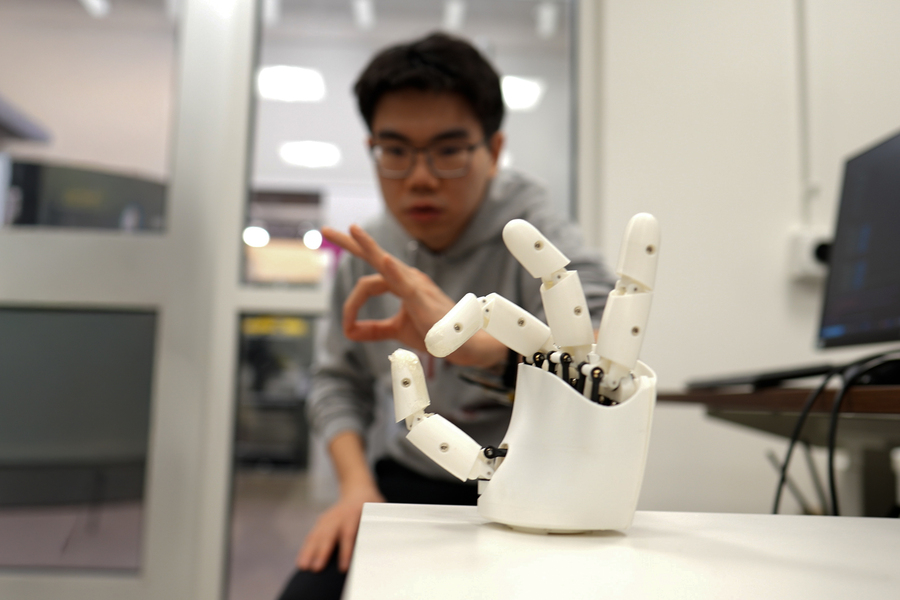
MIT Engineers Develop Ultrasound Wristband for Real-Time Robotic Hand Control
MIT engineers have created an innovative ultrasound wristband that allows wearers to control a robotic hand through their own movements. This wristband captures real-time images of the wrist's muscles and tendons, translating them into the positions of the fingers and palm using an AI algorithm. Demonstrations have shown that users can wirelessly manipulate a robotic hand to perform tasks like playing the piano or shooting a basketball. This technology is significant as it offers a new method for hand tracking in robotics and virtual reality, potentially replacing traditional techniques that rely on cameras or sensor-laden gloves. The wristband's ability to gather diverse hand motion data could lead to advancements in training humanoid robots for dexterous tasks, including surgical procedures. Xuanhe Zhao, a professor at MIT, emphasizes the immediate impact this work could have on both virtual environments and robotic dexterity. Looking ahead, the research team aims to expand their dataset of hand motions by collecting data from users with varying hand sizes and gestures. This could enhance the capabilities of humanoid robots and improve interactions in virtual settings. No further timeline was disclosed at the time of publication.

Elmo Motion Control Talks About Their Newest Servos
The Titanium platform has been unveiled as a cutting-edge solution that integrates multi-axis control, high computing power, and robust functional safety features, all designed to fit within a remarkably compact size. This innovative technology aims to enhance operational efficiency and safety in various applications, making it a significant advancement in the field. The platform's development reflects the growing demand for sophisticated yet space-efficient systems in industries such as robotics, automation, and aerospace. By leveraging advanced engineering techniques, the Titanium platform promises to deliver superior performance while addressing the challenges of modern technological requirements.

Physics-informed neural controlled differential equations for long horizon multi-agent motion forecasting
Researchers are tackling the complexities of long-horizon motion forecasting for multiple autonomous robots, a task made difficult by non-linear interactions among agents and the accumulation of prediction errors over time. This initiative, which aims to enhance trajectory forecasting, is particularly relevant for applications such as travel time prediction, prediction-guided planning, and surrogate simulation. By developing efficient forecasting methods, the team seeks to improve the reliability and accuracy of autonomous systems in dynamic environments. The work is ongoing, with implications for various fields that rely on advanced robotics and automation.
Machine learning
Elmo Launches New Titanium Product Line and Platinum Servo Drives at SPS 2025, Redefining Limits of Motion Control
A new high-performance technology has been introduced, aimed at enhancing efficiency in demanding industrial and harsh-environment applications. This innovative solution, characterized by its compact design and advanced features, is set to revolutionize operations across various sectors. The launch, which took place in October 2023, highlights the growing need for reliable and robust equipment that can withstand challenging conditions. By integrating cutting-edge technology, the product promises to meet the rigorous demands of industries, ensuring superior performance and reliability.
Design and Motion Control of a Propeller–Leg Hybrid Multimodal Underwater Adhesion Robot
The Journal of Field Robotics has published an early view article that explores advancements in robotic technology and its applications in various fields. This publication, released in October 2023, highlights the innovative research conducted by a team of engineers and scientists aiming to enhance the efficiency and capabilities of robotic systems. The study focuses on the integration of artificial intelligence and machine learning to improve navigation and decision-making processes in autonomous robots. Researchers conducted extensive field tests to evaluate the performance of these systems in real-world environments, demonstrating significant improvements over previous models. The findings are expected to impact industries such as agriculture, manufacturing, and disaster response, where robotic assistance can lead to increased productivity and safety. This research underscores the growing importance of robotics in addressing complex challenges and advancing technological solutions across multiple sectors.
RESEARCH ARTICLE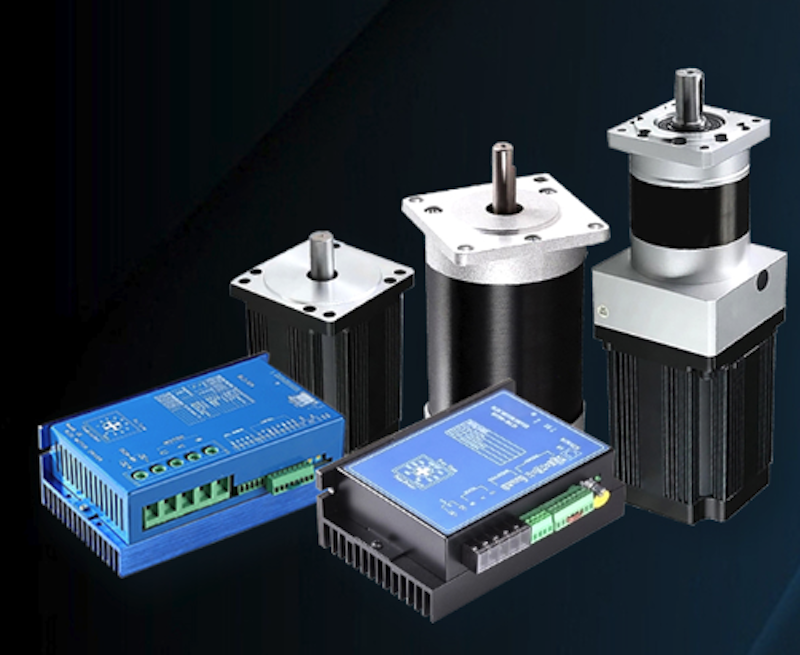
How Motor Controllers Influence Robot Accuracy and Energy Efficiency
As the robotics sector rapidly evolves, industries including manufacturing, healthcare, logistics, and agriculture are increasingly reliant on advanced motion control technologies. This surge in demand is largely driven by the need for precise and energy-efficient solutions to enhance operational efficiency. Central to many of these modern robotic systems are Brushless DC (BLDC) motors, which are celebrated for their high efficiency, reliability, and extended lifespan. However, the optimal performance of these motors is contingent upon effective control strategies and integration within robotic frameworks. As companies seek to leverage the advantages of BLDC motors, ongoing innovations in motion control technology are expected to further enhance the capabilities of robotic systems across various sectors.
Components Engineering amrs autonomous mobile robots BLDC motor controllers BLDC motors
China's First GaN Magnetic Encoding Chip for Humanoid Robot Joints Released, Setting a New Benchmark for High-Precision Motion Control
China Semiconductor has unveiled its first domestically produced GaN magnetic encoding sensor designed specifically for humanoid robot joints. This groundbreaking chip, introduced recently, promises enhanced performance in extreme conditions, effectively tackling significant industry challenges such as overheating and precision issues. By providing a solution to these critical problems, the new sensor paves the way for the advancement of high-performance robotic joints, marking a significant step forward in robotics technology.
Humanoid Robots Motion Control GaN Technology Robotics Sensors
Harmonic Drive Advances Surgical Robotics Supply With Innovative LPA 20 Compact Actuator Control Component
Harmonic Drive has unveiled its latest innovation, the LPA 20 integrated servo actuator, enhancing its reputation as a leading supplier of motion control components for surgical robotics. This new actuator is designed to provide exceptional precision and a compact form factor, addressing significant challenges faced by original equipment manufacturers (OEMs) in the medical field. The launch underscores Harmonic Drive's commitment to advancing technology in surgical applications, ensuring that OEMs can meet the growing demands for efficiency and reliability in robotic systems.

Motion Control and Experimental Verification of a Continuum Aerial Manipulator for Power Grid Maintenance Operations
A recent study published in the Journal of Field Robotics highlights advancements in robotic technology aimed at improving agricultural efficiency. Researchers from various institutions collaborated to develop a new robotic system designed to automate the process of crop monitoring and management. This innovative system was tested in fields across California during the summer of 2023, demonstrating its potential to enhance productivity and reduce labor costs for farmers. The motivation behind this research stems from the increasing demand for sustainable agricultural practices and the need to address labor shortages in the farming sector. By integrating advanced sensors and artificial intelligence, the robotic system can analyze crop health, soil conditions, and environmental factors in real-time, providing farmers with actionable insights. The study outlines the methodology used in the field trials, including the deployment of multiple robotic units equipped with cutting-edge technology. These robots were programmed to navigate autonomously, collect data, and deliver precise recommendations for crop management. The findings indicate that the implementation of such robotic systems could lead to significant improvements in yield and resource efficiency. As the agricultural industry faces mounting challenges, this research underscores the importance of innovation in fostering sustainable practices and meeting the needs of a growing population. The successful trials pave the way for further development and potential commercialization of robotic solutions in agriculture, promising a transformative impact on the sector.
RESEARCH ARTICLE
Video: This $42k humanoid robot from China blends real-time motion, vision, and smart control
Chinese robotics company LimX Dynamics has unveiled a full-size humanoid robot aimed at enhancing automation across various industries. The launch took place on October 15, 2023, at a technology expo in Shanghai, where the company showcased its latest advancements in robotics. This innovative robot is designed to perform tasks traditionally handled by humans, thereby increasing efficiency and productivity in workplaces. LimX Dynamics believes that the integration of such robots can significantly reduce labor costs and address workforce shortages in sectors like manufacturing and logistics. The development process involved extensive research and collaboration with industry experts to ensure the robot's capabilities meet the demands of modern enterprises.

Allient Inc. to Demonstrate Advanced Motion Solutions at Robotics Summit & Expo 2026
Allient Inc., a global leader in specialty motion, controls, and power solutions, will showcase its advanced motion technologies at the Robotics Summit & Expo 2026 on May 27-28 at the Boston Convention and Exhibition Center in Massachusetts. The company aims to highlight its innovative solutions for robotics and automation applications, demonstrating its capabilities through live and static displays at Booth #222. Attendees can expect to see a range of products, including the Pyxmos™ drive operating a frameless motor, custom integrated motors, and various frameless motor assemblies designed for specific applications. Allient’s offerings also feature high-performance motors such as the Electroflux Series and the Megaflux™ torque motors, which are engineered for demanding robotic environments. Robert Mastromattei, Chief Commercial Officer & Group President at Allient, emphasized that the event will showcase the precision and performance required in advanced robotics systems, underscoring the company's commitment to delivering high-value solutions across multiple industries. For more details on Allient's participation and other upcoming events, interested parties can visit their official website.
BridgeDP Robotics Launches Comprehensive Motion Data Factory
BridgeDP Robotics has unveiled its new 'Comprehensive Motion Data Factory,' a facility designed to tackle the existing data gap in motion control. This launch, which took place recently, aims to facilitate the collection of high-quality motion data on a large scale. By establishing a closed-loop system that encompasses data design, collection, processing, training, and feedback, the initiative is crucial for the advancement of the company's universal motion control platform. The facility is expected to enhance the capabilities of motion control technologies, ultimately contributing to more sophisticated applications in various industries.
Motion Control Data Collection Robotics Artificial Intelligence Data Infrastructure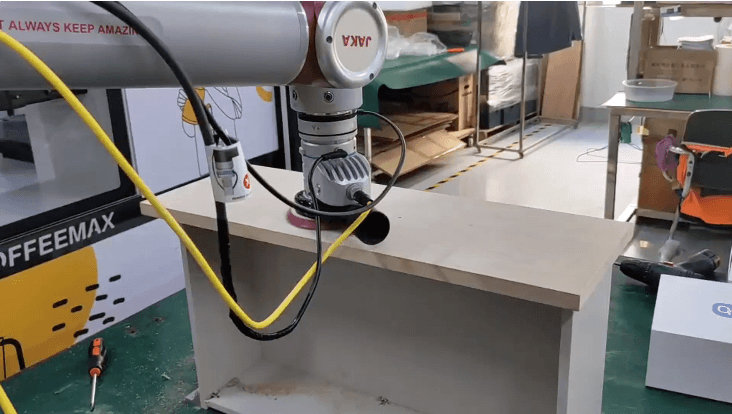
Understanding Automation Robotics Technology: From Sensors to Control Systems (JAKA CAB V3)
JAKA, a leader in automation robotics technology, has unveiled its advanced polishing robot, powered by the innovative CAB V3 controller, designed to enhance the precision and consistency of metal component finishing. This cutting-edge system, which integrates sophisticated sensing and control mechanisms, addresses the challenges faced by skilled artisans in achieving flawless surfaces. The CAB V3 controller serves as the brain of the robot, translating high-resolution sensor data into precise motion commands. Equipped with advanced proprioceptive sensors and force control technology, the polishing robot can adapt to subtle variations in part geometry, ensuring optimal tool orientation and pressure during operation. This real-time feedback loop allows the robot to maintain high standards of quality while compensating for any deviations. JAKA's design philosophy emphasizes the seamless integration of sensing, computation, and mechanical action, enabling the polishing robot to operate smoothly without vibrations that could damage surfaces. The CAB V3 also supports connectivity with external vision systems and factory networks, enhancing flexibility in mixed-production environments. By leveraging this advanced automation technology, manufacturers can achieve unprecedented levels of consistency and quality in their finishing tasks, transforming the traditional polishing process into a highly efficient and repeatable operation.
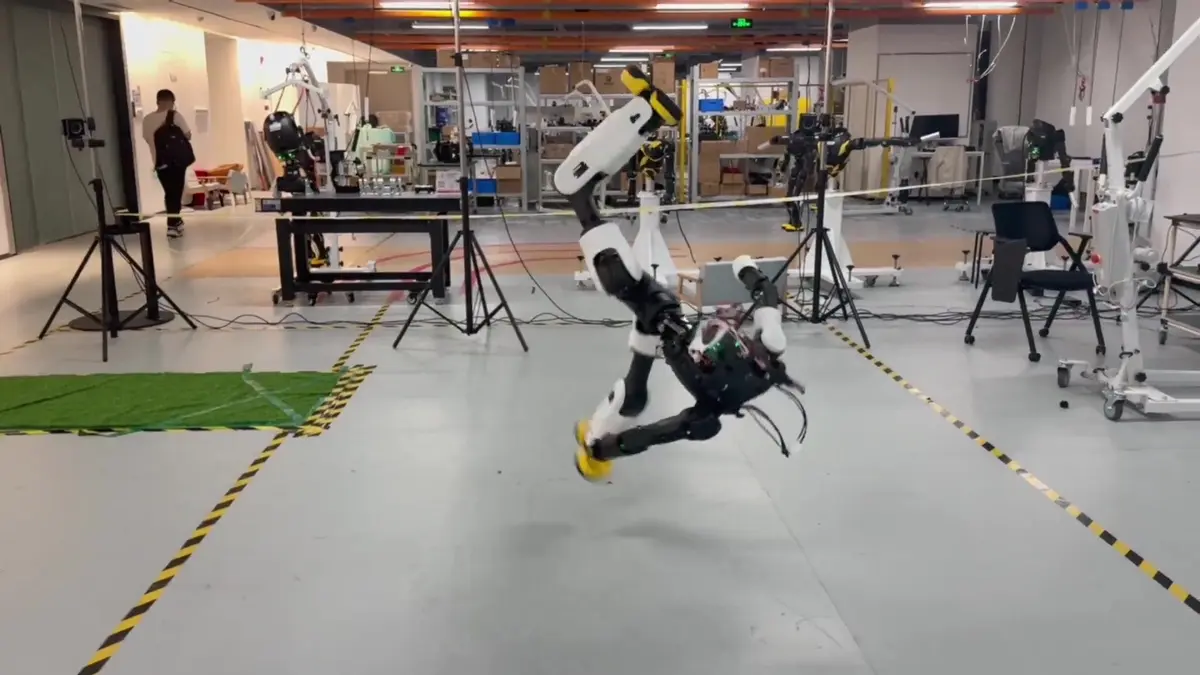
AgiBot's X2 Humanoid Sticks a Webster Flip, Pushing Boundaries of Dynamic Control
AgiBot, a robotics company based in Shanghai, has showcased its advancements in humanoid robotics by releasing a video of its Lingxi X2 robot performing a Webster flip, a challenging acrobatic maneuver. This demonstration, which emphasizes the robot's dynamic balance and motion control, marks a significant milestone for the company as it seeks to enhance its competitive edge in the rapidly evolving field of humanoid robotics. The successful execution of such a complex movement illustrates AgiBot's commitment to innovation and technological development in robotics.
AGIBOT Lingxi X2
Hydromea Unveils D-FIN™: A Cutting-Edge ESC Motor Controller for Robotic Vehicles
Hydromea, a leader in underwater robotics and wireless communication, has unveiled its latest innovation, the D-FIN™ Electronic Speed Controller (ESC) Motor Controller. This advanced device is designed to enhance the performance of brushless permanent magnet DC (BLDC) motors and thrusters, offering exceptional efficiency, compact design, and precision. The launch reflects Hydromea's commitment to advancing underwater technology, catering to the growing demand for high-performance solutions in marine applications. The D-FIN™ ESC is expected to significantly improve operational capabilities for various underwater robotics, paving the way for more effective exploration and research in aquatic environments.
hydromea d-fin™ esc motor controller robotic vehicles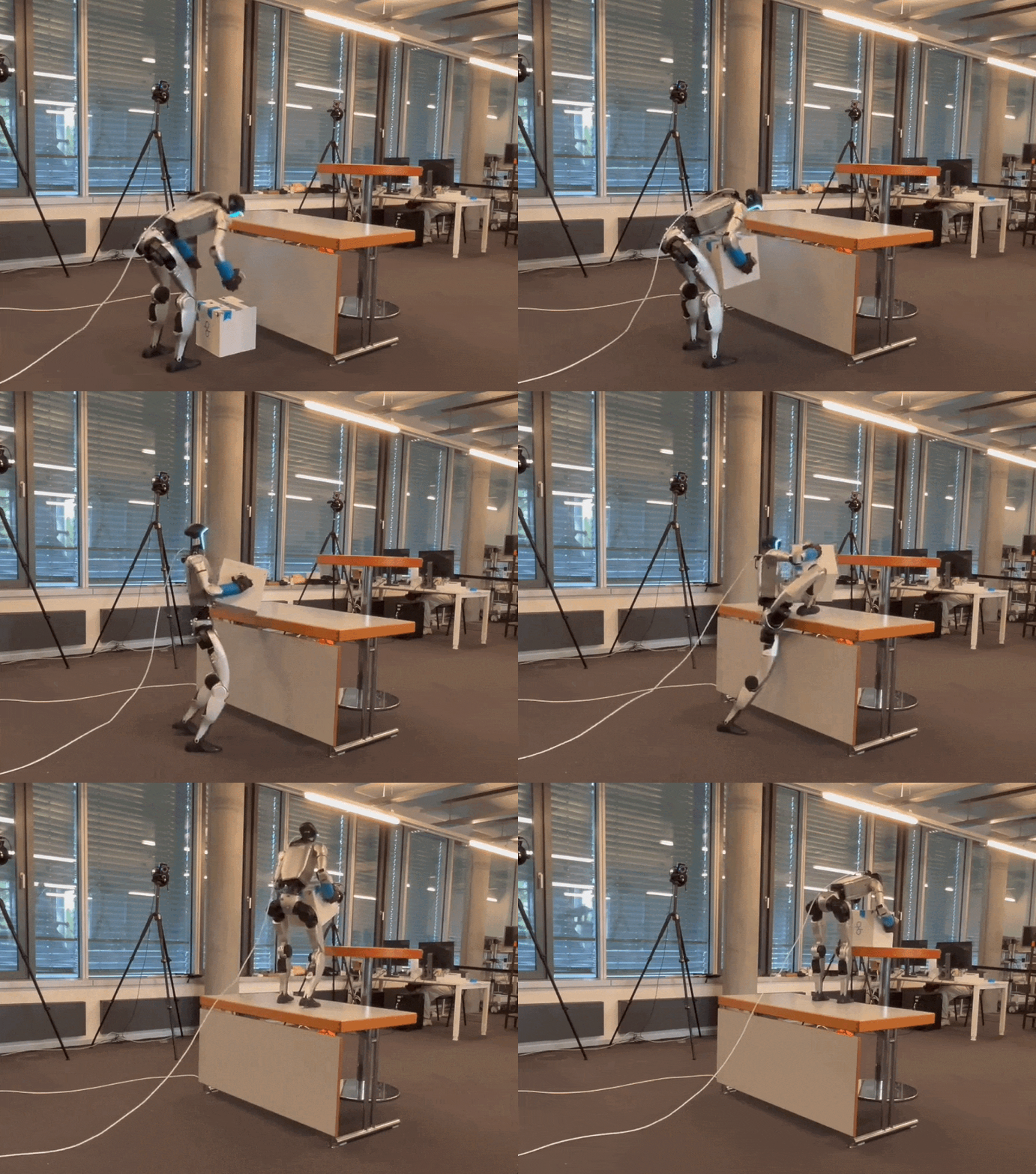
Video Friday: Robotic Motion Discovery Reveals Unusual Behaviors
IEEE Spectrum robotics has released its latest edition of Video Friday, showcasing an array of innovative robotics videos and announcing upcoming events in the field. Notable events include RSS 2026 in Sydney from July 13-17, the Summer School on Multi-Robot Systems in Prague from July 29 to August 4, and Actuate 2026 in San Francisco on August 18-19. Among the featured videos is MotionDisco, a framework that autonomously discovers complex humanoid loco-manipulation motions, highlighting the challenges of coordinating fluid movements across multiple joints. Additionally, the Human Support Robot (HSR) from Toyota is demonstrated in real home environments, assisting residents with daily tasks, showcasing the potential for robots to become long-term companions. Other highlights include the MIDAS Hand, an open-source robotic hand designed for manipulation and research, and a novel flight maneuver by a bipedal robot that showcases advanced aerial control. The European Space Agency shares a timelapse of Dextre, a robotic handyman, efficiently unloading equipment in space, while ROBOTIS introduces AI Sapiens, which learns humanoid motions using just a smartphone camera. In a collaborative effort, LUMOS Robotics has launched Project EDGE, inviting global innovators to explore humanoid robotics, while Sphero emphasizes its educational products designed to nurture computational thinking from early childhood through high school. These developments illustrate the rapid advancements and collaborative spirit within the robotics community.
Humanoid-robots Video-friday Quadruped-robots Robot-videos Home-robots Dexterity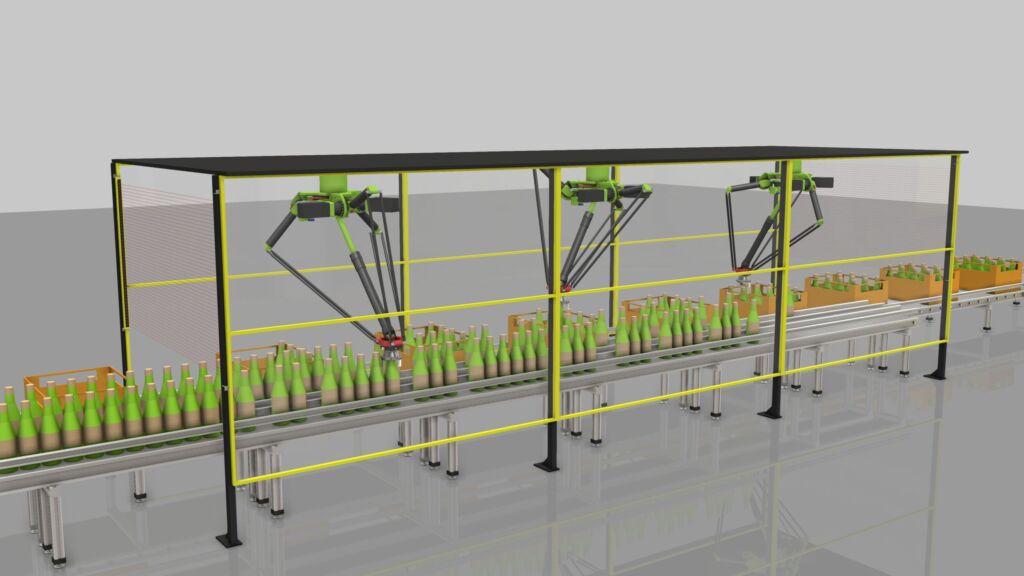
Robotics as Part of Machine Control
As the demands for modern packaging lines continue to rise, with increased throughput, greater variety, and heightened flexibility becoming essential, the use of robotics is gaining traction in the end-of-line sector. To efficiently meet these evolving requirements, new automation approaches are integrating robotics directly into machine control systems. One such solution is KeMotion from Keba Industrial Automation, which combines robotics and machine automation on the Kemro X platform. This advancement reflects the industry's shift towards more sophisticated and adaptable manufacturing processes, aimed at enhancing productivity and operational efficiency.
Allgemein Lebensmittel & Verpackung Lösungen
GigaDevice Explains Why EtherCAT is Essential for Robot Joint Control
GigaDevice recently conducted a web seminar titled "Secure Robotics in Motion," focusing on the advancements in robot control systems. The event highlighted the company's commitment to enhancing security measures within robotic technology, addressing the growing concerns surrounding safety and reliability in automated systems. Industry experts shared insights on the latest developments and future trends in robotics, emphasizing the importance of secure communication protocols and robust control mechanisms. The seminar aimed to educate participants on best practices for implementing secure robotics solutions, fostering a deeper understanding of the challenges and opportunities in this rapidly evolving field. The session attracted a diverse audience, including engineers, developers, and technology enthusiasts, eager to learn about the integration of security in robotic applications.
Robotics
Horizon Robotics Open-Sources HoloMotion-1: 4B Robot Cerebellum Model Running 300FPS on Device
Horizon Robotics has unveiled its latest innovation, HoloMotion-1, a sophisticated robot cerebellum model featuring 4 billion parameters. This advanced technology enables real-time inference at an impressive rate of 300 frames per second on edge devices, significantly enhancing the control capabilities of whole-body humanoid robots. The launch, which took place recently, represents a substantial advancement in robotics, aiming to improve the functionality and responsiveness of humanoid robots in various applications. By leveraging this cutting-edge model, Horizon Robotics seeks to push the boundaries of robotic intelligence and performance, paving the way for more versatile and efficient robotic systems in the future.
AI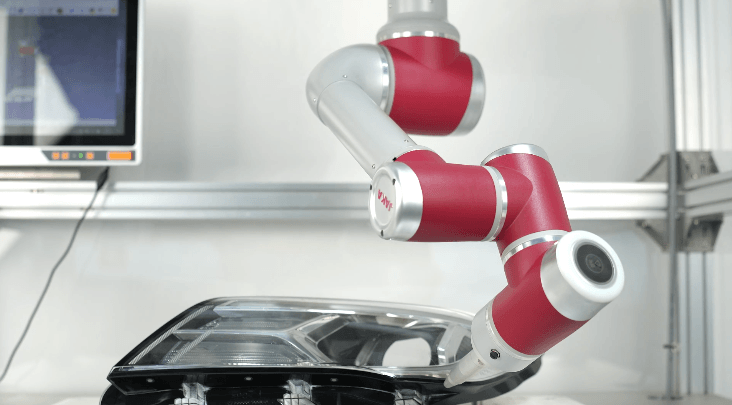
How to Choose the Right Programmable Robotic Arm Software and Control Interface
JAKA, a leader in robotic automation, emphasizes the importance of selecting appropriate software and control interfaces for programmable robotic arms to enhance production efficiency. The company advocates for a thorough understanding of task complexity, operator experience, and the need for process consistency when deploying these systems. For applications such as dispensing and gluing, JAKA highlights the necessity of stable motion paths and precise flow control over complex programming functions. The company prioritizes user-friendly software that supports graphical programming and drag-and-drop logic, enabling operators to optimize processes without extensive programming expertise. This flexibility is crucial for adapting to changes in production layouts or product designs, allowing for adjustments in dispensing paths and speeds without complete reprogramming. JAKA's Zu3 gluing solution exemplifies their approach, offering easy deployment and relocation while ensuring smooth motion control and accurate timing, which are vital for product quality and material efficiency. The control interface allows for rapid adjustments to dispensing parameters, facilitating fine-tuning without halting production. In conclusion, JAKA advises manufacturers to align their software choices with both immediate tasks and long-term production goals. By focusing on usability, motion control clarity, and application-specific design, JAKA aims to support a seamless transition from manual to automated processes, ensuring control, consistency, and adaptability in continuous manufacturing environments.
The Importance of Low Latency in Controllable Robot Communication Systems
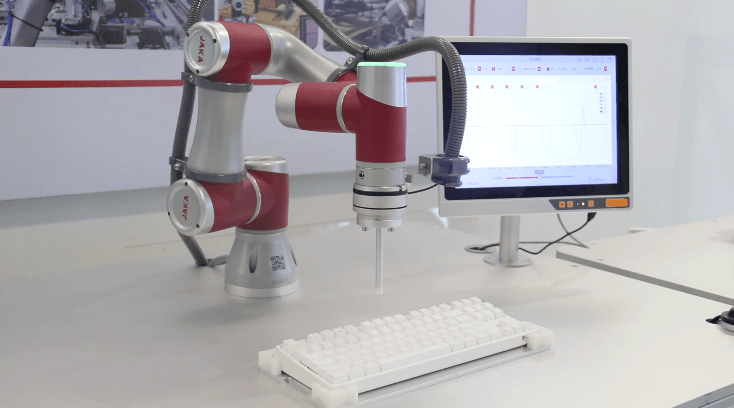
In the evolving landscape of modern manufacturing, JAKA emphasizes the critical role of low-latency communication in enhancing the reliability of controllable robots. As production lines demand greater flexibility and responsiveness, the speed at which robots receive and execute commands directly influences their motion accuracy, coordination, and safety. This focus on efficient communication is particularly vital as collaborative robots increasingly work alongside human operators, necessitating predictable response times for seamless interaction. JAKA's approach integrates communication architecture into the core design of their systems, ensuring that control signals and sensor feedback travel with minimal delay. This real-time responsiveness is essential for adaptive assembly tasks, where precise timing is crucial to maintain smooth operations and prevent misalignment. The company’s JAKA Ai3 system exemplifies this philosophy, featuring lightweight design and capabilities for quick task transitions, which are essential in small-batch and multi-variety production environments. By prioritizing low latency, JAKA aims to support flexible workflows and enhance productivity, allowing robots to adapt swiftly to changing conditions without extensive recalibration. The strategic emphasis on communication speed not only aligns technical performance with real-world manufacturing demands but also positions JAKA's controllable robots as effective solutions for diverse applications in compact and dynamic workspaces. As the industry continues to evolve, JAKA remains committed to developing systems that leverage efficient communication to ensure reliable performance in modern production settings.
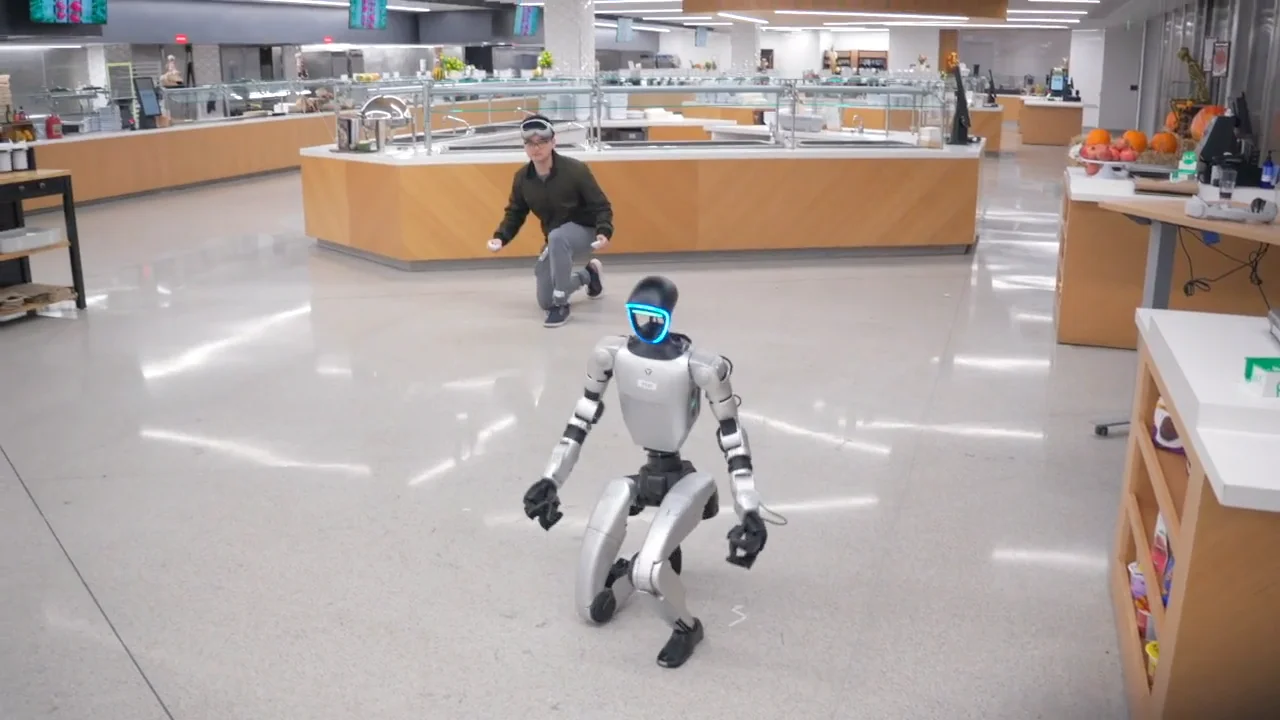
NVIDIA "Supersizes" Humanoid Control: SONIC Open-Sources Whole-Body Tracking at Scale
NVIDIA has unveiled SONIC, an advanced humanoid controller designed to enhance robotic movement by utilizing a vast dataset of 100 million frames of motion. This innovative technology seeks to eliminate the need for manual reward engineering, offering a scalable "System 1" foundation that facilitates whole-body movement in robots. The release of SONIC marks a significant advancement in the field of robotics, showcasing NVIDIA's commitment to pushing the boundaries of artificial intelligence and automation. The development is part of the company's ongoing efforts to create more intuitive and efficient robotic systems capable of complex tasks.
NVIDIA open-source Research embodied-ai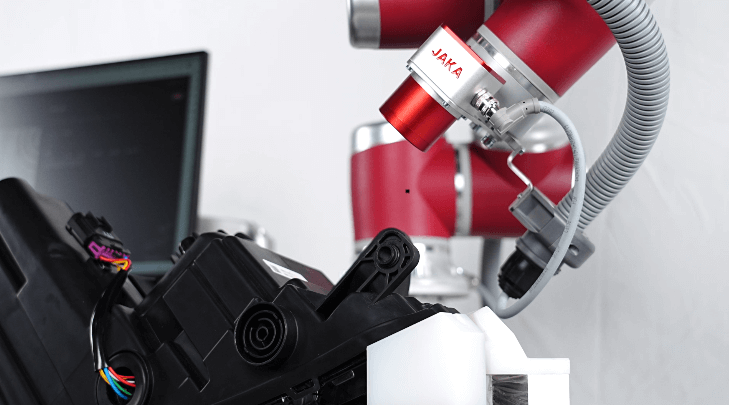
Comparing Cloud-Based and Edge Computing for Robotic Automation Control
JAKA, a leader in collaborative robotic solutions, emphasizes the importance of control system architecture in industrial automation, particularly the choice between cloud-based and edge computing. This decision significantly influences a system's capabilities, response times, and reliability. The company highlights that there is no one-size-fits-all solution; rather, the optimal setup depends on the specific demands of each task. The key distinction between the two computing paradigms lies in data processing locations. Cloud computing centralizes data in remote servers, providing analytical power and scalability for tasks like predictive maintenance and fleet management. In contrast, edge computing processes data locally, reducing latency crucial for real-time operations, especially in safety-sensitive environments where collaborative robots operate alongside humans. JAKA advocates for a hybrid approach that combines both paradigms. Their collaborative robots utilize edge computing for real-time motion control and immediate sensor responses, ensuring high precision and safety. Simultaneously, these robots can stream operational data to the cloud for broader analysis, allowing for continuous improvement without compromising immediate performance. The choice between cloud and edge computing should be based on application specifics. Tasks requiring ultra-low latency favor edge computing, while cloud resources excel in complex data aggregation and non-time-critical processes. JAKA's systems, like the Zu series, are designed for easy integration into either architecture, enabling manufacturers to tailor their setups for optimal performance. Ultimately, JAKA aims to create resilient and intelligent robotic systems that balance real-time autonomy with long-term intelligence, addressing the evolving needs of modern manufacturing.
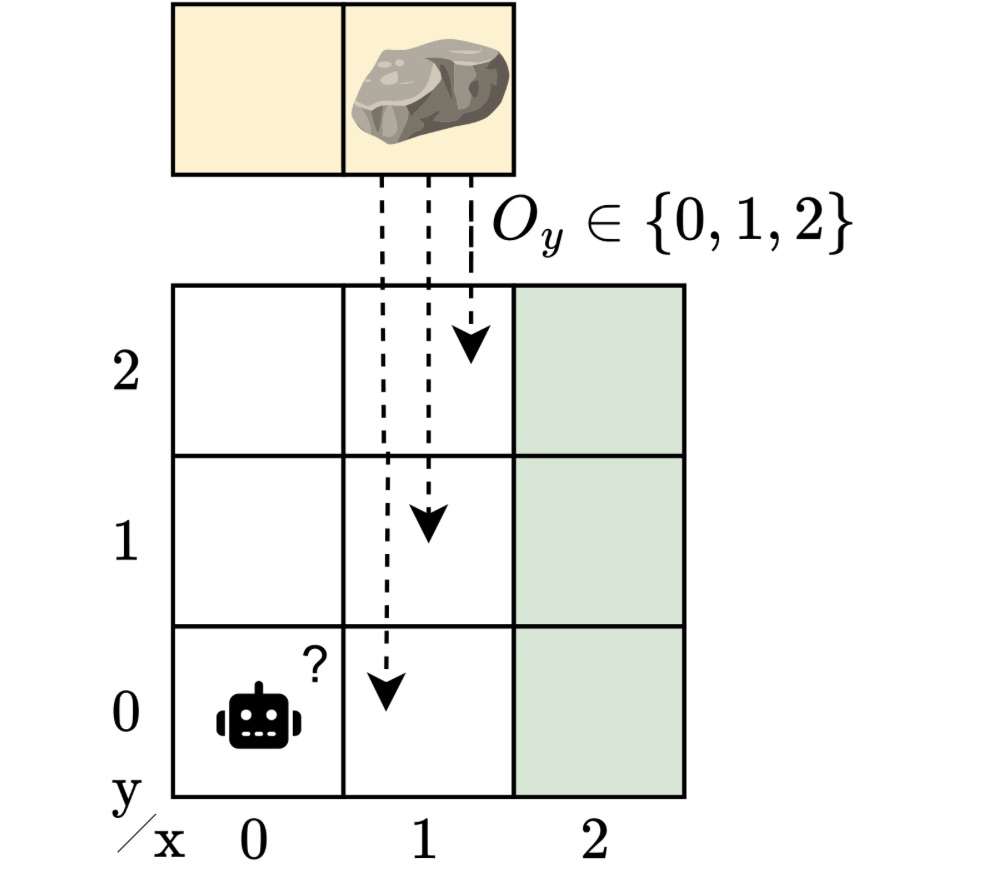
Learning robust controllers that work across many partially observable environments
Recent advancements in intelligent systems have broadened their applications, encompassing areas such as autonomous robotics and predictive maintenance. A critical challenge in controlling these systems is managing uncertainty, as complete visibility into system operations is often unattainable. Factors such as noisy sensors and incomplete models complicate the design of effective controllers. As researchers and engineers strive to enhance the reliability and efficiency of these intelligent systems, addressing these uncertainties becomes paramount. The ongoing exploration into innovative solutions aims to improve the performance and robustness of these technologies, which are increasingly integral to various industries.

Robotic collective flows like matter, adapting without centralized control
Engineers at Cornell University have introduced an innovative robotic collective known as the Cross-Link Collective, which operates with a unique approach that mimics the behavior of natural materials. This system, unveiled recently, comprises numerous small robots that, while individually limited in mobility, can work together to achieve coordinated and sustained motion. The development aims to enhance adaptability in robotics, allowing these machines to reshape and respond to their environment without the need for centralized control. This breakthrough could pave the way for more versatile applications in various fields, including manufacturing, search and rescue operations, and environmental monitoring.
Robotics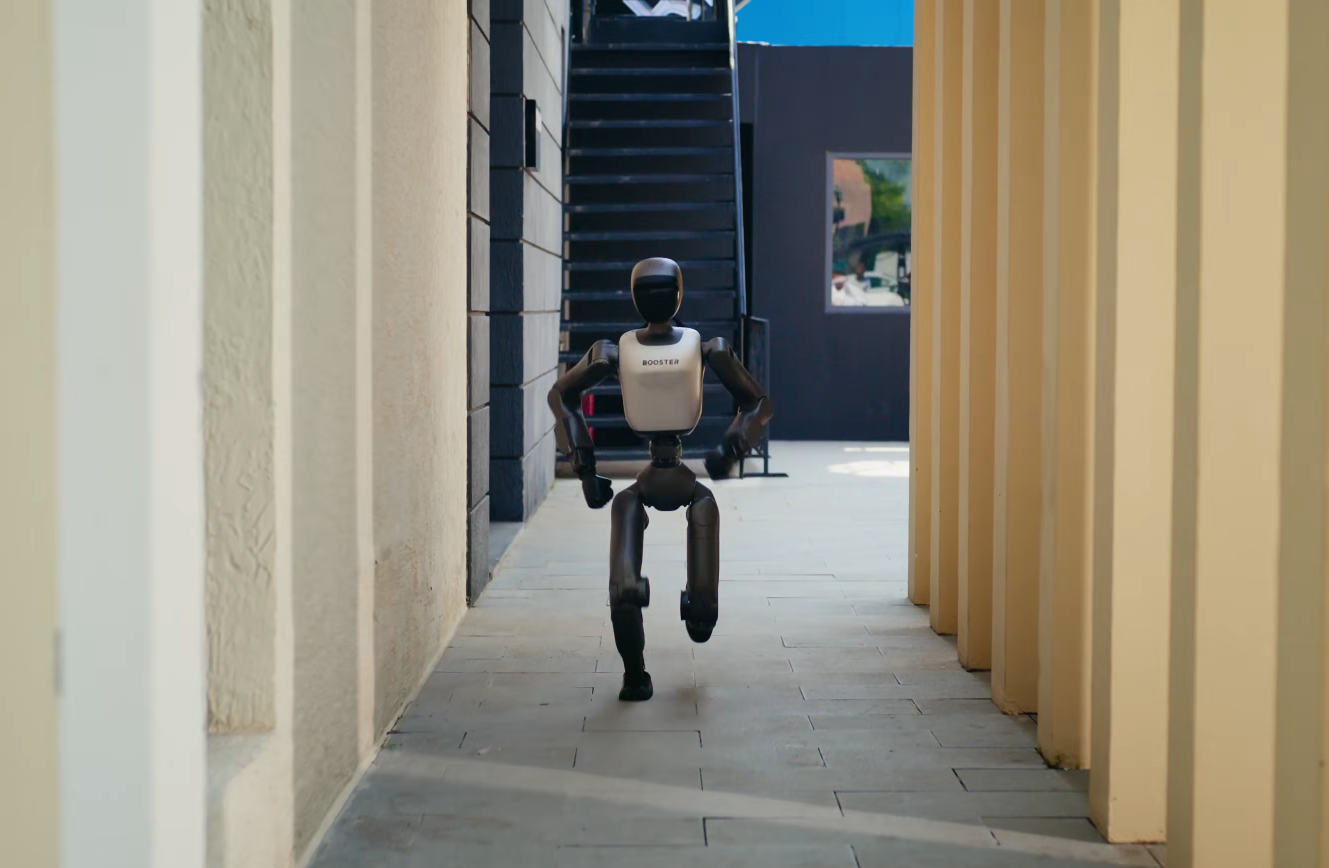
Booster Robotics Launches Booster T2 Humanoid Robot with NVIDIA Thor Computing Power
Booster Robotics has introduced the Booster T2, a humanoid robot platform aimed at real-world applications and embodied AI research. The T2 Pro version utilizes NVIDIA’s Thor chip, delivering up to 2,070 TFLOPS for real-time perception and control. The robot is designed for tasks requiring mobility and manipulation, showcasing advanced capabilities such as walking, dynamic balance, and athletic movements. The significance of the Booster T2 lies in its integration of cutting-edge technology and open development. With features like whole-body coordination and onboard AI computing, it supports a wide range of applications in robotics. The introduction of Booster Studio, an open software platform, further enhances its utility by allowing developers to simulate and deploy AI models effectively. Looking ahead, the Booster T2 is positioned to advance research in embodied AI and robotics. Its robust design, including 31 degrees of freedom and multiple hardware configurations, makes it suitable for various manipulation tasks. No further timeline was disclosed at the time of publication.
AI and Robotics
ACCESS reveals experimental results on remote robot control and local-like operations using VLA model and IOWN APN.
ACCESS has announced the successful execution of remote robot control experiments utilizing the Vision-Language-Action (VLA) model. Conducted recently, these experiments demonstrated that by leveraging a high-quality communication network, the responsiveness and operational quality of robot control in remote environments can closely match that of local settings for certain tasks. This advancement highlights the potential for improved remote robotic applications, driven by enhanced communication technologies.

Latest Progress! Zhejiang University Team's T-RO Research Achievements, Magnetic-Controlled Microrobots Achieve "Wave-Like Steps" in Complex Environments.
A team from Zhejiang University has made significant advancements in the field of robotics with their development of magnetic-controlled microrobots capable of executing "wave-like steps" in complex environments. This breakthrough was announced recently, showcasing the innovative capabilities of these microrobots, which can navigate challenging terrains with enhanced agility. The research aims to address various practical applications, including medical procedures and environmental monitoring, where precise movement is crucial. By employing magnetic fields to control the microrobots, the team has demonstrated a novel approach to maneuvering small-scale machines, potentially paving the way for future technological advancements in robotics.
Robotics Automation AI
Entangled robotic matter with cohesive motion
Cornell University engineers have unveiled an innovative robotic collective known as the Cross-Link Collective, which operates with a unique fluidity reminiscent of natural materials rather than traditional machines. This groundbreaking system comprises numerous small robots that, while individually limited in mobility, demonstrate remarkable coordination and adaptability when functioning as a cohesive unit. The development aims to enhance the robots' ability to reshape and respond to their environment without the need for centralized control, showcasing a significant advancement in robotics and collective behavior. The research highlights the potential for these robots to be utilized in various applications, from environmental monitoring to search and rescue missions, emphasizing their versatility and efficiency in dynamic settings.

New wearable ground station shrinks FPV drone control system by over 50%
A defense technology company based in Los Angeles has introduced an innovative wearable ground control station designed for first-person-view (FPV) drone operations. This cutting-edge device was unveiled during a recent technology expo, showcasing its potential to enhance the capabilities of drone operators in various fields, including military and emergency response. The wearable station aims to provide users with a more immersive and intuitive control experience, allowing for improved situational awareness and operational efficiency. By integrating advanced technology into a portable format, the company seeks to address the growing demand for effective drone management solutions in dynamic environments. The launch reflects the company's commitment to advancing defense technology and meeting the evolving needs of its clients.

Virginia Tech researchers control soft robotics with ‘AI’s cousin’: ‘Reservoir computing’
Researchers at Virginia Tech are advancing the field of soft robotics, which utilizes flexible, muscle-like materials to create machines capable of bending and stretching in ways that surpass traditional rigid robots. This innovative technology enables applications such as harvesting ripe tomatoes and navigating complex search-and-rescue environments. However, the inherent flexibility of these robots presents significant challenges in control and precision. The team at Virginia Tech is focused on addressing these control difficulties to enhance the functionality and reliability of soft robotics, aiming to unlock their full potential in various practical applications.
Computing Features Robotics Science agricultural robotics ai robotics
Post-00s Entrepreneur Secures 500 Million Funding: Can NeuroMuscular Tech Solve Robot Control Challenges?
OriginFlow, a data technology firm founded by 25-year-old Tsinghua University PhD student Qin Shentao, has successfully secured over $500 million in funding to advance its NeuroScale product. This innovative technology employs surface electromyography to accurately capture human motion intent and force parameters, aiming to enhance robotic precision. The company seeks to address a significant challenge in the robotics industry: the difficulty robots face in mastering fine motor tasks. By bridging the data gap in robotic training, OriginFlow's NeuroScale has the potential to transform the way robots interact with physical objects, paving the way for more sophisticated and capable robotic systems.
Robotic Control Neurotechnology Data Acquisition Artificial Intelligence
Unlocking soft robotics control with AI's cousin: Reservoir computing
Recent advancements in soft robotics, which utilize flexible, muscle-like materials, have revolutionized the field, allowing machines to perform tasks such as picking ripe tomatoes and navigating complex search-and-rescue environments. However, despite their impressive capabilities, these innovative robots face significant challenges in terms of control. The inherent flexibility that enables their fluid movements also complicates their operation, making it difficult for developers to achieve precise control. As researchers continue to explore the potential of soft robotics, the quest for improved control mechanisms remains a critical focus, highlighting the balance between versatility and functionality in this emerging technology.
Robotics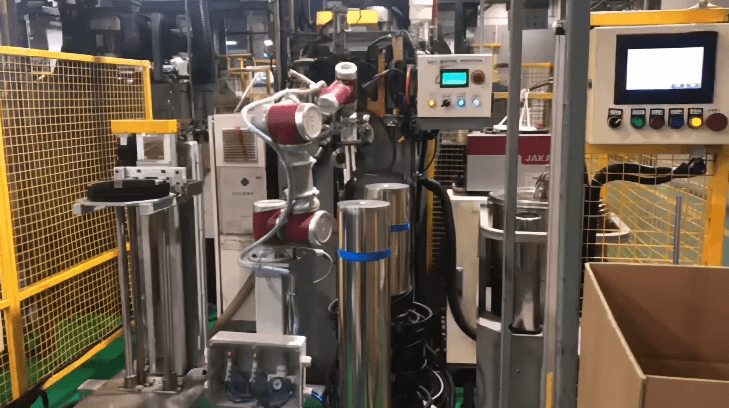
How to Achieve Remote Monitoring and Diagnostics for Controllable Robot Systems
In the evolving landscape of smart manufacturing, the significance of collaborative robots is shifting from mere physical performance to the ability to be managed remotely. As production environments become increasingly decentralized, companies are prioritizing remote monitoring and diagnostics to oversee robot health, predict maintenance needs, and troubleshoot issues without on-site presence. To achieve effective remote management, a combination of advanced hardware sensors and cloud-based software is essential. Utilizing the Industrial Internet of Things (IIoT), data from robots—including motor temperature and power consumption—is streamed to centralized dashboards. Secure data transmission protocols like OPC UA and MQTT facilitate communication with Manufacturing Execution Systems, enabling the use of "Digital Twin" technology. This allows real-time mirroring of a robot's movements, triggering automated alerts for predictive maintenance to prevent costly downtimes. JAKA is at the forefront of this innovation, moving beyond traditional operations to create a connected ecosystem. Their "Smart, Simple, Small" philosophy ensures that managing JAKA systems is as user-friendly as mobile applications. With advanced wireless teaching and cloud management tools, users can monitor their fleet of robots globally from a single interface. JAKA's software suite enables remote diagnostics, providing real-time feedback on robot status, which is crucial for maintaining continuous production across various locations. The integration of AI-driven vision and sensing further enhances remote monitoring capabilities. By investing in JAKA, companies are securing a future-proof solution that ensures control and productivity, regardless of geographical constraints.
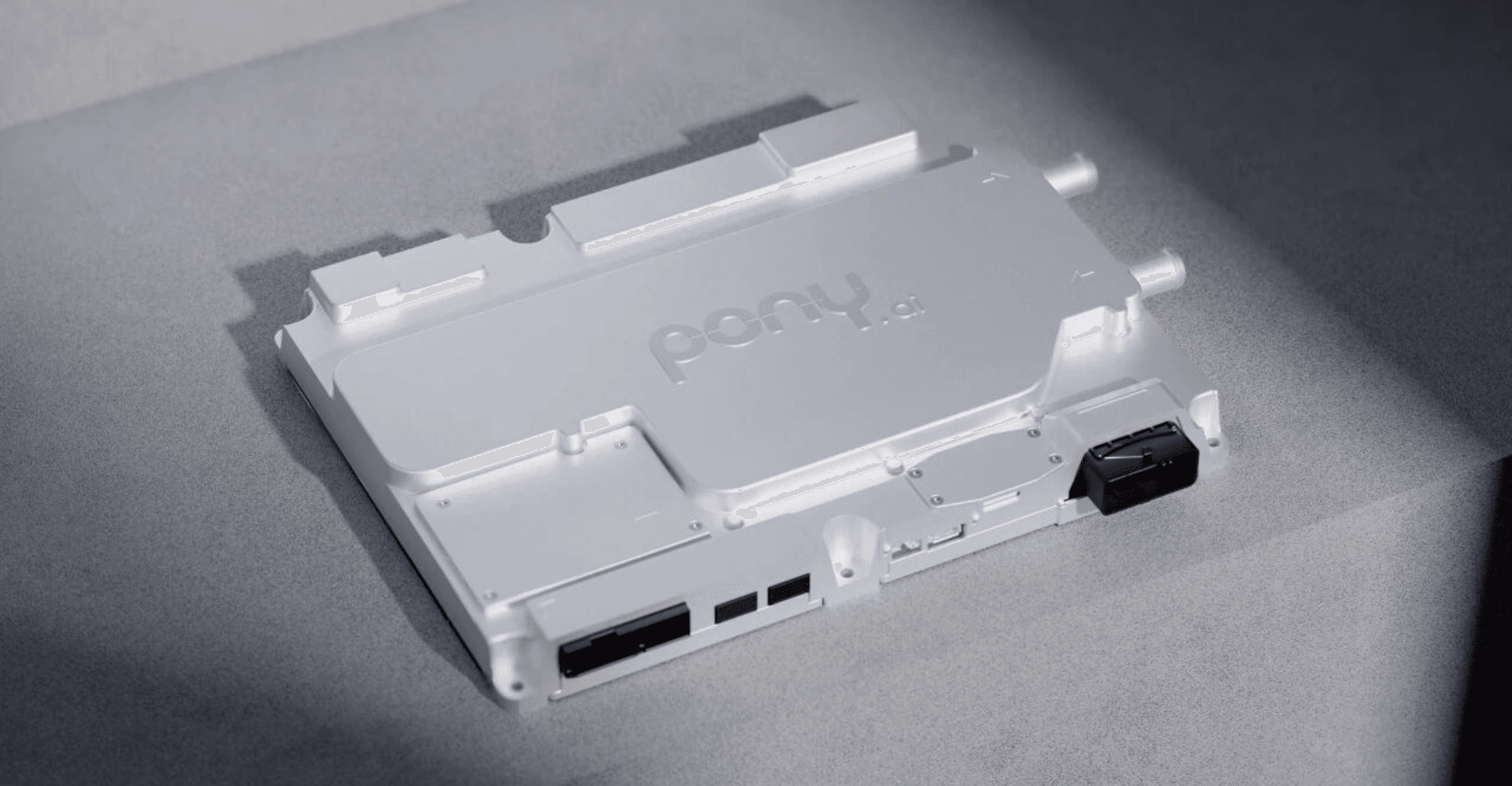
Pony.ai Unveils Next-Gen Autonomous Driving Domain Controller Built on NVIDIA DRIVE Hyperion
Pony.ai has unveiled a next-generation domain controller powered by NVIDIA technology, aimed at enhancing the scalability of Level 4 autonomous driving and advancing the commercialization of Robotaxi services. This significant development was announced recently, marking a pivotal step in the company's efforts to revolutionize urban mobility. By integrating advanced computing capabilities, the new domain controller is designed to improve the efficiency and safety of autonomous vehicles, facilitating smoother operations in complex driving environments. The initiative reflects Pony.ai's commitment to leading the autonomous driving industry and addressing the growing demand for innovative transportation solutions.
News
ESTUN TRIO Glue Dispensing Motion Planning Solution Boosts Insulated Glass Production
ESTUN TRIO has introduced its latest innovation, the AGP v3.0, a next-generation glue dispensing motion planning solution, specifically designed for a prominent client in the glass industry. This advanced system enhances the precision of adhesive application by ensuring accurate alignment between adhesive output and dispensing paths. The launch of AGP v3.0 aims to provide exceptional reliability and strong support for efficient operations within the client's manufacturing processes. The solution reflects ESTUN TRIO's commitment to advancing technology in industrial applications, addressing the growing demand for precision and efficiency in the sector.
ESTUN AUTOMATION ROBOTICS SERVO SYSTEMS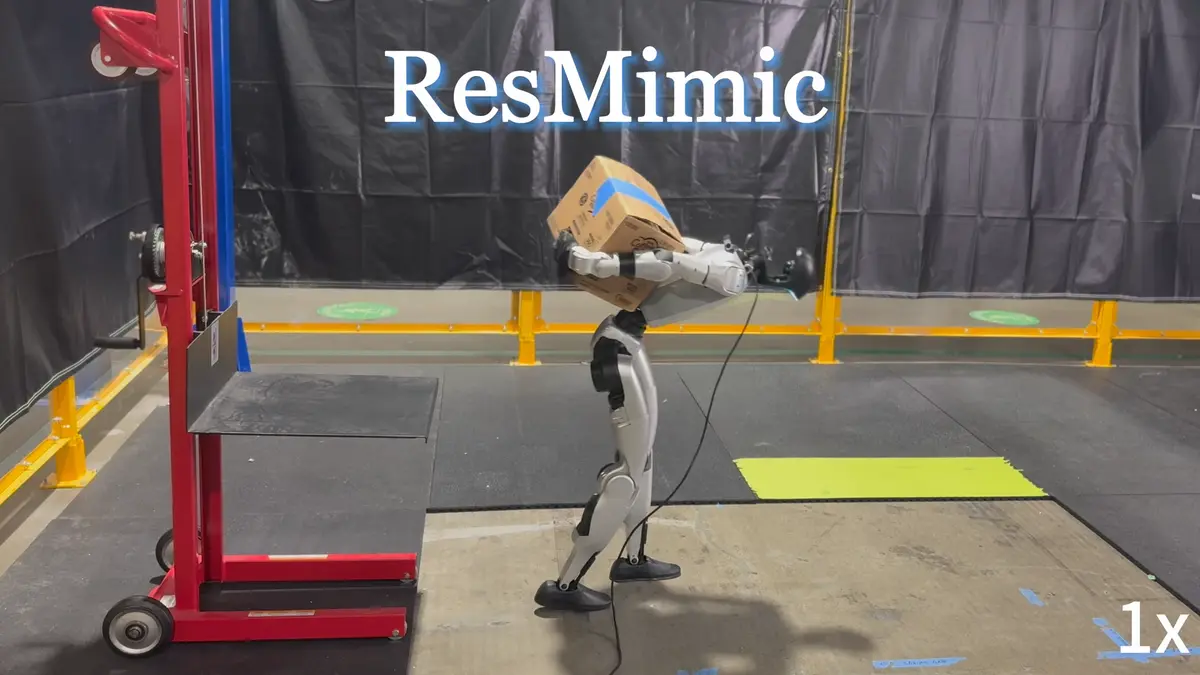
Amazon's ResMimic Teaches Humanoids to Handle Objects by Adding Precision to General Motion
Amazon has unveiled its latest robotics initiative, ResMimic, which aims to enhance the capabilities of humanoid robots in performing complex loco-manipulation tasks. This innovative project employs a two-stage residual learning framework that allows for the efficient teaching of these skills. By refining a general motion policy with specific corrections tailored to individual tasks, the system empowers a Unitree G1 robot to adeptly manage heavy and irregular objects with remarkable precision. This development is part of Amazon's ongoing efforts to advance robotics technology and improve automation processes in various applications.
reinforcement-learning Unitree Robotics AI Amazon robotics
Drones learn to squeeze through narrow gaps using onboard AI control
Drones, or unmanned aerial vehicles (UAVs), have become integral tools across diverse sectors, including filmmaking, aerial photography, industrial inspections, precision agriculture, and emergency response. Despite their growing popularity and capabilities, many drones face challenges when navigating cluttered environments. They often struggle to maneuver through tight spaces or access hard-to-reach areas, limiting their effectiveness in certain situations. As the demand for more versatile and agile drones increases, advancements in technology are necessary to enhance their navigation and operational capabilities in complex surroundings.
Robotics
A Novel Crawling Robot Based on the Hexagonal Mesh Structure and Enhanced PID Control Strategy
A recent study published in the Journal of Field Robotics highlights advancements in robotic technology, specifically focusing on the development of autonomous systems designed for agricultural applications. Conducted by a team of researchers from various universities, the study was released in June 2026 and aims to address the increasing demand for efficient farming practices in response to global food shortages. The research team explored innovative robotic solutions that can enhance crop monitoring and management, ultimately improving yield and reducing labor costs. By integrating advanced sensors and machine learning algorithms, these autonomous robots can navigate complex agricultural environments, collect data, and perform tasks such as planting and harvesting with minimal human intervention. This initiative is driven by the need for sustainable agricultural practices, as traditional farming methods struggle to keep pace with population growth and climate change. The findings suggest that implementing such robotic systems could significantly transform the agricultural landscape, making it more efficient and resilient. The study's implications extend beyond immediate agricultural benefits, as it also addresses broader environmental concerns by promoting precision farming techniques that minimize resource waste. As the agricultural sector continues to evolve, the integration of robotics may play a crucial role in ensuring food security for future generations.
RESEARCH ARTICLE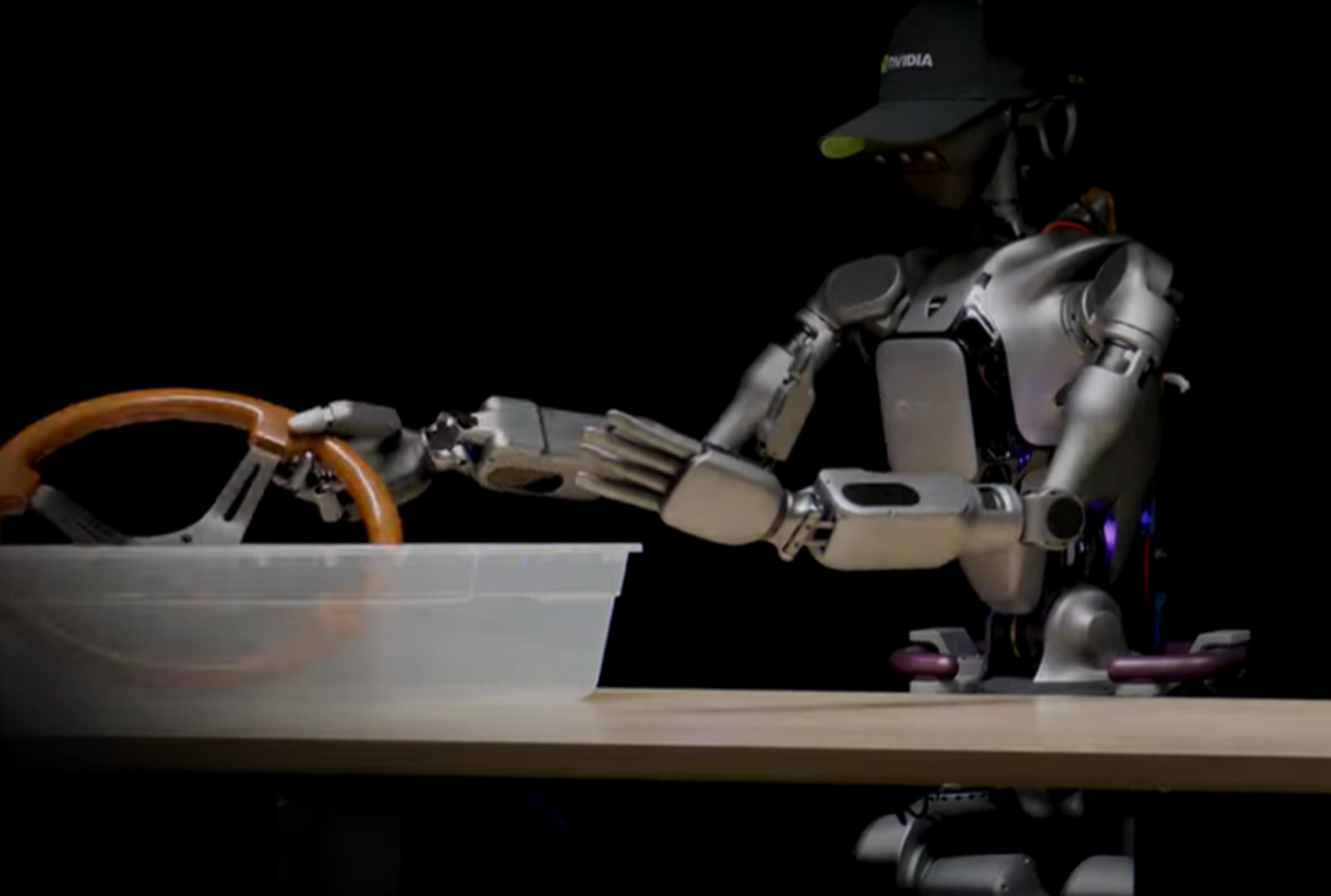
A Novel High‐Voltage‐Wire Stripping Robot and Adaptive Fuzzy RBF Neural Network PID Controller Optimized by PSO‐GA Algorithm
In a recent study published in the Journal of Field Robotics, researchers have unveiled significant advancements in robotic navigation systems. This groundbreaking research, conducted by a team of engineers and scientists, was published in the June 2026 issue and highlights innovative algorithms that enhance the ability of robots to navigate complex environments. The study focuses on improving the efficiency and accuracy of robotic systems, which are increasingly utilized in various sectors, including agriculture, manufacturing, and disaster response. By employing advanced machine learning techniques, the researchers demonstrated how robots can better interpret sensory data and make real-time decisions, ultimately leading to safer and more effective operations. The research was conducted in various simulated environments, allowing the team to rigorously test the new navigation algorithms under different conditions. This work is particularly timely as industries are seeking to automate processes and improve operational efficiency in response to growing demands for productivity and safety. The findings are expected to have a profound impact on the future development of autonomous systems, paving the way for more sophisticated robots capable of performing tasks in unpredictable settings. As the field of robotics continues to evolve, this study represents a significant step forward in the quest for smarter, more adaptable machines.
RESEARCH ARTICLE
Spanish Navy tests drones controlled from helicopter in boat chase drill
Airbus Helicopters and the Spanish Navy have successfully conducted a flight trial in Rota, Spain, showcasing the capabilities of their latest helicopter technology. The trial, which took place recently, aimed to evaluate the performance and operational efficiency of the helicopters in various scenarios. This collaboration underscores the commitment of both Airbus and the Spanish Navy to enhance aerial capabilities and improve maritime operations. The successful outcome of the trial is expected to pave the way for future advancements in military aviation and strengthen defense partnerships.
Robotics needs a service framework.
RSF defines a common language for robot service capability, lifecycle operations, certification pathways, and service-provider networks.







