

Industry Briefing
A single destination for timely, editor-curated robotics news from around the world.

Iran Claims Capture of US Underwater Drone Capable of 20,000 Feet Missions
Iran's Islamic Revolutionary Guard Corps announced the capture of an American underwater drone near the Strait of Hormuz. The drone, resembling Anduril's Dive-LD, is designed for Intelligence, Surveillance, and Reconnaissance missions and can operate at depths of up to 6,000 meters. This incident highlights the growing significance of unmanned underwater vehicles in naval operations, as they can conduct extended missions without risking crew safety. The Dive-LD's flexibility allows it to be equipped with various sensors and payloads, making it suitable for diverse tasks, from mine warfare to seabed surveys. As nations invest in autonomous underwater systems, the focus will be on the development of larger vehicles alongside smaller models like the Dive-LD. No further timeline was disclosed at the time of publication.
Military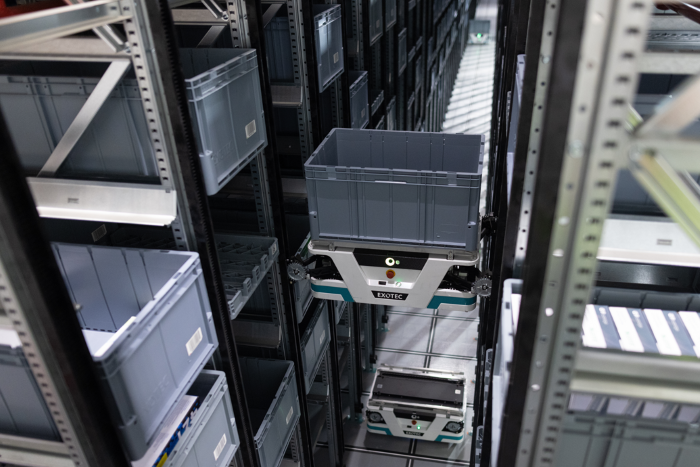
Warehouse Automation Can Reduce Carbon Emissions by Up to 25 Percent
Logistics operators have the potential to decrease their overall carbon emissions by as much as 25% through the automation of their warehouses. This significant reduction highlights a critical yet often overlooked opportunity for the logistics industry to mitigate its environmental impact. The importance of this development lies in its capacity to address the growing concerns regarding carbon footprints within the logistics sector. By implementing automated systems, companies can not only enhance operational efficiency but also contribute positively to sustainability efforts, aligning with global environmental goals. Looking ahead, it will be essential to monitor how logistics operators adopt automation technologies and the subsequent effects on their carbon emissions. The ongoing evolution of warehouse automation could play a pivotal role in shaping a more sustainable future for the logistics industry. No further timeline was disclosed at the time of publication.

ROC-E Automates 4,127 Logistics Missions at MECAPREC in One Year
In Lavelanet, Ariège, MECAPREC has entrusted part of its internal logistics to the mobile robot ROC-E. After one year of operation, the robot has completed 4,127 automated missions, saving operators 690.84 kilometers of travel. ROC-E, developed by ROB’OCC, has been in service since August 2024, assisting in transporting tools, moving parts between production and quality control workshops, and handling packages from the receiving area. The significance of this implementation lies in the reallocation of three months' worth of human labor to production, preparation, and operational oversight. The robot's offline architecture allows it to function without active Wi-Fi or 5G, avoiding the need to modify the factory's IT infrastructure. The integration and training were completed in just one day, leading to a notable reduction in repetitive movements and an improvement in team availability for production tasks, as stated by Paul Bermes, industrial manager at MECAPREC. Looking ahead, MECAPREC aims to assess whether these efficiency gains can be sustained with the addition of more robots and variations in production flows. The results thus far provide a solid case for automation in logistics, highlighting the practical benefits of ROC-E beyond mere speed, as it enhances operator well-being and productivity.
Robots
Event 38 and TB2 Collaborate on Modular Drone Payload Systems for Versatile Missions
Event 38 Unmanned Systems and TB2 Aerospace have partnered to integrate TB2’s Drone Recharging Operational Payload System (DROPS) with Event 38’s E455 fixed-wing VTOL unmanned aircraft. This collaboration emphasizes a shift towards modular drone systems capable of executing various missions using a single aircraft platform. The significance of this partnership lies in its potential to transform drone operations by standardizing how drones manage mission equipment. The DROPS platform is designed for autonomous payload handling, which enhances the operational range of electric aircraft and allows for multiple mission configurations without the need for different aircraft. Looking ahead, the integration of the E455 and DROPS could lead to advancements in defense resupply, remote sensor deployment, and public safety operations. No further timeline was disclosed at the time of publication.
Applications Cargo Defense defense Delivery Drone News
Tennant Achieves 30% Reduction in Product-Use Emissions Amid Autonomous Cleaning Growth
Tennant Company has reported a 30% reduction in greenhouse gas emissions from product use compared to its 2021 baseline, as detailed in its 2026 Sustainability Report. This significant achievement highlights the potential of commercial cleaning operations to contribute to environmental sustainability. The report indicates that Tennant sourced 99% of its electricity from renewable sources in 2025, showcasing the company's commitment to reducing its environmental footprint. The advancements in battery-powered equipment, autonomous cleaning, and detergent-free technologies are enabling organizations to minimize water, energy, and chemical usage while maintaining effective cleaning performance. Looking ahead, Tennant's sustainability strategy is strengthened by insights from its first Double Materiality Assessment, which will guide future investments and innovation. No further timeline was disclosed at the time of publication.
Infrastructure News autonomous cleaning cleaning robots cleaning technology commercial cleaning robots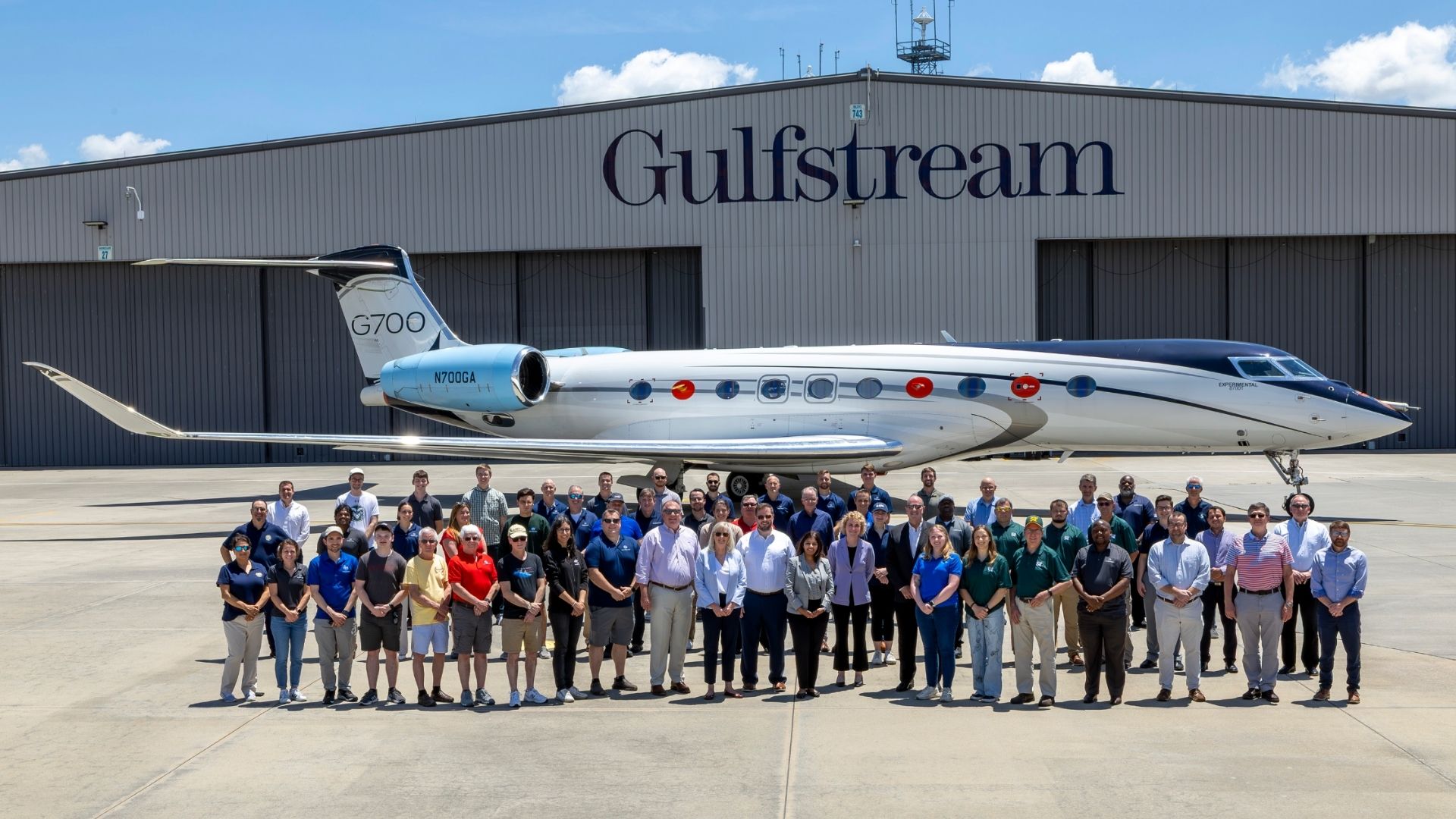
Gulfstream G800 Completes First 100% SAF Flight to Analyze Contrail Emissions
Gulfstream Aerospace has successfully conducted a high-altitude flight test campaign using a G800 business jet powered entirely by neat sustainable aviation fuel (SAF). The tests, which took place at altitudes up to 50,000 feet, marked the first instance of both the G800 and its Rolls-Royce Pearl 700 engine operating on 100% SAF. A modified Gulfstream G700 served as an airborne emissions laboratory, enabling researchers to measure particulate emissions and atmospheric conditions during the flights. This initiative is significant as it aims to assess the potential of 100% SAF in reducing emissions linked to contrail formation, a critical factor in aviation's environmental impact. Preliminary findings suggest a measurable reduction in particulate emissions when using neat HEFA SAF, which contains no sulfur or aromatics, unlike conventional jet fuels. The collaboration involved multiple organizations, including NASA and the FAA’s ASCENT, highlighting the importance of partnerships in advancing sustainable aviation technologies. Looking ahead, Gulfstream's ongoing research will continue to focus on optimizing environmental efficiencies in aviation. The data collected from this campaign is expected to enhance understanding of aviation's broader environmental impact and contribute to future regulatory and technological developments. No further timeline was disclosed at the time of publication.
Innovation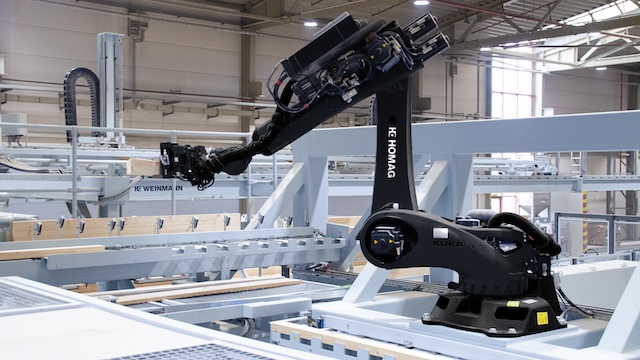
Swarm Aero Launches Gamera, a Long-Range Strike Drone for Defense Missions
Swarm Aero has introduced Gamera, a Group 5 uncrewed aircraft system (UAS) tailored for long-range strike and sensing operations. This advanced drone aims to enhance military capabilities in response to evolving defense needs. The introduction of Gamera is significant as it represents a strategic move to bolster defense mechanisms, particularly in light of increasing tensions in the region. The capabilities of this UAS could play a crucial role in deterrence strategies against potential threats. Looking ahead, the focus will be on the operational deployment of Gamera and its integration into existing defense frameworks. No further timeline was disclosed at the time of publication.
News
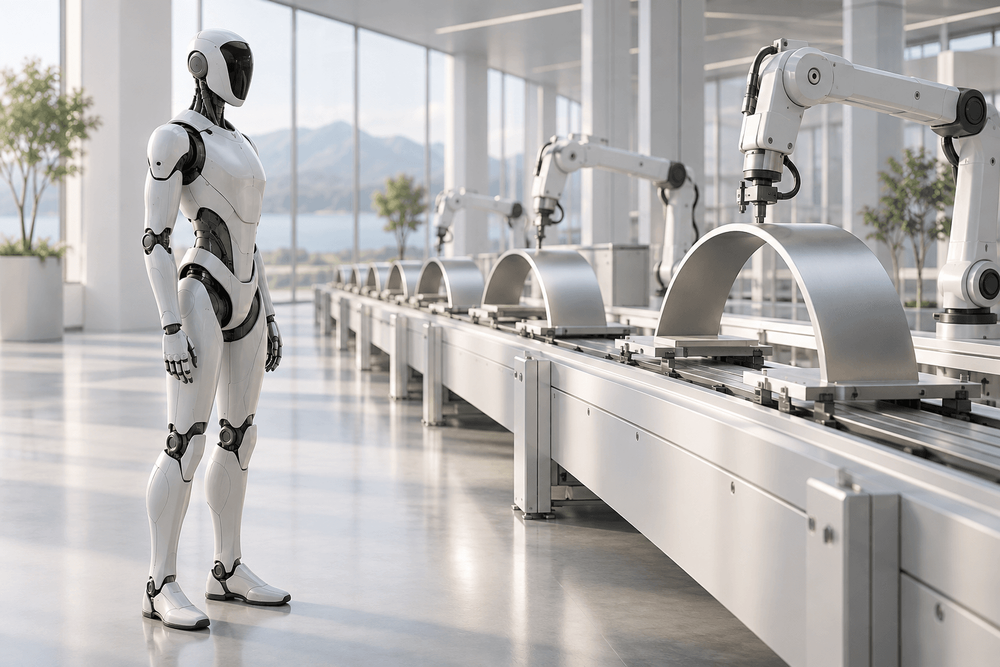
UBTECH Launches Liuzhou Super Smart Factory for Humanoid Robot Production
UBTECH has officially commissioned its Liuzhou plant, which spans approximately 14,000 square meters. The facility features a production takt time of around 10 minutes and includes dedicated lines for the Walker S and Cruzr humanoid robots. Additionally, the factory employs robots-building-robots logistics and a Siemens digital-twin stack, targeting an annual output of over 10,000 units. This development is significant as it marks a major step in UBTECH's efforts to enhance its production capabilities for humanoid robots. The integration of advanced technologies and efficient logistics systems is expected to streamline operations and improve overall productivity. With a focus on high-volume manufacturing, UBTECH aims to solidify its position in the competitive robotics market. Looking ahead, industry observers will be keen to see how the new factory impacts UBTECH's production efficiency and market share. The ambitious target of producing more than 10,000 units annually will be a key performance indicator for the company. No further timeline was disclosed at the time of publication.
XPeng Launches Automated IRON Humanoid Production Line for 2026 Mass Production
XPeng has activated an automated production line for its IRON humanoid robot, achieving over 80% core automation. A notable milestone was reached as a finished robot successfully walked off the line under its own power. This development is significant as it marks XPeng's commitment to advancing humanoid robotics, with mass production slated for completion by the end of 2026. The company plans to initiate commercial deliveries in 2027, indicating a strategic move into the humanoid robot market. Looking ahead, industry observers should monitor XPeng's progress towards its production goals and the potential impact of its humanoid robots on various sectors. No further timeline was disclosed at the time of publication.
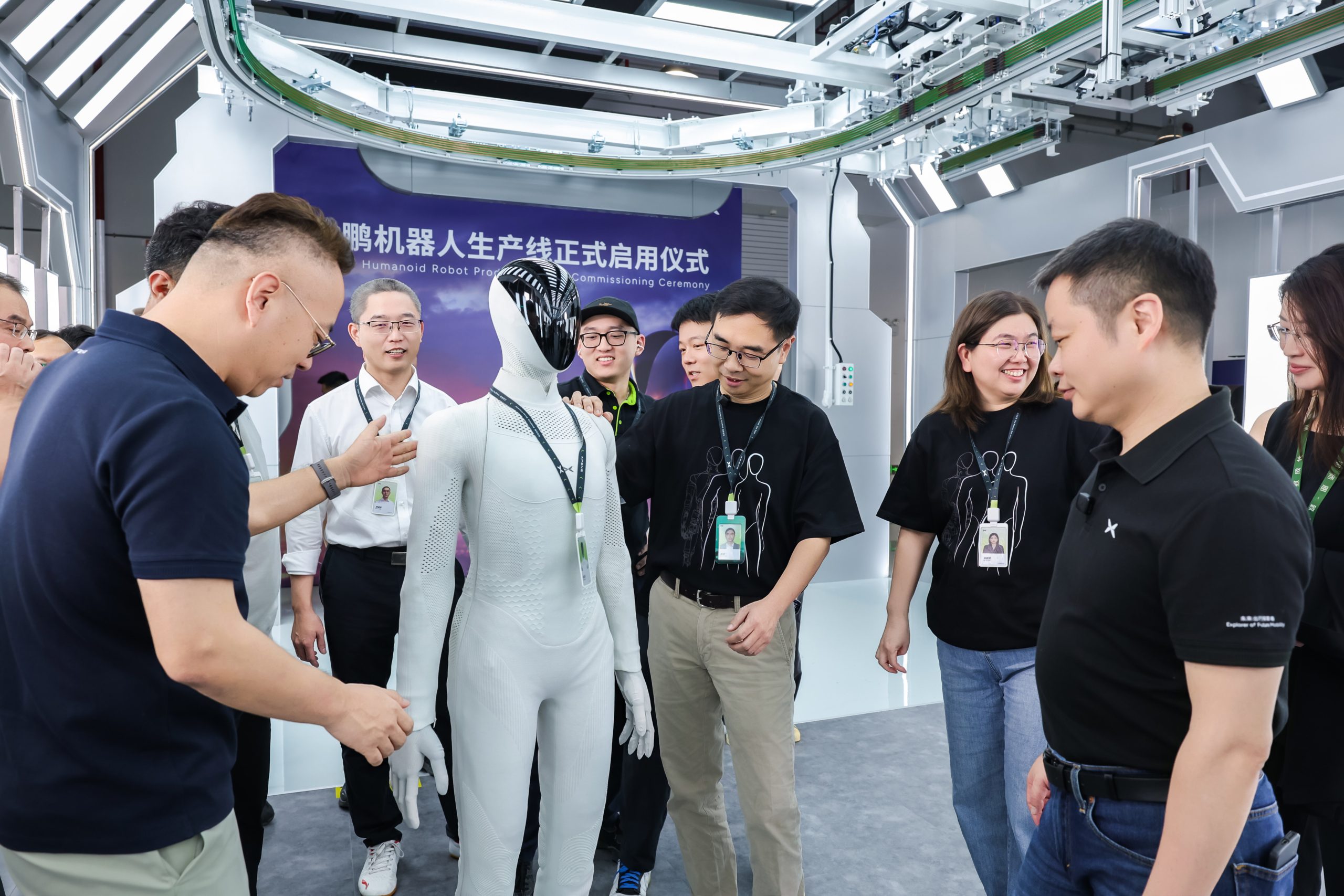
Xpeng Launches Automated Humanoid Robot Production Lines in China
Xpeng has announced the commissioning of humanoid robot production lines in China, with over 80% of core processes being automated. This significant step highlights Xpeng's commitment to advancing robotics technology in manufacturing. The automation of these production lines is crucial as it enhances efficiency and reduces labor costs, positioning Xpeng as a competitive player in the robotics sector. The move reflects a broader trend in the industry towards increased automation and intelligent manufacturing practices. Looking ahead, it will be important to monitor how Xpeng's investment in automated humanoid robot production impacts its market position and the overall robotics landscape. No further timeline was disclosed at the time of publication.
News Robotics China Funding humanoid robots Xpeng
Seasats Secures $24 Million in Orders for Lightfish USVs to Enhance Military Surveillance
Seasats, based in New Zealand, has reported securing $24 million in funded orders for its Lightfish unmanned surface vessel (USV) in August and early September. These orders include boats for the US Navy and Marine Corps, indicating a rising demand for small, long-endurance USVs among military users. The Lightfish, an 11-foot solar-powered drone boat, is designed for Intelligence, Surveillance, and Reconnaissance (ISR) missions. Its ability to operate autonomously for extended periods allows military forces to monitor vast maritime areas without deploying crewed vessels, thus providing a cost-effective solution for persistent maritime awareness. Looking ahead, Seasats aims to expand its offerings through its robot-as-a-service (RaaS) model, which allows military customers to utilize the USVs without the need for extensive maintenance and training infrastructure. No further timeline was disclosed at the time of publication.
Innovation Military
Windrose Technology Unveils iPad-Sized Electric PTO Delivering 70 kW for Trucks
Windrose Technology has introduced an electric power take-off (EPTO) capable of delivering up to 70 kW from electric semi-trucks, eliminating the need for diesel engines. This compact system is designed to power essential equipment like ramps and racks for vehicle transport trailers, addressing a significant challenge faced by electric trucks replacing traditional diesel powertrains. The development of this EPTO is crucial as it allows electric vehicle transport fleets to operate specialized trailers without relying on separate diesel power sources. As the commercial trucking industry transitions to battery-electric trucks, the need for equivalent auxiliary power solutions becomes increasingly important, especially given the existing ecosystem of equipment designed for conventional PTO systems. Looking ahead, the integration of the EPTO into Windrose's electric axle could enhance the versatility of electric trucks for various applications. However, details regarding the EPTO's continuous power rating, weight, efficiency, and battery energy consumption remain undisclosed. No further timeline was disclosed at the time of publication.
Transportation
A2Z Drone Delivery Introduces Longtail Dual for Enhanced BVLOS Urban Operations
A2Z Drone Delivery launched the Longtail Dual on August 31, 2026, in Torrance, California. This innovative dual-battery drone ensures full flight control even if one battery fails, maintaining a one-to-one flight-to-charge ratio on A2Z AirDocks. The design is aimed at meeting FAA Part 107 waivers and EASA Specific Operations Risk Assessment requirements. The Longtail Dual is significant as it enhances safety for drone missions in complex urban environments, according to CEO Aaron Zhang. With approximately 85% of drone delivery missions involving payloads under 6 pounds, the Longtail Dual effectively balances safety and operational capability without exceeding the 55-pound commercial UAV weight limit. Looking ahead, the Longtail Dual is designed for various applications, including delivery and surveillance missions, with a maximum payload capacity of 11 pounds. Its advanced features, such as dual-redundant cellular connections and onboard battery heating, position it as a robust solution for beyond-visual-line-of-sight operations. No further timeline was disclosed at the time of publication.
BVLOS Delivery Drone News Drone News Feeds News 48MP drone camera
Purdue University's New Underwater Robot Enhances Ocean Mission Reliability
Purdue University's College of Engineering has developed a new underwater robot that is currently patent-pending. This innovative robot is designed to enhance ocean research, underwater infrastructure inspection, and search-and-rescue operations by adapting to mission requirements in real time. It can function as a drifter, a glider, or a thruster-driven vehicle as needed. The significance of this development lies in its potential to improve the reliability and efficiency of various underwater missions. By being able to switch between different operational modes, the robot can better meet the specific demands of each task, thereby increasing the effectiveness of ocean exploration and safety operations. Looking ahead, the adaptability of this underwater robot could pave the way for more advanced applications in marine technology. No further timeline was disclosed at the time of publication.
Robotics
AeroVironment Enhances Mayhem 10 Drone with Autonomous Swarm Capabilities for Military Use
AeroVironment is enhancing its Mayhem 10 launched effects system by integrating autonomous swarm capabilities through a partnership with Applied Intuition. This new software allows multiple Mayhem 10 drones to coordinate missions under a single operator's supervision, addressing future U.S. Army requirements for autonomous systems that extend battlefield reach and reduce soldier workload. The integration of Applied Intuition’s Acuity ISR/Strike software enables collaborative behaviors among Mayhem 10 aircraft, allowing them to share targeting information and adapt to threats in real-time. A recent demonstration showcased the drones' ability to synchronize actions during various test scenarios, highlighting the importance of autonomous systems in modern military operations. Looking ahead, the flexibility of the Mayhem 10 platform, which can carry payloads of up to 10 pounds and operate in GPS-denied environments, positions it as a versatile tool for intelligence, surveillance, and precision strikes. No further timeline was disclosed at the time of publication.
Military
U.S. Air Force Advances Collaborative Combat Aircraft Program with Nevada Exercise
The U.S. Air Force conducted a multi-day Agile Combat Employment exercise at Creech Air Force Base, Nevada, advancing its Collaborative Combat Aircraft (CCA) program into real-world conditions. Led by the Collaborative Combat Aircraft Experimental Operations Unit, the exercise tested semi-autonomous uncrewed aircraft alongside manned platforms to develop tactics for future combat missions. This exercise is significant as it marks a transition from controlled testing to operational use, allowing crews to operate the aircraft and gather vital data for integrating uncrewed systems into frontline operations. Air Force Chief of Staff Gen. Ken Wilsbach emphasized the importance of CCA in achieving air superiority in contested environments, highlighting the need for rapid fielding of affordable mass. Looking ahead, the Air Force aims to refine tactics and procedures for CCA integration based on insights gained from the exercise. No further timeline was disclosed at the time of publication, but the focus on operational testing and the involvement of warfighters suggest a commitment to accelerating the CCA program's development and deployment in combat scenarios.
Military
Archer Aviation Launches Halo Autonomous VTOL for Long-Range Cargo Transport
Archer Aviation has introduced Halo, an autonomous hybrid-electric VTOL aircraft designed for long-range cargo missions. This innovative aircraft can take off like a helicopter and fly long distances like an airplane, making it suitable for operations in areas where traditional aircraft cannot operate. The significance of Halo lies in its dual-use platform, developed in collaboration with Anduril, which allows for both commercial logistics and defense applications. The aircraft features a series hybrid-electric powertrain and dual tiltrotors, optimizing efficiency and reducing noise, making it ideal for suburban environments. Looking ahead, Halo's modular cargo bay and flexible deployment options promise to enhance operational efficiency. The aircraft can be transported in standard shipping containers, facilitating easy assembly at various locations. No further timeline was disclosed at the time of publication.
News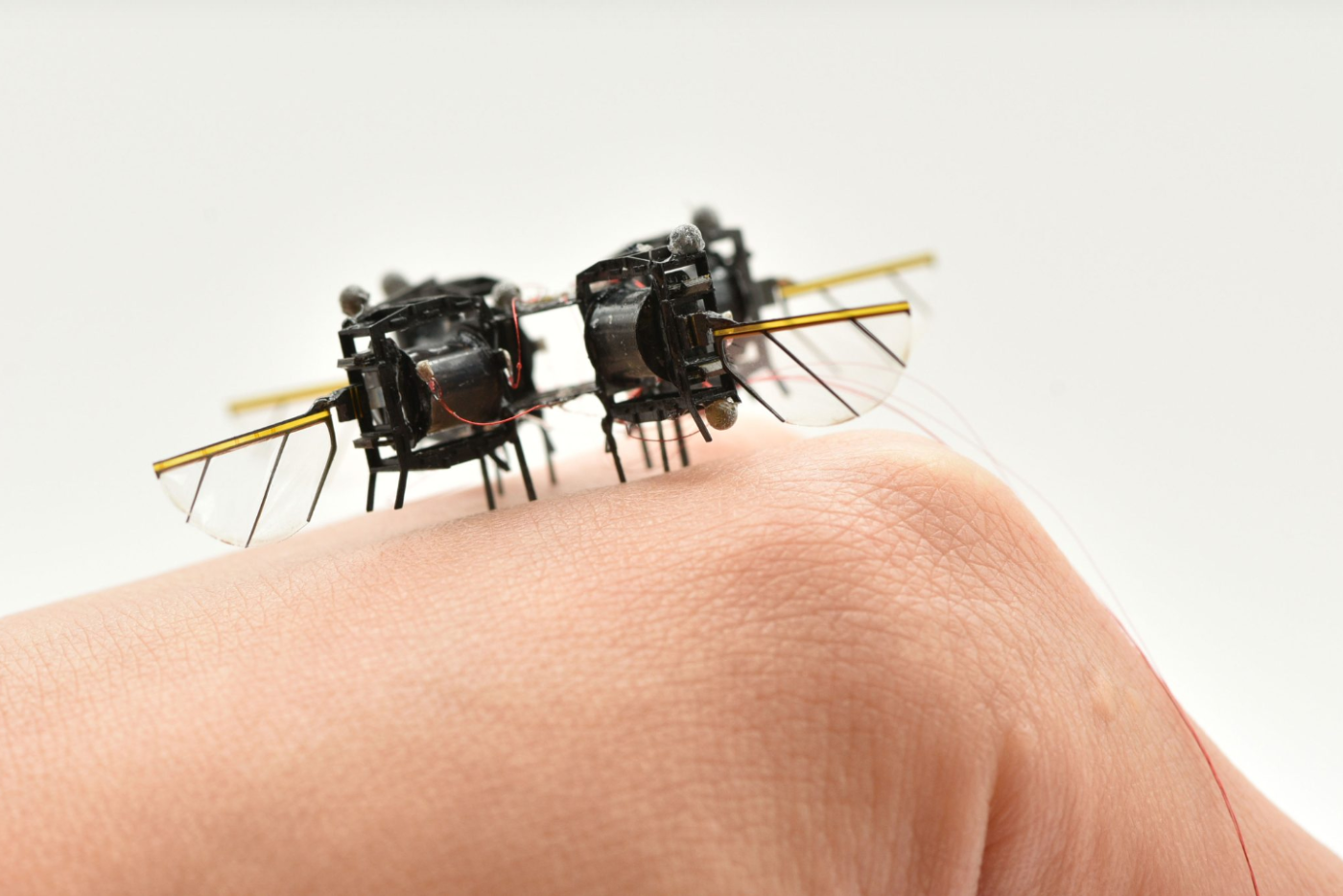
MIT Unveils Insect-Scale Flying Robot for Disaster Rescue Missions
Researchers at the Massachusetts Institute of Technology (MIT) have developed a flying robot that weighs less than a paperclip and is the size of a cassette tape, capable of navigating through tight spaces in disaster scenarios. Published on July 21 in 'Science Advances', this micro flying robot achieves insect-level speed, acceleration, and maneuverability, including continuous flips and sharp turns. The significance of this development lies in its advanced artificial intelligence control system, which enables the robot to perform complex flight maneuvers in real-time despite its lightweight design. The new control system has improved the robot's flight speed by 447% and acceleration by 255%, allowing it to execute ten consecutive backflips in just 11 seconds with minimal deviation. Looking ahead, the research team aims to integrate lightweight cameras and sensors into the robot, enabling it to autonomously navigate through real-world debris and tight spaces. This bionic flight behavior will enhance its ability to locate survivors in disaster situations, potentially transforming rescue operations from traditional probing methods to direct visual assessments.
Micro Flying Robots Disaster Rescue Technology AI Control Systems Robotics Autonomous Navigation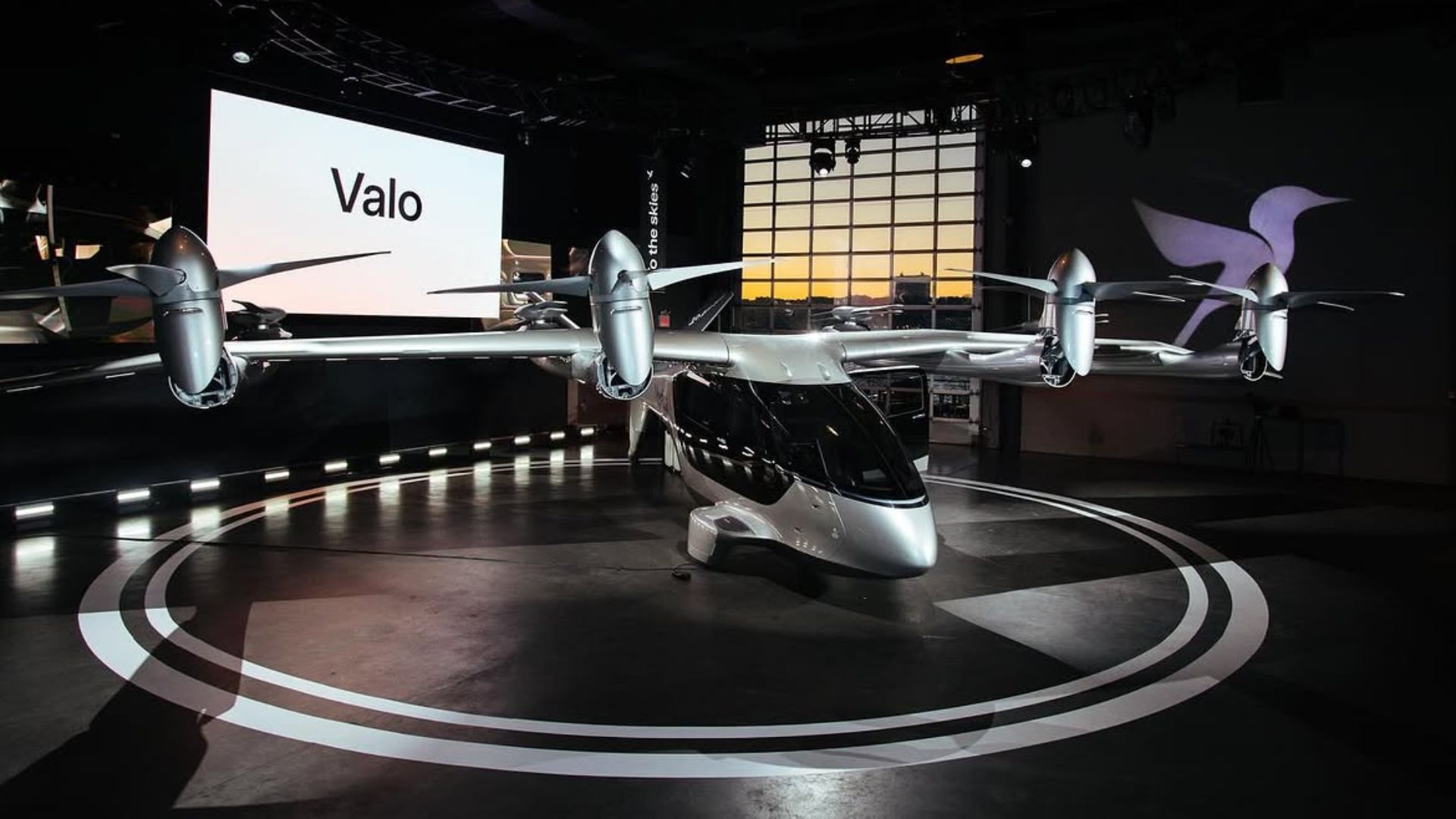
Vertical Aerospace Partners with Near Earth Autonomy for Valo Aircraft's Autonomous Flight Capabilities
Vertical Aerospace has partnered with Near Earth Autonomy to enhance its Valo aircraft with advanced autonomous flight capabilities. This collaboration aims to integrate Near Earth's autonomy software with Honeywell Aerospace's Anthem digital cockpit, facilitating the development of self-flying technology for defense and commercial aviation. The partnership is significant as it allows Vertical to leverage Near Earth's extensive experience in autonomous aviation, which includes systems developed for military applications. By utilizing a shared technology stack, the companies aim to reduce technical risks associated with expanding autonomous features in the Valo aircraft, which is designed for both defense and commercial markets. Looking ahead, Vertical plans to pursue defense programs while also preparing for automated commercial operations. The Valo aircraft, featuring hybrid-electric propulsion, is capable of flying up to 1,000 miles and carrying payloads of up to 2,400 pounds, making it a versatile option for various operational roles. No further timeline was disclosed at the time of publication.
Transportation
FAA Grants Approval for Drone Amplified's MONTIS Avalanche Control System
The Federal Aviation Administration (FAA) has approved Drone Amplified's MONTIS drone system for avalanche control, paving the way for its use by transportation agencies and ski resorts. This approval allows operators to deploy explosive charges remotely, enhancing safety by keeping personnel away from hazardous areas while still effectively managing avalanche risks. The significance of this approval lies in its potential to improve avalanche mitigation strategies. The MONTIS system offers an alternative to traditional methods such as helicopters and ground teams, providing flexibility in operations, especially in challenging weather conditions. This innovation aims to protect communities and maintain critical transportation routes during winter. Looking ahead, the integration of the MONTIS system into existing avalanche control programs could lead to safer operations in mountain communities and ski areas. While it will not replace traditional methods, it offers a valuable tool for agencies to enhance their response to avalanche threats. No further timeline was disclosed at the time of publication.
News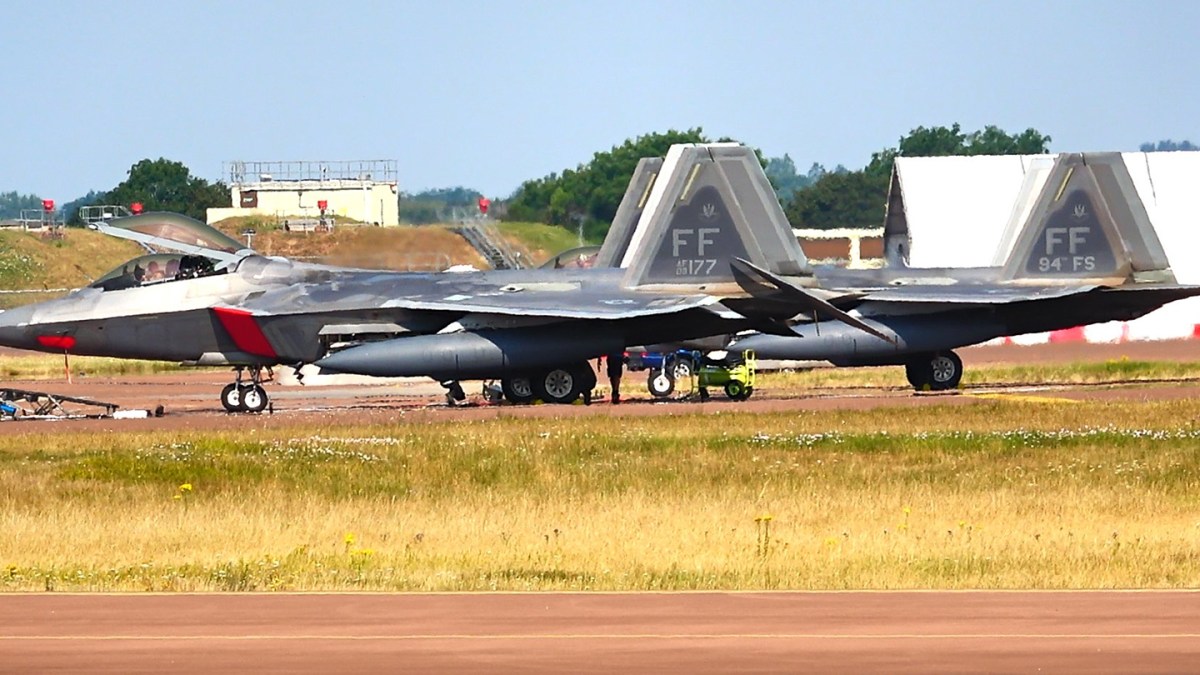
U.S. Air Force F-22 Raptors Return to UK After Combat Missions in Israel
Ten F-22 Raptors from the U.S. Air Force arrived at RAF Fairford in the UK on Friday after a deployment at Ovda Air Base in Israel. The jets, part of the 1st Fighter Wing from Langley Air Force Base, participated in operations against Iranian targets, including air defenses and nuclear facilities, from late February to early March 2023. During this period, they executed over 200 combat sorties while remaining undetected by Iranian radar systems. The significance of this deployment lies in the F-22 Raptors' advanced capabilities, which allowed them to penetrate defended airspace and deliver precision strikes on strategic Iranian infrastructure. U.S. Central Command reported that the Raptors utilized GBU-39/B Small Diameter Bombs and GBU-32 Joint Direct Attack Munitions, coordinating with B-2 Spirit bombers and EA-18G Growler jets to effectively overwhelm Iran's air defenses. This operation reflects the ongoing tensions in the Middle East and the U.S. military's strategic response. Looking ahead, the U.S. military's movements in the region indicate a continued focus on countering Iranian threats. The recent increase in hostilities between the U.S. and Iran, including attacks on multiple fronts, suggests that further military actions may be anticipated. No further timeline was disclosed at the time of publication regarding future deployments or operations involving the F-22 Raptors.
Air Air Forces Around The Globe Europe F-22 Fighters
UC San Diego Team Demonstrates G1 Humanoid Robot 'Surgie' in First Live Surgery
On July 8, a research team from the University of California, San Diego, published a groundbreaking study in Nature, showcasing the G1 humanoid robot, nicknamed 'Surgie.' This robot, weighing 27 kg and priced from $13,500, successfully performed two laparoscopic cholecystectomies on live pigs, marking a significant milestone in robotic surgery. The significance of this achievement lies in the G1's affordability and adaptability compared to traditional surgical robots like the da Vinci system, which costs between $500,000 and several million dollars. Surgeon's remote control of the G1 allows for deployment in various settings, including rural areas, battlefields, and potentially space missions, without the need for specialized operating room modifications. Despite the success, the technology still faces challenges before clinical application, such as the need for frequent recalibration during surgery, which increases operation time. The G1's limited arm span of 450 mm also restricts its operational range. No further timeline was disclosed at the time of publication for the next steps in this research.
Humanoid Robots Surgical Robotics Remote Surgery Medical Technology
Tesla's Optimus Robots to Support Starmind Satellite Production, Not Maintenance
Tesla's Optimus robots will not be used to repair Starmind satellites in orbit, as confirmed by recent statements from Elon Musk. Instead, these robots are intended to assist in the construction and operation of the Terafab chip manufacturing facility in Texas. The AI1 satellites, designed to disintegrate upon reentry, highlight the company's swap-and-replace strategy rather than traditional maintenance practices. This approach is significant as it reflects a broader trend in satellite management, where mass-produced satellites are replaced rather than repaired. The economics of servicing missions are prohibitive, with the cost of launching a replacement satellite being significantly lower than conducting a repair mission. This model aligns with SpaceX's operational history, where rapid replacement of satellites is more efficient than attempting to maintain them in orbit. Looking ahead, the focus will remain on the production capabilities of the Gigasat factory, which is expected to support the continuous replacement of satellites. No further timeline was disclosed at the time of publication, but the demand for rapid satellite turnover suggests a robust future for Optimus robots in terrestrial manufacturing rather than in-space servicing.
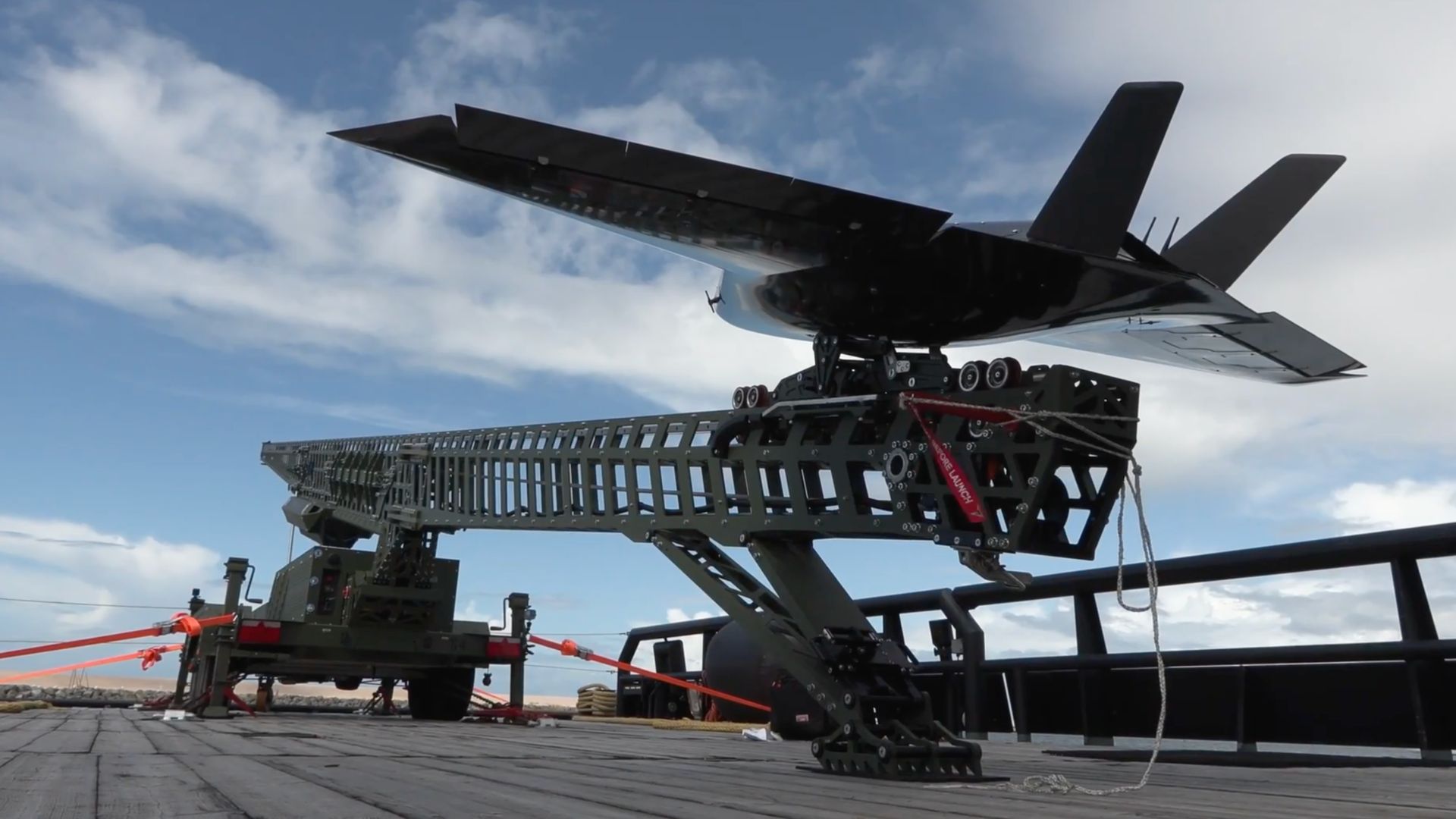
British forces’ new strike drone system tested for battlefield and maritime missions
The Royal Navy and British Army have successfully conducted their first extensive trials of a new advanced military system designed to enhance operational capabilities. These trials took place over the past week at various locations across the UK, aiming to assess the effectiveness and integration of the system within existing military frameworks. The initiative is part of a broader effort to modernize the armed forces and ensure they remain at the forefront of technological advancements in defense. The trials involved rigorous testing scenarios that simulated real-world conditions, allowing military personnel to evaluate the system's performance and reliability under pressure. This development underscores the UK’s commitment to maintaining a robust defense posture in an increasingly complex global security environment.
Military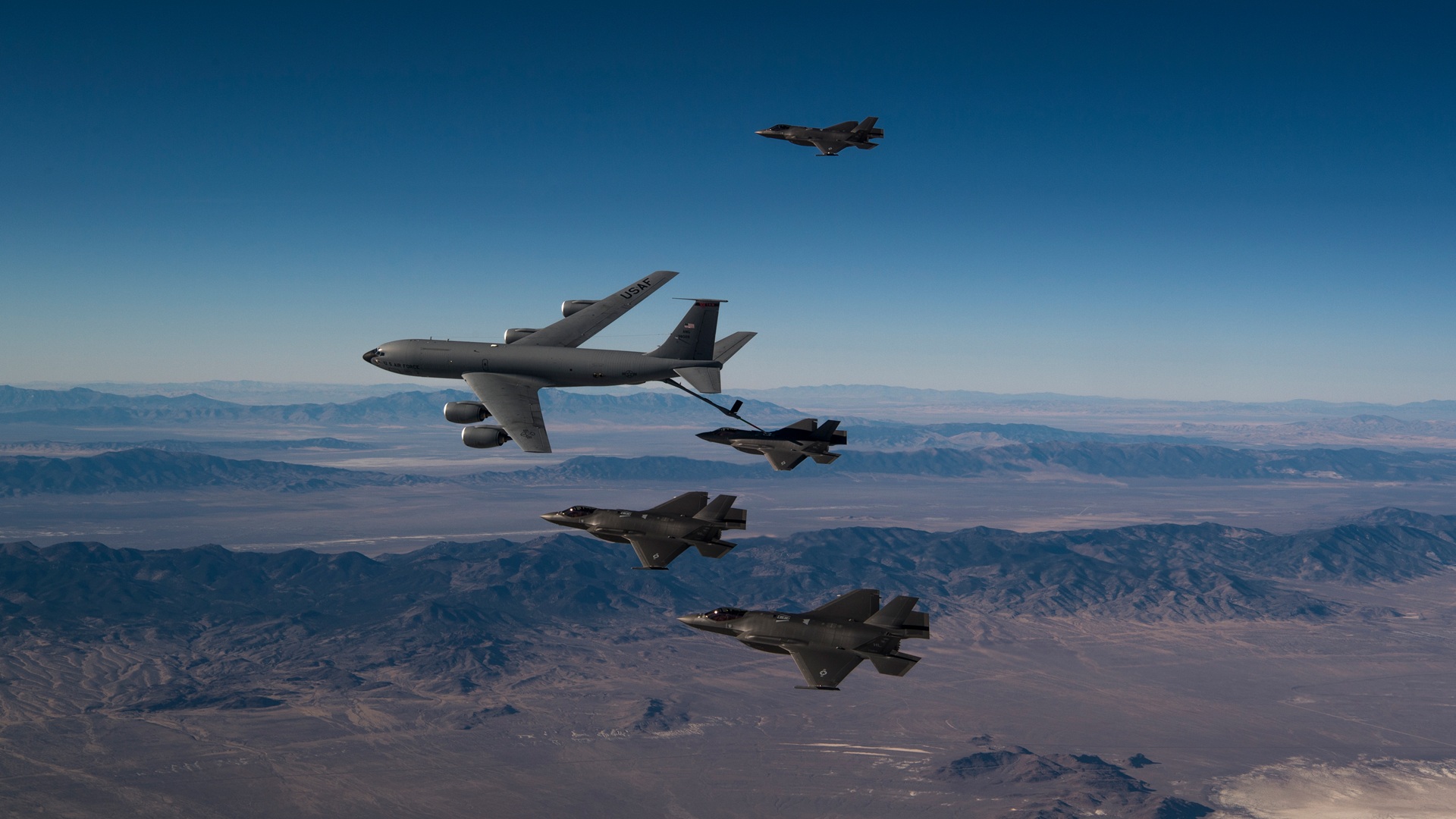
US Air Force validates Japanese edge computing chip for battlefield missions
A Japanese semiconductor company has showcased its advanced edge AI platform during a recent demonstration for the U.S. Air Force. This event took place as part of ongoing efforts to enhance military technology and operational efficiency. The platform is designed to process data at the edge, enabling faster decision-making and improved performance in various defense applications. By leveraging cutting-edge artificial intelligence capabilities, the company aims to support the Air Force's mission to modernize its technological infrastructure. The demonstration highlights the growing collaboration between private tech firms and military organizations in the pursuit of innovative solutions to meet national security challenges.
Military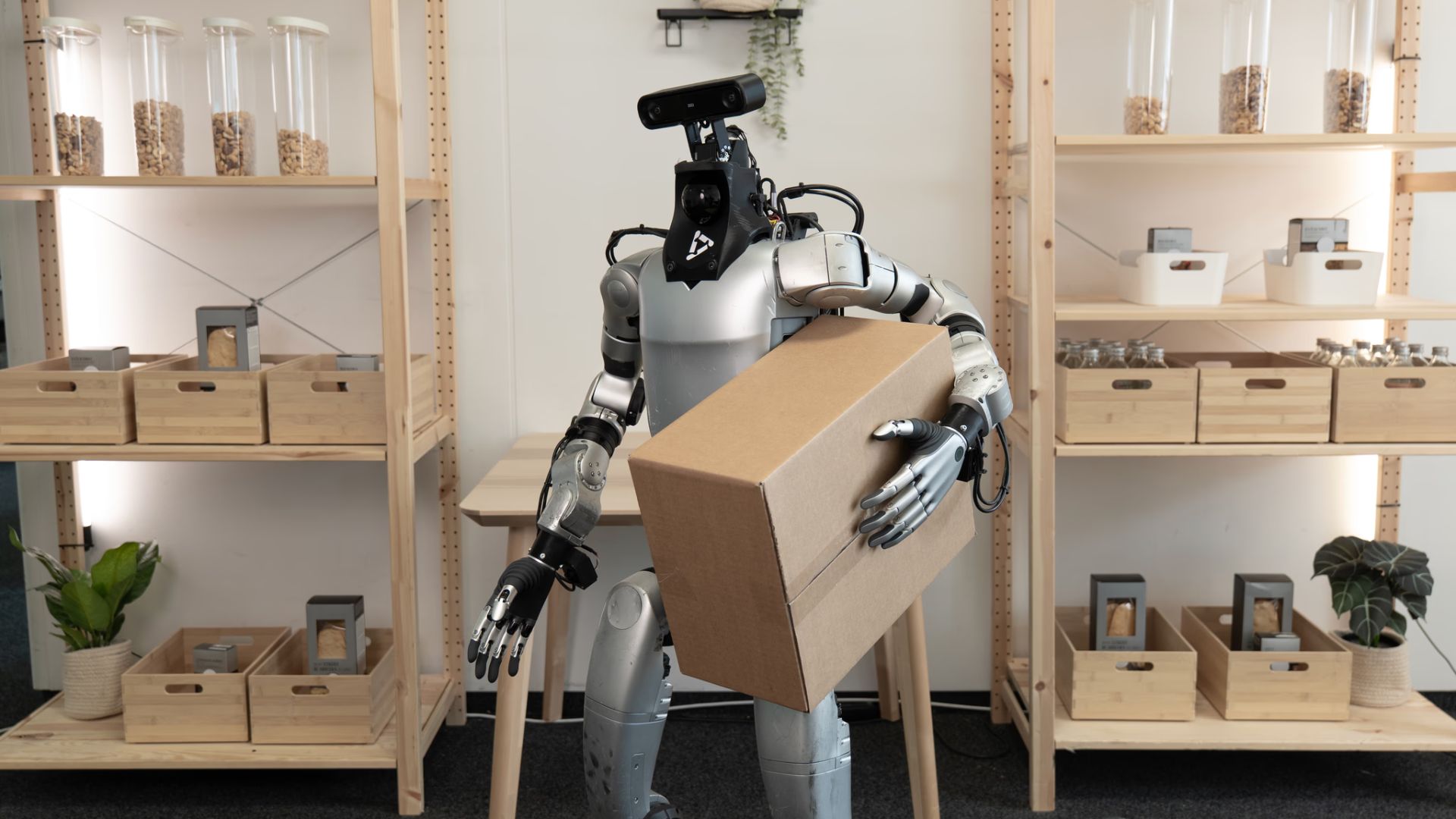
Video: New AI model gives humanoid robots 90 percent success in complex missions
Flexion Robotics has launched Reflect v1.0, an innovative robotics intelligence platform designed to enhance the capabilities of humanoid robots. This groundbreaking technology was unveiled recently, showcasing its potential to revolutionize the interaction between humans and robots. The platform integrates advanced machine learning algorithms, allowing robots to learn from their environments and adapt their behaviors accordingly. The introduction of Reflect v1.0 aims to address the growing demand for more intelligent and responsive robotic systems in various sectors, including healthcare, education, and customer service. By equipping humanoid robots with this sophisticated intelligence, Flexion Robotics seeks to improve efficiency and effectiveness in tasks that require human-like interaction. The development process involved extensive research and collaboration with experts in artificial intelligence and robotics, ensuring that the platform meets the needs of diverse applications. As the robotics industry continues to evolve, Reflect v1.0 positions Flexion Robotics at the forefront of innovation, paving the way for a future where humanoid robots can seamlessly integrate into everyday life.
AI and Robotics
Automated Scope 3 Freight Emissions Estimator
TEG, a carrier sourcing platform specializing in enterprise logistics, has launched an automated tool for estimating CO₂ emissions. This innovative feature provides hauliers, third-party logistics providers (3PLs), and shippers with per-load carbon data from the moment a load is booked. Utilizing the UK Government’s DESNZ Greenhouse Gas Conversion Factors 2025, the tool calculates CO₂e emissions for each vehicle journey, aligning with the required methodology for environmental reporting. This initiative aims to enhance transparency and accountability in freight emissions, supporting the logistics industry’s efforts to reduce its carbon footprint.
Cold Chain Logistics Couriers and Express CV, Trucks, Vans and Trailers Electrification and Decarbonisation Road Transport and Haulage Freight Emissions Estimator
Roboverse Reply Impresses at ELROB 2026 With Intelligent Robotic Systems for Critical Missions
From June 15 to 19, a collaboration between a leading technology company and ELP, a specialist in technical equipment for defusing services, showcased impressive performance at an international event. The demonstration highlighted the reliability of their autonomous solutions in real-world conditions, standing out among a competitive field of participants. This partnership aims to advance the capabilities of defusing technology, emphasizing the importance of effective and dependable solutions in critical situations. The successful demonstration serves to reinforce the company's commitment to innovation and excellence in the field.

Company Launched to reduce emissions through supply chain optimisation
DP World has introduced EcoRoute, a new suite of solutions aimed at helping businesses optimize their logistics networks and enhance visibility across supply chains. This initiative comes as companies increasingly confront the challenge of reducing their environmental impact, with supply chains identified as a major source of emissions and operational inefficiencies. By implementing EcoRoute, businesses can align their sustainability goals with operational performance, addressing the growing pressure to improve environmental practices. The launch of this innovative solution reflects a broader industry trend towards prioritizing sustainability in logistics.
Electrification and Decarbonisation Road Transport and Haulage Transport and Distribution DP World EcoRoute Emissions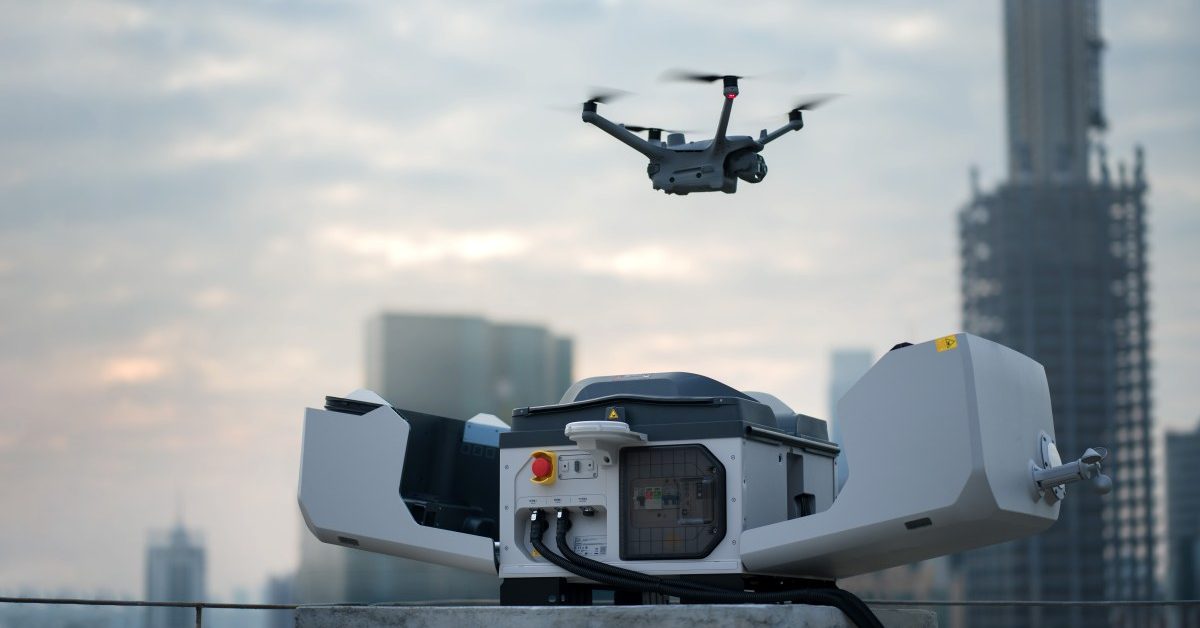
DJI unlocks longer-range Dock 3 drone missions with new update
DJI has announced a firmware update for its DJI Dock 3 and Matrice 4D series, which will enhance the functionality of its drone ecosystem. This update includes support for the newly introduced DJI O4 Ground Station, a signal-enhancement solution aimed at extending the range of remote drone operations. The rollout of this update is expected to improve operational efficiency for users, allowing for more effective and reliable drone management in various applications.
News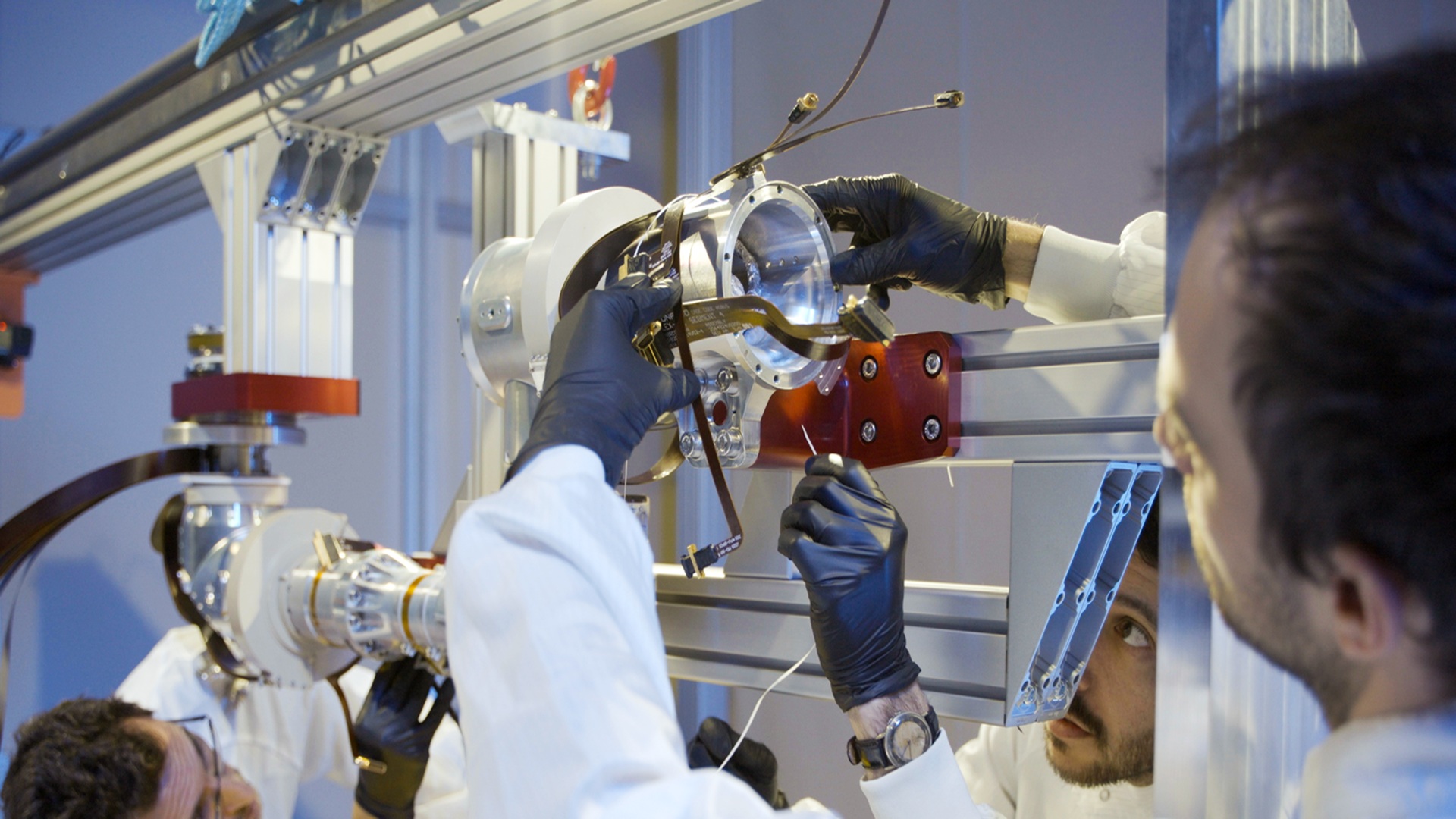
Europe builds robotic arm that can see, feel and handle samples for Moon missions
Engineers at the European Space Agency (ESA) are currently in the process of assembling a highly sophisticated robotic arm designed for future space missions. This advanced technology aims to enhance the capabilities of European spacecraft, allowing for more complex tasks in orbit and on planetary surfaces. The assembly is taking place at ESA's facilities in the Netherlands, where teams are meticulously working to ensure the arm meets stringent operational standards. The initiative is part of ESA's broader strategy to strengthen its role in international space exploration and to contribute to collaborative missions with other space agencies. By developing this cutting-edge robotic arm, ESA seeks to improve the efficiency and effectiveness of its missions, ultimately advancing scientific research and exploration beyond Earth.
AI and Robotics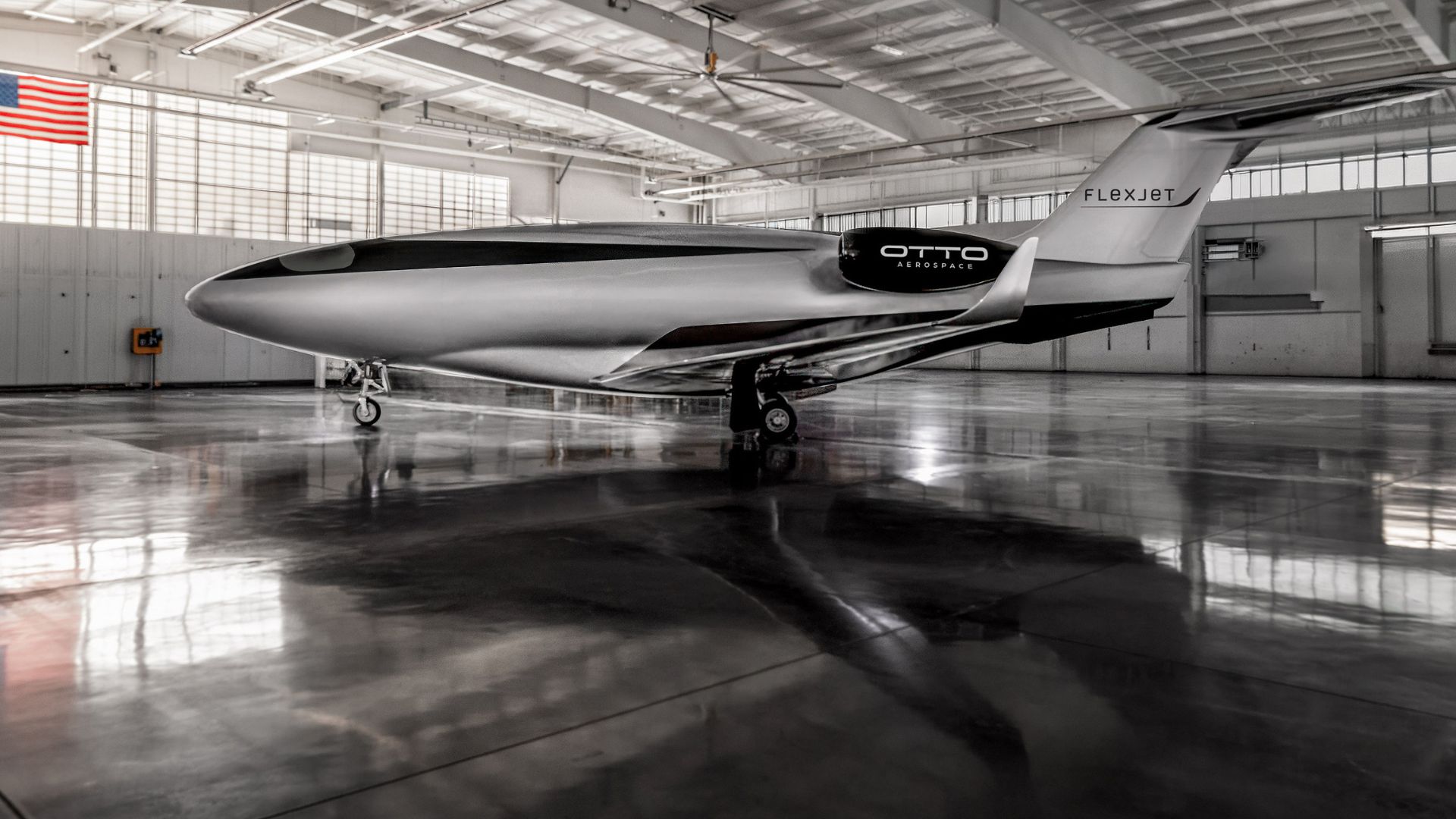
Windowless Phantom 3500 jet advances toward service with 90% lower emissions goal
Otto Aerospace has successfully navigated a significant regulatory milestone in its development of the innovative Phantom 3500 aircraft. This achievement comes as the company aims to revolutionize the aviation industry with its unique design and advanced technology. The approval was granted recently, marking a crucial step forward in the aircraft's production timeline. Located in the United States, Otto Aerospace is focused on enhancing the efficiency and sustainability of air travel. The regulatory clearance is a testament to the rigorous safety and performance standards the company has adhered to throughout the development process. With this progress, Otto Aerospace is poised to advance its plans for the Phantom 3500, which promises to offer a new level of performance in the aviation market.
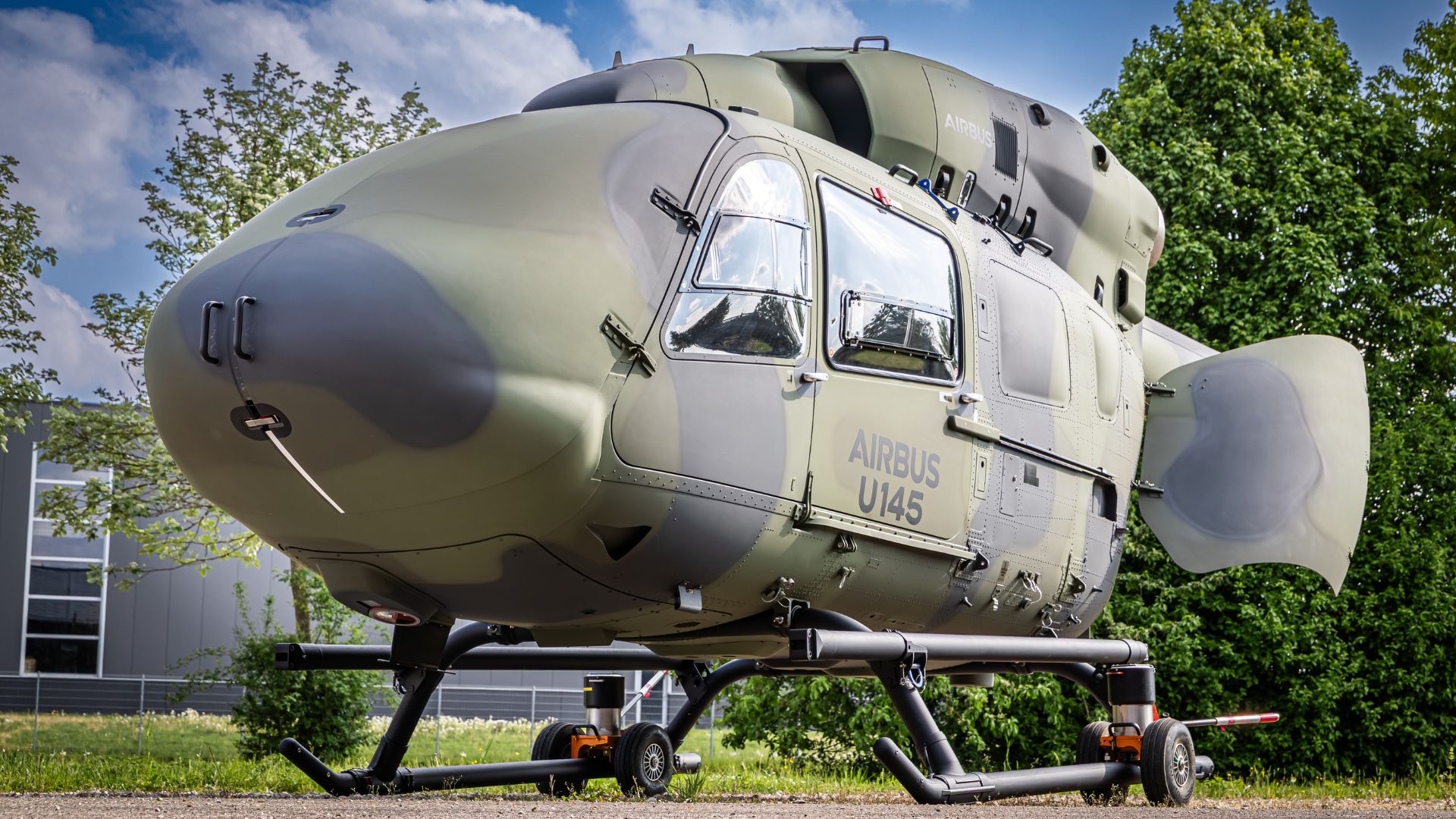
Airbus debuts U145 autonomous helicopter drone with no cockpit for military missions
Airbus Helicopters has unveiled a new autonomous aircraft derived from its widely-used H145 platform, marking a significant advancement in aviation technology. The announcement was made during the International Paris Air Show, which took place from June 19 to June 25, 2023. This innovative aircraft aims to enhance operational efficiency and safety in various sectors, including medical transport, search and rescue, and logistics. The motivation behind this development stems from the growing demand for unmanned aerial vehicles that can perform complex missions with minimal human intervention. By leveraging advanced automation and artificial intelligence, Airbus Helicopters seeks to address challenges in urban air mobility and improve response times in critical situations. The aircraft is designed to operate in diverse environments, showcasing its versatility and potential for integration into existing air traffic systems. Through rigorous testing and collaboration with regulatory bodies, Airbus aims to ensure that the new autonomous H145 meets safety standards and can be deployed effectively in real-world scenarios. This initiative reflects Airbus Helicopters' commitment to innovation and its vision for the future of aviation, where autonomous systems play a crucial role in enhancing air transport capabilities.

US team combines digital twins, VR to boost lunar robot performance for future missions
Researchers at the University of Colorado Boulder are pioneering the use of digital twin technology to enhance environmental monitoring and management. This innovative approach involves creating virtual replicas of physical systems, allowing scientists to simulate and analyze real-world conditions in real time. The project, which commenced in late 2023, aims to address pressing environmental challenges by providing more accurate data and predictive insights. Located in Boulder, Colorado, the initiative seeks to improve understanding of climate change impacts and resource management by integrating advanced modeling techniques with real-time data collection. The motivation behind this research stems from the urgent need to develop effective strategies for sustainability and resilience in the face of environmental degradation. By employing sensors and data analytics, the researchers are able to create dynamic models that reflect current environmental conditions, enabling stakeholders to make informed decisions. This method not only enhances the accuracy of environmental assessments but also facilitates proactive responses to potential ecological threats. The team at CU Boulder is collaborating with various stakeholders, including government agencies and conservation organizations, to ensure that the findings are applicable and beneficial for real-world applications.

CVPR 2026 fields 16,000+ paper submissions on technical advances in AI
The program committee for the 2026 Conference on Computer Vision and Pattern Recognition (CVPR), a premier event in artificial intelligence and computer vision research, has unveiled the details of this year's technical program. Co-sponsored by the IEEE Computer Society and the Computer Vision Foundation, the conference has attracted a record number of submissions, reflecting the growing interest and advancements in the field. Scheduled to take place in 2026, CVPR will serve as a platform for researchers and industry professionals to share their latest findings and innovations. The committee's announcement highlights the importance of collaboration and knowledge exchange in advancing computer vision technologies.
Engineering Events Science agentic ai ai research artificial intelligence
Survey on AI‐Enabled Computer Vision Technologies and Applications for Space Robotic Missions
In June 2026, the Journal of Field Robotics published a comprehensive study exploring advancements in robotic technologies and their applications in various fields. The research, conducted by a team of experts in robotics and engineering, highlights innovative methodologies that enhance the efficiency and effectiveness of robotic systems. The study focuses on the integration of artificial intelligence and machine learning algorithms, which significantly improve the decision-making capabilities of robots in real-world environments. This advancement is particularly relevant in sectors such as agriculture, manufacturing, and disaster response, where precision and adaptability are crucial. The findings were presented during a conference held in a prominent robotics research hub, attracting attention from industry leaders and academic scholars alike. The motivation behind this research stems from the growing demand for automation and smart technologies in response to global challenges, including labor shortages and the need for increased productivity. By employing rigorous testing and validation processes, the researchers demonstrated the practical applications of their robotic systems, showcasing successful case studies that underline the potential for widespread adoption. The publication aims to inform and inspire further innovations in the field, ultimately contributing to the evolution of robotics as a transformative force in society.
SURVEY ARTICLE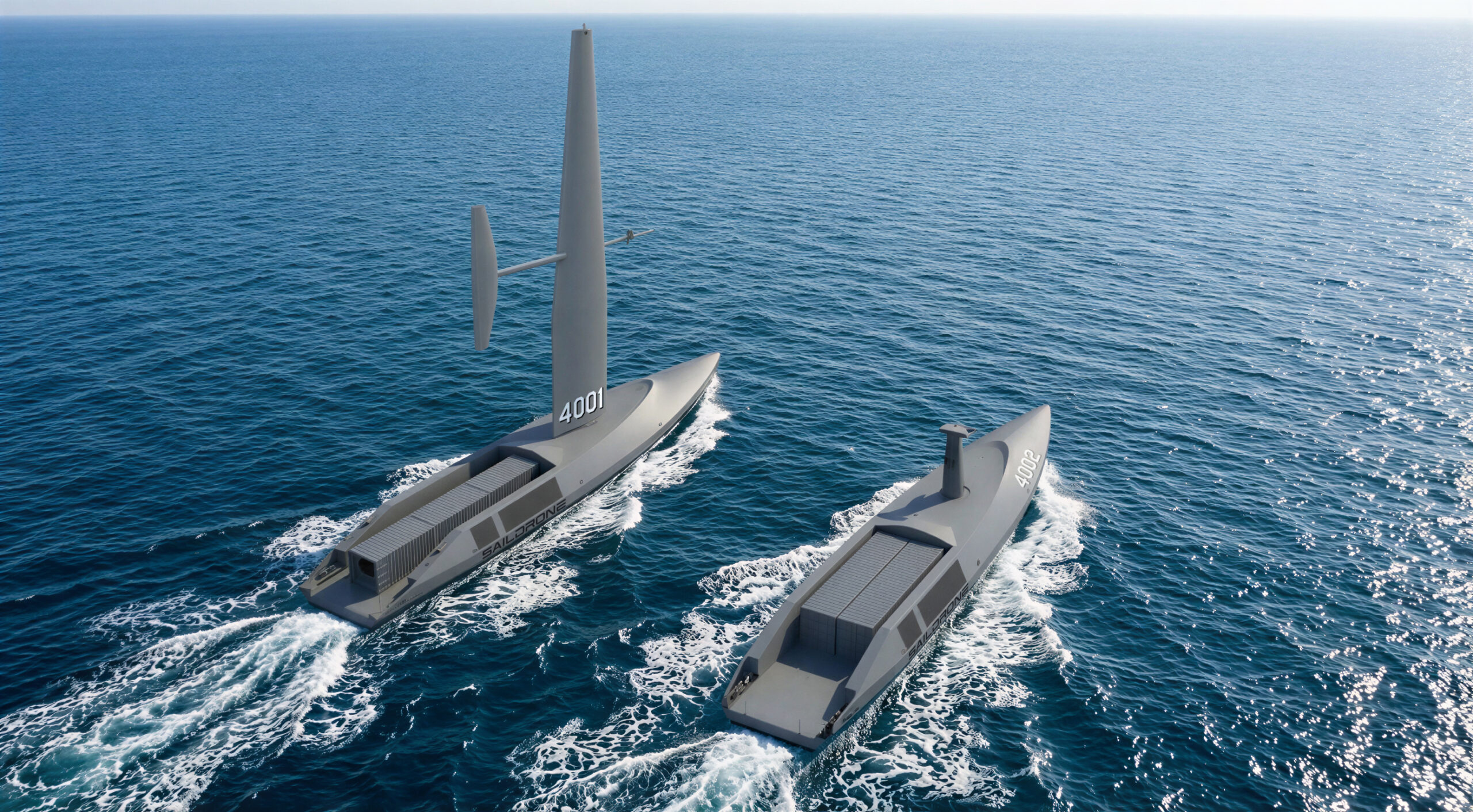
Navy green lights seven MUSV marketplace submissions to advance to prototype phase
The U.S. Navy has announced that it has selected certain designs to advance in its ongoing procurement process, although specific companies involved have not been disclosed. This decision is part of the Navy's efforts to enhance its capabilities and modernize its fleet. The announcement comes as the Navy seeks to address evolving maritime challenges and improve operational readiness. The selection process is expected to play a crucial role in shaping future naval operations and ensuring that the Navy remains competitive in a rapidly changing defense landscape. Further details regarding the selected designs and the companies behind them are anticipated in the coming weeks.
Naval Warfare Drones Medium Unmanned Surface Vessel MUSV Navy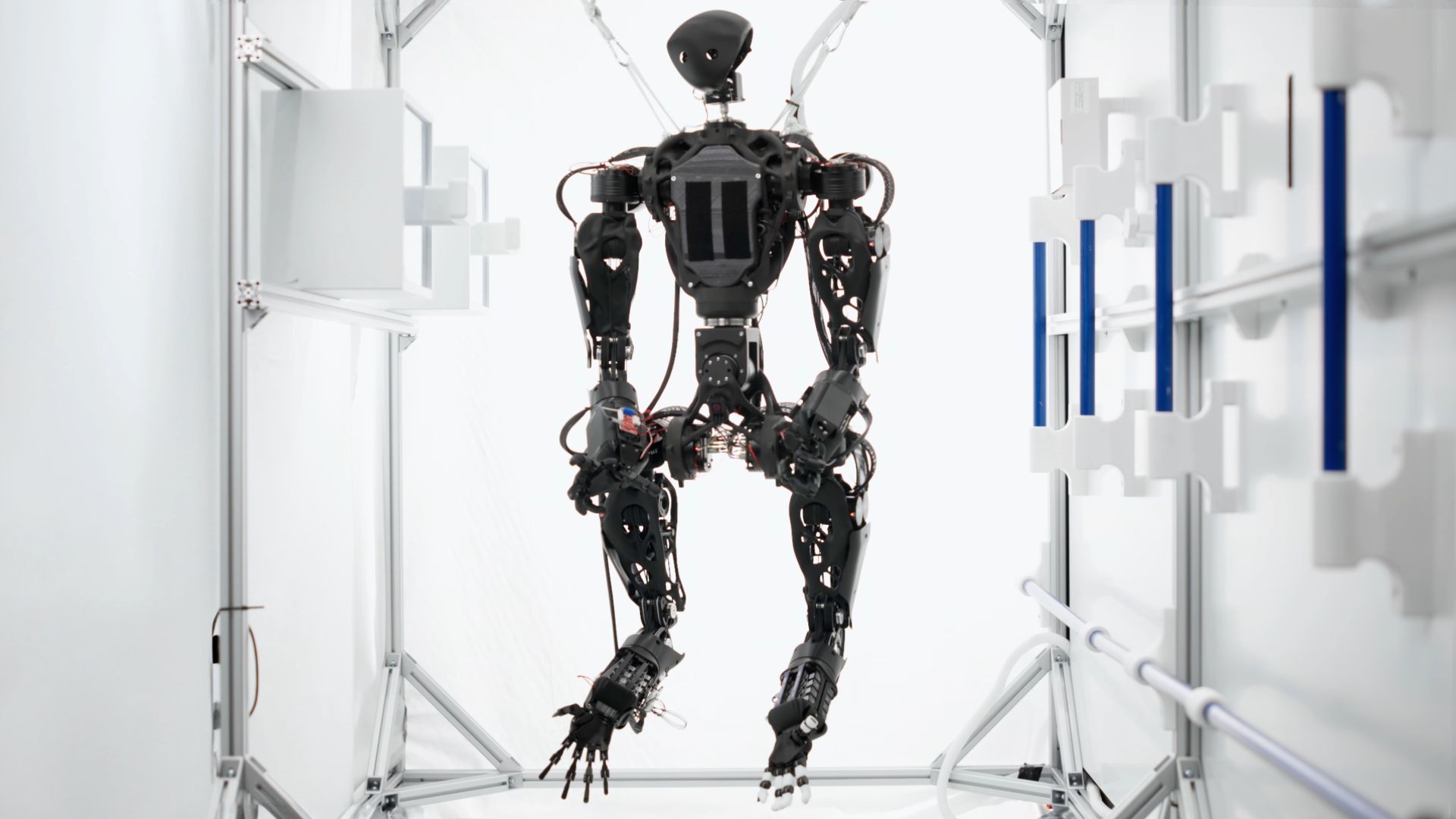
Video: Helios humanoid robot brings a four-armed design for in-orbit missions
A Canadian robotics company has introduced an innovative humanoid robot intended for space exploration. The unveiling took place recently, showcasing the robot's advanced capabilities and potential applications in extraterrestrial environments. This development aims to enhance human efficiency and safety during missions beyond Earth, addressing the growing need for reliable robotic assistance in space. The robot is designed to perform various tasks that could support astronauts, thereby reducing their workload and allowing them to focus on critical operations. The project reflects ongoing efforts in the aerospace sector to integrate cutting-edge technology into future space missions, highlighting the importance of robotics in advancing human exploration of the cosmos.

Robot Talk Episode 156 – Rugged robots for dangerous missions, with Gavin Kenneally
Claire recently engaged in a conversation with Gavin Kenneally, the Co-Founder and CEO of Ghost Robotics, a company renowned for its advancements in legged robotics technology. The discussion focused on the potential applications of robotic dogs in defense, security, and public safety sectors. Kenneally, who leads a team of skilled engineers, elaborated on how these innovative machines could enhance operational capabilities in various environments. The dialogue highlighted the growing interest in integrating robotics into critical areas, emphasizing the need for advanced technology to address modern challenges. As the demand for effective security solutions increases, Ghost Robotics aims to position its robotic dogs as essential tools for law enforcement and military applications.

USVs could be ‘alternate options’ for missions for stretched manned fleet: Navy official
Unmanned Surface Vessels (USVs) are increasingly being recognized as versatile components of naval operations, particularly in scenarios where deploying a large combatant ship may be prohibitively expensive or tactically excessive. This shift in naval strategy reflects a growing trend among military forces to utilize USVs for a variety of missions, including surveillance, reconnaissance, and logistical support. As nations seek to enhance their maritime capabilities while managing costs, the adoption of these modular systems is expected to rise. The integration of USVs into naval fleets allows for more flexible and efficient responses to maritime challenges, enabling forces to maintain operational readiness without the financial burden of traditional vessels. This evolution in naval warfare underscores the importance of innovation in military technology and strategy, as armed forces adapt to modern threats and operational demands.
Naval Warfare Arleigh Burke AUVSI/MDEX 2026 Drones Navy USV
From The Floor of XPONENTIAL: AIRO and Jaunt Reveal Dual-Use VTOL Aircraft for Defense and Cargo Missions
At the AUVSI XPONENTIAL 2026 event in Detroit on May 12, AIRO Group Holdings showcased its full-scale autonomous vertical takeoff and landing (VTOL) aircraft, developed in collaboration with Jaunt Air Mobility. This innovative aircraft is designed to serve dual purposes in defense, specifically for intelligence, surveillance, reconnaissance (ISR), and cargo logistics, as well as remote operations. The unveiling highlights the growing interest in autonomous technology within the aerospace and defense sectors, aiming to enhance operational efficiency and versatility in various mission scenarios.
Cargo Defense defense Delivery Drone News Drone News Feeds
Klein Marine Systems Introduces MANTIS UUV with SmartArray Technology™ for Autonomous Underwater Missions
Klein Marine Systems, recognized as a global leader in advanced side scan sonar and underwater imaging technology, has unveiled its latest innovation, the MANTIS UUV. This integrated multi-channel side scan sonar system is specifically designed to enhance unmanned underwater vehicles by providing high-quality imaging and onboard processing capabilities. The announcement was made today, highlighting the company’s commitment to improving underwater exploration and data collection. The MANTIS UUV aims to streamline integration processes, making it a valuable tool for various applications in marine research and industry.
klein marine systems mantis uuv smartarray technology™ uuv auv
Saildrone Supports Coast Guard Missions in the Great Lakes and Northeast
The U.S. Coast Guard is enhancing its efforts to monitor the extensive northern maritime approaches, which encompass thousands of miles of coastline, busy waterways, and vital fishing grounds from the Great Lakes to the North Atlantic. This initiative, aimed at detecting suspicious vessel activity and securing the U.S. border, is critical for maintaining economic prosperity and protecting domestic fisheries. The Coast Guard faces challenges in ensuring consistent visibility due to unpredictable weather, seasonal variations, and the vastness of the region. Traditional patrols struggle with issues such as crew endurance, maintenance needs, and the distances involved. As a result, the Coast Guard is exploring innovative strategies to improve surveillance and response capabilities in these challenging maritime environments.
saildrone contract award us coast guard maritime domain awareness (mda)
Ukraine’s ground robots completed 22,000 war missions with zero soldiers deployed
Ukrainian forces successfully seized a position previously held by Russian troops, employing an innovative strategy that relied solely on ground robots and drones. This operation, which took place recently amid ongoing hostilities, highlights the increasing reliance on advanced technology in modern warfare. The use of unmanned systems allowed Ukrainian forces to minimize risks to personnel while effectively executing their mission. This tactical advancement underscores Ukraine's commitment to leveraging technology in its defense efforts against Russian aggression, showcasing a significant shift in combat methodology on the battlefield.

DJI Agriculture Reveals Global Adoption of Agricultural Drones Cuts 51Mt in Carbon Emissions and Saves 410Mts of Water for Farmers Globally
At Brazil's AgriShow, a new report has been unveiled showcasing the rapid growth of the agricultural drone industry, revealing that over 600,000 DJI agricultural drones are now operational across more than 100 countries and regions. This significant milestone underscores the increasing adoption of drone technology in agriculture, driven by the need for enhanced efficiency and precision in farming practices. The report highlights how these drones are transforming traditional agricultural methods, enabling farmers to monitor crops, optimize resource use, and improve yields. As the industry matures, stakeholders are optimistic about the potential for further advancements and increased integration of drone technology in agricultural operations worldwide.

Australian Maritime College and HII Report Near-Perfect Availability as REMUS 100 Completes 935 Missions with Only Two Days of Downtime
The Australian Maritime College (AMC) and HII have announced a significant achievement regarding the reliability of AMC’s Legacy REMUS 100 autonomous underwater vehicle (AUV). This milestone was revealed today, highlighting the advancements made in the technology and performance of the AUV. The collaboration between AMC and HII aims to enhance underwater exploration and data collection capabilities, addressing the growing demand for reliable and efficient marine technology. The REMUS 100 is designed for various applications, including environmental monitoring and underwater research, making it a vital tool for marine scientists and researchers. This development underscores the commitment of both organizations to push the boundaries of autonomous underwater operations and improve the reliability of such technologies in real-world applications.
hii australian maritime college (amc)
Guidance and Flocking Algorithm for a Distributed FW‐UAV Swarm System Under Coordinated Surveillance Missions in an Occluded Environment
A recent study published in the Journal of Field Robotics highlights advancements in robotic technology aimed at enhancing agricultural efficiency. Researchers from various institutions collaborated to develop a new autonomous robotic system designed to optimize crop monitoring and management. The study, released in early October 2023, emphasizes the growing need for innovative solutions in agriculture due to increasing global food demands and labor shortages. The robotic system employs advanced sensors and artificial intelligence to gather real-time data on crop health, soil conditions, and environmental factors. This technology allows farmers to make informed decisions, ultimately leading to improved yields and reduced resource waste. The research team conducted field tests in diverse agricultural settings, demonstrating the robot's effectiveness in various crops and terrains. By addressing the challenges faced by modern agriculture, this initiative aims to contribute to sustainable farming practices and food security. The findings underscore the potential of robotics to transform traditional farming methods, making them more efficient and environmentally friendly. As the agricultural sector continues to evolve, such innovations are crucial in meeting the demands of a growing population while minimizing ecological impact.
RESEARCH ARTICLE
Ensuring reliable navigation for divers during tactical missions with Blueprint Subsea and Nortek
Blueprint Subsea and Nortek have partnered to enhance underwater navigation for divers, particularly in scenarios where Global Navigation Satellite System (GNSS) signals are unavailable. This collaboration focuses on improving the reliability of navigation systems that depend on precise sensor data. Blueprint's Artemis diver navigation systems will utilize Nortek's Doppler Velocity Logs (DVLs) to provide accurate velocity information, ensuring divers can maintain their course even in challenging conditions. The initiative aims to bolster safety and efficiency in underwater operations, reflecting a growing need for advanced navigation solutions in the maritime industry.
navigation divers tactical missions blueprint subsea nortek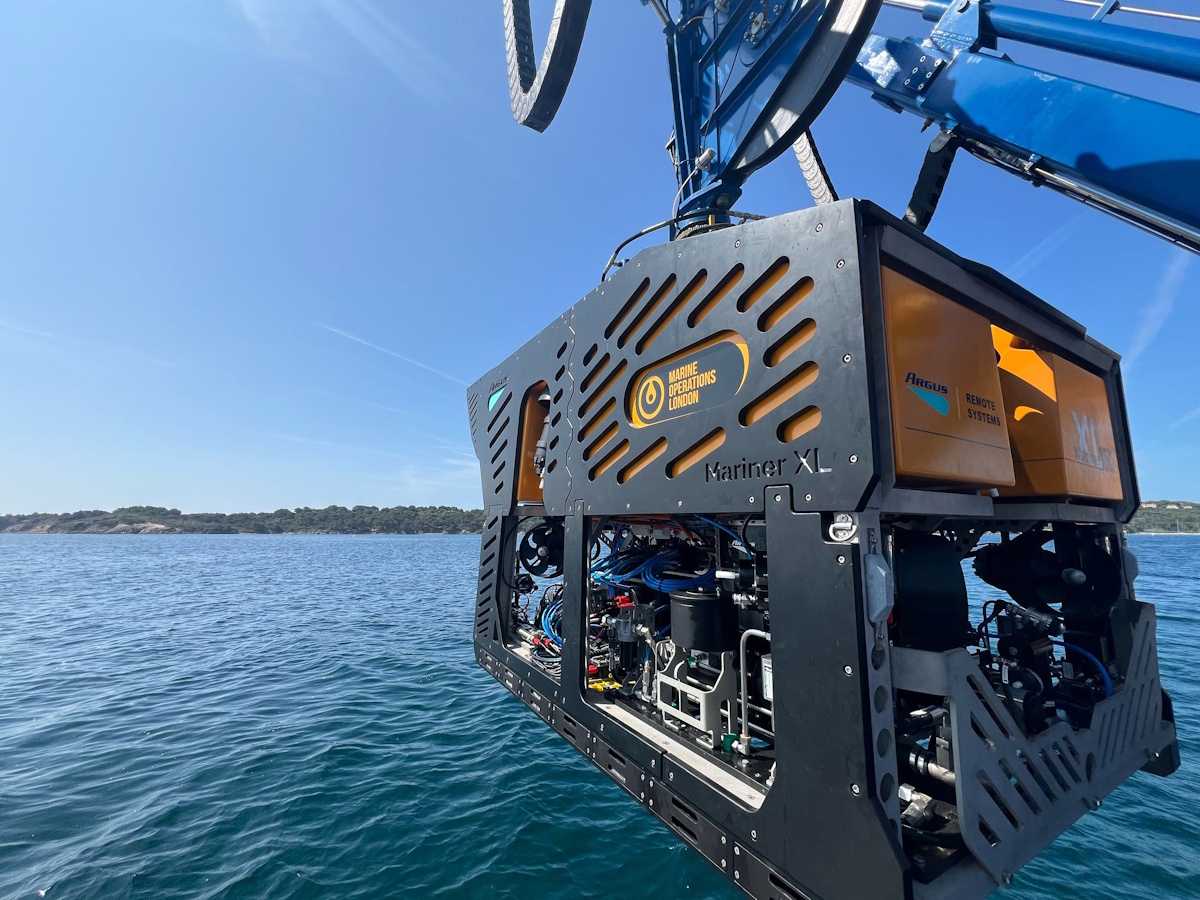
Exail to Equip Deep Ocean Search with Next-Generation Navigation and Positioning Systems for Deep-Sea Missions
Deep Ocean Search (DOS), a prominent company in deep-sea exploration, has partnered with Exail to enhance its navigation and acoustic positioning for forthcoming missions. This collaboration will see DOS utilize Exail's advanced Rovins 9-DVL navigation system and Gaps M7 acoustic positioning system, which are designed to operate at depths of up to 6,000 meters. The integration of these technologies is expected to significantly improve DOS's operational capabilities in challenging underwater environments, facilitating more precise and efficient exploration efforts.
exail deep ocean search navigation and positioning systems for deep-sea missions
Oceaneering Upgrades Ocean Intervention II Vessel for Simultaneous Autonomous Survey Missions
Oceaneering International, Inc. has announced an upgrade to its Subsea Robotics segment, enhancing the capabilities of the Ocean Intervention II (OI2), an oceanographic research vessel owned by the company. This upgrade enables the vessel to conduct simultaneous autonomous survey operations, significantly improving efficiency in underwater research. The announcement was made today, highlighting Oceaneering's commitment to advancing marine technology and research capabilities. The enhancements are expected to facilitate more comprehensive data collection and analysis in various oceanographic studies, positioning Oceaneering as a leader in the field of subsea exploration.
oceaneering upgrade ocean intervention ii vessel simultaneous autonomous survey missionsRobotics needs a service framework.
RSF defines a common language for robot service capability, lifecycle operations, certification pathways, and service-provider networks.
Join the RobotToday community on LinkedIn
Daily robotics news, in-depth analysis, conference highlights, and discussions with professionals worldwide.







