

Industry Briefing
A single destination for timely, editor-curated robotics news from around the world.
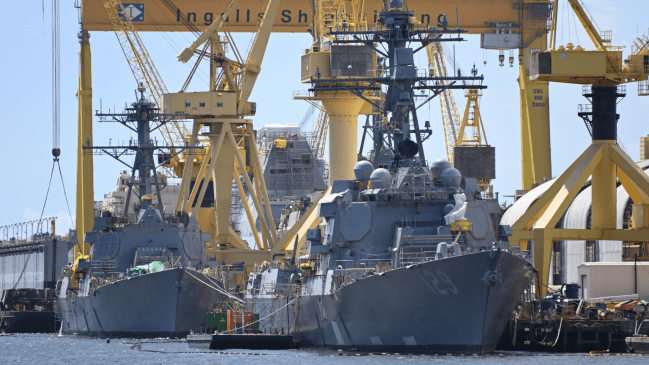
HII Aims for 15% Increase in Shipyard Throughput Using Robotics for Navy Warships
HII, the largest military shipbuilder in the US, is targeting a 15% increase in shipyard throughput this year to expedite deliveries to the US Navy. The strategy involves workforce expansion, infrastructure upgrades, and enhanced use of technology, particularly physical AI, in shipbuilding operations. Currently, around 40 ships are under construction or modernization at HII's Ingalls and Newport News facilities. This initiative is significant as it highlights the need for skilled workers and modernized production infrastructure to support higher volumes in the US maritime industrial base. HII's plan includes hiring skilled workers, modernizing shipyard infrastructure, and expanding the industrial base for naval construction. Eric Chewning, HII’s executive vice president, emphasized the importance of building on current momentum to deliver ships at an increased pace. Looking ahead, HII plans to outsource over 2 million hours of work in 2026, marking a 178% increase from 2024. This distributed shipbuilding strategy aims to enhance shipbuilding capacity and resilience in the supply chain. As demand for naval vessels grows, HII's approach underscores the critical role of advanced manufacturing technologies in boosting US shipbuilding capacity.
Military
Israel Defense Forces Establish New Branch for Unmanned Systems and AI Integration
The Israel Defense Forces (IDF) are launching a new branch dedicated to unmanned systems and artificial intelligence, as announced by Chief of Staff Lt. Gen. Eyal Zamir. This initiative aims to adapt to the rapidly evolving battlefield, emphasizing the integration of robotics, drones, and AI technologies. The establishment of the Unmanned Systems and Artificial Intelligence Branch is a significant step for the IDF, reflecting a strategic shift towards modern warfare capabilities. Zamir highlighted that these advancements will enhance operational effectiveness and save lives, marking a transformative moment for military operations. Looking ahead, the IDF plans to fully inaugurate this new branch by early December. The focus will be on harnessing technologies across land, air, and sea domains, with an emphasis on maritime capabilities as part of the IDF’s broader multi-year plan, Hoshen. No further timeline was disclosed at the time of publication.
Air Warfare Global Land Warfare AI & Autonomy Air Force Army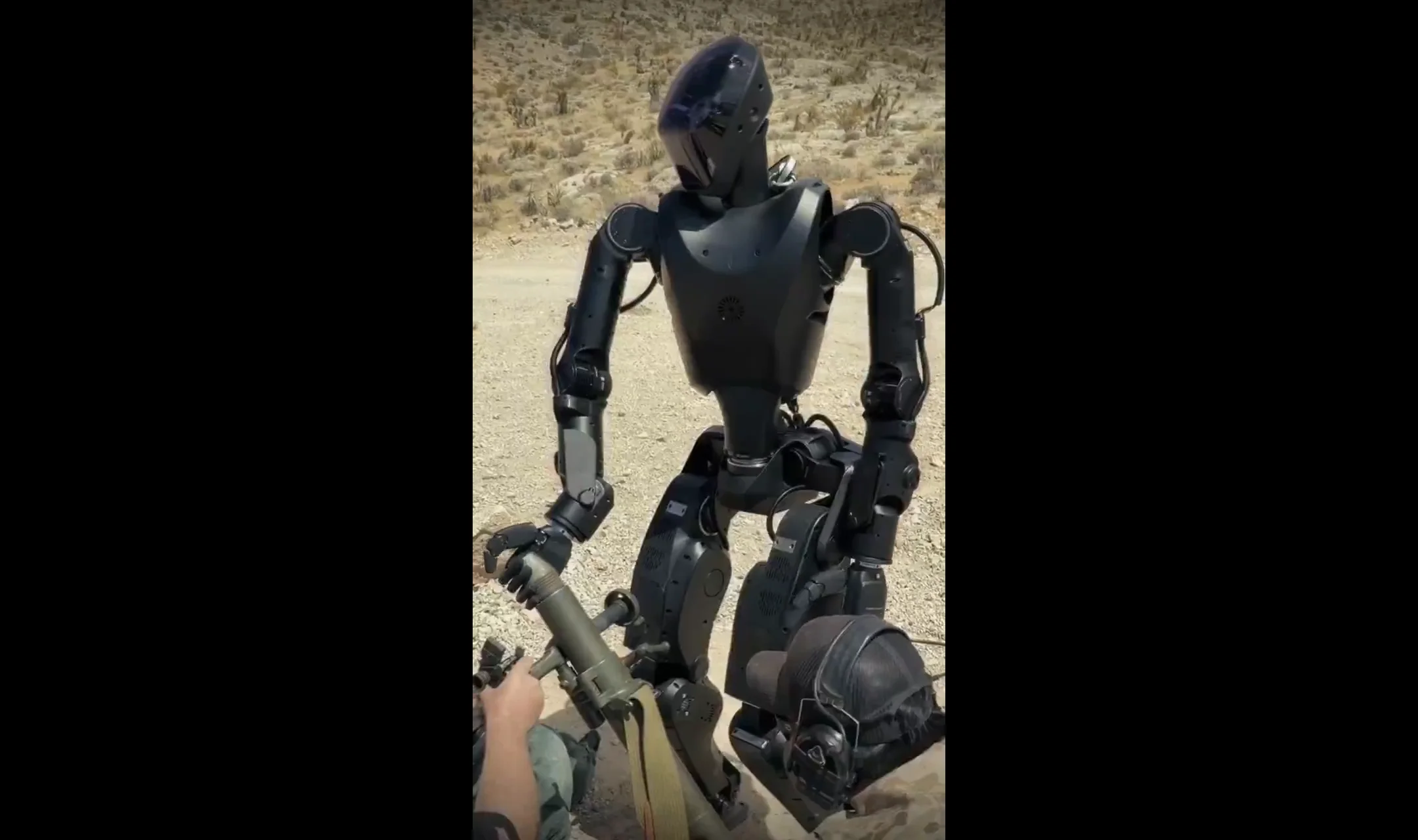
China's Military Advances in Humanoid Robotics for Combat Readiness
Last month in Beijing, bipedal humanoid robots impressed audiences at the 2nd World Humanoid Robot Games, where they excelled in speed and manipulation. However, the event caught the attention of China's defense sector, which is pushing to integrate these robots into military operations. The PLA Daily has called for accelerated development to transition laboratory robotics into combat-ready units, reflecting a significant shift in military strategy influenced by lessons from the Ukraine conflict. The analysis of over 100 military procurement documents reveals that China is planning for the deployment of humanoid robots on the battlefield. Research from the National University of Defense Technology indicates that these robots could operate alongside human soldiers in urban environments within five to ten years. Recent military exercises have already incorporated humanoid platforms into tactical simulations, demonstrating their potential for reconnaissance and security tasks. As China develops its humanoid capabilities, the American defense industry remains cautious, with major firms like Boston Dynamics refusing to weaponize their robots. The contrasting approaches highlight the competitive landscape in military robotics, with China's domestic supply chain providing a significant advantage in production and integration of humanoid technology. No further timeline was disclosed at the time of publication.
US China FoundationRobotics needs a service framework.
RSF defines a common language for robot service capability, lifecycle operations, certification pathways, and service-provider networks.
Join the RobotToday community on LinkedIn
Daily robotics news, in-depth analysis, conference highlights, and discussions with professionals worldwide.







