

Industry Briefing
A single destination for timely, editor-curated robotics news from around the world.

OpenAI, Anthropic, and Meta to Testify at NYC Council's First AI Safety Hearing
Major AI companies, including OpenAI, Anthropic, and Meta, are set to testify before the New York City Council on October 5. This hearing will allow lawmakers to question executives under oath regarding the risks associated with rapidly advancing AI systems. The session aims to address technology risks and potential safeguards for New Yorkers, with participation from national experts on AI safety. The significance of this hearing lies in its potential to increase accountability among AI developers. New York City Council Speaker Julie Menin emphasized the need for direct answers from technology companies as AI capabilities expand. The testimony will help lawmakers evaluate proposed measures aimed at mitigating risks posed by AI systems to consumers and public infrastructure. Looking ahead, the Council plans to explore legislation addressing potential harms linked to AI systems, including a whistleblower incentive program and independent third-party validation requirements. The participation of SpaceXAI remains uncertain, as the company has not responded to the Council's request and is subject to a subpoena for the hearing. No further timeline was disclosed at the time of publication.
AI and Robotics Culture
Meta and Microsoft Drive Tech Stocks Higher Amid Rising Bond Yields
Last week, tech stocks experienced a notable increase, led by Meta and Microsoft, despite surging Treasury yields. The Nasdaq rose by 2%, while the S&P 500 and Dow Jones Industrial Average gained 1% and 0.3%, respectively. The rise in Treasury yields, reaching multidecade highs, was fueled by strong economic data and expectations for Federal Reserve rate hikes. The significance of this trend lies in the dual pressures of rising rates and inflation, which typically hinder stock performance. However, Meta's recent announcements regarding its AI agent, Muse, and Microsoft's strong Azure growth have provided a counterbalance. Meta's shares surged approximately 13% last week, reflecting investor confidence in its potential to monetize AI technology, while Microsoft saw a more than 4% increase, driven by positive analyst sentiment. Looking ahead, investors should monitor the ongoing developments in the tech sector, particularly how Meta and Microsoft leverage their AI capabilities amidst economic challenges. No further timeline was disclosed at the time of publication.

Meta Boosts Muse AI App with Major Promotion and Surging Downloads
Muse, the AI app developed by Meta, is experiencing rapid growth, surpassing 3.4 million downloads since its launch on September 8. This surge is attributed to Meta's promotion at the Meta Connect developer conference, where new features were announced, including video chat and smart glasses integration. The significance of Muse's success lies in its strong early reviews and the effective marketing strategies employed by Meta, which have drawn comparisons to the launch of other popular apps. Muse's download growth has outpaced that of ChatGPT during its initial launch period, showcasing the app's potential in the competitive AI landscape. Looking ahead, Muse's continued growth will be closely monitored, especially as it remains exclusive to the U.S. and Canada. The app's performance in the coming weeks will be influenced by Meta's ongoing promotional efforts and the introduction of new features that enhance user engagement. No further timeline was disclosed at the time of publication.
AI Apps Social Meta muse
Boston Dynamics Launches Metaplant Application Center for Atlas Humanoid Training
Boston Dynamics has inaugurated its Robotics Metaplant Application Center (RMAC) near Savannah, Georgia, aimed at training Atlas humanoids for integration into Hyundai's automotive manufacturing processes. This facility will serve as a testbed for developing specific skill sets necessary for general-purpose automation in the automotive sector. The RMAC represents a significant advancement in the collaboration between Boston Dynamics and Hyundai Motor Group, focusing on optimizing supply chain and production capabilities. Zack Jackowski, chief product and technology officer at Boston Dynamics, emphasized the importance of this partnership in pioneering physical AI at an enterprise scale, aiming to enhance productivity and safety in manufacturing. Looking ahead, Boston Dynamics plans to expand Atlas's capabilities to include component assembly by 2030, with the humanoids expected to take on more complex tasks involving repetitive motions and heavy lifting. The RMAC will play a crucial role in refining these applications through real-world training and data collection.
Artificial Intelligence Artificial Intelligence / Cognition Assembly Automotive Food / Beverage Humanoids
Boston Dynamics Launches Robotics Metaplant Center to Train Atlas Robots for Manufacturing
Boston Dynamics has inaugurated a new facility within Hyundai Motor Group's Metaplant America campus located near Savannah, Georgia. This center focuses on training Atlas® robots, which are pivotal for advancing AI robotics commercialization and enhancing operations across the Group's extensive network. The establishment of this training center is significant as it marks a strategic move towards integrating humanoid robots into manufacturing tasks. By laying the groundwork for AI robotics, Boston Dynamics aims to facilitate the adoption of advanced robotic solutions within the automotive sector and beyond. Looking ahead, Boston Dynamics has plans to broaden the training capabilities for Atlas robots and is already preparing to transition to a larger facility by 2027. This expansion indicates a commitment to furthering the development of humanoid robotics in manufacturing applications.

DJI Pocket 4P Firmware Update Enhances Usability with FrameTap Accessory
DJI has released a firmware update for the Osmo Pocket 4P, version 01.01.71.31, which improves usability for creators. The update enhances the functionality of the Osmo FrameTap, allowing users to control the camera remotely, making it ideal for solo shooting scenarios. This update is significant as it addresses common frustrations faced by content creators, particularly when filming themselves. The addition of 45-degree diagonal gimbal movement through the joystick offers greater flexibility in camera movements, enhancing the shooting experience for various applications like travel videos and interviews. Looking ahead, users can expect improved color reproduction with the updated D-Log LUTs and the introduction of D-Log 10-bit color for slow-motion footage. This update positions the Pocket 4P as a robust tool for serious creators who seek to elevate their video production quality.
News
Meta Introduces New Subscription Tiers and AI Tools for WhatsApp Business
Meta has launched a new subscription service called Meta One, which enhances AI usage and offers premium features across its platforms, including Facebook, Instagram, and WhatsApp. This initiative is part of Meta's strategy to monetize its Muse AI models, following a significant investment in Scale AI in 2025. The introduction of Meta One builds on earlier subscription tiers and has already shown promising results, with Instagram's daily revenue reaching $1.2 million and Facebook's at $528,000, marking substantial increases from the previous week. The new subscription plans, priced at $7.99 and $19.99 monthly, provide access to advanced AI tools and features tailored for businesses and creators. Additionally, Meta has enabled businesses to utilize AI agents like Claude and ChatGPT for managing WhatsApp Business messaging, streamlining the setup process. Analysts predict that Meta's subscription strategy could generate up to $20 billion in additional revenue by 2030, highlighting the potential impact of these developments on the company's financial future.
AI AI Funding & Investment Business Enterprise AI business insights
Meta Launches New Subscription Service with Enhanced AI Features for Users and Businesses
Meta has launched a new subscription service named Meta One, which provides expanded AI tools and premium features across its platforms, including Facebook, Instagram, and WhatsApp. This initiative follows Meta's significant $14.3 billion investment in Scale AI in 2025, aimed at monetizing its Muse AI models and enhancing user engagement through innovative tools. The introduction of Meta One is significant as it aims to capitalize on the growing demand for AI-driven functionalities. With subscription tiers like Instagram Plus and Facebook Plus already showing promising revenue growth—Instagram's daily revenue reaching $1.2 million and Facebook's at $528,000—Meta is positioning itself to further monetize its platforms while offering users enhanced capabilities. Looking ahead, Meta's subscription plans include options for both individual users and businesses, with pricing ranging from $2.99 to $499 per month. The Core and Premium plans focus on AI usage, while business plans offer features tailored for creators and enterprises. No further timeline was disclosed at the time of publication.
AI Apps Social Meta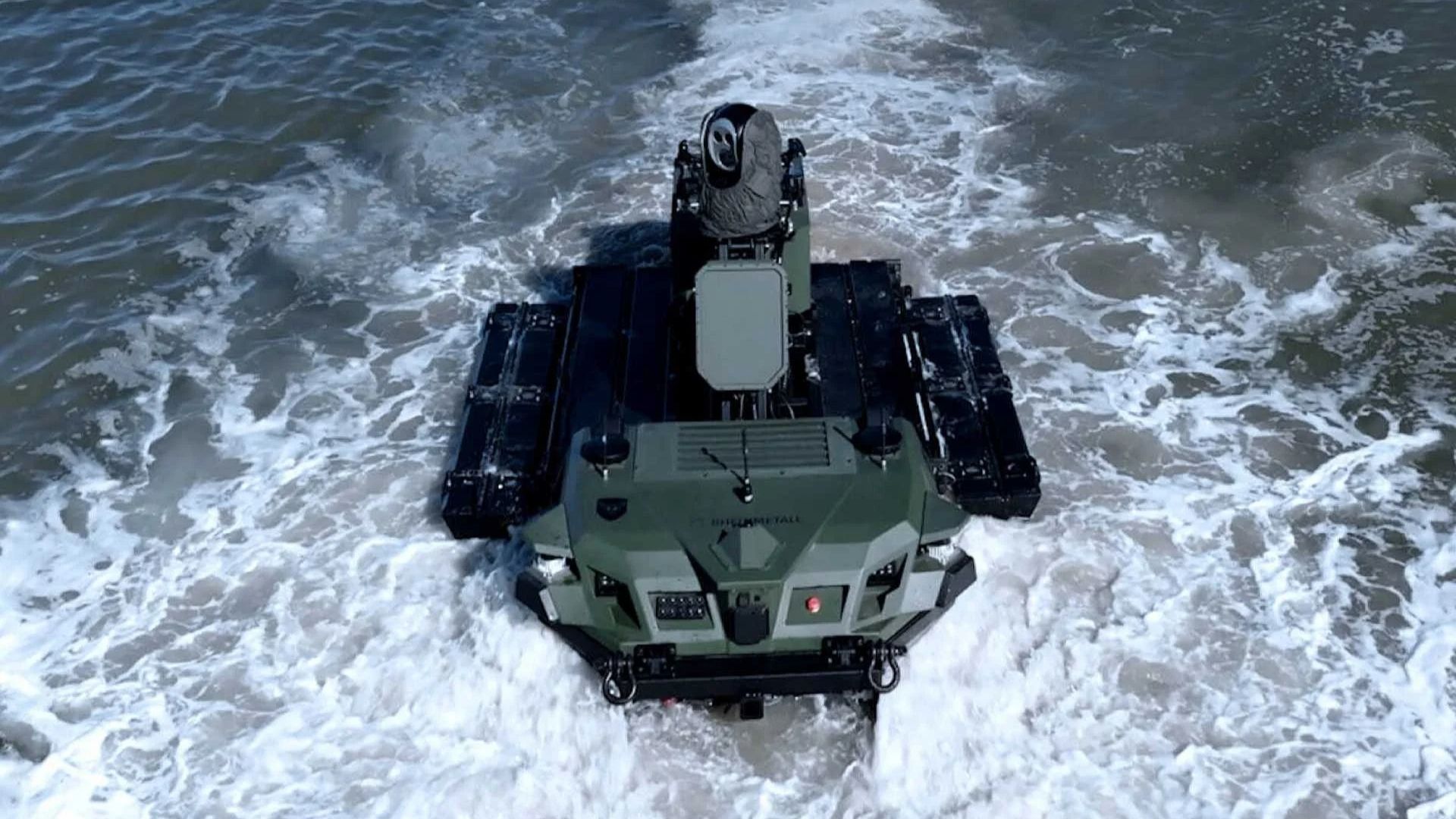
US Marine Corps Secures 12 Rheinmetall Amphibious Robots for Autonomous Logistics
American Rheinmetall has been awarded a $7.28 million contract to supply 12 Mission Master SP Autonomous Unmanned Ground Vehicles (A-UGVs) to the US Marine Corps. This procurement includes five amphibious kits and supporting equipment aimed at enhancing autonomous logistics and expeditionary mobility technologies. The significance of this contract lies in its potential to advance the operational capabilities of the US Marine Corps. The Mission Master SP vehicles are designed to support the Marine Corps Warfighting Laboratory's evaluations and capability development efforts, reflecting over four years of collaboration between Rheinmetall and the Marines. Looking ahead, the deployment of these advanced A-UGVs will be closely monitored as they are integrated into military operations. The amphibious capability is particularly noteworthy, as it addresses the evolving demands of littoral and expeditionary operations, marking a key milestone in Rheinmetall's partnership with the US Marine Corps.
Military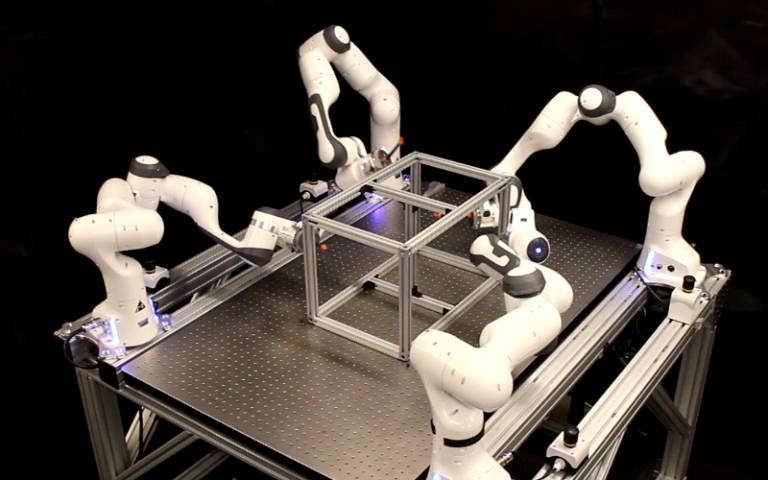
Meta and Lyft Stocks Rise Amid AI Assistant Launch and Robotaxi Expansion
Meta Platforms Inc. (META) has seen a rise in its stock value following the positive reception of its newly launched AI assistant, Muse. Analysts believe that Meta is strategically positioned to capitalize on this product's potential in the market. Lyft Inc. (LYFT) is also experiencing an uptick in its shares as it begins offering Waymo robotaxi rides in Nashville. This marks the second city in the United States where Lyft is providing driverless rides, showcasing its commitment to expanding autonomous vehicle services. Apple Inc. (AAPL) shares are fluctuating ahead of a significant product unveiling. The company's stock has increased by 15% since June 25, fueled by anticipation surrounding its new device lineup, particularly the highly anticipated foldable phone. No further timeline was disclosed at the time of publication.

Meltio Introduces US-Assembled Meltio Robot Cell for Industrial Metal 3D Printing
Meltio has unveiled a US-assembled version of its Meltio Robot Cell, designed for industrial metal 3D printing. This initiative targets industrial customers throughout the Americas, aiming to enhance accessibility and efficiency in additive manufacturing. The decision to assemble the system in the United States is significant as it aims to minimize shipping and customs delays that typically arise from importing equipment from Spain. This strategic move is expected to streamline operations for customers and improve the overall user experience. Looking ahead, Meltio's focus on local assembly may lead to further innovations and adaptations of the Meltio Robot Cell to meet specific regional demands. No further timeline was disclosed at the time of publication.
Design Engineering Manufacturing News Robotics abb robotics
Panmnesia and Meta Propose New Architecture for Coordinated AI Data Center Operations
Panmnesia, in collaboration with Meta, has proposed a new architecture that enables AI data centers to function more like a unified computer rather than a collection of separate machines. This design utilizes Compute Express Link (CXL) to connect CPUs, AI accelerators, and memory across racks, addressing the challenges posed by the increasing complexity of AI models that require extensive data exchange. The significance of this architecture lies in its potential to enhance latency predictability and overall efficiency in data centers. By extending the CXL domain beyond individual racks, the proposed system allows resources to operate as a coordinated unit, significantly reducing unpredictable delays in data movement. This could lead to a substantial decrease in round-trip latency, from microseconds to several hundred nanoseconds, which is crucial for large AI workloads that depend on the collective performance of multiple accelerators. Looking ahead, the architecture could revolutionize how computing resources collaborate within data centers. With the ability to connect a greater number of accelerators and memory devices, the proposed system not only improves performance but also minimizes the impact of individual device failures. No further timeline was disclosed at the time of publication.
AI and Robotics
SCHG's Apple Holdings Exceed Tesla, Meta, and Palantir Combined, Impacting Growth Investor Returns
The Schwab U.S. Large-Cap Growth ETF (SCHG) has a significant concentration in its top three holdings, with Apple representing 9.83% of the fund, surpassing its combined holdings in Tesla, Meta, and Palantir. This concentration has led to SCHG underperforming compared to broader indices, trailing the Invesco QQQ Trust by nearly 7 points year-to-date. This situation highlights the risks associated with concentrated investments in a few large-cap stocks, as investors seeking diversified exposure may find SCHG's performance disappointing. While Apple and NVIDIA have shown strong growth, the overall performance of SCHG has been hindered by its heavy reliance on these stocks, which may not align with the expectations of all investors. Looking ahead, investors should consider the implications of SCHG's concentrated holdings and evaluate whether it aligns with their investment strategies. No further timeline was disclosed at the time of publication.

MIT Assistant Professor Thomas Rose, Expert in Archaeometallurgy, Passes Away at 37
MIT Assistant Professor Thomas Rose, a specialist in ancient metallurgy, tragically died on September 2 due to injuries from a bicycle accident in Cambridge, Massachusetts. The incident is under investigation and occurred at the intersection of Memorial Drive and Massachusetts Avenue. Rose, who was 37 years old, had recently joined MIT as the POSCO Professor of Materials Science and was in the process of establishing his laboratory. Rose's contributions to the MIT community were notable, as he actively mentored students and shared his lab resources. His colleagues praised him for his technical expertise and personal qualities, highlighting his friendly and open demeanor. Senior Lecturer Michael Tarkanian remarked on Rose's exceptional fit within the department, emphasizing how fortunate they felt to work alongside him. Looking ahead, Rose was set to teach his first courses this fall, and his lab had just welcomed its first group of graduate researchers. His innovative research in archaeometallurgy, which combined various scientific disciplines, positioned him as a valuable asset to the Center for Materials Research in Archaeology and Engineering (CMRAE). No further timeline was disclosed at the time of publication.
Obituaries Faculty Materials science and engineering DMSE School of Engineering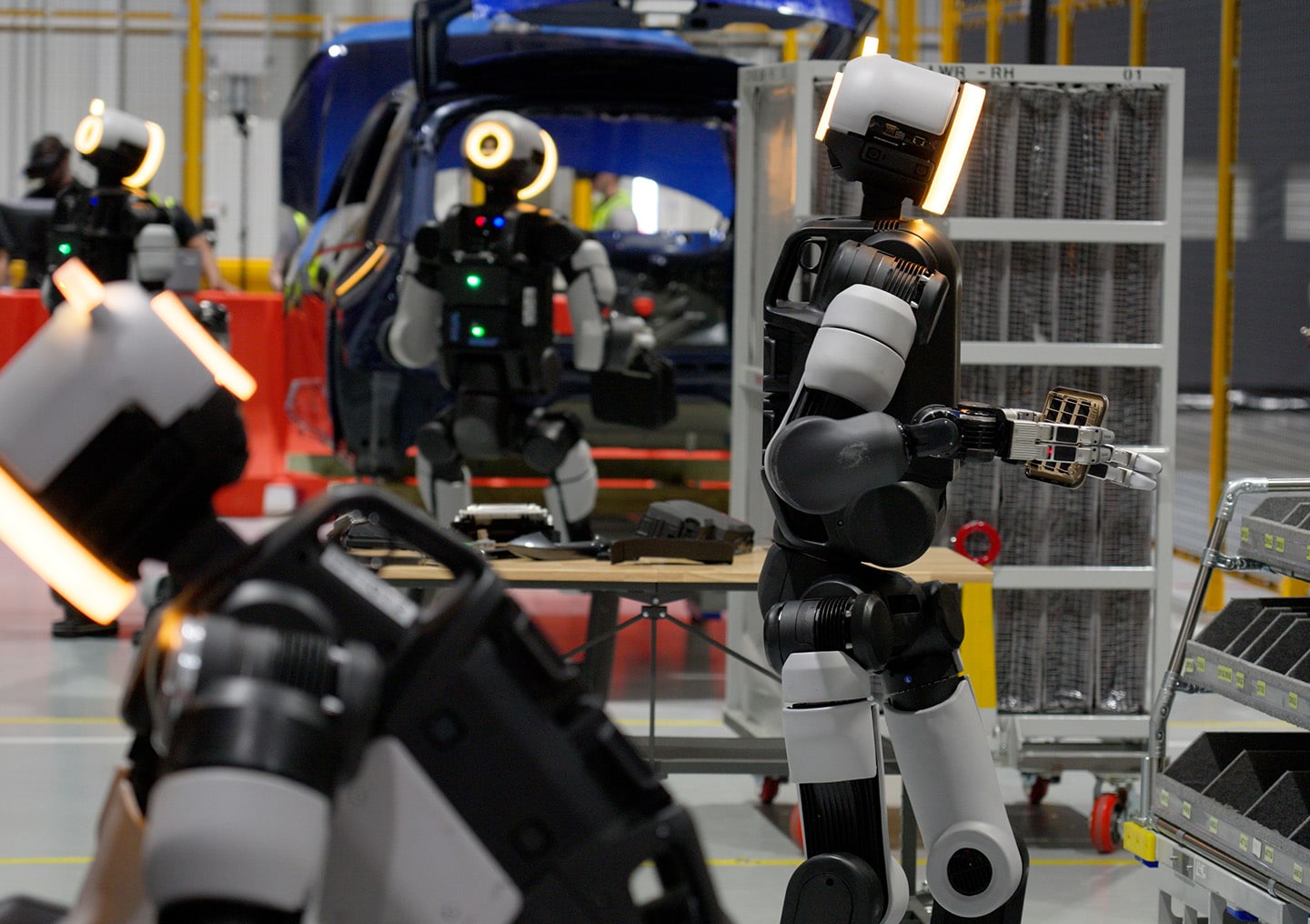
Boston Dynamics Launches Robotics Metaplant Application Center for Atlas Robot Training
Boston Dynamics has unveiled the Robotics Metaplant Application Center (RMAC) at Hyundai Motor Group Metaplant America, marking a significant advancement in its robotics and AI strategy. This facility will serve as a training ground for Atlas robots, integrating them into Hyundai's automobile manufacturing processes, with plans to expand applications to component assembly by 2030. The collaboration with Hyundai Motor Group is crucial as it aims to deploy 25,000 Atlas robots across global plants in the coming years. The RMAC will enhance supply chain and production capabilities, reinforcing the shared vision of making work safer and more efficient through robotics. The first phase of RMAC is operational, with plans for significant expansion next year. Looking ahead, Boston Dynamics intends to explore additional industry applications for Atlas, engaging with existing customers in sectors such as aerospace and logistics to enhance data collection and training processes. No further timeline was disclosed at the time of publication.

Meta's Sandhya Devanathan Joins OpenAI Amid Increased Scrutiny in India
Sandhya Devanathan, the vice president for India and Southeast Asia at Meta, is departing to join OpenAI, as confirmed by the company. She will be based in Singapore and will focus on consumer growth, enterprise adoption, partnerships, and regulatory engagement across Southeast Asia and Australia. Devanathan's move follows her extensive tenure at Meta, where she played a significant role in navigating the company's challenges in India. This transition is notable as Meta faces intensified scrutiny from Indian authorities regarding online safety and content moderation. Recent incidents, including the restriction of a post by Prime Minister Narendra Modi and concerns over child sexual abuse material on its platforms, have prompted government inquiries. Devanathan's experience at Meta, particularly in the Indian market, positions her well to contribute to OpenAI's expansion in the Asia-Pacific region. Looking ahead, OpenAI continues to grow its presence in Asia, having opened offices in several key cities over the past two years. No further timeline was disclosed at the time of publication regarding additional appointments or strategic initiatives following Devanathan's transition to OpenAI.
AI Social Meta OpenAI people moves
Impossible Metals' Eureka II Achieves Autonomous Recovery from Ocean Surface
Impossible Metals has released new footage demonstrating its underwater vehicle, Eureka II, autonomously locating and recovering its surface vessel from beneath the ocean waves. This significant achievement showcases the vehicle's ability to align, attach, and return to the deck without any human intervention, marking a crucial step towards scalable ocean robotics. The successful autonomous recovery of Eureka II is important as it addresses one of the major challenges in ocean technology, paving the way for more advanced and efficient underwater operations. This capability could enhance various applications, including marine research, resource recovery, and environmental monitoring, by reducing the need for human oversight. Looking ahead, industry observers will be keen to see how Impossible Metals continues to develop its ocean robotics technology and what further advancements will be made in autonomous underwater operations. No further timeline was disclosed at the time of publication.

Meta Launches Pocket App for Vibe-Coding and Game Sharing in the U.S.
Meta has officially launched its vibe-coding gaming app, Pocket, to users in the U.S. after a test rollout in Brazil. The app allows users to create interactive games using AI prompts, which can be shared on a scrollable feed. These games, referred to as 'gizmos,' respond to user interactions and can incorporate sound effects and personal media. The introduction of Pocket is part of Meta's broader strategy to mainstream AI creation tools, following previous initiatives like AI-generated images and videos. CEO Mark Zuckerberg highlighted the role of AI in accelerating software development, enabling faster testing and deployment of new applications. Pocket joins a suite of recent Meta applications, including Instagram Instants and Forum, showcasing the company's commitment to innovation. As Pocket replaces the original app from Atma Sciences, Meta continues to explore new ideas and leverage its recommendation systems for scaling. No further timeline was disclosed at the time of publication.
AI Apps Gaming Social Meta vibe-coding
China Restricts Exports of Key Optical and Aerospace Metals to Taiwan
China has begun to restrict or delay exports of essential aerospace and optical materials to Taiwan, leading to significant supply chain disruptions in the region's technology sector. This move affects materials such as germanium and quartz, which are critical for various industries. The implications of these restrictions are profound, as Taiwan relies heavily on these materials for its tech manufacturing processes. The bottlenecks created by these export delays could hinder production capabilities and impact the broader supply chain, which is already under pressure from global economic conditions. Looking ahead, industry stakeholders will need to monitor the situation closely, as further restrictions could exacerbate existing challenges in securing necessary materials. No further timeline was disclosed at the time of publication.

3D-Printed Auxetic Metamaterial Robot Developed for Navigating Complex Pipeline Geometries
A new 3D-printed auxetic metamaterial robot has been developed to enhance adaptive navigation in pipelines featuring complex geometries. This innovative design allows the robot to deform and adapt its shape, enabling it to maneuver through challenging environments effectively. The significance of this development lies in its potential applications across various industries, particularly in maintenance and inspection tasks within intricate pipeline systems. By utilizing auxetic materials, the robot can achieve greater flexibility and resilience, which is crucial for navigating tight spaces and avoiding obstacles. Looking ahead, the focus will be on further testing and refinement of the robot's capabilities in real-world scenarios. No further timeline was disclosed at the time of publication.
RESEARCH ARTICLE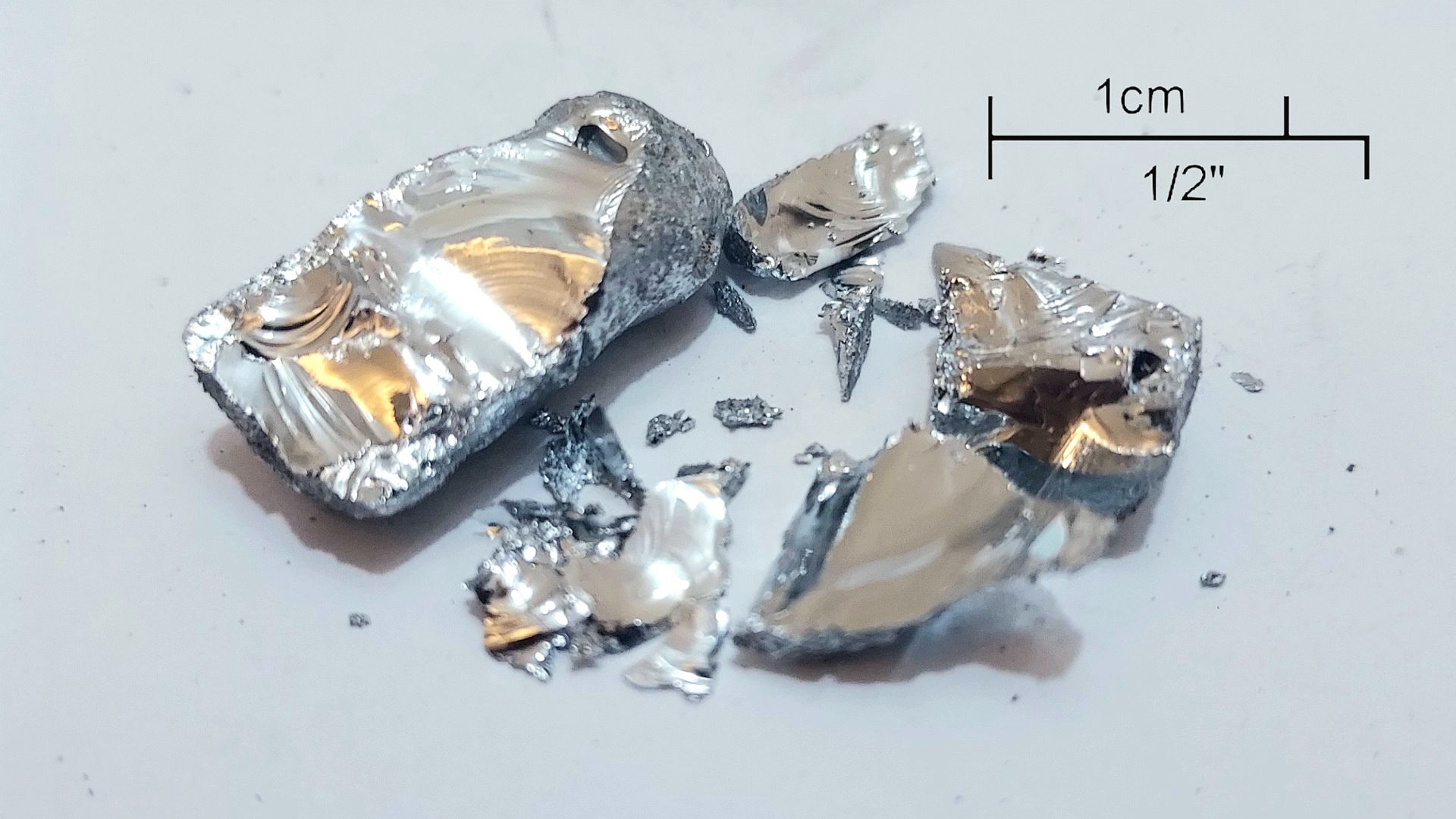
Five Essential Metals Driving the Growth of AI Data Center Infrastructure
Artificial intelligence relies heavily on physical infrastructure, particularly data centers that require substantial electrical systems and cooling equipment. A 2026 study indicates that copper is the most critical metal, accounting for 83% of the modeled mineral mass needed for AI data-center infrastructure. Other important metals include gallium, germanium, rare earth elements, and aluminum, each playing a vital role in the AI hardware ecosystem. The significance of these metals extends beyond mere supply; they are integral to the functionality and efficiency of AI systems. For instance, copper's excellent thermal conductivity aids in cooling, while gallium and germanium are essential for semiconductor applications. The concentration of production for these materials, particularly gallium and germanium, raises concerns about supply chain vulnerabilities, which could impact the growth of AI technologies. Looking ahead, the demand for these metals is expected to rise as AI infrastructure expands. The reliance on rare earth elements, particularly from China, poses additional supply risks. As AI processors evolve and generate more heat, the importance of effective thermal management through materials like aluminum will only increase. No further timeline was disclosed at the time of publication.
AI and Robotics
China Enhances Border Controls Following Meta's Acquisition Attempt of AI Startup Manus
China's government has implemented stricter entry and exit regulations to safeguard advanced technologies, including artificial intelligence. These new rules are set to take effect on September 15, 2026, in response to Meta's attempted acquisition of the Chinese AI developer Manus, which has raised concerns about data leaks and economic security. The tightening of border controls is significant as it reflects China's ongoing efforts to protect its technological advancements and sensitive data from foreign influence. The regulations aim to prevent potential leaks that could arise from foreign investments in Chinese tech firms, particularly in the AI sector, which is crucial for the country's economic strategy. Looking ahead, the impact of these regulations on foreign investments and collaborations in China's tech landscape will be crucial to monitor. As the global competition in AI intensifies, how these measures affect companies like Meta and their ambitions in China remains to be seen. No further timeline was disclosed at the time of publication.
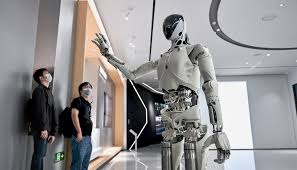
Rheinmetall Successfully Demonstrates FV-014 Loitering Munition System with New Launcher
Rheinmetall has successfully demonstrated its FV-014 loitering munition system, which is integrated with a modular Containerised Missile Launcher. This development marks a significant advancement in drone strike technology, showcasing Rheinmetall's commitment to enhancing military capabilities. The integration of the FV-014 with the Containerised Missile Launcher is crucial as it allows for flexible deployment and operational efficiency. This innovation is expected to improve strike capabilities in various combat scenarios, making it a vital asset for modern military operations. Looking ahead, the military applications of the FV-014 system will be closely monitored, particularly how it enhances operational readiness and effectiveness in real-world situations. No further timeline was disclosed at the time of publication.
News
Rheinmetall Unveils FV-014 Loitering Munition Launched from Moving Truck
German defense company Rheinmetall has successfully demonstrated its FV-014 loitering munition launched from a containerized system on a moving truck. This marks the first operational test of the FV-014 from its Containerized Missile Launcher, showcasing both stationary and mobile launch capabilities during a demonstration at the National Test Center for Unmanned Aerial Systems in July. The FV-014 is designed for long-range operations, with a range of up to 100 kilometers and an airborne endurance of 70 minutes, allowing operators ample time for reconnaissance and precision strikes. Rheinmetall emphasizes the system's human-in-the-loop architecture, enabling operators to track targets and authorize attacks, which is particularly beneficial for dynamic target environments. Looking ahead, Rheinmetall is positioning the FV-014 for both individual and swarm operations, where multiple munitions can be deployed simultaneously. The weapon's advanced features, including reduced radar signatures and a powerful warhead capable of penetrating solid armor, highlight its potential impact on modern battlefield strategies. No further timeline was disclosed at the time of publication.
Land Air Around The Globe Drones Europe Germany
Cast in Steel Reality Show Launches to Inspire Future Metal Casting Workforce
The Department of Defense has initiated a multimillion-dollar contract that has led to the creation of a metal casting competition, Cast in Steel. This reality show aims to raise awareness of the metal casting trade and inspire a new generation of workers. Six teams from various U.S. schools will compete for a $25,000 cash prize by designing and testing metal tools or weapons, with the season finale airing on YouTube. Cast in Steel is not a new concept, as the competition originally started in 2019, according to Robert Monroe, owner of Social Experiment. The show is produced by the Steel Founders’ Society of America (SFSA), which has been active for over 124 years and focuses on promoting the steel casting industry. The initiative aims to engage college students in metal casting projects, addressing the pressing workforce shortage in the U.S. casting and forging sectors. As the demand for American-made parts rises, the SFSA is increasingly focused on workforce development. The metal casting industry is crucial for various sectors, including automotive and aerospace, as advanced castings are essential for 90% of manufactured durable goods. No further timeline was disclosed at the time of publication.

NASA Funds Innovative Project for Robotically Assembled Metamaterial Radars in Space
NASA is funding a novel initiative to explore the construction of large radar antennas in space using robots and modular metamaterials. This project, led by Duke University's David Smith, is part of the 2026 NASA Innovative Advanced Concepts (NIAC) Phase I study, titled Robotically Assembled Electromagnetic Metamaterials for Long-Range Space Situational Awareness. The significance of this project lies in its potential to enhance space surveillance capabilities. Current ground-based radars, like the upgraded Space Fence, can track objects as small as four inches in low Earth orbit, but monitoring smaller objects or those at greater distances poses challenges. By assembling radar components in space, the project aims to overcome the limitations of traditional antennas that must survive launch constraints. Looking ahead, the project will focus on the feasibility of using metamaterials as building blocks for a large electromagnetic aperture. NASA plans to investigate metamaterial designs through numerical modeling while considering the robotic assembly techniques demonstrated by the ARMADAS project. No further timeline was disclosed at the time of publication.
Space
KUKA Showcases End-to-End Automation Solutions for Metalworking at AMB 2026
KUKA is set to demonstrate its advancements in end-to-end automation for metalworking at AMB 2026, taking place from September 15 to 19 in Stuttgart. The company will showcase how artificial intelligence enhances smart automation concepts, linking production steps into efficient processes. This initiative is significant as it highlights the growing potential of automation in the metalworking sector, paving the way for future-proof manufacturing solutions. KUKA's practical applications aim to streamline operations and improve productivity, addressing the industry's evolving demands. Attendees can expect to see KUKA's innovative technologies at Booth C51 in Hall 6, providing insights into how these solutions can transform metalworking processes. No further timeline was disclosed at the time of publication.

HII and MetalCraft Marine's Autonomous ROMULUS USV Passes Critical DoW Test for U.S. Navy
HII announced that its autonomous Watcher small Unmanned Surface Vessel (sUSV), based on the ROMULUS-25, has successfully passed a critical test recognized by the U.S. Defense Innovation Unit (DIU). This achievement marks the completion of the Production-Ready, Inexpensive, Maritime Expeditionary (PRIME) prototype project, which aims to develop smaller autonomous vessels for the U.S. Marine Corps. The successful testing of the Watcher sUSV is significant as it meets the operational needs of the Department of the Navy for interceptors capable of autonomous operations in contested waters. HII's Odyssey Autonomous Control System (ACS) enhances the vessel's capabilities, allowing for intelligent navigation and mission planning, which are crucial for modern naval operations. Looking ahead, HII is positioned for a potential transition to production under Other Transaction Authority (OTA) agreements. The company aims to continue delivering innovative autonomous solutions that enhance naval readiness and operational flexibility, as stated by HII's leadership and MetalCraft Marine's General Manager.
hii metalcraft romulus usv autonomy critical dow test
Meta Launches Muse Code with Muse Spark 1.2 for Advanced GPU Optimization Tests
Meta has introduced Muse Code, a terminal-based coding agent that successfully executed over 1,000 tool calls in a rigorous 24-hour test. This initiative aims to enhance the capabilities of its coding model, Muse Spark 1.2, for handling more complex software engineering tasks across extensive repositories. The significance of Muse Code lies in its ability to plan changes, write code, and validate results, thereby streamlining multi-step engineering processes. By utilizing persistent background agents, the system minimizes latency and user intervention, which is crucial for tasks like GPU kernel optimization that require sustained focus and direction. Looking ahead, the performance of Muse Code in real-world applications will be critical to observe. Its unique features, such as the local event log for resuming tasks after interruptions, could revolutionize workflows in software development. No further timeline was disclosed at the time of publication.
AI and Robotics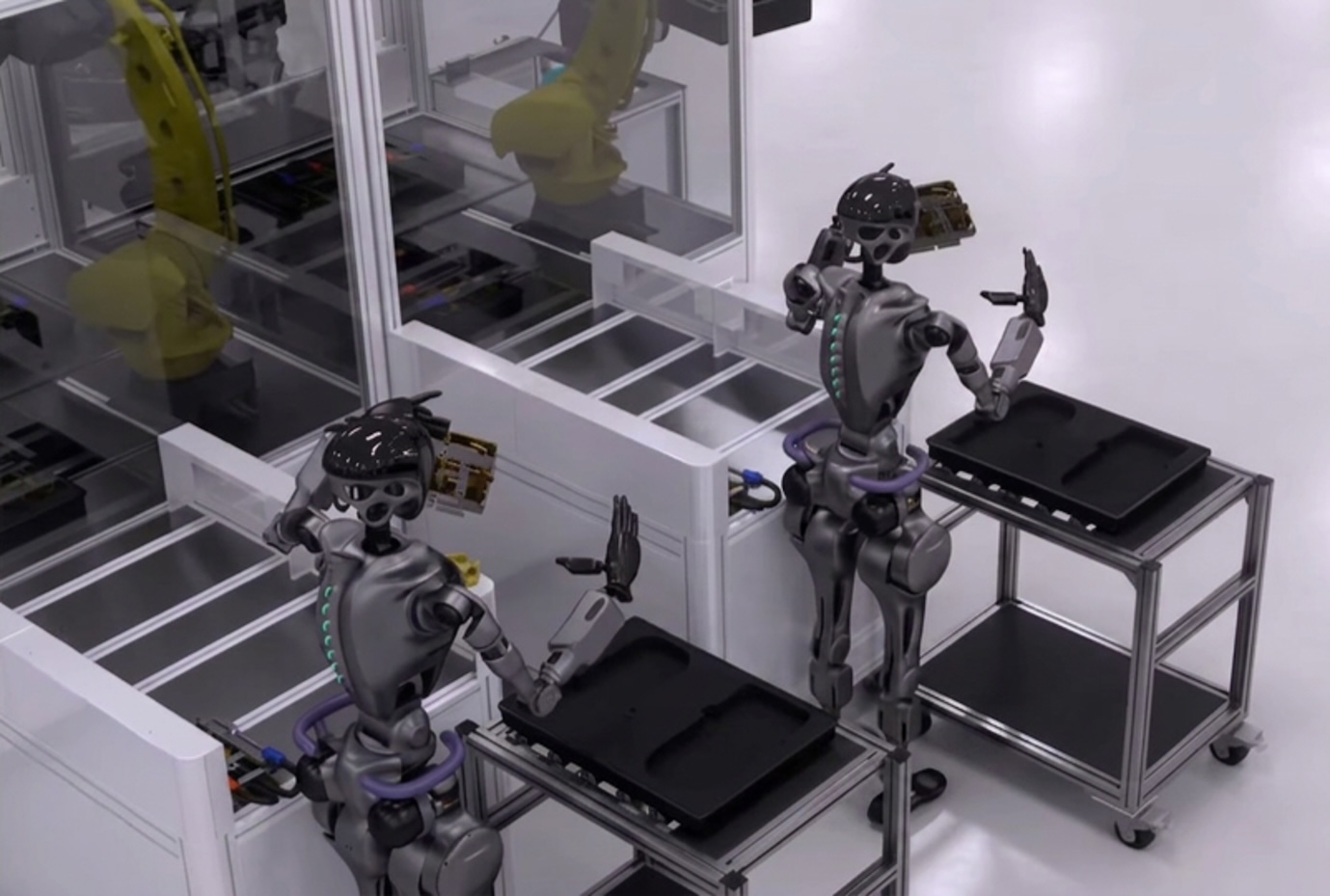
American Rheinmetall Secures Contract for Autonomous Ground Vehicles for US Army
American Rheinmetall has been awarded a contract to provide advanced autonomous ground vehicle technologies to the US Army as part of Project Sustainment. This development is significant as it underscores the growing emphasis on integrating autonomous systems into military operations, enhancing operational efficiency and effectiveness for the US Army. Looking ahead, it will be important to monitor the implementation of these technologies and their impact on military logistics and operations. No further timeline was disclosed at the time of publication.
News
Microsoft Shares Surge 9% While Meta Experiences 9% Decline Amid AI Investment Divergence
Microsoft's stock rose by 9% in premarket trading following strong fiscal fourth-quarter results, which included a 43% growth in its Azure cloud business. The company reported over 30 million paid seats for its AI work assistant, Microsoft 365 Copilot, indicating that its significant investments in AI are starting to yield positive returns. In contrast, Meta's shares fell by 9% as the company missed revenue guidance expectations, forecasting between $61 billion and $64 billion for the current quarter, below analyst predictions. Additionally, Meta's free cash flow plummeted by 91% year-on-year, reflecting ongoing expenditures on AI initiatives. Looking ahead, Microsoft’s continued growth in AI adoption and cloud services will be crucial to watch, especially as it plans potential expansions in capital expenditures. Meanwhile, Meta's strategy to leverage its computing resources remains uncertain, with CEO Mark Zuckerberg hinting at future opportunities but providing limited details on execution.

GMEX Robotics Enters Agreement to Acquire MediaMeta.ai for Enhanced Social Intelligence
GMEX Robotics Corp. has announced a definitive share-purchase agreement with Alpha Meta AI Pte. Ltd. and MetaGen AI Ltd. to acquire MediaMeta.ai. This acquisition aims to integrate artificial intelligence focused on human behavioral modeling into GMEX's automation portfolio. Mark March of MediaMeta.ai emphasized the importance of social intelligence in bridging capable AI systems with meaningful human interaction. The acquisition is significant as it will enable GMEX to enhance its AI-powered robotics across various sectors, including consumer, hospitality, education, healthcare, and retail. MediaMeta's technology is designed to provide AI systems with a foundational data layer that interprets social context, allowing robots to better understand and respond to human behaviors and cultural nuances. GMEX believes this collaboration will define the next generation of intelligent machines. Looking ahead, GMEX Robotics plans to integrate MediaMeta's capabilities into its robotics architecture, pending successful completion of the transaction and subsequent development efforts. The company is also focused on advancing its Terminal + Intelligence platform, with CEO Sam Lu highlighting the importance of technology that understands human interactions in the robotics industry's evolution. No further timeline was disclosed at the time of publication.
Artificial Intelligence Artificial Intelligence / Cognition Human Robot Interaction / Haptics Mergers & Acquisitions Microprocessors / SoC Microprocessors / SoCs
Meta's CEO Mark Zuckerberg Advocates for Universal Access to Superintelligence
On July 28, 2023, Mark Zuckerberg, CEO of Meta, published an op-ed in the Wall Street Journal titled 'The AI Future Is for Everyone.' He argued that superintelligence should not be concentrated in the hands of a few but should be accessible to everyone. Zuckerberg emphasized that the defining question of the coming years will not be whether superintelligence is achieved, but who will have access to it. Zuckerberg's perspective highlights three pillars: individual empowerment, invention over automation, and a balance of power. He criticized the pessimism among AI developers, suggesting that the belief that extreme power concentration is the only safe path is itself dangerous. He illustrated this with a thought experiment about equitable access to superintelligent legal assistance, arguing that universal access would lead to a fairer and more efficient judicial system. Regarding risks, Zuckerberg noted that broad access to powerful systems could enhance long-term safety, as evidenced by the history of open-source software in cybersecurity. He also suggested that widespread superintelligence could enable entrepreneurship with less capital, potentially increasing job opportunities. Microsoft CEO Satya Nadella and others expressed support for Zuckerberg's views, emphasizing the need to build an ecosystem that empowers everyone.
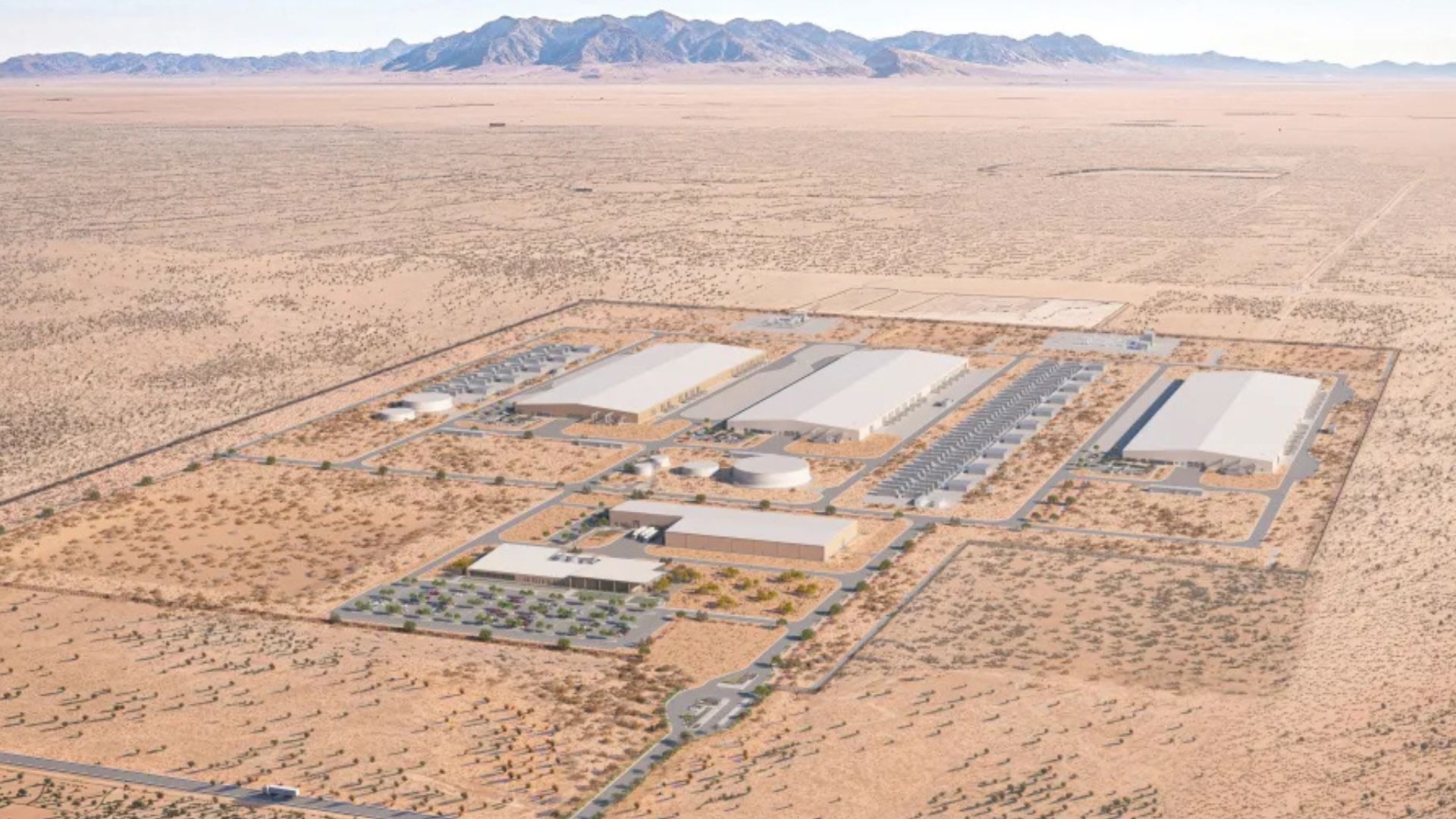
Meta and BlackRock Form Joint Venture for $14B AI Data Center in Texas
Meta Platforms and BlackRock have established a joint venture to develop a significant AI-focused data center campus in El Paso, Texas, with an estimated cost of $14 billion. This facility will provide 1 gigawatt of computing capacity to enhance Meta's artificial intelligence infrastructure, with the first capacity expected to be operational by 2028. The partnership is crucial for Meta as it aims to advance its superintelligence initiatives, with CEO Mark Zuckerberg emphasizing the importance of building infrastructure that benefits everyone. BlackRock's involvement, alongside Global Infrastructure Partners and HPS Investment Partners, will facilitate the necessary capital for this major project, which is anticipated to create thousands of jobs and stimulate local economic growth. Looking ahead, the project will not only support over 4,000 jobs during construction but also provide about 300 full-time positions once completed. Meta is also committed to workforce development, contributing to local education and skilled trades programs, while BlackRock's Future Builders initiative aims to train over 12,000 electricians in Texas over the next three years. No further timeline was disclosed at the time of publication.
AI and Robotics
Amazon, Meta, and Microsoft Anticipate Investor Scrutiny Following Alphabet's Capex Increase
Shares of Amazon, Meta, and Microsoft declined after Alphabet announced an increase in its 2026 capital expenditure forecast, despite reporting strong cloud growth. This decision raised concerns among investors regarding the sustainability of high capital expenditures in the tech sector, particularly as these companies prepare to release their quarterly results this week. The significance of Alphabet's announcement lies in its potential ripple effects on Amazon and Microsoft, as analysts suggest they may also need to increase their capital expenditures. This comes amid a backdrop of growing investor skepticism towards large-scale infrastructure investments, especially in light of Alphabet's recent cash flow challenges and rising debt levels. Looking ahead, Microsoft and Meta will report their earnings on Wednesday, followed by Amazon on Thursday. Investors will be closely monitoring these results to gauge the companies' capital expenditure strategies and their impact on stock performance, particularly in a climate of increasing scrutiny over AI-related investments and overall market conditions.

Nvidia, Microsoft, Meta Lead Call Against Early Restrictions on Open-Weight AI Models
A coalition of 25 tech companies, including Nvidia, Microsoft, and Meta, has issued a letter urging policymakers to refrain from imposing 'premature restrictions' on open-weight AI models. This call comes amid rising competition from Chinese open-weight models, which are challenging the dominance of American firms like OpenAI and Anthropic. The significance of this letter lies in its warning that restricting open-weight models could hinder competition and innovation, potentially driving advancements overseas. The group emphasizes that open-weight models allow for broader access and modification, which can lead to more equitable distribution of AI benefits. Looking ahead, the tech companies advocate for a balanced approach to regulation, suggesting that concerns about intellectual property theft should be managed through targeted legal frameworks rather than broad restrictions. No further timeline was disclosed at the time of publication.

Productive Robotics Unveils New Integrated Metal Dust Collector for Automated Deburring Cell
Productive Robotics has introduced a fully integrated metal dust collector designed for its automated deburring and polishing cell. This innovative cell is operated by the company's OB7 collaborative robots, which require zero programming, and features a compact, enclosed workstation that effectively prevents abrasive dust and metal fines from contaminating the shop floor environment. The significance of this development lies in addressing the challenges associated with manual deburring, which accounts for nearly half of all deburring operations in the US. By automating this process, Productive Robotics aims to enhance efficiency and maintain a cleaner work environment, ultimately improving productivity and safety in manufacturing settings. Looking ahead, the focus will be on the adoption of this technology in various manufacturing sectors. As companies seek to streamline their operations and reduce manual labor, the integration of automated solutions like the one offered by Productive Robotics could become increasingly prevalent. No further timeline was disclosed at the time of publication.

United Imaging Intelligence Reveals Meta Hospital Strategy for AI-Orchestrated Care Beyond Hospital Walls
United Imaging Intelligence introduced its Meta Hospital strategy at WAIC 2026, featuring the Yuan Doctor as a central agent. This innovative approach coordinates various AI agents involved in diagnostics, surgery planning, and patient monitoring, extending care beyond traditional hospital settings. This strategy is significant as it represents a shift towards a more integrated healthcare system, where AI plays a crucial role in managing patient care across different environments. By utilizing AI agents, United Imaging Intelligence aims to enhance efficiency and patient outcomes, addressing the growing demand for healthcare solutions that operate outside conventional hospital boundaries. Looking ahead, stakeholders should monitor the implementation of this strategy and its impact on healthcare delivery. The effectiveness of the Yuan Doctor in coordinating care and the response from healthcare professionals and patients will be critical in determining the success of this initiative. No further timeline was disclosed at the time of publication.
Technology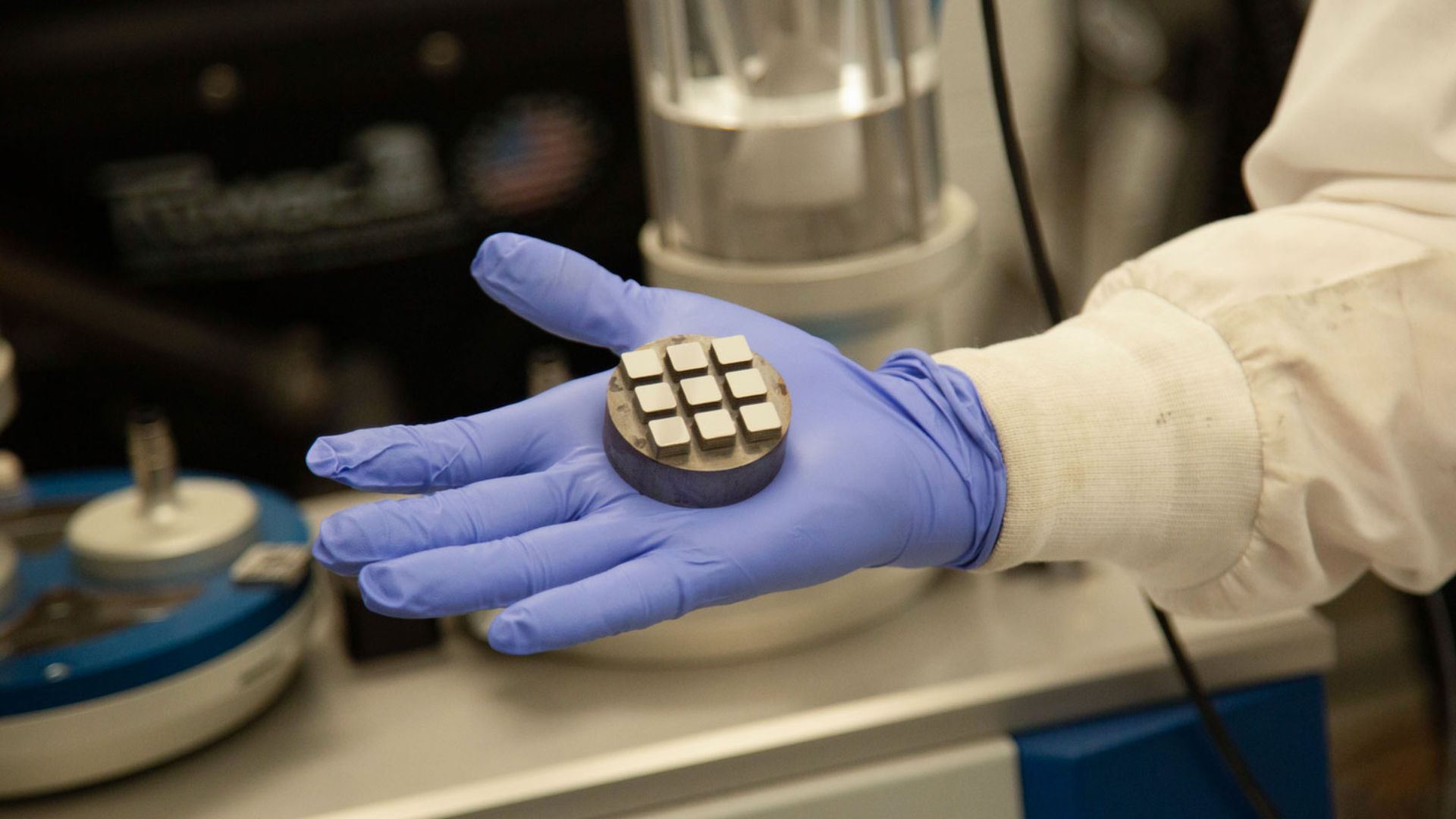
University of Toronto Engineers Develop Six New Metal Alloys for Extreme Environments
Researchers at the University of Toronto Engineering have created six innovative metal alloys using an AI-driven discovery platform. These alloys are designed to enhance the durability of components in jet engines and nuclear reactors, capable of withstanding temperatures exceeding 1,832°F. The AI-assisted approach significantly accelerates the identification of high-performance materials, demonstrating the potential for rapid advancements in material science. The significance of this development lies in the growing demand for materials that can endure extreme temperature and pressure fluctuations, which are common in applications like jet engines and nuclear power plants. Yu Zou, the project leader, emphasized the need for materials that can be produced through 3D metal printing, allowing for the creation of complex components that traditional manufacturing methods cannot achieve. Looking ahead, the researchers aim to further refine their AI-driven system to explore additional material compositions. No further timeline was disclosed at the time of publication, but the initial success in identifying six new alloy formulations suggests a promising future for advanced materials in extreme environments.
AI and Robotics Energy Innovation
Impossible Metals Announces New Advanced Marine Robotics Hub in Pittsburgh for Mineral Robotics Development
Impossible Metals has unveiled plans to establish an Advanced Marine Robotics Hub in Pittsburgh, aimed at developing dual-use autonomy for ocean science and naval systems. This initiative is part of a broader effort to create a China-free critical-mineral supply chain, leveraging the region's expertise in robotics. The new hub will not only foster innovation in mineral robotics technology but also generate over a dozen high-paying engineering and science jobs in Pennsylvania. This move underscores the importance of local talent in advancing the United States' capabilities in marine robotics and autonomy. Looking ahead, stakeholders should monitor the hub's progress and its potential impact on the critical-mineral supply chain. No further timeline was disclosed at the time of publication.
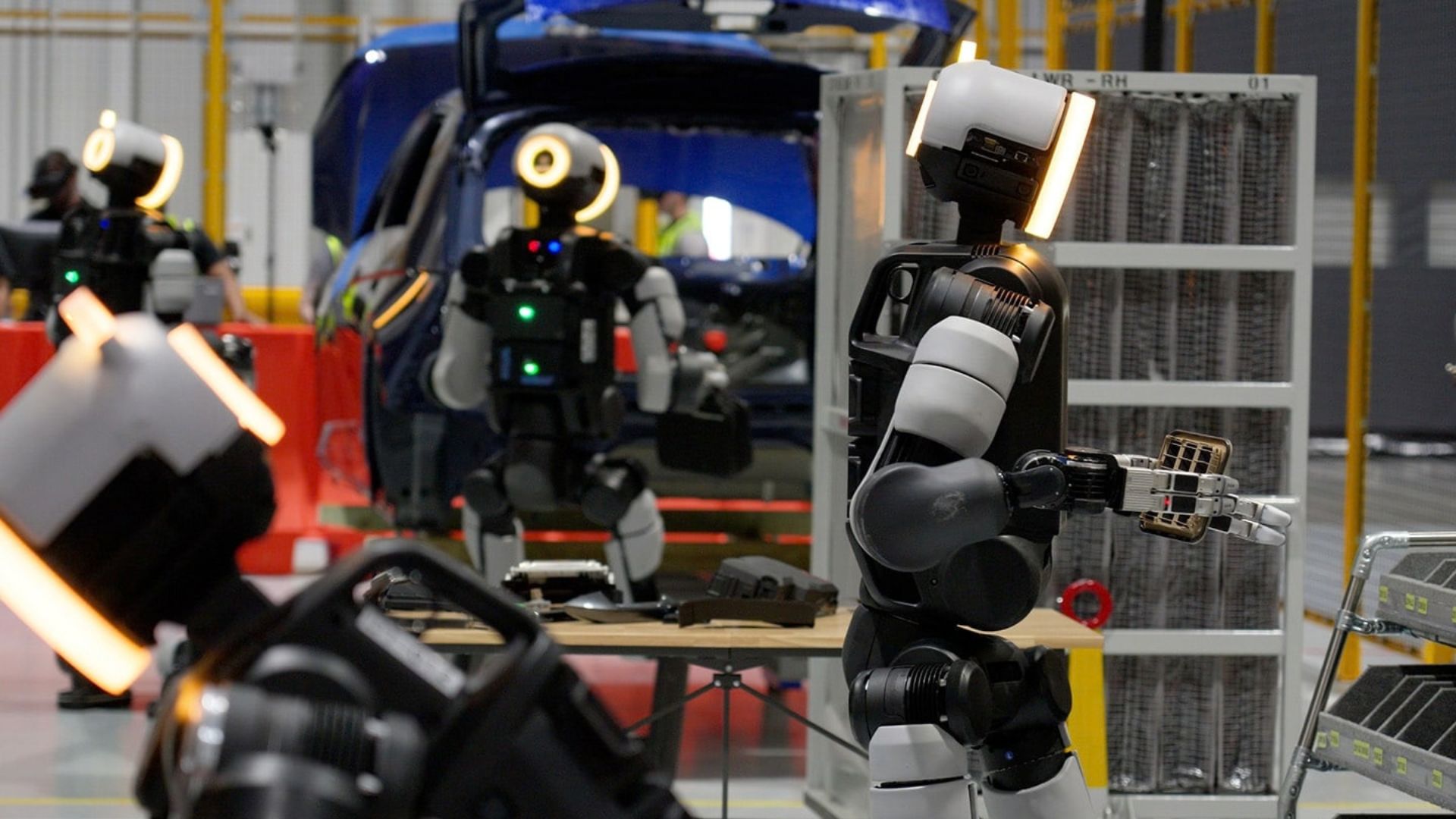
Boston Dynamics Launches Atlas Robot Testing at Hyundai's Metaplant for 25,000 Unit Rollout
Boston Dynamics has initiated testing of its Atlas humanoid robot at the Robotics Metaplant Application Center (RMAC) within Hyundai Motor Group’s Metaplant America in Georgia. This facility aims to serve as a dedicated hub for physical AI and robotics training, with plans for Hyundai to deploy 25,000 Atlas units globally by 2030. The collaboration between Boston Dynamics and Hyundai is significant as it marks a shift towards integrating humanoid robots into manufacturing processes. Atlas is expected to handle complex tasks such as component assembly and heavy lifting, which will enhance productivity and safety in the workplace. The robot's capabilities include lifting up to 50 kg and operating in extreme temperatures, making it suitable for various industrial applications. Looking ahead, the partnership plans to expand testing into non-automotive sectors by relocating operations to a larger facility in 2027. This initiative aims to reduce physical strain on human workers by automating high-risk tasks, while also addressing labor concerns regarding job security in an increasingly automated environment. No further timeline was disclosed at the time of publication.
AI and Robotics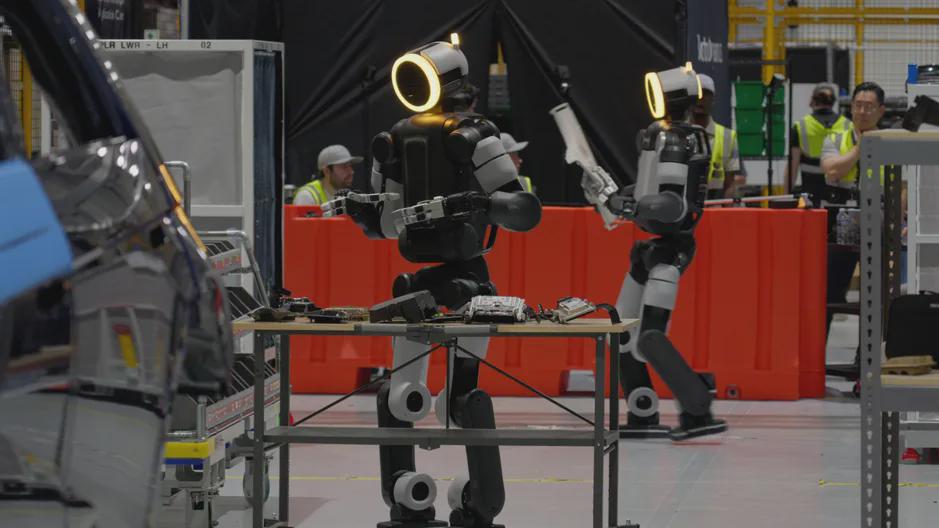
Boston Dynamics Deploys Atlas for Parts Sorting at Hyundai's Metaplant in Georgia
Boston Dynamics has established the Robot Metaplant Application Center (RMAC) at Hyundai Motor Group's Metaplant in Georgia, approximately 25 miles southwest of Savannah. This center serves as a testing and training facility that integrates the Atlas humanoid robot into automotive manufacturing processes, marking a significant step in the deployment of robotics in this sector. The RMAC is a permanent facility designed to collect data and test applications using real automotive parts. It aims to address the challenges faced by humanoid robots in a production environment, where factors like conveyor belt speed and part variability can affect performance. The center will help refine Atlas's operational strategies through data gathered from remote operations, simulations, and real-world interactions. As RMAC begins operations, it will focus on logistics and sorting tasks for automotive components, which require high dexterity and adaptability. The facility is set to expand significantly in the coming year, with plans to increase its size by tenfold and enhance its workforce. This initiative is crucial for advancing the integration of robotics in automotive manufacturing, particularly as the industry shifts towards electric vehicle production.
Humanoid Robots Automotive Automation Robotics Training AI Logistics Automation
Fronius Introduces Additive Cell CMT Welding System for Efficient Metal Component Production
Fronius has integrated its Additive Cell with CMT welding technology, intelligent process control, and user-friendly software to create a comprehensive system. This system aims to simplify, accelerate, and make the production of high-quality metal components more resource-efficient. The introduction of this system is significant as it addresses the growing demand for efficient manufacturing processes in the metalworking industry. By combining advanced welding techniques with intelligent controls, Fronius is positioning itself to meet the needs of manufacturers seeking to enhance productivity while minimizing resource consumption. Looking ahead, industry professionals should monitor the adoption of Fronius's Additive Cell and its impact on production efficiency and quality in metal component manufacturing. No further timeline was disclosed at the time of publication.
Allgemein Lösungen Metallbearbeitung & Schweißen
Schmalz Showcases Automated Gripping Systems for Sheet Metal Processing
Schmalz presented its portfolio of automated gripping systems for sheet metal processing at EuroBlech in Hannover. This event highlights the company's commitment to advancing automation in the metalworking sector. The introduction of these gripping systems is significant as they enhance efficiency and precision in sheet metal handling, crucial for manufacturers aiming to optimize production processes. Schmalz's innovations are expected to meet the growing demand for automation solutions in the industry. Looking ahead, industry professionals should monitor the adoption of these technologies and their impact on manufacturing workflows. No further timeline was disclosed at the time of publication.
Allgemein Greifer & Werkzeuge Metallbearbeitung & Schweißen Robotik
ByteDance Prepares AI Model for Real-Time Spatial Video Generation Competing with Meta and Alphabet
ByteDance Ltd. is developing an AI model focused on real-time spatial video generation, positioning itself against major players like Meta Platforms Inc. and Alphabet Inc. This initiative highlights the growing competition in the AI sector, particularly in applications relevant to robotics and autonomous systems. The significance of ByteDance's efforts lies in its potential to enhance capabilities in robotics and autonomous systems, areas that are increasingly reliant on advanced AI technologies. By entering this competitive landscape, ByteDance aims to carve out a niche in a market that is rapidly evolving and attracting significant attention from industry leaders. Looking ahead, stakeholders should monitor ByteDance's progress in this AI model development, as it could influence trends in spatial video applications and their integration into robotics. No further timeline was disclosed at the time of publication.
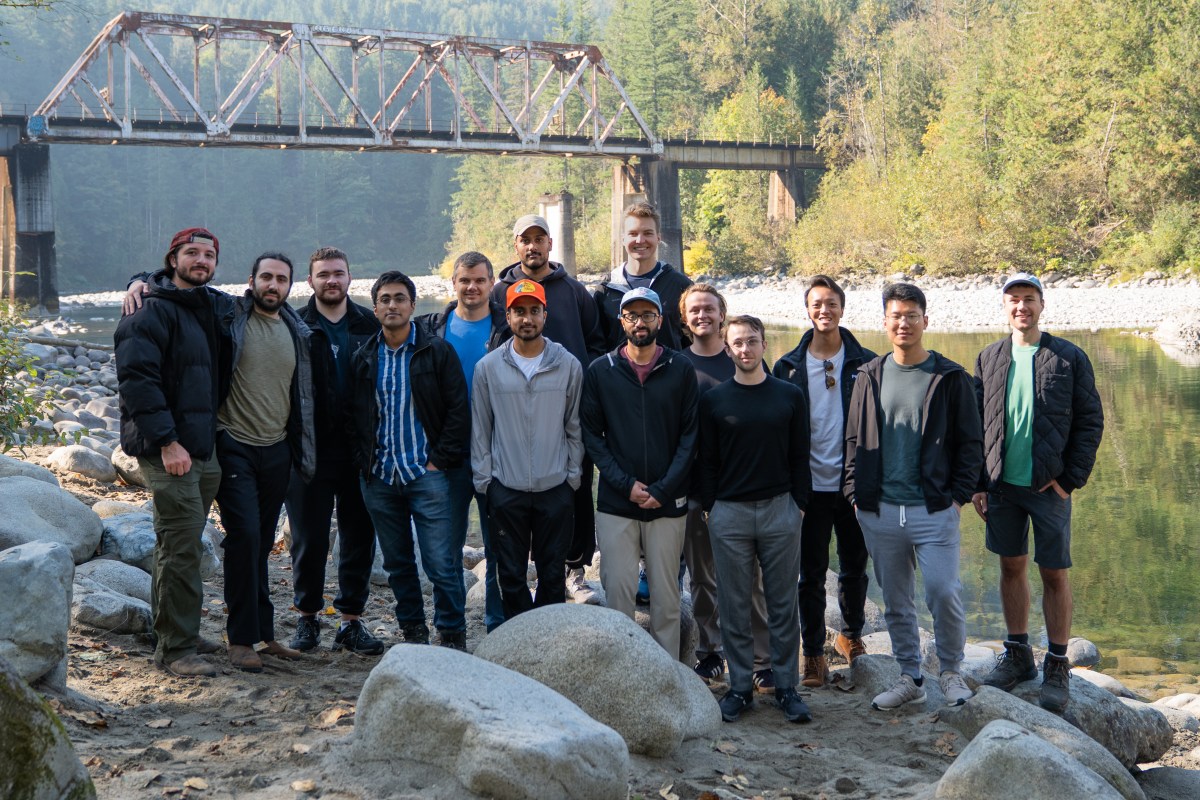
Perceptron Launches Isaac 0.5 to Enhance Visual AI for Industrial Automation
Perceptron, a startup founded by former Meta scientists, has launched Isaac 0.5, a new model designed to enhance machine interaction in industrial environments. This software enables vision-guided robots to navigate complex settings like warehouses and factory floors, extracting visual intelligence from recorded videos. The significance of Isaac 0.5 lies in its general-purpose design, allowing flexibility in various tasks rather than being limited to repetitive functions. Co-founders Armen Aghajanyan and Akshat Shrivastava emphasize that their model addresses the limitations of existing AI solutions, which often require dedicated resources or are too narrow in scope. Looking ahead, Perceptron aims to revolutionize industrial automation with its innovative approach to visual AI. The model has been trained on a million hours of diverse video data, including ego and UMI video, to enhance its operational capabilities. No further timeline was disclosed at the time of publication.
AI Robotics Meta perceptron Startups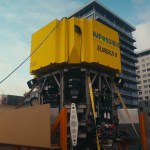
Impossible Metals' Eureka II Autonomous Robot Successfully Recovers from Ocean Without Human Help
Impossible Metals has demonstrated its Eureka II autonomous underwater vehicle's ability to autonomously locate and recover itself from the ocean. This significant achievement occurred during an offshore test in Halifax, Nova Scotia, showcasing the robot's advanced capabilities without human intervention. The importance of this technology lies in its potential to simplify underwater operations for commercial use. According to Jason Gilham, Impossible Metals' chief technology officer, reliable autonomous recovery is crucial for scaling subsea platforms in real ocean conditions, as traditional recovery methods can be challenging and labor-intensive. Looking ahead, the Eureka II's successful demonstration highlights the growing interest in autonomous underwater vehicles amid rising demand for critical minerals and ocean data. No further timeline was disclosed at the time of publication.
AI and Robotics
New Hypothesis Links Metabolic Syndrome to Cognitive Impairment and Smell Dysfunction
Researchers from the University of Texas Health Science Center at San Antonio and Methodist Hospital proposed a new hypothesis in the journal Frontiers in Neuroscience. They suggest that metabolic syndrome may block the brain's waste removal pathways, leading to olfactory dysfunction, an early symptom of dementia. The study highlights that olfactory dysfunction often precedes memory and motor impairments in neurodegenerative diseases such as Alzheimer's and Parkinson's. The researchers indicate that metabolic syndrome, characterized by conditions like hypertension and obesity, disrupts autonomic balance, causing blood vessels in the nasal cavity to swell and obstruct lymphatic drainage. As the brain's waste disposal function becomes impaired, harmful proteins accumulate near olfactory nerves, resulting in smell dysfunction before cognitive decline. This phenomenon is not only observed in neurodegenerative diseases but also in conditions like depression and traumatic brain injury. No further timeline was disclosed at the time of publication.

SES AI Partners with Doroni Aerospace to Develop High Energy Density Battery for eVTOL Aircraft
Battery technology company SES AI has signed a framework agreement with Doroni Aerospace to create battery systems for the H1-X electric vertical takeoff and landing (eVTOL) aircraft. This partnership, valued at up to $1.09 million, includes an initial commitment of $65,000 and will unfold in phases throughout 2026 and 2027. The collaboration is significant as it aims to enhance the H1-X's ground and flight-test program, with testing expected to commence as early as 2027. SES AI's lithium-metal batteries, designed to achieve energy densities nearing 400 Wh/kg, will play a crucial role in meeting the demanding performance and safety requirements of eVTOL platforms, which are critical for urban air mobility. Looking ahead, the agreement allows for potential expansion to include additional test systems and future production. As the eVTOL industry evolves, the focus on battery technology will be pivotal in determining the operational efficiency and range of aircraft like Doroni's H1-X, which is designed for short-distance travel with a range of 100 miles and a top speed of 120 miles per hour.
Energy Transportation
DJI Launches Osmo Pocket 4P with Innovative FrameTap Accessory for Creators
DJI has begun the global rollout of its Osmo Pocket 4P, a dual-lens gimbal camera that debuted in China. While the camera boasts impressive specs, including a new 1-inch CMOS sensor and 4K video capabilities, the standout feature may be the FrameTap accessory. This compact wireless viewfinder and remote controller enhances the filming experience for solo creators by allowing them to preview shots and control the camera remotely. The introduction of FrameTap could significantly impact how content creators film themselves, making it easier to capture high-quality footage without constant adjustments. With features like ActiveTrack, users can have the camera follow them seamlessly, which is particularly beneficial for vloggers and solo filmmakers. The Osmo Pocket 4P's dual-lens system, featuring a wide-angle and telephoto lens, further enhances its versatility for various shooting scenarios. As DJI continues to expand its product offerings, the Osmo Pocket 4P and FrameTap accessory are poised to attract attention from both enthusiasts and casual users. The absence of an official US launch raises questions about availability, but third-party resellers may provide access for American buyers. No further timeline was disclosed at the time of publication.
NewsRobotics needs a service framework.
RSF defines a common language for robot service capability, lifecycle operations, certification pathways, and service-provider networks.
Join the RobotToday community on LinkedIn
Daily robotics news, in-depth analysis, conference highlights, and discussions with professionals worldwide.







