A single destination for timely, editor-curated robotics news from around the world.
JAKA Robotics has recently achieved IEC 60601 medical safety certification for its S-series robots (S5/S7/S12) and MiniCab control cabinet. This certification, awarded by SGS, confirms that JAKA's products meet the stringent safety standards for medical electrical equipment set by the International Electrotechnical Commission. This milestone not only enhances the safety and reliability of JAKA's robots but also positions them as compliant, safe collaborative solutions for medical environments, paving the way for the company to expand its presence in the global healthcare market and support the high-quality development of medical automation. The IEC 60601-1 standard is recognized as a core guideline in medical device safety, imposing stricter requirements compared to the standards typically followed by industrial robots. The certification process involved rigorous testing for electrical safety, ensuring that even in the event of a single component failure, patient and operator safety would be maintained. For instance, the certified robots do not interfere with sensitive medical equipment in operating rooms and can function safely in complex electromagnetic environments. JAKA's robots have already been successfully integrated into various medical applications, demonstrating their reliability. In one instance, at Mindray's production facility, JAKA robots have automated key processes, increasing production efficiency significantly. Furthermore, in clinical settings, the robots assist in non-invasive treatments and dental surgeries, enhancing precision and reducing the workload on medical staff. The IEC 60601 certification opens up broader opportunities for JAKA Robotics in medical applications, with plans to expand into surgical navigation, radiation therapy, and rehabilitation, ultimately contributing to a more intelligent and efficient healthcare future.
jaka.com By JAKA Mar 19, 2026
A humanoid robot developed by the Advanced Robotics and Controls Lab at UC San Diego has successfully performed various medical procedures, including the first-ever live minimally invasive surgery, as reported in Nature. This robot, named Yush, demonstrated capabilities in physical examinations, emergency interventions, and fine-needle surgeries, showcasing its potential in clinical settings. The significance of this development lies in the robot's ability to replicate core human medical operations, which could revolutionize healthcare delivery. The lab's focus on humanoid robots aims to create systems that can autonomously operate in hospital environments, utilizing multi-fingered and multi-armed tools to perform a wide range of tasks without the need for specialized equipment. Looking ahead, the lab is exploring the challenges of maintaining stability while the humanoid robot is in motion, which is crucial for its effectiveness in real-world medical scenarios. The ongoing research indicates that humanoid robots could eventually handle nearly all medical tasks independently, enhancing operational efficiency in healthcare facilities. No further timeline was disclosed at the time of publication.
leaderobot.com By Leaderobot 12 hours ago Humanoid Robots Surgical Robotics Medical Automation AI in Healthcare
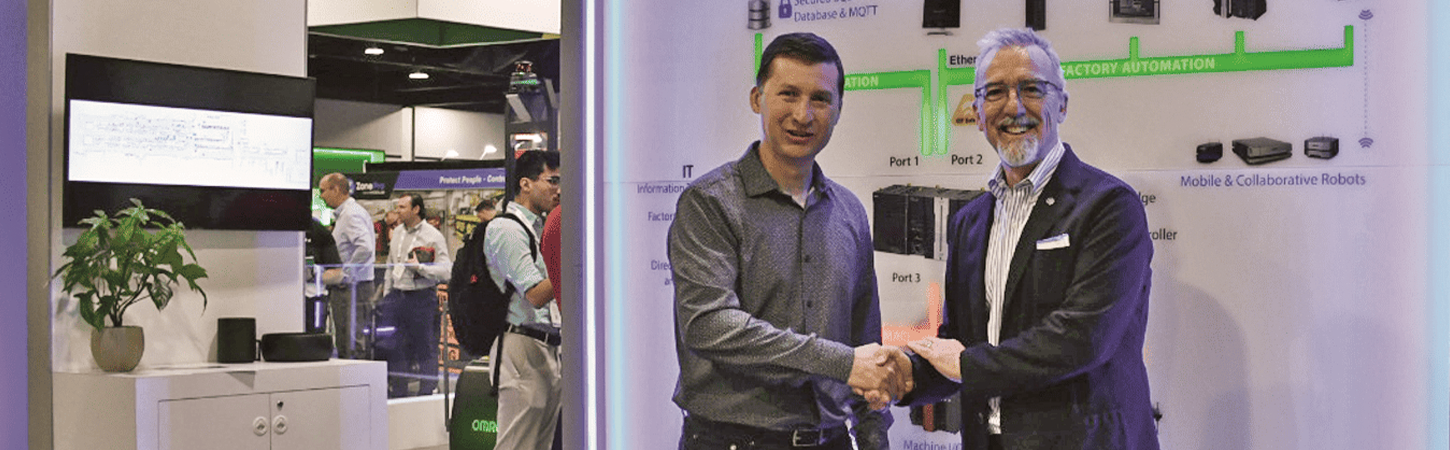
COMAU and OMRON Robotics have entered into a strategic collaboration agreement to enhance the adoption and deployment of advanced industrial automation solutions for manufacturers globally. This partnership, announced recently, aims to leverage both companies' expertise in robotics and automation technology to streamline manufacturing processes and improve operational efficiency. By combining their resources and knowledge, COMAU and OMRON intend to address the growing demand for innovative automation solutions in various industries. The collaboration reflects a commitment to driving technological advancements that support manufacturers in navigating the complexities of modern production environments.

comau.com By Comau May 11, 2026
Recent advancements in micro-scale robotics are transforming the healthcare sector, showcasing significant progress in precision and data analytics. Unlike traditional medical machinery, which often occupies large spaces, these innovative micro-robots are designed to operate at a much smaller scale, offering new possibilities for patient care and treatment. This evolution in medical technology is driven by the need for more efficient and effective healthcare solutions, allowing for minimally invasive procedures and improved patient outcomes. As the field continues to evolve, the integration of these micro-robots into clinical practice is expected to enhance diagnostic capabilities and treatment options, ultimately reshaping the future of medical interventions.

roboticstomorrow-Robotics May 04, 2026
Nigel Smith, CEO of TM Robotics, has highlighted the transformative potential of robotics-led injection moulding in the production of medical devices. In a recent discussion, Smith emphasized that integrating advanced robotics into the manufacturing process could lead to significant improvements in efficiency and precision. This innovation is particularly crucial in the medical sector, where the demand for high-quality, reliable devices is ever-increasing. By adopting robotics, manufacturers can streamline operations, reduce waste, and ultimately deliver better products to healthcare providers. Smith's insights underscore the importance of technological advancements in meeting the evolving needs of the medical industry, particularly as it faces challenges related to scalability and quality assurance.
roboticstomorrow-Robotics Apr 16, 2026
Elemeno Health has formed a strategic partnership with Swisslog Healthcare to enhance automation solutions in hospitals throughout North America. This collaboration aims to integrate Elemeno's just-in-time microlearning platform with Swisslog's robotics and pharmacy automation systems, facilitating streamlined training for frontline staff. By enabling customer self-service capabilities, the partnership seeks to improve operational efficiency and support healthcare providers in delivering better patient care. The initiative underscores the growing importance of pharmacy automation in modern healthcare settings, as hospitals increasingly rely on advanced technology to optimize their services.
RoboticsAndAutomationNews.com By Sam Francis May 30, 2026 Health Logistics News allegro automated pharmacy systems automation news
In a bid to enhance manufacturing efficiency through "Lean Automation," many producers are turning to small industrial robots, such as the JAKA MiniCobo, which offers a compact solution to traditional bulky systems. These mini robot arms, designed to fit in tight spaces, provide a low-risk entry into automation, allowing manufacturers to maximize productivity while minimizing waste. The JAKA MiniCobo, weighing just 9.4 kg and featuring a 580 mm reach with a 1 kg payload, is particularly suited for delicate tasks in sectors like electronics and medical services. Its integrated intelligent drive module simplifies installation, eliminating the need for bulky control cabinets and enabling a plug-and-play experience. While small robots offer advantages such as energy efficiency, lower total cost of ownership, and safer operation near human workers, they also face limitations. Most can handle payloads under 2 kg and may struggle with high-torque tasks due to their lightweight construction. Additionally, they require careful management in high-temperature environments to prevent overheating. The JAKA MiniCobo exemplifies the principles of Lean Automation by reducing space and complexity while maintaining precision, making it an attractive option for manufacturers looking to streamline operations.
jaka.com By JAKA May 22, 2026
JAKA Technology has achieved a significant milestone by obtaining IEC 60601 medical safety certification for its S series collaborative robots (cobots) — the S5, S7, and S12, along with the MiniCab control cabinet. This certification, recognized globally as the benchmark for medical electrical equipment safety, was awarded following rigorous testing that adheres to the stringent requirements of the IEC 60601-1 series, which surpasses typical industrial standards. The certification process involved comprehensive evaluations of electrical safety, ensuring that the cobots maintain patient and operator safety even in the event of a single component failure. This is crucial in medical environments where limits on leakage current and electromagnetic interference are strictly enforced. For instance, certified JAKA robots will not disrupt sensitive medical devices such as ECG monitors or electrosurgical units, even in complex electromagnetic settings. Additionally, the robots underwent thorough assessments of their mechanical safety features, including collision detection and safe speed monitoring. These enhancements allow for smoother and safer interactions between the robots and healthcare personnel or patients. With this certification, JAKA solidifies its position as a trusted entity in the global medical device market, ready to provide compliant and safe automation solutions for healthcare systems worldwide.
jaka.com By JAKA Mar 20, 2026
In the rapidly evolving field of medical device manufacturing, JAKA is at the forefront of integrating assembler robots into production lines to enhance precision and maintain strict sterilization standards. These advanced 6-axis robot arms are designed to navigate the complexities of assembling miniature components and delicate materials, ensuring stable motion control and predictable positioning throughout long operating cycles. By minimizing human contact in sensitive environments, JAKA's automation solutions help reduce contamination risks and support adherence to sterilization protocols. The implementation of these robots allows manufacturers to adapt to cleanroom layouts while remaining flexible enough to accommodate product changes. JAKA's lightweight robotic structures can be quickly deployed and adjusted, making them ideal for small-batch and multi-variety manufacturing, which is prevalent in the medical sector. This adaptability not only prevents workpiece loss but also enhances productivity without compromising quality. As the demand for precision and efficiency in medical device assembly continues to grow, JAKA's focus on practical automation solutions positions them as a key player in the industry. Their commitment to developing reliable motion control and adaptive assembly logic ensures that manufacturers can achieve consistent performance while navigating the challenges of regulated production environments. By leveraging the capabilities of assembler robots, JAKA is paving the way for more controlled and efficient medical device manufacturing processes.
jaka.com By JAKA Mar 18, 2026
Medicaroid has obtained CE marking for its hinotori Surgical Robot System under the EU's Medical Device Regulation, allowing it to market the system across EU member states and select non-EU countries. This approval is a crucial part of Medicaroid's strategy to expand internationally beyond Japan and the Asia-Pacific region. The hinotori Surgical Robot System was initially approved for manufacture and sale in Japan in 2020 and has since gained regulatory approvals in Singapore, Malaysia, and Vietnam. The recent CE marking enables Medicaroid to enter the European, Middle Eastern, and African markets, which is vital for the company's growth and the global adoption of medical robotics. Looking ahead, Medicaroid aims to leverage its new certification to enhance its presence in the EMEA region. The company established Medicaroid Europe GmbH in Germany in 2020 to facilitate its commercial operations. No further timeline was disclosed at the time of publication.
RoboticsAndAutomationNews.com By Sam Francis 6 hours ago Health News automation CE marking europe healthcare robotics
Oversonic Robotics, an Italian cognitive robotics firm known for RoBee, has announced a strategic investment from STMicroelectronics, Fondazione ENEA Tech Biomedical, and SpotInvest. This investment aims to accelerate Oversonic's industrial, technological, and international growth, particularly in the cognitive humanoid robotics sector. The involvement of STMicroelectronics, a leader in semiconductors, is expected to bolster Oversonic's technological advancements and support its expansion into the U.S. market. The partnership will enhance the development of RoBee, the first certified cognitive humanoid robot designed for complex environments, and facilitate applications in manufacturing and healthcare. Looking ahead, Oversonic plans to focus on expanding its technological platform and applications while strengthening its team and industrial capacity. The company views the U.S. as a key market for its cognitive humanoid robotics, aiming for significant growth in both commercial and industrial sectors. No further timeline was disclosed at the time of publication.
RoboticsAndAutomationNews.com By Sam Francis Jul 13, 2026 Humanoids News artificial intelligence automation cognitive robotics deep tech
Lab automation is increasingly being recognized for its significant business advantages, particularly in the context of rising test volumes that have put pressure on laboratory staff. The integration of robotic sample handling, automated liquid handlers, and comprehensive specimen tracking systems has proven to enhance throughput, reduce manual errors, and alleviate the strain on a workforce facing growing demands. As of October 2023, the technology has matured, and its benefits have become evident, leading to a rapid acceleration in adoption across various laboratories. This transition marks a pivotal move beyond experimental applications, positioning lab automation as a crucial component in modern laboratory operations.
RoboticsAndAutomationNews.com By Sam Francis Jun 25, 2026 Business Health Science AI in diagnostics analytical validation assay development
Healthcare organizations are rapidly adopting artificial intelligence tools, but many are facing significant challenges in integrating these systems with existing Electronic Health Record (EHR) platforms. Practitioners often initiate the use of automation platforms and conduct pilot programs, only to encounter a critical barrier: the inability of new AI systems to communicate with EHRs. This lack of interoperability leads to increased manual workloads, undermining the intended efficiency gains of automation. As healthcare providers strive to enhance operational efficiency through technology, the disconnect between AI tools and EHR systems poses a substantial hurdle that must be addressed to realize the full potential of these innovations.
RoboticsAndAutomationNews.com By Sam Francis Jun 25, 2026 Digital Automation Health ai in healthcare AI scheduling automation news bidirectional integration
As patients face lengthy wait times and limited availability of specialized surgeons for robotic surgery, many are considering traveling abroad for their procedures. This trend has emerged as individuals seek more accessible options for advanced medical technology that may not be offered locally. The growing interest in international medical travel highlights the challenges within the healthcare system, prompting patients to explore alternatives that could expedite their treatment. By opting for overseas surgery, patients hope to receive timely care and benefit from cutting-edge techniques that may not be available in their home countries.
RoboticsAndAutomationNews.com By Sam Francis Jun 20, 2026 Health Technology automation news da Vinci surgical system healthcare innovation Healthcare Technology
Midea Group's subsidiary KUKA has signed a strategic cooperation agreement with YINGKE Medical and YINGKE Recycling, valued at over 300 million RMB. This deal includes 1,500 industrial robots, 500 mobile and embodied intelligent robots, and 50 automated storage systems, showcasing Midea's commitment to expanding its industrial robotics capabilities. This partnership signifies a pivotal shift for Midea, transitioning from project-level procurement to a comprehensive group-level strategic collaboration. The collaboration aims to enhance production efficiency through advanced automation solutions, integrating AI visual recognition and adaptive grasping technologies. Looking ahead, Midea's focus on its ToB business model is expected to accelerate, with KUKA playing a crucial role in this transformation. The industry will be watching closely to see how this strategic partnership evolves and contributes to Midea's growth in the industrial automation sector. No further timeline was disclosed at the time of publication.
leaderobot.com By Leaderobot Jul 13, 2026 Industrial Robotics Automation Solutions Smart Manufacturing B2B Technology
The 7th China Robotics Academic Annual Conference (CCRS 2026) is set to take place from July 31 to August 2, 2026, at the National Exhibition and Convention Center in Shanghai. The event is co-hosted by several prominent organizations, including the Robotics Branch of the Chinese Mechanical Engineering Society and the Robotics Professional Committee of the Chinese Automation Society, with Shanghai Jiao Tong University and the Shanghai Robotics Society as the local organizers. This year's conference theme is 'Intelligent Integration at the Huangpu River, New Life for Robotics.' It will feature discussions on various topics such as industrial robots, medical robots, service robots, and AI+ robotics. The event aims to attract over 200 renowned experts and scholars in the robotics field, facilitating in-depth academic exchanges through keynote speeches and specialized forums, with an expected attendance of over 3,000 participants. Attendees are reminded to register before payment and to provide proof of student status if applicable. The conference will also serve as a platform for showcasing technologies and products from leading companies in robotics and artificial intelligence. No further timeline was disclosed at the time of publication.
leaderobot.com By Leaderobot Jul 13, 2026 Robotics AI Industrial Robots Medical Robots Conference
ForSight Robotics has developed the JASPER Platform, designed to assist surgeons during cataract surgeries. This platform maintains surgeon control while integrating robotic assistance, marking a significant step in surgical technology. The platform aims to improve precision and efficiency in procedures, although specific metrics on its performance have not been disclosed. The introduction of the JASPER Platform is significant as it represents a shift towards greater automation in ophthalmic surgeries. By providing robotic assistance, ForSight Robotics aims to enhance surgical outcomes and reduce the variability associated with manual techniques. This development could potentially lead to broader adoption of robotic systems in various surgical fields, as the demand for precision in medical procedures continues to grow. Looking ahead, ForSight Robotics is expected to further refine the JASPER Platform and explore its full robotic capabilities. No further timeline was disclosed at the time of publication, but industry watchers will be keen to see how this technology evolves and its impact on surgical practices in the near future.
RoboticsBusinessReview.com By Brianna Wessling Jul 09, 2026 Artificial Intelligence Artificial Intelligence / Cognition Design / Development Healthcare Robotics Markets / Industries News
Toshio Fukuda has been blazing trails for most of his career. He is considered to be one of the most prolific scholars in robotics, writing more than 2,000 research papers and authoring several books on the field. He’s an influential figure thanks to his pioneering work developing biomedical robotic systems, industrial robots, micro-nano robotics, mechatronics, and AI-driven automation.Fukuda launched one of the first robotics conferences, the IEEE/RSJ International Conference on Intelligent Robots and Systems (IROS). It is still popular almost 40 years later.Toshio FukudaEmployerEgypt-Japan University of Science and Technology, in Alexandria TitleProfessor and vice president of research Member gradeLife Fellow Alma matersWaseda University, in Tokyo; University of Tokyo An IEEE Life Fellow, he is a professor emeritus in the department of micro-nano systems engineering and a visiting professor at Nagoya University, in Japan, where he taught for nearly 25 years. Currently, he is a vice president of research at the Egypt-Japan University of Science and Technology, in Alexandria, Egypt.Within IEEE, Fukuda has held top volunteer positions including the organization’s highest office: He served as IEEE president in 2020, becoming the first person of Asian descent to hold the role.He’s a former program director of Japan’s Moonshot program, which by 2050 intends to develop advanced AI robots.Born in Japan, Fukuda has been recognized by the country for his contributions to science with two of its highest awards: the Medal of Honor with a purple ribbon in 2015 and the Order of the Sacred Treasure in 2022.IEEE honored him with this year’s Richard M. Emberson Award for “distinguished service advancing the technical objectives of IEEE, especially in the area of robotics.” The IEEE Board-level award is sponsored by the IEEE Technical Activities Board. Fukuda received the award on 24 April at a ceremony in New York City.As a former IEEE president who has served as a master of ceremonies at several of the organization’s major award events, Fukuda noted that he is more accustomed to bestowing awards than receiving them.“It’s very interesting to be on the receiving end,” he says.The journey into robotics researchAs a teenager, Fukuda spent his summer breaks teaching himself how to build things including transistor radios and steam engines.“It was very nice to have a hands-on hobby and make these kinds of things myself,” he says. His experimentation led him to study engineering.He earned a bachelor’s degree in engineering in 1971 from Waseda University, in Tokyo. He says one of his professors there—Ichiro Kato, regarded as the father of Japanese robotics research—was a good mentor who made a positive impact.Fukuda’s research interests were robotics and mechatronics, a field that combines robotics, electronics, computer science, and control systems.He went on to earn a master’s degree and a doctorate in science from the University of Tokyo, in 1971 and 1977. During those years, he also attended Yale, where he conducted research on advanced control theory in 1973.He reflects fondly on his time at Yale: “It was a very nice environment and a kind of free-thinking atmosphere. It motivated me to study more.”“IEEE doesn’t care who you are, what you do, what country you are from, or whether you are male or female. IEEE accepts people who have energy and passion.”While at Yale, Fukuda served as an assistant to his advisor—which led him to consider a career in academia, he says, because he enjoyed the freedom that research work afforded him.But he realized that such freedom comes with a price. University researchers are expected to raise the money that funds their work. He compares researchers to small-business owners who have to bring in money to keep their enterprise afloat.That realization led him to select robotics as his field because he intended to develop technologies useful to industry, he says.After earning his doctorate, he returned to Japan in 1977 to work as a research scientist at the government’s Mechanical Engineering Laboratory, later renamed the National Institute of Advanced Industrial Science and Technology, in Tsukuba.“There was a lot of research going on at the lab, including practical robotics and theory,” he says.He left Japan in 1979 to become a visiting research fellow at the University of Stuttgart, in Germany. During his year there, he studied systems, software problems, and related topics.He returned to Japan and was hired as an associate professor of mechanical engineering at the Tokyo University of Science. He conducted research into practical uses for robots by visiting industrial plants. He decided to develop robots that inspect industrial equipment such as those used in assembly plants, oil refineries, and power stations—places that “can be hostile environments for humans,” he says.His work drew interest from chemical, oil, and utility companies.“I got a lot of money from them for this very practical application, which funded my research,” he says, laughing.Developing popular robotic systemsFukuda grew tired of making those robots, he says, so he switched to creating ones for scientific applications. He developed many techniques, but he probably is best known for his modular, cellular robotic systems (CEBOTs), which he introduced in 1985.He has described how CEBOTs work in numerous papers published in the IEEE Xplore Digital Library.The CEBOT system is composed of a number of autonomous robotic cells that stick together like interlocking Lego plastic bricks, he says.Each cell is a fundamental modular unit that has a function. When a simple task is given, the system can analyze it and generate the structure of the cellular manipulator. The cells connect to and detach from each other through connection mechanisms and cooperate mutually, creating complex structures and configurations.“You start developing from the component-wise to the cell-wise to a small functional unit—and then you come up with clusters that make bigger systems. We can make a society of robot beings like that,” he explained in his oral history published on the Engineering and Technology History Wiki. “It’s a distributed robotic system, a self-organized robotic system, and also an evolutionary robotic system.“It’s also a fault-tolerant robot system because if something is wrong, you just remove those things and make a new one. You keep the system working. That’s a great thing.”Today CEBOTs are used for a variety of tasks such as delivering medication in hospitals, assisting with planting crops, and transporting products in distribution centers. Check out IEEE Spectrum’s Robots Guide for news from the world of robotics.In 1989 Fukuda joined Nagoya University as a professor of mechanical engineering and micro-nano systems engineering. During his 24-year career there, he was director of the university’s Center for Micro-Nano Mechatronics. He developed a long list of technologies at the university, including many for medical applications. He also conducted groundbreaking research into intelligent robotic systems and micro- and nano-robotics.Another technology he is known for is brachiation robots, which he helped develop in 1988. He calls them monkey robots because they’re based on the pendulum-like movement of monkeys swinging from tree to tree. The gravity-based locomotion enables continuous movement.Brachiation robots now are inspecting high-voltage transmission towers and bridges, searching damaged buildings for survivors, and performing maintenance on pipelines and cables.Fukuda retired from the university in 2013 and was named professor emeritus.He didn’t stay retired for long, though. He next held a teaching appointment at Meijo University, in Nagoya, until he left in 2022 to join the Egypt-Japan University.A prominent volunteerHe joined IEEE in 1980 at the encouragement of one of his research advisors, Professor Fumio Harashima, now an IEEE Life Fellow. After attending conferences and reading the organization’s publications, Fukuda says, he looked forward to becoming more involved.“I wanted to know how to organize a conference and how to edit a paper for one of its Transactions,” he says. “I wanted to know what was going on from inside the organization, not just the outside.”In 1988 he was the founding chair and organizer of IROS, in Tokyo. The conference had 330 attendees that year, and was supported by Harashima. Today it is one of the largest and most prestigious conferences on the topic, attracting more than 9,000 people annually. Out of 120,000 conferences, it was the only conference in the Nature Index database for this year, Fukuda says.In 1996 he and other members launched IEEE Transactions on Mechatronics.He was the founding president of the IEEE Nanotechnology Council, which was established in 2002. He is considered a pioneer in nanotechnology research, particularly regarding how it relates to robotics.Over the years, he has held numerous volunteer positions on IEEE editorial boards and committees.He was the 1998–1999 president of the IEEE Robotics and Automation Society, becoming the first non-U.S. member to hold the title.He was director of IEEE Division X (2001–2002 and 2017–2018), which covers intelligent systems, biological engineering, robotics, control systems, and photonic technologies. He served as the 2013–2014 director of IEEE Region 10 (Asia-Pacific).As the 2020 IEEE president, Fukuda saw the organization through the early part of the COVID-19 pandemic. Because of travel restrictions, he realized IEEE should change how it offered its in-person services, specifically educational programs. He encouraged IEEE Educational Activities to develop an online learning platform. The IEEE Learning Network started with just three courses and now offers nearly 2,000 courses, webinars, and learning materials.An award-winning memberThe Emberson Award joins a slew of other recognitions Fukuda has received from IEEE. They include several from the IEEE Robotics and Automation Society: a 2004 Pioneer Award, a 2009 Saridis Leadership Award, and the 2011 Harashima Award for Innovative Technologies. He is also a recipient of the Board-level 2010 IEEE Robotics and Automation Technical Field Award.He says he feels strongly that IEEE should be a diverse organization that is welcoming to all. As IEEE president, he led efforts to devise a diversity, equity, and inclusion program. Several policies, procedures, and bylaws were revised to give members a safe, inclusive place for discourse.“It’s important for IEEE to make everyone feel comfortable,” he says. “DEI programs are important. All people should be equal. IEEE doesn’t care who you are, what you do, what country you are from, or whether you are male or female. IEEE accepts people who have energy and passion.“It accepted me, from the Far East. That’s why I like it.”You can learn more about Fukuda and his career from the oral history conducted by the IEEE History Center.
Spectrum.ieee.orgAutomaton By Kathy Pretz Jul 07, 2026 Robotics Robots Ieee-member-news Type-ti Ieee-awards Toshio-fukuda
BlackBerry CEO John Giamatteo recently outlined the company's strategic shift towards becoming a leader in software and infrastructure, focusing primarily on its QNX operating system. During an interview with Bloomberg's Dani Burger and Alpine Saxon Woods Chief Market Strategist Sarah Hunt on "Bloomberg Open Interest," Giamatteo revealed that QNX now powers more than 275 million vehicles worldwide. He emphasized the system's expanding applications beyond automotive, noting its increasing use in robotics, medical devices, and industrial automation. This evolution reflects BlackBerry's commitment to diversifying its technology offerings and adapting to the growing demand for advanced software solutions across various industries.
BloombergTechnology Jun 26, 2026 NMS:NVDA TOR:BB
Airbus Helicopters has unveiled a new autonomous aircraft derived from its widely-used H145 platform, marking a significant advancement in aviation technology. The announcement was made during the International Paris Air Show, which took place from June 19 to June 25, 2023. This innovative aircraft aims to enhance operational efficiency and safety in various sectors, including medical transport, search and rescue, and logistics. The motivation behind this development stems from the growing demand for unmanned aerial vehicles that can perform complex missions with minimal human intervention. By leveraging advanced automation and artificial intelligence, Airbus Helicopters seeks to address challenges in urban air mobility and improve response times in critical situations. The aircraft is designed to operate in diverse environments, showcasing its versatility and potential for integration into existing air traffic systems. Through rigorous testing and collaboration with regulatory bodies, Airbus aims to ensure that the new autonomous H145 meets safety standards and can be deployed effectively in real-world scenarios. This initiative reflects Airbus Helicopters' commitment to innovation and its vision for the future of aviation, where autonomous systems play a crucial role in enhancing air transport capabilities.
InterestingEngineering.com By Aamir Khollam Jun 08, 2026
In the evolving landscape of electronics and medical device manufacturing, the introduction of collaborative robots, or cobots, is transforming small parts assembly. Traditionally reliant on manual labor or rigid machinery, this sector now benefits from the advanced capabilities of cobots, which combine the precision of a six-axis robot arm with sophisticated safety sensors. This innovation allows manufacturers to automate intricate tasks while maintaining human oversight. The assembly of small components, such as connectors and micro-screws, requires sub-millimeter accuracy, which traditional robots often lack. Cobots, however, utilize force-torque feedback to ensure components are correctly positioned, preventing damage to sensitive electronics. Their compact design enables them to operate alongside human workers on crowded workbenches without the need for bulky safety barriers, facilitating a hybrid workflow where robots handle repetitive tasks while humans focus on quality control. Manufacturers frequently changing product designs find cobots particularly advantageous due to their ease of programming. The JAKA Zu5, a leading model in this field, offers a payload capacity of 5 kg and a working radius of 954 mm, making it ideal for standard assembly tasks. With a remarkable repeatability of ±0.02 mm, the Zu5 ensures precision in placing even the smallest components. Additionally, its lightweight design allows for easy relocation across different production stations. JAKA emphasizes user-friendly automation, replacing complex coding with a wireless app that enables control of the robot from any mobile device. By integrating the JAKA Zu5 into assembly lines, manufacturers can achieve a balance of machine accuracy and human flexibility, enhancing productivity in high-mix production environments.
jaka.com By JAKA May 20, 2026
In the realm of industrial automation, the 6-axis robot arm has emerged as a pivotal innovation, offering unparalleled flexibility in manufacturing processes. These advanced machines, designed to mimic human arm movements, have transformed factory operations by enabling complex tasks with ease. The versatility of these robots stems from their unique kinematic structure, which features a series of rotating joints that allow them to access virtually any point in their workspace from various angles. The term "6-axis" signifies the six independent joints that provide the robot with multiple degrees of freedom. The major axes facilitate overall reach, while the minor axes function as a mechanical wrist, granting the robot the ability to pitch, roll, and yaw. This capability allows for diverse applications, from precision medical assembly to heavy-duty palletizing, setting them apart from traditional 4-axis robots. The adaptability of 6-axis robots is particularly beneficial in high-mix production environments, where they can seamlessly switch between tasks throughout the day, such as CNC machine tending and complex surface finishing. This flexibility minimizes the need for specialized machinery, optimizing floor space and reducing capital costs. JAKA has capitalized on this versatility with its Zu series of collaborative robots, which are lightweight and easily redeployable across production lines. The JAKA Zu18 model, capable of handling an 18kg payload with a reach of 1073mm, exemplifies strength combined with agility. Enhanced by user-friendly wireless control through the JAKA App, these robots are positioned to meet the evolving demands of both small workshops and large assembly plants, ensuring efficiency and adaptability in modern manufacturing.
jaka.com By JAKA May 15, 2026
A Japanese university has inaugurated a cutting-edge robotics laboratory aimed at advancing medical research through automation. This initiative, which commenced recently, allows robots to perform complex medical experiments that were traditionally conducted by human researchers. The university's goal is to enhance the efficiency and accuracy of medical studies, addressing the growing demand for innovative solutions in healthcare. By integrating robotics into the research process, the institution hopes to accelerate discoveries and improve patient outcomes. The laboratory is equipped with state-of-the-art technology designed to facilitate a wide range of experiments, showcasing the potential of robotics in transforming the medical field.
InterestingEngineering.com By Jijo Malayil May 11, 2026
Researchers at the Massachusetts Institute of Technology (MIT) have developed an innovative fabrication technique capable of creating soft, microscopic structures featuring magnetically activated moving components. This breakthrough, announced in October 2023, aims to enhance the functionality of soft robotics and other applications that require precise movement at a small scale. By leveraging magnetic fields, the researchers enable these tiny structures to perform complex tasks, which could revolutionize fields such as medical devices and environmental sensing. The technique involves a novel approach to material design and assembly, allowing for greater control over the movement and behavior of the structures. This advancement not only showcases the potential of soft materials in engineering but also opens new avenues for research in robotics and automation.
MITNews By Jennifer Chu | MIT News Apr 28, 2026 Research Robotics 3-D printing Magnets Materials science and engineering Mechanical engineering
In response to the growing need for enhanced worker safety and comfort in industrial settings, JAKA is promoting the use of manufacturing robots, specifically the JAKA S5 flexible robot arm. This initiative aims to improve ergonomics and reduce injury risks associated with repetitive tasks. By integrating these advanced automation solutions into production lines, JAKA enables employees to focus on higher-value work while minimizing physical strain. The JAKA S5 robot, designed for easy integration with zero installation and configuration requirements, takes over demanding tasks such as heavy lifting and precise assembly. This allows workers to maintain natural postures and decreases their exposure to movements that can lead to long-term injuries. The robot's built-in force sensor enhances workplace safety by providing adaptive responses to production variations, thereby reducing the risk of accidents. While cost remains a significant consideration for businesses, JAKA emphasizes that investing in flexible robot arms can yield long-term benefits, including decreased medical claims and improved productivity. The company collaborates with clients to assess their specific production needs and identify cost-effective solutions that prioritize both functionality and ergonomics. Overall, JAKA's flexible robot arm technology is positioned as a key player in fostering safer and more efficient workplaces, aligning with the industry's evolving demands for sustainable manufacturing practices.
jaka.com By JAKA Apr 27, 2026
GMEX Robotics Corporation has announced a significant upgrade to its Hospital Logistics Robot, aimed at enhancing safety and efficiency in healthcare settings. This development, revealed on April 21, 2026, addresses ergonomic challenges faced by medical staff and patients, who often struggle with existing robots that require bending to retrieve items. The new design improves durability and usability, allowing for optimized delivery height and safer interactions in high-traffic hospital environments. The autonomous, battery-powered robot is equipped with advanced technologies, including artificial intelligence, multi-dimensional sensing, and real-time obstacle detection, facilitating seamless transport and handling of medical materials. To ensure security and accountability, the platform incorporates multi-layered verification protocols such as facial recognition and barcode scanning, restricting access to authorized personnel only. CEO Sam Lu emphasized the pressing need for intelligent automation solutions in healthcare, stating that the advancements in hospital logistics robotics are designed to alleviate operational strain and enhance clinical staff's focus on patient care. This upgrade is part of GMEX Robotics' broader strategy to expand its presence in the healthcare sector, supported by ongoing research and development efforts aimed at improving performance and usability across its technology stack.
RoboticsTomorrow.com Apr 21, 2026
Researchers have developed electrofluidic fibers that replicate the natural bundling of muscle fibers, a breakthrough that could revolutionize the design of compact and silent robotic systems as well as prosthetics. This innovative technology was unveiled in a recent study aimed at enhancing the functionality and efficiency of robotic and prosthetic devices. By mimicking the structure and behavior of biological muscles, these fibers offer the potential for more responsive and adaptable machines. The advancement is particularly significant as it addresses the growing demand for quieter and more efficient robotic solutions in various applications, from medical devices to industrial automation. The research team employed advanced materials and engineering techniques to create these fibers, which could lead to a new generation of devices that are not only more effective but also more closely aligned with human movement. This development marks a promising step forward in the integration of robotics into everyday life, providing users with improved mobility and interaction capabilities.
MITNews By David L. Chandler | Media Lab Apr 09, 2026 Research Invention Robotics Bioinspiration Fluid dynamics Media Lab
JAKA has achieved a significant milestone by securing the IEC 60601 medical safety certification for its S series collaborative robots (cobots) – the S5, S7, and S12 – along with the MiniCab control cabinet. This certification, awarded recently, establishes these devices as compliant with the stringent safety standards required for medical electrical equipment, surpassing typical industrial and general electrical standards. The IEC 60601-1 series imposes rigorous requirements for both electrical and mechanical safety, ensuring that in medical environments, such as operating rooms, the robots maintain patient and operator safety even in the event of a fault. To meet these standards, JAKA's robots underwent extensive testing for leakage current, dielectric strength, and electromagnetic compatibility (EMC), confirming that they will not disrupt sensitive medical devices like ECG monitors or electrosurgical units. Additionally, the mechanical safety of the robots was thoroughly assessed, focusing on their safety logic, which includes features like collision detection and speed monitoring. This ensures safer interactions between the robots and healthcare personnel or patients. With this certification, JAKA positions itself as a reliable contributor to the global medical device market, ready to provide safe and compliant automation solutions for healthcare settings worldwide.
jaka.com By JAKA Apr 08, 2026
IEEE Spectrum robotics has released its weekly roundup of notable robotics videos, along with a calendar of upcoming events, including the International Conference on Robotics and Automation (ICRA) scheduled for June 1-5, 2026, in Vienna. Among the highlights, researchers from the Max Planck Institute and other institutions have published a study revealing that elephants' unique whiskers contribute to their exceptional sense of touch, potentially inspiring advancements in robotic sensing technologies. In product news, Weave Robotics announced the launch of Isaac 0, a laundry-folding robot set to begin shipping to homes in the Bay Area in February 2026. Meanwhile, engineers at Boston Dynamics continue to test the Atlas platform's full-body control capabilities. Additionally, a team from the University of Waterloo has developed a system enabling collaborative art creation with robots, while Harvard scientists have introduced a new 3D-printing method for soft robotics that could enhance medical technology. Texas A&M University has unveiled a quiet all-electric unmanned rotorcraft, and Deep Robotics has showcased the Lynx M20 robot, designed for winter sports challenges. These developments reflect ongoing innovations in robotics, addressing both practical applications and advanced research, as the field continues to evolve.
Spectrum.ieee.orgAutomaton By Evan Ackerman Feb 13, 2026 Modular-robots Video-friday Autonomous-robots
ROKAE has introduced innovative smart collaborative palletizing robots that are transforming the efficiency, safety, and intelligence of vaccine packaging processes. This initiative showcases the company's zero-programming solutions, which enable manufacturers to implement high-performance automation in demanding environments. By streamlining operations, ROKAE is contributing to a more intelligent and sustainable future in medical manufacturing.
rokae.com By Rokae Oct 22, 2025
Precision welding is increasingly becoming a vital technology across various sectors, including shipbuilding, infrastructure development, and the production of medical devices. This advanced welding technique enhances the quality and reliability of complex components, which are essential for these industries. As of October 2023, the integration of modern automation in precision welding processes has significantly improved manufacturing capabilities. This automation allows for high-quality output while maintaining flexibility, enabling manufacturers to adapt to the intricate demands of contemporary production. The growing reliance on precision welding is driven by the need for enhanced safety, durability, and efficiency in critical applications. By employing sophisticated welding techniques, industries can ensure that their products meet stringent regulatory standards and performance expectations. Overall, the advancements in precision welding technology not only support the operational needs of key sectors but also contribute to innovation and competitiveness in the global market.
dobot-robots.com By Dobot Jul 30, 2025
Selecting the appropriate computer vision development company is crucial for ensuring compatibility with the specific environment in which the model will operate. This could range from camera system-on-chips (SoCs) and cloud-based software as a service (SaaS) products to medical devices and live video systems. Among the available options, SQUAD stands out as a robust choice for edge hardware and smart camera products. Meanwhile, Intellias and Softeq are recognized as strong contenders for embedded AI solutions. As the industry evolves, companies must carefully assess their needs to align with the right technology partner.
RoboticsAndAutomationNews.com By Sam Francis Jun 16, 2026 Components Computing Technology AI development artificial intelligence automation news
At the recent IEEE ICRA conference held in Vienna, MassRobotics, a leading organization in robotics innovation, unveiled the recipients of its 2026 Robotics Medal and Rising Star awards. This prestigious Robotics Medal is notable for being the first major accolade dedicated to honoring the significant contributions of female researchers in the field of robotics worldwide. The awards aim to highlight and celebrate the achievements of women who are making impactful strides in robotics development, thereby promoting diversity and inclusion within the industry.
RoboticsAndAutomationNews.com By Sam Francis Jun 15, 2026 Features Industry Allison Okamura amazon robotics automation news autonomous systems
Japanese industrial components supplier Misumi Group has officially launched Misumi Americas, marking a significant step in its expansion strategy. The company has unveiled a $1 billion (¥150 billion) global investment program designed to enhance its digital manufacturing and supply chain capabilities. This initiative integrates Misumi’s existing industrial components business with an AI-powered manufacturing platform acquired from Fictiv, thereby broadening the company's operational scope. The investment aims to strengthen Misumi's position in the competitive manufacturing landscape by leveraging advanced technology to streamline processes and improve efficiency.
RoboticsAndAutomationNews.com By Sam Francis Jun 05, 2026 Components News additive manufacturing aerospace manufacturing ai manufacturing automation news
Dr. Tracy M. Liang, a board-certified orthodontist, has unveiled a groundbreaking orthodontic treatment at SMILE-FX Orthodontic Studio in Miramar, Florida. On April 3, 2026, the clinic launched its AI Braces system, which uniquely combines artificial intelligence with advanced 3D CBCT (Cone Beam Computed Tomography) imaging. This innovative approach aims to enhance the precision and effectiveness of orthodontic treatments by providing detailed, data-informed mapping for each patient's needs. The integration of cutting-edge technology is designed to improve patient outcomes and streamline the orthodontic process, reflecting a significant advancement in the field.
RoboticsAndAutomationNews.com By Sam Francis May 28, 2026 Design Health 3D CBCT imaging 3d printing AI braces AI diagnostics
Manufacturers are experiencing a significant transformation in the validation of complex components as optical metrology increasingly complements and, in some cases, surpasses traditional tactile measurement methods. This shift is driven by practical advantages, including the elimination of surface deformation risks associated with contact measurements, significantly enhanced measurement speeds, and the ability to capture a greater volume of usable surface data. As industries seek more efficient and accurate validation processes, optical metrology is becoming an essential tool in manufacturing, marking a pivotal change in how quality assurance is approached.
RoboticsAndAutomationNews.com By Sam Francis May 28, 2026 Components Engineering 3d scanning additive manufacturing advanced manufacturing aerospace manufacturing
Recent investigations have revealed that high-precision connector pins are experiencing failures in the field, attributed to issues that standard diameter checks cannot detect. The problems primarily stem from the parting-off face, where burrs initially form and surface roughness values (Ra) can exceed specifications. These defects are exacerbated by inadequate deburring technology, leading to increased rates of product returns that often go unreported. The findings highlight the need for improved quality control measures and better manufacturing practices to prevent these failures and enhance product reliability.
RoboticsAndAutomationNews.com By Sam Francis May 28, 2026 Design Engineering aerospace connectors automation news automation technology burr control
Researchers at Virginia Tech are advancing the field of soft robotics, which utilizes flexible, muscle-like materials to create machines capable of bending and stretching in ways that surpass traditional rigid robots. This innovative technology enables applications such as harvesting ripe tomatoes and navigating complex search-and-rescue environments. However, the inherent flexibility of these robots presents significant challenges in control and precision. The team at Virginia Tech is focused on addressing these control difficulties to enhance the functionality and reliability of soft robotics, aiming to unlock their full potential in various practical applications.
RoboticsAndAutomationNews.com By Sam Francis May 27, 2026 Computing Features Robotics Science agricultural robotics ai roboticsRSF defines a common language for robot service capability, lifecycle operations, certification pathways, and service-provider networks.