Industry Briefing
A single destination for timely, editor-curated robotics news from around the world.
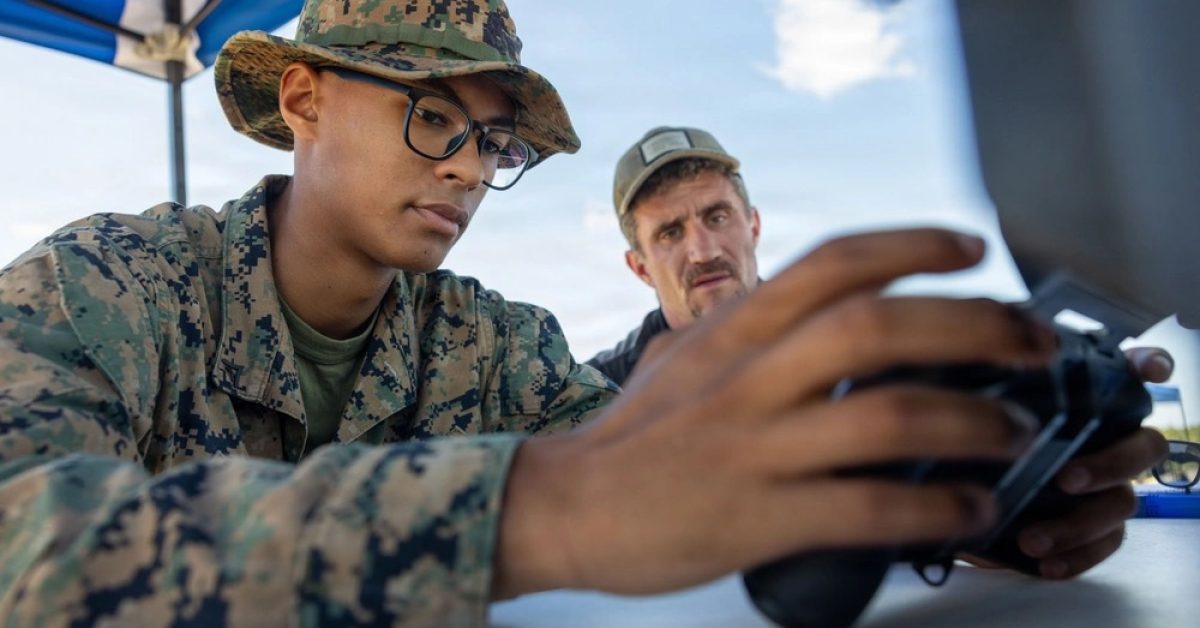
US Marine Corps Demonstrates Drone Training with Skydio's X2D for Enhanced Operations
The US Marine Corps has released a video showcasing training exercises with Skydio's X2D drone, highlighting its integration into military operations. This small drone is utilized for reconnaissance missions, allowing Marines to gain essential skills in operating UAVs effectively. The significance of this training lies in the Department of Defense's directive for better technology integration within military units by 2025. The Marines are establishing a Military Occupational Specialty for sUAS Operators, enabling them to utilize drones in the field without relying on specialized units. Looking ahead, the military's interest in drones is expanding beyond reconnaissance to include attack capabilities and medical supply delivery. Companies like Malloy Aeronautics are developing drones for rapid response, indicating a shift in military logistics and operational strategies.
News
Epirus Wins $11 Million Contract for HAVOC C-UAS with Marine Corps
The Marine Corps has awarded an $11 million contract to Epirus for its High-power Microwave Autonomous Vehicle Operational Capability (HAVOC) system, designed to counter unmanned aircraft. This system will be installed on ground vehicles and includes training, service, and sustainment support. This contract underscores the Marine Corps' focus on deploying integrated, software-defined systems to address the evolving drone threat. Epirus CEO Andy Lowery emphasized the importance of the HAVOC system in enhancing the Marines' capabilities for low-collateral protection of critical assets. Looking ahead, the HAVOC system represents an upgraded version of the previously delivered ExDECS system, aimed at improving Low Altitude Air Defense formations. No further timeline was disclosed at the time of publication.
Land Warfare Naval Warfare Army Drones electronic warfare Epirus
Marine Corps Chooses Allen Control Systems' Bullfrog M240 for L-MADIS Integration
The Marine Corps has selected Allen Control Systems' Bullfrog M240 autonomous weapon for integration into its Light Marine Air Defense Integrated System (L-MADIS). This system is part of the Ground Based Air Defense program and includes two Polaris MRZR vehicles, one serving as a command unit and the other equipped with electronic warfare capabilities to counter drone threats. The Bullfrog M240 transforms the traditional 7.62mm machine gun into an autonomous weapon, capable of firing 850 rounds per minute and weighing approximately 300 pounds. This integration is facilitated through a prototype Other Transaction Agreement contract valued at around $6.2 million. The Marine Corps is also seeking $1.27 billion in its fiscal 2027 budget for Ground Based Air Defense capabilities, highlighting the importance of advanced defense systems. Looking ahead, the Bullfrog M240 is not only being considered by the Marine Corps; the US Army Applications Lab has awarded a contract to assess its deployment on Army combat vehicles. Additionally, Allen Control Systems is working on integrating Bullfrog onto US Special Operations Forces maritime platforms, indicating a growing interest in this technology across multiple military branches.
Land Warfare Naval Warfare Army Counter UAS cUAS LMADIS MADIS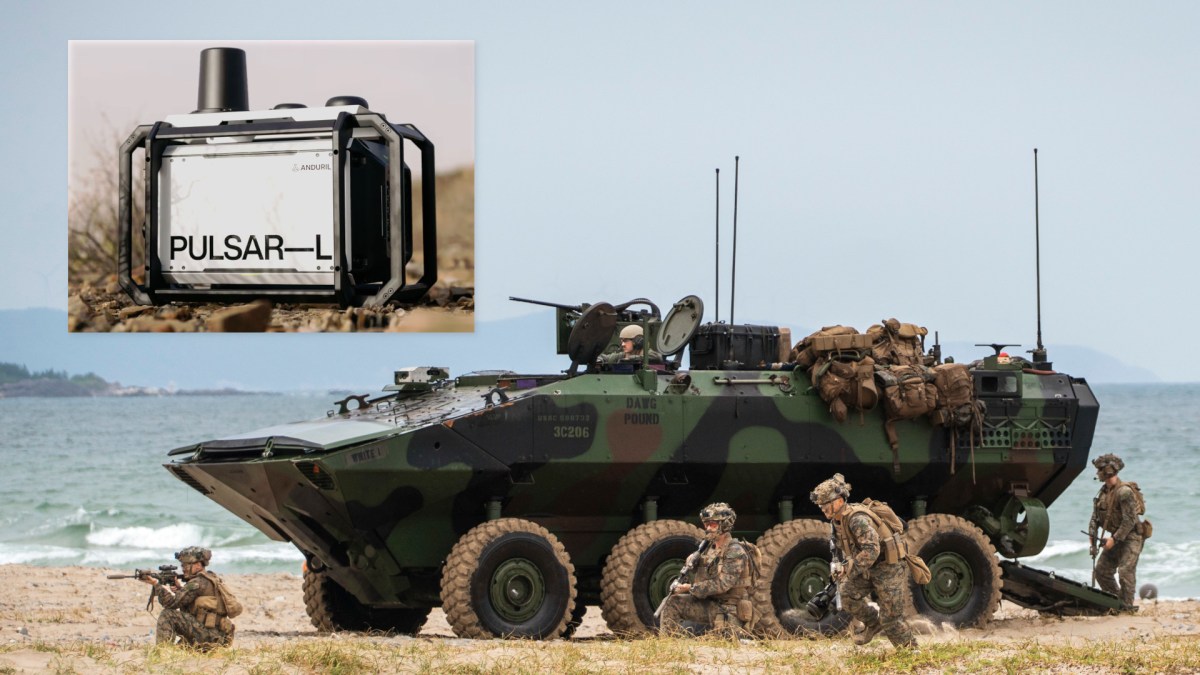
U.S. Marine Corps Acquires Anduril Pulsar-L Jammers for Amphibious Combat Vehicles
The U.S. Marine Corps has awarded a contract to Anduril for Pulsar-L electronic warfare jammers, aimed at enhancing the defense of its Amphibious Combat Vehicles (ACVs) against drone threats. This acquisition, valued at $15,711,445.50, addresses the urgent need for improved protection against uncrewed aerial systems, particularly in light of recent conflicts where drones have proven effective against armored vehicles. The integration of the Pulsar-L system is significant as it provides a mobile solution capable of detecting, tracking, and neutralizing Group 1 and Group 2 drones, which have become increasingly prevalent in modern warfare. The Marine Corps aims to bolster its fleet of ACVs, which currently includes 150 baseline personnel carrier variants and various other models, to enhance survivability and operational effectiveness in diverse combat environments. Looking ahead, the Marine Corps plans to expand its ACV fleet, with a goal of acquiring 389 ACV-Ps and 33 ACV-Cs, among others. The Pulsar-L's unique capabilities, including machine learning for real-time adaptation to emerging threats, position it as a critical asset in the evolving landscape of electronic warfare. No further timeline was disclosed at the time of publication.
Land Counter-Unmanned Aerial Vehicles (C-UAS) Land-Based Electronic Warfare News & Features
U.S. Marine Corps Enhances F-35B Operations with KC-130J Logistics in 4,000-Mile Transit
The U.S. Marine Corps has successfully demonstrated a new operational model for F-35B Lightning II aircraft, extending their reach across approximately 4,000 nautical miles in the Indo-Pacific. Utilizing KC-130J aircraft as mobile logistics hubs during Operation Slingshot, the 3d Marine Aircraft Wing showcased the ability to sustain fighter operations without heavy reliance on strategic tankers or established bases. This innovative approach is significant as it allows Marine aviation to operate from remote locations, enhancing flexibility and operational capability across widely separated islands. The KC-130J served as a self-contained logistics node, transporting Marines, maintenance equipment, and fuel to support aviation operations in austere environments, thereby increasing the range and lethality of the F-35Bs. Looking ahead, the success of Operation Slingshot may influence future Marine Corps strategies for deploying and sustaining air operations in challenging terrains. The integration of MV-22B Ospreys for personnel movement and site establishment further solidifies this mobile logistics model, which could redefine operational tactics in the Indo-Pacific region. No further timeline was disclosed at the time of publication.
Military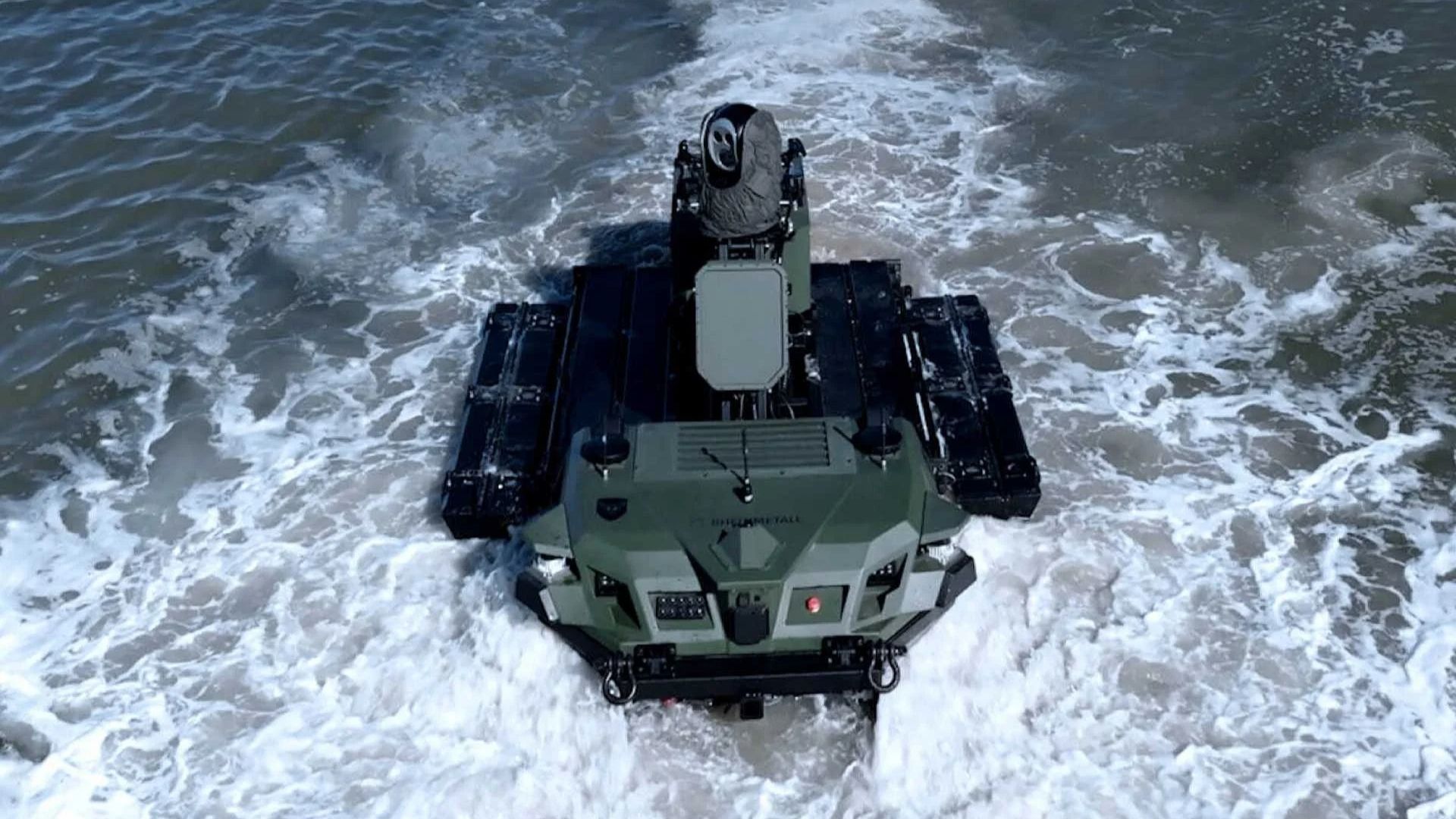
US Marine Corps Secures 12 Rheinmetall Amphibious Robots for Autonomous Logistics
American Rheinmetall has been awarded a $7.28 million contract to supply 12 Mission Master SP Autonomous Unmanned Ground Vehicles (A-UGVs) to the US Marine Corps. This procurement includes five amphibious kits and supporting equipment aimed at enhancing autonomous logistics and expeditionary mobility technologies. The significance of this contract lies in its potential to advance the operational capabilities of the US Marine Corps. The Mission Master SP vehicles are designed to support the Marine Corps Warfighting Laboratory's evaluations and capability development efforts, reflecting over four years of collaboration between Rheinmetall and the Marines. Looking ahead, the deployment of these advanced A-UGVs will be closely monitored as they are integrated into military operations. The amphibious capability is particularly noteworthy, as it addresses the evolving demands of littoral and expeditionary operations, marking a key milestone in Rheinmetall's partnership with the US Marine Corps.
Military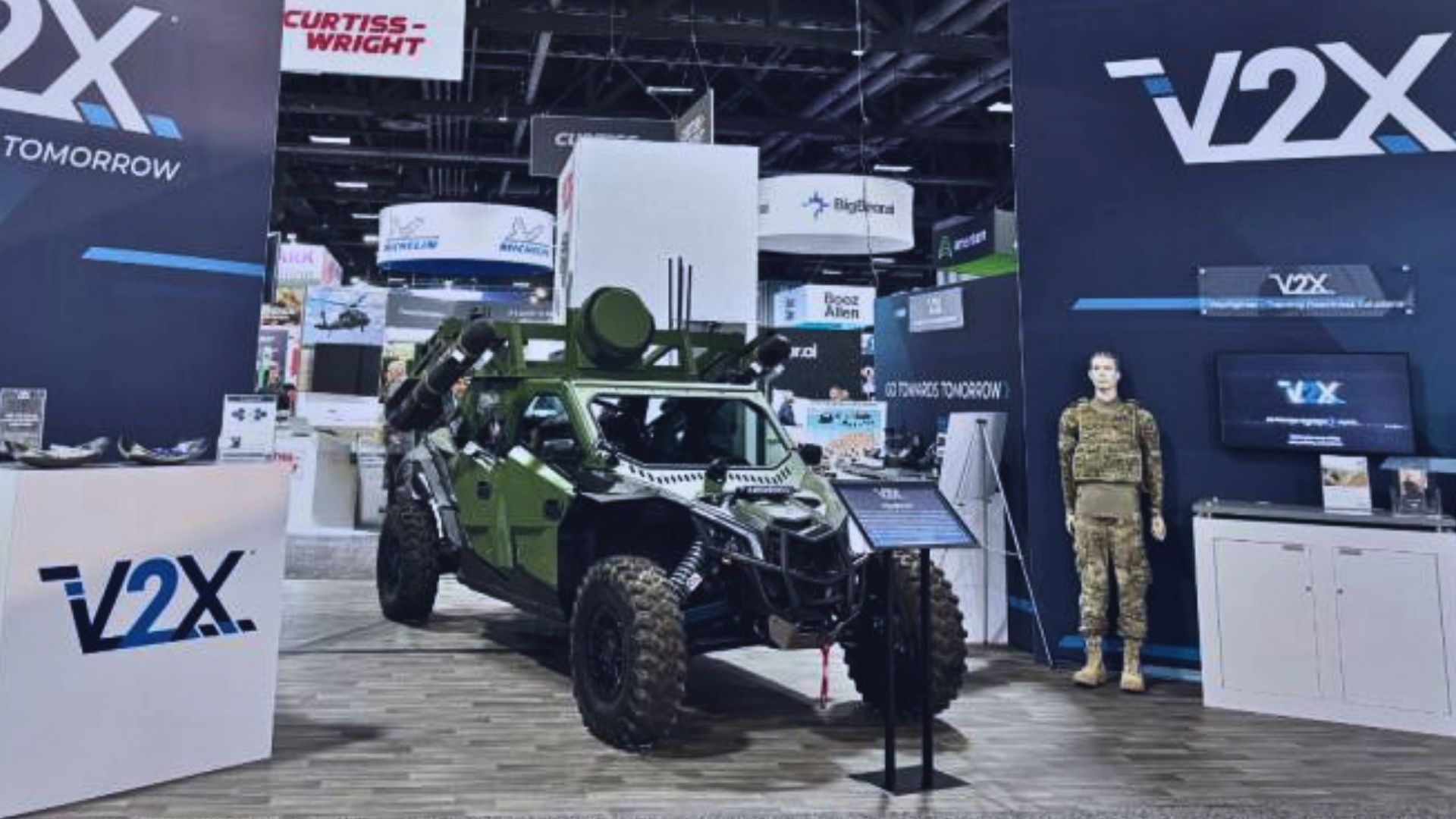
U.S. Marine Corps Acquires Tempest Vehicles for Enhanced Counter-Drone Capabilities
The U.S. Marine Corps is set to enhance its counter-drone capabilities with the acquisition of 10 Tempest vehicles, designed by V2X. This $19 million contract, announced on September 8, includes not only the vehicles but also software management, spare parts, training, maintenance, and engineering support. The Tempest system is engineered to detect and engage unmanned aerial threats quickly while maintaining mobility to evade enemy targeting. The significance of the Tempest vehicle lies in its innovative design, which combines a lightweight off-road platform with advanced radar and missile systems. Unlike traditional air-defense vehicles, Tempest prioritizes mobility and a small footprint, allowing it to operate alongside maneuvering forces. This approach addresses the growing challenge posed by inexpensive drones in modern warfare, as seen in conflicts like Ukraine, where traditional air-defense systems may not be the most effective solution. Looking ahead, the Marine Corps' integration of the Tempest system could reshape its counter-drone strategies, particularly as drone warfare continues to evolve. While the exact specifications of the vehicles have not been fully disclosed, the Tempest's ability to quickly engage and relocate may prove crucial in future operations against increasingly sophisticated unmanned threats. No further timeline was disclosed at the time of publication.
Military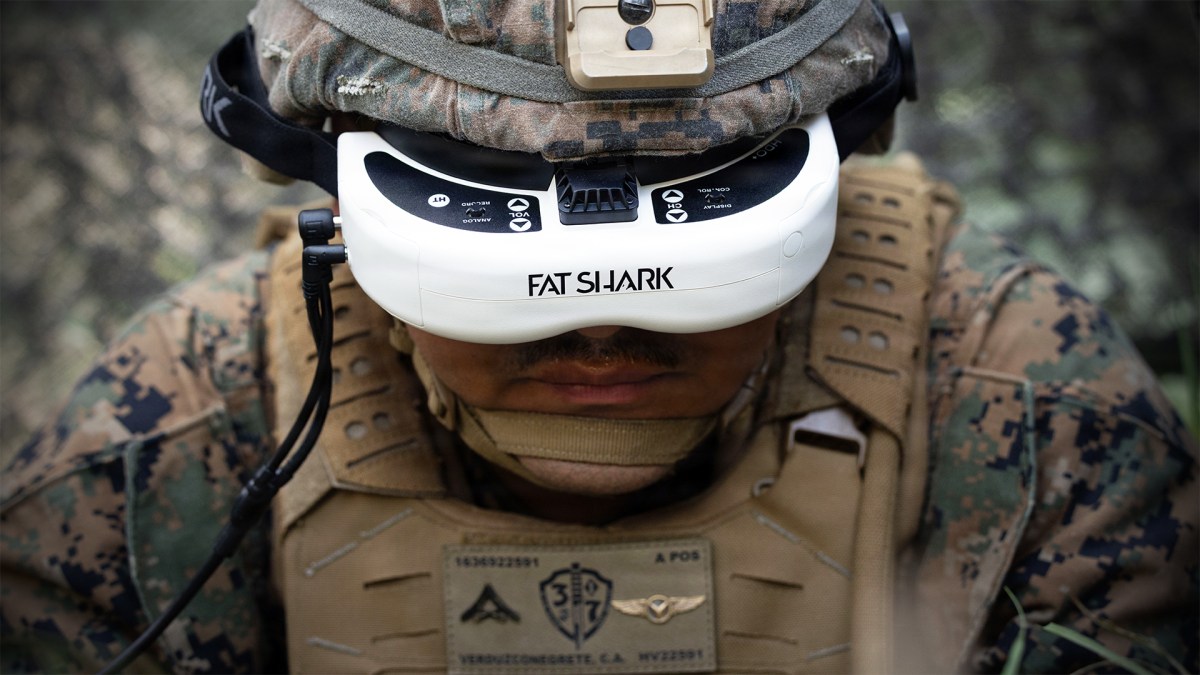
U.S. Marine Corps Reveals Ground Combat Element 2040 Strategy for Future Warfare
The U.S. Marine Corps has introduced its Ground Combat Element (GCE) 2040 strategy, outlining future ground combat operations. This plan emphasizes the need for enhanced training and equipment to address the challenges posed by advanced technologies, particularly drones, in potential Pacific conflicts. The GCE 2040 strategy is crucial as it prepares Marines for a rapidly evolving battlefield characterized by peer-level adversaries like China and Russia. Lt. Gen. Jay M. Bargeron highlighted the importance of adapting to technological advancements, including artificial intelligence and drone warfare, to ensure the effectiveness of smaller Marine units in combat. Looking ahead, the Marine Corps aims to implement layered defenses against drone threats, which pose significant risks to ground maneuverability. The introduction of systems such as the Marine Air Defense Integrated System (MADIS) and the classified “Home Alone” counter-drone solution will be vital in protecting Marine squads. No further timeline was disclosed at the time of publication.
Sea Air Counter-Unmanned Aerial Vehicles (C-UAS) Drones Land News & Features
US Marine Corps Awards $11 Million Contract for Epirus' HAVOC Microwave Weapon System
The US Marine Corps has awarded Epirus an $11 million contract for the HAVOC system, a vehicle-mounted high-power microwave weapon designed to disable drone swarms. This system is derived from Epirus' Leonidas weapon and will be integrated into both manned and unmanned Marine Corps vehicles, enhancing their counter-drone capabilities. The HAVOC system represents a significant advancement in the Marine Corps' efforts to combat drone threats, providing three times the power and improved range compared to its predecessor, the Expeditionary Directed Energy Counter-Swarm system (ExDECS). This capability allows for simultaneous electronic effects against multiple drones, ensuring effective protection for high-value assets and personnel. Looking ahead, the HAVOC system's software-driven architecture will enable continuous updates to counter evolving drone technologies. The universal sled mount design will facilitate its deployment across various Marine Corps vehicles, enhancing operational flexibility. No further timeline was disclosed at the time of publication.
Military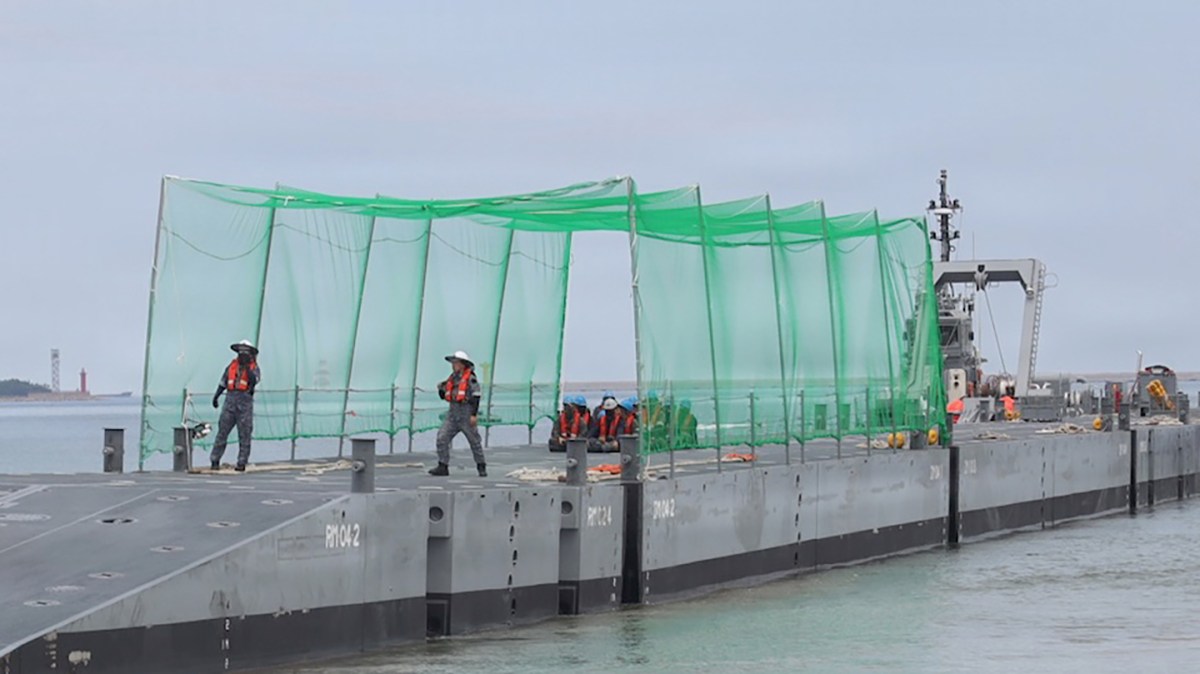
U.S. Marine Corps Implements Anti-Drone Netting in Recent Logistics Exercise
The U.S. Marine Corps has reportedly utilized anti-drone netting during a logistics training exercise in South Korea. Photographs from the Pentagon reveal the netting on a ship-to-shore floating platform, indicating a response to the growing threat of small attack drones. This defensive measure aligns with similar strategies observed in Ukraine and by Dutch forces. The significance of this development lies in the increasing reliance on protective measures against drone threats, particularly in logistics operations. The netting is designed to entangle drones, potentially neutralizing them before they can cause harm. However, its effectiveness against agile first-person view drones remains uncertain, as the netting only covers a portion of the platform, leaving other areas exposed. Looking ahead, the integration of counter-drone strategies into logistics exercises, such as Combined Joint Logistics Over-the-Shore 26, highlights the evolving nature of military operations. As drone attacks continue to pose risks, the military may further adapt its logistics and operational frameworks to enhance protection against these threats. No further timeline was disclosed at the time of publication.
Land Counter-Unmanned Aerial Vehicles (C-UAS) Sea U.S. Marine Corps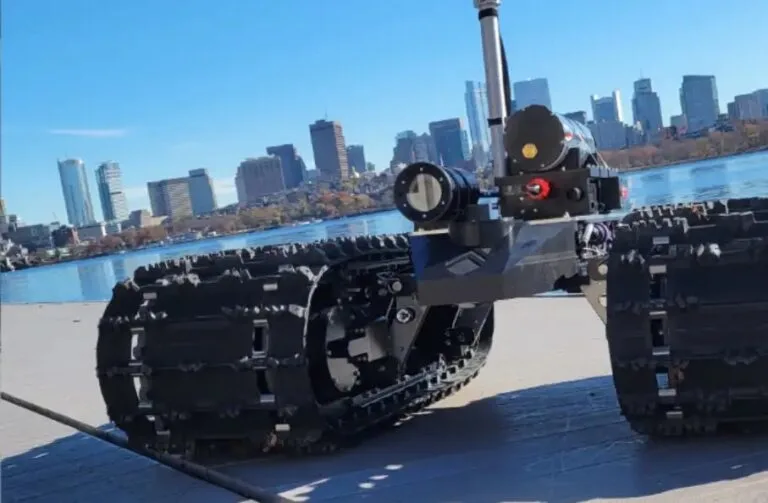
Santiago Company Develops Underwater Mine Clearance Robot, US Marine Corps Orders in Bulk
Greensea IQ has introduced the Bayonet 250, an innovative underwater robot specifically engineered for mine clearance in difficult environments. This robust device, weighing 450 pounds, is capable of operating at depths of up to 100 meters and can be deployed by just two personnel without the need for additional tools. The US Marine Corps has recognized its potential and has placed an order for multiple units, aiming to improve safety and operational efficiency during mine-clearing missions in the strategically significant Strait of Hormuz.
Underwater Robotics Mine Clearance Technology Defense Technology Marine Operations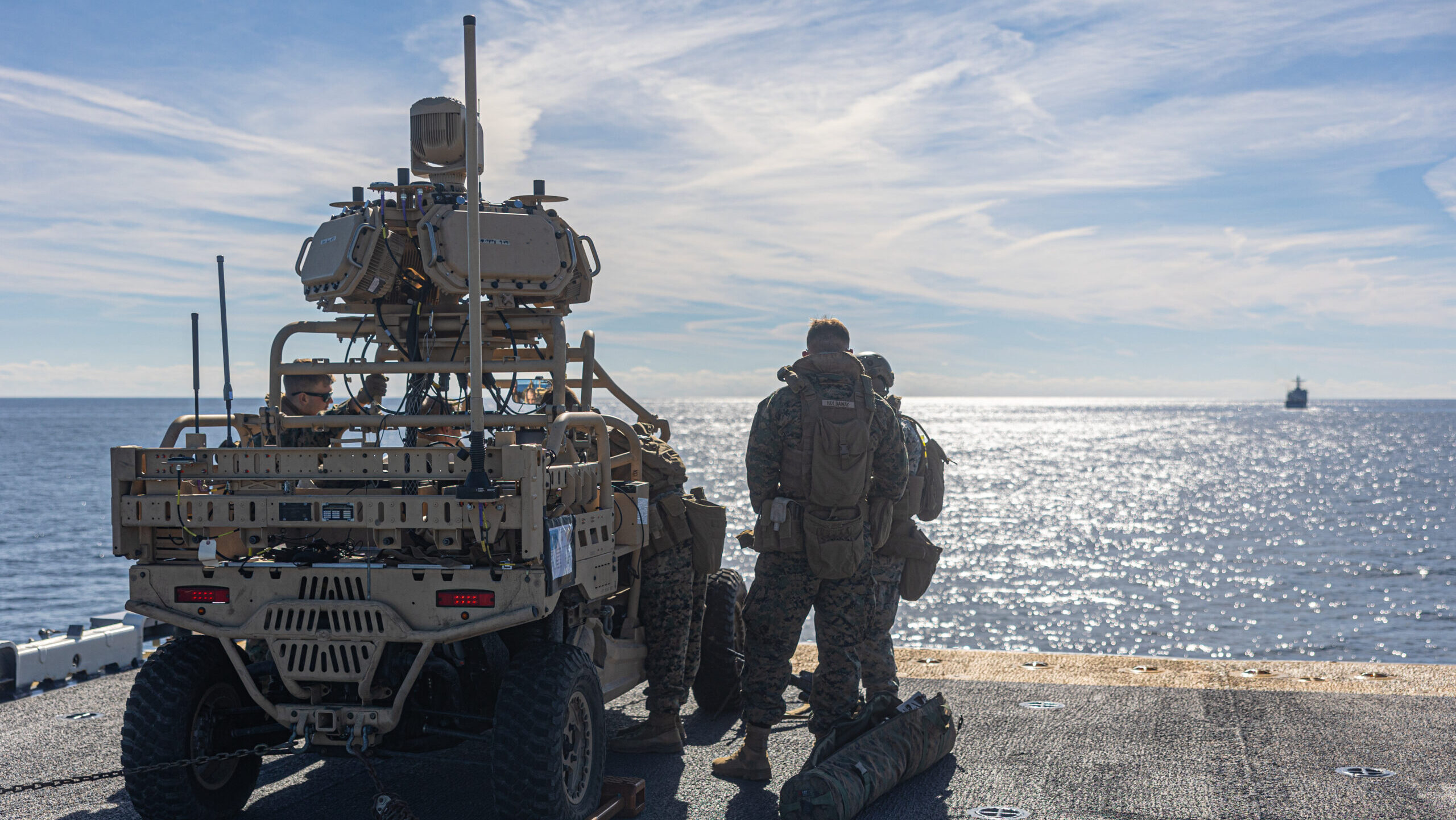
Overland AI nets Marine Corps autonomous ground vehicle contract
Overland AI has announced the development of an autonomous ground vehicle, clarifying that it is not designed to replace the Joint Light Tactical Vehicle (JLTV). CEO Byron Boots emphasized that the new vehicle will complement existing military assets rather than serve as a direct substitute. This initiative aims to enhance operational efficiency and adaptability in various mission scenarios. The announcement comes as part of Overland AI's ongoing commitment to innovate within the defense sector, leveraging advanced technology to meet the evolving needs of military operations.
Land Warfare Naval Warfare AI & Autonomy Army Drones MADIS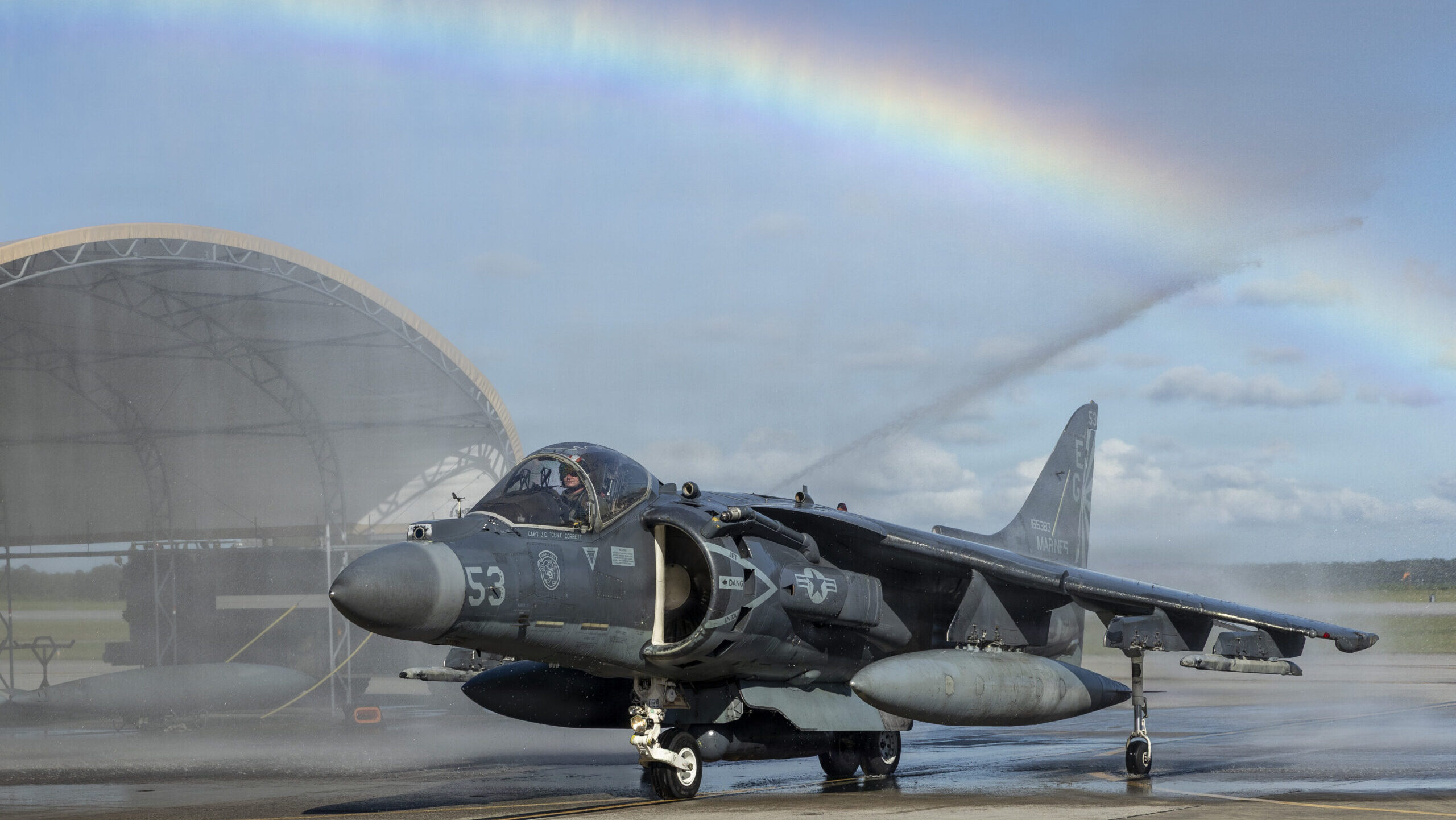
Marine Corps’ Harrier completes final flight following SOUTHCOM deployment
The Marine Corps is advancing its Tactical Aircraft Transition Plan, aiming to fully integrate fifth-generation aircraft into its fleet. This strategic initiative reflects the military's commitment to modernizing its aviation capabilities to enhance operational effectiveness and maintain a competitive edge. As part of this transition, the Marine Corps is focusing on upgrading its existing aircraft and incorporating advanced technologies that fifth-generation models offer. The timeline for this comprehensive adoption is set to unfold over the coming years, with ongoing assessments to ensure that the transition aligns with evolving defense needs. The move is driven by the necessity to adapt to modern warfare demands and to ensure that the Marine Corps remains a formidable force in the skies.
Air Warfare Naval Warfare Air Force harrier HarrierJumpJet Marine Corps
Near Earth Autonomy Wins MARV-EL Contract for Marine Corps Logistics Drone
The Naval Air Systems Command has selected Near Earth Autonomy, a Pittsburgh-based autonomy specialist, to collaborate with Bell Textron, Moog, and XP Services on the development of an uncrewed Bell 505 aircraft. This partnership is part of the Medium Aerial Resupply Vehicle – Expeditionary Logistics (MARV-EL) Increment 2 program, which aims to create a prototype autonomous logistics aircraft for the U.S. Marine Corps. The contract, awarded recently, is intended to enhance the Marine Corps' logistical capabilities by providing a reliable and efficient aerial resupply solution.
AI Drone News Drone News Feeds Logistics News US Government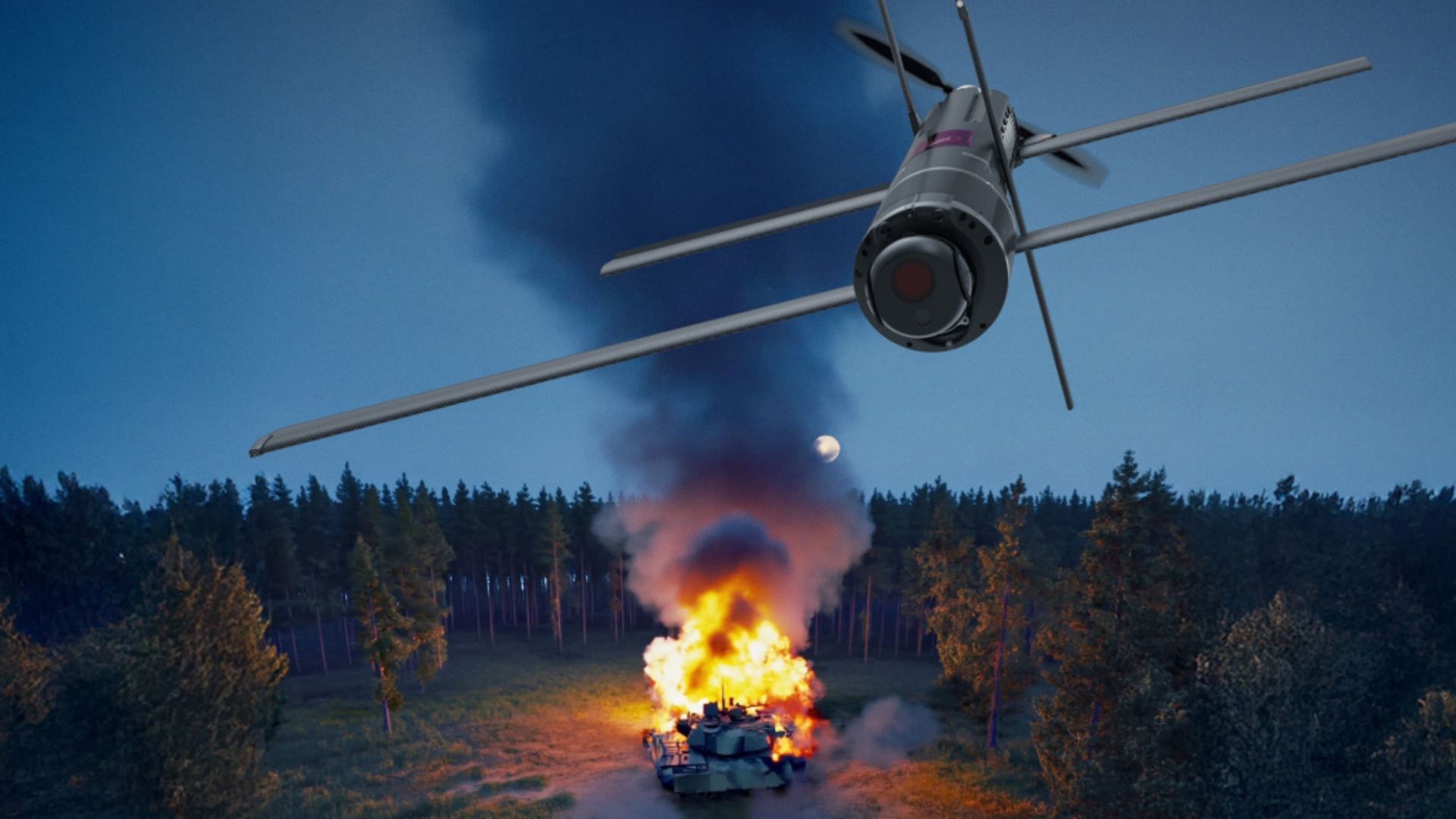
US Marine Corps seeks new portable attack drone to strike tanks from 15 miles away
The U.S. Marine Corps is expediting its initiative to provide frontline units with advanced equipment designed to enhance operational capabilities. This strategic move, announced recently, aims to ensure that Marines are better prepared for modern warfare challenges. The acceleration comes in response to evolving threats and the need for improved readiness on the battlefield. By streamlining the procurement and deployment processes, the Marine Corps intends to integrate cutting-edge technology and resources more swiftly into its operations. This initiative reflects a broader commitment to maintaining military effectiveness and adapting to the dynamic nature of global security environments.

Greensea IQ Awarded $9 Million Contract by US Marine Corps for Continuing Acquisition of Bayonet 250 Robots
Greensea Systems, Inc., operating as Greensea IQ, has secured a $9 million task order from the United States Marine Corps under a broader Indefinite Delivery/Indefinite Quantity (IDIQ) contract. This funding will be used for the acquisition of Bayonet 250 systems, which are part of Greensea’s Amphibious Unmanned Ground Vehicles (AUGVs). The deployment of these vehicles is intended to enhance the Littoral Explosive Ordnance Neutralization (LEON) Family of Systems, which plays a vital role in mine countermeasures and addressing subsea threats in coastal combat environments. The contract underscores the Marine Corps' commitment to advancing its capabilities in littoral operations.
greensea iq contract award us marine corps bayonet 250 ugv
Greensea IQ Secures $5.36M Contract for Bayonet 250 Surf Zone Crawlers to Support U.S. Marine Corps
Greensea IQ, a prominent player in subsea robotics and defense solutions, has secured a $5.36 million contract from the Defense Logistics Agency (DLA) in collaboration with Darley, based in Itasca, Illinois. This contract involves the delivery of customized Bayonet 250 Amphibious Underwater Ground Vehicles (AUGVs) specifically designed for the U.S. Marine Corps' Littoral Explosive Ordnance Neutralization (LEON) project. The agreement underscores the military's commitment to enhancing its capabilities in neutralizing explosive threats in coastal environments. The contract reflects ongoing efforts to improve operational efficiency and safety for Marine Corps personnel engaged in such critical missions.
greensea iq new contract bayonet 250 surf zone crawlers u.s. marine corpsRobotics needs a service framework.
RSF defines a common language for robot service capability, lifecycle operations, certification pathways, and service-provider networks.
Join the RobotToday community on LinkedIn
Daily robotics news, in-depth analysis, conference highlights, and discussions with professionals worldwide.