Industry Briefing
A single destination for timely, editor-curated robotics news from around the world.
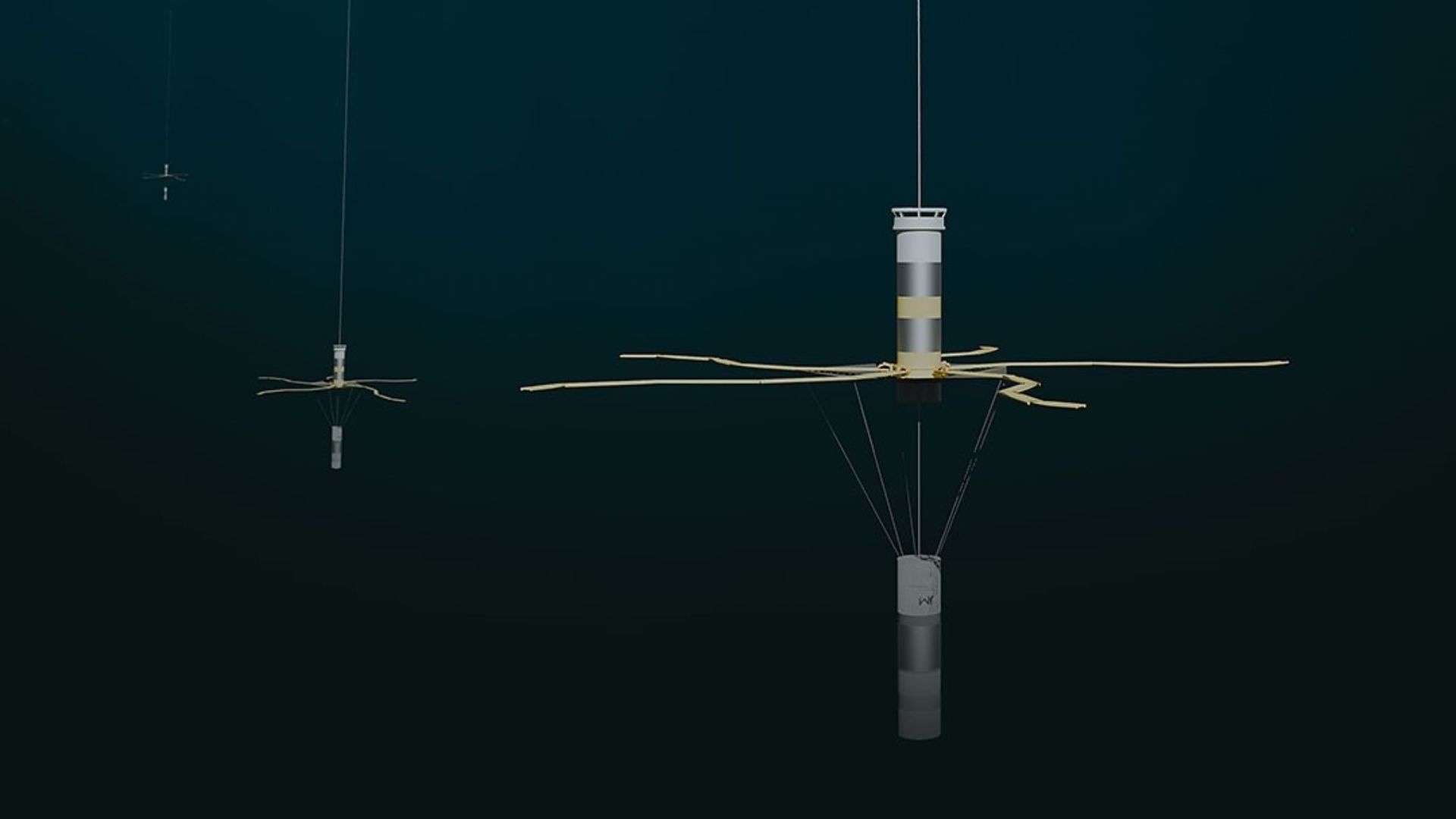
UK trials compact G-size sonobuoy built for autonomous drones hunting submarines
Ultra Maritime has successfully conducted the inaugural in-water deployment trial of its advanced Multistatic Active Receive system. This significant milestone took place recently, marking a key step in the development of the technology designed to enhance maritime surveillance and detection capabilities. The trial was held in a controlled marine environment, allowing the team to assess the system's performance and reliability in real-world conditions. The motivation behind this initiative is to improve the effectiveness of maritime operations, particularly in detecting underwater threats and monitoring marine activities. By utilizing innovative technology and methodologies, Ultra Maritime aims to set a new standard in maritime security solutions. The successful trial demonstrates the potential of the Multistatic Active Receive system to revolutionize the industry and address growing concerns over maritime safety and security.
Military
Sonar–camera system sees through murky waters
Remotely operated underwater vehicles (ROVs) face significant challenges when navigating cloudy and turbulent waters, as sediment disturbance can severely impair visibility for onboard cameras. This issue arises when ROVs settle on the seafloor or dig through sand beds, leading to the creation of sediment clouds that obscure their view. Consequently, operators often have no choice but to pause operations and wait for the marine dust to settle before the vehicles can safely continue their exploration or tasks. This limitation highlights the complexities of underwater operations and the need for advancements in technology to enhance visibility in such challenging conditions.
Robotics
New imaging system sees through murky waters
A groundbreaking technology known as “Sonar-MASt3R” has been developed to enhance underwater mapping capabilities by integrating sonar and visual data. This innovative system is capable of producing real-time 3D maps, significantly improving navigation and exploration in challenging environments, including cloudy water conditions. The technology was unveiled in October 2023, showcasing its potential to revolutionize marine research and underwater operations. By combining different data sources, Sonar-MASt3R addresses the limitations of traditional mapping methods, offering clearer and more accurate representations of underwater landscapes. This advancement is expected to benefit various sectors, including environmental monitoring, maritime safety, and underwater archaeology, by providing researchers and professionals with reliable tools for better decision-making in aquatic environments.
Research Robotics Computer vision Imaging Sensors Oceanography and ocean engineering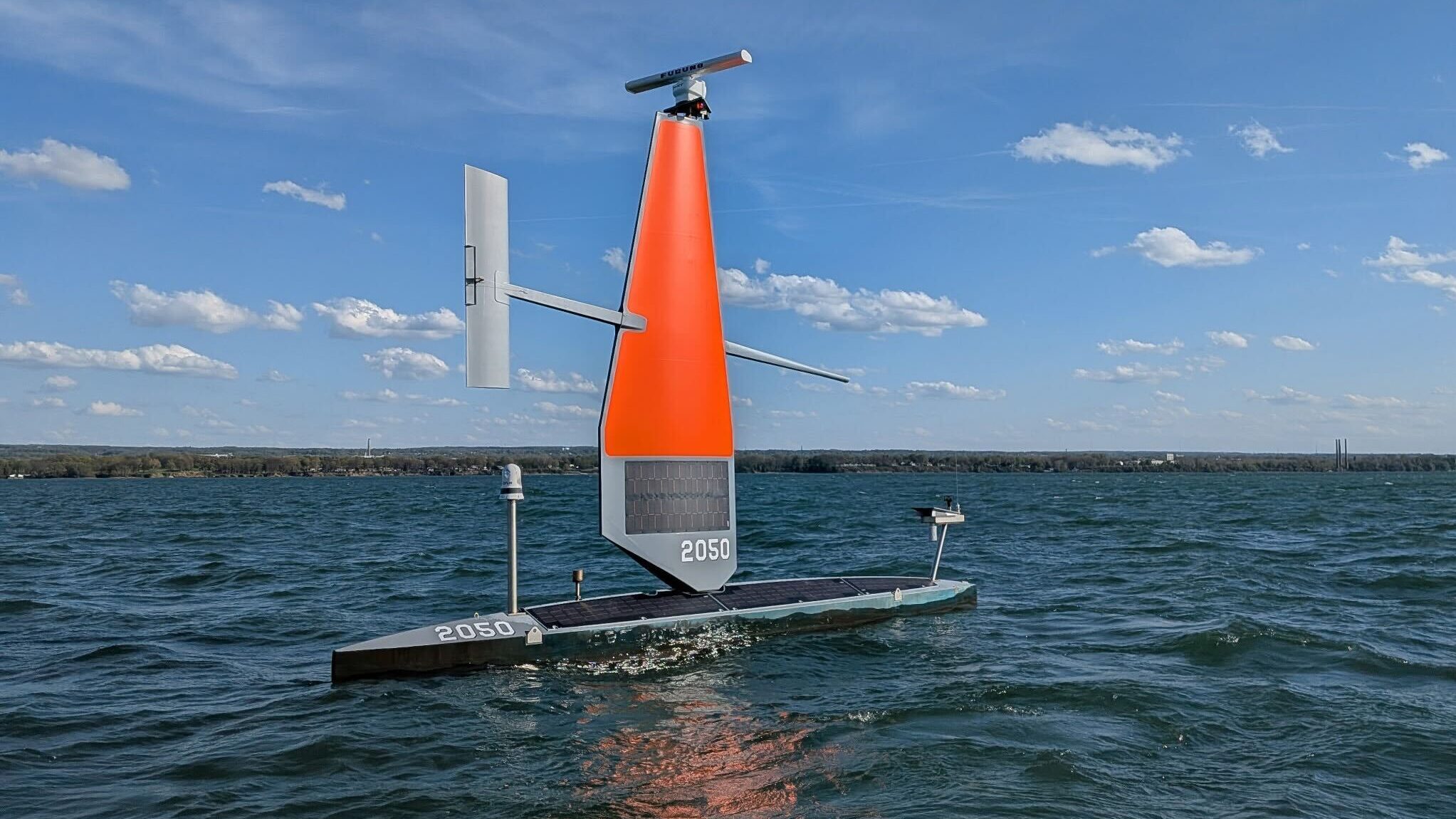
Coast Guard, Saildrone team up in northern waters to boost border security, surveillance
The Voyager, a state-of-the-art surveillance vessel, has been designed to carry out continuous coastal monitoring and nearshore mapping operations. This advanced ship can remain deployed at sea for approximately 100 days, enhancing its capability to gather critical data over extended periods. The implementation of the Voyager is expected to significantly improve maritime security and environmental monitoring efforts, providing valuable insights into coastal ecosystems and aiding in the management of marine resources. With its advanced technology and extended operational range, the Voyager represents a significant advancement in maritime surveillance capabilities.
Naval Warfare border security coast guard Drones Navy Saildrone
Naval carrier set to deploy with a drone, while Marines say goodbye to the Harrier
This week, the U.S. Navy is enhancing its fleet capabilities as a Seahawk drone is scheduled to join the aircraft carrier USS Theodore Roosevelt. This integration reflects ongoing efforts to modernize naval operations and improve surveillance and reconnaissance missions. Additionally, the aviation community bids farewell to a legendary aircraft, which is making its final flight, marking the end of an era in military aviation history. The events highlight the Navy's commitment to advancing technology while honoring its storied past.
Air Warfare Naval Warfare Air Force Break Out Video harrier HarrierJumpJet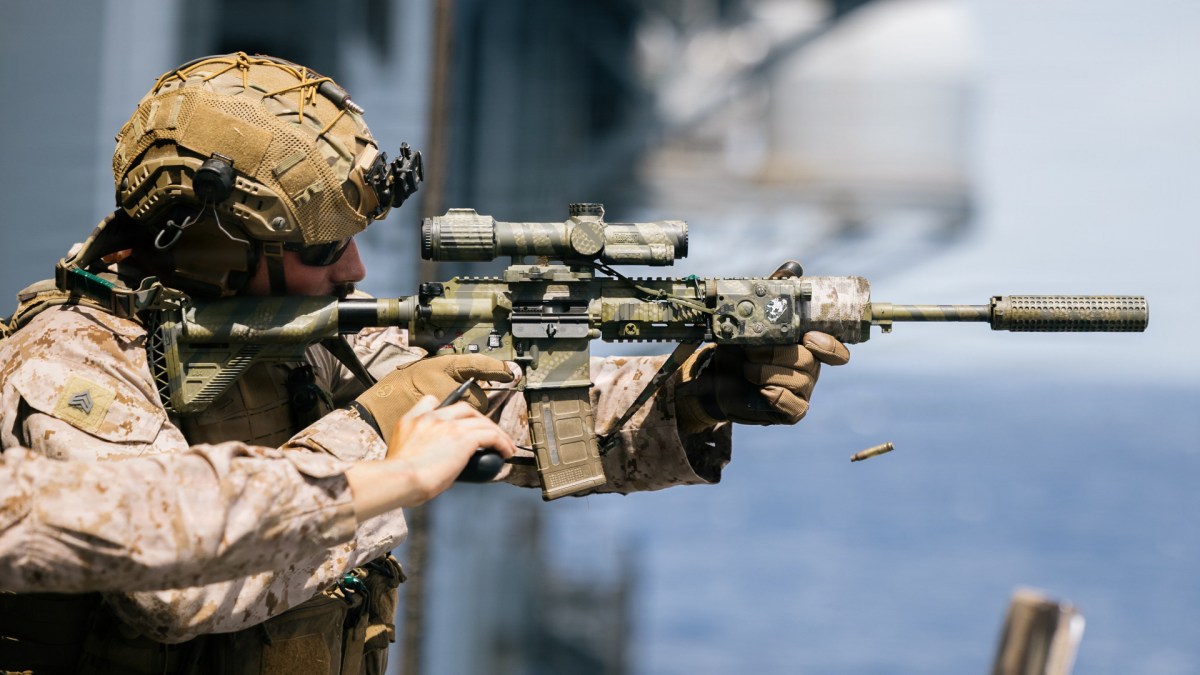
Anti-Drone 5.56mm Rifle Rounds That Break Into Multiple Projectiles Sought By Marines
Marines are seeking specialized 5.56mm rifle rounds designed to enhance their capability to neutralize small unmanned aerial vehicles (UAVs). This initiative aims to equip Marines with ammunition that breaks into multiple projectiles upon firing, thereby increasing the likelihood of successfully targeting and disabling these uncrewed attackers. The development of these anti-drone rounds reflects a growing recognition of the evolving threats posed by drone technology on the battlefield. By improving their firepower against such aerial threats, the Marines hope to bolster their operational effectiveness in various combat scenarios.
Land Assault Rifles Drones M16/AR15/M4 Pattern News & Features Sea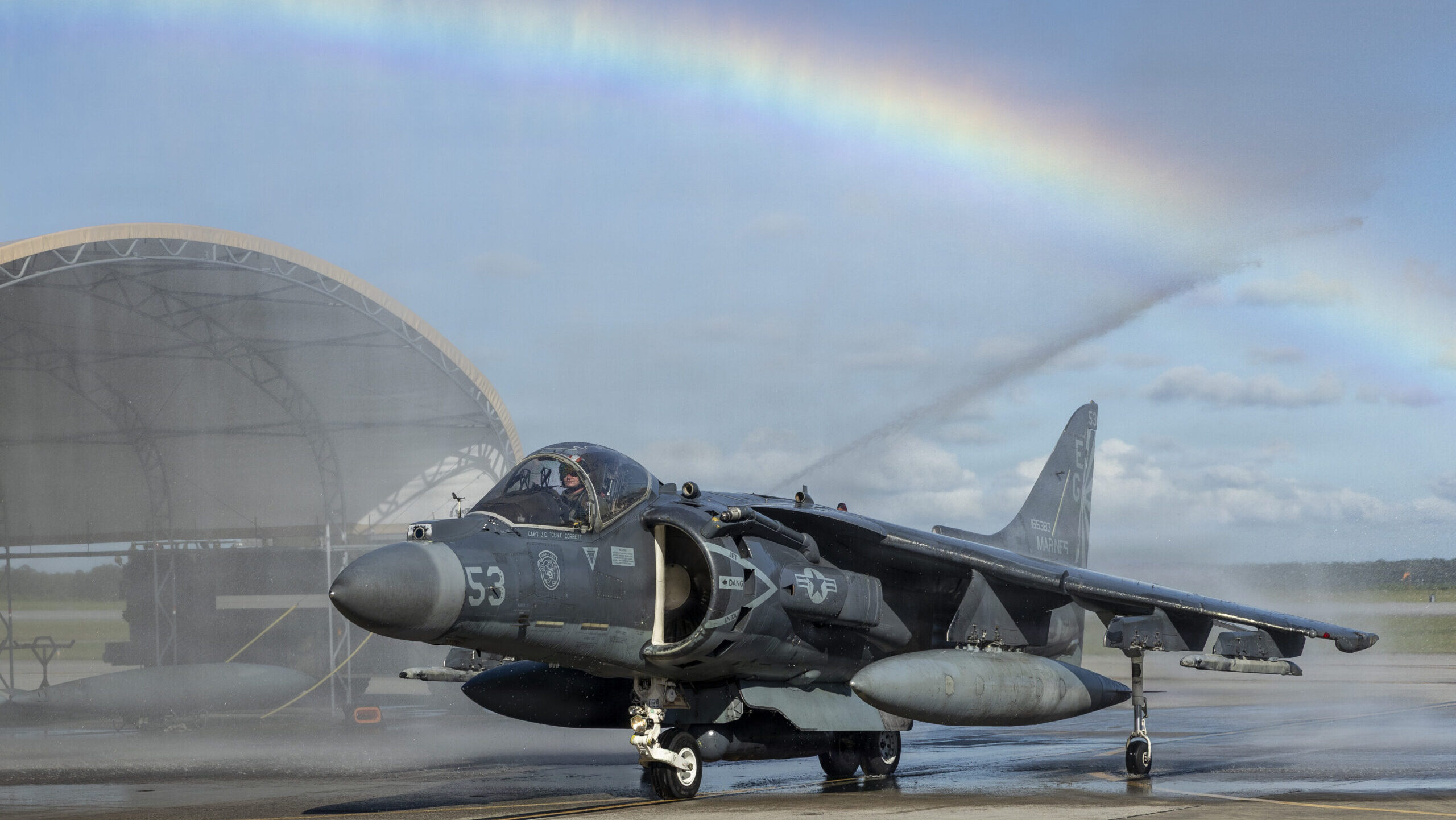
Marine Corps’ Harrier completes final flight following SOUTHCOM deployment
The Marine Corps is advancing its Tactical Aircraft Transition Plan, aiming to fully integrate fifth-generation aircraft into its fleet. This strategic initiative reflects the military's commitment to modernizing its aviation capabilities to enhance operational effectiveness and maintain a competitive edge. As part of this transition, the Marine Corps is focusing on upgrading its existing aircraft and incorporating advanced technologies that fifth-generation models offer. The timeline for this comprehensive adoption is set to unfold over the coming years, with ongoing assessments to ensure that the transition aligns with evolving defense needs. The move is driven by the necessity to adapt to modern warfare demands and to ensure that the Marine Corps remains a formidable force in the skies.
Air Warfare Naval Warfare Air Force harrier HarrierJumpJet Marine Corps
Ardian to invest €5 billion in digital infrastructure in France; Kuaishou creates 189 new jobs, 15 from AI; China allocates
On June 2, 2023, in Beijing, Gaode Map and the Singapore Tourism Board signed a strategic cooperation memorandum, marking the launch of the first collaborative tourism ranking list between a Chinese company and an overseas national tourism board. This initiative will feature the Singapore Street Ranking, utilizing Gaode's advanced aerial street view technology to provide a 360-degree perspective of local attractions, hotels, neighborhoods, and restaurants. The goal is to enhance the travel experience by allowing visitors to assess their destinations before arrival. In a separate development, the Jiangxi National Rare Earth Technology Innovation Center was established with a registered capital of 1.25 billion yuan, focusing on mineral resource exploration and scientific research. Additionally, WeRide and Uber announced plans to introduce Spain's first commercial Robotaxi service in Madrid, expanding WeRide's presence to its twelfth global city. The initiative aims to deploy hundreds of Robotaxis in the city center as operational benchmarks are met. In France, Ardian, a private equity firm, revealed a partnership with Verne to invest up to 5 billion euros in developing a next-generation digital infrastructure park in the Île-de-France region, with a target capacity of 500 megawatts by 2030. Other notable news includes a collaboration between Google and Telstra to build a fiber and submarine cable network in Australia, updates on the recovery timeline for Blue Origin's launch facilities following a recent rocket explosion, and a reduction in fuel surcharges for domestic flights in China starting June 5.

Army Medical Brigade Expands Drone Use for Battlefield Resupply
The U.S. Army’s 44th Medical Brigade is enhancing its battlefield medical operations by expanding the use of drones to deliver critical supplies more efficiently and safely. This initiative, announced by the XVIII Airborne Corps, reflects a broader military strategy to incorporate unmanned systems into logistics and sustainment efforts. The program aims to reduce the risk to soldiers while ensuring timely access to essential medical resources in combat situations. By leveraging drone technology, the Army seeks to improve operational effectiveness and support its personnel in high-stakes environments.
Applications Delivery Drone News Drone News Feeds Medical News
IRGC Attacks MSC Containership in Gulf
The Islamic Revolutionary Guards Corps (IRGC) has announced its responsibility for a recent attack, asserting that the action was a direct response to U.S. military strikes on an Iranian vessel. This escalation in hostilities highlights the ongoing tensions between Iran and the United States, particularly in the context of maritime security in the region. The IRGC's statement indicates a calculated retaliation, emphasizing the group's commitment to defending Iranian interests against perceived aggression. The incident underscores the fragile state of relations and the potential for further conflict in the area.
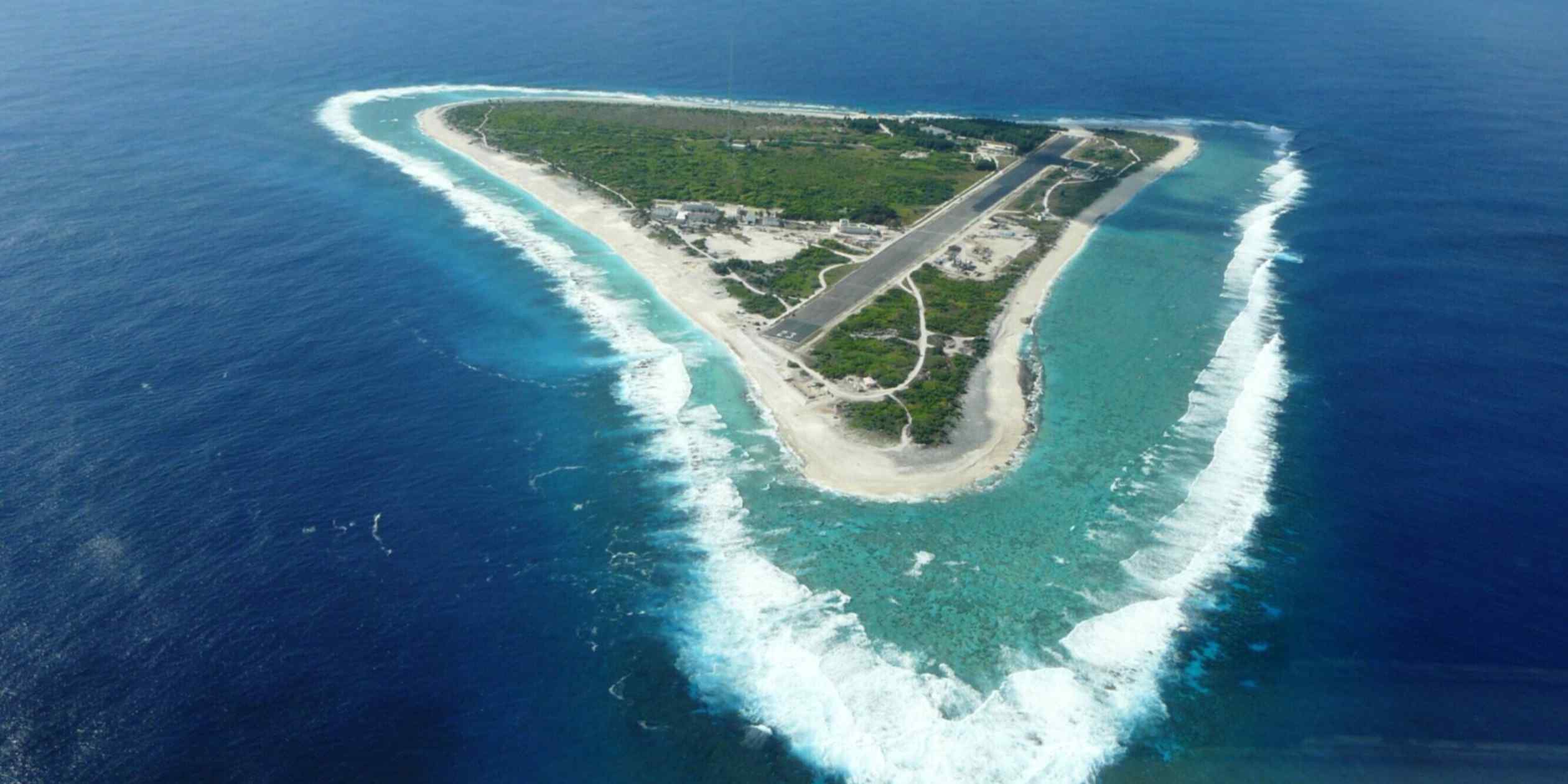
Japan to develop deep-sea drone in hunt for rare earths
A Japanese marine research agency is set to develop an advanced autonomous underwater vehicle (AUV) by fiscal 2028 to enhance the search for rare earth elements and other mineral resources in the seabed near Minamitorishima, Japan's easternmost territory. This initiative, announced on June 3, 2026, aims to secure a stable supply of these critical materials, which are essential for various high-tech industries. The project reflects Japan's ongoing efforts to reduce its dependence on foreign sources, particularly China, amid rising global demand for rare earths. The development of this hybrid vessel is expected to significantly accelerate exploration and retrieval processes in the region, positioning Japan as a key player in the global rare earth supply chain.

New 10-watt antenna helps underwater robots communicate across 2,296 feet
Researchers have developed an innovative antenna system aimed at enhancing communication between underwater robots, particularly in challenging environments such as murky waters. This advancement comes as part of ongoing efforts to improve the efficiency and effectiveness of robotic operations in marine settings. The new system was unveiled during a technology conference held in San Diego on October 15, 2023. The motivation behind this development stems from the increasing reliance on underwater robots for various applications, including environmental monitoring, search and rescue missions, and marine research. Traditional communication methods often struggle in low-visibility conditions, which can hinder the performance of these robots. The newly designed antenna system utilizes advanced signal processing techniques to facilitate clearer and more reliable communication between multiple robots operating simultaneously. By overcoming the limitations posed by murky water, this technology promises to enhance collaborative efforts among underwater robots, leading to improved outcomes in their respective missions. As the demand for autonomous underwater vehicles continues to grow, this breakthrough could play a crucial role in advancing the capabilities of marine robotics, ultimately contributing to better data collection and exploration of underwater environments.

NASA Satellites Track Harmful Algae With AI
NASA has developed an artificial intelligence tool that utilizes satellite data to detect harmful algal blooms, a significant environmental concern for coastal communities. This innovative technology aims to enhance response times and improve protective measures for both local economies and ecosystems. By analyzing satellite imagery, the AI can quickly identify the presence of these blooms, which can pose health risks to marine life and humans alike. The initiative is part of NASA's broader commitment to leveraging advanced technology for environmental monitoring and public safety. As coastal areas increasingly face the challenges posed by climate change and pollution, this tool represents a proactive approach to safeguarding vulnerable regions.

AUKUS partners sign agreement on underwater drones, speed up sub plan
Australia has decided to abandon plans to purchase a new Virginia-class submarine, opting instead to acquire a decommissioned submarine from the United States Navy. This decision reflects a strategic shift in Australia’s defense procurement approach, aiming to enhance its naval capabilities while managing costs. The change comes amid ongoing discussions about regional security and military readiness, highlighting the importance of maintaining a robust defense posture in the Indo-Pacific region. The acquisition of the ex-US Navy submarine is expected to provide Australia with immediate operational capabilities, allowing for a quicker integration into its fleet compared to a new build, which would require more time and resources.
Global Naval Warfare Asia AUKUS Pillar 2 Drones Europe
A tiny underwater antenna is changing how robots talk in dark, murky seas
University of Florida researchers are advancing underwater communication technology by deploying robots in various aquatic environments, from the shallow shores of Lake Wahlberg to the depths of the ocean. This initiative aims to enhance the robots' ability to communicate effectively in challenging, murky conditions. The project, which began recently, leverages innovative techniques to improve data transmission and interaction among robots operating in diverse water conditions. By refining these communication methods, the researchers hope to facilitate more efficient underwater exploration and data collection, potentially benefiting fields such as marine biology, environmental monitoring, and search and rescue operations.
Robotics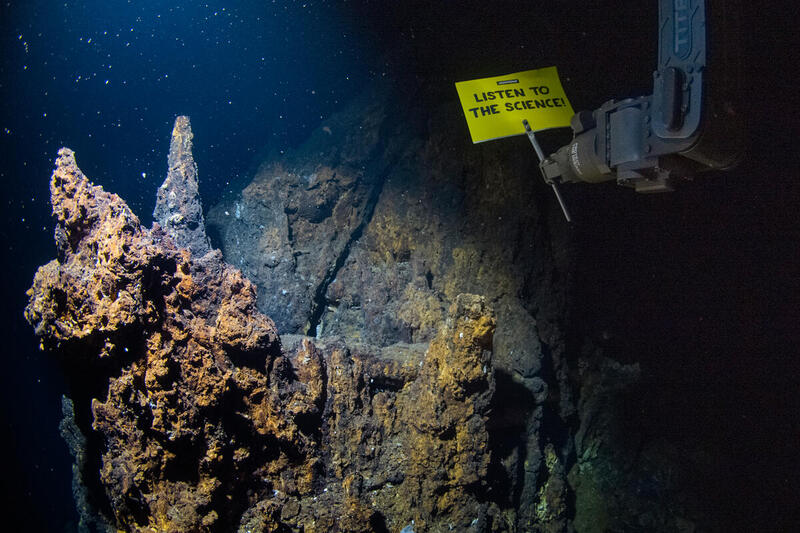
Greenpeace robot stages deepest-ever seabed protest
In a groundbreaking initiative, Greenpeace has launched an underwater robot to conduct a scientific survey of vulnerable deep-sea ecosystems along the Arctic Mid-Ocean Ridge. This event marks the deepest banner protest ever executed from the seabed, occurring at a depth of 2,300 meters. The robot displayed a powerful message urging global leaders to heed scientific advice, stating, “LISTEN TO THE SCIENCE!” The campaign aims to raise awareness about the urgent need for action to protect these unexplored marine environments. Dr. Sandra Schöttner, a key figure in the initiative, emphasized the importance of scientific research in informing policy decisions regarding environmental conservation. This innovative protest not only highlights the threats facing deep-sea ecosystems but also seeks to galvanize international attention and action on climate change and marine protection.
Environment News Arctic Ocean automation news autonomous underwater vehicles climate change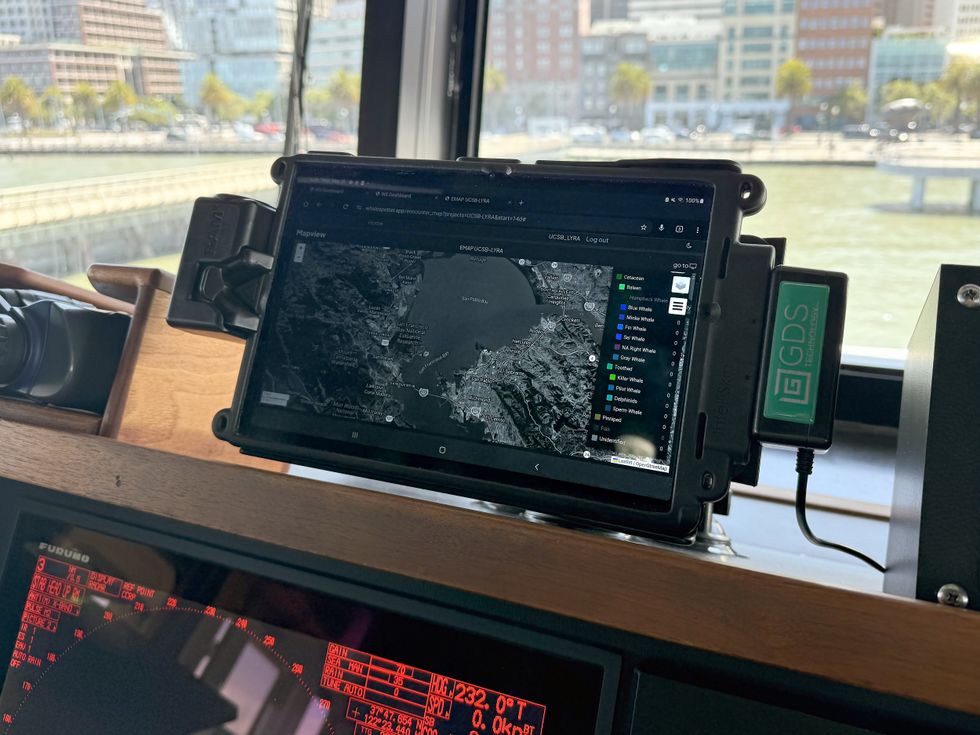
Thermal Cameras and AI Help Ships Steer Clear Of Gray Whales
On May 19, a new AI-based whale detection system was launched in San Francisco Bay, developed by WhaleSpotter, a company based in Somerville, Massachusetts. This initiative, a collaboration among government agencies and scientists, aims to enhance the safety of marine traffic by identifying gray whales in real-time using thermal cameras mounted on Angel Island. The system operates continuously, even at night and in foggy conditions, and alerts nearby vessels to potential whale encounters, allowing them to slow down or change course. The urgency for such technology arises from alarming mortality rates among gray whales, with seven reported deaths in the bay this year alone, and a record 21 fatalities in 2025, primarily due to ship strikes. Scientists attribute the whales' recent detours into the bay to climate change, which has led to record-low sea ice levels and impacted their food sources. As a result, over 100 gray whales have been observed stopping in the bay since 2018, likely seeking nourishment during their long migration from Alaska to Mexico. The WhaleSpotter system has already logged 6,600 whale detections within its first week and a half of operation. While the technology significantly reduces the risk of ship strikes, human verification remains essential to confirm detections and minimize false alarms. Future enhancements aim to further automate the process, ultimately relying more on AI for monitoring marine life.
Cameras Whales Thermal-cameras Artificial-intelligence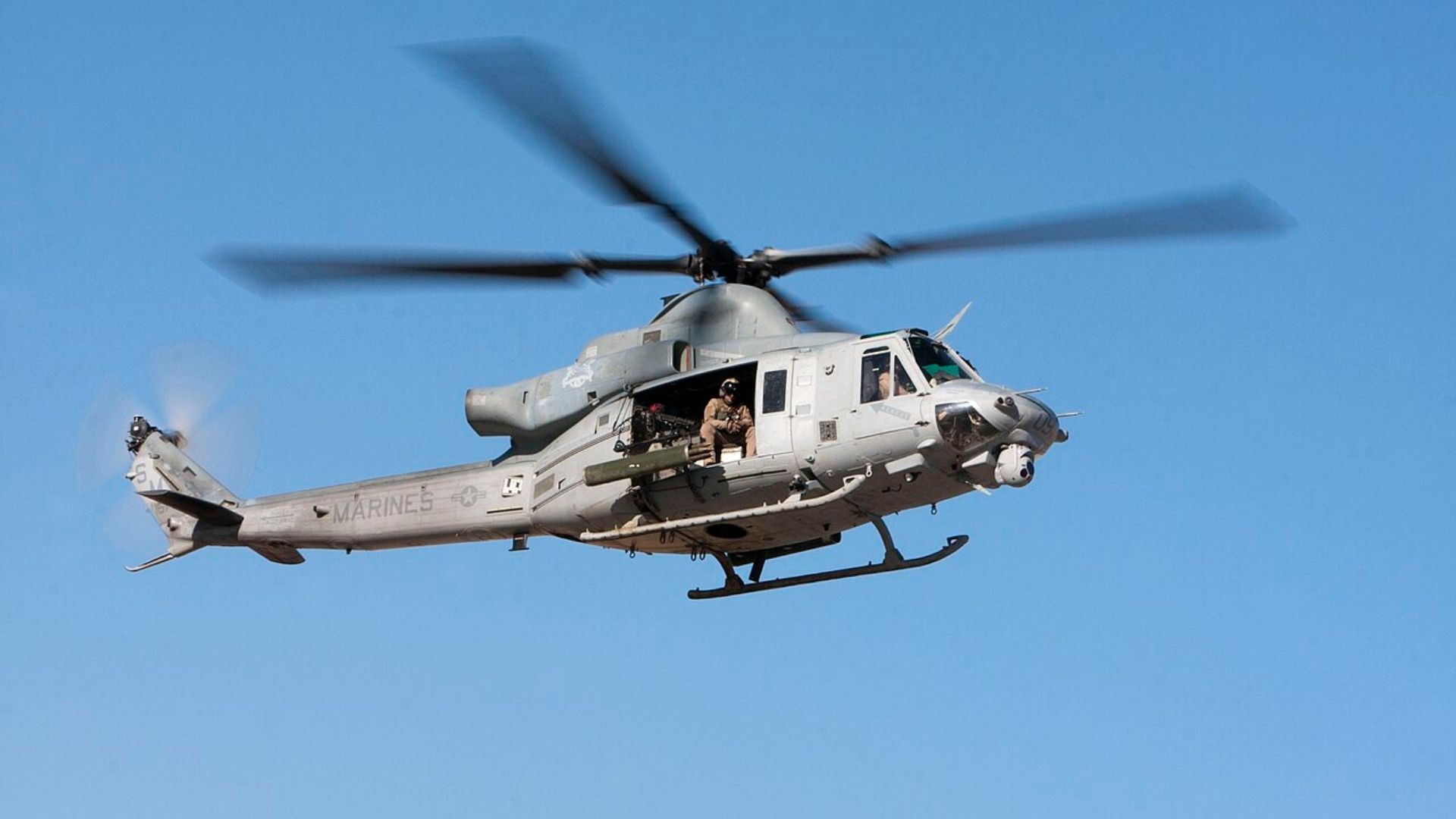
US Marines test low-cost FPV drone attacks coordinated from Venom helicopters
The U.S. Marine Corps is currently testing a novel battlefield tactic that integrates traditional military strategies with advanced technology. This initiative, which began in October 2023, aims to enhance operational effectiveness in diverse combat scenarios. The Marines are conducting these experiments at various training facilities across the United States, focusing on improving coordination and communication among units. The motivation behind this approach stems from the evolving nature of warfare, where rapid technological advancements necessitate a reevaluation of conventional tactics. By blending established military practices with cutting-edge tools, the Marine Corps seeks to adapt to modern threats and maintain a strategic advantage. Through a series of simulations and live exercises, the Marines are assessing the effectiveness of this hybrid strategy. The goal is to refine their tactics, ensuring that they can respond swiftly and effectively in dynamic environments. As these trials progress, the Marine Corps aims to gather valuable insights that will inform future operational planning and training protocols.
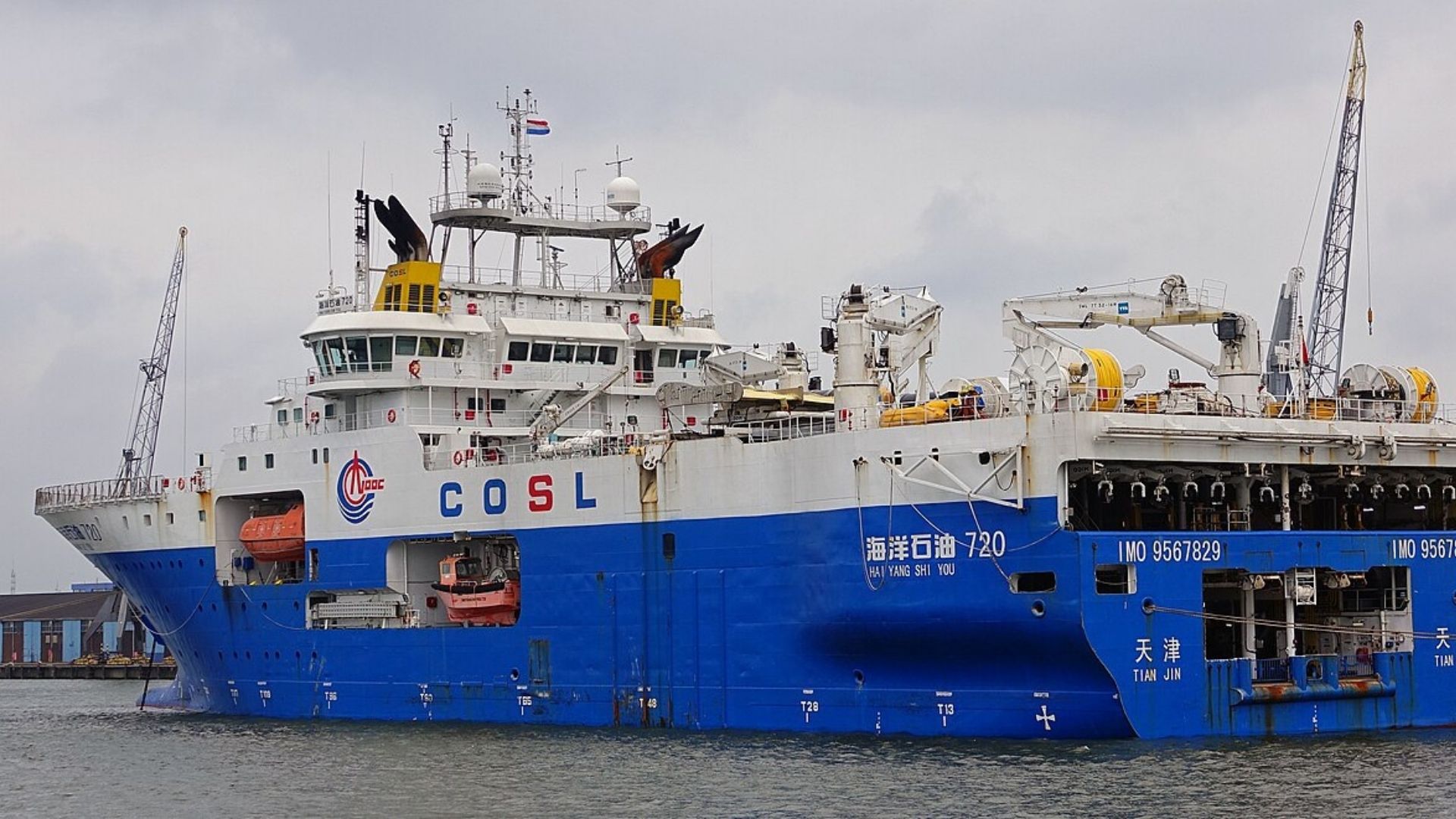
China completes record 537-day deep-sea materials experiment under extreme pressure
China has announced the successful completion of a groundbreaking 537-day deep-sea material corrosion exposure experiment, claiming it to be the first of its kind in the world. Conducted in the South China Sea, the project aimed to assess the durability and longevity of various materials used in marine engineering and construction. The initiative is part of China's broader efforts to enhance its capabilities in deep-sea exploration and technology, driven by the increasing demand for sustainable and resilient infrastructure in challenging underwater environments. Researchers monitored the materials' performance and degradation over the extended period, providing valuable data that could inform future developments in maritime engineering. This achievement underscores China's commitment to advancing its scientific research and technological prowess in the field of marine sciences.
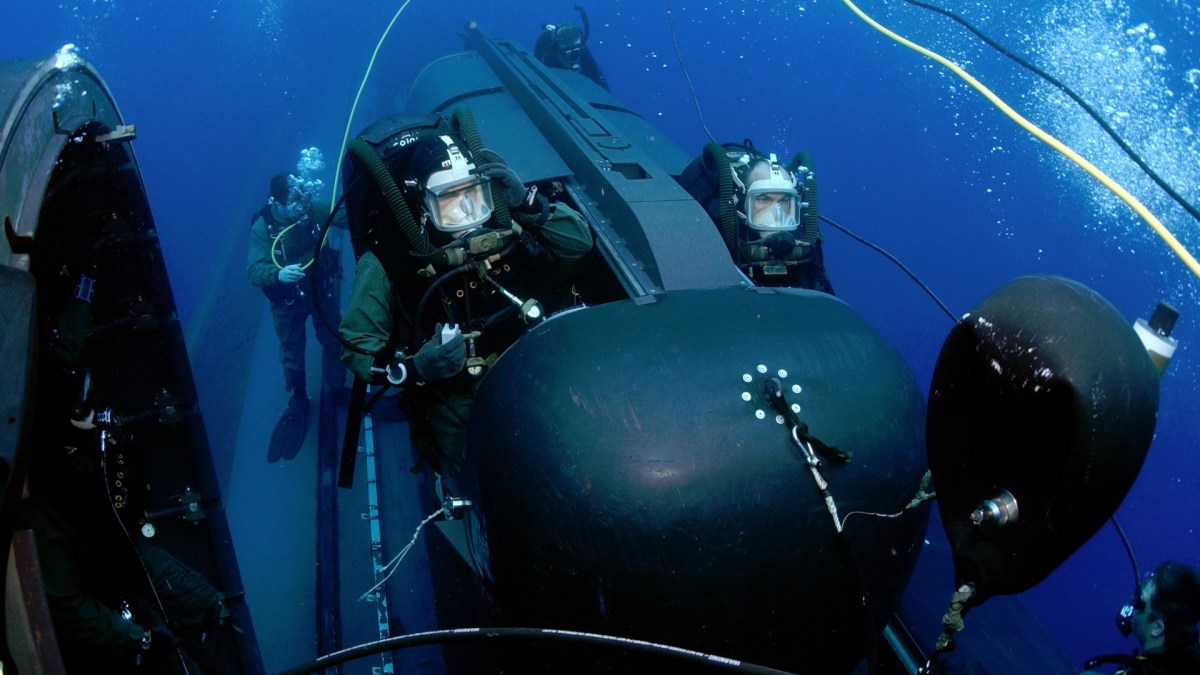
Navy SEALs In Mini-Submarines Teamed With Underwater Drones In The Works
The U.S. Navy is exploring innovative operational strategies by integrating uncrewed underwater vehicles with Navy SEALs utilizing mini-submarines. This collaboration aims to enhance the capabilities of special operations forces in maritime environments, potentially revolutionizing underwater missions. However, the initiative faces several challenges that need to be addressed to ensure effective implementation. As the Navy continues to develop these advanced technologies, the focus remains on overcoming obstacles to maximize the operational potential of this partnership.
Sea Navies Navy SEALs News & Features Special Warfare Submarines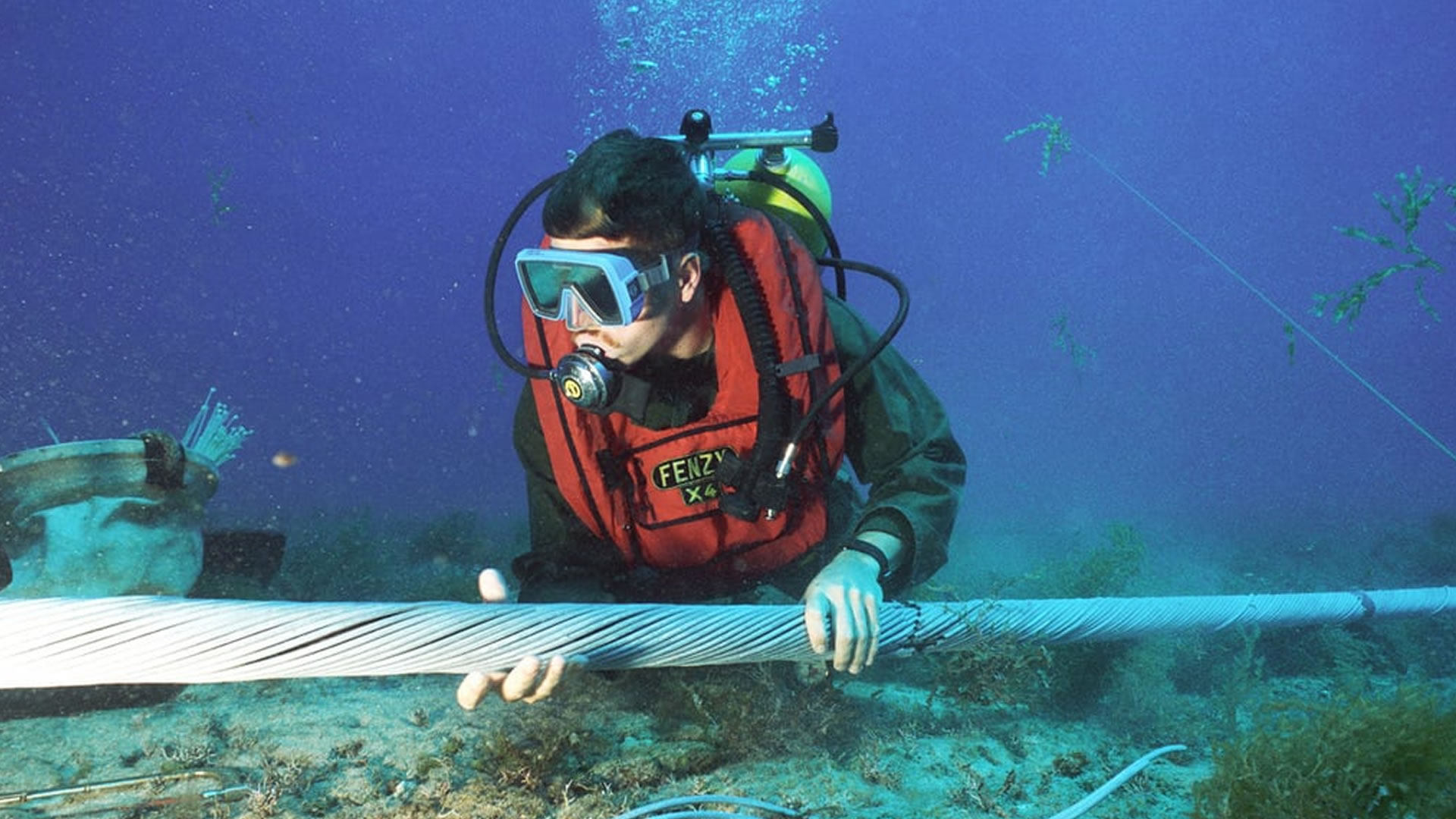
Iran could target hidden submarine cables crossing Hormuz to control data routes: Report
Iran is contemplating the implementation of charges on submarine fibre-optic cables that traverse the strategically significant Strait of Hormuz. This potential move comes amid ongoing tensions in the region and is seen as a way for Iran to exert control over critical maritime infrastructure. The Strait of Hormuz is a vital waterway for global oil transport and telecommunications, making any changes to access fees a matter of international concern. Discussions regarding this initiative are reportedly taking place as Iran seeks to bolster its economic leverage and assert its influence over the region's communication networks. The outcome of these considerations could have significant implications for international shipping and telecommunications, particularly for countries reliant on the cables that connect Europe, Asia, and beyond.

US Navy unveils ShipOS, targets submarine supply chain bottlenecks amid China rivalry
The U.S. Navy has introduced ShipOS, an advanced artificial intelligence system, to enhance its submarine construction processes. This rollout, which began in October 2023, aims to streamline operations and improve efficiency in building submarines. By leveraging AI technology, the Navy seeks to address challenges in production timelines and resource management, ultimately ensuring that its fleet remains modern and capable. The implementation of ShipOS is part of a broader initiative to integrate cutting-edge technology into military operations, reflecting the Navy's commitment to innovation and maintaining a competitive edge.

Biomedical jellyfish-inspired robot hits record swim speeds without onboard power
Researchers have developed a groundbreaking jellyfish-inspired soft robot capable of navigating through water at unprecedented speeds. This innovative technology, unveiled in a recent study, showcases the potential for advanced underwater exploration and environmental monitoring. The robot mimics the unique propulsion mechanism of jellyfish, allowing it to move efficiently and swiftly. The development took place in a laboratory setting, where scientists aimed to enhance robotic mobility in aquatic environments. By studying the biomechanics of jellyfish, the team was able to replicate their movement patterns, resulting in a soft robot that not only moves faster than existing models but also carries out tasks such as data collection and monitoring marine ecosystems. This advancement comes at a crucial time as researchers seek sustainable solutions for underwater exploration, driven by the need to better understand and protect marine life. The soft robot's design allows for flexibility and adaptability, making it suitable for various applications, from scientific research to environmental conservation efforts. As the technology progresses, the team envisions further enhancements that could lead to even greater speeds and capabilities, paving the way for a new era of robotic exploration in our oceans.
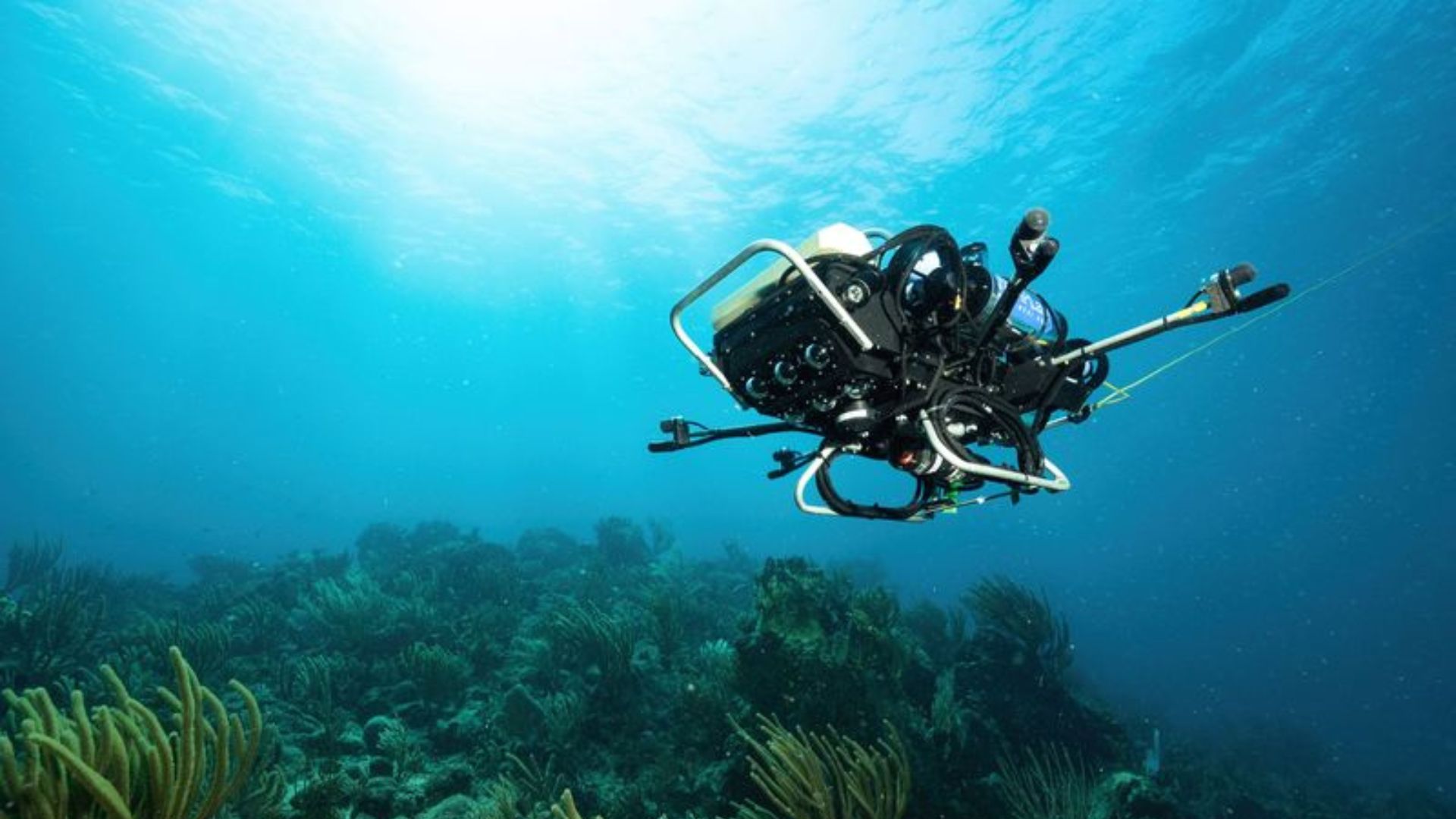
New autonomous reef robot follows shrimp snaps and fish calls to map marine life zones
A team of scientists has unveiled an innovative autonomous underwater robot designed to identify and map biodiversity hotspots in marine environments. This groundbreaking technology was introduced during a recent conference held in San Diego, California, where researchers gathered to discuss advancements in ocean exploration. The motivation behind this development stems from the urgent need to monitor and protect fragile ecosystems threatened by climate change and human activity. The robot utilizes advanced sensors and artificial intelligence to navigate underwater terrains, collect data on various species, and create detailed maps of biodiversity-rich areas. By automating the process of exploration, the scientists aim to enhance the efficiency and accuracy of marine research, allowing for more effective conservation efforts. This initiative represents a significant step forward in understanding and preserving the ocean's diverse ecosystems, which are vital for global health and sustainability.
Hydrogen-fueled drone submarine with 17 sensors could scan Hormuz for naval mines
A European defense technology company has announced the launch of the world's longest-endurance unmanned submarine, showcasing its capabilities at a recent defense exhibition. The submarine, designed for extended missions, can operate underwater for several weeks without the need for surface resupply, marking a significant advancement in maritime technology. This innovation aims to enhance naval surveillance and reconnaissance operations, addressing the growing demand for autonomous underwater vehicles in modern defense strategies. The unveiling took place in a prominent European city, drawing attention from military officials and industry experts alike, who are keen to explore the potential applications of this groundbreaking technology in various defense scenarios.
![[David Ignatius] A US industrial revolution](/uploads/2026/05/9722277339112679.jpg)
[David Ignatius] A US industrial revolution
A Pittsburgh-based start-up, Gecko Robotics, is pioneering advancements in manufacturing and maintenance within the defense industry through the use of innovative robotic technology. The company's co-founder and CEO, Jake Loosararian, showcased a nimble robot designed to inspect for flaws on a large steel tube, which simulates a nuclear submarine reactor. This development represents a significant shift in how routine tasks are performed in both the defense sector and potentially across American manufacturing. By integrating robotics into these processes, Gecko Robotics aims to enhance efficiency and accuracy, marking a transformative moment in industrial practices.
All News
Uncrewed 37-foot Orca-like strike submarine can unleash missiles and FPV drones
A Turkish defense company has introduced a new strike-capable extra-large uncrewed underwater vehicle, marking a significant advancement in naval technology. The unveiling took place during a defense exhibition in Istanbul, showcasing the vehicle's potential for enhancing Turkey's maritime capabilities. This development is part of Turkey's broader strategy to bolster its defense industry and assert its presence in regional waters. The vehicle is designed to conduct various missions, including surveillance and combat operations, reflecting the increasing importance of unmanned systems in modern warfare. By integrating advanced technologies, the company aims to position Turkey as a key player in the global defense market.

LMBC: Low‐Power Marine Benthos Counting Framework for Underwater Robotic Real‐Time Applications
A recent study published in the Journal of Field Robotics explores advancements in robotic technology aimed at enhancing agricultural efficiency. Researchers from various institutions conducted the study to address the growing need for sustainable farming practices amid increasing global food demand. The findings, released in early October 2023, highlight innovative robotic systems designed to automate tasks such as planting, monitoring crop health, and harvesting. The research was carried out in various agricultural settings, demonstrating the robots' capabilities in real-world environments. By integrating artificial intelligence and machine learning, these robots can adapt to different crop conditions and improve productivity while minimizing resource use. The motivation behind this development stems from the urgent need to reduce labor costs and environmental impact in agriculture. The study outlines the process of designing and implementing these robotic systems, showcasing their potential to revolutionize traditional farming methods. As the agricultural sector faces challenges related to labor shortages and climate change, the introduction of such technology could play a crucial role in ensuring food security for the future. The research underscores the importance of innovation in addressing the complexities of modern agriculture and highlights the collaborative efforts of scientists and engineers in this field.
RESEARCH ARTICLE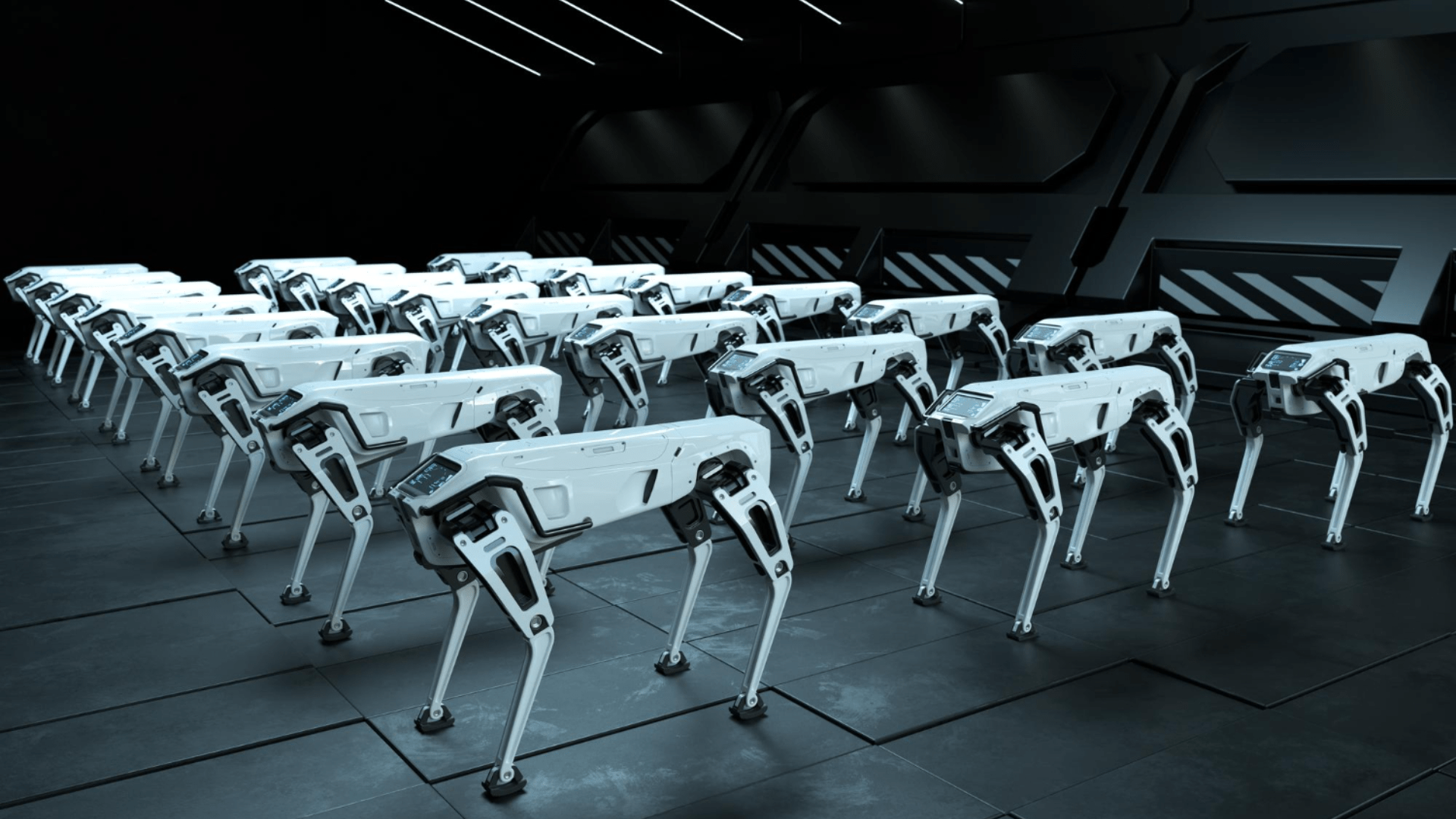
China showcases submarine-launched anti-mine vehicles, robotic combat dogs at defense expo
A new generation of autonomous underwater drones has been developed to detect and neutralize naval mines, marking a significant advancement in maritime security technology. This innovation was unveiled at a recent defense technology conference held in Washington, D.C., where experts gathered to discuss the future of naval warfare. The drones are designed to enhance safety for naval operations by providing a reliable solution to the persistent threat of underwater mines, which pose risks to both military and commercial vessels. The motivation behind this technological breakthrough stems from the increasing need for efficient and effective mine countermeasures in response to evolving maritime threats. By employing advanced sensors and artificial intelligence, these drones can autonomously navigate and identify mines, significantly reducing the risk to human divers and traditional mine-clearing vessels. The development process involved collaboration between defense contractors and military research organizations, leveraging cutting-edge technology to improve operational capabilities. As naval forces worldwide seek to modernize their fleets, this innovation is expected to play a crucial role in enhancing maritime security and ensuring safe passage in contested waters.
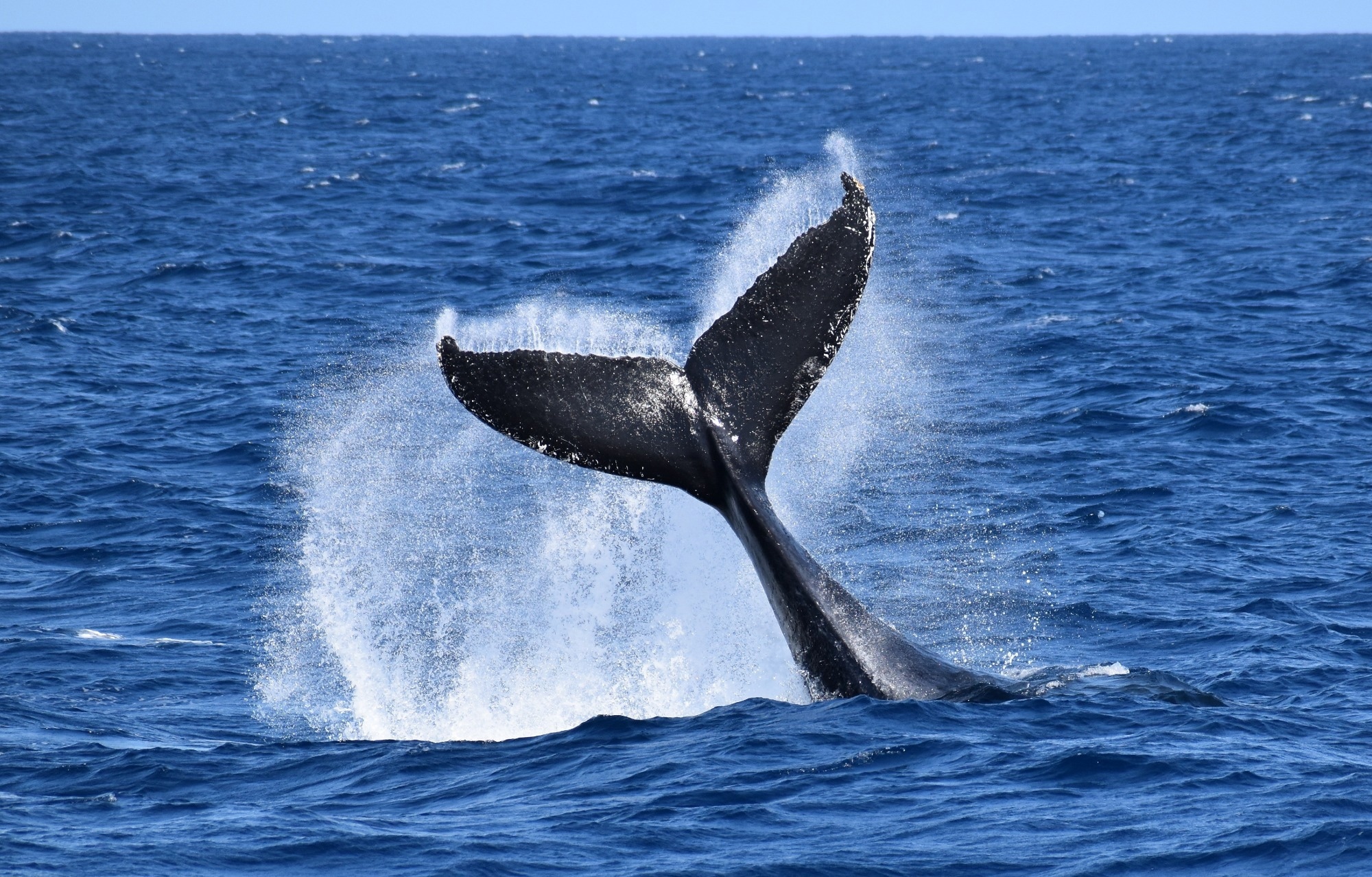
Autonomous Gliders Track Whales Using Acoustic Signals
Researchers have developed a PAM-controlled glider system designed to track sperm whales, enhancing the ability to monitor these marine mammals over extended periods. This innovative system employs real-time acoustic processing, allowing for effective data collection and analysis. The study, which showcases the technology's capabilities, aims to improve understanding of sperm whale behavior and distribution in their natural habitats. By utilizing this advanced monitoring technique, scientists hope to contribute valuable insights into the conservation efforts for these endangered species. The research underscores the importance of integrating technology in marine biology to address challenges in wildlife monitoring and protection.
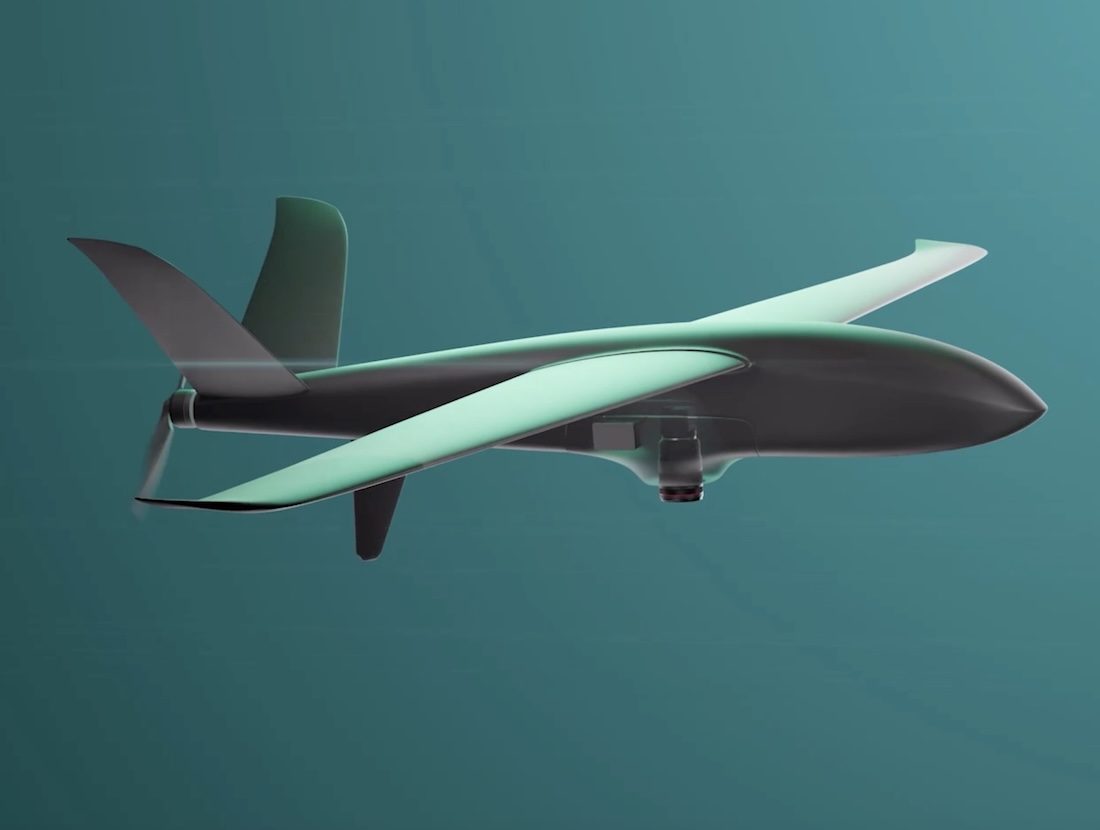
Danish Startup Launches 10K Drone Sensor for Wide-Area Search, Surveillance, and Mine Detection
A Danish start-up has introduced a groundbreaking sensor system designed to enhance marine rescue operations. This innovative technology enables drone-equipped teams to efficiently search vast areas of water for capsized boats and individuals in distress. By utilizing high-resolution imagery transmitted from the drones, rescue teams can pinpoint critical details in challenging conditions. The launch of this advanced 10K drone sensor aims to improve search and surveillance capabilities, as well as facilitate mine detection, thereby addressing urgent needs in maritime safety. The initiative reflects the start-up's commitment to leveraging cutting-edge technology to support emergency responders in their vital work.
Applications DL Exclusive Drone News Drone News Feeds drone technology Europe Drone Industry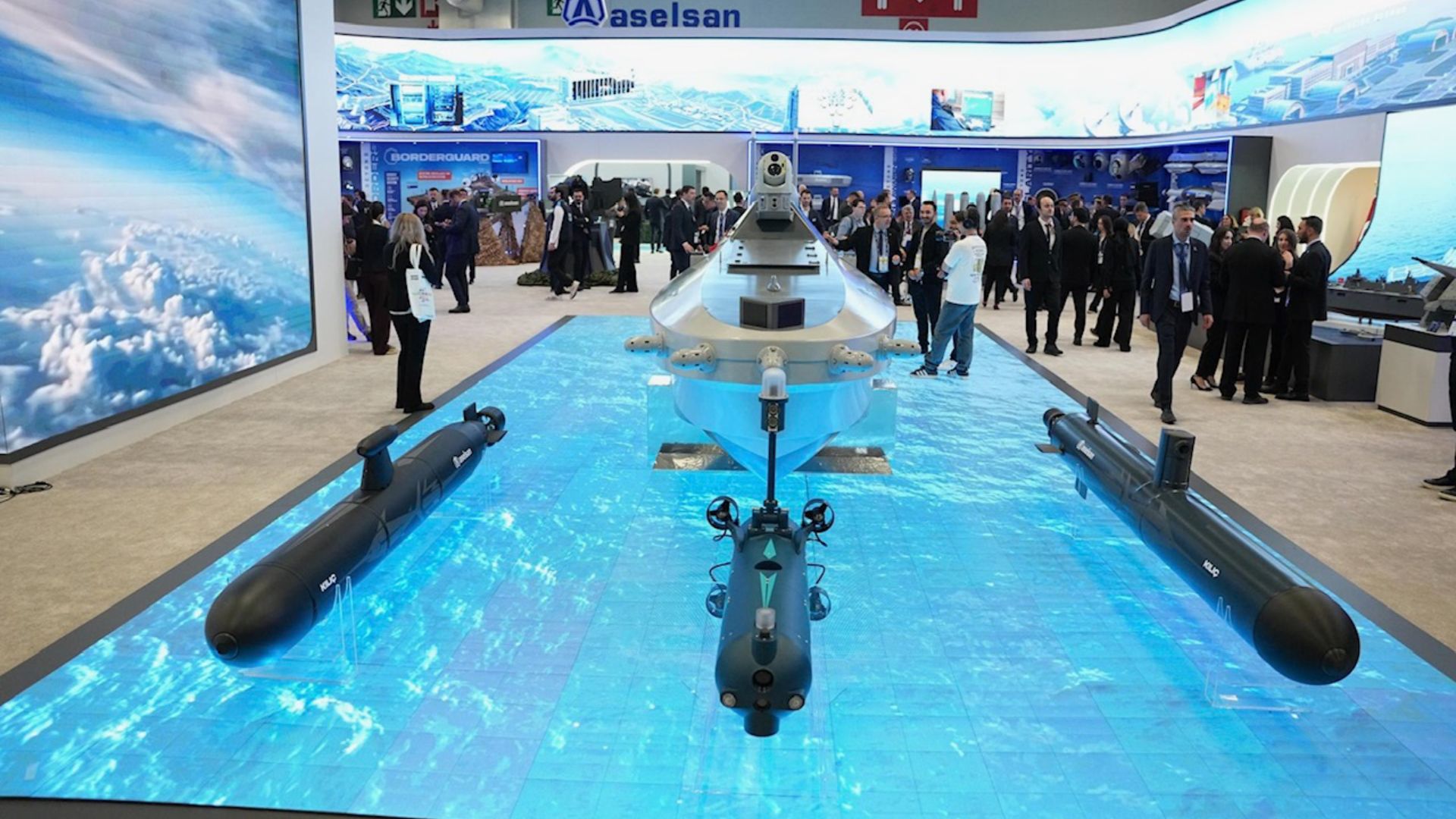
Turkey unveils swarm-ready kamikaze submarine drone with 230-mile strike range
ASELSAN, a prominent Turkish defense company, introduced two innovative autonomous naval strike platforms during the SAHA Expo held in Istanbul. The event, which took place recently, showcased advancements in defense technology, with ASELSAN aiming to enhance Turkey's naval capabilities. The new platforms are designed to operate independently, significantly improving operational efficiency and effectiveness in maritime defense. This development aligns with Turkey's strategic goals to bolster its defense industry and reduce reliance on foreign military technology. The unveiling of these platforms highlights ASELSAN's commitment to innovation and its role in strengthening national security through advanced technological solutions.
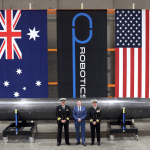
US Navy gets 26-foot drone submarine with 1,243 mile-range from Australia
Australian company C2 Robotics has successfully delivered the Speartooth, a large uncrewed submarine designed for various underwater applications. This significant achievement was announced recently, showcasing advancements in autonomous marine technology. The Speartooth is intended for use in research, surveillance, and environmental monitoring, reflecting a growing demand for innovative solutions in underwater exploration. The submarine's development aims to enhance operational efficiency and safety by reducing the need for human presence in potentially hazardous underwater environments. C2 Robotics has implemented cutting-edge technology to ensure the Speartooth can navigate complex underwater terrains autonomously, marking a notable step forward in the field of uncrewed maritime vehicles.

The sights of Modern Day Marine 2026
The Modern Day Marine show, a prominent event in the defense and military industry, showcased a variety of exhibits and innovations on its show floor. Attendees had the opportunity to explore a diverse selection of displays, highlighting advancements in military technology and equipment. This annual event took place recently, drawing participants from various sectors, including military personnel, defense contractors, and industry experts. The exhibition aims to foster collaboration and innovation within the defense community, providing a platform for networking and sharing knowledge. Through engaging presentations and interactive displays, the show emphasizes the importance of modernizing military capabilities to meet evolving challenges.
Land Warfare Naval Warfare Army Drones Modern Day Marine 2026 Navy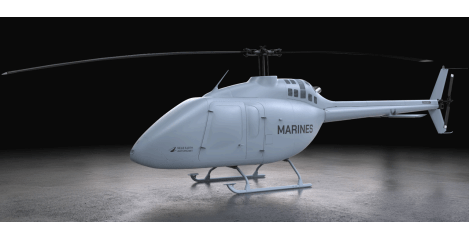
Near Earth Autonomy Wins MARV-EL Contract for Marine Corps Logistics Drone
The Naval Air Systems Command has selected Near Earth Autonomy, a Pittsburgh-based autonomy specialist, to collaborate with Bell Textron, Moog, and XP Services on the development of an uncrewed Bell 505 aircraft. This partnership is part of the Medium Aerial Resupply Vehicle – Expeditionary Logistics (MARV-EL) Increment 2 program, which aims to create a prototype autonomous logistics aircraft for the U.S. Marine Corps. The contract, awarded recently, is intended to enhance the Marine Corps' logistical capabilities by providing a reliable and efficient aerial resupply solution.
AI Drone News Drone News Feeds Logistics News US Government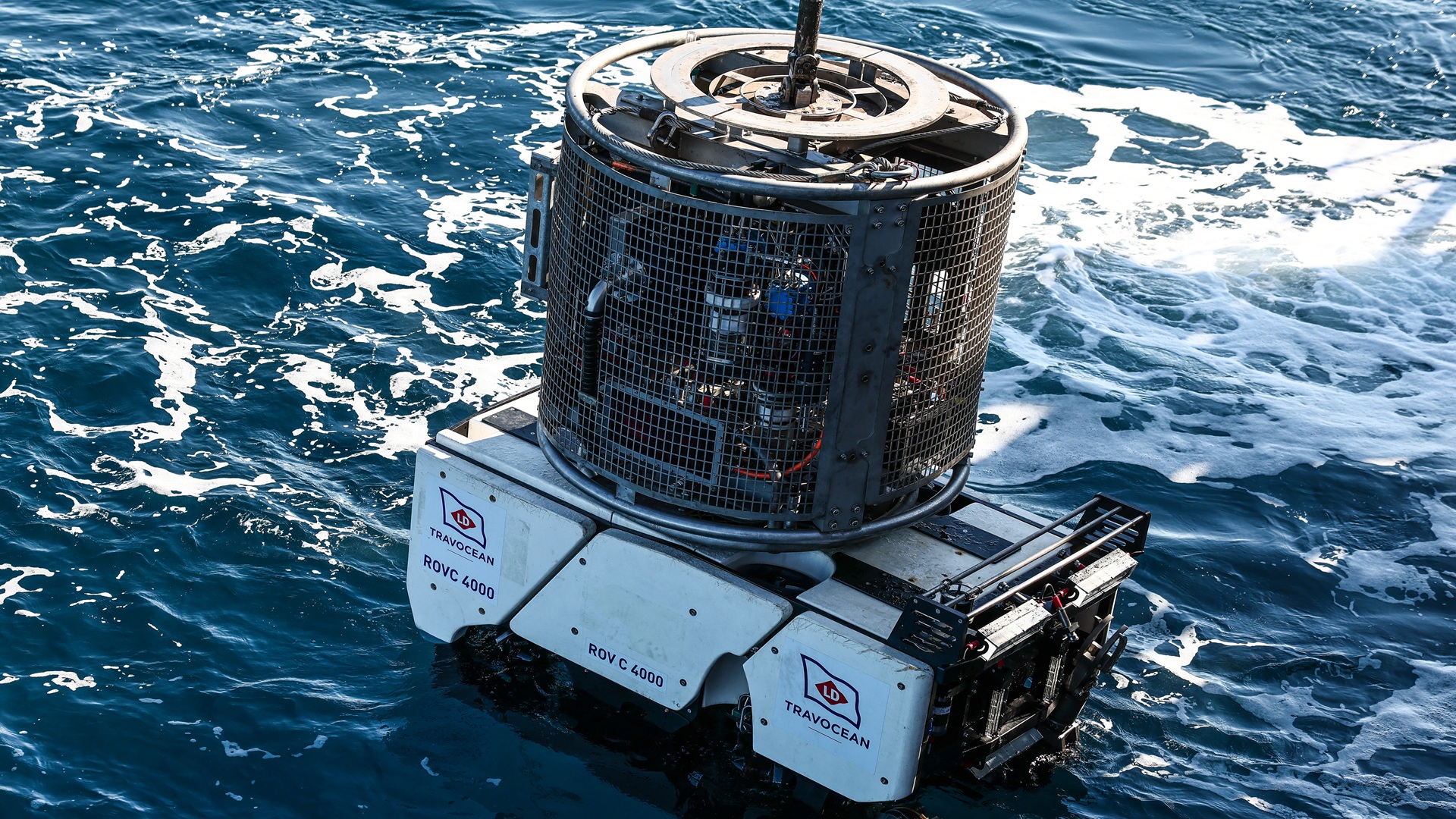
Robot dives 1.5 miles to map French shipwreck with 86,000 images, recovers artifacts
A remotely operated robot has successfully recovered artifacts from a 16th-century shipwreck located over 1.5 miles beneath the ocean's surface. This significant underwater exploration took place recently, showcasing advancements in marine technology and archaeology. The mission aims to uncover and preserve historical treasures that provide insights into maritime history and the era's seafaring practices. The operation was conducted by a team of marine archaeologists and engineers, who utilized the robot's advanced capabilities to navigate the challenging underwater environment and safely retrieve the artifacts. This endeavor not only enhances our understanding of the past but also highlights the importance of preserving cultural heritage submerged in the depths of the ocean.
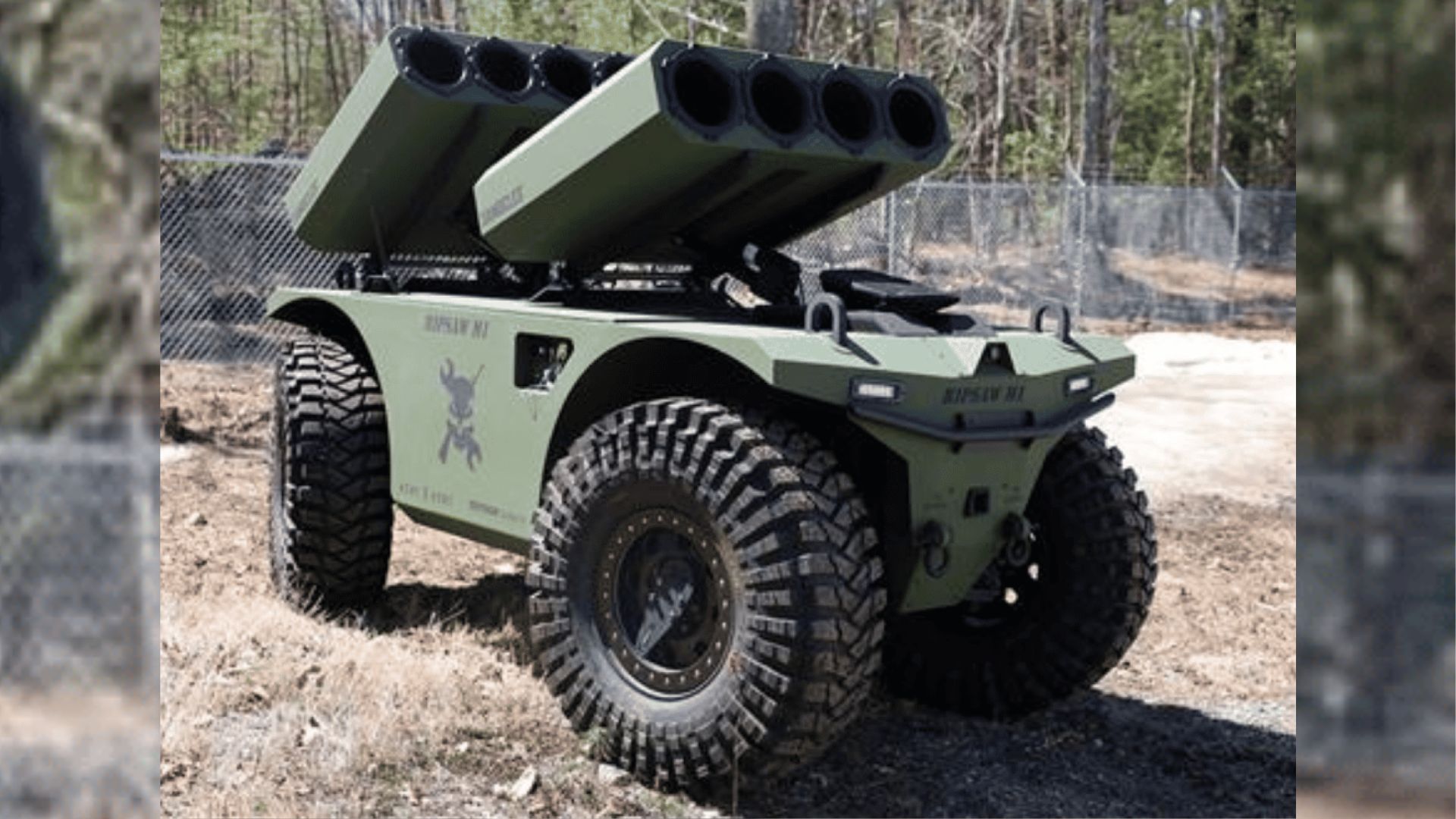
RIPSAW M1 military robot vehicle hits 53 mph, scouts terrain and launches munitions
The U.S. Marine Corps is undergoing a significant transformation in its operational strategies for coastal warfare. This shift involves the deployment of smaller, more agile units capable of rapid movement and adaptability in response to evolving threats. The initiative, aimed at enhancing the Corps' effectiveness in maritime environments, reflects a broader strategic pivot to address modern combat challenges. This change is being implemented as part of ongoing military reforms, with a focus on improving readiness and operational efficiency. The adjustments are expected to take place in various coastal regions, where the Marines will conduct training exercises to refine their new tactics. This evolution in strategy is driven by the need to counter increasingly sophisticated adversaries and to ensure that the Marine Corps remains a formidable force in joint operations alongside other military branches.

Marines to field light loitering munition to operational units in ‘June timeframe’: Official
Units at Dugway Proving Grounds, located outside Salt Lake City, are currently conducting tests on operational firepower-limited (OFP-L) systems from three different manufacturers. This evaluation aims to assess the effectiveness and reliability of these systems in various operational scenarios. The testing is part of a broader initiative to enhance military capabilities and ensure that the armed forces are equipped with the most advanced technology available. The results from these tests will inform future procurement decisions and potentially shape the direction of military operations.
Air Warfare Naval Warfare Aerovironment Air Force Anduril Drones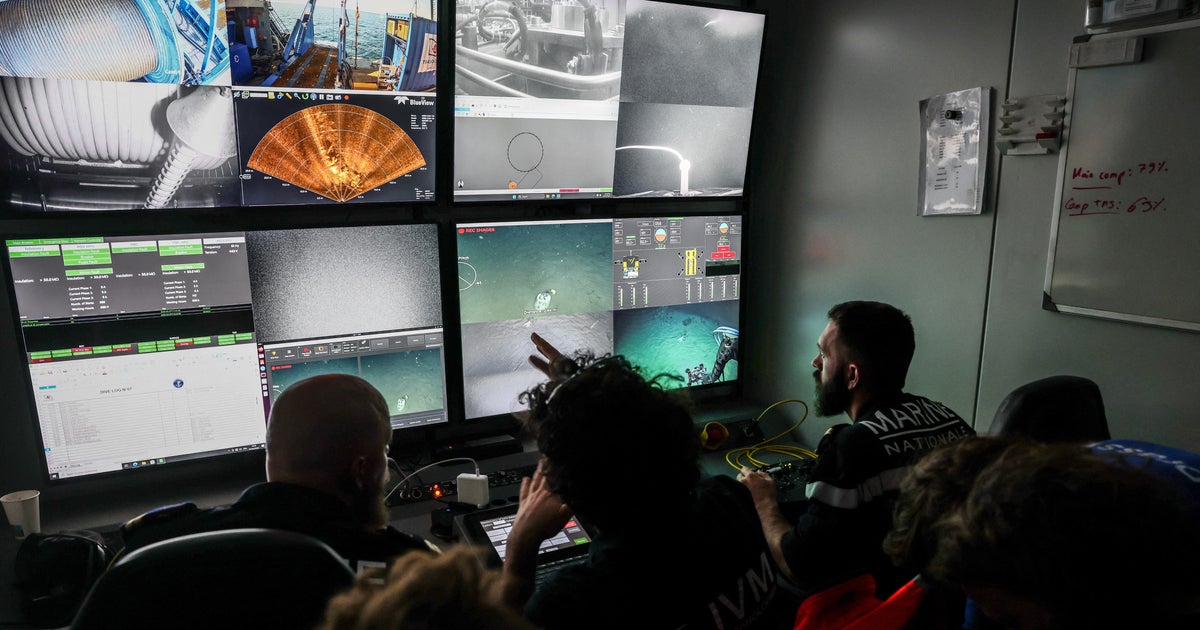
Robot exploring France's deepest shipwreck finds cannons, ceramics
A recent survey conducted by the French army has led to the unexpected discovery of a 16th-century merchant ship in the waters off the coast of France. The find occurred during routine seabed examinations, highlighting the potential for uncovering historical artifacts beneath the ocean's surface. This significant archaeological discovery sheds light on maritime trade practices of the era and contributes to the understanding of France's naval history. The ship's condition and contents are yet to be fully assessed, but experts are optimistic about the insights it may provide into the past. The discovery underscores the importance of ongoing marine exploration and the historical treasures that may still lie hidden beneath the waves.

Project CETI deploys autonomous underwater gliders to better observe sperm whales
Project CETI has introduced an innovative underwater glider designed to enhance the monitoring of sperm whales, significantly extending the duration of observation compared to previous techniques. This advancement aims to improve the understanding of whale behavior and ecology, contributing to conservation efforts. The deployment of the autonomous glider marks a pivotal step in marine research, allowing scientists to gather more comprehensive data on these majestic creatures. The initiative reflects Project CETI's commitment to leveraging technology for wildlife observation and protection, ultimately fostering a deeper connection between humans and marine life.
Academia / Research Artificial Intelligence Artificial Intelligence / Cognition Design / Development Maritime Markets / Industries
Marine requirement for lightweight counter-drone tech to be released in coming months
The U.S. Marine Corps has begun deploying advanced systems to its units in response to an urgent operational requirement, despite the absence of a formal program or mandate for such technology. This initiative aims to enhance the Marines' capabilities in the field, addressing immediate needs identified by military leaders. The deployment reflects a proactive approach to equip forces with necessary tools to improve effectiveness and readiness in various operational scenarios. The decision underscores the Marines' commitment to adapting to evolving challenges and ensuring that personnel are adequately supported in their missions.
Land Warfare Networks & Digital Warfare Army Counter UAS cUAS cyber security Drones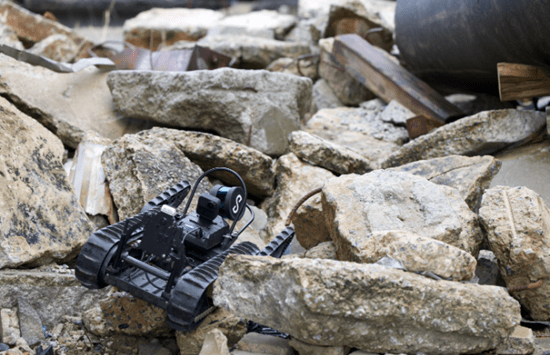
Teledyne FLIR Defense Expands Payload Program with Emesent Hovermap for GPS-Denied Operations
Teledyne FLIR Defense has announced an expansion of its Third-Party Payload Integration Program by incorporating Emesent’s Hovermap LiDAR payload, a development unveiled at the Modern Day Marine 2026 event. This integration enables the Hovermap system to function seamlessly across Teledyne FLIR’s unmanned aerial systems (UAS) and ground robots, enhancing capabilities in GPS-denied environments. The collaboration aims to improve operational efficiency and data accuracy in various defense applications, allowing for advanced mapping and radiation detection across both air and ground platforms.
Applications Defense Drone News Drone News Feeds Dual Use LiDAR
Forterra, Polaris tout new autonomous vehicle for CASEVAC, logistics
The MESA vehicle, engineered for logistics and casualty evacuation operations, is set to enhance military capabilities by effectively reaching the "last tactical mile." This innovative vehicle is designed to support troops in challenging environments, ensuring that essential supplies and medical assistance can be delivered where they are most needed. With its advanced features, the MESA aims to improve operational efficiency and response times during critical missions. The introduction of this vehicle reflects a growing emphasis on modernizing military logistics and enhancing support for personnel in the field.
Land Warfare Army autonomy casualty evacuation Drones Forterra
World-first submarine drone travels 1,257 miles underwater on hydrogen power
A Canadian company has successfully demonstrated the capabilities of its submarine drone, which has completed a remarkable journey of over 1,257 miles while remaining fully submerged. This achievement highlights advancements in underwater drone technology and showcases the potential for long-distance exploration and surveillance missions. The drone's journey took place recently, emphasizing the growing interest in autonomous underwater vehicles for various applications, including environmental monitoring and military operations. The innovative design and engineering of the drone allow it to operate efficiently over extended periods, making it a significant development in the field of marine technology. This milestone not only underscores the company’s commitment to pushing the boundaries of underwater exploration but also reflects the increasing demand for sophisticated tools in maritime industries.
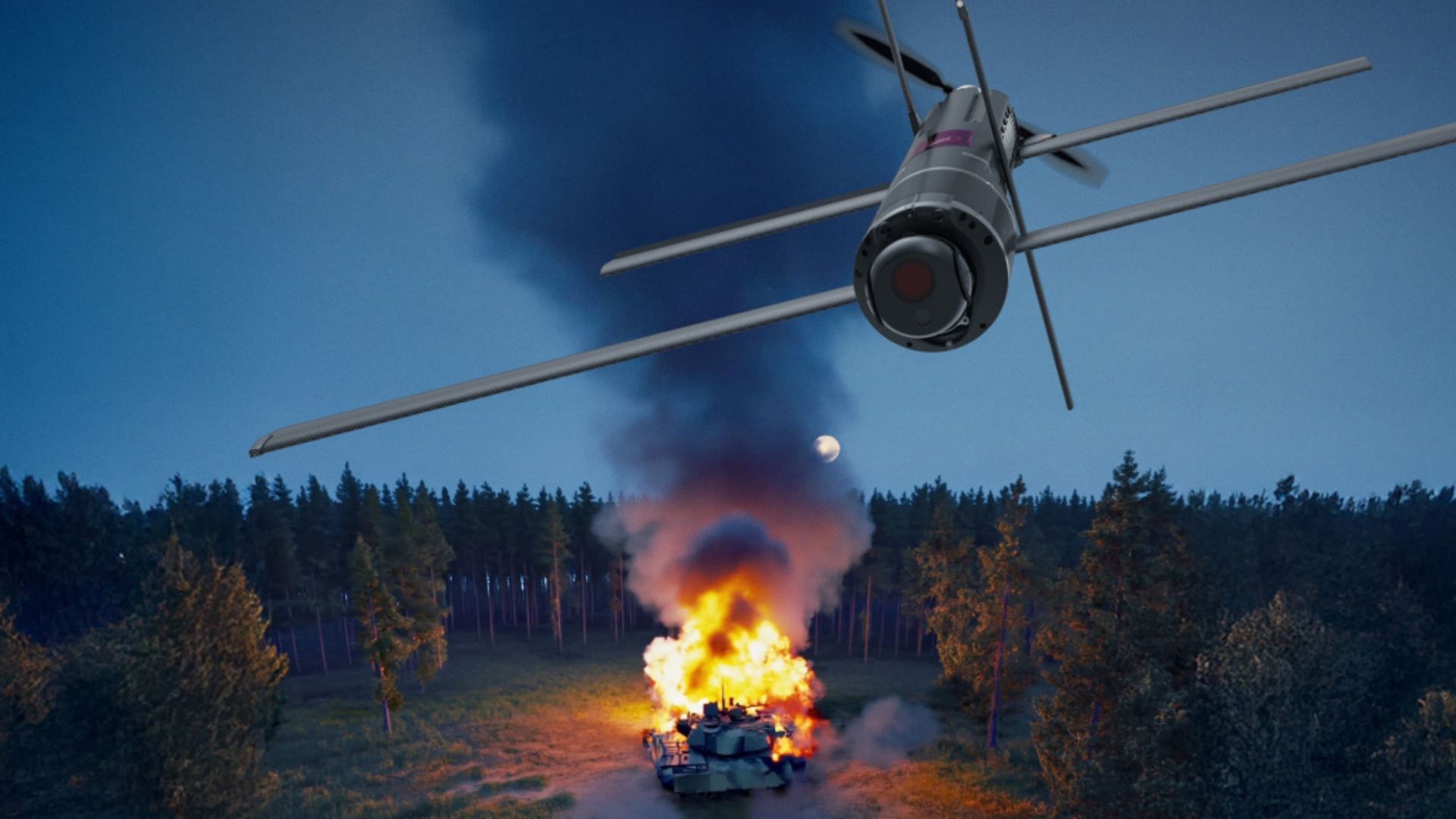
US Marine Corps seeks new portable attack drone to strike tanks from 15 miles away
The U.S. Marine Corps is expediting its initiative to provide frontline units with advanced equipment designed to enhance operational capabilities. This strategic move, announced recently, aims to ensure that Marines are better prepared for modern warfare challenges. The acceleration comes in response to evolving threats and the need for improved readiness on the battlefield. By streamlining the procurement and deployment processes, the Marine Corps intends to integrate cutting-edge technology and resources more swiftly into its operations. This initiative reflects a broader commitment to maintaining military effectiveness and adapting to the dynamic nature of global security environments.

Machine Learning Predicts Toxic Metal Levels in Marine Systems
Researchers have developed a new method that utilizes machine learning and feature selection to accurately predict aluminum levels in marine environments. This innovative approach aims to enhance the efficiency of monitoring efforts, addressing growing concerns over aluminum pollution in aquatic ecosystems. The study, which builds on data collected up to October 2023, highlights the importance of advanced technological solutions in environmental science. By improving prediction accuracy, the research not only aids in better understanding the impact of aluminum on marine life but also supports regulatory bodies in making informed decisions regarding environmental protection. The findings are expected to play a crucial role in future monitoring strategies, ensuring healthier marine ecosystems.
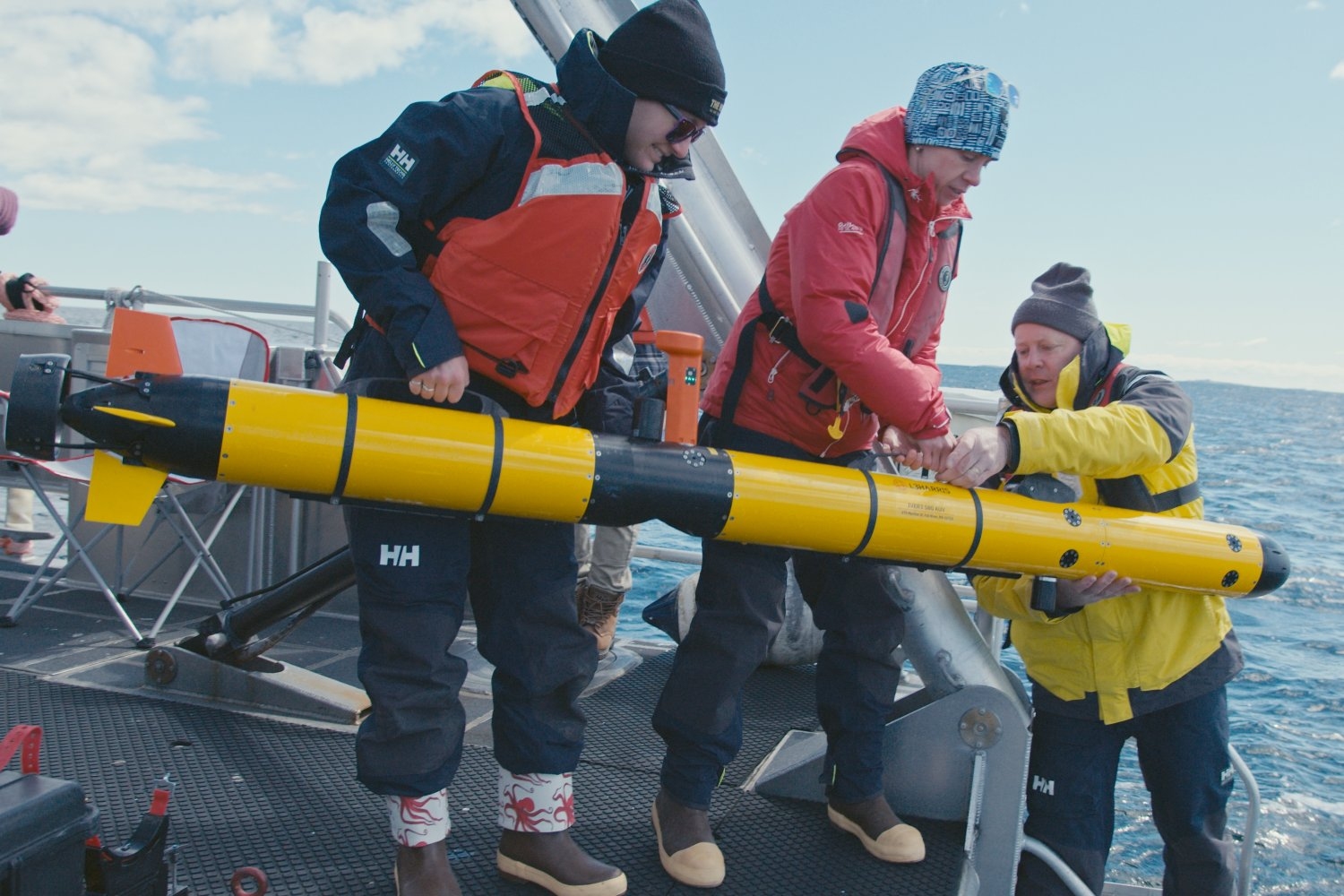
Human-machine teaming dives underwater
A team of researchers is advancing the capabilities of collaboration between divers and autonomous underwater vehicles (AUVs) for maritime missions. This initiative, which began in late 2023, aims to enhance operational efficiency and safety in underwater exploration and tasks. The research is taking place at a leading marine technology institute, where experts are focused on creating innovative hardware and sophisticated algorithms that facilitate seamless communication and coordination between human divers and AUVs. The motivation behind this development stems from the increasing complexity of underwater missions, which require precise teamwork to navigate challenging environments and accomplish objectives effectively. By integrating advanced technology, the researchers hope to improve the overall effectiveness of maritime operations, making them safer and more efficient for both divers and AUVs alike.
Research Sensors Lincoln Laboratory Oceanography and ocean engineering Robotics Computer science and technology
Robot Talk Episode 151 – Robots to study the ocean, with Simona Aracri
Claire recently engaged in a conversation with Simona Aracri, a researcher at the National Research Council of Italy, to discuss groundbreaking robot designs aimed at enhancing oceanography and environmental monitoring. Aracri, who is affiliated with the Institute of Marine Engineering, shared insights from her extensive background, including her previous role as a Post Doctoral Research Associate at the University of Edinburgh. The dialogue highlighted the importance of innovative technology in addressing environmental challenges and improving data collection methods in marine research. This exchange underscores the growing collaboration between researchers and institutions in the pursuit of sustainable solutions for oceanic studies.
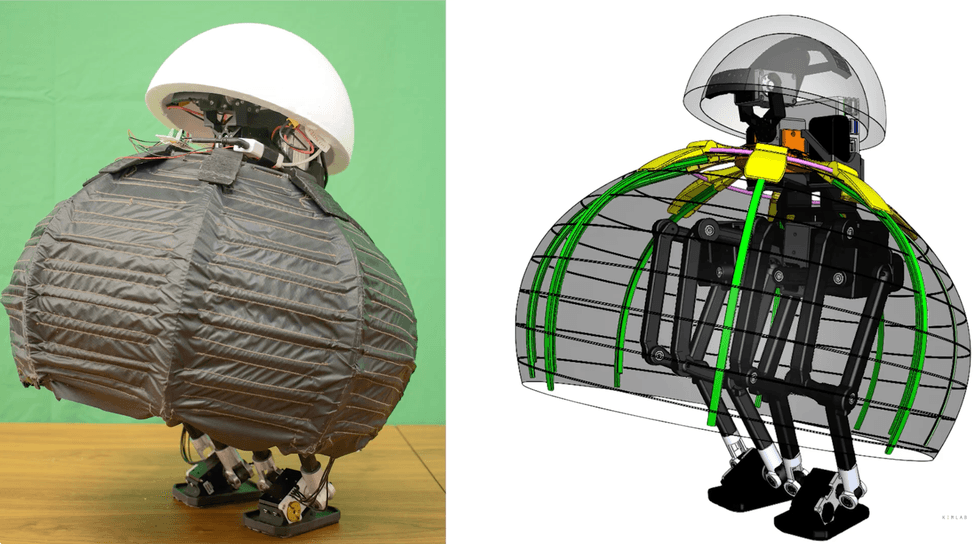
Video Friday: Bipedal Robot Stops Itself From Falling
IEEE Spectrum robotics has released its latest edition of Video Friday, showcasing a variety of innovative robotics videos and announcing upcoming events in the field. Among the highlights is the Robotic Autonomy in Complex Environments with Resiliency (RACER) program, which is nearing completion after extensive collaboration with the U.S. Army and Marine Corps. This program is expected to leave a lasting impact on military operations and stimulate private-sector investment in autonomous technologies. Notable advancements include the introduction of COSA, a cognitive operating system that enhances humanoid robots' capabilities for high-level cognition and motion control. Meanwhile, the 1X World Model has made significant strides in robot learning, allowing its NEO model to perform tasks autonomously based on voice or text prompts, even for unfamiliar objects. In assistive technology, the GuideData Dataset has been launched to improve interactions between guide dog trainers and visually impaired individuals, aiming to enhance mobility and safety. Additionally, Fourier's Care-Bot prototype is gaining attention for its interactive features at CES 2026. In environmental monitoring, ETH Zurich has developed an autonomous quadruped robot for volcanic gas measurements, successfully tested on Mount Etna. Humanoid robots have also made progress in industrial logistics, completing proof-of-concept testing at Siemens's factory in Erlangen. Columbia Engineers have created a robot capable of learning facial lip motions for speech and singing through observational learning, marking a significant milestone in robotics. Lastly, DEEP Robotics showcased its quadruped robots' capabilities in complex firefighting scenarios, while Synapticon introduced its POSITRON platform to enhance safety in humanoid robots for real-world applications.
Robotics Video-friday Bipedal-robots Humanoid-robots Quadruped-robots Industrial-robots
'Don't Send a Marine, Send a Robot': Foundation Co-Founder Details Military Pitch for Humanoids
In a recent television interview, Mike LeBlanc, co-founder of Foundation and a former Marine, highlighted the company's commitment to developing humanoid robots specifically for defense purposes. He described these robots as autonomous ground drones intended to take on perilous tasks traditionally performed by soldiers. This military-oriented strategy emerges as Foundation, under the leadership of the controversial former Synapse CEO Sankaet Pathak, intensifies its efforts to establish a foothold in the competitive robotics industry.
sankaet-pathak mike-leblanc military-robotics foundation