Industry Briefing
A single destination for timely, editor-curated robotics news from around the world.

Revolutionizing Cheese Production with AI and Machine Vision: A Success Story from Eberle Automatische Systeme
The food industry is undergoing a significant transformation in quality control, driven by advancements in artificial intelligence (AI). This shift is particularly evident as AI technology integrates with rule-based machine vision, allowing for the automation of processes that were once deemed unfeasible. As companies seek to enhance efficiency and ensure product safety, the implementation of these innovative technologies is becoming increasingly vital. The changes are occurring across various sectors of the food industry, with many businesses adopting AI solutions to streamline operations and improve overall quality. This evolution not only addresses the growing demand for higher standards in food safety but also positions companies to better compete in an increasingly automated market.

MVTec showcases cutting-edge AI technologies and highly flexible machine vision software at Automate 2026
MVTec Software GmbH will showcase its advanced AI technologies and flexible machine vision software at the Automate trade show, taking place from June 22 to 25, 2026, in Munich. With a strong presence in the North American market, the company aims to demonstrate how its hardware-independent software can enhance efficiency across various industries, including semiconductor manufacturing and food and beverage. Dr. Olaf Munkelt, Managing Director and co-founder, emphasized the significance of the event, stating that their products facilitate sustainable digital transformation through cutting-edge AI. Attendees can experience live demonstrations of MVTec's software, including HALCON and MERLIC, which feature innovations like Deep 3D Matching for robust object detection and Global Context Anomaly Detection for comprehensive inspection tasks. MVTec's commitment to hardware independence allows users to select any compatible camera or sensor, ensuring optimal performance in demanding applications. Heiko Eisele, President of MVTec LLC, highlighted the flexibility this offers to companies seeking to optimize production lines. Additionally, MVTec experts will participate in the conference program, with Agnes Weiershaeuser presenting on practical deep learning for industrial vision on June 22. This event underscores MVTec's ongoing dedication to advancing industrial automation through innovative machine vision solutions.

European researchers developed energy-efficient machine vision inspired by human eyesight and the brain
Researchers have developed advanced technology that empowers intelligent robots and drones to function autonomously during rescue missions, particularly in the aftermath of earthquakes. This innovation is significant as it allows these machines to operate without the need for constant network connectivity or reliance on heavy batteries, which can hinder their effectiveness in emergency situations. The breakthrough, achieved through extensive data training up to October 2023, aims to enhance the efficiency and reliability of search and rescue operations in disaster-stricken areas. By equipping these devices with the ability to navigate and make decisions independently, the technology promises to improve response times and increase the chances of saving lives when traditional communication methods may be compromised.
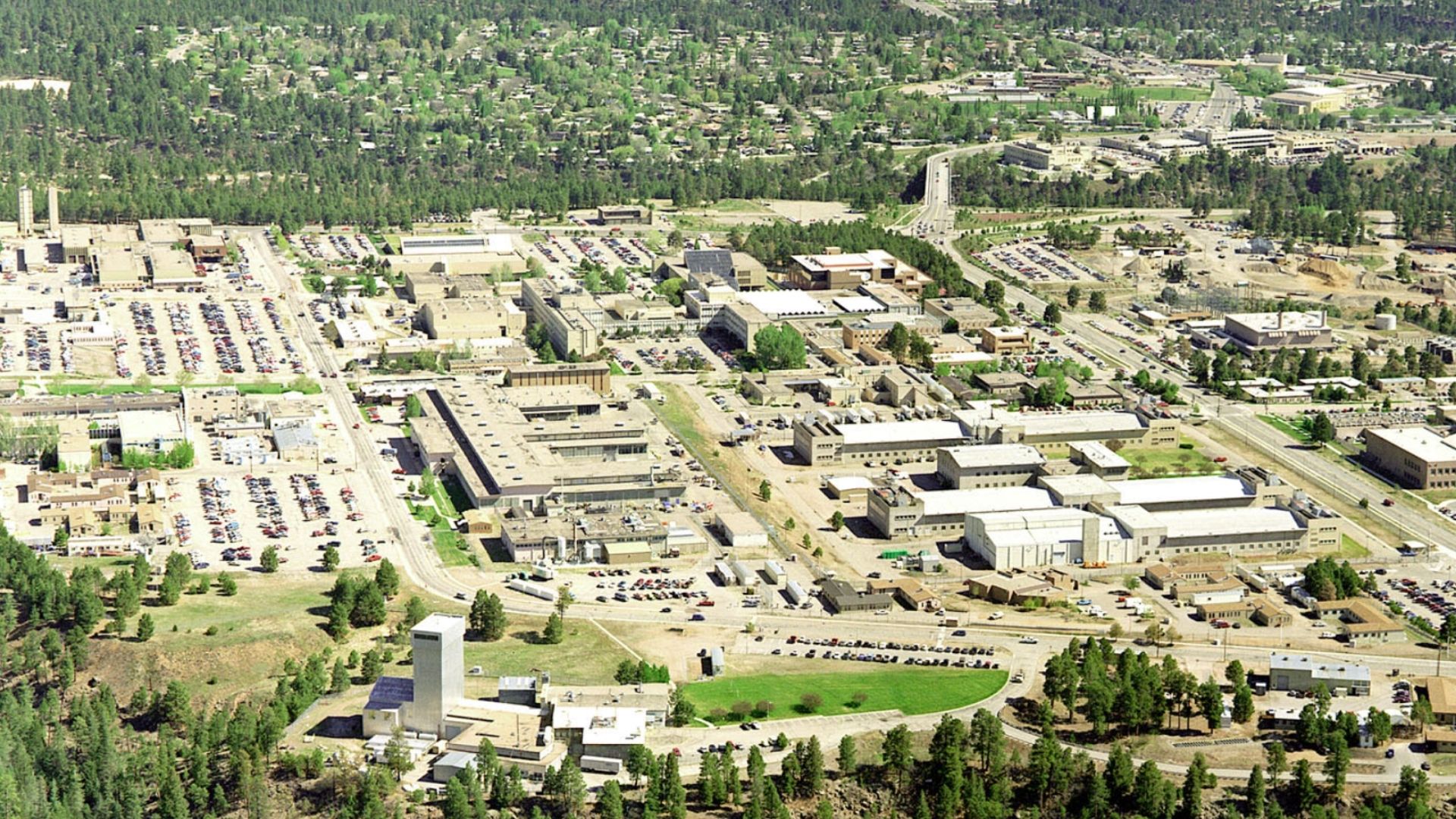
US: Los Alamos lab’s new tool detects hallucinations in machine vision models
Researchers at Los Alamos National Laboratory have unveiled a groundbreaking tool named Prelim Attention, designed to enhance the analysis of complex data sets. This innovative tool, which leverages advanced machine learning techniques, aims to streamline the process of identifying significant patterns and insights within large volumes of information. The development was announced in October 2023, highlighting the laboratory's commitment to advancing data science and its applications in various fields. The motivation behind creating Prelim Attention stems from the increasing demand for efficient data analysis solutions in scientific research, national security, and other sectors that rely heavily on data interpretation. By improving the capability to focus on critical data points, the tool is expected to facilitate more informed decision-making and accelerate research outcomes. The researchers employed a combination of algorithms and user-friendly interfaces to ensure that Prelim Attention can be utilized effectively by both experts and non-experts alike. This approach not only enhances accessibility but also broadens the potential user base, allowing a wider range of professionals to benefit from its capabilities. The introduction of Prelim Attention marks a significant advancement in the field of data analysis, promising to transform how researchers and analysts approach complex data challenges in the future.
AI and Robotics
Development and Preliminary Evaluation of a Machine Vision‐Guided Smart Sprayer Prototype Toward Precision Vegetable Weeding
In May 2026, researchers published a significant study in the Journal of Field Robotics, focusing on advancements in robotic technology. The study, appearing in Volume 43, Issue 3, pages 1973-1987, highlights innovative methodologies for enhancing the autonomy and efficiency of field robots. Conducted by a team of experts in robotics and artificial intelligence, the research aims to address the growing demand for automated solutions in various industries, including agriculture, construction, and disaster response. The motivation behind this research stems from the need to improve operational capabilities in challenging environments, where human intervention may be limited or hazardous. By employing advanced algorithms and machine learning techniques, the researchers demonstrated how robots can better navigate complex terrains and perform tasks with minimal human oversight. The findings are expected to have a profound impact on the future of robotics, paving the way for more reliable and versatile machines capable of operating in diverse settings. This study not only contributes to the academic field but also offers practical applications that could revolutionize industries reliant on automation. As the demand for efficient robotic systems continues to rise, this research represents a crucial step towards achieving greater autonomy in robotic operations.
RESEARCH ARTICLE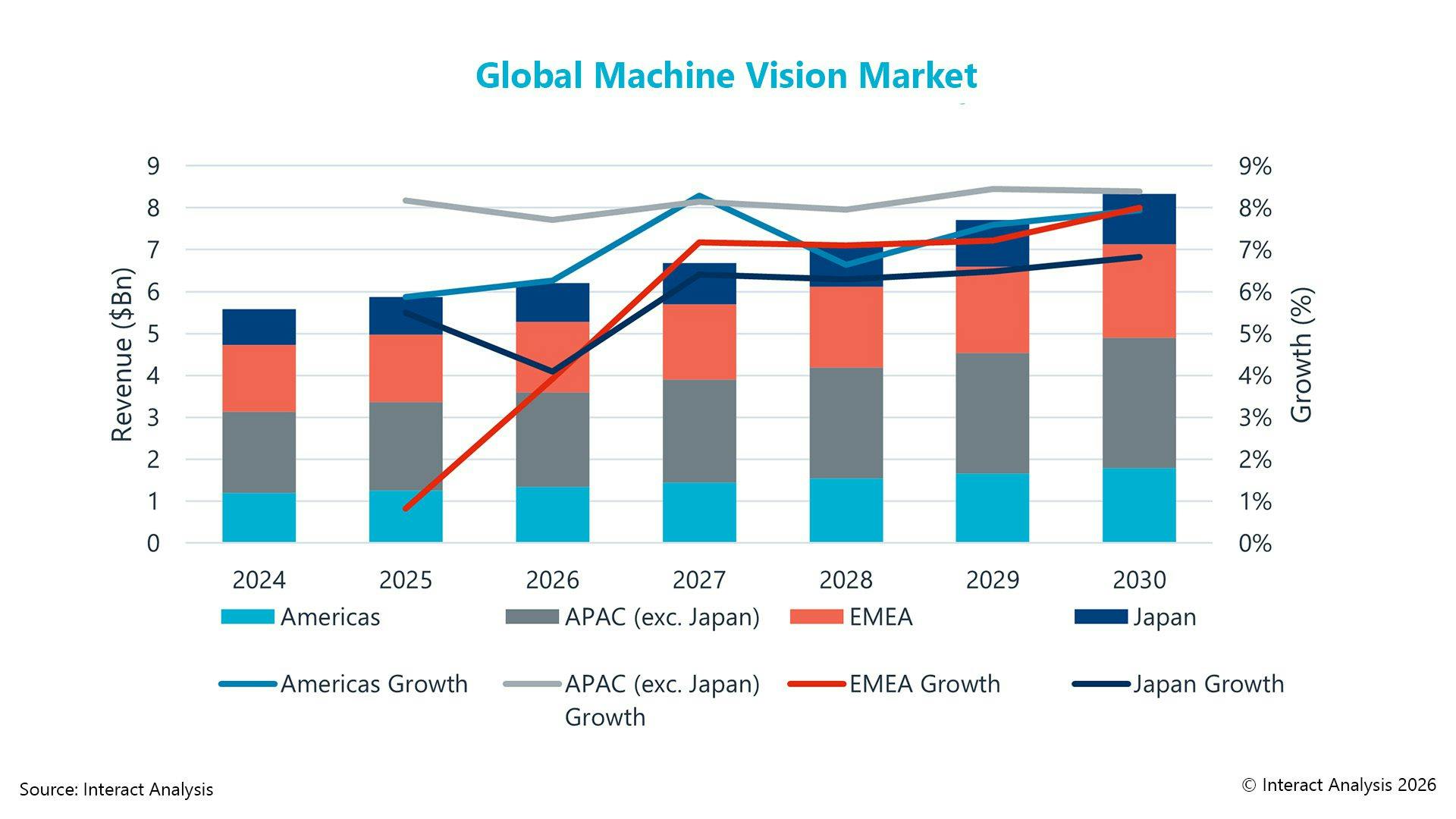
Machine-Vision Industry Expected to Reach $8.3 billion in 2030 Despite Tariff Impacts, Report Finds
A recent report on machine vision highlights significant growth in the industry, driven primarily by advancements in 3D cameras and vision software. This development reflects the increasing demand for enhanced imaging technologies across various sectors, including manufacturing, healthcare, and robotics. The report, which analyzes trends and projections, indicates that the integration of sophisticated vision systems is revolutionizing processes and improving efficiency. As companies continue to invest in these technologies, the machine vision market is expected to expand further, offering innovative solutions that cater to evolving industry needs.
Business Intelligence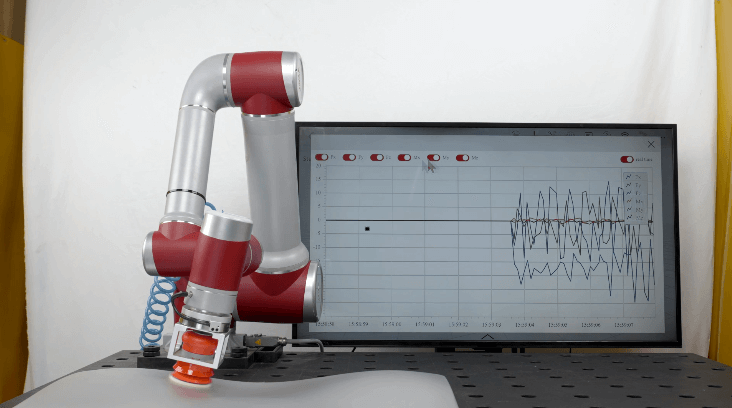
Three Reasons Why Your Factory Needs an Integrated Cobot Solution (Cobot + Vision)
Manufacturing facilities are increasingly turning to integrated cobot solutions to address persistent challenges in precision tasks and product variability. JAKA, a leader in this field, has developed a system that combines collaborative robots with machine vision to enhance environmental awareness and adaptability. This innovative approach allows for precise operations, such as polishing, where robots can adjust their actions based on real-time visual feedback. The integration of machine vision significantly improves process consistency, especially when dealing with non-uniform parts. By guiding the robot to identify part location, orientation, and surface geometry, the system can adapt pressure, speed, and patterns to minimize defects and enhance product quality. This closed-loop control mechanism is crucial for achieving high equipment effectiveness across production batches. Moreover, these integrated systems facilitate rapid changeovers and flexible production, essential for high-mix, low-volume manufacturing. The vision component enables a single robotic cell to recognize different product models, reducing changeover times from hours to minutes by eliminating the need for extensive manual adjustments. This flexibility allows for efficient handling of diverse tasks, including assembly and inspection, without compromising cycle times. Additionally, the integration generates valuable process data, transforming cobots into connected nodes within the factory's data ecosystem. This data stream supports predictive maintenance and continuous improvement, enabling engineers to refine quality and efficiency over time. As factories seek to enhance quality, agility, and operational intelligence, the adoption of vision-guided cobot solutions represents a strategic advancement in modern manufacturing.
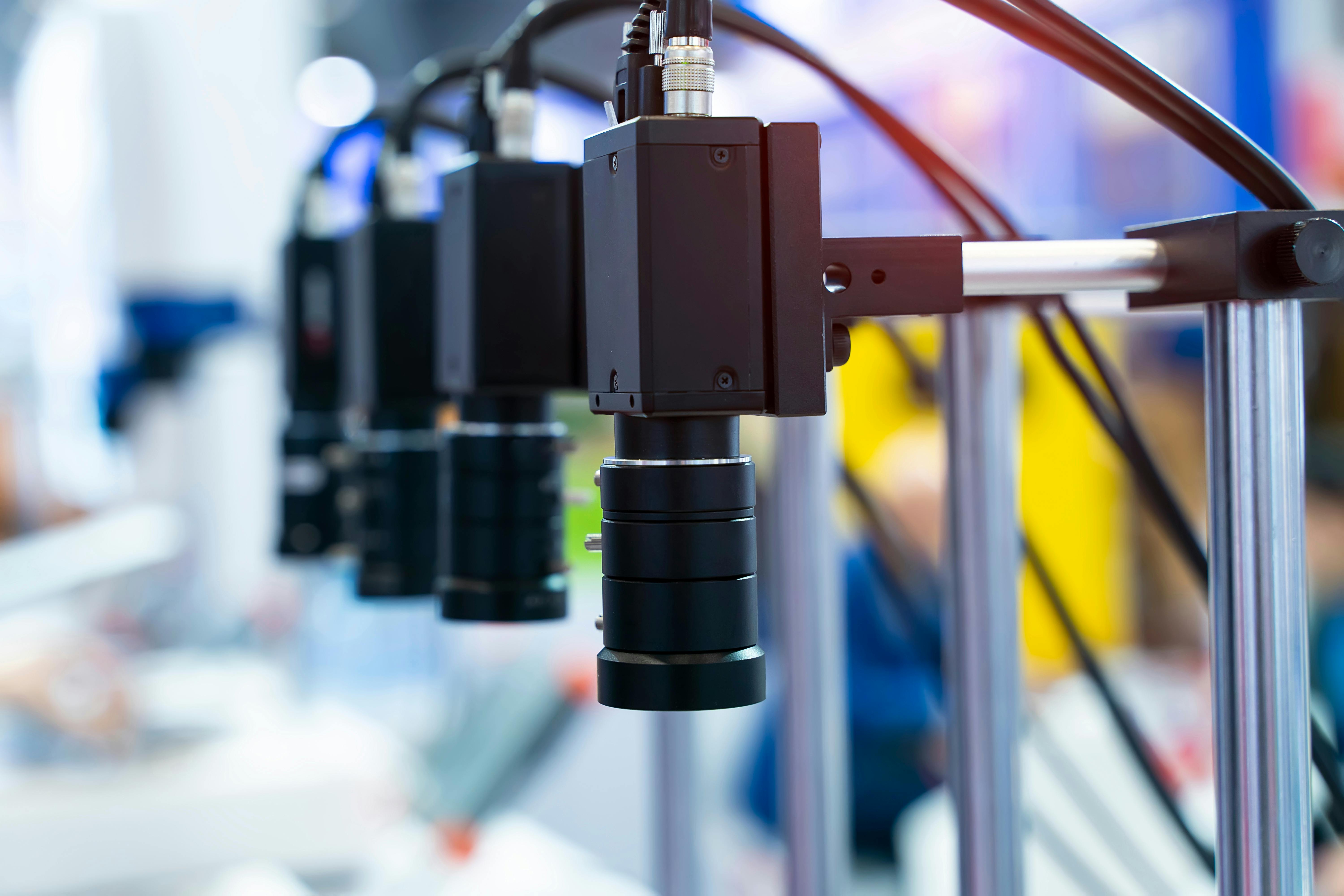
How Industrial Vision Systems Beat Dust, Heat and Vibration to Stay Sharp on the Factory Floor
Engineers and operators in the manufacturing sector are addressing environmental threats to machine vision cameras, which can compromise system accuracy and lead to operational downtime. To mitigate these risks, experts are implementing protective measures and maintenance strategies designed to enhance the durability and reliability of these critical systems. By focusing on proactive maintenance and environmental safeguards, teams can ensure that machine vision technology continues to function effectively, even in challenging conditions. This approach not only helps maintain productivity but also extends the lifespan of the equipment, ultimately supporting the efficiency of manufacturing processes.
Factory / Sensors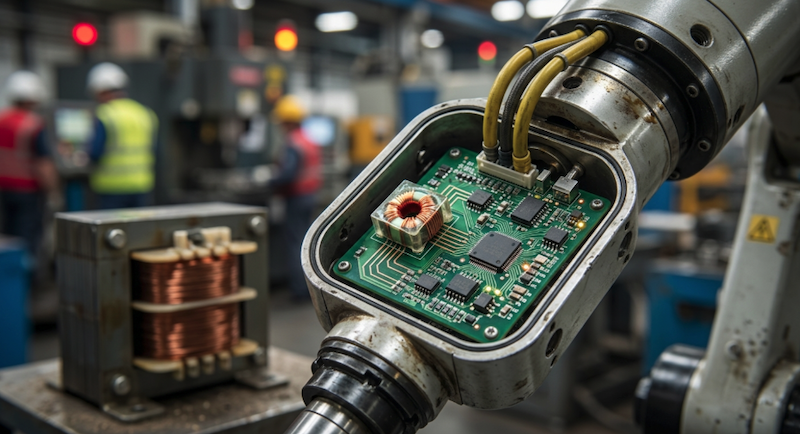
The Small Component Problem Behind More Reliable Industrial Robots
In a groundbreaking development for the manufacturing industry, advanced automation technology is transforming assembly lines and semiconductor packaging facilities. A robotic arm, capable of executing movements with sub-millimeter precision at an impressive rate of 300 cycles per minute, is at the forefront of this innovation. These robotic systems are enhanced by machine vision technology, remote input/output blocks, and sensitive microcontrollers, allowing for seamless coordination and efficiency in production processes. This technological advancement is taking place in various industrial settings, where multiple machines share a common power source through an industrial rail system. The integration of heavy CNC machines into this grid further exemplifies the collaborative nature of modern manufacturing, where precision and speed are paramount. The motivation behind this shift towards automation is to increase productivity and reduce human error in manufacturing processes. By leveraging sophisticated robotics and interconnected systems, companies aim to streamline operations and enhance overall output. As industries continue to adopt these cutting-edge technologies, the future of manufacturing looks increasingly automated and efficient, promising significant advancements in production capabilities.
Components Design Engineering Industrial robots amrs automation news
AmbiStack Selected for 2026 RBR50 Awards, Marking Third Recognition for Ambi Robotics
AmbiStack has been recognized for its innovative contributions to the field of physical AI, showcasing its ability to efficiently stack both uniform and non-uniform packages. Utilizing advanced cameras, machine vision, and artificial intelligence, the robot identifies items without prior knowledge of their size, position, or appearance. This technology enables AmbiStack to strategically arrange packages onto pallets or within walled containers, enhancing operational efficiency in logistics and warehousing. The selection highlights the growing importance of automation and AI in streamlining complex tasks in various industries.

NOVARC LAUNCHES NovAI AUTONOMY AS PART OF NovAI SUITE AND EXPANDS INTEGRATION TO YASKAWA AND ABB ROBOTS
Novarc Technologies, an industrial AI company focused on welding automation, unveiled its latest innovations at the Automate 2026 trade show in Chicago, running from June 22-25. The company introduced NovAI™ Autonomy, a cutting-edge solution that integrates machine vision and real-time adaptability into robotic welding processes, alongside NovHub™, its Enterprise Welding Intelligence platform. These technologies are designed to enhance the capabilities of ABB and Yaskawa robots, addressing critical challenges in the fabrication industry, such as a shortage of skilled welders and the need for greater automation flexibility. CEO Soroush Karimzadeh emphasized that NovAI aims to retrofit existing robotic cells, improving quality and efficiency by adapting to variations in parts and reducing manual rework. Demonstrations at the event showcased how NovAI Autonomy can automatically adjust welding parameters in response to misalignments and gaps, promising increased return on investment for manufacturers. The partnership with Yaskawa, formalized through a Memorandum of Understanding, aims to accelerate the deployment of vision-enabled welding cells, further enhancing productivity in heavy fabrication sectors. As demands for precision and efficiency grow, Novarc's advancements position it as a leader in AI-powered welding solutions, enabling manufacturers to optimize their operations and remain competitive.

OnLogic to Showcase Practical Physical AI and Full-Facility Workload Consolidation at Automate 2026
OnLogic, a leader in industrial computing, is set to showcase its innovative edge solutions at the Automate 2026 show, taking place from June 22-25 at McCormick Place in Chicago, Illinois. Positioned at Booth 867, the company aims to highlight practical applications of Physical AI and advanced workload consolidation, moving beyond the prevalent cloud AI hype. As industries increasingly seek to implement artificial intelligence, many face challenges such as cloud latency and high bandwidth costs. OnLogic's VP of Product Engineering, Sheldon Sun, emphasizes the need for reliable edge computing to enable real-time operations in demanding environments. The company will demonstrate how its robust hardware can effectively bridge the gap between sophisticated software and the realities of modern industrial settings. Attendees can expect live demonstrations, including a forklift near-miss detection system powered by edge computing and an automated quality control inspection using advanced machine vision. OnLogic will also present a range of industrial and edge computing solutions, including the Helix 520 Series and the ultra-compact CL260 fanless computer, designed for various applications within the industrial sector. For more information on OnLogic's offerings and to engage with their team during the event, visitors are encouraged to stop by Booth 867 or visit their website.
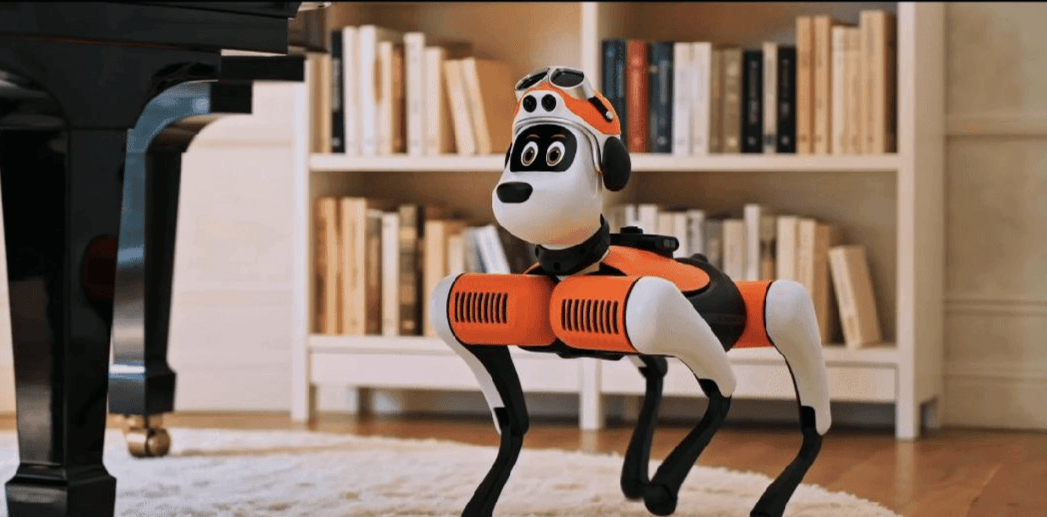
Chinese Startup Weilan Tech Unveils BabyAlpha A3: A Quadruped Robot That Outpaces Nvidia's Computing Throne
Weilan Tech has unveiled its latest innovation, the BabyAlpha A3, which boasts a cutting-edge 6-chip heterogeneous computing cluster and a high-resolution 66-megapixel vision system. This new technology promises to deliver ten times the computing efficiency compared to industry standards while significantly reducing costs, priced at just one-tenth of Nvidia's Jetson Thor. The launch, which highlights Weilan Tech's commitment to advancing computing capabilities in the tech sector, is set to reshape the landscape of artificial intelligence and machine vision applications.
News
Robot Talk Episode 142 – Collaborative robot arms, with Mark Gray
Claire recently engaged in a discussion with Mark Gray, the country manager of Universal Robots, regarding the company's innovative lightweight robotic arms designed for collaboration with human workers. With three decades of experience in automation, including expertise in machine vision and robotics, Gray has been instrumental in advancing the field of collaborative robots, commonly referred to as cobots. His leadership marks a significant milestone for Universal Robots, as he was the first employee in the country, paving the way for the company's growth and integration of automation solutions in various industries. The conversation highlighted the increasing importance of cobots in enhancing productivity and safety in workplaces, showcasing how these technologies can effectively complement human labor.
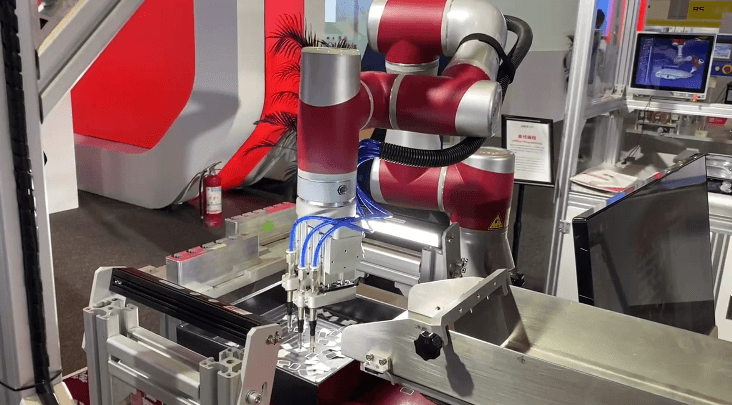
The Future of 6 Axis Robot Arms: Hyper-Dexterity and AI Integration
JAKA is poised to revolutionize the capabilities of the six-axis robot arm through advancements in mechanical design and artificial intelligence. Over the coming years, the company aims to enhance the dexterity and intelligence of these versatile robots, enabling them to perform intricate tasks in complex industrial environments. The next generation of jointed arm robots will feature improved joint mechanics and integrated force-torque sensing, allowing for smoother and more precise movements. This hyper-dexterity will enable the robots to delicately handle fragile components and adapt in real-time to varying resistance during assembly tasks. AI integration will further transform these robots, granting them the ability to perceive and adapt to unstructured environments. By utilizing machine vision and learning algorithms, the robots can identify and adjust to inconsistencies in part placement, dynamically managing parameters such as grip force and insertion angles based on sensory feedback. This adaptability will make the robots suitable for small-batch, high-mix production, shifting them from rigid tools to flexible systems. As these technologies evolve, the deployment of six-axis robot arms will become more intuitive, reducing the need for extensive programming and allowing for quicker task learning through demonstration. This streamlined approach will enable manufacturers to redeploy robotic assets more frequently, enhancing the agility of automation in modern manufacturing. JAKA's commitment to integrating advanced mechanical design with AI aims to make sophisticated automation more accessible and effective, addressing the diverse challenges faced by today's industries.

ARBOR Technology Unveils ARES-2100 Series for Next-Generation Edge AI with Intel Core Series 3 Processors
A new technology aimed at enhancing industrial automation has been introduced, focusing on machine vision and lightweight edge AI inference workloads. This innovation is set to facilitate the deployment of smart factory applications, allowing for more efficient operations in manufacturing environments. The development comes in response to the growing demand for advanced automation solutions that can improve productivity and reduce operational costs. By leveraging cutting-edge AI capabilities, the technology enables real-time data processing and decision-making at the edge, minimizing latency and enhancing overall system performance. This advancement is expected to significantly impact the manufacturing sector, providing businesses with the tools necessary to adapt to the rapidly evolving landscape of industrial automation.
Defining a New Paradigm of 'Embodied Intelligent Manufacturing': Hikvision Robotics Boosts Comprehensive Upgrading of the Manufacturing Industry
At the Hikvision Robotics Intelligent Manufacturing Conference 2026, Hikvision unveiled its groundbreaking concept of 'Embodied Intelligent Manufacturing.' This initiative focuses on improving manufacturing flexibility and efficiency by allowing machines to adapt seamlessly to diverse environments. During the event, the company also launched more than 35 core products and solutions designed to support this innovative approach. The conference, which took place recently, highlights Hikvision's commitment to advancing the manufacturing sector through cutting-edge technology and intelligent systems.
Intelligent Manufacturing Robotics Machine Vision Automation Solutions
Embodied Intelligence in Manufacturing: Hikvision Robotics' Strategic Approach
Hikvision Robotics unveiled its innovative concept of 'Embodied Intelligence' during a recent event attended by over 800 global partners. This initiative focuses on the integration of artificial intelligence in smart manufacturing, with the goal of providing scalable solutions that significantly improve flexibility and efficiency in industrial applications. The introduction of this approach marks a pivotal moment in the evolution of manufacturing technology, as companies seek to adapt to rapidly changing market demands and enhance their operational capabilities.
Smart Manufacturing AI Integration Industrial Robotics Machine Vision
Tesla's Optimus Robots to Support Starmind Satellite Production, Not Maintenance
Tesla's Optimus robots will not be used to repair Starmind satellites in orbit, as confirmed by recent statements from Elon Musk. Instead, these robots are intended to assist in the construction and operation of the Terafab chip manufacturing facility in Texas. The AI1 satellites, designed to disintegrate upon reentry, highlight the company's swap-and-replace strategy rather than traditional maintenance practices. This approach is significant as it reflects a broader trend in satellite management, where mass-produced satellites are replaced rather than repaired. The economics of servicing missions are prohibitive, with the cost of launching a replacement satellite being significantly lower than conducting a repair mission. This model aligns with SpaceX's operational history, where rapid replacement of satellites is more efficient than attempting to maintain them in orbit. Looking ahead, the focus will remain on the production capabilities of the Gigasat factory, which is expected to support the continuous replacement of satellites. No further timeline was disclosed at the time of publication, but the demand for rapid satellite turnover suggests a robust future for Optimus robots in terrestrial manufacturing rather than in-space servicing.
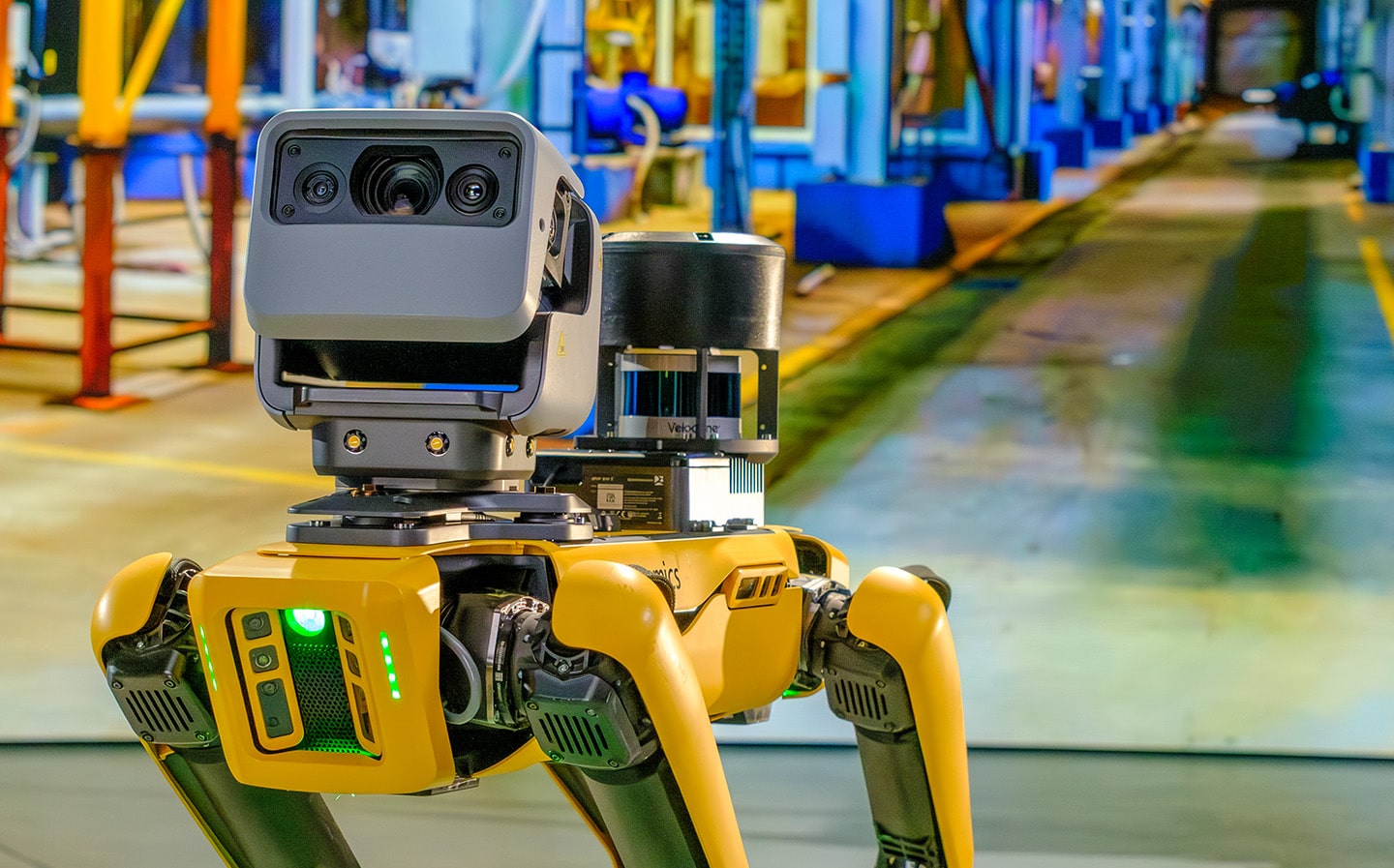
Robot Vision Systems: 3 Ways Robots See the World | Boston Dynamics
Modern robot vision systems are increasingly utilizing advanced technologies such as visual cameras, 3D lidar scans, and various sensors to enhance their ability to interpret, navigate, and interact with their surroundings. These developments are part of a broader trend in robotics aimed at improving automation and efficiency across multiple industries. As of October 2023, the integration of these sophisticated systems is revolutionizing how robots perceive and respond to their environment, enabling them to perform complex tasks with greater accuracy and reliability. This advancement is driven by the need for more intelligent and adaptable robotic solutions in sectors ranging from manufacturing to healthcare, where precise navigation and interaction with dynamic environments are crucial. The ongoing research and implementation of these technologies signify a significant leap forward in the field of robotics, paving the way for more autonomous and capable machines.

The Era of Eka: New Startup Unveils Vision-Force-Action Model to Crack Dexterity
A team of former researchers from MIT and DeepMind has established Eka Robotics, unveiling a groundbreaking "Vision-Force-Action" (VFA) foundation model. This innovative technology harnesses the power of simulation and tactile sensing to enable robots to perform tasks with superhuman speed and remarkable physical intelligence. The launch marks a significant advancement in robotics, aiming to enhance the capabilities of machines in various applications. By integrating advanced sensory data with real-time decision-making, Eka Robotics seeks to revolutionize how robots interact with their environments. The initiative reflects a growing trend in the tech industry to develop more sophisticated and responsive robotic systems, addressing the increasing demand for automation across multiple sectors.
US Eka Robotics
When Machines Learn to See Like Experts: The Rise of Vision Language Models in Manufacturing
In a significant development for the manufacturing sector, experts have highlighted the transformative potential of Variational Latent Models (VLMs) in enhancing quality assurance processes. While acknowledging that VLMs will not address every challenge faced in the realm of artificial intelligence within manufacturing, they emphasize that these models provide a unique capability that surpasses existing technologies, particularly in high-complexity production environments. This advancement comes at a time when industries are increasingly seeking innovative solutions to improve efficiency and accuracy in their operations. As manufacturers strive to meet rising demands and maintain high standards, the adoption of VLMs could represent a pivotal shift in how quality assurance is approached, ultimately leading to more reliable and efficient production outcomes.

Epson Announces Authorized Distribution Alliance with Clayton Controls to Deliver Advanced Automation Solutions to the Southwest Region
Epson Robots, recognized as the leading SCARA robot manufacturer globally, has formed a strategic partnership with Clayton Controls, Inc. This collaboration aims to enhance automation solutions across the Southwest region. The announcement was made on March 31, 2026, in Los Alamitos, California. The alliance is expected to leverage Clayton Controls' nearly 60 years of industry experience to provide innovative automation technologies, addressing the growing demand for efficiency and productivity in various sectors. By combining their expertise, both companies aim to deliver cutting-edge solutions that meet the evolving needs of businesses in the area.
SCARA Industrial Robots Automation Solutions Robotics Machine Vision
Top Computer Vision Development Company Options for 2026
Selecting the appropriate computer vision development company is crucial for ensuring compatibility with the specific environment in which the model will operate. This could range from camera system-on-chips (SoCs) and cloud-based software as a service (SaaS) products to medical devices and live video systems. Among the available options, SQUAD stands out as a robust choice for edge hardware and smart camera products. Meanwhile, Intellias and Softeq are recognized as strong contenders for embedded AI solutions. As the industry evolves, companies must carefully assess their needs to align with the right technology partner.
Components Computing Technology AI development artificial intelligence automation news
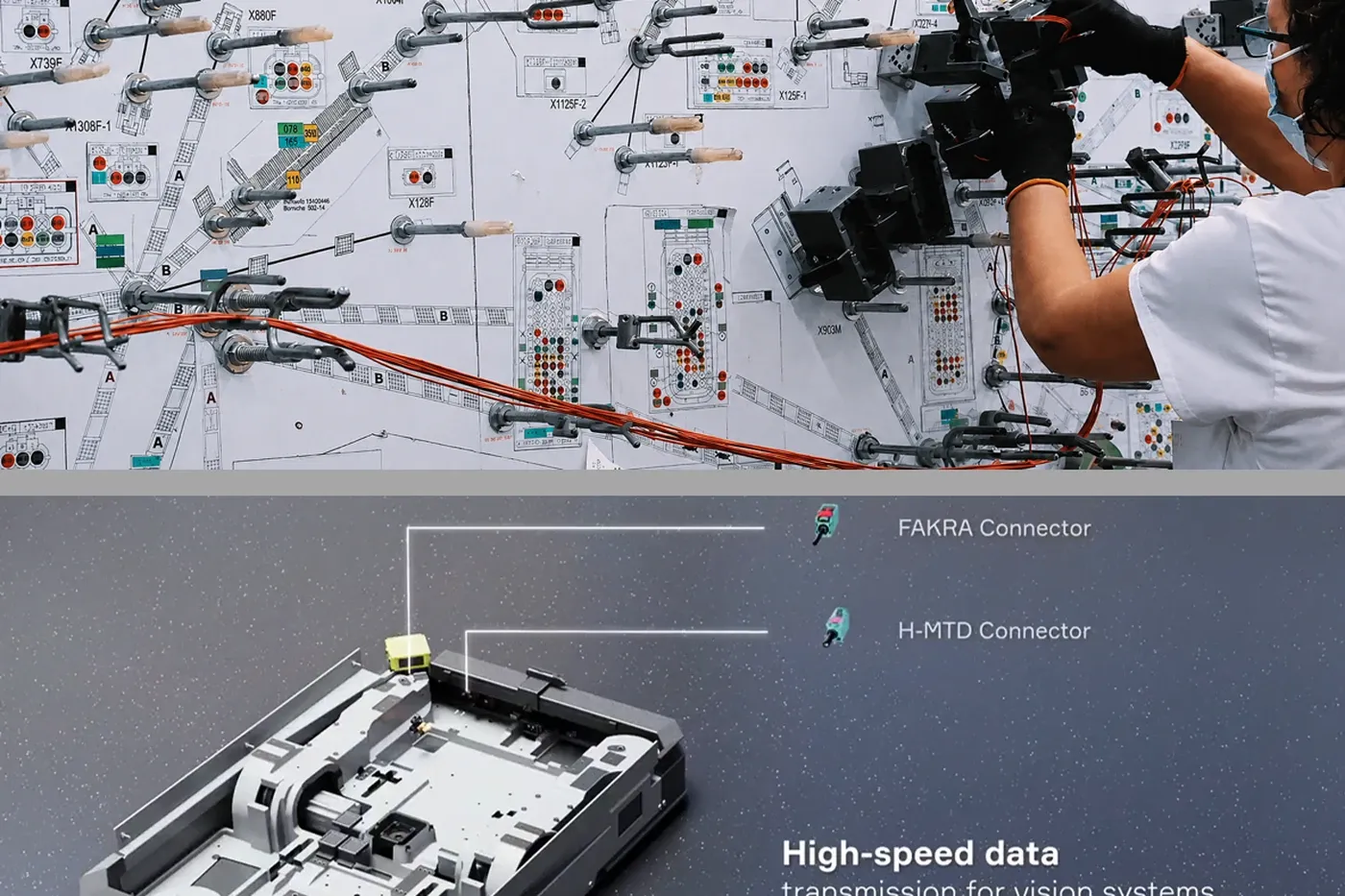
The Role of RF Connectors in Robotic Vision, Sensor Communication, and Automated Inspection Systems
Recent advancements in robotic vision and automated inspection have highlighted the limitations of software solutions in addressing physical challenges. While fast GPUs, sophisticated models, and user-friendly dashboards are often celebrated as technological triumphs, they falter when confronted with the realities of a compromised physical signal path. For instance, a camera's ability to process images is hindered by a noisy clock, and sensors struggle to deliver accurate readings when interfaces become loose after repeated vibrations. This underscores the importance of considering the physical environment in the development and implementation of automated systems, as reliance solely on software capabilities may lead to significant operational failures.
Design Engineering Technology automated inspection automation news factory automation
VeriSilicon Introduces CPP2000 Camera Post-Processing IP for Embodied Robotics and Mobile Vision Applications
Researchers have made significant advancements in improving image quality and visual perception for moving-camera systems. This development, which emerged from ongoing studies in the field of computer vision, aims to enhance the performance of various applications, including autonomous vehicles and drone technology. The breakthrough was announced in October 2023, following extensive testing and refinement of algorithms designed to process and interpret visual data more effectively. The motivation behind this innovation stems from the increasing reliance on moving-camera systems in everyday technology and the need for clearer, more accurate imagery in dynamic environments. By employing advanced machine learning techniques, the researchers have created a system that can better handle motion blur and varying lighting conditions, ultimately leading to more reliable visual outputs. The process involved rigorous experimentation with different data sets, allowing the team to fine-tune their algorithms for optimal performance. As a result, this enhancement is expected to significantly improve the safety and efficiency of systems that rely on real-time visual data, paving the way for broader applications in industries such as transportation, surveillance, and entertainment. This breakthrough not only represents a step forward in technology but also highlights the ongoing commitment to innovation in the realm of visual perception and image processing.

The Evolution of Vision Connectivity in Robotics: From USB and Ethernet to GMSL
As robotic systems advance in autonomy, perception, and scalability, the technologies facilitating the transmission of image data are also evolving. This shift highlights the transition from traditional connectivity methods such as USB and Ethernet to more sophisticated solutions like GMSL (Gigabit Multimedia Serial Link). The evolution of vision connectivity is crucial for enhancing the performance and capabilities of modern robotics, ensuring that these systems can effectively process and analyze visual information in real-time. This development reflects the broader trends in robotics, where improved connectivity plays a vital role in enabling smarter and more efficient machines. The insights into these technological advancements were discussed in detail in a recent article on The Robot Report.
Analog Devices: Architecting Trusted Mobility Analog Devices
GMSL and the growing ecosystem around robotic vision systems
A recent article on The Robot Report highlights the significance of robotic vision systems in various industries, emphasizing their role in enhancing operational efficiency and safety. As of October 2023, advancements in Global Mean Sea Level (GMSL) technology have spurred the development of a robust ecosystem surrounding these vision systems. This evolution is driven by the increasing demand for automation and precision in tasks ranging from manufacturing to autonomous vehicles. The article discusses how these systems utilize advanced algorithms and machine learning to interpret visual data, enabling robots to navigate and interact with their environments more effectively. The growing reliance on robotic vision is reshaping industries, underscoring the importance of clear visual perception in automation processes.
Analog Devices: Architecting Trusted Mobility Analog Devices
Robotics Institute Launches Next Phase of Vision-Language-Navigation Challenge
Carnegie Mellon University’s Robotics Institute is set to host the latest phase of the Vision-Language-Navigation (VLN) Challenge, aimed at advancing the ability of robots to comprehend and execute human instructions in real-world environments. This new iteration of the challenge, which takes place this year, marks a significant evolution from previous versions by eliminating certain constraints, thereby enhancing the complexity and applicability of the tasks involved. The initiative seeks to unite researchers in tackling one of the most challenging aspects of robotics, ultimately striving to improve the interaction between humans and machines.
Research
Ant Group Launches LingBot-VA 2.0 with Advanced Spatial Awareness and Vision Models
On July 10, Ant Group introduced LingBot-VA 2.0, the first embodied native action model in the industry. This release marks the culmination of their full-stack 2.0 model series, featuring advancements in spatial perception and real-time interaction. The launch has generated significant buzz across international platforms like Reddit and Hugging Face, indicating a strong interest in their technology. The significance of LingBot-VA 2.0 lies in its comprehensive technology stack, which includes LingBot-Depth 2.0 and LingBot-Vision. LingBot-Depth 2.0 enhances depth perception with a training dataset expanded from 3 million to 150 million, achieving top scores in 12 out of 16 benchmarks. Meanwhile, LingBot-Vision introduces a novel pre-training target, improving depth estimation accuracy despite using a smaller dataset compared to competitors. Looking ahead, the next steps for Ant Group involve further collaboration with industry partners, as LingBot-Depth 2.0 has already received professional certification from Orbbec. The company is also focusing on integrating their models into the industry, with no further timeline disclosed at the time of publication for upcoming releases or partnerships.
Robotics AI Machine Learning Computer Vision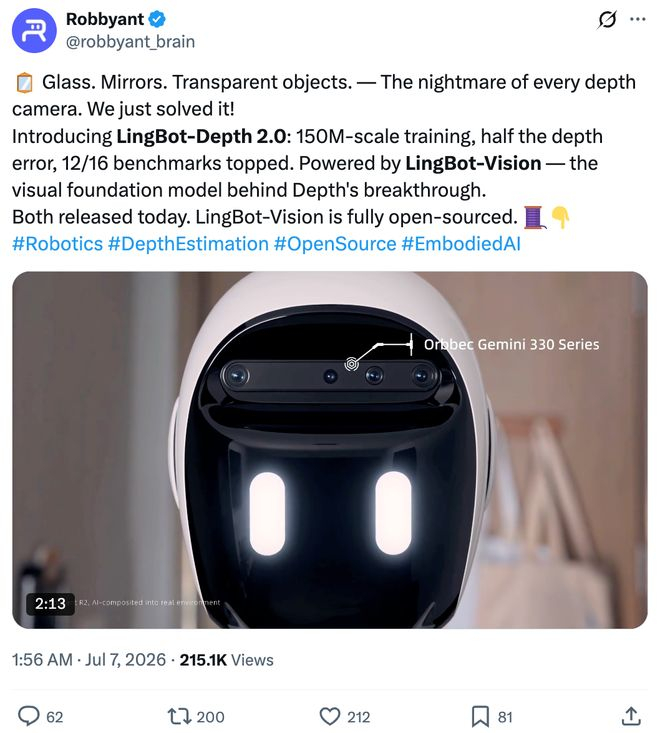
Ant Group's LingBot Vision: Robots Can Now Understand Glasses and Transparent Water Columns
Ant Group has unveiled its latest advancements in robotics technology with the launch of LingBot-Vision and LingBot-Depth 2.0, sophisticated visual models designed to enhance robots' ability to perceive transparent and reflective objects. This development, announced recently, marks a significant improvement over traditional models by emphasizing the understanding of boundaries and spatial relationships, thereby boosting robotic performance in intricate environments. The decision to make these models open-source is intended to foster innovation and improve navigation and interaction capabilities for robots in everyday scenarios.
Robotic Vision AI Machine Learning Computer Vision
The New Era of Robot Perception: How CoRMA Enables Machines to Truly "Understand Touch"
Researchers have unveiled a groundbreaking advancement in robotic technology with the introduction of CoRMA, a new system designed to enhance machines' ability to perceive touch. This innovative development, announced in October 2023, aims to bridge the gap between human-like sensory experiences and robotic capabilities. Located at a leading technology research facility, the CoRMA system utilizes advanced algorithms and sensory data to enable robots to interpret tactile information more effectively. The motivation behind this initiative stems from the growing demand for robots to perform tasks that require a nuanced understanding of touch, such as delicate assembly work or providing care in healthcare settings. By integrating sophisticated sensors and machine learning techniques, CoRMA allows robots to not only detect pressure but also differentiate between various textures and materials. This advancement is expected to significantly improve the functionality of robots in diverse applications, from manufacturing to personal assistance. The development of CoRMA represents a significant leap forward in the field of robot perception, potentially transforming how machines interact with their environment and enhancing their ability to perform complex tasks that require a human-like touch.
Robotics Automation AI
XINMING Unveils R216g 3D Vision AI Module at Shanghai Conference
At the 2026 Zhangjiang Embodied Intelligence Developer Conference, XINMING unveiled its latest innovation, the R216g 3D Vision AI module. This cutting-edge technology is specifically designed for humanoid robots and collaborative arms, boasting advanced spatial perception capabilities that ensure high precision in complex environments. The introduction of the R216g aims to significantly improve the efficiency and reliability of physical AI applications across a range of industries, reflecting XINMING's commitment to advancing robotics and artificial intelligence.
3D Vision AI Humanoid Robots Collaborative Robotics Spatial Intelligence Industrial Automation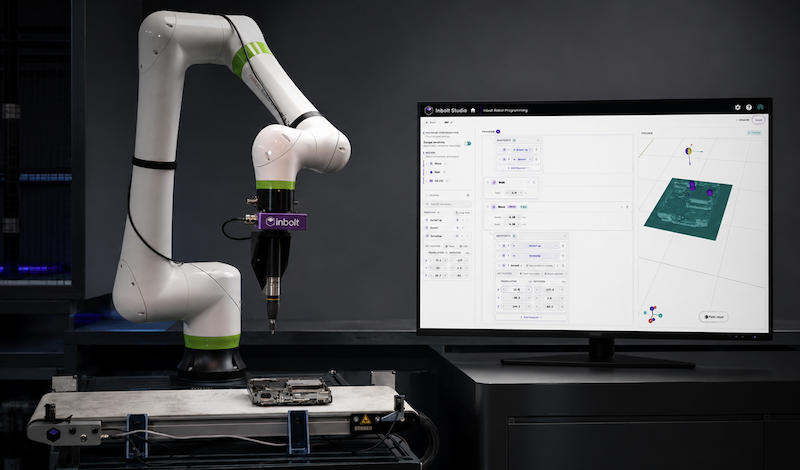
Inbolt to launch vision-enabled robot programming at Automate event
Inbolt, a company specializing in robot intelligence and digital twin technology, is set to unveil two new capabilities aimed at enhancing its AI vision model for robot guidance. The new features, Inbolt Robot Programming and an expanded Inbolt Robot Control, will be showcased at Automate 2026, taking place in Chicago from June 22 to June 25. CEO and co-founder Rudy Cohen emphasized that these advancements are integral to the company's mission of advancing live robot control through innovative AI solutions.
Events Industrial robots Software adaptive manufacturing ai robotics Automate 2026
Machines with the ability to 'feel' currently in development as we enter next frontier of AI
In a groundbreaking exploration of artificial intelligence, Professor Rocky Scopelliti unveils his latest book, "Perceptive Machines," which discusses the potential for machines to develop sensory capabilities akin to those of humans and other biological beings. Set against the backdrop of rapid advancements in AI technology, Scopelliti argues that we are on the brink of a future where machines can not only process and analyze information but also sense and interpret their environments through sight, sound, touch, smell, and taste. This evolution in AI could redefine the interaction between humans and machines, raising profound questions about the nature of consciousness and emotional intelligence in artificial entities. With developments in AI accelerating, Scopelliti's insights prompt a re-examination of the ethical implications and societal impacts of machines that can "feel."
Robotics
Axon Vision completes operational assessment of EDGE ClearSky
Axon Vision has announced the successful completion of operational demonstrations for its EDGE ClearSky drone detection system. The demonstrations took place recently, showcasing the system's capabilities in identifying and tracking drones in various environments. This advancement comes as a response to the increasing need for effective drone surveillance and security measures, particularly in sensitive areas. By utilizing advanced technology, the EDGE ClearSky system aims to enhance safety and security protocols for both public and private sectors. The successful demonstrations highlight Axon Vision's commitment to innovation in drone detection and its potential impact on future security operations.
News
AGIBOT Unveils Genie Envisioner 2.0, Advancing World Models into Scalable “World Simulators” for Embodied AI
AGIBOT has unveiled its latest innovation, Genie Envisioner 2.0, a significant advancement in embodied artificial intelligence. This new platform transforms traditional world models into scalable and interactive simulators, enabling robots to learn and optimize their performance within environments generated by these models. The launch, which took place recently, signifies a pivotal shift from merely understanding the world to actively engaging with it, enhancing the robots' training capabilities and facilitating real-time interactions. This development aims to improve the efficiency and effectiveness of robotic learning processes, positioning AGIBOT at the forefront of AI technology.
Embodied AI World Models Robotics Simulation Technology Artificial Intelligence
Product Q&A with Ambi Robotics - AmbiVision
AmbiVision, a new venture emerging from Ambi Robotics, has been developed to enhance the capabilities of the company's robotic stacking system, AmbiStack. This innovative technology utilizes advanced artificial intelligence to improve the robot's ability to perceive and interact with packages effectively. By leveraging the same AI skills that drive AmbiStack, AmbiVision aims to streamline operations in logistics and warehousing. The initiative reflects Ambi Robotics' commitment to advancing automation solutions in response to the growing demand for efficiency in supply chain management.
Implementing Vision Systems in Advanced Robotics Technology for Adaptive Tasks
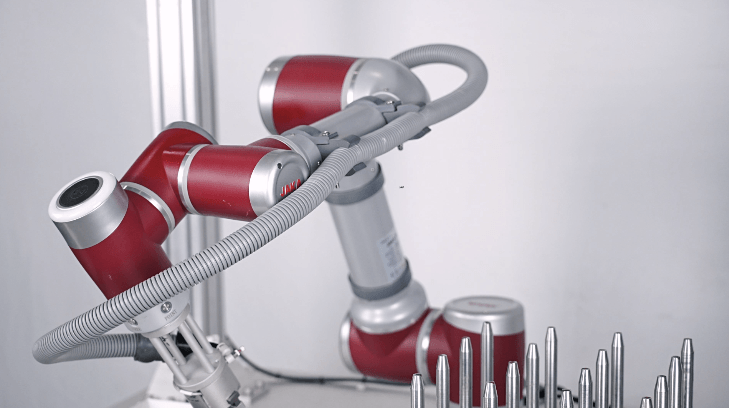
A company specializing in advanced robotics is enhancing production efficiency by integrating vision systems into its industrial cobot solutions. This innovative approach allows robots, such as the JAKA Pro16, to perceive and adapt to changing conditions on the production line, enabling them to identify parts, detect orientation, and adjust movements in real time. The implementation of these vision systems minimizes the risk of misplacement and reduces human error during loading and unloading tasks. The company’s cobot platforms are designed for flexibility, allowing them to efficiently respond to diverse production requirements. By detecting subtle variations and unexpected obstacles, these robots enhance the resilience of production lines. The JAKA Pro16 features simple programming capabilities that facilitate quick adjustments to production setups, thereby minimizing downtime and improving overall efficiency and product quality. Additionally, the company emphasizes user-friendly programming interfaces, enabling operators with minimal training to manage complex tasks effectively. The drag-and-drop teaching and graphical interfaces of the JAKA Pro16 maximize robot utilization while allowing human resources to focus on strategic activities. This combination of visual perception and intelligent control algorithms ensures high precision and adaptability in various manufacturing scenarios. In summary, the integration of vision systems into robotics technology is pivotal for creating flexible manufacturing solutions. The company remains committed to developing adaptive robotics that enhance task accuracy, optimize workforce allocation, and support high-quality production outcomes.
Advanced Calibration Techniques for Vision Guided Robotic Systems
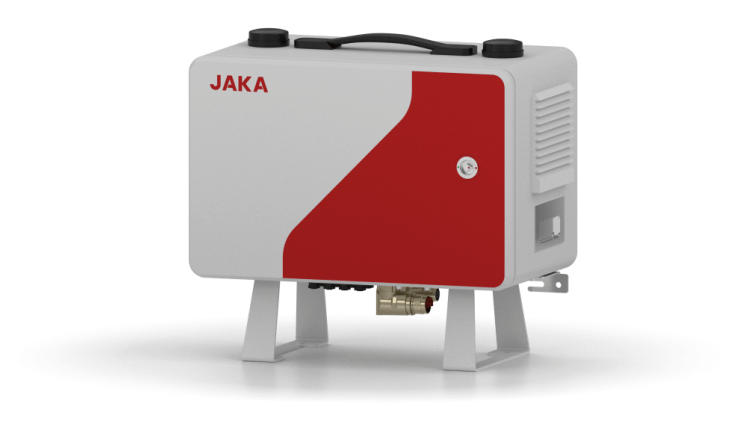
JAKA, a leader in robotic technology, emphasizes the critical importance of meticulous calibration in vision-guided robotic systems to achieve high operational accuracy. This process, which aligns the coordinate systems of the camera, robot, and environment, is essential for delicate tasks such as assembly and inspection. Poor calibration can lead to significant operational failures. The calibration process begins with intrinsic calibration, which corrects lens distortion and establishes the camera's focal length, followed by extrinsic calibration to determine the camera's position relative to the robot. JAKA's robotic platforms are designed with anti-interference and low-vibration features, ensuring a stable foundation for these calibrations. For enhanced precision, JAKA employs hand-eye calibration, which establishes the spatial relationship between the camera and the robot's end-effector. This method is vital for guiding the robot accurately to targets viewed by the moving camera. The company's advanced control technology ensures repeatable performance, crucial for effective hand-eye coordination. Moreover, JAKA recognizes that calibration is an ongoing process. Process-specific calibration fine-tunes systems for particular tasks, while periodic recalibration addresses issues like thermal drift and mechanical wear. The intuitive graphical programming in JAKA's cobot systems facilitates these adjustments, maintaining long-term accuracy. Through these advanced calibration techniques, JAKA transforms vision systems and robots into cohesive, intelligent units, enabling them to perform complex tasks accurately in dynamic environments.
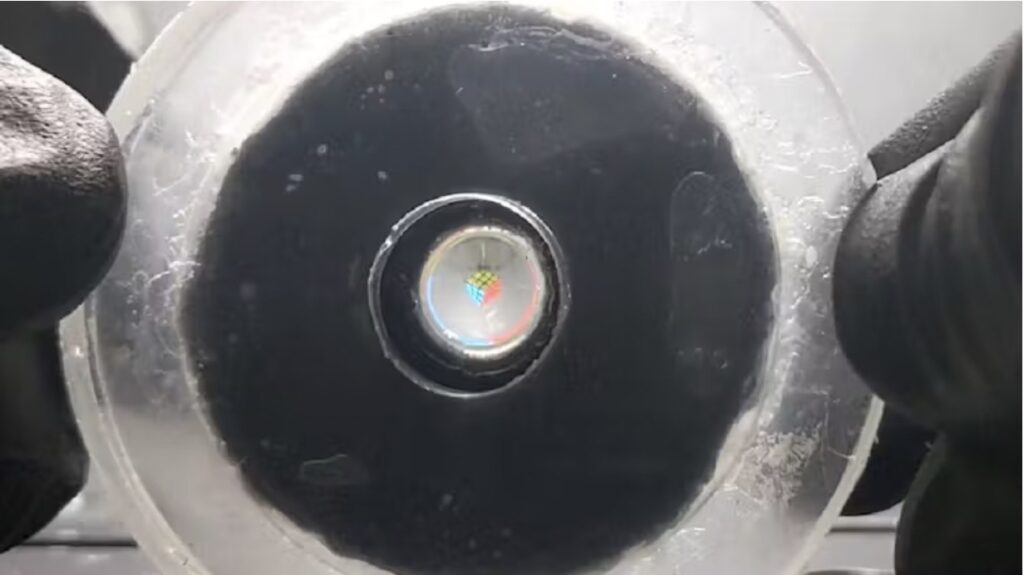
A flexible lens controlled by light-activated artificial muscles promises to let soft machines see
Researchers at the Georgia Institute of Technology have developed an innovative artificial eye designed to enhance the vision capabilities of soft robots. This adaptive lens, inspired by the human eye, is made from a soft, light-responsive material that allows for improved visual perception. The project, led by biomedical engineering experts Corey Zheng and Shu Jia, aims to bridge the gap between robotics and biological systems, enabling robots to interact more effectively with their environments. The development of this technology could significantly advance the field of robotics, particularly in applications requiring nuanced visual processing.

Helix: A Vision-Language-Action Model for Generalist Humanoid Control
Helix, an innovative Vision-Language-Action model, has been developed to enhance humanoid robotics by providing full upper-body control and facilitating collaboration among multiple robots. This cutting-edge technology enables robots to execute tasks involving new objects through natural language prompts, significantly improving their versatility and usability. Notably, Helix operates efficiently on low-power GPUs, positioning it for commercial applications. With its capabilities, Helix is set to revolutionize the field of robotics, making advanced robotic interactions more accessible and practical for various industries.
robotics AI machine learning humanoid robots automation
Research Group to Host CMU Vision-Language-Autonomy Challenge
Carnegie Mellon University's Robotics Institute is set to host the CMU Vision-Language-Autonomy Challenge, an event designed to unite researchers focused on the integration of computer vision, natural language understanding, and autonomous navigation. Scheduled for the near future, this challenge aims to advance the fields of computer vision and artificial intelligence by fostering collaboration and innovation in real-world applications. The initiative builds on the institute's success in developing an award-winning navigation autonomy system, highlighting its commitment to pushing the boundaries of AI research.
Uncategorized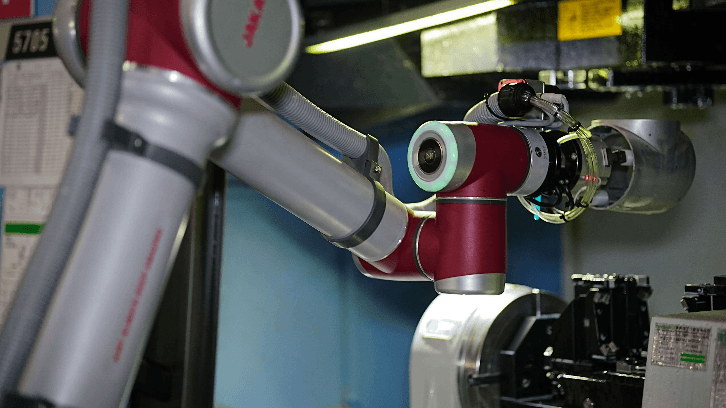
The Step-by-Step Guide to Programming a Handling Robot for Machine Tending
In a significant advancement for modern manufacturing, JAKA has introduced its JAKA Zu series, a line of handling robots designed to enhance machine tending processes in smart factories. This innovation allows for the automation of loading and unloading raw materials into CNC machines and injection molders, thereby increasing operational efficiency and safeguarding human workers from hazardous environments. The JAKA Zu12, capable of handling heavy metal parts with a payload of 12kg and a reach of 1327mm, streamlines the programming process through a user-friendly graphical interface accessible via a tablet or smartphone, eliminating the need for cumbersome teach pendants. This low-code approach simplifies the traditionally complex task of programming a 6-axis robot arm, enabling operators to set up a machine tending station in minutes. The setup involves defining the robot's workspace and safety zones, teaching waypoints for efficient path planning, integrating end-of-arm tooling for precise interaction with machines, and establishing logic loops for error handling. These features ensure that the robot can operate autonomously, significantly reducing the need for constant supervision. By offering a solution that combines industrial speed with consumer-friendly simplicity, JAKA aims to support manufacturers in automating their processes confidently, whether in small machine shops or large-scale production lines. This development marks a pivotal step towards more efficient and safer manufacturing environments.

Inside Colin Angle’s bid to build companion robots with Familiar Machines & Magic
Colin Angle, a prominent figure in robotics, has launched a new startup called Familiar Machines & Magic, which is focused on creating a quadruped robot designed to serve as a companion. This initiative aims to address the growing demand for advanced robotic companions in a competitive market. The startup is currently in the development phase, working on innovative technologies to enhance the functionality and appeal of these robots. Angle's vision is to combine cutting-edge engineering with user-friendly design to ensure that the robots can effectively meet the needs of potential users. As the project progresses, Familiar Machines & Magic seeks to carve out a niche in the evolving landscape of robotics, where the integration of companionship and technology is becoming increasingly significant.
Artificial Intelligence Consumer Robotics Human Robot Interaction / Haptics News Startups Familiar Machines & Magic
Insta360 Introduces AI Cameraman Concept with Luna Ultra Gimbal on 11th Anniversary
Insta360 celebrated its 11th anniversary by presenting a vision for an AI-powered Cameraman robot. This concept is not limited to a single hardware product but represents an AI agent capable of autonomous filming, with panoramic drones as one of its initial prototypes. The company has developed essential technologies for various components of the robot, including its brain and sensory systems. The significance of this development lies in Insta360's ambition to innovate beyond traditional photography solutions. The Luna Ultra dual-camera gimbal is highlighted as a crucial step towards realizing the Cameraman's full potential. Founder Liu Jingkang emphasized the company's commitment to addressing challenges that others may avoid, focusing on creativity and aesthetics in their technological pursuits. Looking ahead, Insta360 aims to further refine its AI Cameraman concept and explore additional prototypes. No further timeline was disclosed at the time of publication, but the company's focus on commercialization and efficiency suggests a strategic roadmap for future developments in autonomous filming technology.
News Feed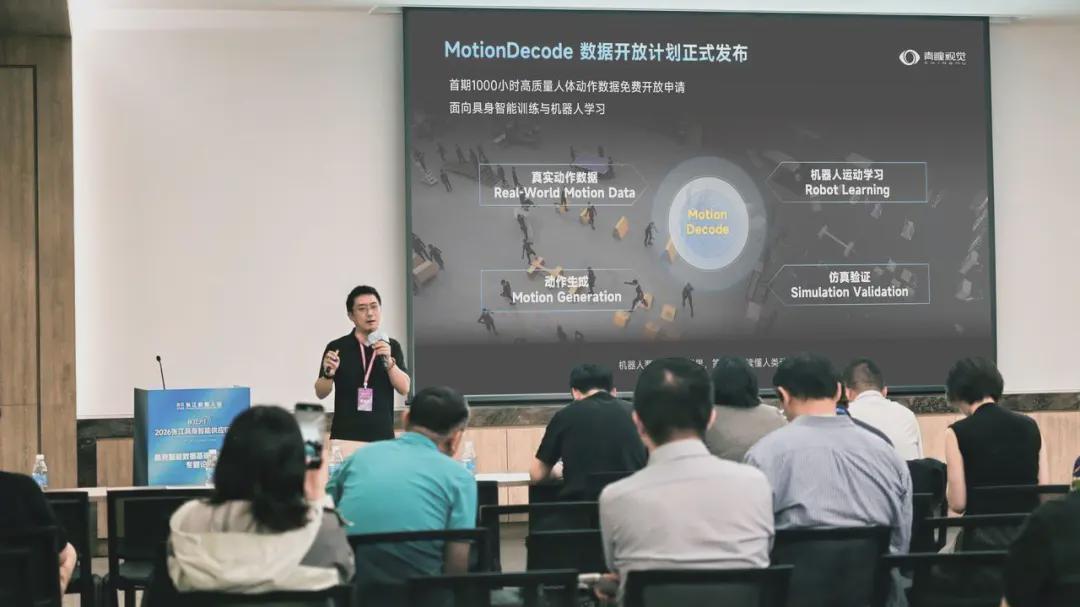
Qing Tong Vision Launches MotionDecode Data Open Plan: 1000-Hour Motion Capture Dataset Now Open Source
Qing Tong Vision has launched the MotionDecode Data Open Plan, offering free access to a comprehensive 1,000-hour high-quality human motion dataset. This initiative, announced recently, is designed to enhance the development of humanoid robots and promote embodied intelligence by reducing research barriers and encouraging collaboration within the data ecosystem. The program is expected to support a wide range of applications, including robot training and motion generation, representing a pivotal advancement in the industrialization of embodied intelligence.
Motion Capture Embodied Intelligence Humanoid Robots Data Open Source AI Training Data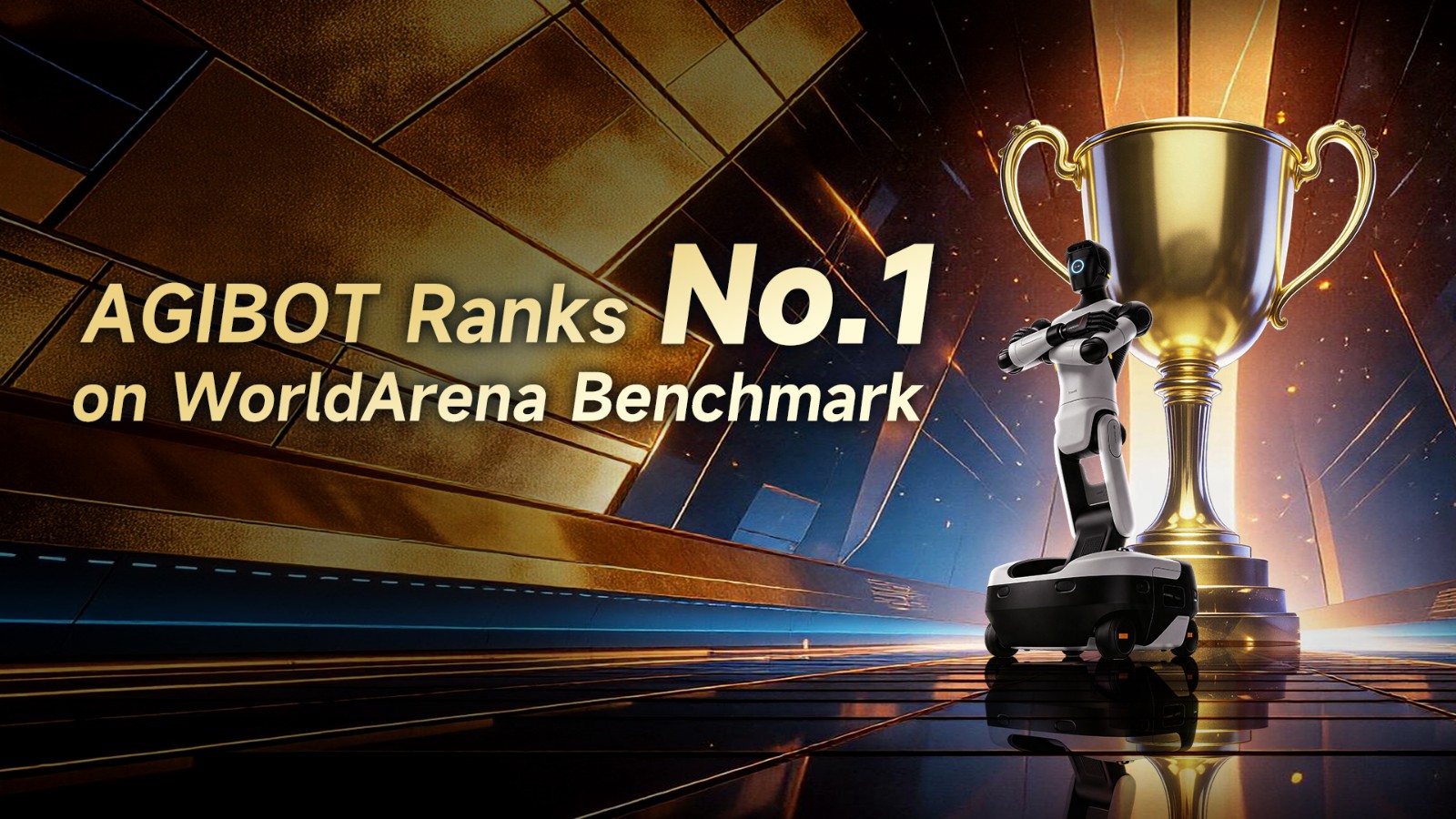
AGIBOT’s Genie Envisioner
AGIBOT's Genie Envisioner-Sim 2.0 has secured the top position on the WorldArena Track 1 leaderboard, highlighting its cutting-edge capabilities in embodied artificial intelligence. This innovative model marks a significant leap in world simulation technology, facilitating the efficient testing and refinement of robotic policies prior to their deployment in real-world scenarios. The advancements offered by Genie Envisioner-Sim 2.0 are expected to greatly enhance the adaptability and intelligence of humanoid robots, ultimately improving their performance in dynamic environments.
Embodied AI World Models Humanoid Robotics Simulation Technology Artificial Intelligence
Inbolt Launches Vision-Enabled Robot Programming, Closing the Loop from CAD to Factory Floor
Inbolt showcased its cutting-edge Robot Programming technology at Automate 2026 in Chicago, marking its most significant presence in the U.S. to date. The event featured four live demonstrations and the launch of two new products, highlighting the company's innovative approach to streamlining robotic programming. By allowing engineers to create programs directly from CAD models, Inbolt's system significantly reduces the time required for commissioning, enabling real-time execution of planned paths through its Inbolt Vision Model. This advancement not only enhances efficiency but also positions Inbolt as a leader in the automation sector. Additionally, the company announced plans to double its U.S. team by the end of the year, further solidifying its commitment to growth and collaboration, as evidenced by joint demonstrations with industry partner FANUC.

Enabling Autonomous Machines: Advancing 3D Sensor Fusion With Au-Zone
A new technological advancement in autonomous systems has been announced, emphasizing the integration of radar and vision with edge AI processing into a single unit. This innovative approach aims to enhance the speed, reliability, and robustness of next-generation autonomous solutions. The development is crucial for meeting the increasing demands for advanced autonomy in various applications. The system is designed to operate efficiently, leveraging cutting-edge technology to ensure optimal performance in real-time scenarios. This breakthrough is expected to significantly impact industries reliant on autonomous technologies, paving the way for more sophisticated and dependable systems in the near future.
Robotics needs a service framework.
RSF defines a common language for robot service capability, lifecycle operations, certification pathways, and service-provider networks.