Industry Briefing
A single destination for timely, editor-curated robotics news from around the world.

Port of Los Angeles Achieves Record Cargo Volumes Exceeding 1 Million TEUs in June 2026
In June 2026, the Port of Los Angeles recorded its third strongest month ever, surpassing the significant milestone of 1 million TEUs for the third time in its history. This achievement highlights the port's growing capacity and efficiency in handling cargo, which is crucial for maintaining supply chain stability and meeting increasing demand in the logistics sector. Looking ahead, stakeholders will be keen to monitor how this record performance influences future cargo operations and infrastructure developments at the port. No further timeline was disclosed at the time of publication.
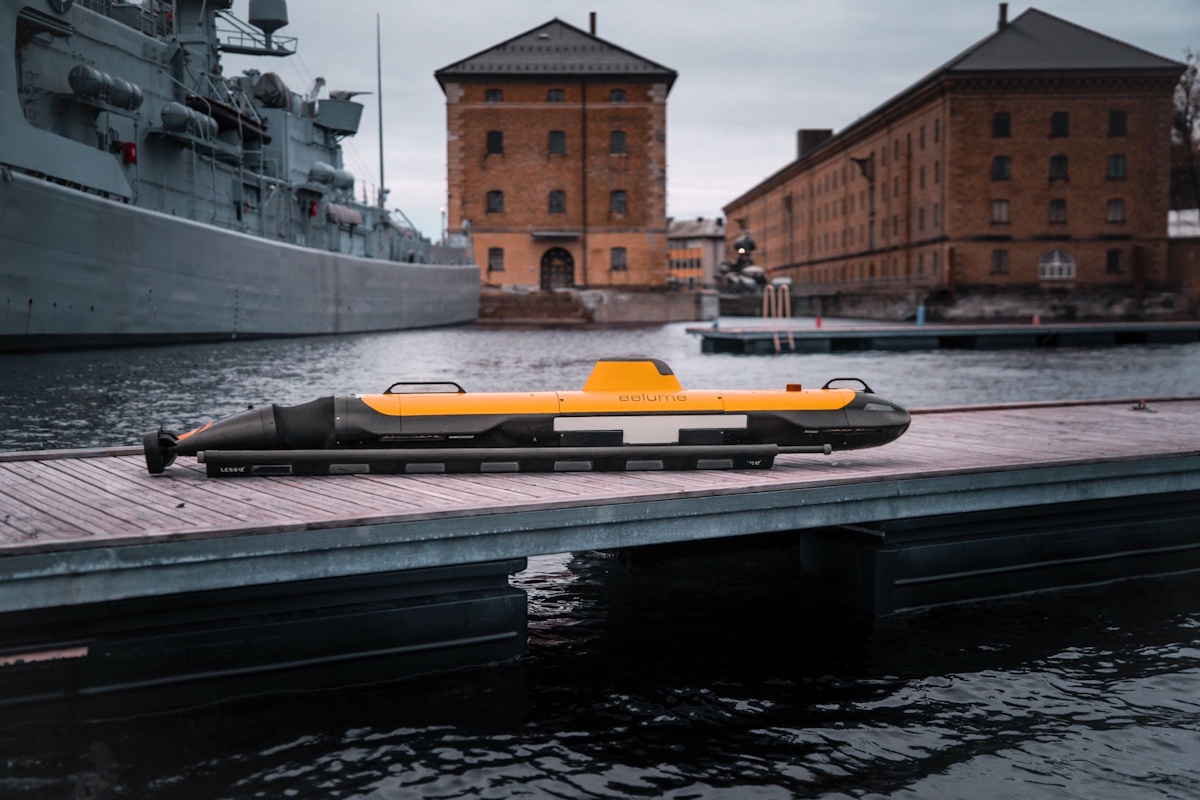
Eelume Awarded a 3-year Contract by the Norwegian Ministry of Defence
The Norwegian Ministry of Defence has awarded a three-year contract to Eelume AS for the development of the All-Terrain Autonomous Underwater Vehicle, known as the Eelume S. This contract aims to enhance Norway's underwater capabilities, reflecting the country's commitment to advancing its defense technology. The partnership is expected to leverage Eelume's expertise in autonomous systems to create a versatile underwater vehicle capable of operating in various environments. The contract signifies a strategic investment in innovative defense solutions, ensuring that Norway remains at the forefront of maritime security.
eelume contract award norwegian ministry of defence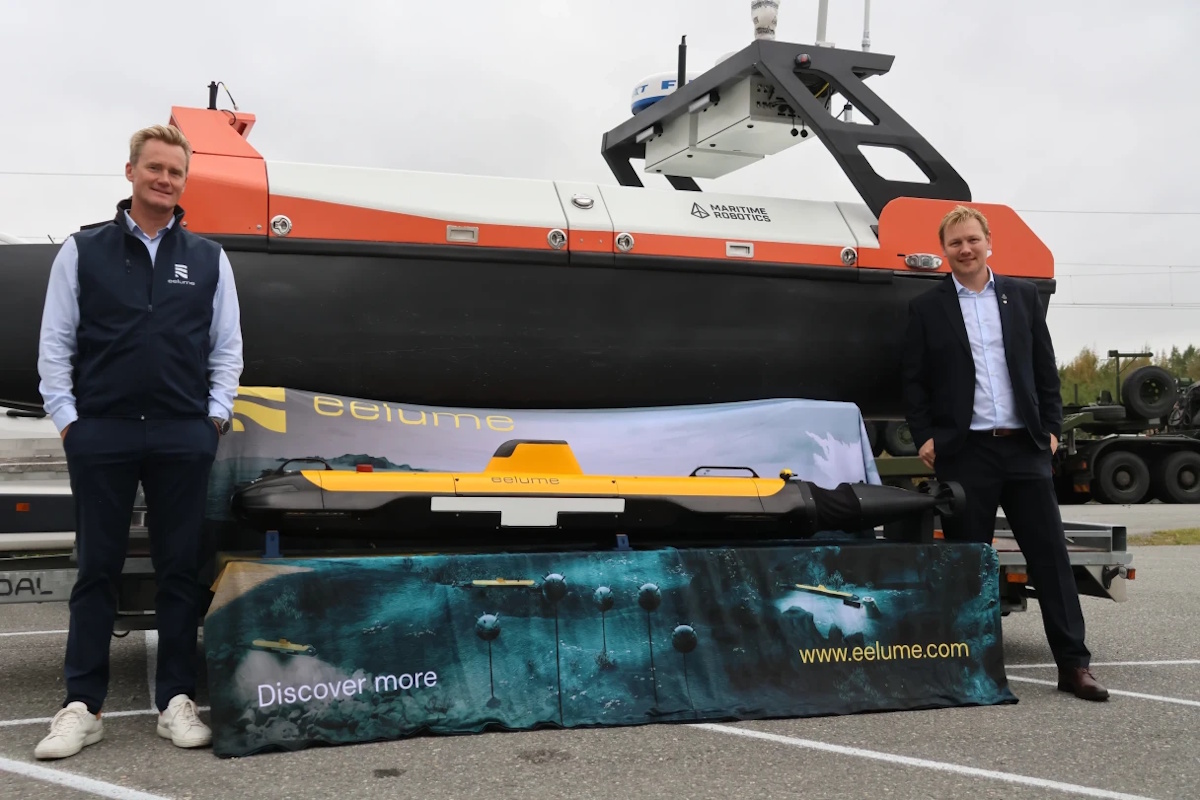
Maritime Robotics and Eelume Enter into Partnership for Ocean Surveillance and Security
Norway's Maritime Robotics and Eelume, two prominent companies in autonomous systems technology, have announced a strategic partnership aimed at enhancing maritime operations. This collaboration focuses on integrating unmanned surface vessels (USVs) with agile underwater vehicles (AUVs) to improve the efficiency and sustainability of exploration, surveillance, and security activities at sea. The partnership reflects a growing trend in the maritime industry to leverage advanced technologies for better operational outcomes.
maritime robotics eelume partnership ocean surveillance and security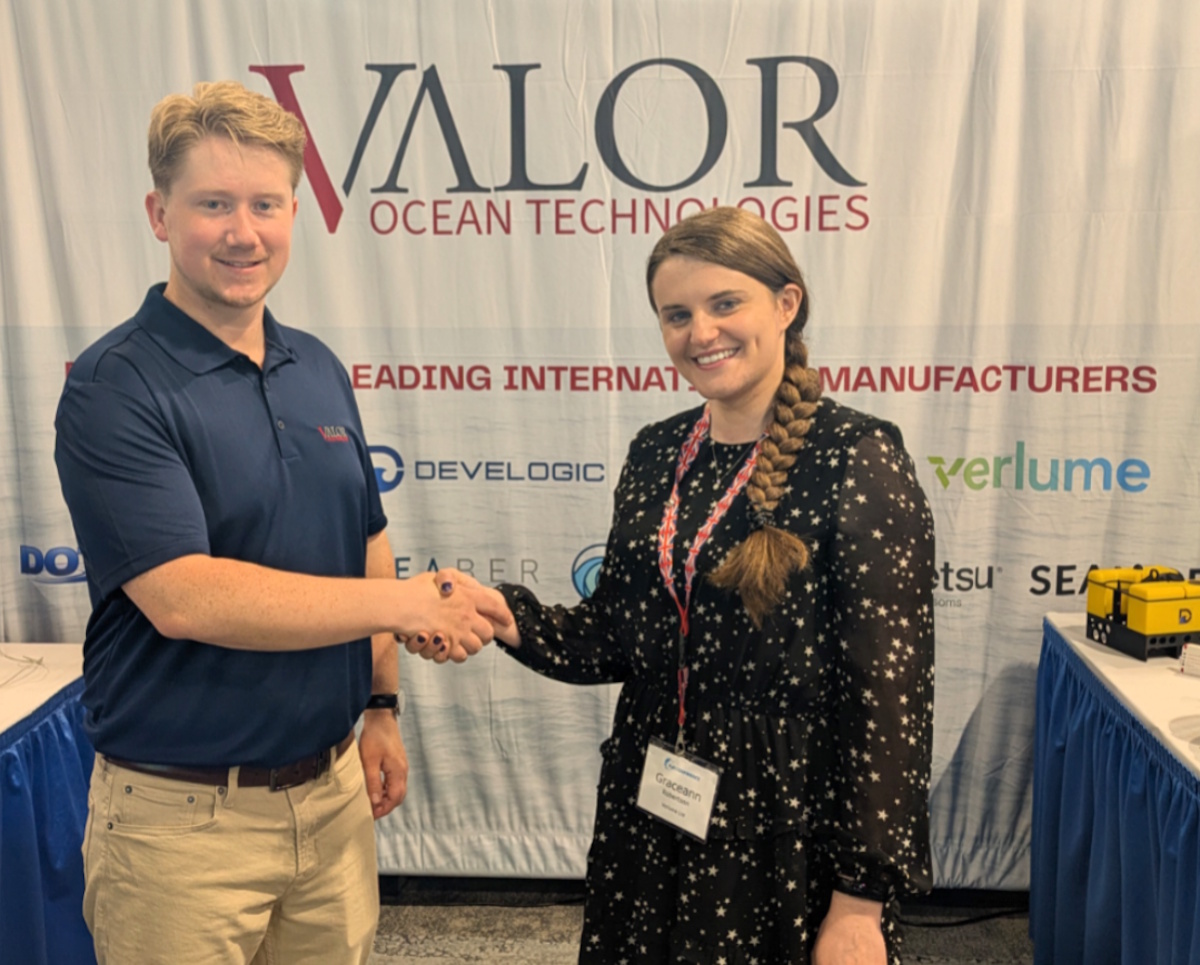
Verlume Appoints Canadian Business Development Agent
Verlume, a leading company in subsea batteries and power management systems, has announced the appointment of Valor Ocean Technologies as its inaugural business development agent in Canada. This partnership comes on the heels of the successful deployment of three Verlume Charge systems in Canadian waters, highlighting the company's commitment to expanding its presence in the region. The collaboration aims to address the increasing demand for innovative subsea energy solutions, positioning Verlume to better serve the Canadian market.
verlume canadian business development agent
Investors Pile Into Tesla Call Options in Huge, Unusual Volume - a Bullish Signal?
Investors are significantly increasing their activity in Tesla, Inc. (TSLA) call options, with recent volumes exceeding 223 times the normal levels, indicating a bullish sentiment towards the stock. This surge occurred on May 25, 2026, just days before the options expire on June 5. The heightened interest is centered around a strike price of $427.50, with over 35,000 contracts traded, suggesting that many believe TSLA is undervalued and poised for a price increase from its recent closing price of $426.01. Despite a 9.9% rise in stock value since its Q1 earnings report, TSLA's revenue has shown mixed results, with a year-over-year increase of 16% but a decline from previous quarters. Analysts project revenue growth of nearly 8% for the current year, which could lead to improved free cash flow. However, current valuations suggest that TSLA stock may be overvalued by approximately 11.1%, with average analyst price targets ranging from $401.77 to $411.89. The unusual call option activity may reflect a speculative strategy by investors looking to capitalize on potential price momentum rather than a fundamental undervaluation of the stock. As such, both buyers and sellers of these options are navigating a landscape marked by high risk and potential reward.

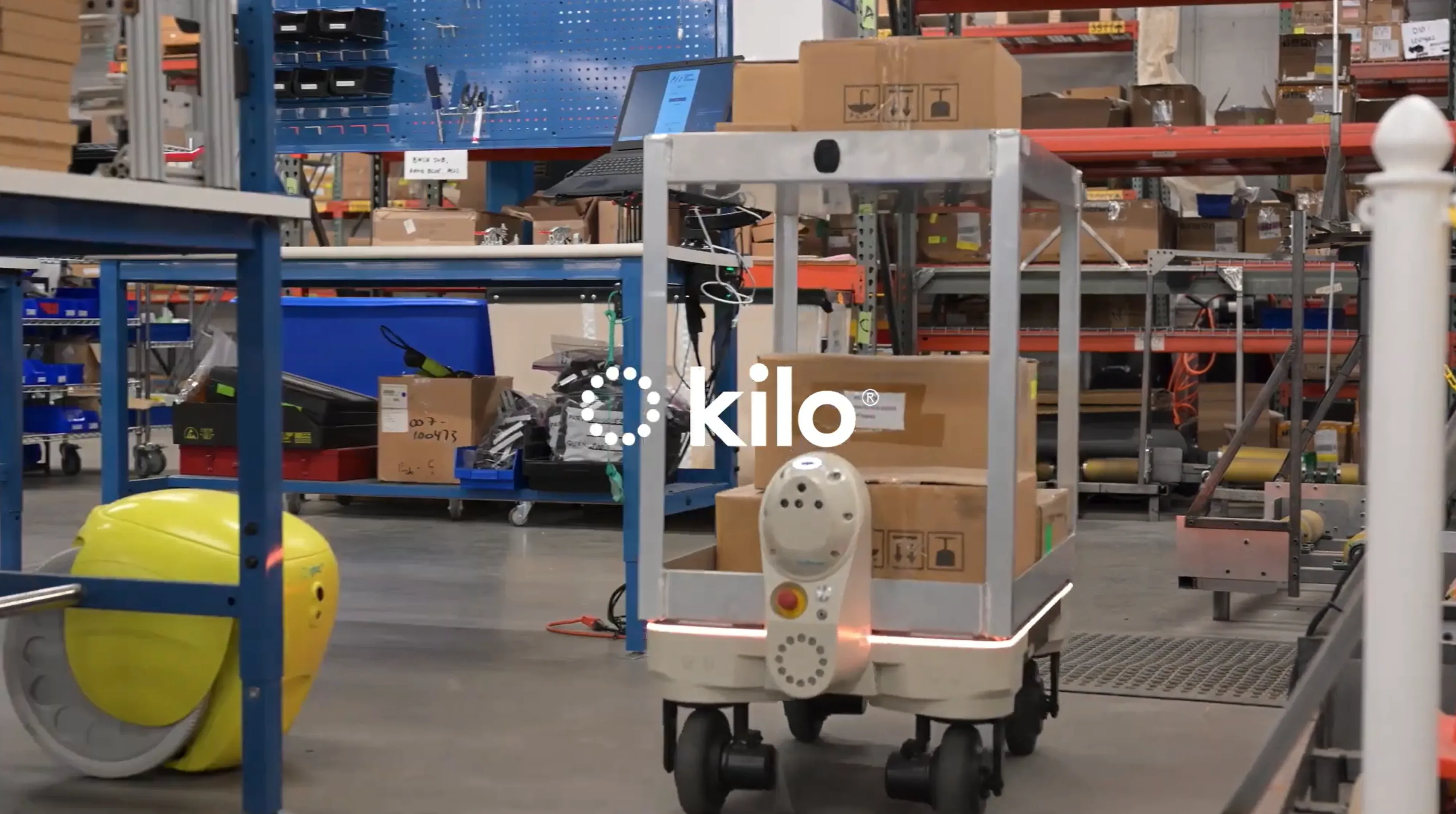
From Forklifts to Laser Guided Vehicles — The Operational Shift in High-Volume Manufacturing
In response to the growing demands of manufacturing systems, which require increased efficiency and precision, the use of Automated Guided Vehicles (LGVs) is becoming more prevalent. Unlike traditional forklifts, which rely heavily on operator skill and can be affected by factors such as fatigue and congestion, LGVs offer a consistent and repeatable solution for material handling. This shift is particularly crucial as production volumes rise and tolerances become tighter, necessitating a more reliable flow of materials within facilities. As industries seek to enhance their operational capabilities, the integration of LGVs is seen as a strategic move to improve productivity and reduce the risks associated with human error.
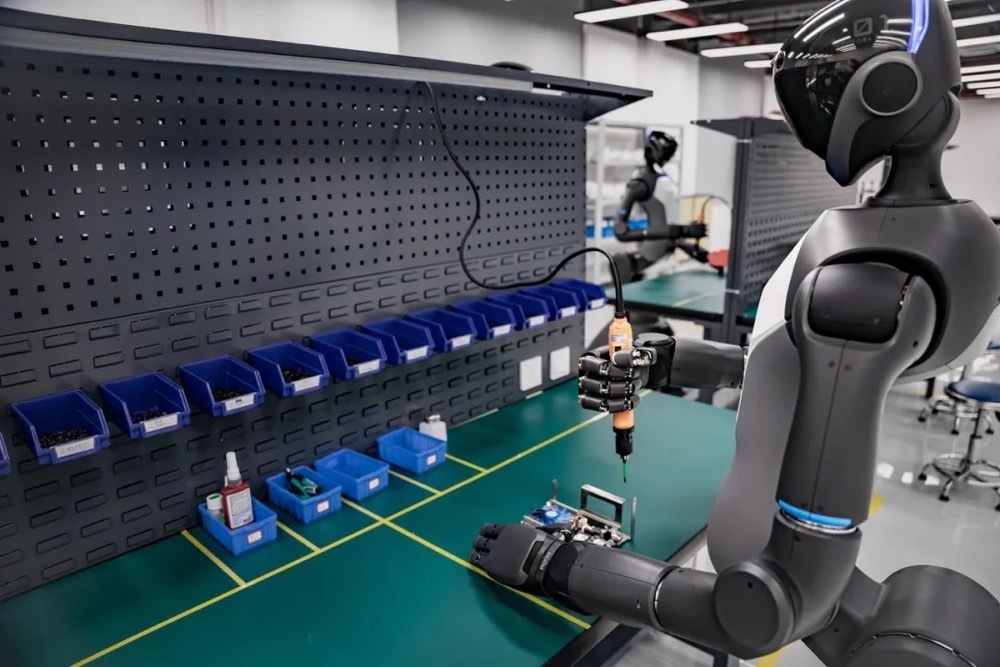
Cover Image, Volume 43, Number 3, May 2026
In May 2026, the Journal of Field Robotics published its latest issue, Volume 43, Issue 3, highlighting advancements and research in the field of robotics. This edition features a collection of peer-reviewed articles that explore innovative applications of robotics technology in various sectors, including agriculture, manufacturing, and autonomous vehicles. The publication aims to disseminate cutting-edge findings and foster discussions among researchers, engineers, and industry professionals. By showcasing these developments, the journal seeks to address the growing demand for automation and efficiency in diverse industries, emphasizing the importance of interdisciplinary collaboration in advancing robotic technologies.
COVER
NVIDIA Announces Strategic Partnership With Lumentum to Develop State-of-the-Art Optics Technology
NVIDIA has entered into multiyear strategic agreements with Lumentum Holdings Inc. to enhance innovation in advanced optics technologies. This collaboration aims to drive research and development efforts that will support the creation of next-generation AI infrastructure and systems. The announcement was made today, signaling NVIDIA's commitment to advancing its technological capabilities in the rapidly evolving field of artificial intelligence. By partnering with Lumentum, a leader in optical technologies, NVIDIA seeks to leverage cutting-edge solutions that will bolster its AI initiatives and maintain its competitive edge in the market.
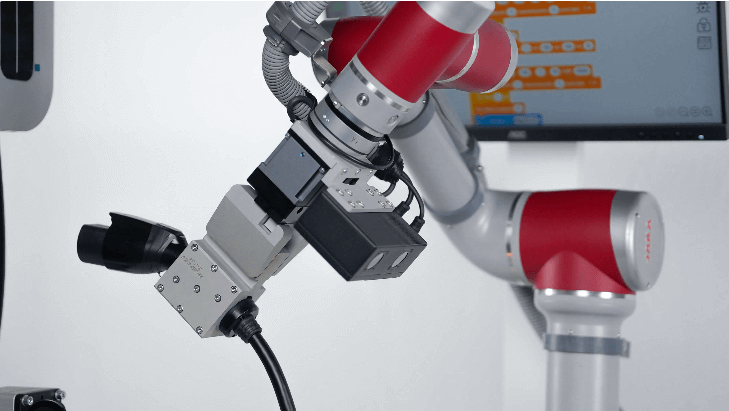
Top 10 Benefits of Using Cobots for High-Mix Low-Volume Production
In response to the growing need for adaptability in manufacturing, particularly in high-mix, low-volume production environments, JAKA has introduced a collaborative robot, or cobot, designed to enhance operational flexibility. This innovative technology allows for rapid reprogramming and tool switching, significantly reducing downtime between product runs. The JAKA cobot's compact design enables it to fit into tight spaces within existing factory layouts, maximizing floor space efficiency. Its user-friendly programming interface allows workshop staff to easily set up and modify tasks, minimizing the need for specialized training. Additionally, the lightweight structure and integrated controls facilitate quick installation without major infrastructural changes. JAKA's cobots ensure consistent task precision, crucial for maintaining quality across various product types. Built to withstand typical factory conditions, these robots deliver stable performance and reliability throughout production shifts. Safety features, including force feedback and collision detection, allow them to work alongside human operators, optimizing collaboration and workflow. Economically, JAKA cobots present a favorable cost structure, offering high cost-effectiveness and reduced operational expenses. Their compatibility with existing equipment and software ensures that businesses can adapt to evolving production needs without significant additional investment. As manufacturers face the challenges of diverse, short-run orders, JAKA's collaborative robots provide a practical solution to enhance resilience, efficiency, and control in the production process.

Generalist AI Releases "Science of Pretraining" Deep Dive: Why Data Quality Trumps Volume in Robotics
Generalist AI has unveiled new insights into its pretraining methodology in a technical addendum related to its recent GEN-0 launch. The company introduced innovative metrics, including "Reverse KL," designed to evaluate the creativity of its models. Additionally, Generalist AI announced that its infrastructure can process an impressive volume of data, equating to 6.85 years of robotic experience each day. This advancement highlights the company's commitment to enhancing artificial intelligence capabilities and underscores its efforts to push the boundaries of machine learning technology.
Data Collection Generalist AI embodied-ai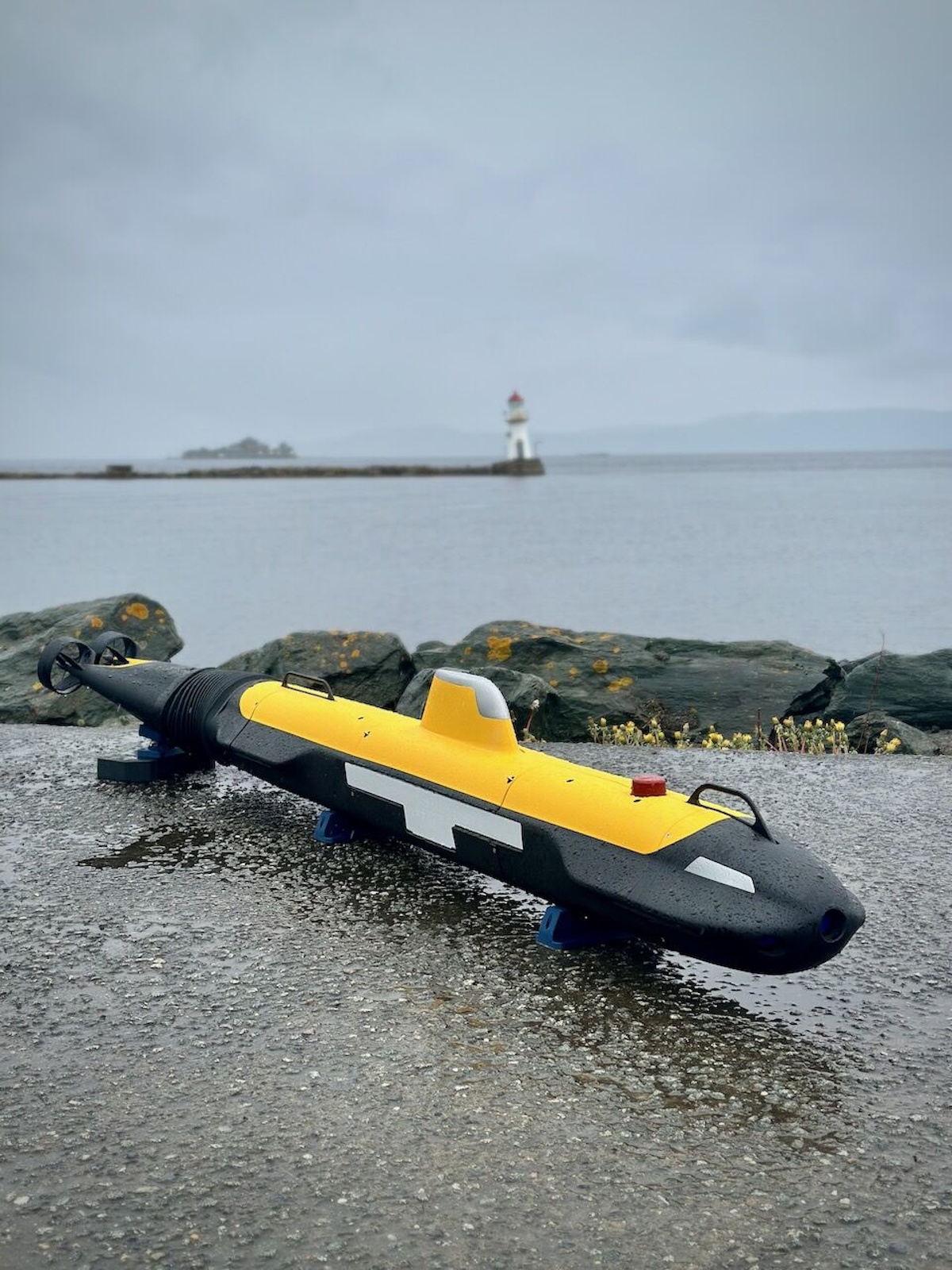
Eelume collaborates with PETRONAS’ Research Arm
Eelume and PETRONAS Research Sdn. Bhd. (PRSB) have announced an expansion of their partnership aimed at enhancing innovation, operational efficiency, and sustainability within the offshore energy sector. This collaboration, which has been ongoing, seeks to leverage advanced technologies and research to address the evolving challenges faced by the industry. The initiative underscores both companies' commitment to driving progress in energy solutions while minimizing environmental impact. The strengthened alliance is expected to lead to the development of new methodologies and tools that will improve operational practices and contribute to a more sustainable future in offshore energy production.

Hidden in Plain Sight: Syncere Unveils "Lume," the $1,499 Laundry-Folding Floor Lamp
Palo Alto startup Syncere is making strides in robotics by incorporating a high-fidelity robotic arm into a sculptural floor lamp, a move designed to address the challenges associated with autonomous technology, often referred to as the "Terminator problem." This innovative product aims to make laundry folding accessible to consumers at a mass-market price point. By merging aesthetics with functionality, Syncere seeks to enhance everyday tasks through automation, potentially transforming how households manage their laundry. The launch of this unique product reflects the company's commitment to blending cutting-edge technology with practical applications, making advanced robotics more approachable for the average consumer.
Lume US Syncere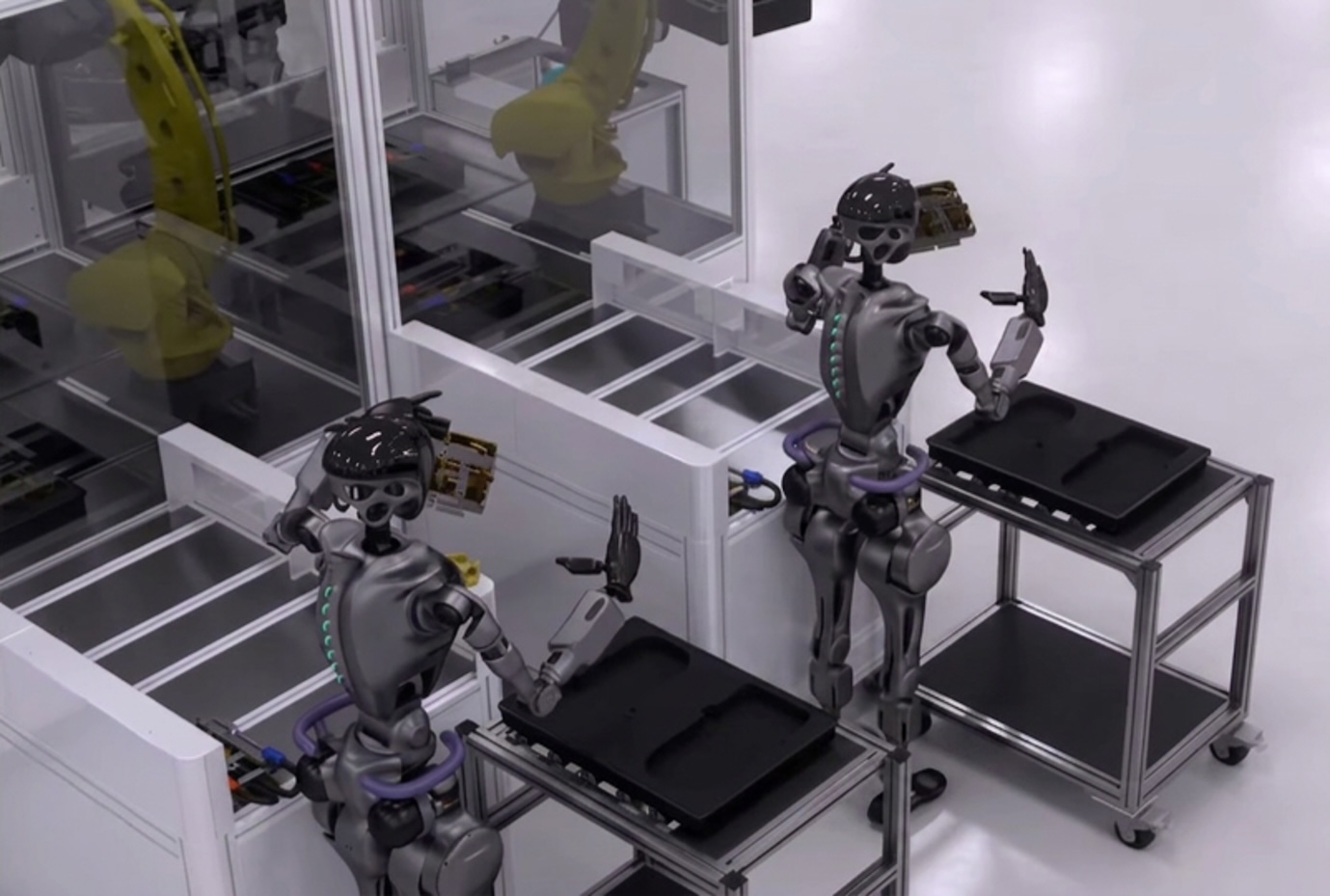
SpaceX Launches Starmind Project for 1 Million AI Satellites by 2028
SpaceX has officially named its orbital AI infrastructure project 'Starmind,' which aims to deploy a constellation of up to 1 million satellites. This initiative, confirmed by Elon Musk on June 22, 2026, will enable AI inference directly in space, utilizing solar energy rather than terrestrial power sources. The first satellite, designated AI1, was unveiled on June 8, 2026, and is designed to operate in sun-synchronous orbits. The significance of Starmind lies in its potential to overcome the limitations faced by ground-based data centers, such as land, power, and water constraints. By running AI computations in orbit, Starmind can provide a more efficient solution to the growing demand for AI computing power. The project leverages the existing Starlink infrastructure for data transmission, distinguishing its function from Starlink's internet relay capabilities. Looking ahead, SpaceX plans to begin hardware deployment with the AI1 satellite, while full-scale production and deployment of the satellite constellation are targeted for 2028. As of now, no Starmind satellites have been launched, and further engineering challenges remain to be addressed, particularly regarding the scalability of the satellite design.

SpaceX Unveils AI1 Satellite Specs for Starmind Constellation with Key Thermal Challenges
SpaceX has introduced the AI1 satellite, the inaugural component of its Starmind constellation, which stands 20 meters tall and has a wingspan of 70 meters. This orbital compute node is designed to deliver computing power equivalent to one NVIDIA GB300 server rack, utilizing a unique cooling system with deployable liquid radiators. The satellite's specifications were revealed during a presentation on June 8, 2026, ahead of SpaceX's IPO. The significance of the AI1 satellite lies in its role as a compute platform rather than a traditional satellite, focusing on running AI inference workloads. The satellite's cooling system, which is critical for its operation in the vacuum of space, is designed to reject heat through infrared radiation. However, independent engineers have raised concerns about the feasibility of the thermal and mass claims made by SpaceX, suggesting that the cooling requirements may exceed practical limits. Looking ahead, SpaceX plans to launch two AI1 prototypes in early 2027, with full-scale production expected to commence later that year at its Gigasat facility in Bastrop, Texas. The ongoing debate regarding the satellite's thermal management capabilities will be crucial to monitor as the project progresses, with no further timeline disclosed at the time of publication.
SpaceX's Starship V3 Plans for 1 Million Starmind Satellites by 2030
SpaceX's Starship V3 is set to revolutionize satellite deployment, aiming to launch 1 million Starmind satellites by 2030. The spacecraft can carry over 100 tonnes to low Earth orbit (LEO), significantly more than the Falcon 9's capacity. As of May 2026, Starship has completed 12 flights, with the next mission scheduled for late July 2026, focusing on operational payloads including AI1 prototypes in early 2027. This ambitious plan is crucial for expanding orbital compute capacity, targeting an annual addition of 100 GW through a million tonnes of satellite hardware. SpaceX's strategy hinges on achieving a launch cadence of approximately 12,000 flights, equating to about three launches per day. The company has invested over $15 billion in the Starship program, with expectations to begin payload deliveries in the second half of 2026, starting with Starlink V3 satellites. Looking ahead, the successful deployment of the Starmind constellation will depend on Starship's ability to meet its cost targets of $10–20 million per flight. If achieved, this would make launching satellites more economical than building ground data centers. The next significant milestone will be the launch of AI1 prototypes in early 2027, with full-scale deployments commencing in 2028 from the new Gigasat factory in Texas.
Boston Dynamics Teases "Automotive Volumes" of Atlas in January Update
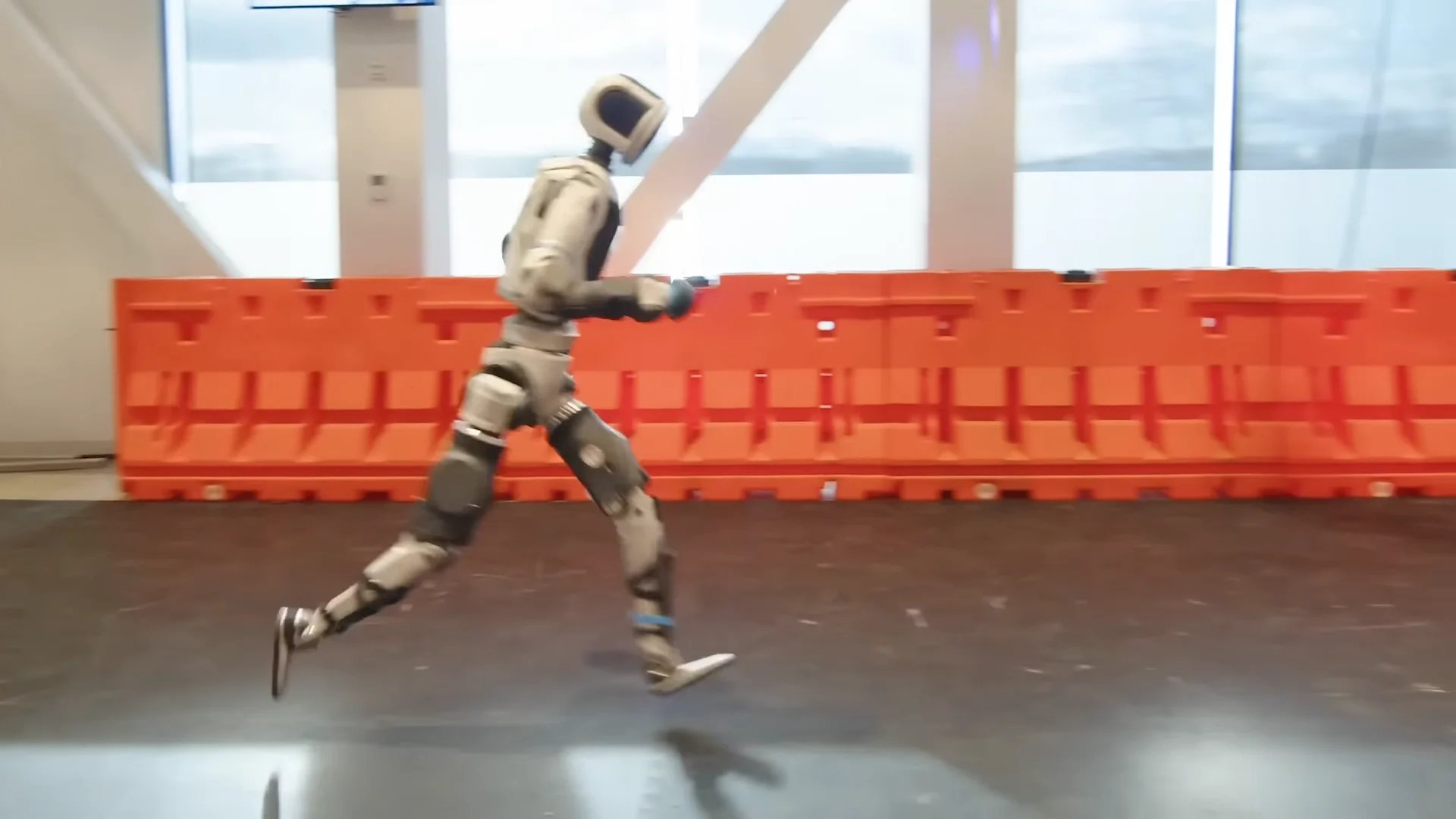
Boston Dynamics executives have indicated a significant transition towards mass production and enterprise deployment of their Atlas humanoid robot, expected to commence early next year. This announcement comes as the company navigates a competitive landscape, with various industry players achieving notable advancements in robotics. The move aims to capitalize on growing demand for humanoid robots in various sectors, reflecting a strategic shift in Boston Dynamics' approach to meet market needs. By focusing on scaling production, the company seeks to enhance its position in the robotics industry, potentially revolutionizing how businesses integrate humanoid technology into their operations.
hyundai US South Korea Business Boston Dynamics
New Landscape in China's Robotics Market for H1 2025: ESTUN Ranks First in Sales Volume
Estun has emerged as the leading player in the Chinese robotics market for two consecutive quarters, according to recent statistics from MIR DATABANK. By the end of the first half of 2025, Estun's market share reached 10.5%, which includes contributions from Estun Codroid. This significant achievement underscores Estun's pivotal role in driving growth within China's robotics sector, reflecting the company's strategic initiatives and innovation in technology. The sustained performance highlights the increasing demand for robotics solutions in various industries across the country.
ESTUN AUTOMATION ROBOTICS SERVO SYSTEMS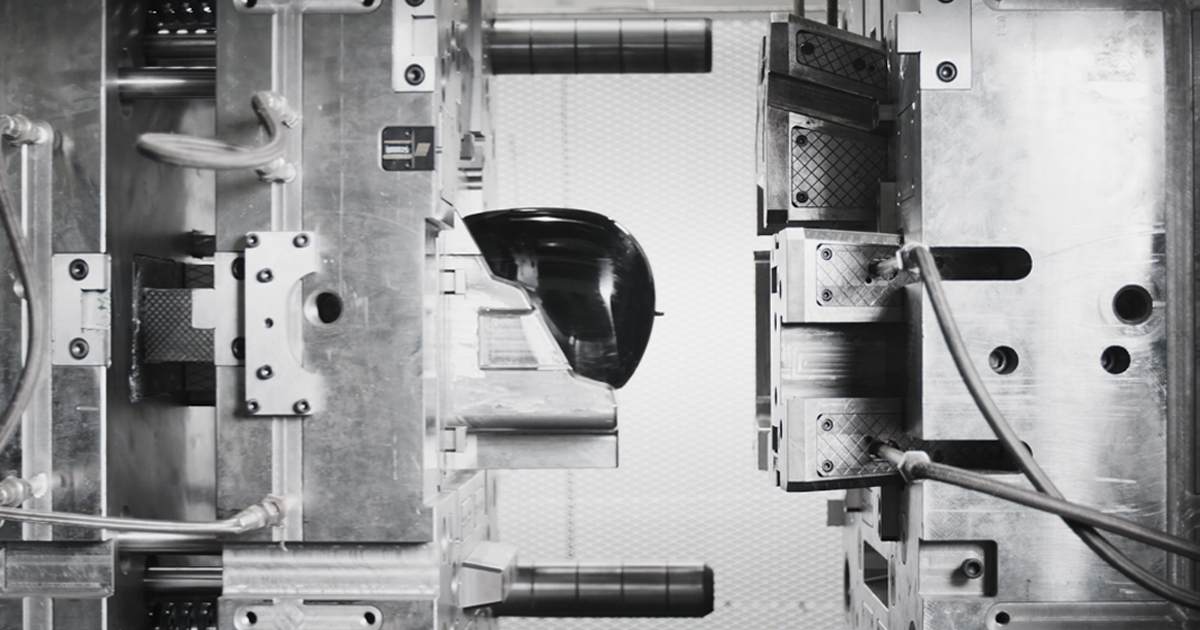
BotQ: A High-Volume Manufacturing Facility for Humanoid Robots
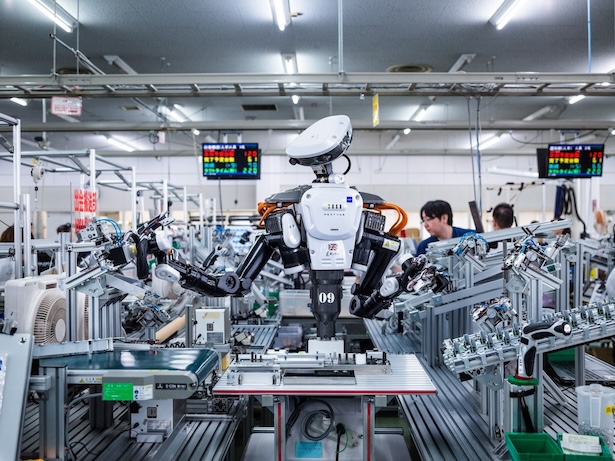
Figure has officially launched BotQ, a state-of-the-art manufacturing facility dedicated to the production of humanoid robots. Located in an undisclosed area, the facility is designed to produce up to 12,000 units annually, reflecting the company's commitment to scaling its operations. The initiative, which commenced recently, underscores Figure's focus on in-house manufacturing to enhance quality and efficiency in robot production. To achieve this, BotQ employs advanced manufacturing techniques, including injection molding and diecasting, which are essential for ensuring the reliability of the robots. Additionally, the facility aims to strengthen its supply chain development, addressing potential challenges in sourcing materials and components. This strategic move is part of Figure's broader vision to lead the humanoid robotics market, responding to increasing demand for advanced robotic solutions across various sectors.
humanoid robots manufacturing automation supply chain robotics
Seattle Stadium “No-Drone Zone” During FIFA Matches
Federal officials have issued a warning to drone operators to refrain from flying their devices near Lumen Field, which will temporarily be referred to as Seattle Stadium, as it prepares to host six matches for the FIFA World Cup 2026 over the coming weeks. The advisory aims to ensure the safety and security of the event, emphasizing the importance of maintaining a clear airspace during this high-profile international tournament. Authorities are particularly concerned about recreational drone use, which could pose risks to both players and spectators. The no-drone zone is part of broader efforts to manage air traffic and protect the integrity of the matches.
Drone News Drone News Feeds News Public Safety safety and security World Cup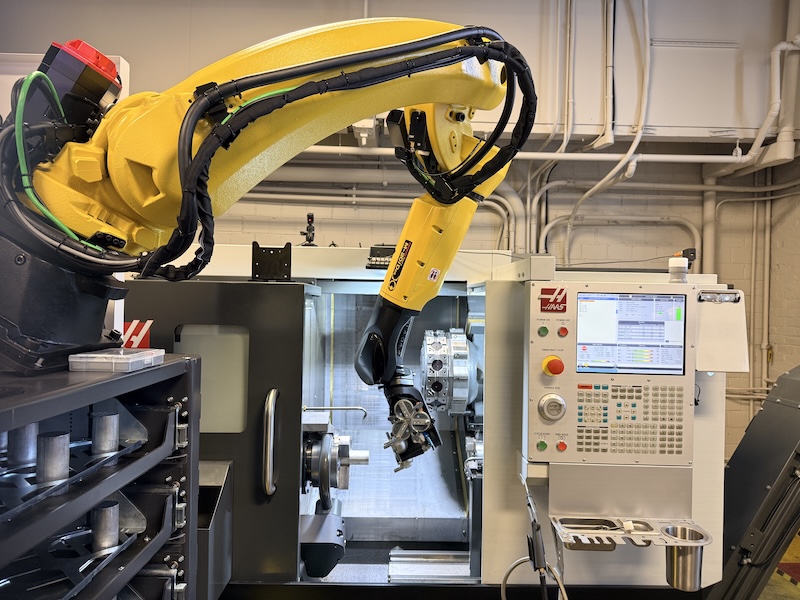
AWR standardizes CNC machine tending with OnRobot electric grippers to speed changeovers
In the evolving landscape of high-mix, low-volume manufacturing, companies are increasingly recognizing the need for flexibility in production to maintain profitability. Automation Within Reach (AWR), previously known as Gosiger Automation, is addressing this challenge by introducing advanced automation solutions that enhance the adaptability of machine shops. Traditionally reliant on pneumatic systems, many manufacturers have struggled with the limitations of these older technologies, which lack the intelligence necessary for modern operations. AWR's innovative approach aims to equip manufacturers with the tools needed to seamlessly transition between various part sizes, thereby improving efficiency and competitiveness in a rapidly changing market. This shift towards smarter automation is crucial for manufacturers seeking to thrive in an environment where agility is key to success.
Components Engineering Features Industrial robots 3FG25 gripper automated machining
Microsoft Releases Record 570 Security Patches, Leveraging AI for Vulnerability Discovery
Microsoft has issued a record 570 security patches for its products, including Windows and Office, during its monthly 'Patch Tuesday' release. This significant update includes fixes for at least two zero-day vulnerabilities, one affecting Windows Server and another impacting SharePoint, which the U.S. government's CISA has warned is being actively exploited by hackers. The importance of this release lies in Microsoft's integration of AI technology, which has enhanced its ability to identify previously undiscovered vulnerabilities. Windows boss Pavan Davuluri stated that as AI aids in the discovery of security issues, customers can expect a higher volume of updates in future releases. This shift indicates a proactive approach to cybersecurity, addressing threats before they can be exploited. Looking ahead, the trend of increasing security patches is likely to continue as AI models evolve and become more adept at identifying vulnerabilities. No further timeline was disclosed at the time of publication, but organizations should remain vigilant and prepared for ongoing updates as Microsoft enhances its security measures through AI advancements.
AI Security cyberattack cybersecurity In Brief sharepoint
Kinetix AI Introduces KAI Halo to Enhance Data Infrastructure for Robotics
As the robotics industry enters a phase of large-scale development, a critical question arises: how long does it take for newly collected real-world data to translate into actionable capabilities for robots? The data journey, from collection to deployment, is complex and any delays can hinder progress. Kinetix AI is addressing this challenge by connecting every stage of data production rather than simply expanding data volume. The Kai Ego Dataset has amassed over 100,000 hours of first-person multimodal data, covering more than 2,000 atomic skills across various real-world scenarios such as homes, retail, hotels, and factories. This dataset captures the nuances of continuous tasks, allowing robots to learn complex behaviors rather than isolated actions. It integrates diverse information, including visual data, body posture, and motion semantics, providing a unified data foundation for cross-domain transfer. KAI Halo, a standardized data collection tool developed by Kinetix AI, addresses common issues encountered in real data production, such as occlusion and data quality fluctuations. By employing a four-way fisheye global shutter RGB camera and a 200Hz IMU, KAI Halo synchronizes multiple perspectives, enabling a comprehensive reconstruction of human actions and interactions with the environment. No further timeline was disclosed at the time of publication.
Embodied Intelligence Data Infrastructure Robotics AI Data Processing
How Pick and Pack Fulfillment is Transforming Order Delivery in the Automation Age
The modern supply chain has undergone a significant transformation, with consumers now expecting two-day shipping as a standard. This shift necessitates a complete rethinking of traditional logistics practices, moving away from manual processes to technology-driven solutions. Companies face challenges in managing increased order volumes while maintaining accuracy, highlighting the need for advanced robotics and smart software in logistics. The implementation of intelligent pick and pack fulfillment workflows is crucial for warehouses to enhance efficiency. By analyzing order data in real time, these systems optimize item retrieval and minimize unnecessary movement within the facility. Techniques such as batch picking and zone picking streamline operations, allowing workers to compile orders more quickly, which leads to faster delivery times and improved customer satisfaction. The rise of autonomous mobile robots (AMRs) marks a significant change in warehouse operations. These robots have evolved from being a novelty to a necessity, utilizing advanced navigation technologies to operate safely in dynamic environments. As logistics providers continue to adopt these innovations, the focus will be on further enhancing operational efficiency and meeting the growing demands of consumers.
Automation Logistics Supply chain amrs autonomous mobile robots e-commerce
Factorial Energy and Tulip Tech Achieve 30% Flight Range Increase with Solid-State Batteries
Factorial Energy, based in Boston, and Tulip Tech from the Netherlands have transitioned from flight testing to the commercialization of lithium-metal UAV battery packs. Announced on July 13, 2026, their strategic partnership aims to expedite the deployment of solid-state and lithium-metal batteries for advanced drones, with initial tests showing over a 30% increase in flight range without engineering optimizations. This collaboration is significant as it addresses the growing demand for high-endurance UAVs across commercial, industrial, and defense sectors, with the global UAV market projected to exceed $160 billion by 2034. Factorial emphasizes that energy storage is a critical bottleneck affecting mission radius, payload, and fleet economics, making their advancements crucial for future drone capabilities. Looking ahead, the partnership establishes a framework for joint customer engagement and a roadmap for volume production. No further timeline was disclosed at the time of publication, but the companies are moving swiftly from testing to commercialization, indicating a strong potential for future developments in UAV battery technology.
battery technology Drone News Drone News Feeds drone parts News $160 billion UAV market
New Autonomous Drone System Maps Volcanic Gases to Predict Eruptions
Researchers at the Technical University of Munich (TUM) have developed an autonomous measurement system that utilizes drones and lasers to map volcanic gas concentrations with a low measurement error of approximately 5%. This innovative system aims to enhance volcanic eruption forecasting by tracking the ratio of carbon dioxide to sulfur dioxide, providing insights into subterranean volcanic processes. The significance of this technology lies in its potential to prevent natural disasters by offering accurate measurements of volcanic gases. Traditional methods have faced challenges due to background emissions and equipment damage from corrosive plumes. TUM's solution involves a ground station that shoots a laser through gas clouds, allowing for precise data collection while keeping equipment safe from harsh conditions. Looking ahead, TUM plans to further automate the measurement and mapping processes, incorporating artificial intelligence to interpret the data. This advancement could lead to safer volcanic forecasting, particularly on the Aeolian island of Vulcano, which remains in an active degassing phase despite not having experienced a major eruption since the late 19th century.
Science
BayCare Partners with Zipline for Drone Delivery Network in Tampa Bay by 2027
BayCare, the largest not-for-profit academic health-care system in West-Central Florida, has announced a partnership with Zipline to establish a drone delivery network. This system is expected to be operational by late 2027, initially focusing on high-volume hospital and laboratory locations in the St. Petersburg/Clearwater area. The network will facilitate the delivery of medical supplies and equipment between BayCare facilities, with plans to expand to patient homes in the future. The collaboration aims to enhance the speed and efficiency of transporting critical health-care items, addressing the needs of BayCare's extensive network of 16 hospitals and numerous other facilities. Zipline's drones are designed to operate autonomously, making precise deliveries even in adverse weather conditions. This initiative is expected to reduce delivery-related emissions and traffic congestion while providing a reliable service for time-sensitive items. Looking ahead, the project will begin with select BayCare facilities in Pinellas County, where the concentration of patient activity is highest. Future expansions across the entire Tampa Bay area are planned, although no further timeline was disclosed at the time of publication. The partnership leverages Zipline's FAA Part 135 air carrier certification, enabling BVLOS flights for commercial deliveries.
Applications Delivery Drone News Drone News Feeds News autonomous delivery
HeShan Technology Raises Hundreds of Millions in Series B Funding Amid Fourfold Order Growth
HeShan Technology, based in Beijing, has successfully completed a Series B funding round, raising hundreds of millions of yuan. The investment comes from a mix of industrial capital and specialized investment firms, including TaiPing Innovation and Junsheng Electronics. This funding marks the third financial boost for the company in six months, with plans for a Series C round already underway. HeShan reported that its total orders in the first half of the year reached four times that of the previous year, with monthly deliveries of tactile sensors stabilizing at tens of thousands. The significance of this funding round lies in the clear investment trends within the robotics sector. Investors like Junsheng Electronics and AUX are focusing on practical technologies that can integrate with existing production lines, moving away from speculative concepts. HeShan has established a comprehensive stack covering chips, sensors, and data simulation, addressing the growing demand for tactile perception in smart healthcare devices, especially as the aging population increases in China. Looking ahead, HeShan Technology's next milestone will be the advancement of its Series C funding efforts. The company is poised to leverage its tactile technology to enhance safety in elderly care scenarios, collaborating with industry partners. No further timeline was disclosed at the time of publication, but the strong order volume and delivery capabilities position HeShan as a leader in the tactile robotics market, addressing the industry's need for mature, scalable solutions.
Tactile Sensors Robotics Industrial Automation AI Technology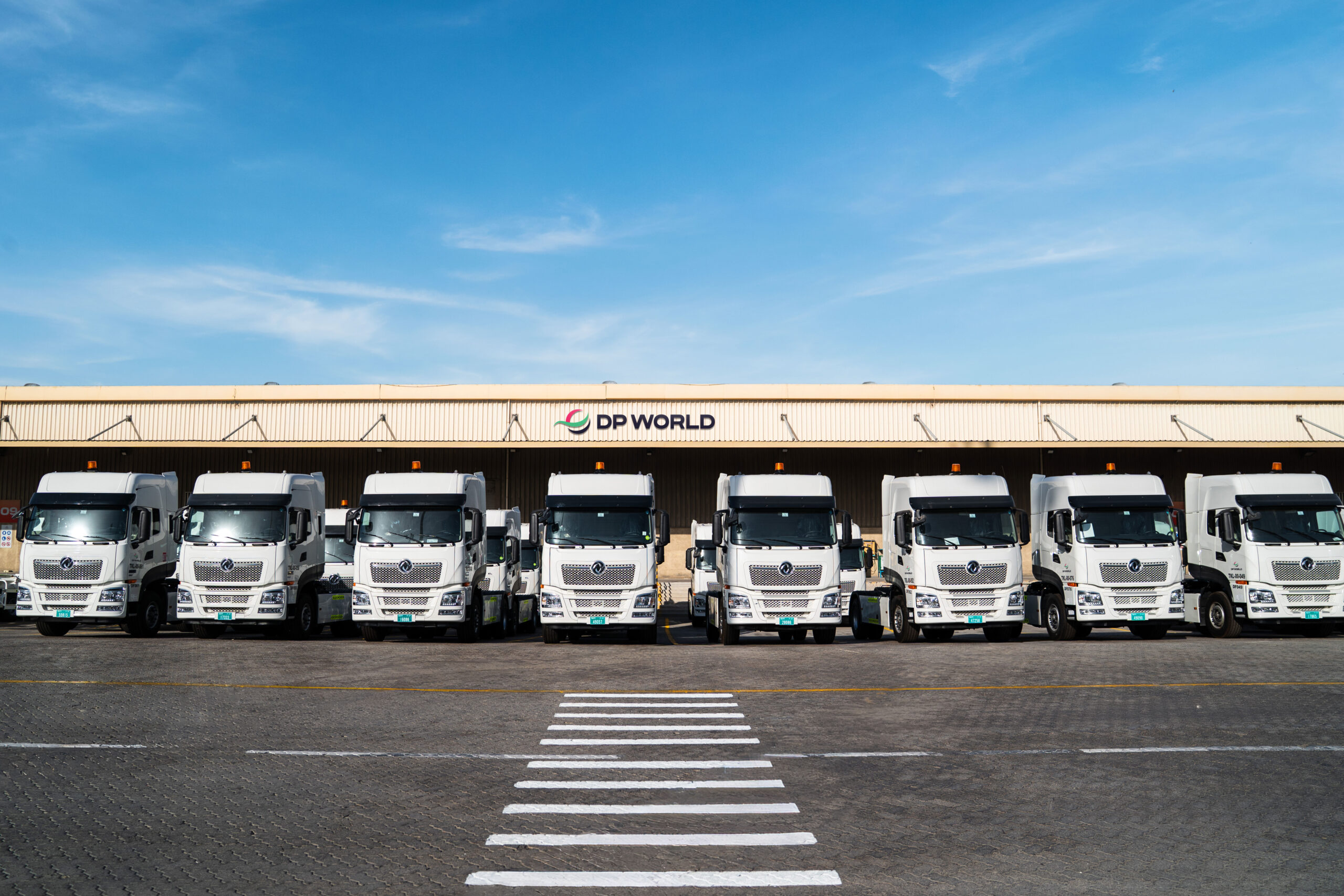
DP World’s Next Big Move in the GCC
As the Gulf Cooperation Council (GCC) nations enhance their roles as global trade and logistics centers, there is a notable surge in demand for integrated freight and transport services. This trend is fueled by economic diversification efforts, significant infrastructure investments, and an increase in cross-border trade. In response, countries within the GCC are actively expanding their ports, logistics parks, and transport networks to accommodate the rising cargo volumes. This strategic development aims to solidify the region's competitive edge in the global logistics market.
CV, Trucks, Vans and Trailers Road Transport and Haulage Transport and Distribution DP World fleet GCC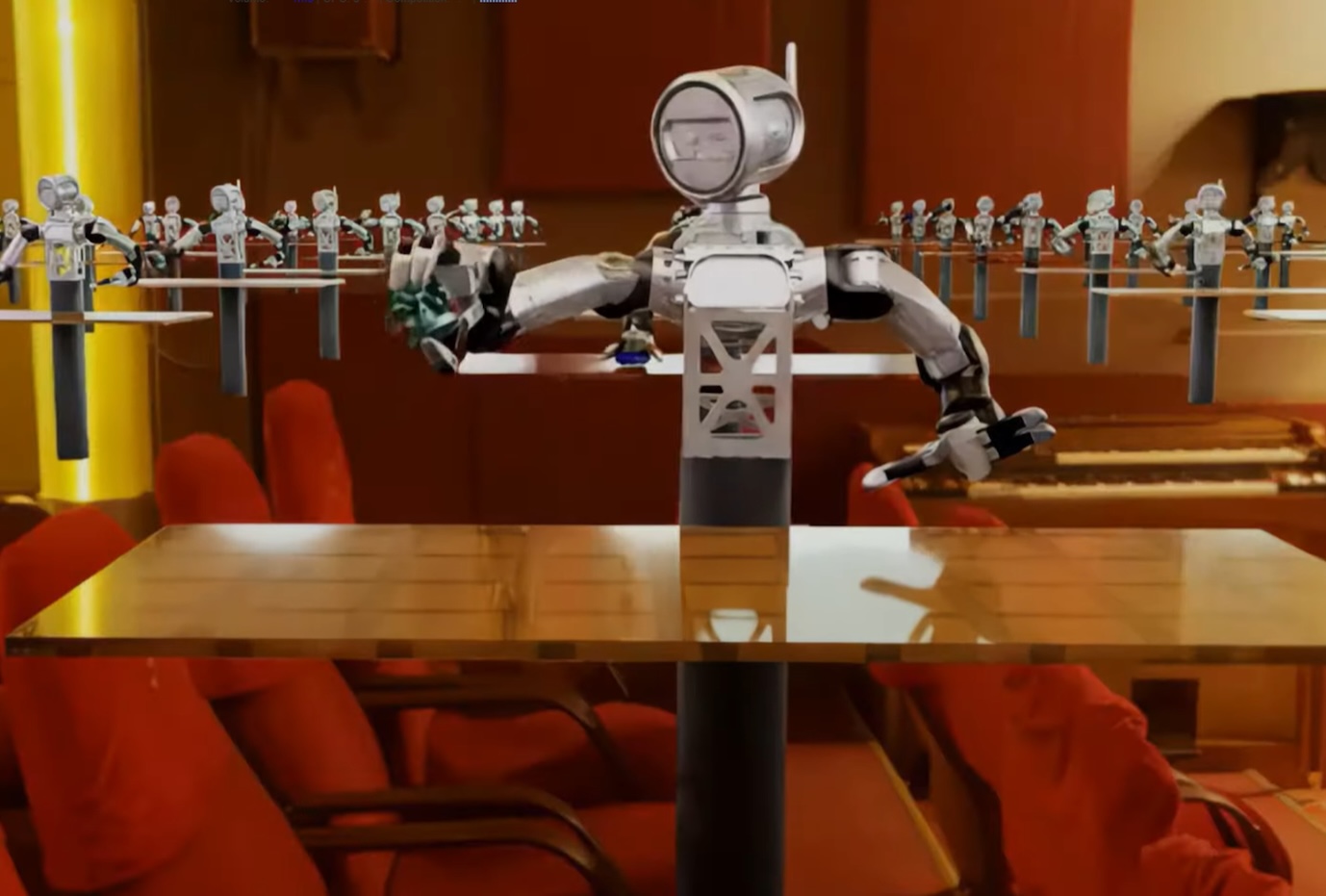
SpaceX's Starmind Faces Feasibility Challenges for 1 Million Satellite Deployment
On January 30, 2026, SpaceX submitted a request to the FCC to launch up to 1 million satellites as part of its Starmind orbital compute constellation. This ambitious plan is unprecedented, as the total number of satellites ever launched globally is in the low tens of thousands. The proposal seeks a waiver from standard deployment milestones, citing reliance on the Starship's full reusability for success. The significance of this request lies in the technical and logistical challenges it presents. Experts warn that low Earth orbit may not support the proposed number of active satellites without risking a debris cascade. SpaceX's own IPO prospectus acknowledges unresolved dependencies related to Starship's launch cadence and reusability, which are critical for the orbital AI compute strategy. Looking ahead, the timeline for achieving the necessary launch cadence and manufacturing capacity remains uncertain. SpaceX's Gigasat facility in Texas aims for volume production by late 2027, but this would require unprecedented output levels. No further timeline was disclosed at the time of publication, leaving the feasibility of the Starmind project in question.

SpaceX's Starmind Project: Supplier Strategy and Chip Manufacturing Plans for 2026
SpaceX's Starmind project, aimed at deploying up to 1 million AI satellites, was filed with the FCC on January 30, 2026. The initiative is designed to minimize reliance on external suppliers, with CEO Elon Musk stating that current chip production capabilities only meet 2% of the projected needs. The first satellite, AI1, is set for prototype launches in early 2027, featuring a 70-meter wingspan and a modular payload system that allows for interchangeable chips from various suppliers. The significance of Starmind lies in its ambitious supply chain strategy, which seeks to transition from external hardware suppliers to a fully integrated Musk-owned facility by 2028. The Gigasat manufacturing site in Bastrop, Texas, is expected to be operational by the end of 2027, with plans for high-volume production of the D3 chip, specifically designed for space applications. This approach aims to consolidate chip manufacturing processes under the Terafab joint venture, which has an estimated initial investment of $55 billion. Looking ahead, the next milestone for Starmind is the launch of AI1 prototypes in early 2027, while the full-scale chip production at Terafab is projected to ramp up significantly thereafter. However, analysts express skepticism regarding the feasibility of achieving Musk's ambitious compute goals, which may require substantial investment and time to establish the necessary manufacturing capabilities.

ABB Robotics completes its AI-powered Visual SLAM AMR portfolio with new autonomous forklift
ABB Robotics completes its AI-powered Visual SLAM AMR portfolio with new autonomous forklift Visit http://go.abb/robotics for further information -The new Flexley Stack F712 extends ABB Robotics’ AI-powered Visual SLAM technology to autonomous forklifts, enabling pallet transport and high-density storage. -Customers can now deploy mixed fleets of Visual SLAM-powered tugs, movers and forklifts on a common navigation, fleet management and software platform. -Powered by ABB Robotics' AMR Studio, the portfolio enables up to 20% faster commissioning while ensuring seamless interoperability and safe, reliable operation. 07/07/26, 07:10 AM | Industrial Robotics, Mobile Robots | ABB Inc. ABB Robotics is expanding its Autonomous Mobile Robotics (AMR) portfolio with the launch of the Flexley® Stack F712, creating a complete interoperable ecosystem across all major Visual SLAM AMR types. Combining autonomous forklifts, tugs and movers on one platform, ABB Robotics enables customers to automate a broader range of material-handling and intralogistics processes. Offering market-leading accuracy, the F712 is designed for demanding material handling, end-of-line storage and warehouse operations across industries including automotive manufacturing, helping increase efficiency, flexibility and scalability. More Headlines A3's Automate 2026 Breaks Records as Demand for Robotics, AI and Automation Grows NVIDIA and Hugging Face Bring New Models and Frameworks to LeRobot for the Open Robotics Community Palladyne AI Executes $4.2 Million U.S. Air Force Contract to Advance Swarming Capabilities for Integrated Cross-Domain Operations UMA Unveils Its Vision for the Next Generation of Humanoid Robots Robbyant Unveils LingBot-Depth 2.0 and LingBot-Vision to Redefine Robotic Spatial Perception Articles Unleash AI Innovation: The Power of NVIDIA RTX PRO 6000 Blackwell Workstation Edition Fueled by PNY-Supplied GPUs Automate 2026 Q&A with DESTACO Automate 2026 Q&A with Roboteon Advances in Robots to See & Interpret within Warehouse Environments Building Resilient Fulfillment Networks with Robotics and Real-Time Logistics Data "Across intralogistics operations, businesses are being asked to process greater volumes in less time, while working with increasingly limited resources," said Marc Segura, President, ABB Robotics. "They are under pressure to move goods faster and with greater flexibility, while labour availability is becoming a critical constraint. As part of our journey to more autonomous and versatile robotics (AVRTM), we have combined advanced vision, mobility and intelligence in the Flexley Stack F712 forklift AMR, completing our scalable, AI-powered AMR portfolio." F712 is versatile, capable of handling multiple load types and sizes - including open and closed pallets, containers or racks- up to 2,000 kg and reaching heights of 8.5 meters. The Flexley Stack AMR F712 joins the Flexley Tug and Flexley Mover in ABB Robotics' growing Visual SLAM AMR portfolio. Applications include intralogistics tasks such as warehouse storage and retrieval, as well as line supply, end-of-line handling, body- and press-shop and drive-in and light buffer in the automotive and industries sector. Unlike conventional AMR forklifts on the market, F712 uses Visual SLAM to map and navigate its environment, eliminating the need for pre-installed infrastructure like markers or reflectors. The AI-enabled Visual SLAM supports the autonomous decisions required to operate in complex, dynamic warehouse operations with a market-leading positional accuracy of ±10 mm. Together with AMR Studio®, this shortens commissioning times by up to 20 percent and creates a versatile and reliable system that can adapt instantly when a warehouse or production floor layout changes. Certified to the latest ISO and ANSI safety standards, Flexley Stack F712 can safely operate at class-leading speeds of up to 1.7 m/s while loaded. F712 is fully integrated with AMR Studio and is VDA5050 compatible, enabling seamless integration with ABB Robotics' Visual SLAM AMRs and existing systems within a unified project. This makes it easy to manage complex projects and integrate different types of mobile robots. The no-code, drag-and-drop software suite supports rapid setup, fleet coordination, traffic management and real-time visualization, allowing ABB Robotics' tugs, movers and forklifts to operate together in the same layout for scalable turnkey automation projects. ABB Robotics as one of the world's leading robotics companies, is the only company with a comprehensive and integrated AI-powered portfolio covering robots, cobots and Autonomous Mobile Robots (AMRs), designed and orchestrated by our value-creating software. We help companies of all sizes and sectors - from automotive to electronics and logistics - to outperform by becoming more resilient, flexible and efficient. ABB Robotics is at the forefront of developing and commercializing a new generation of Autonomous Versatile Robotics
Video: ‘World’s first’ fully robotic pharmacy automates prescription dispensing
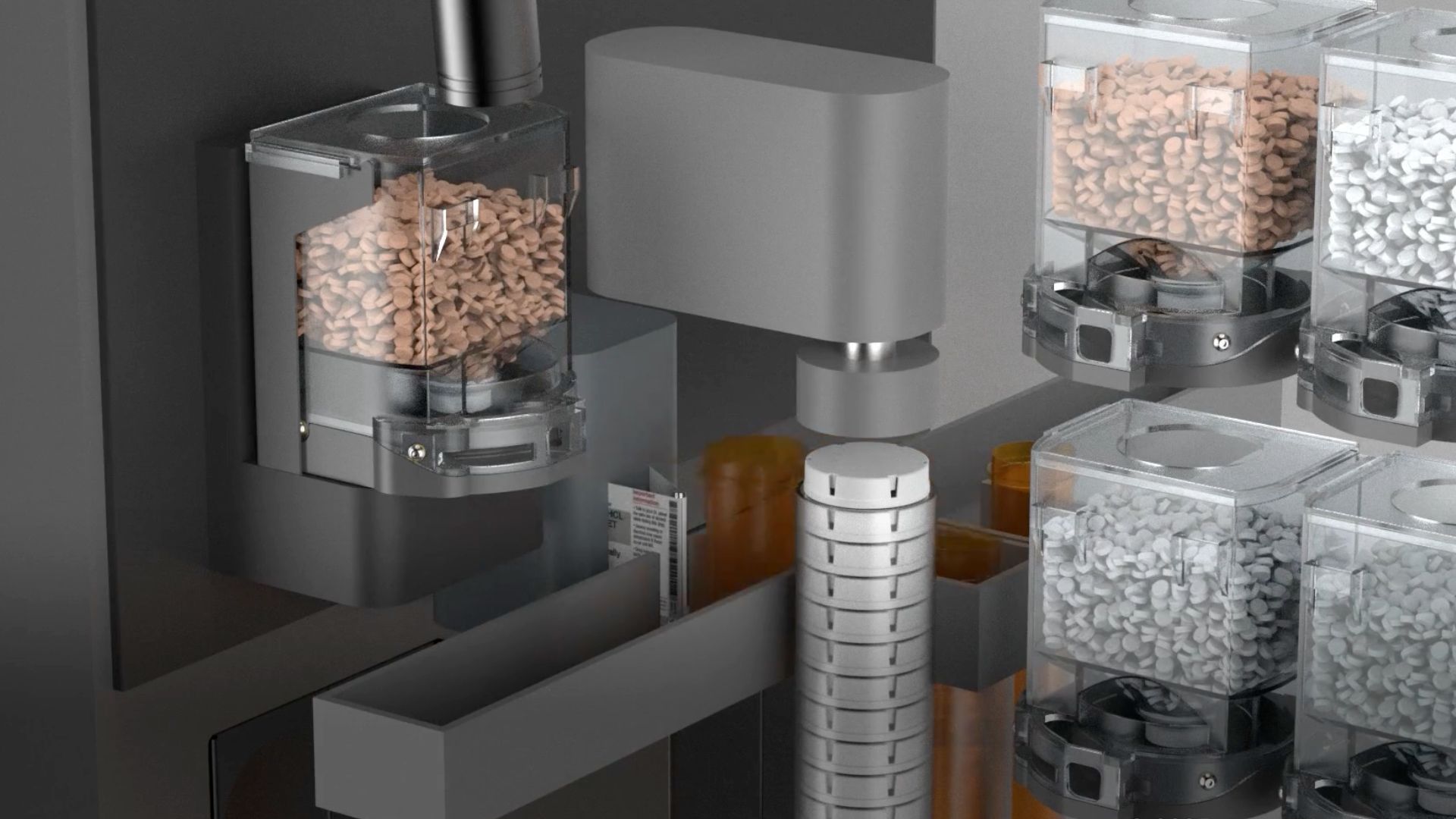
Queue, a California-based robotics startup, has introduced the world's first fully autonomous robotic pharmacy, a groundbreaking innovation aimed at transforming the pharmaceutical industry. The unveiling took place on October 15, 2023, in San Francisco, where the company showcased its advanced technology designed to streamline medication dispensing and improve patient safety. This initiative comes in response to the growing demand for efficient healthcare solutions, particularly in light of the ongoing challenges faced by traditional pharmacies, such as staffing shortages and increased prescription volumes. By automating the pharmacy process, Queue aims to reduce human error and enhance accessibility for patients. The robotic pharmacy operates through a sophisticated system that integrates artificial intelligence and robotics, allowing it to manage inventory, fill prescriptions, and provide consultations without human intervention. This innovative approach not only promises to expedite the dispensing process but also ensures that patients receive accurate medications tailored to their needs. Queue's launch of this autonomous pharmacy marks a significant step forward in the intersection of technology and healthcare, potentially setting a new standard for pharmaceutical services in the future. As the healthcare landscape continues to evolve, the company hopes to lead the way in providing safer and more efficient solutions for patients and healthcare providers alike.
AI and Robotics
Rivian Just Raised Its 2026 Outlook While Tesla Stock Stumbled. Is the Electric Vehicle Underdog Finally a Buy?
Rivian Automotive, the electric vehicle manufacturer, has raised its delivery outlook for 2026 following a strong performance in the second quarter, where it delivered 12,194 vehicles, surpassing its initial estimate of 9,000 to 11,000. This update, announced on July 4, 2026, has led to an 8% increase in Rivian's stock price. In contrast, Tesla's stock fell approximately 7.5% on the same day after its own delivery report. Rivian has now adjusted its full-year delivery target to between 65,000 and 70,000 vehicles, up from 62,000 to 67,000. The company is focused on launching its new lower-priced R2 model, which is crucial for increasing sales volume. The first half of the year saw Rivian deliver a total of 22,559 vehicles, indicating that achieving its revised target will require a significant ramp-up in deliveries during the second half. Despite the positive delivery news, Rivian continues to face challenges with profitability, as its automotive segment reported a gross loss. However, the company has secured funding to support its growth, including a $4.5 billion loan from the Department of Energy and a $1 billion investment from Volkswagen Group. Analysts remain cautious, emphasizing the need for improved automotive gross profit as the R2 model is introduced. The next key update is expected on July 30, when Rivian will release its second-quarter financial results.
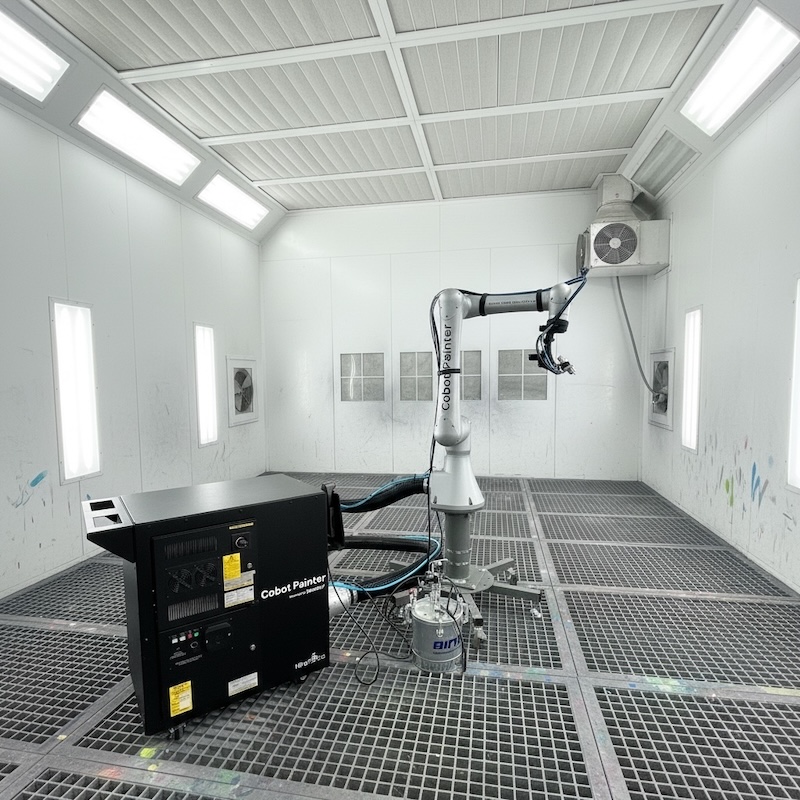
Hirebotics launches ‘no-code explosion-proof’ collaborative robot for industrial painting
Hirebotics has unveiled the Cobot Painter, the first explosion-proof collaborative robot solution designed specifically for metal fabrication. This innovative product, developed using Hirebotics' no-code Beacon platform in conjunction with Fanuc's CRX-10iA/L Paint hardware, is now available for purchase. The Cobot Painter provides metal fabricators and manufacturers with a practical alternative to traditional manual spraying methods and complex automated production lines, catering to high-mix, low-volume production needs. This launch marks a significant advancement in the automation of metal finishing processes, aiming to enhance efficiency and safety in the industry.
Industrial robots News Beacon platform Cobot Painter cobots collaborative robots
SVT Robotics surpasses four billion transactions on its Softbot automation platform
SVT Robotics, a prominent provider of interoperability software for enterprise and physical AI, has reported a significant milestone with its Softbot Platform surpassing four billion transactions. This achievement highlights the platform's robust infrastructure, which is designed to support high-volume data processing on a global scale. Currently, transaction volumes are rapidly increasing, reaching between 100 million and 130 million transactions per week. This surge reflects the growing demand for efficient and resilient data solutions in various industries, positioning SVT Robotics as a key player in the technology landscape.
Computing News Robotics AI-ready data automation infrastructure automation software
Shoebox Picker Wins Award
Nomagic, a company specializing in physical AI for warehouse automation, has been awarded the prestigious 2026 IFOY Award in the Robot Warehouse System category for its innovative Shoebox Picker. This recognition highlights Nomagic's significant advancement in addressing a longstanding challenge in warehouse operations: the efficient handling of two-piece shoeboxes, particularly in high-volume fashion and footwear fulfillment settings. The award underscores the company's commitment to enhancing automation solutions in logistics, marking a notable achievement in the industry.
Materials Handling Robotic Picking 2026 IFOY IFOY Nomagic Physical AI
How Cold Chain Operators Are Turning Energy Flexibility Into a Competitive Advantage
Cold storage facilities, known for their high energy consumption, face increasing challenges as the cost of electricity becomes more dependent on consumption timing rather than just the volume used. This shift in energy pricing creates a difficult situation for operators who have traditionally viewed electricity costs as fixed. As refrigeration systems must run continuously to maintain product integrity, the significant energy load required raises concerns about operational expenses and sustainability. The industry is now compelled to adapt to these changing dynamics, prompting a reevaluation of energy management strategies to mitigate costs and enhance efficiency.
Business Logistics automation news cold chain cold chain logistics cold storage
Why Automating the Diagnostics Lab Won’t Rescue a Weak Validation Process
Lab automation is increasingly being recognized for its significant business advantages, particularly in the context of rising test volumes that have put pressure on laboratory staff. The integration of robotic sample handling, automated liquid handlers, and comprehensive specimen tracking systems has proven to enhance throughput, reduce manual errors, and alleviate the strain on a workforce facing growing demands. As of October 2023, the technology has matured, and its benefits have become evident, leading to a rapid acceleration in adoption across various laboratories. This transition marks a pivotal move beyond experimental applications, positioning lab automation as a crucial component in modern laboratory operations.
Business Health Science AI in diagnostics analytical validation assay development
Chasing rumors: Car CEO's departure untrue; WeChat tests native AI assistant; Apple, Tesla supplier data leaked.
On June 23, the ChiNext Index experienced its largest decline of the year, falling over 4% during trading and closing down 3.84%, dipping below the critical 4200-point mark. This downturn followed a record high set just a day prior. The trading volume for the day reached approximately 901.65 billion yuan, a decrease of 118.9 billion yuan from the previous day. All ten of the index's top-weighted stocks saw declines, particularly those in the AI computing sector. In a separate development, Tata Electronics confirmed a significant data breach, with over 630GB of sensitive information leaked, including design and specification documents for key clients like Apple and Tesla. The company stated that it had initiated a response plan and that operations remained unaffected. Apple is reportedly conducting a thorough investigation into the incident. Meanwhile, SpaceX has entered a multi-billion dollar agreement with AI startup Reflection AI to provide computing resources, with payments set to begin in July and continue through 2029. In the robotics sector, Nvidia unveiled its "Halos for Robotics" safety system aimed at enhancing the security of physical AI applications, while Faraday Future introduced its industrial-grade robotic arm series at a robotics expo in Chicago. Additionally, Meta has paused an internal AI training program that tracked employee mouse movements due to data security concerns, and Oracle announced a workforce reduction of approximately 21,000 employees, marking a 13% decrease in its total workforce as part of a business restructuring.

Sequoia and Alibaba-backed embodied AI company secures hundreds of millions in new funding.
Noematrix, a company specializing in embodied intelligence, has recently secured hundreds of millions in funding, led by Wuxi Data Group, with participation from Shanghai Jiao Tong University's AI Future Fund, Shanghai Chuangzhi Technology Co., and Yicun Capital. This marks the latest financing round for Noematrix, which has attracted investments from several notable firms, including Prosperity7 Ventures and Alibaba, since its establishment in November 2023. The company focuses on the autonomous development of foundational models and systems for embodied intelligence, having launched its core product, Noematrix Brain. This product is part of a comprehensive hardware and software ecosystem that spans data collection, model training, deployment, and application in embodied robotics. The industry narrative surrounding embodied intelligence is shifting from merely executing tasks to ensuring robots can operate stably in real-world environments. Noematrix aims to enhance model robustness by integrating real-world and simulated data into its training processes, utilizing its proprietary data collection devices to gather diverse datasets from various environments. Noematrix's robots have already begun commercial deployment in pharmacies, addressing longstanding labor challenges in the sector by automating order fulfillment. The company has partnered with several leading pharmacy chains, achieving significant order volumes. Following this funding round, Noematrix plans to accelerate the development of its general-purpose embodied intelligence models, targeting applications in retail and hospitality sectors.

US: Los Alamos lab’s new tool detects hallucinations in machine vision models
Researchers at Los Alamos National Laboratory have unveiled a groundbreaking tool named Prelim Attention, designed to enhance the analysis of complex data sets. This innovative tool, which leverages advanced machine learning techniques, aims to streamline the process of identifying significant patterns and insights within large volumes of information. The development was announced in October 2023, highlighting the laboratory's commitment to advancing data science and its applications in various fields. The motivation behind creating Prelim Attention stems from the increasing demand for efficient data analysis solutions in scientific research, national security, and other sectors that rely heavily on data interpretation. By improving the capability to focus on critical data points, the tool is expected to facilitate more informed decision-making and accelerate research outcomes. The researchers employed a combination of algorithms and user-friendly interfaces to ensure that Prelim Attention can be utilized effectively by both experts and non-experts alike. This approach not only enhances accessibility but also broadens the potential user base, allowing a wider range of professionals to benefit from its capabilities. The introduction of Prelim Attention marks a significant advancement in the field of data analysis, promising to transform how researchers and analysts approach complex data challenges in the future.
AI and Robotics
SpaceX set to go public; Musk may become world's first trillionaire; Bill Gates testifies on Epstein case.
SpaceX is set to make its debut on the Nasdaq on June 12, 2023, under the ticker symbol SPCX, with an initial public offering (IPO) that aims to raise $75 billion by issuing 555.6 million shares at a price of $135 each. This IPO is projected to surpass the previous record set by Saudi Aramco in 2019, which raised $29.4 billion. If underwriters exercise their option to purchase additional shares, the total funds raised could reach approximately $86 billion. With this valuation, CEO Elon Musk is on track to become the world's first trillionaire, thanks to his significant stake in Tesla and other assets. In other news, Alibaba announced a leadership change at DingTalk, appointing 1992-born tech entrepreneur Chen Yusen as the new CEO, making him the youngest division head at Alibaba. Meanwhile, former Microsoft co-founder Bill Gates testified before Congress on June 10, addressing his past relationship with Jeffrey Epstein and denying any involvement in illegal activities. OpenAI is reportedly considering a significant price reduction for its products to compete with rival Anthropic, while the European Central Bank raised interest rates by 25 basis points in response to rising inflation pressures. Additionally, the market for World Cup betting has surged, with transaction volumes exceeding $2 billion, indicating a potential record-breaking event.
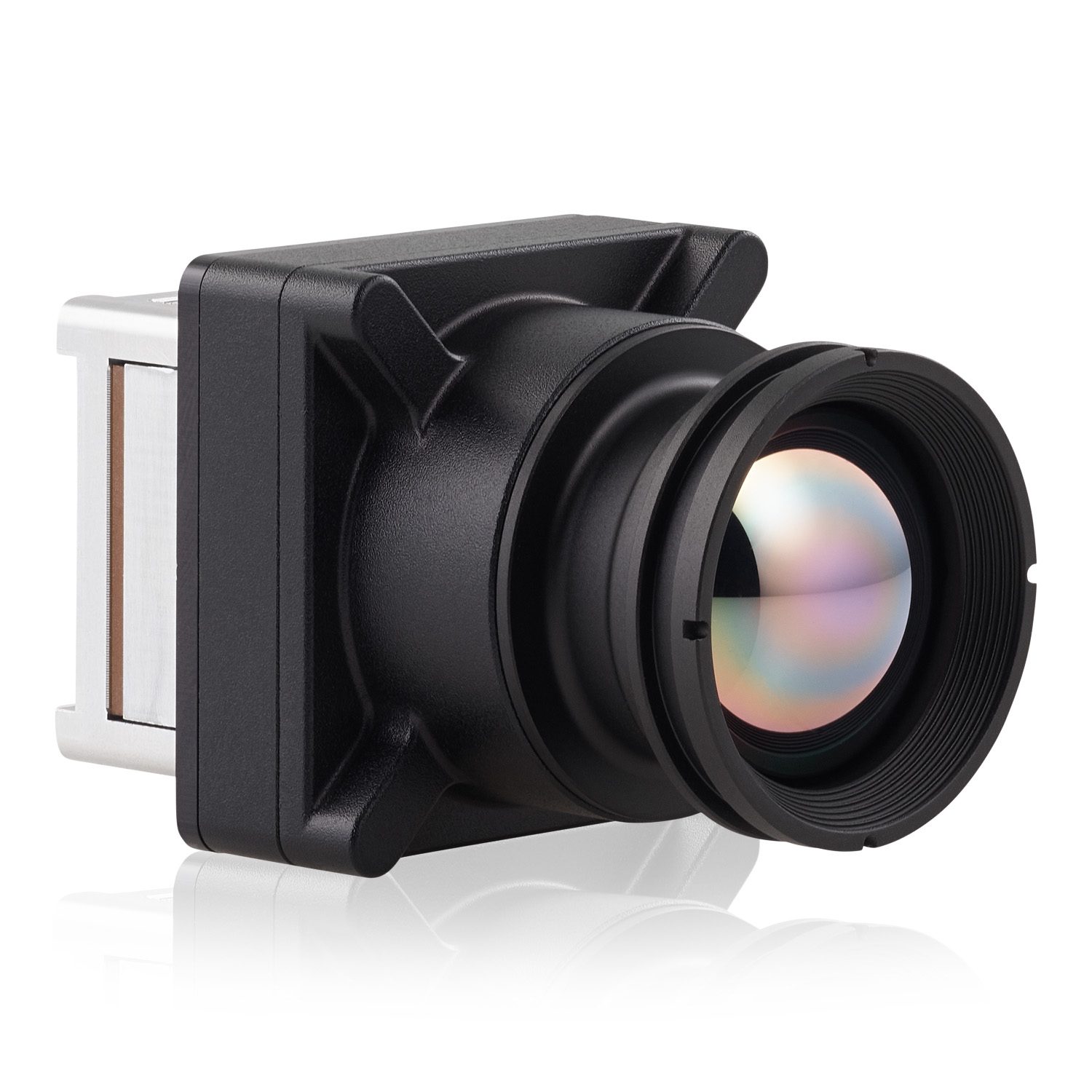
New Boson SX8 Brings High-Resolution Thermal Imaging to NDAA-Compliant Drone Payloads
Teledyne FLIR OEM has unveiled the Boson SX8, a cutting-edge longwave infrared (LWIR) thermal camera module aimed at defense, industrial, and uncrewed systems applications. Announced recently, the Boson SX8 stands out as the first NDAA-compliant, volume-production uncooled thermal camera module, merging high SXGA resolution with a compact design. This innovation is expected to enhance the capabilities of drone payloads, providing high-resolution thermal imaging for various applications. The development reflects a commitment to U.S. manufacturing and addresses the growing demand for advanced thermal imaging solutions in critical sectors.
Applications Defense defense Drone News Drone News Feeds drone parts
6 Best Virtual Data Rooms for Secure Due Diligence and Deal Management
In 2023, global mergers and acquisitions (M&A) experienced a significant shift, with a notable increase in the value of transactions despite a flat volume. The total value of global M&A rose by 43% to reach $4.7 trillion, indicating a trend towards fewer but more complex deals. This surge in value has led dealmaking to account for 4.2% of the global market value, up from 3.3% the previous year. The rise in large transactions has been a key driver of this activity, reflecting a changing landscape in the global dealmaking environment. The concentration of transactions suggests that companies are increasingly pursuing larger, more intricate deals as they navigate a competitive market.
Business Computing Financials & Investments Internet audit trails business software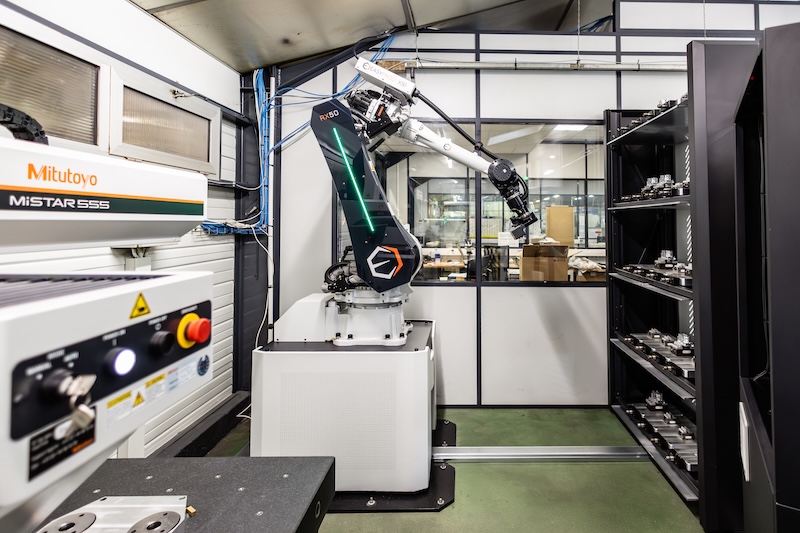
Méca-Précis utilizes robotic measurement cell to eliminate inspection bottlenecks
French precision engineering firm Méca-Précis has implemented an automated part inspection system to enhance efficiency in its operations. The new robotic measurement cell integrates a coordinate measuring machine (CMM) from Mitutoyo with automation technology developed by Engineering Data. This advancement comes in response to growing production volumes, which had turned traditional inspection processes into a bottleneck, particularly for clients in the aerospace and space sectors that demand high precision and reliability. The automation aims to streamline the inspection workflow, ensuring that quality control keeps pace with increased manufacturing demands.
Engineering Robotics advanced manufacturing aerospace components aerospace manufacturing automated inspection
Vantis BVLOS System Adds New Partner, FAA Waiver Across 5,000 Square Miles
Frontier Precision has received a new FAA waiver allowing it to operate any NDAA-compliant drone weighing under 55 pounds across more than 5,000 square miles of airspace managed by Vantis, North Dakota’s advanced beyond-visual-line-of-sight (BVLOS) system. This development marks Frontier Precision as the second champion operator to join the Vantis network, which aims to enhance drone operations in the region. The waiver facilitates expanded BVLOS operations within the four designated Vantis service volumes, significantly broadening the scope of drone activities in North Dakota. This partnership is expected to advance the integration of drone technology into various sectors, promoting innovation and efficiency in aerial operations.
BVLOS Drone News Drone News Feeds Long Range News Agriculture Drones
Genesis World 1.0 Launches: Infrastructure to Reduce Robot Evaluation Costs to Zero
Genesis AI has revolutionized simulation technology by prioritizing rapid iteration over sheer data volume in the evaluation of robot models. The company has achieved an impressive 89% real-world relevance in its simulations, which allows for extensive validation within virtual environments. This advancement significantly reduces the reliance on physical hardware and associated costs. The innovative infrastructure developed by Genesis AI is designed to facilitate continuous development in the robotics sector, transforming the evaluation process and improving overall efficiency.
Robot Evaluation Simulation Technology Robotics Infrastructure AI Development
As Drone as First Responder Programs Scale, Data Management Becomes Mission Critical
A California fire district is facing significant challenges as it expands its public safety drone program, particularly in transforming flight data into actionable intelligence. As agencies increasingly incorporate drones into their operations, the focus has shifted from merely launching aircraft to effectively managing larger fleets and handling increased volumes of data. This evolution necessitates more sophisticated operational strategies to ensure that the drones can be utilized effectively in emergency situations. The growing complexity of these programs underscores the critical importance of data management in enhancing public safety efforts.
Applications Drone News Drone News Feeds Drones in the News Featured – Safety and Security News
Why Optical Metrology is Replacing Tactile Measurement for Complex Component Validation Source
Manufacturers are experiencing a significant transformation in the validation of complex components as optical metrology increasingly complements and, in some cases, surpasses traditional tactile measurement methods. This shift is driven by practical advantages, including the elimination of surface deformation risks associated with contact measurements, significantly enhanced measurement speeds, and the ability to capture a greater volume of usable surface data. As industries seek more efficient and accurate validation processes, optical metrology is becoming an essential tool in manufacturing, marking a pivotal change in how quality assurance is approached.
Components Engineering 3d scanning additive manufacturing advanced manufacturing aerospace manufacturing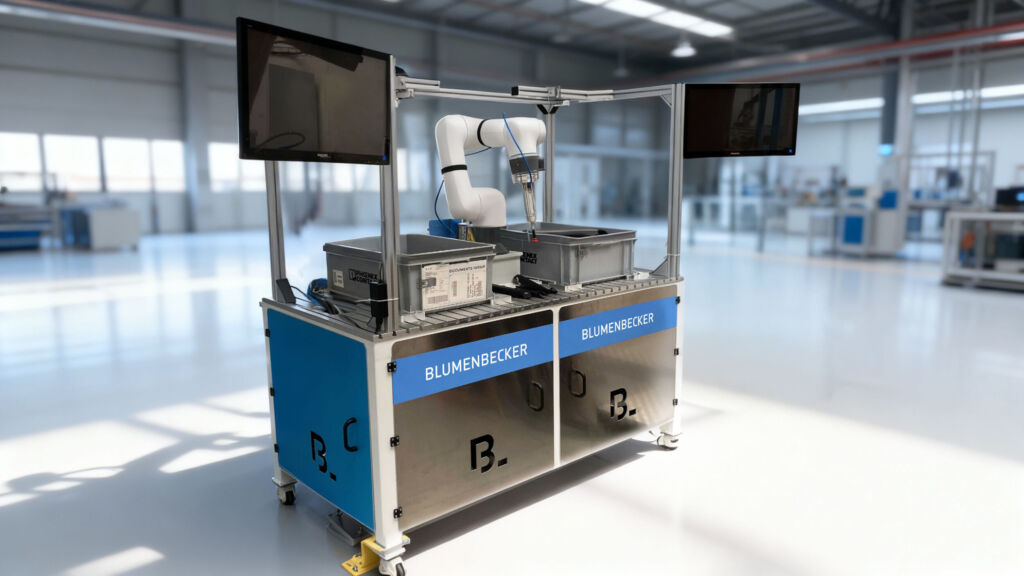
AI-powered robotic cell for flexible parts extraction
Blumenbecker has unveiled a new robotic cell, B.AI, designed to leverage artificial intelligence for fully automated parts retrieval in production and logistics. This innovative technology aims to enhance efficiency and flexibility in manufacturing processes, addressing the growing demand for automation in various industries. The introduction of B.AI marks a significant advancement in the integration of AI within robotic systems, promising to streamline operations and reduce manual labor. The launch reflects Blumenbecker's commitment to advancing automation solutions that meet the evolving needs of the market.
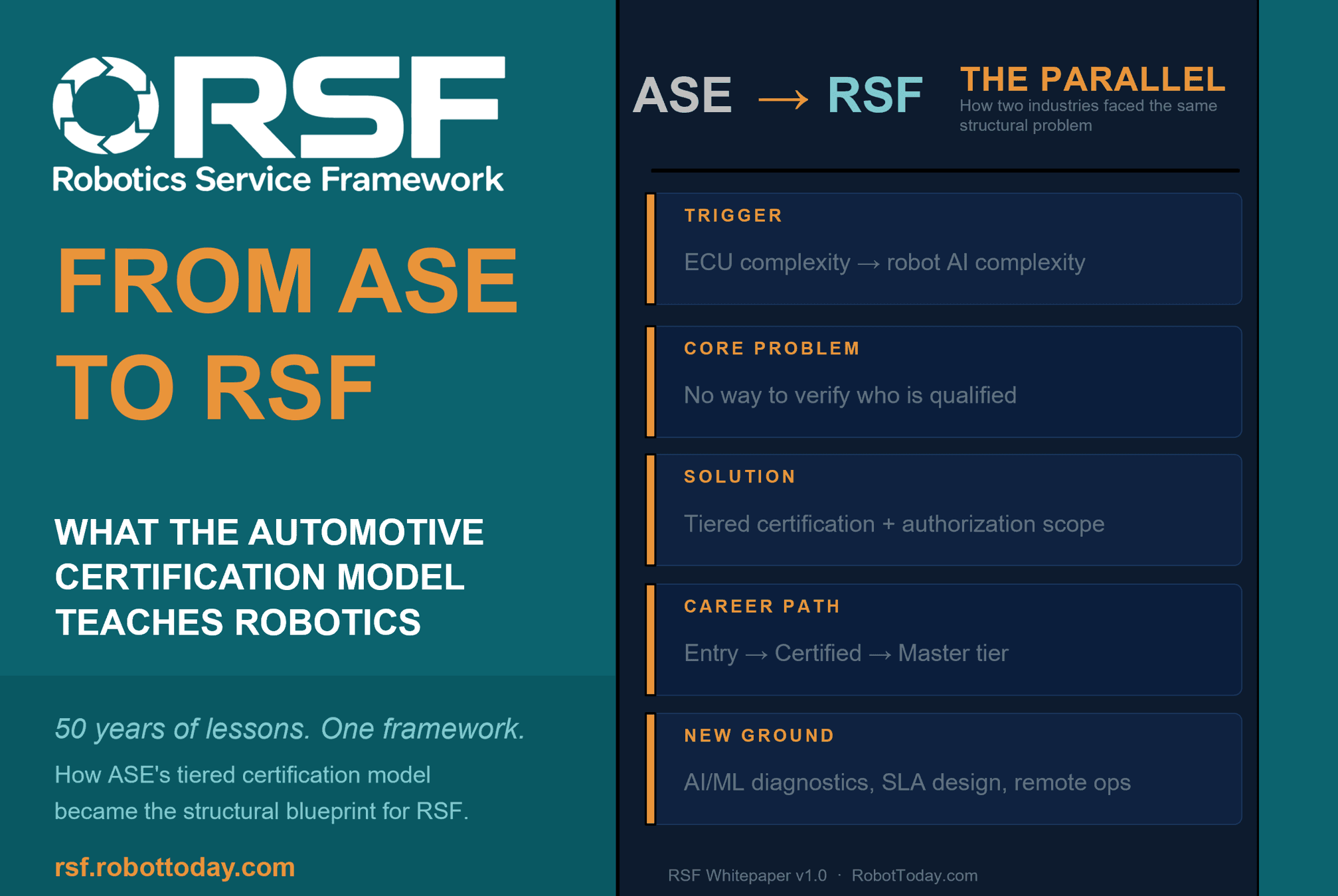
Allgemein Bin Picking Künstliche Intelligenz & maschinelles Lernen LösungenRobotics needs a service framework.
RSF defines a common language for robot service capability, lifecycle operations, certification pathways, and service-provider networks.