Industry Briefing
A single destination for timely, editor-curated robotics news from around the world.
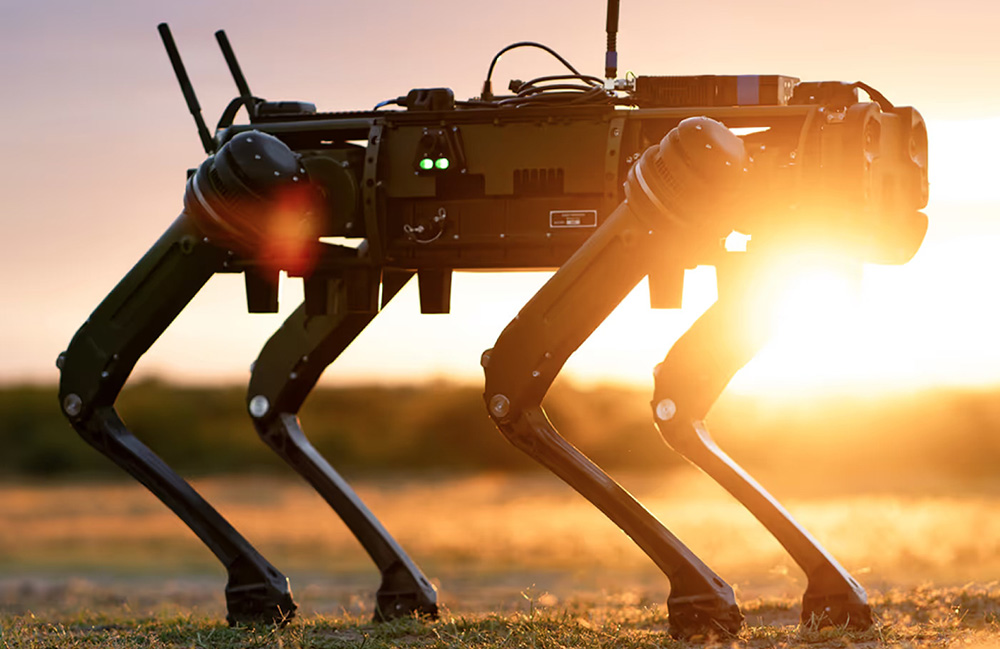
Look back on 10 years of legged robots with Ghost Robotics at the Robotics Summit
At the upcoming Robotics Summit, Gavin Kenneally, the CEO and co-founder of Ghost Robotics, will reflect on a decade of experience in deploying quadruped robots. This presentation aims to share valuable insights and lessons learned from the company's journey in the field of legged robotics. The event will take place in the near future, providing an opportunity for industry professionals and enthusiasts to engage with advancements in robotic technology and explore the impact of these innovations. Kenneally's talk will highlight the evolution of quadruped robots and their applications, emphasizing the significance of this technology in various sectors.
Autonomous Mobile Robots (AMRs) Events News Robots / Platforms Ghost Robotics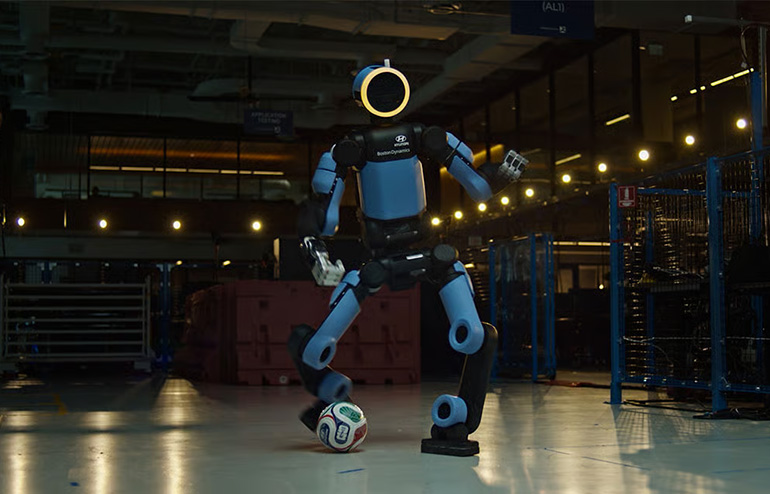
Boston Dynamics brings its legged robots to the FIFA World Cup
Around the 2026 FIFA World Cup, Hyundai and Boston Dynamics have taught footwork to the Atlas humanoid, while the Spot robot is on patrol. The post Boston Dynamics brings its legged robots to the FIFA World Cup appeared first on The Robot Report.
Artificial Intelligence Autonomous Mobile Robots (AMRs) Controllers Defense / Security Humanoids Mobility / Navigation
Agile Multiskill Locomotion Techniques for Quadrupedal Robots in Natural Environments
A recent study published in Science Robotics explores advanced locomotion techniques for quadrupedal robots designed for outdoor environments. The research focuses on developing agile and perceptive multiskill locomotion capabilities that enable these robots to navigate complex terrains effectively. This advancement is significant as it enhances the operational versatility of quadrupedal robots, making them more suitable for various applications in challenging environments. By improving their ability to adapt to different terrains, these robots can be utilized in fields such as search and rescue, environmental monitoring, and exploration. Looking ahead, the implications of this research could lead to further innovations in robotic mobility and autonomy. No further timeline was disclosed at the time of publication.
Research Article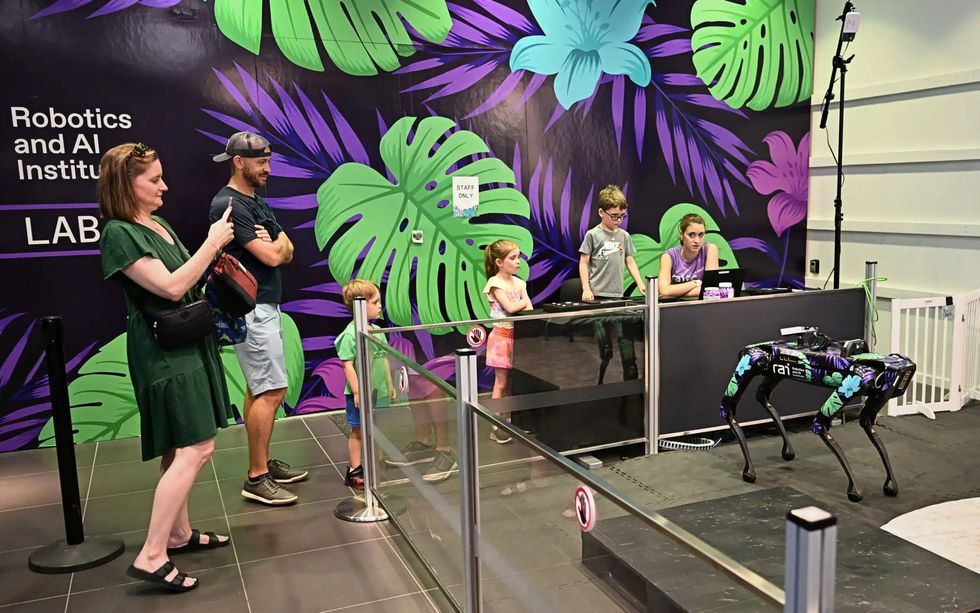
What Happened When We Set Up a Robotics Lab in a Mall
In summer 2025, the RAI Institute launched a free pop-up robot experience at the CambridgeSide mall, aimed at enhancing public understanding and comfort with robotics. This initiative came in response to a growing divide between sensational media portrayals of robots and the public's lack of direct experience with them. The event featured a museum showcasing historical and modern robots, alongside an interactive driving arena where visitors could control the Spot quadruped robot using a specially designed adaptive controller. Over approximately 10,000 visitors, 10 percent participated in surveys before and after their driving experience. Results indicated a significant increase in comfort levels across various contexts, particularly in outdoor and domestic scenarios, where initial skepticism was highest. Many participants reported feelings of excitement and happiness after interacting with the robot, with a notable shift in their perceptions of robots as potential companions rather than mere labor replacements. The findings suggest that hands-on experiences can effectively alter public attitudes towards robots, fostering acceptance in environments where ambivalence is prevalent. The RAI Institute plans to continue exploring these interactions to further understand their impact on societal attitudes towards robotics. This research was presented at the 2026 ACM/IEEE International Conference on Human-Robot Interaction in Edinburgh, Scotland.
Boston-dynamics Legged-robots Spot-robot
It looks like a sea urchin, but this strange 20-legged machine is rewriting what robots can do
Roboticists have long sought to replicate the diverse forms and functionalities found in nature, drawing inspiration from the symmetry observed in various organisms, such as the bilateral structure of vertebrates and the radial patterns of starfish. This endeavor has spanned decades, with researchers developing robots that mimic the appearances and movements of humans, dogs, and insects. The ongoing exploration into biomimicry aims to enhance robotic design and performance by integrating the efficient and adaptive traits seen in living creatures. As technology advances, these efforts continue to push the boundaries of robotics, potentially leading to more versatile and capable machines in the future.
Robotics
4SWLR: A Switched System and Skid Steer Integrated Whole‐Body Control Framework for Wheeled‐Legged Robots
A recent study published in the Journal of Field Robotics highlights advancements in autonomous robotic navigation. Researchers from a leading university conducted experiments to improve the efficiency and accuracy of robots in complex environments. The study, released in early October 2023, focuses on the integration of artificial intelligence and machine learning algorithms to enhance decision-making processes in real-time. The research team aimed to address challenges faced by robots in dynamic settings, such as unpredictable obstacles and varying terrain. By employing advanced sensing technologies and adaptive algorithms, the robots demonstrated significant improvements in their ability to navigate and perform tasks autonomously. The experiments were conducted in various locations, including urban settings and natural landscapes, to test the robots' adaptability and performance under different conditions. The findings suggest that these innovations could lead to more effective applications in fields such as search and rescue, agriculture, and environmental monitoring. This study underscores the growing importance of robotics in addressing real-world challenges and the potential for continued advancements in the field. The researchers believe that their work could pave the way for more sophisticated robotic systems capable of operating independently in increasingly complex environments.
RESEARCH ARTICLE
Robot Talk Episode 137 – Getting two-legged robots moving, with Oluwami Dosunmu-Ogunbi
Claire recently engaged in a conversation with Oluwami Dosunmu-Ogunbi, an Assistant Professor in the Mechanical Engineering Department at Ohio Northern University, regarding advancements in bipedal robotics. Dosunmu-Ogunbi, who is recognized as the first Black woman to hold this position, specializes in control systems that enhance bipedal locomotion, including the ability of robots to walk and navigate stairs. Her research not only contributes to the field of robotics but also aims to inspire future generations in engineering education. This dialogue highlights the innovative strides being made in robotics and the importance of diversity in STEM fields.

Four-legged detection robots for safe firefighting operations
Researchers at TU Graz have developed an advanced detection robot capable of identifying hazardous substances, designed to assist fire services during high-risk operations. This innovative technology serves as a remote-controlled advance guard, enhancing safety and efficiency in emergency situations. A recent study highlights the potential integration of this high-tech tool into fire service teams, demonstrating its effectiveness in supporting personnel on the ground. By employing the robot, fire services can better manage dangerous environments, ultimately aiming to protect both responders and the public.
Robotics
Video Friday: These Robots Were Born to Run
IEEE Spectrum's weekly feature, Video Friday, showcases a collection of innovative robotics videos and highlights upcoming robotics events, including the International Conference on Robotics and Automation (ICRA) scheduled for June 1-5, 2026, in Vienna. This week’s videos introduce advanced modular building blocks that allow for the automatic design and rapid assembly of agile robots capable of navigating unstructured outdoor environments, a significant advancement from traditional legged robots that rely on predefined designs. Additionally, the RIVR project presents a concept for an ideal urban delivery robot, while KIMLAB introduces TRIP-Bag, a portable teleoperation system designed for high-fidelity data collection in various settings. TUM has developed an open-vocabulary semantic exploration system that enhances robots' ability to map and locate objects in dynamic environments. In a practical demonstration, a reconfigurable robot assists a team responding to a simulated radiation leak at a nuclear facility, showcasing its adaptability in challenging conditions. Meanwhile, Carnegie Mellon University's Robomechanics Lab reflects on a devastating flood that destroyed many of its robots, honoring them with a tribute video. Lastly, the 2025 Silicon Valley Humanoids Summit features a keynote by Disney Research's Moritz Baecher, discussing insights into robotic character development.
Robotics Humanoid-robots Video-friday Modular-robots Robot-videos Quadruped-robots
Video Friday: Autonomous Robots Learn By Doing in This Factory
In a recent edition of Video Friday, IEEE Spectrum robotics showcased a variety of innovative robotics projects and developments. Notably, scientists at the Toyota Research Institute are collaborating with Toyota Manufacturing to implement autonomous robots on factory floors, enhancing production efficiency. Zipline shared insights into their drone delivery system, detailing the challenges faced and lessons learned in its development. Humanoid introduced KinetIQ, an AI framework designed for the orchestration of humanoid robot fleets, which integrates task allocation and execution through advanced cognitive layers. Meanwhile, researchers at VISTEC unveiled a decentralized adaptive resilient neural control system (DARCON) that enables legged robots to autonomously adapt to limb loss, ensuring mission success despite mechanical failures. NASA's Jet Propulsion Lab presented an animation of the Perseverance rover's drive along the Jezero Crater, captured on December 10, 2025, showcasing the rover's navigation capabilities. Additionally, Unitree's humanoid robot G1 made its mark on the snowfields of Altay, demonstrating its adaptability in extreme conditions. The Norwegian University of Science & Technology introduced a hierarchical 3D scene graph to enhance autonomous agents' understanding of their environments. Other highlights included the HoLoArm quadrotor, which features compliant arms for improved stability, and SkyDreamer, a pioneering vision-based autonomous-drone racing policy. The event also featured demonstrations of dexterous object manipulation by the AI Worker robot and advancements in swarm robotics for architectural applications.
Video-friday Autonomous-robots Humanoid-robots Industrial-robots Robot-ai Perseverance-rover
Video Friday: Do Robots Even Need Legs?
In the latest edition of Video Friday, IEEE Spectrum robotics showcases a variety of innovative robotics videos and announces upcoming events in the field. Notable events include RSS 2026 scheduled for July 13-17 in Sydney, the Summer School on Multi-Robot Systems from July 29 to August 4 in Prague, Actuate 2026 on August 18-19 in San Francisco, and IROS 2026 from September 27 to October 1 in Pittsburgh. Among the featured projects, Eno, an advanced AI and general-purpose robot developed by Genesis, exemplifies a new generation of robots designed to enhance human capabilities. Meanwhile, NASA's Jet Propulsion Laboratory is testing the ERNEST rover in California's Colorado Desert, which is being developed for future lunar missions and can operate autonomously over challenging terrain. Sony AI's Ace project demonstrates a robotic system capable of adapting to unpredictable scenarios in table tennis, while ANYbotics highlights the economic benefits of their quadruped robots in industrial inspections, preventing significant production losses. GITAI is preparing for a robotic satellite servicing demo, and Bi-AQUA is exploring underwater photography challenges for robots. Sanctuary AI has achieved impressive results in wire plugging tasks for a major automotive supplier, showcasing a success rate exceeding 99.5%. Additionally, various other robotics projects are highlighted, including a bipedal robot named GrowBot, which operates on a low-cost Raspberry Pi and aims to make physical AI accessible to a broader audience.
Video-friday Robot-videos Lunar-rover Inspection-robots Robot-hands Robot-ai
Inside Colin Angle’s bid to build companion robots with Familiar Machines & Magic
Colin Angle, a prominent figure in robotics, has launched a new startup called Familiar Machines & Magic, which is focused on creating a quadruped robot designed to serve as a companion. This initiative aims to address the growing demand for advanced robotic companions in a competitive market. The startup is currently in the development phase, working on innovative technologies to enhance the functionality and appeal of these robots. Angle's vision is to combine cutting-edge engineering with user-friendly design to ensure that the robots can effectively meet the needs of potential users. As the project progresses, Familiar Machines & Magic seeks to carve out a niche in the evolving landscape of robotics, where the integration of companionship and technology is becoming increasingly significant.
Artificial Intelligence Consumer Robotics Human Robot Interaction / Haptics News Startups Familiar Machines & Magic
An AI-powered control system for robots with legs
Walking robots, such as quadruped robotic dogs, must be able to move safely through rough, often changing environments. Today, there are two main ways to program these walking, or legged, robots. The first is called model predictive control. This technique optimizes the robot's behavior but relies on accurate dynamics models, which are challenging to achieve in real-world settings and often require simplifying assumptions. The second is model-free reinforcement learning, which allows the robot to learn reliable but fixed behaviors, making them difficult to adapt after training.
Robotics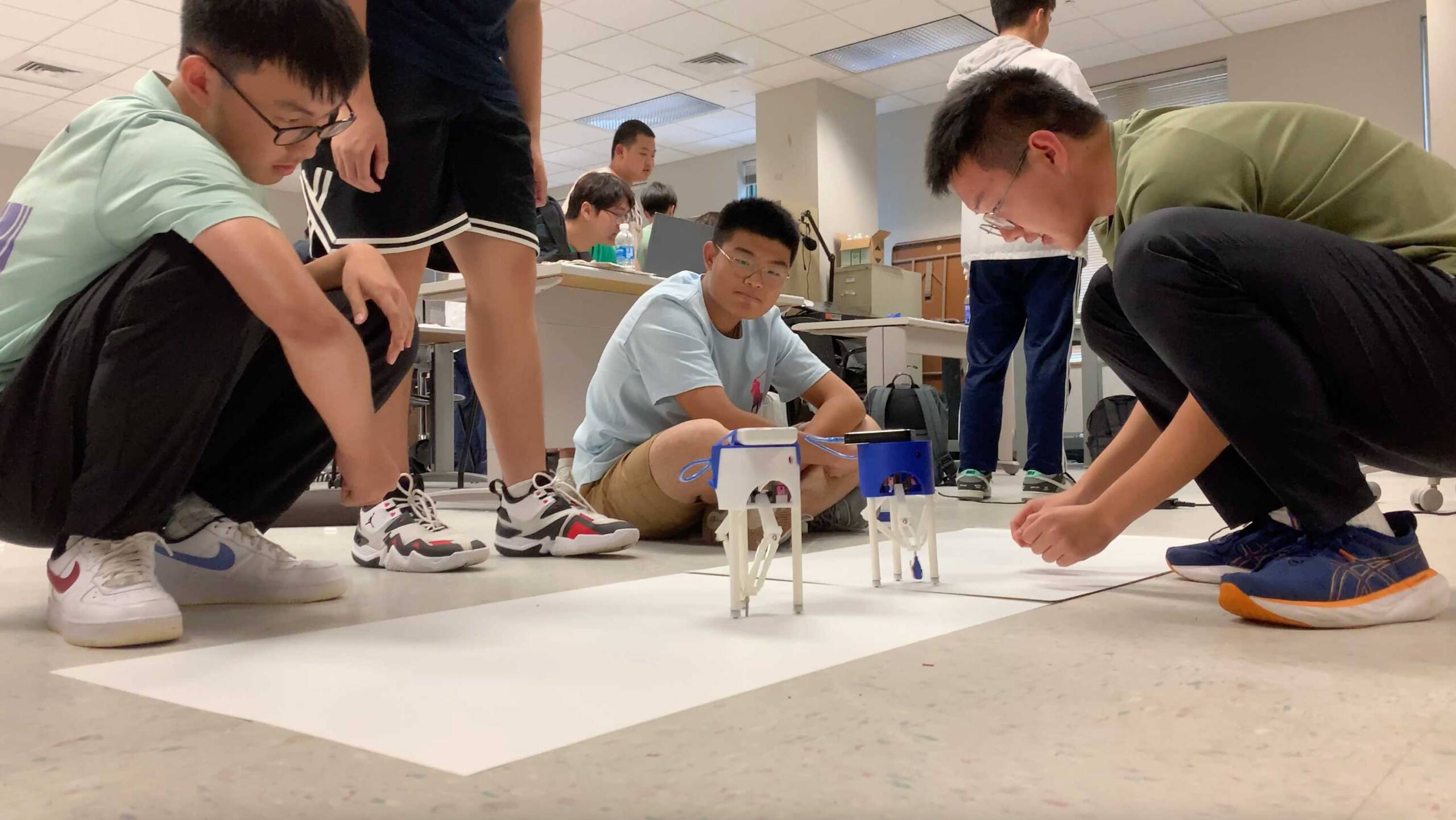
High Schoolers Bring Robots to Life at CMU Feiyue Program
Twenty high school students engaged in hands-on robotics activities in a classroom at Carnegie Mellon University, where they were preparing for the upcoming Feiyue Robotics Program showcase. As they worked in small groups, students experimented with tri-legged robots, attempting to make them walk. Laughter filled the room as some robots toppled over after their initial steps, highlighting the challenges and excitement of the learning process. This event aims to foster interest in robotics and provide students with practical experience in programming and engineering, showcasing their efforts and creativity at the upcoming showcase.
Uncategorized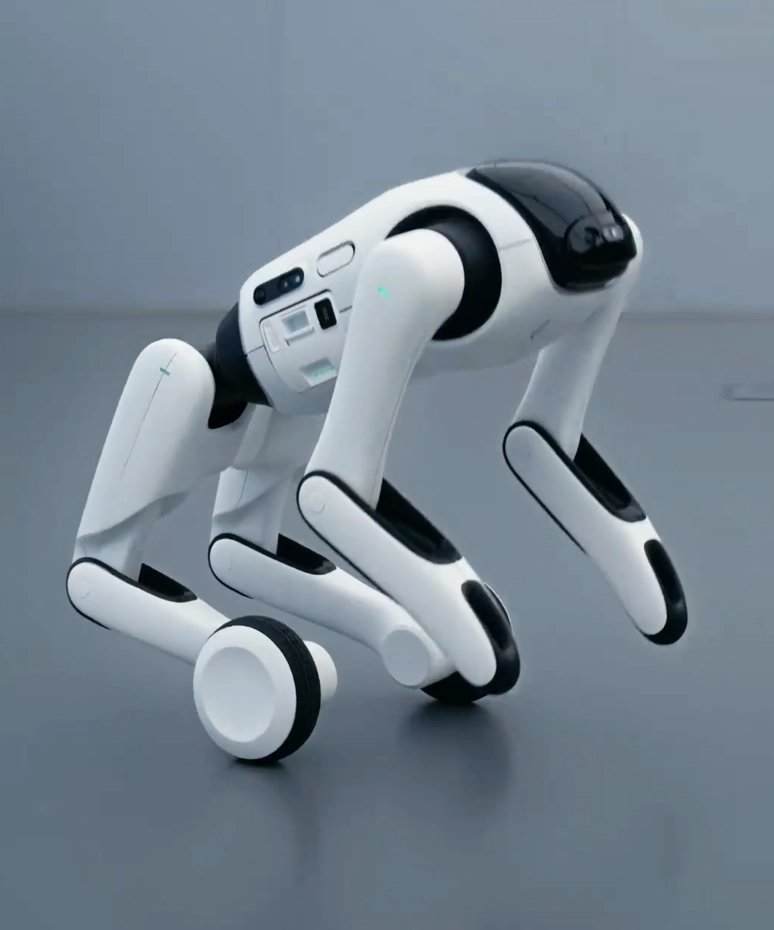
Swancor Qiyuan T1 to Showcase Transformative Personal Robot at WAIC 2026
Swancor Qiyuan's T1, touted as the world's first 'transformable personal robot,' will be publicly demonstrated on July 17, 2026, at the World Artificial Intelligence Conference (WAIC 2026). This robot features a unique Transformer architecture that allows seamless switching between humanoid and quadruped modes, enhancing its interaction and mobility capabilities in various home environments. The significance of the T1 lies in its ability to autonomously select its form based on terrain and tasks, moving beyond traditional manual controls. This innovation is expected to expand the scenarios in which personal robots can operate, addressing common household obstacles while reducing the overall ownership cost for users by eliminating the need for multiple devices. Looking ahead, Swancor's strategy focuses on content creation, education, and companionship rather than general household chores. With offline experience stores already established in major Chinese cities, the T1's success will depend on its pricing and acceptance in the market, potentially proving that adaptable robots hold greater commercial value than those merely mimicking human form.
Transformable Robots Home Robotics AI Technology Robotic Innovation
General Intuition Achieves $2.3 Billion Valuation with Innovative Robot Training Approach
General Intuition, a New York-based company, has proposed a groundbreaking approach to training robots using millions of hours of gaming footage instead of vast amounts of real-world data. In June 2026, the company completed a $320 million Series A funding round, achieving a valuation of $2.3 billion, led by renowned investor Vinod Khosla. The significance of General Intuition's method lies in its potential to revolutionize how robots learn spatial reasoning and physical intuition. By utilizing gaming data, the company claims to have pre-trained a spatial reasoning model that allows quadruped robots to navigate unfamiliar environments with minimal real-world data, challenging traditional training methods that rely heavily on real-world scenarios. Looking ahead, the success of General Intuition will depend on its ability to validate its technology in diverse real-world environments beyond office settings. The company's vision of creating a 'robot brain' for universal physical AI could redefine the operational frameworks for future robotics, potentially surpassing existing systems like Windows and Android in impact.
AI Robotics Gaming Technology Machine Learning
From humanoid to quadruped robots
Agibot, a Chinese robotics company specializing in Physical AI, showcased its entire robotics portfolio at a major event in Munich, highlighting its ambitions for the German and European markets. The presentation included a range of innovations, from humanoid robots to quadrupedal designs, demonstrating the company's commitment to advancing robotic technology in these regions.
Allgemein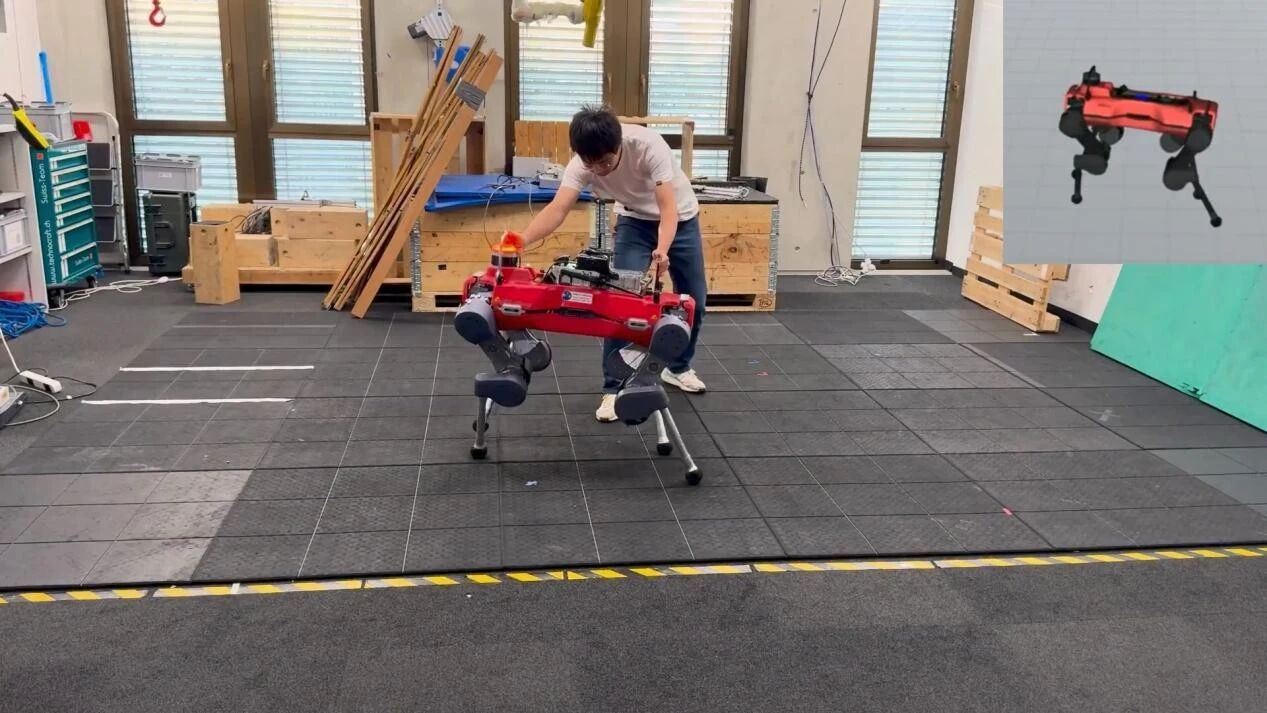
ETH Zurich Enables Robots to 'Imagine': Zero-Shot Deployment for Quadrupedal and Humanoid Robots!
A research team at ETH Zurich has unveiled a groundbreaking neural network simulator designed to enhance robotic capabilities by enabling robots to visualize actions internally before executing them on physical hardware. This innovative framework, known as the Robotic World Model (RWM), facilitates zero-shot transfer for ANYmal D and Unitree G1 robots, significantly improving their ability to predict motion trajectories with remarkable accuracy. The development, which was completed recently, represents a significant advancement in robotics, potentially transforming how robots interact with their environments by allowing for more efficient and precise movements.
Robotic Simulation Neural Networks Quadrupedal Robots Humanoid Robots AI Training
Robot Talk Episode 156 – Rugged robots for dangerous missions, with Gavin Kenneally
Claire recently engaged in a conversation with Gavin Kenneally, the Co-Founder and CEO of Ghost Robotics, a company renowned for its advancements in legged robotics technology. The discussion focused on the potential applications of robotic dogs in defense, security, and public safety sectors. Kenneally, who leads a team of skilled engineers, elaborated on how these innovative machines could enhance operational capabilities in various environments. The dialogue highlighted the growing interest in integrating robotics into critical areas, emphasizing the need for advanced technology to address modern challenges. As the demand for effective security solutions increases, Ghost Robotics aims to position its robotic dogs as essential tools for law enforcement and military applications.
Deep Robotics Deploys Quadruped Robots at FAW Plant for Inspection
Deep Robotics has introduced its Jueying X30 quadruped robots at a FAW Group factory, marking a significant step towards automating inspection tasks and enhancing industrial maintenance efficiency. This deployment, which took place in October 2023, aims to streamline operations within the manufacturing environment. By utilizing advanced robotic technology, the initiative seeks to reduce human error and increase productivity in routine inspections. The integration of these robots is expected to not only optimize maintenance processes but also contribute to overall operational effectiveness at the facility.
News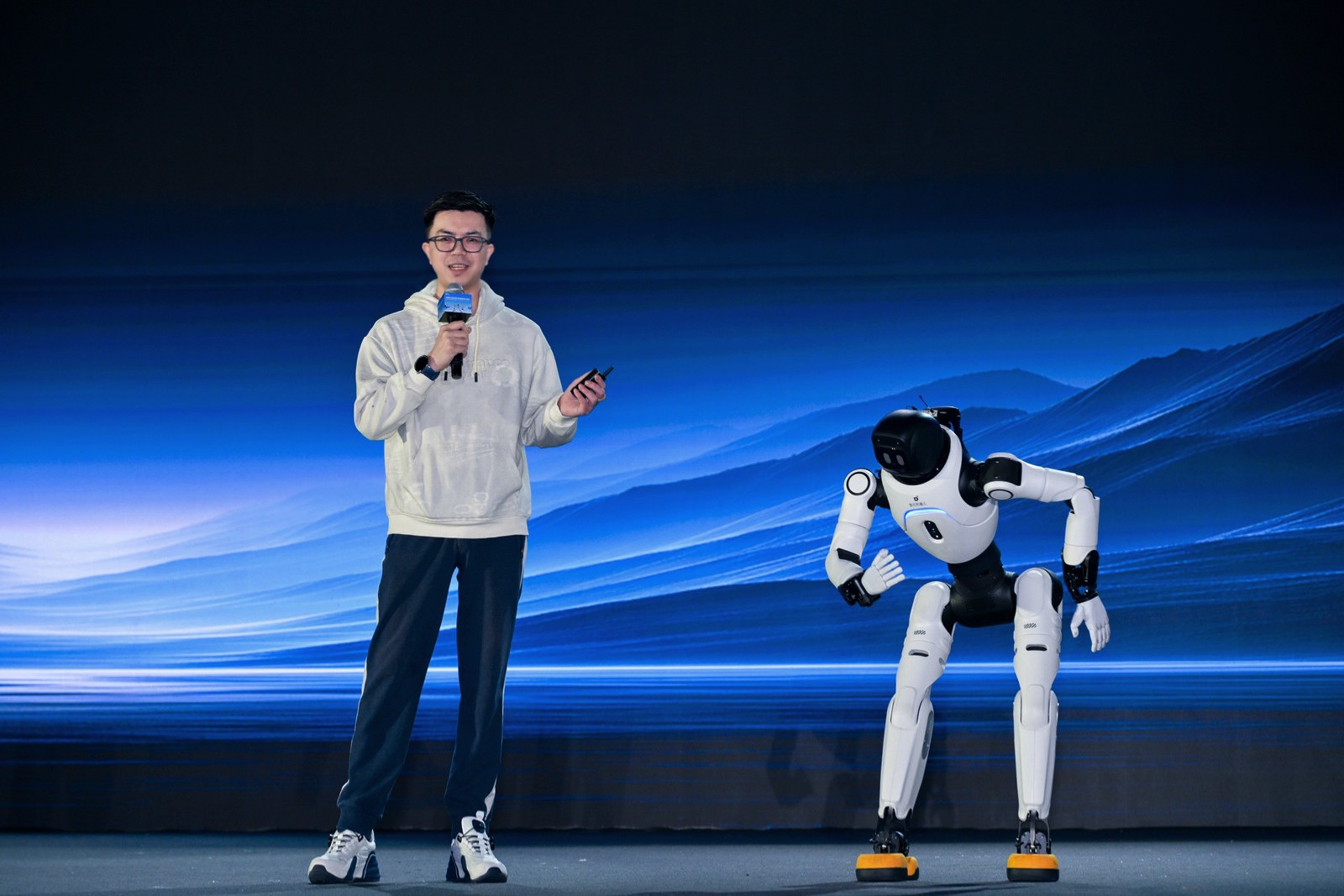
AGIBOT Unveils New Generation of Embodied AI Robots and Models, Accelerating Real
AGIBOT has unveiled a new generation of embodied AI robots and models designed to improve the deployment of physical AI in real-world applications. This launch, which took place recently, features advanced robotic platforms including the AGIBOT A3 humanoid robot, the D2 Max autonomous quadruped, and a body-free data collection system. These innovations are part of a broader ecosystem aimed at facilitating scalable AI development across various industries. The initiative seeks to enhance the integration of AI into human workflows, addressing the growing demand for advanced automation solutions.
Embodied AI Robotics Artificial Intelligence Automation Technology Innovation
AGIBOT's Humanoid Robots Take Home Multiple Best of CES 2026 Awards Following U.S. Debut
At CES 2026, AGIBOT showcased its advanced humanoid and quadruped robots, marking a significant milestone in the company's U.S. debut. The innovative designs garnered multiple Best of CES awards, underscoring AGIBOT's emergence as a leader in the robotics industry. The A2 Series and other models were praised for their operational maturity and practical applications across various sectors, demonstrating AGIBOT's effective transition from research and development to market deployment. This achievement reflects the company's commitment to advancing robotics technology and addressing real-world challenges.
Robotics Humanoid Robots Artificial Intelligence Technology CES 2026
Boston Dynamics tests robots from Unitree Robotics: report
Marc Raibert, the founder of Boston Dynamics, announced in an interview with Yicai Global on Monday that his robotics research institute has acquired robots from the Chinese startup Unitree Robotics for performance evaluation. Boston Dynamics is renowned for its advanced robotic creations, including the humanoid robot Atlas and the quadruped robot Spot. Raibert's initiative aims to assess the capabilities of Unitree's robots, highlighting a growing interest in international collaboration and innovation within the robotics sector. The acquisition reflects Boston Dynamics' commitment to exploring diverse robotic technologies and enhancing its own product offerings.
News Feed
Swift and Secure: CMU Researchers Develop Collision-Free, High-Speed Robots
Researchers at Carnegie Mellon University's Robotics Institute have unveiled a new learning-based control framework named Agile But Safe (ABS). This innovative framework, developed by a team including Tairan He, Chong Zhang, Wenli Xiao, Guanqi He, Changliu Liu, and Guanya Shi, allows quadrupedal robots to navigate both indoor and outdoor environments without the risk of collisions. The introduction of ABS aims to enhance the safety and efficiency of robotic movement in confined spaces, addressing a critical challenge in robotics. By implementing this framework, the researchers have demonstrated that robots can achieve high-speed mobility while maintaining secure and obstacle-free navigation.
Uncategorized
A Low‐Drift Legged Robot State‐Estimation System Through Combined Physics‐Informed Contact Estimation Network and Full Joint State
A recent study published in the Journal of Field Robotics highlights advancements in autonomous robotic systems designed for agricultural applications. Researchers from various institutions collaborated to develop innovative algorithms that enhance the efficiency and precision of farming robots. The findings, released in early October 2023, demonstrate how these technologies can significantly improve crop monitoring and management. The study was conducted across multiple farms in the Midwest, where the team tested the robots' capabilities in real-world conditions. By utilizing advanced sensors and machine learning techniques, the robots were able to identify crop health issues and optimize resource usage, such as water and fertilizers. This approach not only aims to increase agricultural productivity but also addresses sustainability concerns in farming practices. The motivation behind this research stems from the growing need for efficient food production methods to meet the demands of a rising global population. As traditional farming faces challenges such as labor shortages and environmental impacts, the integration of autonomous systems presents a viable solution. The researchers emphasized that the successful implementation of these technologies could lead to a transformative shift in how agriculture is practiced, ultimately benefiting both farmers and consumers alike.
RESEARCH ARTICLE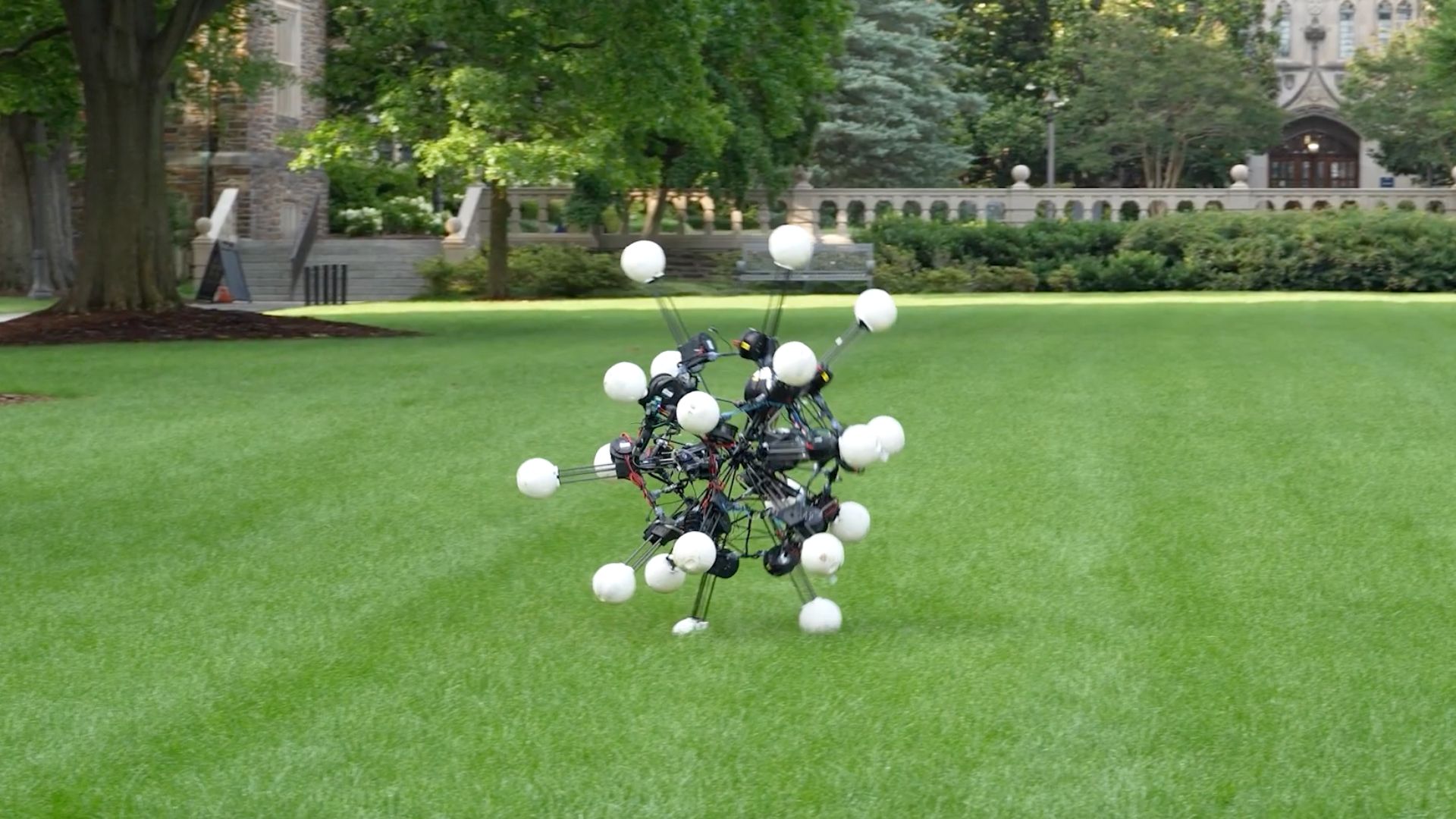
New 20-legged Argus robot redefines robotics with directionless movement design
Researchers at Duke University have unveiled an innovative robotic system that redefines conventional design principles in robotics. This groundbreaking development, announced on October 15, 2023, aims to enhance the adaptability and functionality of robots in various environments. Located in Durham, North Carolina, the team’s work is driven by the need for more versatile robots capable of performing complex tasks in unpredictable settings. The new system employs advanced algorithms and flexible materials, allowing robots to adjust their shapes and movements in real-time based on their surroundings. This adaptability is crucial for applications ranging from search and rescue missions to automated manufacturing processes, where conditions can change rapidly and unpredictably. By integrating insights from biology and engineering, the researchers have created a platform that not only improves the robots' operational efficiency but also reduces the need for extensive reprogramming when faced with new challenges. The implications of this technology extend beyond robotics, potentially influencing fields such as artificial intelligence and materials science. This innovative approach represents a significant step forward in robotic design, promising to enhance the capabilities of machines in both industrial and everyday applications. As the research progresses, the team at Duke University aims to collaborate with industry partners to bring these advancements to practical use, ultimately transforming how robots interact with the world around them.

iRobot Co-Founder Colin Angle’s New Startup, Familiar Machines & Magic, Emerges From Stealth to Make Consumer Social Interaction Robots
Colin Angle, co-founder of iRobot, has launched a new companion robotics startup named Familiar Machines & Magic, unveiling its first product, a four-legged robot designed for human interaction. The announcement took place on Monday during the Wall Street Journal’s Future of Everything conference. The company aims to create what it refers to as “Familiars,” which are physical AI companions intended to enhance human experiences. This initiative reflects a growing interest in robotics that fosters emotional connections and companionship, addressing the increasing demand for interactive technology in daily life.
AI AI Funding & Investment Robotics Ai Companion Robot Colin Angle Familiar Machines & Magic
Real‐Time Behavior Recognition Using a Legged Robot for Animal–Robot Interaction
A recent study published in the Journal of Field Robotics highlights advancements in robotic technologies aimed at enhancing agricultural practices. Researchers from various institutions collaborated to explore innovative solutions for improving crop management and efficiency. The findings, released in May 2026, underscore the growing need for automation in agriculture due to increasing labor shortages and the demand for higher productivity. The study focuses on the development of autonomous robots capable of performing tasks such as planting, monitoring, and harvesting crops. By integrating artificial intelligence and machine learning, these robots can analyze soil conditions and optimize resource use, ultimately aiming to reduce waste and increase yield. The research was conducted in various agricultural settings, demonstrating the versatility and adaptability of these robotic systems. This initiative is driven by the urgent need to address food security challenges posed by a rising global population and climate change. The researchers emphasize that implementing such technologies could significantly transform traditional farming methods, making them more sustainable and efficient. As the agricultural sector continues to evolve, the successful deployment of these robotic solutions could pave the way for a new era in farming, ensuring that food production meets future demands while minimizing environmental impact.
RESEARCH ARTICLE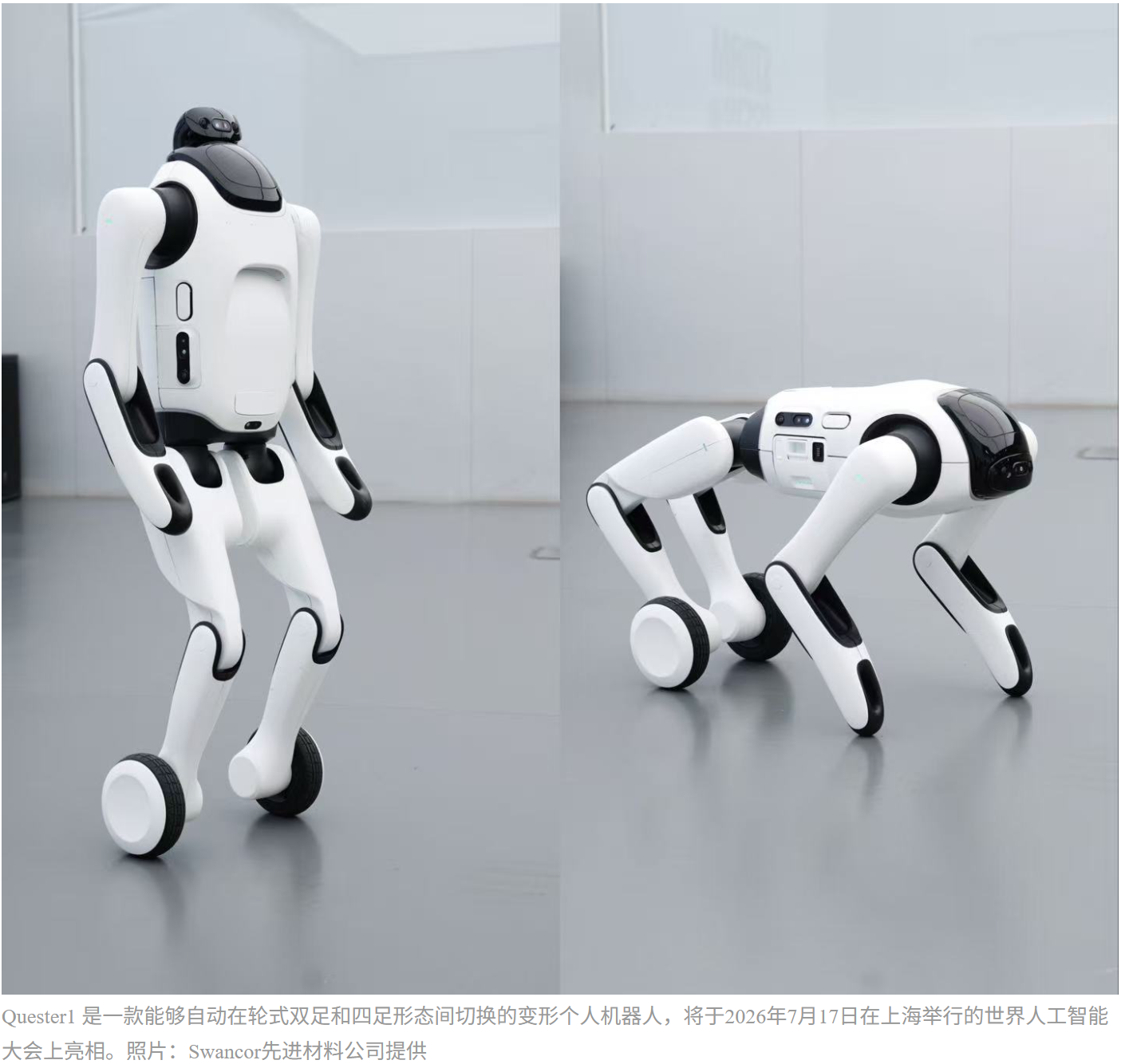
Swancor Advanced Materials to Launch World's First Shape-Shifting Personal Robot at WAIC
Swancor Advanced Materials is set to unveil the Quester1, the world's first shape-shifting personal robot, at the 2026 World Artificial Intelligence Conference (WAIC) on July 17. This innovative robot can automatically switch between bipedal and quadrupedal modes without manual disassembly, showcasing a unique 'transformable cross-modal integration architecture' that enables smooth transitions. The Quester1 is designed for various environments, with its bipedal form ideal for flat surfaces and intricate tasks, while the quadrupedal mode excels in navigating stairs and rough terrain. CEO Tian Hua emphasized that this product aims to redefine personal robotics for consumer markets, marking Swancor's first foray into the consumer robotics sector. As the Quester1 prepares for its debut, it highlights the rapid development of transformable robotics in China. The WAIC will feature over 1,100 companies and more than 300 product launches, indicating a significant shift towards embodied intelligence in robotics. No further timeline was disclosed at the time of publication.
Personal Robots Shape-Shifting Technology AI Robotics Consumer Robotics
Dobot showcases humanoid and quadruped robots at "RTJ 2026" as a physical AI platform.
Dobot Japan showcased its latest products and automation solutions at the Robot Technology Japan 2026 (RTJ 2026) exhibition, held from June 11 to June 13, 2026, at the Aichi Sky Expo in Aichi Prefecture. The event focused on industrial robotics and automation, providing a platform for companies to demonstrate advancements in technology and innovation in the field. Dobot's participation aimed to highlight its commitment to enhancing automation capabilities and meeting the growing demand for efficient robotic solutions in various industries.
Redefining Quadruped Robots: The Lightweight and Compact Lynx S10
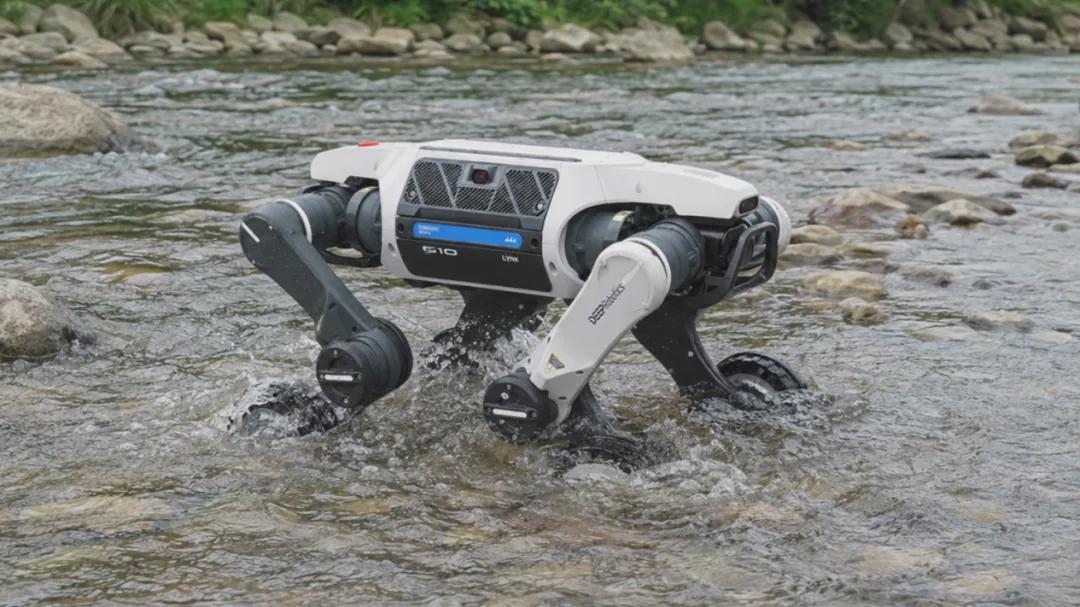
Yunshen Technology has introduced the Lynx S10, a lightweight quadruped robot weighing less than 20 kilograms, tailored for specialized operations in tight environments. Launched recently, the S10 boasts a payload capacity of 120 kilograms and is equipped with advanced perception systems. This innovative robot is designed to address the needs of industries that require efficient solutions for tasks such as power inspections, security patrols, and emergency rescues, effectively filling the market void left by larger robotic models. The Lynx S10 represents a significant advancement in robotic technology, aimed at enhancing operational efficiency in various sectors.
Quadruped Robots Robotics Technology Lightweight Design Industrial Automation
State Grid’s $995 Million Bet: 8,500 Robots to Spearhead "Deployment Year One" in Energy
State Grid Corp. of China has announced a significant procurement plan valued at 6.8 billion yuan (approximately $994.7 million) for the acquisition of 8,500 embodied AI units. This initiative marks a pivotal moment in the development of the robotics sector, as it establishes the first vertical market worth over 10 billion yuan dedicated to humanoid and quadruped robotics. The announcement underscores the company's commitment to advancing technology and enhancing operational efficiency within its infrastructure. By integrating these advanced robotic systems, State Grid aims to improve service delivery and optimize resource management in its operations.
Unitree Robotics Market Deep Robotics China AGIBOT UBTECH Robotics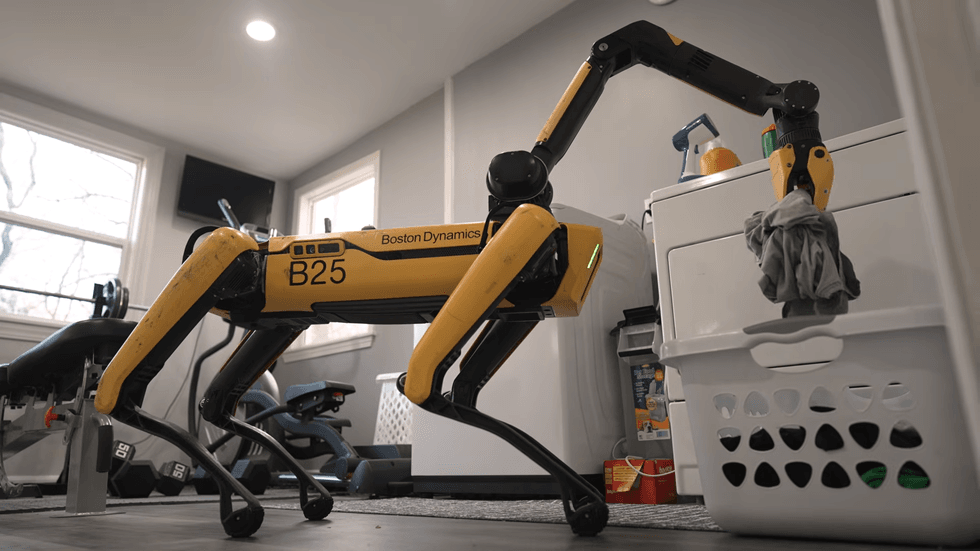
Boston Dynamics and Google DeepMind Teach Spot to Reason
Boston Dynamics has announced that its quadruped robot, Spot, is now equipped with Google DeepMind’s Gemini Robotics-ER 1.6, a high-level embodied reasoning model designed to enhance the robot's usability and intelligence for complex tasks. This development, revealed today, marks a significant advancement in the commercial deployment of legged robots, particularly in industrial inspections, where Spot will autonomously identify hazardous debris, read gauges, and utilize vision-language-action models for better environmental understanding. The collaboration aims to improve how robots interpret and interact with their surroundings, addressing the challenges of ensuring that robotic actions align with human reasoning. Marco da Silva, vice president of Spot at Boston Dynamics, emphasized that the new capabilities will allow Spot to autonomously navigate real-world challenges more effectively. Despite the progress, experts acknowledge ongoing challenges in achieving seamless human-robot interaction. Carolina Parada from Google DeepMind noted that while the Gemini model enhances visual recognition, it currently lacks integration with other sensory data, such as touch, which is crucial for reliable object manipulation. As part of the deployment, customers using Spot for inspections will need to share operational data with Boston Dynamics to further refine the technology. The introduction of Gemini Robotics-ER 1.6 is seen as a step toward creating safer and more reliable robots capable of performing everyday tasks, with the potential to apply these advancements to other robotic platforms in the future.
Boston-dynamics Spot-robot Google-deepmind Inspection-robots Quadruped-robots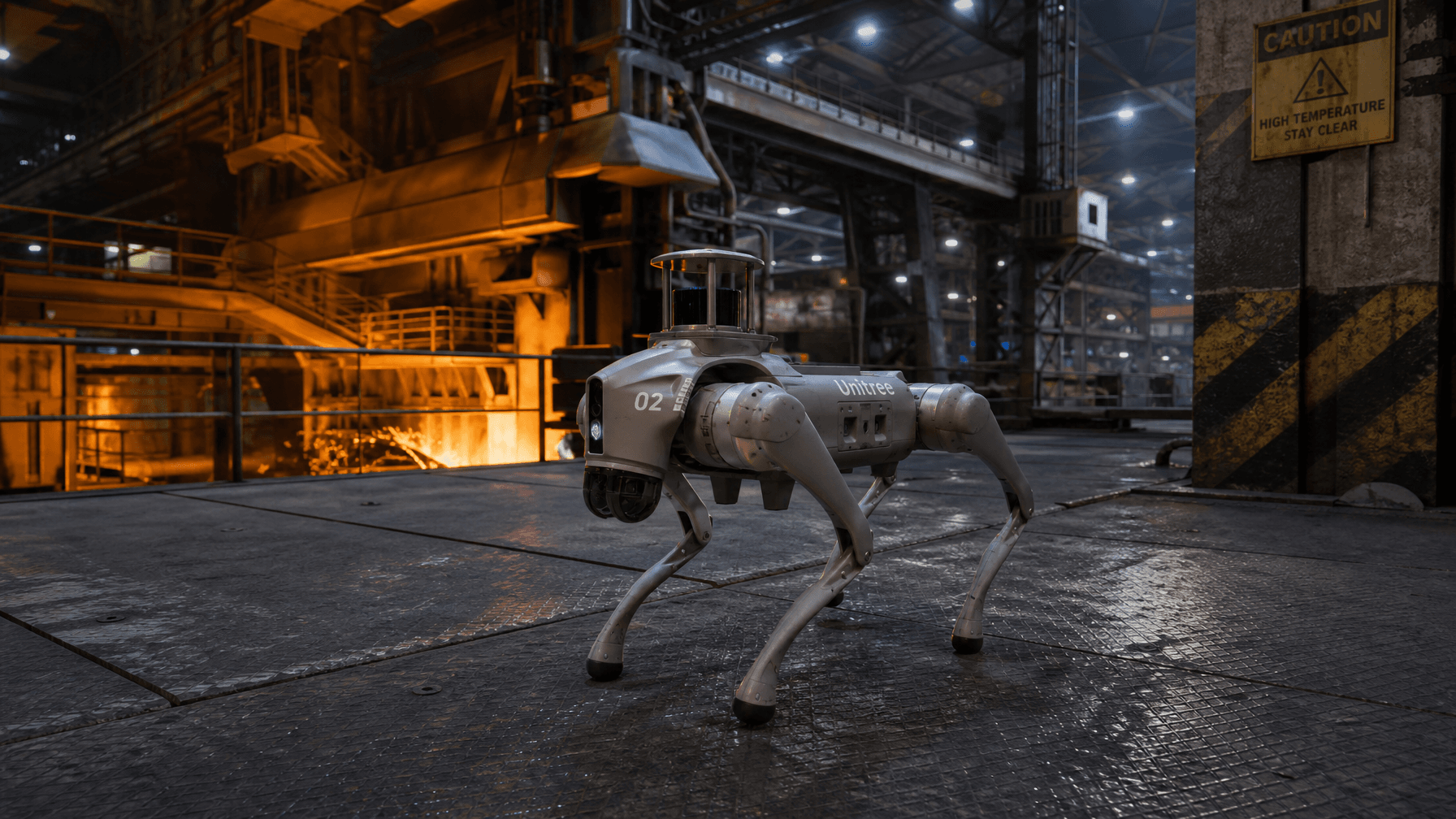
Unitree Robotics, Hunan Steel, and Looper Robotics Form Alliance for Steel Plant Inspections
Unitree Robotics has partnered with Hunan Steel and Looper Robotics to create a tripartite alliance aimed at deploying legged robots for inspections in steel plants. This collaboration signifies a notable entry of embodied AI technology into the heavy industry sector. The partnership is significant as it highlights the increasing integration of advanced robotics and AI in traditional industries such as steel manufacturing. By utilizing legged robots, the alliance aims to enhance inspection processes, improve safety, and increase operational efficiency within the steel plant environment. Looking ahead, the deployment of these legged robots could set a precedent for further advancements in industrial automation. No further timeline was disclosed at the time of publication.
Technology
Chinese robot maker Unitree wins approval for $619 million Shanghai IPO
Unitree Robotics, a Chinese manufacturer of robots, has secured regulatory approval for its initial public offering (IPO) on Shanghai's STAR Market, aiming to raise approximately 4.2 billion yuan ($619.4 million). This approval, announced by China's securities regulator, marks a significant step for the company as it prepares for one of the most anticipated technology IPOs in China. The decision comes amid a resurgence in the country's onshore IPO market, which has seen a notable increase in activity following a prolonged slowdown. In the first half of the year, A-share IPOs on major exchanges raised $7.7 billion, reflecting a 64.4% increase compared to the previous year. Unitree plans to issue at least 40.45 million shares, although it has yet to announce a specific launch date or pricing details. The funds raised will be allocated towards research in artificial intelligence for robots, development of new robotic products, and the establishment of a smart robot manufacturing base. Based in Hangzhou, Unitree specializes in humanoid and four-legged robots, as well as various robot components. The upcoming IPO will serve as a litmus test for investor interest in China's burgeoning robotics sector, which is central to the government's strategy to integrate AI technology into various aspects of daily life and industry.

Humanoid Robot Climbs 6,000-Meter Peak for the First Time, Next Stop: Everest
A modified Unitree G1 humanoid robot, named Pemba, successfully reached the summit of Chimborazo volcano in Ecuador, standing at 6,310 meters. This achievement highlights the capabilities of legged robots in conducting environmental monitoring in challenging terrains. The ascent took place recently, showcasing advancements in robotics technology and its potential applications in remote and difficult-to-access areas. By navigating the rugged landscape of one of the highest peaks in the Andes, Pemba's journey underscores the growing interest in utilizing robotic systems for scientific research and environmental observation.
HumanoidRobotics
Video Friday: Atlas Versus a Fridge
IEEE Spectrum robotics has released its latest edition of "Video Friday," showcasing a variety of innovative robotics videos and announcing upcoming robotics events scheduled for 2026. Notable events include ICRA 2026 in Vienna from June 1-5, and the Summer School on Multi-Robot Systems in Prague from July 29 to August 4. Among the highlights, Boston Dynamics' Atlas robot demonstrates significant advancements in strength and adaptability, showcasing its ability to lift heavy objects and navigate complex environments using advanced reinforcement learning and control systems. This marks a pivotal moment for humanoid robots as they transition from laboratory settings to dynamic industrial applications. Additionally, the SpikerBot, a robot designed to be programmed by wiring neurons instead of traditional coding, has successfully reached its funding goal on Kickstarter. Other innovations include wheeled-legged robots that enhance mobility and a biomimetic robotic hummingbird developed at the Advanced Vertical Flight Laboratory, which mimics natural flight dynamics. The release also features advancements in construction technology, with Dusty Robotics introducing the FieldPrinter 2, a more efficient and intelligent version of its predecessor, and Noble Machines showcasing their autonomous robots designed for hazardous industrial tasks at NVIDIA GTC 2026. These developments reflect a broader trend in robotics, where technology is increasingly integrated into real-world applications, enhancing efficiency and safety across various industries.
Humanoid-robots Video-friday Robot-videos Educational-robots Biomimetics Quadruped-robots
First Public Release! China's 'Machine Wolf Pack' Urban Warfare Footage, Another 'Dimensional Strike' by Chinese Military Industry
A newly released video has revealed China's 'Machine Wolf Pack' engaging in urban combat training, featuring advanced four-legged robots designed for operation in complex environments. This development marks a significant advancement in military technology, indicating a shift towards intelligent, unmanned, and swarm-based warfare capabilities. The training exercises demonstrate the potential for these robotic units to enhance combat efficiency and effectiveness in urban settings, reflecting China's ongoing efforts to modernize its military forces. The introduction of such technology underscores the increasing importance of robotics in contemporary warfare strategies.
Military Robotics Urban Warfare Unmanned Systems AI Technology
GoLabs Launches Custom Robotics Security Initiative Using Unitree Quadrupeds
GoLabs, a newly established U.S.-based robotics company, has unveiled its innovative robotic security solutions featuring Unitree quadrupeds. Announced on May 8, 2026, these advanced four-legged robots are designed to enhance security measures for businesses by providing 24/7 autonomous surveillance without the burden of international shipping costs. Equipped with high-definition cameras, thermal imaging, and infrared sensors, these robots can operate in complete darkness and navigate challenging environments, including those hazardous to human health. GoLabs aims to streamline security operations by integrating these robots into existing systems, offering programming, setup, and troubleshooting support. Utilizing an integrated 4D LiDAR system and SLAM technology, the robots can create detailed 3D maps of facilities, allowing companies to establish automated patrol paths and checkpoints. This capability enables a wide range of applications, from monitoring AI warehouses to securing large events. GoLabs is committed to bridging innovation with practical applications, providing businesses with efficient and reliable robotic security solutions tailored to meet diverse needs. For more information, visit their website.
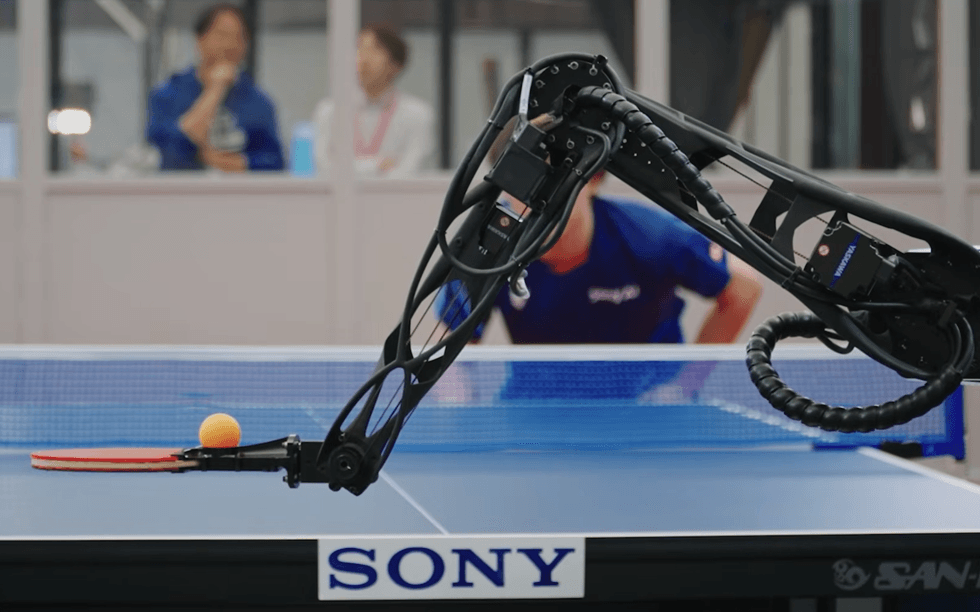
Video Friday: Who Wins in Robot Versus Pro Ping-Pong Player?
In a recent showcase of advancements in robotics, IEEE Spectrum highlighted several innovative developments and upcoming events in the field. Notably, Sony AI's latest research, featured on the cover of Nature, explores the potential of high-speed autonomous systems to master complex perception and dynamic control, aiming to compete with professional athletes. Among the exciting projects is the Ringbot Quad, a unique monocycle robot that integrates wheeled and legged locomotion, allowing it to navigate diverse terrains by switching between driving and walking modes. Meanwhile, in a significant milestone for China's robotics industry, humanoid robots outpaced human runners in a half-marathon in Beijing, with three robots finishing ahead of 12,000 participants. Other highlights include AthenaZero, a robot capable of juggling using only on-board sensory feedback, and advancements from the Max Planck Institute for Intelligent Systems, which reported a method to enhance the efficiency of soft electrostatic actuators, achieving conversion rates of up to 63.6%. As the field continues to evolve, discussions at Carnegie Mellon University emphasize the implications of Artificial General Intelligence (AGI) for society, proposing a future where humans collaborate with robots in supervisory roles, potentially transforming essential services and labor dynamics. Upcoming robotics events include ICRA 2026 in Vienna and the Summer School on Multi-Robot Systems in Prague, offering platforms for further exploration and innovation in robotics.
Robotics Humanoid-robots Video-friday Quadruped-robots Robot-videos Industrial-robots
This robot sees danger, decides its route and powers over obstacles while carrying loads
A research team at KAIST has made significant advancements in quadrupedal robot technology, enabling these robots to navigate varied terrains without relying solely on visual input. This innovative system allows the robots to assess their surroundings using cameras and LiDAR sensors, enabling them to make autonomous decisions while walking, akin to how animals adapt their movements based on visual terrain analysis. The team anticipates that this technology will be applicable to a range of robotic platforms, including wheeled-legged robots and humanoid robots, potentially broadening the scope of robotic mobility and functionality.
Robotics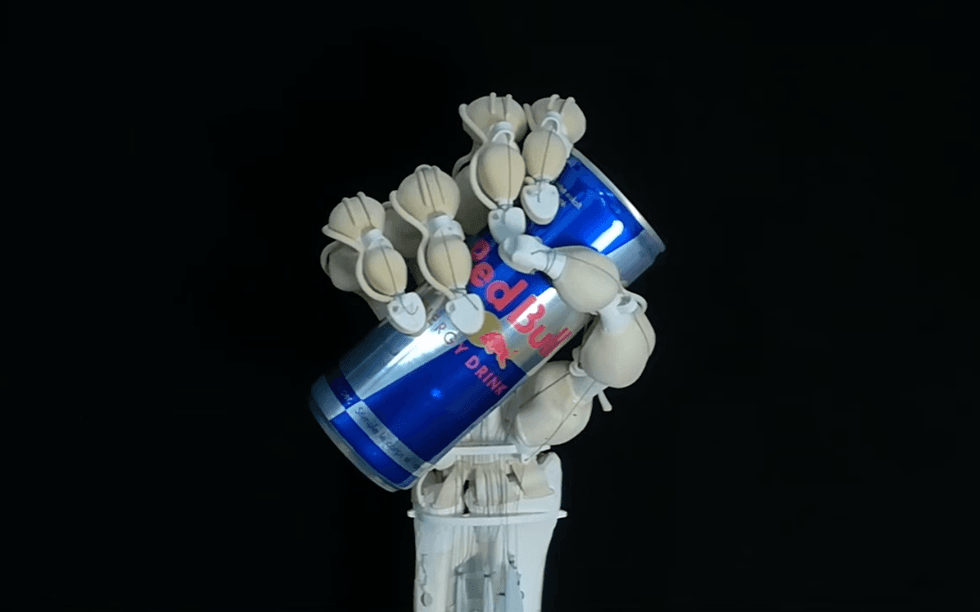
Video Friday: A Robot Hand With Artificial Muscles and Tendons
IEEE Spectrum robotics has released its weekly roundup of notable robotics videos and a calendar of upcoming events, including the International Conference on Robotics and Automation (ICRA) scheduled for June 1-5, 2026, in Vienna. This week's highlights feature advancements in biomimetic design, showcasing a printed hand that integrates soft and rigid components with artificial muscles, enhancing our understanding of natural kinematic structures. Boston Dynamics product managers reflect on classic robots, including LittleDog, which contributed to legged locomotion research over a decade ago. Additionally, DRAGON Lab has introduced a new trajectory planning method for floating-based articulated robots, facilitating exploration in complex environments. Their OmniPlanner tool has been tested extensively across various terrains, including underground mines and forests. The FZI Research Center, in collaboration with ETH Zurich and other institutions, has made strides in preparing for lunar missions by testing cooperative autonomous multirobot teams outdoors. Meanwhile, advancements in humanoid robotics are being discussed, with Kamel Saidi from NIST emphasizing the importance of performance standards for broader adoption. In academia, Junyao Shi from UPenn's GRASP lab will address the challenges of building general-purpose robots, focusing on how human data and foundation models can bridge existing gaps in robotics. This ongoing exploration of robotics technology underscores the field's rapid evolution and its potential impact on various sectors.
Humanoid-robots Video-friday Underwater-robots Bipedal-robots Robot-videos
UNIR of Togo Visits DOBOT to Explore Embodied AI Robotics
A delegation from Togo's Union for the Republic (UNIR), headed by Minister of Economy and Finance H.E. Balkoura Essowè, recently visited DOBOT Robotics headquarters to explore its groundbreaking multi-form embodied AI robotics platform. This innovative technology combines robotic arms, humanoid robots, and multi-legged systems, showcasing advancements in artificial intelligence and robotics. The visit aimed to enhance Togo's understanding of these technologies and their potential applications in various sectors, reflecting the country's interest in integrating advanced robotics into its economic development strategy.
Congress Introduces GUARD Act, Extending FCC Covered List Framework to Robotics
A bipartisan coalition of U.S. lawmakers has introduced the Guarding the U.S. against Adversarial Robotics Dominance (GUARD) Act, aimed at implementing national security reviews for certain foreign-made humanoid and quadruped robots. This legislation reflects a growing concern over the implications of connected autonomous systems on national security. By extending the existing Federal Communications Commission (FCC) covered list framework to include robotics, the bill seeks to ensure that these technologies do not pose risks to U.S. safety and security. The introduction of the GUARD Act marks a significant step in the U.S. government's approach to regulating advanced robotic systems, highlighting the increasing recognition of their potential impact on national defense.
Applications Drone News Drone News Feeds drone security Dual Use News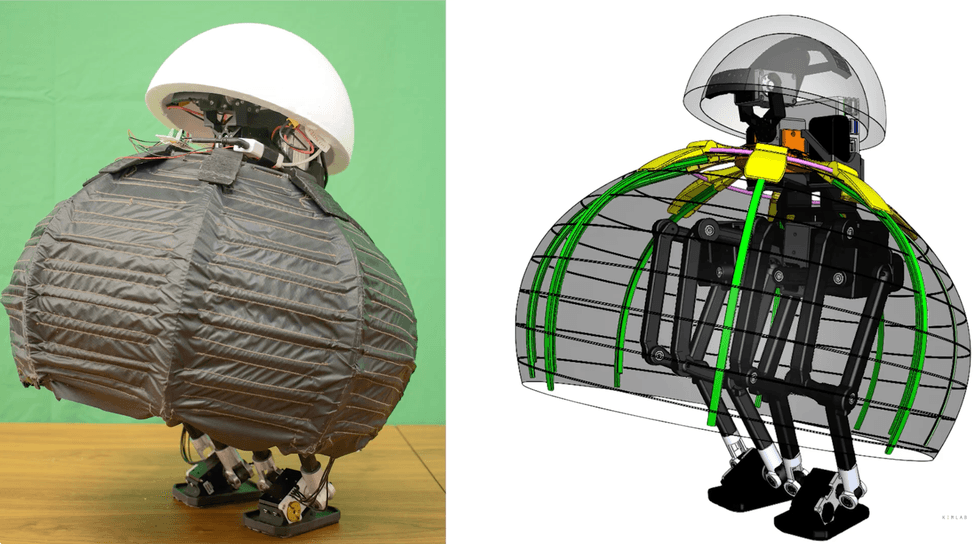
Video Friday: Bipedal Robot Stops Itself From Falling
IEEE Spectrum robotics has released its latest edition of Video Friday, showcasing a variety of innovative robotics videos and announcing upcoming events in the field. Among the highlights is the Robotic Autonomy in Complex Environments with Resiliency (RACER) program, which is nearing completion after extensive collaboration with the U.S. Army and Marine Corps. This program is expected to leave a lasting impact on military operations and stimulate private-sector investment in autonomous technologies. Notable advancements include the introduction of COSA, a cognitive operating system that enhances humanoid robots' capabilities for high-level cognition and motion control. Meanwhile, the 1X World Model has made significant strides in robot learning, allowing its NEO model to perform tasks autonomously based on voice or text prompts, even for unfamiliar objects. In assistive technology, the GuideData Dataset has been launched to improve interactions between guide dog trainers and visually impaired individuals, aiming to enhance mobility and safety. Additionally, Fourier's Care-Bot prototype is gaining attention for its interactive features at CES 2026. In environmental monitoring, ETH Zurich has developed an autonomous quadruped robot for volcanic gas measurements, successfully tested on Mount Etna. Humanoid robots have also made progress in industrial logistics, completing proof-of-concept testing at Siemens's factory in Erlangen. Columbia Engineers have created a robot capable of learning facial lip motions for speech and singing through observational learning, marking a significant milestone in robotics. Lastly, DEEP Robotics showcased its quadruped robots' capabilities in complex firefighting scenarios, while Synapticon introduced its POSITRON platform to enhance safety in humanoid robots for real-world applications.
Robotics Video-friday Bipedal-robots Humanoid-robots Quadruped-robots Industrial-robots
Unitree robotics opens official store on AliExpress
Unitree Robotics, a Chinese company known for its high-performance quadruped and humanoid robots, has officially launched a store on Alibaba’s AliExpress platform. This initiative, announced recently, is part of a broader strategy to enhance the company's global presence through cross-border e-commerce. The store features a range of products under the “Big Save” discount campaign, aimed at attracting international customers. Founded in 2016, Unitree continues to innovate in the robotics field, including the development of advanced robotic arms. This expansion into the online marketplace signifies a significant step in Unitree's efforts to reach a wider audience and increase sales beyond its domestic market.
News Feed
LA High School Students Engage with Real Robotics at Faraday Future Headquarters This Summer
A group of K-12 students in Los Angeles has been hands-on with real humanoid robots and industrial-grade robotic dogs at Faraday Future's headquarters this summer. On July 15, Faraday Future announced that its EAI Robotics Summer Camp, in collaboration with the Lynwood and El Segundo school districts, has entered its second week, alongside a partnership with Triple I, a full-cycle education organization in the U.S. The summer camp is notable for using actual robotics equipment rather than toy kits or computer simulators. Students have worked with Faraday Future's own robots, including the Navi, an educational four-legged robot priced under $2,000, the industrial-grade Aegis, and the humanoid robot Master. The camp employs a five-day progressive learning structure, culminating in students programming and debugging real hardware. Participants have transformed from beginners to capable of autonomous system demonstrations within just one week. Faraday Future's Co-CEO Chen Zhe emphasized the importance of immersive engineering experiences for students and how their feedback aids product iteration and course design. He believes education will be a key application area for scaling consumer robotics in its early stages, as Faraday Future aims to bridge classroom learning with practical experience and home education.
Robotics Education Hands-on Learning Consumer Robotics Programming STEM
Path Robotics Launches Rove, Bringing Mobility to Welding Automation Powered by Physical AI
Path Robotics has unveiled Rove™, a mobile robotic welding system that integrates its advanced Obsidian™ physical AI model with a quadruped robot, marking a significant advancement in welding automation. Announced on April 16, 2026, this innovative system allows for intelligent welding directly at the workpiece, rather than requiring the part to be moved to a fixed welding cell. This development comes at a crucial time as industries face skilled welder shortages and the challenges of large-scale fabrication environments, such as shipbuilding and heavy construction. Rove is designed to operate effectively in high-variability settings, overcoming the traditional limitations of legged robots in precision welding. Early adopter Saronic Technologies, a leader in autonomous maritime vessels, is set to evaluate Rove's capabilities in its shipbuilding operations in Franklin, Louisiana. John Morgan, Head of Manufacturing at Saronic, emphasized the importance of adaptable tooling in modernizing shipyard operations. The Rove system will be showcased at the Sea-Air-Space 2026 maritime expo in National Harbor, Maryland, from April 19 to 22, where attendees can witness its capabilities firsthand. Path Robotics aims to revolutionize manufacturing processes by combining artificial intelligence, machine learning, and computer vision to enhance production quality and efficiency. For more information, interested companies can visit Path Robotics' website.

Qiyuan T1: The First Transformable Personal Robot Unveiled in Shanghai
The Qiyuan T1, the world's first transformable personal robot, was unveiled in Shanghai on July 14. This innovative robot can autonomously switch between a humanoid form and a quadrupedal 'robot dog' form, adapting to various environments without user intervention. This breakthrough is significant as it allows the Qiyuan T1 to navigate spaces that may not be suitable for a single form, enhancing its usability in both indoor and outdoor settings. The robot features advanced capabilities such as flexible force control for human interaction and the ability to carry items in its quadrupedal mode. The Qiyuan T1 will make its public debut at the World Artificial Intelligence Conference from July 17 to 20, 2026. As the personal robotics market evolves, the Qiyuan T1 sets a new standard for versatility and functionality in personal robots.
Transformable Robots Personal Robotics AI Technology Human-Robot Interaction
Lumisition Robotics Secures $7 Million in Angel Funding for All-Terrain Quadruped Robot Development
Lumisition Robotics, founded in February 2026 by a team of experts including a former DJI engineer, has raised approximately 50 million yuan (around $7 million) in angel funding led by Zhengxuan Capital. The funds will primarily support product development, algorithm iterations, and preparations for mass production of their consumer-grade quadruped robots aimed at outdoor applications. The company targets homeowners in Europe and North America, outdoor enthusiasts, and the elderly, focusing on practical applications such as transporting goods over challenging terrains. Unlike many consumer robots that emphasize companionship, Lumisition aims to enhance physical labor capabilities, addressing needs like last-mile transportation in large residential areas. Their product line will include various models suited for urban, light urban, and outdoor environments. Lumisition Robotics plans to conduct outdoor testing in October 2027 and officially launch their product at CES 2027, with mass production expected to begin between April and May 2027. The company is also focused on reducing hardware costs through innovative design and optimization strategies, ensuring competitive pricing while maintaining performance.
Robotics needs a service framework.
RSF defines a common language for robot service capability, lifecycle operations, certification pathways, and service-provider networks.