Industry Briefing
A single destination for timely, editor-curated robotics news from around the world.
Separating logic and language
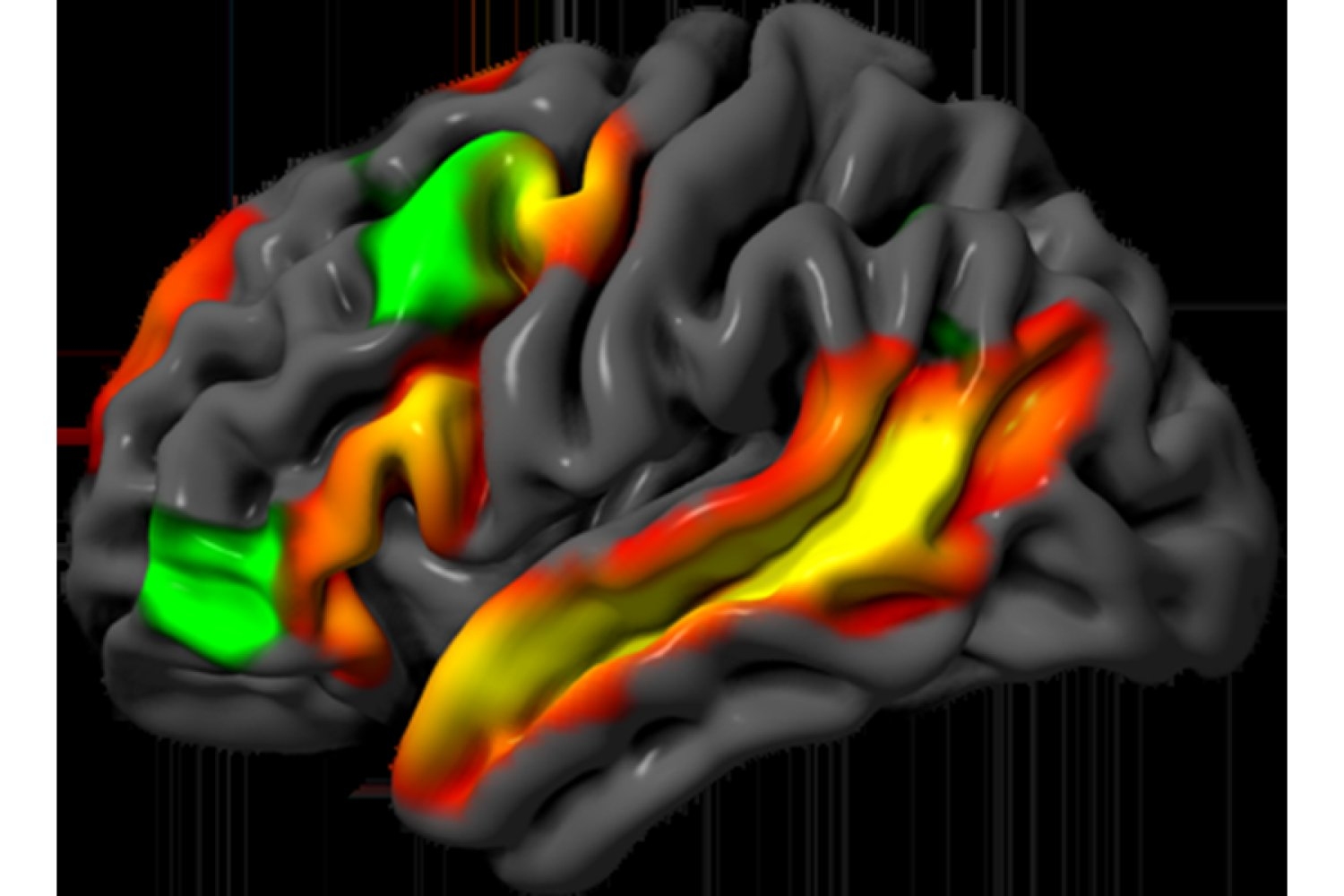
A recent study conducted by neuroscientists has revealed that logical reasoning operates independently of the brain's language-processing regions. This groundbreaking research, published in October 2023, challenges the long-held belief that language is essential for reasoning tasks. The findings were derived from brain imaging techniques that monitored participants as they engaged in various logical reasoning exercises. The study, which took place at a leading research institution, suggests that the cognitive processes underlying logical reasoning may rely on distinct neural pathways separate from those involved in language comprehension and production. This discovery could have significant implications for understanding how humans think and solve problems, potentially influencing educational approaches and cognitive therapy practices.
Research Neuroscience Language Learning Brain and cognitive sciences School of Science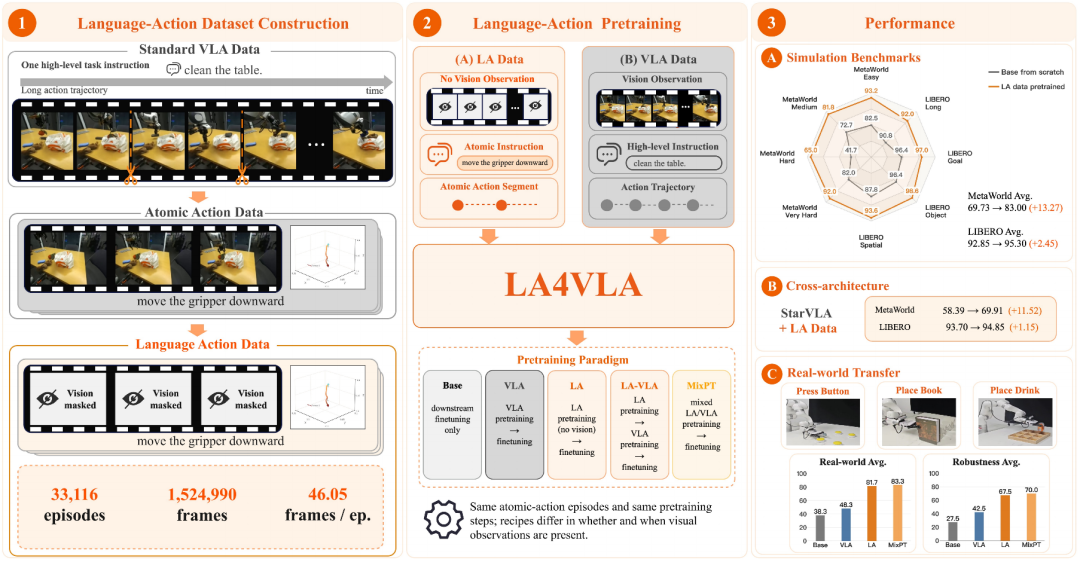
LA4VLA: Redefining VLA Pretraining for Robots to Learn Action Language
Researchers have introduced the LA4VLA framework, a new approach that enhances the capabilities of robots in understanding language commands and executing actions. This framework distinguishes language-action supervision from visual input, enabling robots to learn the relationship between commands and actions independently of visual cues. The study, which highlights the limitations of traditional Vision-Language-Action models, was conducted to address the tendency of these models to rely on visual inputs when confronted with conflicting information. By focusing on a more robust language-action learning process, the LA4VLA framework aims to improve the overall understanding of how language influences robotic actions.
Vision-Language-Action Robotics Machine Learning AI Training
ConlangCrafter Turns AI to Imagining Languages
Researchers from the University of California, Berkeley, Carnegie Mellon University, and Tel Aviv University have developed an AI model named ConlangCrafter, capable of generating new languages. The findings, published on June 27 in the Proceedings of the Association of Computer Linguists, highlight ConlangCrafter's ability to create diverse and rule-abiding languages, surpassing traditional human efforts in language construction. Led by linguist Gašper Beguš, the team designed ConlangCrafter to apply various linguistic rules, including phonology and morphosyntax, while incorporating a random number generator to ensure each language is unique. The model can even simulate unconventional communication systems, such as a hypothetical language for cephalopods that utilizes colors and gestures. The researchers evaluated the generated languages for diversity and consistency, finding that ConlangCrafter produced languages that were twice as diverse and 70% more consistent than those created by general-purpose language models. This advancement could aid natural language processing researchers in understanding how language structure impacts model performance. While ConlangCrafter is currently available for free online, it has limitations in more complex linguistic areas like semantics and contextual usage. Beguš envisions future research exploring the Sapir-Whorf hypothesis, which posits that language influences thought and perception, potentially leading to simulations of societies with distinct languages.
Llms Artificial-intelligence Languages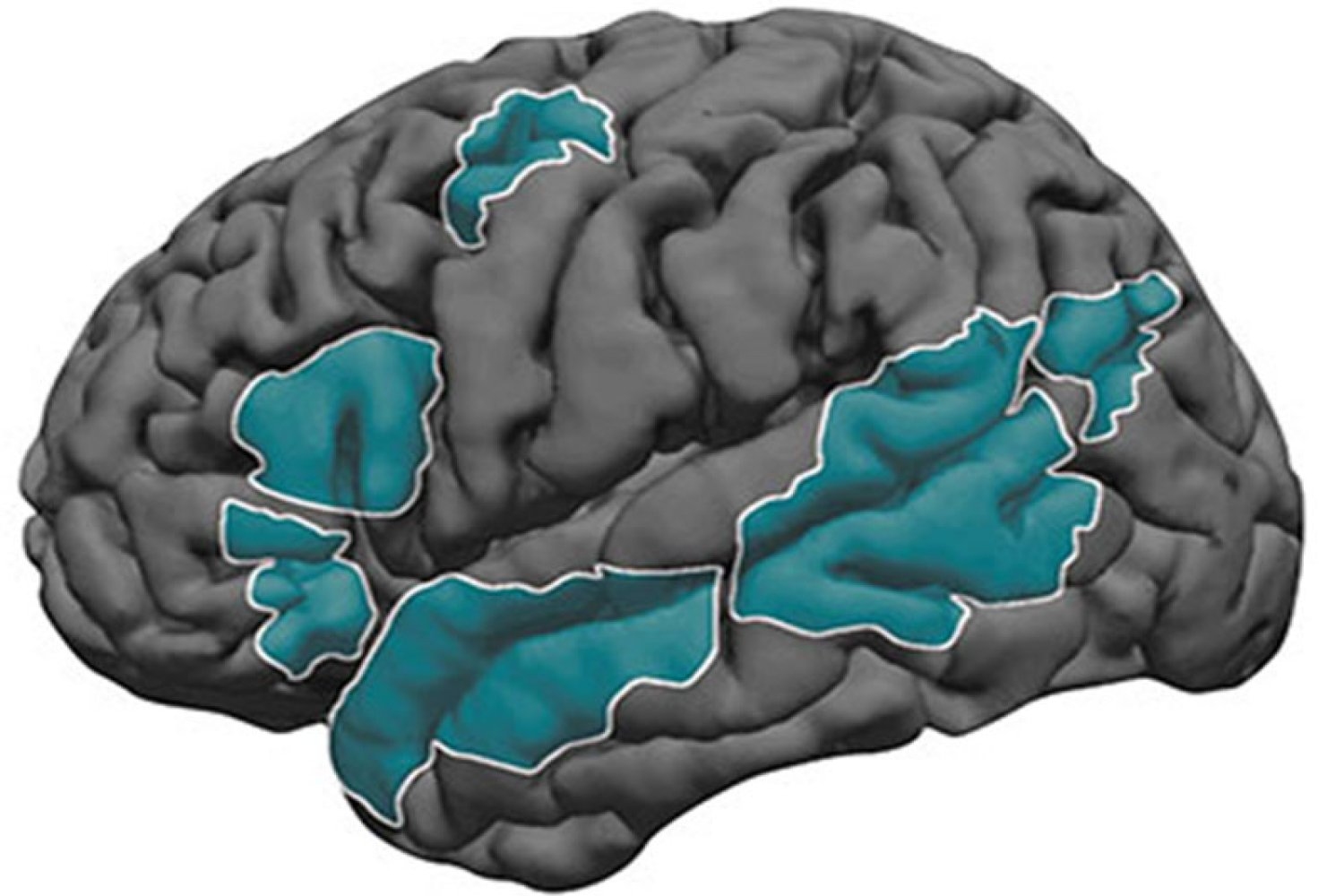
Language development in the brain
Recent research has revealed that the brain's language network continues to develop throughout adolescence, although significant language processing capabilities are established by the age of four. This study highlights the critical role of the left hemisphere in managing language functions early in childhood. Conducted by a team of neuroscientists, the findings underscore the importance of early language exposure and its impact on cognitive development. The research, which utilized advanced imaging techniques to observe brain activity, was published in October 2023, contributing valuable insights into how language skills evolve from early childhood through the teenage years. Understanding this progression can inform educational strategies and interventions aimed at supporting language acquisition in young learners.
Research Language Learning Brain and cognitive sciences Neuroscience McGovern Institute
IEEE Rolls Out Large Language Models Virtual Training Course
Large language models (LLMs) have transitioned from research labs to everyday use in engineering, significantly altering how digital infrastructures are developed and maintained. As technical professionals increasingly rely on LLMs for complex tasks—such as identifying vulnerabilities in source code and converting fragmented discussions into detailed specifications—the demand for expertise in this technology is surging. According to MarketsandMarkets, the LLM technology market is projected to grow by approximately 33% annually through 2030. To effectively utilize LLMs, engineers must move beyond basic interactions and understand the underlying transformer architecture that enables these models to process vast datasets simultaneously. This knowledge is crucial to mitigate risks associated with inaccuracies, often referred to as "hallucinations," and to ensure reliable performance in coding and data handling. Key advancements include integrating LLMs with application programming interfaces (APIs) for direct database connections, addressing hallucination issues through retrieval-augmented generation (RAG), and prioritizing data security by establishing private model instances. Additionally, LLMs automate repetitive tasks, allowing engineers to focus on higher-level design and problem-solving. To bridge the growing knowledge gap, IEEE has launched an online program titled "Large Language Models Demystified," designed to equip technical professionals with a deeper understanding of LLMs. The curriculum covers the evolution of AI technology, transformer architectures, and practical model-building exercises. Participants will earn professional development credits and a digital badge upon completion, enhancing their credentials in this rapidly evolving field. Organizations interested in training their teams can consult with IEEE for tailored enrollment options.
Ai Type-ti Education Ieee-educational-activities Large-language-models Ieee-products-and-services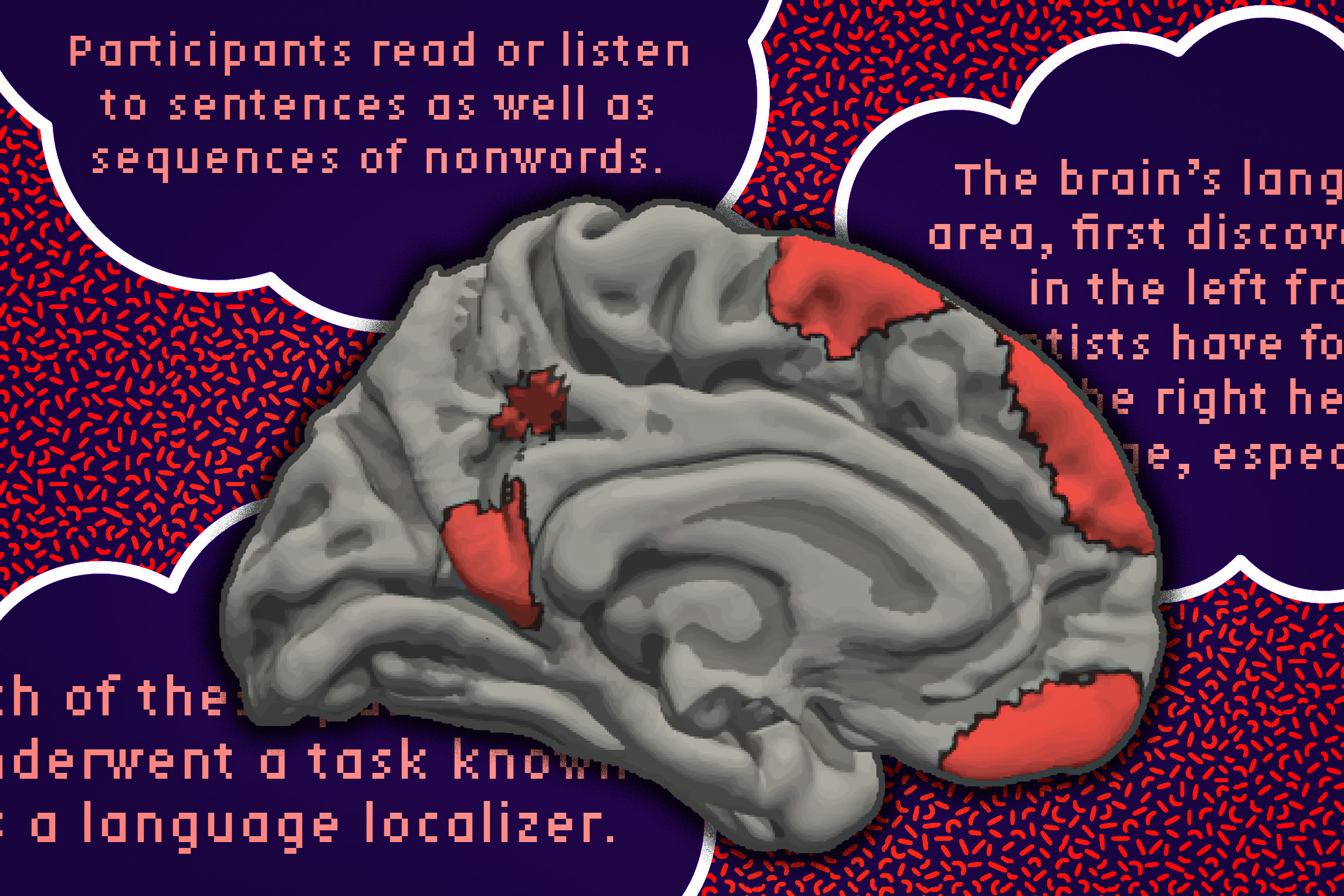
The brain’s language network is more extensive than previously thought
A recent study has uncovered that regions of the brain traditionally not associated with language processing play a significant role in language comprehension. Conducted by a team of researchers, the study highlights the complexity of language understanding and suggests that various brain areas contribute to this cognitive function. The findings, published in October 2023, challenge existing notions about the localization of language processing, emphasizing the brain's interconnectedness. This research could have implications for understanding language disorders and developing new therapeutic approaches. By employing advanced imaging techniques, the researchers were able to identify these previously overlooked brain regions, shedding light on the intricate mechanisms underlying language comprehension.
Research Brain and cognitive sciences Neuroscience Learning McGovern Institute School of Science
West Lake University Spin-off Secures Millions for Brain-Machine Interface Focused on Chinese Language Decoding
A brain-machine interface company, incubated by West Lake University, has successfully secured tens of millions in funding to advance its development of chips and decoding technology designed to assist individuals with speech impairments in communicating in Chinese. This innovative initiative focuses on translating brain signals into text and speech, specifically accommodating the tonal nuances of the Chinese language. The funding marks a significant milestone in the evolution of assistive communication technology, aiming to enhance the quality of life for those facing communication challenges.
Brain-Machine Interfaces Speech Technology Neural Decoding Assistive Technology
Visual Language Models Train Robots to Read Human Emotions
A recent study led by Seung Chan Hong at the University of Melbourne explores the emotional capabilities of collaborative robots as they increasingly work alongside humans. Published on May 18 in IEEE Robotics and Automation Letters, the research investigates how robots can better understand human emotions through contextual cues, beyond just facial expressions. Involving 40 volunteers, the study trained a vision language model (VLM) to interpret emotions based on video interactions where robots handed objects to humans. The VLM outperformed traditional AI systems, scoring 0.86 in emotional accuracy compared to 0.77 for conventional methods. This improvement is attributed to the VLM's ability to consider the entire context of interactions rather than isolated facial expressions. In a follow-up experiment, participants interacted with a robot that was programmed to make an error, receiving either an emotionally adaptive apology or a standard one. The majority preferred the adaptive response, but trust in the robot diminished after it failed to complete its task, highlighting that emotional responses cannot compensate for a lack of functionality. While the VLM effectively recognized emotions from a third-party perspective, its accuracy dropped when compared to participants' self-reported feelings, indicating that robots still struggle to fully understand human emotions. The findings suggest that while emotional adaptivity is valuable, the primary concern for users remains the robot's competence in performing tasks.
Robotics Journal-watch Ai-models Emotion-recognition
Proteus gets natural-language ability as Amazon expands European robot deployments
Amazon has announced its plans to deploy the mobile robot Proteus, along with two other robots, STARK and Vulcan, across Europe. This initiative aims to enhance operational efficiency within its facilities. Notably, Proteus will feature natural-language processing capabilities, allowing it to operate without the need for special commands. The deployment is part of Amazon's broader strategy to integrate advanced robotics into its logistics and fulfillment processes, reflecting the company's commitment to innovation in automation. The timeline for this rollout has not been specified, but it underscores Amazon's ongoing investment in technology to streamline operations and improve productivity in its European market.
6-Axis Arms / Manipulators Artificial Intelligence / Cognition Autonomous Mobile Robots (AMRs) Collaborative Robots Human Robot Interaction / Haptics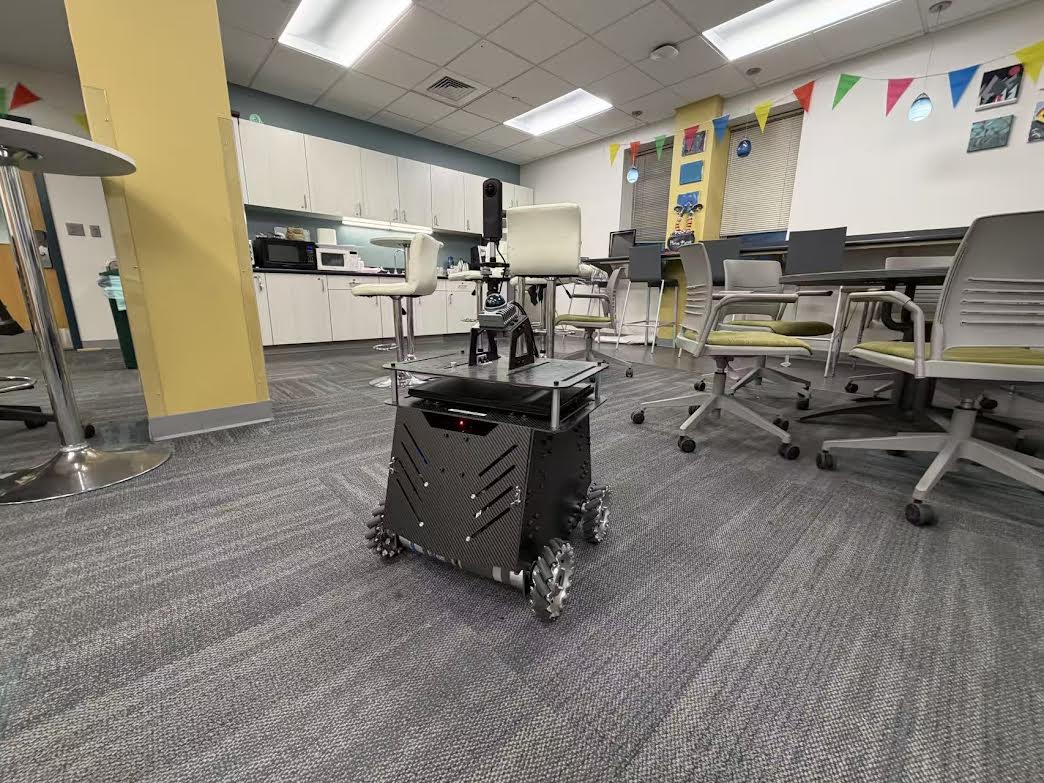
Robotics Institute Launches Next Phase of Vision-Language-Navigation Challenge
Carnegie Mellon University’s Robotics Institute is set to host the latest phase of the Vision-Language-Navigation (VLN) Challenge, aimed at advancing the ability of robots to comprehend and execute human instructions in real-world environments. This new iteration of the challenge, which takes place this year, marks a significant evolution from previous versions by eliminating certain constraints, thereby enhancing the complexity and applicability of the tasks involved. The initiative seeks to unite researchers in tackling one of the most challenging aspects of robotics, ultimately striving to improve the interaction between humans and machines.
Research
NVIDIA Launches Nemotron 3 Nano Omni Model, Unifying Vision, Audio and Language for up to 9x More Efficient AI Agents
NVIDIA has introduced the Nemotron 3 Nano Omni, an innovative open multimodal AI model designed to enhance the efficiency of AI agent systems. Announced today, this model integrates vision, speech, and language capabilities into a single framework, addressing the common issue of time and context loss that occurs when data is transferred between separate models. By streamlining these processes, the Nemotron 3 Nano Omni aims to improve the performance of AI applications across various domains. This advancement is particularly significant as it allows for more cohesive and contextually aware interactions, marking a notable step forward in the development of AI technologies.

Why Are Large Language Models So Terrible at Video Games?
Recent advancements in large language models (LLMs) have led to significant improvements in various domains, particularly in coding. However, a notable limitation remains: LLMs struggle to play video games effectively. Despite some successes, such as Gemini 2.5 Pro defeating Pokémon Blue in May 2025, these models often perform poorly compared to human players, making frequent mistakes and requiring specialized software to assist them. Julian Togelius, director of New York University’s Game Innovation Lab and co-founder of AI game-testing firm Modl.ai, discussed these challenges in a recent interview with IEEE Spectrum. He highlighted that while coding resembles a well-structured game with clear tasks and immediate feedback, video games present a more complex landscape that LLMs have yet to navigate successfully. Unlike games like chess or Go, which have been mastered by AI through retraining, video games vary significantly in mechanics and input requirements, complicating the development of a general game AI. Togelius pointed out that the lack of comprehensive benchmarks for video games further hinders LLMs' performance. While benchmarks have driven improvements in coding, the diverse nature of video games makes it difficult to establish similar metrics. He noted that current LLMs perform poorly even compared to basic algorithms in gaming contexts, primarily due to insufficient training data and challenges in spatial reasoning. Despite their coding capabilities, LLMs cannot engage in the iterative process of game development, which involves testing and refining gameplay. This disparity raises questions about the future of AI in mastering video games and its implications for broader AI applications.
Llms Artificial-intelligence Video-games
MWC 2026: iFlytek releases 40g AI glasses for cross-language communication
At the Mobile World Congress (MWC) 2026, iFlytek unveiled innovative AI-powered smart glasses aimed at improving cross-language communication. The glasses are equipped with a real-time subtitle translation feature that displays translations directly on the lens, complemented by an integrated speaker that provides audio translations. Utilizing advanced lip movement recognition and bone conduction microphone technology, these smart glasses are designed to function effectively even in noisy environments, thereby enhancing the accuracy of translations. This development reflects iFlytek's commitment to leveraging cutting-edge technology to bridge language barriers and facilitate smoother communication in diverse settings.
News Feed MWC 2026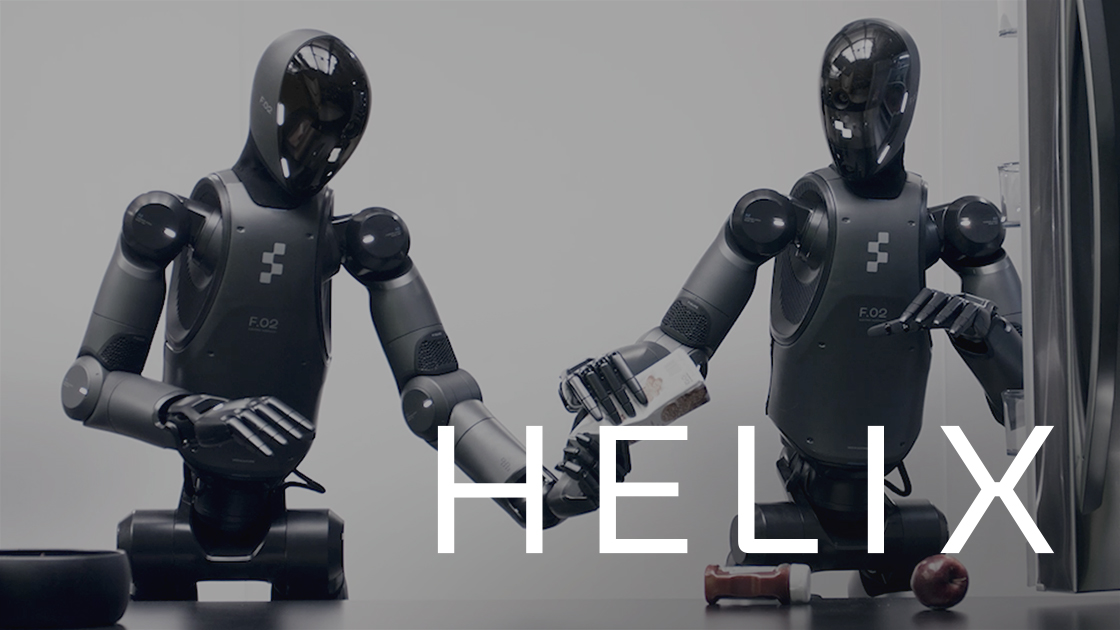
Helix: A Vision-Language-Action Model for Generalist Humanoid Control
Helix, an innovative Vision-Language-Action model, has been developed to enhance humanoid robotics by providing full upper-body control and facilitating collaboration among multiple robots. This cutting-edge technology enables robots to execute tasks involving new objects through natural language prompts, significantly improving their versatility and usability. Notably, Helix operates efficiently on low-power GPUs, positioning it for commercial applications. With its capabilities, Helix is set to revolutionize the field of robotics, making advanced robotic interactions more accessible and practical for various industries.
robotics AI machine learning humanoid robots automation
Research Group to Host CMU Vision-Language-Autonomy Challenge
Carnegie Mellon University's Robotics Institute is set to host the CMU Vision-Language-Autonomy Challenge, an event designed to unite researchers focused on the integration of computer vision, natural language understanding, and autonomous navigation. Scheduled for the near future, this challenge aims to advance the fields of computer vision and artificial intelligence by fostering collaboration and innovation in real-world applications. The initiative builds on the institute's success in developing an award-winning navigation autonomy system, highlighting its commitment to pushing the boundaries of AI research.
Uncategorized
Biomimetic Robots Discover Universal 'Movement Language' from Fish to Octopus
Researchers at South China University of Technology have unveiled a groundbreaking universal kinematic model that captures the complex movements of a variety of animals, such as fish, snakes, and octopuses. This model integrates body curvature equations with nonlinear oscillators, providing a more streamlined and cohesive framework for designing biomimetic robots. The innovation aims to enhance the efficiency of robot movement and control, potentially transforming the field of robotics by simplifying the processes involved in generating and managing movement in these machines.
Biomimetic Robots Kinematics Robotics Research Animal Movement Control Systems
New framework helps robots turn complex language into precise 3D actions
In recent decades, roboticists around the globe have developed sophisticated robots capable of interpreting human commands and navigating their environments to perform basic manual tasks. Despite these advancements, many of these robots continue to face challenges in accurately translating user instructions into specific, executable actions necessary for successfully completing desired tasks. This ongoing struggle highlights the complexities involved in human-robot interaction and the need for further innovation in robotic technology to enhance their effectiveness in practical applications.
Robotics
Self-refining vision language model for robotic failure detection and reasoning
Reasoning about failures is crucial for building reliable and trustworthy robotic systems. Prior approaches either treat failure reasoning as a closed-set classification problem or assume access to ample human annotations. Failures in the real world are typically subtle, combinatorial, and difficult to enumerate, whereas rich reasoning labels are expensive to acquire. We address this problem by introducing
Automated reasoning
Humanoid robots show off their language and boxing skills in Hong Kong
In Hong Kong, a humanoid robot resembling a primary school student captivated audiences by singing songs and engaging in conversation in both Mandarin and English. The robot interacted with attendees, responding to their questions and providing an entertaining experience. This demonstration showcased advancements in robotics and artificial intelligence, highlighting the growing integration of technology in everyday life. The event aimed to promote interest in robotics and its potential applications, illustrating how such innovations can enhance communication and learning.
Robotics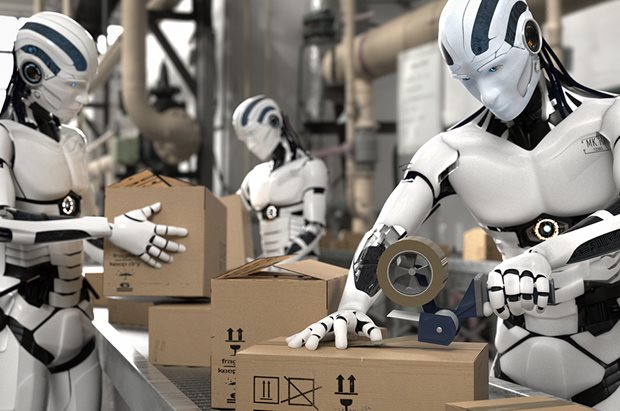
Dadu‐E: Rethinking the Role of Large Language Model in Robotic Computing Pipelines
In May 2026, the Journal of Field Robotics published a significant study exploring advancements in robotic technology. Researchers from various institutions collaborated to examine the latest innovations in field robotics, focusing on their applications in agriculture, search and rescue operations, and environmental monitoring. The study highlights how these robotic systems are designed to enhance efficiency and safety in challenging environments, addressing the growing demand for automation in various sectors. By employing cutting-edge artificial intelligence and machine learning techniques, the researchers demonstrated how robots can perform complex tasks with increased precision and reliability. This research aims to provide insights into the future of robotics, emphasizing the importance of continued development in this field to meet societal needs and improve operational capabilities.
RESEARCH ARTICLE
When Machines Learn to See Like Experts: The Rise of Vision Language Models in Manufacturing
In a significant development for the manufacturing sector, experts have highlighted the transformative potential of Variational Latent Models (VLMs) in enhancing quality assurance processes. While acknowledging that VLMs will not address every challenge faced in the realm of artificial intelligence within manufacturing, they emphasize that these models provide a unique capability that surpasses existing technologies, particularly in high-complexity production environments. This advancement comes at a time when industries are increasingly seeking innovative solutions to improve efficiency and accuracy in their operations. As manufacturers strive to meet rising demands and maintain high standards, the adoption of VLMs could represent a pivotal shift in how quality assurance is approached, ultimately leading to more reliable and efficient production outcomes.

Combining the robot operating system with LLMs for natural-language control
In recent decades, robotics researchers have made significant advancements in the development of autonomous robots capable of performing a variety of real-world tasks. These innovations aim to enable robots to operate effectively in diverse environments, including public spaces, homes, and offices. A critical aspect of this progress is the robots' ability to understand and interpret instructions from human users, allowing them to adapt their actions in response to specific needs and situations. This evolution in robotics is driven by the growing demand for intelligent automation solutions that enhance efficiency and user interaction in everyday life.
Robotics
Chinese Team Solves VLA Model's Weakness with 'Moving Eyes' Technology
A research team from China has made significant advancements in enhancing the performance of Vision-Language-Action (VLA) models, which typically experience severe performance declines with minor camera movements. By implementing a novel 'moving eyes' paradigm that employs dual robotic arms for dynamic data collection, the team has achieved a notable increase in task success rates, showcasing a more profound understanding of spatial interactions. Their innovative findings were presented at the esteemed IROS 2026 conference, highlighting the importance of addressing vulnerabilities in VLA models to improve their reliability in real-world applications.
Vision-Language-Action Robotics Dynamic Data Collection AI Machine Learning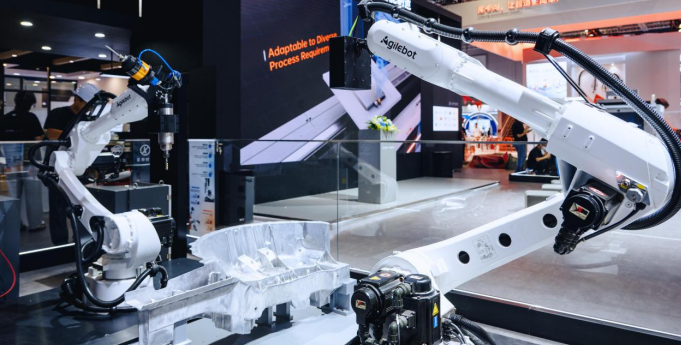
VLA Shines at ICRA: Investment Thrives While Factories Calculate
The ICRA 2026 conference held in Vienna highlighted a significant milestone in the field of robotics, featuring a record number of submissions, with nearly 20% dedicated to Vision-Language-Action (VLA) research. While the academic community applauds these advancements, the industry faces ongoing challenges in reliably implementing these technologies within manufacturing environments. Leading the charge is the company 微亿智造, which is utilizing extensive real-world industrial data to improve the stability and efficiency of robotic operations. This integration of data aims to bridge the gap between theoretical research and practical application, addressing the pressing need for robust solutions in factories.
Vision-Language-Action Industrial Robotics Data-Driven Automation Manufacturing Technology
Māori Text-to-Speech Model Spurns Big Tech’s Values
Researchers at the University of Waikato in New Zealand have developed a high-fidelity synthetic voice for te reo Māori, the indigenous language of the country, in response to concerns over the ownership and control of Māori language data by foreign technology companies. Led by associate professor Te Taka Keegan and his former master's student Kingsley Eng, the project was motivated by a desire for "sovereign digital systems" that prioritize Māori ownership of their language resources. The initiative began with the recording of 4.5 hours of data from Ngaringi Katipa, a fluent speaker and language mentor, which was later expanded to 7 hours and 45 minutes. The researchers faced challenges due to the unique linguistic features of te reo Māori, such as vowel length and digraphs, which can alter meanings. They employed a phoneme-based approach to training the text-to-speech model, utilizing open-source tools and testing various neural architectures to achieve an effective AI voice with a word error rate of 6.78 percent. Despite receiving funding from Google, Keegan emphasized that the ownership of the voice model remains a collective responsibility of the Māori community, particularly the tribes affiliated with Katipa. The project aims to empower Māori language speakers and establish a framework for similar initiatives among other indigenous communities globally. Keegan envisions a future where community-owned language models can preserve and promote indigenous knowledge, ensuring that technology serves to empower rather than diminish cultural heritage.
Artificial-intelligence Languages Ai-models
What Does OpenClaw Mean for Robotics?
OpenClaw, a groundbreaking language interaction tool, is poised to transform human-robot interaction by allowing users to program robots using natural language. This innovative approach marks a significant shift from traditional code-driven development to intent-driven programming, making robotics more accessible to non-experts. By simplifying the customization of robot behaviors, OpenClaw aims to democratize the field of robotics, enabling a broader range of individuals to engage with and utilize robotic technology effectively. This development is expected to foster greater creativity and innovation in the robotics sector, as users can easily express their intentions without needing extensive coding knowledge.
Human-Robot Interaction Natural Language Processing AI Development Robotics Innovation
The Death of VLAs: Unraveling the True Challenges of Embodied Intelligence
At the Sequoia AI Summit, NVIDIA's Jim Fan made headlines by declaring that "VLA is dead," igniting a conversation about the shortcomings of visual-language models in the realm of embodied intelligence. This statement highlights the growing recognition within the tech community of the necessity for enhanced physical capabilities in AI systems. The discussions at the summit emphasized the importance of developing world models that can better address the limitations currently faced by visual-language models. As the field of artificial intelligence continues to evolve, experts are calling for innovative solutions to improve the integration of visual and physical understanding in AI applications.
Embodied Intelligence Visual-Language Models World Models Robotics AI Technology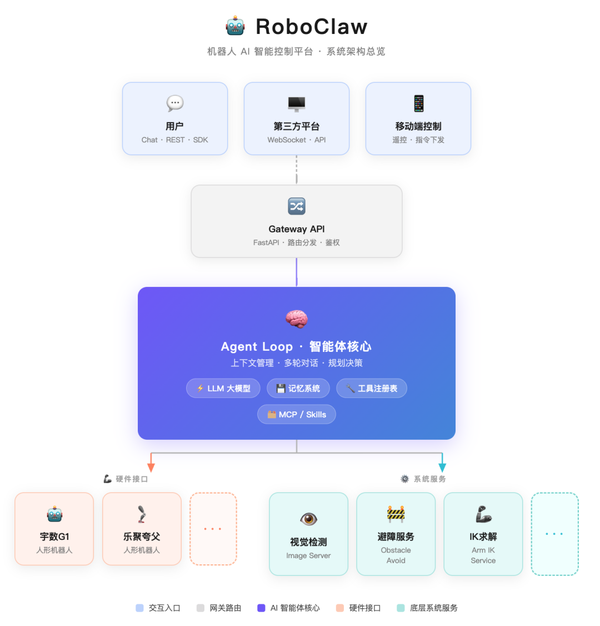
Major Release: ZhiYuan Research Institute Unveils RoboClaw Embodied Intelligence Operating System
The ZhiYuan Research Institute, in partnership with Xuanji Intelligent and Mianbi Intelligent, has unveiled the RoboClaw operating system, a groundbreaking development aimed at enhancing embodied intelligence in robotics. Launched recently, this innovative system allows robots to autonomously perform tasks by engaging in natural language interactions, effectively bridging the gap between artificial intelligence comprehension and practical execution in the physical world. The initiative reflects a significant advancement in robotics technology, aiming to improve the efficiency and versatility of robots in various applications.
Embodied Intelligence Robotics AI Automation Natural Language Processing
Small-AI Models Gain Traction Around the World
One morning in 2019, Adebayo Alonge was in a Cape Town hotel room, preparing to demonstrate his startup’s AI answer to a serious problem in African health care: counterfeit medication, which kills thousands of people across the continent every year.The RxScanner is a handheld spectrometer that scans a pill with infrared light, then sends the item’s molecular profile to an AI model equipped with a pharmaceutical database. In seconds, the AI identifies the medication from its molecular profile—or reports that it’s phony.Pharmacies were using the system in more than a dozen countries, including Ghana, Kenya, Myanmar, and Alonge’s native Nigeria. But that morning in South Africa, it didn’t work. “I was shocked,” Alonge says.The spectrometer connected to the AI model—but the data center was 14,000 kilometers away and bandwidth was limited. “Our server was in the United States, and just to get the result of a single scan was taking me over 5 minutes.”So Alonge immediately asked his engineers to shrink the AI model down to a smaller, low-power, unconnected version that could run entirely on his Android phone. They produced it 2 hours later, and that saved the demo.More importantly, the work birthed a new version of his device, which can authenticate a pill in places without broadband, computers, or even reliable electricity. It also turned Alonge into an advocate for this kind of “small AI.”Small AI for Global Health Care AccessSmall AI is a far cry from wealthy nations’ colossal large language models (LLMs), hyperscale data centers, multibillion-dollar investments, and debates about AI consciousness. But for millions of people around the world, the only AI that matters, and often the only kind available, is small. (According to a World Bank Report issued in November, only 0.7 percent of internet users in the world’s poorest countries have used ChatGPT, compared to a quarter of all internet users in the most developed nations.)“Most people are discussing AI from the LLM/generative side. But that needs a lot of computing power, electricity, massive data, and skilled people to manage it,” Ajay Banga, president of the World Bank, said last January at the World Economic Forum, in Davos. “Outside the developed world, other than maybe India and China, very few countries have that combination.”By contrast, small AI can deliver useful, even life-saving services to people in areas that have none of those things, Banga said. In India, where the government’s AI plans call for more development of small AI, many such systems are working for farmers.For example, a drone-based system developed by Bala Murugan and colleagues at the Vellore Institute of Technology, in India, takes photos of cashew plants and quickly identifies those with splotches that indicate disease. All the processing takes place on the drone itself, so there’s no need for a computer on-site, nor for a connection to a central server.Using small language models trained for a specific problem, and sometimes running on cheap, low-power devices, other small-AI implementations have been developed to identify ant infestations in a Uruguayan vineyard, detect the presence of malaria-carrying mosquitoes in a number of nations, and run electrocardiograms from an Arduino device in parts of Brazil that lack access to more complex equipment.“This is the most important area in AI nowadays,” says Marcelo José Rovai, a professor at the Institute of Engineering and Information Systems at the Federal University of Itajubá, in Brazil, who was involved in all three projects. “It’s growing very fast.”Low-Power, Small-AI Models on Devices Small AI models can run on a variety of low-power devices, including [from left to right] an Arduino Nano 33 BLE Sense, a Seeed Wio Terminal, and an Arduino Portenta.Moez AltayebFor Alonge, Rovai, and other advocates, small AI is not just “a promising trend,” as that November World Bank report calls it. It may be, in the long term, the form of AI that will touch the most lives and remain sustainable after some of the giant models become too costly for most users.“I think the future of AI is not like one giant model, at a center. I think it’s millions of small, precise models deployed at the edge, each one solving like a specific problem, a specific context,” Alonge says. This is partly because much of humanity—including people in parts of rich countries as well as the developing world—lives without access to cutting-edge frontier models. But, he says, it’s also because those models are not sustainable.“If someone is not subsidizing it, most people will not be able to afford those models. So those of us who are said to be small-AI developers are the ones who will have to build for the majority of the world,” Alonge says.There is no strict definition of “small AI,” but people often use the term for language models with at most a few billion parameters. (Compare that to cutting-edge models, which can include more than a trillion.) That’s small enough to run directly on a phone or a Raspberry Pi. That’s what allows these applications to run on devices without a connection to a data center and use only a few watts of power, often supplied by a battery or a solar panel.Despite their small footprint, these models aren’t fundamentally different technology from that of gigantic AI models, Rovai says. Many instances of small language models were created the same way the phone-based version of Alonge’s pharmaceuticals scanner was—by “pruning” large models, or removing the parameters that weren’t involved in the task. The result is a system that’s less capable generally but still very good at the specific job it was pruned for, Rovai says. A lighter version of RxAll’s RxScanner spectrometer sends its results to an AI model run locally on a phone to check that a drug’s molecular signature is genuine.RxAllOther small models are created by “distillation.” They are trained to mimic a large model, until their performance approaches that of their “teacher,” Rovai says. In other cases, a larger model’s precision is reduced, for example, so that a model run on 32-bit architecture can run on 8-bit designs. In situations where the machine learning application is being used to classify data or predict patterns (like an ant infestation), it’s trained from the beginning on a small device, not derived from a larger model at all. Running all these small, specialized systems is becoming easier, Rovai says, for two reasons.The first reason is that hardware is getting better and more capable while using less power, he says. This means more and more phones can run small AI—especially those equipped with neural processing units, which are specialized chips that handle AI tasks like facial recognition and changing the brightness, shadows, or contrast in a photo.In 2025, slightly more than a third of all smartphones shipped worldwide were capable of running generative AI, and that figure will reach 45 percent by the end of this year, according to the technology research firm Counterpoint. By the end of next year, slightly more than half of all smartphones will be able to run a small AI model.The second reason Rovai cites is the shrinking footprint of language models. Both Google DeepMind’s Gemma 4 (released in April) and Alibaba’s Qwen 3.5 are “fantastic” for small AI, Rovai says. Both models are “open weight,” meaning users can adjust the connections between parameters to suit their needs. This makes it easy, for example, “to take a lot of data from, say, the milk industry and retrain the model specifically on that,” Rovai says.Rovai illustrated these reasons on a Zoom call, using one of his most recent experiments. Holding up a device, he says, “This is the new Arduino UNO Q—a US $50 device with a Qualcomm chipset. I’m running a language model here, which collects data from sensors and analyzes that data to detect tiny pools of water where mosquitoes might be breeding. It takes 3 watts to run it.”Support for Small-AI DevelopmentConvinced that millions of people are already benefiting from these kinds of applications, the World Bank now actively promotes small AI with grants, mentorship programs, financing, technical advice, and models of government policies that are friendly for small-AI development. For example, in Rwanda, the World Bank is backing a government program to help low-income households get devices that can run AI.All that said, no one claims that large language models are going away entirely. To create a generative AI that can run on a phone or other small device requires the architectural insights, data processing, and results of a larger model, Rovai says. “We need the big models to create these smaller models.” And for all that small AI can benefit people without access to big AI, the technology can’t solve the larger problems of development and digital inequality, Alonge says. Implementing small AI won’t allow nations to escape the challenge of creating an ecosystem to support AI: reliable power, a supply chain that works, and an educational system that develops the talents needed to create AI tools.Though his drug-scanning system can run for days on a phone with no connection, “you still want to be able to enable periodic syncing for updates with new signatures for the medications and analytics,” Alonge says. “And even when you are using batteries, reliable power is important. That phone battery is not going to last forever.”In many parts of the world, the future of small AI isn’t assured, he says. “It works, and many places will eventually need to use it. The question is whether or not the political actors are wise enough to invest in infrastructure to support it long term.”
Small-language-models Artificial-intelligence Llms
Emily Bender Sets the Record Straight on “Stochastic Parrots”
In March 2021, a notable paper titled “On the Dangers of Stochastic Parrots: Can Language Models Be Too Big?” was published by a team of four linguists and computer scientists, including Timnit Gebru and Margaret Mitchell, shortly after their controversial dismissal from Google. The paper critiques large language models, suggesting they generate text through statistical predictions rather than genuine understanding, coining the term "stochastic parrot" to illustrate this concept. As the analogy gained traction beyond academia, it sparked debates and inspired projects, including a shoulder-mounted robot named the Stochastic Parrot. On the five-year anniversary of the paper, lead author Emily M. Bender, a professor at the University of Washington, addressed common misconceptions surrounding the term in a recent blog post and an interview with IEEE Spectrum. Bender emphasized that the phrase specifically refers to large language models and not to all forms of artificial intelligence, which she believes oversimplifies the technology and complicates discussions about its implications. She highlighted the importance of clear terminology in understanding and regulating technology, noting that many discussions conflate different AI applications, such as chatbots and protein folding algorithms. Bender also acknowledged that the paper overlooked significant issues, such as exploitative labor practices in data collection, which she now believes should have been included. The ongoing discourse around language models continues to evolve, reflecting the complexities of artificial intelligence and its societal impact.
Emily-bender Large-language-models Llms Ai-ethics
LLMs help robots understand vague instructions and focus on key details
Researchers at MIT have developed an innovative approach to enhance the efficiency of robots in performing chores in various environments, including homes and factories. This new method employs a dual-language model system: the first model is designed to interpret and clarify user instructions, while the second model focuses on filtering out irrelevant information that may hinder task execution. This advancement aims to improve the interaction between humans and robots, making it easier for machines to understand and carry out complex tasks effectively. The initiative reflects MIT's commitment to advancing robotics technology and its potential applications in everyday life.
School of Engineering MIT Schwarzman College of Computing Aeronautical and astronautical engineering Electrical engineering and computer science (EECS) Computer Science and Artificial Intelligence Laboratory (CSAIL) Computer science and technology
Can AI Chatbots Reason Like Doctors?
A recent study published on April 30 in the journal Science reveals that OpenAI's large language model (LLM) has outperformed physicians in clinical reasoning tasks using real emergency room records. This research comes amid growing scrutiny of the reliability of medical information provided by chatbots, with some studies highlighting impressive diagnostic capabilities while others point to inaccuracies and fabricated information. OpenAI has introduced tools like ChatGPT for Clinicians and ChatGPT for Healthcare, aiming to assist medical professionals. The study involved comparing the performance of the LLM with that of physicians during various stages of emergency care, demonstrating that the AI model consistently provided accurate or close diagnoses more frequently than human doctors. Despite the promising results, researchers, including coauthor Arjun Manrai from Harvard Medical School, caution against interpreting these findings as a signal that AI could replace doctors. Instead, they emphasize the need for further research and clinical trials to explore how LLMs can be effectively integrated into medical practice. Experts like Mickael Tordjman from the Icahn School of Medicine stress the importance of developing reliable evaluation methods for LLMs in clinical settings. As the technology evolves rapidly, there is an urgent need to address regulatory and liability questions surrounding its use in healthcare. While acknowledging the potential benefits of AI in medicine, researchers advocate for responsible innovation and careful evaluation to ensure patient safety and effective integration into clinical workflows.
Large-language-models Llms Chatbots Medical-ai Ai-safety Openai
Why this CEO thinks video games make better training data than the internet
Recent discussions in the field of artificial intelligence have highlighted the limitations of large language models, such as ChatGPT and Claude, in achieving artificial general intelligence (AGI). While these models excel in text generation, they struggle with understanding the dynamics of movement through space and time, a critical component for developing generalized intelligence. To address this gap, researchers are exploring the potential of gaming data as a solution. This innovative approach, known as General Intuition, aims to leverage the rich, interactive environments found in video games to enhance AI's understanding of real-world physics and dynamics. By integrating insights from gaming, experts believe they can create more sophisticated models capable of reasoning and adapting in complex scenarios. The exploration of this method is ongoing, with the hope of advancing the field of AGI significantly.
AI Startups AI Funding general intuition physical ai Pim DeWit
Meta Launches Muse Image: AI Image Model Integrated with Instagram and WhatsApp
Meta has introduced its latest AI image generation model, Muse Image, enabling users to create high-quality visuals using natural language prompts. This innovative tool is integrated with popular platforms Instagram and WhatsApp, allowing users to generate images based on public Instagram photos as references. However, the automatic inclusion of users' public photos without prior notification has sparked privacy concerns among users. Muse Image is available for free, though a subscription is required for more extensive use. Additionally, Meta is currently developing a video generation model to complement this new offering.
AI Image Generation Social Media Integration Privacy Concerns Digital Content Creation
NVIDIA and Hugging Face integrate AI model "GR00T 1.7" into open-source robot development platform "LeRobot."
NVIDIA and Hugging Face have announced the integration of their cutting-edge technologies aimed at enhancing humanoid robots. The collaboration will see the incorporation of NVIDIA's visual language action (VLA) model, known as NVIDIA Isaac GR00T 1.7, along with the remote operation framework, NVIDIA Isaac Teleop, into Hugging Face's open-source robot development library, LeRobot. This initiative is set to advance the capabilities of humanoid robots, enabling more sophisticated interactions and functionalities. The announcement highlights a significant step in the ongoing evolution of robotics, reflecting both companies' commitment to fostering innovation in the field.

AI Models Overthink Problems—and It’s a Security Risk
Large language models (LLMs) that can think through problems step-by-step have significantly increased the scope of tasks that AI can tackle. But new research suggests these reasoning capabilities also introduce a critical vulnerability that could allow attackers to slow these systems to a crawl.While earlier generations of LLMs would immediately produce a response to a user’s request, today’s most advanced models generate an internal monologue where they break down the problem into steps and reason about the best way to tackle it before providing an answer. This has allowed AI to tackle increasingly complex problems, particularly in areas like coding and math.However, previous research has shown that these models are susceptible to sometimes producing excessively long streams of reasoning that do little to boost performance, a phenomenon known as “overthinking.” In research presented this week at the International Conference on Machine Learning 2026 in Seoul, researchers from Zhejiang University and e-commerce giant Alibaba in China demonstrate that they can deliberately induce overthinking by subjecting models to logically inconsistent prompts. The result is a form of denial-of-service attack on commercial AI models.Evolutionary Prompt Attack on LLMsThe team has developed an evolutionary algorithm that corrupts the logical structure of prompts, causing models to spiral into overthinking as they attempt to reason through fundamentally unsolvable problems. Generating longer responses costs more and increases the load on a model provider’s servers, so if done at scale, the researchers say, this could significantly degrade the experience of legitimate users. The attack was effective against reasoning models from leading AI companies including DeepSeek-R1, Alibaba’s Qwen3-Thinking, OpenAI’s GPT-o3, and Google’s Gemini 2.5 Flash and resulted in outputs up to 26 times as long as standard responses on a standard math benchmark.“Across multiple datasets and reasoning models, our method substantially amplifies the output length,” Wei Cao, a masters student at Zhejiang University, wrote in an email to IEEE Spectrum. “Our results suggest that overthinking is not an isolated phenomenon specific to individual models, but rather a shared vulnerability among modern reasoning models.”The team’s approach builds on previous research from another group of researchers that showed reasoning models tend to overthink when faced with a question in which a key premise has been removed—such as asking how far someone who walks ten miles a day covers in total without specifying how many days they walked for. Rather than identifying that the problem is unsolvable, models often engage in extended but ultimately fruitless reasoning loops in an attempt to answer the question.Taking the idea a step further, the authors took 940 problems from three math benchmark datasets and used an LLM to break down their logical structure into a set of premises and a final question. The genetic algorithm then jumbled these up using a variety of “mutations,” including swapping premises between problems, adding extra premises to problems, deleting existing premises from problems, and swapping the final questions between two sets of premises.After each round of mutations, the problems are scored on how many words they cause a target model to output and also whether they increase the frequency of specific linguistic markers of overthinking—words like “but,” “wait,” “maybe,” or “alternatively.” The problems that scored highest on both measures are retained and the remaining ones are jumbled up again, and this process is repeated for five generations. Crucially, the approach doesn’t require access to the internals of a model and can generate malicious prompts by simply querying the target, which makes it possible to attack closed-source commercial services, says Cao.Overthinking Vulnerability in AI ModelsThe researchers found that the approach consistently led to outputs several times longer than those generated by the unmodified questions for the reasoning models they tested it on. The biggest jump came from DeepSeek-R1 on the MATH dataset, which is made up of problems from high school math competitions, where the maximum output was 26.1 times as long as the longest response the model provided to unaltered questions. While the main thrust of the research was focused on math problems, the authors also tested it on coding, scientific reasoning, and dialogue challenges, and observed significant jumps in output length in all three.One challenge for the approach is that developing the malicious prompts requires repeated queries to expensive reasoning models, which Cao admitted could limit its cost-effectiveness. However, the researchers also demonstrated that when they used a smaller, cheaper model to generate the malicious prompts they were still able to induce the target models to produce outputs several times longer than normal. This ability to transfer malicious prompts between models significantly increases the attack’s feasibility, Cao wrote.However, he pointed out that the goal of the research is not to develop a practical DoS attack on reasoning models. Factors like the providers’ pricing model, rate limiting policies, context window size, and existing defenses could all impact how effective the approach is. The intention is instead to highlight these models’ vulnerability to logically inconsistent prompts so that providers can attempt to mitigate the problem.“Our objective is not to demonstrate that large-scale attacks can be launched at negligible cost, but rather to establish that this attack surface exists,” he wrote. “Our results indicate that the vulnerability represents a realistic security concern.”
Llms Artificial-intelligence Denial-of-service Cybersecurity![[Lim Woong] The real challenge for AI in schools](/uploads/2026/07/1519380039286339.jpg)
[Lim Woong] The real challenge for AI in schools
When large language models such as ChatGPT first entered public conversation a few years ago, most schools treated artificial intelligence as a special-topic event. It stirred fear, curiosity and excitement, but it still felt far away. Guest speakers, mostly tech executives, gave talks about future careers, robots replacing factory work, or the rosy promise that technology would change everything. The message was usually visionary. Teachers listened, took notes, and then went back to school rout
All News
New AI Framework Helps Robots Answer Spatiotemporal Questions
DAAAM has made significant advancements in enhancing the spatiotemporal capabilities of autonomous systems by integrating real-time 4D scene graphs with detailed language descriptions derived from video input. This innovative approach aims to improve how autonomous systems perceive and interact with their environments, allowing for more sophisticated decision-making processes. The integration of 4D scene graphs enables these systems to understand complex spatial and temporal relationships, while the incorporation of rich language descriptions provides context and clarity to the visual data. This development is expected to have wide-ranging applications in various fields, including robotics, autonomous vehicles, and smart surveillance systems, ultimately leading to more efficient and effective autonomous operations.
Tsinghua alumni launch AI startup, securing hundreds of millions in angel funding for the automotive industry.
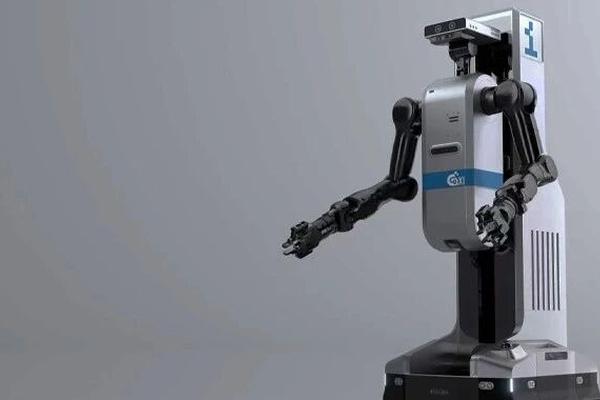
Embodied intelligence company Guangxiang Technology has successfully secured hundreds of millions in angel funding, with significant participation from leading investors including Zhuhai Technology Industry Group, Xingsheng Capital, and several others. Founded in April 2025 through a collaboration between Tsinghua University's Vehicle and Transportation Institute and its AI Institute, Guangxiang aims to advance the development of its physical native base model and commercialize embodied intelligent robots for industrial applications. The company's founder and CEO, Zhang Tao, previously led the spatial perception engine at Amap, while co-founder Professor Li Shengbo is a renowned expert in reinforcement learning and autonomous driving. The team, which includes members from major tech firms like Alibaba and Huawei, is focused on a unique technological approach that diverges from mainstream visual-language-action models. Guangxiang's flagship product, the Phi-Bot X1, was launched in June 2026 and is designed for industrial environments. The robot has demonstrated impressive capabilities, completing a full welding operation on an automotive production line without errors during a 21.5-hour continuous run at the 2026 ATC exhibition. The company plans to expand its applications in the automotive sector, targeting the remaining 30% of automation gaps that traditional methods cannot address. Zhang envisions a robust market for automotive production line robots, estimating a potential market size of around 100 billion yuan in China. Guangxiang Technology is committed to refining its products and scaling operations, with a focus on real-world applications and continuous feedback to enhance its offerings.
Context is king: How Avride uses cloud VLMs as a safety net for delivery robots
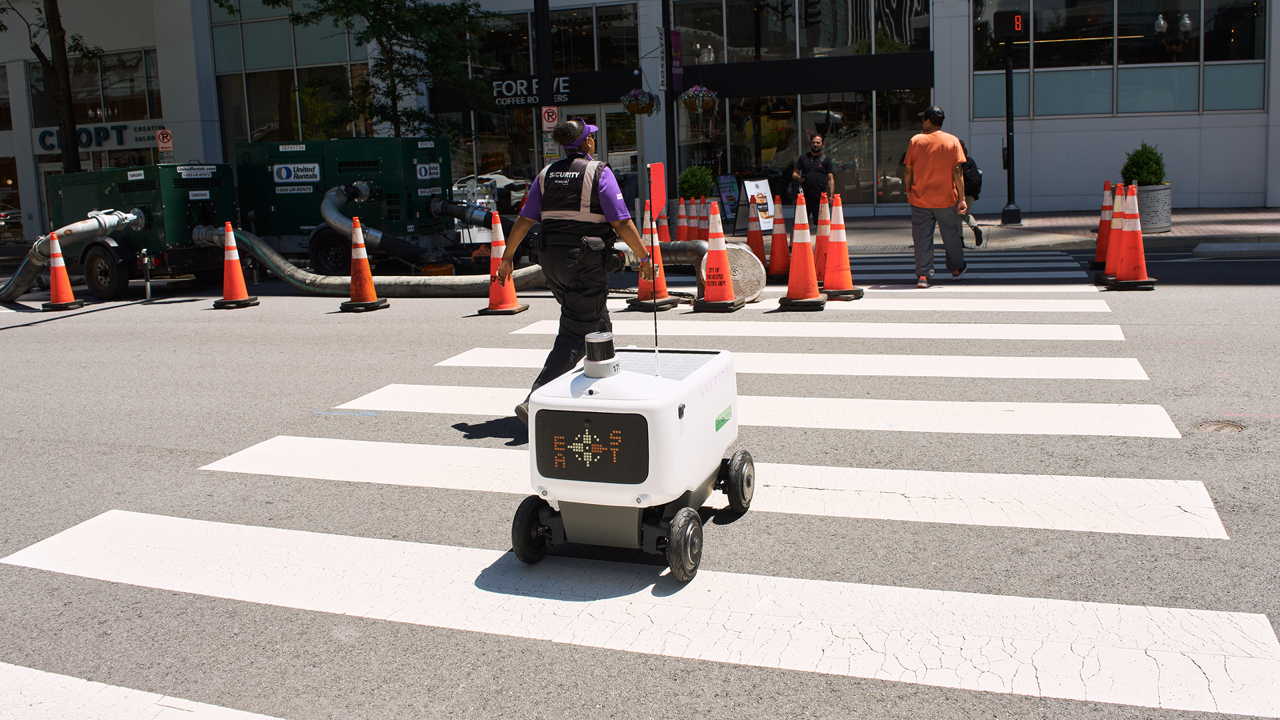
Avride is enhancing the environmental awareness of its delivery robots by utilizing vision-language models (VLMs). This innovative approach aims to improve the safety and efficiency of the robots as they navigate various environments. By integrating cloud-based VLM technology, Avride is able to provide its robots with a better understanding of their surroundings, enabling them to respond more effectively to dynamic conditions. The implementation of these advanced models is part of Avride's ongoing efforts to ensure safer delivery operations and to adapt to the complexities of real-world environments.
Artificial Intelligence Artificial Intelligence / Cognition Autonomous Mobile Robots (AMRs) Logistics Mobility / Navigation News
Japan Pioneered Humanoid Robots—Can It Now Catch China?
“In the future, the relationship between humans and robots will deepen, and the distinction between them will probably disappear.” This prediction, from one of the attendees at the recent Humanoids Summit in Tokyo, might have been unremarkable had it not come directly from an android that was first introduced to the world 20 years ago. Geminoid HI-6 is the sixth-generation of a robot originally designed in 2006. The mechanical twin of Osaka University professor Hiroshi Ishiguro, Geminoid HI-6 is now equipped with a large language model trained on Ishiguro’s own writings and interviews. It has advanced conversational skills and can even have a chat with its creator, an eerie spectacle. But at the Humanoids Summit, Geminoid was one of the few humanoid robots from Japan, the country that pioneered the form factor.While the event in Tokyo only had about 40 robots on display, Chinese systems outnumbered Japanese by roughly three to one. Some Japanese robotics firms were even using Chinese robots in their own technology demonstrations, something that would have been unthinkable in the recent past—one Japanese engineer described the situation as “sad.” The conference was a stark reminder of how Japan has ceded its early lead in humanoid robot development to overseas competitors, and the challenge it now faces to secure a place in an ecosystem increasingly dominated by general-purpose robots powered by AI. Twenty-five years ago, Japan was turning out groundbreaking humanoids that were showstopping in their abilities, but they were not commercialized as practical machines in any meaningful way. Heavily influenced by science fiction and lacking practical applications, they were mostly expensive technology demonstrations that were eventually mothballed. What Japan retains, however, is robotics design and know-how, which it must leverage to be a key player in the rapidly evolving humanoid ecosystem. Learning to Walk—Then Standing StillTo anyone who has seen recent videos of Chinese humanoids doing kung-fu and synchronized acrobatics, as well as half-marathon races, China’s remarkable progress in the field is nothing new. At the Humanoids Summit, Toyota showed a video of its latest basketball-playing robot, and Honda exhibited its latest robot hand, but the full-scale humanoids on the floor were mostly Chinese–the kid-size K1 machines from Booster Robotics of Beijing were dancing to Michael Jackson tunes. The full-scale G1 humanoid from Unitree Robotics of Hangzhou was also doing demos. “You cannot sell these bipedal systems in Japan for safety and compliance reasons,” says Shuichi Nagao, a frequent visitor to China as CTO of Omakase Robotics, a division of Zeals, a Japanese humanoid robot developer. Omakase was exhibiting a G1 modified with an external PC controller, a dextrous hand, a suction-cup manipulator and a sensor “hat” with an extra speaker, mic and camera. “In China, the government is pushing humanoid development. They didn’t have an industry 20 years ago. The people pushing it are young, in their 20s and 30s. It’s a really different mentality out there,” says Nagao. “Big players in Japan are still looking for use cases for humanoids. In China, they’re already doing mass production and reducing the cost, so other countries can’t compete with them anymore.”Another Japanese company showing off G1 bots was summit sponsor GMO AI & Robotics, a subsidiary of Japanese internet company GMO. It’s using the robots in partnership with Japan Airlines to load and unload cargo containers at Tokyo’s Haneda airport. The cargo project is a trial—like many other humanoid experiments—but the fact that Chinese machines have penetrated so far into Japan’s ecosystem upends a long history. In 1973, scientists at Waseda University in Tokyo built WABOT-1, considered the first full-scale humanoid robot and capable of slow bipedal locomotion, grasping objects and simple communication. It inspired Honda’s groundbreaking Asimo humanoid, but it was never commercialized. Asimo was eventually retired in 2022, the year ChatGPT was released. Two years later, Unitree’s G1 went on sale for US $16,000. China’s High Torque Technology Co. showed off its Mini Pi biped, customized with an anime-inspired head, at Humanoids Summit in Tokyo. The regular version is priced at $3,500. Tim HornyakSupply and DemandJapan’s development of humanoids happened before practical applications or widespread demand were in place, but bad timing is only part of the story—Japan also has a history of developing technologies that might appeal to domestic consumers but not necessarily those overseas. For example, decades after they first appeared, its highly engineered, multifunction toilets have only recently found a following abroad. Japan’s humanoid prowess was partly built on the back of its legendary industrial automation, yet even that stronghold has eroded. Ani Kelkar, a partner from McKinsey & Company in Boston who produces analytical reports about the robotics industry, told the summit audience that while Japan occupied the top spot in the world in manufacturing robot density (the number of multipurpose industrial robots in operation per 10,000 employees) from at least 1994 to 2009, it then slipped to second in 2014, third in 2019 and fifth in 2024. In that year, South Korea was at the top of the leaderboard with a robot density of 1,220 compared to Japan’s 446. The International Federation of Robotics estimates China now has the most operational industrial robots in the world, with around 2 million total units, approximately 4.5 times more than Japan. “The annual installation numbers are impressive too: 54 percent of all robots installed worldwide in 2024 were deployed in China,” the IFR said in a release in April 2026. “I think the loss of Japanese leadership is more to do with the rise of China as a manufacturing powerhouse including for sectors that Japan had high export levels,” Kelkar said in an email interview. “The recovery has not yet happened as Japan ‘missed’ the rapid acceleration in AI for robotics and is now playing catchup.”How Japan Can Adapt Kelkar believes Japan has a US $100 billion opportunity in general-purpose robotics, which are machines that can perform a wide variety of tasks, and it cannot rely on the slower-growing industrial robot market, which is centered on factory machines that do one simple and predictable task like welding car parts. He points to a McKinsey white paper suggesting that while Japan has much of the hardware and technology experience needed to support general purpose robot development, it must change its strategy to capture more share in AI, software, data collection and robotics platforms.Tetsuya Ogata is a professor of engineering and director of the Institute for AI and Robotics at Waseda University, the birthplace of humanoids in Japan. He briefed the summit on how a nonprofit he chairs, the AI Robot Association (AIRoA), is working with Toyota and other members to develop foundational technologies for collaborative use. For instance, AIRoA has collected some 80,000 hours of data on remote operation of mobile manipulators, and Ogata believes it’s the largest dataset of its kind. Using the data, it built and verified Vision-Language-Action (VLA) models, and it has also started data collection for dual-arm mobile manipulation. In an interview, Ogata acknowledged Japan’s struggle to find its place in the changing landscape. “The world of AI is inherently a game of scale,” says Ogata. “Therefore, Japan’s absolute prerequisite is to secure a competitive baseline of scale—in data, computing resources, and talent. Beyond that, what I consider most critical is a mindset shift: rather than trying to hoard scale within a single nation or company, we must grow stronger by collaborating with a diverse ecosystem of domestic and international players.” Specifically, this means creating a ‘collaborative domain’ to address data—the single biggest bottleneck—through industry-wide cooperation rather than data-siloing. By collectively nurturing a pre-competitive, shared data infrastructure and foundation model, individual companies can then compete on top of it with their own applications. “By offering this open ‘data ecosystem’ to the world, we can engage global players and establish a ‘third pole’ alongside the US and China,” says Ogata. “I believe this is how Japan can reclaim its global presence.”In 1999, Japan introduced the world’s first mobile internet services platform. But being first didn’t turn Japan into a smartphone manufacturing or design center—it’s now merely a supplier of parts to other countries who are leading the smartphone industry. If Japan can avoid a repeat of that experience and successfully deregulate, diversity, and commercialize its original humanoid dreams, it stands a better chance of influencing the direction of the industry and reaping billions in value. As automobiles and electronics were pillars of Japan’s industrial strategy in the last century, Japan could make humanoid robots one of its key value generators in the 21st century, an approach that would not only deliver economic benefits but give Japan greater clout in how the industry will evolve. Just like Japanese cars, electronics, and even toilets, Japanese humanoids could stand for craftsmanship and reliability. It’s a legacy that Japan can’t afford to give up.
Japan Robotics Humanoids Humanoid-robots
1 Incredible Autonomous Vehicle Stock to Buy Instead of Tesla
Investors are increasingly interested in the autonomous vehicle market as cities worldwide approve driverless technology. While Tesla has been a prominent player in this field, Alphabet's Waymo is emerging as a leading contender, recently reporting over 500,000 fully autonomous rides per week—a figure that has doubled in less than a year. As of the first quarter of 2026, Waymo operates in 11 major cities, having expanded to six new locations this year. In contrast, Tesla's Full Self-Driving feature still requires human oversight, with CEO Elon Musk projecting a rollout of full autonomy by late 2026. In addition to its advancements in autonomous driving, Alphabet is also at the forefront of artificial intelligence with its large language model, Gemini. This positions the company as a key player in the rapidly evolving AI landscape, alongside competitors like OpenAI and Anthropic. Despite its focus on emerging technologies, Alphabet's core revenue still heavily relies on advertising and cloud services, which accounted for 70% and 18% of its revenue, respectively, in Q1 2026. Currently, Alphabet's stock trades at a trailing P/E ratio of 30, aligning with its historical averages and presenting a potentially attractive investment opportunity. However, analysts from The Motley Fool's Stock Advisor have identified other stocks as top picks, suggesting that investors should carefully evaluate their options before making any decisions.

Acti puts AI agents directly into your smartphone keyboard
Acti, a startup focused on innovative technology, is launching a new keyboard designed for iOS and Android devices that aims to integrate AI assistants into everyday smartphone use. This keyboard allows users to operate across various applications and create personalized AI-powered shortcuts through natural language commands. By enhancing user interaction with their devices, Acti seeks to revolutionize how individuals engage with technology, making AI assistance more accessible and intuitive. The product is set to be available soon, reflecting the growing trend of incorporating artificial intelligence into everyday tools to streamline tasks and improve efficiency.
AI Apps Startups TC acti agentic app
Chinese AI company offers a new solution for physical AI in the uncertain trillion-dollar market.
In 2026, the field of physical AI is set to emerge as a transformative force, following a consensus reached by industry leaders at the CES in Las Vegas, where NVIDIA's CEO Jensen Huang heralded the arrival of "physical AI's ChatGPT moment." Over the past two years, significant advancements have been made in five key areas: brain models, imagination engines, training environments, ontology, and commercial ecosystems, laying the groundwork for real-world applications. In the first half of 2026, global investment in physical AI surged, with over $6.4 billion raised in just the first quarter, including notable funding rounds from AMI Labs and World Labs. The industry is witnessing a clear technological divergence, with three primary paths emerging: Visual Language Models (VLM), Visual Language Action (VLA), and world models. The anticipated future architecture for physical AI is expected to integrate VLA's decision-making capabilities with world models' predictive simulations. Despite the rapid growth, the competitive landscape remains uncertain, with various companies pursuing different strategies, including those focusing solely on VLA or world models, and others exploring hybrid approaches. The ultimate goal is to develop AI that can effectively navigate and understand the complexities of the physical world, moving beyond mere reactive capabilities to proactive, autonomous decision-making. As the physical AI market is projected to expand significantly, reaching an estimated $3.26 trillion by 2040, the industry faces the challenge of ensuring that technology translates into tangible business value. Companies like Om AI are pioneering innovative models that prioritize continuous perception and spatial understanding, aiming to redefine how AI interacts with its environment. The ongoing evolution of physical AI emphasizes the importance of real-world applications and the need for AI systems that can adapt and respond to dynamic physical spaces.

ACCESS reveals experimental results on remote robot control and local-like operations using VLA model and IOWN APN.
ACCESS has announced the successful execution of remote robot control experiments utilizing the Vision-Language-Action (VLA) model. Conducted recently, these experiments demonstrated that by leveraging a high-quality communication network, the responsiveness and operational quality of robot control in remote environments can closely match that of local settings for certain tasks. This advancement highlights the potential for improved remote robotic applications, driven by enhanced communication technologies.

What lessons is Ideal learning to catch up with FSD V14?
The competitive landscape of the intelligent driving industry has undergone significant changes in recent years, shifting from hardware specifications to advanced model development. Companies are increasingly recognizing that merely having larger models is insufficient for achieving generational advantages; instead, the integration of models, data, computing power, and chips into a continuous iterative loop is becoming crucial. This realization has prompted many automakers to invest in in-house research and development. Tesla has established a comprehensive ecosystem that spans data collection, training infrastructure, and self-developed chips, while Chinese companies like Li Auto, Xpeng, and NIO are also deepening their technological foundations. Li Auto has introduced its self-developed Mach M100 chip in its L8 and L9 models, which it views as a significant advancement in AI technology. In a recent discussion with Li Auto's autonomous driving and chip leaders, they emphasized that the industry should focus on the practical problems these investments aim to solve rather than merely the existence of in-house development. They outlined their strategies to achieve performance comparable to Tesla's Full Self-Driving (FSD) system, highlighting the importance of safety, efficiency, and comfort in user experience. As the industry moves towards higher levels of autonomy, the integration of vision and language models is seen as essential for developing systems that can handle complex, unforeseen scenarios. The executives noted that achieving higher levels of autonomy (L3 and L4) requires models that can reason and think like humans, underscoring the growing significance of language in AI systems. Overall, the conversation revealed the industry's focus on enhancing AI capabilities through innovative chip design and data utilization, aiming for a future where autonomous driving technology can meet the challenges of real-world driving conditions.

Liquid AI's smallest model yet LFM2.5-230M beats models 4X its size at data extraction, can run 'anywhere'
Liquid AI, a company founded by former MIT computer scientists, has unveiled its latest AI language model, LFM2.5-230M, which is designed for efficient data extraction and local deployment on devices such as smartphones and laptops. Released today, this 230-million-parameter model is noted for its ability to run on various hardware platforms, outperforming larger models like Alibaba's Qwen3.5 and Google's Gemma 3 in specific benchmarks. Targeting developers and engineers, LFM2.5-230M operates under a dual-use commercial license, allowing free access for individuals and companies with annual revenues below $10 million, while larger enterprises must secure a paid agreement. The model distinguishes itself by utilizing the LFM2 architecture, enabling high inference speeds with a minimal memory footprint, making it suitable for edge computing. Liquid AI's launch reflects a broader industry shift towards architectural efficiency rather than sheer parameter counts, as major AI firms focus on models with hundreds of billions of parameters. The LFM2.5-230M is specifically tailored for lightweight data extraction tasks, allowing businesses to automate processes without relying on costly cloud services. In practical applications, the model has been successfully deployed in a humanoid robot, demonstrating its capability to process complex commands efficiently. Available immediately on platforms like Hugging Face, LFM2.5-230M aims to revolutionize how enterprises manage data extraction, moving away from traditional, rigid systems to more adaptable AI-driven solutions.
Technology
OpenAI's updated GPT-5.5 Instant is better at shopping, complex constraints, and understanding user intent — and it's already in the API
OpenAI has announced an update to its popular language model, GPT-5.5 Instant, which is now the default for free ChatGPT users. The upgrade, revealed on June 24, enhances the model's ability to understand user intent and adapt responses, particularly in complex scenarios like shopping and local recommendations. This update follows the model's initial release in early May 2026, which aimed to address factual inaccuracies and improve conversational quality. The latest version is being rolled out first to paid subscribers, with free users gaining access shortly thereafter. While OpenAI has not provided specific performance benchmarks, the company claims significant improvements in handling multi-part instructions and contextual awareness. This is expected to make ChatGPT more effective for everyday tasks, such as planning trips or comparing products. For developers, the updated model can be accessed through OpenAI's chat-latest API alias, which points to the latest Instant model. However, OpenAI continues to recommend the separate gpt-5.5 model for production use. The update reflects a shift towards more intuitive AI systems capable of better inferring user goals and maintaining context across interactions, marking a significant step forward in generative AI technology.
Technology
RoboScience launches Visics, a versatile embodied model for cross-ontology, cross-object, and cross-task applications.
On June 24, RoboScience, a company specializing in embodied intelligence, unveiled its self-developed Visics large model, introducing the innovative VLOA (Vision-Language-Object-Action) architecture. This announcement marks a significant advancement in the field, demonstrating the model's applications in real-world scenarios such as furniture assembly, dexterous grasping, and dynamic assembly lines. The current landscape of embodied intelligence lacks a universally accepted foundational representation unit, which hampers data collection, model learning, and the transfer of knowledge to new contexts. Traditionally, models have focused on replicating specific robotic movements tied to particular tasks, limiting their adaptability to new robots, objects, or environments. Founder and CEO Tian Ye highlighted three major challenges in robotic operations: poor generalization, difficulty in precise manipulation, and cumulative errors in long-range tasks. To address these issues, RoboScience has developed a new foundational representation unit from the ground up. The Visics model employs a dual-engine architecture, consisting of an embodied world model and a universal operation model, each operating independently. The embodied world model utilizes vast amounts of internet video data to learn the physical dynamics of objects, while the operation model translates object trajectories into actionable commands for robots. This layered design enhances the model's generalization capabilities across various robotic platforms and tasks. RoboScience's innovative approach also includes a high-precision simulation engine, RoboMirage, which, combined with automated video data annotation, significantly reduces data acquisition costs. The company aims to build a comprehensive dataset of over 1 terabyte of high-quality manipulation trajectories by 2026. Since its inception, RoboScience has garnered support from multiple investors and established research and production centers in major Chinese cities. The company plans to collaborate with various sectors, including retail and logistics, to standardize robotic products for industrial and commercial applications by the end of this year.

ByteDance's Doubao Crosses Production-Grade Threshold with 180 Trillion Daily Tokens
On June 23, ByteDance unveiled its latest flagship large language model, Doubao-Seed-2.1 Pro, which significantly enhances its capabilities by increasing daily token calls to unprecedented levels. This launch marks a strategic move by the tech giant to strengthen its position in the competitive AI landscape. The Doubao 2.1 Pro aims to provide more efficient and sophisticated language processing, catering to a growing demand for advanced AI solutions across various industries. By leveraging cutting-edge technology and extensive data training, ByteDance seeks to meet the evolving needs of users and businesses alike, further establishing its influence in the AI sector.
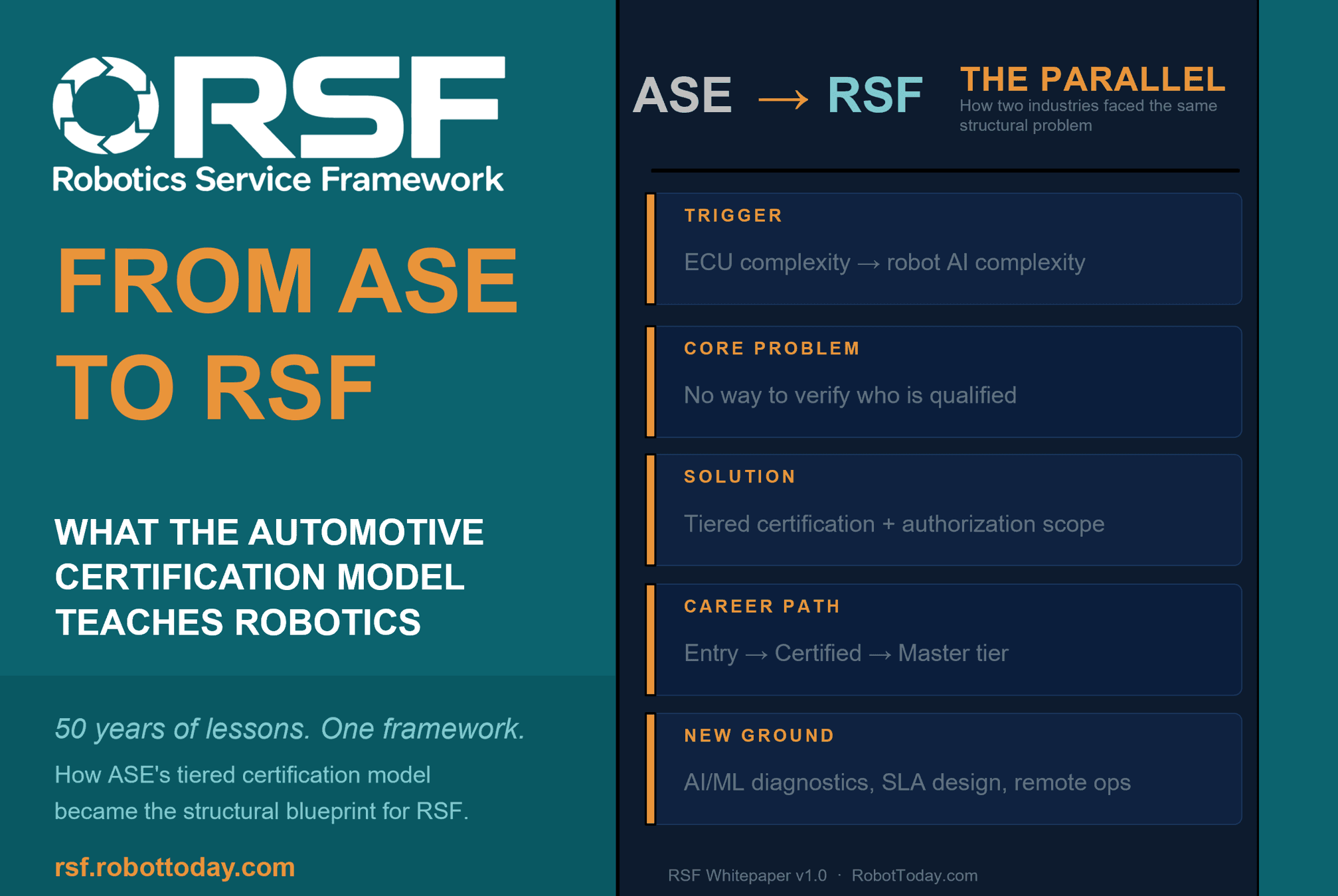
AIRobotics needs a service framework.
RSF defines a common language for robot service capability, lifecycle operations, certification pathways, and service-provider networks.