Industry Briefing
A single destination for timely, editor-curated robotics news from around the world.

Agri Spray Drones Transitions to Agricultural Drone Manufacturer and Technology Innovator
Agri Spray Drones (ASD) has announced its shift from being a distributor of spray drones to becoming a manufacturer and technology company focused on agricultural drones. This evolution is driven by years of operator experience, which will inform product development, quality control, software, and autonomous systems. This transition is significant as it positions ASD to enhance the quality and innovation of agricultural drone technology in the U.S. market. By taking control of the manufacturing process, ASD aims to improve product reliability and performance, which are critical factors for farmers and agricultural businesses. Looking ahead, ASD's roadmap for U.S. manufacturing and advancements in spray drone technology will be crucial to watch. The company's commitment to integrating operator insights into its product offerings may lead to more effective solutions for agricultural applications. No further timeline was disclosed at the time of publication.

HYFIX CEO Discusses U.S. Drone Technology Development on Drone Radio Show
In a recent episode of the Drone Radio Show, Mike Horton, CEO of HYFIX, discussed the challenges facing U.S. drone technology. He highlighted the U.S. government's restrictions on foreign drone technology, emphasizing the need for domestic alternatives that are not yet fully developed. Horton pointed out that fragmented drone systems pose significant security and supply chain risks, making the case for integrated, U.S.-made systems as essential for the future of autonomy. This perspective underscores the importance of developing robust domestic capabilities in the drone sector. Looking ahead, the conversation raises critical questions about the pace of innovation in U.S. drone technology and the regulatory landscape. No further timeline was disclosed at the time of publication.
Drone Manufacturing Drone News Drone News Feeds drone technology News Podcast
NestGen 2026: Shell and LA Metro Showcase Scaling of Drone AI Technology
NestGen ’26, the largest online summit for drone autonomy, will take place on September 29, featuring over 50 speakers from more than 70 countries. The event will highlight the deployment of autonomous drone systems across various industries, including oil and gas, public safety, and transportation. This year's focus is on practical applications rather than future concepts, with Shell presenting its autonomous drone program for offshore facility inspections. LA Metro will discuss using drones for rail corridor monitoring, while SQM will share insights on increasing iodine production in Chile through drone technology. As industries face challenges like securing BVLOS approvals and ROI, experts like FlytBase's Nitin Gupta emphasize the importance of real-world operational knowledge. No further timeline was disclosed at the time of publication.
News
AIR Partners with Elmo Motion Control for Advanced Cargo Drone Technology
AIR VEV Inc. has formed a strategic partnership with Elmo Motion Control Ltd. to integrate high-performance motion control systems into its Heavy Lift UAS. Elmo's Gold HV drive will enhance the AIR 120D cargo drone's electric propulsion motors, ensuring precise control and efficiency. This collaboration aims to optimize the aircraft's performance while minimizing weight and complexity. The significance of this partnership lies in the combination of Elmo's advanced servo drives and AIR's innovative electric aviation design. AIR CEO Rani Plaut emphasized that the selection of Elmo was based on the need for high power density and efficiency in electric aircraft. The integration of Elmo's technology is expected to improve the cargo aircraft's payload capacity and operational efficiency. Looking ahead, the integration of Elmo's Gold HV motor drives is already in progress as part of the AIR 120D development program. AIR is focused on validating the technology against its performance and safety requirements before moving forward with operational deployment. No further timeline was disclosed at the time of publication.
Actuators / Motors / Servos Defense / Security Drones Markets / Industries Motion Control News
New Underwater Drone Technology Promises Enhanced Stealth and Tracking Challenges
Recent advancements in military technology have led to the development of a missile-armed underwater drone that is expected to be quieter and harder to track than traditional submarines. This innovation aims to enhance naval capabilities and improve operational effectiveness in various combat scenarios. The significance of this underwater drone lies in its potential to revolutionize naval warfare by providing a stealthier alternative to submarines. With the ability to operate undetected, this drone could change the dynamics of maritime defense and offense, making it a critical asset for military forces. Looking ahead, the integration of such advanced technologies into military operations will be crucial. Continuous improvements in stealth technology and autonomous systems will likely shape future naval engagements. No further timeline was disclosed at the time of publication.
Military
L3Harris and ARX UK Evaluate Passive Counter-Drone Technology on Autonomous UGVs
L3Harris and ARX UK have tested the CORVUS-RAVEN sensors mounted on unmanned ground vehicles (UGVs) to enhance battlefield awareness. These sensors are designed to track approaching threats, allowing operators to maintain a safe distance from potential dangers. The implementation of the CORVUS-RAVEN technology is significant as it improves situational awareness for military operators, enabling them to respond effectively to drone threats without direct engagement. This advancement in counter-drone capabilities is crucial in modern warfare, where unmanned aerial vehicles pose increasing risks. Looking ahead, the focus will be on the further development and deployment of these passive counter-drone systems. No further timeline was disclosed at the time of publication.
News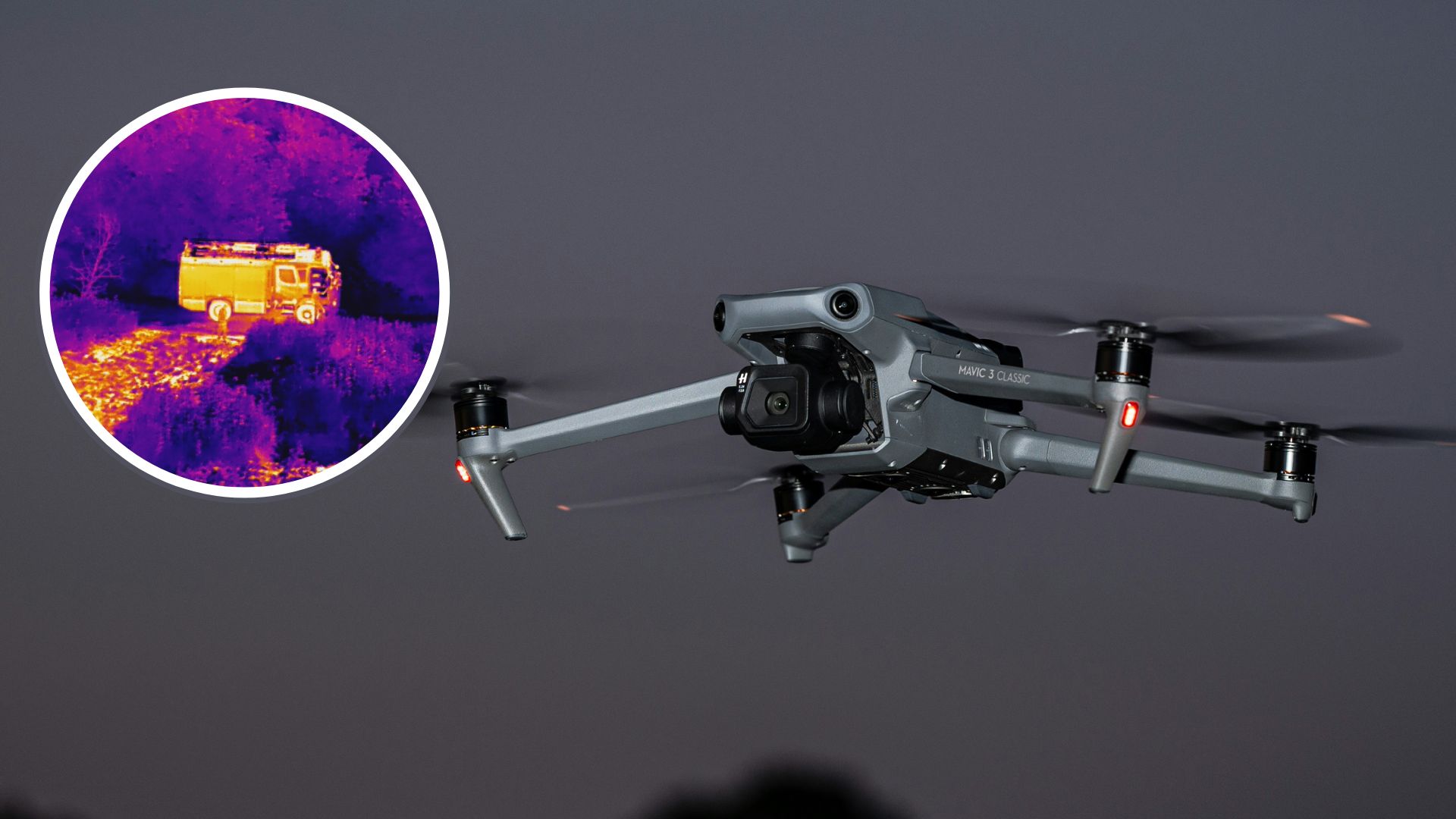
Teledyne FLIR OEM to Enhance U.S. Army's Thermal Imaging Technology for Drones
Teledyne FLIR OEM has partnered with the U.S. Army to advance thermal imaging technology under the DUTCH initiative. This program aims to develop smaller, more affordable uncooled infrared sensors for military applications, enhancing the performance of drones and other autonomous systems. The initiative is significant as it seeks to improve sensor capabilities without increasing size or power requirements, addressing the Army's need for more efficient military equipment. By focusing on size, weight, power, and cost (SWaP-C), the project aims to reduce payload burdens on uncrewed aircraft while extending operational time. Teledyne FLIR OEM plans to leverage its expertise in thermal imaging and system integration to support the Army's modernization efforts. The company is investing in small-pixel thermal sensor designs, which will allow for compact imaging systems that maintain thermal detail. No further timeline was disclosed at the time of publication.
Military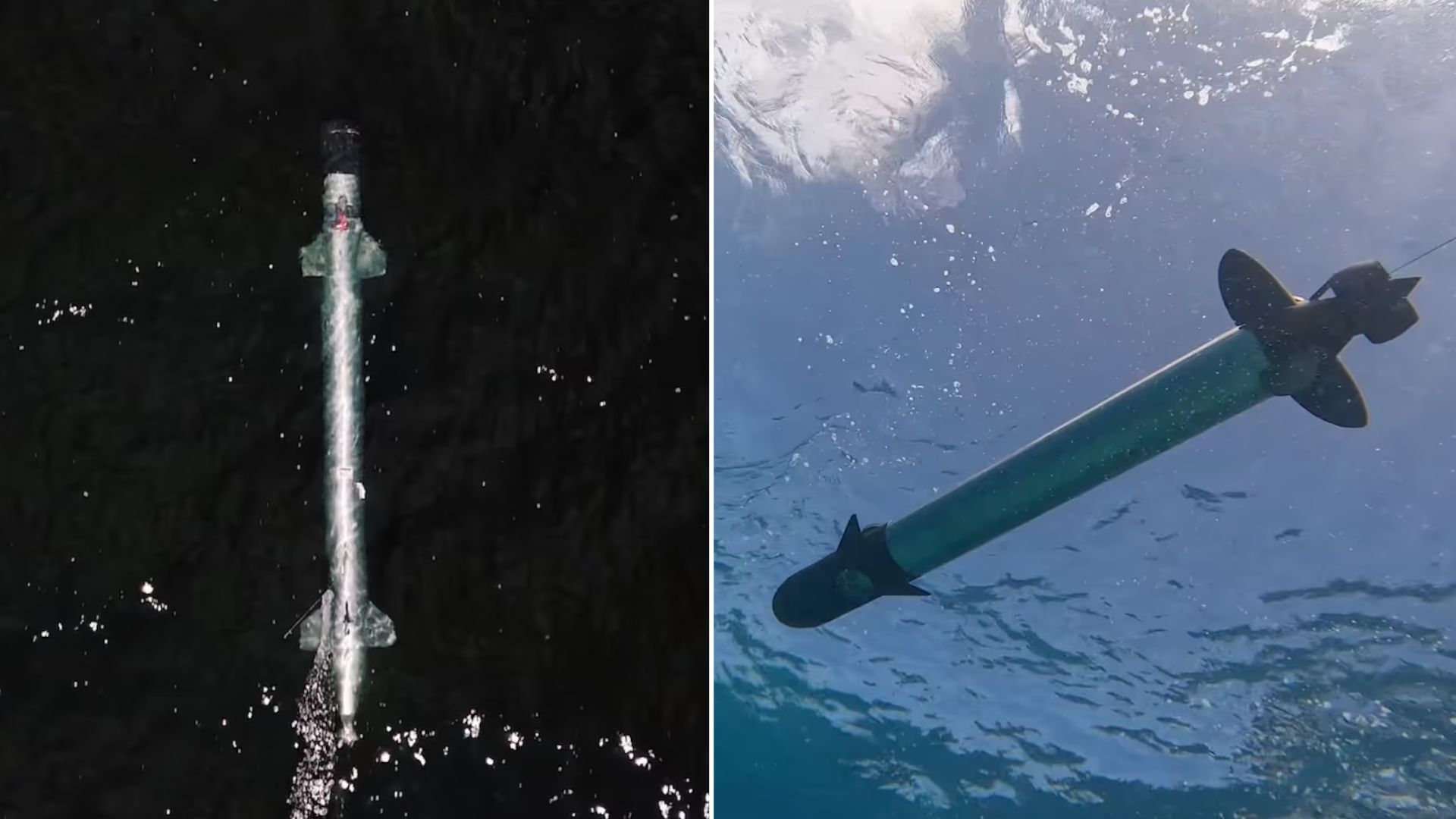
Taiwan Collaborates with U.S. Startup Vatn Systems on 200 nm Submarine Drone Technology
Taiwan has entered into a partnership with U.S. defense startup Vatn Systems to develop autonomous underwater vehicles (AUVs) aimed at enhancing maritime surveillance and defense capabilities. The agreement, signed with the National Chung-Shan Institute of Science and Technology (NCSIST), focuses on AI-enabled command-and-control systems and establishing a local supply chain for AUV technology. This collaboration is significant as it combines Vatn's expertise in undersea autonomy with Taiwan's industrial capabilities, allowing for the development of affordable AUVs like the Skelmir S12. These vehicles can perform various missions, from seabed mapping to mine countermeasures, without the risks associated with manned vessels, thus expanding Taiwan's underwater capabilities. Looking ahead, the partnership not only aims to enhance Taiwan's defense but also supports dual-use applications in critical infrastructure inspection and offshore industries. The initiative is part of a broader strategy by NCSIST to develop indigenous underwater technology while collaborating with foreign firms, including ongoing efforts with Anduril Industries and the Huilong program for local AUV development.
Military
HoverAir Versa Combines Handheld Gimbal and Drone Technology for Versatile Filming
HoverAir has officially launched the Versa, a hybrid device that merges a professional handheld camera with autonomous flying capabilities. This innovative product allows users to capture stabilized footage and aerial shots without the need for multiple devices, appealing to a wide range of creators. The Versa is designed to simplify the filming process by enabling users to switch between handheld and aerial modes seamlessly. With features like AI subject tracking and a high-quality image sensor, it aims to deliver professional-grade video quality, making it suitable for various filming scenarios. Looking ahead, HoverAir has confirmed that the Versa has received the necessary FCC certification, positioning it for availability in the US market. This is significant given the regulatory challenges faced by previous products, indicating a more favorable launch environment for the Versa.
News
Flock Safety's Camera Controversy Highlights Need for Drone Industry Regulations
Flock Safety's automated license plate readers (ALPRs) have been instrumental in aiding law enforcement with locating stolen vehicles and missing persons. However, recent controversies surrounding the misuse of this technology underscore the necessity for robust policies governing its access and utilization, particularly in the Drone as First Responder (DFR) market. The implications of these controversies extend beyond Flock, as various agencies globally are increasingly adopting drones for enhanced situational awareness and operational outcomes. While Flock's ALPRs have reportedly assisted in resolving cases involving 1,000 missing individuals and 20,000 stolen vehicles in July alone, the scale of such surveillance raises significant privacy concerns. As the drone industry continues to evolve, it is crucial to monitor how regulatory frameworks develop in response to these challenges. The recent suspension of Flock's technology by the New Bedford police department due to misuse allegations highlights the pressing need for oversight and accountability in the deployment of surveillance technologies in public safety operations. No further timeline was disclosed at the time of publication.
Applications DFR Drone News Drone News Feeds Drones in the News Featured – Safety and Security
New 5G-Based System Enables Real-Time Drone Tracking Using Existing Infrastructure
The United States is testing an innovative method to detect drones by utilizing its existing 5G networks. Lockheed Martin, along with its partners, showcased this technology near Miami in July, demonstrating how commercial wireless infrastructure can effectively support drone detection in busy environments. The system, named NetSense Airspace Awareness-as-a-Service, analyzes radio-frequency disturbances to identify and track unmanned aircraft. This development is significant as it provides airports, hospitals, power plants, and government facilities with an additional layer of airspace protection. The technology not only helps monitor drone activity around sensitive locations but also leverages existing cellular networks, making large-scale deployment more feasible for infrastructure operators. The collaboration of Verizon, ODC, NVIDIA, and Keysight Technologies highlights the potential of integrating various commercial technologies to enhance drone detection capabilities. Looking ahead, the open architecture of the NetSense system allows for future expansions as new technologies emerge. During the Miami demonstration, the system successfully detected a drone and maintained tracking custody, underscoring its effectiveness as the prevalence of drones in populated areas continues to rise. No further timeline was disclosed at the time of publication.
Innovation
Neros Secures $250 Million Funding to Advance Drone Production and Technology
Drone startup Neros has successfully raised $250 million in a funding round co-led by Sequoia, increasing its valuation to $2.5 billion. This investment will support Neros as it expands its offerings beyond strike drones to include autonomous systems and drone interceptors. The significance of this funding lies in Neros's ambition to establish a robust US supply chain for drone production, reducing reliance on China. CEO Soren Monroe-Anderson and Sequoia partner Shaun Maguire highlighted their goal of ramping up production capabilities, aiming to manufacture one million drones annually. Looking ahead, stakeholders should monitor Neros's progress in scaling production and the development of its autonomous systems. No further timeline was disclosed at the time of publication.

Shield AI and GE Aerospace Adapt 1990s Thrust-Vectoring Tech for X-BAT Drone's Vertical Flight
Shield AI and GE Aerospace have successfully integrated a 1990s thrust-vectoring technology, the Axisymmetric Vectoring Exhaust Nozzle (AVEN), with the GE F110-GE-129E engine for the X-BAT unmanned combat aircraft. This innovative approach allows the X-BAT to take off and land vertically without the need for a runway. The adaptation of AVEN, originally developed for improving fighter maneuverability, represents a significant advancement in controlling aircraft during vertical flight. Unlike traditional aircraft that rely on aerodynamic surfaces, the X-BAT's propulsion system becomes crucial for maintaining control during vertical operations, utilizing thrust vectoring to redirect engine exhaust. As Shield AI continues to develop the AI-piloted X-BAT, the integration of AVEN could enable operations from diverse locations, enhancing the aircraft's versatility. The teams have conducted extensive testing, including integration and engine light-off testing at GE Aerospace’s facility in Ohio. No further timeline was disclosed at the time of publication.
Military
Fuel Cell Technology Enhances Group 2 Drones for Modern Battlefield Roles
Drones are increasingly utilized in various capacities on the battlefield, yet power constraints typically necessitate larger drones for extended loitering and long-distance missions. Recent advancements in fuel cell technology are enabling smaller Group 2 drones to perform these tasks effectively while preserving their agility and minimizing radar visibility. This development is significant as it expands the operational capabilities of smaller drones, allowing them to undertake missions that were previously reserved for larger models. The integration of fuel cells not only enhances endurance but also contributes to stealth, making Group 2 drones more versatile in combat scenarios. Looking ahead, the continued evolution of fuel cell technology may further transform the landscape of drone operations. As military applications for these smaller drones grow, stakeholders should monitor advancements in fuel cell efficiency and their impact on drone deployment strategies. No further timeline was disclosed at the time of publication.
Air Warfare Sponsored Post Air Force Drones Edge Autonomy Gamechanger
Ericsson and AT&T Demonstrate Drone Detection Using 5G Cellular Data Technology
Ericsson and AT&T recently showcased their drone-tracking solution at AT&T Stadium in Arlington, Texas, utilizing 5G signals from existing cellular towers. This demonstration highlighted the Integrated Sensing and Communication (ISAC) technology, which can detect drones in low-altitude airspace, addressing gaps in traditional radar systems. The system employs artificial intelligence to identify potential threats and track drones effectively. The significance of this technology lies in its ability to enhance airspace awareness for law enforcement and infrastructure owners, especially following major events like the FIFA World Cup. By leveraging existing cellular infrastructure, the ISAC system offers a cost-effective solution for drone detection and tracking, which is crucial for public safety and defense applications. Looking ahead, Ericsson and AT&T envision various real-world applications for their technology, particularly in securing high-value properties and facilitating commercial drone deliveries. The integration of ISAC with 5G networks could promote the growth of the low-altitude economy, making it a vital tool for both public safety and commercial use. No further timeline was disclosed at the time of publication.
Cellular Networks Drone News Drone News Feeds drone security News safety and security
U.S. Air Force Enhances $500M Counter-Drone Shield with New Multi-Sensor Technology
The U.S. Air Force is enhancing its counter-drone capabilities by integrating Teledyne FLIR Defense’s Argus XL platform into AeroVironment’s Titan Multi-Sensor system. This initiative is part of a three-year, $500 million contract under the Domestic Shield Program, aimed at protecting military installations from aerial threats. This expansion is significant as it strengthens the layered counter-unmanned aircraft system (UAS) coverage across domestic sites, addressing the growing concern of small unmanned aircraft that pose risks to sensitive locations. The Argus XL platform enhances detection and tracking capabilities, allowing operators to respond more effectively to potential threats. Looking ahead, the integration of Argus XL is expected to improve operational efficiency and situational awareness for military users. The system's ability to incorporate third-party sensors and adapt to emerging threats will be crucial as drone technology continues to evolve. No further timeline was disclosed at the time of publication.
Military
Chinese Researchers Develop Laser Technology to Recharge Drones Mid-Flight
Researchers at the Civil Aviation University of China are pioneering a method to recharge drones mid-air using laser beams aimed at receivers beneath their wings. This innovation addresses the critical issue of limited battery life, which has been a significant barrier in drone technology advancement. The lightweight receiver captures energy from a ground-based laser and converts it into electricity, utilizing a perovskite laser cell-thermoelectric tandem device. This technology is crucial as it could revolutionize drone operations, allowing for continuous flight without the need for frequent battery replacements. Senior author Jianhua Han emphasized the potential of this system in applications such as forest inspections, disaster monitoring, and package delivery. However, scaling this technology from concept to practical use will require overcoming numerous engineering challenges. Future developments will focus on integrating this system into actual aircraft while ensuring efficient cooling during operation. The researchers achieved a conversion rate of 38.49% of incoming laser energy into usable electricity during laboratory tests. No further timeline was disclosed at the time of publication.
Innovation
JUIDA Launches Bear Mitigation Technology Showcase Featuring Six Drone Solutions in Japan
The Japan UAS Industrial Development Association (JUIDA) has introduced a Bear Mitigation Technology Showcase to address the rising bear sightings and attacks across Japan. This initiative highlights drone-based solutions from JUIDA member organizations, focusing on surveillance, deterrence, and habitat mapping to enhance community safety. The showcase features six organizations, including Island Biyori Co., Ltd., which utilizes multi-tier autonomous drones for bear damage prevention, and 3eye Bird Co., Ltd., known for its AI-powered drones that can detect and track bears using night vision and infrared technology. The increasing demand for effective bear response strategies underscores the importance of these innovative solutions in protecting residents and wildlife. Looking ahead, companies like 3eye Bird Co., Ltd. are targeting commercial deployment by 2026, while Terra Drone Corporation plans to introduce bear-repellent drones by winter 2025. The ongoing development of these technologies will be crucial in shaping future bear response efforts across Japan. No further timeline was disclosed at the time of publication.
Drone News Drone News Feeds Drones in the News Japan Drone Industry Japan Drone News JUIDA
Exploring PyroDelta Energy's Heavy Lift Drone and Capillary Casting Technology
In a recent episode of the Drone Radio Show, Michael Abdelmaseh, Head Engineer at PyroDelta Energy, discussed the company's innovative Capillary Casting process. This patented technology aims to harness waste heat, a largely untapped energy source in aviation, to produce solid-state thermoelectric generators that can convert waste heat into clean electricity. The significance of PyroDelta's advancements lies in their potential applications across various sectors, including AI data centers, combustion engines, agriculture, and unmanned aerial vehicles. The company has dedicated nearly a decade to solving challenges that have long perplexed the thermoelectric industry, positioning itself as a leader in this niche. Looking ahead, the conversation highlighted the competitive landscape of DARPA's demanding drone competitions and the future possibilities for Capillary Casting technology beyond drones. No further timeline was disclosed at the time of publication.
Drone News Drone News Feeds Heavy Lift News Podcast alternative energy for drones
China Achieves 3D Mapping of Typhoon Noul Using Drone Swarm Technology
China has successfully created a three-dimensional map of Typhoon Noul from its inception to its conclusion using a swarm of drones. This innovative approach marks a significant advancement in meteorological technology, showcasing the capabilities of drone swarms in real-time environmental monitoring. The development is crucial as it enhances the accuracy of weather predictions and disaster response strategies, potentially saving lives and resources during severe weather events. By employing drone technology, China demonstrates its commitment to leveraging advanced tools for better understanding and managing natural disasters. Looking ahead, the implications of this technology could extend beyond meteorology, influencing various sectors that rely on real-time data collection and analysis. No further timeline was disclosed at the time of publication.
AI and Robotics
US Eases Export Controls for UAE, Enhancing Access to Drones and AI Technology
Washington's recent decision to ease export controls for the UAE is expected to enhance the country's domestic production of advanced drones and military hardware. The US Commerce Department's upgrade of the UAE to the A:5 export country group allows for easier access to dual-use technologies, including computer chips, which are vital for defense applications. This change is significant as it positions the UAE as a key player in the defense market, providing more flexibility for acquiring subsystems and components. Analysts believe this regulatory shift will not directly impact major arms deals like the F-35 or MQ-9 Reaper exports, but it creates a more permissive environment for the movement of controlled technologies, potentially shortening procurement timelines and fostering closer cooperation between American and Emirati defense firms. Looking ahead, the A:5 classification could benefit Emirati companies such as EDGE Group, allowing them to access essential components and technical cooperation. While the immediate effects on specific weapons sales remain uncertain, this designation opens doors for various defense programs, including potential collaborations in drone manufacturing.
Air Warfare Global Networks & Digital Warfare AI & Autonomy Air Force Arab countries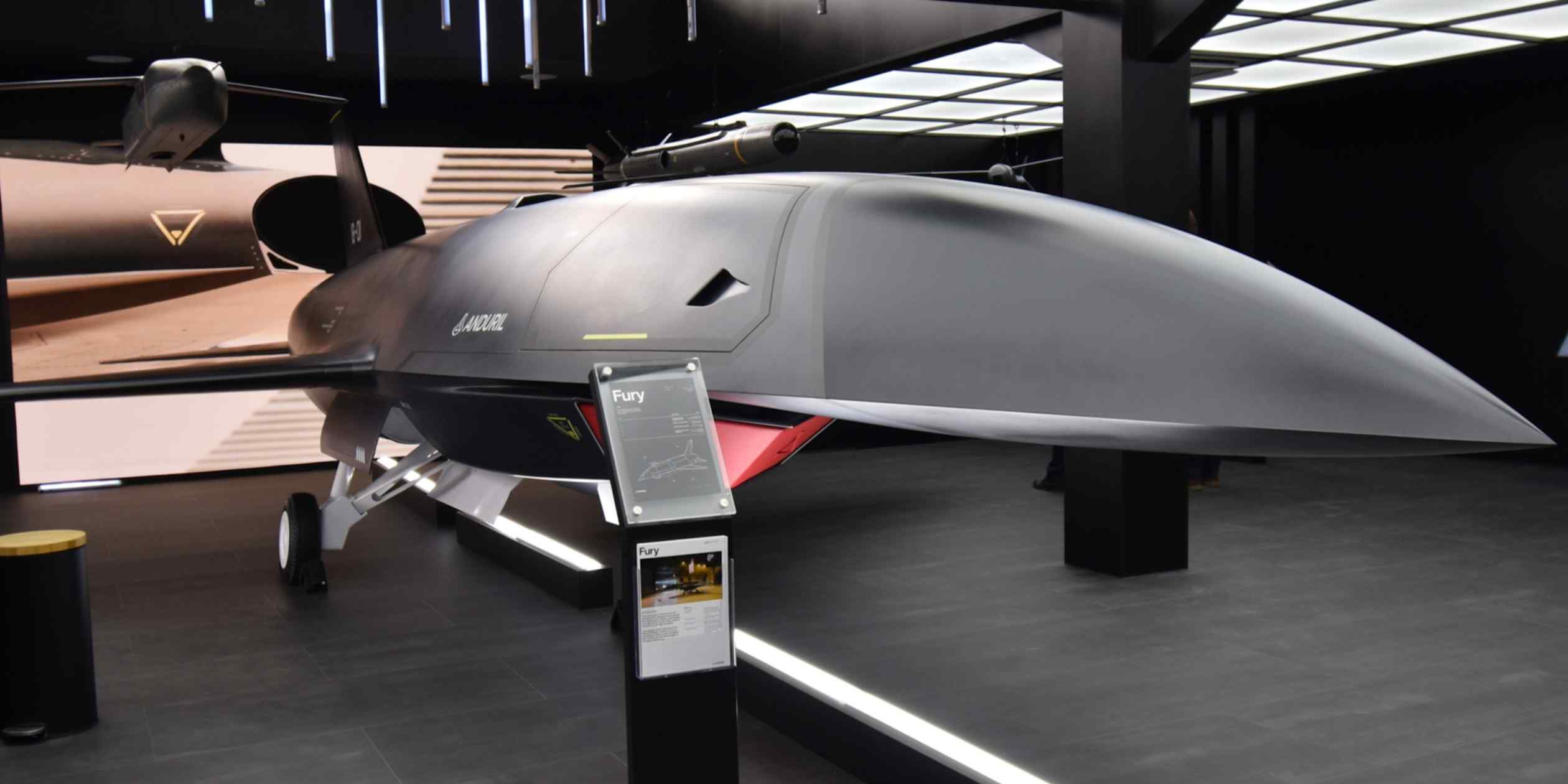
Anduril and Other Drone Manufacturers Target Japanese Technology for Global Expansion
Anduril Industries and other drone manufacturers are focusing on Japan's technology as they seek to expand their supply networks in response to increasing global demand. The interest in Japanese component makers highlights the strategic importance of Japan in the drone industry's future growth. This move is significant as it reflects a broader trend among drone makers to establish robust supply chains that can support their operations and meet the rising demand for drones worldwide. Companies like Nidec and MinebeaMitsumi are among the suppliers that are being considered for collaboration, indicating a shift towards leveraging Japanese technological advancements. Looking ahead, the drone industry is expected to continue evolving, with companies exploring partnerships and technologies that can enhance their competitive edge. No further timeline was disclosed at the time of publication.
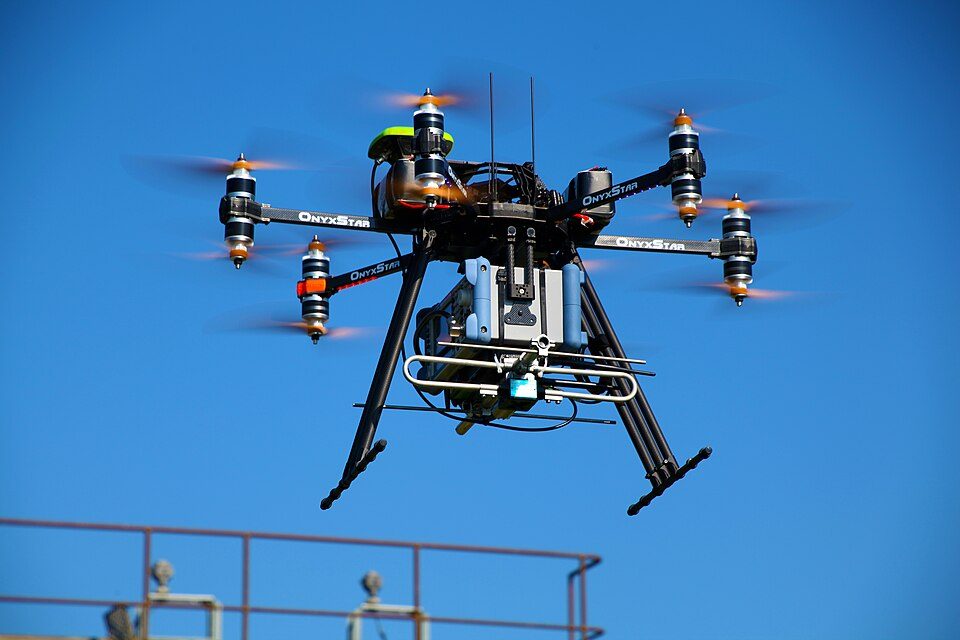
DARPA Initiates $6.5 Million Challenge to Innovate Heavy-Lift Drone Technology
The Defense Advanced Research Projects Agency (DARPA) has launched a challenge aimed at developing heavy-lift drones capable of carrying payloads exceeding four times their weight. This initiative addresses the current limitations of multirotor UAVs, which typically have low payload-to-weight ratios, often below one-to-one. The DARPA Lift Challenge Competition will take place from August 6 to 9 at the National Museum of the U.S. Air Force in Dayton, Ohio, with over 100 teams competing for a total of $6.5 million in prize money. This challenge is significant as it seeks to revolutionize the heavy-lift drone sector, potentially lowering costs and expanding applications across various industries. DARPA program manager Phillip Smith highlighted that enhancing the lifting capabilities of drones could lead to a transformation similar to the impact of mass production introduced by Henry Ford. By overcoming the payload weight barrier, the challenge aims to make unmanned vertical-lift transport more accessible and economically viable. Looking ahead, the outcome of the DARPA Lift Challenge could pave the way for a new generation of UAVs that outperform traditional manned aircraft in transporting large payloads. No further timeline was disclosed at the time of publication.
Applications Defense defense DL Exclusive Drone News Drone News Feeds
BAE Systems Finalizes BATS Counter-Drone Technology Testing in Eight Months
BAE Systems has successfully completed the integration and deployment testing of its Anti Threat System (BATS), a counter-drone technology developed by its Digital Intelligence division. This achievement marks a significant milestone in the development of advanced counter-drone solutions. The completion of BATS testing is crucial as it enhances BAE Systems' capabilities in addressing the growing threat posed by drones in various environments. The technology aims to provide effective countermeasures against potential drone-related risks, thereby ensuring safety and security in critical areas. Looking ahead, industry stakeholders will be keen to observe the deployment of BATS in real-world scenarios and its effectiveness in countering drone threats. No further timeline was disclosed at the time of publication.
News
U.S. Army Partners with Auriga Space to Develop Electromagnetic Counter-Drone Technology
The U.S. Army has entered a three-year partnership with Auriga Space to develop electromagnetic (EM) counter-drone technology. This collaboration aims to create a high-speed defense system against enemy Unmanned Aerial Systems (UAS) using Auriga's innovative propulsion methods, which rely on electricity and magnetic levitation rather than traditional chemical propellants. This partnership is crucial as military forces face the economic challenge of countering inexpensive drones with costly missiles. Current air defense systems struggle to balance effectiveness and affordability, making the development of sustainable counter-drone solutions a top priority. Auriga's EM technology promises to provide a cost-effective alternative, enabling rapid and repeatable launches from a compact system. Looking ahead, both organizations will share expertise and data to refine the EM-based counter-drone technology for field deployment. The focus will be on overcoming the limitations of existing counter-drone methods, with the potential for a significant shift in military air defense strategies. No further timeline was disclosed at the time of publication.
Military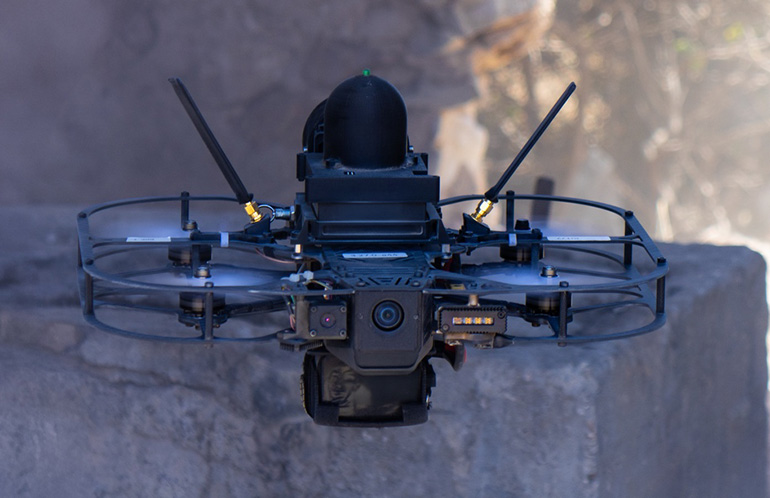
XTEND Receives U.S. Patent for Drone Autonomy Technology Enhancing Mission Efficiency
XTEND Reality Inc. has secured a U.S. patent for its autonomous navigation technology, specifically U.S. Patent No. 12,222,735, which allows drones to navigate toward operator-designated destinations without reliance on the surrounding environment. This patent, also granted in Israel, supports the company's mission to enhance drone autonomy in complex operational settings, reducing operator workload and improving mission execution reliability. The significance of this patent lies in its ability to enable drones to adapt their navigation in real-time while maintaining focus on mission objectives. As autonomous operations grow in defense, security, and public safety sectors, this technology positions XTEND favorably in a competitive landscape, reinforcing its software foundation, XOS, for next-generation autonomous systems. Looking ahead, XTEND is set to participate in the Gauntlet II phase of the U.S. Department of War's Drone Dominance Program, which will test autonomous systems in August at Fort Carson, Colorado. No further timeline was disclosed at the time of publication regarding additional developments related to this patent or upcoming projects.
Controllers Defense / Security Investments Mergers & Acquisitions News Unmanned Aerial Systems / Drones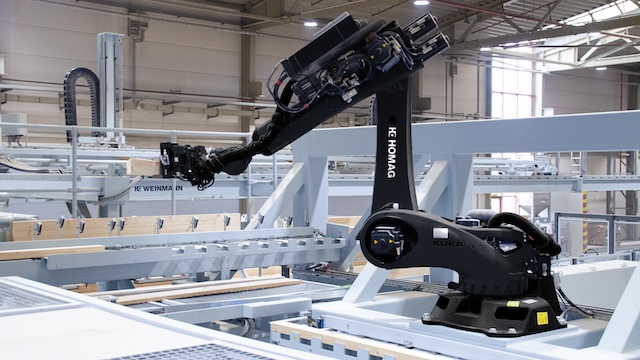
Ouster Expands into Drone Mapping and Autonomous Vehicles with Physical AI Technology
Ouster is advancing its technology that enables machines to perceive and navigate their environments, contributing to the growth of physical AI. The company is entering the drone mapping sector through a collaboration with GeoCue, while John Deere is integrating Ouster sensors into its GUSS autonomous vehicles. This expansion is significant as it highlights the increasing demand for physical AI solutions across various industries. Ouster's CEO, Angus Pacala, emphasized the company's commitment to exploring new markets and addressing the evolving needs for advanced sensing technologies in automation. Looking ahead, industry stakeholders should monitor Ouster's developments in drone mapping and its partnership with John Deere. No further timeline was disclosed at the time of publication.

Motorola Solutions Finalizes $1.5 Billion Acquisition of D-Fend Solutions for Counter-Drone Technology
Motorola Solutions has successfully completed its acquisition of D-Fend Solutions for $1.5 billion, enhancing its public safety and security offerings with advanced counter-drone technology. This acquisition integrates D-Fend's RF cyber-takeover technology, which is designed to detect and mitigate unauthorized drones without disrupting nearby communications. The significance of this acquisition lies in its potential to improve airspace security for Motorola Solutions' customers globally. Greg Brown, chairman and CEO of Motorola Solutions, emphasized the importance of combining ground safety with air security, stating that D-Fend's technology complements their mission-critical ecosystem. The technology has already been deployed in over 30 countries at various critical locations. Looking ahead, Motorola Solutions plans to integrate D-Fend into its existing public safety ecosystem, enhancing situational awareness for front-line teams. Zohar Halachmi will continue as CEO of D-Fend Solutions while also taking on a senior vice president role at Motorola Solutions. No further timeline was disclosed at the time of publication.
Anti-drone technology C-UAS Drone News Drone News Feeds News safety and security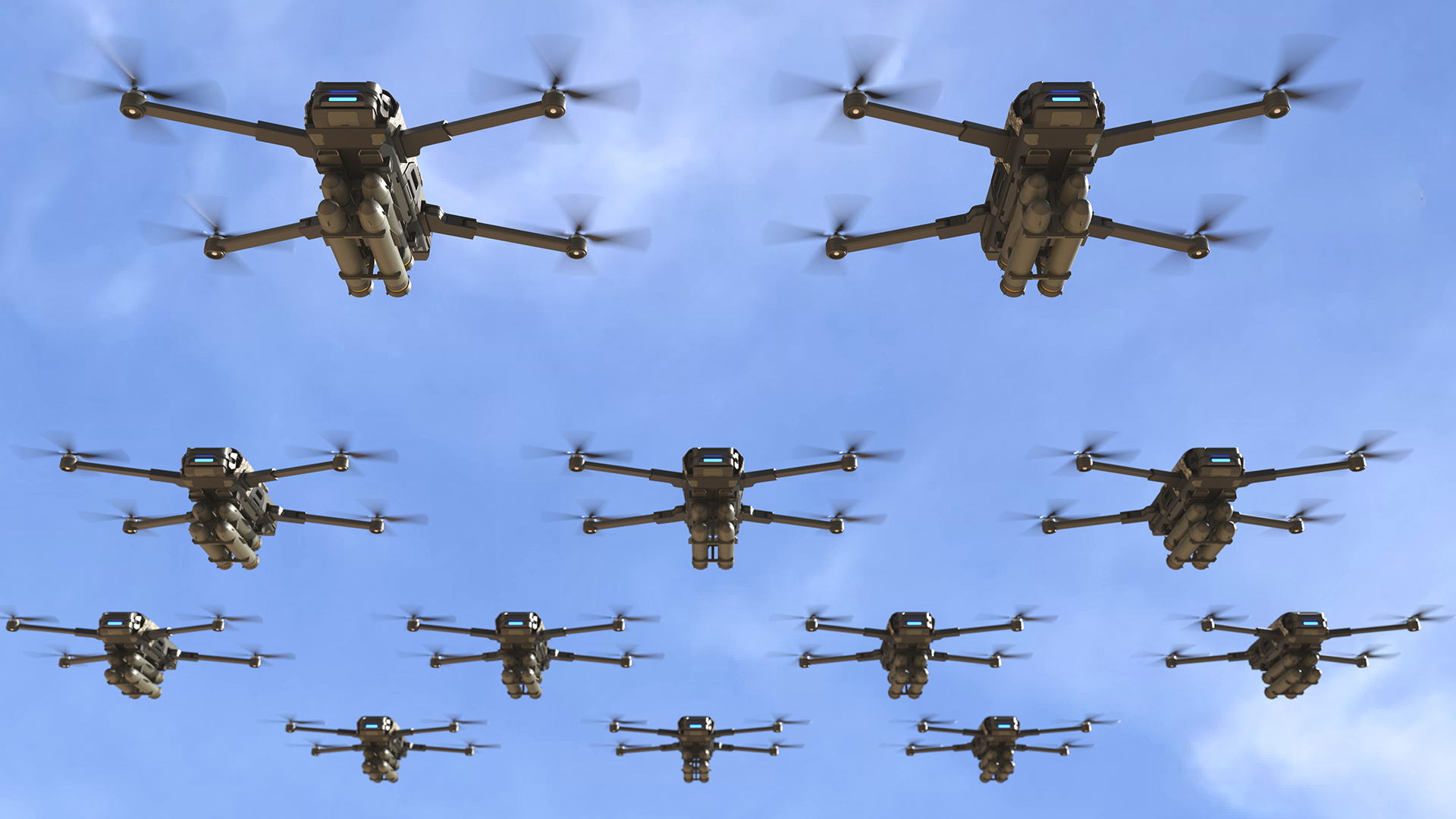
Laser dazzler blinds drone sensors in breakthrough counter-UAS technology trials
NUBURU, a U.S. defense technology company, has announced promising preliminary findings from its recent tests of a laser dazzler system. Conducted in October 2023, these tests aim to evaluate the effectiveness of the laser dazzler in countering potential threats. The system is designed to temporarily blind or disorient adversaries, enhancing the safety of military personnel and operations. The encouraging results indicate that the technology could play a crucial role in modern defense strategies, addressing the increasing need for non-lethal deterrents in various combat scenarios. NUBURU's advancements in laser technology reflect a growing trend in the defense sector to develop innovative solutions for protecting forces while minimizing collateral damage.
Military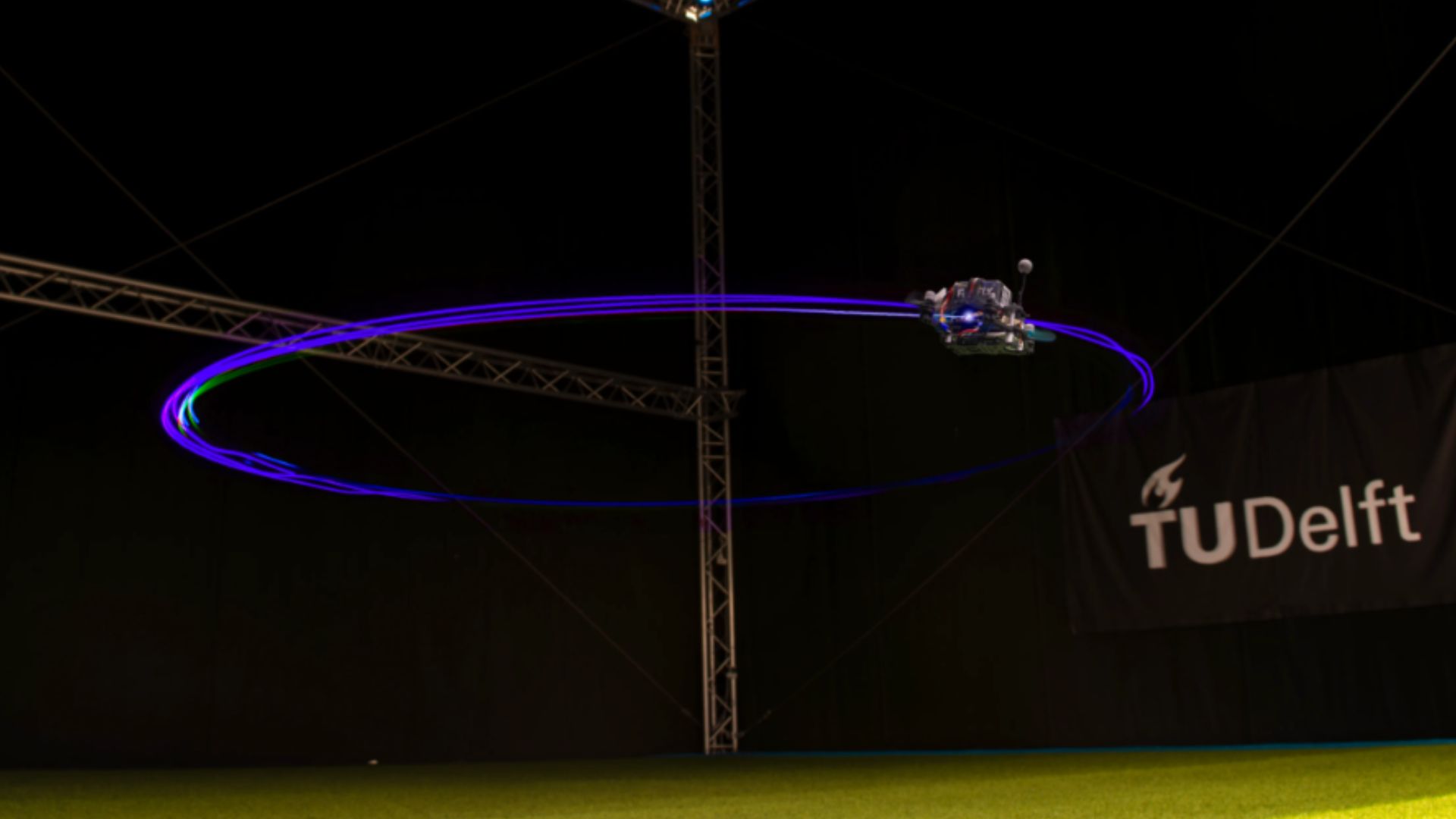
New drone technology uses nature-inspired signals to predict failures before crashes
Researchers from Delft University of Technology and Wageningen University & Research have unveiled a groundbreaking method aimed at enhancing sustainable agriculture. This innovative approach, introduced on October 15, 2023, focuses on optimizing crop yields while minimizing environmental impact. The study, conducted in the Netherlands, seeks to address the pressing challenges of food security and climate change. By integrating advanced data analytics and machine learning techniques, the researchers have created a system that analyzes soil health, weather patterns, and crop performance. This method allows farmers to make informed decisions regarding planting schedules, irrigation, and fertilization, ultimately leading to more efficient resource use and reduced waste. The motivation behind this research stems from the urgent need to adapt agricultural practices to meet the demands of a growing global population while preserving natural ecosystems. The team believes that their findings could significantly contribute to the development of resilient farming systems that can withstand the effects of climate variability. As the agricultural sector faces increasing scrutiny over its environmental footprint, this innovative method represents a promising step toward achieving a balance between productivity and sustainability. The researchers are hopeful that their work will inspire further advancements in agricultural technology and practices, paving the way for a more sustainable future in food production.
Innovation
Collective Defence Acquires Asterion in $1 Billion Deal Combining Cybersecurity and Counter-Drone Technology
Collective Defence has successfully acquired counter-drone company Asterion in a deal valued at over $1 billion, marking a significant milestone as Luxembourg's first defense unicorn. This acquisition, announced recently, combines Asterion’s expertise in counter-unmanned aerial systems (UAS) with Collective Defence’s cybersecurity capabilities, positioning the newly formed entity as one of Europe’s largest privately held defense technology firms. The strategic move aims to enhance the region's defense capabilities amid growing concerns over drone-related threats and cybersecurity vulnerabilities.
Applications C-UAS Defense defense Drone News Drone News Feeds
Motorola Solutions Makes $1.5 Billion Bet on Counter-Drone Technology
Motorola Solutions has announced its intention to acquire D-Fend Solutions, a counter-drone technology firm, for $1.5 billion, highlighting the increasing demand for airspace security. The definitive agreement was made public on June 1, reflecting a broader trend among governments to enhance their counter-unmanned aerial systems (UAS) capabilities. This acquisition underscores the growing recognition of the importance of counter-drone technology in safeguarding public safety, national security, and critical infrastructure. As drone usage continues to rise, the need for effective countermeasures has become paramount, prompting Motorola Solutions to invest significantly in this sector.
Anti-drone technology C-UAS Drone News Drone News Feeds drone security Drones in the News
Haryana’s Drone City Project Kicks Off With Indian Drone Company AVPL’s 11.5-Acre Campus
AVPL International is set to inaugurate Phase 1 of its ₹80 crore Drone City project on May 16, 2026, in Village Sisai, Hansi, Haryana. This ambitious initiative, which represents an investment of approximately $8.3 million, aims to establish an integrated hub for drone manufacturing, skills development, and innovation in India. The project has garnered significant incentive support, highlighting the government's commitment to advancing the country's drone industry. The development is expected to bolster local employment and position India as a key player in the global drone market.
Drone Manufacturing Drone News Drone News Feeds India Drone Industry India Drone News News
Indiana Scores First Drone Deer Hunting Conviction in Landmark UAV Poaching Case
Indiana has made headlines with its first conviction related to drone-assisted deer hunting, marking a significant legal precedent in the regulation of unmanned aerial vehicles (UAVs) in hunting practices. The case arose as hunters increasingly turned to drones to enhance their chances of capturing trophy animals, prompting state lawmakers and regulators to take action. The conviction underscores the growing need for clear rules governing the use of drones in hunting, aimed at preserving ethical standards and wildlife conservation. As this legal framework develops, it reflects a broader trend of integrating technology into traditional hunting methods while addressing the associated ethical and regulatory challenges.
Drone News Drone News Feeds Drones in the News hunting News commercial drone news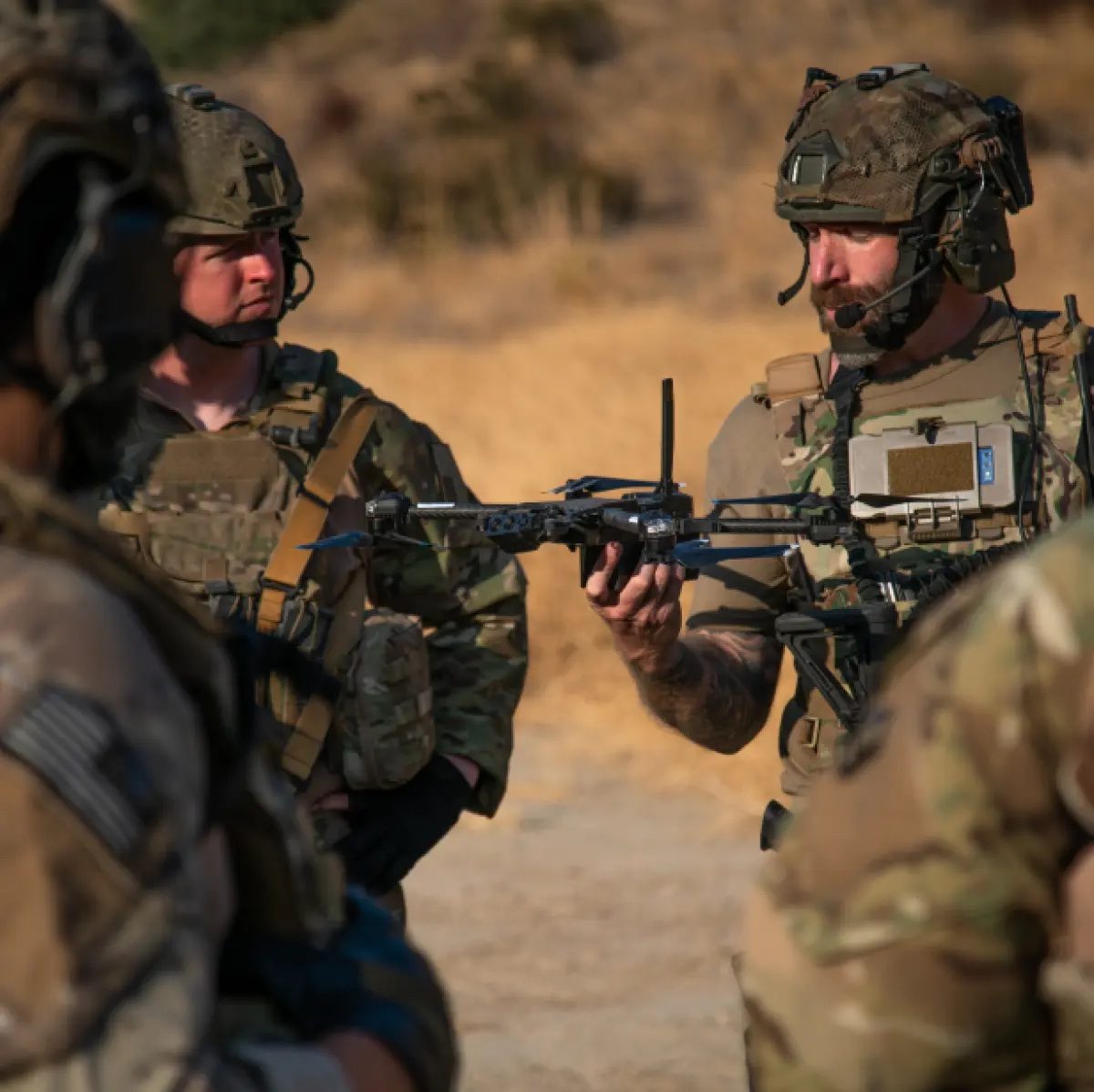
When Commercial Drone Technology Meets Defense: A Closer Look at Civil–Military Integration
A recent report from the Foundation for Defense of Democracies (FDD) underscores the significant convergence of commercial drone technology and military applications, highlighting the evolving landscape of the drone industry. This analysis, titled “China’s War Wolves,” emphasizes how shared innovation pipelines are influencing both commercial markets and defense capabilities. The report draws attention to the implications of civil-military integration, particularly in the context of national security and technological advancement. As the demand for drones continues to rise, understanding the interplay between civilian and military uses becomes increasingly critical. The findings are particularly relevant as nations seek to enhance their defense strategies while leveraging advancements in commercial technology.
Applications Defense defense DL Exclusive Drone News Drone News Feeds
Challenges in Drone Technology
Recent advancements in drone technology have led to the development of compact drones designed for continuous and autonomous inspection of various structures, including chimneys, shafts, and tanks. These innovations are particularly significant as industries increasingly seek efficient and reliable methods for maintenance and monitoring. The use of these drones enhances safety by reducing the need for human inspectors to access potentially hazardous areas. As of October 2023, the integration of this technology is transforming inspection processes across multiple sectors, streamlining operations and improving overall safety standards.
Robotics needs a service framework.
RSF defines a common language for robot service capability, lifecycle operations, certification pathways, and service-provider networks.
Join the RobotToday community on LinkedIn
Daily robotics news, in-depth analysis, conference highlights, and discussions with professionals worldwide.