

Industry Briefing
A single destination for timely, editor-curated robotics news from around the world.
RoboTechnik Heads Hong Kong's $1.8 Billion Initial Public Offering Lineup
RoboTechnik is among four companies scheduled to commence trading in Hong Kong, collectively raising HK$14.4 billion ($1.8 billion). This event marks one of the busiest days for new listings in the city, contributing to a remarkable year for initial public offerings. The significance of this listing lies in its potential to enhance market liquidity and attract investor interest, particularly in the technology sector. With a total of HK$14.4 billion raised, the event underscores the robust appetite for new investments in Hong Kong's financial landscape. Looking ahead, market observers will be keen to monitor the performance of these newly listed companies and their impact on the overall market dynamics. No further timeline was disclosed at the time of publication.
Zhuhai Amicro Technology Advances Towards Over $100 Million IPO in Hong Kong
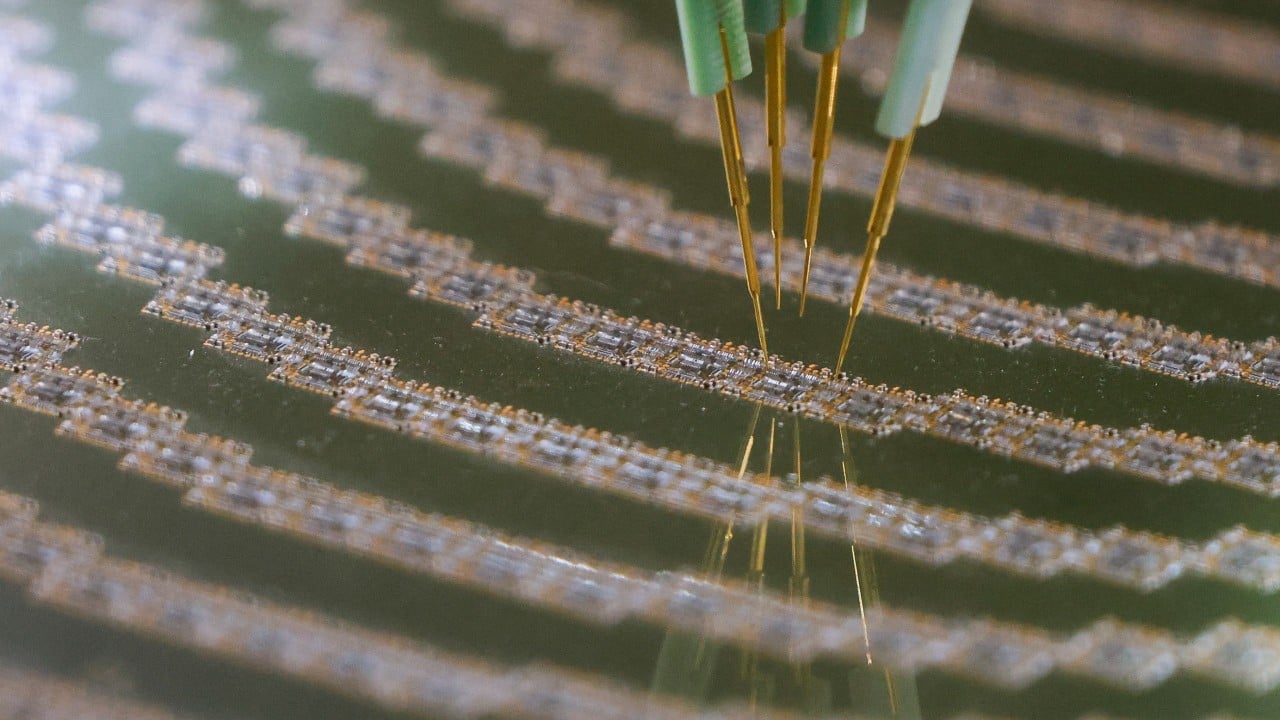
Zhuhai Amicro Technology, a chipmaker backed by Xiaomi, is set to start premarketing for an initial public offering (IPO) in Hong Kong, aiming to raise over $100 million. The company successfully passed its listing hearing with Hong Kong Exchanges and Clearing (HKEX), which is a significant regulatory milestone for the share sale. This IPO is crucial for Zhuhai Amicro Technology as it seeks to expand its operations and enhance its market presence in the competitive robotics chip sector. The backing from Xiaomi adds credibility and potential investor interest, which could facilitate a successful capital raise. Investors and industry watchers should keep an eye on the upcoming premarketing activities, as they will provide insights into investor sentiment and demand for the shares. No further timeline was disclosed at the time of publication.
14 Robotics Firms Listed on Hong Kong Stock Exchange, Most Lack Genuine Embodiment
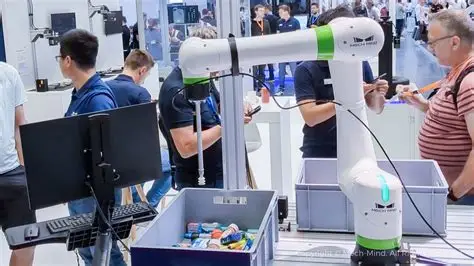
On September 24, Mech-Mind released its first interim report since its listing on September 1, just 23 days prior. The excitement stemmed from a highly successful IPO, which saw a subscription rate of 3,835 times, attracting 252,500 applications with a 3% success rate. Founder Shao Tianlan's outspoken comments post-listing have also sparked discussions in the embodied intelligence sector. Mech-Mind positions itself as an AI industrial robotics company for 2024, aiming to become the first stock in embodied intelligence by August 2025. However, 93% of its revenue still comes from early-stage products, specifically smart robotic guidance systems, while the combined revenue from its Mech-GPT and Mech-Hand products accounts for less than 1.1%. This trend is not unique to Mech-Mind; 14 robotics companies have listed on the Hong Kong Stock Exchange in the past 21 months, many of which do not directly serve general embodied intelligence or humanoid robotics but have capitalized on the trend. The subscription multiples for these companies are unprecedented in the Hong Kong market, with YiFei Technology achieving a record 14,855 times. However, many of these firms are not yet profitable, and their stock prices have shown significant declines post-IPO. As the novelty of being the 'first' wears off, the perceived value of these companies may diminish, similar to trends seen in the autonomous driving sector. Investors are now more cautious, with some halting investments in embodied intelligence companies altogether, indicating a challenging market ahead for new entrants.
Industrial Robotics AI Stock Market Automation Embodied Intelligence
Camsense Technologies Pursues Hong Kong IPO to Raise $87 Million Despite US Ban
Camsense Technologies is set to raise approximately US$87 million through a Hong Kong IPO, with support from car manufacturer BYD. The company plans to offer 11.58 million shares at HK$58.85 each, with trading expected to commence on September 30. Despite facing a ban from the US, Camsense co-founder Zhou Kun stated that the impact on their operations has been minimal. Existing client product exports and procurement remain normal, and disruptions are limited to new product development schedules. The firm has ensured that research and development progress, as well as order intake, are unaffected. Investors should monitor Camsense's performance post-IPO and its ability to navigate the challenges posed by the US ban. The company's ongoing communication with clients and stable operational status will be crucial in determining its future growth trajectory. No further timeline was disclosed at the time of publication.

Robot Showcases Traditional Lacquer Fan Craft at Hong Kong Mid-Autumn Festival
The first International Mid-Autumn Lantern Festival in Hong Kong, held from September 17 to 27 at Victoria Park, featured a theme of reunion and showcased lanterns from 20 countries, including traditional Nanjing Qinhuai lanterns and local Hong Kong crafts. Zhixing Robotics was invited to demonstrate the intricate art of lacquer fan making using their advanced robotic technology. Lacquer fan crafting is a traditional intangible cultural heritage that requires precision in various steps, such as the force used to take the fan, the depth of immersion in lacquer, and the speed of rotation. Zhixing's wheeled humanoid robot, Han Yue, utilized proprietary technologies in force control, 3D visual perception, and adaptive grasping to accurately execute the entire fan-making process. This performance highlighted the blend of mechanical precision and the poetic essence of lacquer art. The choice of the lantern festival as a venue was strategic, as it attracts a diverse audience, making the robot's artistic demonstration more relatable than a technical showcase in a museum. The unique patterns created by the robot's craftsmanship added aesthetic value, allowing viewers to appreciate the cultural significance of the lacquer fan, thus bridging advanced robotics with traditional Chinese heritage.
Robotics Cultural Heritage Automation AI Technology
Youdi Robotics Lists on Hong Kong Stock Exchange with 142% Initial Surge
On September 9, 2026, Youdi Robotics officially debuted on the Hong Kong Stock Exchange, with an opening surge of 142% from its issue price of HKD 14.45, reaching HKD 37.5 at midday, resulting in a market capitalization exceeding HKD 15.6 billion. The company, known for its delivery robots in hotel corridors and office lobbies, has become a new player in the commercial service robotics sector. Founded in 2013 by Lu Ying and a co-founding team from the autonomous driving field, Youdi Robotics launched its first indoor delivery robot, Youxiaomei, in 2016. By 2025, the company is projected to be the third-largest supplier of commercial service robots in China, holding an 8.9% market share. Despite a revenue growth from CNY 244 million in 2023 to CNY 318 million in 2025, the company has not yet achieved profitability, with losses narrowing from CNY 251 million to CNY 111 million during the same period. Investors include Alibaba and Hainan Yunfeng, indicating strong industry support, particularly from the hotel sector, which is a key deployment area for delivery robots. The IPO proceeds will primarily fund R&D, business expansion, and sales infrastructure, signaling a shift in the commercial service robotics sector towards deeper technological development. No further timeline was disclosed at the time of publication.
Delivery Robots Commercial Robotics AI Technology IPO Robotics Industry
Youdi Robotics Files for IPO in Hong Kong with Backing from SenseTime and 58 Group
Youdi Robotics, a commercial service robot company founded in 2013, has announced its intention to launch an IPO in Hong Kong, offering 45 million H-shares globally. The pricing range is set between HKD 14.45 and HKD 19.55 per share, with the offering period ending on September 4, and trading expected to commence on September 9. The company has seen significant growth, selling over 114,600 robots to more than 5,100 customers across 20 countries, positioning itself among the top players in China's service robot market. The importance of this IPO lies in Youdi Robotics' potential to enhance its R&D and expand its business operations. With nearly half of the expected HKD 686 million in net fundraising allocated for R&D, the company aims to strengthen its market position and capitalize on the growing demand for robotic solutions. The introduction of its RaaS (Robots as a Service) model has shown promising growth, contributing to 15.7% of total revenue by 2025, indicating a shift towards more sustainable revenue streams. Looking ahead, Youdi Robotics' ability to achieve profitability remains a key focus. Despite narrowing losses, the company has yet to report quarterly profits, and its gross margin of 13.9% suggests room for improvement. As the market for commercial cleaning robots is projected to grow significantly, Youdi Robotics' strategies for leveraging its technology and expanding its market presence will be critical in determining its success in the competitive landscape of the robotics industry.
Service Robots Commercial Robotics IPO AI Technology
Noah Medical Plans Hong Kong IPO to Support Expansion in Mainland China
Noah Medical, a surgical robotics firm backed by SoftBank, is preparing to file for a Hong Kong listing as early as next year. The company aims to raise over $100 million to bolster its expansion efforts in mainland China. Founder Zhang Jian emphasized that Hong Kong's status as an international financial center makes it an ideal location for their listing. The move is significant as Noah Medical seeks to tap into the growing demand for surgical robotics in China. With regulatory approval from China's drug regulator obtained in November, the company is targeting hospitals such as Sir Run Run Shaw Hospital for its products. Currently, 90% of Noah Medical's revenue comes from the U.S., where its surgical robots have successfully treated around 15,000 patients. Looking ahead, the company’s listing could provide the necessary capital to enhance its market presence in China. No further timeline was disclosed at the time of publication.
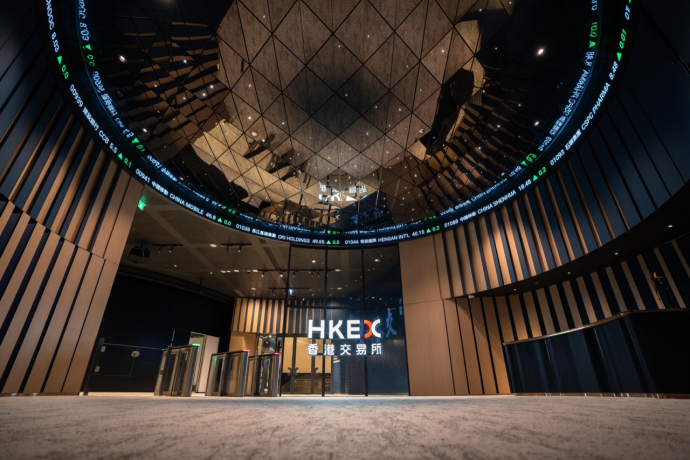
Over 50 Robotics Firms Seek Listing on Hong Kong Stock Exchange
As of August 11, over 50 robotics and embodied intelligence companies are in various stages of listing on the Hong Kong Stock Exchange. This surge follows the recent IPO of Jing Tai Holdings, the first company under the new Chapter 18C listing rules, which cater specifically to specialized technology firms. The growing interest in the Hong Kong market highlights the rapid capitalization of robotics and related industries, with companies like Zhi Yuan Robotics aiming for a valuation of HKD 40-50 billion. The market is witnessing a shift from technology validation to mass production, as firms seek to prove their capabilities and secure large-scale orders. Looking ahead, the implementation of Chapter 18C listing rules has attracted numerous early-stage robotics companies, with 10 of the 51 firms in the queue opting for this pathway. This trend indicates a significant move towards commercialization and the potential for increased investment in the robotics sector in the coming years.
Robotics Stock Market Embodied Intelligence Technology Companies
ROBOTERA Plans Hong Kong IPO to Raise Up to HKD 7.8 Billion Amid Market Surge
ROBOTERA, a humanoid robotics startup, is in discussions for an IPO in Hong Kong, aiming to raise between HKD 62.4 billion and HKD 78 billion. The company, founded in August 2023 and backed by Tsinghua University, has already achieved large-scale deliveries of its bipedal and wheeled humanoid robots. The significance of ROBOTERA's IPO lies in its timing, as the Hong Kong stock market experiences a surge in IPO activity, with total fundraising reaching USD 41 billion by early August. ROBOTERA's innovative robotics solutions have attracted major clients, including nine of the top ten global tech companies, highlighting its potential impact on the robotics sector. Looking ahead, ROBOTERA's IPO discussions are ongoing, with the fundraising scale and timeline subject to change. The company has already begun delivering thousands of robots and is positioned as a key player in the next wave of tech IPOs, following AI supply chain companies. No further timeline was disclosed at the time of publication.
Humanoid Robots Embodied AI Robotics IPO Tech Startups
Mech-Mind Robotics Advances Towards Hong Kong IPO with Major Share Offering
Mech-Mind Robotics has officially passed the listing hearing with the Hong Kong Stock Exchange and published its post-hearing prospectus. The company plans to issue up to 27,479,850 overseas listed shares, with 89,924,180 domestic unlisted shares converting to H-shares. The co-sponsors are CITIC Securities and CITIC International. Founded by Tianlan Shao, who has a background in software from Tsinghua University and a master's in robotics from the Technical University of Munich, Mech-Mind has gained recognition in the industry. The team includes experts from top institutions like Tsinghua University and MIT, focusing on AI and 3D vision solutions for robotics, with over 27,000 units deployed globally. The prospectus reveals significant financial growth, with projected revenue increasing from 180.8 million yuan in 2023 to 388.8 million yuan by 2025, reflecting a compound annual growth rate of 46.6%. The company aims to initiate its Hong Kong IPO roadshow soon, marking a significant step in its expansion strategy.
Embodied Intelligence AI Robotics 3D Vision Solutions IPO Market Growth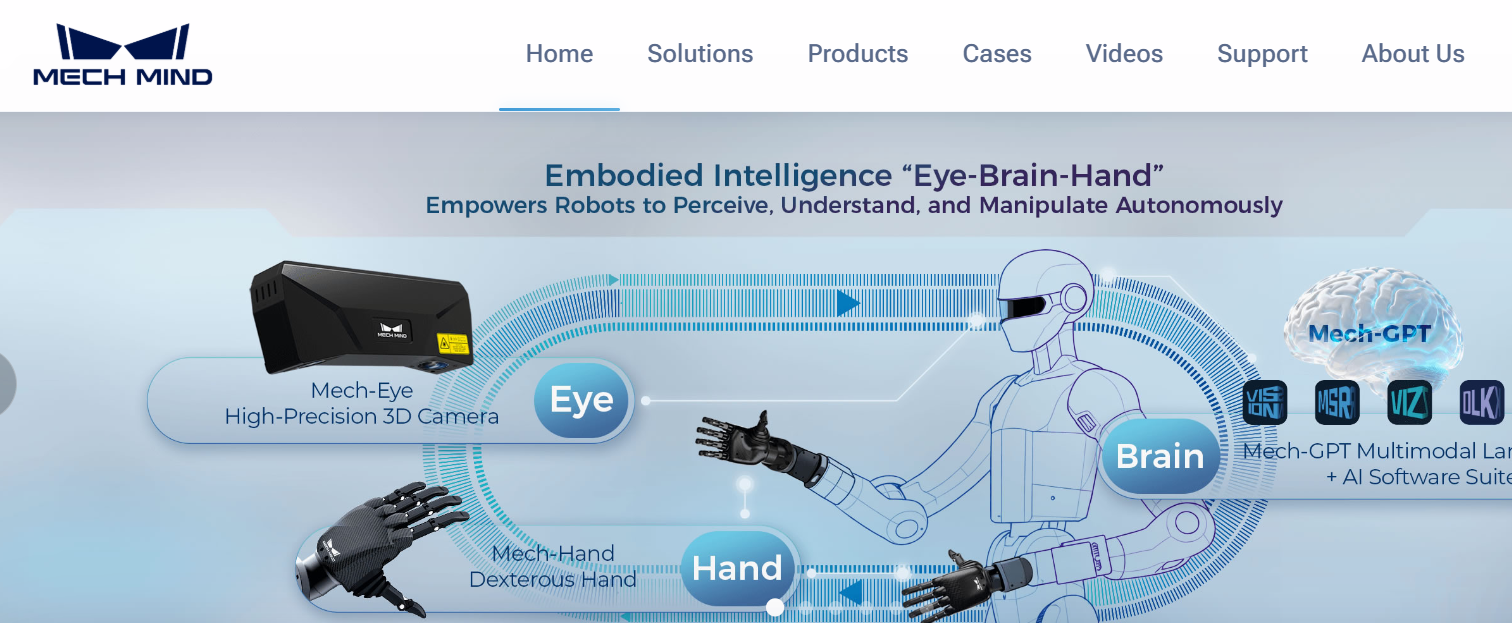
Mech-Mind Successfully Passes Hong Kong Listing Hearing with Over 50% Overseas Revenue
Mech-Mind, a Chinese machine-vision and robotics firm, has successfully passed the listing hearing for the Hong Kong Stock Exchange. Notably, the company's overseas revenue represented 50.3% of its total revenue in 2025. This achievement highlights Mech-Mind's growing international presence and the increasing demand for its innovative 3D-vision systems and software tailored for industrial robots. The applications of these technologies span across logistics, manufacturing, and automotive production, showcasing the company's versatility in various sectors. Looking ahead, stakeholders should monitor Mech-Mind's market performance post-listing and its ability to leverage its overseas revenue streams for future growth. No further timeline was disclosed at the time of publication.
News Feed
Chinese AI Companies Accelerate Data Center Leasing in Hong Kong
Chinese AI firms are increasingly leasing data centers in Hong Kong, driven by the region's favorable cross-border data transfer regulations. This trend highlights Hong Kong's strategic position as a hub for data management and processing, attracting businesses looking for efficient data solutions. The significance of this development lies in Hong Kong's lighter data transfer regime, which offers advantages for companies needing to manage large volumes of data across borders. This regulatory environment is particularly appealing to AI firms that rely on rapid data access and processing capabilities to enhance their operations. Looking ahead, the demand for data center leasing in Hong Kong is expected to grow as more Chinese AI companies seek to capitalize on the region's advantages. No further timeline was disclosed at the time of publication.
Artificial Intelligence Business-to-business Investments News ai China
ZhiPingFang Considers Hong Kong IPO, Aiming to Compete with Tesla as a $20 Billion Unicorn
ZhiPingFang (Shenzhen) Technology Co., a Chinese robotics firm, is reportedly planning an IPO in Hong Kong, potentially as early as 2027. The company has partnered with advisors to prepare for the listing, although discussions are ongoing and the timeline remains uncertain. In April 2023, ZhiPingFang completed a shareholding reform, changing its name to ZhiPingFang (Shenzhen) Technology Co., which is seen as a key step towards an IPO. The significance of ZhiPingFang's IPO plans lies in its ambition to become a major player in the robotics sector, particularly with its technology closely aligned with Tesla's Optimus. The company has developed its own embodied AI model, AlphaBrain, which has undergone multiple iterations and aims to launch the NeuroVLA system in June 2026. This system is notable for its advanced capabilities, including active perception and fault self-recovery. Looking ahead, ZhiPingFang's successful IPO could position it as a significant competitor in the embodied intelligence market, especially as other leading firms like Yushu Technology are also pursuing IPOs. No further timeline was disclosed at the time of publication.
Embodied Intelligence Robotics AI Technology IPO Automation
X Square Robotics Submits Confidential IPO Application to Hong Kong Stock Exchange
X Square Robotics, a company specializing in embodied intelligence, has reportedly submitted a confidential IPO application to the Hong Kong Stock Exchange. The company has not yet made an official statement regarding this application. Earlier this year, co-founder and COO Yang Qian revealed plans for an IPO in 2026, although specific details about the listing location and fundraising scale were not disclosed. The company is reportedly aiming to raise approximately $500 million (around 3.9 billion HKD) and has engaged in preliminary discussions with several investment banks. Founded in December 2023, X Square focuses on developing a general-purpose embodied intelligence model trained on real-world data, aiming to create robots with fine manipulation capabilities. It is one of the early adopters of a fully end-to-end technology path in this sector. In recent months, X Square has made significant strides in commercialization, including a partnership with 58 Daojia to launch a home cleaning robot service in Shenzhen. The company has also secured multiple rounds of funding, with a post-investment valuation exceeding 20 billion RMB. As the embodied intelligence sector heats up, 2026 is anticipated to be a pivotal year for IPOs in this field, and X Square's potential listing could mark a significant event in the industry.
Embodied Intelligence Robotics IPO Automation
AI Makeup Assistant Iron Bestie Wins Top Honors at Hong Kong Hackathon
Iron Bestie, a personalized makeup assistant, won first place at Hong Kong's inaugural physical AI hackathon, outperforming over 160 global competitors. The robotic arm demonstrated its capabilities by applying lipstick while integrating with a user's daily schedule, showcasing advanced vision-language models and voice recognition technology. This achievement highlights the growing intersection of AI and personal care, emphasizing how technology can enhance daily routines. The use of local redaction middleware also underscores the importance of data privacy in AI applications, ensuring that sensitive user information remains secure during operation. Looking ahead, the success of Iron Bestie may inspire further innovations in the beauty tech sector. The unique collaboration between Luo Yuqing, a novice coder, and Zeng Yitao, an experienced algorithm developer, illustrates the potential for diverse skill sets to drive advancements in robotics and AI. No further timeline was disclosed at the time of publication.

X Square Robot Files Confidentially for Hong Kong IPO Amid Growing Domestic Robotics Sector
Chinese start-up X Square Robot has confidentially submitted its initial public offering (IPO) application in Hong Kong, according to sources. This move aligns with a trend of domestic robotics companies seeking capital despite facing new US trade restrictions. The Shenzhen-based company has engaged Huatai Securities and Morgan Stanley as sponsors for its IPO. This filing comes as other Chinese robotic manufacturers, including Unitree Robotics, are also pursuing IPOs, reflecting a robust interest in capital markets within the sector. Investors should monitor the developments surrounding X Square Robot's IPO and the broader implications for the Chinese robotics industry. No further timeline was disclosed at the time of publication.

AI² Robotics Explores Potential IPO in Hong Kong to Capitalize on Market Interest
AI² Robotics, a Chinese robotics manufacturer, is reportedly contemplating an initial public offering (IPO) in Hong Kong. This move aims to leverage the increasing interest in the robotics sector, which has been gaining momentum in recent years. The potential IPO is significant as it reflects the growing confidence in the robotics industry, particularly in Asia, where demand for automation and advanced technologies is on the rise. By entering the public market, AI² Robotics could secure the necessary capital to expand its operations and enhance its product offerings. Investors and industry watchers should keep an eye on AI² Robotics as it navigates the IPO process. No further timeline was disclosed at the time of publication.

Stand Robotics Files for Hong Kong IPO for the Third Time with Xiaomi Backing
Stand Robotics (Wuxi) Co., Ltd. has filed for its third IPO on the Hong Kong Stock Exchange, with CITIC Securities and Guotai Junan acting as joint sponsors. The company specializes in industrial mobile robots and provides technological support for smart factory construction across various industrial scenarios. As a key player in China's industrial mobile robotics sector, Stand Robotics ranks fourth among solution providers, holding a 4.0% market share as of 2025. Despite steady revenue growth, the company has yet to achieve profitability, with projected revenues increasing from 162 million yuan in 2023 to 301 million yuan in 2025, while losses have also escalated significantly during the same period. Looking ahead, Stand Robotics has established a strong customer base, including major clients like Xiaomi Auto and Foxconn, but faces risks due to high customer concentration. The company must navigate these challenges while continuing to grow its sales, which reached 1,212 units in 2023 and are expected to rise to 2,284 units by 2025. No further timeline was disclosed at the time of publication.
Industrial Robotics Mobile Robots IPO Automation Solutions
Three Attempts to List on Hong Kong Stock Exchange: The Journey of Industrial Embodied Intelligence
A company has made three attempts to enter the Hong Kong Stock Exchange within a year, aiming to become the first publicly traded entity in the industrial embodied intelligence sector. This ambition highlights the growing interest and investment in embodied intelligence technologies, which are projected to reach a valuation of 20 billion yuan. The significance of this endeavor lies in the increasing demand for data-driven solutions and the potential for substantial returns in the market. With 5 billion yuan in financing, the company is positioned to capitalize on the burgeoning interest in embodied intelligence, which is becoming a focal point for investors and industry stakeholders. Looking ahead, the company's future attempts to secure a listing will be closely monitored, as they reflect broader trends in the investment landscape for advanced technologies. No further timeline was disclosed at the time of publication.
Robotics Automation AI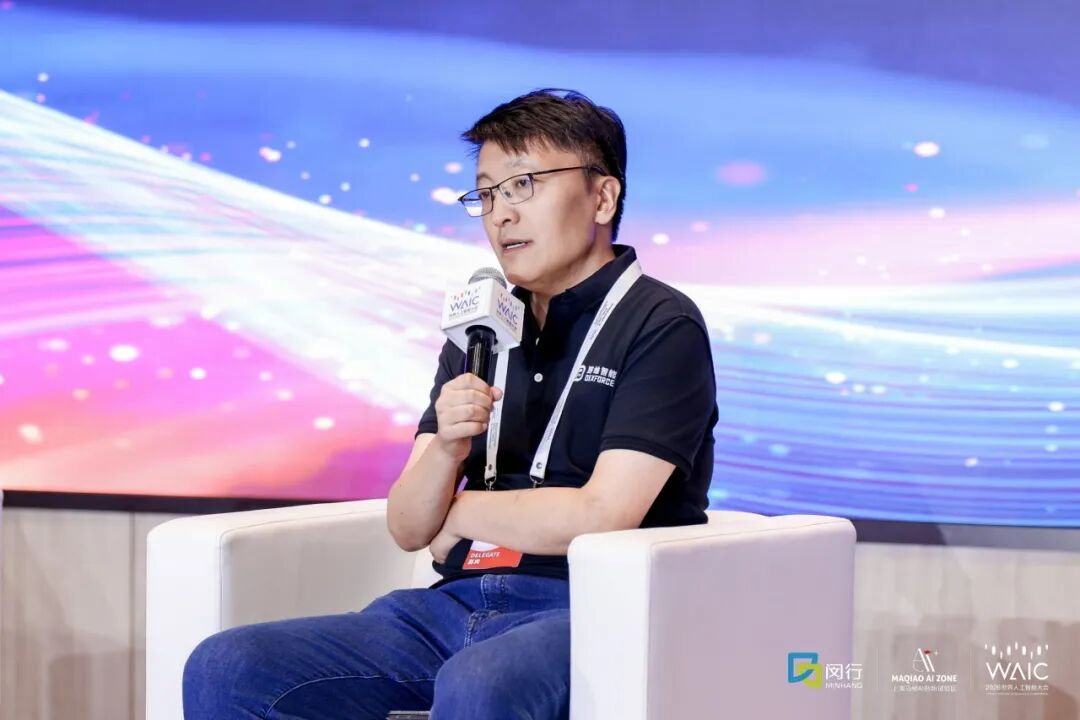
Kuawei Intelligence Explores Hong Kong IPO Valued Over 10 Billion Yuan
Kuawei Intelligence recently completed a Series B funding round of 1 billion yuan, achieving a post-investment valuation exceeding 10 billion yuan, making it one of the new unicorns in the sector. According to a report by Bloomberg on July 28, the company is considering an initial public offering (IPO) in Hong Kong, aiming to become the first publicly listed company focused on embodied AI. However, the IPO plans are still in preliminary discussions, with key details such as valuation and timeline yet to be finalized. This move is significant as the market for robotics and AI is rapidly evolving, with Kuawei Intelligence being a key player. The company, founded in June 2021 in Shenzhen, focuses on physical AI and world modeling, with over 70% of its workforce dedicated to research and development. The industry is witnessing intense competition, with 46 robotics-related companies currently queued for listing on the Hong Kong Stock Exchange, highlighting the urgency for firms to secure funding and market presence. Looking ahead, Kuawei aims to generate approximately 1 billion yuan in revenue in the first half of 2026, with a full-year target of 250 to 300 million yuan. The company has maintained a growth rate exceeding 100% from 2022 to 2024, with projections of 300% to 400% growth by 2026. No further timeline was disclosed at the time of publication.
Robotics AI IPO Generative Simulation Physical AI
AgiBot Initiates IPO Process in Hong Kong for Humanoid Robot Development
AgiBot, a Chinese humanoid robot manufacturer, has begun the initial steps for an IPO in Hong Kong. This development follows previous reports indicating that the Shanghai-based company had engaged banks and was preparing for its public listing. The significance of this IPO lies in AgiBot's focus on creating humanoid robots and embodied AI systems tailored for both industrial and commercial sectors. Founded in 2023, the company aims to enhance its market presence and attract investment to further its innovative projects. Looking ahead, industry observers will be keen to monitor the progress of AgiBot's IPO and its potential impact on the robotics sector. No further timeline was disclosed at the time of publication.
News Feed
Shein Prepares for Potential Hong Kong IPO by Late August or September
Shein is reportedly gearing up for an initial public offering (IPO) in Hong Kong, potentially as soon as late August, with the possibility of extending into September. This move follows the company's successful navigation of key regulatory and listing requirements, as indicated in its draft prospectus. The significance of this IPO lies in Shein's ambition to raise between $2 billion and $3 billion, with a projected valuation ranging from $40 billion to $50 billion. The fast-fashion ecommerce giant recorded impressive revenue of $41.9 billion in 2025, marking a notable shift as Europe has now surpassed the US to become its largest market. Investors and market watchers should keep an eye on Shein's IPO timeline and the final offering details, which have not yet been disclosed. The company's ability to secure substantial funding could further solidify its position in the competitive fast-fashion landscape, especially as it continues to expand its market presence.
News Feed
AgiBot Plans Hong Kong IPO with Citic, CICC, and Morgan Stanley as Sponsors
AgiBot, a leading Chinese robot manufacturer, is pursuing an initial public offering (IPO) in Hong Kong, enlisting Citic, CICC, and Morgan Stanley as sponsors. The company aims for a valuation between HK$40 billion (approximately US$5.10 billion) and HK$50 billion, as reported by Reuters in 2025. This IPO is significant as it marks AgiBot's strategic move to expand its capital base and enhance its market presence in the robotics sector. The anticipated valuation reflects the growing interest and investment in robotics and automation technologies, which are increasingly vital in various industries. Investors should monitor AgiBot's progress toward the IPO, as it could set a precedent for future listings in the robotics industry. No further timeline was disclosed at the time of publication.

Ruiwei Technology Becomes First Visual Embodied Intelligence Company on Hong Kong Stock Exchange
On July 8, 2026, Ruiwei Technology (07656.HK) officially listed on the Hong Kong Stock Exchange, closing at HKD 21 per share, with a market capitalization of approximately HKD 6.411 billion. This marks the first company to enter the market under the Hong Kong Stock Exchange's Chapter 18C specialized technology rules, positioning itself as a leader in 'visual embodied intelligence.' Ruiwei's revenue from its smart civil aviation business reached CNY 172 million by the end of 2025, accounting for 38.9% of total revenue. The company is rapidly diversifying, with smart commercial and smart safe driving segments contributing 34.9% and 26.2% of revenue, respectively. However, the embodied intelligence robotics segment was not disclosed as a separate revenue stream in the prospectus. Looking ahead, Ruiwei aims to leverage its decade-long expertise in 3D spatial perception from airport facial recognition systems to expand into embodied intelligence robotics. The company plans to use over 50% of its IPO proceeds, approximately HKD 5.29 billion, for research and development in visual large models, embodied technology, and commercial robot hardware, targeting significant overseas revenue growth within 3 to 5 years.
Visual Intelligence Facial Recognition Robotics AI Technology
Robotera, Backed by HSG, Considers Initial Public Offering in Hong Kong Amid Robotics Growth
Robotera, a Chinese robotics startup supported by HSG and CDH Investments, is reportedly contemplating an initial public offering (IPO) in Hong Kong. This move comes as a significant trend emerges in the robotics sector, with numerous companies seeking to enter public markets. The potential IPO is noteworthy as it reflects the increasing interest and investment in robotics technology, which has been experiencing substantial growth. As more firms in the industry pursue public listings, Robotera's decision could signal confidence in the market's future and the viability of robotics as a key technology sector. Investors and industry watchers should keep an eye on Robotera's developments regarding the IPO. No further timeline was disclosed at the time of publication, but the company's plans may influence other startups considering similar paths in the rapidly evolving robotics landscape.

University of Hong Kong Develops RoboDojo, a Benchmarking Platform for Robotic Manipulation
The University of Hong Kong's Multimedia Laboratory has developed 'RoboDojo,' a comprehensive platform for assessing robotic manipulation in both simulated and real-world settings. This initiative, led by Professor Ping Luo and Ph.D. student Tianxing Chen, involved collaboration with researchers from nearly 20 prestigious universities worldwide, including the University of California, Berkeley, and Tsinghua University. RoboDojo is significant as it aims to standardize the evaluation of embodied AI, providing a unified framework that can enhance the development and testing of robotic systems. The collaborative effort underscores the importance of international partnerships in advancing technology and research in the field of robotics. Looking ahead, the implications of RoboDojo could influence future research and development in robotic manipulation. The project has been documented in a paper available on the arXiv preprint server, indicating ongoing interest and potential for further advancements in this area. No further timeline was disclosed at the time of publication.
Robotics
Stand Robotics Plans IPO on Hong Kong Stock Exchange Amid Significant Losses
Stand Robotics (Wuxi) Co., Ltd. has submitted its IPO application to the Hong Kong Stock Exchange for the third time, aiming to become the first publicly listed company focused on industrial embodied intelligence in Hong Kong. Founded by Harbin Institute of Technology graduate Wang Yongkun, the company has established itself as a leading player in the industrial mobile robotics sector. The significance of Stand Robotics lies in its rapid growth despite substantial losses. From 2023 to 2025, the company's revenue is projected to increase from 162 million yuan to 301 million yuan, reflecting a compound annual growth rate of 36.3%. However, the company has not yet achieved profitability, with net losses expected to reach 1 billion yuan in 2023 and 2.02 billion yuan in 2025. Looking ahead, Stand Robotics has demonstrated strong sales growth, with robot sales anticipated to rise from 1,212 units in 2023 to 2,284 units by 2025, marking an 88.3% increase. The company’s financial trajectory and its ability to secure significant clients like Xiaomi and Toyota will be crucial to watch as it approaches its IPO.
Industrial Robots Robot Technology Automation Solutions IPO AI
University of Hong Kong Develops AI Tool to Predict Heart Disease 15 Years Early
Researchers at the LKS Faculty of Medicine of the University of Hong Kong have created an AI tool called CardiOmicScore, which predicts serious cardiovascular diseases up to 15 years before symptoms appear. This innovative system utilizes data from a single blood test to assess the risk of six major cardiovascular diseases, including coronary artery disease and stroke. The significance of this development lies in its potential to identify individuals at high risk of cardiovascular diseases earlier than traditional methods. Current assessments often rely on standard clinical measurements, which may overlook early biological changes. CardiOmicScore aims to provide a more accurate and timely evaluation of cardiovascular health, addressing a critical gap in preventive care. Looking ahead, the research team emphasizes the importance of further validation and potential clinical applications of CardiOmicScore. As cardiovascular diseases remain the leading cause of death globally, advancements in predictive tools like this could significantly enhance early intervention strategies. No further timeline was disclosed at the time of publication.

Momenta Launches on Hong Kong Stock Exchange with Strong Market Reception
On July 8, Momenta officially debuted on the Hong Kong Stock Exchange with an initial price of HKD 295.6, rising over 6% on opening day and achieving a market capitalization exceeding HKD 70 billion. The public offering was oversubscribed by approximately 414 times, leading to its designation as the 'first stock of physical AI.' This label has been previously claimed by other companies, indicating a competitive market for the 'physical AI' concept. Momenta's significance lies in its dual approach to autonomous driving, focusing on both L2++ driver assistance and Robotaxi services. As of April 2026, the company reported a 65% market share in the third-party city NOA supplier market. With over 1 million vehicles equipped with Momenta systems and partnerships with nine of the world's top ten automakers, the company demonstrates strong growth potential, with revenue projected to increase from CNY 743 million in 2023 to CNY 2.413 billion by 2025. Looking ahead, Momenta's transition from being labeled a 'city NOA supplier' to the 'first stock of physical AI' could significantly impact its valuation. However, the market will ultimately focus on its financial performance and the practical application of its technologies. No further timeline was disclosed at the time of publication regarding future developments or milestones for the company.
Autonomous Driving Physical AI Market Valuation Technology Startups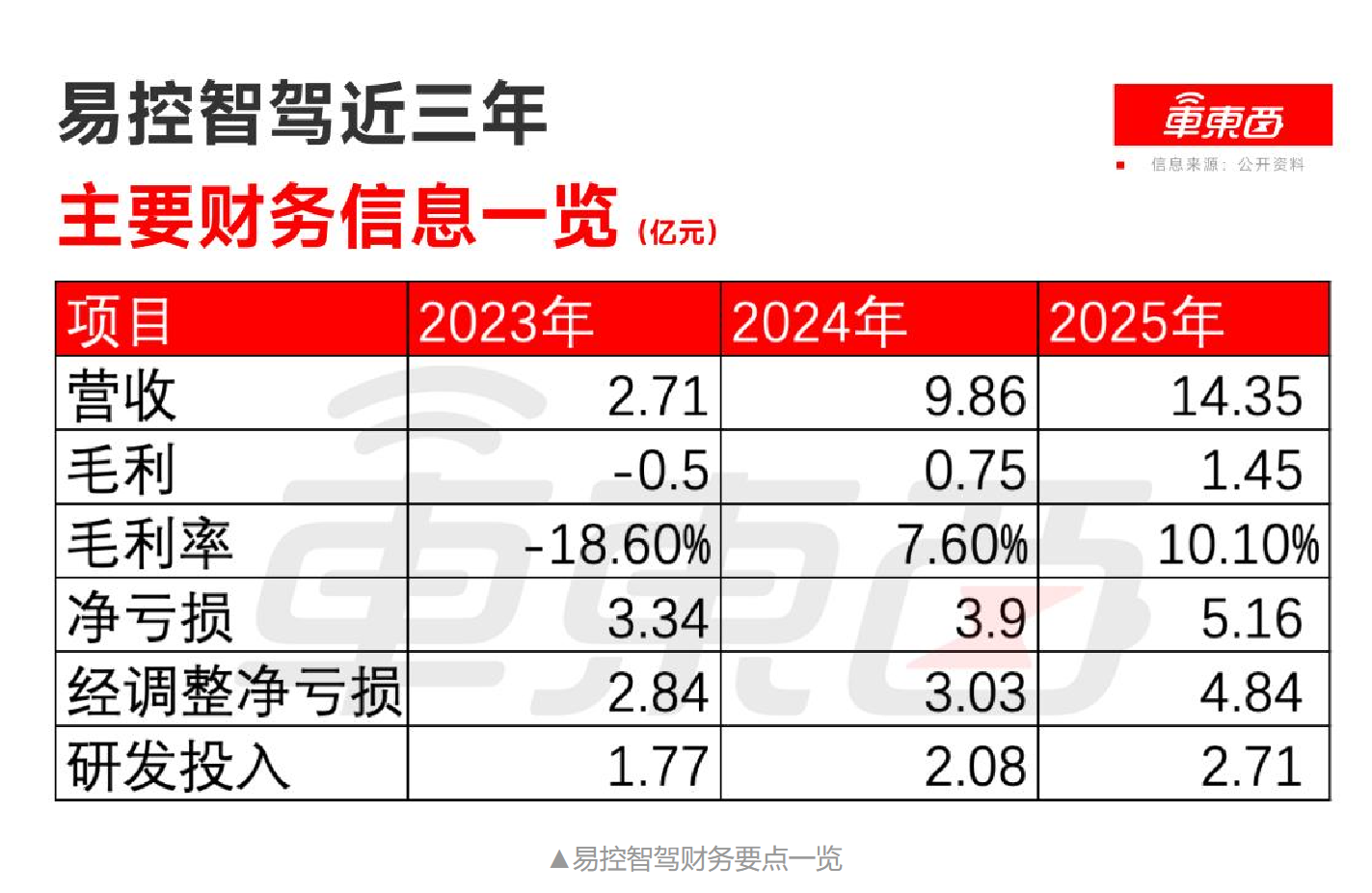
E-Control Smart Driving Debuts on Hong Kong Stock Exchange with Strong Opening
E-Control Smart Driving, a prominent player in the autonomous mining vehicle sector, made its debut on the Hong Kong Stock Exchange on July 8, successfully raising around HKD 2.298 billion. The company, which has established a substantial market presence and an expanding customer base, is currently grappling with financial difficulties, having reported cumulative losses of approximately HKD 1.239 billion over the past three years. The funds generated from the initial public offering will be allocated towards enhancing software development and facilitating international expansion, as the mining automation industry continues to evolve rapidly.
Autonomous Mining Vehicles IPO Mining Automation Technology Development
First Visual Embodied Intelligence Company Lists on Hong Kong Stock Exchange
Ruiwei Technology, a company known for its facial recognition systems tailored for airports, has made a successful debut on the Hong Kong Stock Exchange, achieving a valuation of around HKD 6.4 billion. This listing marks a significant shift for the company as it moves beyond its initial focus on smart airport solutions. With over ten years of experience in 3D spatial perception and artificial intelligence, Ruiwei aims to expand its operations into a wider array of sectors, thereby diversifying its revenue streams. The transition reflects the company's ambition to embrace a broader vision of embodied intelligence, positioning itself to capitalize on emerging opportunities in various industries.
Facial Recognition AI Technology Embodied Intelligence Smart Airports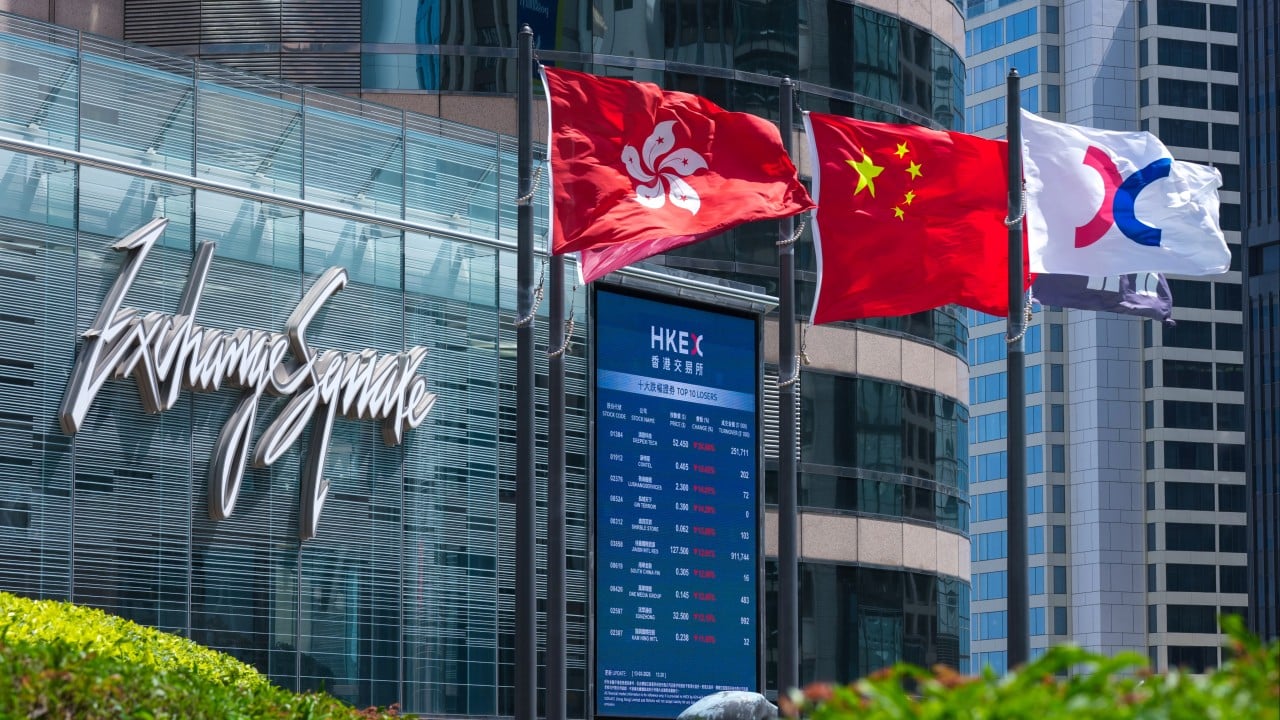
Mainland Chinese tech firms find more than just deep capital pools in Hong Kong
Mainland Chinese technology companies newly listed on Hong Kong’s stock exchange are deepening their engagement with the city, tapping not only its capital markets but also its global connectivity to refine products, forge international partnerships and expand overseas, according to executives. For Beijing-based service robot maker Yunji Technology, Hong Kong has become a key gateway to global markets since its listing in the city in October. “If we use one word to describe what Hong Kong offers...
Benmo Technology Passes Hong Kong Stock Exchange Listing Hearing, Establishes Three Core Robotics Technologies
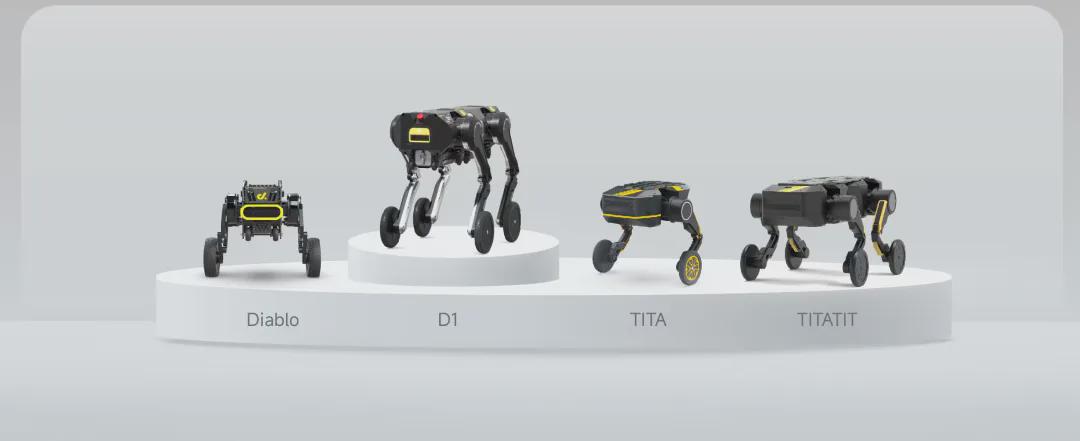
Benmo Technology, a robotics company established in 2020, has successfully cleared the listing hearing at the Hong Kong Stock Exchange. The firm specializes in direct-drive technology and has developed three key innovations: robotic power modules, wheeled robots, and modular assembly systems. These advancements are designed to improve performance and adaptability across a range of applications. With the robotics market showing significant growth potential, Benmo plans to capitalize on its technological expertise to enhance its market presence and increase revenue.
Robotics Technology Direct-Drive Systems Wheeled Robots Modular Robotics Market Growth
Baidu shares jump 7% as AI chip arm Kunlunxin said to target $50 billion Hong Kong IPO
Baidu's shares listed in Hong Kong experienced a significant increase of over 6% following reports that its AI chip division, Kunlunxin, is planning a substantial initial public offering (IPO) valued at $50 billion. This development highlights Baidu's strategic move to capitalize on the growing demand for AI technology and semiconductor solutions. The anticipated IPO is set to take place in Hong Kong, reflecting the city's status as a major financial hub. Investors are responding positively to the news, indicating confidence in Baidu's potential to expand its market presence through this ambitious financial initiative.

Hong Kong raises nearly $44b to lead Asia-Pacific issuance
In the first half of 2026, Hong Kong experienced a significant surge in equity issuance, which increased by 29% to nearly US$44 billion. This growth was primarily driven by the robust performance of battery and circuit-board manufacturers, reflecting a strong demand in these sectors. The rise in equity issuance highlights the region's ongoing economic recovery and investor confidence, particularly in technology and renewable energy industries. The trend suggests that companies are capitalizing on favorable market conditions to raise funds for expansion and innovation, positioning themselves for future growth.
Artificial Intelligence News ai Hong Kong India IPO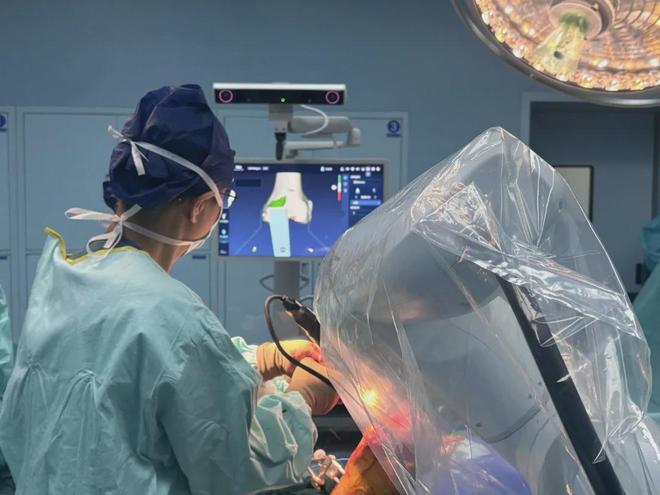
After landing applications in Western China, Hong Kong, and plateau regions, Shenzhen's self-developed HX orthopedic robot completed the first local precise knee joint replacement.
Shenzhen's self-developed HX orthopedic robot has successfully performed its first precise knee joint replacement in Western China, specifically targeting plateau regions and Hong Kong. This milestone event marks a significant advancement in orthopedic surgery technology, showcasing the robot's capabilities in delivering accurate and efficient surgical procedures. The operation was completed recently, highlighting the growing integration of robotics in healthcare and the potential for improved patient outcomes in regions that may have previously lacked access to such advanced medical technologies. The development of the HX robot is part of Shenzhen's broader initiative to enhance medical services and innovation in the region.
Robotics Automation AI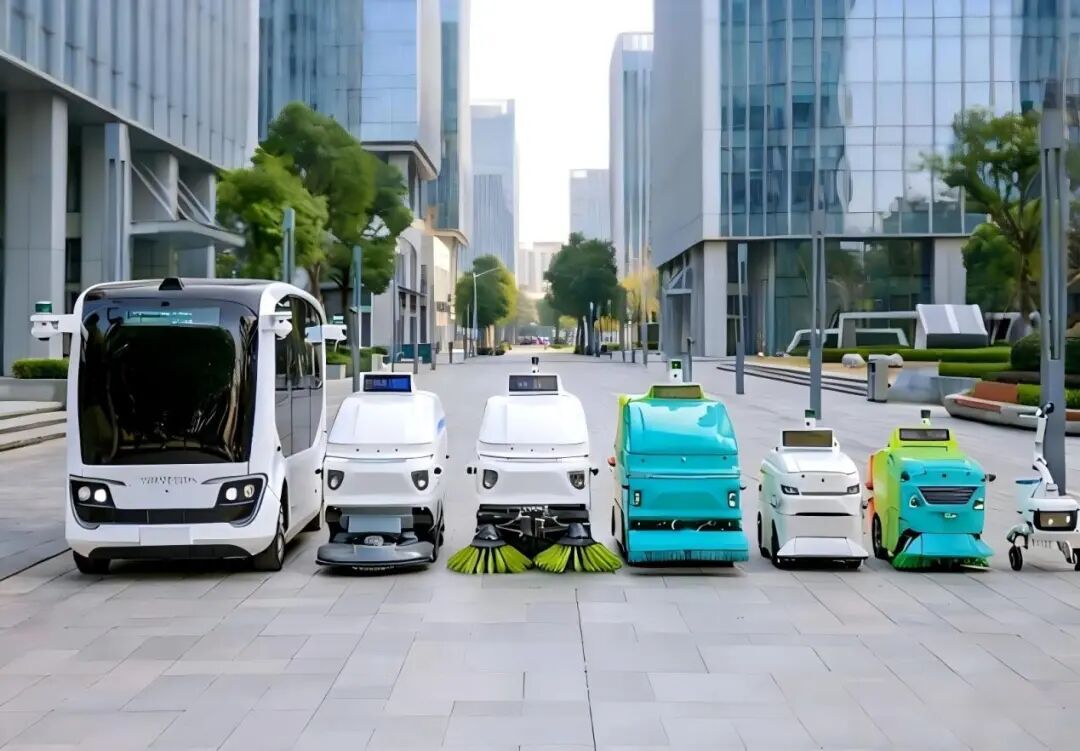
Funding exceeds 4 billion, valuation at 20.3 billion! This smart furniture unicorn holds 5 billion in order reserves, racing towards a Hong Kong IPO.
A leading smart furniture company, valued at $20.3 billion, has secured over $4 billion in funding as it prepares for an initial public offering (IPO) in Hong Kong. The company, recognized as a unicorn in the tech industry, boasts an impressive $5 billion in order reserves, positioning it for significant growth and investor interest. This strategic move comes as the firm aims to capitalize on the increasing demand for innovative and sustainable furniture solutions, reflecting broader trends in consumer preferences. The IPO is anticipated to further enhance the company's market presence and financial stability, enabling it to expand its operations and product offerings in the competitive smart furniture sector.
Robotics Automation AI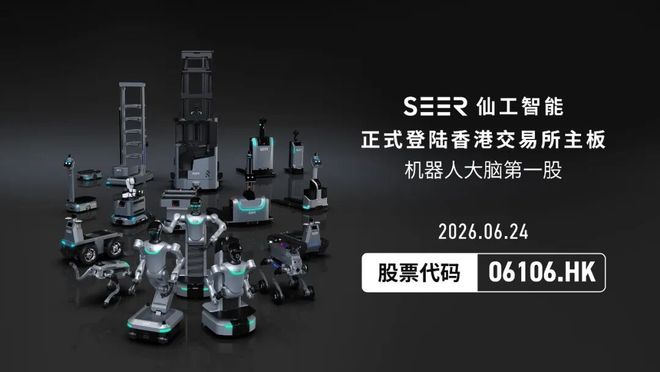
First 'Robot Brain' Stock Debuts on Hong Kong Stock Exchange
Shanghai XianGong Intelligent Technology Co., Ltd., a prominent player in the field of embodied intelligent robotics, has made its debut on the Hong Kong Stock Exchange, marking a significant milestone as the first company to be classified under the 'Robot Brain' category. The initial public offering (IPO) successfully raised substantial capital, which the company plans to utilize in its mission to lower barriers to robot development and deployment. This strategic move aims to enhance the integration of intelligent robotics across diverse industries, thereby accelerating their widespread adoption.
Embodied Intelligence Robot Technology Stock Market Industrial Automation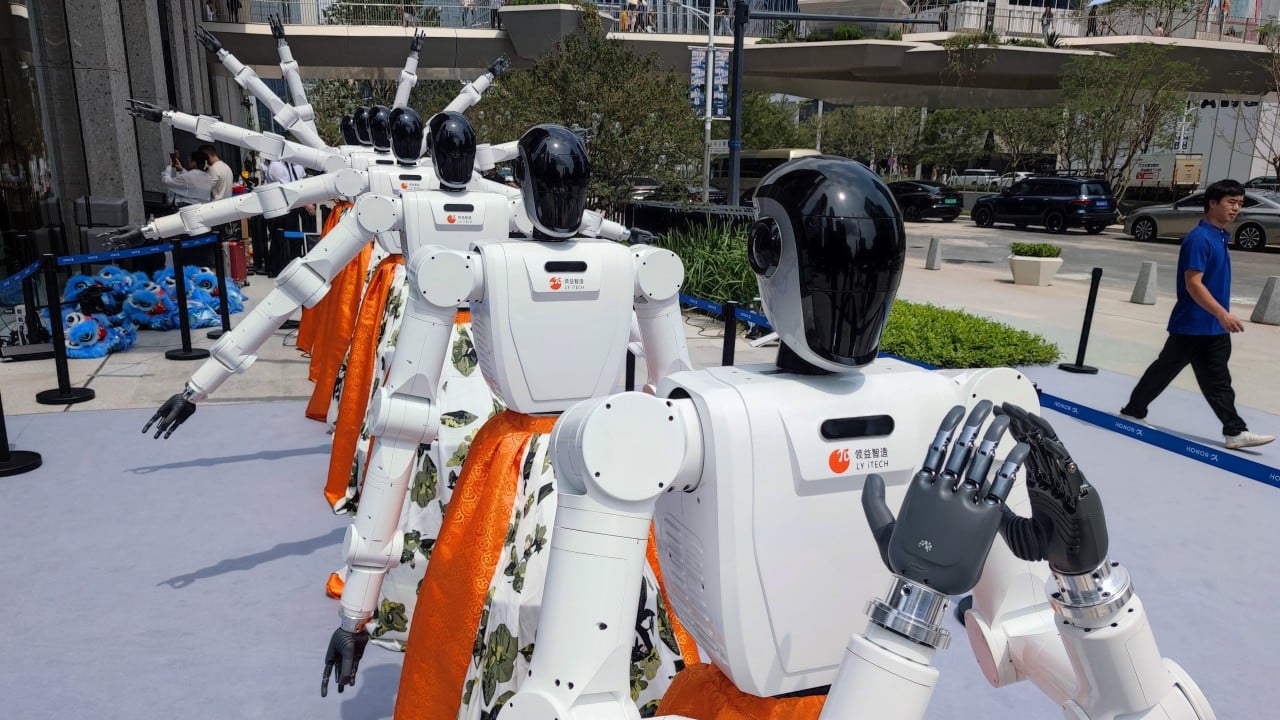
Apple supplier Lingyi seeks US$1.1 billion Hong Kong IPO to fund AI and robotics push
Lingyi iTech, a key supplier for Apple, is set to expand its operations beyond the smartphone sector by launching an initial public offering (IPO) in Hong Kong, aiming to raise up to HK$8.3 billion (approximately US$1.1 billion). The Shenzhen-based electronic components manufacturer plans to use the funds to invest in artificial intelligence hardware and humanoid robotics. The IPO is scheduled to debut on the Hong Kong stock exchange this Friday, with the company offering 811.8 million shares at a maximum price of HK$10.18 each. The subscription period for investors has already commenced, marking a significant step in Lingyi iTech's strategic growth and diversification efforts.
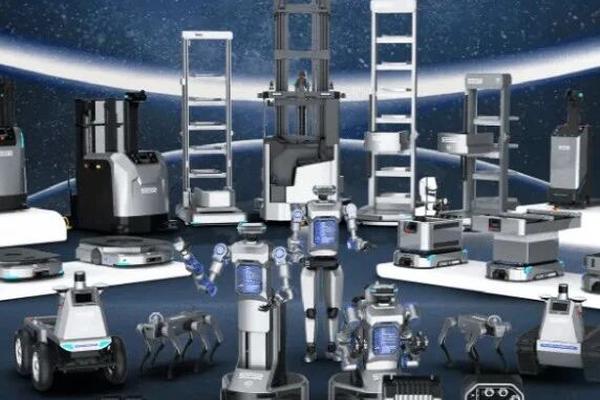
Zhejiang University Entrepreneurs Seek Hong Kong IPO: Five Highlights from XianGong Intelligent's Prospectus
On June 15, the Hong Kong-based robotics company XianGong Intelligent (06106.HK) commenced its initial public offering (IPO) with a share price set at HKD 101.60 for a minimum lot of 50 shares, valuing the company at HKD 11.227 billion. XianGong first submitted its IPO prospectus to the Hong Kong Stock Exchange in May 2025, but after a six-month lapse, it resubmitted in November, finally passing the hearing in June. The company, which specializes in robotic controllers, is expected to officially list on June 24, with China International Capital Corporation acting as the sole sponsor and CMB International as the overall coordinator. Despite being the global leader in robotic controllers, XianGong faces challenges, including a projected net loss of HKD 47.6 million in 2025, despite a narrowing loss trend. The company's revenue is primarily driven by its robots, which contribute 67.9% of income but have a lower profit margin compared to its controllers and software. XianGong has raised approximately HKD 2.83 billion through four rounds of financing prior to the IPO, with significant investments from firms like ProLogis and IDG. Valued at a price-to-sales ratio of 22, XianGong's IPO is the most expensive among its peers, relying heavily on maintaining high growth and profit margins. The company's founder, Zhao Yue, a Zhejiang University graduate and two-time RoboCup champion, leads a team with a strong academic background in robotics. As XianGong prepares for its market debut, its future performance will be closely monitored amid ongoing financial challenges.
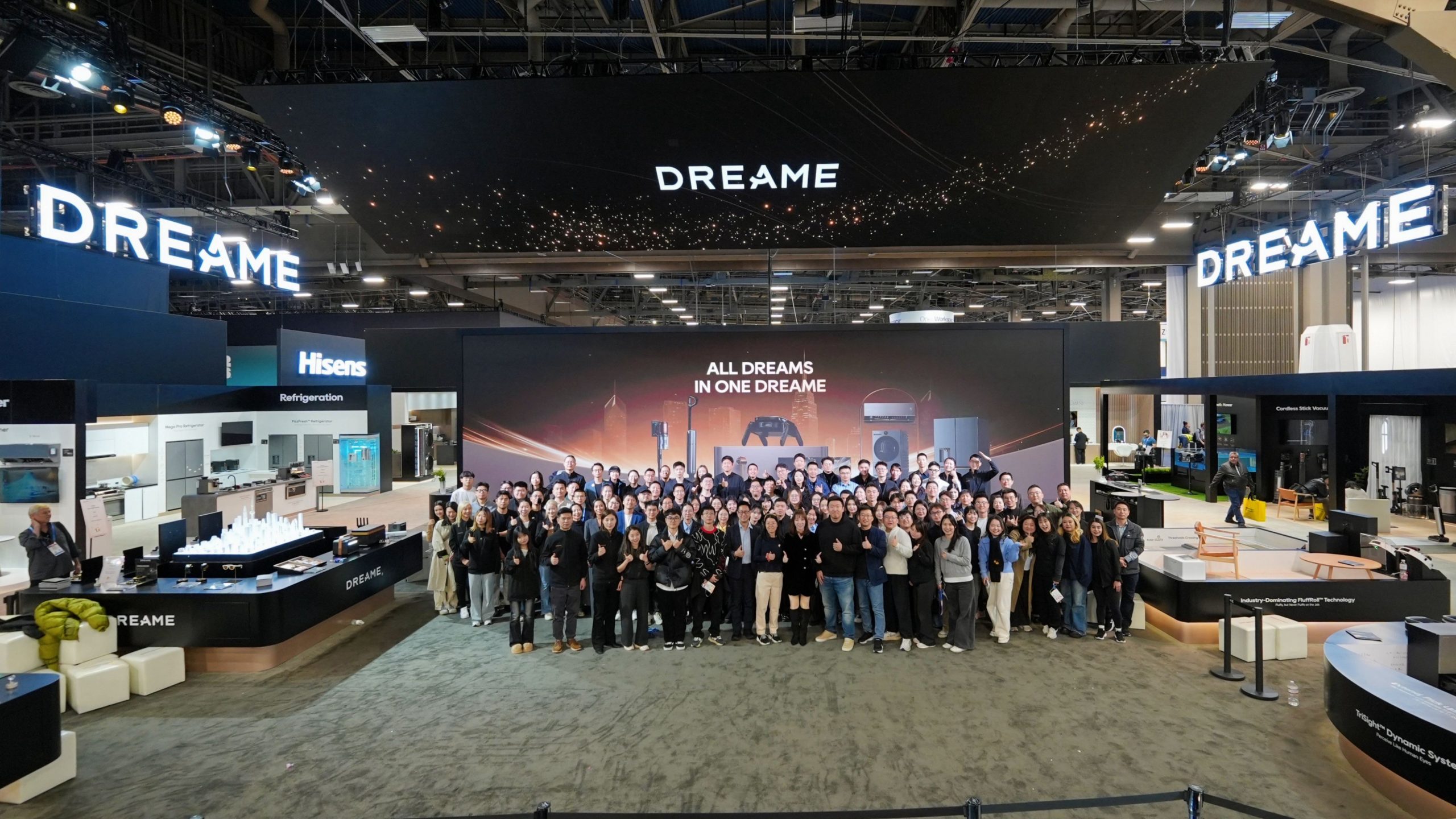
Xiaomi-backed Dreame weighs Hong Kong IPO in 2027
Public estimates indicate that a company is projected to generate a revenue of 8 billion yuan (approximately US$1.18 billion) in 2023. This financial forecast reflects the company's anticipated performance for the year, highlighting its growth potential in the market. As the year progresses, analysts will closely monitor the company's financial results to assess its ability to meet these expectations and the factors contributing to its revenue generation.
News Robotics China Dreame Technology Hong Kong IPO smart home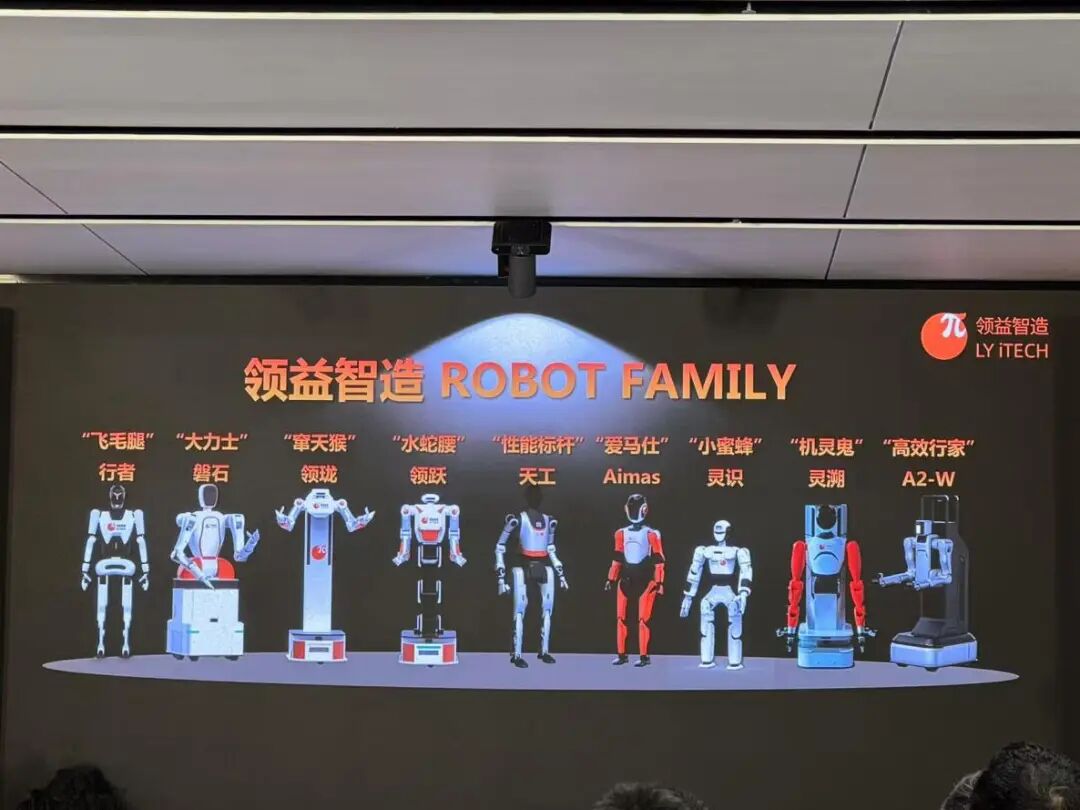
Leading Manufacturer Plans $1 Billion IPO in Hong Kong
Guangdong Lingyi iTech is preparing for an initial public offering (IPO) with the goal of raising $1 billion to fuel its expansion into robotics and artificial intelligence hardware. The company, which has experienced significant revenue growth, faces challenges with profit margins due to intense competition within the industry. In addition to its plans for the IPO, Lingyi iTech is launching its own line of robot brands while continuing to serve as an original equipment manufacturer (OEM) for major clients. The IPO is a strategic move to secure funding for its ambitious growth plans in a rapidly evolving market.
Robotics AI Hardware Manufacturing IPO
Humanoid robot with embodied intelligence to run convenience store 24/7 in Hong Kong
Hong Kong is set to launch its first convenience store operated entirely by a humanoid robot, marking a significant advancement in the integration of technology within retail. The store, which is expected to open its doors in the coming weeks, aims to enhance customer experience by providing efficient service and innovative shopping solutions. This initiative is part of a broader effort to modernize the retail sector and address labor shortages exacerbated by the pandemic. The humanoid robot will assist customers with product selection, checkout processes, and provide information, showcasing the potential for artificial intelligence in everyday tasks. The introduction of this automated store reflects Hong Kong's commitment to embracing cutting-edge technology while adapting to changing consumer behaviors.

Pudu Robotics eyes Hong Kong listing amid geopolitical risks
Pudu Robotics, a Shenzhen-based service robot manufacturer, is preparing for a public listing in Hong Kong amid rising geopolitical tensions that are impacting its supply chain costs. In an interview with Nikkei Asia, CEO and founder Felix Zhang highlighted the company's exploration of overseas manufacturing options as part of its strategy to navigate these challenges. The move to list in Hong Kong reflects Pudu's response to the evolving market landscape and its commitment to expanding its operations despite external pressures.
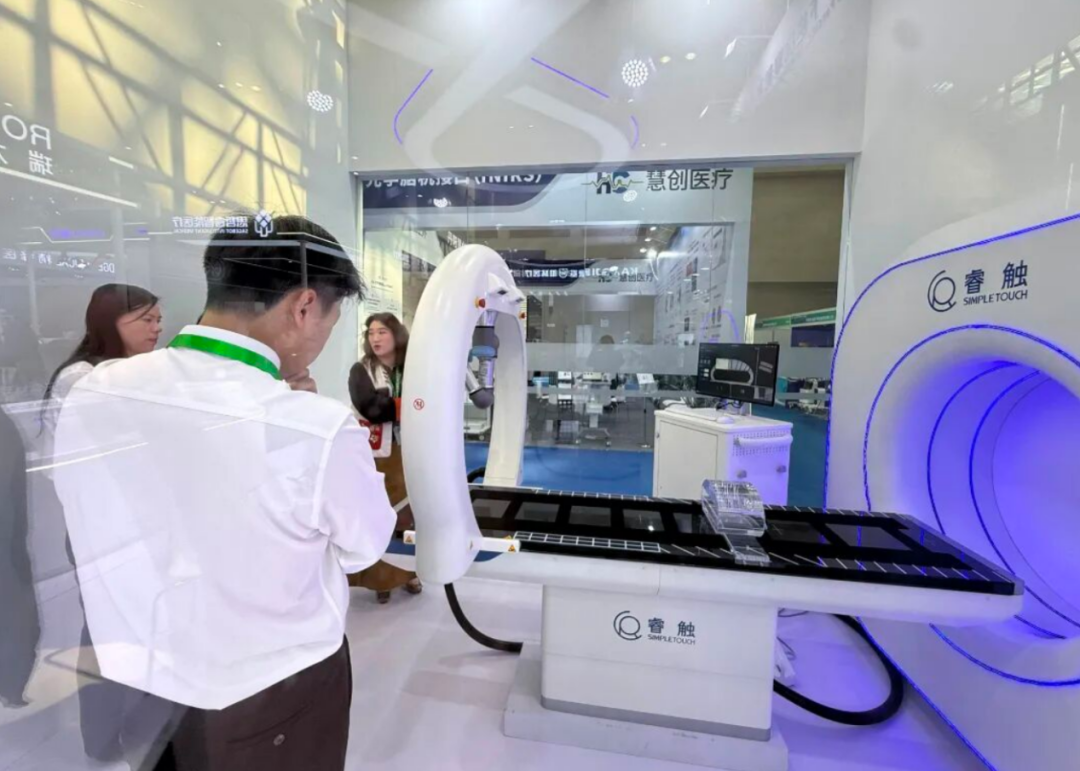
Domestic Surgical Robot RuiTouch Files for IPO on Hong Kong Stock Exchange
Shanghai RuiTouch Robotics has taken a significant step towards becoming a publicly traded entity by submitting its initial public offering (IPO) application to the Hong Kong Stock Exchange. The company aspires to be the first in the market to offer percutaneous surgical robots, leveraging its advanced CT imaging and intelligent sensing technologies. However, the IPO comes amid concerns regarding the company’s financial health, as it currently reports no revenue and has incurred substantial financial losses. The move is seen as a pivotal moment for the company, which aims to capitalize on the growing demand for innovative surgical solutions while navigating the challenges posed by its financial status.
Surgical Robots Medical Technology Healthcare Innovation IPO Robotics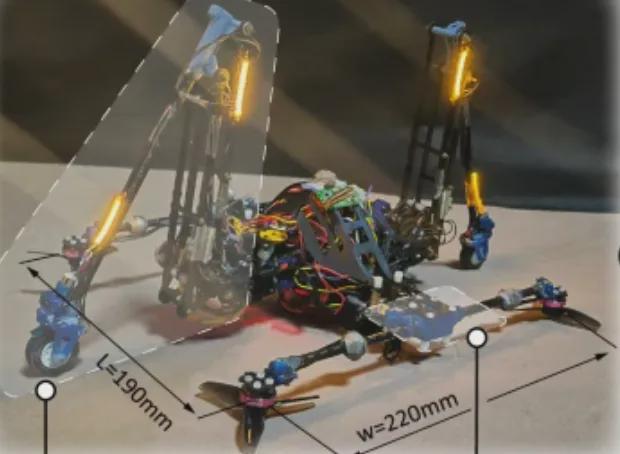
Gravity Defiance: Hong Kong Polytechnic Develops 370g Bipedal Jumping Robot Capable of 6.9m Jumps with 3.8mm Precision
Researchers at Hong Kong Polytechnic University have unveiled GravOff, an innovative bipedal robot designed to simulate a low-gravity environment through the use of rotors. This groundbreaking technology allows the robot to achieve impressive jumps of up to 6.9 meters, showcasing remarkable precision and redefining traditional jumping mechanics. The development, announced recently, aims to enhance trajectory control during the robot's flight, potentially paving the way for advancements in robotics and applications in various fields.
Bipedal Robots Robotics Innovation Jumping Technology Trajectory Control Low-Gravity Systems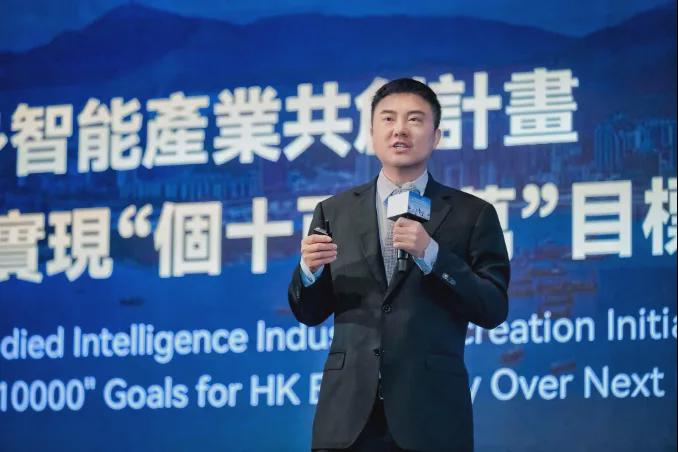
The First Hong Kong Embodied Intelligence Industry Conference: Why 2026 is the Year of Deployment?
On May 12, 2023, the inaugural Hong Kong Embodied Intelligence Industry Summit convened industry leaders to explore the evolution of robotics from basic movement to enhanced productivity. The summit served as a platform for experts to discuss the future of embodied intelligence and its potential commercial applications. A significant focus was placed on the year 2026, which was identified as a crucial period for the deployment of these technologies and the realization of their economic value. The discussions underscored the importance of advancing robotic capabilities to meet emerging market demands and improve operational efficiency across various sectors.
Embodied Intelligence Robotics AI Automation Industry Summit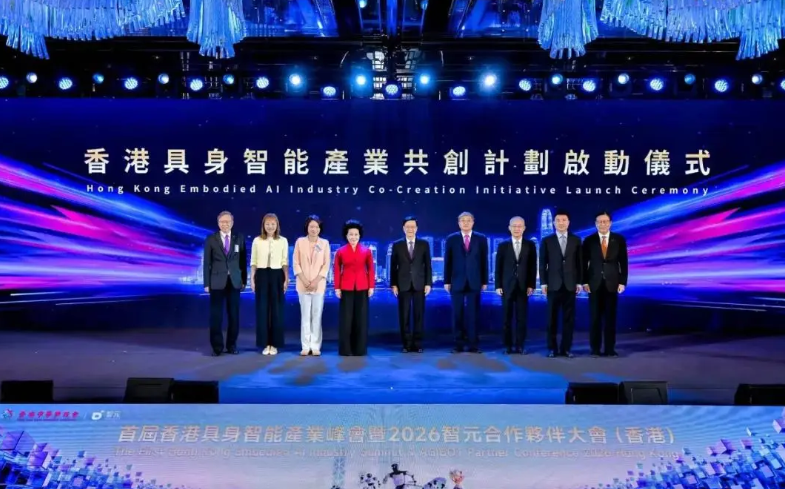
The First Hong Kong Embodied Intelligence Industry Conference: Why 2026 is the Year of Deployment?
The inaugural Hong Kong Embodied Intelligence Industry Summit took place on May 12, 2023, bringing together industry leaders and innovators to discuss the evolution of robotics from simple movement to executing complex tasks that boost productivity. The summit aimed to promote collaboration within the embodied intelligence sector, emphasizing the significance of commercial applications and value creation in the field by 2026. This event marks a pivotal moment for stakeholders looking to harness the potential of advanced robotics in various industries.
Embodied Intelligence Robotics AI Automation Industry Summit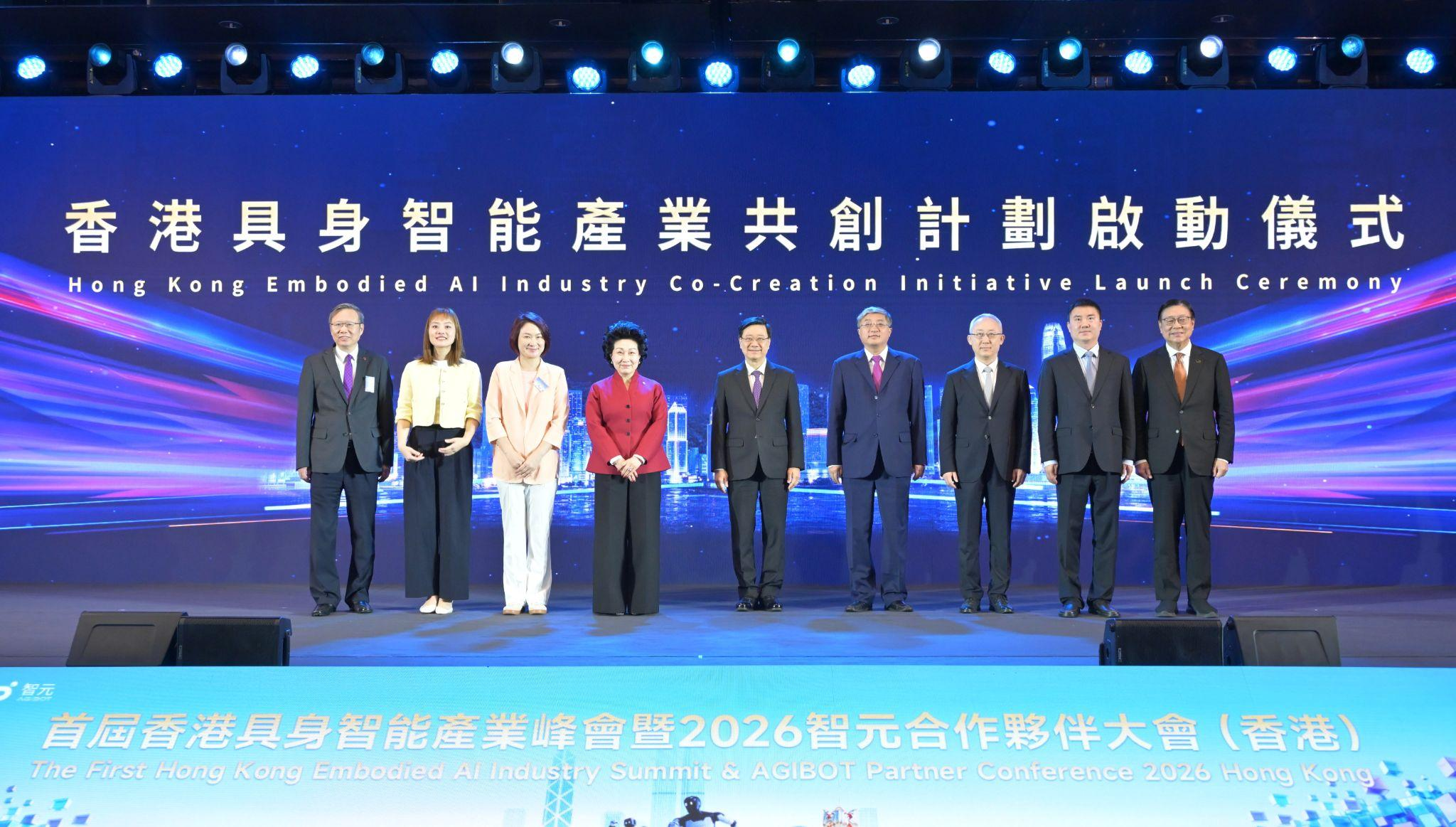
The First Hong Kong Embodied AI Industry Summit and AGIBOT Partner Conference 2026 Hong Kong Opens
The First Hong Kong Embodied AI Industry Summit and AGIBOT Partner Conference 2026 commenced in Hong Kong, bringing together prominent government officials and industry leaders to discuss advancements in the embodied AI sector. The summit aims to promote collaboration and innovation, reinforcing Hong Kong's position as a global hub for artificial intelligence development. During the event, AGIBOT showcased its latest technologies and applications, demonstrating the potential of embodied AI across various industries. The conference serves as a platform for stakeholders to exchange ideas and explore partnerships that will drive future growth in this rapidly evolving field.
Embodied AI Technology Summit Innovation Collaboration RoboticsRobotics needs a service framework.
RSF defines a common language for robot service capability, lifecycle operations, certification pathways, and service-provider networks.
Join the RobotToday community on LinkedIn
Daily robotics news, in-depth analysis, conference highlights, and discussions with professionals worldwide.







