Industry Briefing
A single destination for timely, editor-curated robotics news from around the world.

Google Search as you know it is over
Google is set to revolutionize its Search functionality by integrating artificial intelligence, moving away from traditional link-based results to a more interactive and conversational experience. This transformation, which is expected to roll out in the coming months, aims to provide users with direct answers and engage them through autonomous agents and dynamic interfaces. The shift is driven by the company's goal to enhance user engagement and streamline information retrieval. However, this innovation raises concerns among publishers, as it could lead to a significant decrease in web traffic directed to their sites, potentially impacting their revenue streams. As Google continues to refine its AI capabilities, the implications for content creators and the broader digital landscape remain to be seen.
AI Apps Google Google Search AI search google io 2026
I'm Buying Reddit Despite The Google Headwind. Here's Why
Amrita Roy, an investment analyst, has reaffirmed her "buy" rating for Reddit (NYSE: RDDT) despite concerns surrounding a recent overhaul of Google Search. Following Google's announcement at its I/O 2026 developer conference, Reddit's stock experienced a 5.5% decline. However, Roy highlights that Reddit's AI-powered search capabilities and strong advertising revenue growth, with Q1 FY26 revenue increasing by 69% year-over-year, position the company favorably. Although Google Search accounts for 40-50% of Reddit's traffic, most of these users are logged out, which limits potential monetization risks from any declines due to the search updates. Analysts project a 46.5% revenue growth and an 89% increase in earnings per share for FY26, with a forward price-to-earnings ratio of 20.9 and a potential upside of 53% to the average price target. Roy, who leads a family office fund in Vancouver, emphasizes the importance of investing in sustainable, growth-oriented companies and aims to provide accessible financial insights through her award-winning newsletter, The Pragmatic Optimist.
GOOG META RDDT Amrita Roy
Testing at the Speed of Light: Enabling Scalable Optical Testing for Silicon Photonics and CPO
A recent analysis reveals that a single query made through ChatGPT now requires approximately ten times the energy of a standard Google search. This significant energy consumption is expected to escalate as artificial intelligence technologies expand to include image and video generation capabilities. The findings highlight growing concerns about the environmental impact of AI advancements, prompting discussions on the sustainability of such technologies. As the demand for AI-driven services increases, experts are calling for more efficient energy solutions to mitigate the ecological footprint associated with these innovations.

Microsoft Edge 150 Launches with Google Account Sign-In and OpenAI Unveils GPT-5.6
On July 2, Microsoft released version 150.0.4078.48 of Microsoft Edge for desktop, introducing support for Google account sign-ins on both Windows and macOS. This update allows users to log in using either a Microsoft or Google account, enhancing accessibility for users. IT administrators can manage this feature through a new policy called 'NonMicrosoftAccountSignInEnabled'. The significance of this update lies in its potential to streamline user experience and broaden the browser's appeal. By allowing Google account integration, Microsoft Edge aims to attract users who prefer Google's ecosystem, thereby increasing its market share. Additionally, version 150 will be the last to support macOS 13 Monterey, as future updates will require macOS 12 Ventura or later. On July 9, OpenAI officially launched its new AI model series, GPT-5.6, following a limited preview. This series includes three tiers: Sol, Terra, and Luna, each optimized for different performance and cost metrics. The rollout of GPT-5.6 is expected to enhance capabilities in various applications, including coding and cybersecurity, with pricing structured to appeal to a wide range of users. No further timeline was disclosed at the time of publication.

Why Inzai City, Chiba Became a "Data Center Hub": A Miscalculation That Attracted Google and Microsoft 50 Years Ago
Inzai City, located approximately 40 kilometers northeast of central Tokyo in Chiba Prefecture, has emerged as a significant hub for major global IT companies. Originally developed as "Chiba New Town," this suburban area is now regarded as a "holy land" for the tech industry, attracting attention and investment from leading firms seeking to establish a presence in Japan. The transformation of Inzai reflects broader trends in the tech sector, where proximity to urban centers and access to infrastructure are increasingly valued.
Agile Robots and Google DeepMind Partner to Bring Gemini to the Factory Floor
Agile Robots, based in Munich, has entered into a strategic research partnership with Google DeepMind to enhance industrial robotics. This collaboration seeks to integrate Gemini Robotics foundation models with advanced industrial hardware, addressing the prevalent issue of data bottlenecks in the field. By leveraging a scalable AI flywheel, the partnership aims to improve the efficiency and effectiveness of robotic systems in various industries. The initiative highlights the growing intersection of artificial intelligence and robotics, as both companies work together to push the boundaries of technology and innovation.
DeepMind US Agile ONE Europe Google google-deepmind
RI Ph.D. Awarded 2024 Google Fellowship
Sheng-Yu Wang, a fifth-year Ph.D. student at Carnegie Mellon University's Robotics Institute, has been awarded the prestigious Google Fellowship for his innovative research in data attribution for text-to-image models. Under the guidance of his advisor, Jun-Yan Zhu, an assistant professor at the institute, Wang's work aims to enhance the understanding and effectiveness of artificial intelligence in generating images from textual descriptions. This recognition not only highlights Wang's contributions to the field but also underscores the importance of advancing AI technologies. The fellowship is part of Google's ongoing commitment to support outstanding doctoral students in computer science and related disciplines.
Research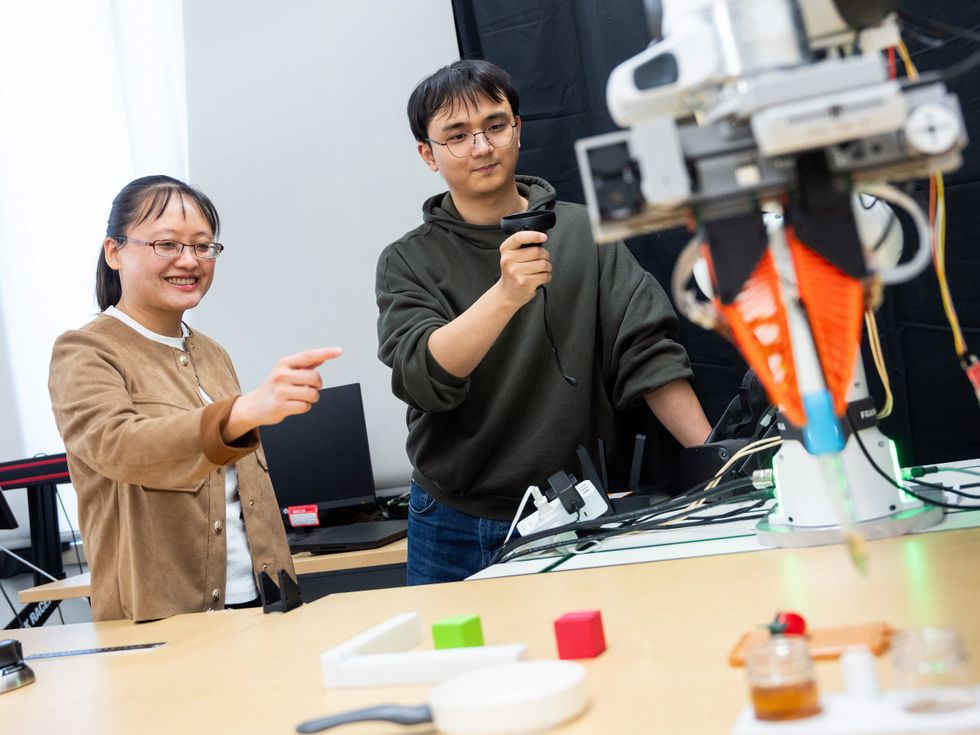
Award-Winning Researcher Trains Robots to Make Educated Guesses
Yen-Ling Kuo, an assistant professor of computer science at the University of Virginia, has been recognized for her significant contributions to robotics and automation. Last year, she received the IEEE Robotics and Automation Society’s inaugural Outstanding Women in Robotics and Automation Early Career Contribution Award for her paper, “Diff-DAgger: Uncertainty Estimation with Diffusion Policy for Robotic Manipulation.” This innovative research introduces a method that enhances robots' ability to identify and manage uncertainty during unfamiliar tasks, thereby reducing the need for human supervision and increasing task completion rates. Kuo’s journey began in Taiwan, where her fascination with science and technology was sparked by early exposure to programming and computer logic. After earning her degrees from National Taiwan University and MIT, she gained practical experience at Google, where she contributed to AI-driven shopping technologies. This experience motivated her to pursue a Ph.D. to deepen her understanding of neural networks. Her current research focuses on developing computational models that enable robots to interpret both explicit data and subtle social cues, aiming to replicate human-like reasoning in machines. Kuo's work has garnered attention from the National Science Foundation, which awarded her a five-year Career Award to support her research on human-robot interactions. As robotics and autonomous vehicles become more prevalent, Kuo envisions creating robots that can seamlessly integrate into social environments, enhancing human-robot collaboration.
Ieee-member-news Robots Artificial-intelligence Ieee-robotics-and-automation-soc Careers Type-ti
Google’s DiffusionGemma delivers 4x faster text generation using parallel decoding
Google has introduced DiffusionGemma, an innovative experimental AI model designed to generate text through a diffusion-based approach. This announcement was made recently as part of the company's ongoing efforts to advance artificial intelligence technologies. The model aims to enhance the capabilities of AI in natural language processing by leveraging diffusion techniques, which have shown promise in generating high-quality text outputs. Google’s initiative reflects its commitment to pushing the boundaries of AI research and development, seeking to improve user interactions with technology. The unveiling of DiffusionGemma marks a significant step in the evolution of AI, showcasing how advanced methodologies can be applied to create more sophisticated and contextually aware text generation systems.
AI and Robotics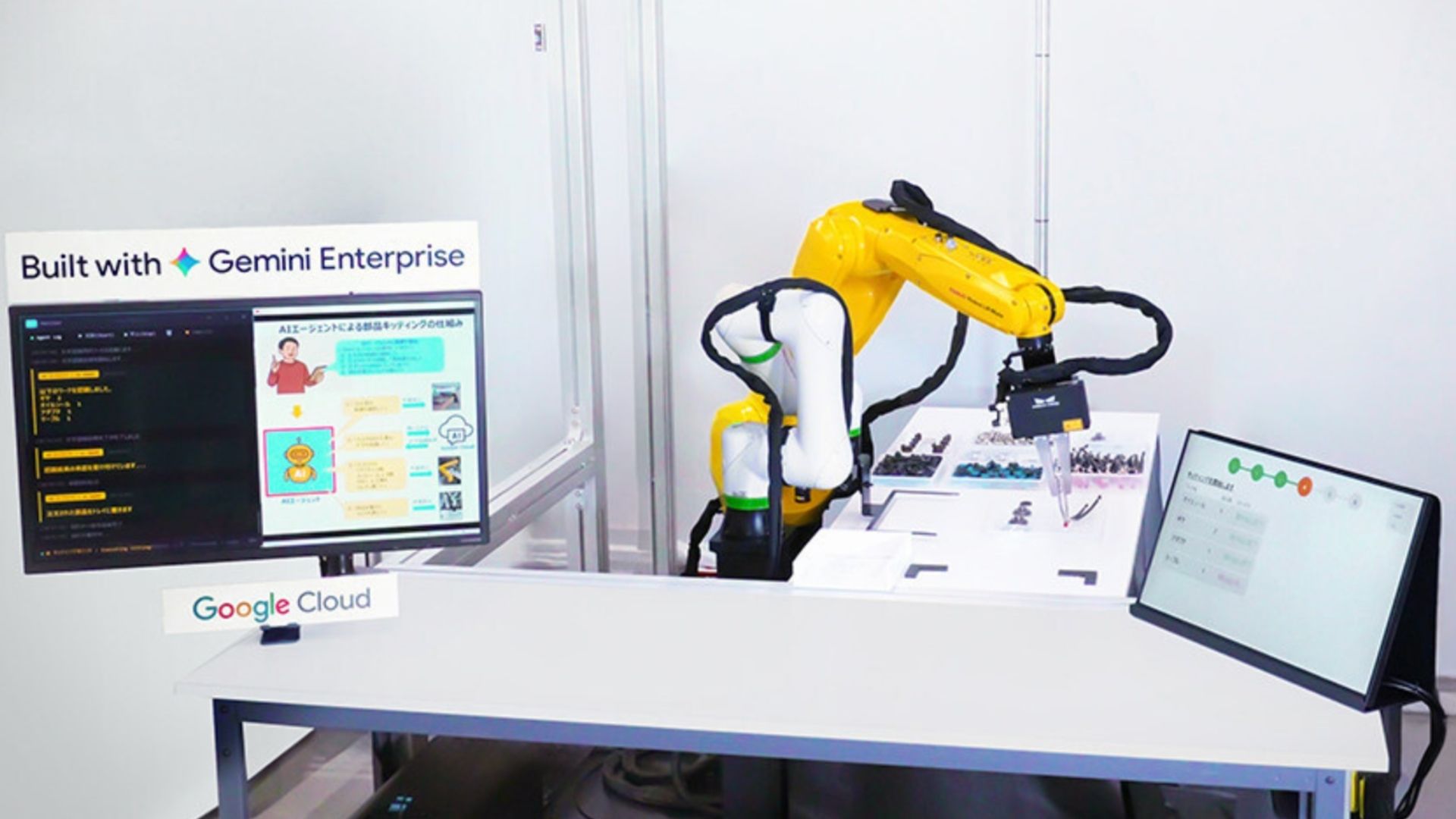
Google joins Japanese robotics giant to power next-gen autonomous factory robots
Google has partnered with FANUC America Corporation, a leading Japanese robotics company, to enhance the development of Physical AI technology. This collaboration aims to integrate advanced artificial intelligence into robotics, enabling machines to better understand and interact with the physical world. The announcement was made recently, signaling a significant step forward in the field of robotics and AI. By combining Google’s expertise in AI and machine learning with FANUC's extensive experience in automation and robotics, the two companies seek to create more intelligent and adaptable robotic systems. This initiative is driven by the growing demand for automation in various industries, as businesses look to improve efficiency and productivity through innovative technologies. The partnership is expected to leverage cutting-edge research and development, paving the way for breakthroughs in how robots operate and collaborate with humans in diverse environments.

Perceptron Mk1 shocks with highly performant video analysis AI model 80-90% cheaper than Anthropic, OpenAI & Google
Perceptron Inc., a Bellevue-based startup founded by former Meta researchers Armen Aghajanyan and Akshat Shrivastava, has launched its flagship video analysis model, Mk1, aimed at revolutionizing how enterprises utilize AI in real-time video processing. Announced today, this innovative model is priced significantly lower than competitors, at $0.15 per million input tokens and $1.50 per million output tokens, making it accessible for large-scale industrial applications. The Mk1 model, developed over 16 months, excels in understanding complex physical interactions and temporal reasoning, outperforming established models like OpenAI's GPT-5 and Google's Gemini 3.1 Pro in various benchmarks. Its unique architecture allows it to process video streams continuously, maintaining object identity and providing precise analysis of dynamic scenes, which is particularly beneficial for sectors such as security, robotics, and marketing. Perceptron aims to position Mk1 as a leader in the "Efficiency Frontier," balancing high performance with cost-effectiveness. The model's capabilities extend to auto-clipping highlights from live sports and enhancing quality control in manufacturing. A public demo site is available for potential users to explore its functionalities. This launch signifies a significant step towards integrating advanced AI into real-world applications, as the company seeks to make "physical AI" as prevalent as its digital counterpart.
Technology
Google CEO Sundar Pichai Launches the 2024-25 President’s Lecture Series at Carnegie Mellon
On September 18, Google and Alphabet CEO Sundar Pichai visited Carnegie Mellon University to engage with faculty and students about emerging technologies. His visit marked the official launch of the 2024-25 President’s Lecture Series. Pichai toured various research labs and concluded his trip at the newly built Highmark Center for Health and Wellness, highlighting the university's commitment to innovation and collaboration in technology.
Uncategorized
Google’s Genie world model can now simulate real streets with Street View
Google DeepMind is set to enhance its Project Genie by integrating it with Street View, aiming to develop immersive and interactive world simulations. This innovative initiative will enable users to explore diverse environments, experience dynamic weather changes, and encounter rare scenarios. The integration is part of DeepMind's broader effort to advance applications in robotics, gaming, and travel, providing a more engaging and realistic experience for users. The project is expected to leverage the extensive data from Street View to create detailed and responsive virtual landscapes, making it easier for developers and users alike to engage with these simulations in meaningful ways.
AI Robotics genie 3 Google Google I/O google io 2026
Google’s Gemini Omni turns images, audio, and text into video — and that’s just the start
Google has unveiled its latest innovation, Gemini Omni, a multimodal model designed to enhance user interaction by reasoning across various formats, including text, images, audio, and video. This cutting-edge technology allows users to generate and edit videos through straightforward conversational prompts, with the initial feature being Omni Flash. The launch of Gemini Omni marks a significant advancement in artificial intelligence, aiming to simplify content creation and editing processes for users. The model is trained on data available up to October 2023, ensuring it incorporates the most recent developments in AI capabilities. This initiative reflects Google's commitment to pushing the boundaries of technology and improving user experiences in digital content creation.
Media & Entertainment AI Google Veo google io 2026 google gemini omni
Google DeepMind Robotics Head Details 'Surprising' Cross-Embodiment AI, Calls Home 'The Hardest Environment'
In a recent interview, Carolina Parada from Google DeepMind highlighted the innovative features of Gemini Robotics 1.5, particularly its unique 'agentic' two-part brain. Parada emphasized the robot's impressive capability to transfer skills across different robotic platforms, showcasing a significant advancement in robotics technology. She also expressed her belief that the home environment represents one of the final frontiers for the application of such technology, suggesting a future where robots could play an integral role in daily household tasks. This discussion sheds light on the ongoing developments in robotics and the potential for transformative impacts in personal living spaces.
vla World-Models AI Gemini google-deepmind Carolina-Parada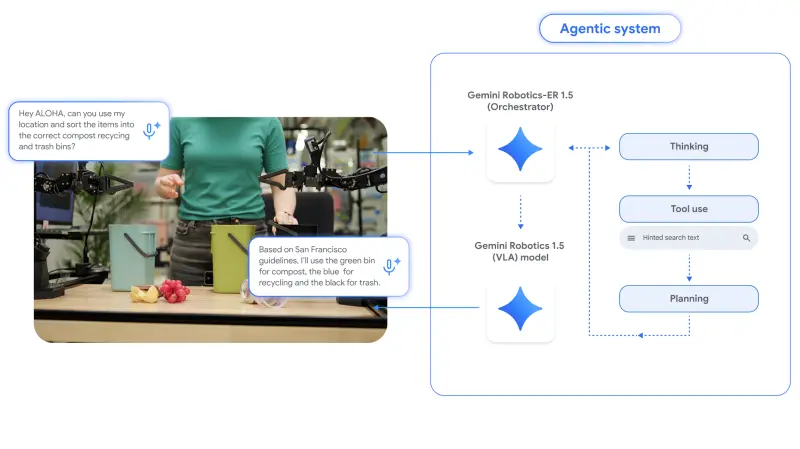
Google DeepMind Gives Robots a 'Thinking' Brain with Agentic Gemini 1.5 Models
Google DeepMind has introduced Gemini Robotics 1.5, an advanced AI framework aimed at enhancing the capabilities of robots. This new system allows robots to evolve from merely following commands to becoming 'physical agents' capable of reasoning, planning, and acquiring skills across various hardware platforms, including Apptronik's Apollo humanoid robot. The announcement marks a significant step in the development of intelligent robotics, reflecting the company's commitment to pushing the boundaries of artificial intelligence. By enabling robots to learn and adapt, DeepMind seeks to revolutionize the way machines interact with their environments and perform complex tasks. The unveiling of this framework comes as part of a broader trend in the tech industry to create more autonomous and versatile robotic systems.
ai-agents vla Gemini Apptronik google-deepmind robotics
LG Energy to Supply Batteries for Google's Largest Solar and Storage Project
LG Energy has been confirmed to supply batteries for Google's largest solar and energy storage project, marking a significant expansion in energy infrastructure related to the rising power demands of AI data centers. This project, known as the Steel River Energy Center, is a collaboration between Google and Cypress Creek Energy in Arkansas. The initial phase of the project will feature 1.6 gigawatts (GW) of solar power generation capacity and approximately 2 gigawatt-hours (GWh) of battery storage, with plans to expand to 2.5 GW of solar and 2.9 GWh of storage by 2029. LG Energy is expected to provide its JF2 DC Link system, utilizing lithium iron phosphate battery technology, with the order valued at several hundred billion Korean won. As the demand for renewable energy solutions grows, this partnership highlights the increasing importance of energy storage systems in supporting sustainable infrastructure. No further timeline was disclosed at the time of publication.

SpaceX's Starmind Targets AI Labs with $6.3 Billion Compute Contracts
SpaceX's Starmind is designed to provide wholesale AI compute services to businesses, particularly AI labs and cloud customers, rather than individual consumers. The service operates similarly to AWS, where users benefit from applications running on Starmind without direct subscriptions. The compute capacity of a single AI1 satellite is comparable to one NVIDIA GB300 rack, emphasizing its enterprise-grade capabilities. The significance of Starmind lies in its positioning as a potential fourth hyperscaler, joining the ranks of AWS, Microsoft Azure, and Google Cloud. The Reflection AI contract, valued at $150 million per month, exemplifies the enterprise-focused model, with total payments potentially reaching $6.3 billion through 2029. This contract highlights the growing demand for AI compute resources, particularly from AI-native startups and labs. Looking ahead, the focus will remain on securing additional enterprise contracts as Starmind expands its offerings. No consumer-facing products or subscriptions have been announced, and the current strategy is to cater to businesses with substantial AI workloads. No further timeline was disclosed at the time of publication.
Google's Apptronik opens a 90,000 square foot "robot park": training humanoid robots with a data factory to walk towards...
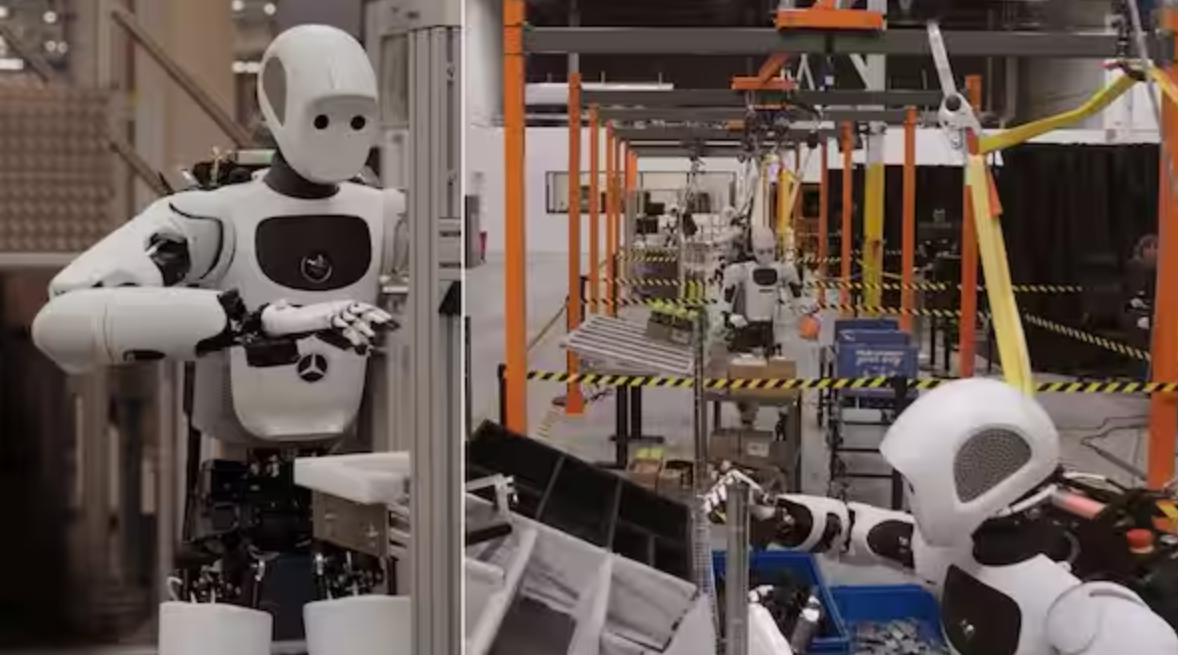
Apptronik, a robotics company backed by Google, has inaugurated a 90,000 square foot facility known as a "robot park" dedicated to the training of humanoid robots. This state-of-the-art center, located in Austin, Texas, aims to enhance the capabilities of robots by utilizing a sophisticated data factory that allows them to learn and refine their walking abilities. The opening of the robot park comes as part of Apptronik's broader mission to advance humanoid robotics technology, driven by the increasing demand for automation and intelligent machines in various industries. By leveraging extensive data and innovative training methods, the facility is expected to significantly accelerate the development of robots that can perform complex tasks in real-world environments.
Robotics Automation AI
NVIDIA Accelerates Google DeepMind’s DiffusionGemma for Local AI
Google DeepMind has unveiled DiffusionGemma, an experimental open model designed for rapid text generation. This innovative model is optimized by NVIDIA to achieve enhanced performance on NVIDIA GeForce RTX GPUs and the NVIDIA RTX PRO platform. The release, which took place today, aims to push the boundaries of text generation technology, providing users with a tool that can produce content at unprecedented speeds. By leveraging advanced GPU capabilities, DiffusionGemma seeks to meet the growing demand for efficient and high-quality text generation solutions in various applications.

Microsoft and Google are late to AI coding, but 'absolutely critical' they compete for growth
Google and Microsoft are intensifying their focus on coding tools as they seek to compete with leading AI companies Anthropic and OpenAI. This strategic shift comes in response to the growing demand for advanced programming assistance and the rapid advancements made by their rivals in the artificial intelligence sector. As of October 2023, both tech giants are investing heavily in developing and enhancing their coding capabilities to attract developers and businesses looking for innovative solutions. By leveraging their extensive resources and expertise, Google and Microsoft aim to establish a stronger foothold in the AI-driven coding landscape, ultimately striving to offer more efficient and effective tools that can streamline the software development process.

Google rolls out Gemini Omni Flash for autonomous video creation across apps
Google has initiated the rollout of its latest multimodal AI model, Gemini Omni Flash, which is designed to enhance user interactions across various platforms. This launch began in October 2023 and aims to integrate advanced AI capabilities into Google's suite of services. The motivation behind this development is to provide users with a more seamless and efficient experience by allowing the model to process and respond to inputs in multiple formats, including text, images, and voice. By leveraging cutting-edge technology, Gemini Omni Flash is expected to significantly improve the way users engage with Google's applications, making interactions more intuitive and responsive. The rollout is part of Google's ongoing commitment to innovation in artificial intelligence, positioning the company at the forefront of the AI landscape.
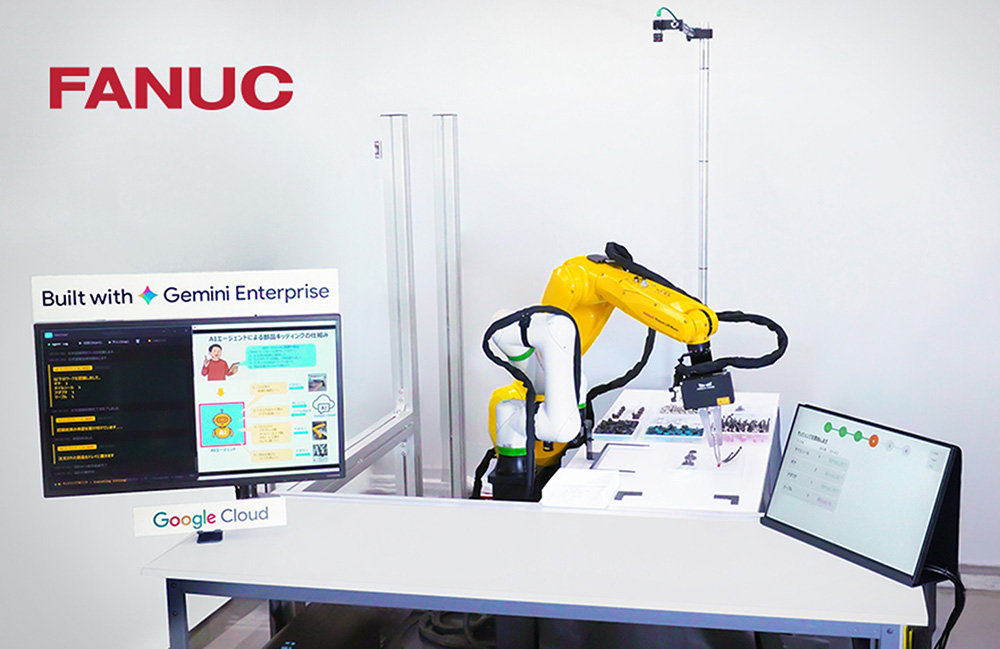
FANUC partners with Google to advance physical AI in its robots
FANUC has experienced a surge in customer interest following the launch of its physical AI system at the IREX exhibition in Tokyo. This heightened demand has prompted the company to collaborate with tech giants Google and NVIDIA to enhance the capabilities of its robotic systems. The partnership aims to leverage advanced AI technologies to improve the functionality and efficiency of FANUC's robots, positioning the company at the forefront of innovation in the robotics industry.
Artificial Intelligence Artificial Intelligence / Cognition Collaborative Robots Controllers Design / Development Industrial Robots
Would you let robots spend your money? Google is betting on it
At the recent Google I/O event, Google announced a significant push into AI-driven shopping, unveiling its latest innovation: a "Universal Cart." This new feature allows users to seamlessly add products from various retailers across Google platforms, including Gemini, and plans to extend to YouTube and Gmail in the future. This initiative comes as some competitors are scaling back their efforts in the AI commerce space, highlighting Google's commitment to enhancing the online shopping experience. By integrating multiple retail options into a single cart, Google aims to streamline the purchasing process for consumers, making it easier to shop across different platforms.
AI Business Google Google I/O 2026 News Online Shopping
FANUC Accelerates Physical AI Through Collaboration with Google
A new AI agent developed by Google is now operating robots, showcasing advanced capabilities in automation and artificial intelligence. This innovative technology was unveiled in October 2023, marking a significant milestone in the field of robotics. The AI agent is designed to enhance the efficiency and effectiveness of robotic operations across various industries, including manufacturing, logistics, and healthcare. The motivation behind this development is to leverage AI's potential to streamline processes, reduce human error, and increase productivity in environments that require precision and reliability. By integrating sophisticated algorithms and machine learning techniques, the AI agent can adapt to different tasks and environments, allowing robots to perform complex operations with minimal human intervention. This breakthrough represents a significant step forward in the ongoing evolution of robotics, as it combines Google's expertise in AI with practical applications in real-world scenarios. The implications of this technology could transform how industries operate, paving the way for smarter, more autonomous systems that can tackle a wide range of challenges.

NVIDIA and Google Cloud Empower the Next Wave of AI Builders
At the recent Google I/O conference, NVIDIA and Google Cloud announced a significant initiative aimed at enhancing the productivity of over 100,000 developers within their collaborative developer community. This program offers curated learning paths, hands-on labs, and various events designed to support developers in building innovative solutions. The partnership underscores both companies' commitment to fostering a robust ecosystem for developers, facilitating skill development and project execution in an increasingly competitive tech landscape. By providing these resources, NVIDIA and Google Cloud aim to empower developers to leverage cutting-edge technologies and accelerate their projects effectively.

Google races to put Gemini at the center of Android before Apple’s AI reboot
Google is leveraging its latest Android rollout to establish Gemini as the central artificial intelligence layer across a range of devices, including smartphones, Chromebooks, laptops, and vehicles. This strategic move aims to enhance user experience by integrating advanced AI capabilities into everyday technology. The rollout, which began in October 2023, reflects Google's commitment to innovation and its vision of a seamlessly connected ecosystem. By embedding Gemini across multiple platforms, the tech giant seeks to streamline operations and improve functionality, making AI more accessible and beneficial for users in their daily lives.
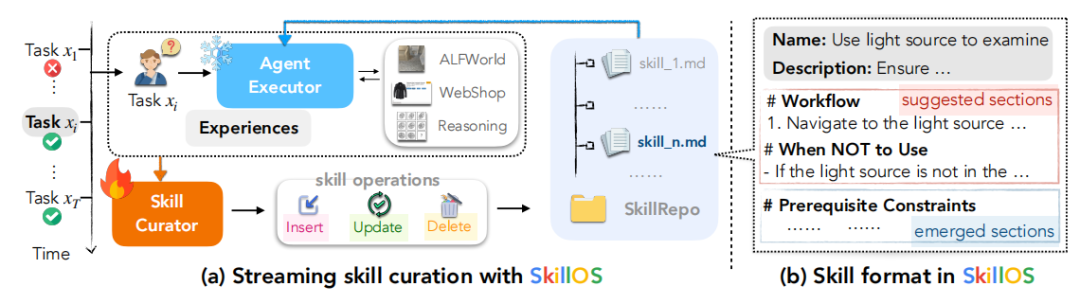
Google's SkillOS Framework: Enabling AI Agents to Self-Evolve Without Parameter Overload
Google has introduced a groundbreaking framework called SkillOS, aimed at improving the learning capabilities of AI agents. This development addresses a significant challenge in the field of artificial intelligence by enabling agents to manage their skill libraries through reinforcement learning. By allowing these agents to retain and refine skills acquired from previous tasks, SkillOS enhances their ability to effectively tackle new challenges. The announcement comes as part of Google's ongoing efforts to advance AI technology and improve its practical applications. This innovative approach is expected to lead to more adaptable and efficient AI systems, ultimately benefiting various industries reliant on artificial intelligence solutions.
AI Reinforcement Learning Skill Management Machine Learning
Google cloud growth tops Microsoft and Amazon as all three beat estimates on AI demand
In a recent financial update, leading tech giants Amazon, Google, and Microsoft announced their first-quarter cloud results, which exceeded analysts' expectations. This positive performance indicates a significant uptick in demand for artificial intelligence services. The reports, released in early April 2023, highlight the growing importance of cloud computing and AI technologies in the current market landscape. As businesses increasingly turn to AI solutions to enhance efficiency and innovation, these companies are poised to benefit from the rising trend. The robust results reflect not only the strength of their cloud services but also the broader shift towards digital transformation across various industries.

NVIDIA and Google Cloud Collaborate to Advance Agentic and Physical AI
NVIDIA and Google Cloud have announced a significant milestone in their long-standing partnership, which has lasted over ten years. Together, they have developed a comprehensive AI platform that integrates various technology layers, including performance-optimized libraries, frameworks, and robust cloud services tailored for enterprise needs. This collaboration aims to enhance the capabilities of artificial intelligence applications, providing businesses with advanced tools and resources to leverage AI effectively. The initiative reflects both companies' commitment to driving innovation in the AI space and supporting organizations in their digital transformation journeys.

Google DeepMind and Agile Robotics Combine Robotics Platforms
Google DeepMind has announced a new partnership aimed at enhancing its artificial intelligence models and advancing the field of industrial robotics. The collaboration will center on gathering data from real-world robotic operations, which is expected to provide valuable insights for improving the performance and capabilities of robotic systems. This initiative comes as part of DeepMind's ongoing efforts to leverage practical applications of AI technology in various sectors. The partnership is set to play a crucial role in driving innovation and efficiency within the robotics industry, ultimately contributing to the development of more sophisticated and effective robotic solutions.
Factory / Robotics
Google DeepMind Opens the Portal: Project Genie and the Quest for the "Infinite Training Loop"
Google DeepMind has introduced Project Genie, an innovative experimental tool that utilizes the Genie 3 world model to generate interactive 3D environments from textual descriptions and images. Launched recently, this project aims to address the challenges of data limitations in robotics, which is a critical step towards achieving artificial general intelligence (AGI). By moving beyond traditional gaming applications, Project Genie represents a significant advancement in DeepMind's overarching strategy to enhance the capabilities of AI in real-world scenarios. The initiative underscores the company's commitment to pioneering technologies that can bridge the gap between virtual and physical environments, ultimately paving the way for more sophisticated robotic systems.
DeepMind Google Gemini embodied-ai
Google Cloud Greater China President Kathy Lee reportedly stepping down; Microsoft veteran Bin Shen tapped as successor
Kathy Lee, the President of Google Cloud for Greater China, is reportedly set to resign, with Bin Shen, the former Vice President and Head of Consumer and Device Sales for Microsoft Greater China, anticipated to succeed her. This leadership change comes amid ongoing tensions between Lee and Google’s Asia-Pacific division, which have raised concerns about the effectiveness of her tenure. Under Lee's guidance, Google Cloud has focused on expanding its client base and enhancing its services in the region. The transition is expected to take place soon, although specific timelines have not been disclosed. The move reflects Google's ongoing strategy to strengthen its position in the competitive cloud market in Asia.
News Feed
Google’s new Universal Cart wants to follow you across the entire internet
In response to the evolving shopping habits of consumers, a leading technology company has announced the launch of Universal Cart, a new feature designed to streamline the online shopping experience. Recognizing that shoppers frequently use multiple devices and browse various retailers over extended periods, the initiative aims to simplify the purchasing process by allowing users to manage their shopping carts across different platforms seamlessly. This development comes as part of the company's ongoing efforts to enhance user convenience and adapt to the changing landscape of e-commerce. The Universal Cart is expected to roll out in the coming weeks, providing a unified shopping experience that caters to the modern consumer's needs.
AI Apps Commerce Google Google I/O google io 2026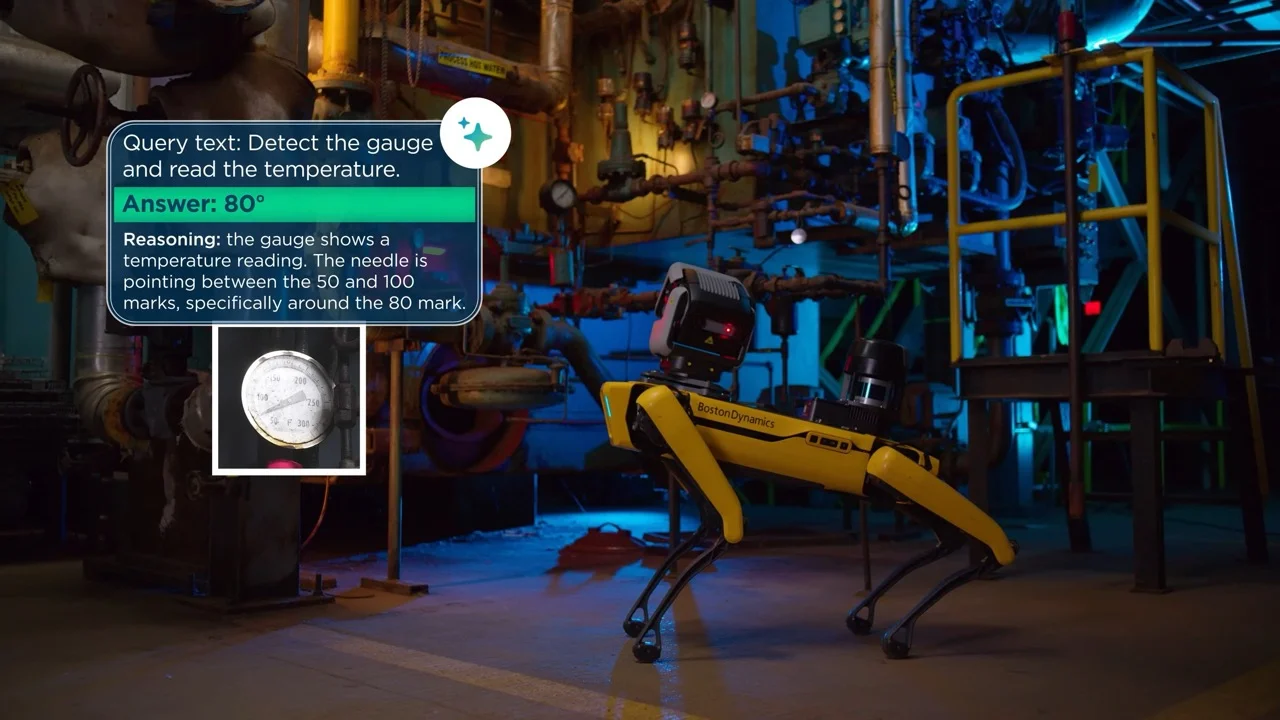
Google DeepMind Unveils Gemini Robotics-ER 1.6: A Leap in Spatial Reasoning and Industrial Utility
DeepMind has unveiled its latest and most sophisticated embodied reasoning model, which incorporates a cutting-edge "agentic vision" system designed specifically for industrial inspections. This new technology aims to improve the accuracy and efficiency of multi-view success detection in various industrial applications. The launch, which took place recently, marks a significant advancement in artificial intelligence capabilities, reflecting DeepMind's commitment to enhancing operational processes across industries. By leveraging advanced machine learning techniques, the model is expected to streamline inspection workflows and reduce the likelihood of errors, ultimately driving productivity and safety in industrial environments.
Google Gemini Gemini Robotics-ER 1.6 google-deepmind Boston Dynamics
Cartwheel Robotics Founder Scott LaValley Joins Google DeepMind
After the closure of his startup, a former Disney Imagineer and veteran of Boston Dynamics has partnered with Aaron Saunders to promote advancements in Physical AI. This collaboration aims to leverage their combined expertise in robotics and artificial intelligence to develop innovative solutions that enhance physical interactions between humans and machines. The initiative reflects a growing interest in the integration of AI into everyday physical tasks, driven by the increasing demand for automation and intelligent systems. The partnership is set to explore new frontiers in technology, potentially transforming industries that rely on physical labor and interaction.
Cartwheel Robotics US Market Google google-deepmind
Starmind's Satellite Technology Achieves 880 Billion Liters in Annual Water Savings
Starmind has announced that its satellite technology can save approximately 880 billion liters of cooling water annually at full scale. This figure is equivalent to the annual household water use of around 6.5 million Americans. The technology operates by utilizing a closed-loop liquid cooling system that eliminates the need for water during its operational life, contrasting sharply with traditional ground data centers that consume vast amounts of water for cooling. The significance of this achievement lies in the growing water consumption crisis faced by data centers, particularly as AI expansion drives demand. In 2025, U.S. data centers consumed nearly one trillion liters of water, highlighting the urgent need for sustainable solutions. Starmind's approach not only addresses direct water usage but also avoids indirect water consumption associated with electricity generation, marking a substantial shift in how computing can be conducted in a resource-efficient manner. Looking ahead, Starmind's deployment strategy includes a projected buildout of 100 GW of orbital compute per year, which could displace an additional 735 billion liters of ground water demand annually. The first tranche of 10,000 satellites is already operational, offsetting approximately 8.8 billion liters of water per year. No further timeline was disclosed at the time of publication.

SpaceX's Starmind Project: Supplier Strategy and Chip Manufacturing Plans for 2026
SpaceX's Starmind project, aimed at deploying up to 1 million AI satellites, was filed with the FCC on January 30, 2026. The initiative is designed to minimize reliance on external suppliers, with CEO Elon Musk stating that current chip production capabilities only meet 2% of the projected needs. The first satellite, AI1, is set for prototype launches in early 2027, featuring a 70-meter wingspan and a modular payload system that allows for interchangeable chips from various suppliers. The significance of Starmind lies in its ambitious supply chain strategy, which seeks to transition from external hardware suppliers to a fully integrated Musk-owned facility by 2028. The Gigasat manufacturing site in Bastrop, Texas, is expected to be operational by the end of 2027, with plans for high-volume production of the D3 chip, specifically designed for space applications. This approach aims to consolidate chip manufacturing processes under the Terafab joint venture, which has an estimated initial investment of $55 billion. Looking ahead, the next milestone for Starmind is the launch of AI1 prototypes in early 2027, while the full-scale chip production at Terafab is projected to ramp up significantly thereafter. However, analysts express skepticism regarding the feasibility of achieving Musk's ambitious compute goals, which may require substantial investment and time to establish the necessary manufacturing capabilities.
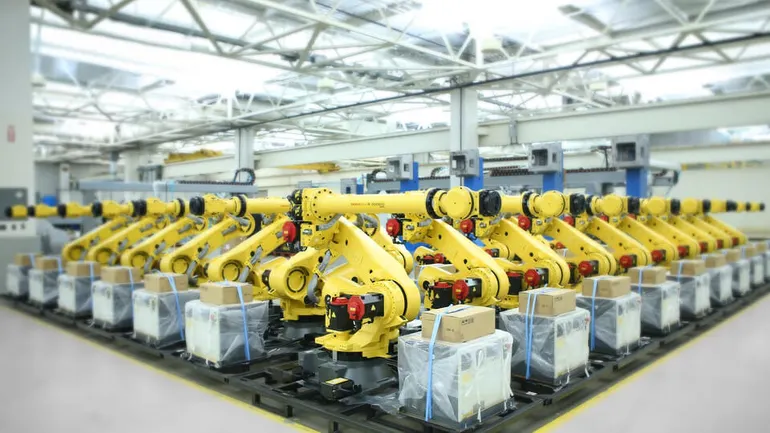
Fanuc, Google advance industrial robotics as part of recent AI deals
Kawasaki has launched a new center in Silicon Valley aimed at enhancing collaboration in physical artificial intelligence between the United States and Japan. This initiative reflects the company's commitment to fostering innovation and technological partnerships across borders. Meanwhile, Stellantis is set to collaborate with Accenture and Nvidia to develop digital twin technology, which will enable the creation of virtual replicas of physical assets for improved operational efficiency and decision-making. Both developments highlight the growing emphasis on advanced technology and international cooperation in the automotive and AI sectors.
Anthropic has acquired the dev tools startup used by OpenAI, Google, and Cloudflare
Stainless, a startup based in New York and established in 2022, has gained recognition in the burgeoning artificial intelligence sector for its innovative approach to automating the creation and maintenance of software development kits (SDKs). These SDKs serve as essential libraries that enable developers to effectively interact with application programming interfaces (APIs). By streamlining this process, Stainless aims to enhance efficiency and reduce the complexity involved in software development, positioning itself as a key player in the tech landscape.
AI Anthropic Stainless
Pentagon ramps AI oversight with Microsoft, Google models before public deployment
The U.S. government is intensifying regulations on advanced artificial intelligence technologies, responding to growing concerns over their potential risks and ethical implications. This initiative, announced recently, aims to establish a framework that ensures the responsible development and deployment of AI systems. The new measures are part of a broader effort to address issues such as privacy, security, and bias in AI applications. The regulations are expected to be implemented in the coming months, with the Biden administration emphasizing the need for collaboration between federal agencies, industry leaders, and academic institutions. By fostering a transparent and accountable AI ecosystem, officials hope to mitigate risks while promoting innovation. The move reflects a proactive stance in the face of rapid advancements in AI, as policymakers seek to balance technological progress with public safety and ethical standards. As the global landscape for AI continues to evolve, the U.S. aims to position itself as a leader in responsible AI governance, setting a precedent that could influence international standards and practices.

Trump admin moves further into AI oversight, will test Google, Microsoft and xAI models
The White House is contemplating the establishment of a new working group focused on artificial intelligence, aimed at examining oversight and vetting models prior to the release of AI technologies. This initiative, confirmed by CNBC, reflects the administration's growing concern over the implications of AI advancements and the need for regulatory frameworks to ensure safety and ethical standards. The proposed working group is part of broader efforts to address the rapid evolution of AI and its potential impact on society.

Import AI 451: Political superintelligence; Google's society of minds, and a robot drummer
In a thought-provoking discussion, experts are exploring the concept of whether certain advancements in technology and knowledge can be reversed or contained. This dialogue, which has gained traction in recent months, particularly focuses on the implications of artificial intelligence and genetic engineering. The conversations are taking place in various forums, including academic conferences and public debates, as society grapples with the rapid pace of innovation. The urgency of this discourse is underscored by recent developments in AI, which have raised ethical concerns about privacy, employment, and decision-making processes. As these technologies become increasingly integrated into daily life, the question arises: can we effectively manage their growth and mitigate potential risks? Participants in these discussions emphasize the need for proactive measures, such as regulatory frameworks and ethical guidelines, to ensure that advancements serve the public good. They argue that without these safeguards, society may face irreversible consequences that could affect future generations. As the conversation continues to evolve, it highlights the delicate balance between embracing innovation and maintaining control over its trajectory. The outcomes of these discussions could shape policies and societal norms in the years to come, as stakeholders from various sectors seek to navigate the complexities of modern technological challenges.
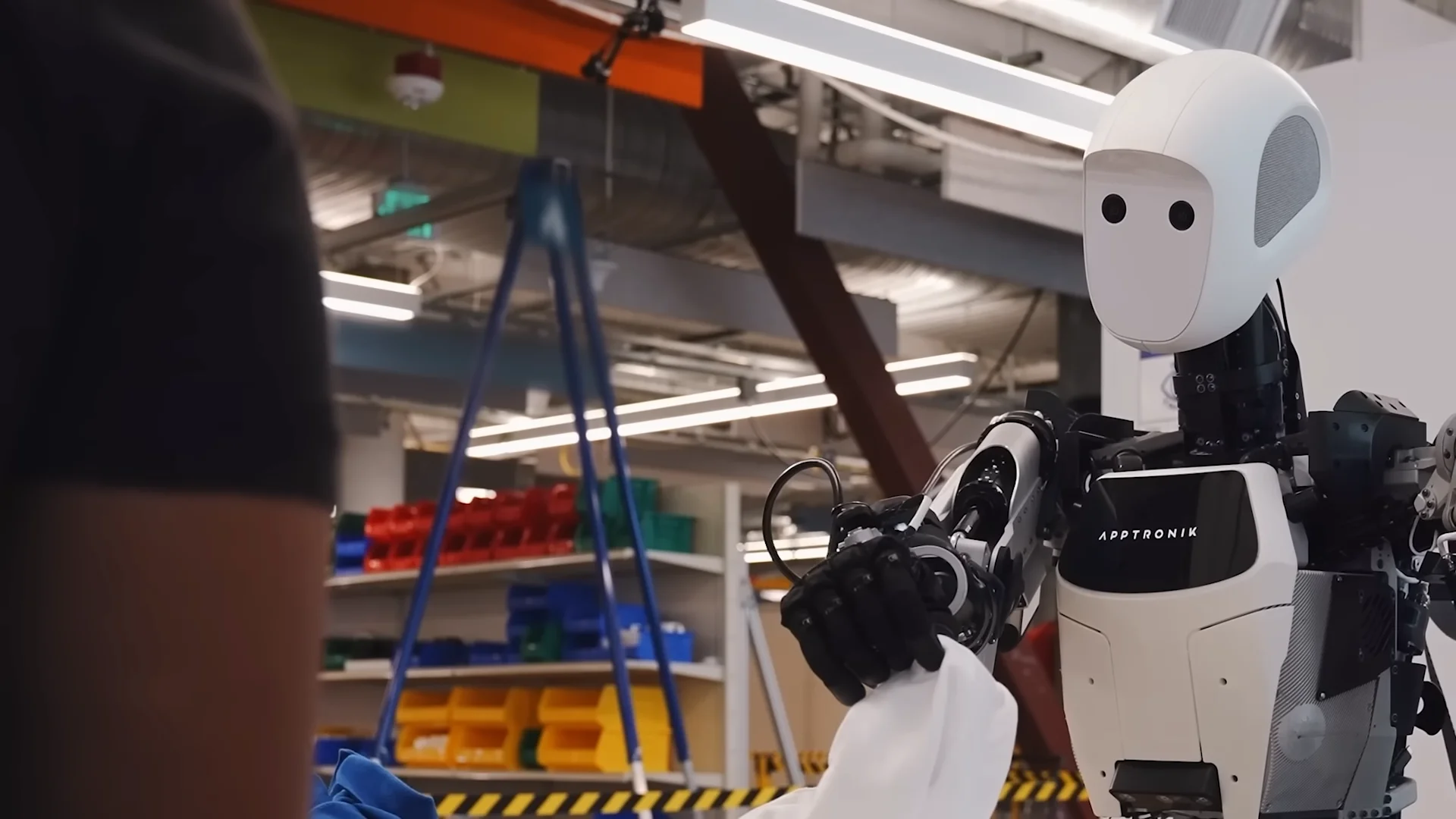
Google DeepMind Robotics Director: We Need "One More Big Breakthrough" to Solve General Purpose Robots
DeepMind's robotics lab recently provided an exclusive behind-the-scenes glimpse into its innovative work, highlighting the development of advanced "thinking" robots capable of long-term planning. This showcase aimed to illustrate the potential of these technologies in real-world applications. However, lab leadership acknowledged that achieving data efficiency is a significant challenge that must be overcome before these robots can be deployed effectively outside of controlled environments. The insights were shared as part of an ongoing effort to advance robotics and artificial intelligence, with the team emphasizing the importance of refining their systems to ensure practical usability in everyday scenarios.
DeepMind Apollo embodied-ai Apptronik
New Quantum Hermite Transform Algorithm Enhances AI and Scientific Computing Potential
Researchers from the U.S. Department of Energy’s Brookhaven National Laboratory, Northeastern University, Google Quantum AI, and the University of Texas at Austin have introduced a new quantum computing algorithm called the quantum Hermite transform (QHT). This algorithm aims to broaden the scope of problems that future quantum computers can address, particularly in artificial intelligence and scientific simulations. The significance of the quantum Hermite transform lies in its potential to improve data processing and simulation capabilities of quantum computers. By introducing a new computational building block, the QHT could lead to more efficient quantum algorithms in various fields, including materials science and energy research. The findings were presented at the 58th Annual ACM Symposium on Theory of Computing in Salt Lake City. Looking ahead, the researchers emphasize that expanding the library of reusable quantum primitives like the QHT will facilitate the development of innovative quantum algorithms. This advancement could provide exponential speed advantages over classical methods, marking a pivotal step in the evolution of quantum computing applications. No further timeline was disclosed at the time of publication.
AI and Robotics
Amazon AI exec predicts first 'commercially useful' quantum computers in 5-7 years
In a rapidly evolving landscape, major technology companies such as Microsoft, Google, and IBM are intensifying their efforts in the field of quantum computing. This surge in competition is driven by the potential of quantum technology to revolutionize computing power and solve complex problems beyond the capabilities of classical computers. As of October 2023, these industry leaders are investing heavily in research and development, aiming to secure a competitive edge in what many consider the next frontier of computing. The race involves not only advancements in hardware but also the development of software and algorithms tailored for quantum systems. This strategic push reflects a broader recognition of quantum computing's transformative potential across various sectors, including pharmaceuticals, finance, and artificial intelligence. As these tech giants advance their initiatives, the implications for innovation and economic growth are significant, positioning quantum computing as a pivotal area of focus in the tech industry.

36Kr Exclusive: Four Key Propositions for ByteDance's AI by 2026
ByteDance is setting ambitious goals for its AI initiatives in 2026, focusing on four key areas. The company aims to enhance world model training, targeting performance levels comparable to Google's leading model, Genie 3, by the end of the year. Additionally, ByteDance plans to maintain its leadership in video models while exploring new avenues like dynamic generation. The company is also committed to strengthening its coding capabilities, emphasizing the importance of data feedback and evaluation to improve agent performance, particularly in office applications. Despite recent advancements, including the launch of Seed 2.0 and Seedance 2.0, ByteDance faces challenges in the world model arena, having entered the field later than competitors. The company established a research group in 2025 to explore visual-language-action models and has since set a clear goal for world model development. However, internal assessments indicate that performance still lags behind global standards by approximately 10%. In parallel, ByteDance is accelerating the commercialization of its Doubao platform, which has seen a surge in daily active users, reaching 200 million. The company plans to introduce paid features and enhance its offerings for professional users, particularly in sectors like finance and law. Doubao's strategy includes differentiating itself in the crowded AI tools market and expanding its presence internationally, with a focus on small language markets. As ByteDance navigates these challenges, it aims to leverage its engineering expertise and data resources to emerge as a leader in the evolving AI landscape.

Ardian to invest €5 billion in digital infrastructure in France; Kuaishou creates 189 new jobs, 15 from AI; China allocates
On June 2, 2023, in Beijing, Gaode Map and the Singapore Tourism Board signed a strategic cooperation memorandum, marking the launch of the first collaborative tourism ranking list between a Chinese company and an overseas national tourism board. This initiative will feature the Singapore Street Ranking, utilizing Gaode's advanced aerial street view technology to provide a 360-degree perspective of local attractions, hotels, neighborhoods, and restaurants. The goal is to enhance the travel experience by allowing visitors to assess their destinations before arrival. In a separate development, the Jiangxi National Rare Earth Technology Innovation Center was established with a registered capital of 1.25 billion yuan, focusing on mineral resource exploration and scientific research. Additionally, WeRide and Uber announced plans to introduce Spain's first commercial Robotaxi service in Madrid, expanding WeRide's presence to its twelfth global city. The initiative aims to deploy hundreds of Robotaxis in the city center as operational benchmarks are met. In France, Ardian, a private equity firm, revealed a partnership with Verne to invest up to 5 billion euros in developing a next-generation digital infrastructure park in the Île-de-France region, with a target capacity of 500 megawatts by 2030. Other notable news includes a collaboration between Google and Telstra to build a fiber and submarine cable network in Australia, updates on the recovery timeline for Blue Origin's launch facilities following a recent rocket explosion, and a reduction in fuel surcharges for domestic flights in China starting June 5.

Māori Text-to-Speech Model Spurns Big Tech’s Values
Researchers at the University of Waikato in New Zealand have developed a high-fidelity synthetic voice for te reo Māori, the indigenous language of the country, in response to concerns over the ownership and control of Māori language data by foreign technology companies. Led by associate professor Te Taka Keegan and his former master's student Kingsley Eng, the project was motivated by a desire for "sovereign digital systems" that prioritize Māori ownership of their language resources. The initiative began with the recording of 4.5 hours of data from Ngaringi Katipa, a fluent speaker and language mentor, which was later expanded to 7 hours and 45 minutes. The researchers faced challenges due to the unique linguistic features of te reo Māori, such as vowel length and digraphs, which can alter meanings. They employed a phoneme-based approach to training the text-to-speech model, utilizing open-source tools and testing various neural architectures to achieve an effective AI voice with a word error rate of 6.78 percent. Despite receiving funding from Google, Keegan emphasized that the ownership of the voice model remains a collective responsibility of the Māori community, particularly the tribes affiliated with Katipa. The project aims to empower Māori language speakers and establish a framework for similar initiatives among other indigenous communities globally. Keegan envisions a future where community-owned language models can preserve and promote indigenous knowledge, ensuring that technology serves to empower rather than diminish cultural heritage.
Artificial-intelligence Languages Ai-models
AI Is Starting to Build Better AI
Recent advancements in artificial intelligence (AI) have reignited discussions about recursive self-improvement (RSI), a concept first proposed by mathematician I. J. Good in 1966. As AI systems like large language models (LLMs) and machine-learning algorithms evolve, researchers are exploring how these technologies can autonomously enhance their own capabilities. Notable developments include OpenAI's GPT-5.3-Codex, which reportedly assisted in its own creation, and Google DeepMind's AlphaEvolve, designed to optimize complex problems in scientific discovery. While some researchers view these advancements as steps toward fully autonomous AI, they acknowledge that current systems still depend on human oversight for goal-setting and evaluation. Experts like Jeff Clune from the University of British Columbia believe that the field is on the brink of achieving RSI, which could revolutionize science and technology. However, challenges remain, including the complexity of AI systems and the necessity of human involvement in the development process. Concerns about the potential risks of RSI have also emerged, with some experts advocating for a pause in AI development to prevent unintended consequences. The debate continues over whether AI could lead to an intelligence explosion, with many researchers emphasizing the importance of maintaining human oversight to ensure safe progress. As AI technologies evolve, the future landscape may see a collaborative relationship between humans and machines, reshaping roles in research and innovation.
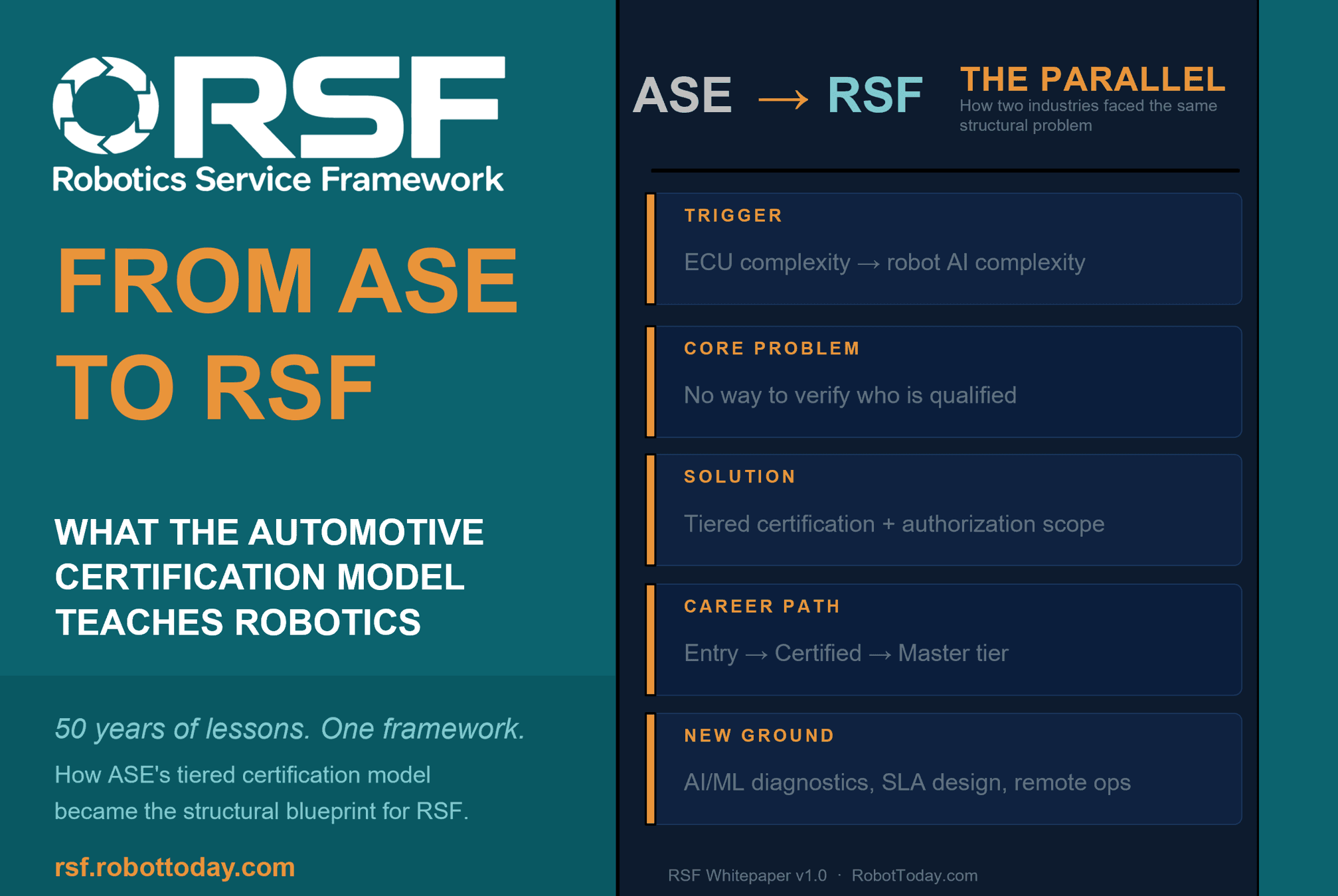
Ai-safety Singularity Llms Evolutionary-algorithmRobotics needs a service framework.
RSF defines a common language for robot service capability, lifecycle operations, certification pathways, and service-provider networks.