Top News

Industry Briefing

A single destination for timely, editor-curated robotics news from around the world.

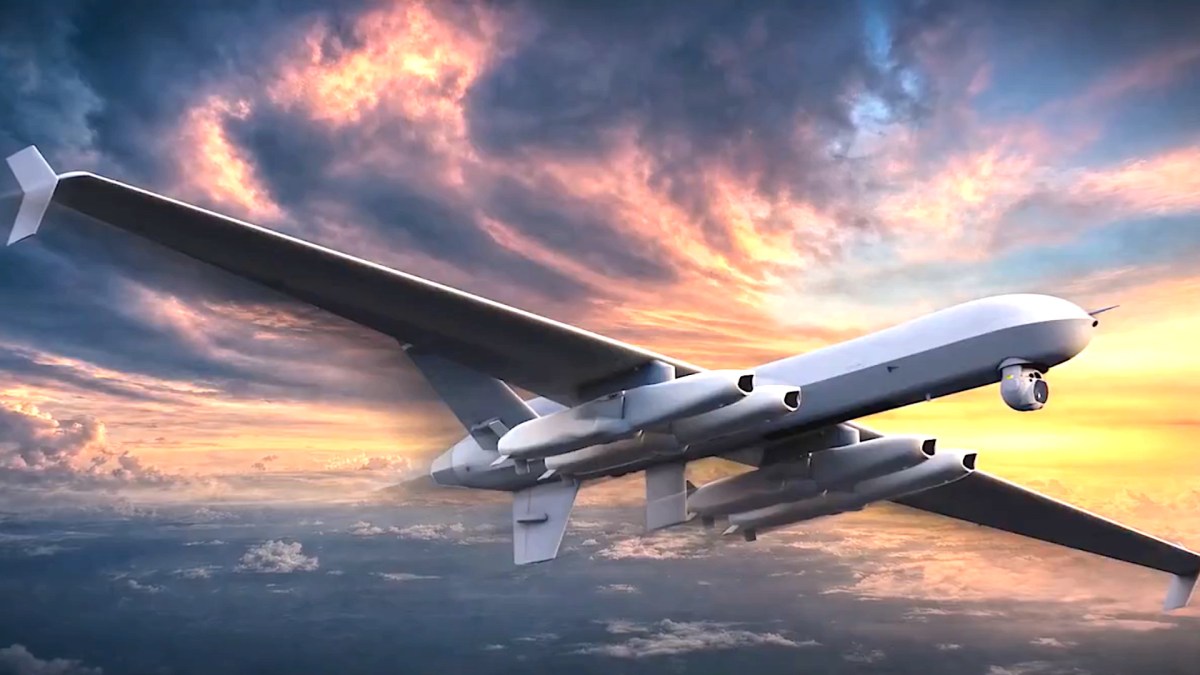
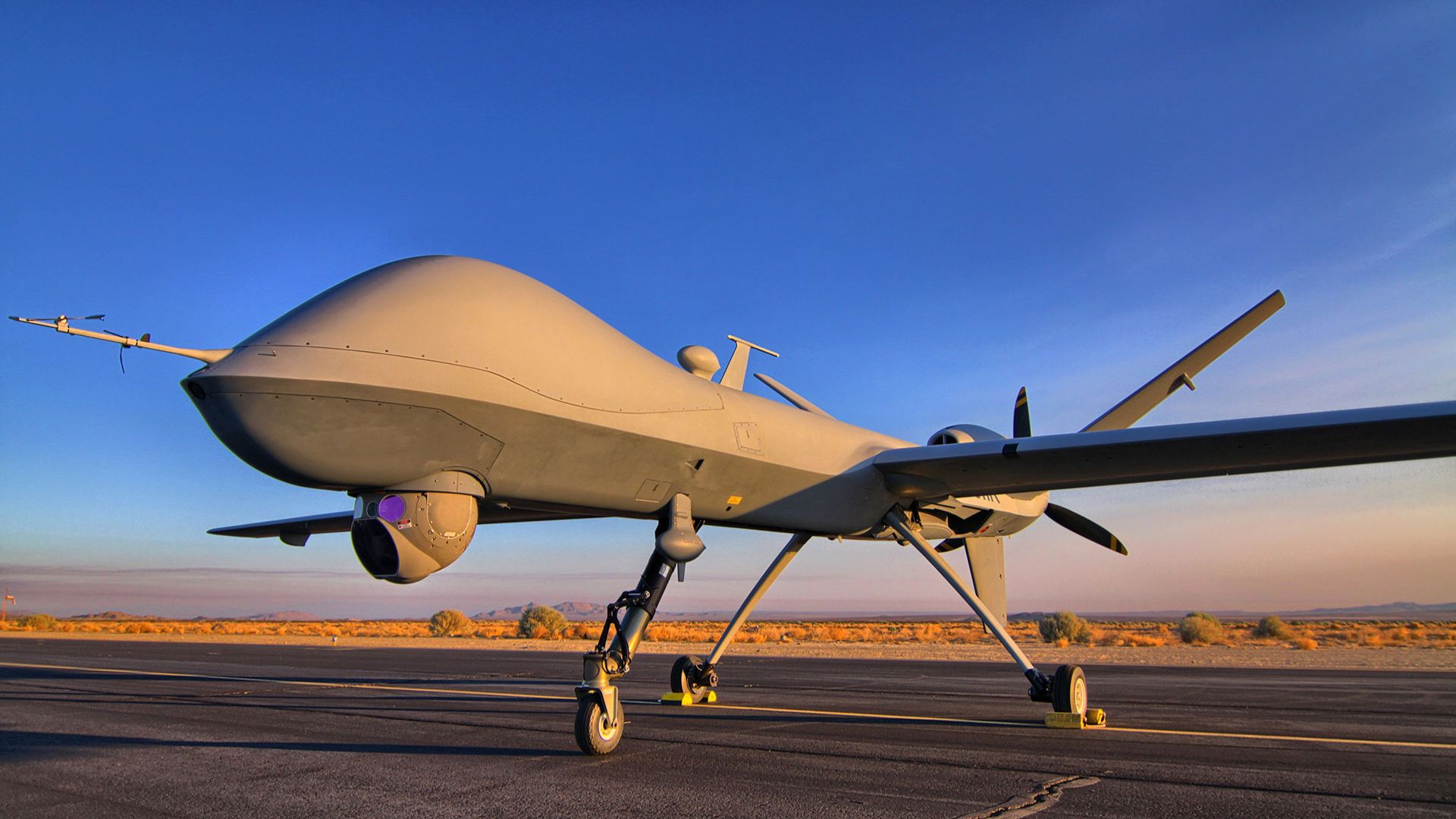
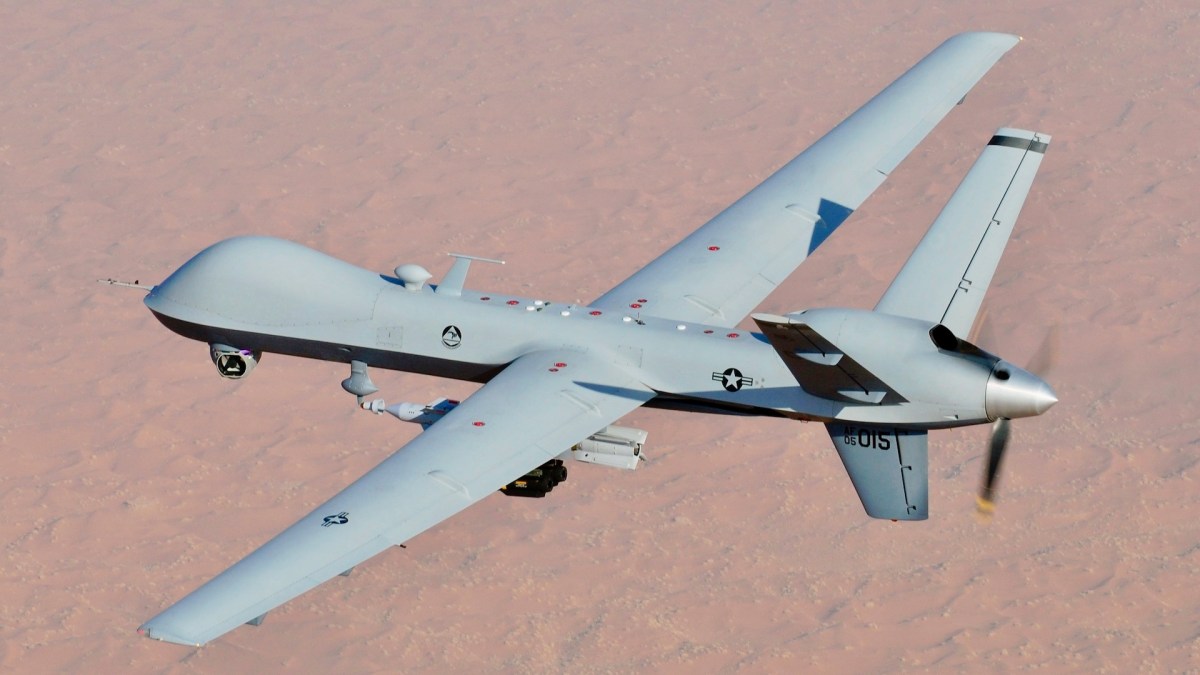
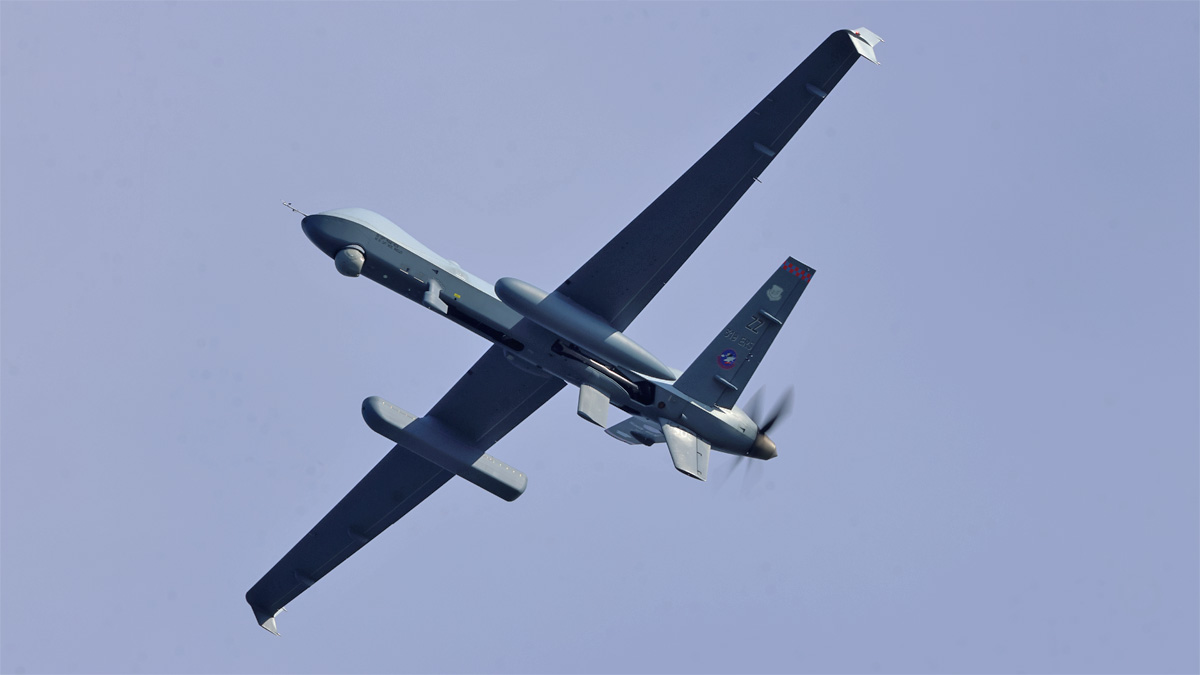
‘The threat is there’: Germany to pair P-8s with MQ-9 drones to keep an eye on Russian subs

‘The threat is there’: Germany to pair P-8s with MQ-9 drones to keep an eye on Russian subs

The German Naval Aviation Command is set to introduce the MQ-9B, marking the first unmanned system in its operational fleet. Capt. Broder Nielsen, the command's head, emphasized the importance of a gradual integration process, stating that personnel will work closely with the aircraft as they adapt to its capabilities. This initiative reflects Germany's commitment to enhancing its naval aviation capabilities with advanced technology. The timeline for the full operational rollout remains under development, but the focus on a step-by-step approach aims to ensure effective training and operational readiness for the crew.

Global Naval Warfare Boeing Europe General Atomics Aeronautical Systems Germany
Israel’s Elbit Systems, Germany’s Diehl Defence team on SkyStriker pitch for Berlin

Israel’s Elbit Systems, Germany’s Diehl Defence team on SkyStriker pitch for Berlin

Elbit Systems has announced a significant partnership with Diehl to enhance Germany's defense capabilities through local manufacturing and assembly of advanced defense systems. This collaboration aims to bolster the development of sovereign defense capabilities and strengthen the German defense industry. The deal reflects a strategic move to ensure that Germany can independently produce critical defense technologies, thereby enhancing national security. The initiative is expected to create jobs and foster innovation within the local defense sector, marking a pivotal step in Germany's commitment to increasing its defense capabilities.

Air Warfare Air Force Business & Industry Diehl Drones Elbit
DeepX Announces Global Physical AI Mass Production Partnership with Aaeon

DeepX Announces Global Physical AI Mass Production Partnership with Aaeon

DeepX and Aaeon Technology have entered into a three-year manufacturing agreement to scale the integration of DeepX’s AI chips into industrial and edge computing systems. This collaboration was announced during Computex Taipei 2026 and aims to establish a commercialization pipeline for DeepX’s neural processing units (NPUs). The agreement will facilitate the incorporation of these advanced chips into Aaeon’s range of products, including industrial computers, single-board computers, and edge gateway devices. This partnership reflects a growing demand for enhanced AI capabilities in various computing applications, positioning both companies to capitalize on the expanding market for intelligent edge solutions.

AI AI Funding & Investment AI Infrastructure & Compute Robotics Aaeon Technologies DEEPX
Krypton Evening News: Token prices drop to a few dollars; OpenAI may significantly reduce product prices; discounted train tickets for

Krypton Evening News: Token prices drop to a few dollars; OpenAI may significantly reduce product prices; discounted train tickets for

Christian Stein has been appointed as the new CEO of Renault Group Spain, effective July 1, succeeding Josep María Recasens, who is leaving the company for new career opportunities. Stein will also continue in his role as Chief Communications Officer and report to Renault Group CEO François Provost. In a significant shift, General Motors is considering abandoning the use of lithium iron phosphate (LFP) batteries for electric vehicles, despite plans to produce them by the end of 2027 at a joint factory in Tennessee. This decision comes as the company reassesses its battery technology strategy amidst a competitive market. Global prediction markets Polymarket and Kalshi have reported that contracts for the upcoming World Cup champion have surpassed $2 billion, potentially setting a new record for single-event prediction market transactions. In the tech sector, OpenAI is contemplating substantial price reductions for its products to compete with rival Anthropic, as rising costs for AI services have become a concern for executives. Meanwhile, J&T Express has responded to an investigation by China's State Post Bureau, emphasizing its commitment to cooperate fully and improve safety management practices in light of the inquiry. AliExpress, Alibaba's cross-border e-commerce platform, has launched official local delivery services in five countries, including the U.S. and Spain, aiming to enhance logistics efficiency for merchants. In product news, Insta360 has unveiled the Luna Ultra, the world's first 8K dual-camera gimbal, which sold out shortly after its launch on June 10. Lastly, Neura Robotics, a German robotics firm, has secured $1.4 billion in funding to accelerate its development of a leading physical AI platform, with backing from major investors like Amazon and NVIDIA.

NASA robotic tech demonstration will advance prototype gamma-ray detectors

NASA robotic tech demonstration will advance prototype gamma-ray detectors

NASA has announced the development of a new gamma-ray sensor named AstroPix, which will be utilized in a robotic arm demonstration during the agency's Fly Foundational Robots mission. This mission is scheduled for launch in late 2027. The introduction of AstroPix aims to enhance the capabilities of robotic systems in space exploration, particularly in detecting and analyzing gamma-ray emissions. By integrating this advanced technology, NASA seeks to improve the understanding of cosmic phenomena and contribute to future scientific discoveries beyond Earth. The demonstration will showcase the sensor's functionality and effectiveness in a space environment, marking a significant step forward in robotic exploration.

Robotics
Amazon Secures $17.5B Bank Loan as AI Infrastructure Debt Mounts Across Big Tech

Amazon Secures $17.5B Bank Loan as AI Infrastructure Debt Mounts Across Big Tech

Amazon has secured a $17.5 billion delayed draw term loan from a consortium of lenders, including Citigroup, JPMorgan Chase, Wells Fargo, HSBC, and BofA Securities. This financial arrangement allows the company to access funds at its discretion for general corporate purposes. The move comes on the heels of a reported $14 billion bond sale in Canada, indicating Amazon's strategy to bolster its financial flexibility amid evolving market conditions. The loan underscores the company's proactive approach to managing its capital structure and supporting its ongoing operations.

AI FUNDING & INVESTMENT
Stepful Announces $55M Series C to Scale Its AI-Powered Training Platform Across the Healthcare Workforce

Stepful Announces $55M Series C to Scale Its AI-Powered Training Platform Across the Healthcare Workforce

Stepful, a training platform aimed at transforming workforce development in major U.S. health systems, has secured $55 million in Series C funding. This funding round, which was led by Oak HC/FT, also saw participation from new investors including Foresite Capital, Hearst Ventures, and the Citi Impact Fund, as well as contributions from existing investors such as SemperVirens. The investment will enable Stepful to enhance its training programs and support the growing demand for skilled healthcare professionals. This financial boost comes at a critical time as the healthcare sector faces significant challenges in workforce retention and training, underscoring the importance of innovative solutions in addressing these issues.

Uncategorized
DRONELIFE Exclusive Interview: Inside PDW’s Strategy to Build Drones That Can Operate When GPS and Communications Fail

DRONELIFE Exclusive Interview: Inside PDW’s Strategy to Build Drones That Can Operate When GPS and Communications Fail

PDW is advancing the development of sophisticated drone communication systems to enhance military operations in environments where traditional communication methods may fail. As global militaries increasingly depend on drones for surveillance and combat, the need for reliable communication links has become critical, especially in areas with contested communication. The company's strategy focuses on creating drones capable of functioning effectively even when GPS and standard communication systems are compromised. This initiative highlights the growing recognition of the importance of resilient drone technology in modern warfare.

Applications Defense defense Drone News Drone News Feeds Dual Use
Cobra 600: Germany’s 620mph jet drone interceptor with IRIS-T and 155-mile range

Cobra 600: Germany’s 620mph jet drone interceptor with IRIS-T and 155-mile range

German weapon manufacturer Diehl Defence has unveiled its latest innovation, the Cobra 600, a jet-powered interceptor drone designed to enhance aerial defense capabilities. This advanced drone is engineered to intercept and neutralize threats in real-time, showcasing Diehl Defence's commitment to cutting-edge military technology. The Cobra 600 was officially introduced during a defense exhibition held in Berlin in October 2023, where industry leaders gathered to discuss advancements in military hardware. The motivation behind the development of the Cobra 600 stems from the increasing demand for sophisticated defense systems in response to evolving aerial threats. By integrating jet propulsion technology, Diehl Defence aims to provide armed forces with a faster and more agile solution for intercepting hostile drones and other airborne threats. The drone's design emphasizes not only speed but also precision, allowing for effective engagement in various combat scenarios. The introduction of the Cobra 600 marks a significant step forward in unmanned aerial vehicle technology, reflecting a broader trend in the defense sector towards automation and enhanced operational efficiency. As military forces around the world seek to modernize their arsenals, Diehl Defence positions itself at the forefront of this transformation with its innovative approach to aerial defense.

Military
Nvidia launches AI factory manager blueprint for autonomous manufacturing

Nvidia launches AI factory manager blueprint for autonomous manufacturing

Nvidia has introduced a groundbreaking software blueprint aimed at revolutionizing factory operations through a centralized AI system. The Nvidia Factory Operations Blueprint (FOX), announced at GTC Taipei during Computex, serves as a reference design for manufacturers seeking to develop an autonomous factory manager agent. This innovative system is designed to monitor, coordinate, and optimize factory processes in real time, enhancing efficiency and productivity. By leveraging advanced AI capabilities, Nvidia aims to empower manufacturers to streamline their operations and adapt to the rapidly evolving industrial landscape.

Artificial Intelligence Factories News Technology AI factory manager automation news
Boeing’s bigger Ghost Bat can carry missiles internally, carry more combat load

Boeing’s bigger Ghost Bat can carry missiles internally, carry more combat load

Boeing has introduced an upgraded version of its MQ-28 Ghost Bat drone, enhancing its capabilities with extended range and improved technology. The announcement was made during a recent defense expo in Australia, where the company showcased its commitment to advancing unmanned aerial systems. This new iteration aims to meet the growing demands for advanced surveillance and combat support in modern warfare. Boeing's development of the MQ-28 is driven by the need for more versatile and efficient military drones that can operate in complex environments. The enhancements include advanced sensors and artificial intelligence features, which allow for better decision-making and operational efficiency. This latest model is expected to play a crucial role in future defense strategies, particularly in the Indo-Pacific region, where military presence and technological superiority are increasingly prioritized.

Military
US Army awards L3Harris contract for VAMPIRE anti-drone systems 

US Army awards L3Harris contract for VAMPIRE anti-drone systems 

The US Army has awarded a $106 million contract to L3Harris for the development of Vehicle-Agnostic Modular Palletised ISR Rocket Equipment (VAMPIRE), a system designed to counter uncrewed aerial threats. This contract, announced recently, aims to enhance the Army's capabilities in addressing the growing challenges posed by uncrewed systems in modern warfare. By leveraging L3Harris's advanced technology, the Army seeks to improve its operational effectiveness and ensure greater security on the battlefield. The initiative reflects a strategic move to bolster defense mechanisms against evolving aerial threats, emphasizing the importance of adaptable and modular systems in military operations.

News
Visual Components launches new version of its factory simulation software

Visual Components launches new version of its factory simulation software

Visual Components, a leader in 3D manufacturing simulation and robot offline programming, has unveiled its latest software, Visual Components 5.1. This significant update aims to assist manufacturers in navigating the increasing complexity of autonomous production environments. Released recently, the new version features enhanced physics simulation for greater accuracy and scalable robot orchestration capabilities. These advancements are designed to streamline operations and improve efficiency in manufacturing processes, responding to the industry's evolving demands for automation and precision.

Computing News Robot simulation Software AGV simulation AMR simulation
Decart’s Oasis 3 world model streams realism into robotic training environments

Decart’s Oasis 3 world model streams realism into robotic training environments

Decart, a leading frontier AI research lab, has unveiled its latest world model, Oasis 3, in a bid to integrate synthetic simulation with physical AI. The announcement, made recently, highlights the model's capability to enhance the training processes for operating system models used in robots and autonomous vehicles. By focusing on this innovative approach, Decart aims to advance the development of intelligent systems that can operate seamlessly in real-world environments. The launch of Oasis 3 represents a significant step forward in the quest to improve AI's practical applications, addressing the growing demand for more sophisticated and capable autonomous technologies.

Artificial Intelligence Computing Culture Design automation news autonomous vehicles
Inside XRZero-G0, a new 2,000-hour open dataset for robotics research

Inside XRZero-G0, a new 2,000-hour open dataset for robotics research

X Square Robot has announced the open-sourcing of XRZero-G0, a groundbreaking framework designed to significantly decrease the amount of real-robot training data needed by as much as 20 times. This initiative aims to enhance robotics research by providing a comprehensive dataset that spans 2,000 hours of robotic training scenarios. The release of XRZero-G0 is expected to facilitate advancements in the field, enabling researchers and developers to optimize their algorithms and improve robotic performance without the extensive data collection traditionally required. This innovative approach is part of X Square Robot's commitment to fostering collaboration and progress within the robotics community.

Academia / Research Artificial Intelligence Artificial Intelligence / Cognition Development Tools / SDKs / Libraries News Research
PHOTOS: The sights of Berlin Air Show 2026 on Day 2

PHOTOS: The sights of Berlin Air Show 2026 on Day 2

On the second day of Germany's largest aerospace expo, a diverse array of photographs captured the dynamic atmosphere and significant developments within the industry. The event, held in Friedrichshafen, showcases cutting-edge technology and innovations from leading aerospace companies and startups. Attendees, including industry professionals, government officials, and aviation enthusiasts, gathered to explore advancements in aviation, space exploration, and defense systems. The expo serves as a vital platform for networking, knowledge exchange, and collaboration, reflecting the growing importance of aerospace in addressing global challenges. Through various presentations and exhibitions, participants engaged with the latest trends and future directions of the sector, emphasizing the industry's commitment to sustainability and technological progress.

Air Warfare Global Air Force Europe Germany ILA Berlin Multimedia 2026
Nvidia unveils open humanoid robot platform for robotics research

Nvidia unveils open humanoid robot platform for robotics research

Nvidia has introduced the Nvidia Isaac GR00T Reference Humanoid Robot, an innovative open platform aimed at advancing research and development in physical artificial intelligence and general-purpose robotics. The announcement was made during the Nvidia GTC event in Taipei. This new platform integrates several cutting-edge technologies, including the Unitree H2 Plus humanoid robot, Sharpa Wave tactile five-finger hands, and the Nvidia Jetson Thor onboard computing system. The initiative is part of Nvidia's broader strategy to enhance capabilities in robotics, providing researchers and developers with a versatile tool to explore and innovate in the field of robotics and AI.

Computing Humanoids News automation news embodied ai humanoid robots
Agile Robots showcases force-control technology, humanoids, and physical AI at Robot Technology Japan event

Agile Robots showcases force-control technology, humanoids, and physical AI at Robot Technology Japan event

Agile Robots is making a significant impact at Robot Technology Japan (RTJ) 2026, where the Munich-based company is showcasing its extensive range of industrial robotics, embodied AI, and humanoid technologies. The event, taking place in Nagoya, serves as a platform for Agile Robots to highlight its latest innovations, including advanced force-control systems, collaborative robots, and AI-driven automation solutions. This presentation underscores the company's commitment to expanding its presence in the global automation market, reflecting the growing demand for sophisticated robotic technologies in various industries.

Events Industrial robots News Agile ONE agile robots automation news
Microsoft warns of seven new threats from agent-based AI systems, including tool contamination and visual attacks.

Microsoft warns of seven new threats from agent-based AI systems, including tool contamination and visual attacks.

Microsoft has revised its classification of agent-based AI vulnerabilities, adding seven new categories, including supply chain breaches and target takeover. This update follows insights gained from real-world red team operations, highlighting the need for enhanced measures against human approval evasion and memory corruption. The company advocates for the implementation of defensive strategies during the design phase to better safeguard against these emerging threats.

Teradyne Robotics Unveils Wide Range of Production-Ready Physical AI Applications at Automate 2026

Teradyne Robotics Unveils Wide Range of Production-Ready Physical AI Applications at Automate 2026

A technology company is set to demonstrate practical applications of artificial intelligence, moving beyond theoretical discussions to showcase tangible solutions. The event, scheduled for later this month, will take place at their headquarters and will highlight advancements in various sectors, including electronics manufacturing and logistics. The motivation behind this initiative is to illustrate the real-world benefits of AI technology and its potential to enhance operational efficiency across industries. Attendees will have the opportunity to see firsthand how these deployable AI solutions can be integrated into existing workflows, providing insights into their functionality and effectiveness.

How Automated Container Gantry Cranes Are Reshaping Port Operations in 2026

How Automated Container Gantry Cranes Are Reshaping Port Operations in 2026

In 2026, container gantry cranes, essential to global port logistics, are set to undergo significant transformation. This evolution is driven by advancements in automation and artificial intelligence, alongside increasing demands for reduced emissions in the shipping industry. As a result, these towering machines are transitioning from traditional mechanical roles to becoming intelligent, interconnected systems. This shift aims to enhance operational efficiency and sustainability in port operations, fundamentally redefining logistics practices worldwide. The integration of smart technologies is expected to improve the speed and accuracy of cargo handling, ultimately benefiting global trade.

Logistics Material handling ai automation automated container cranes automation news cargo handling
Kratos to upscale engine production to 3000 units for powering one way attack drones

Kratos to upscale engine production to 3000 units for powering one way attack drones

Kratos Defense & Security Solutions is significantly increasing its manufacturing capacity for the Spartan family of unmanned aerial vehicles (UAVs) to meet growing demand. This strategic move comes as the company aims to enhance its production capabilities in response to heightened interest from both military and commercial sectors. The expansion is set to take place at Kratos' facilities in California, with plans to streamline operations and implement advanced technologies to boost efficiency. The decision to ramp up production is driven by the rising need for advanced drone systems, which are increasingly being utilized for surveillance, reconnaissance, and various defense applications. By enhancing its manufacturing capabilities, Kratos seeks to solidify its position as a leader in the UAV market and ensure timely delivery of its products to clients.

News
New imaging system sees through murky waters

New imaging system sees through murky waters

A groundbreaking technology known as “Sonar-MASt3R” has been developed to enhance underwater mapping capabilities by integrating sonar and visual data. This innovative system is capable of producing real-time 3D maps, significantly improving navigation and exploration in challenging environments, including cloudy water conditions. The technology was unveiled in October 2023, showcasing its potential to revolutionize marine research and underwater operations. By combining different data sources, Sonar-MASt3R addresses the limitations of traditional mapping methods, offering clearer and more accurate representations of underwater landscapes. This advancement is expected to benefit various sectors, including environmental monitoring, maritime safety, and underwater archaeology, by providing researchers and professionals with reliable tools for better decision-making in aquatic environments.

Research Robotics Computer vision Imaging Sensors Oceanography and ocean engineering
LIO‐RRTNav for Cattle Yard Inspection Robots: Prior Map Aided Relocalization and Goal‐Oriented, Smooth RRT Path Planning

LIO‐RRTNav for Cattle Yard Inspection Robots: Prior Map Aided Relocalization and Goal‐Oriented, Smooth RRT Path Planning

A recent study published in the Journal of Field Robotics highlights advancements in autonomous robotic systems designed for agricultural applications. Researchers from a leading university conducted the study to address the growing need for efficient farming solutions amid increasing global food demands. The research, which took place over the past year, focused on developing robots capable of performing tasks such as planting, weeding, and harvesting with minimal human intervention. The team utilized cutting-edge technologies, including machine learning and computer vision, to enhance the robots' ability to navigate complex agricultural environments. By integrating these technologies, the robots can adapt to varying crop conditions and optimize their performance. The findings indicate that these autonomous systems could significantly reduce labor costs and improve productivity in the agricultural sector. The study's implications are particularly relevant as farmers face challenges related to labor shortages and the need for sustainable practices. By demonstrating the effectiveness of robotic solutions, the researchers aim to encourage wider adoption of automation in farming, ultimately contributing to food security and sustainability efforts worldwide. The research underscores the potential for robotics to transform traditional agricultural practices, paving the way for a more efficient and resilient food production system.

RESEARCH ARTICLE
Cross‐Modal Synergistic Optimization Multi‐Task Segmentation Network for Autonomous Ground Intelligent Agents in Field Environments

Cross‐Modal Synergistic Optimization Multi‐Task Segmentation Network for Autonomous Ground Intelligent Agents in Field Environments

A recent study published in the Journal of Field Robotics highlights the advancements in autonomous robotic systems designed for agricultural applications. Researchers from various institutions collaborated to explore innovative technologies that enhance efficiency and sustainability in farming practices. The findings, released in early October 2023, emphasize the growing importance of robotics in addressing labor shortages and increasing productivity in the agricultural sector. The study showcases several case studies where autonomous robots successfully performed tasks such as planting, harvesting, and monitoring crops, demonstrating their potential to revolutionize traditional farming methods. By integrating artificial intelligence and machine learning, these robots can adapt to varying environmental conditions and optimize resource use, ultimately contributing to more sustainable agricultural practices. The motivation behind this research stems from the pressing challenges faced by the agricultural industry, including the need for increased food production to meet global demand and the impact of climate change on farming. The researchers advocate for the adoption of robotic technologies as a viable solution to enhance food security and reduce the environmental footprint of agriculture. Through rigorous testing and evaluation, the study provides insights into the operational capabilities of these autonomous systems, paving the way for further innovations in the field. As the agricultural sector continues to evolve, the integration of robotics is expected to play a crucial role in shaping the future of food production.

RESEARCH ARTICLE
Two Fossa Flat Minima Optimization Algorithm‐Based Enhancement of Ecological Balance Using Carbon‐Neutral Eco‐Robots With Situational Intelligence for Air Quality Monitoring

Two Fossa Flat Minima Optimization Algorithm‐Based Enhancement of Ecological Balance Using Carbon‐Neutral Eco‐Robots With Situational Intelligence for Air Quality Monitoring

A recent study published in the Journal of Field Robotics explores advancements in autonomous robotic systems designed for agricultural applications. Conducted by a team of researchers from various universities, the study highlights the growing importance of robotics in enhancing efficiency and sustainability in farming practices. The research, which was completed in October 2023, focuses on the development of robots capable of performing tasks such as planting, weeding, and harvesting crops with minimal human intervention. The motivation behind this research stems from the increasing demand for food production amid a global population surge and the need for sustainable farming methods that reduce environmental impact. By integrating advanced sensors and artificial intelligence, the robots are designed to optimize resource use, reduce labor costs, and improve crop yields. Field tests conducted in various agricultural settings demonstrated the robots' effectiveness in performing tasks traditionally done by human laborers. The study's findings suggest that these autonomous systems could significantly transform the agricultural landscape, making it more efficient and less reliant on chemical inputs. As the agricultural sector faces challenges related to labor shortages and climate change, the research underscores the potential of robotics to address these issues and pave the way for a more sustainable future in food production. The study calls for further investment and development in this technology to fully realize its benefits for farmers and the environment.

RESEARCH ARTICLE
Google’s DiffusionGemma delivers 4x faster text generation using parallel decoding

Google’s DiffusionGemma delivers 4x faster text generation using parallel decoding

Google has introduced DiffusionGemma, an innovative experimental AI model designed to generate text through a diffusion-based approach. This announcement was made recently as part of the company's ongoing efforts to advance artificial intelligence technologies. The model aims to enhance the capabilities of AI in natural language processing by leveraging diffusion techniques, which have shown promise in generating high-quality text outputs. Google’s initiative reflects its commitment to pushing the boundaries of AI research and development, seeking to improve user interactions with technology. The unveiling of DiffusionGemma marks a significant step in the evolution of AI, showcasing how advanced methodologies can be applied to create more sophisticated and contextually aware text generation systems.

AI and Robotics
Advanced metal 3D printing minimizes failure points in complex gas turbine designs

Advanced metal 3D printing minimizes failure points in complex gas turbine designs

Metal additive manufacturing is increasingly being adopted in production-focused energy systems, moving beyond its traditional use in aerospace prototypes. This shift reflects a growing recognition of the technology's potential to enhance efficiency and reduce costs in various sectors. As companies seek innovative solutions to meet rising energy demands, the integration of metal additive manufacturing offers a pathway to streamline production processes and improve the performance of energy systems. This trend is gaining momentum as industry leaders invest in research and development to harness the benefits of this advanced manufacturing technique, which allows for greater design flexibility and material optimization. The transition is expected to reshape the landscape of energy production, paving the way for more sustainable and efficient systems in the future.

Innovation
NEURA Robotics to raise up to $1.4B in Series C funding for physical AI

NEURA Robotics to raise up to $1.4B in Series C funding for physical AI

NEURA Robotics is set to enhance its capabilities in robot learning and increase the global production of humanoid robots and other systems. The company aims to raise up to $1.4 billion through a Series C funding round, which will support its ambitious expansion plans. This funding initiative reflects NEURA Robotics' commitment to advancing physical artificial intelligence and solidifying its position in the robotics market. The announcement comes as the demand for innovative robotic solutions continues to grow, prompting the company to seek substantial investment to fuel its development and production efforts.

Artificial Intelligence Artificial Intelligence / Cognition Autonomous Mobile Robots (AMRs) Collaborative Robots Development Tools / SDKs / Libraries Humanoids
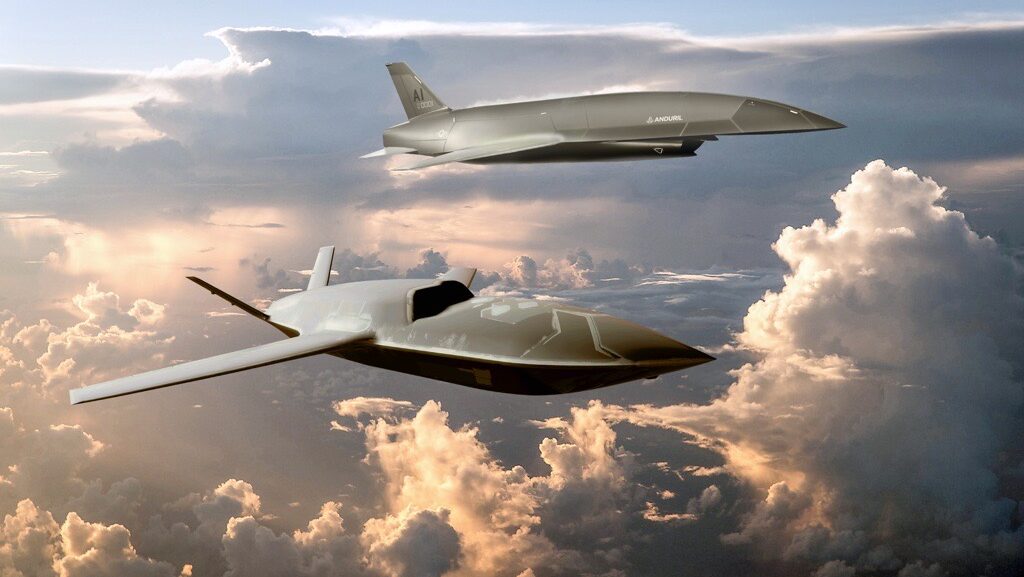
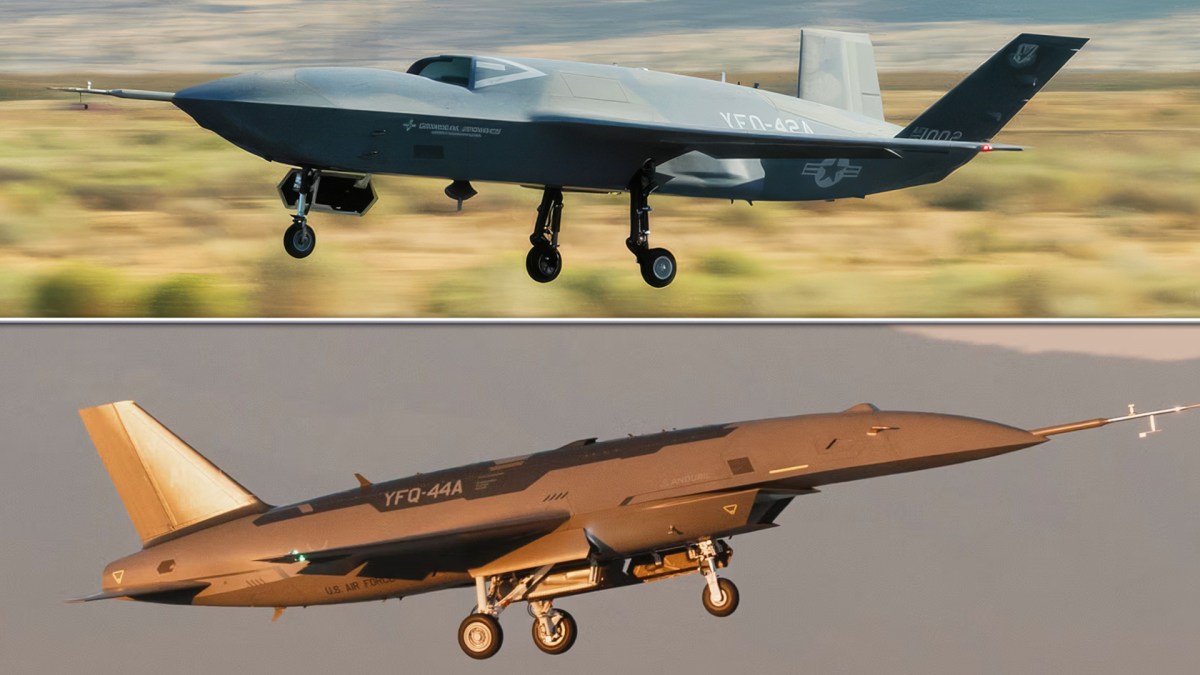
Drone wingmen face off at Berlin Air Show in race for German CCA

Drone wingmen face off at Berlin Air Show in race for German CCA

At a recent exhibition, representatives from CCA showcased several full-sized aircraft and models, highlighting the latest advancements in their technology. The event, which took place at a prominent venue, attracted industry professionals and aviation enthusiasts eager to learn more about CCA's innovations. Company officials engaged with attendees, discussing the features and capabilities of their aircraft, emphasizing the importance of staying at the forefront of the aviation sector. This initiative reflects CCA's commitment to advancing aerospace technology and fostering connections within the industry.

Air Warfare Global Air Force Airbus Berlin Air Show Boeing
Robots are closing in on human-like judgments, addressing a key challenge in physical AI

Robots are closing in on human-like judgments, addressing a key challenge in physical AI

Researchers at KAIST have made significant strides in advancing the commercialization of physical AI by creating a groundbreaking technology that allows artificial intelligence to autonomously learn human judgment criteria from a limited number of videos. This development, which emerged from ongoing efforts to enhance AI's adaptability and decision-making capabilities, represents a crucial step toward integrating AI more effectively into real-world applications. The innovation was unveiled recently, highlighting the potential for AI systems to better understand and replicate human-like reasoning in various contexts. By streamlining the learning process, this technology could pave the way for more intuitive and responsive AI solutions across multiple industries, ultimately enhancing user interaction and satisfaction.

Robotics
New Boson SX8 Brings High-Resolution Thermal Imaging to NDAA-Compliant Drone Payloads

New Boson SX8 Brings High-Resolution Thermal Imaging to NDAA-Compliant Drone Payloads

Teledyne FLIR OEM has unveiled the Boson SX8, a cutting-edge longwave infrared (LWIR) thermal camera module aimed at defense, industrial, and uncrewed systems applications. Announced recently, the Boson SX8 stands out as the first NDAA-compliant, volume-production uncooled thermal camera module, merging high SXGA resolution with a compact design. This innovation is expected to enhance the capabilities of drone payloads, providing high-resolution thermal imaging for various applications. The development reflects a commitment to U.S. manufacturing and addresses the growing demand for advanced thermal imaging solutions in critical sectors.

Applications Defense defense Drone News Drone News Feeds drone parts
Airbus unveils Ravenstorm drone wingman for combat mission alongside other UAVs

Airbus unveils Ravenstorm drone wingman for combat mission alongside other UAVs

European aerospace firm Airbus is set to unveil its latest drone wingman, the U760 Ravenstorm, at the upcoming Paris Air Show. Scheduled for June 19-25, 2023, this event will showcase the innovative capabilities of the U760 Ravenstorm, designed to enhance military operations by providing advanced support and reconnaissance. The introduction of this drone reflects Airbus's commitment to advancing defense technology and addressing the evolving needs of modern warfare. The U760 Ravenstorm is expected to demonstrate its versatility and effectiveness in various combat scenarios, marking a significant step forward in unmanned aerial systems.

Military
How AI APIs are strengthening phishing detection and email security across industrial enterprises

How AI APIs are strengthening phishing detection and email security across industrial enterprises

Phishing attacks have evolved beyond traditional IT concerns, posing significant threats to manufacturers, robotics integrators, and logistics operators. A single deceptive email can disrupt production lines, misdirect supplier payments, or jeopardize access to automated warehouse systems. This shift highlights the urgent need for enhanced cybersecurity measures to protect industrial operations from increasingly sophisticated threats. As the attack surface broadens, companies must adapt their defenses to safeguard against these emerging risks in the industrial sector.

Artificial Intelligence Business AI APIs AI phishing detection automation news business email compromise
First-ever drone boat rescue: US Navy vessel pulls out two downed pilots from sea

First-ever drone boat rescue: US Navy vessel pulls out two downed pilots from sea

A U.S. Navy unmanned surface vessel successfully conducted a rescue operation for two Army pilots whose AH-64 Apache helicopter had crashed. The incident occurred on a training mission off the coast of California on Tuesday. The unmanned vessel, equipped with advanced technology, was able to locate the pilots quickly and facilitate their safe retrieval from the water. This operation highlights the increasing role of unmanned systems in military rescue missions, showcasing their effectiveness in enhancing operational capabilities and ensuring the safety of personnel in distress. The successful rescue underscores the collaborative efforts between the Navy and Army in conducting joint operations and responding to emergencies in challenging environments.

Military
Robotics will not have a clean Llama moment

Robotics will not have a clean Llama moment

In the evolving field of robotics, experts suggest that a significant breakthrough will not simply be the availability of downloadable policies for robotic systems. Instead, the true milestone will occur when teams can effectively adapt these policies to their specific robots, integrate them into customer processes, and subsequently analyze failures that arise weeks later when production halts. This insight highlights the ongoing challenges in robotics, emphasizing the need for robust adaptability and failure analysis in automated systems. The discussion reflects broader concerns within the industry about achieving seamless integration and operational reliability in robotic applications.

Analysis Artificial Intelligence News Opinion
Germany’s Cobra 600 Is A Jet Powered Interceptor Drone That Slings An IRIS-T Missile

Germany’s Cobra 600 Is A Jet Powered Interceptor Drone That Slings An IRIS-T Missile

Germany has unveiled the Cobra 600, a jet-powered interceptor drone designed to enhance the capabilities of its surface-to-air missile systems. This innovative drone can transport the IRIS-T missile over hundreds of miles from its launch point, significantly extending the operational range of missile batteries. The development of the Cobra 600 reflects Germany's commitment to modernizing its defense technology and improving its aerial defense strategies. The introduction of this advanced drone is expected to bolster the country's military readiness and response capabilities in an increasingly complex security environment.

Air Around The Globe Drones Europe Germany Land
Bike robot lands first unassisted front flip thanks to Ph.D. student

Bike robot lands first unassisted front flip thanks to Ph.D. student

A groundbreaking achievement in robotics has been made by the Robotics and AI Institute (RAI) in Cambridge, Massachusetts, where a bicycle robot, referred to as an ultra-mobility vehicle (UMV), has successfully executed an unassisted acrobatic front flip. This innovative robot, capable of reaching heights of up to 3 feet (0.9 meters), can also jump from the floor onto a platform. The remarkable capabilities of the UMV were significantly enhanced by a control policy developed by a Ph.D. student from Georgia Tech, showcasing the collaborative efforts in advancing robotic technology. This milestone not only demonstrates the potential of robotics in performing complex maneuvers but also highlights the ongoing research and development in the field of artificial intelligence and mobility solutions.

Robotics
Robotics as Part of Machine Control

Robotics as Part of Machine Control

As the demands for modern packaging lines continue to rise, with increased throughput, greater variety, and heightened flexibility becoming essential, the use of robotics is gaining traction in the end-of-line sector. To efficiently meet these evolving requirements, new automation approaches are integrating robotics directly into machine control systems. One such solution is KeMotion from Keba Industrial Automation, which combines robotics and machine automation on the Kemro X platform. This advancement reflects the industry's shift towards more sophisticated and adaptable manufacturing processes, aimed at enhancing productivity and operational efficiency.

Allgemein Lebensmittel & Verpackung Lösungen
Researchers Develop Method To Train Ag AI Robots with Virtual Tomatos

Researchers Develop Method To Train Ag AI Robots with Virtual Tomatos

Researchers at Osaka Metropolitan University have introduced a groundbreaking method for creating synthetic training data aimed at enhancing agricultural AI systems. This innovative approach utilizes realistic virtual tomato farms, addressing a significant challenge in the development of autonomous harvesting robots. The findings of this study, published in the journal Smart Agricultural Technology, highlight the potential of virtual environments to effectively train AI models. By simulating diverse farming scenarios, the researchers aim to improve the efficiency and accuracy of AI systems in agricultural applications, ultimately paving the way for more advanced robotic solutions in the field.

AI AI Research & Advances Robotics agriculture AI autonomous harvesting robots Osaka Metropolitan University
LandSpace Successfully Launches Improved Zhuque-2 Rocket, Marking Milestone in Chinese Commercial Space Race

LandSpace Successfully Launches Improved Zhuque-2 Rocket, Marking Milestone in Chinese Commercial Space Race

On June 9, Chinese commercial aerospace company LandSpace successfully launched its upgraded Zhuque-2E Y6 rocket, marking a significant milestone in its efforts to develop reusable rocket technology. The launch took place as part of the company's ongoing Zhuque-3 program, which aims to enhance capabilities in the competitive space industry. During this mission, the rocket delivered two satellites into orbit, demonstrating LandSpace's growing expertise in satellite deployment and propulsion systems. This achievement not only showcases the company's advancements in aerospace technology but also positions it strategically in the rapidly evolving global space market.

Technology
A classic brain test exposed AI's biggest weakness

A classic brain test exposed AI's biggest weakness

A recent study conducted by researchers has revealed significant shortcomings in leading artificial intelligence models when subjected to a classic psychological attention test. The investigation found that while these AI systems performed well in identifying colors within short lists, their accuracy plummeted dramatically as the complexity and length of the tasks increased. In some cases, the models' performance dropped from over 90% accuracy to nearly complete failure. This research highlights critical limitations in the current capabilities of AI, raising questions about their reliability in processing more intricate information. The findings, which underscore the need for improvements in AI design, were published in October 2023.

indie Launches Edge AI SoC to Power Smarter Perception Systems for Automotive and Humanoids

indie Launches Edge AI SoC to Power Smarter Perception Systems for Automotive and Humanoids

indie, an automotive solutions innovator based in Aliso Viejo, CA, has announced the launch of its next-generation edge AI system-on-chip (SoC), the iND881, designed to enhance smart camera technology for automotive and robotic applications. Unveiled on June 10, 2026, the iND881 integrates an AI compute engine with indie’s advanced low-latency multi-camera image signal processor (ISP), providing an efficient solution for developers. The iND881 is engineered for low power consumption and real-time responsiveness, featuring a Neural Processing Unit (NPU), a versatile Digital Signal Processor (DSP), and a quad-core ARM Cortex-A53 CPU. This architecture is tailored for demanding edge perception tasks, making it particularly beneficial for advanced driver assistance systems, including driver and occupant monitoring and smart mirrors with blind-spot detection. In addition to automotive applications, the iND881 supports robotics and physical AI automation, facilitating accurate sensing and navigation for autonomous mobile robots. The device's capabilities include multi-channel video compression, high-dynamic-range ISP, and compatibility with various sensor modalities such as infrared and LiDAR, ensuring robust performance in complex environments. The iND881 is ASIL-B compliant and automotive qualified, currently available for sampling. It will be showcased at the upcoming AutoSens and InCabin USA 2026 events. Fred Jarrar, indie's senior vice president, emphasized that the launch not only expands their product portfolio but also positions indie as a comprehensive solutions provider in the edge AI market.

Lockheed pitches HIMARS for France, with 18-month timeline offer

Lockheed pitches HIMARS for France, with 18-month timeline offer

France has announced a significant investment of around €600 million ($692 million) aimed at modernizing its military capabilities by replacing outdated LRU launchers. This funding decision reflects the country's commitment to enhancing its defense infrastructure in response to evolving security challenges. The initiative is part of a broader strategy to ensure that France maintains a competitive edge in military technology. The allocation is expected to facilitate the development and deployment of advanced systems that can better meet the demands of contemporary warfare. The modernization project is set to take place over the coming years, with the French government emphasizing the importance of maintaining robust defense capabilities in an increasingly complex global landscape.

Global Land Warfare Air Force Army Europe EUROSATORY 2026
X Square Robot Open-Sources XRZero-G0 to Scale Robot Learning with Interfaces, Data Quality and Ratios

X Square Robot Open-Sources XRZero-G0 to Scale Robot Learning with Interfaces, Data Quality and Ratios

A new framework named XRZero-G0 has been introduced to enhance the quality of data collection and training for embodied artificial intelligence, eliminating the need for robotic assistance. This innovative approach aims to streamline the process of gathering high-quality data, which is crucial for developing advanced AI systems. The framework was unveiled in October 2023, reflecting ongoing advancements in AI technology and data collection methodologies. By focusing on robot-free data collection, XRZero-G0 seeks to address challenges related to the dependency on physical robots, thereby making the training of AI more efficient and accessible. The initiative is expected to significantly impact the field of AI research and development, potentially leading to more robust and versatile AI applications across various industries.

Zoomlion's Humanoid Robot Z01 Shines at KOMATEK 2026, Showcasing Advances in Embodied AI and Industrial Robotics

Zoomlion's Humanoid Robot Z01 Shines at KOMATEK 2026, Showcasing Advances in Embodied AI and Industrial Robotics

At a recent exhibition, a bipedal humanoid robot showcased its advanced capabilities in industrial collaboration, intelligent guidance, and educational applications. The event highlighted the robot's ability to perform coordinated movements and execute tasks with precision, demonstrating significant advancements in robotics technology. This exhibition, aimed at promoting innovation in automation and education, attracted attention from industry professionals and educators alike. The robot's design reflects a growing trend towards integrating intelligent systems into various sectors, emphasizing the importance of robotics in enhancing operational efficiency and learning experiences.

Automate 2026 Q&A with Roboteon

Automate 2026 Q&A with Roboteon

At Automate Booth #19019, attendees will witness a demonstration of advanced robotics technology featuring three Autonomous Mobile Robots (AMRs) and one collaborative order picking robot (Cobot) from four distinct vendors. This showcase highlights the seamless interoperability of these systems, which operate together as a unified fleet. The event aims to illustrate the potential of collaborative robotics in enhancing operational efficiency and productivity in various industries. By presenting this integrated approach, the exhibitors seek to emphasize the importance of interoperability in modern automation solutions. The demonstration is set to take place during the Automate event, which runs through October 2023, attracting industry professionals eager to explore the future of robotics and automation.

Sensory Robotics Launches UL-Certified 3D Virtual Robot Safety System

Sensory Robotics Launches UL-Certified 3D Virtual Robot Safety System

Cincinnati-based safety startup has introduced its innovative SR-1 system, designed for seamless collaboration between humans and robots, at the Automate 2026 event in Chicago. This debut highlights the company's commitment to enhancing workplace safety and efficiency through advanced technology. The SR-1 aims to eliminate traditional fencing barriers, allowing for more fluid interaction between human workers and robotic systems. By showcasing this cutting-edge solution at a prominent industry event, the startup seeks to address growing concerns about safety in automated environments and promote the integration of robotics in various sectors. The introduction of the SR-1 reflects the ongoing evolution of automation and the importance of ensuring safe human-robot collaboration in the future of work.

Beyond the Solid-State Battery Myth: CAS Breaks Through on Multiple Fronts in 2026

Beyond the Solid-State Battery Myth: CAS Breaks Through on Multiple Fronts in 2026

In spring 2026, the Chinese Academy of Sciences announced significant advancements in battery technology, showcasing breakthroughs in several areas including black phosphorus fast-charging, safe sodium-ion batteries, solid-state batteries, and hydrogen storage systems. These innovations aim to enhance energy storage solutions, addressing the growing demand for efficient and safe battery technologies in various applications. The developments reflect ongoing research efforts to improve energy efficiency and sustainability, positioning China at the forefront of battery technology advancements. The academy's work is expected to have a substantial impact on industries reliant on advanced energy storage, potentially transforming the landscape of electric vehicles and renewable energy systems.

Technology
Automated Lawn Maintenance: An Agronomic and Operational Review of Turf Health, Biodiversity, and Field Performance

Automated Lawn Maintenance: An Agronomic and Operational Review of Turf Health, Biodiversity, and Field Performance

A recent study published in the Journal of Field Robotics highlights advancements in autonomous robotic systems designed for agricultural applications. Researchers from a leading university conducted the study to explore how these robots can enhance efficiency in farming practices. The research was carried out over the summer of 2023 at various agricultural sites across the Midwest. The motivation behind this initiative stems from the increasing demand for sustainable farming solutions that can address labor shortages and improve crop yields. By integrating advanced sensors and machine learning algorithms, the robots are capable of performing tasks such as planting, monitoring crop health, and harvesting with minimal human intervention. The study involved extensive field tests, where the robots demonstrated their ability to navigate complex terrains and adapt to changing environmental conditions. Results showed a significant increase in productivity compared to traditional farming methods, suggesting that the implementation of these technologies could revolutionize the agricultural sector. As the agricultural industry faces challenges related to climate change and population growth, this research underscores the potential of robotics to provide innovative solutions that promote sustainability and efficiency in food production. The findings are expected to pave the way for further developments in agricultural robotics, ultimately benefiting farmers and consumers alike.

SURVEY ARTICLE