Industry Briefing
A single destination for timely, editor-curated robotics news from around the world.

What lessons is Ideal learning to catch up with FSD V14?
The competitive landscape of the intelligent driving industry has undergone significant changes in recent years, shifting from hardware specifications to advanced model development. Companies are increasingly recognizing that merely having larger models is insufficient for achieving generational advantages; instead, the integration of models, data, computing power, and chips into a continuous iterative loop is becoming crucial. This realization has prompted many automakers to invest in in-house research and development. Tesla has established a comprehensive ecosystem that spans data collection, training infrastructure, and self-developed chips, while Chinese companies like Li Auto, Xpeng, and NIO are also deepening their technological foundations. Li Auto has introduced its self-developed Mach M100 chip in its L8 and L9 models, which it views as a significant advancement in AI technology. In a recent discussion with Li Auto's autonomous driving and chip leaders, they emphasized that the industry should focus on the practical problems these investments aim to solve rather than merely the existence of in-house development. They outlined their strategies to achieve performance comparable to Tesla's Full Self-Driving (FSD) system, highlighting the importance of safety, efficiency, and comfort in user experience. As the industry moves towards higher levels of autonomy, the integration of vision and language models is seen as essential for developing systems that can handle complex, unforeseen scenarios. The executives noted that achieving higher levels of autonomy (L3 and L4) requires models that can reason and think like humans, underscoring the growing significance of language in AI systems. Overall, the conversation revealed the industry's focus on enhancing AI capabilities through innovative chip design and data utilization, aiming for a future where autonomous driving technology can meet the challenges of real-world driving conditions.

General Intuition raises $320M to use video game data to train robots
General Intuition has secured $320 million in funding to enhance its innovative approach to artificial intelligence training for robotics. The company is leveraging video game clips that feature embedded action labels to accelerate the training process for AI systems. This funding will enable General Intuition to further develop its technology, which aims to improve the efficiency and effectiveness of robotic learning. By utilizing the rich data from video games, the company seeks to provide robots with a more nuanced understanding of actions and environments, ultimately advancing the field of robotics. The investment comes at a time when the demand for sophisticated AI solutions in various industries is on the rise, highlighting the potential impact of General Intuition's work in shaping the future of robotics.
Artificial Intelligence Artificial Intelligence / Cognition Design / Development Financial Investments News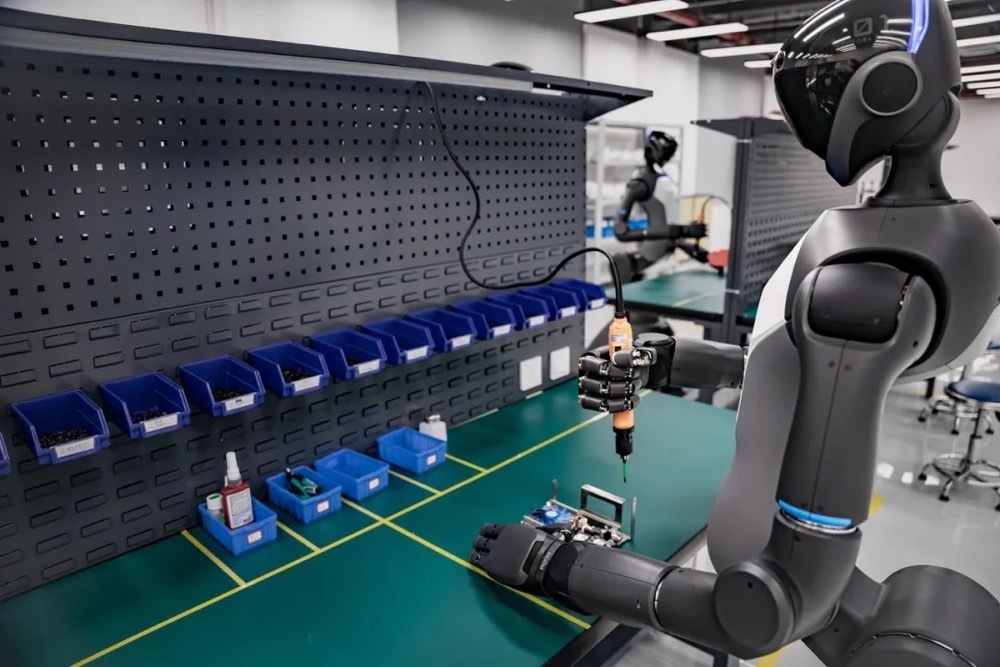
AI in warfare – friend or foe?
Military organizations are increasingly integrating artificial intelligence into various facets of warfare, significantly enhancing their operational capabilities. This shift includes advancements in targeting systems, which utilize AI to improve accuracy and efficiency in combat scenarios. Additionally, training simulations are being revolutionized through AI, providing soldiers with more realistic and adaptive training environments. The use of autonomous drones, powered by AI, is also on the rise, allowing for more strategic and precise missions without direct human intervention. This trend has gained momentum as military leaders recognize the potential of AI to transform traditional warfare tactics. The integration of these technologies is seen as essential for maintaining a competitive edge in modern conflicts. As of October 2023, the focus on AI in military applications reflects a broader commitment to innovation and modernization within defense strategies. The ongoing development and deployment of these technologies are expected to reshape the future of military operations, emphasizing the importance of adapting to rapidly evolving technological landscapes.
Analyst Comment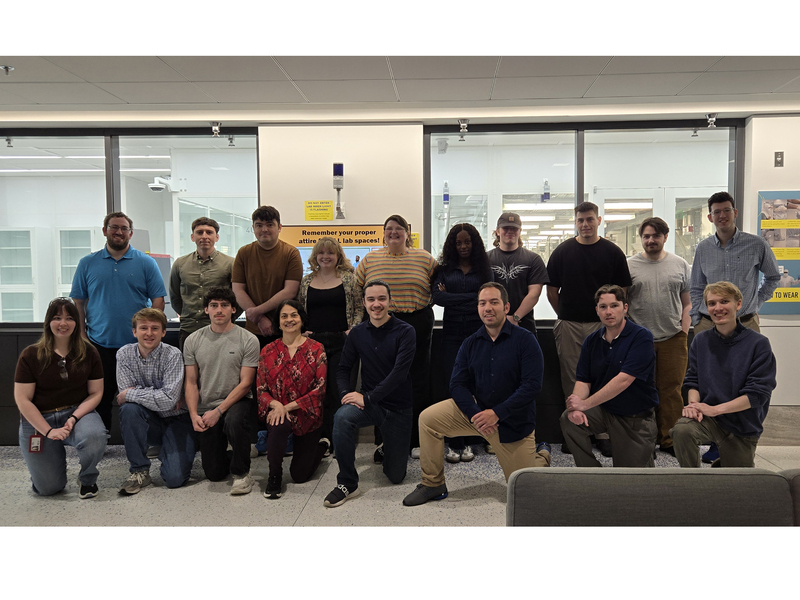
Students from across the Northeast step inside MIT.nano’s cleanroom
A hands-on boot camp is currently underway, aimed at teaching integrated photonics to students from community and four-year colleges in the region. This educational initiative, which focuses on practical skills and knowledge in the rapidly evolving field of photonics, is designed to equip participants with the necessary tools to excel in this technology-driven industry. The program is taking place in local educational institutions, fostering collaboration and learning among students from diverse backgrounds. By providing this training, organizers hope to enhance the workforce's capabilities and address the growing demand for expertise in integrated photonics. The boot camp emphasizes experiential learning, allowing students to engage directly with the technology and gain valuable insights into its applications and implications.
Materials Research Laboratory MIT.nano Education, teaching, academics STEM education Manufacturing Industry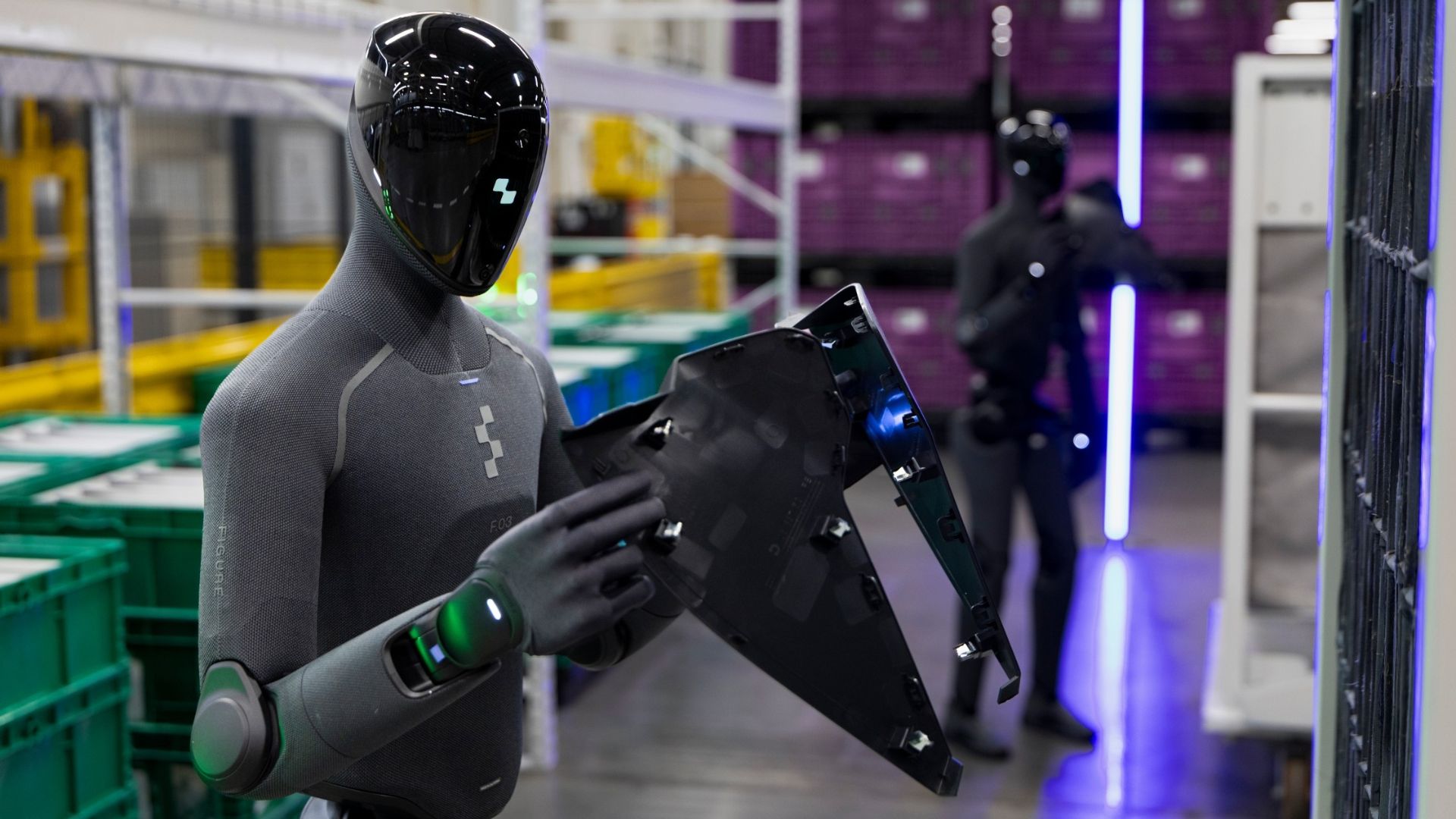
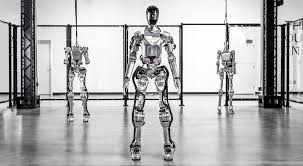
BMW’s smart factory in US gets Figure 03 humanoid robot for advanced logistics work
BMW Group has enhanced its manufacturing processes by integrating next-generation Physical AI technologies. This initiative, announced recently, aims to improve efficiency and precision in production lines. The implementation of these advanced AI systems is taking place at various BMW facilities worldwide, reflecting the company's commitment to innovation and modernization in the automotive industry. By leveraging Physical AI, BMW seeks to streamline operations, reduce costs, and enhance product quality, ultimately responding to the growing demand for smarter manufacturing solutions. The integration process involves upgrading existing machinery and training staff to work alongside AI systems, ensuring a seamless transition into this new era of manufacturing.
AI and Robotics
US firm to deploy humanoid robot teaching assistant in New York schools
Schools across the United States are preparing to integrate humanoid robots into classrooms as part of an innovative educational initiative aimed at enhancing learning experiences. This initiative is set to roll out in early 2024, with various districts collaborating with technology companies to develop and implement these advanced teaching aids. The introduction of humanoid robots is motivated by the desire to engage students in new and interactive ways, fostering interest in subjects such as science, technology, engineering, and mathematics (STEM). Educators believe that these robots can provide personalized learning support, assist in teaching complex concepts, and promote collaboration among students. The deployment process will involve training teachers on how to effectively incorporate the robots into their lesson plans, ensuring that they complement traditional teaching methods rather than replace them. Pilot programs will be conducted in select schools to assess the impact of these robots on student engagement and learning outcomes before a wider rollout. As schools embrace this technological advancement, the initiative reflects a growing trend in education to leverage artificial intelligence and robotics to prepare students for a rapidly evolving workforce. The integration of humanoid robots is expected to not only enhance educational experiences but also spark discussions about the future of technology in society.
AI and Robotics
The Growing Importance of Media Asset Management in Modern Digital Workflows
In an era where the digital landscape is rapidly evolving, companies across various industries are increasingly relying on extensive collections of digital assets, including videos, images, audio files, graphics, and documents, to enhance their marketing, communication, training, and customer engagement efforts. As these content libraries expand, organizations face the growing challenge of managing these assets efficiently. The need for effective content management solutions has become paramount, prompting businesses to seek innovative strategies and technologies to streamline the organization and distribution of their digital resources. This shift underscores the importance of adapting to the complexities of content management in a digital-first world, ensuring that companies can leverage their assets to meet the demands of modern consumers and maintain a competitive edge.
Business Internet ai automation AI tagging automation news cloud computing
ARM Institute expands RoboticsCareer.org into physical AI
The ARM Institute has announced an expansion of RoboticsCareer.org to include job opportunities in the burgeoning field of physical artificial intelligence (AI). This initiative aims to facilitate connections between employers and qualified candidates, addressing the increasing demand for talent in this innovative sector. The updated platform is expected to serve as a valuable resource for both job seekers and companies looking to hire skilled professionals in physical AI. This development reflects the ongoing growth and significance of robotics and AI in the workforce, highlighting the need for specialized talent in these areas.
Artificial Intelligence Artificial Intelligence / Cognition Business Resources Defense / Security Design / Development Educational
ByteDance's Doubao Crosses Production-Grade Threshold with 180 Trillion Daily Tokens
On June 23, ByteDance unveiled its latest flagship large language model, Doubao-Seed-2.1 Pro, which significantly enhances its capabilities by increasing daily token calls to unprecedented levels. This launch marks a strategic move by the tech giant to strengthen its position in the competitive AI landscape. The Doubao 2.1 Pro aims to provide more efficient and sophisticated language processing, catering to a growing demand for advanced AI solutions across various industries. By leveraging cutting-edge technology and extensive data training, ByteDance seeks to meet the evolving needs of users and businesses alike, further establishing its influence in the AI sector.
AI
Jalapeño, OpenAI’s first custom chip, targets gigawatt-scale data center deployment
OpenAI has introduced its inaugural custom AI accelerator, named Jalapeño, signaling a significant advancement in the company's technological capabilities. This announcement was made recently as OpenAI aims to enhance its AI models' performance and efficiency. The development of Jalapeño is part of OpenAI's broader strategy to optimize its infrastructure and support the growing demand for more powerful artificial intelligence solutions. By designing a specialized accelerator, OpenAI seeks to improve processing speeds and reduce energy consumption, ultimately allowing for more complex computations and faster training times for AI models. This initiative underscores OpenAI's commitment to innovation and its efforts to maintain a competitive edge in the rapidly evolving field of artificial intelligence.
AI and Robotics
Rough demos unlock precise robot actions, with up to fourfold real-world gains
Advancements in robotics are leading to the development of highly dexterous robots that are becoming integral to both daily life and industrial applications. These robots are capable of performing intricate tasks, such as assembling small components for smartphones and aiding surgeons during operations. However, the traditional method of training these robots to replicate delicate human movements has been labor-intensive and costly, requiring extensive data collection at precise time intervals. This challenge has prompted researchers to seek more efficient training methods to enhance the capabilities of robotic systems, ultimately aiming to reduce the time and financial burden associated with their development. As the demand for precision in various sectors grows, the evolution of robotic dexterity is expected to play a crucial role in improving efficiency and effectiveness across multiple fields.
Robotics
Chasing rumors: Car CEO's departure untrue; WeChat tests native AI assistant; Apple, Tesla supplier data leaked.
On June 23, the ChiNext Index experienced its largest decline of the year, falling over 4% during trading and closing down 3.84%, dipping below the critical 4200-point mark. This downturn followed a record high set just a day prior. The trading volume for the day reached approximately 901.65 billion yuan, a decrease of 118.9 billion yuan from the previous day. All ten of the index's top-weighted stocks saw declines, particularly those in the AI computing sector. In a separate development, Tata Electronics confirmed a significant data breach, with over 630GB of sensitive information leaked, including design and specification documents for key clients like Apple and Tesla. The company stated that it had initiated a response plan and that operations remained unaffected. Apple is reportedly conducting a thorough investigation into the incident. Meanwhile, SpaceX has entered a multi-billion dollar agreement with AI startup Reflection AI to provide computing resources, with payments set to begin in July and continue through 2029. In the robotics sector, Nvidia unveiled its "Halos for Robotics" safety system aimed at enhancing the security of physical AI applications, while Faraday Future introduced its industrial-grade robotic arm series at a robotics expo in Chicago. Additionally, Meta has paused an internal AI training program that tracked employee mouse movements due to data security concerns, and Oracle announced a workforce reduction of approximately 21,000 employees, marking a 13% decrease in its total workforce as part of a business restructuring.
Is your robot vacuum cleaner spying on you?
In a groundbreaking study published in the June 2026 issue of Science Robotics, researchers have unveiled a new robotic system designed to enhance surgical precision and efficiency. This innovative technology, developed by a team of engineers and medical professionals, aims to reduce the risks associated with complex surgical procedures. The research team conducted extensive trials over a two-year period, testing the robotic system in various surgical environments. Their findings indicate that the robot can perform intricate tasks with a level of accuracy surpassing that of human surgeons, potentially leading to improved patient outcomes. The motivation behind this development stems from the increasing demand for safer and more effective surgical methods, particularly in high-stakes operations. By integrating advanced robotics with surgical practices, the team hopes to address common challenges such as human error and fatigue during lengthy procedures. The trials took place in multiple hospitals across the United States, where the robotic system was utilized in real-time surgeries. Observations showed a significant decrease in operation times and recovery periods for patients, highlighting the potential of robotics to revolutionize the field of surgery. As the medical community continues to explore the implications of this technology, the research team is optimistic about future applications, including training programs for surgeons and expanded use in various medical specialties. This advancement marks a significant step forward in the intersection of robotics and healthcare, promising to enhance the capabilities of surgical teams worldwide.
Focus
Imitation learning is reshaping the training of physical AI for industrial environments
Imitation learning is revolutionizing the training of industrial robots by moving away from traditional rigid programming methods to a more adaptive approach that emphasizes learning through real-world interactions. This shift is highlighted by Anders Billesø Beck, who underscores the importance of high-quality data, the application of force, and the use of production-grade hardware in this new training paradigm. As industries increasingly adopt these advanced techniques, the focus on enhancing the capabilities and efficiency of robots is becoming paramount, paving the way for more sophisticated automation solutions. The transition is not only expected to improve the performance of robots but also to streamline production processes across various sectors.

Peking University team develops new generation data acquisition device using EMG wristband, backed by Gong Hongjia, Lu Qi, and overseas
The SnowOrigin team, composed of researchers from Peking University, has secured investments from notable figures including Gong Hongjia and Lu Qi, as well as overseas institutions. This innovative team focuses on surface electromyography (sEMG) technology to develop a new generation of human control data collection solutions, utilizing wearable devices like neural wristbands and panoramic headsets, along with their proprietary Neural Math Hybrid (NMH) AI decoding model. As the fields of embodied intelligence and Physical AI rapidly evolve, there is an increasing demand for high-quality human control data. Current mainstream data collection methods, such as first-person video and motion capture, often fail to capture critical information about the intent and nuances of human actions. SnowOrigin's wearable devices aim to bridge this gap by integrating muscle and neural signal decoding technologies to create structured data that includes posture, force, and micro-control, thereby supporting the training of robots and world models. Founder Qin Xu emphasized that unlike traditional lab-based motion capture systems, their wearable solutions are cost-effective, lightweight, and suitable for long-term use without disrupting daily activities. The team is advancing two commercialization pathways: enhancing human-robot interaction for AI devices and building a foundational data infrastructure for Physical AI applications. With a strong academic background and a commitment to innovation, SnowOrigin is positioned to lead in the emerging market for embodied data collection, having already made significant strides in real-time decoding of sEMG signals into actionable insights. As the demand for comprehensive interaction data grows, the team is poised to capitalize on this shift in paradigm.

KUKA brings hands-on industrial automation to the classroom
KUKA is enhancing its educational initiatives by focusing on technical training in automation at vocational schools and universities. The company is introducing modular robot learning cells and AI-supported applications to facilitate hands-on training, enabling educational institutions to effectively incorporate industrial automation into their curricula. This initiative aims to provide students with a clear, application-oriented understanding of modern production environments, ensuring they are well-prepared for future workforce demands. By investing in these educational resources, KUKA seeks to bridge the gap between academic training and industry requirements, fostering a new generation of skilled professionals in automation.

SPH Engineering and Vets to Drones Partner to Expand Career Paths for Military Veterans
SPH Engineering has launched a new training initiative in collaboration with Vets to Drones, aimed at equipping military veterans with advanced flight planning skills essential for surveying, mapping, and inspection work in the commercial drone industry. This partnership responds to the growing demand for skilled drone operators capable of managing complex missions. By providing veterans with specialized training, the initiative seeks to expand their career opportunities in a rapidly evolving field. The program highlights the commitment of both organizations to support veterans in transitioning to civilian roles while addressing the industry's workforce needs.
Applications Drone News Drone News Feeds Drones in the News Mapping News
AI in Medical Education: Enhancing or Misinforming Clinical Reasoning and Diagnostic Accuracy?
The integration of artificial intelligence in medical education is generating both challenges and opportunities, according to recent findings. Experts advocate for the development of curricula that emphasize active engagement and literacy in AI technologies. This shift aims to better prepare future healthcare professionals to navigate the complexities of AI in clinical settings. As medical institutions explore innovative teaching methods, the goal is to enhance students' understanding and application of AI tools, ultimately improving patient care. The ongoing discussions highlight the necessity for educators to adapt to the evolving landscape of medical training, ensuring that graduates are equipped with the skills needed to thrive in a technology-driven environment.

6 Key Considerations When Integrating Robotics With HF Welding Machines
In a recent industry development, experts emphasize that the effective integration of robotics with high-frequency (HF) welding machines goes beyond mere installation. This advancement is crucial for enhancing manufacturing efficiency and ensuring worker safety. By properly implementing robotic systems, manufacturers can significantly accelerate production cycles, reduce the risk of workplace hazards, and minimize errors such as burn-through, which can compromise product quality. The insights reflect a growing recognition of the importance of strategic planning and training in the adoption of robotic technology within the welding sector. As companies seek to modernize their operations, understanding the nuances of this integration will be essential for maximizing the benefits of automation in manufacturing processes.

IEEE Rolls Out Large Language Models Virtual Training Course
Large language models (LLMs) have transitioned from research labs to everyday use in engineering, significantly altering how digital infrastructures are developed and maintained. As technical professionals increasingly rely on LLMs for complex tasks—such as identifying vulnerabilities in source code and converting fragmented discussions into detailed specifications—the demand for expertise in this technology is surging. According to MarketsandMarkets, the LLM technology market is projected to grow by approximately 33% annually through 2030. To effectively utilize LLMs, engineers must move beyond basic interactions and understand the underlying transformer architecture that enables these models to process vast datasets simultaneously. This knowledge is crucial to mitigate risks associated with inaccuracies, often referred to as "hallucinations," and to ensure reliable performance in coding and data handling. Key advancements include integrating LLMs with application programming interfaces (APIs) for direct database connections, addressing hallucination issues through retrieval-augmented generation (RAG), and prioritizing data security by establishing private model instances. Additionally, LLMs automate repetitive tasks, allowing engineers to focus on higher-level design and problem-solving. To bridge the growing knowledge gap, IEEE has launched an online program titled "Large Language Models Demystified," designed to equip technical professionals with a deeper understanding of LLMs. The curriculum covers the evolution of AI technology, transformer architectures, and practical model-building exercises. Participants will earn professional development credits and a digital badge upon completion, enhancing their credentials in this rapidly evolving field. Organizations interested in training their teams can consult with IEEE for tailored enrollment options.
Ai Type-ti Education Ieee-educational-activities Large-language-models Ieee-products-and-services
Morrisons HGV Strike Threat Withdrawn
A potential strike by nearly 500 HGV drivers supplying Morrisons stores in northern England has been averted following a successful agreement between the Unite union and Eddie Stobart regarding the use of agency labor. The drivers, stationed at distribution centers in Wakefield, Stockton-on-Tees, and Northwich, had previously voted in favor of industrial action. The resolution comes after negotiations aimed at addressing the drivers' concerns, ensuring job security and fair labor practices. The agreement marks a significant step in maintaining operations and service continuity for Morrisons in the region.
CV, Trucks, Vans and Trailers Jobs and Training Road Transport and Haulage Transport and Distribution drivers Eddie Stobart
General Intuition in talks to raise $300M at around $2B valuation
A startup specializing in artificial intelligence is leveraging Medal's extensive dataset, which comprises 2 billion videos annually sourced from 10 million active users each month. This initiative aims to enhance the training of embodied AI and world models, utilizing the rich variety of visual content available. The training process incorporates data collected up until October 2023, allowing the AI systems to develop a more nuanced understanding of real-world scenarios and interactions. By harnessing such a vast and diverse dataset, the startup seeks to push the boundaries of AI capabilities, ultimately contributing to advancements in technology that can better interpret and interact with the world around us.
AI Fundraising ai agent Exclusive general intuition world models
Sequoia and Alibaba-backed embodied AI company secures hundreds of millions in new funding.
Noematrix, a company specializing in embodied intelligence, has recently secured hundreds of millions in funding, led by Wuxi Data Group, with participation from Shanghai Jiao Tong University's AI Future Fund, Shanghai Chuangzhi Technology Co., and Yicun Capital. This marks the latest financing round for Noematrix, which has attracted investments from several notable firms, including Prosperity7 Ventures and Alibaba, since its establishment in November 2023. The company focuses on the autonomous development of foundational models and systems for embodied intelligence, having launched its core product, Noematrix Brain. This product is part of a comprehensive hardware and software ecosystem that spans data collection, model training, deployment, and application in embodied robotics. The industry narrative surrounding embodied intelligence is shifting from merely executing tasks to ensuring robots can operate stably in real-world environments. Noematrix aims to enhance model robustness by integrating real-world and simulated data into its training processes, utilizing its proprietary data collection devices to gather diverse datasets from various environments. Noematrix's robots have already begun commercial deployment in pharmacies, addressing longstanding labor challenges in the sector by automating order fulfillment. The company has partnered with several leading pharmacy chains, achieving significant order volumes. Following this funding round, Noematrix plans to accelerate the development of its general-purpose embodied intelligence models, targeting applications in retail and hospitality sectors.
CMU Researchers Train Robots With Internet Videos
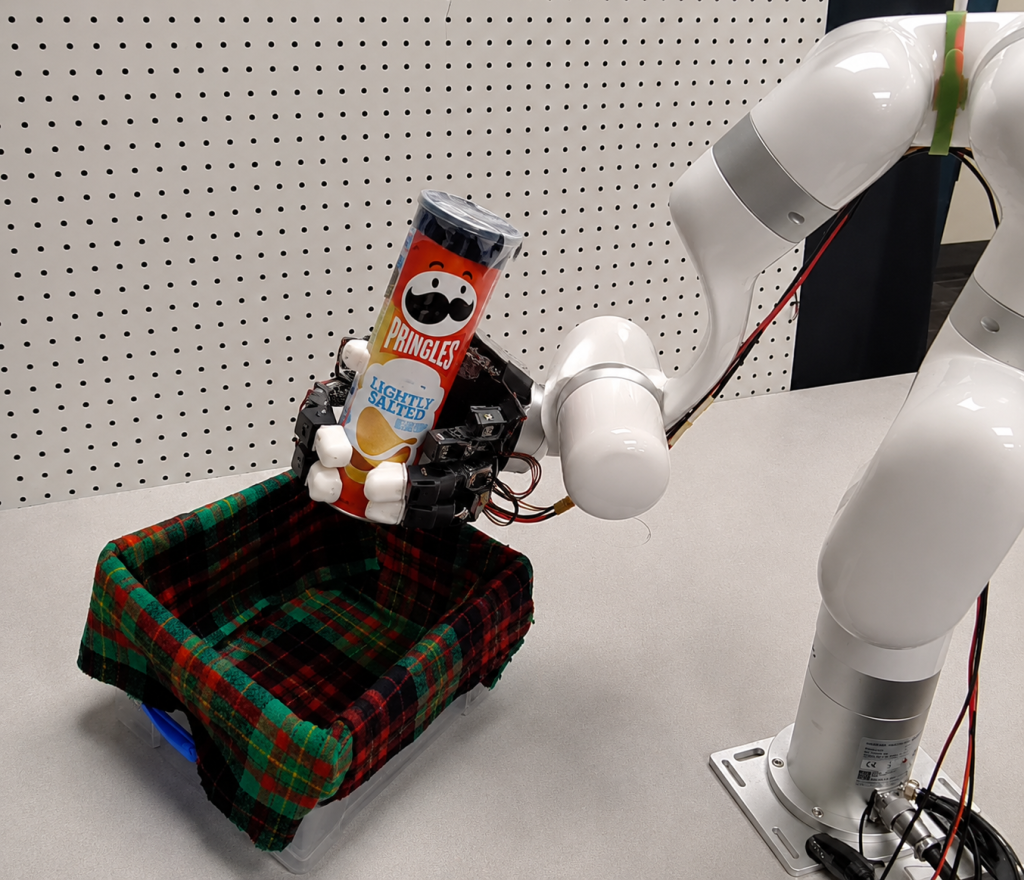
Researchers at Carnegie Mellon University's School of Computer Science have developed an innovative system called VideoManip, which enables robots to learn manipulation skills by analyzing videos of human interactions with objects. This groundbreaking approach allows robots to reconstruct movements and understand how humans make contact with various items, significantly reducing the need for lengthy, hands-on demonstrations by humans. By utilizing readily available internet videos, the system streamlines the training process for robots, enhancing their ability to acquire new skills efficiently. This advancement marks a significant step forward in robotics, potentially transforming how machines are trained to perform tasks in diverse environments.
Research
Hyundai Steel partners with LSU on US mill project
Hyundai Steel announced on Wednesday that it has entered into a master research agreement with Louisiana State University (LSU) to enhance technology development and workforce training as part of its plans to construct a $5.8 billion steel mill in the United States. This agreement will facilitate collaborative research in various fields, including steelmaking, materials science, energy, robotics, automation, and environmental engineering. By establishing a framework for joint projects, Hyundai Steel aims to streamline the research process, allowing initiatives to advance without the need for separate negotiations for each endeavor. The partnership reflects Hyundai Steel's commitment to innovation and skill development in conjunction with its significant investment in the U.S. steel industry.
All News
How Musicians Can Get Paid for Training AI
In response to the challenges posed by generative AI on the music industry, startups like Sureel and SoundVerse are developing innovative solutions to ensure musicians are compensated fairly for their work. Following Warner Music Group's acquisition of Sureel, the company has partnered with the Swedish copyright agency STIM to create a system that tracks how music is used in AI training. This software allows creators to specify the terms of use for their music, ensuring they receive royalties based on its influence in AI-generated outputs. The ongoing debate centers on how to accurately attribute the contributions of various training data to the outputs produced by AI systems. SoundVerse advocates for a model that rewards artists continuously throughout the AI lifecycle, rather than through one-time payments. This approach aims to maintain the economic incentives that drive creativity while addressing concerns about AI's potential to undermine cultural vibrancy and artist livelihoods. As copyright lawsuits give way to negotiated agreements between major music labels and AI companies, there is a growing opportunity to establish fair compensation practices. Experts emphasize the need for transparent and equitable attribution systems that reflect the complex relationship between training data and AI outputs. Ultimately, the success of these initiatives may depend on collaboration across disciplines, including musicology, law, and economics, to create policies that support a sustainable creative sector in the age of AI.
Copyright Training-data Generative-ai Music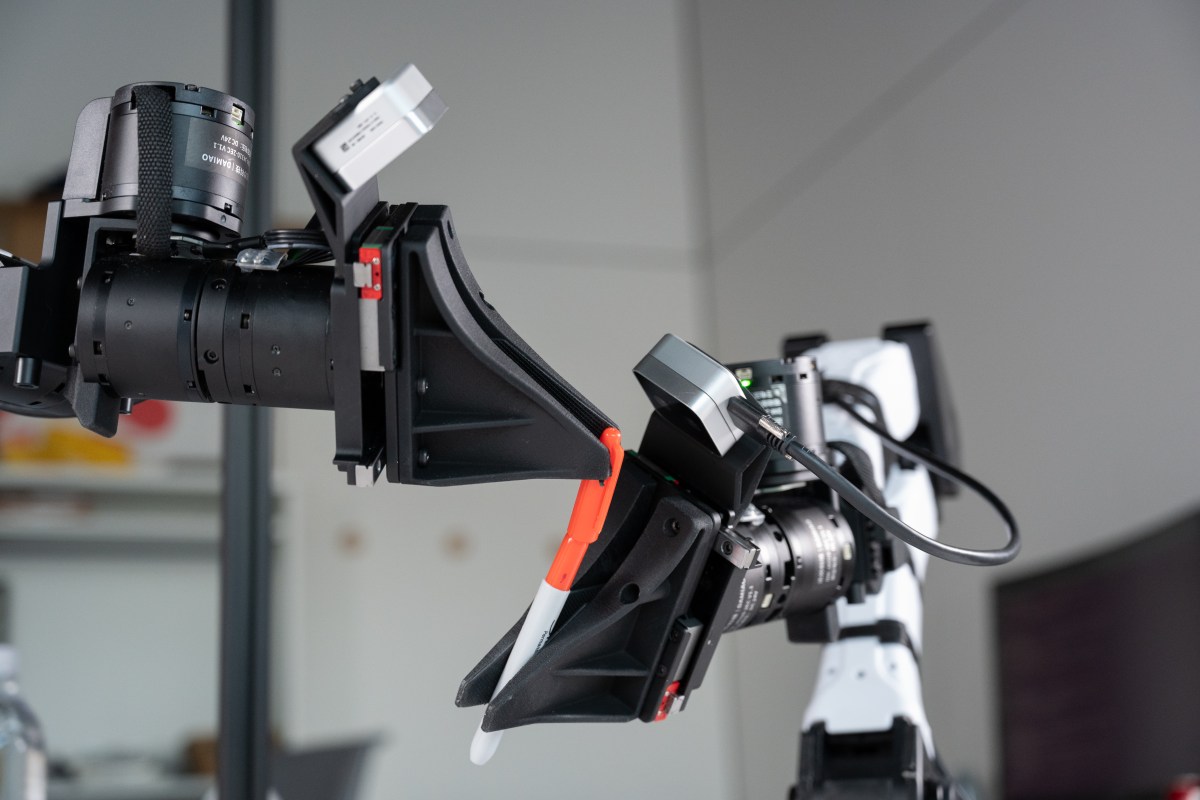
Collecting robot training data is dirty, unglamorous work. Some AI labs are already paying XDOF to do it.
Recent discussions in the field of artificial intelligence highlight a significant challenge facing the development of physical AI systems. Experts emphasize that in order for physical AI to achieve milestones comparable to those of large language models (LLMs), a critical data issue must be addressed. As of October 2023, the existing datasets are insufficient to support the complex learning and operational needs of physical AI. This gap in data could hinder progress and innovation in creating AI that can effectively interact with and navigate the physical world. Addressing this problem is essential for advancing the capabilities of physical AI, ensuring that it can perform tasks with the same proficiency as its software counterparts.
AI Startups a16z robots Thrive Capital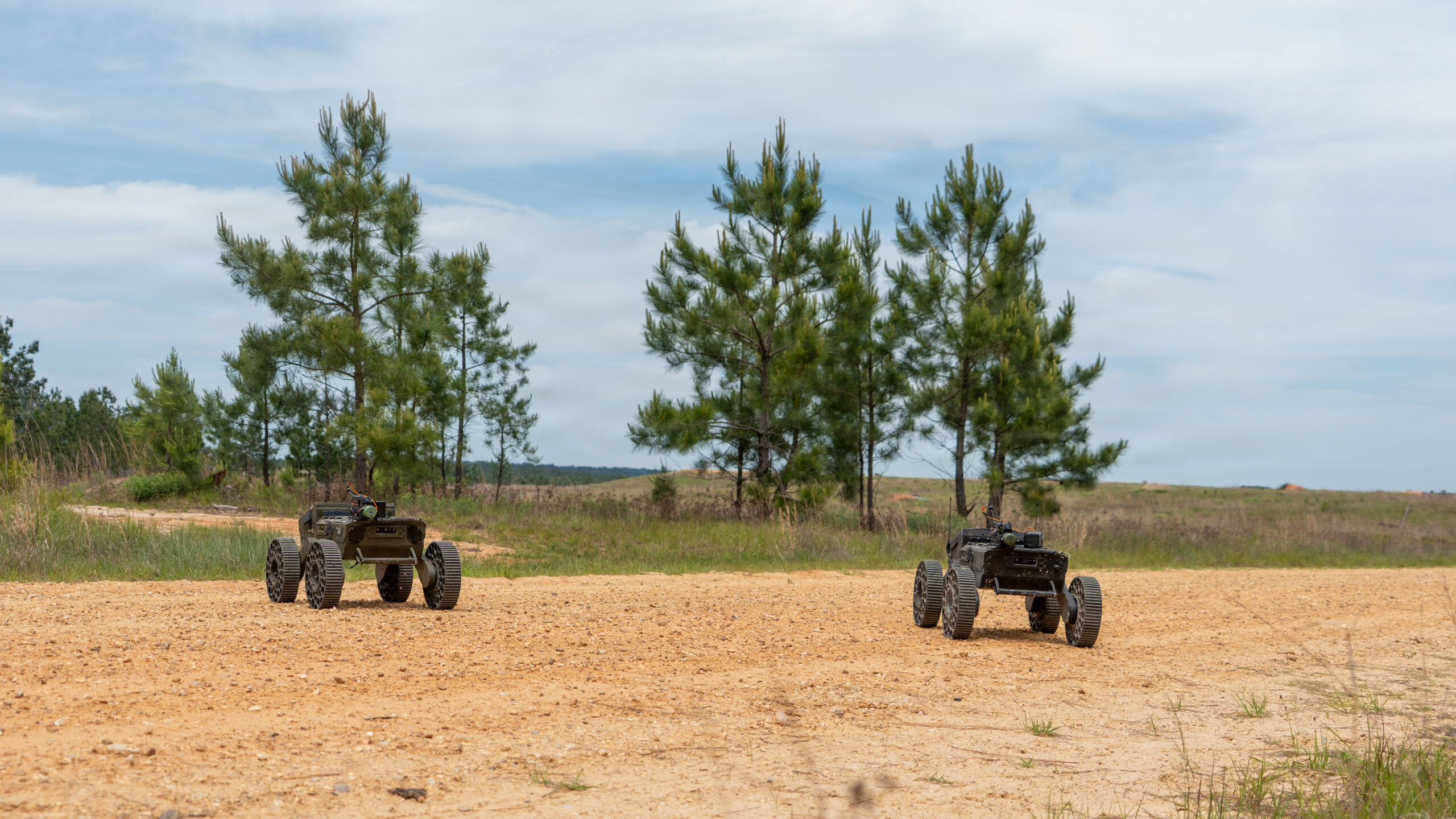
Preparing for the future fight: How one brigade is sacrificing robots in lieu of humans
The 3rd Mobile Brigade Combat Team of the 101st Airborne Division recently executed a successful robotic combined arms breach during a rotation at the Joint Readiness Training Center (JRTC). This operation, highlighted by the brigade's commander in an interview with Breaking Defense, showcases the unit's advancements in integrating robotic technology into combat scenarios. The exercise aimed to enhance operational effectiveness and readiness in modern warfare, reflecting the military's ongoing commitment to innovation and adaptation in response to evolving threats. The successful breach demonstrates the brigade's capability to leverage advanced technologies to improve tactical operations on the battlefield.
Land Warfare 101st Airborne Division Army autonomy Drones UGV
Interview with Luo Jianlan: The true scaling law of robots occurs in real deployment loops.
In the past six months, the focus of the domestic embodied intelligence sector has shifted from hardware competition to the deeper challenges that define the intelligence limits of robots. Luo Jianlan, an associate professor at Shanghai Chuangzhi Academy and chief scientist at Zhiyuan Robotics, argues against the prevailing notion that robots can replicate large language models through sheer data accumulation. He emphasizes that the core issue in embodied intelligence is not about breakthroughs in isolated components but rather the ability to create a closed-loop system in real-world deployments. Luo, who has a background in both academia and industry, including roles at Google X and DeepMind, believes that many teams in the sector are not genuinely pre-training models but are instead engaged in mid-training or fine-tuning due to the scarcity of high-quality interaction data. He asserts that true embodied intelligence requires a scalable closed-loop system, where deployment leads to data collection, which in turn enhances model capabilities. His current focus includes developing scalable online post-training infrastructure, enabling robots to learn continuously in real-world environments, and creating a world model that predicts the consequences of actions rather than merely generating video. Luo suggests that the future of embodied intelligence hinges on successfully integrating these elements into a cohesive system, with significant advancements expected in the next 12 to 18 months. He believes that the first team to effectively implement a "deployment-data-iteration" cycle in semi-structured environments like convenience stores will gain a substantial competitive edge.

ABB Robotics delivers new industry-ready physical AI at Automate 2026
At Automate 2026, ABB Robotics will showcase its latest advancements in physical AI, including the debut of its Physical AI Toolchain, designed to enhance the capabilities of industrial robots. The event, taking place at Booth #1241 on June 17, 2026, will feature demonstrations of the Autonomous Versatile Robotics (AVR™) system, which equips robots with advanced sensory and mobility functions to operate more efficiently across various applications. Marc Segura, President of ABB Robotics, emphasized that physical AI is transforming traditional robotic operations, allowing for faster, safer, and smarter performance. The new toolchain facilitates the training of robots using simulated and real-world data, bridging the gap between simulation and practical application with high precision. This initiative follows ABB's partnership with NVIDIA, which aims to enhance robot training through advanced simulation technologies. Among the highlights will be the introduction of ABB's high-speed PoWa™ cobot family and a collaboration with Aura Sensae, integrating intelligent sensing technology for improved human-robot interaction. Visitors can expect to see demonstrations of AI-powered palletizing systems, intuitive interfaces, and real-time interaction capabilities, showcasing ABB's commitment to human-centric robotics. Additionally, ABB Robotics will host special events focused on automotive and software innovations on June 23 and 24, respectively, further engaging with industry stakeholders.

Therapist-exoskeleton-patient interaction for gait therapy
In a groundbreaking study published in the June 2026 issue of Science Robotics, researchers have unveiled a new robotic system designed to enhance surgical precision. This innovative technology, developed by a team of engineers and medical professionals, aims to improve patient outcomes in complex surgical procedures. The study highlights the system's ability to integrate advanced imaging techniques with real-time data analysis, allowing surgeons to navigate intricate anatomical structures with unprecedented accuracy. Conducted at a leading medical research facility, the trials demonstrated a significant reduction in operation time and postoperative complications compared to traditional methods. The motivation behind this development stems from the increasing demand for minimally invasive surgical options, which promise quicker recovery times and less trauma for patients. By leveraging cutting-edge robotics and artificial intelligence, the team has created a tool that not only assists surgeons but also enhances their decision-making capabilities during operations. As the medical community continues to embrace technological advancements, this robotic system represents a significant step forward in the field of surgery, potentially transforming how procedures are performed in the future. The researchers are optimistic that further refinements and clinical trials will lead to widespread adoption in hospitals worldwide, ultimately benefiting countless patients.
Research Article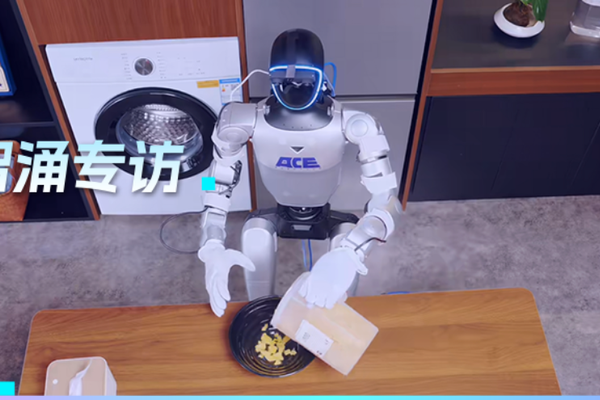
Founder of "Daxiao Robotics," which raised hundreds of millions, reveals divisions in the embodied AI industry.
In a recent interview, Wang Xiaogang, chairman of ACE Robotics and co-founder of SenseTime, discussed the rapid advancements of his company since its establishment in July 2025. Within just a year, ACE Robotics has emerged as a significant player in the field of embodied intelligence, recently launching its Kairos 3.0 model, which achieved state-of-the-art results in four global benchmarks. The company has also developed an innovative data collection strategy that expands its training dataset to over one million hours, significantly enhancing its capabilities compared to traditional methods. On June 15, 2026, ACE Robotics announced the successful completion of its angel+ funding round, raising substantial capital from various investors, including Da Chen Capital and Shanghai Science and Technology Innovation Fund. This brings the total funding raised in 2026 to several hundred million dollars, positioning ACE Robotics as one of the fastest unicorns in the industry. Wang emphasized the importance of collaboration within the long and complex supply chain of embodied intelligence, noting that many companies are hesitant to enter practical applications due to technical maturity and resource constraints. He outlined ACE's strategy of focusing on scalable business-to-business (B2B) scenarios, such as road inspections and logistics, before expanding into more complex consumer-facing applications. Despite the competitive landscape, Wang believes that ACE Robotics can leverage its unique approach to data collection and model training to establish a strong foothold in the market, ultimately aiming to enhance the efficiency and effectiveness of embodied intelligence solutions across various sectors.

Fastest, Largest, Strongest: NVIDIA Blackwell Sweeps MLPerf Training 6.0
In the rapidly evolving field of artificial intelligence, the initial phase of developing any advanced AI model begins with a crucial training run. The efficiency and effectiveness of this training process are heavily influenced by the underlying infrastructure that supports it. This infrastructure determines the speed at which teams can refine their models, the scale of the models they are capable of constructing, and the reliability of job completions. As AI technology continues to advance, the importance of robust and efficient training environments becomes increasingly clear, impacting the overall progress and capabilities of AI development.
Robotics startup backed by Nvidia, Amazon and others raises $1.4B
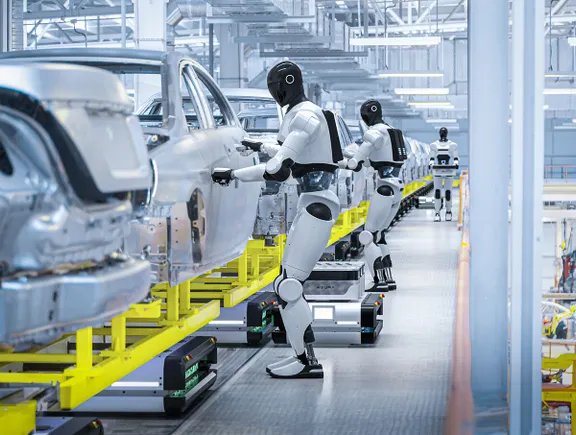
Neura has announced plans to utilize new capital to enhance its robot production and deployment across various industries. The initiative aims to expand the company's training and intelligence infrastructure, allowing for more advanced and efficient robotic solutions. This strategic move comes as Neura seeks to strengthen its position in the rapidly evolving robotics market, responding to growing demand for automation and intelligent systems. By increasing production capabilities and improving training resources, Neura intends to meet the needs of diverse sectors and drive innovation in robotic technology.

Interview with Wang Zhongyuan: VLA will survive, but world models are the future.
In recent months, the concept of "World Model" has gained significant traction within the AI and robotics sectors, driven by underlying industry anxieties. As AI technology has rapidly evolved over the past two years, limitations in embodied intelligence have become apparent, revealing that while robots can recognize objects, they struggle to understand physical interactions and causal relationships. The World Model aims to bridge this gap by enabling robots to learn the laws of the physical world. At the forefront of this exploration is Wang Zhongyuan, the director of the Beijing Academy of Artificial Intelligence, who identifies four distinct paths in the development of World Models. These include language-centered models, pixel-centered models, 3D structure-centered models, and visual representation-centered models. The Beijing Academy is pioneering a fifth approach that integrates language and visual data into a unified latent space representation, allowing for more complex interactions and predictions. Wang emphasizes that the World Model's potential lies in its ability to enhance embodied intelligence, enabling robots to understand and predict physical interactions over time. He envisions a future where World Models serve as the foundational brain for robots, capable of complex reasoning and decision-making in real-world scenarios. However, he cautions that achieving this goal will require significant advancements in data collection and model training, with a timeline of three to five years anticipated for substantial progress. As the field continues to evolve, the competition will focus on the ability to create models that accurately reflect the complexities of the physical world.

NVIDIA Corporation (NVDA) Partners with Nebius to Support AI Robotics Startup in Europe
NVIDIA Corporation has announced a strategic partnership with Nebius to bolster the development of robotics startups across Europe. On June 9, the two companies reaffirmed their collaboration aimed at creating a cloud platform specifically for robotics and physical artificial intelligence. As part of this initiative, Nebius has launched the Physical AI Living Lab, which will provide UK and European robotics startups with access to NVIDIA's advanced development tools and Nebius AI's cloud infrastructure. This six-month program is designed to help early-stage robotics firms overcome challenges related to large-scale simulation, synthetic data, and accelerated computing resources. Startups participating in the program will utilize NVIDIA technologies, including OSMO for workload orchestration and Cosmos World Foundation models. The goal of the Physical AI Living Lab is to connect UK robotics innovation with market-ready physical AI solutions by offering affordable cloud-scale training. NVIDIA, a leading provider of specialized computer chips and a key player in the global AI revolution, continues to expand its influence beyond gaming graphics into comprehensive infrastructure for artificial intelligence.

MassRobotics announces the winners of 2026 Robotics Medal and Rising Star awards
Allison Okamura and Ayoung Kim have been recognized with prestigious awards from MassRobotics, receiving the 2026 Robotics Medal and the Rising Star Medal, respectively. These accolades celebrate the achievements of women in the field of robotics, highlighting their significant contributions and inspiring future generations. The announcement was made recently, underscoring the growing recognition of female innovators in a traditionally male-dominated industry. The awards aim to promote diversity and encourage more women to pursue careers in robotics, reflecting a broader commitment to inclusivity within the technology sector.
Academia / Research Artificial Intelligence Artificial Intelligence / Cognition Design / Development Events Healthcare Robotics
SpaceX sets IPO price to raise $75 billion; OpenAI CEO delays South Korea visit; new AI complaint center launched.
OpenAI CEO Sam Altman has postponed his planned visit to South Korea, originally scheduled for June 14-15, due to personal reasons. During the visit, he was expected to meet with leaders from major companies including Samsung Electronics, Kakao, and NAVER. In a separate announcement, Waymo, the autonomous driving subsidiary of Alphabet, revealed a new $30 monthly membership plan called Waymo Premier, aimed at invited users. This plan will offer benefits such as priority rides, a 10% cashback on trips, and the ability to cancel rides up to five times a month at no cost. Initial invitations will be sent to eligible passengers in San Francisco, Los Angeles, and Phoenix, with plans to expand to other cities. Meanwhile, SK Hynix is exploring the integration of AI technologies, including ChatGPT, into its operations. CEO Lee Seok-hee indicated that the company is balancing the protection of industrial technology with the adoption of external AI services, considering tools like Microsoft 365 and CoPilot. In financial news, major Wall Street banks have begun restricting hedge funds' leverage on Asian chip stocks, including SK Hynix and Samsung, due to concerns over potential market corrections. This move involves raising financing costs for hedge fund bets and limiting new transactions. Additionally, Google announced a $50 million investment to train U.S. tech workers, addressing the growing demand for AI infrastructure. This investment is part of a broader initiative that has already seen over $1 billion allocated to training programs since 2022. Lastly, SK Hynix reported that a fire at its Cheongju plant on June 12 has been brought under control, with production equipment operating normally.
LG to build Korea's first humanoid 'data factory' to train robots
LG Electronics is transforming its research and development campus in the Yangjae district of southern Seoul into South Korea's first "data factory" dedicated to humanoid robots, according to industry sources. This initiative, announced on Friday, aims to utilize hundreds of CLOiD machines that will perform everyday tasks to generate essential real-world data. As the development of humanoid robots increasingly hinges on data rather than hardware, this facility seeks to address the growing challenge of acquiring the necessary information for effective robot training. By creating a controlled environment where robots can learn from repetitive tasks, LG Electronics is positioning itself at the forefront of the competitive humanoid robotics sector.
All News
‘The threat is there’: Germany to pair P-8s with MQ-9 drones to keep an eye on Russian subs
The German Naval Aviation Command is set to introduce the MQ-9B, marking the first unmanned system in its operational fleet. Capt. Broder Nielsen, the command's head, emphasized the importance of a gradual integration process, stating that personnel will work closely with the aircraft as they adapt to its capabilities. This initiative reflects Germany's commitment to enhancing its naval aviation capabilities with advanced technology. The timeline for the full operational rollout remains under development, but the focus on a step-by-step approach aims to ensure effective training and operational readiness for the crew.
Global Naval Warfare Boeing Europe General Atomics Aeronautical Systems Germany
Where’s your Labour Resource Management on the Warehouse Maturity Curve?
Rising labour costs and ongoing skills shortages are significantly impacting the logistics sector, placing immense pressure on warehouse management teams to optimize operations with limited resources. In response to these challenges, Aptean hosted a webinar aimed at addressing the critical aspect of resource management within warehouses. The session focused on evaluating operational maturity and highlighted the importance of effective resource management strategies. This initiative comes at a time when the logistics industry is grappling with the need to enhance efficiency amidst a tightening labour market.
IT in Logistics Jobs and Training TMS and Telematics Warehousing WMS & SCM Software Aptean
The Missing Layer in Robotics Adoption: Why Emerging Markets Need Commercialization Labs
Robotics manufacturers are increasingly focusing on emerging markets to drive growth, emphasizing the importance of local integration and support systems. As these companies seek to expand their reach, they recognize that success hinges not only on advanced hardware capabilities but also on the establishment of robust training programs, financing options, and service infrastructures. This strategic approach is essential for validating return on investment (ROI) and ensuring that local businesses can effectively adopt and utilize robotic technologies. By prioritizing these factors, manufacturers aim to create a sustainable ecosystem that fosters innovation and enhances productivity in regions that are ripe for technological advancement.

Equal AI raises $30M to screen calls so Indians don’t have to
Equal AI has announced that its AI-powered call assistant has surpassed one million monthly active users. This milestone reflects the growing adoption of AI technology in communication tools, highlighting the increasing reliance on automated solutions for enhancing efficiency in customer interactions. The announcement comes as the company continues to innovate and improve its offerings, aiming to meet the demands of a rapidly evolving digital landscape. With data training completed up to October 2023, Equal AI is poised to further expand its user base and enhance the capabilities of its call assistant, catering to businesses seeking to streamline their communication processes.
Apps Fundraising AI assistant call screen India Prosus Ventures
Stepful Announces $55M Series C to Scale Its AI-Powered Training Platform Across the Healthcare Workforce
Stepful, a training platform aimed at transforming workforce development in major U.S. health systems, has secured $55 million in Series C funding. This funding round, which was led by Oak HC/FT, also saw participation from new investors including Foresite Capital, Hearst Ventures, and the Citi Impact Fund, as well as contributions from existing investors such as SemperVirens. The investment will enable Stepful to enhance its training programs and support the growing demand for skilled healthcare professionals. This financial boost comes at a critical time as the healthcare sector faces significant challenges in workforce retention and training, underscoring the importance of innovative solutions in addressing these issues.
Uncategorized
Decart’s Oasis 3 world model streams realism into robotic training environments
Decart, a leading frontier AI research lab, has unveiled its latest world model, Oasis 3, in a bid to integrate synthetic simulation with physical AI. The announcement, made recently, highlights the model's capability to enhance the training processes for operating system models used in robots and autonomous vehicles. By focusing on this innovative approach, Decart aims to advance the development of intelligent systems that can operate seamlessly in real-world environments. The launch of Oasis 3 represents a significant step forward in the quest to improve AI's practical applications, addressing the growing demand for more sophisticated and capable autonomous technologies.
Artificial Intelligence Computing Culture Design automation news autonomous vehicles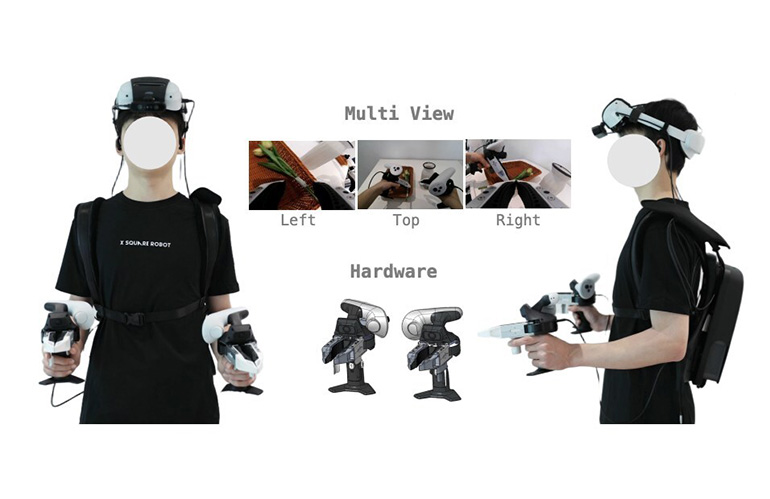
Inside XRZero-G0, a new 2,000-hour open dataset for robotics research
X Square Robot has announced the open-sourcing of XRZero-G0, a groundbreaking framework designed to significantly decrease the amount of real-robot training data needed by as much as 20 times. This initiative aims to enhance robotics research by providing a comprehensive dataset that spans 2,000 hours of robotic training scenarios. The release of XRZero-G0 is expected to facilitate advancements in the field, enabling researchers and developers to optimize their algorithms and improve robotic performance without the extensive data collection traditionally required. This innovative approach is part of X Square Robot's commitment to fostering collaboration and progress within the robotics community.
Academia / Research Artificial Intelligence Artificial Intelligence / Cognition Development Tools / SDKs / Libraries News Research
First-ever drone boat rescue: US Navy vessel pulls out two downed pilots from sea
A U.S. Navy unmanned surface vessel successfully conducted a rescue operation for two Army pilots whose AH-64 Apache helicopter had crashed. The incident occurred on a training mission off the coast of California on Tuesday. The unmanned vessel, equipped with advanced technology, was able to locate the pilots quickly and facilitate their safe retrieval from the water. This operation highlights the increasing role of unmanned systems in military rescue missions, showcasing their effectiveness in enhancing operational capabilities and ensuring the safety of personnel in distress. The successful rescue underscores the collaborative efforts between the Navy and Army in conducting joint operations and responding to emergencies in challenging environments.
Military
Researchers Develop Method To Train Ag AI Robots with Virtual Tomatos
Researchers at Osaka Metropolitan University have introduced a groundbreaking method for creating synthetic training data aimed at enhancing agricultural AI systems. This innovative approach utilizes realistic virtual tomato farms, addressing a significant challenge in the development of autonomous harvesting robots. The findings of this study, published in the journal Smart Agricultural Technology, highlight the potential of virtual environments to effectively train AI models. By simulating diverse farming scenarios, the researchers aim to improve the efficiency and accuracy of AI systems in agricultural applications, ultimately paving the way for more advanced robotic solutions in the field.
AI AI Research & Advances Robotics agriculture AI autonomous harvesting robots Osaka Metropolitan University
Tsinghua-Harvard Team's Acorn Robot Develops 'Zero-Data' Robot That Learns Through Instinct, Not Training Data
A team of researchers educated at Tsinghua University and Harvard has developed an innovative robot capable of learning physical manipulation without any prior training data. This groundbreaking technology relies solely on tactile sensors and an instinct-driven trial and error approach to tackle complex tasks, such as picking up a flat credit card. The project highlights a significant advancement in robotics, showcasing the potential for machines to adapt and learn in real-time, which could revolutionize various applications in automation and artificial intelligence.
Robotics
X Square Robot Open-Sources XRZero-G0 to Scale Robot Learning with Interfaces, Data Quality and Ratios
A new framework named XRZero-G0 has been introduced to enhance the quality of data collection and training for embodied artificial intelligence, eliminating the need for robotic assistance. This innovative approach aims to streamline the process of gathering high-quality data, which is crucial for developing advanced AI systems. The framework was unveiled in October 2023, reflecting ongoing advancements in AI technology and data collection methodologies. By focusing on robot-free data collection, XRZero-G0 seeks to address challenges related to the dependency on physical robots, thereby making the training of AI more efficient and accessible. The initiative is expected to significantly impact the field of AI research and development, potentially leading to more robust and versatile AI applications across various industries.
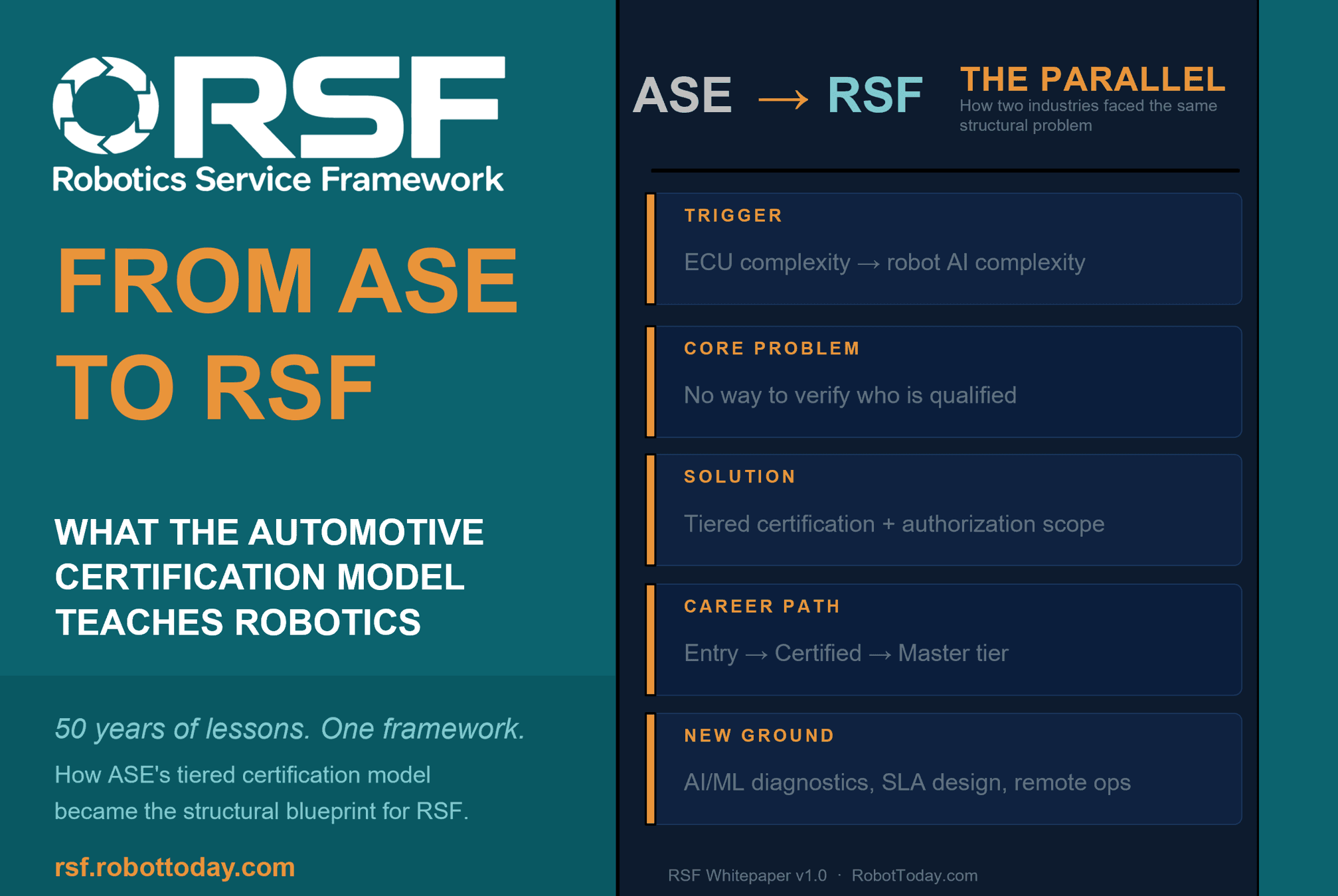
Robotics needs a service framework.
RSF defines a common language for robot service capability, lifecycle operations, certification pathways, and service-provider networks.