

Industry Briefing
A single destination for timely, editor-curated robotics news from around the world.
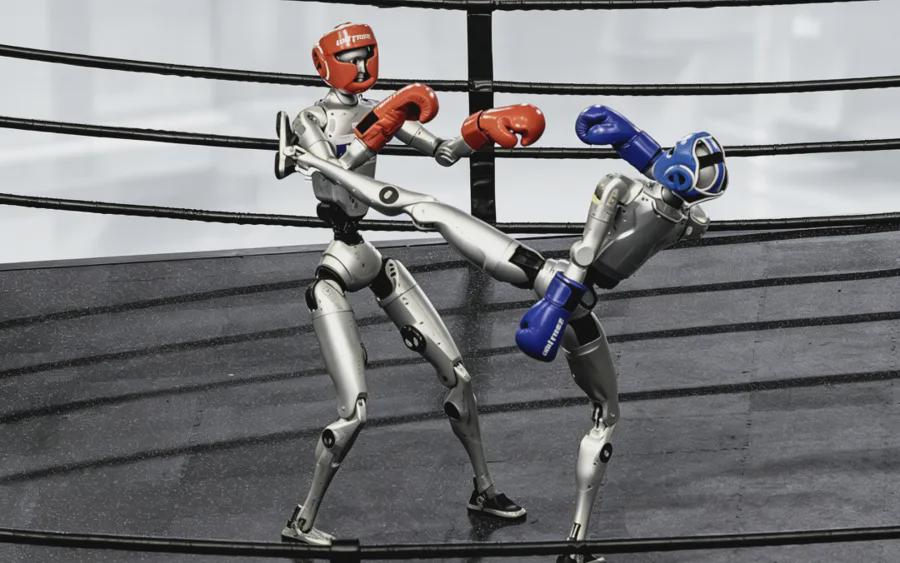
Experience the 2026 Global Digital Trade Innovation Competition with Interactive Robot Challenges
From September 23 to 27, the 2026 Global Digital Trade Innovation Competition will take place at the Hangzhou International Expo Center. This event features various robot competitions, including 100-meter races, soccer, wrestling, and tug-of-war, allowing attendees to compete against robots in real-time. The significance of this competition lies in its demonstration of advancements in robotics and human-robot interaction. Participants will witness robots performing tasks that test their endurance, stability, and control, while also engaging in interactive activities such as racing and shooting hoops against robots. Starting September 25, multiple human-robot interaction projects will be available, including a 60-meter race and robot boxing. Attendees can also explore an exhibition area showcasing innovative robotic products, such as six-dimensional force sensors and massage robots, providing insights into the technology behind modern robotics.
Robot Competitions Interactive Robotics Robotic Innovations AI Technology
Compact Hexapod 6-DOF Alignment System Offers Patented Overload Protection Features
The Compact Hexapod 6-DOF alignment system has been designed to support any-orientation mounting and six-axis motion. This flexibility allows for seamless integration into various optical and photonics systems, enhancing their operational capabilities. The introduction of patented overload protection is significant as it ensures the system's reliability and longevity, safeguarding against potential damage during operation. This feature is crucial for applications that require precise alignment and positioning in sensitive environments. Looking ahead, industry professionals should monitor advancements in hexapod technology and its applications in optical systems. The integration of such innovative features may lead to broader adoption in sectors that demand high precision and adaptability. No further timeline was disclosed at the time of publication.
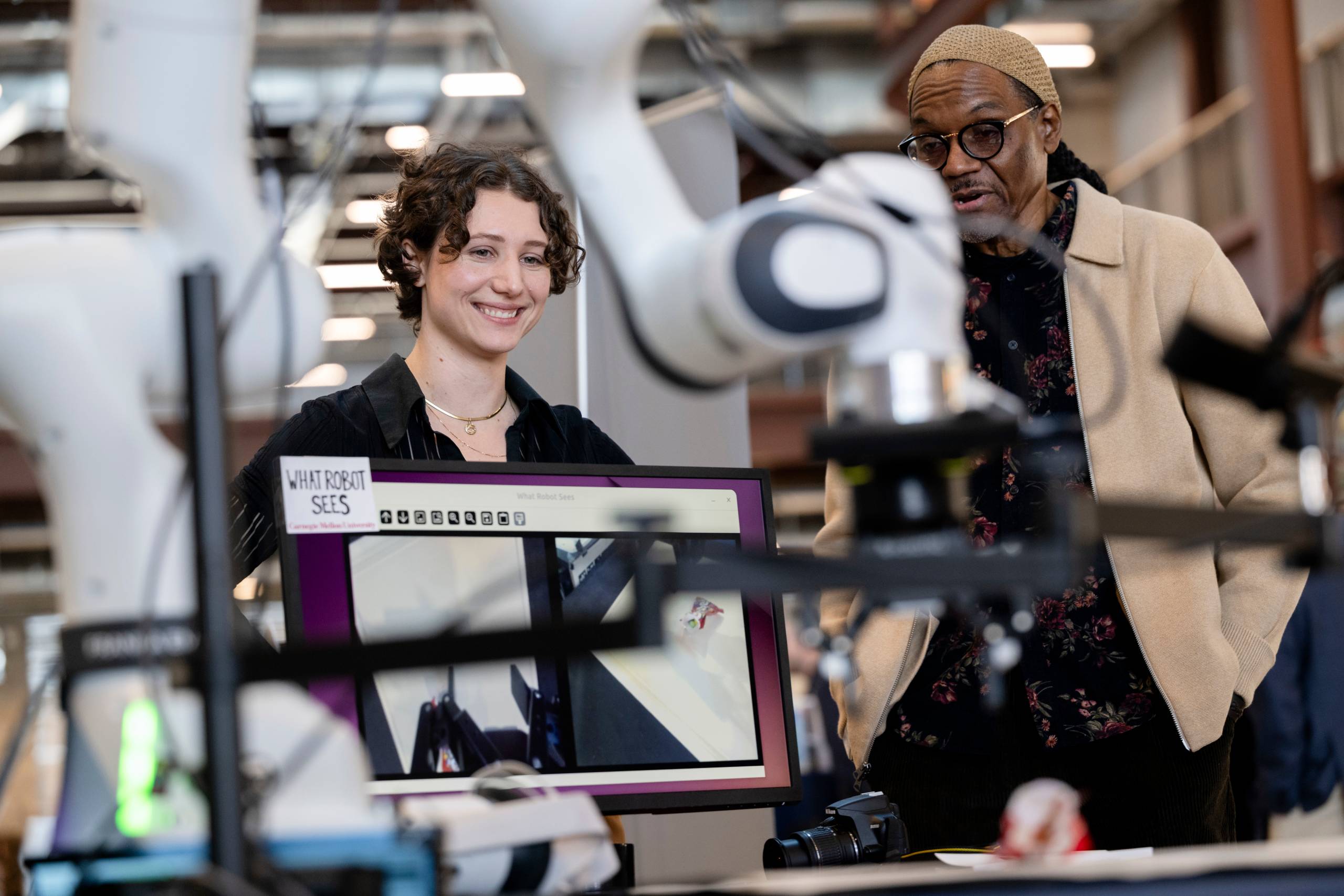
Pittsburgh to Host 2026 IEEE/RSJ International Conference on Intelligent Robots and Systems
Pittsburgh is set to host the 2026 IEEE/RSJ International Conference on Intelligent Robots and Systems (IROS) from September 27 to October 3 at the David L. Lawrence Convention Center. This event will highlight Carnegie Mellon University's leadership in robotics. The conference is significant as it brings together experts and innovators in the field of robotics, showcasing advancements and fostering collaboration. Carnegie Mellon University, known for its pioneering work in robotics, will be at the forefront of this global gathering. As the date approaches, attendees can expect a rich program featuring discussions on the latest technologies and research in intelligent robotics. No further timeline was disclosed at the time of publication.
Uncategorized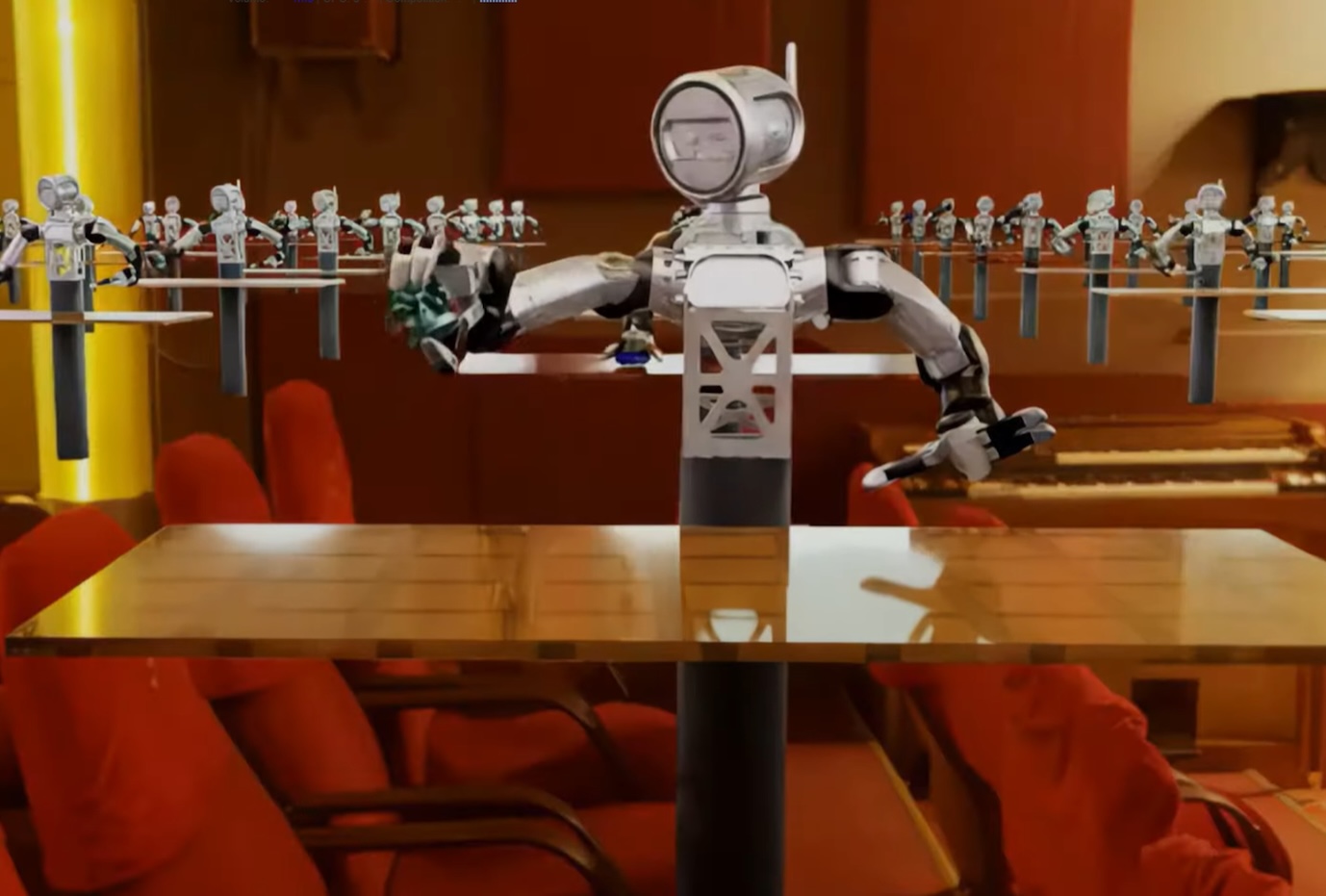
SpaceX's Starmind Faces Feasibility Challenges for 1 Million Satellite Deployment
On January 30, 2026, SpaceX submitted a request to the FCC to launch up to 1 million satellites as part of its Starmind orbital compute constellation. This ambitious plan is unprecedented, as the total number of satellites ever launched globally is in the low tens of thousands. The proposal seeks a waiver from standard deployment milestones, citing reliance on the Starship's full reusability for success. The significance of this request lies in the technical and logistical challenges it presents. Experts warn that low Earth orbit may not support the proposed number of active satellites without risking a debris cascade. SpaceX's own IPO prospectus acknowledges unresolved dependencies related to Starship's launch cadence and reusability, which are critical for the orbital AI compute strategy. Looking ahead, the timeline for achieving the necessary launch cadence and manufacturing capacity remains uncertain. SpaceX's Gigasat facility in Texas aims for volume production by late 2027, but this would require unprecedented output levels. No further timeline was disclosed at the time of publication, leaving the feasibility of the Starmind project in question.
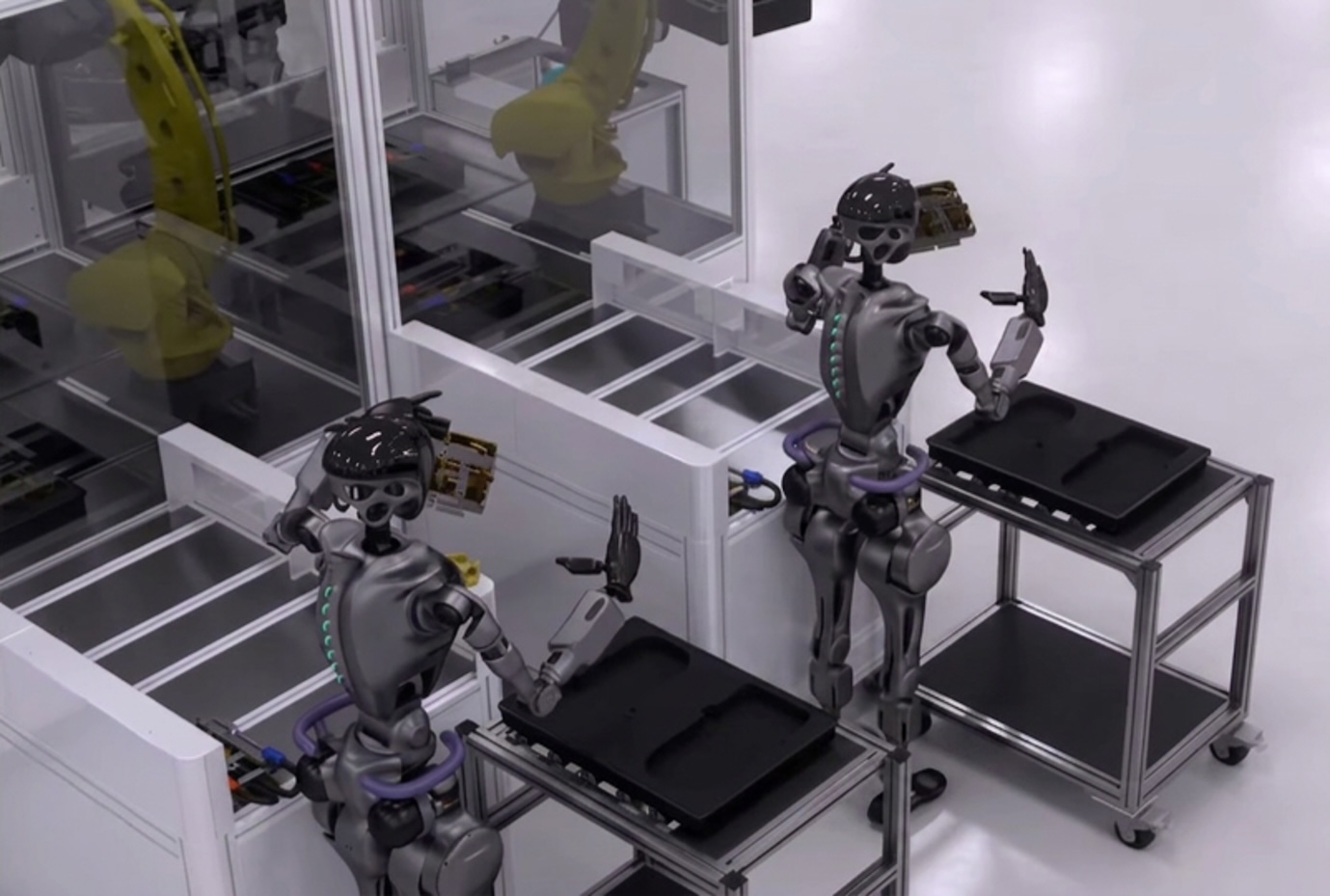
SpaceX Proposes 1 Million AI Satellites to Address Ground Data Center Constraints
On January 30, 2026, SpaceX filed with the FCC to launch up to 1 million AI compute satellites, positioning orbital data centers as a solution to the increasing demand for AI computing power. Ground data centers are facing significant challenges, with energy consumption projected to reach approximately 1,050 TWh in 2026, making them the fifth-largest electricity consumer globally. The demand for new data center capacity is outpacing the growth of power generation infrastructure, leading to a critical bottleneck in the grid system. The significance of this initiative lies in the structural constraints faced by ground data centers, including power delivery limitations, high water consumption, and local opposition to new projects. The Uptime Institute's 2026 outlook identifies power as the primary constraint on data center growth, with capacity clearing prices in the PJM grid skyrocketing to $329.17/MW, driven by data center expansion. Additionally, cooling requirements are becoming increasingly unsustainable, with facilities consuming vast amounts of water, further complicating their operational viability. Looking ahead, SpaceX's orbital AI compute initiative aims to circumvent these challenges by leveraging the advantages of space, such as continuous solar power and minimal local opposition. The first AI prototypes are expected to launch in early 2027, with operational deployments planned for 2028. No further timeline was disclosed at the time of publication.

SpaceX's $1.75 Trillion Valuation Driven by Starmind's Future Potential
Starmind is a pivotal element in SpaceX's estimated $1.75 trillion IPO valuation, despite currently generating no confirmed revenue. The stock price reflects optimistic projections regarding AI infrastructure growth, which Starmind has yet to substantiate. As of early July 2026, SpaceX's stock has decreased from its 52-week high of $225.64 to around $150, indicating market skepticism about future execution. The significance of Starmind lies in its potential to transform SpaceX's revenue model beyond traditional launch services. Goldman Sachs has shifted its focus from Starlink subscriber growth to the prospects of AI revenue, including orbital computing, as a cornerstone of SpaceX's long-term valuation. This marks a substantial change in how analysts view the company's growth trajectory, necessitating rates exceeding its historical 33% growth. Looking ahead, the credibility of Starmind as a growth narrative will be crucial for maintaining investor confidence. Analysts have noted a considerable divergence in price targets, reflecting uncertainty about the value of the Starmind and xAI initiatives. No further timeline was disclosed at the time of publication regarding specific milestones for these projects.
Robotics needs a service framework.
RSF defines a common language for robot service capability, lifecycle operations, certification pathways, and service-provider networks.
Join the RobotToday community on LinkedIn
Daily robotics news, in-depth analysis, conference highlights, and discussions with professionals worldwide.







