Industry Briefing
A single destination for timely, editor-curated robotics news from around the world.

Bee Technology Highlights Robot Trainer Role for Disabled at Service Trade Fair
On September 9, 2026, Bee Technology showcased its innovations at the China International Service Trade Fair in Beijing, focusing on the theme of empowering disabled individuals through technology. The company presented its MEgo View and MEgo Gripper products, enabling disabled users to participate in robot training and data collection, thus unlocking new employment opportunities as 'robot trainers'. This initiative is significant as it aligns with the recent announcement by the Ministry of Human Resources and Social Security, which introduced new job categories, including 'embodied intelligent robot data collector' and 'robot trainer'. The development of the embodied intelligence industry is creating new job options, allowing disabled individuals to engage in robot training without needing complex programming skills. Looking ahead, the launch of the MEgo Pai app on September 23 will enable disabled individuals to undertake data collection tasks remotely, providing them with income opportunities. Bee Technology aims to explore more data collection scenarios suitable for disabled participation, connecting data needs with employment opportunities and fostering inclusivity in the tech-driven job market.
Robot Training Assistive Technology Data Collection Employment Opportunities
NoTip Initiates Public Beta for Robotic Food Delivery Service in Mason, Ohio
NoTip has commenced public beta testing of its robotic food delivery platform in Mason, Ohio, allowing residents to access an innovative autonomous delivery service. This service integrates electric vehicles with delivery robots, utilizing a patent-pending dual-stage delivery system to enhance food delivery in suburban areas where traditional sidewalk robots face challenges. The significance of this initiative lies in NoTip's aim to make food delivery more affordable and reliable, independent of restaurants and gig workers. Customers can download the NoTip app to place orders, track deliveries in real-time, and enjoy a flat $6 delivery fee without tipping or price mark-ups. John Vo emphasized the importance of this beta testing phase in refining the delivery experience through customer feedback. Looking ahead, NoTip plans to leverage insights gained during the beta program to inform future enhancements and expansion strategies for its robotic delivery platform. The response from customers during this trial will be crucial in shaping the service's commercial viability and operational scope.
Logistics News autonomous delivery platform autonomous food delivery delivery robotics delivery robots
Starmind's Satellite Technology Achieves 880 Billion Liters in Annual Water Savings
Starmind has announced that its satellite technology can save approximately 880 billion liters of cooling water annually at full scale. This figure is equivalent to the annual household water use of around 6.5 million Americans. The technology operates by utilizing a closed-loop liquid cooling system that eliminates the need for water during its operational life, contrasting sharply with traditional ground data centers that consume vast amounts of water for cooling. The significance of this achievement lies in the growing water consumption crisis faced by data centers, particularly as AI expansion drives demand. In 2025, U.S. data centers consumed nearly one trillion liters of water, highlighting the urgent need for sustainable solutions. Starmind's approach not only addresses direct water usage but also avoids indirect water consumption associated with electricity generation, marking a substantial shift in how computing can be conducted in a resource-efficient manner. Looking ahead, Starmind's deployment strategy includes a projected buildout of 100 GW of orbital compute per year, which could displace an additional 735 billion liters of ground water demand annually. The first tranche of 10,000 satellites is already operational, offsetting approximately 8.8 billion liters of water per year. No further timeline was disclosed at the time of publication.

IFDA 2026 Solutions Conference to Address Foodservice Distribution Challenges
The IFDA 2026 Solutions Conference is set to take place from September 13-15 in San Antonio, gathering foodservice distribution professionals, suppliers, and solution providers. The event aims to explore operational challenges within the industry and discuss strategies that can be implemented across various distribution businesses. This conference is significant as it provides a platform for industry stakeholders to collaborate and share insights on pressing issues affecting foodservice distribution. By focusing on operational solutions, participants can enhance their business practices and improve overall efficiency in the sector. Looking ahead, attendees can expect valuable discussions and networking opportunities that may lead to innovative solutions for the foodservice distribution industry. No further timeline was disclosed at the time of publication.
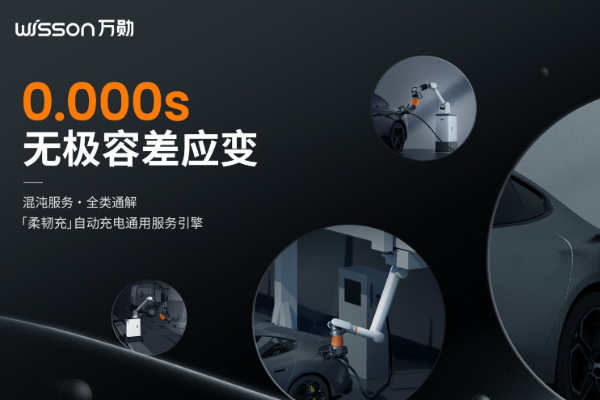
Wanxun Technology Launches Universal Charging Service Engine with 0.000s Tolerance
On July 9, Wanxun Technology unveiled its 'Flexible Charging' universal charging service engine in Beijing, marking the industry's first comprehensive solution for public, dedicated, and home charging applications. This engine features a unique 0.000s tolerance technology, which addresses the core challenges of automatic charging in chaotic environments, enabling reliable and scalable commercial applications across various scenarios. The significance of this launch lies in its potential to overcome the limitations of existing automatic charging solutions, which often struggle with unpredictable variables such as diverse vehicle models, environmental conditions, and user behaviors. Wanxun's technology promises to enhance safety, reliability, and adaptability, making it suitable for a wide range of charging situations, from public stations to private homes. Looking ahead, Wanxun Technology aims to expand its automatic charging solutions across various sectors, including unmanned logistics and public transportation. The company has already initiated collaborations with manufacturers, operators, and government entities to accelerate the deployment of its solutions. No further timeline was disclosed at the time of publication.

SpaceX's Starmind Targets AI Labs with $6.3 Billion Compute Contracts
SpaceX's Starmind is designed to provide wholesale AI compute services to businesses, particularly AI labs and cloud customers, rather than individual consumers. The service operates similarly to AWS, where users benefit from applications running on Starmind without direct subscriptions. The compute capacity of a single AI1 satellite is comparable to one NVIDIA GB300 rack, emphasizing its enterprise-grade capabilities. The significance of Starmind lies in its positioning as a potential fourth hyperscaler, joining the ranks of AWS, Microsoft Azure, and Google Cloud. The Reflection AI contract, valued at $150 million per month, exemplifies the enterprise-focused model, with total payments potentially reaching $6.3 billion through 2029. This contract highlights the growing demand for AI compute resources, particularly from AI-native startups and labs. Looking ahead, the focus will remain on securing additional enterprise contracts as Starmind expands its offerings. No consumer-facing products or subscriptions have been announced, and the current strategy is to cater to businesses with substantial AI workloads. No further timeline was disclosed at the time of publication.

SpaceX IPO Provides Indirect Investment Opportunity in Starmind Project
Starmind does not have a standalone stock or ticker; investors can gain exposure through SpaceX (ticker: SPCX), which began trading on Nasdaq after its IPO on June 12, 2026. Starmind is integrated within SpaceX, contributing to the company's AI and space initiatives, and its performance directly influences SPCX shares. The significance of Starmind lies in its role as a division of SpaceX, which encompasses other projects like Starlink and Starship. As of early July 2026, SPCX shares are trading between $149 and $150, significantly lower than their 52-week high of $225.64. The project’s milestones, such as AI1 prototype updates, can impact SpaceX's stock performance, making it essential for investors to monitor these developments closely. Looking ahead, the early 2027 launch of AI1 prototype satellites is a critical milestone that could provide verifiable data affecting Starmind's valuation and, consequently, SPCX stock. No further timeline was disclosed at the time of publication, but the upcoming events will be pivotal for investors tracking the relationship between Starmind and SpaceX's stock performance.

SpaceX's $1.75 Trillion Valuation Driven by Starmind's Future Potential
Starmind is a pivotal element in SpaceX's estimated $1.75 trillion IPO valuation, despite currently generating no confirmed revenue. The stock price reflects optimistic projections regarding AI infrastructure growth, which Starmind has yet to substantiate. As of early July 2026, SpaceX's stock has decreased from its 52-week high of $225.64 to around $150, indicating market skepticism about future execution. The significance of Starmind lies in its potential to transform SpaceX's revenue model beyond traditional launch services. Goldman Sachs has shifted its focus from Starlink subscriber growth to the prospects of AI revenue, including orbital computing, as a cornerstone of SpaceX's long-term valuation. This marks a substantial change in how analysts view the company's growth trajectory, necessitating rates exceeding its historical 33% growth. Looking ahead, the credibility of Starmind as a growth narrative will be crucial for maintaining investor confidence. Analysts have noted a considerable divergence in price targets, reflecting uncertainty about the value of the Starmind and xAI initiatives. No further timeline was disclosed at the time of publication regarding specific milestones for these projects.

Tesla's Optimus Robots to Support Starmind Satellite Production, Not Maintenance
Tesla's Optimus robots will not be used to repair Starmind satellites in orbit, as confirmed by recent statements from Elon Musk. Instead, these robots are intended to assist in the construction and operation of the Terafab chip manufacturing facility in Texas. The AI1 satellites, designed to disintegrate upon reentry, highlight the company's swap-and-replace strategy rather than traditional maintenance practices. This approach is significant as it reflects a broader trend in satellite management, where mass-produced satellites are replaced rather than repaired. The economics of servicing missions are prohibitive, with the cost of launching a replacement satellite being significantly lower than conducting a repair mission. This model aligns with SpaceX's operational history, where rapid replacement of satellites is more efficient than attempting to maintain them in orbit. Looking ahead, the focus will remain on the production capabilities of the Gigasat factory, which is expected to support the continuous replacement of satellites. No further timeline was disclosed at the time of publication, but the demand for rapid satellite turnover suggests a robust future for Optimus robots in terrestrial manufacturing rather than in-space servicing.

SpaceX's Starmind Plans 1 Million AI Satellites Amid Collision Risks
SpaceX has announced its ambitious Starmind project, which aims to deploy 1 million AI satellites in orbits between 500 and 2,000 km. This initiative, confirmed by Elon Musk on June 23, 2026, follows a merger with xAI, valuing the combined entity at $1.25 trillion. The satellites will function as orbital data centers, processing AI workloads powered by solar arrays and linked by optical lasers. The significance of Starmind lies in its potential to add 100 gigawatts of AI compute capacity annually, contingent on the successful operation of the Starship launch system. However, the project raises concerns regarding space debris, as the current orbital environment is already congested, with a 20% increase in collision risk reported since 2024. The European Space Agency has highlighted that the density of debris in low Earth orbit is now comparable to that of active satellites, complicating the operational landscape for new entrants like Starmind. Looking ahead, the first operational orbital AI deployments are targeted for 2028, with test launches expected in early 2027. However, the project faces scrutiny regarding its impact on space debris, as even a 1% failure rate could significantly increase the number of uncontrollable objects in orbit, exacerbating existing risks. No further timeline was disclosed at the time of publication.
SpaceX's Starship V3 Plans for 1 Million Starmind Satellites by 2030
SpaceX's Starship V3 is set to revolutionize satellite deployment, aiming to launch 1 million Starmind satellites by 2030. The spacecraft can carry over 100 tonnes to low Earth orbit (LEO), significantly more than the Falcon 9's capacity. As of May 2026, Starship has completed 12 flights, with the next mission scheduled for late July 2026, focusing on operational payloads including AI1 prototypes in early 2027. This ambitious plan is crucial for expanding orbital compute capacity, targeting an annual addition of 100 GW through a million tonnes of satellite hardware. SpaceX's strategy hinges on achieving a launch cadence of approximately 12,000 flights, equating to about three launches per day. The company has invested over $15 billion in the Starship program, with expectations to begin payload deliveries in the second half of 2026, starting with Starlink V3 satellites. Looking ahead, the successful deployment of the Starmind constellation will depend on Starship's ability to meet its cost targets of $10–20 million per flight. If achieved, this would make launching satellites more economical than building ground data centers. The next significant milestone will be the launch of AI1 prototypes in early 2027, with full-scale deployments commencing in 2028 from the new Gigasat factory in Texas.

SpaceX's Starmind Project: Supplier Strategy and Chip Manufacturing Plans for 2026
SpaceX's Starmind project, aimed at deploying up to 1 million AI satellites, was filed with the FCC on January 30, 2026. The initiative is designed to minimize reliance on external suppliers, with CEO Elon Musk stating that current chip production capabilities only meet 2% of the projected needs. The first satellite, AI1, is set for prototype launches in early 2027, featuring a 70-meter wingspan and a modular payload system that allows for interchangeable chips from various suppliers. The significance of Starmind lies in its ambitious supply chain strategy, which seeks to transition from external hardware suppliers to a fully integrated Musk-owned facility by 2028. The Gigasat manufacturing site in Bastrop, Texas, is expected to be operational by the end of 2027, with plans for high-volume production of the D3 chip, specifically designed for space applications. This approach aims to consolidate chip manufacturing processes under the Terafab joint venture, which has an estimated initial investment of $55 billion. Looking ahead, the next milestone for Starmind is the launch of AI1 prototypes in early 2027, while the full-scale chip production at Terafab is projected to ramp up significantly thereafter. However, analysts express skepticism regarding the feasibility of achieving Musk's ambitious compute goals, which may require substantial investment and time to establish the necessary manufacturing capabilities.
SpaceX Proposes 1 Million AI Satellites to Address Ground Data Center Constraints
On January 30, 2026, SpaceX filed with the FCC to launch up to 1 million AI compute satellites, positioning orbital data centers as a solution to the increasing demand for AI computing power. Ground data centers are facing significant challenges, with energy consumption projected to reach approximately 1,050 TWh in 2026, making them the fifth-largest electricity consumer globally. The demand for new data center capacity is outpacing the growth of power generation infrastructure, leading to a critical bottleneck in the grid system. The significance of this initiative lies in the structural constraints faced by ground data centers, including power delivery limitations, high water consumption, and local opposition to new projects. The Uptime Institute's 2026 outlook identifies power as the primary constraint on data center growth, with capacity clearing prices in the PJM grid skyrocketing to $329.17/MW, driven by data center expansion. Additionally, cooling requirements are becoming increasingly unsustainable, with facilities consuming vast amounts of water, further complicating their operational viability. Looking ahead, SpaceX's orbital AI compute initiative aims to circumvent these challenges by leveraging the advantages of space, such as continuous solar power and minimal local opposition. The first AI prototypes are expected to launch in early 2027, with operational deployments planned for 2028. No further timeline was disclosed at the time of publication.

Starmind's Orbital Compute vs. Terrestrial Data Centers: Analyzing Resource Advantages
Starmind's orbital compute technology presents a significant advantage over traditional ground-based data centers by eliminating constraints related to land, water, and grid permitting. While terrestrial data centers are currently cheaper and faster to construct, with U.S. data center spending reaching $85.3 billion in 2026, Starmind's approach focuses on addressing the growing resource limitations faced by hyperscale facilities. The significance of Starmind's technology lies in its ability to sidestep the increasing challenges of land and water usage. For instance, a 100 MW data center can consume approximately 530,000 gallons of water daily for cooling, while Starmind's AI1 utilizes deployable liquid radiators that require no water. This structural advantage could resonate with investors as the demand for AI computing continues to escalate, potentially leading to annual water withdrawals of up to 1.7 trillion gallons by 2027. Looking ahead, Starmind's next milestones include the launch of AI1 prototypes scheduled for early 2027. However, the technology's claims regarding cooling efficiency and operational reliability remain unverified until real flight data is available. As the industry evolves, the competition between orbital and terrestrial solutions will become increasingly relevant, particularly in the context of resource management and sustainability.
SpaceX's Starmind Faces Feasibility Challenges for 1 Million Satellite Deployment
On January 30, 2026, SpaceX submitted a request to the FCC to launch up to 1 million satellites as part of its Starmind orbital compute constellation. This ambitious plan is unprecedented, as the total number of satellites ever launched globally is in the low tens of thousands. The proposal seeks a waiver from standard deployment milestones, citing reliance on the Starship's full reusability for success. The significance of this request lies in the technical and logistical challenges it presents. Experts warn that low Earth orbit may not support the proposed number of active satellites without risking a debris cascade. SpaceX's own IPO prospectus acknowledges unresolved dependencies related to Starship's launch cadence and reusability, which are critical for the orbital AI compute strategy. Looking ahead, the timeline for achieving the necessary launch cadence and manufacturing capacity remains uncertain. SpaceX's Gigasat facility in Texas aims for volume production by late 2027, but this would require unprecedented output levels. No further timeline was disclosed at the time of publication, leaving the feasibility of the Starmind project in question.

SpaceX Unveils AI1 Satellite Specs for Starmind Constellation with Key Thermal Challenges
SpaceX has introduced the AI1 satellite, the inaugural component of its Starmind constellation, which stands 20 meters tall and has a wingspan of 70 meters. This orbital compute node is designed to deliver computing power equivalent to one NVIDIA GB300 server rack, utilizing a unique cooling system with deployable liquid radiators. The satellite's specifications were revealed during a presentation on June 8, 2026, ahead of SpaceX's IPO. The significance of the AI1 satellite lies in its role as a compute platform rather than a traditional satellite, focusing on running AI inference workloads. The satellite's cooling system, which is critical for its operation in the vacuum of space, is designed to reject heat through infrared radiation. However, independent engineers have raised concerns about the feasibility of the thermal and mass claims made by SpaceX, suggesting that the cooling requirements may exceed practical limits. Looking ahead, SpaceX plans to launch two AI1 prototypes in early 2027, with full-scale production expected to commence later that year at its Gigasat facility in Bastrop, Texas. The ongoing debate regarding the satellite's thermal management capabilities will be crucial to monitor as the project progresses, with no further timeline disclosed at the time of publication.
SpaceX Launches Starmind Project for 1 Million AI Satellites by 2028
SpaceX has officially named its orbital AI infrastructure project 'Starmind,' which aims to deploy a constellation of up to 1 million satellites. This initiative, confirmed by Elon Musk on June 22, 2026, will enable AI inference directly in space, utilizing solar energy rather than terrestrial power sources. The first satellite, designated AI1, was unveiled on June 8, 2026, and is designed to operate in sun-synchronous orbits. The significance of Starmind lies in its potential to overcome the limitations faced by ground-based data centers, such as land, power, and water constraints. By running AI computations in orbit, Starmind can provide a more efficient solution to the growing demand for AI computing power. The project leverages the existing Starlink infrastructure for data transmission, distinguishing its function from Starlink's internet relay capabilities. Looking ahead, SpaceX plans to begin hardware deployment with the AI1 satellite, while full-scale production and deployment of the satellite constellation are targeted for 2028. As of now, no Starmind satellites have been launched, and further engineering challenges remain to be addressed, particularly regarding the scalability of the satellite design.
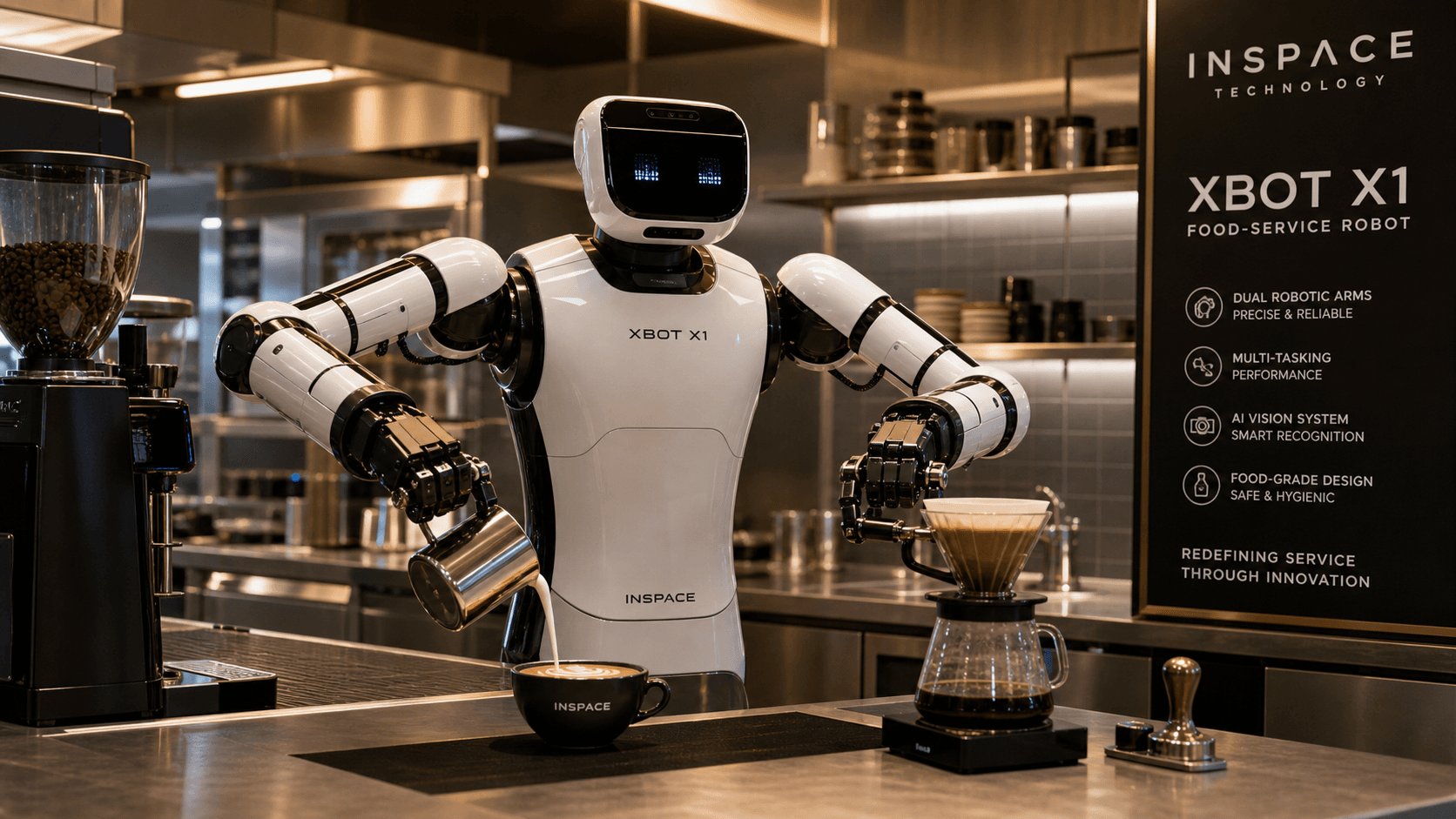
Ex-Xiaomi Executive Tang Mu Launches Food Service Humanoid Robot, Targets Year-End Production
InSpace Technology, a robotics company established by former Xiaomi executive Tang Mu, introduced three innovative food-service robots during a product launch event held on June 30. The unveiling took place in a bid to enhance efficiency in the food service industry, addressing the growing demand for automation in restaurants and catering services. These robots are designed to streamline operations, reduce labor costs, and improve customer service by delivering food and beverages directly to tables. The launch event showcased the robots' advanced features and capabilities, highlighting their potential to revolutionize the way food service is conducted.
Robotics
Serve Robotics expands beyond food delivery with autonomous laundry service
Serve Robotics has entered into a partnership with NoScrubs, an emerging on-demand laundry service, to expand its delivery offerings beyond prepared food. This collaboration, which marks Serve's inaugural venture into urban delivery for laundry, will kick off this week in select neighborhoods across Los Angeles. Utilizing Serve's fleet of autonomous sidewalk robots, the pilot program aims to deliver laundry orders directly to customers' doorsteps, enhancing convenience and efficiency in urban logistics.
Logistics News ai robotics automation news autonomous commerce autonomous delivery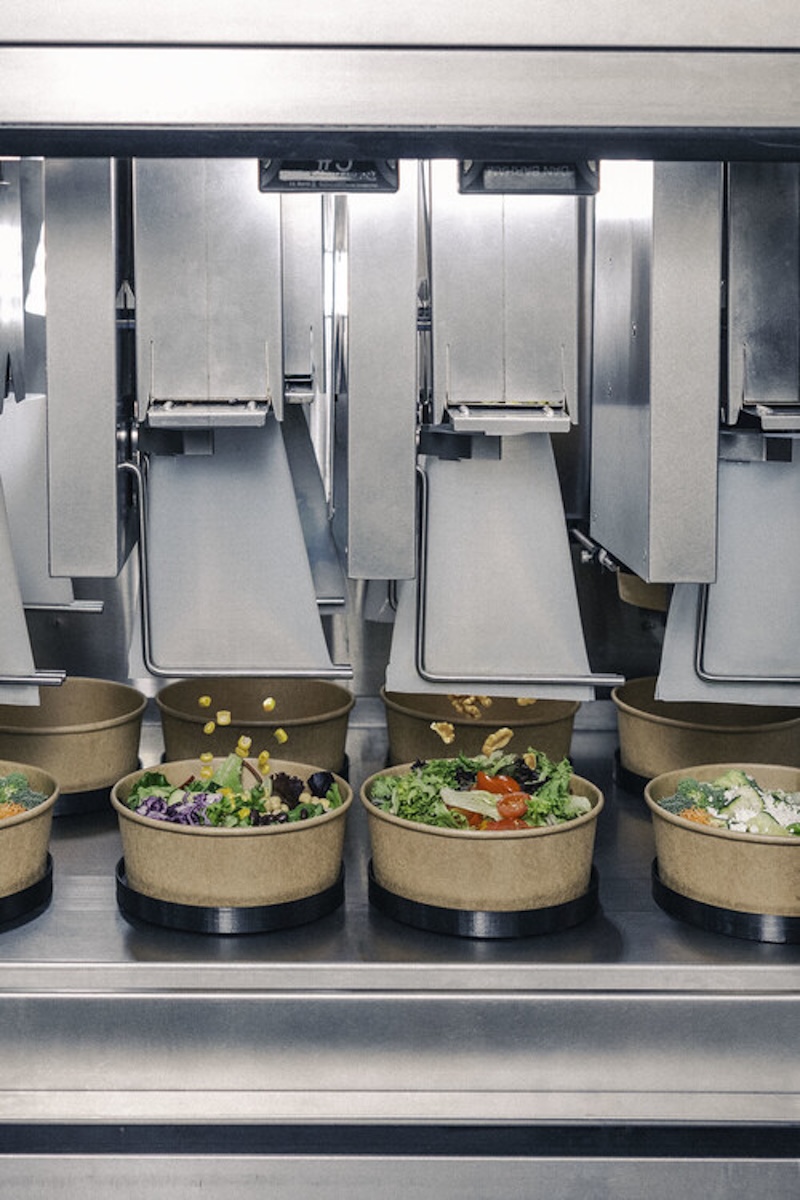
Appetronix acquires Cibotica to expand robotic foodservice automation beyond pizza
Appetronix, a developer specializing in robotic kitchen systems, has acquired Cibotica, a company focused on food robotics, to enhance its automation platform by incorporating a wider range of food categories beyond pizza. The financial details of the acquisition remain undisclosed. This strategic move allows Appetronix to integrate Cibotica’s advanced automated ingredient dispensing and portioning technology into its existing offerings, including the Remy robotic system. The acquisition is part of Appetronix's ongoing efforts to innovate and expand its capabilities in the food service industry.
Engineering AI in foodservice appetronix automation news autonomous kitchens Cibotica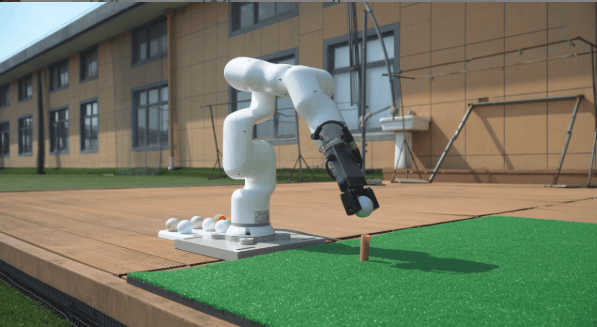
Top 8 Applications of Commercial Robotic Arms in Food and Retail Service
As the food and retail sectors evolve, JAKA is observing a rising interest in the use of commercial robotic arms to enhance operational efficiency without disrupting existing workflows. These robotic solutions, particularly compact mini arms, are designed for environments where space, safety, and cost are critical factors. In beverage shops and cafés, robotic arms are streamlining repetitive tasks like cup handling and liquid dispensing, ensuring consistent portioning during busy hours. Similarly, in fast-casual dining, these arms assist with ingredient placement and tray handling, promoting quality consistency while allowing for safe collaboration with human staff. Retail environments benefit from robotic arms as well, which can sort and restock products during off-peak hours, making them ideal for smaller stores with limited space. In takeaway and retail fulfillment, these arms facilitate packing and sealing operations, fitting seamlessly into compact back-of-house areas. Additionally, vision-assisted inspection applications are on the rise, with robotic arms enhancing the consistency of food quality checks. In retail showrooms, they engage customers through interactive demonstrations, while in back-of-house logistics, they streamline material handling tasks. For chain stores, the ability to standardize operations across multiple locations is a significant advantage, with mini robotic arms simplifying installation and training. JAKA's innovations, such as the MiniCobo, balance lightweight design with commercial usability, allowing businesses to gradually adopt automation while maintaining stable operations.
KEENON Robotics drives intelligent transformation of service robot technology
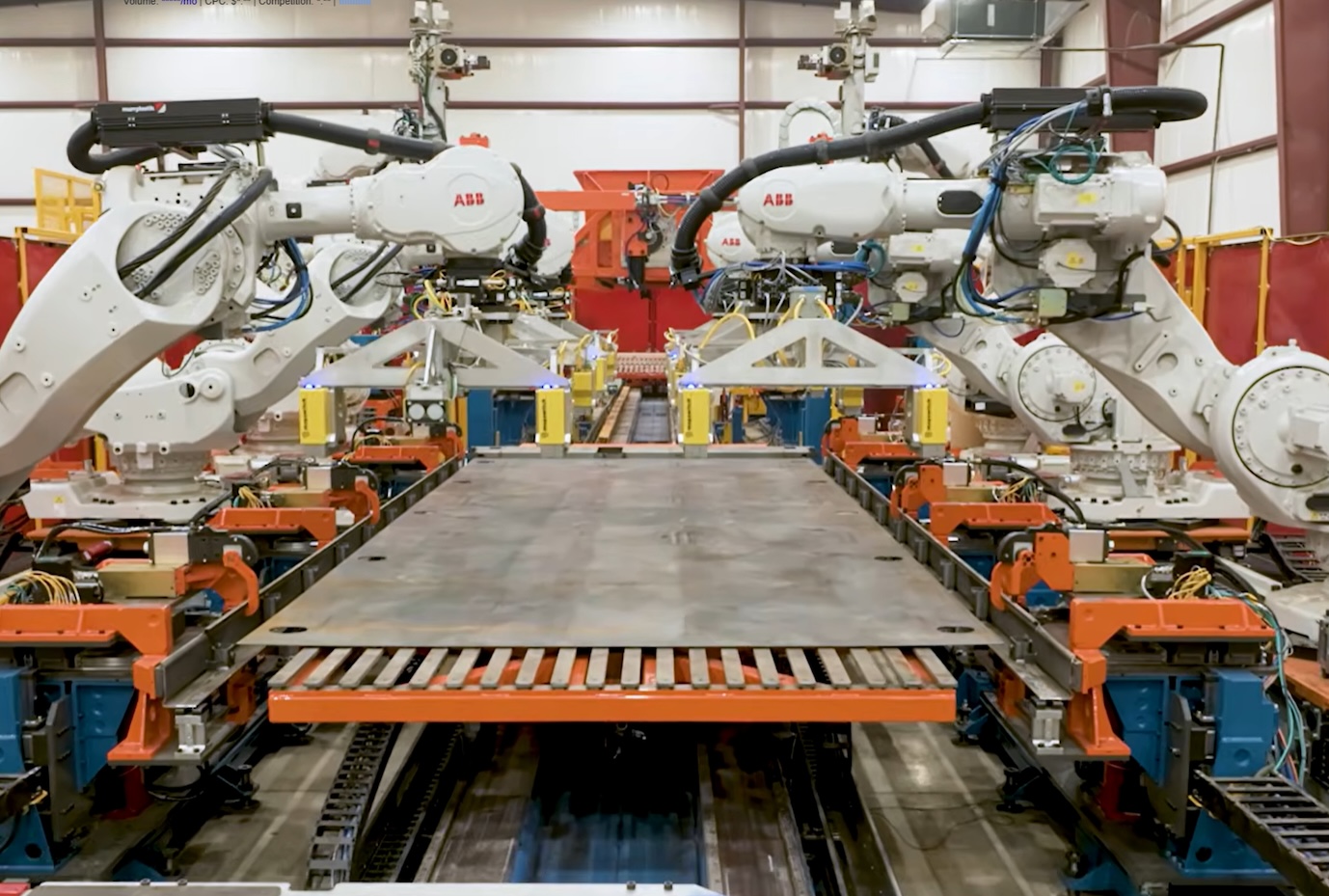
KEENON Robotics, a Shanghai-based technology company founded in 2010, has transformed from a research-focused entity into a leading player in the service robotics sector over the past 15 years. The firm has successfully navigated significant technological challenges, enabling it to develop and implement its robotic solutions across multiple industries, particularly in dining and hospitality. This evolution reflects the company's commitment to innovation and its adaptability in a rapidly changing market. As KEENON continues to expand its product applications, it aims to enhance efficiency and service quality in various sectors, positioning itself as a key contributor to the future of automation.
Up and Comers Content and entertainment E-commerce and New Retail Highlight News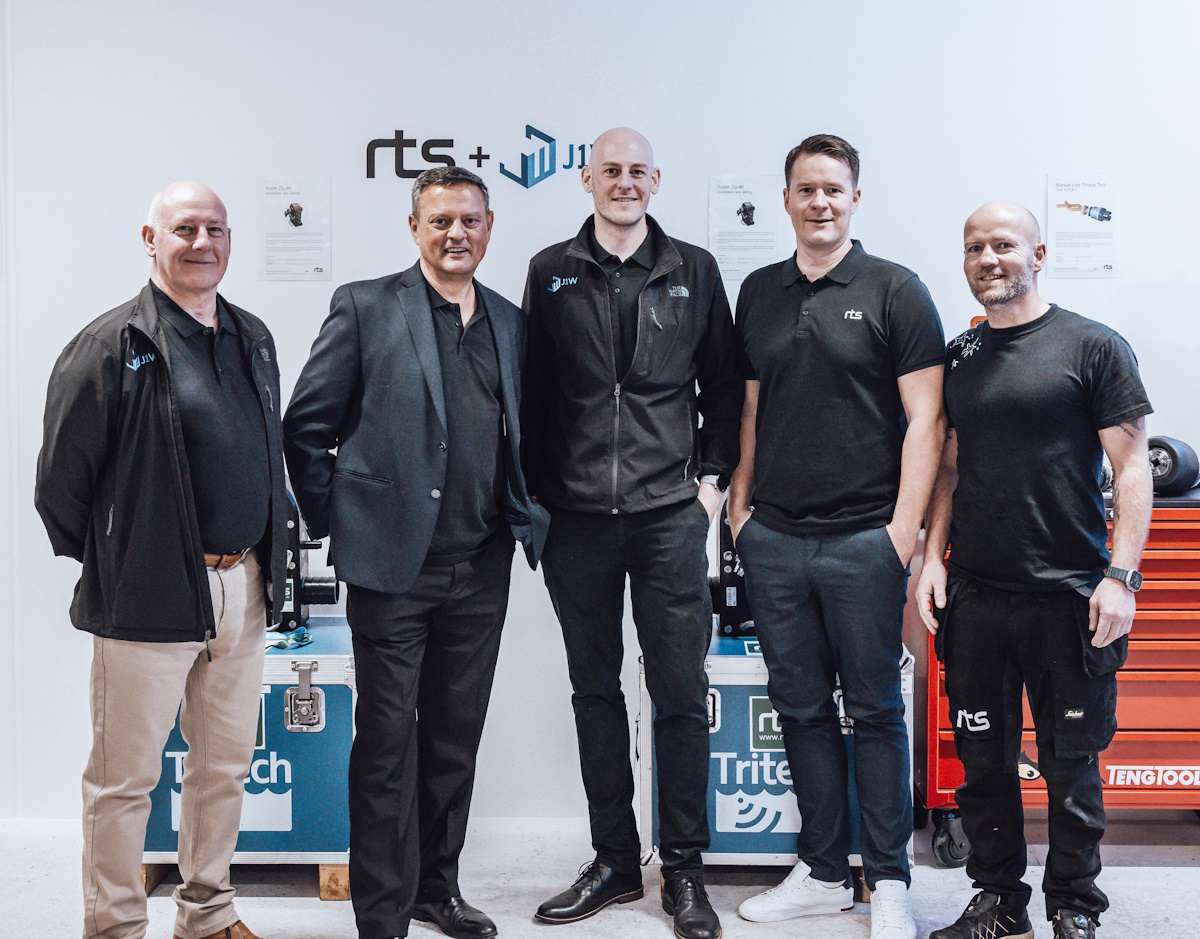
RTS – Rental Technology & Services accelerates growth with acquisition of J1W
RTS has announced its acquisition of J1W, a well-regarded specialist in ROV robotics and tooling based in Aberdeen. This strategic acquisition aligns with RTS's ongoing expansion efforts and enhances its status as a leading provider of subsea equipment and services. The move reflects RTS's commitment to innovation, as it plans to develop new tooling workshops and significantly expand its fleet of subsea rental tools and robotic arms.
rts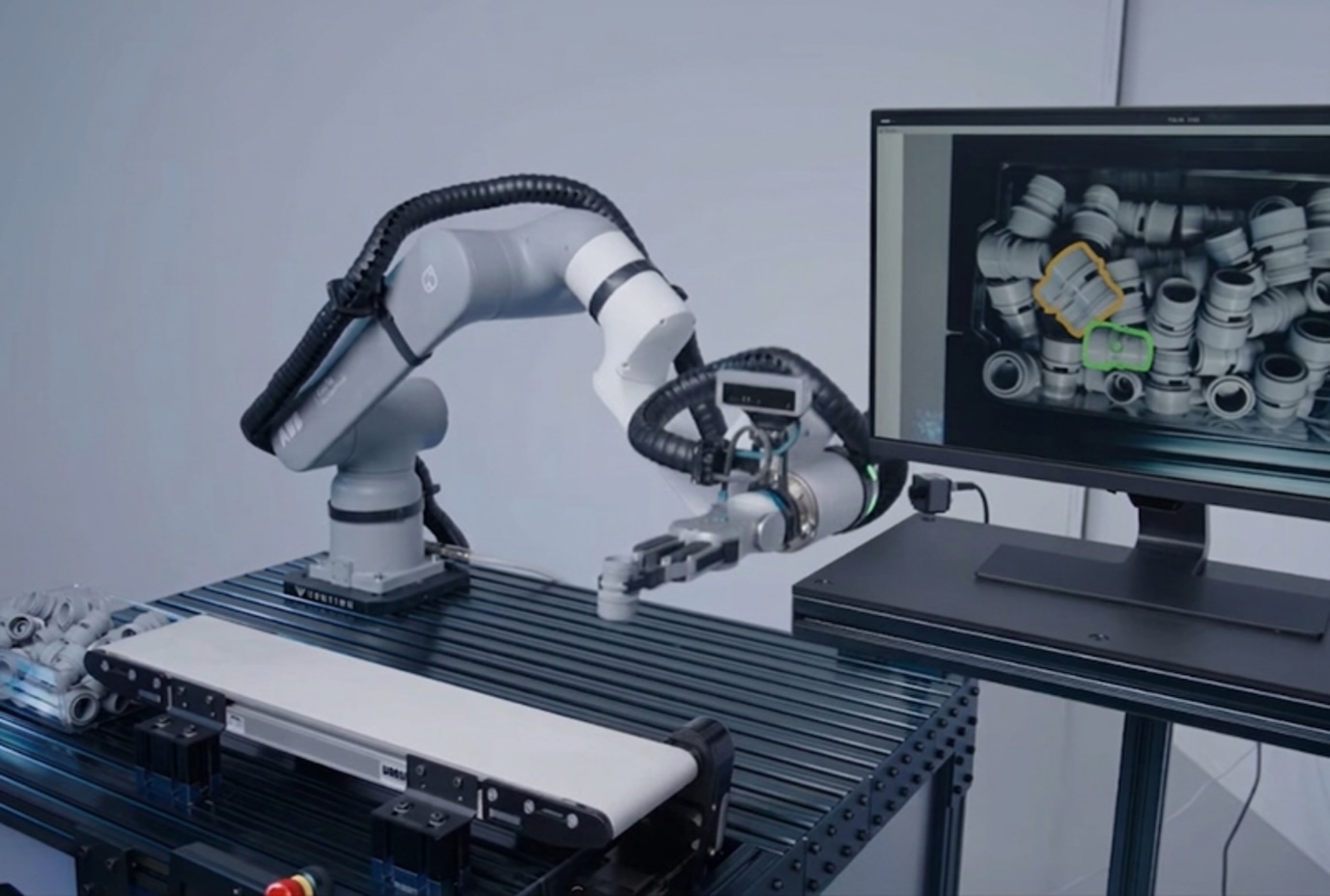
JD.com’s food delivery service faces backlash after system crash amid 618 surge
On May 14, JD.com’s food delivery service faced significant disruptions, leading to widespread user complaints about delayed and unassigned orders. The incident prompted a surge of online discussion, with the hashtag #JD_Food_Delivery_Crashed_Again trending across various social media platforms. In light of the situation, JD.com issued an apology, explaining that the service interruptions were caused by an unexpected increase in order volume linked to its ongoing 618 promotional campaign. The company is currently working to address the issues and restore normal service for its customers.
News FeedRobotics needs a service framework.
RSF defines a common language for robot service capability, lifecycle operations, certification pathways, and service-provider networks.
Join the RobotToday community on LinkedIn
Daily robotics news, in-depth analysis, conference highlights, and discussions with professionals worldwide.