

Industry Briefing
A single destination for timely, editor-curated robotics news from around the world.
Robot Field Service Becomes Essential for Scalable Automation Success
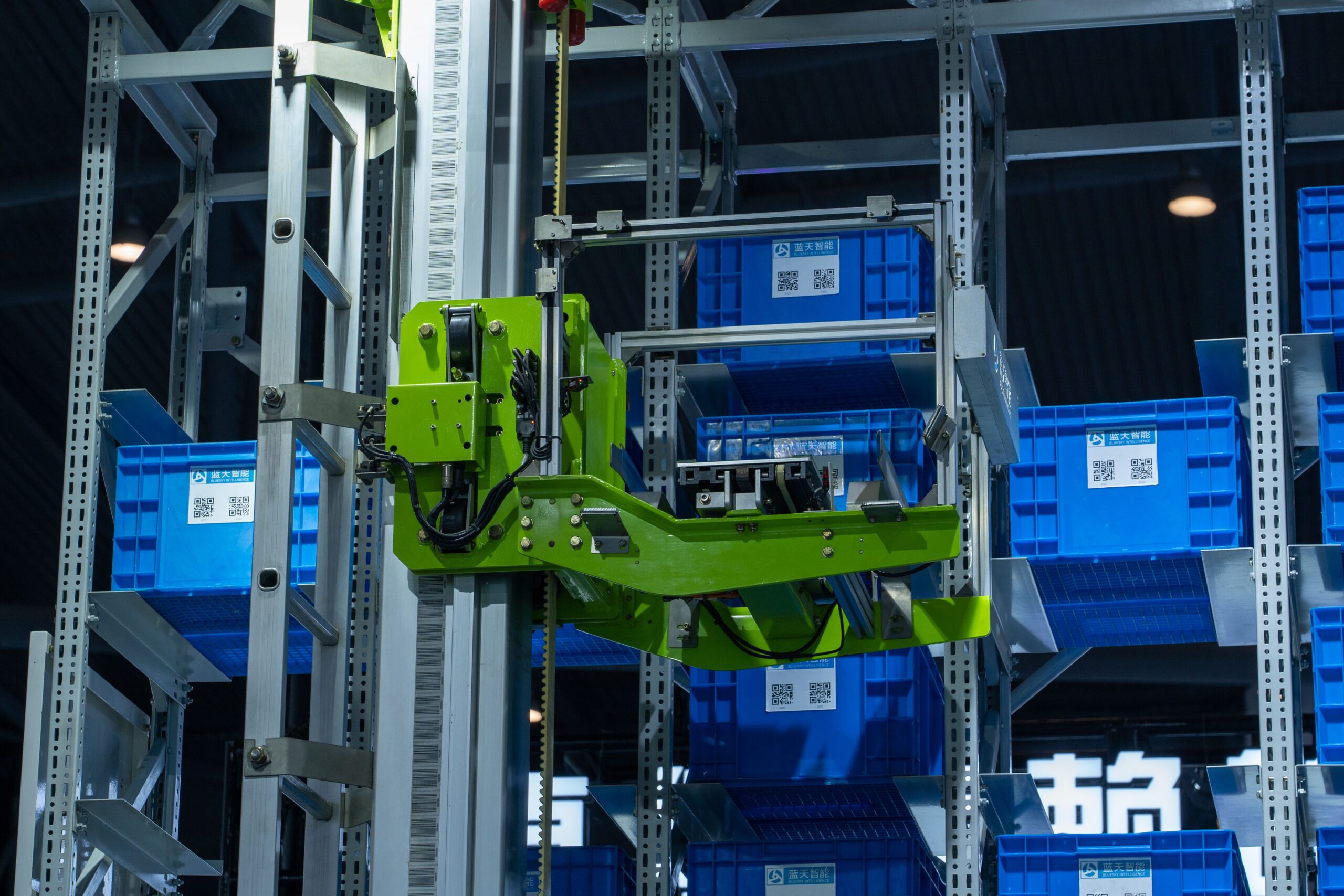
The robotics industry is increasingly focusing on the post-installation phase as robot field service emerges as a critical challenge for automation scalability. Operational issues can arise when robots experience failures in remote locations, necessitating immediate technician intervention rather than simple software updates. This is particularly crucial in sectors like commercial kitchens, where downtime can severely impact service delivery. For logistics operators, the realization is that the journey of a robot begins with purchase and installation, but ongoing maintenance, spare parts availability, and technician training are vital for operational success. This could lead to changes in how contracts for warehouse robotics are structured, emphasizing service-level agreements that define response times and responsibilities for various types of faults. As the deployment of robots expands, the ability to maintain them effectively in the field will become increasingly important. A robust field-service model could minimize unplanned downtime and enhance confidence in deploying automation across multiple facilities, potentially driving demand for third-party service networks that support diverse robotic systems.
Latest News automation Field Service maintenance robotics warehouse automation
NoTip Initiates Public Beta for Robotic Food Delivery Service in Mason, Ohio
NoTip has commenced public beta testing of its robotic food delivery platform in Mason, Ohio, allowing residents to access an innovative autonomous delivery service. This service integrates electric vehicles with delivery robots, utilizing a patent-pending dual-stage delivery system to enhance food delivery in suburban areas where traditional sidewalk robots face challenges. The significance of this initiative lies in NoTip's aim to make food delivery more affordable and reliable, independent of restaurants and gig workers. Customers can download the NoTip app to place orders, track deliveries in real-time, and enjoy a flat $6 delivery fee without tipping or price mark-ups. John Vo emphasized the importance of this beta testing phase in refining the delivery experience through customer feedback. Looking ahead, NoTip plans to leverage insights gained during the beta program to inform future enhancements and expansion strategies for its robotic delivery platform. The response from customers during this trial will be crucial in shaping the service's commercial viability and operational scope.
Logistics News autonomous delivery platform autonomous food delivery delivery robotics delivery robots
Robotics as a Service Is Transforming Business Automation Strategies
Companies ranging from small warehouse operators to hospital networks are increasingly adopting Robotics as a Service (RaaS), allowing them to rent robotic capabilities instead of purchasing hardware outright. This model enables businesses to pay for outcomes, similar to how they rent cloud servers or software licenses. The significance of this shift lies in its ability to make automation more accessible and predictable for organizations. By treating robotic services as a monthly expense rather than a capital investment, companies can better manage their budgets and reduce the risks associated with automation investments. Looking ahead, the trend towards RaaS is expected to continue growing as more businesses recognize the benefits of flexible automation solutions. No further timeline was disclosed at the time of publication.

AI Agents Revolutionize Service Layer Automation Beyond Traditional Factory Settings
Industrial automation has significantly changed physical production, yet the service layer remains largely manual. Maintenance requests still require human coordination, consuming valuable operational time. AI agents are now emerging to automate this service layer, handling unstructured requests and integrating with various systems to streamline operations. This shift is crucial as it allows organizations to redirect skilled labor from administrative tasks to more strategic work. By automating the intake, triage, and coordination processes, AI agents enhance efficiency and reduce the burden on human operators. The ability to manage requests end-to-end marks a significant advancement in operational capabilities. Looking ahead, the continued development of AI agents in the service layer will be essential for organizations aiming to improve productivity and responsiveness. As these technologies evolve, they promise to further integrate with existing systems and transform how service operations are managed. No further timeline was disclosed at the time of publication.
Automation Computing ai agents artificial intelligence automation chatbots
Appetronix acquires Cibotica to expand robotic foodservice automation beyond pizza
Appetronix, a developer specializing in robotic kitchen systems, has acquired Cibotica, a company focused on food robotics, to enhance its automation platform by incorporating a wider range of food categories beyond pizza. The financial details of the acquisition remain undisclosed. This strategic move allows Appetronix to integrate Cibotica’s advanced automated ingredient dispensing and portioning technology into its existing offerings, including the Remy robotic system. The acquisition is part of Appetronix's ongoing efforts to innovate and expand its capabilities in the food service industry.
Engineering AI in foodservice appetronix automation news autonomous kitchens Cibotica
bergler Industrieservices Implements Locus Robotics for Mezzanine Automation
On February 20, 2026, Locus Robotics announced the successful deployment of its LocusONE™ platform at bergler Industrieservices GmbH. This implementation involves the management of 32 autonomous mobile robots (AMRs) to enhance the efficiency of order picking for electrical installation materials. The project was completed within three months, showcasing the effectiveness of Locus Robotics' technology in meeting increased operational demands. The automation of approximately 3,500 square meters of new picking space was driven by the need to accommodate a new client and expand warehouse capabilities. By utilizing Locus Robotics' innovative solutions, bergler Industrieservices achieved a significant improvement in order processing speed and accuracy, while also enhancing workplace ergonomics for employees. Future plans include expanding automation to include putaway processes, further advancing the company's warehousing capabilities. The collaboration highlights the importance of a strategic automation approach for sustainable business success, as emphasized by both Locus Robotics and bergler Industrieservices management.

IFDA 2026 Solutions Conference to Address Foodservice Distribution Challenges
The IFDA 2026 Solutions Conference is set to take place from September 13-15 in San Antonio, gathering foodservice distribution professionals, suppliers, and solution providers. The event aims to explore operational challenges within the industry and discuss strategies that can be implemented across various distribution businesses. This conference is significant as it provides a platform for industry stakeholders to collaborate and share insights on pressing issues affecting foodservice distribution. By focusing on operational solutions, participants can enhance their business practices and improve overall efficiency in the sector. Looking ahead, attendees can expect valuable discussions and networking opportunities that may lead to innovative solutions for the foodservice distribution industry. No further timeline was disclosed at the time of publication.
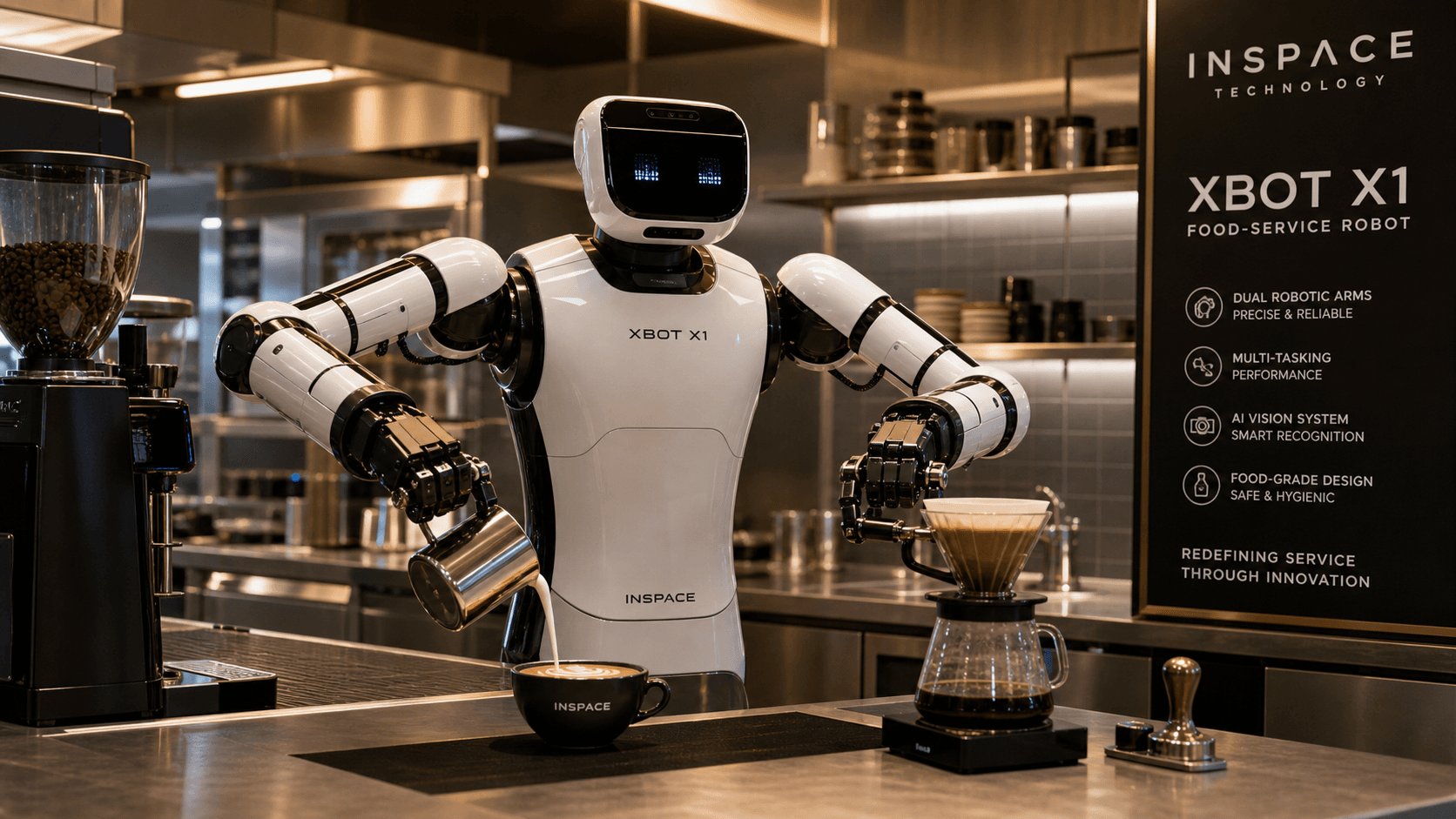
Ex-Xiaomi Executive Tang Mu Launches Food Service Humanoid Robot, Targets Year-End Production
InSpace Technology, a robotics company established by former Xiaomi executive Tang Mu, introduced three innovative food-service robots during a product launch event held on June 30. The unveiling took place in a bid to enhance efficiency in the food service industry, addressing the growing demand for automation in restaurants and catering services. These robots are designed to streamline operations, reduce labor costs, and improve customer service by delivering food and beverages directly to tables. The launch event showcased the robots' advanced features and capabilities, highlighting their potential to revolutionize the way food service is conducted.
Robotics
Schneider Electric Launches Industrial Automation Service Built on HPE Infrastructure
A new service has been launched to assist industrial operators in modernizing their operations without interrupting production. This initiative, powered by HPE's cloud infrastructure and software, aims to streamline the modernization process, enabling businesses to enhance efficiency and adopt advanced technologies. The service is designed to cater to the unique needs of the industrial sector, ensuring that upgrades can be implemented seamlessly. By leveraging HPE's robust cloud solutions, operators can transition to modern systems while maintaining continuous production flow. This development comes at a time when many industries are seeking innovative ways to improve their operations and stay competitive in a rapidly evolving market.
Factory / Digital Transformation
Serve Robotics expands beyond food delivery with autonomous laundry service
Serve Robotics has entered into a partnership with NoScrubs, an emerging on-demand laundry service, to expand its delivery offerings beyond prepared food. This collaboration, which marks Serve's inaugural venture into urban delivery for laundry, will kick off this week in select neighborhoods across Los Angeles. Utilizing Serve's fleet of autonomous sidewalk robots, the pilot program aims to deliver laundry orders directly to customers' doorsteps, enhancing convenience and efficiency in urban logistics.
Logistics News ai robotics automation news autonomous commerce autonomous delivery
How Automation Improves Service Consistency in Pest Control Operations
In the rapidly growing $15 billion pest control industry, companies face significant challenges as they expand into new territories. The primary concern is not the prevalence of pests but rather the potential for human error, which can jeopardize operational consistency. As businesses scale, the risk of technicians overlooking essential procedures or arriving late increases, leading to customer dissatisfaction and potential damage to the company's reputation. To combat these issues, pest control operations are implementing rigorous training programs and standardized protocols to ensure that all employees adhere to best practices, regardless of location. By focusing on operational excellence, these companies aim to maintain high service standards and foster customer trust in a competitive market.
Automation Environment Health AI scheduling automation news automation software
Top 8 Applications of Commercial Robotic Arms in Food and Retail Service
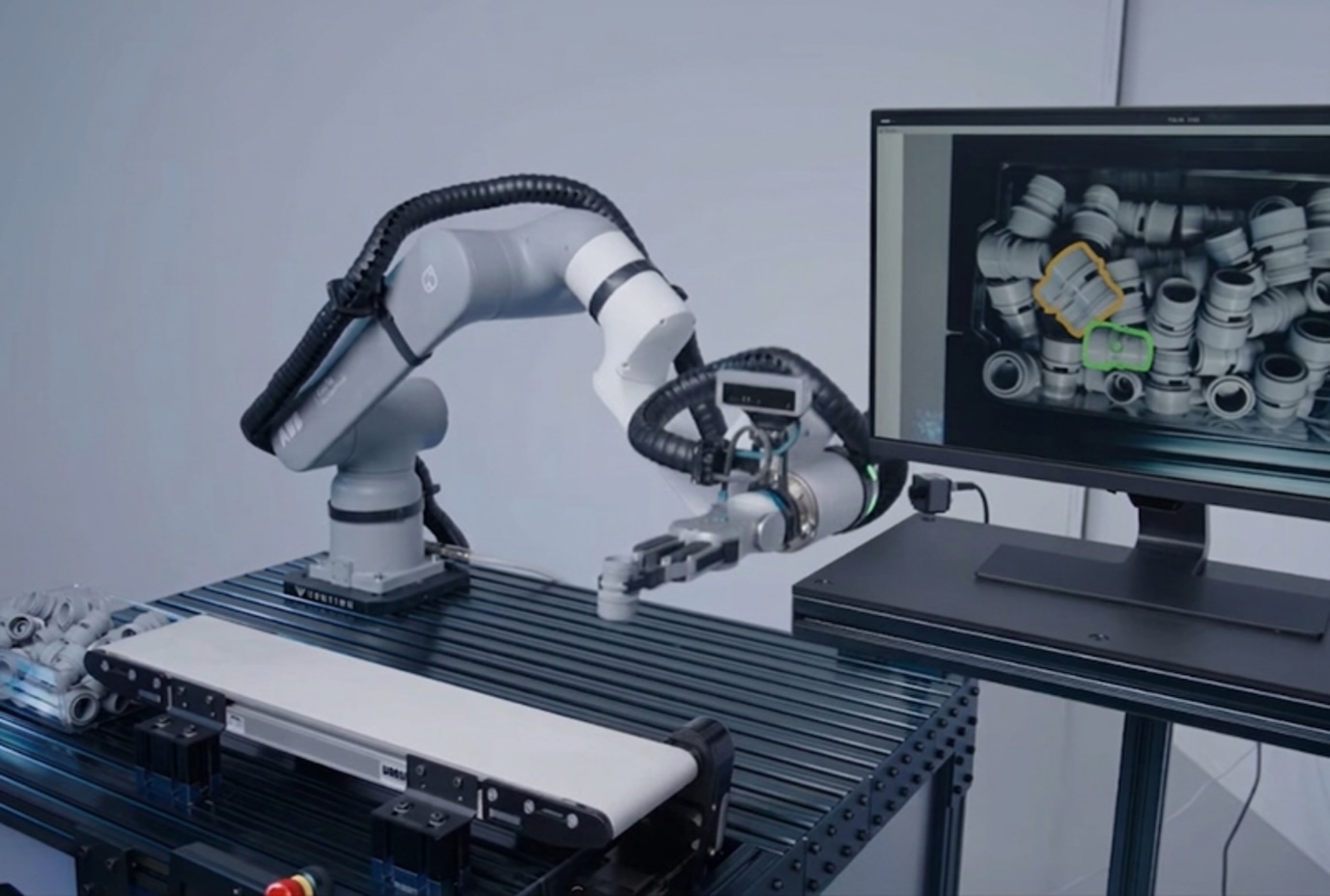
As the food and retail sectors evolve, JAKA is observing a rising interest in the use of commercial robotic arms to enhance operational efficiency without disrupting existing workflows. These robotic solutions, particularly compact mini arms, are designed for environments where space, safety, and cost are critical factors. In beverage shops and cafés, robotic arms are streamlining repetitive tasks like cup handling and liquid dispensing, ensuring consistent portioning during busy hours. Similarly, in fast-casual dining, these arms assist with ingredient placement and tray handling, promoting quality consistency while allowing for safe collaboration with human staff. Retail environments benefit from robotic arms as well, which can sort and restock products during off-peak hours, making them ideal for smaller stores with limited space. In takeaway and retail fulfillment, these arms facilitate packing and sealing operations, fitting seamlessly into compact back-of-house areas. Additionally, vision-assisted inspection applications are on the rise, with robotic arms enhancing the consistency of food quality checks. In retail showrooms, they engage customers through interactive demonstrations, while in back-of-house logistics, they streamline material handling tasks. For chain stores, the ability to standardize operations across multiple locations is a significant advantage, with mini robotic arms simplifying installation and training. JAKA's innovations, such as the MiniCobo, balance lightweight design with commercial usability, allowing businesses to gradually adopt automation while maintaining stable operations.

How Rapid Repair Services Are Fueling a Competitive Edge in Automation
As the industrial and robotics automation sectors continue to expand at a rapid pace, the importance of speed in operations has become increasingly critical. A minor delay in production can lead to significant quarterly losses for companies. In this context, the demand for rapid servo repair services has surged, providing businesses with the necessary support to minimize downtime and maintain efficiency. These specialized services enable companies to quickly address and resolve issues with servo motors, ensuring that operations remain uninterrupted and competitive in a fast-evolving market.
JD.com’s food delivery service faces backlash after system crash amid 618 surge
On May 14, JD.com’s food delivery service faced significant disruptions, leading to widespread user complaints about delayed and unassigned orders. The incident prompted a surge of online discussion, with the hashtag #JD_Food_Delivery_Crashed_Again trending across various social media platforms. In light of the situation, JD.com issued an apology, explaining that the service interruptions were caused by an unexpected increase in order volume linked to its ongoing 618 promotional campaign. The company is currently working to address the issues and restore normal service for its customers.
News FeedRobotics needs a service framework.
RSF defines a common language for robot service capability, lifecycle operations, certification pathways, and service-provider networks.
Join the RobotToday community on LinkedIn
Daily robotics news, in-depth analysis, conference highlights, and discussions with professionals worldwide.







