A single destination for timely, editor-curated robotics news from around the world.
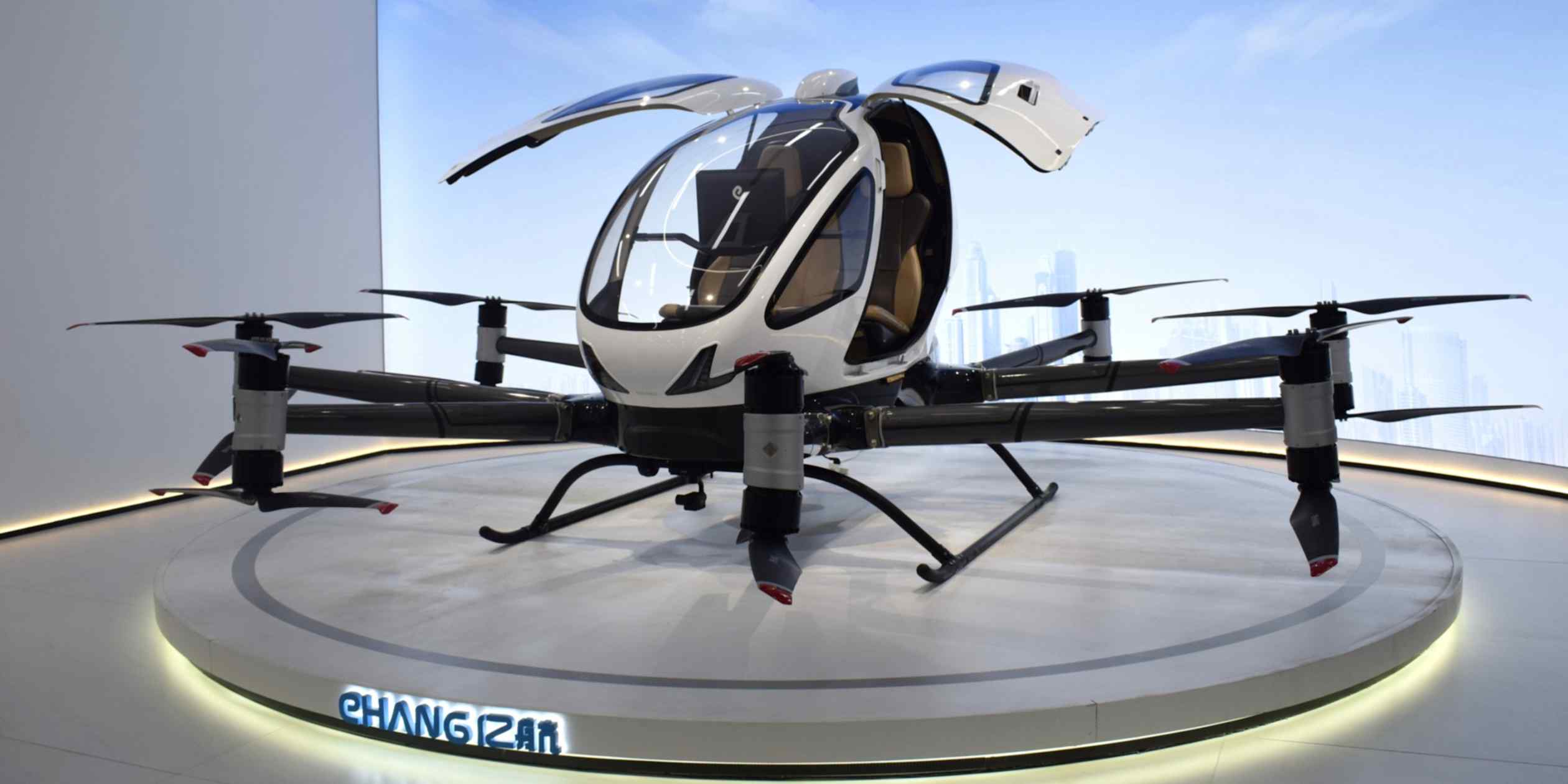
The Chinese government has launched a new agency aimed at promoting the development and operation of drones and flying cars, signaling a significant push into the low-altitude economy. This initiative, announced on May 26, 2026, in Guangzhou, is part of a broader strategy to double the country's low-altitude economy over the next decade. The establishment of this agency comes as Chinese drone startup EHang has made headlines by becoming the first company in China to secure an operating license for its flying taxi service. This move reflects China's ambition to enhance its technological capabilities in the aviation sector and capitalize on emerging markets in urban air mobility. The government’s support is expected to facilitate innovation and regulatory frameworks that will enable the safe integration of these advanced aerial vehicles into the national airspace.
Nikkei.com May 26, 2026
Chinese battery startup Inx has unveiled a groundbreaking solid-state lithium-metal battery that boasts an impressive energy density of 480 watt-hours per kilogram (Wh/kg). This innovative battery technology is being positioned for potential use in electric aircraft. Inx has also secured a supply agreement with EHang, a prominent Chinese drone manufacturer, to integrate this advanced battery into their products. The collaboration aims to enhance the performance and efficiency of electric flying vehicles, signaling a significant advancement in the aviation and drone sectors. This development comes at a time when the demand for sustainable and efficient energy solutions in transportation is rapidly increasing, driven by the need for greener alternatives in the face of climate change.
TechNode.com By TechNode Feed Nov 22, 2024 News Feed
Xpeng, a prominent Chinese electric vehicle manufacturer, held its 2025 Global Brand Night in Hong Kong on Tuesday, highlighting significant advancements in artificial intelligence chips, flying cars, and humanoid robots. During the event, the Guangzhou-based company unveiled its first global flagship model, the Xpeng X9, a versatile seven-seater vehicle. This showcase underscores Xpeng's commitment to innovation and its strategic vision for expanding its presence in the global automotive market.
TechNode.com By Jessie Wu Apr 17, 2025 Heavy Hitters Content and entertainment E-commerce and New Retail Highlight News
On July 16, Xpeng Motors held its 'XPENG LIVE: PHYSICAL AI FOR ALL' brand day in Munich, showcasing its evolution from an automotive manufacturer to a 'physical AI company.' The highlight was the global debut of the MONA series L03, designed by former Ferrari chief designer JuanMa Lopez, featuring a low drag coefficient of 0.228Cd and offering both pure electric and super extended range options across nine configurations, priced between 123,800 to 156,800 RMB. The L03 is equipped with Xpeng's self-developed Turing AI chip, providing up to 750 TOPS for the Max version and 1500 TOPS for the Ultra SE version, alongside the second-generation VLA large model. The pure electric version boasts a CLTC range of 525km or 625km and supports 3C fast charging, achieving 10%-80% charge in just 19.1 minutes, while the extended range version offers a maximum comprehensive range of 1330km. Additionally, Xpeng introduced its split-type flying car, the 'land aircraft carrier,' which has completed its first flight in Dubai and has over 7,000 global orders. The humanoid robot IRON is set to launch globally in 2027, with a production target of over 1,000 units per month by late 2026. Chairman He Xiaopeng emphasized the company's mission to leverage technology to transform mobility and lifestyle, marking a significant shift in Xpeng's identity and vision for the future of movement.
leaderobot.com By Leaderobot 6 hours ago Electric Vehicles Flying Cars Humanoid Robots AI Technology
In China, the rapid expansion of physical artificial intelligence (AI) is transforming various sectors by integrating advanced machines with intelligent systems that enable them to interact with their surroundings. This technological advancement is leading to the emergence of smarter robots, drones, and driverless vehicles that are increasingly becoming a common sight on roads, in factories, and even on stage performances. Cities such as Shenzhen in southern China have witnessed the successful deployment of delivery drones, which are now flying over urban landscapes, while autonomous delivery bots are navigating the subway systems. Additionally, the first self-driving cars are beginning to operate in public spaces, marking a significant milestone in the country's push towards automation and smart technology. This surge in physical AI is driven by the need for enhanced efficiency and convenience in logistics and transportation, reflecting China's commitment to becoming a leader in AI innovation. As these technologies continue to evolve, they promise to reshape everyday life and industry practices across the nation.
SCMPTech By Daniel Ren,Iris Deng Apr 27, 2026RSF defines a common language for robot service capability, lifecycle operations, certification pathways, and service-provider networks.