Industry Briefing
A single destination for timely, editor-curated robotics news from around the world.

Hefei Team Develops All-Weather Forestry Inspection Robot for Enhanced Fire Detection
A team led by Cheng Ziyang has developed a forestry inspection robot designed to address the limitations of traditional fire detection methods. The robot integrates LiDAR and thermal imaging technologies, enabling it to operate effectively in low visibility conditions such as nighttime and smoke. This innovation aims to enhance the efficiency of forest fire monitoring by autonomously navigating complex terrains and detecting temperature anomalies that are often precursors to fires. The significance of this development lies in its potential to improve forest fire prevention efforts. Traditional methods, including fixed sensors and manual patrols, have proven inadequate due to high costs, low efficiency, and limited coverage. The new robot has demonstrated a 27% increase in inspection coverage and significantly improved accuracy in identifying fire sources, thereby reducing the need for human intervention in hazardous areas. Looking ahead, the team plans to further optimize the robot's performance and push for its industrialization. The challenges of cost, reliability, and mass delivery remain, but overcoming these hurdles could lead to a substantial enhancement in the intelligence of forest fire protection systems, ultimately reducing risks and improving response times in emergency situations.
Forestry Robotics Fire Detection Technology Autonomous Systems Environmental Monitoring
Iwa Robotics Launches Autonomous Drone Fleet for Wildfire Management Solutions
Iwa Robotics has unveiled three autonomous drone platforms aimed at assisting fire departments in detecting, assessing, and suppressing wildfires in both urban and wildland-interface areas. The drones, named Hawk, Canary, and Pelican, are part of Iwa's Discovery and Resolution Fleet, designed to operate collaboratively for enhanced firefighting capabilities. The introduction of these drones is significant as it enhances crew safety and operational efficiency in wildfire management. The Hawk drone specializes in long-endurance reconnaissance, while the Canary drone focuses on sensing and fire diagnostics. The Pelican drone is equipped for aerial suppression, addressing hot spots and establishing fire lines, thereby providing critical support to firefighting teams. Iwa Robotics plans to offer these drones through a fleet-as-a-service model, which includes aircraft, autonomy training, data services, maintenance, and insurance. This approach allows fire agencies to integrate advanced aerial detection and suppression capabilities without the need for upfront equipment purchases. No further timeline was disclosed at the time of publication.
AI AI Funding & Investment AI Use Cases Robotics autonomous drones Iwa Robotics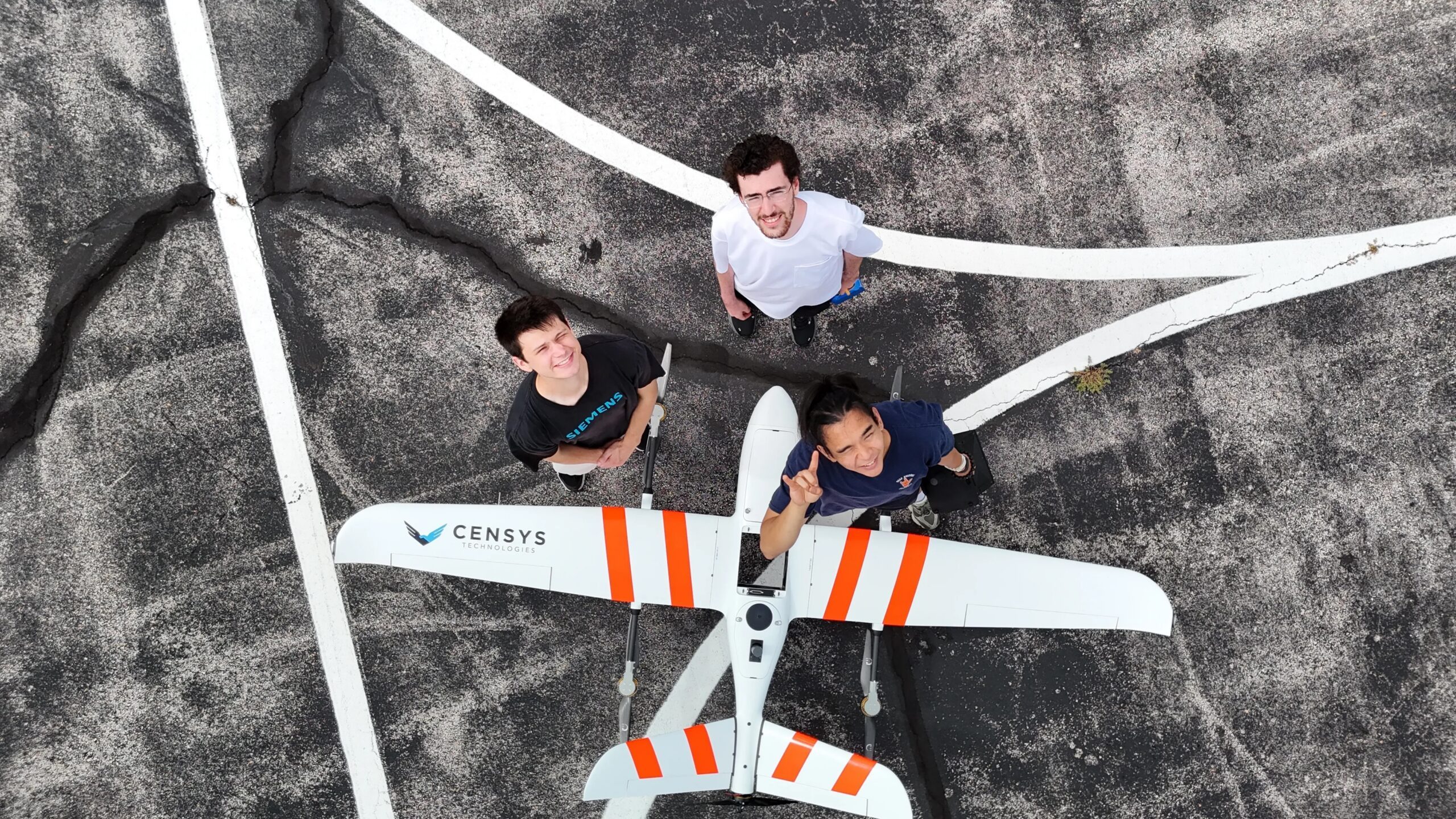
AIVE AI Systems Enhances Geospatial Data Access with Innovative Mapping Solutions
At the upcoming 2026 INTERGEO event in Munich, AIVE Systems will showcase its AI-driven software that simplifies the creation of georeferenced 2D maps from drone imagery. This innovation targets users who require geographic context without needing intricate 3D models, expanding its applications beyond wildfire detection. AIVE's technology stems from the FLARE-X project, a collaboration led by The University of Texas at Austin, which focused on autonomous wildfire risk mapping and detection. The software developed by AIVE aims to support various sectors, including infrastructure inspection, public safety, agriculture, and border patrol, by providing essential environmental insights. The company's initial offerings, Atlas GEO Cloud and Atlas GEO QGIS, utilize fewer images to generate maps, differentiating from traditional methods that rely on precise positioning tools. AIVE's approach automates the mapping process, making it accessible for users without extensive expertise. No further timeline was disclosed at the time of publication.
DL Exclusive Drone News Drone News Feeds Education Mapping News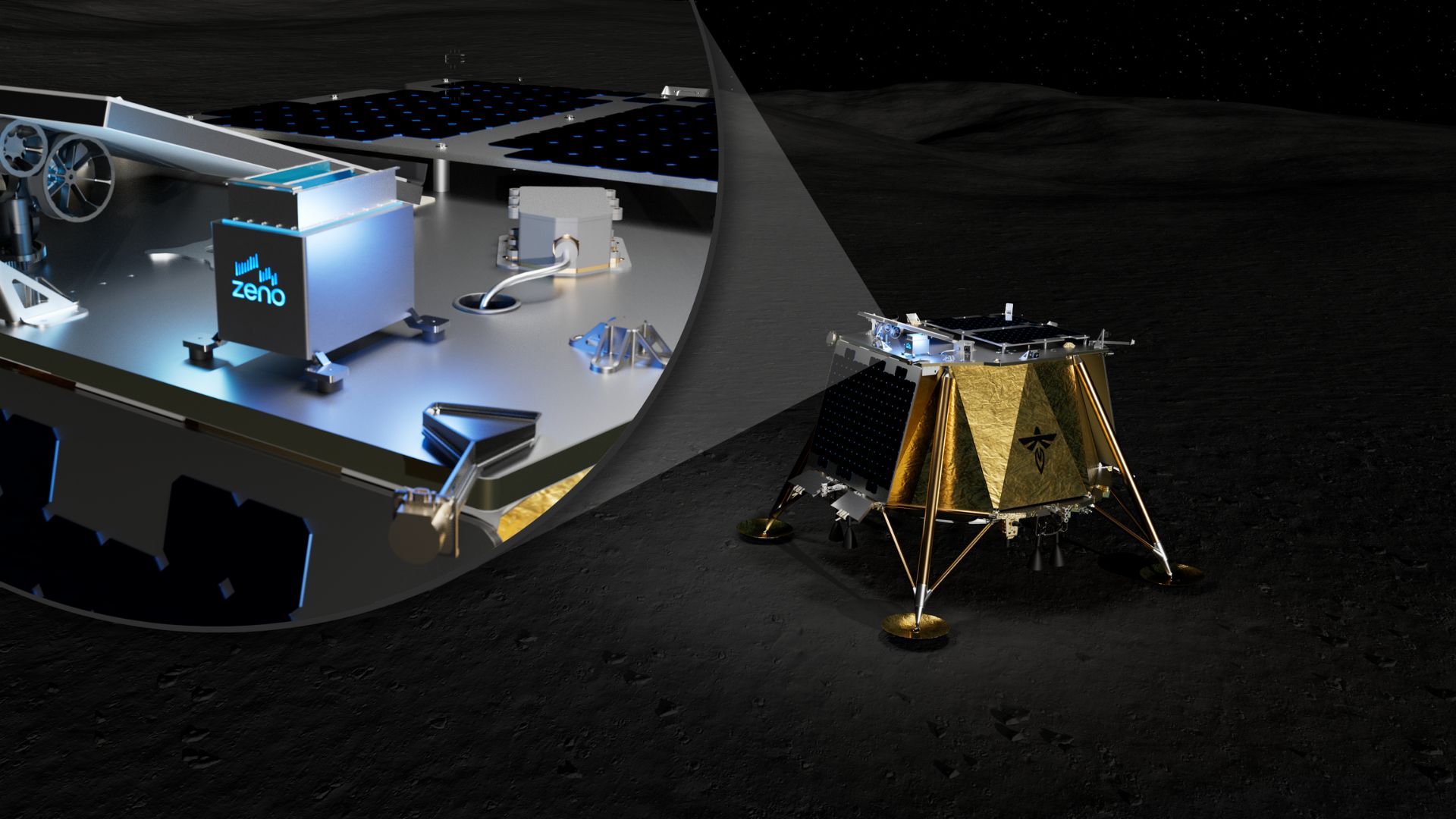
Firefly Aerospace to Test Nuclear-Powered Heating Technology on Moon by 2028
Firefly Aerospace plans to send a nuclear-powered heating technology to the Moon in 2028, aiming to test spacecraft survival during the lunar night’s extreme cold. This initiative involves Zeno Power Systems' Survive-the-Night Package, which will be launched aboard the Blue Ghost mission, addressing a significant challenge for lunar exploration. The importance of this experiment lies in its potential to ensure spacecraft can operate beyond the lunar day, where temperatures can plummet below minus 275°F. As solar-powered systems face limitations after sunset, the nuclear heating solution could be crucial for sustaining operations during the two-week lunar night, especially in permanently shadowed regions that never receive sunlight. Looking ahead, the demonstration will provide valuable data on the performance of nuclear heating technology in harsh lunar conditions. This information is vital as NASA and commercial entities aim to establish long-term lunar infrastructure and conduct missions in areas with extreme thermal environments. No further timeline was disclosed at the time of publication.
Space
Ericsson and AT&T Demonstrate Drone Detection Using 5G Cellular Data Technology
Ericsson and AT&T recently showcased their drone-tracking solution at AT&T Stadium in Arlington, Texas, utilizing 5G signals from existing cellular towers. This demonstration highlighted the Integrated Sensing and Communication (ISAC) technology, which can detect drones in low-altitude airspace, addressing gaps in traditional radar systems. The system employs artificial intelligence to identify potential threats and track drones effectively. The significance of this technology lies in its ability to enhance airspace awareness for law enforcement and infrastructure owners, especially following major events like the FIFA World Cup. By leveraging existing cellular infrastructure, the ISAC system offers a cost-effective solution for drone detection and tracking, which is crucial for public safety and defense applications. Looking ahead, Ericsson and AT&T envision various real-world applications for their technology, particularly in securing high-value properties and facilitating commercial drone deliveries. The integration of ISAC with 5G networks could promote the growth of the low-altitude economy, making it a vital tool for both public safety and commercial use. No further timeline was disclosed at the time of publication.
Cellular Networks Drone News Drone News Feeds drone security News safety and security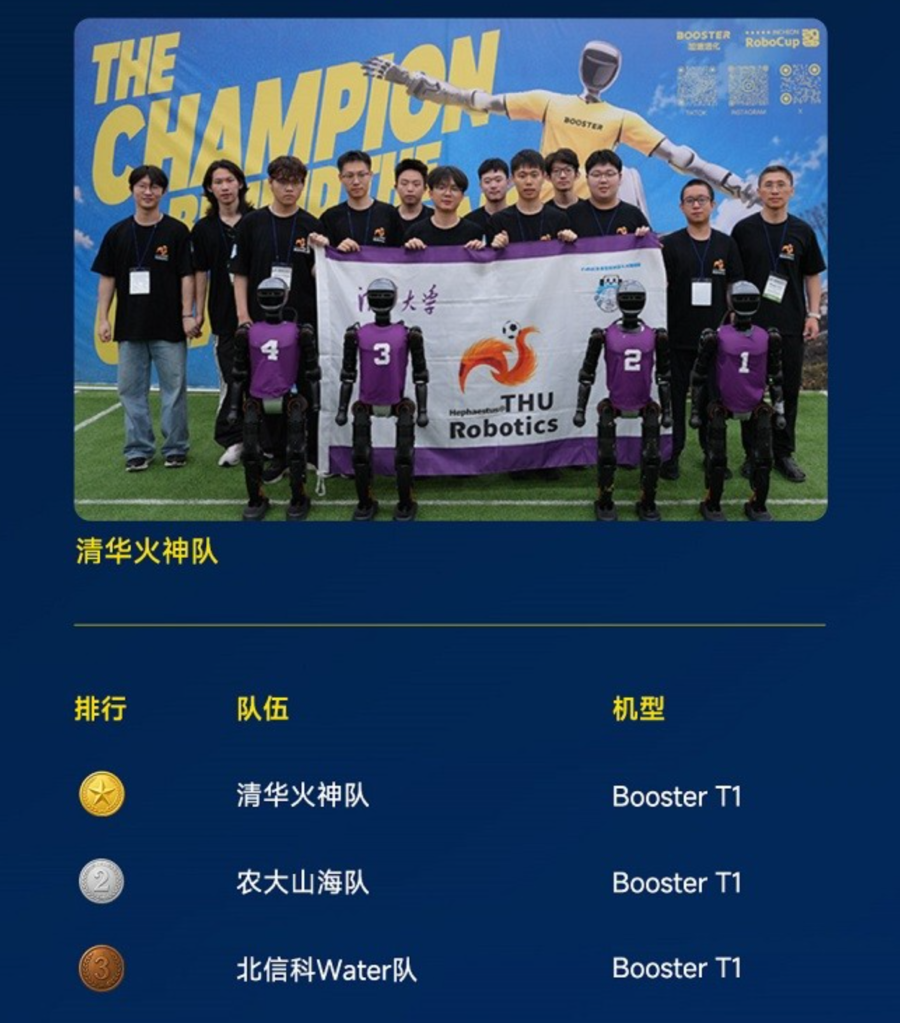
Chinese Robots Triumph at RoboCup: Tsinghua Fire God Team Defends Title with Domestic Technology
The 2026 RoboCup wrapped up in Incheon, South Korea, where the Tsinghua Fire God Team from China claimed victory in the humanoid robot category with their Booster T1 robot. This year's competition featured 38 teams employing the same Chinese platform, highlighting a notable trend in robotics development and underscoring the increasing impact of domestic technology in the field. The event not only showcased advancements in robotic capabilities but also reflected a shift towards greater collaboration and standardization among competitors in the industry.
Humanoid Robots RoboCup Robot Development AI Robotics Technology
NASA's AstroPix Technology Demonstration to Advance Next-Generation Gamma-Ray Detection
NASA is set to conduct an in-orbit demonstration of its innovative AstroPix gamma-ray sensor, a cutting-edge pixel-based detector designed to enhance the study of gamma-ray bursts and active galaxies. This significant event is scheduled to take place in the near future as part of NASA’s ongoing efforts to advance astrophysical research. The AstroPix sensor aims to provide unprecedented insights into cosmic phenomena, which could deepen our understanding of the universe. By utilizing this advanced technology in space, NASA hopes to gather critical data that will inform future missions and studies in astrophysics. The demonstration marks a pivotal step in harnessing new detection methods to explore the mysteries of high-energy astrophysical events.

Four-legged detection robots for safe firefighting operations
Researchers at TU Graz have developed an advanced detection robot capable of identifying hazardous substances, designed to assist fire services during high-risk operations. This innovative technology serves as a remote-controlled advance guard, enhancing safety and efficiency in emergency situations. A recent study highlights the potential integration of this high-tech tool into fire service teams, demonstrating its effectiveness in supporting personnel on the ground. By employing the robot, fire services can better manage dangerous environments, ultimately aiming to protect both responders and the public.
Robotics
Doubao to start charging in late June; SK Hynix factory fire; Yushu Technology IPO approved, Wang Xing's wealth may exceed
On June 1, a fire broke out at SK Hynix's factory in Cheongju, South Korea, leading to a harmful gas leak of fluorine. The incident occurred around 10:32 AM local time in a gas chamber connecting two production areas. The fire was quickly contained by the automatic sprinkler system, but seven individuals were hospitalized due to exposure to the toxic gas. In response, SK Hynix evacuated approximately 3,600 employees from the facility. By 1:38 PM, the company had cleared the remaining gas and confirmed the site was safe, allowing operations to resume without interruption. An investigation into the cause of the fire is currently underway.

DAS‐SLAM: A Novel Visual‐Inertial SLAM System in Dynamic Environments Integrating Object Detection Network and Scene Flow Technology
A recent study published in the Journal of Field Robotics explores the advancements in robotic technology and its applications in various fields. Researchers from leading universities conducted the study to assess how these innovations can enhance efficiency and safety in industries such as agriculture, construction, and disaster response. The findings, released in early October 2023, highlight the potential of autonomous robots to perform tasks that are hazardous for humans, thereby reducing risks and improving productivity. The research team utilized a combination of field tests and simulations to evaluate the performance of different robotic systems in real-world scenarios. Their work emphasizes the importance of integrating artificial intelligence and machine learning to enable robots to adapt to dynamic environments. As industries increasingly seek automation solutions, this study provides valuable insights into the future of robotics and its role in transforming traditional practices. The motivation behind this research stems from the growing demand for innovative technologies that can address labor shortages and enhance operational capabilities. By showcasing successful implementations of robotic systems, the study aims to encourage further investment and development in this rapidly evolving field. The implications of these findings could lead to significant changes in how industries approach tasks that require precision and safety, ultimately paving the way for a more automated future.
RESEARCH ARTICLERobotics needs a service framework.
RSF defines a common language for robot service capability, lifecycle operations, certification pathways, and service-provider networks.
Join the RobotToday community on LinkedIn
Daily robotics news, in-depth analysis, conference highlights, and discussions with professionals worldwide.